Did you know
A fortune under the sea.
In 1575 George Bruce sank a coal pit from an artificial island offshore, and in the 1590s Culross made more salt than anywhere else in Scotland.
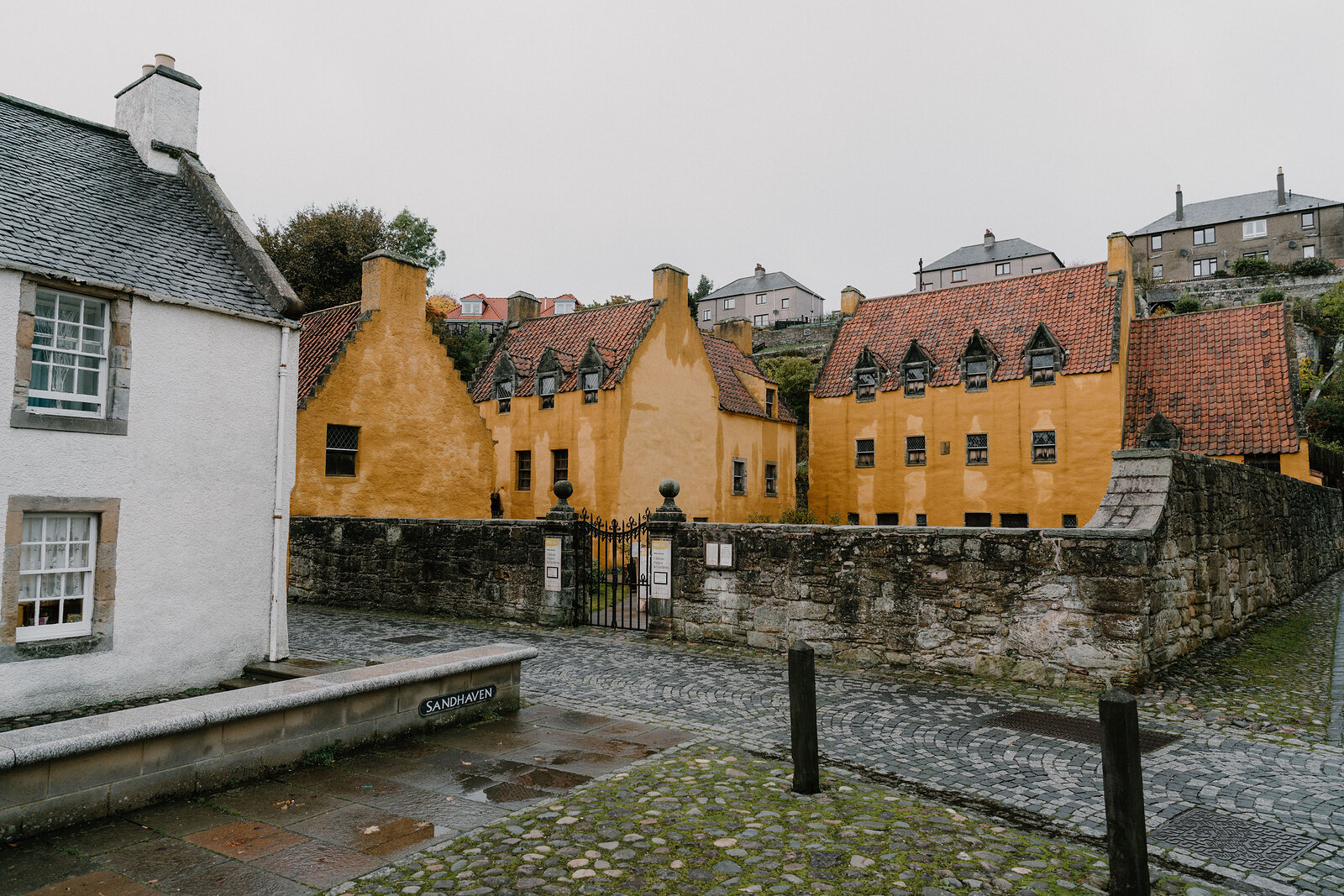
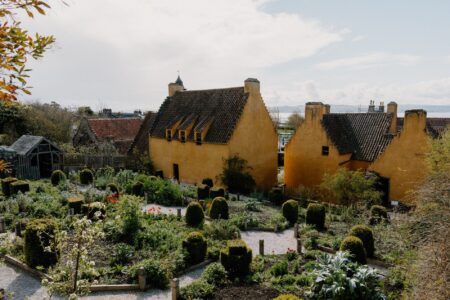
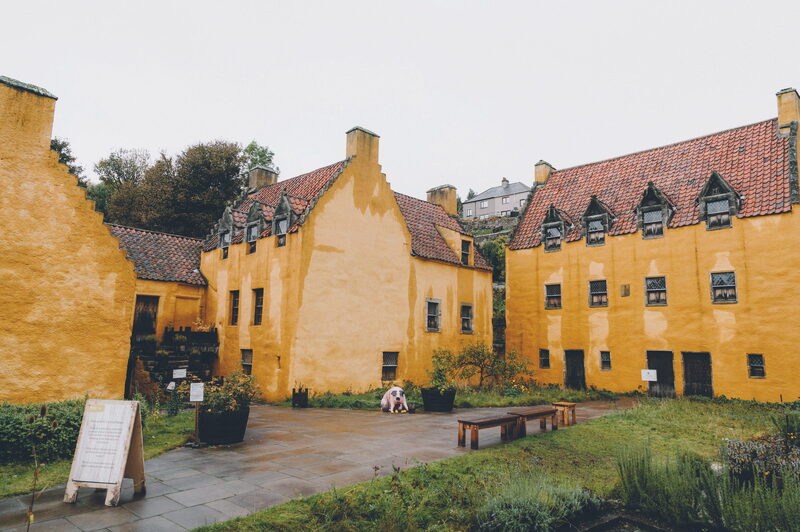
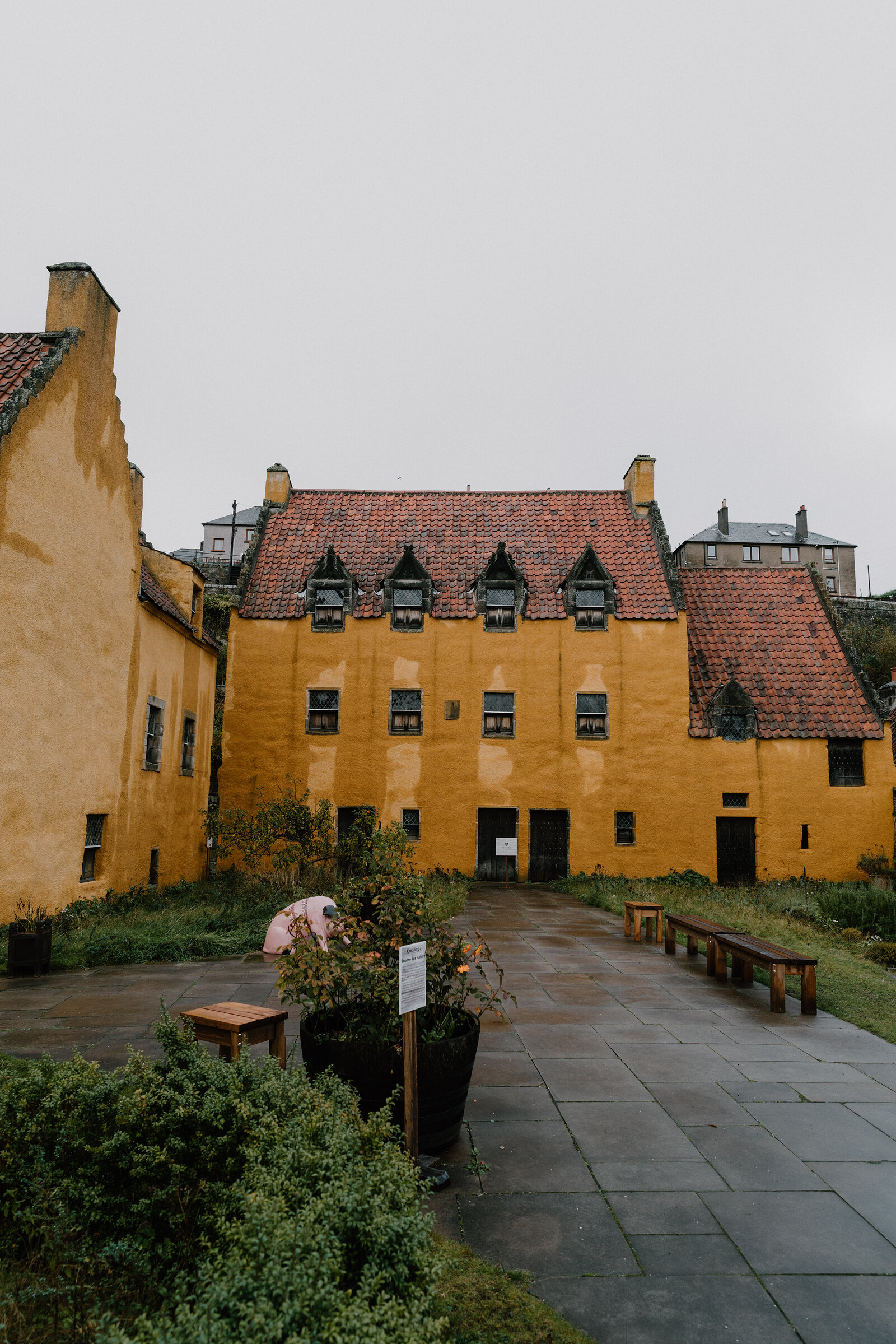
The ochre-coloured merchant's house of 1597 in the old village of Culross, with painted ceilings, panelled rooms and a 17th-century garden.
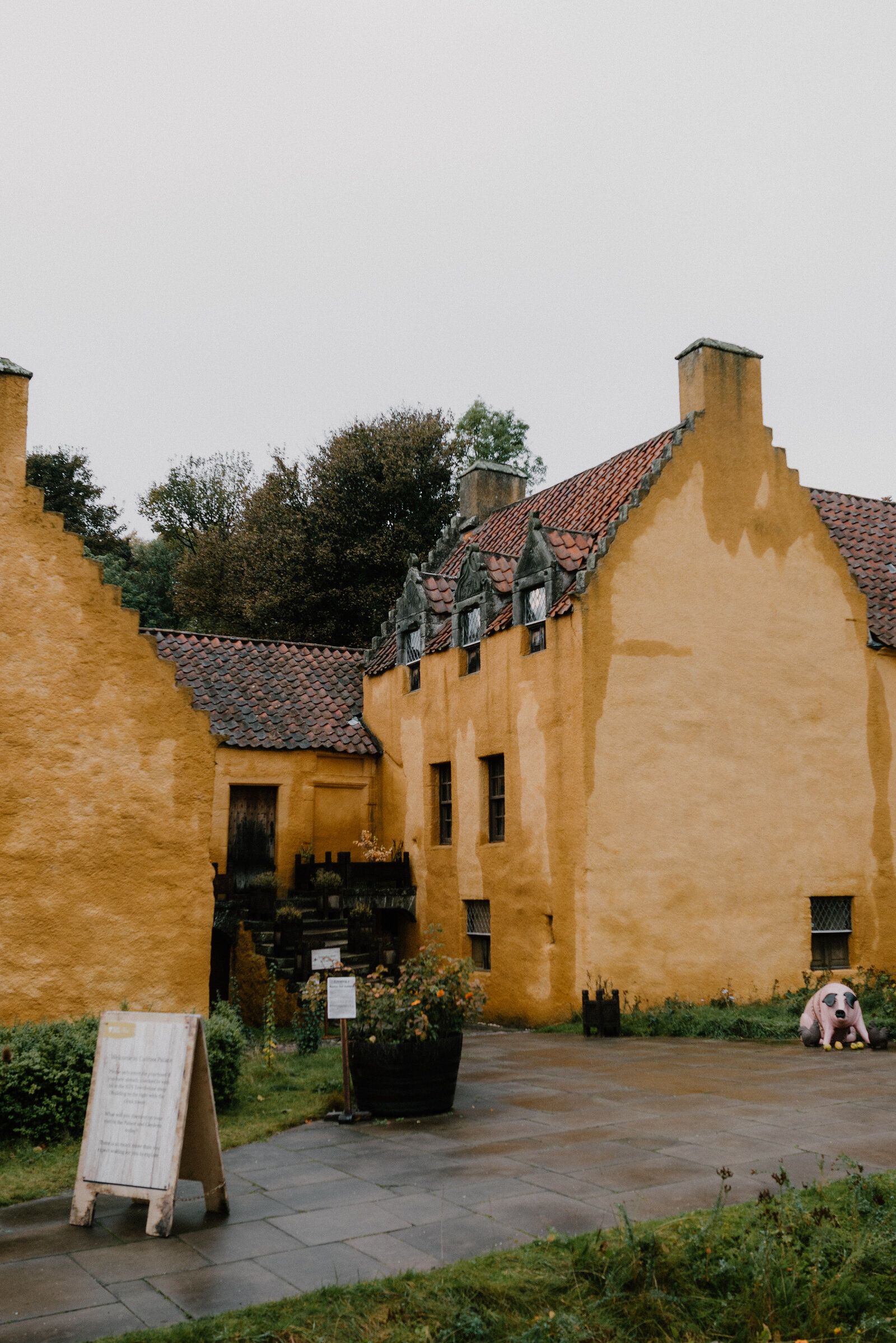
Culross Palace glows in the old village, its walls washed a warm ochre yellow under crow-stepped gables and red pantiled roofs.
It was built from 1597 for Sir George Bruce, a merchant who made his fortune from coal and salt, and the carved dormers still carry his initials and that date.
It is really a grand merchant's house rather than a royal palace, and inside it is a maze of small rooms. Painted ceilings have survived for more than four hundred years, alongside murals, early 18th-century panelling, old furniture and a fine collection of Staffordshire and Scottish pottery.
Behind the palace, a 17th-century garden has been recreated, with raised beds, a covered walkway and hurdle fences, and it grows the herbs, vegetables and flowers of Bruce's day; you can buy its produce. Outlander fans will recognise it as Claire's herb garden.
The palace opens from April to the end of October. Tickets are sold in the Town House, and as entry is timed to spare the old wooden floors, a short wait is part of the visit.
The Daily
Arrives at 5am every day.
A free morning email to see what’s on this week, catch up on what’s happening in Scotland and find somewhere new to go.
Palace and garden open daily, 10am to 5pm to the end of September and 10am to 4pm in October; closed from November to March.
Last entry an hour before closing.
Been here? Tell others what you know, and the best go on this page with your name.
Add your reviewIn 1575 George Bruce sank a coal pit from an artificial island offshore, and in the 1590s Culross made more salt than anywhere else in Scotland.
In later centuries the palace was divided into homes for sixteen families, before the National Trust for Scotland bought it in 1932.
The picturesque former royal burgh of Culross – pronounced ‘Coo-riss’ – is full of interesting corners, but this ochre-hued palace is a highlight. Once the home of a rich coal merchant, its 17th and 18th century interiors have been carefully restored, while the well-tended palace garden is another delight. Remarkably, the whole property was near-derelict when purchased by the National Trust for Scotland in the 1930s.
Read moreNew places, news and stories, as we find them.
What is on in CulrossIn the old village of Culross on the north shore of the Forth, off the A985 west of the Queensferry Crossing; car parks at the west and east ends of the village, KY12 8JH.
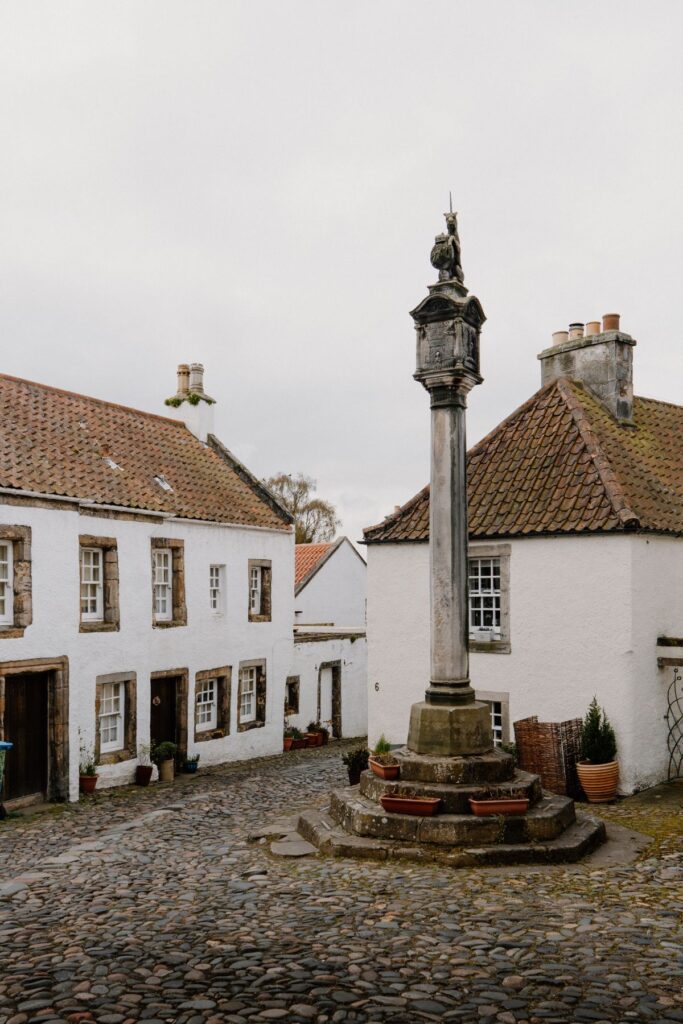 Culross Mercat CrossThe cross with its unicorn.Under a mile 1 min by road
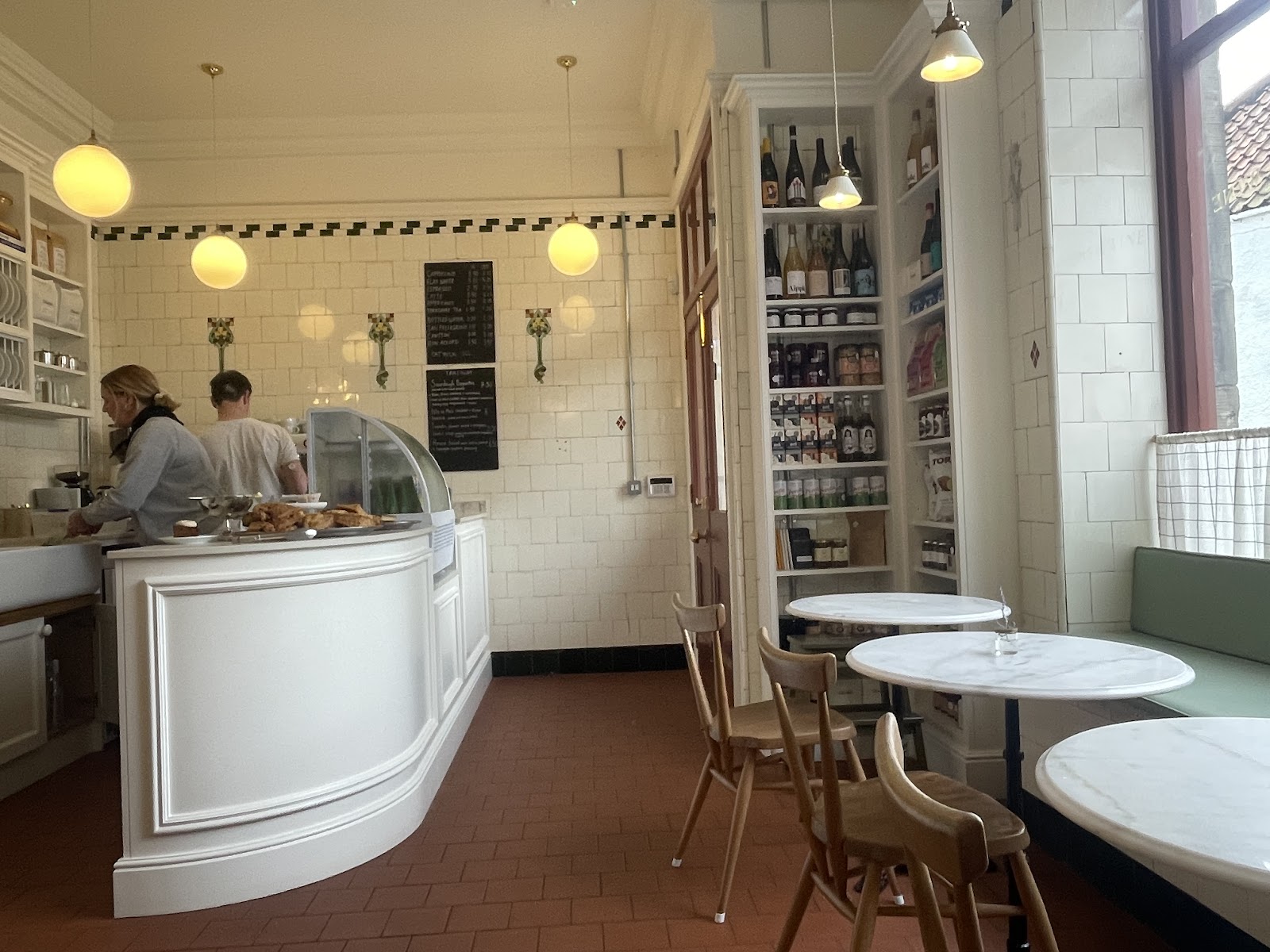 The Mercat, CulrossA café, provisions and homeware shop in an old butcher’s opposite the Mercat Cross in Culross.Under a mile 1 min by road
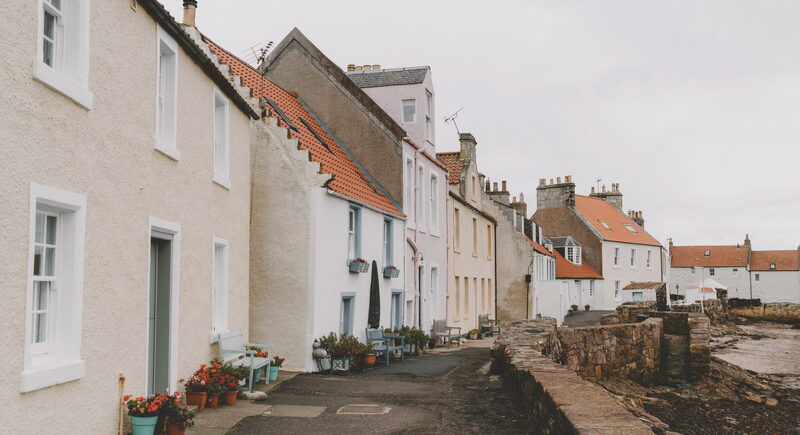
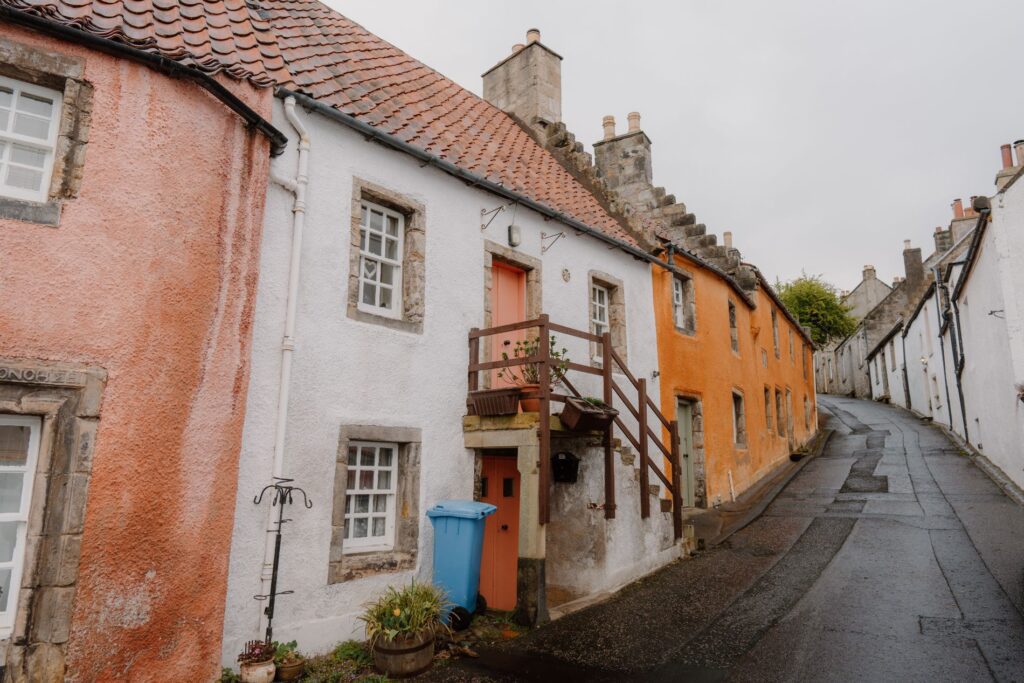 Tanhouse BraeA steep cobbled street of colourful houses in Culross, once the burgh's shoemaking quarter.Under a mile 1 min by road
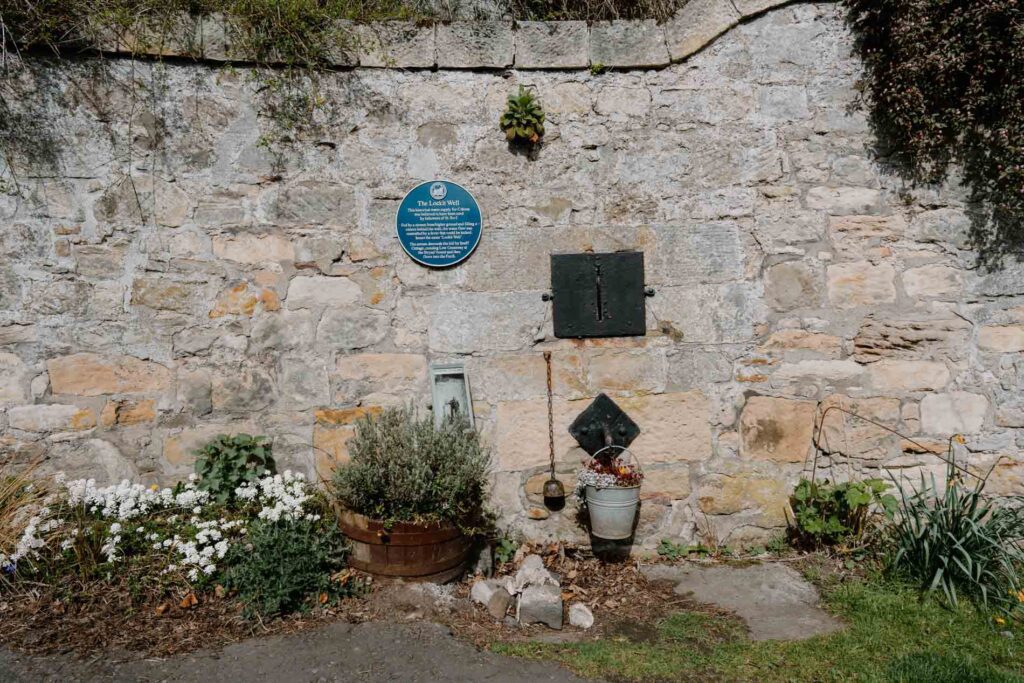 The Lockit WellThe old well of Culross in the wall of Erskine Brae, whose lever could be locked, marked by a blue plaque.Under a mile 1 min by road
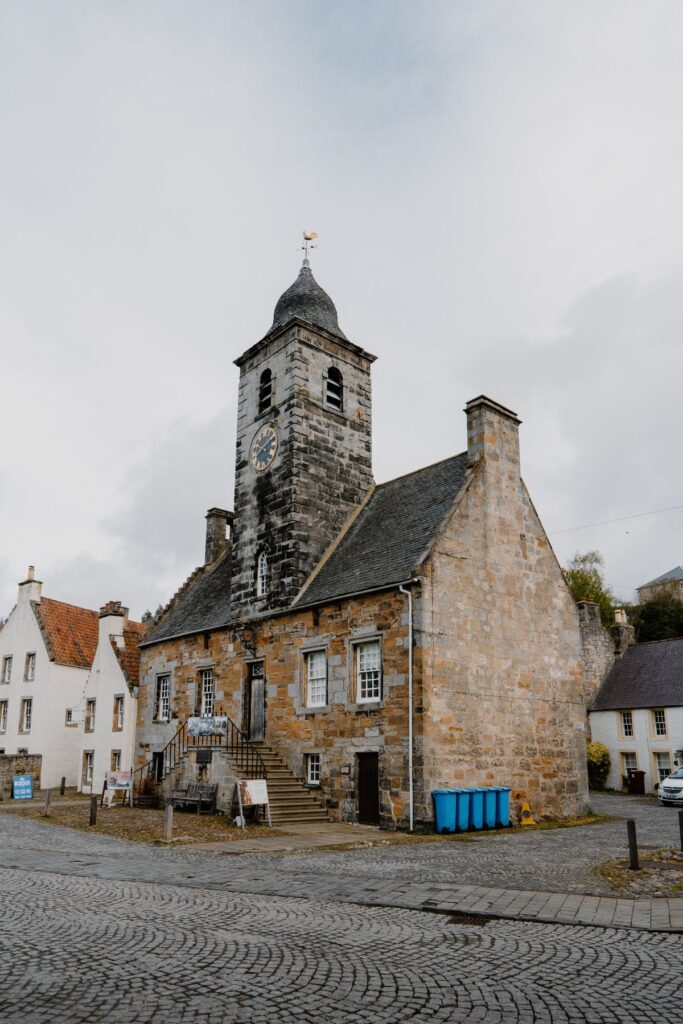 Culross TolboothThe Town House where tickets are sold.Under a mile 1 min by road
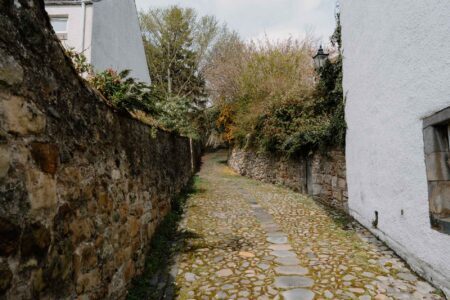
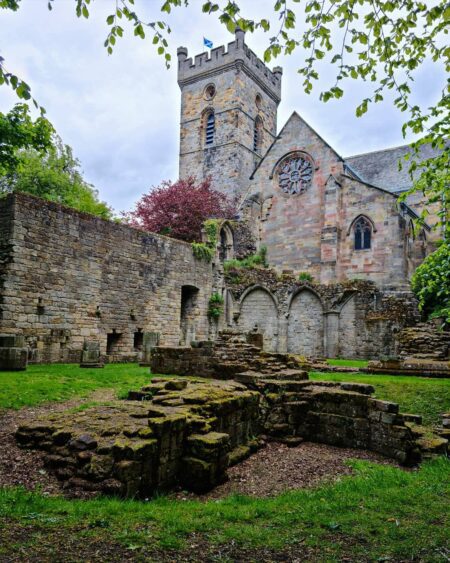
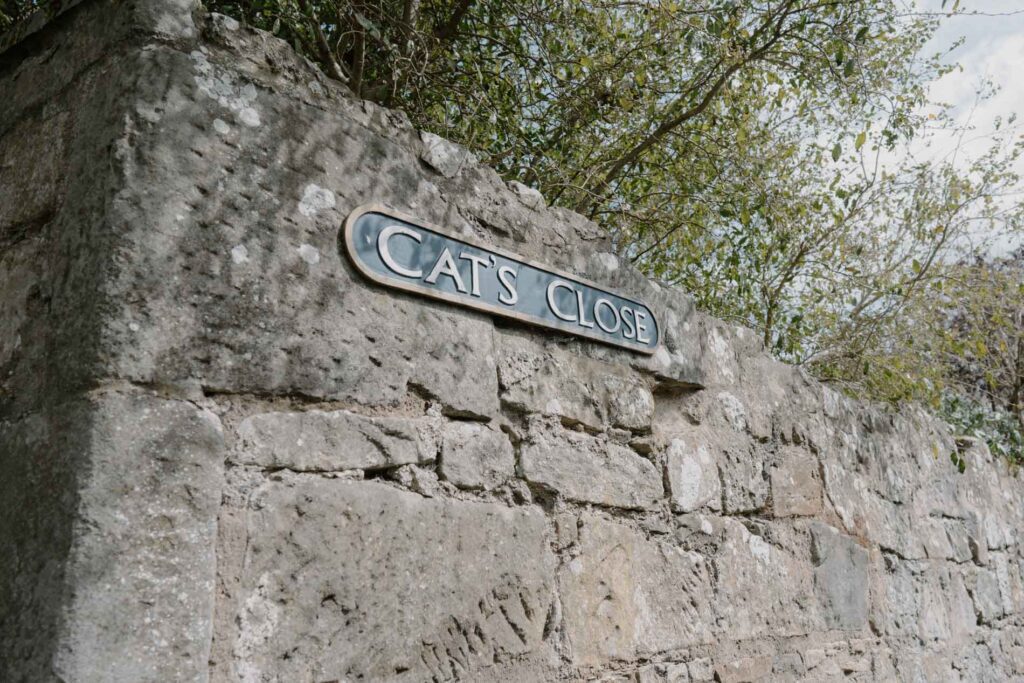 Cats CloseThe walled lane to the abbey.Under a mile 1 min by road
Places to stay near the palace, and when each is next free.
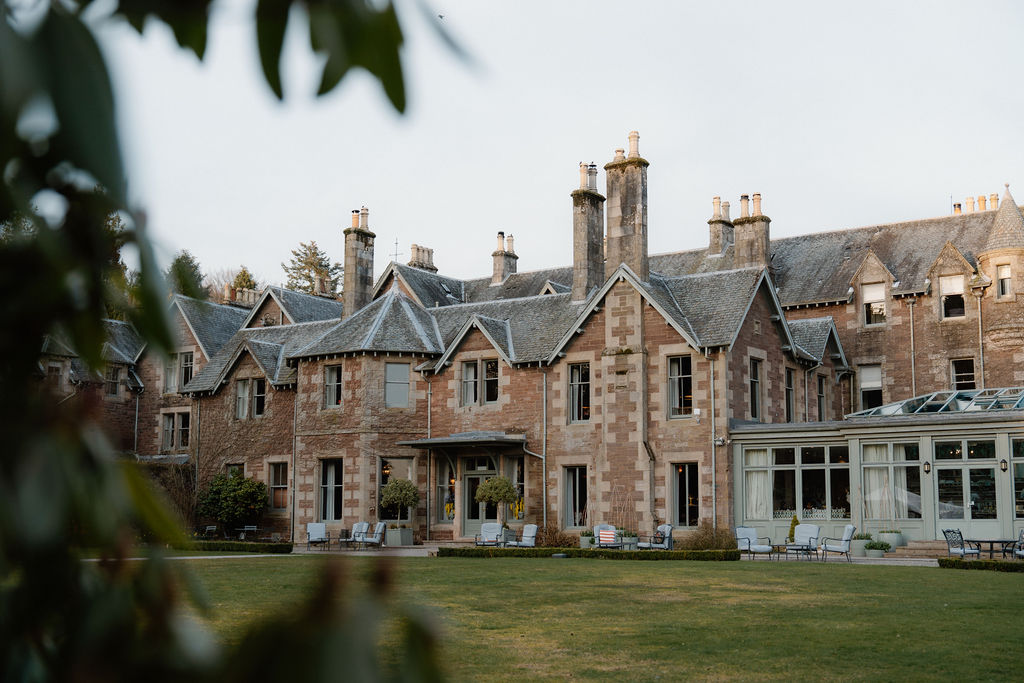 Cromlix
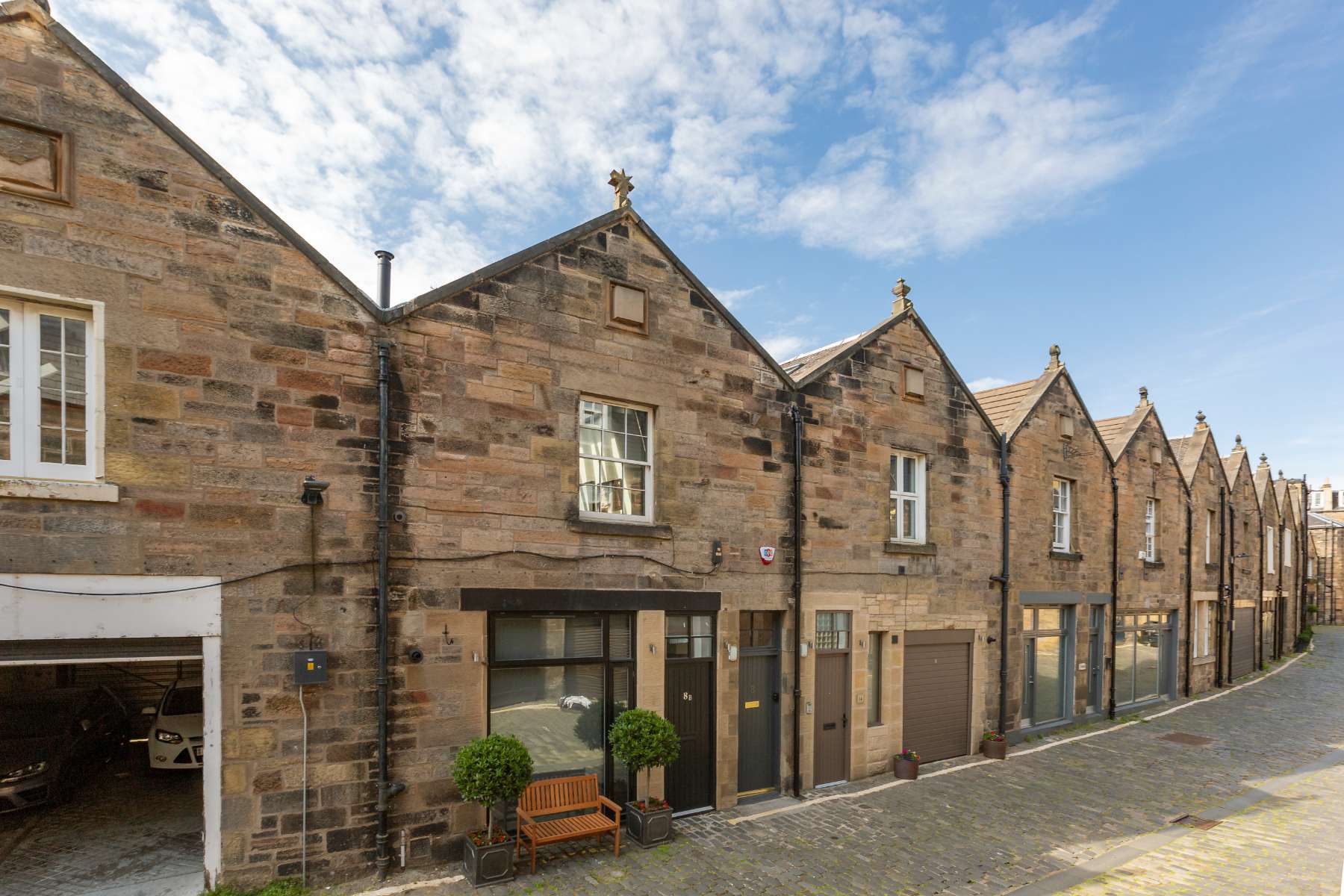 West End Muse
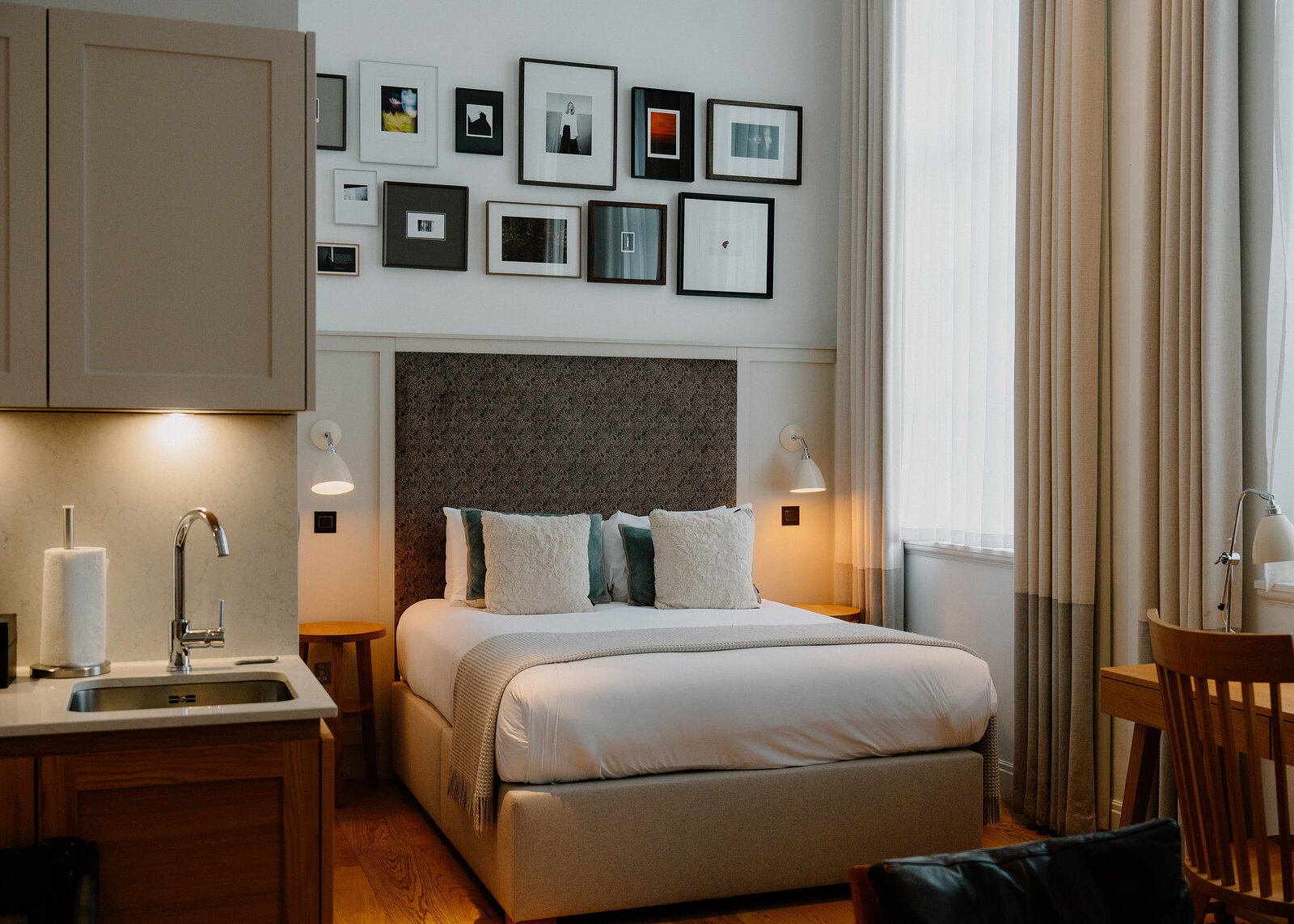 Old Town Chambers
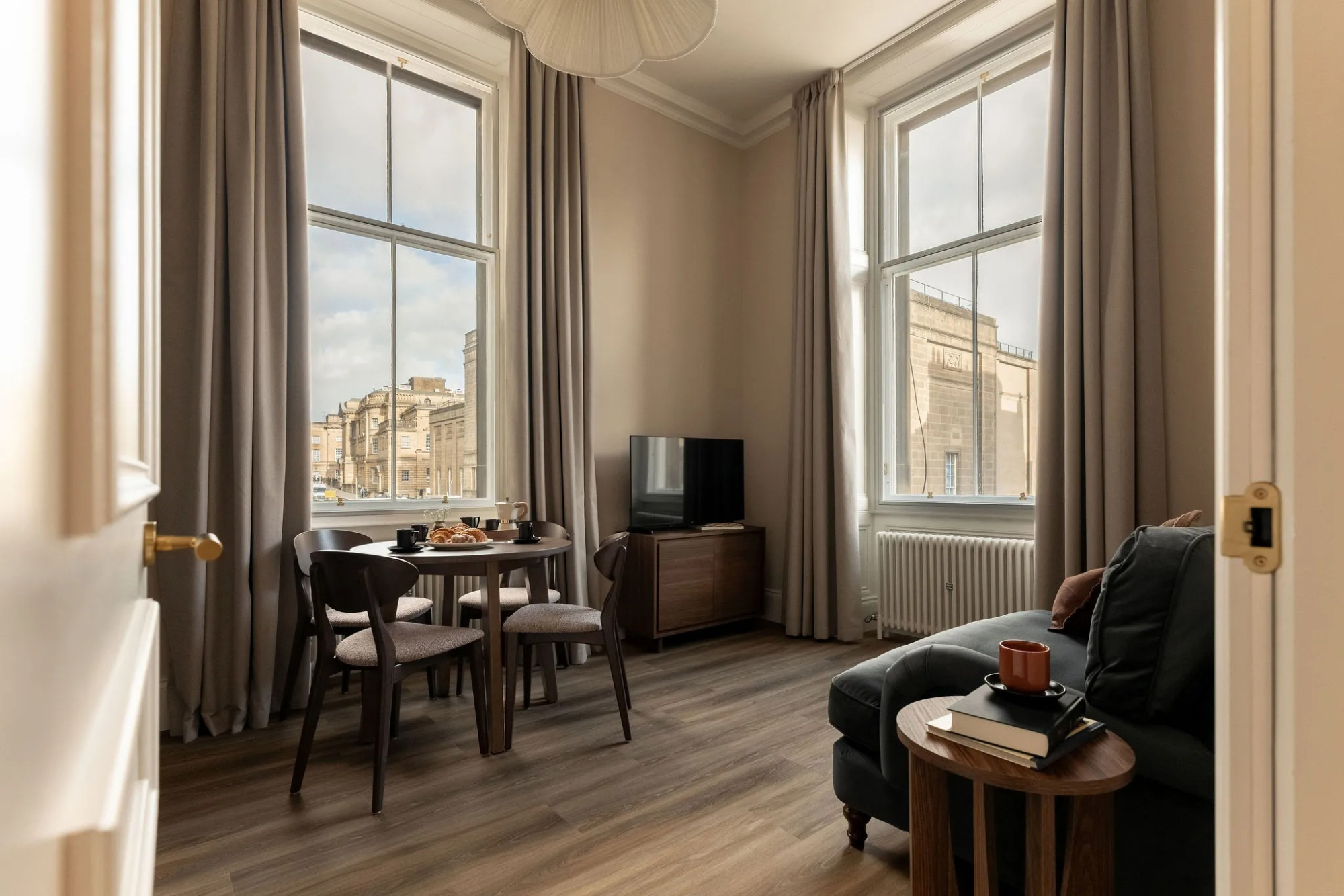 Moment George IV Bridge
We want to show you the best that Scotland has to offer. The makers and the creatives, the enduring experiences, the evocative tales, the concealed corners. The roads less travelled that take you to places that matter. The adventures that gather you up and sweep you away. The blend of the wild and the artistic that makes Scotland what it is. We’d love for you to join us.
What we have written about it, the collections it is in and more in Culross.
For further reading, before you go. The details on this page were checked on .