
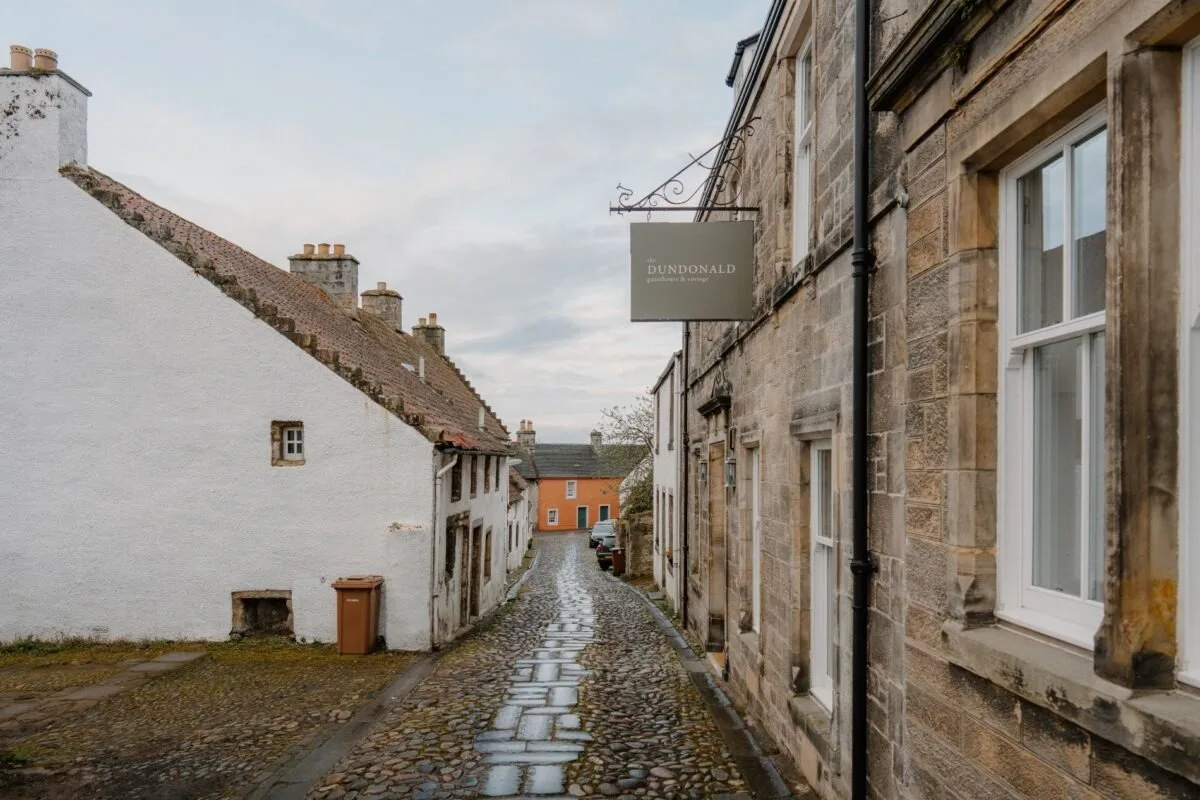
A Slow Travel Guide to Culross
Laura Anne Brown’s slow guide to the old streets of Culross.
Words by Laura Anne Brown
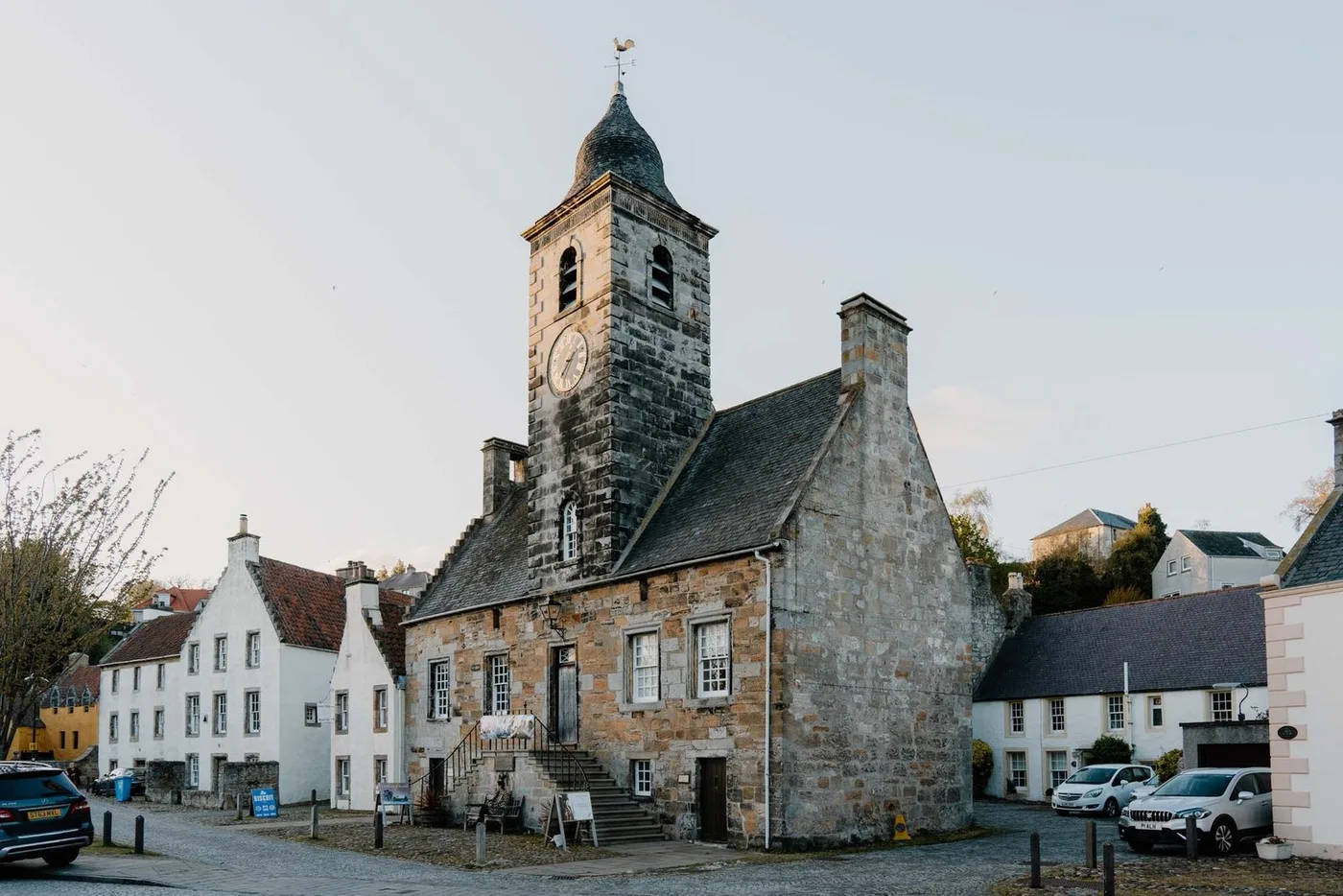
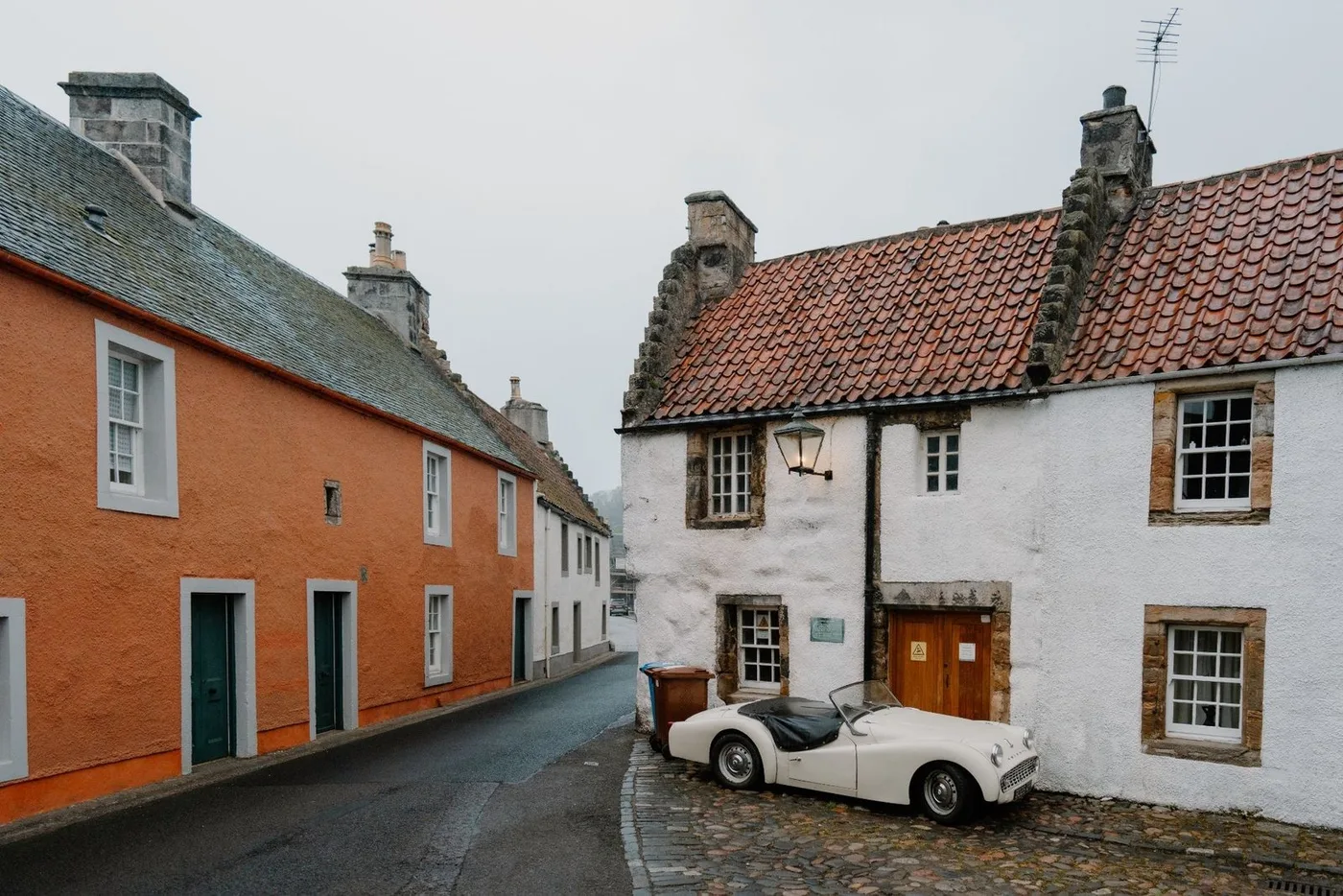
Cobbled streets and family memories: slow travel writer Laura Anne Brown shares the corners of Culross she returns to.
When we travel more slowly, the places we revisit seem to say more about us. That’s how I find myself, every month or so, wandering around the cobbled streets of Culross in search of family memories and a timeless calm.
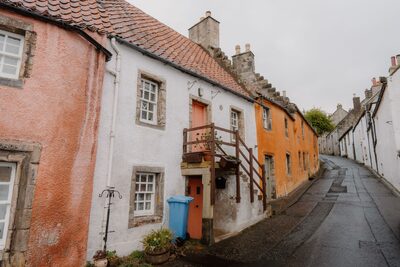
You may know this Fife town for its cameos in the popular TV series Outlander. But Culross (pronounced ‘Coo-russ’) isn’t just a picturesque backdrop, with its colourful cottage fronts and pantiled roofs. It’s actually one of the best-preserved seventeenth century royal burghs in the country. To this day, Culross is cared for by the National Trust for Scotland, with around 600 people calling the harled town home. My grandmother was one of them.
-full-1750069668.jpg)
In this slow travel guide, I share some of my favourite places in Culross to eat, walk and explore. Take photos by all means, but remember, as always, to ‘leave only footprints’.
Exploring slowly
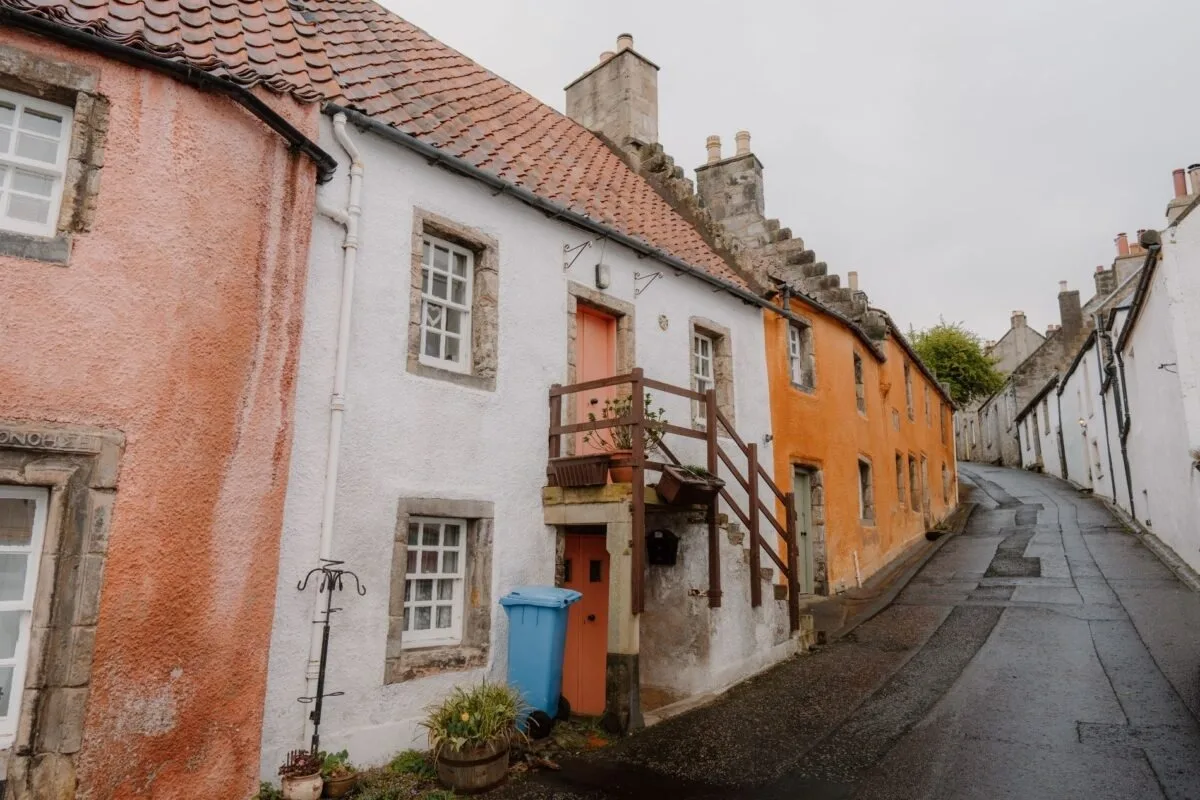
If you can, I believe the best way to experience a place is by walking it. Culross is no different and one of the pleasures of visiting here is the relative lack of traffic off the wider main street, where the alleys are narrow and cobbled.
Give yourself the time to wander with no particular destination in mind. Notice things: the delicate window frames, flower boxes and gardens bursting with colour, how lanes lead off from the heart of the town square like veins, getting quieter the further you go.
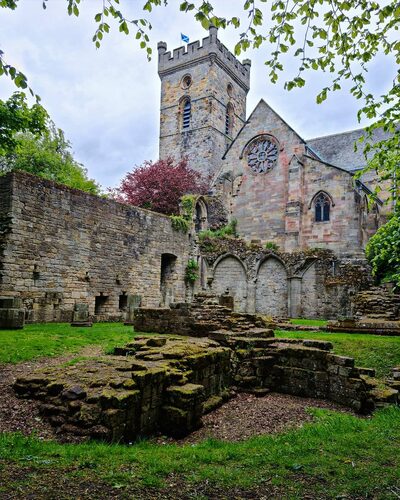
When I visit Culross, I often retrace a walking route which passes many of the landmarks linked to my grandmother. From the square I pass by the tower, where my great-grandfather was town registrar, then up colourful Tanhouse Brae to Culross Abbey, where my grandparents were married. Imagine how many others have walked these cobbles, their stories held in the worn stones.
Buildings and braes
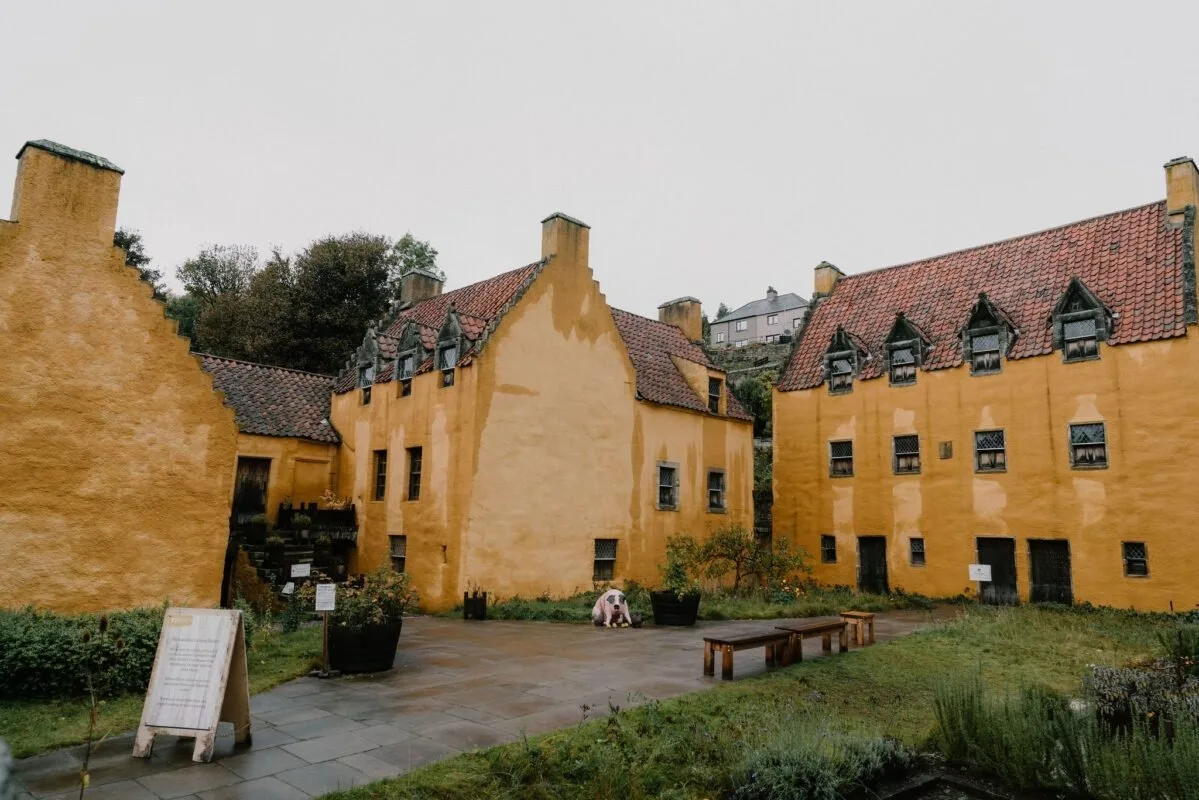
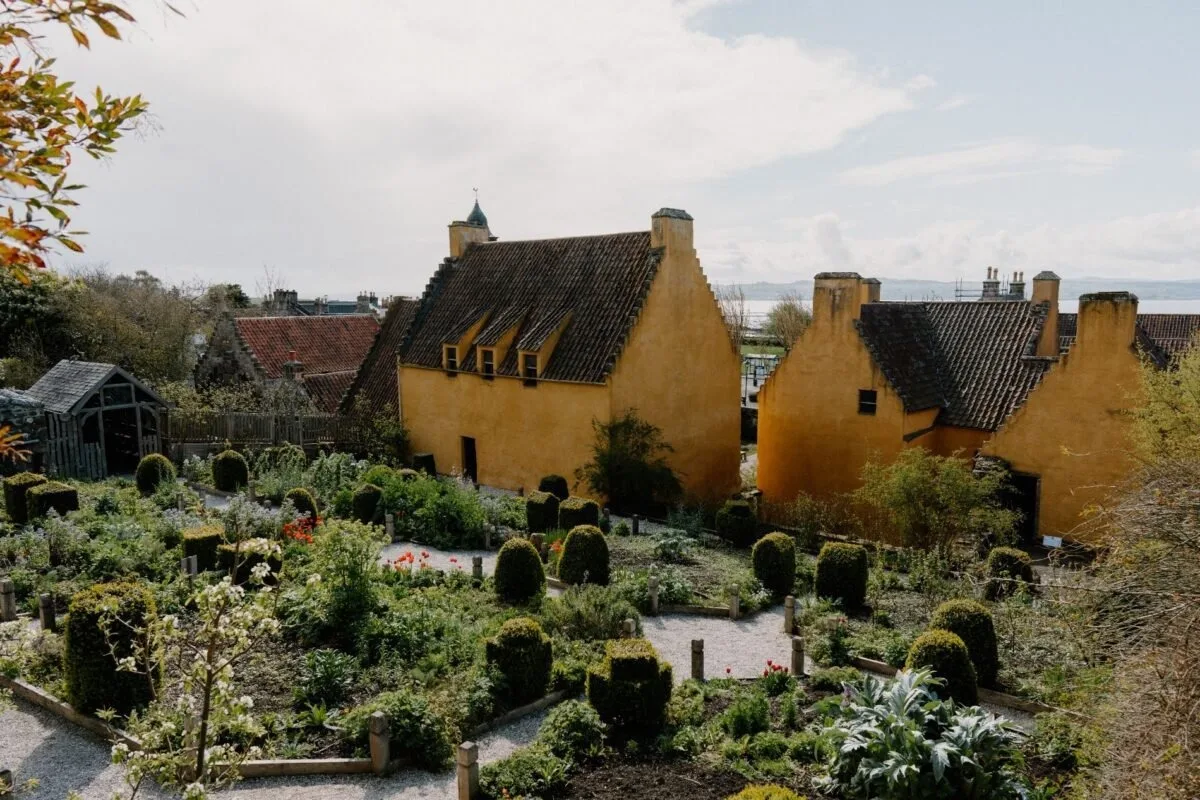
Although the whole town is full of beautiful buildings, there are a few that stand out. The first is the golden Culross Palace, which you’ll notice glowing behind gates in the main square. Entry to the palace and gardens starts from £7 or free for Trust members. Built by a knighted merchant in the late sixteenth century, the palace has intricate furniture and painted ceilings inside, and outdoors its stocked garden gives views over the River Forth.
At the top of the town is Culross Abbey, a breaking wave of stone and transept beside the intact, present-day church. It dates from the 1200s but its age doesn’t affect its atmosphere; there’s a stillness here, framed by beech trees that transform from green to gold in autumn. Entry is free.
If you follow the road north past the abbey and then left between farmers’ fields, you’ll reach the West Kirk. This was Culross’s original parish church and, centuries ago, parishioners would walk to worship from the surrounding villages.
It’s one of my favourite places. Some may be interested in its Outlander credits but for me it’s the mysterious gravestones, some with dissolving dates and symbols, skulls or ships etched into the rock, which intrigue.
Forests and gardens
From the ruin of the West Kirk, you can either carry on straight towards the outskirts of Devilla forest (a large woodland area maintained by the Forestry Commission, full of archaeological finds and fauna), or you can head south back to Culross.
This often-muddy path passes Dunimarle Castle. You can explore the gardens, including a snowdrop walk in winter and a wildflower meadow in summer, for just a few pounds’ entry. It’s well worth a visit.
For families there’s also a good play park by the centre of town, next to the west car park.
Eating and drinking
I’ve had many late lunches – inside on dark December days, or in the courtyard at the height of summer – at Bessie’s Café. You’ll find this family-run eatery right next to Culross Palace. Thanks to their homemade cakes and scran, Bessie’s gets busy. In winter I’d recommend the soup of the day (in a bowl so big you could swim in it) or in summer, sit outside in the sun with a latte and a tub of ice cream from local dairy Nelson’s.
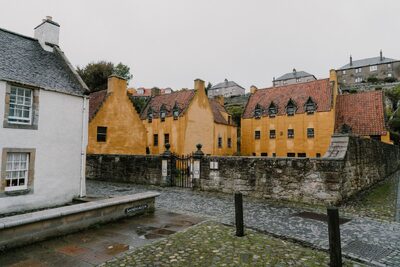
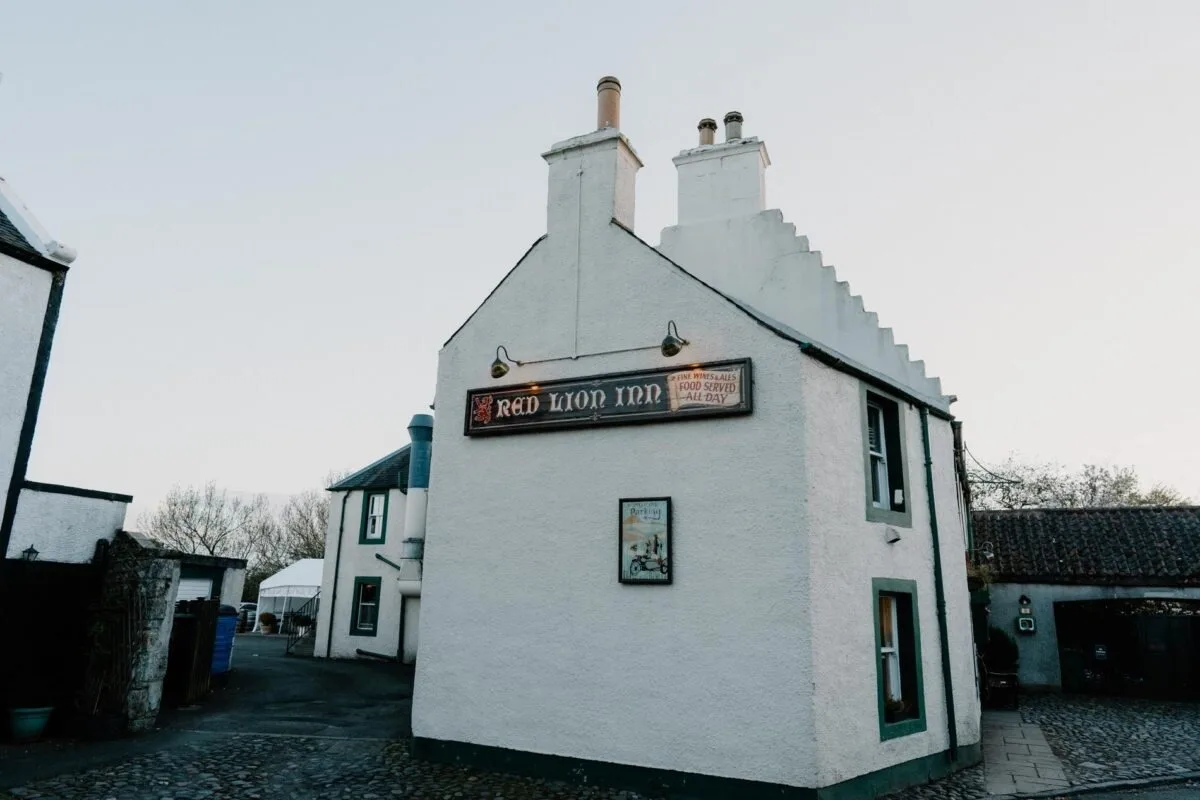
A little further towards the town centre are a few other eateries. There’s the Red Lion Inn, which serves up Scottish pub grub in what was originally a merchant’s house. If light bites and coffee are more your thing, there’s also the Biscuit Café and Rankin’s by Mercat Cross where the town’s market would have been held in centuries past.
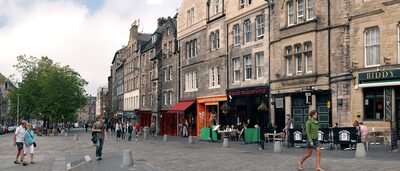
Also part of the modest foodie scene in Culross is Stickman Food Co., featuring flavourful tacos and themed lunch boxes from a converted horse trailer (aptly stationed at the Stables, by the west car park). Check Instagram for the latest on where Stickman is popping up across Fife, Falkirk and Edinburgh.
-full-1749383090.jpg)
The Dundonald
Getting there
The easiest way to get to Culross is by road. There are two car parks to the east and west of the town, with ample spaces for cars and a couple of coaches, and it’s just a short walk to the centre.
Unfortunately there’s no train service to Culross, although you’ll notice an old railway running parallel to the shore, a relic of the area’s industrial past. You can however get public transport from Dunfermline, one of Fife’s largest towns, on the Stagecoach service 8 or 8A bus.
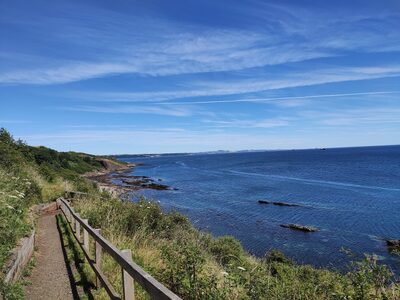
Otherwise, the popular Fife Coastal Path and the Fife Pilgrim Way also pass through Culross. These are great long-distance trails that are worth investigating if you want to stretch your legs for longer, or even do a day cycle from Edinburgh to see more of what the region of Fife has to offer.
View more
Laura writes about Scotland, slower travel, and switching off. Find more of her words and photographs at @laretour and laretour.com.
 Out now
Twice a year, to your door
One hundred and sixty pages of Scotland, every photograph commissioned, every word written by someone who went. Members get both issues posted and everything on screen.

 The Last Stop Before Nowhere
 A Weekend Exploring the Isle of Mull
 What's On in Scotland: Autumn and Winter