Did you know
The ship that never sailed.
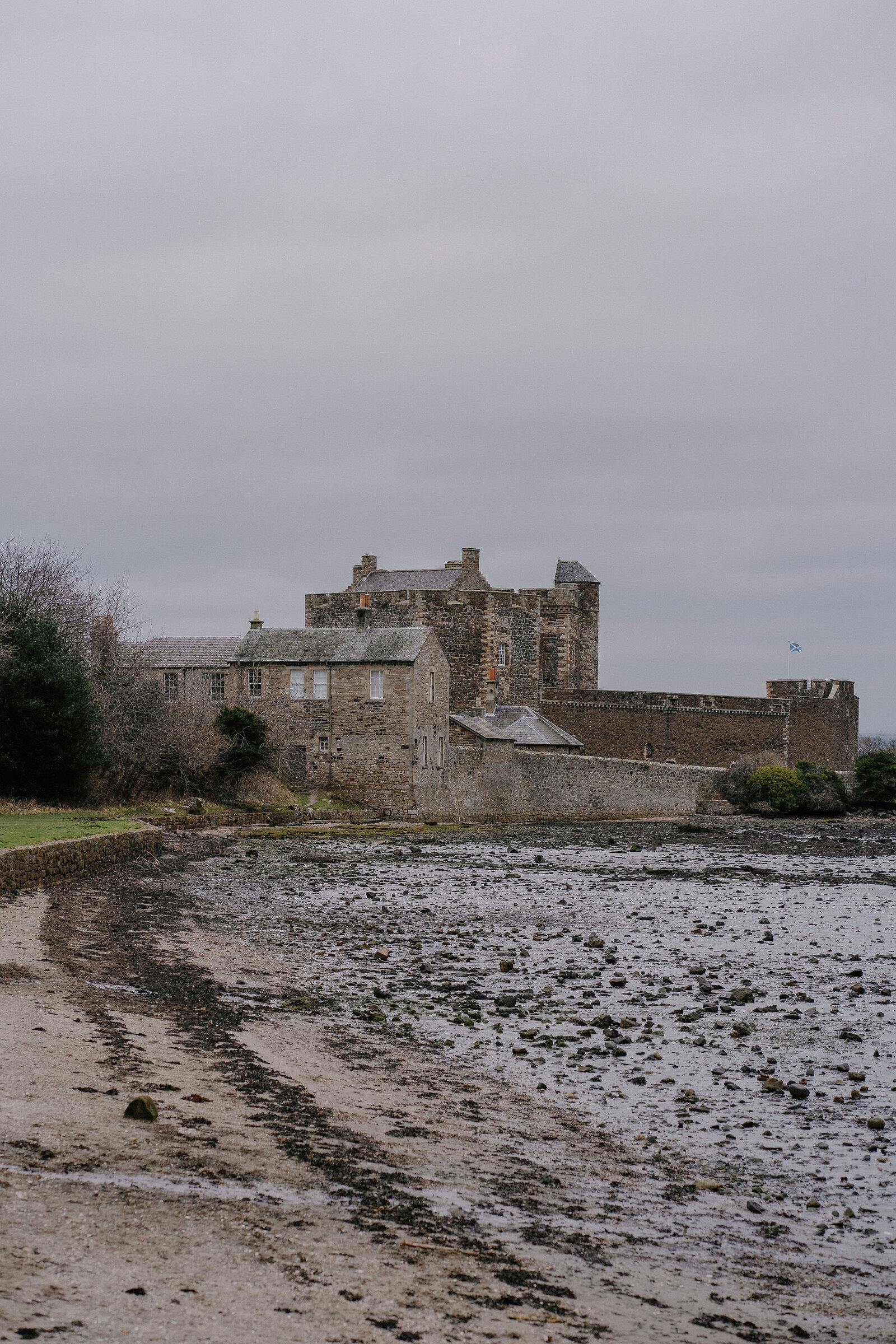
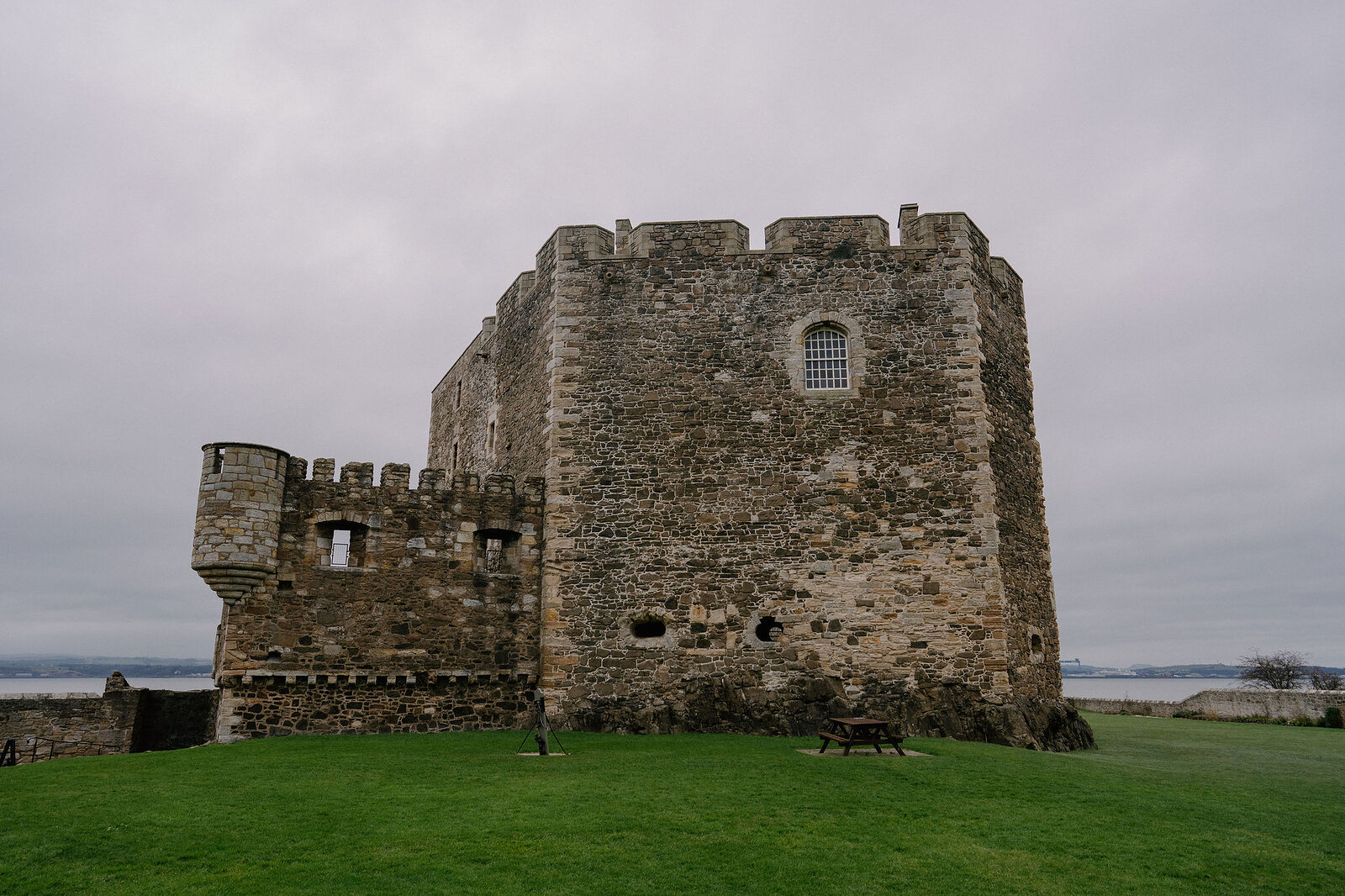
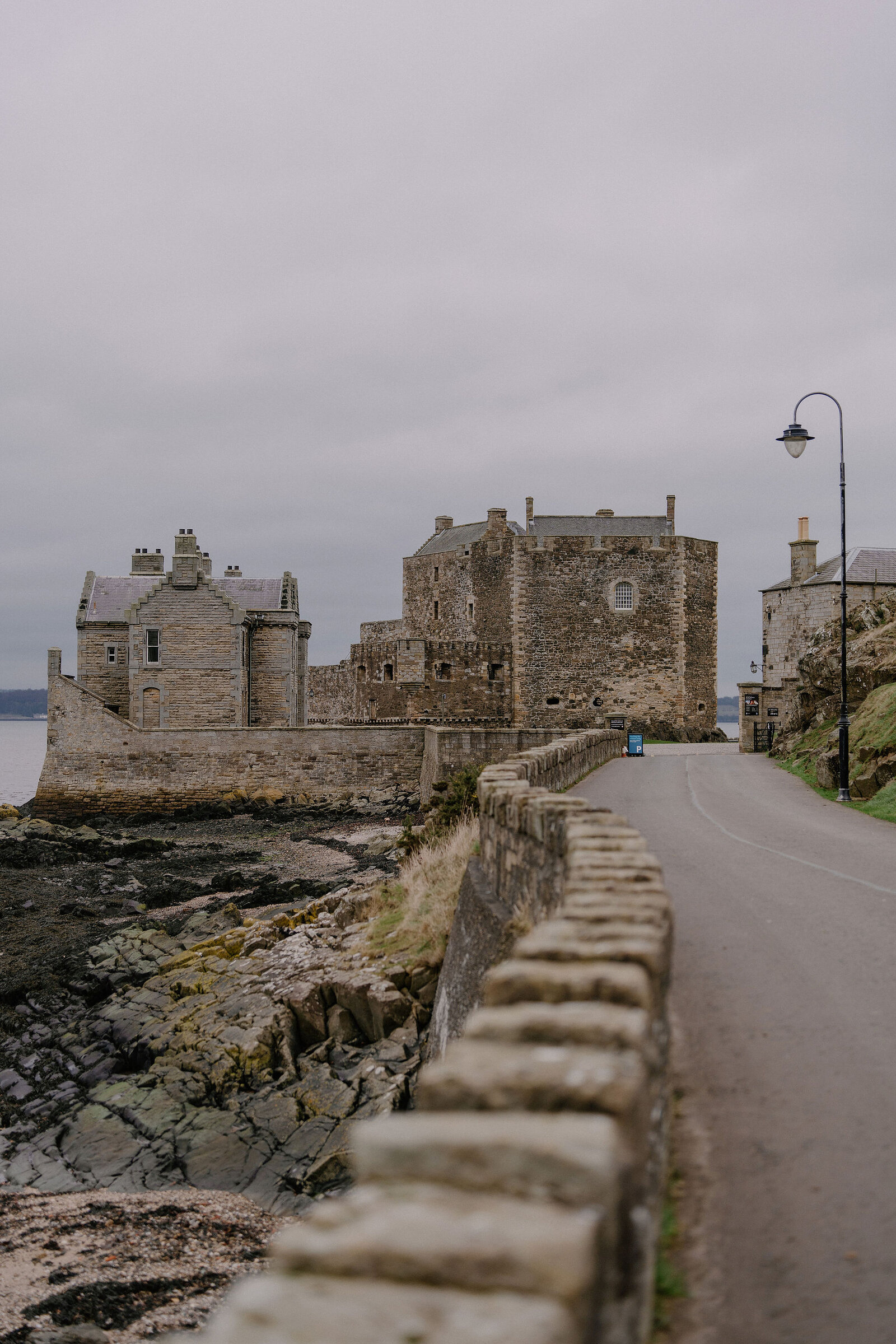
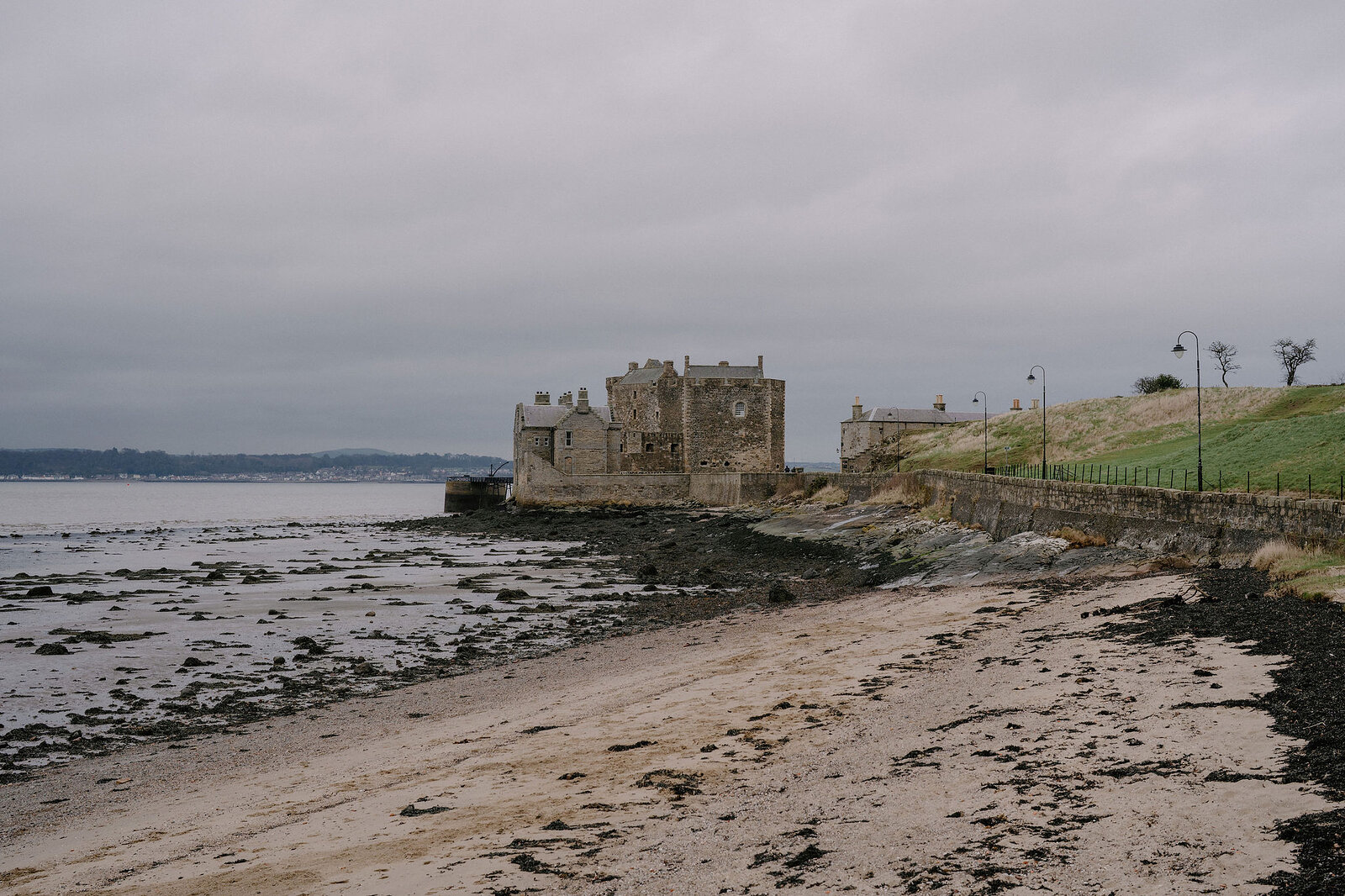
From the sea Blackness looks like a stone ship run aground: its pointed stem juts into the water, the square stern sits on dry land, and its three towers are named the stem, the main mast and the stern.
A 15th-century castle on the shore of the Forth, built like a stone ship run aground, later a garrison fortress and state prison.
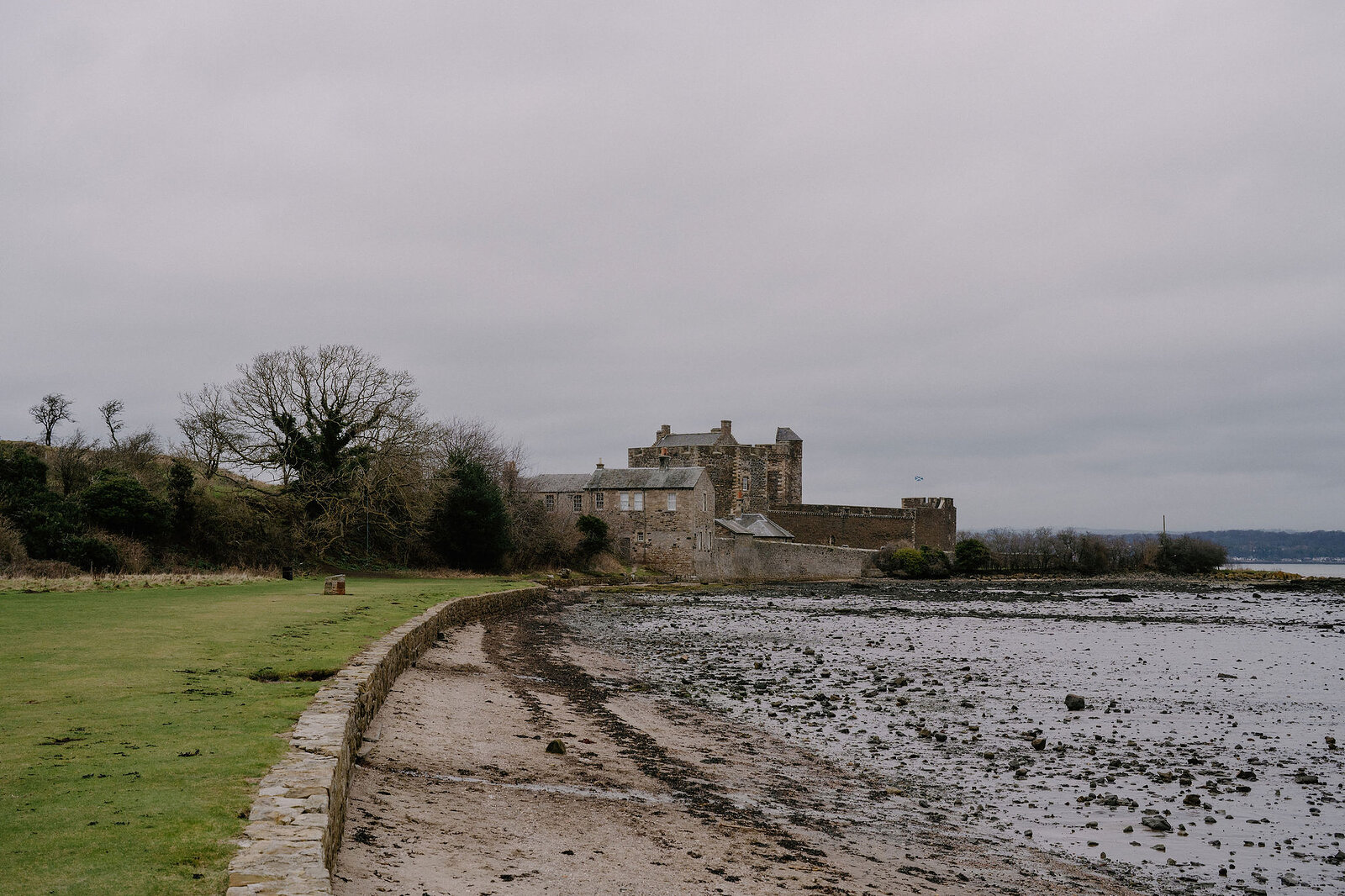
On a rocky point on the south shore of the Firth of Forth, just outside the village of Blackness, a grey stone castle pushes out into the water.
Visited and photographed by Simon Hird
It was built in the 15th century for the Crichtons, one of the most powerful families in Scotland, at the port that served the royal burgh of Linlithgow, and it spent most of its life not as a home but as a fortress and a prison.
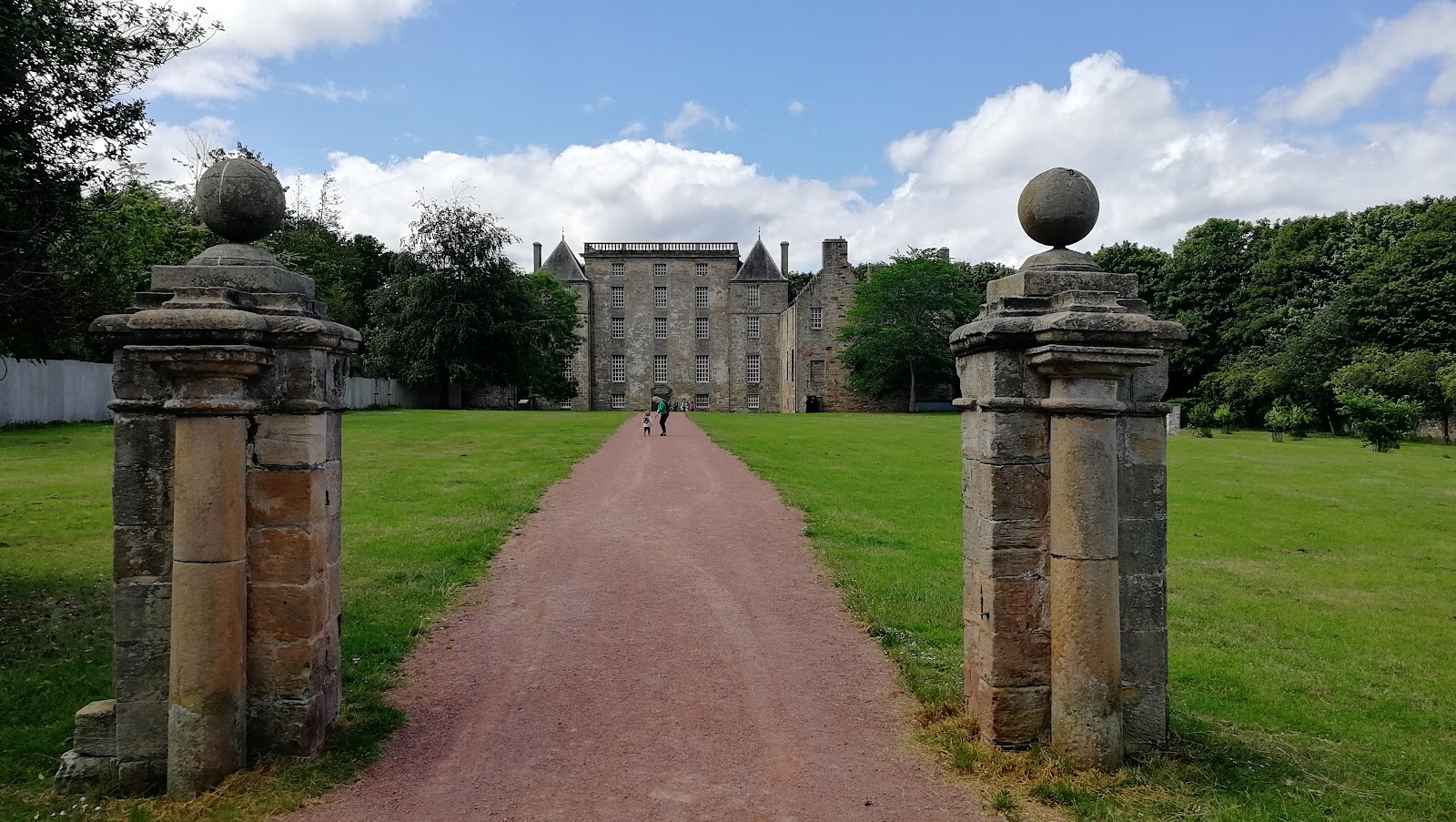
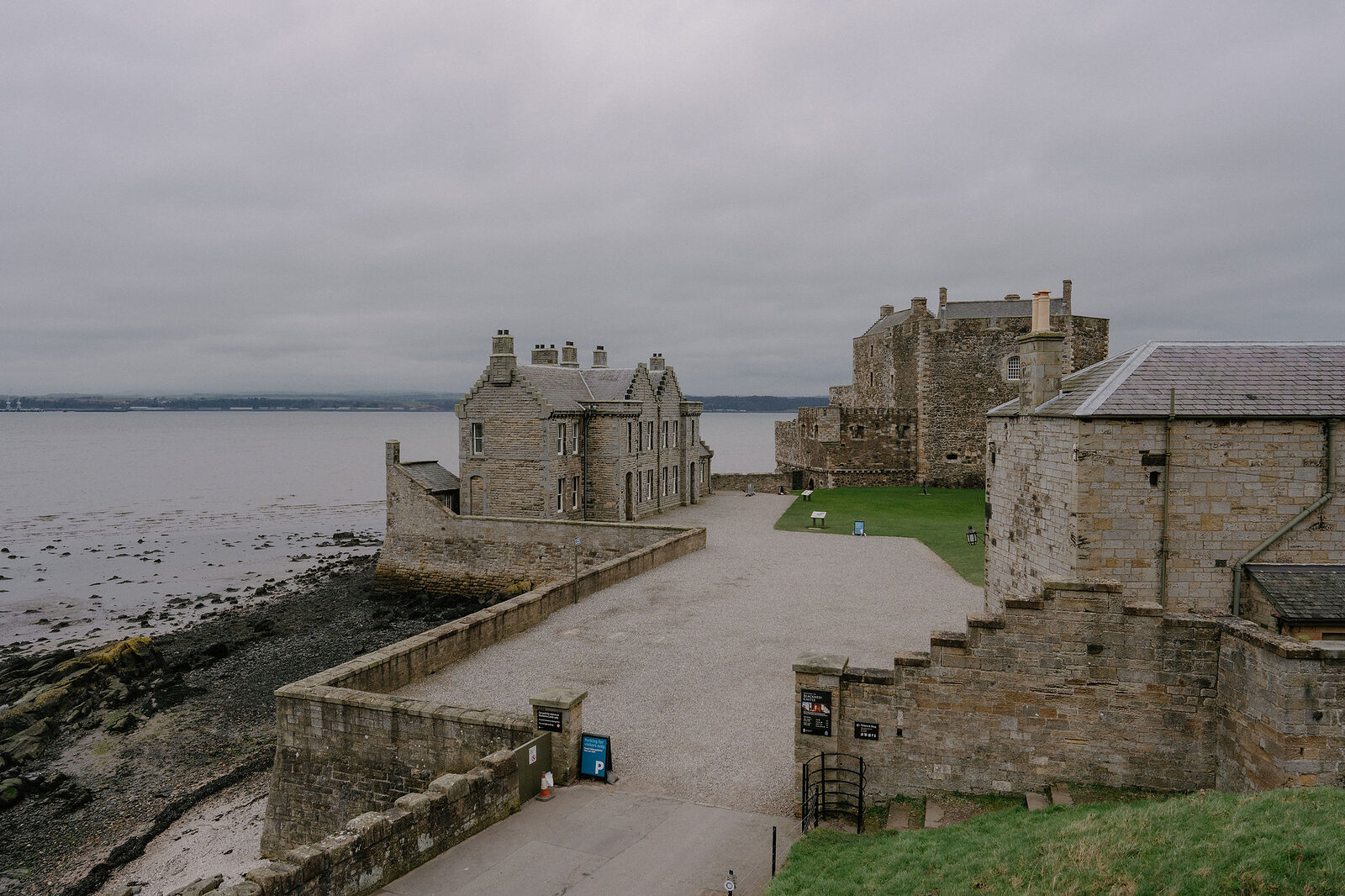
Inside the walls there is a small courtyard, a tall central tower, and thick stone ramparts pierced with great gunholes, made to face down an attack from the land. The mudflats east of the castle are protected for the birds that feed there through the winter, and at low tide the whole shore opens up around it. Outlander, Mary Queen of Scots and Outlaw King were all filmed here.
The Daily
Arrives at 5am every day.
A free morning email to see what’s on this week, catch up on what’s happening in Scotland and find somewhere new to go.

Tickets are booked for a set date and time through Historic Environment Scotland.
Climb the towers and the curtain wall for views up the Forth to its bridges.
Been here? Tell others what you know, and the best go on this page with your name.
Add your reviewFrom the sea Blackness looks like a stone ship run aground: its pointed stem juts into the water, the square stern sits on dry land, and its three towers are named the stem, the main mast and the stern.
In 1537 James V began turning the castle into a state prison and artillery fort, afraid of Henry VIII's England. The work was finished in 1542, just before the Rough Wooing.
The strengthened castle came through several sieges, until in 1650 Oliver Cromwell's heavy guns wrecked its defences and forced the garrison to surrender. The damage can still be seen.
Its most famous prisoner was Cardinal David Beaton, Archbishop of St Andrews, held here in 1543 as a rival of the regent who ruled for the infant Mary, Queen of Scots.
In the later 1700s Blackness held prisoners of war: sailors and soldiers captured in the wars with France, Spain and the young United States.
Glasswort, a rare plant, grows on the shore here. Its fleshy leaves were eaten as a vegetable, but it takes its name from its other use, in making soap and glass.
Blackness Castle on the banks of the Firth of Forth is commonly known as the Ship That Never Sailed as its design makes it appear to have a prow, stern and even a mast.
Read more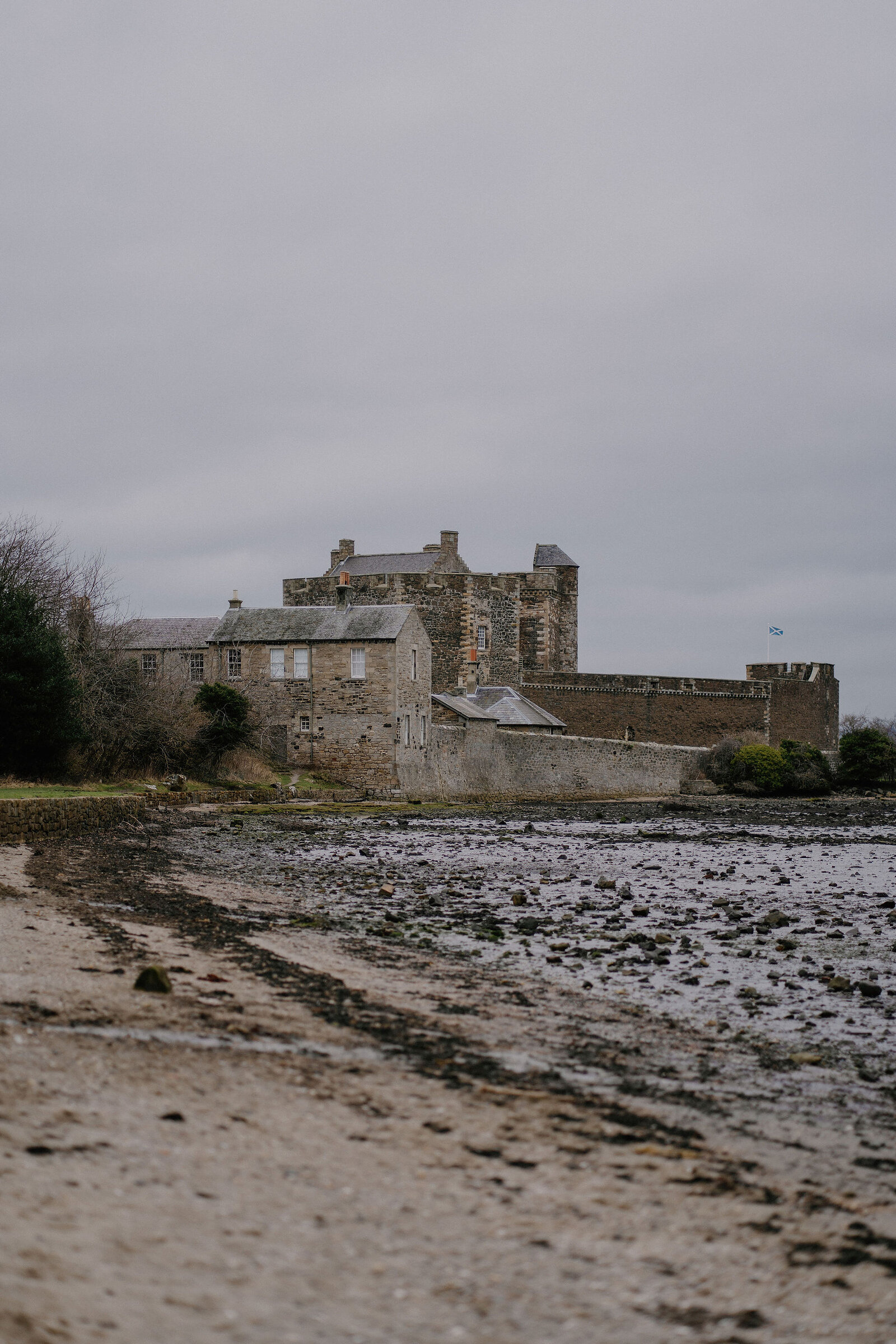
New places, news and stories, as we find them.
What is on in LothianIn the village of Blackness on the south shore of the Firth of Forth, near Linlithgow and Bo'ness.
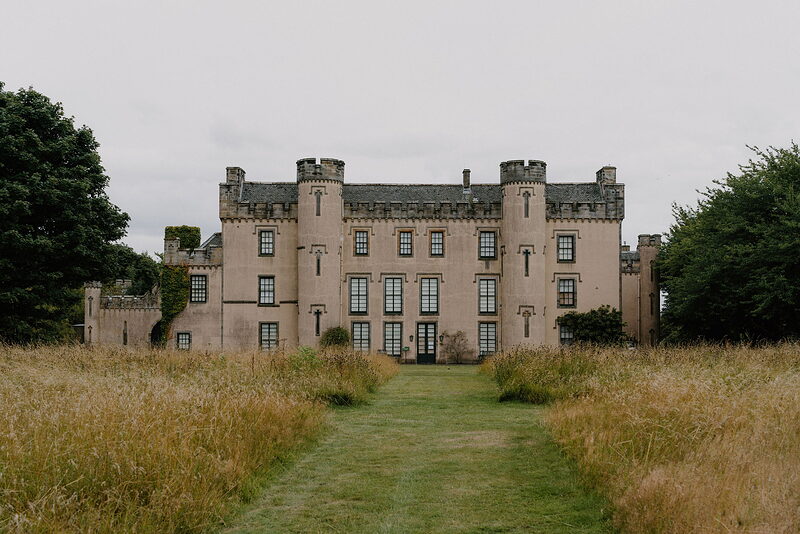 House of the BinnsA National Trust for Scotland house in parkland near the Firth of Forth.Under a mile 1 min by road
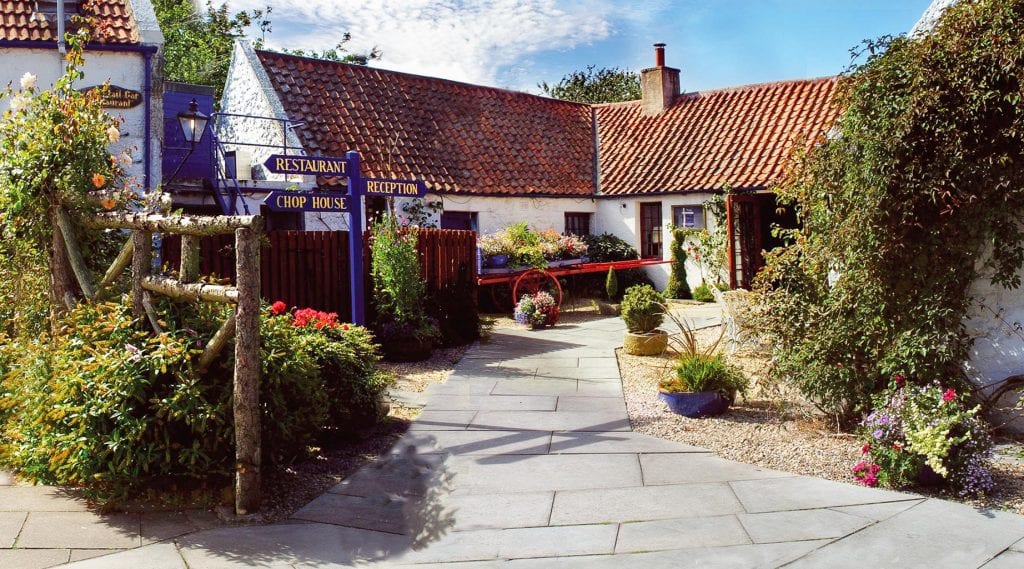 Champany InnA Linlithgow inn with two restaurants specialising in Scottish beef.3 miles 4 min by road
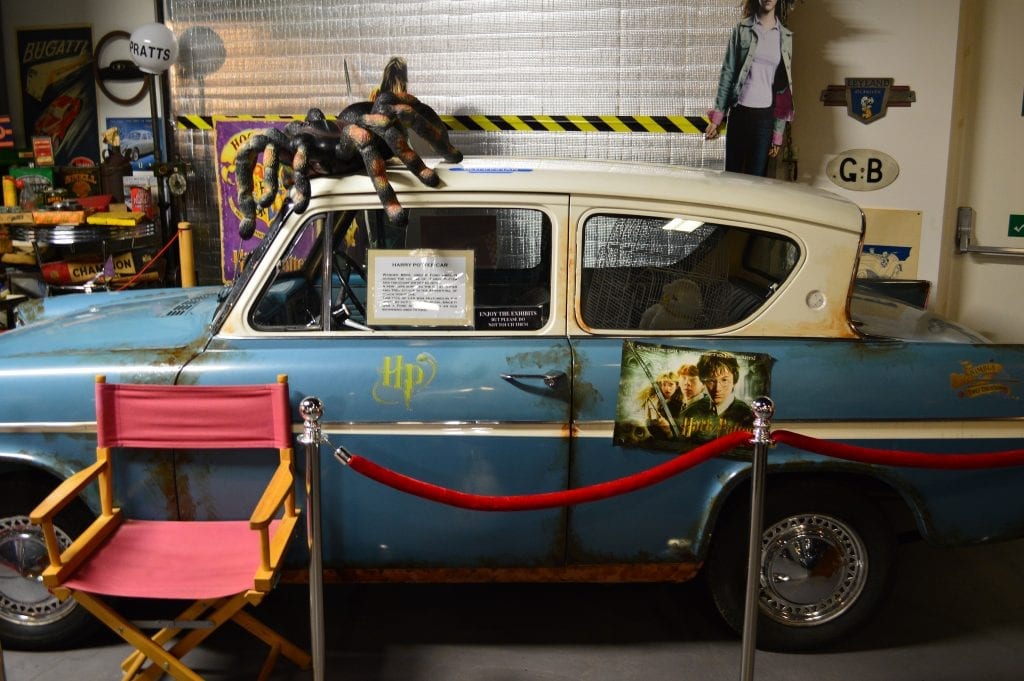 Bo’ness Motor MuseumClassic cars and film memorabilia at Bo'ness.4 miles 7 min by road
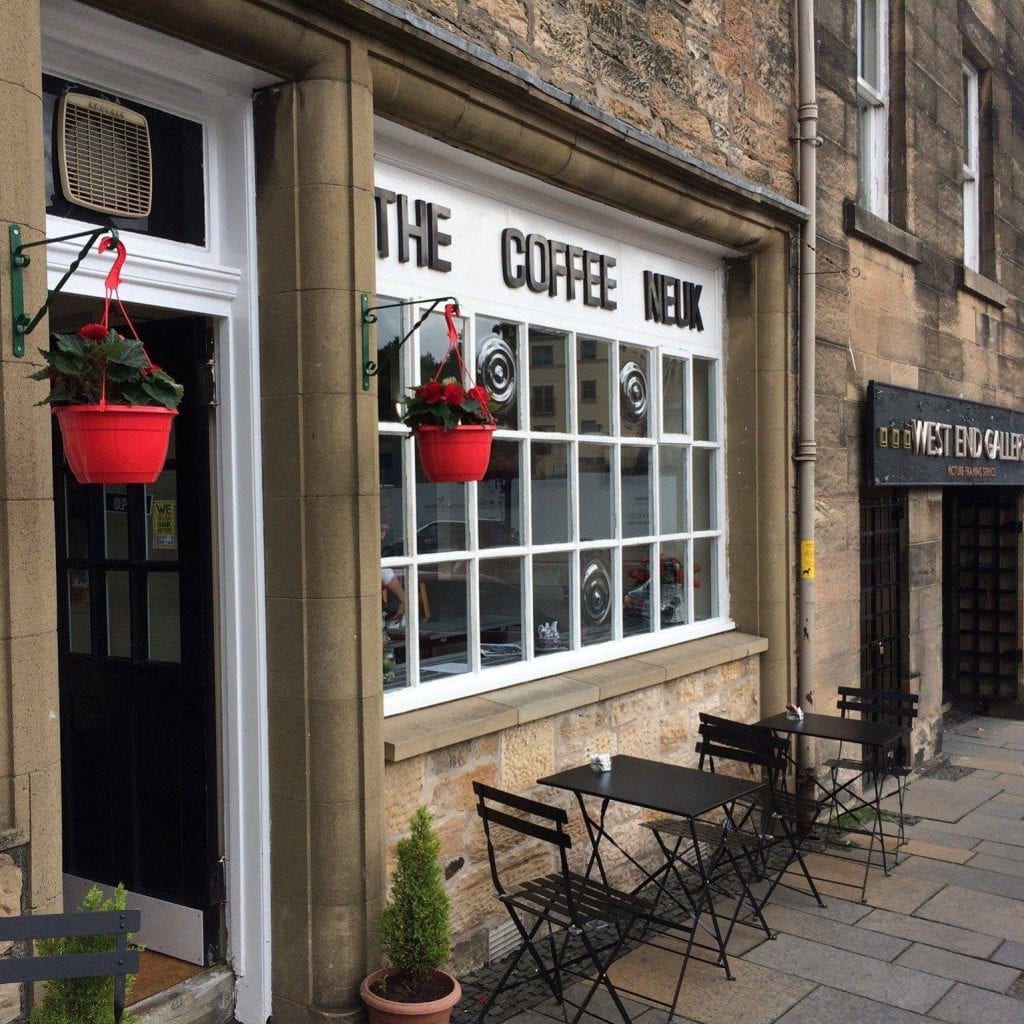 The Coffee NeukA family-run tea room in Linlithgow, near the palace.4 miles 8 min by road
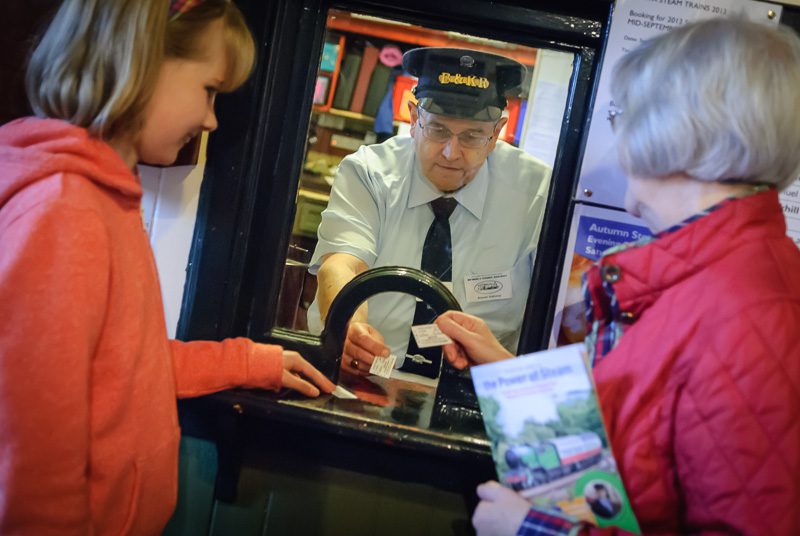 Bo'ness and Kinneil RailwayA heritage railway at Bo'ness, a wartime London station in Outlander.5 miles 9 min by road
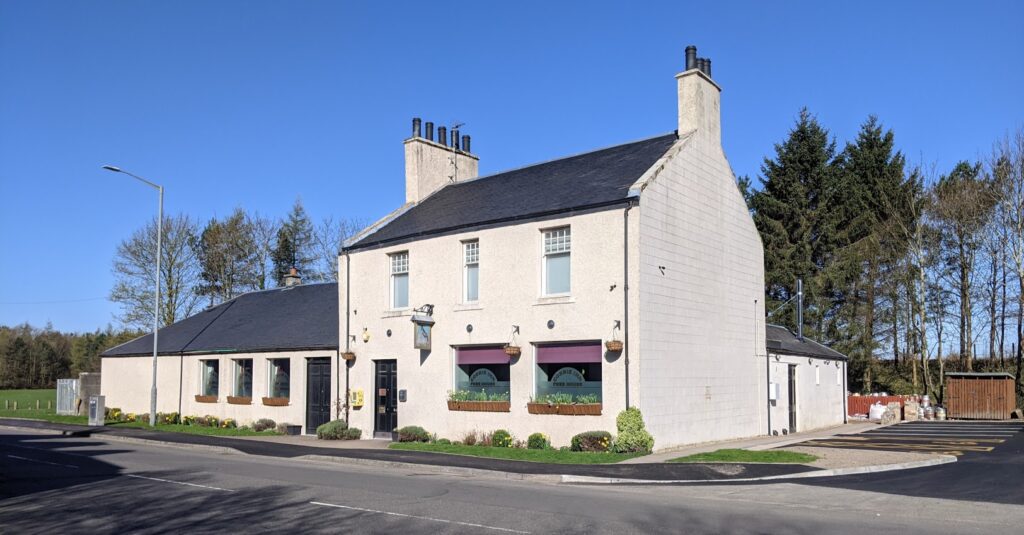 Corbie InnAn award-winning pub at Bo'ness on the John Muir Way.5 miles 10 min by road
Places to stay near the castle, and when each is next free.
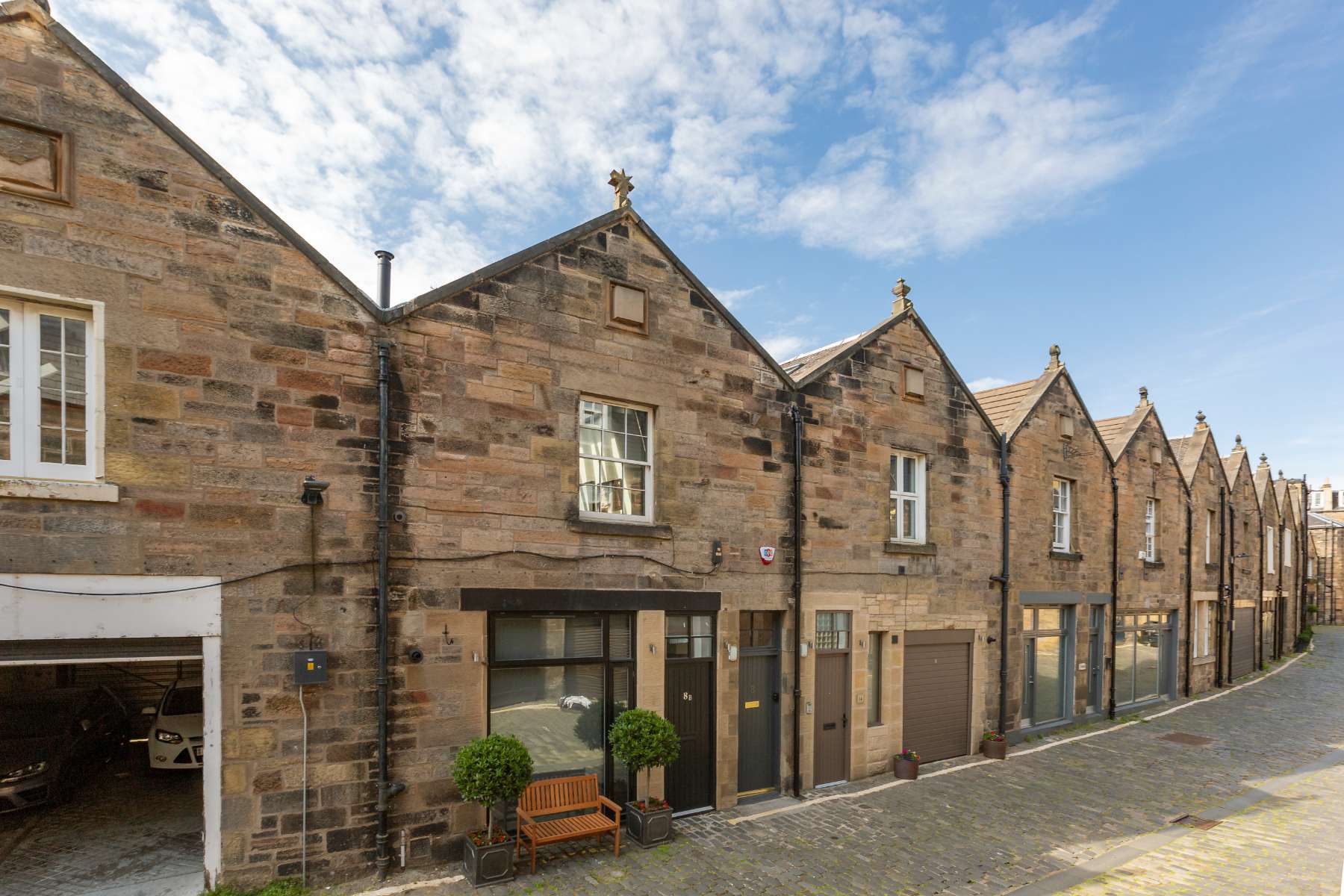 West End Muse
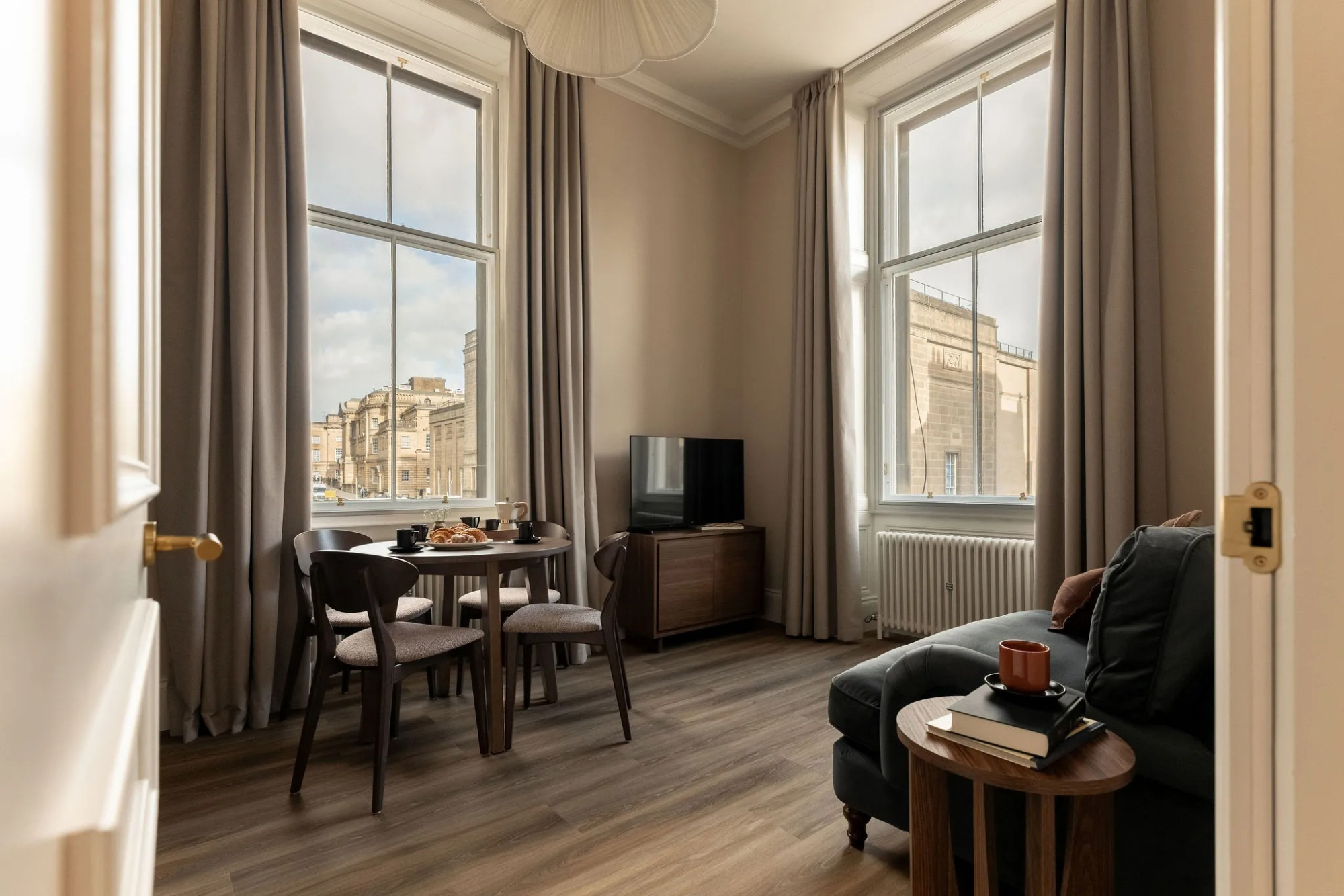 Moment George IV Bridge
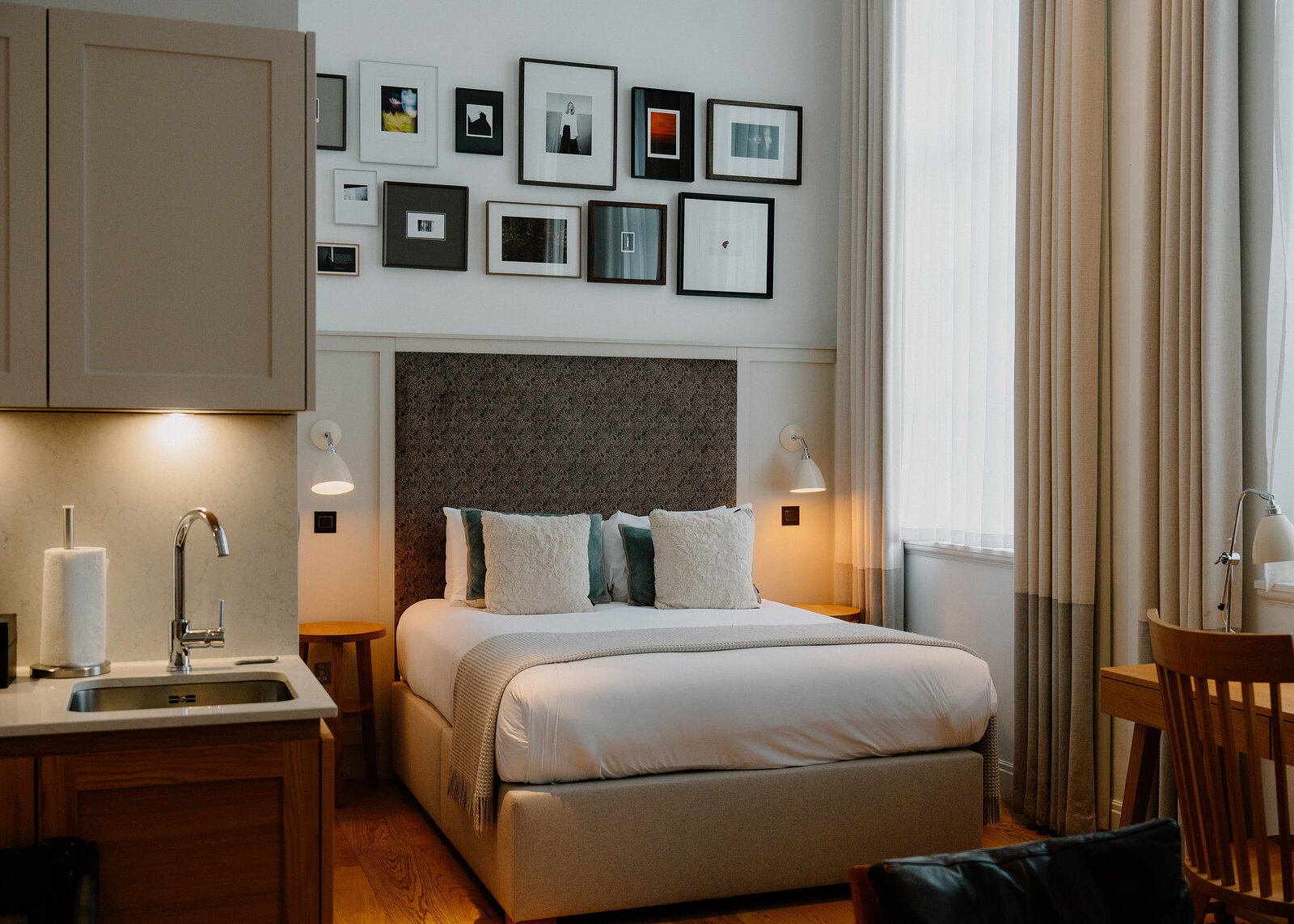 Old Town Chambers
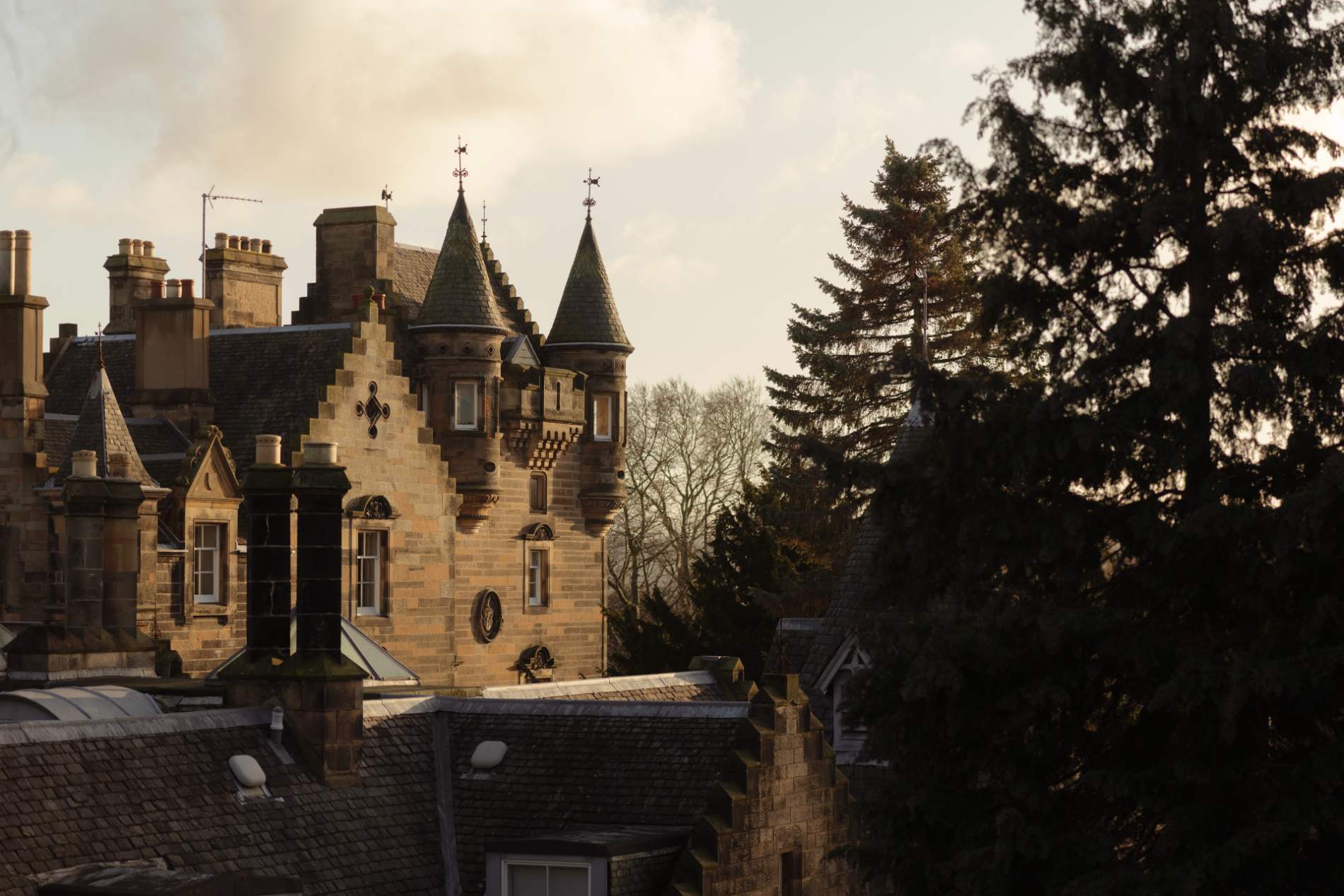 The Scott Hotel
We want to show you the best that Scotland has to offer. The makers and the creatives, the enduring experiences, the evocative tales, the concealed corners. The roads less travelled that take you to places that matter. The adventures that gather you up and sweep you away. The blend of the wild and the artistic that makes Scotland what it is. We’d love for you to join us.
What we have written about it, the collections it is in and more in Lothian.
For further reading, before you go. The details on this page were checked on .