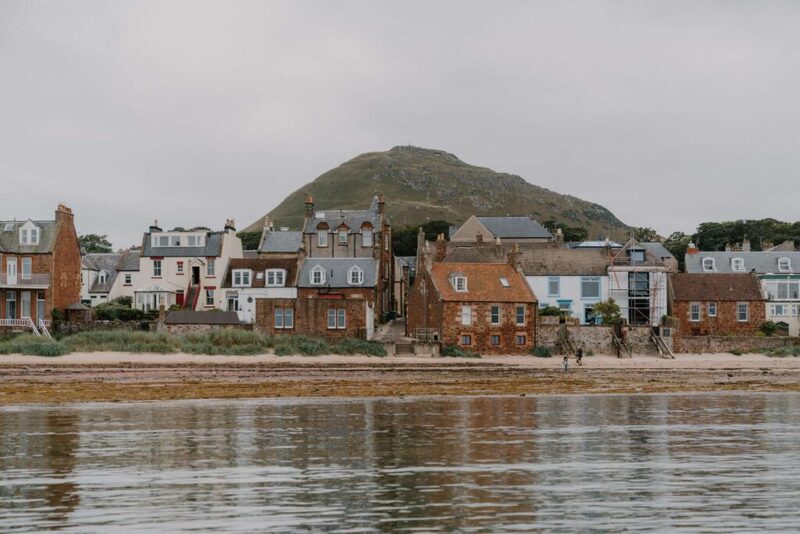
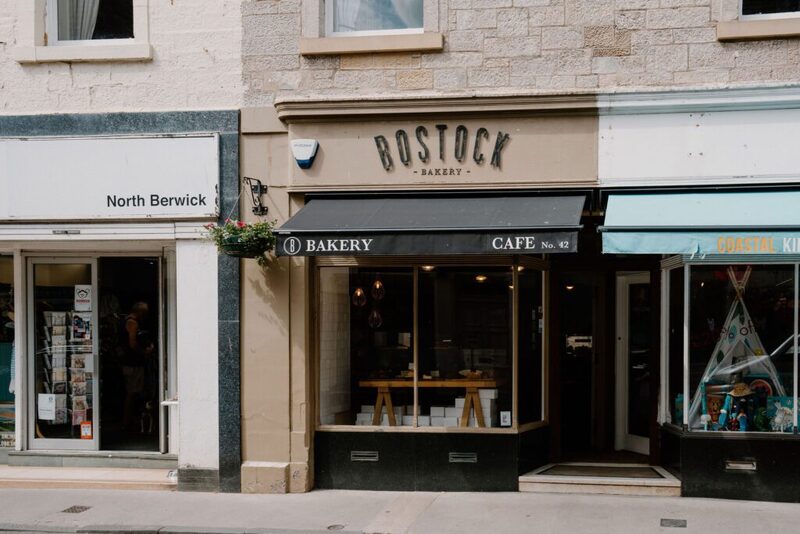
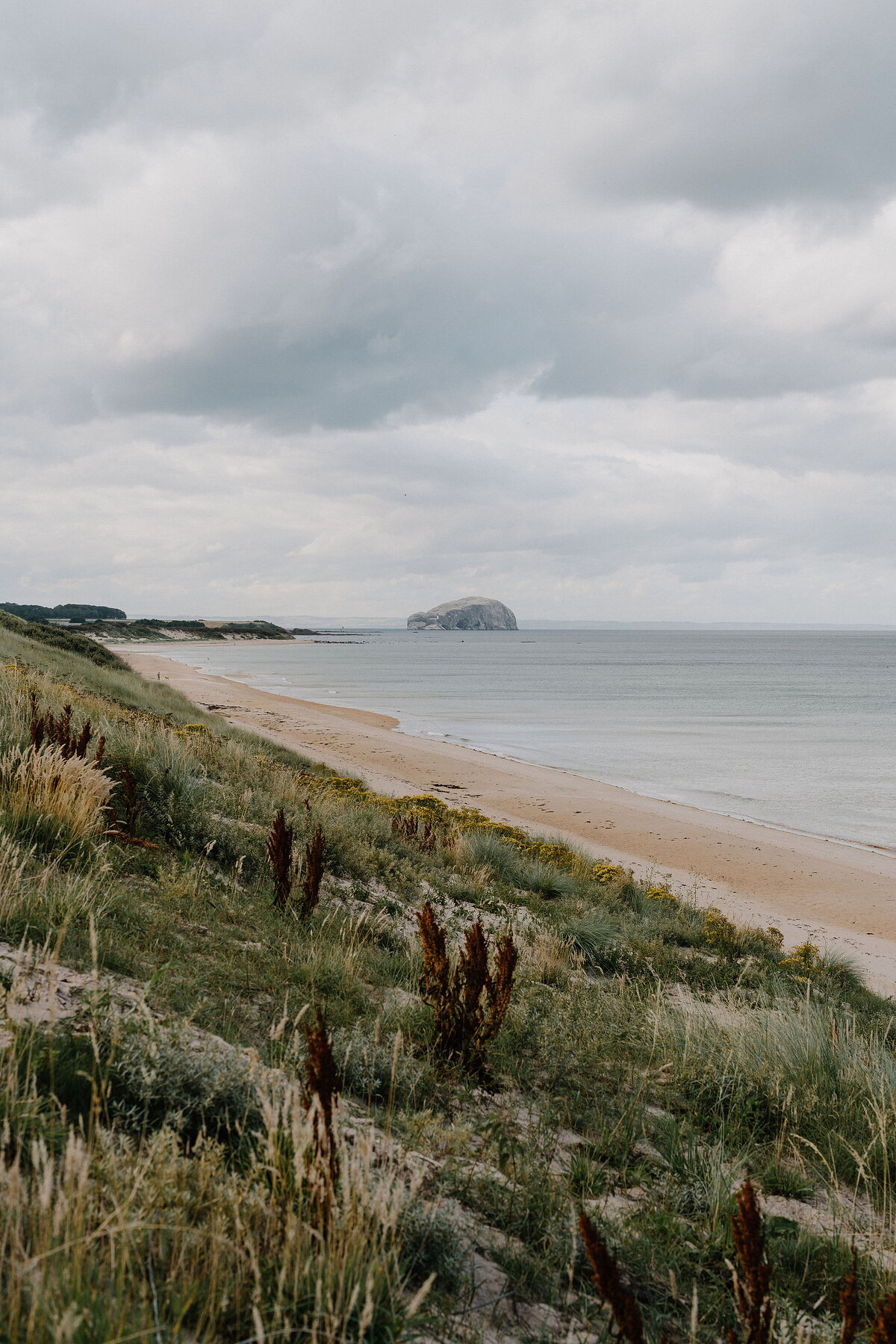
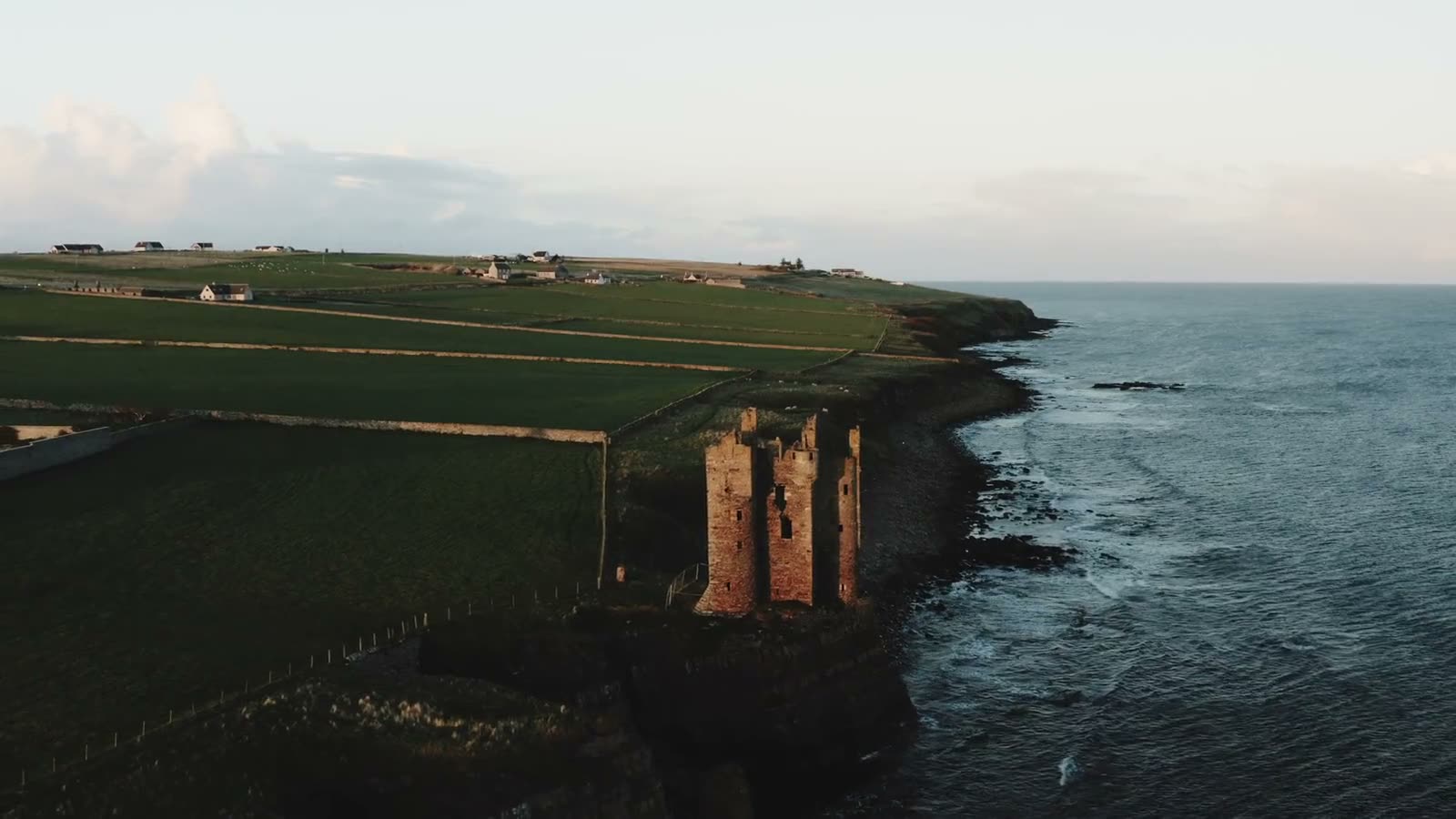
People have farmed and fought over the Lothians for thousands of years. In the Iron Age the land belonged to a tribe the Romans called the Votadini, whose forts still ring hilltops such as the Chesters and Traprain Law. When the legions came north in the second century, they built a large fort at Inveresk, above Musselburgh, and a busy civilian settlement grew up beside it. On Traprain Law in 1919, archaeologists dug up more than 20 kilograms of hacked Roman silver, buried in the fifth century and now in the National Museum of Scotland. After the Romans left, the Votadini became the kingdom of the Gododdin, until the Angles of Northumbria pushed north and made Lothian part of their realm. The three shires were long known as Haddingtonshire, Edinburghshire and Linlithgowshire, and only took the names East Lothian, Midlothian and West Lothian officially in the 20th century. By then industry had changed the land. Coal was mined across Midlothian for centuries, and the Lady Victoria Colliery at Newtongrange, which closed in 1981, is now the National Mining Museum Scotland. In West Lothian, James Young opened the first commercial oil works in the world at Bathgate in 1851, and the shale oil industry that followed left great bings on the skyline. On the coast, the railway brought holidaymakers, and North Berwick grew into a resort for Edinburgh families. Today the pits and oil works are gone, and farms, villages and old market towns make up the scene.
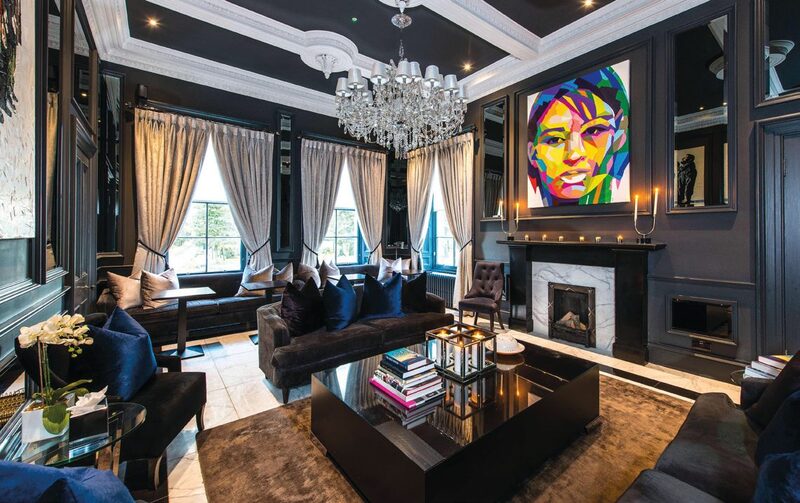 HistoryCarlowrie Castle
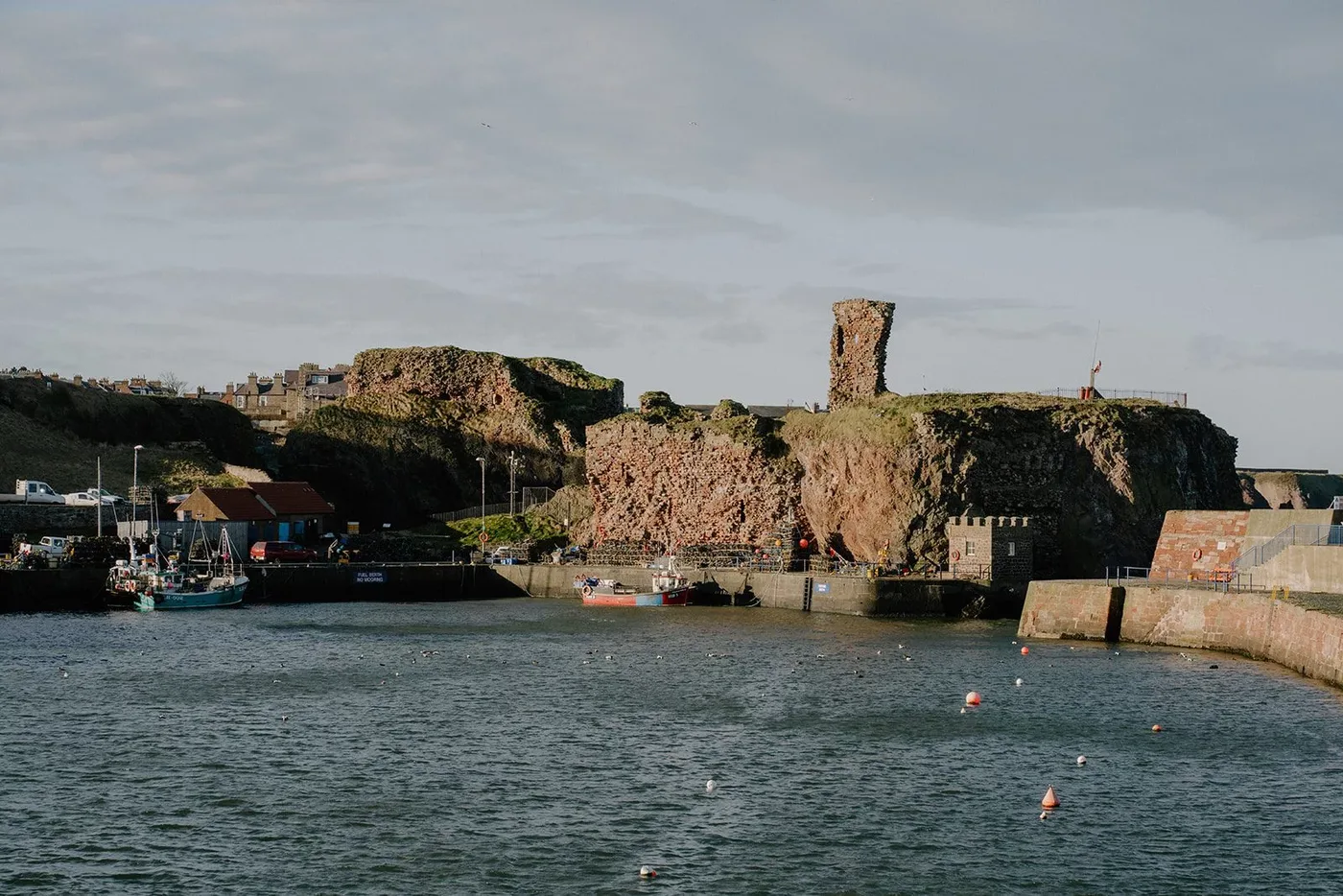
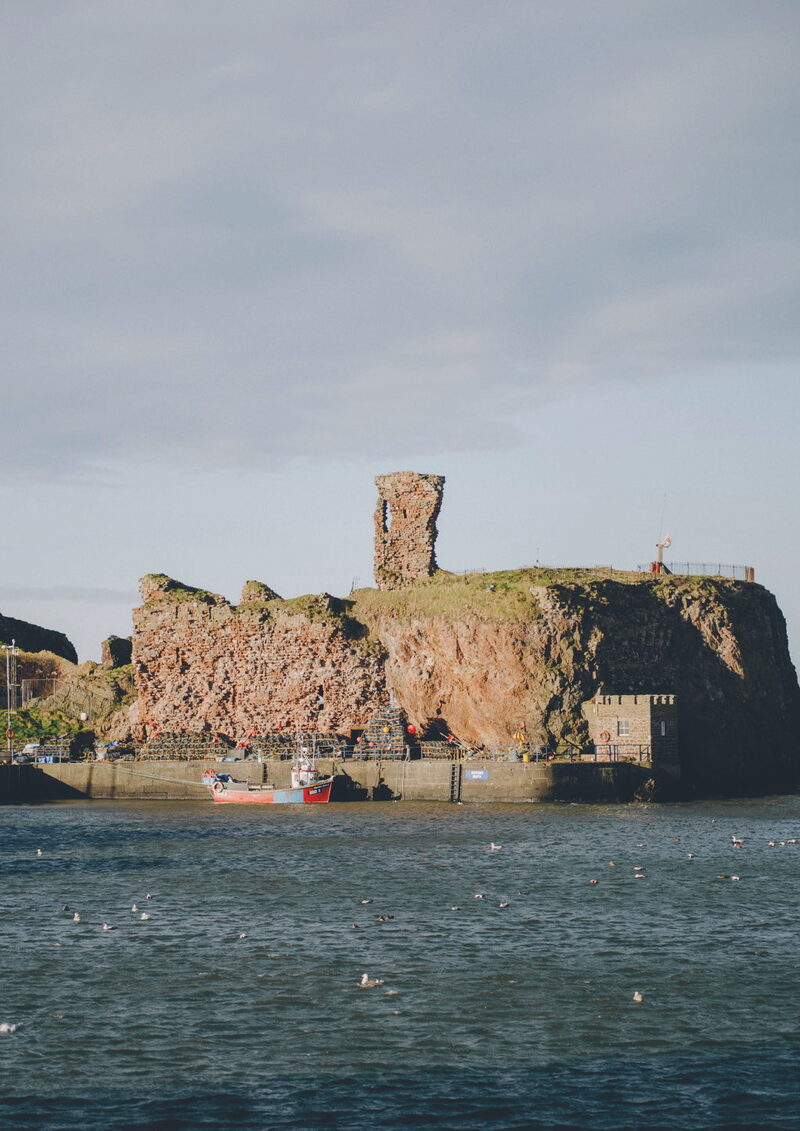 HistoryAgnes Randolph and the Siege of Dunbar Castle 1338
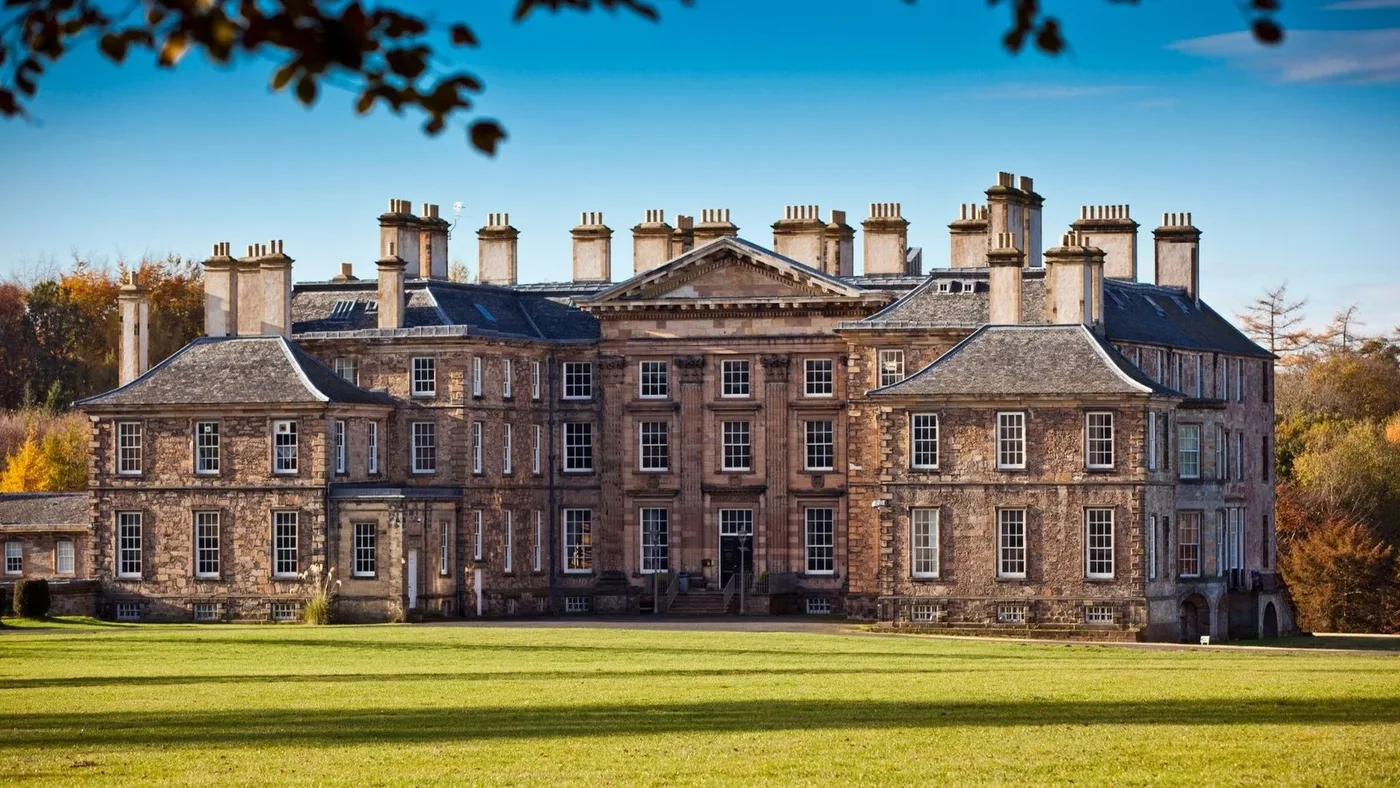 HistoryA Daring Escape From Dalkeith Palace
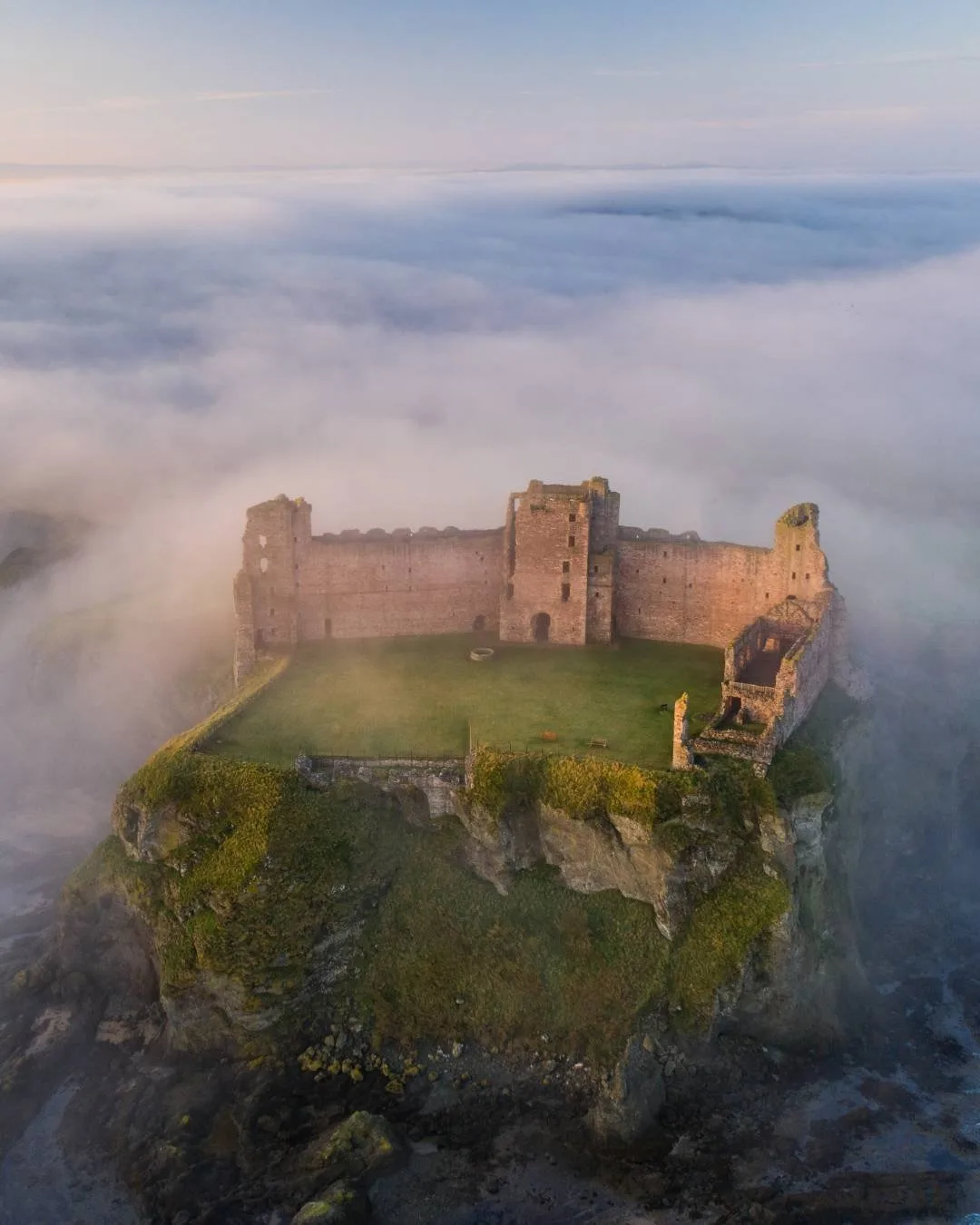 HistoryTantallon Castle and the 1st Earl of Douglas
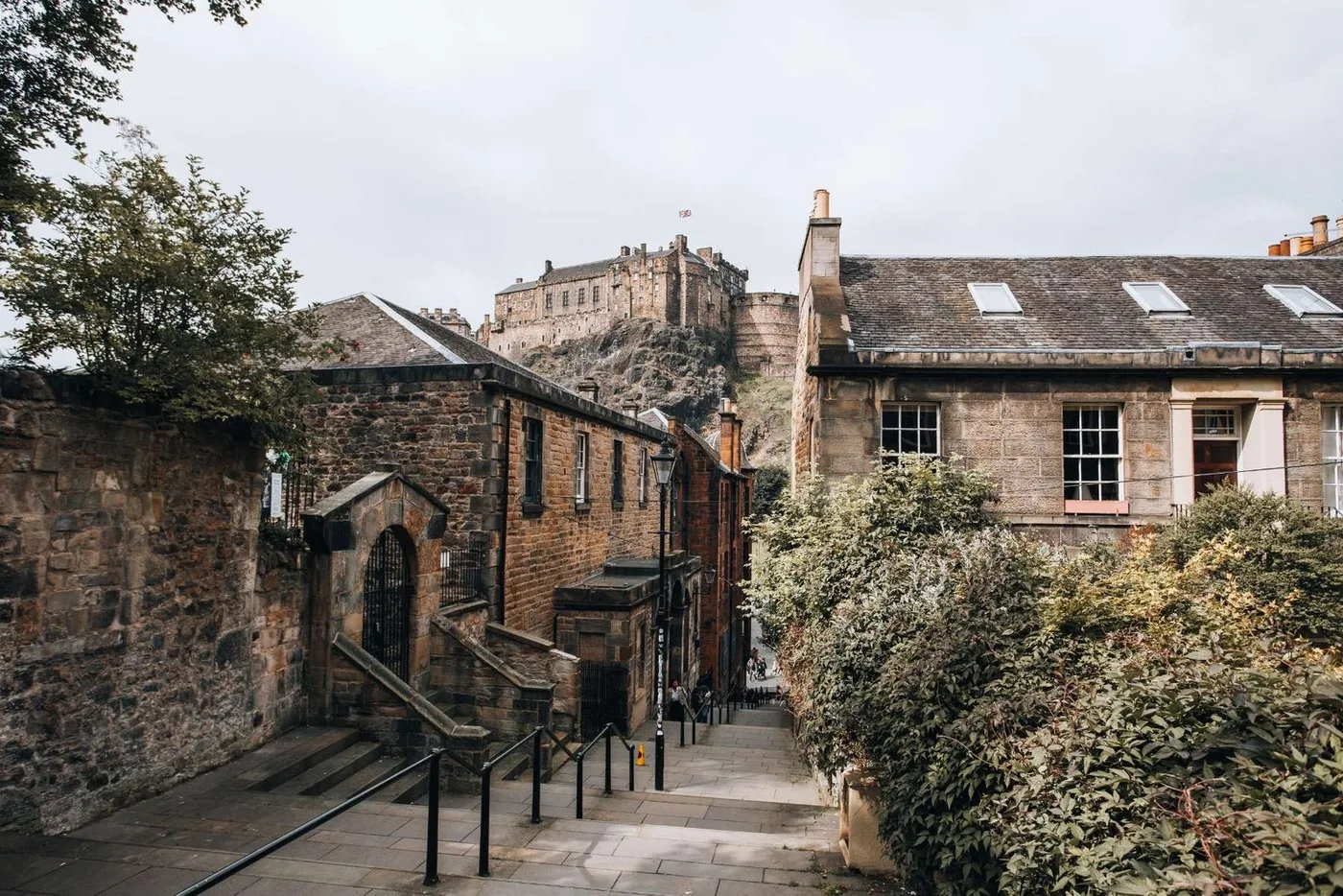 HistoryThe 16 Best Castles to Visit near Edinburgh
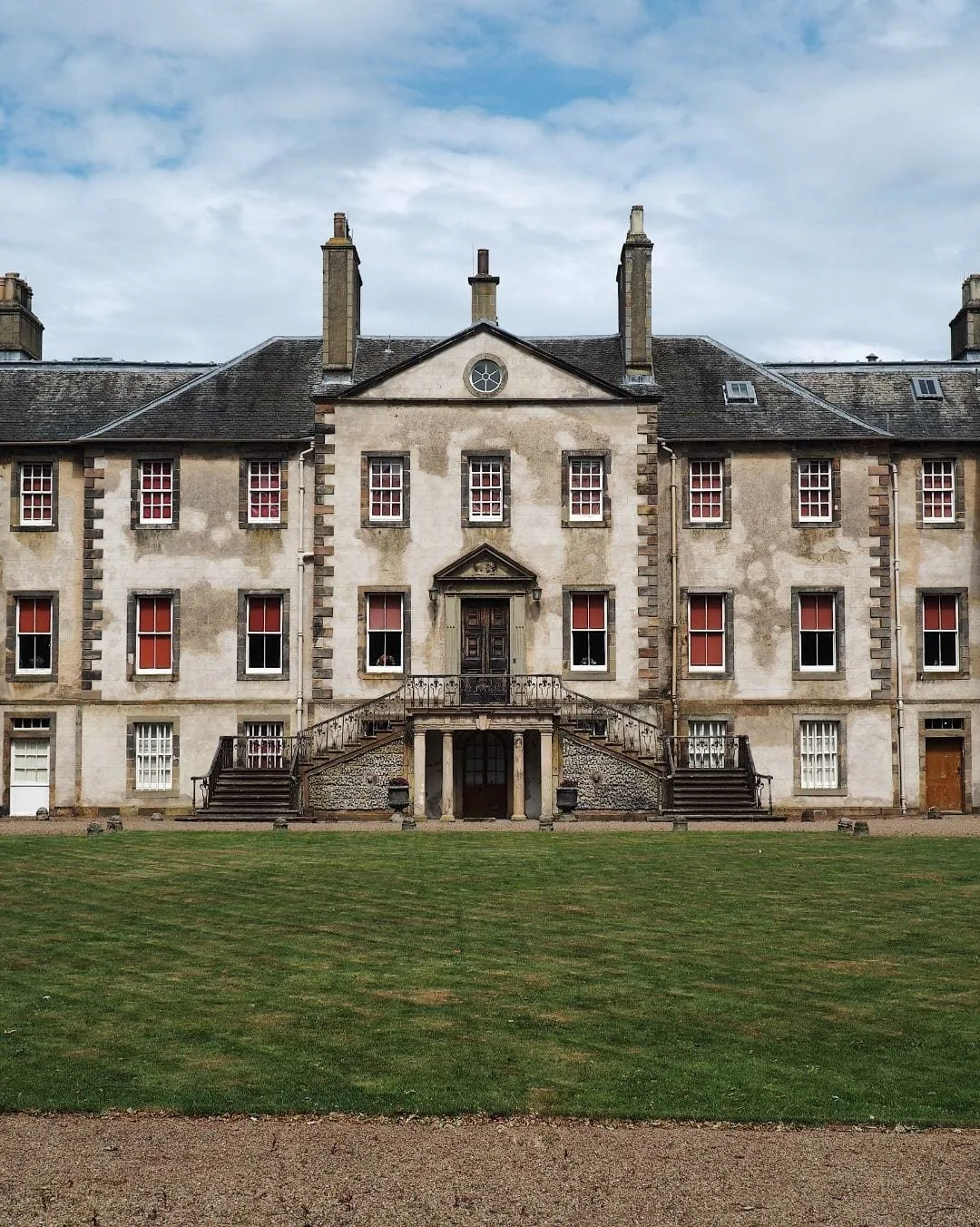 HistoryNewhailes House, Musselburgh
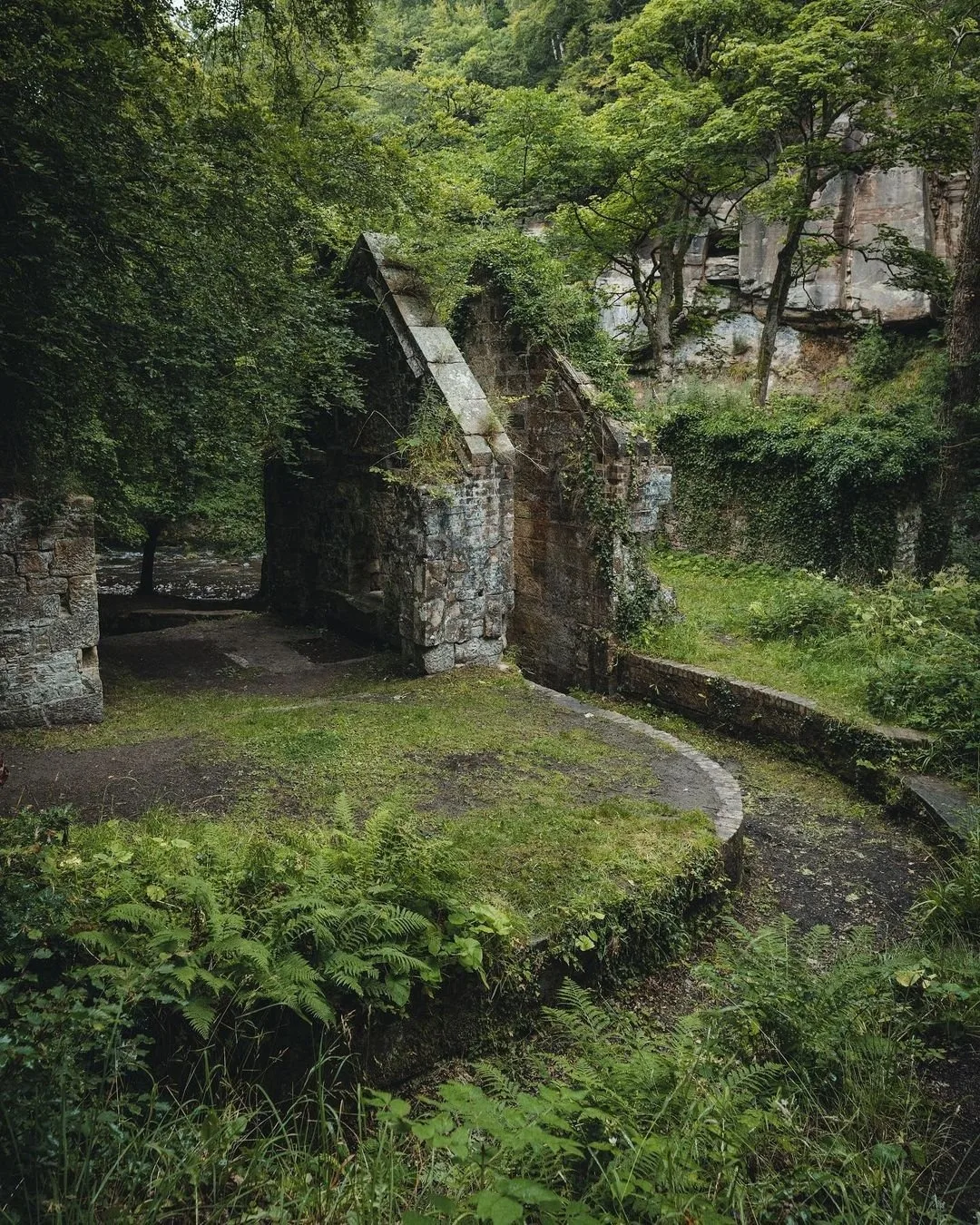 HistoryThe Secrets Buried In Roslin Glen
 HistoryAgnes Randolph and the Siege of Dunbar CastleHistoryA Royal Warning At Linlithgow Palace