
The Battle of Falkirk
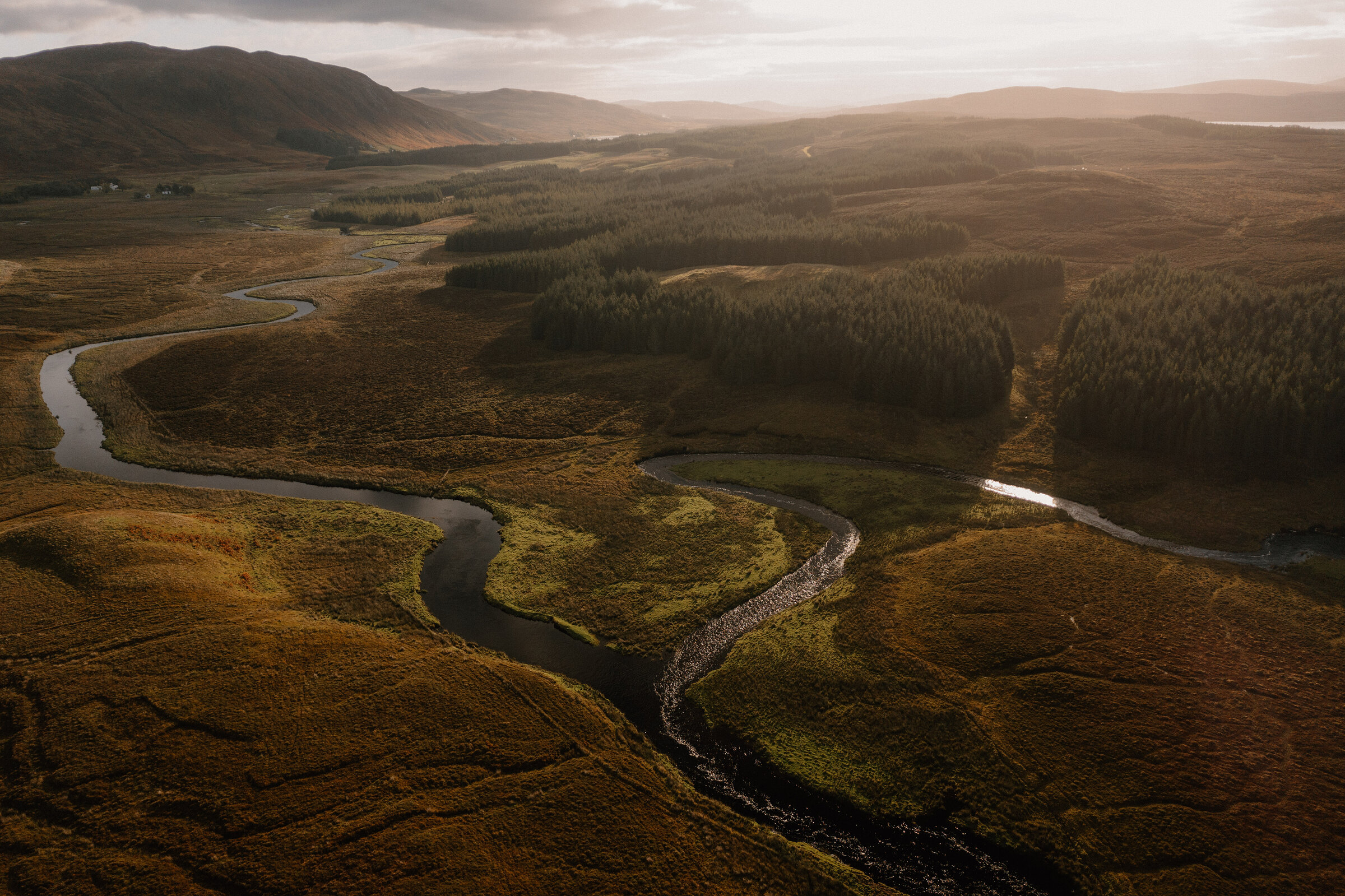
In 1298 William Wallace fell back before Edward I, burning farmland so the English went hungry.
Words by Hidden Scotland · Photographs by Hidden Scotland
In 1298, Scotland was in the middle of a fightback against occupying English forces, led by the recently appointed Guardian of Scotland, William Wallace. The Scots had won a surprising victory at the Battle of Stirling Bridge the previous year, before spending the winter securing large parts of Scotland as well as raiding deep into the north of England.
King Edward I of England wasn’t about to roll over and accept defeat though. After spending months preparing, he gathered his forces together and marched north to get his revenge with an army that was even larger than before. Around 15,000 men moved through the Scottish Lowlands, reaching Kirkliston near the Firth of Forth by July.
Edward was hoping to draw the much smaller Scottish force of around 6000 into another open battle. While William Wallace was a brave warrior, he wasn't stupid enough to meet an army like this head-on. His troops retreated in the face of the enemy, burning the farmland as they went to ensure there was nothing for the English to forage as they went.
The Scots’ tactics were working and their opponents weren't in a good way. Low on food and morale, their Welsh contingent on the brink of mutiny, they were travelling slowly hoping that ships would resupply them. This huge army had only got as far as Linlithgow when Edward decided to stop chasing ghosts, turn around and head home in frustration.
At that very moment, a scout reported Wallace had been seen camped near Falkirk.
It was a surprise and a blessing for the English King. His grumbling men were pushed on to make camp south of the town and the Scots found themselves with no real option but to fight. Wallace must have been cursing, one more day and his enemy would have retreated without any unnecessary bloodshed.
The Scots army drew up in four huge schiltrons, bristling with spears like enormous hedgehogs. A small but essential number of cavalry were positioned behind and the 600 archers of Bute were spread in between. Legend says that Wallace then uttered the words, "I have brought you to the ring, now dance if you can".
Initially, the English cavalry stood no chance against the impenetrable Scottish spears and hundreds were killed. This was when the Scots’ cavalry should have played their part, but for some unknown reason, they left the field with little resistance.
Without any cavalry to protect them, the archers were now in trouble. Their commander John Stewart fell from his horse but none of the Men of Bute fled the field in panic. Instead, they ran towards their leader's body and every single one of them was killed trying to defend it.
Now Wallace's schiltrons, while perfect in fending off cavalry, were sitting ducks for the English and Welsh archers. The arrows thinned out the ranks as the English waited for the order to charge in. After a short period of fierce fighting, the Scots broke and fled.
The Battle of Falkirk is labelled as Wallace's great disaster, but the Scottish army stood little chance. He lost 2000 men, but it’s generally believed that Edward’s much larger army lost just as many.
If they had spent one more day hidden out of sight or had slightly more loyal cavalry, then things could have been very different.
-full-1750070214.jpg)
 Hallowe’en? It started here in Scotland