Carlowrie Castle
Carlowrie Castle - Shaped by history, Scotland’s premier 21st century events venue

The origins of Carlowrie Castle
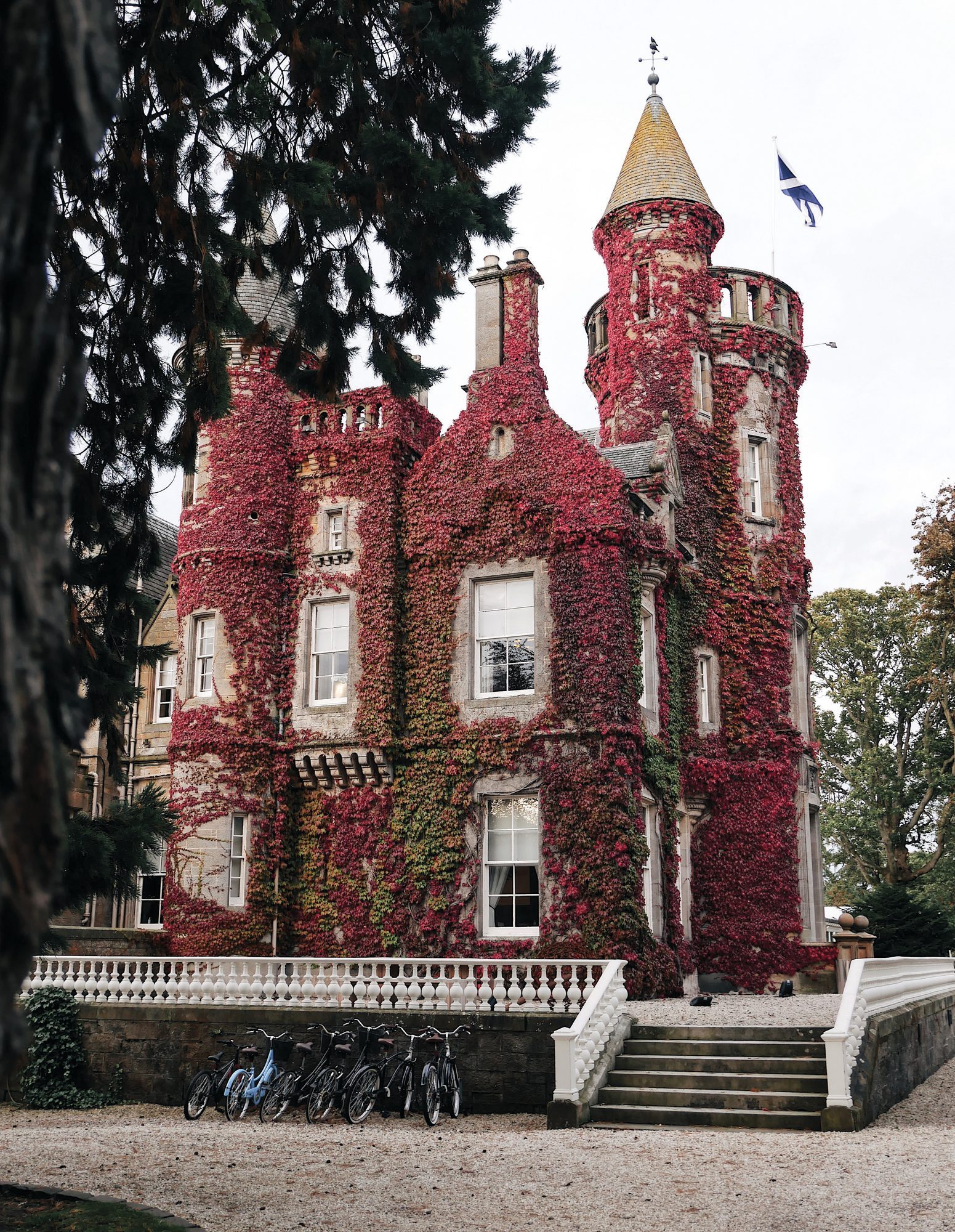
Situated in over 30 acres of beautiful, secluded gardens just a 10-minute drive from Edinburgh Airport, Carlowrie Castle is frequently referred to as ‘a hidden gem’ – and it’s not difficult to understand why.
Carlowrie Castle has been over 170 years in the making and, today, is a stunning venue for elegant weddings, private functions, and corporate hospitality, offering guests an unforgettable experience in an unrivalled location that retains the essence of the castle’s long and intimate history as a family home.
As the 2020 winner of the Best Castle Wedding Venue in the UK, Carlowrie is a sumptuous setting for the most important day in a couple’s life, offering not only an idyllic backdrop of walled gardens and beautifully manicured grounds but also exceptional hospitality to guarantee a memorable celebration.
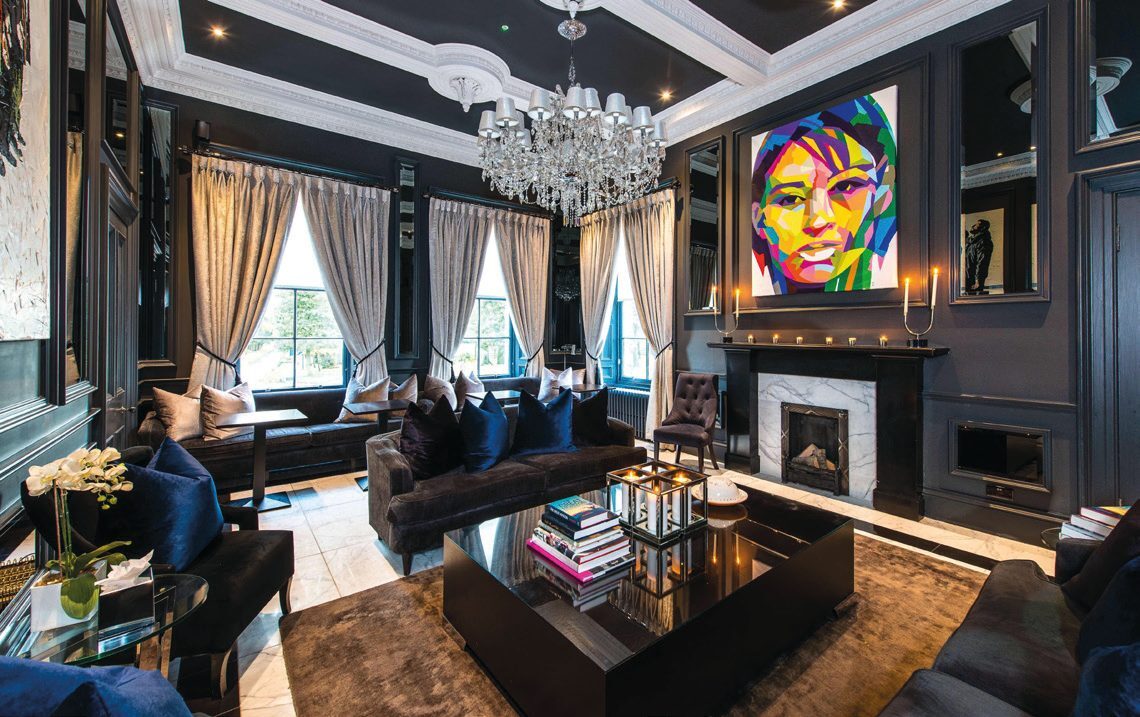
With bespoke furnished bedrooms, outstanding artworks (including a limited edition print of Banksy’s Umbrella Girl), romantic views, and serene woodland walks, it’s not difficult to see why Carlowrie Castle is an enduringly popular venue and an important part of the historical fabric of West Lothian.
Commissioned in the mid-nineteenth century by Thomas Hutchison, the Provost of Leith and a successful Edinburgh wine merchant, Carlowrie Castle remained in his family for over a century. Remarkably, to this day only two families have ever owned the building.
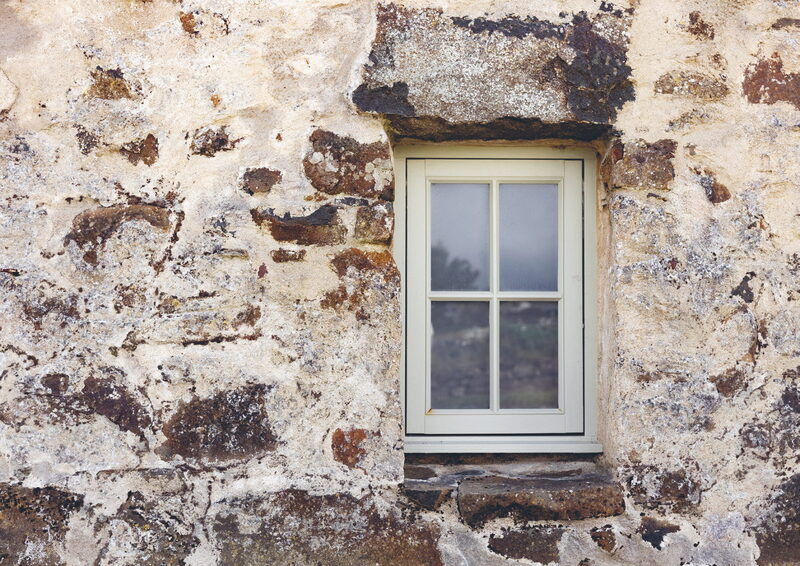
Constructed between 1852 and 1855 in the distinctive Scottish Baronial style, Carlowrie Castle was designed by the renowned architect David Rhind, whose work features prominently in towns and cities across Scotland. Unlike most of Rhind’s projects, which are predominantly civic or commercial ventures, Carlowrie Castle is a masterpiece of domestic Baronial architecture, and unique amongst the architect’s portfolio.
ts elegant and eye-catching design has helped to mould Carlowrie’s reputation as an outstanding events venue to this day. Thomas’ son, Robert, oversaw the castle’s completion, and the Hutchison family coat of arms was installed in stone above the main entrance. Make sure you look out for it when you arrive!
In 1873, Rhind returned on invitation from Robert Hutchison to design a gate lodge and a series of outhouses to complement the castle.

Turbulence in the 20th century
In contrast to its peaceful role as a family home in the nineteenth century, Carlowrie Castle was to be influenced by world events during the turbulence of the following decades. The sudden death, in 1900, of Thomas Hutchison, son of the Provost of Leith, heralded a period of change for Carlowrie. Ownership passed to his daughter, Isobel Hutchison: explorer, writer, poet, and filmmaker. Funding her travels to the untrodden landscapes of the Arctic Circle, Isobel carved out a successful career that saw her rewarded with the Mungo Park Medal by the Royal Scottish Geographical Society. During the Second World War, Carlowrie was requisitioned by the RAF for use as a military base, during which time the castle was severely damaged. Isobel Hutchison paid for repairs from her earnings as a writer, and the specimens she collected from overseas on behalf of museums and societies. Isobel remained at Carlowrie Castle, tending to the gardens that she loved as a child, until she passed away in 1982.
Isobel Hutchison: The Quiet Explorer
Many would assume that being born into wealth and privilege would have provided Isobel Hutchison with everything she needed for a fulfilling and comfortable life. She enjoyed a prosperous childhood, developing a fascination for botany from the sprawling gardens of Carlowrie. Writing, too, played an important part in her upbringing, and Isobel was frequently to be found authoring diaries, poetry, plays, and ‘The Scribbler’, the Hutchison family magazine. Isobel had always resisted being moulded by the contemporary values that demanded women remained at home, where they would attend to their domestic responsibilities. Already, Isobel was known for wandering from Carlowrie for days at a time, and she undertook gruelling treks across Scotland, including the 84 miles from Blairgowrie to Fort Augustus. Having conquered Scotland, the Hebrides, and Shetland, and keen to take on a more demanding challenge, Isobel headed to Iceland, but her plans to walk across the island were met with derision. Typically, Isobel defied the odds to complete the trek. Her subsequent exploration of Greenland and Alaska was not simply another feather-in-the-cap of a determined young ISOBEL HUTCHISON Isobel was a successful Arctic explorer and botanist. Defying convention, she travelled alone on expeditions that few would attempt, even today. Scottish woman keen to rail against 1920s conservatism. During her travels she collected samples of plant life for the Natural History Museum; she explored historical sites and interacted with indigenous peoples; she made short films of locals as they hunted, cooked, or performed ritual dances; and she conveyed the beauty of the natural world and its inhabitants in painting, poetry, and prose. Never one for brash claims, Isobel became known as ‘The Quiet Explorer’, downplaying her strenuous and often dangerous efforts. She was decades ahead of her female contemporaries as they sought for equality, a lonesome individual who challenged the status quo to follow her instinct to explore the natural world and is justly regarded as one of Scotland’s most influential women of modern times, and whose presence Carlowrie Castle exudes even to this day.

Restoration and beyond
After being acquired by the Marshalls in 1982, Carlowrie Castle’s role as a family home was renewed. Later, as the other Marshall children grew up and left Carlowrie, Andrew Marshall recognised the castle’s potential and purchased it from his parents, before initiating an ambitious £4 million refurbishment that took over two years to complete. Carlowrie was transformed into an exclusive events venue that was quickly recognised as one of Europe’s finest. At Carlowrie, time doesn’t stand still, as new avenues are explored to make the guest experience even more memorable. In 2020, a difficult year for all, the team launched their own branded Highland Single Malt, which will be served at Carlowrie Castle and across the world. With the acquisition of an award-winning vineyard in the Anjou region of the Loire Valley, speciality French wine will be the perfect accompaniment for weddings, conferences, and corporate events in the years to come. Diversification led to the formation of the Carlowrie Group, a collection of businesses across several sectors with the aim to inspire and support clients in challenging endeavours. In 2021 the transformation of the Grade A listed stables block into extra high-class bedrooms will offer the chance for large family groups or additional wedding guests to enjoy Carlowrie Castle’s luxury, stunning scenery, and outstanding hospitality.

Promoted Post
The Coach House
This former toll house and resting/stabling place sits beside the original Bridge of Dye built in 1680.


Sign in with Google
Sign in with Email