
Lothian. The Lothians guide
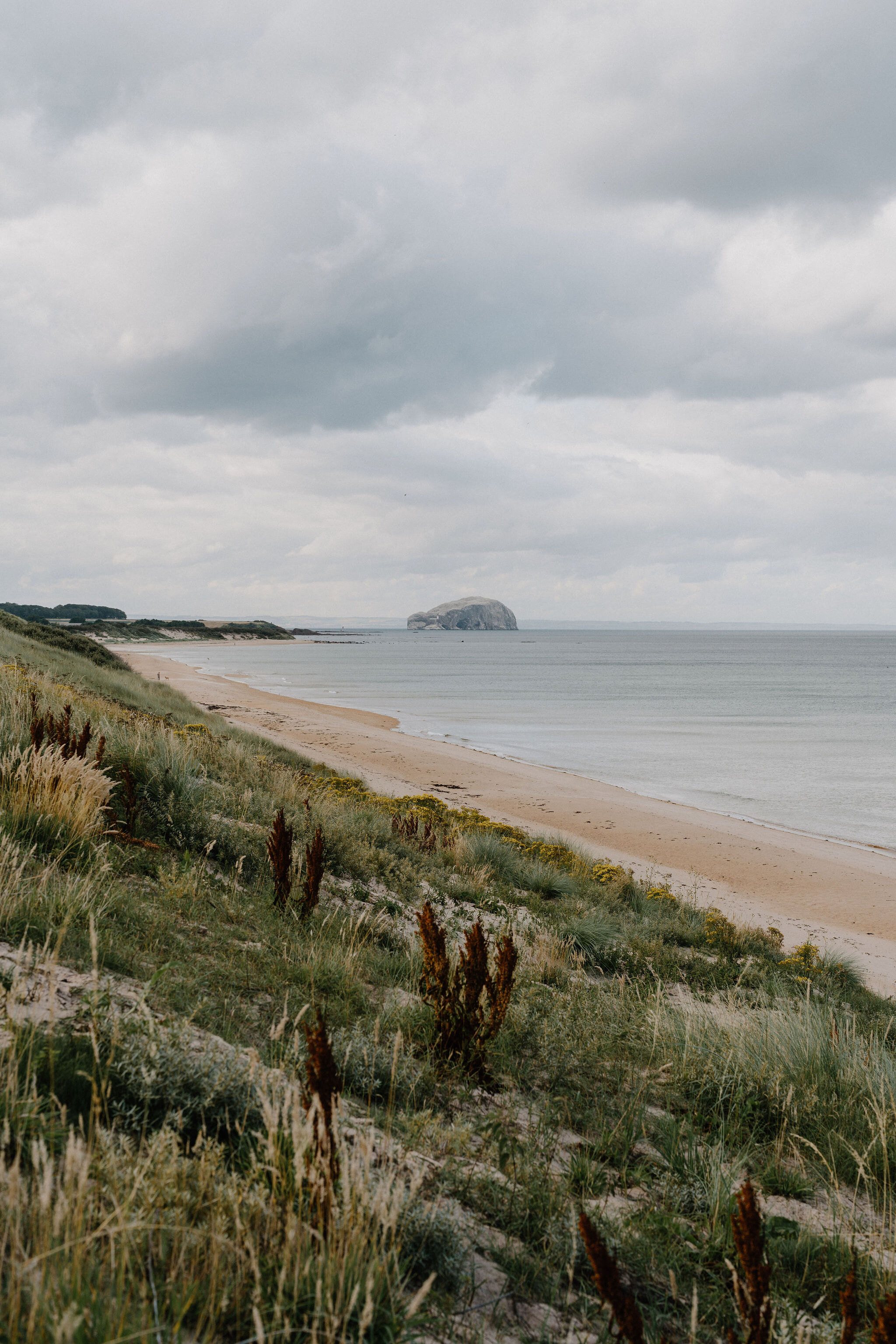
Sandy bays, clifftop castles and the Bass Rock, with Rosslyn Chapel and the Pentlands close by.
The four parts of Lothian
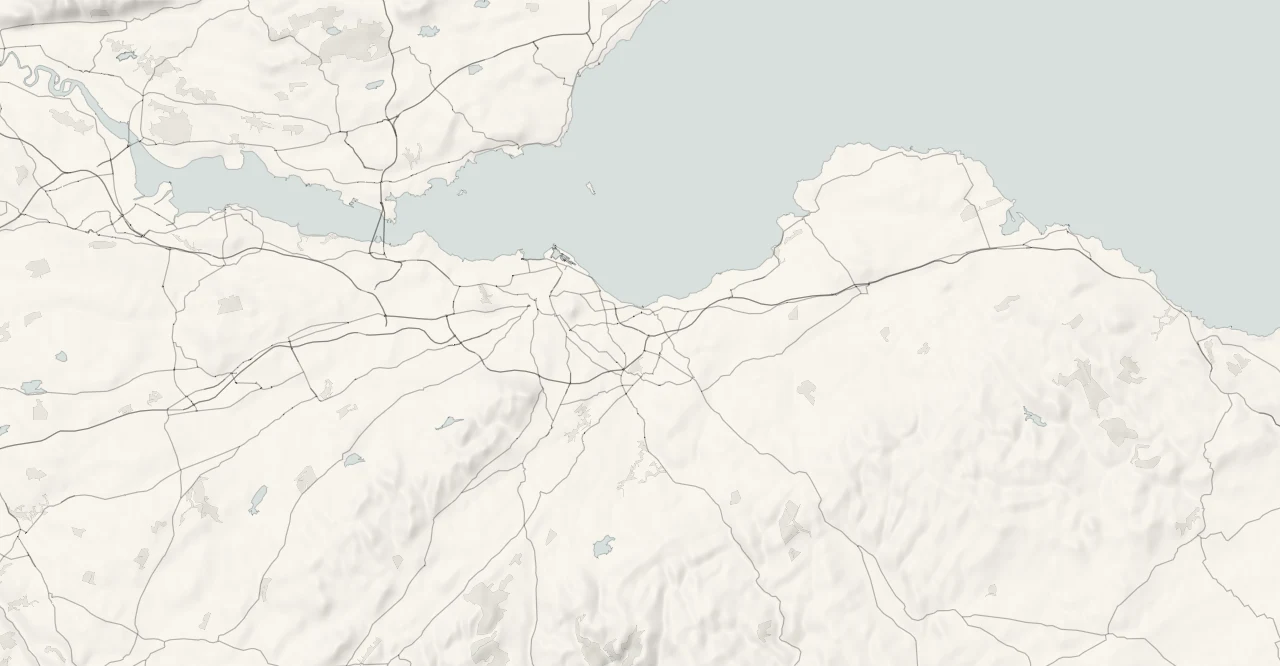
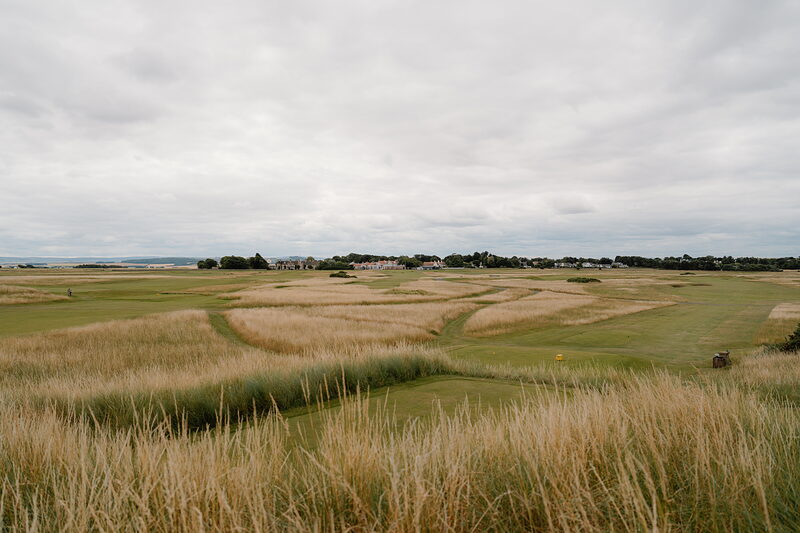
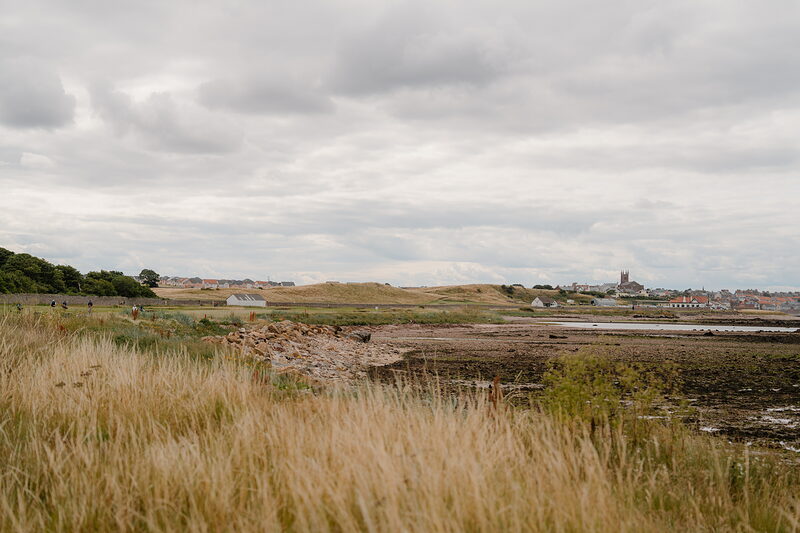
The Lothians wrap round Edinburgh on three sides, and plenty of visitors drive straight through them on the way to somewhere else. They are missing a great deal. East Lothian runs out along the Firth of Forth in a string of sandy bays, links golf courses and seaside towns of red pantiled roofs. Midlothian climbs south through wooded river glens towards the Moorfoot Hills. West Lothian stretches out to Linlithgow and its loch, and the Pentland Hills roll down through the middle of it all, with paths that start at the end of a city bus route.
North Berwick and the coast
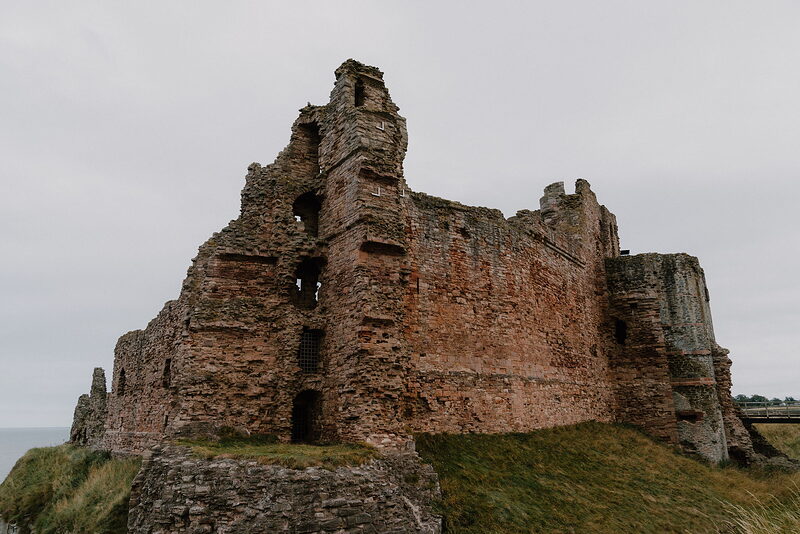
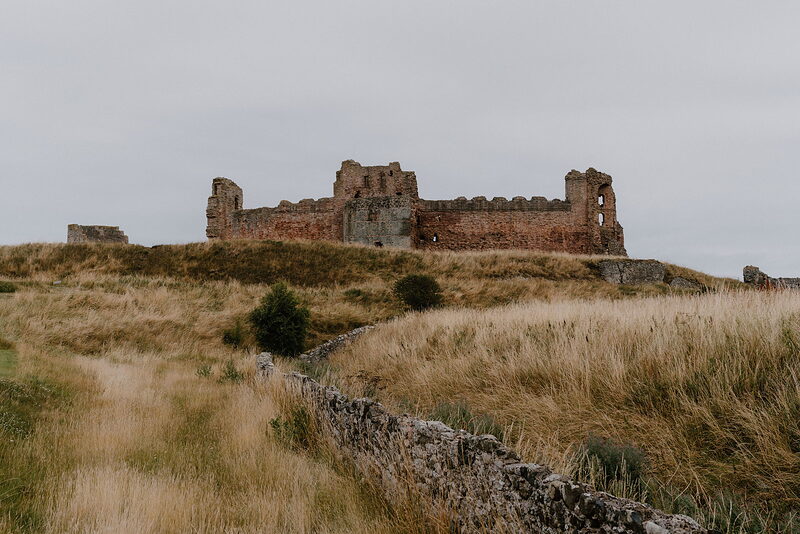
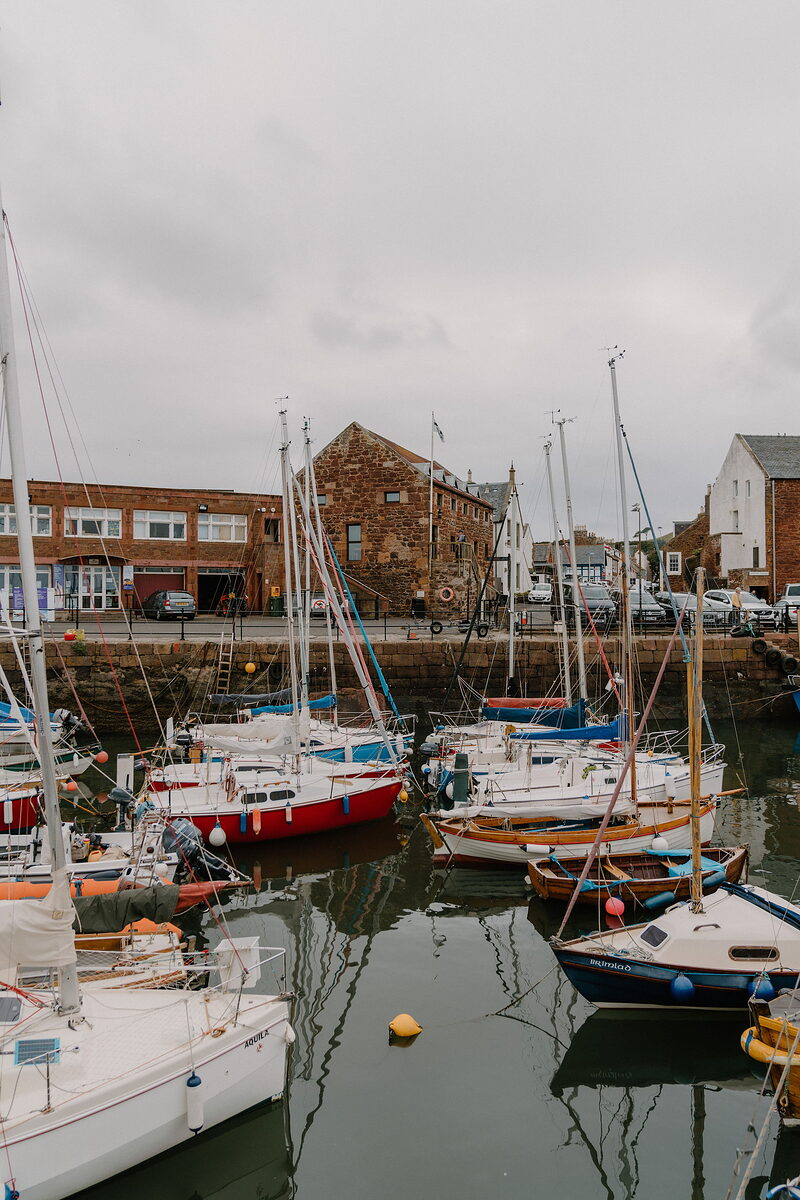
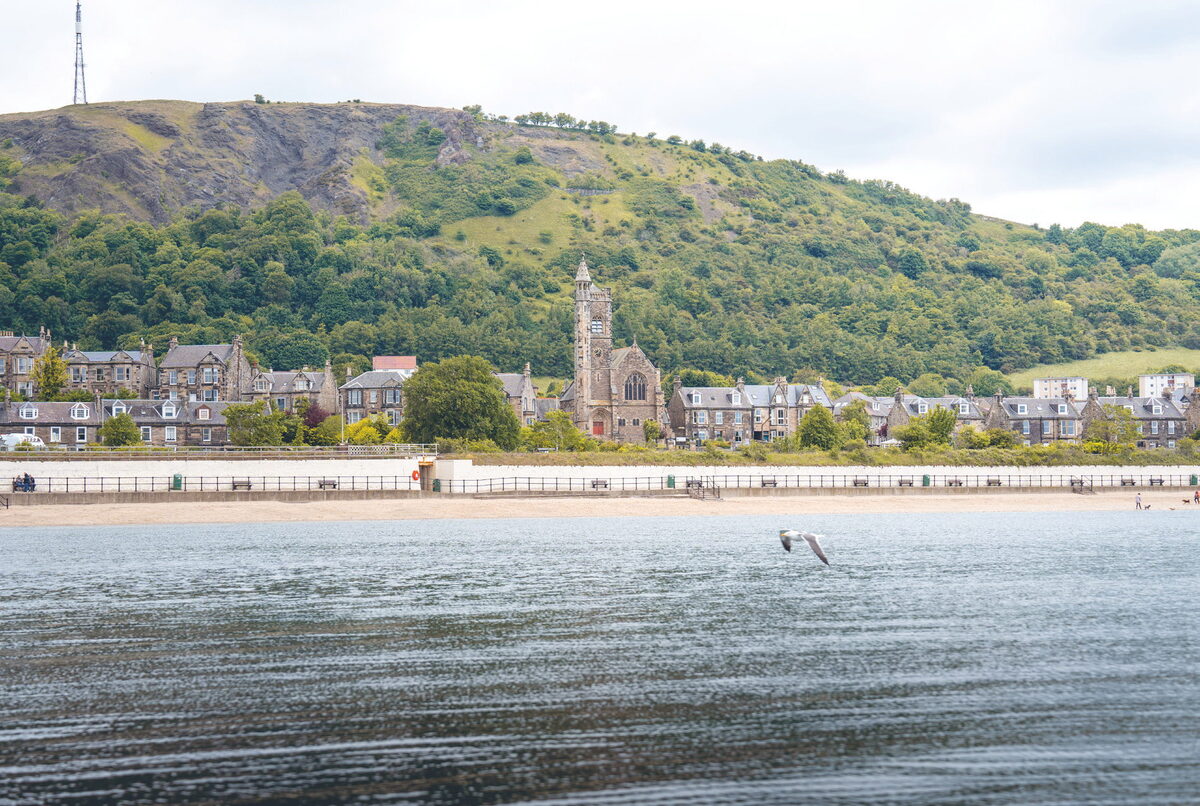
North Berwick sits between two sandy bays, with a busy little harbour, independent shops on the High Street and boats out to the gannets on the Bass Rock. To the west are Dirleton's castle, the beach at Yellowcraig and the famous links at Gullane. To the east, the red walls of Tantallon Castle stand on the clifftop.
Dunbar and the east
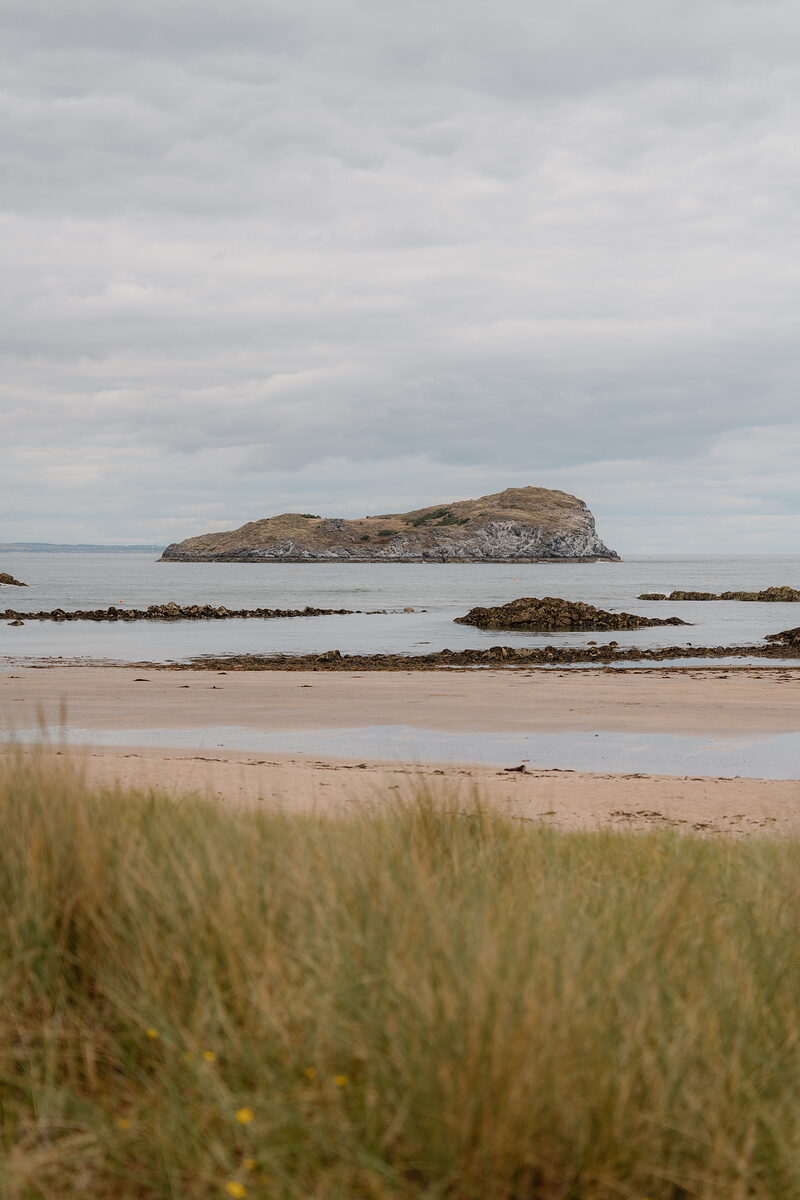
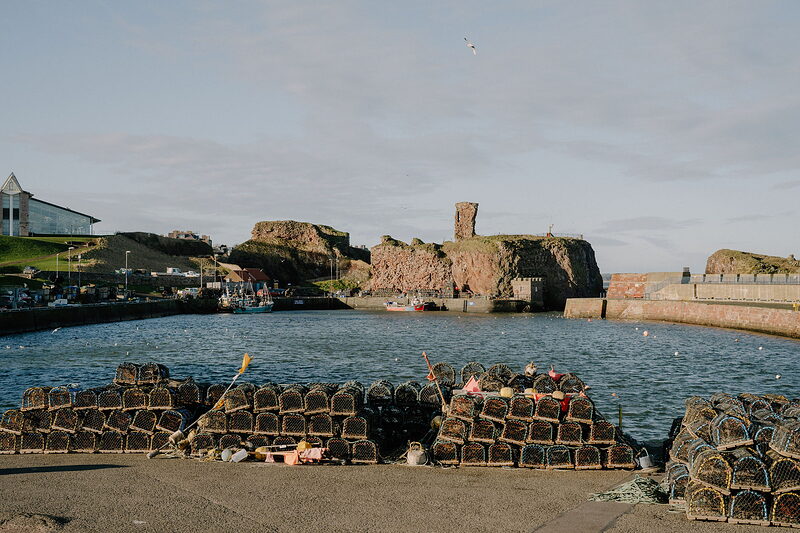
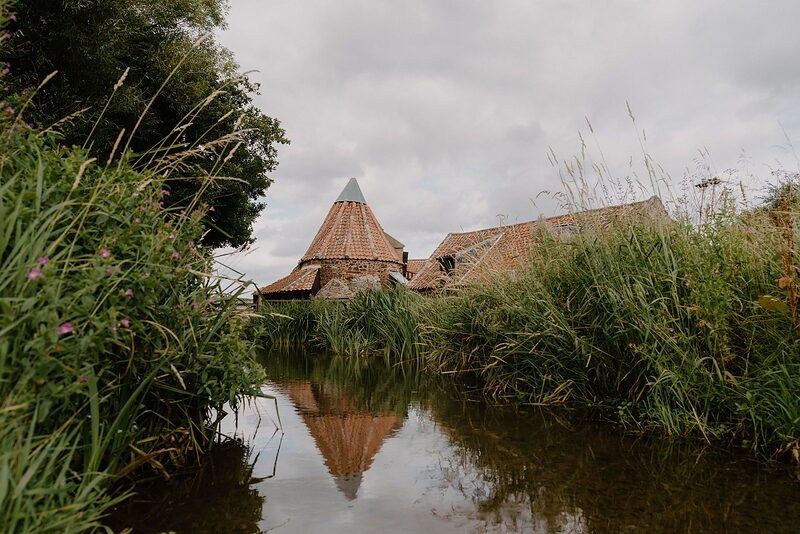
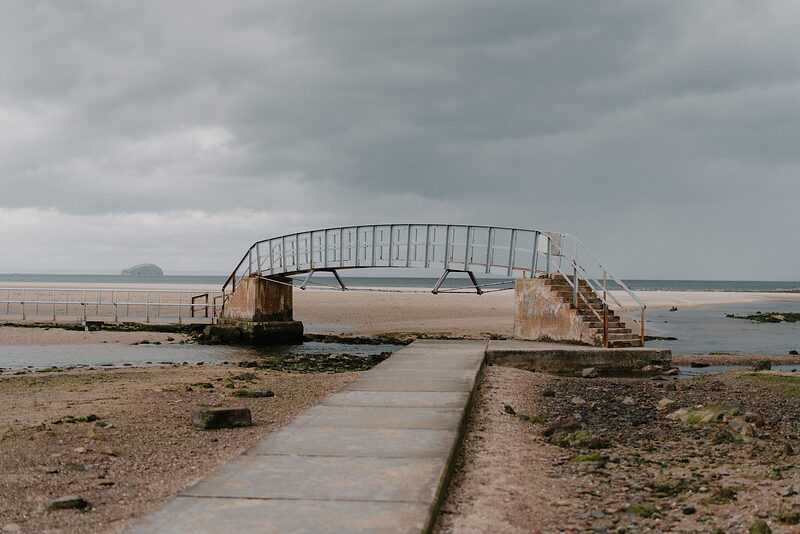
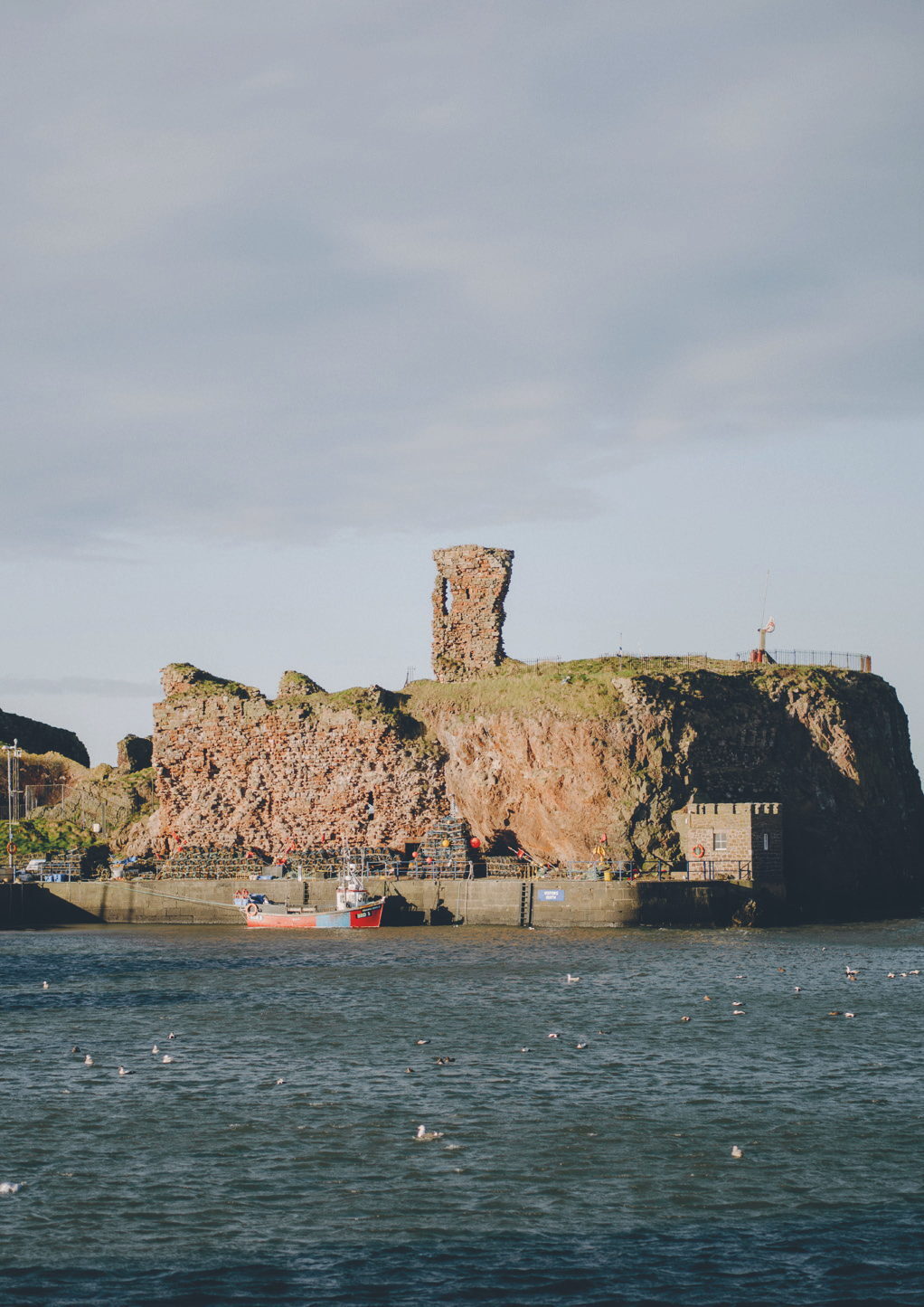
Dunbar's castle ruins stand over a harbour of lobster boats and creels, and the clifftop path runs west to Belhaven Bay and its Bridge to Nowhere. Along the coast, the pinewoods of Tyninghame open onto a long, quiet beach. Inland at East Linton, Preston Mill still stands on the Tyne, with the ruins of Hailes Castle further upriver.
Haddington and the Lammermuirs
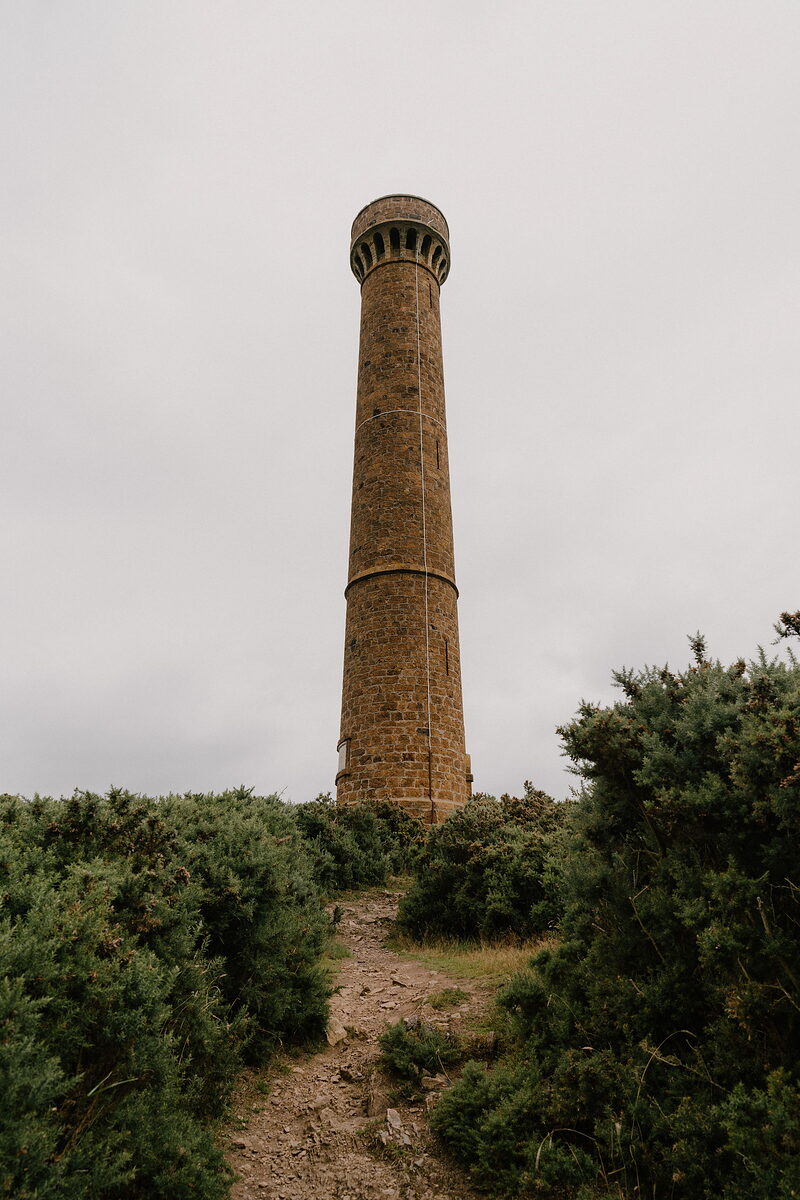
Haddington is an old market town on the River Tyne, with the Hopetoun Monument on the hill above and a view over the farmland of East Lothian. Glenkinchie, the Lowland home of Johnnie Walker, makes whisky near Pencaitland, the National Museum of Flight has Concorde at East Fortune, and the Lammermuir Hills rise to the south.
Roslin and the Pentlands
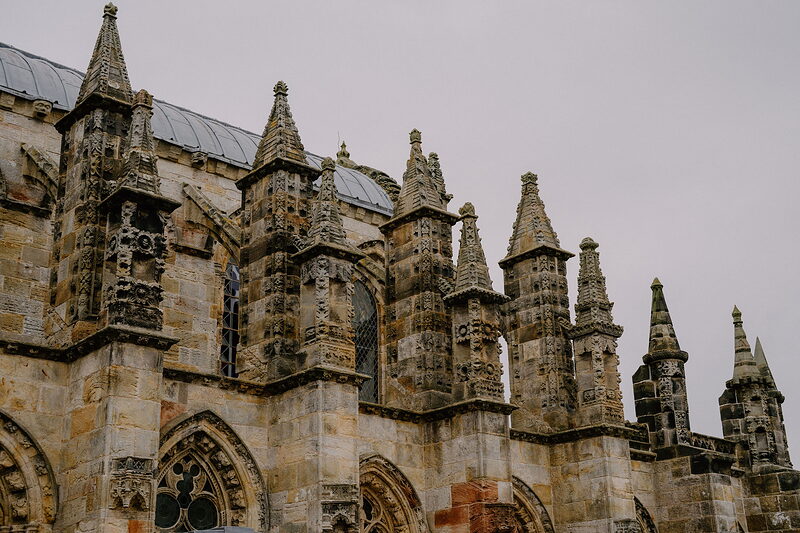
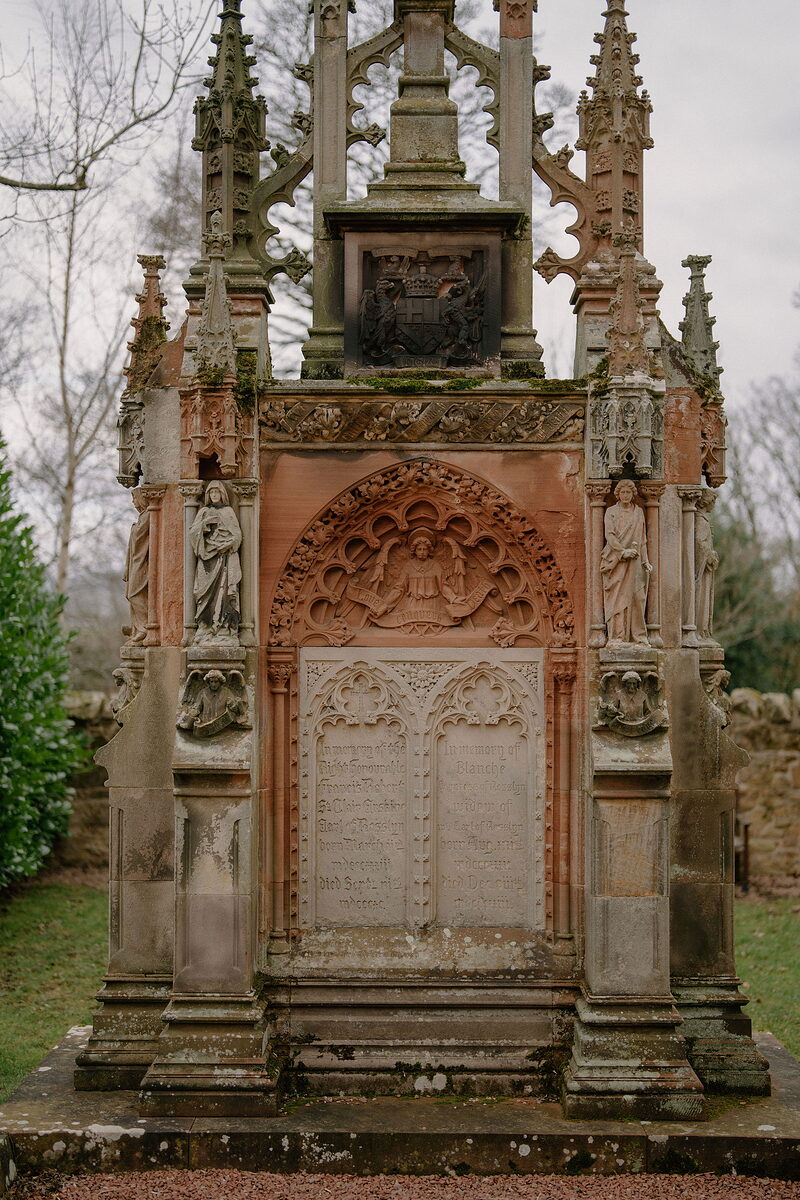
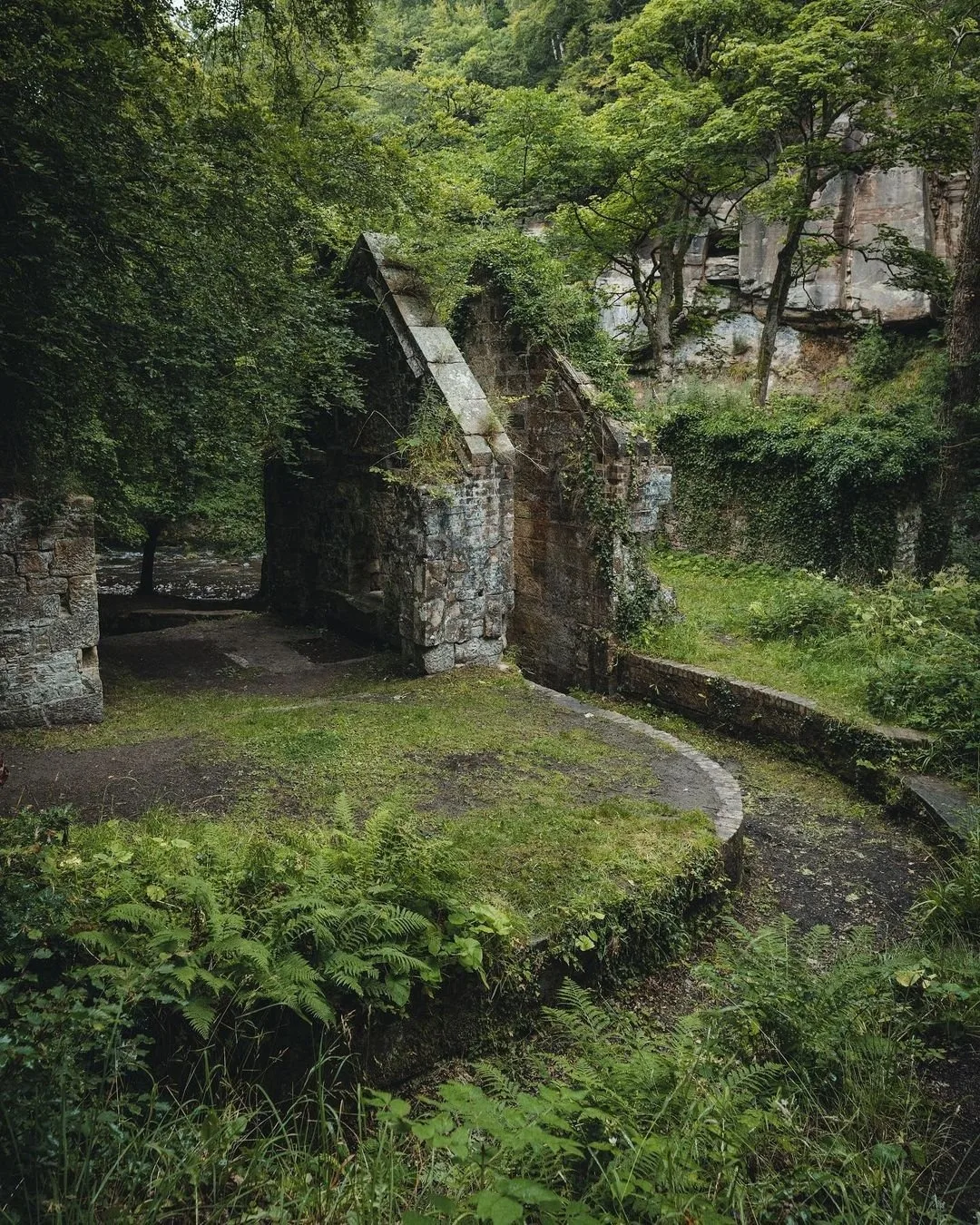
Just south of Edinburgh, Rosslyn Chapel is covered in carvings, and a path drops into Roslin Glen to the castle on its rock. Dalkeith Country Park has woodland trails and an adventure playground, Musselburgh has its old harbour on the Forth, and the Pentland Hills rise above Penicuik, with farm cottages to stay in below them.
“East Lothian honestly has it all! We have a great selection of fabulous beaches, numerous top golf courses and beautiful farmland.”
Stephanie Lothian
Owner of The Barn at Williamstone Farm, North Berwick
Best known for.
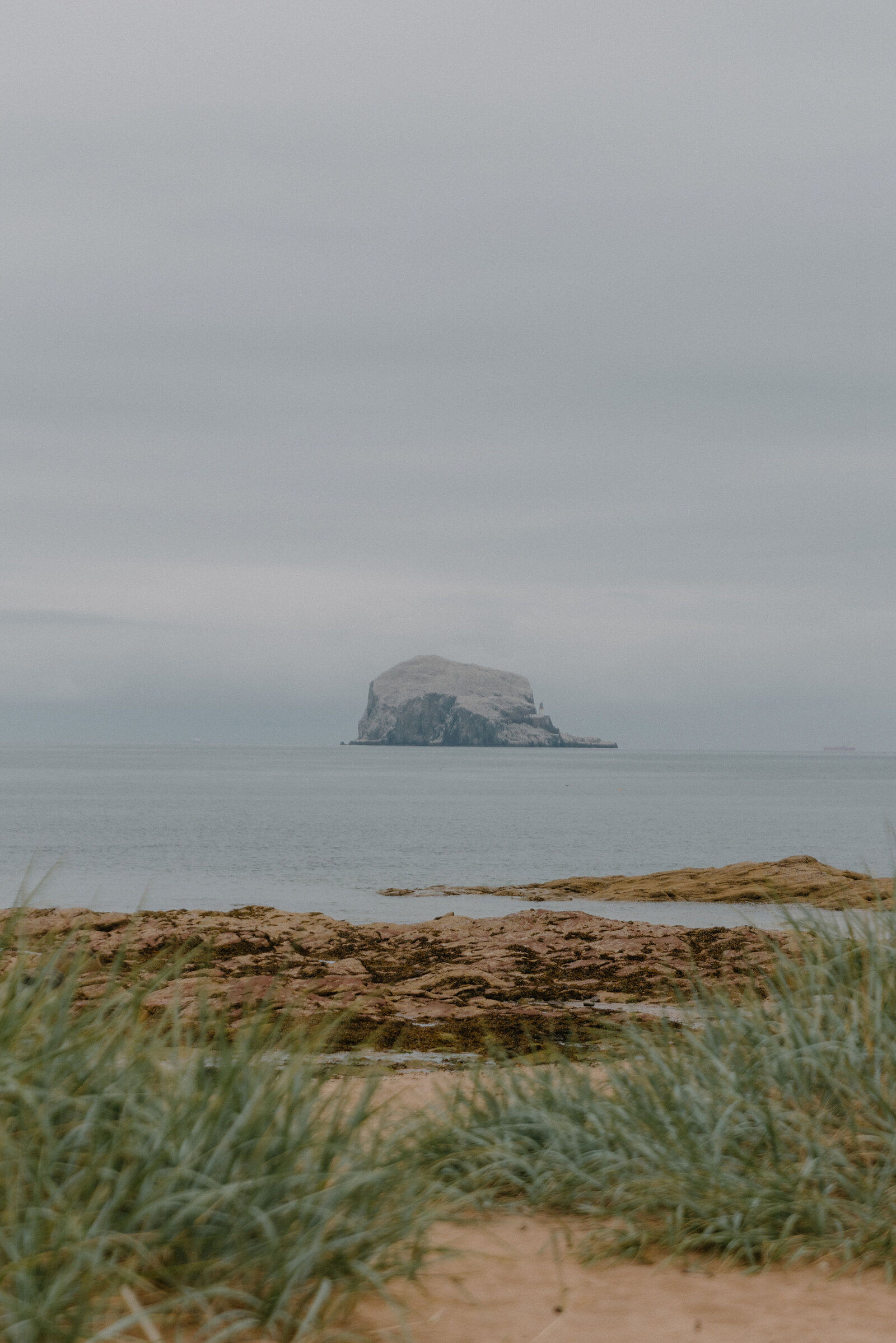
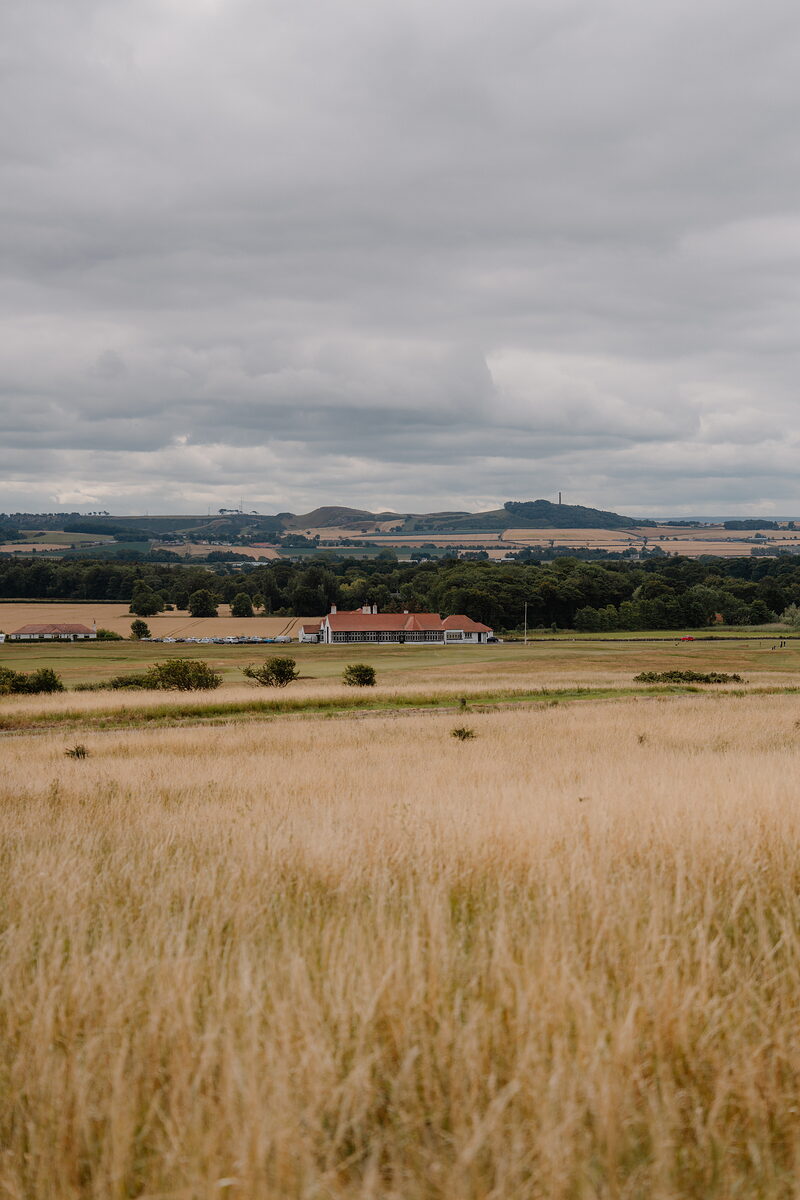
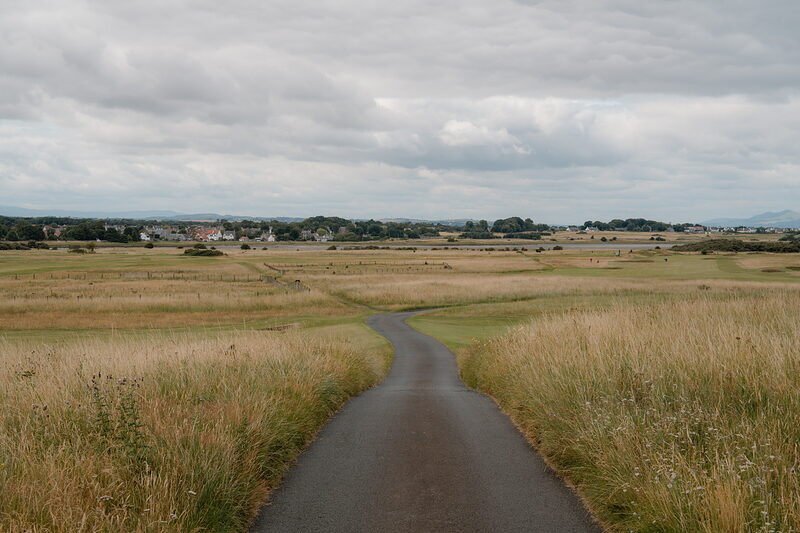
The Lothians are known first for their coast. East Lothian's shore is lined with golden beaches and old links, from Muirfield, where sixteen Opens have been played, to Musselburgh, where golf was recorded in 1672 and six Opens were held in the 1870s and 1880s. Out in the Firth of Forth, the Bass Rock holds the largest colony of northern gannets in the world. Inland there is Rosslyn Chapel, famous for its carvings and for The Da Vinci Code, the royal palace at Linlithgow and the Pentland Hills, a favourite with walkers. The farmland is rich, and it shows in the bakeries, farm shops and seafood shacks.
More about Lothian
Much of it is easy to reach without a car. Trains run from Edinburgh to North Berwick and Dunbar in well under an hour, and the John Muir Way follows the coast all the way to Dunbar, where the naturalist was born. Days here can be as gentle or as full as you like. You might spend one on a beach with a fish supper at the end of it, and the next on a castle clifftop, in a walled garden or out on a links that has hosted the Open.
It is also a region with a long memory. Iron Age forts ring its hilltops, a king and a queen were born at Linlithgow, and Rosslyn Chapel has kept its carved secrets since the fifteenth century. Armies fought across its farmland at Pinkie, Dunbar and Prestonpans. Later came coal pits, paper mills and shale oil works, and then the railway, which turned North Berwick into a seaside resort for Edinburgh families. Today the Lothians are made for long weekends and easy day trips, and the food is good wherever you stop.
What would you like to look at?
 See and doClifftop castles, Rosslyn Chapel and a watermill
 Eat, drink and shopLobster by the harbour, bakeries and seaside cafés
 Where to stayFarm cottages below the Pentland HillsHistory and storiesHill forts, royal palaces, coal and shale oil
 ItinerariesDays we have driven, stop by stop
 Getting hereTrains along the coast, roads and buses
 What is on in LothianSomething new from the region every day
What is on in Lothian
Friday the 16th of October.
Sunrise 07:44, sunset 18:08.
Things you might not know.
Graeme Johncock
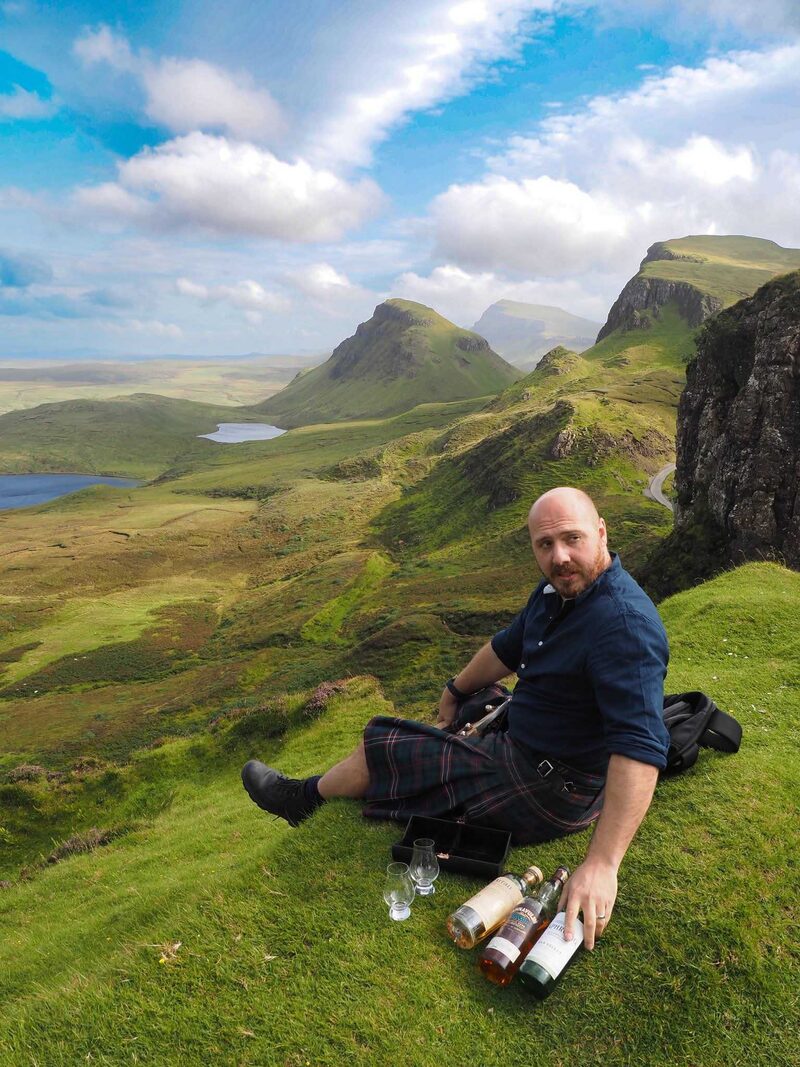
Graeme is the writer and storyteller behind Scotland’s Stories, sharing Scotland’s traditional folklore and legends.
The Falkirk Tunnel was carved through Prospect Hill purely because William Forbes of Callendar House didn’t want to see the Union Canal passing through his land. Two of the men who worked on the project were the infamous serial killers Burke and Hare.
Find out more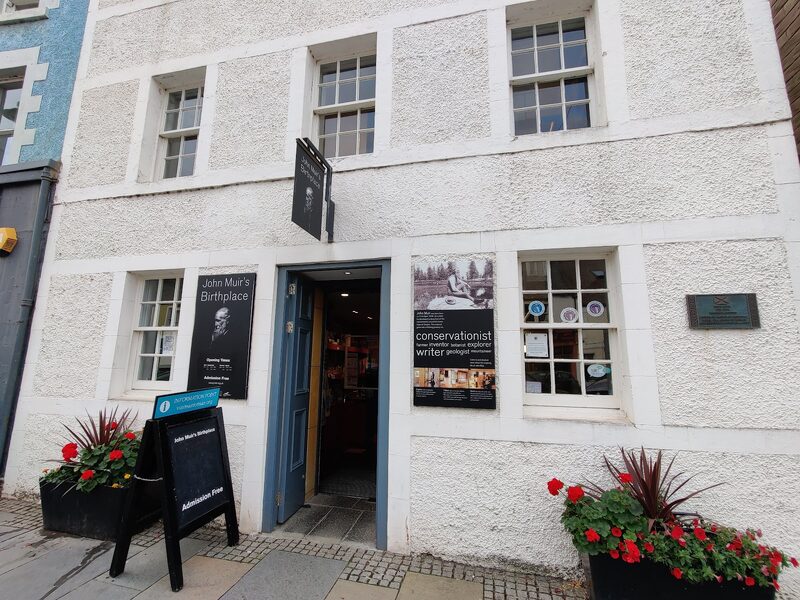
Dunbar is the birthplace of John Muir – the father of American National Parks.
Find out moreWhile some monasteries are famous for producing wine or rearing sheep, the monks of Newbattle Abbey were skilled coal miners.
Find out moreMade famous as Lallybroch in Outlander, Midhope Castle was once home to 53 estate workers.
Find out moreTradition states that the town of Lasswade’s name came from a rich laird who climbed on a stout woman’s back to be carried across the river while he shouted, “Wade lass, wade!”
Find out moreThe famous Rosslyn Chapel was originally intended to be much larger and cruciform but after its builder William Sinclair died, his son decided to stop construction and put a roof on what was already finished.
Find out more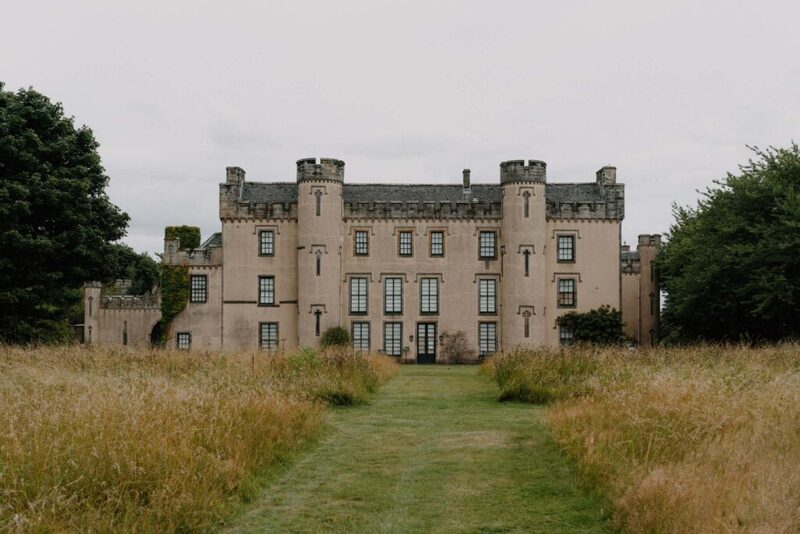
The Binns Tower standing on the hill above House of the Binns is a folly, built in 1826 after Sir James Dalyell won a bet on the most pointless way to spend £100.
Find out moreLocated in Dunbar and established in 1719, Belhaven Brewery is the oldest still working brewery in Scotland.
Find out moreIt’s claimed that the fountain in Linlithgow Palace was made to flow with wine to welcome Bonnie Prince Charlie in 1745.
Find out moreThe Wizard of Yester, was said to have instilled the Coulston Pear with magical properties to ensure his family flourished. It stayed perfectly fresh for centuries until a pregnant Elizabeth Mackenzie gave in to her cravings and took a bite, cursing the family into ruin.
Find out moreThe Scottish Saltire is said to be the oldest national flag still in use, dating from the Battle of Athelstaneford in 832 when a combined Scot-Pict army gained inspiration from the clouds forming the St Andrews Cross against the blue sky.
Find out more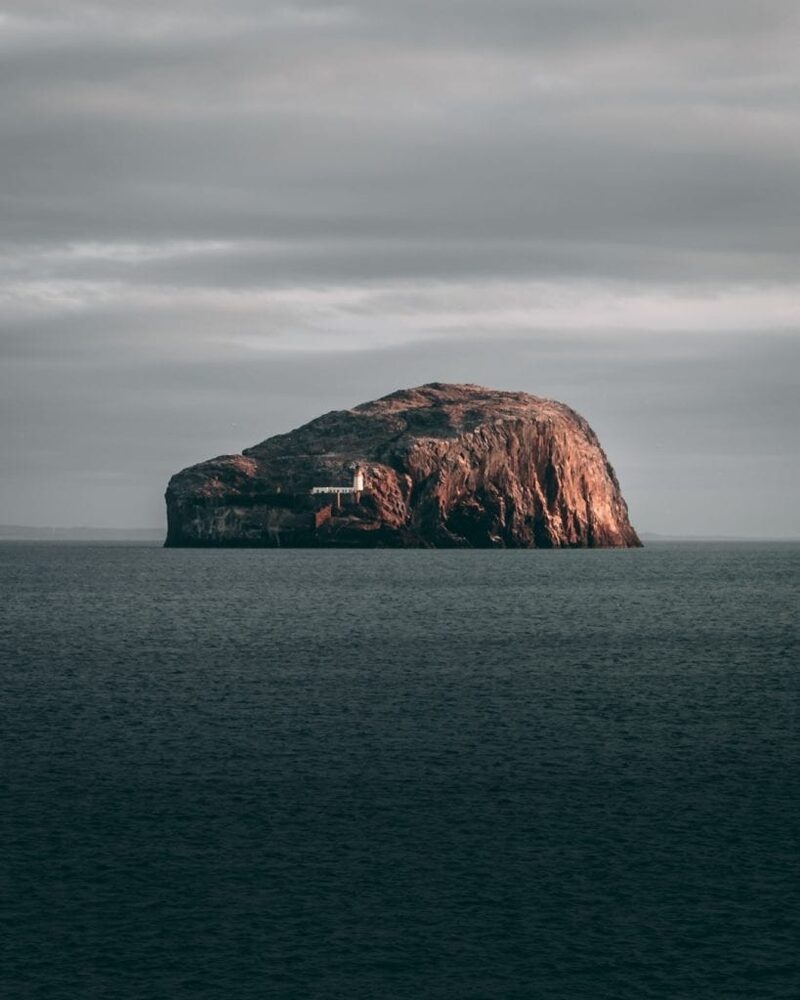
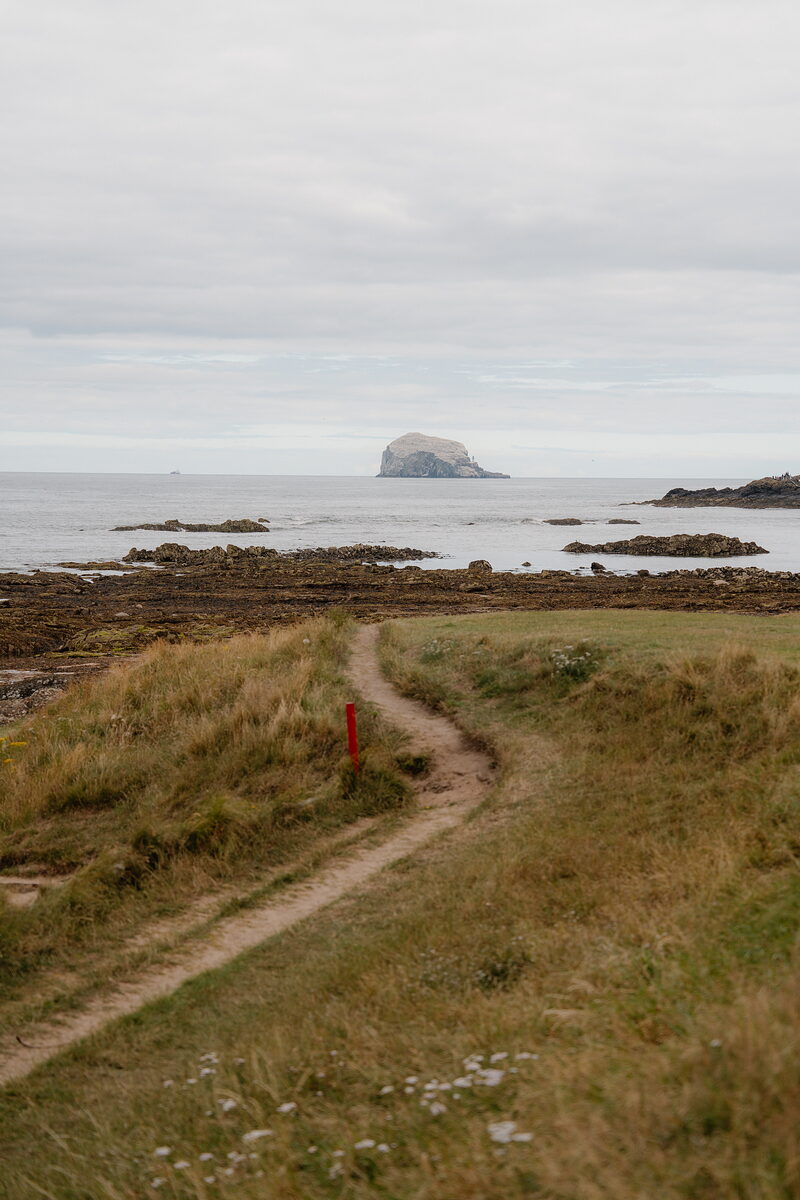
The Bass Rock with its huge seabird colonies is known as one of the Wonders of the Natural World today but was once a political prison. In 1691, four Jacobite officers captured the fortress from the inside and held it against the government for almost three years.
Find out moreIn a prominent position outside Falkirk Trinity Church, you can find the grave of William Wallace’s friend and right-hand man - John de Graeme of the Bright Sword.
Find out moreThe village of Temple is named after the Knights Templar who had a church on the site of Old Temple Kirk. This settlement was once called Balantrodach which means Town of the Warriors in Gaelic.
Find out more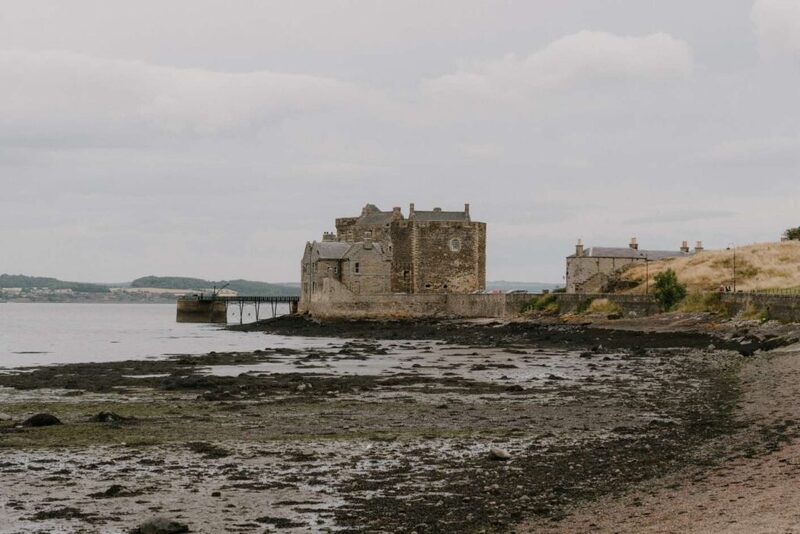
Blackness Castle on the banks of the Firth of Forth is commonly known as the Ship That Never Sailed as its design makes it appear to have a prow, stern and even a mast.
Find out more
Photographs by bonniebadgergullane; Colin C, JohnnyMcG, Five Sisters Zoo, Andy G, Richard Usher and Tim Moore via Google