
Wallace and Bruce – The Monument, Bannockburn and Two Abbeys
Two days by car, from Stirling to Melrose.
The route
These two days follow William Wallace and Robert the Bruce in the order it happened.
The first stays round Stirling. It starts on the Old Bridge over the Forth, beside the crossing where Wallace and Andrew Moray beat an English army in 1297, and climbs to the Wallace Monument on the Abbey Craig. Then it heads south to Bannockburn, where Bruce won in 1314, and ends in Stirling Castle, the prize both battles were fought over. The night is near Dunblane. The second day follows Bruce to his rest. It goes east into Fife to Dunfermline Abbey, where he was buried in 1329, then crosses the Forth and runs south over Soutra into the Borders to Melrose Abbey, where a heart believed to be his lies in the grass.
Before you go
Book a night near Dunblane
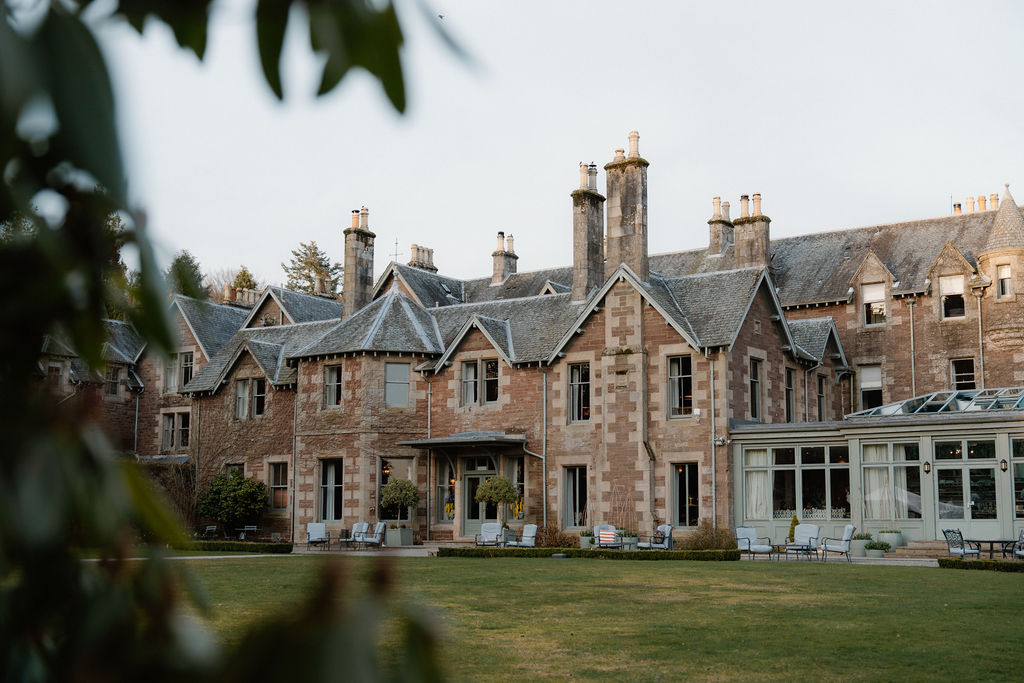
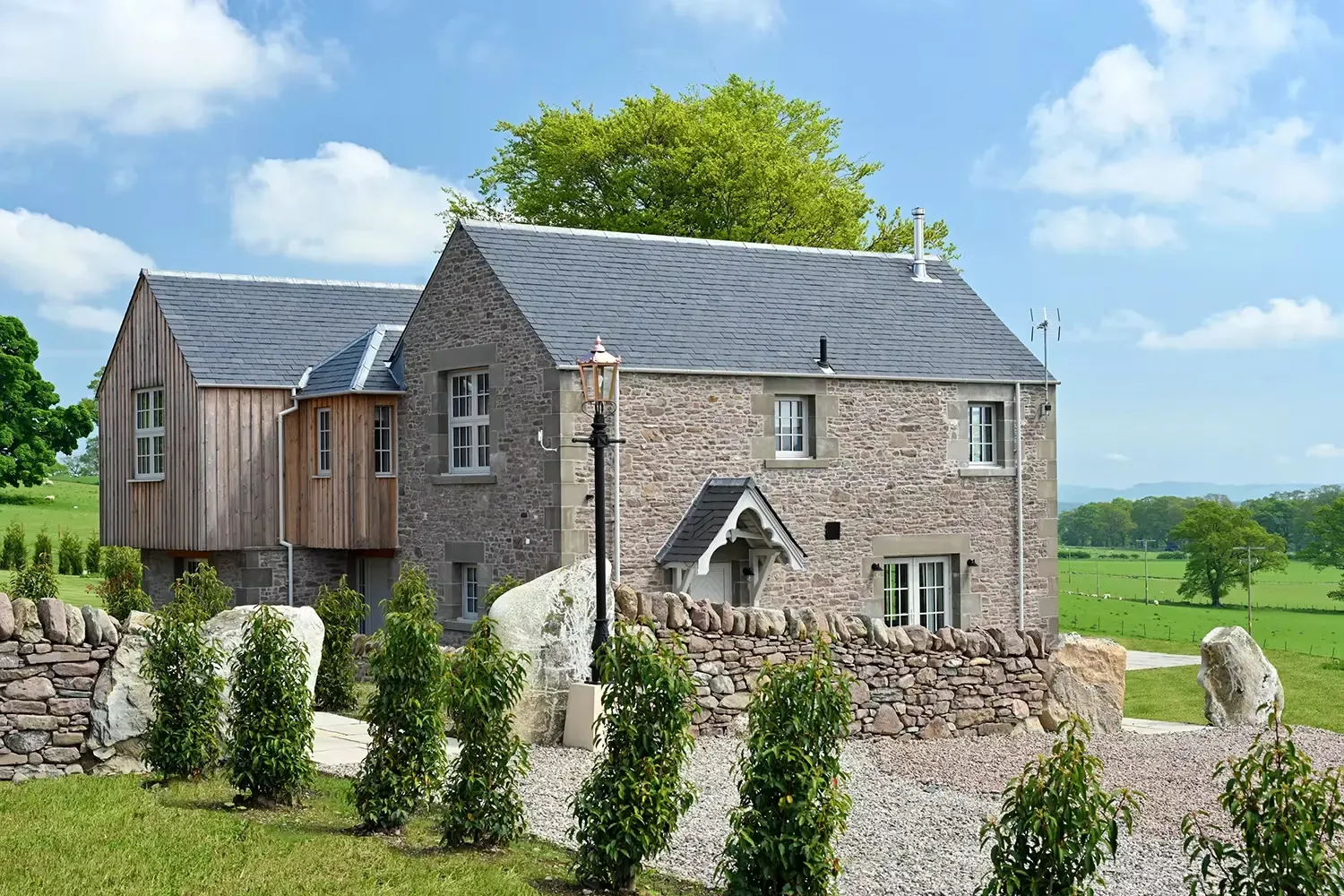
Day one ends near Dunblane, about 10 minutes' drive north of the castle's park and ride. Book the bed once your dates are set.
Online before you set off, for a time slot that suits your day.
Online, for a set time: it is £2 cheaper than at the gate.
Day one
Stirling
A day round Stirling in the order the wars came to it, setting off at nine. It starts on the Old Bridge over the Forth, climbs the Abbey Craig to the Wallace Monument, heads south to the field where Bruce is remembered, and ends inside the castle both battles were fought over. The night is near Dunblane, a short way north.
51 min at the wheelAbout 19 miles
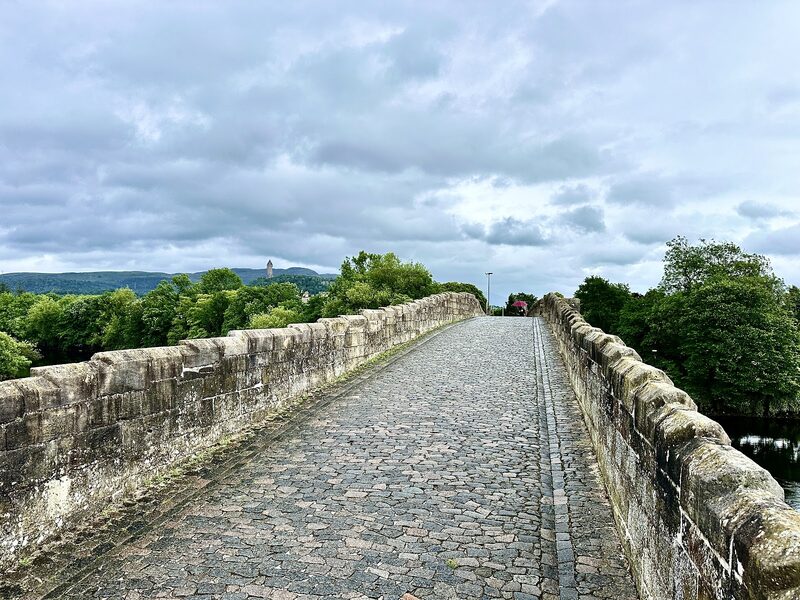
Stirling Old Bridge
It's 4 minutes' drive from the middle of Stirling to a small car park on Laurencecroft Road, at the town end of the Old Bridge. Its four stone arches went up around 1500, two centuries after the battle. On 11 September 1297 an English army began to cross a narrow timber bridge a little upstream, and William Wallace and Andrew Moray waited until part of it was over, then attacked. From the middle, look upstream, north, to where the timber bridge stood, right to the Abbey Craig, and back to the castle on its rock.
7 min by car
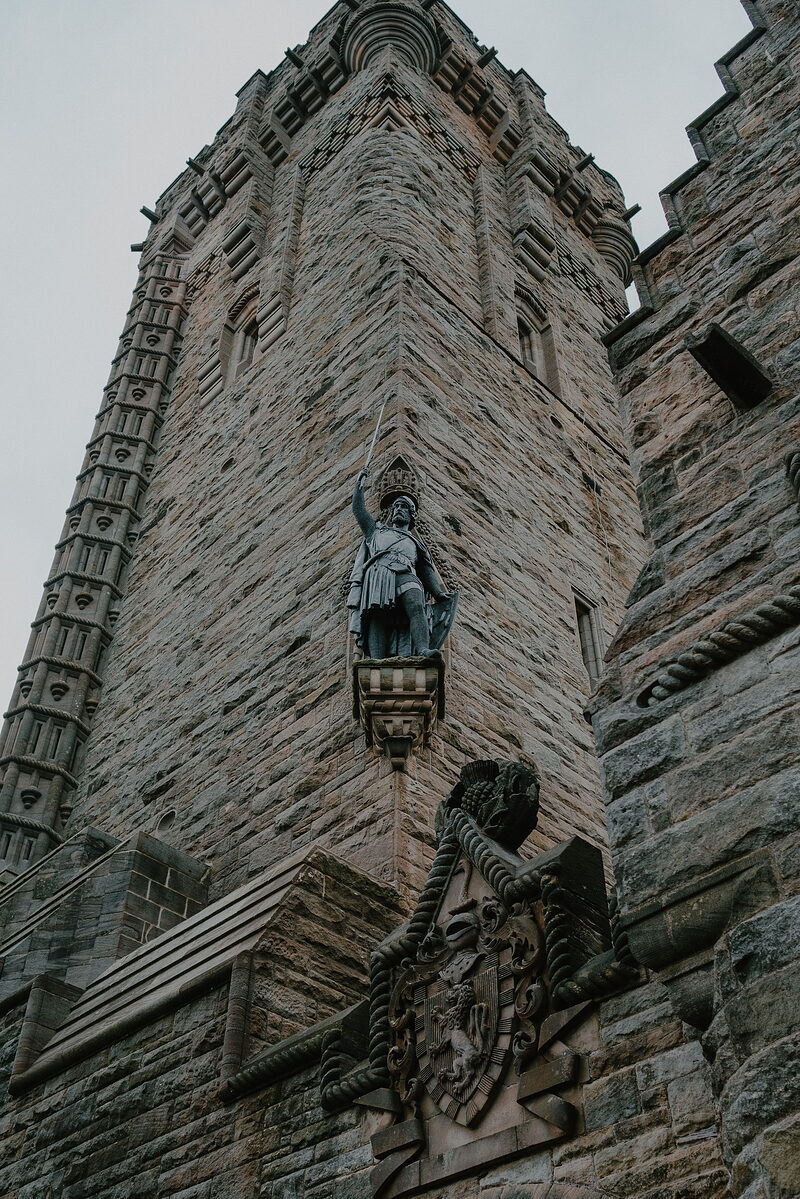
Wallace Monument
An attraction
The free car park at the foot of the Abbey Craig is 7 minutes' drive over the river. Walk up through the woods, 15 to 20 steep minutes, or take the free shuttle. Tradition has Wallace watching the English from this crag. Moray died of his wounds that autumn; Wallace became Guardian. The tower of 1869 tells his story over 246 narrow steps: the great two-handed sword the Monument shows as his, the Hall of Heroes, then the Crown, with the bridge and the river's loops below.
15 min by car
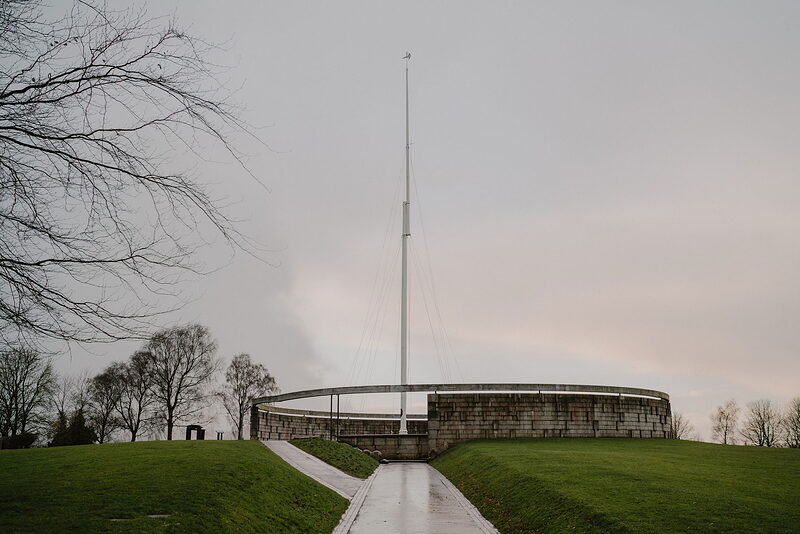
Bannockburn
An attraction
It's 15 minutes' drive south to Bannockburn, where Robert the Bruce beat Edward II's larger army on 23 and 24 June 1314. The visitor centre is shut for rebuilding until 2028, but the grounds are open and free. Walk up to Pilkington Jackson's bronze of Bruce on his warhorse, its face taken from a cast of the skull found at Dunfermline, then the Rotunda, where the story goes he raised his standard. The main fighting was on low ground to the north-east, now houses and fields, out of sight.
14 min by car
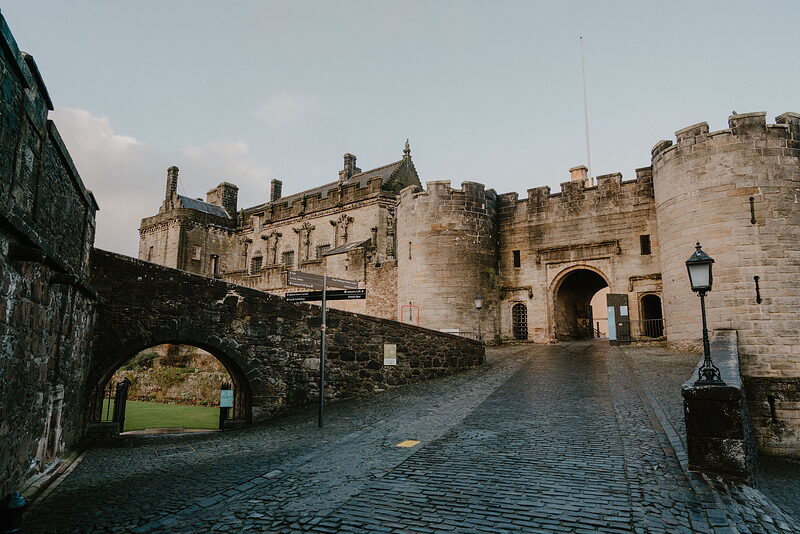
Stirling Castle
An attraction
The Castleview park and ride is 14 minutes' drive back north: the castle's own car park is for Blue Badges and coaches. Take the P2 bus into town and walk up. After Wallace's win at the bridge in 1297 the English garrison here gave up; in 1314 Edward II marched north to relieve it and met Bruce at Bannockburn. Bruce then pulled its walls down, so what stands is the Stewart kings' palace and Great Hall. Outside the gate, Andrew Currie's Bruce stands on the esplanade.
If it rains
The Monument and the castle are the day's roofs: the Monument's three galleries are indoors, though the Crown at the top is open to the weather and the tower can shut at short notice in high wind, and the castle's palace, Great Hall and Great Kitchens are all under cover, so give them longer. The Old Bridge and Bannockburn's grounds are open and exposed, with no shelter at Bannockburn while its centre is shut, so keep them short. For another dry hour, the Stirling Smith Art Gallery and Museum on Dumbarton Road is free, Wednesday to Sunday.
Worth a detour
- Cambuskenneth Abbey
Below the Monument to the south, on the same bank in a loop of the Forth and reached by Ladysneuk Road off the Alloa road: the abbey where Bruce held a parliament in November 1314, and another in 1326. Its bell tower of the 1200s stands alone in the fields; you can step into its vaulted ground floor, but not climb it. It's free and open daily from April to September, 9.30am to 5.30pm; park in the village. About 8 minutes' more driving on the way to Bannockburn.
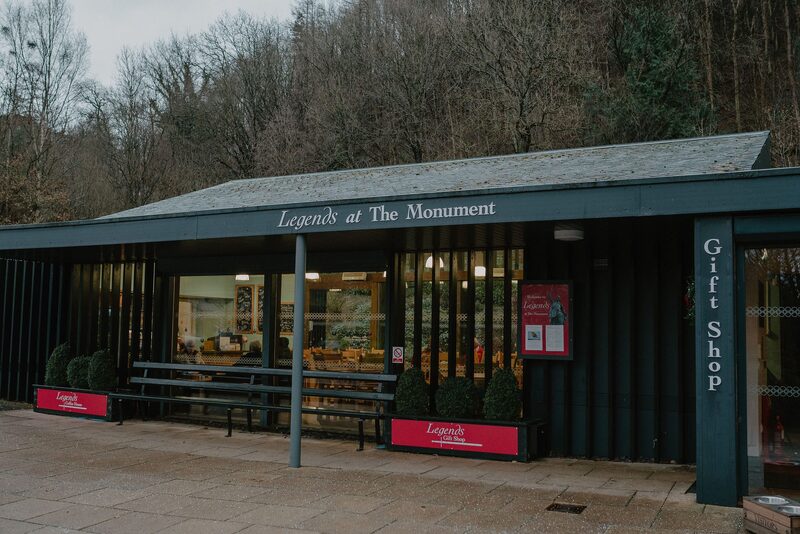 StirlingLegends at the MonumentA café
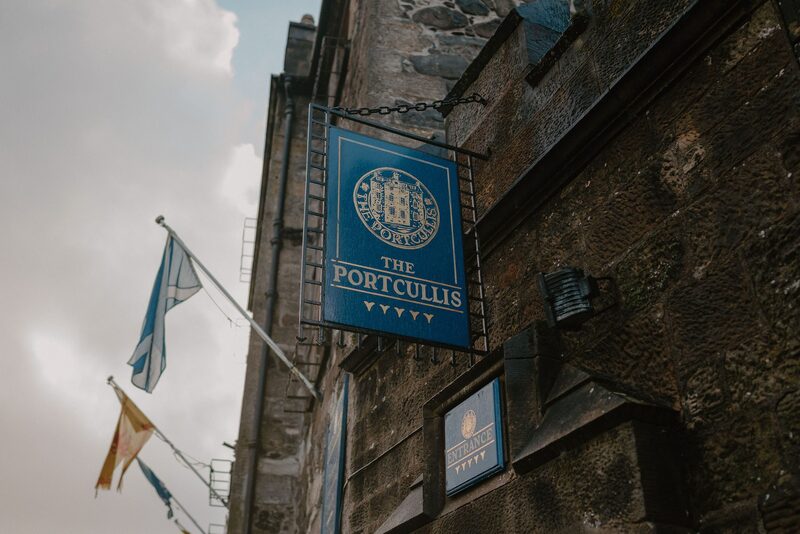 StirlingThe PortcullisA restaurant
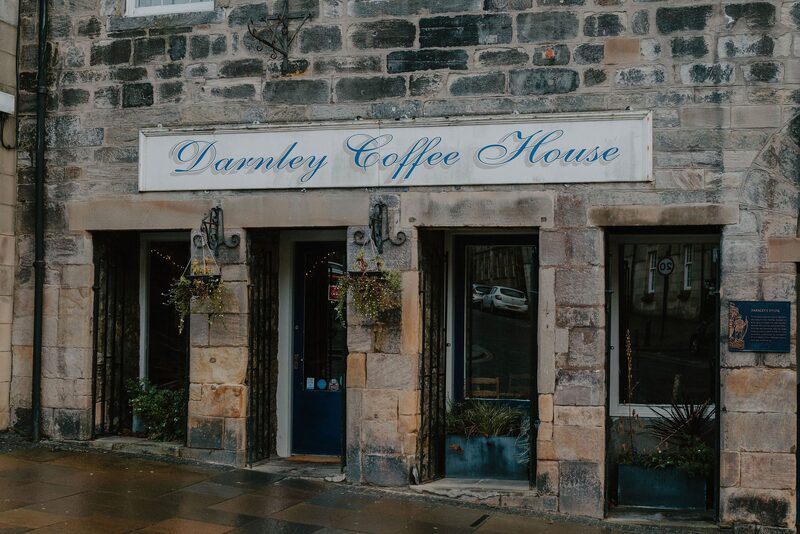 StirlingDarnley Coffee HouseA café
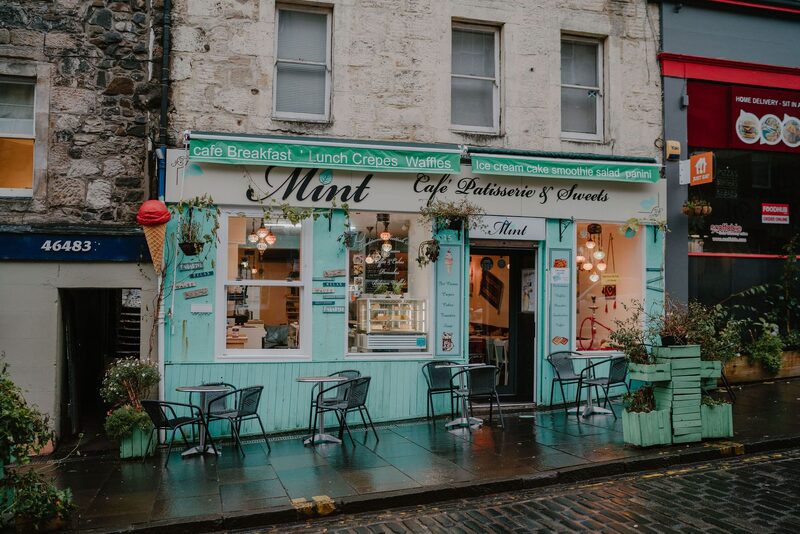 StirlingMintA café
 StirlingUnorthodox RoasterA café
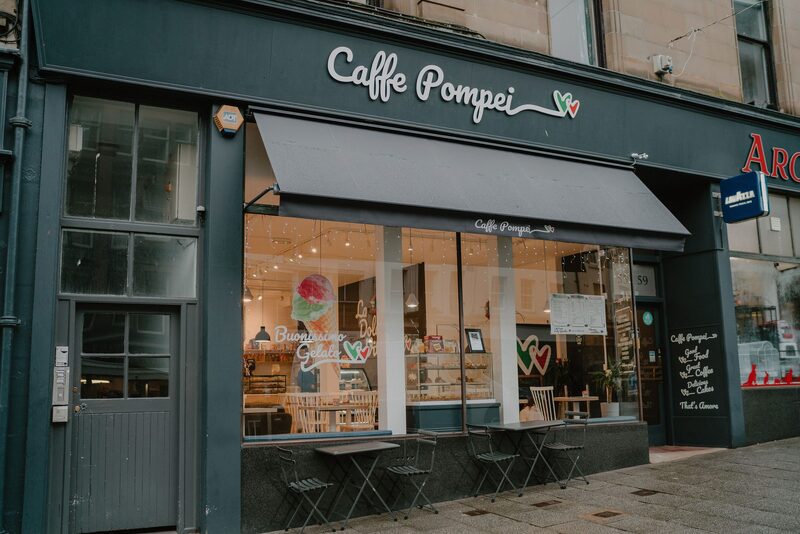 StirlingCaffe PompeiA café
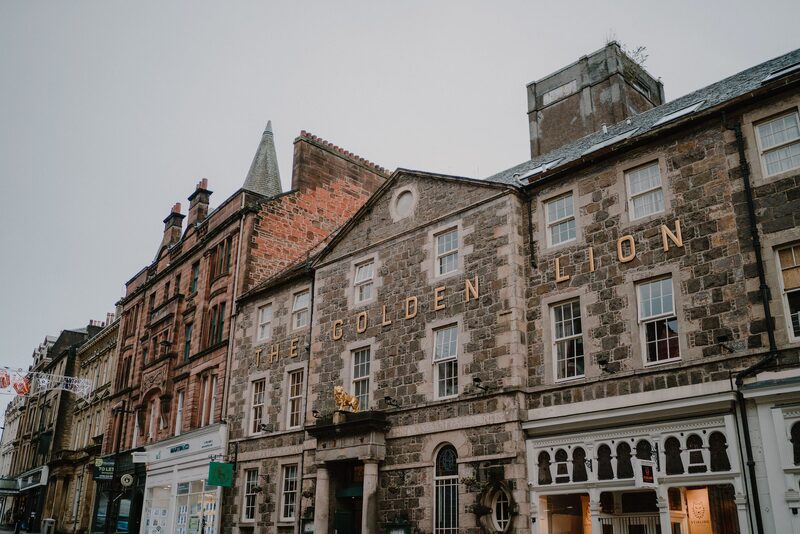 StirlingThe Golden Lion HotelA restaurant
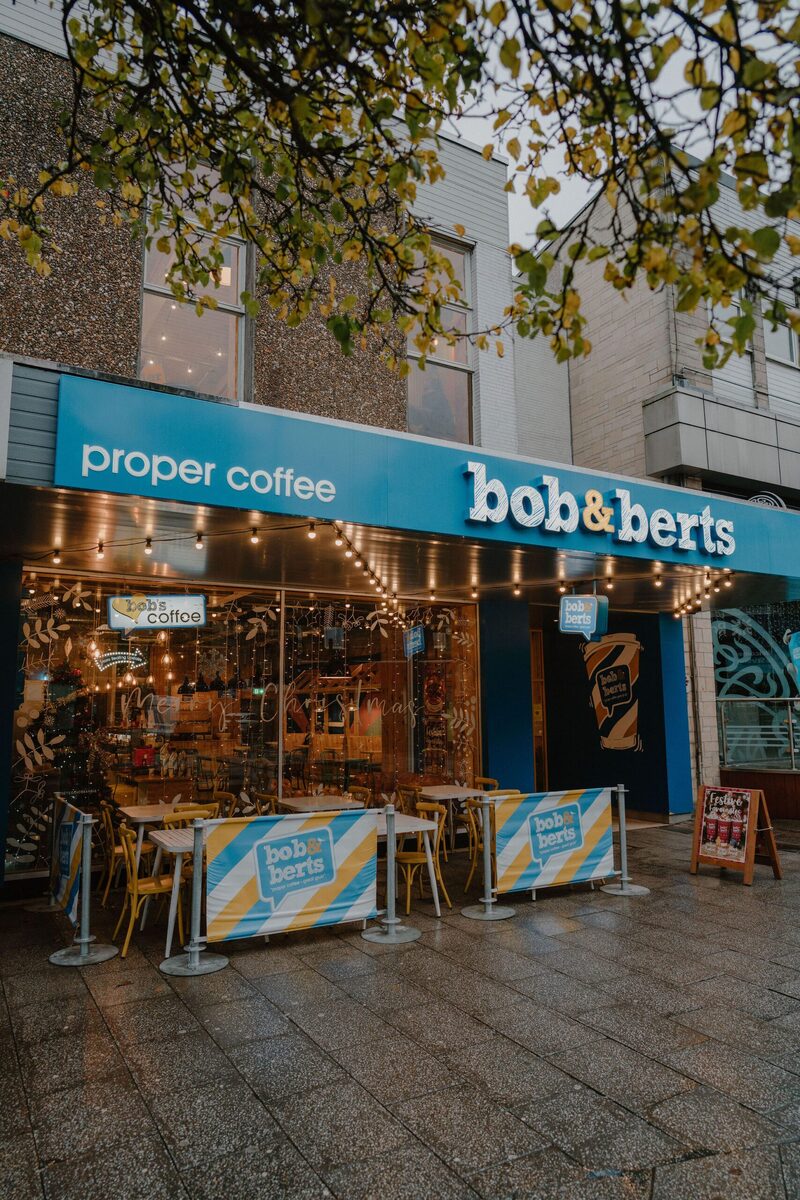 StirlingBob and BertsA café
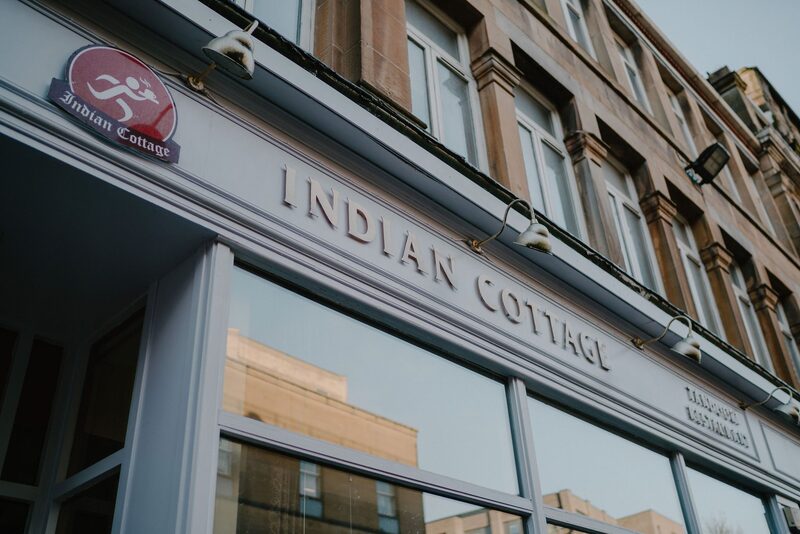 StirlingIndian CottageA restaurant
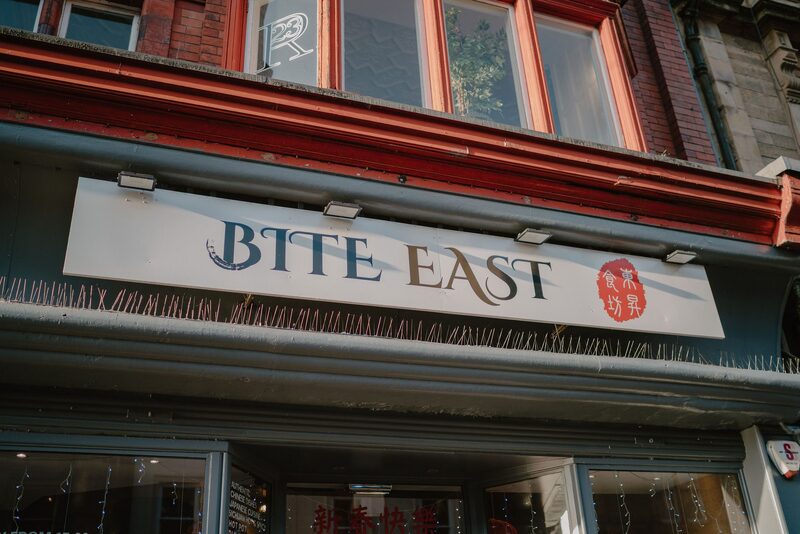 StirlingBite EastA restaurant
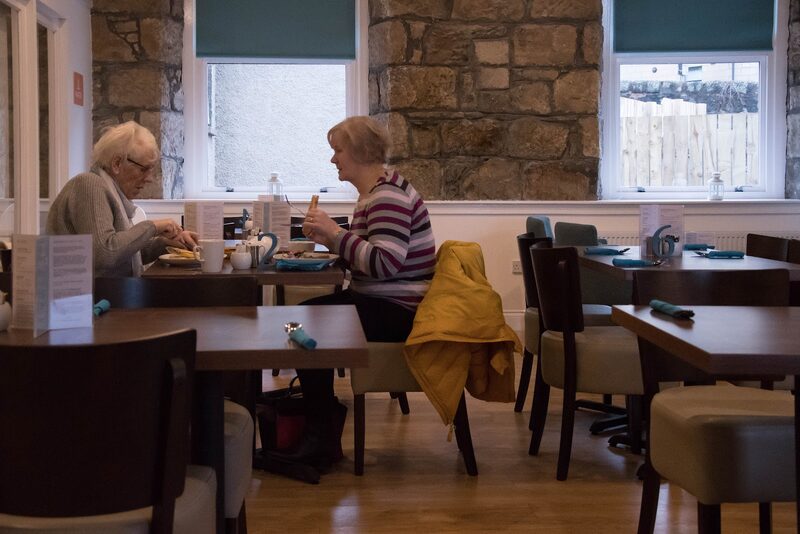 AlloaMakers CaféA restaurant
Day two
Melrose
The day follows Robert the Bruce to his rest, his body at Dunfermline and his heart at Melrose. The morning is in the abbey of Scotland's kings; then the road crosses the Forth and runs south over Soutra into the Borders, to the red sandstone ruin where the story ends. Leave Dunblane at a quarter past nine.
2 hr 20 min at the wheelAbout 92 miles
50 min by car
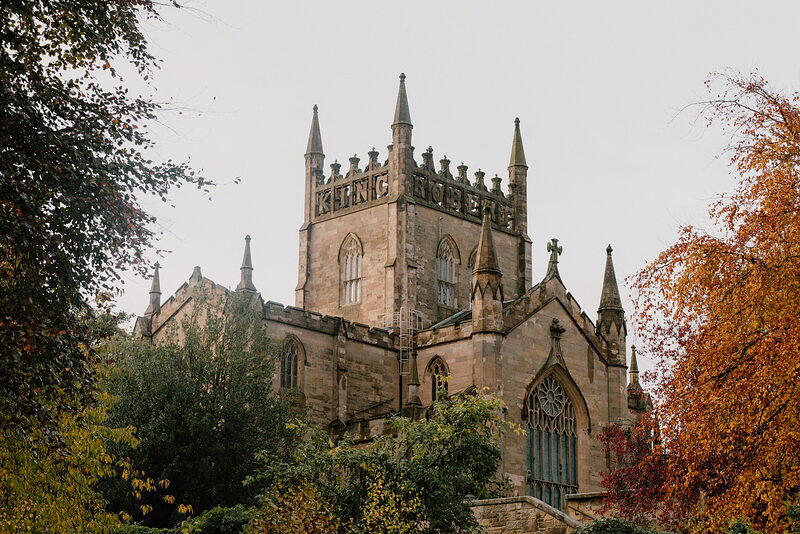
Dunfermline Abbey
An attraction
It's 50 minutes' drive by the M9 and the Clackmannanshire Bridge to Dunfermline, where Bruce was buried in the abbey's choir in 1329; park in the streets nearby. In the kirkyard, a thorn tree marks where, the story goes, Wallace's mother lies. The free old nave has great round pillars and a window that puts Wallace beside Bruce. The Abbey Church of 1821 has KING ROBERT THE BRUCE in stone round its tower, and by the pulpit a brass of 1889 shows him life-size over his grave.
1 hr 30 min by car
Melrose Abbey
An attraction
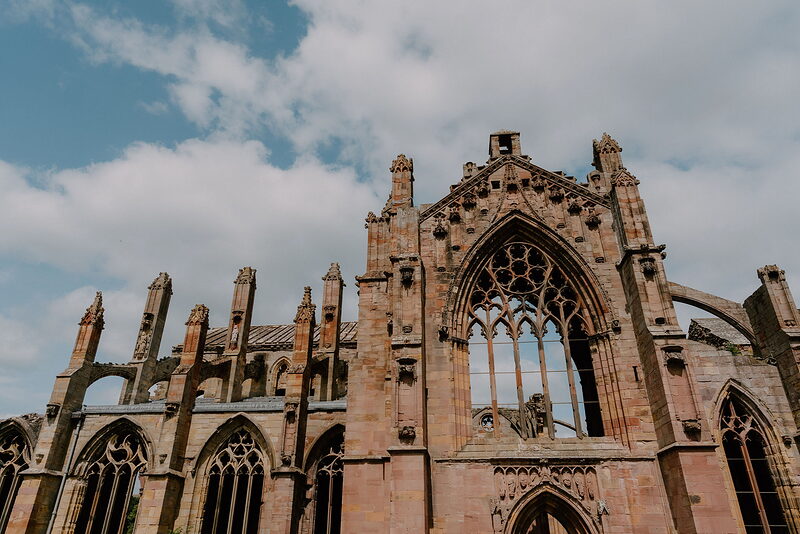
Melrose is 90 minutes' drive over the Queensferry Crossing and by Lauder; Twelve Triangles on the Market Square does lunch. Bruce asked for his heart to go on crusade; Sir James Douglas fell with it in Spain in 1330, and it came home to be buried here. A casket found in 1921 lies under a memorial of 1998, north of the church where the chapter house stood. Look up at the roofline for the pig playing the bagpipes. Edinburgh is an hour and a quarter away, Stirling an hour and three-quarters.
If it rains
Most of this day has a roof. Dunfermline's nave and the Abbey Church are both indoors, and the Abbot House beside them, the coral-pink house on Maygate, has its café. Melrose is a roofless ruin, but its church's aisles give some shelter and the museum in the Commendator's House is indoors (shut from noon to 2pm). On a very wet afternoon, Abbotsford, Sir Walter Scott's house, is a few minutes west of Melrose and under a roof.
Worth a detour
- Forth Bridge
Leave the M90 at the first junction north of the Queensferry Crossing for North Queensferry, a village right under the red cantilevers of the Forth Bridge of 1890, with all three bridges in view from the shore. About 25 minutes' more driving.
- Wallace Statue
Leave the A68 at Earlston for the B6356, past Scott's View, to Bemersyde: a red sandstone Wallace 21 feet tall on a 10-foot plinth, put up by the Earl of Buchan in 1814, looking over the Tweed to the Eildon Hills. It's about 10 minutes' walk each way along a woodland path from a small free car park beside the B6356. Wallace has no known tie to the place, and in summer the trees half hide him. About half an hour's more driving to Melrose.
Where to eat
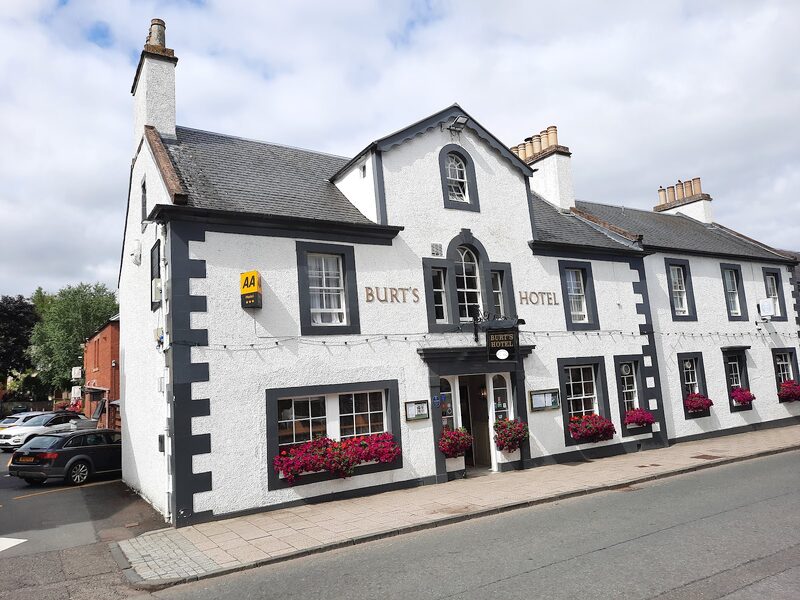
Burts Hotel, a restaurant in Melrose.
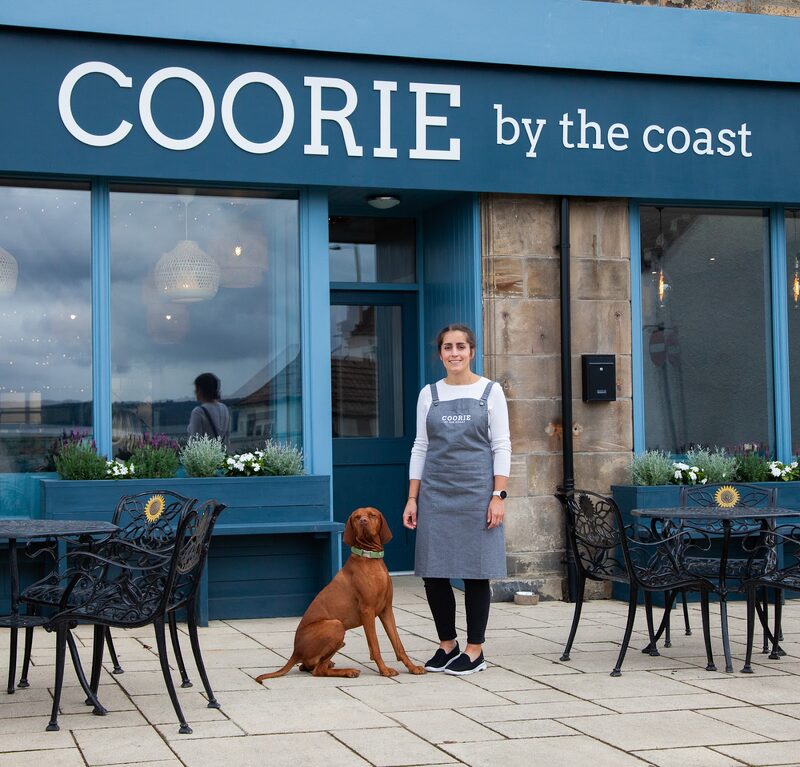
Coorie by the Coast, a restaurant in Limekilns.
Photograph by Don B Leask via Google