
Fife. The Kingdom of Fife guide
Pantiled fishing villages, St Andrews and its Old Course, royal palaces and a coast path round it all.
The four parts of Fife
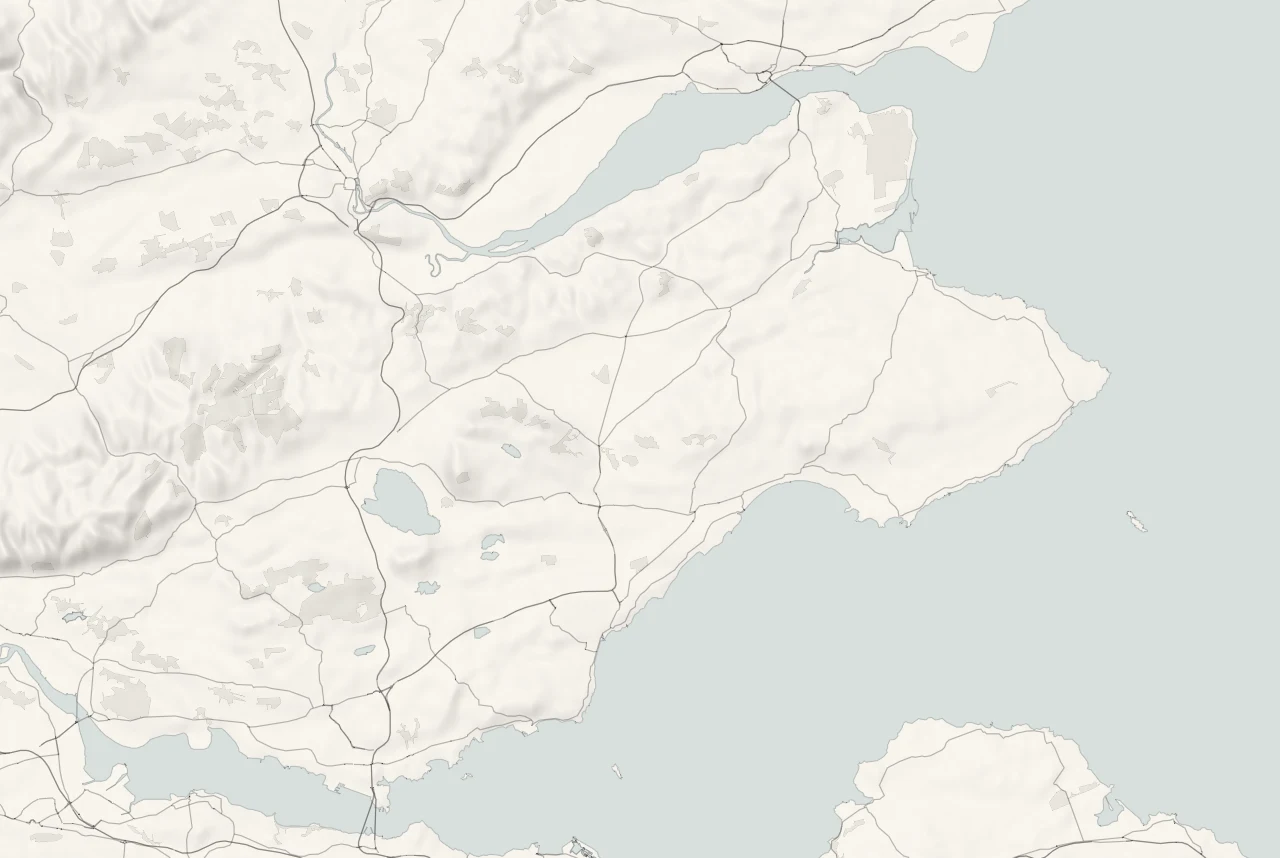
History hangs like a sea-mist over this green, salty-aired slab of land between the Firth of Forth and the Firth of Tay. The so-called Kingdom of Fife – often known simply as ‘The Kingdom’ – spent around half a millennium as the home patch of the Scottish monarchy, and the peninsula still has a unique character. A place of mellow fishing villages and rolling farmland, of age-old abbeys and booming coastal views, the region is also famed worldwide as the home of golf. Mark Twain, who memorably described the sport as a ‘good walk spoiled’, clearly never visited Fife.
St Andrews and the Tay
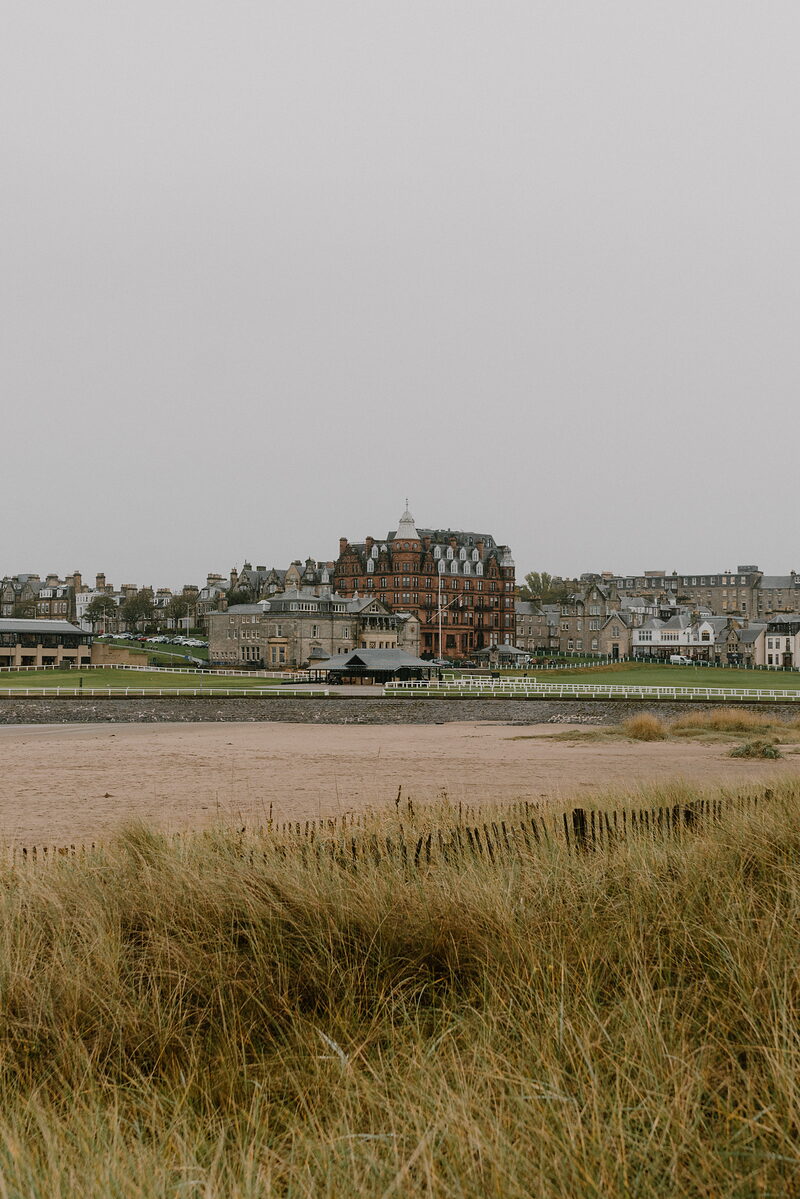
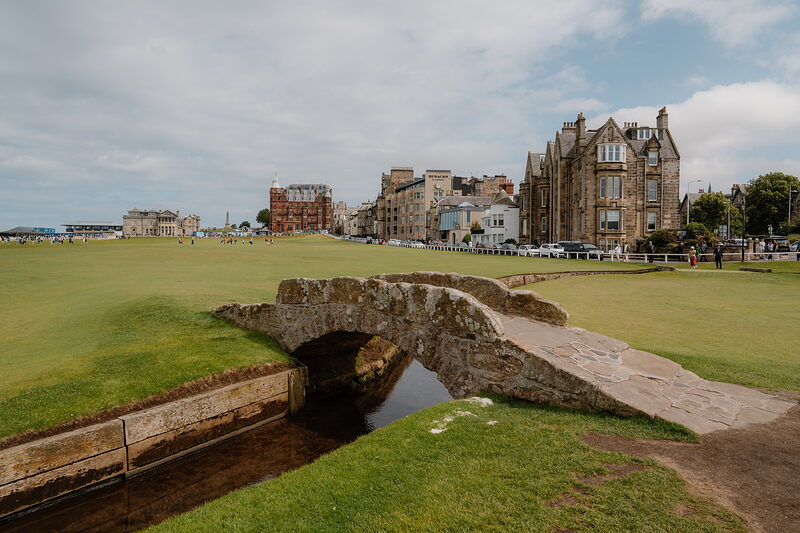
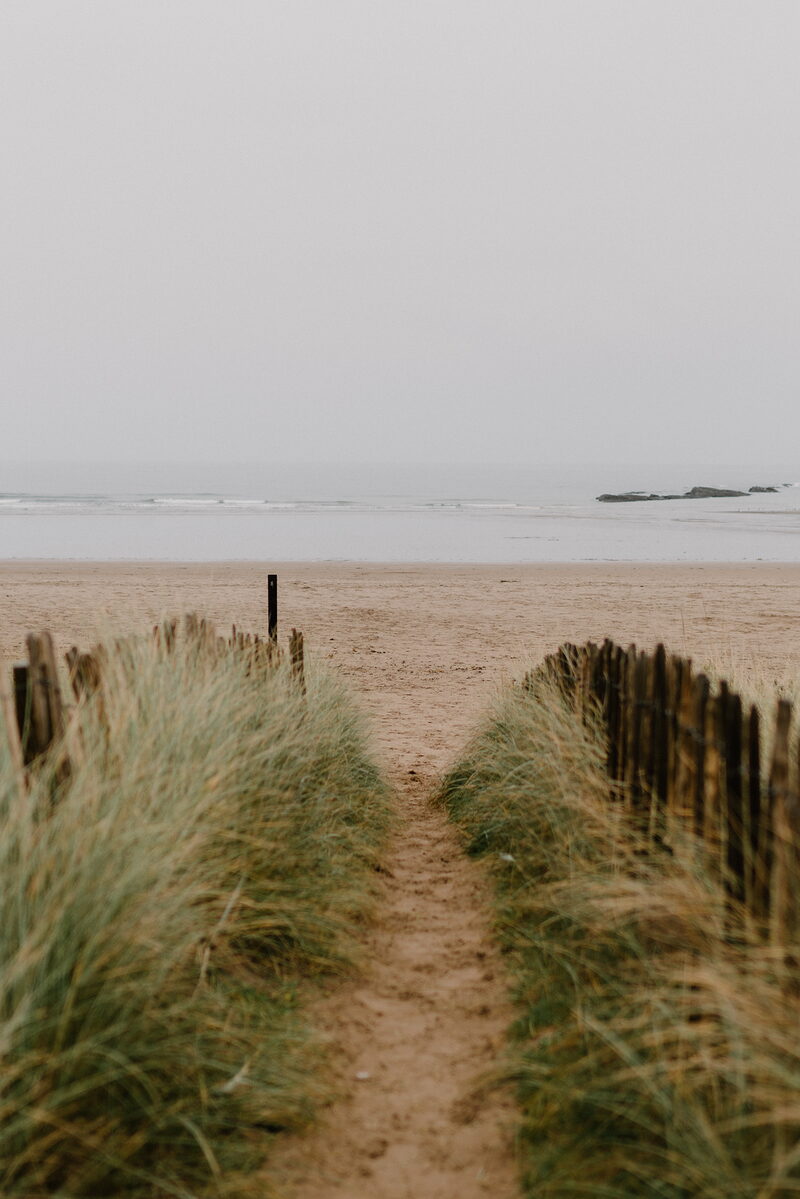
St Andrews packs a ruined cathedral, a castle on the cliffs, Scotland's first university and the Old Course into a few old streets by the sea, with the West Sands running for almost two miles beside the links. North of the town, the pinewoods of Tentsmuir reach the mouth of the Tay, and Newport-on-Tay looks across the river to Dundee.
The East Neuk
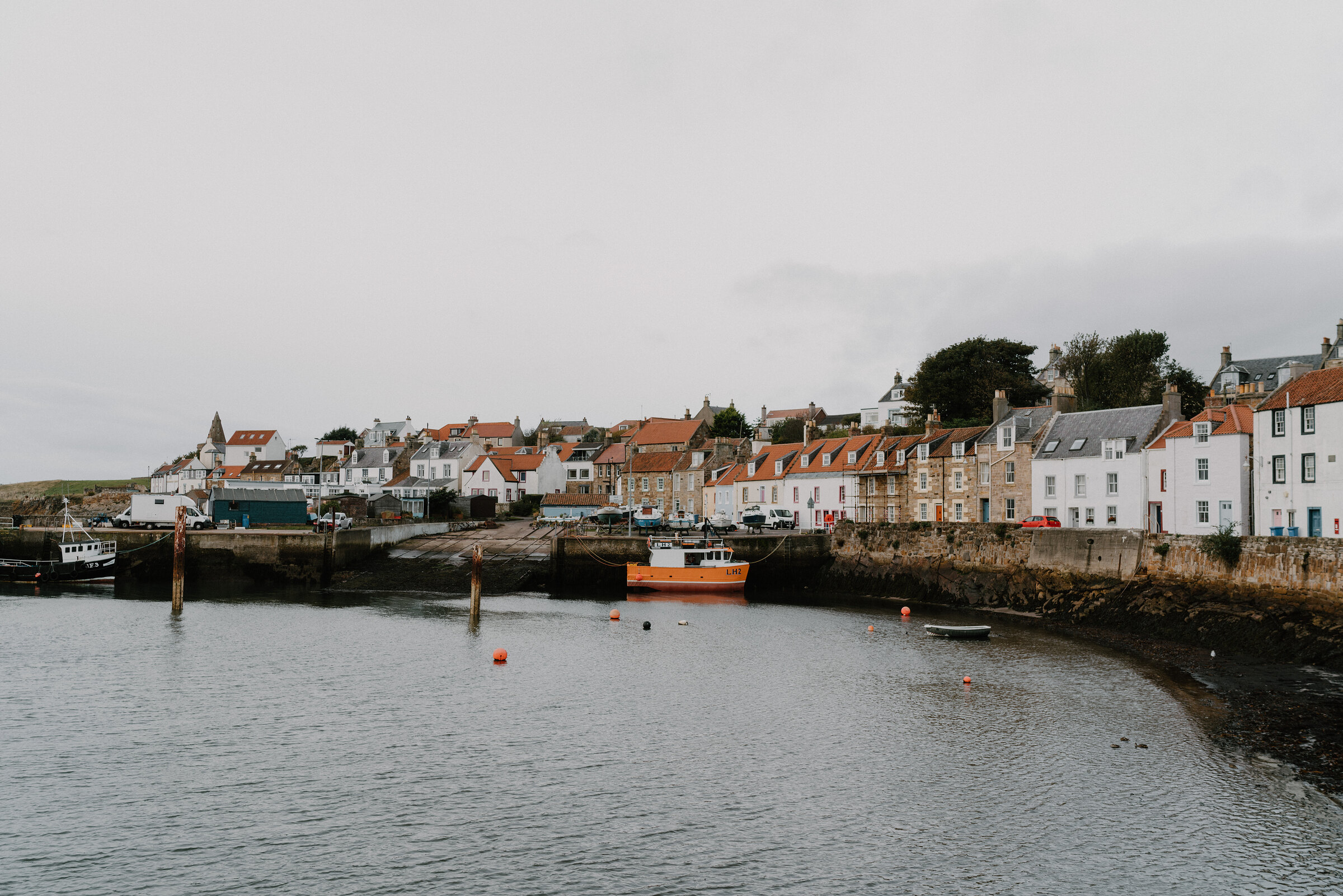
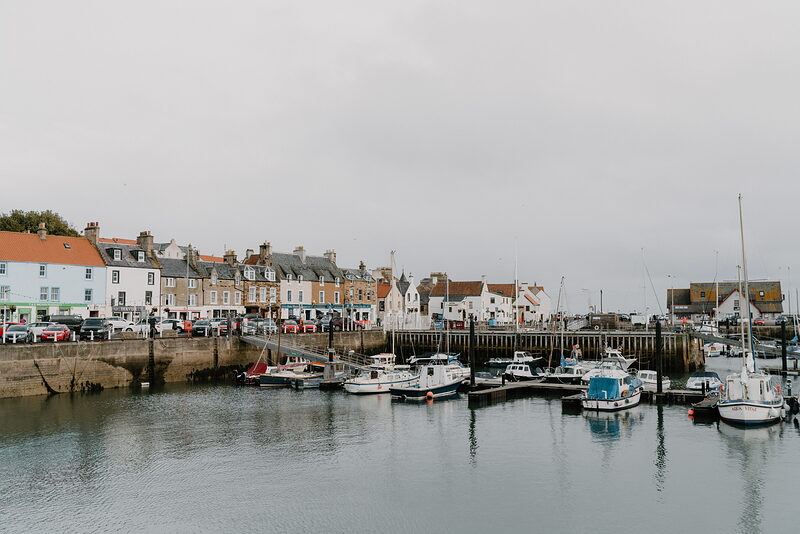
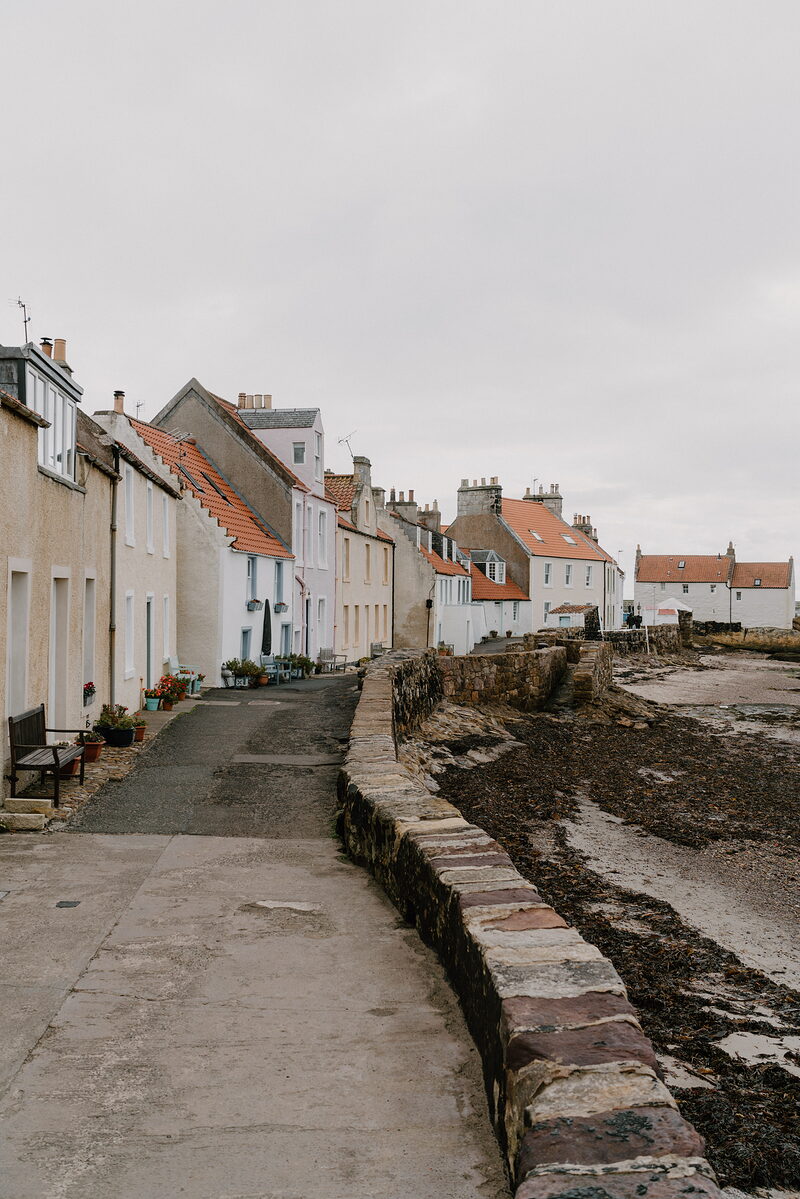
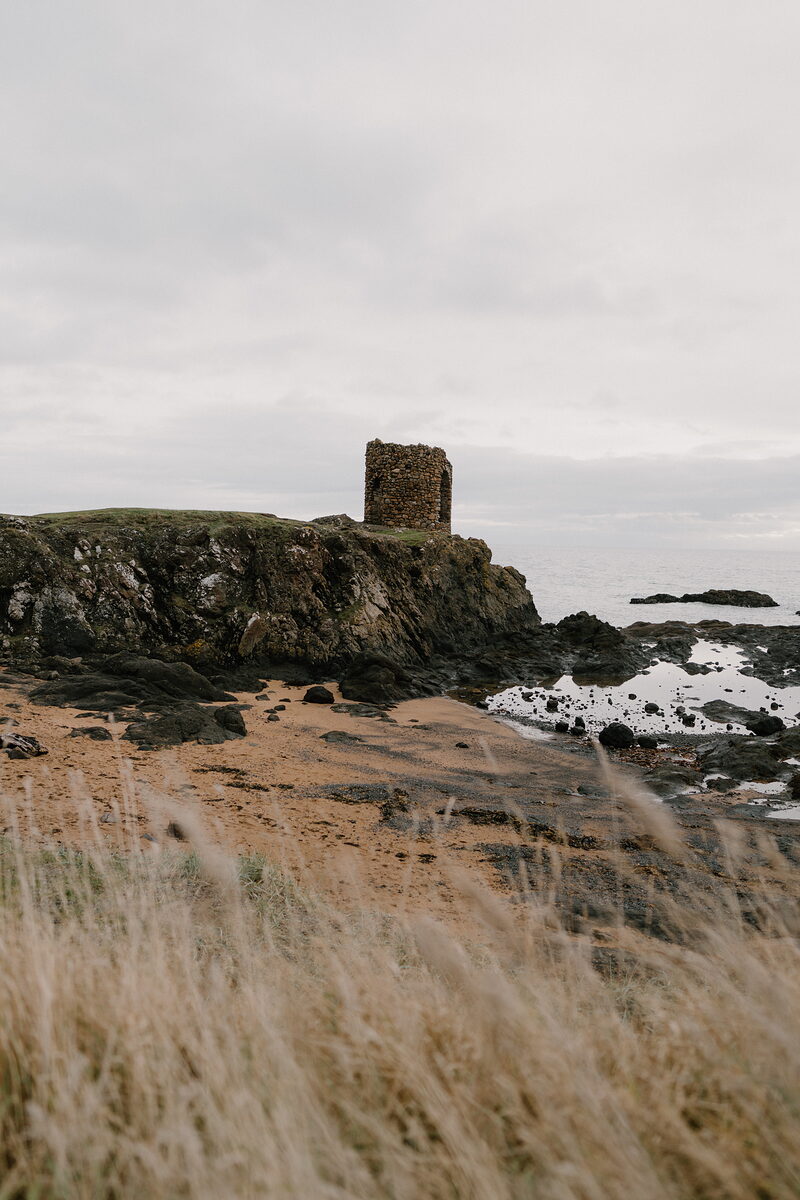
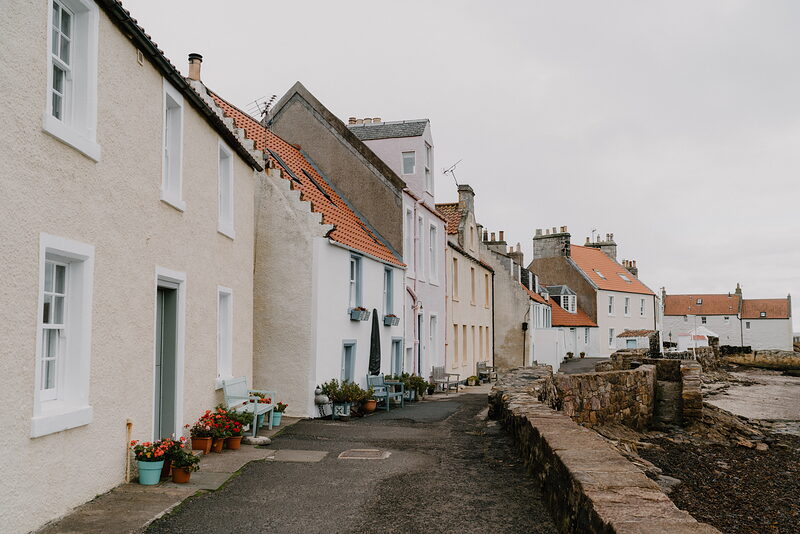
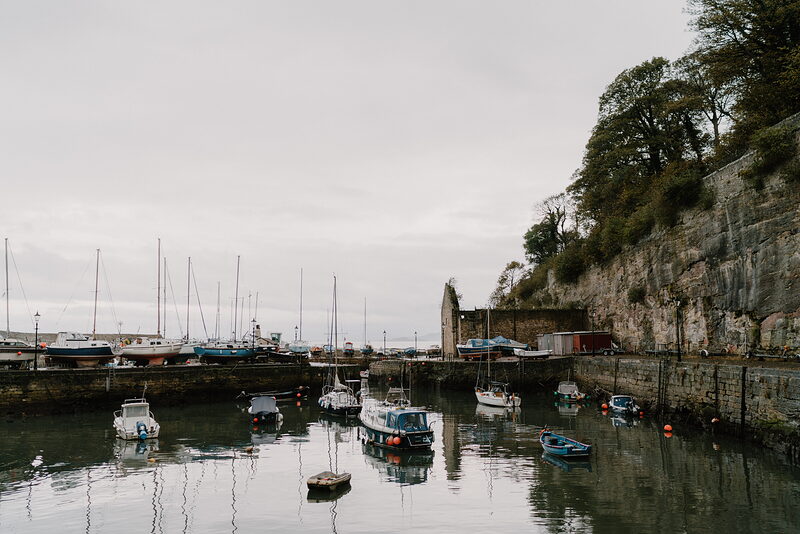
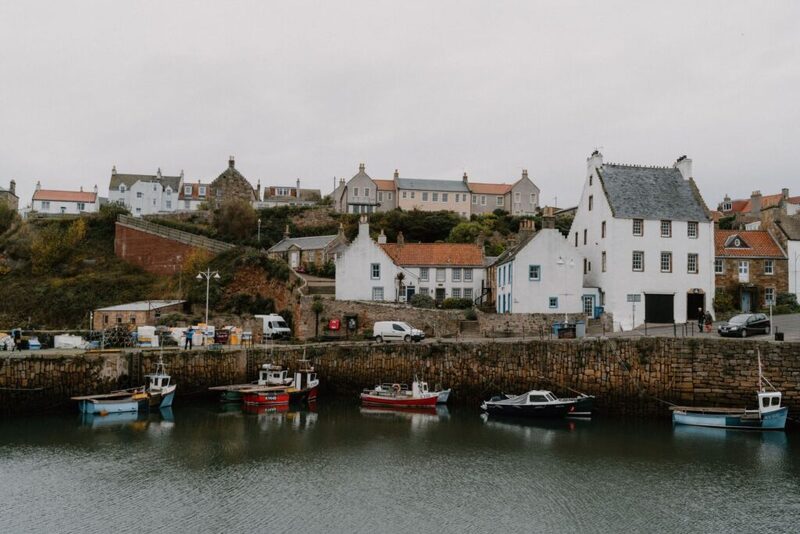
Neuk means corner, and this one is a string of fishing villages with red pantiled roofs and stone harbours. Anstruther has fish and chips on the front and boats out to the Isle of May, Pittenweem still lands its catch, and St Monans has its old kirk on the shore. Elie has sandy bays, a little lighthouse and a chain walk under the cliffs.
Falkland and the Lomond Hills
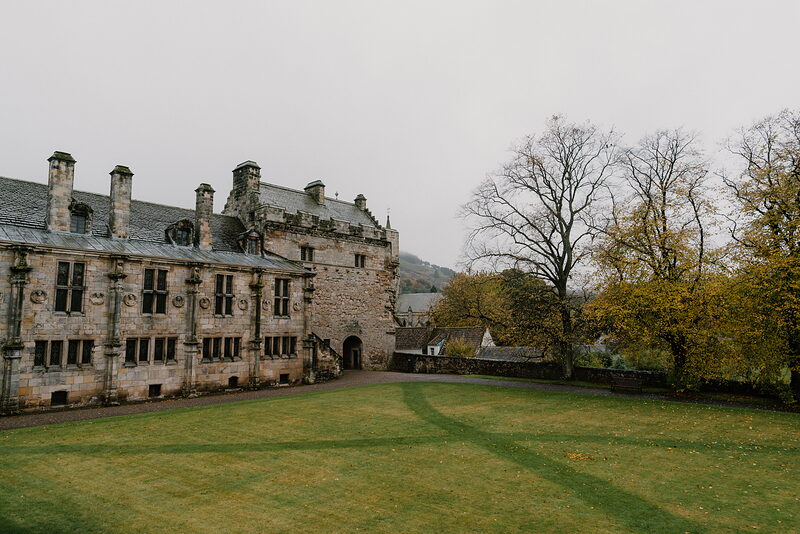
The middle of Fife is rolling farmland under the volcanic Lomond Hills. Falkland is a village of old stone houses round the Renaissance palace that Mary Queen of Scots loved, with woodland walks in Maspie Den above. Cupar was for centuries the main town of Fife, and near Newburgh on the Tay, Lindores Abbey Distillery stands beside the old abbey ruins.
Dunfermline and the Forth coast
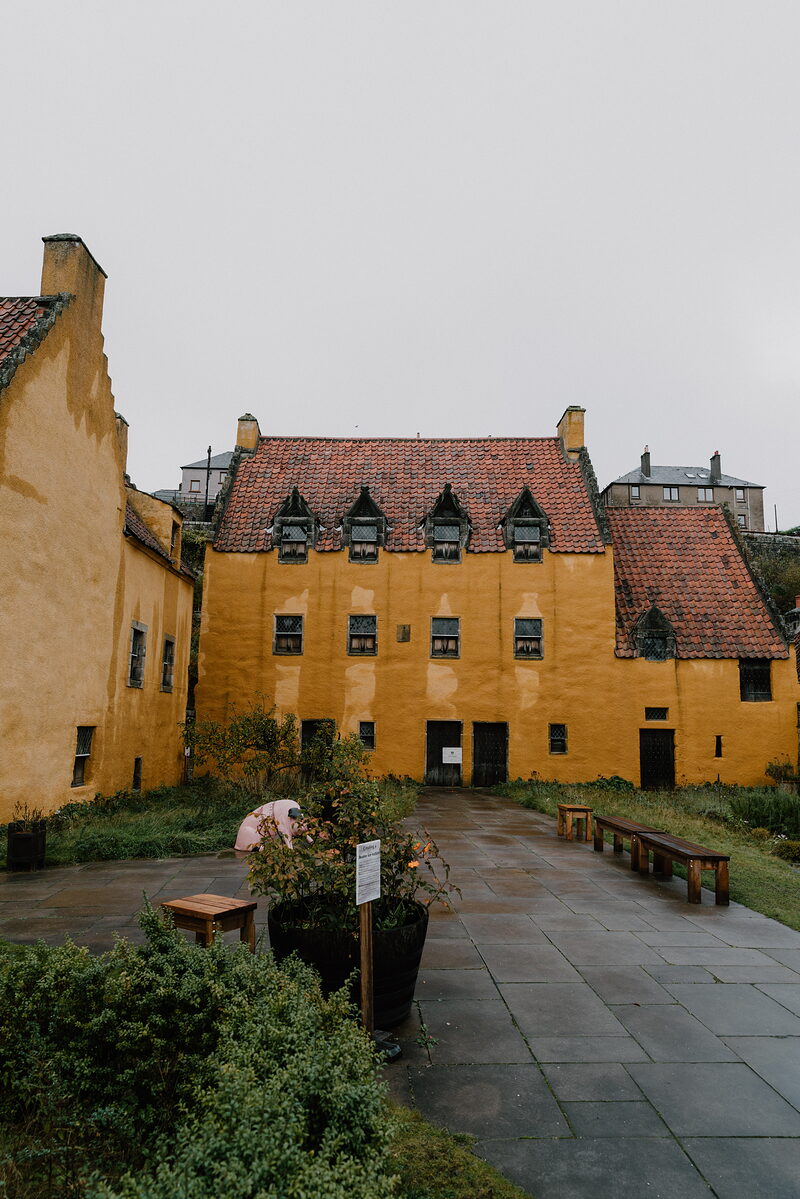
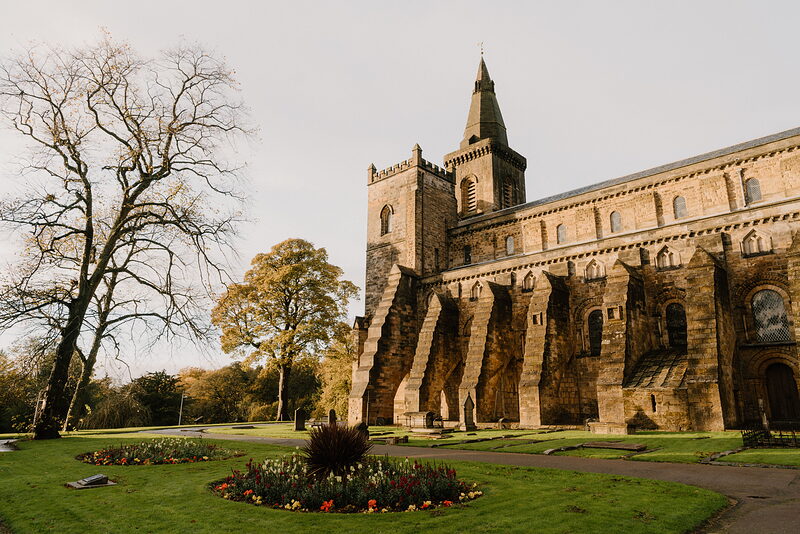
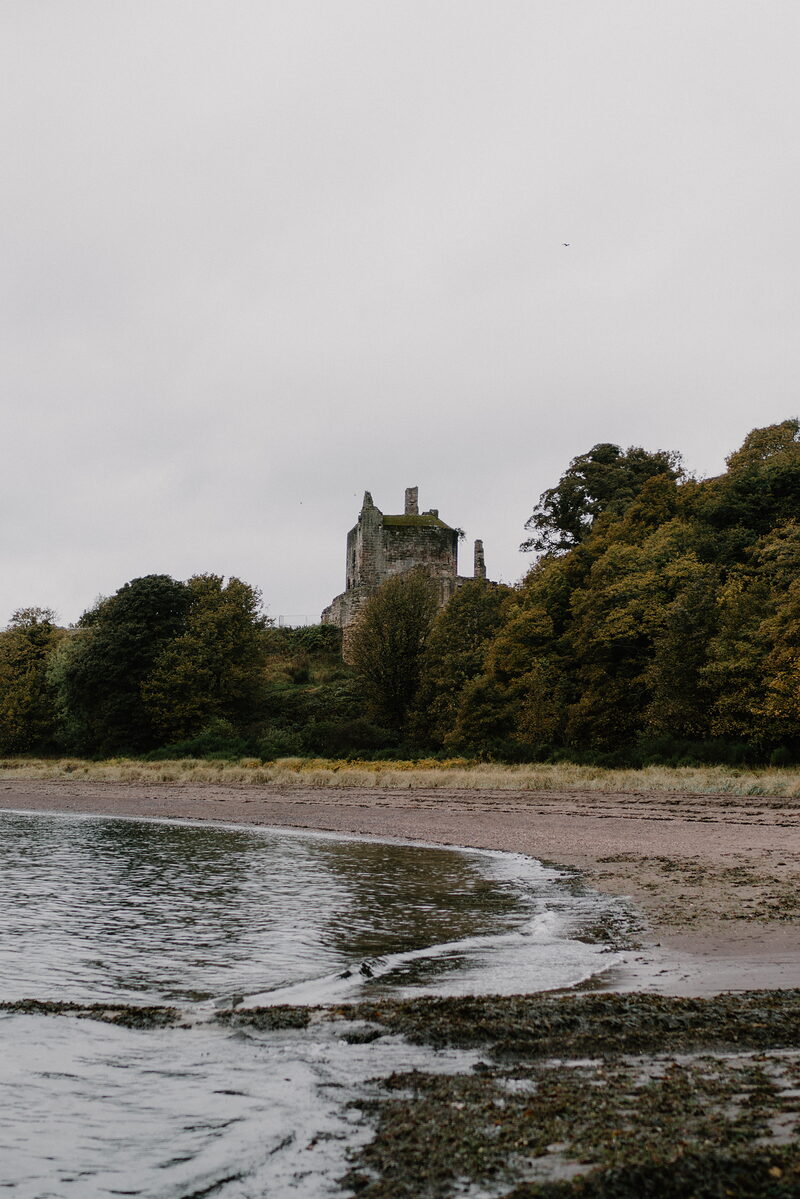
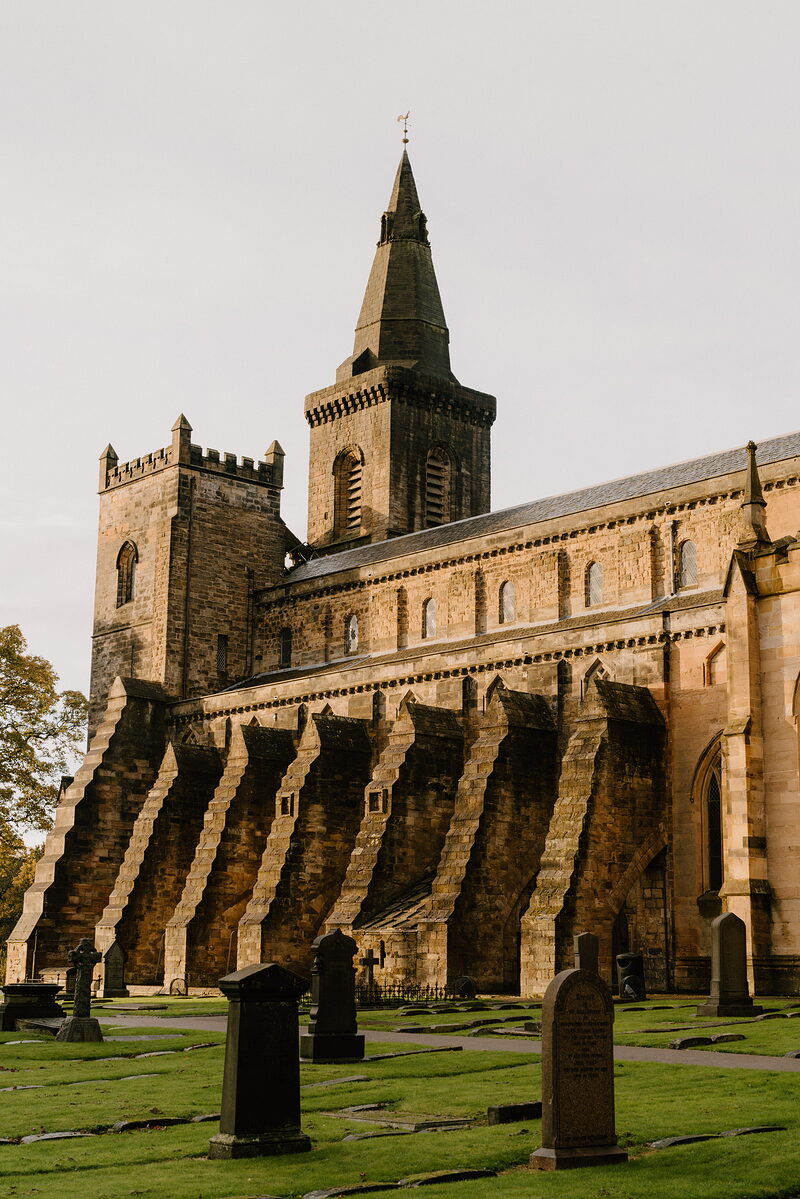
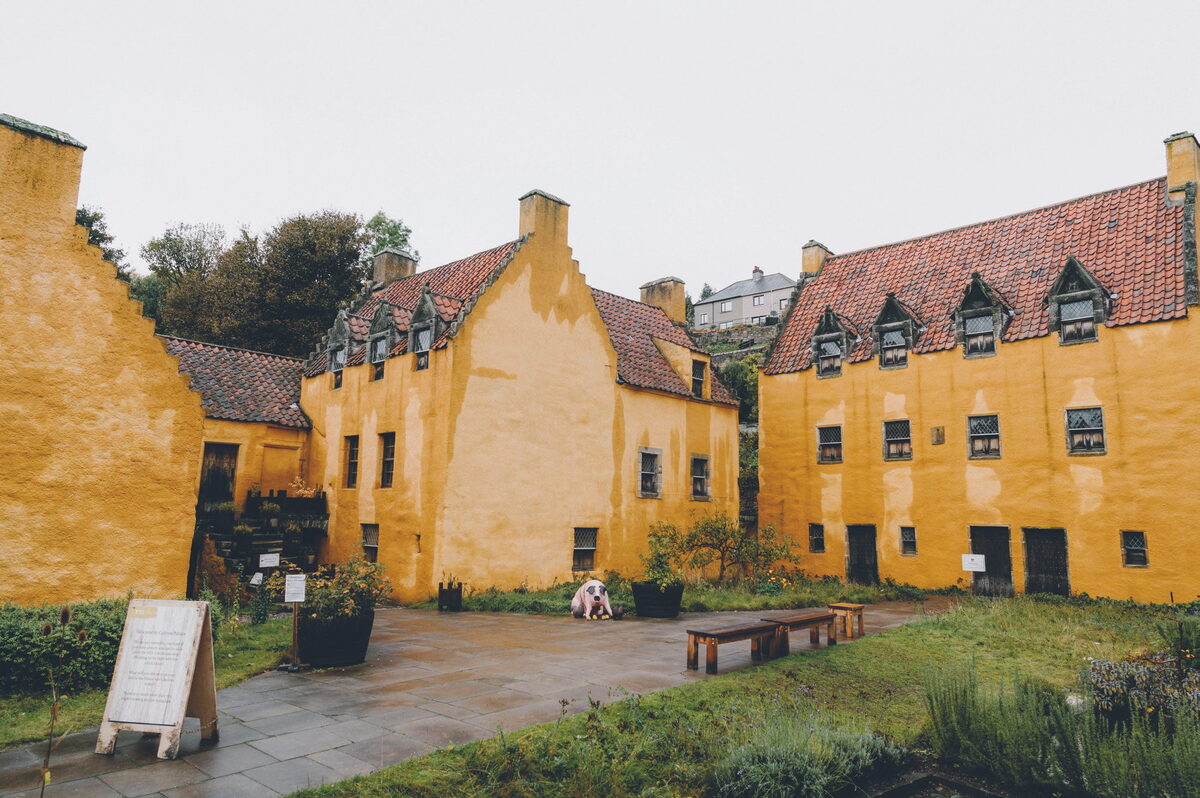
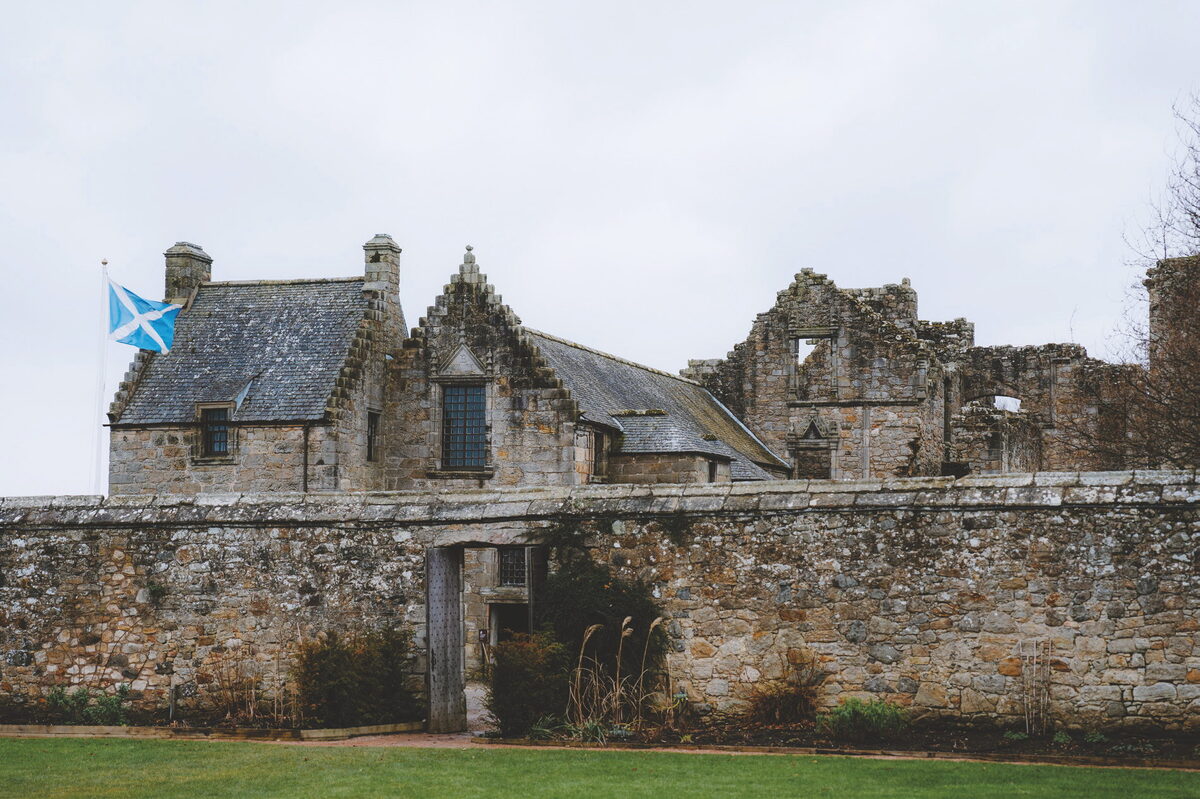
On the Forth, Culross looks much as it did in the 1600s, with cobbled wynds and an ochre palace. Dunfermline's great abbey holds the grave of Robert the Bruce. Further east, Aberdour has its castle and sandy bays, Burntisland its beach below the Binn, and the ruins of Ravenscraig Castle stand on the shore at Kirkcaldy.
Best known for.
Think Fife, think countryside, coast, history and golf. The region’s craggy, harbour-studded shoreline is to many minds its greatest asset (if you’re walking the Fife Coastal Path, and/or happen to be a seafood-lover, you’re in for a treat), whereas others come for the heritage sites, and perhaps the chance to whack a ball along hallowed fairways. Or, indeed, all of the above.
More about Fife
Visitors dreaming of striding along the fairways invariably focus their sights on the historical coastal town of St Andrews, where you’ll also find the third oldest university in the English-speaking world, various medieval remains, and windswept lengths of white sand. But while St Andrews is, without doubt, a first-rate charmer, it’s far from being the only Fife town worthy of your time. Culross, Aberdour, Dunfermline and Kirkcaldy – now there’s a varied bunch – are among those that all offer gems of their own.
And then, of course, there’s the East Neuk, a glorious stretch of coastline dotted with little red-roofed hamlets, cloaked in tales of the past, and laced together by the most scenic parts of the Fife Coastal Path. ‘Neuk’, incidentally, is an old word that translates as ‘corner’, and when seen on the map, the headland still juts into the North Sea as if determined to retain its old-world individuality.
Venturing further inland, you’ll also discover that this is a part of the country with ample outdoor riches. A particular highlight comes in the form of the volcanic Lomond Hills – also known as the Paps of Fife – which loom above a 25-square-mile spread of lochs, moors and farmland, offering some spectacular day-walks and cycle routes. And, this being Fife, you’ll find plenty of places across the region to indulge in some seriously restorative food and drink.
What would you like to look at?
 See and doPalaces, abbeys and castles on the shore
 Eat, drink and shopHarbour seafood, village inns and farm kitchens
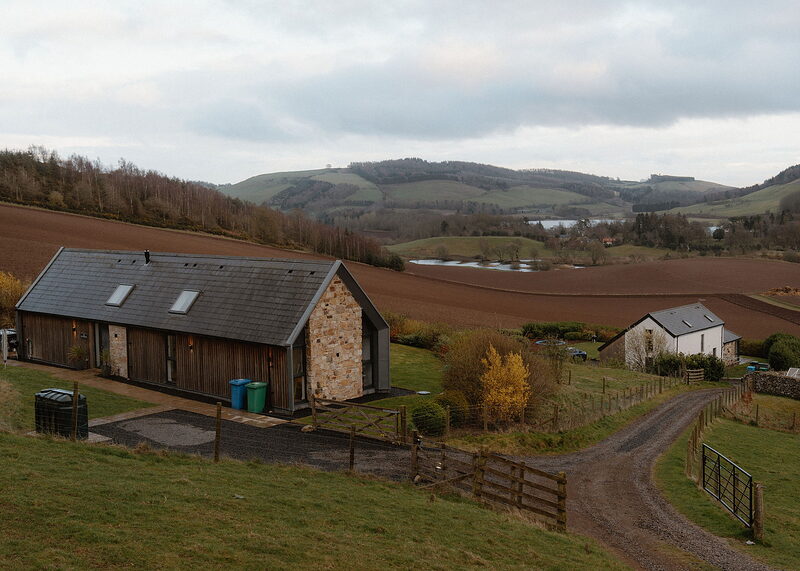 Where to stayFarm cottages and harbour hideaways
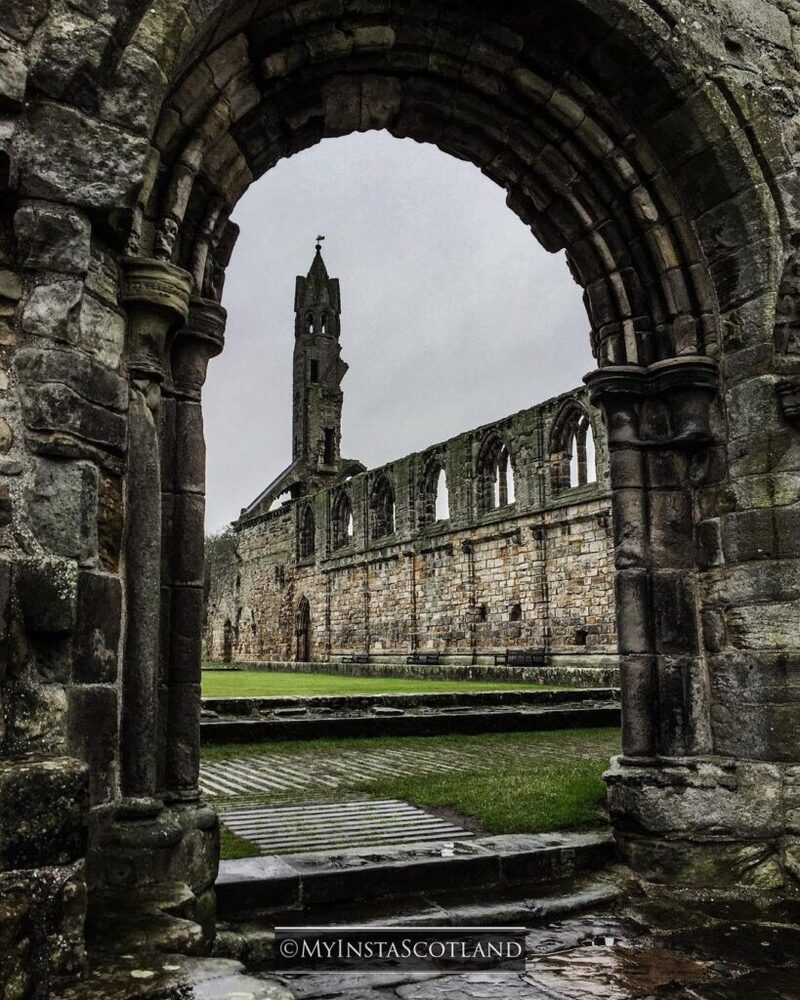 History and storiesThe emerald-green natural peninsula of Fife has always been a place apart.
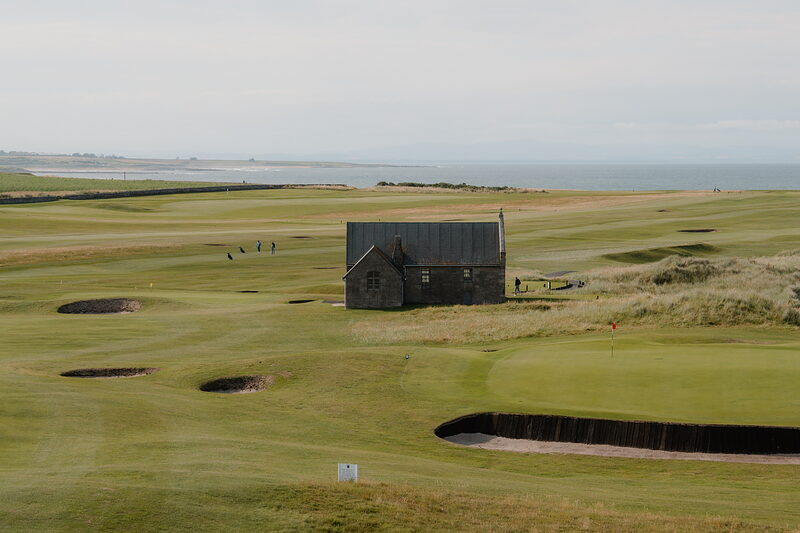 ItinerariesDays we have driven, stop by stop
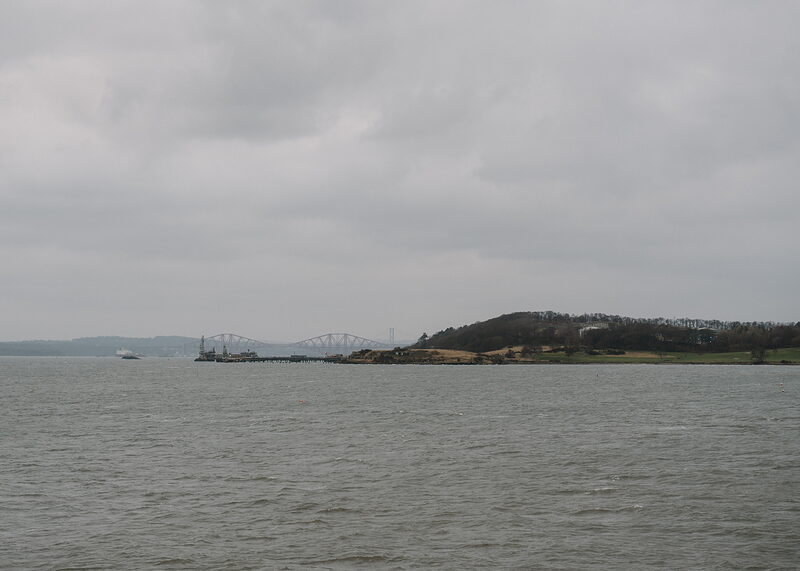 Getting hereThe bridges, the trains and the buses
 What is on in FifeSomething new from the region every day
What is on in Fife
Friday the 16th of October.
Sunrise 07:45, sunset 18:08.
Coming up in Fife
- Oct16Fife Women in Business breakfast meetingOn today
- Oct16Fife Women in Business - Dunfermline Networking and CoffeeOn today
- Oct16Fife Business Networking with FSB and Regus KirkcaldyOn today
- Oct16St Andrews: The Dark Side Walking TourOn today
- Oct16Hill of Tarvit's Guided TourOn today
The news in Fife
- Stocks Cook School has opened at Bowhouse in the East Neuk of Fife.
- Dean Banks has opened Amber on South Street in St Andrews, and did most of the building work himself.
- 1821, a café in the old stables on Falkland Estate, is named for the year Professor John Bruce bought the estate.
- New in our guide: The Mercat, Culross.
- New in our guide: Crail Harbour Gallery and Tearoom.
Things you might not know.
Graeme Johncock
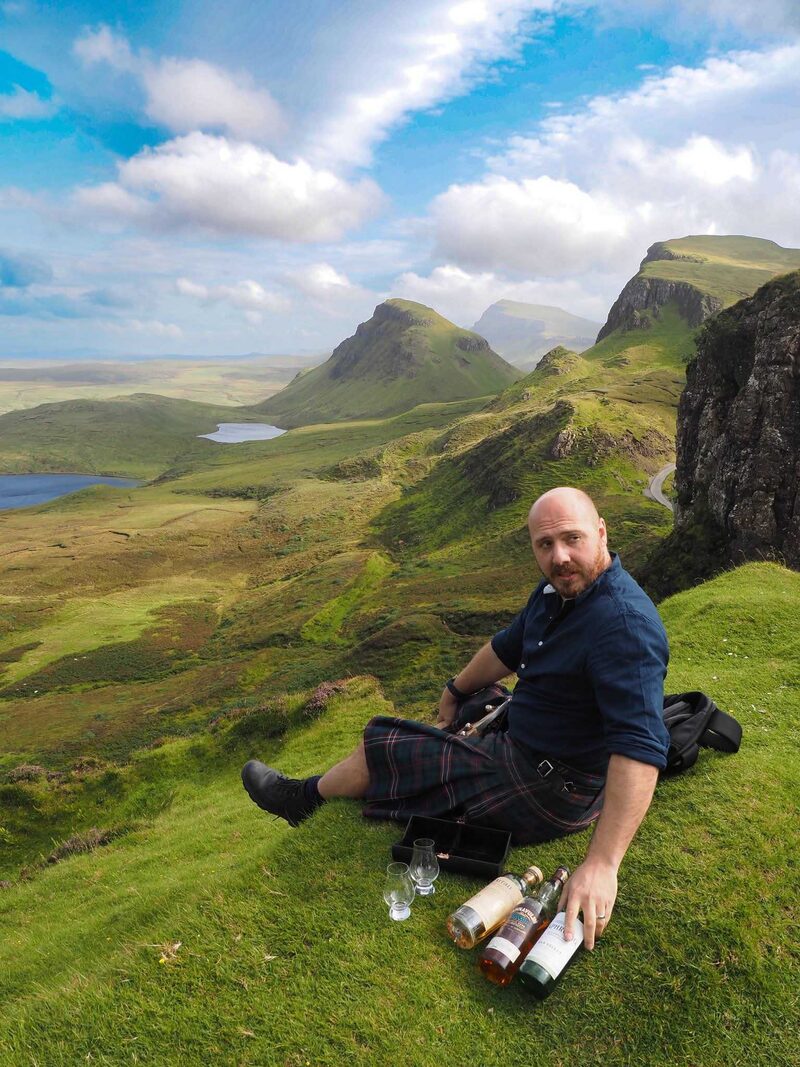
Graeme is the writer and storyteller behind Scotland’s Stories, sharing Scotland’s traditional folklore and legends.
Just outside the gate of Crail Parish church sits a large boulder called the Blue Stane. Local folklore claims it was hurled by the Devil from the Isle of May as he tried to knock the building down.
Find out moreThe world’s oldest tennis court still in use can be found in Falkland Palace. Mary Queen of Scots shocked her courtiers by playing the game here while wearing trousers rather than a dress.
Find out moreThe little village of Ceres boasts the title of longest running Highland Games. King Robert the Bruce awarded the men of Ceres the right to hold the games in celebration after the Battle of Bannockburn in 1314.
Find out moreA thorn tree marks the spot in Dunfermline Abbey where William Wallace is said to have buried his mother. Without the time to source or carve a gravestone, the Guardian of Scotland planted a tree instead. After hundreds of years, the original blew down but has recently been replaced.
Find out more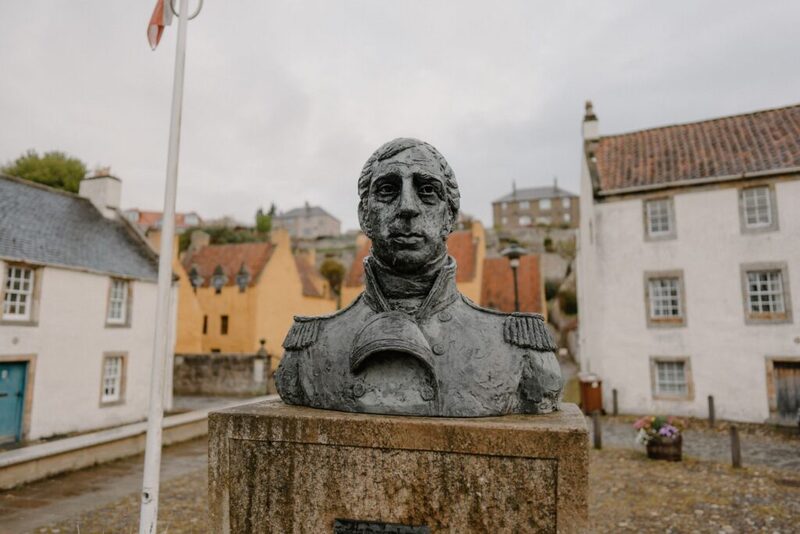
The Chilean flag flies proudly in Culross above the bust of Admiral Thomas Cochrane who grew up in the village. After leaving Britain in disgrace, he joined the new Chilean Navy and fought for their independence from Spain, becoming a national hero.
Find out moreIn 1852 there was a gold rush in Lomond Hills. After huge chunks were collected by ecstatic locals, it turned out to just be Iron Pyrite, more commonly known as Fool’s Gold.
Find out more
Andrew Carnegie was banned from Pittencrieff Park in Dunfermline as a child after his grandfather campaigned for it to be opened to the public. Once he made his fortune, Carnegie bought Pittencrieff and gifted it to the people of the town so nobody would be excluded again.
Find out moreSt Andrews recently claimed the title of oldest golf course in the world, after a charter was discovered allowing Archbishop Hamilton to breed rabbits there.
Find out moreAt MacDuff’s Cross, high above Newburgh, clan members could invoke the Law of MacDuff. If they had committed murder in hot blood and could prove close relation to the MacDuff Chief, then they could claim sanctuary here.
Find out more900 years ago, Dunfermline was made the Royal Capital of Scotland by King Malcolm Canmore. Dunfermline Abbey became the chief resting place for Scottish monarchy including David I, Robert the Bruce and Scotland’s only Royal Saint – Margaret.
Find out more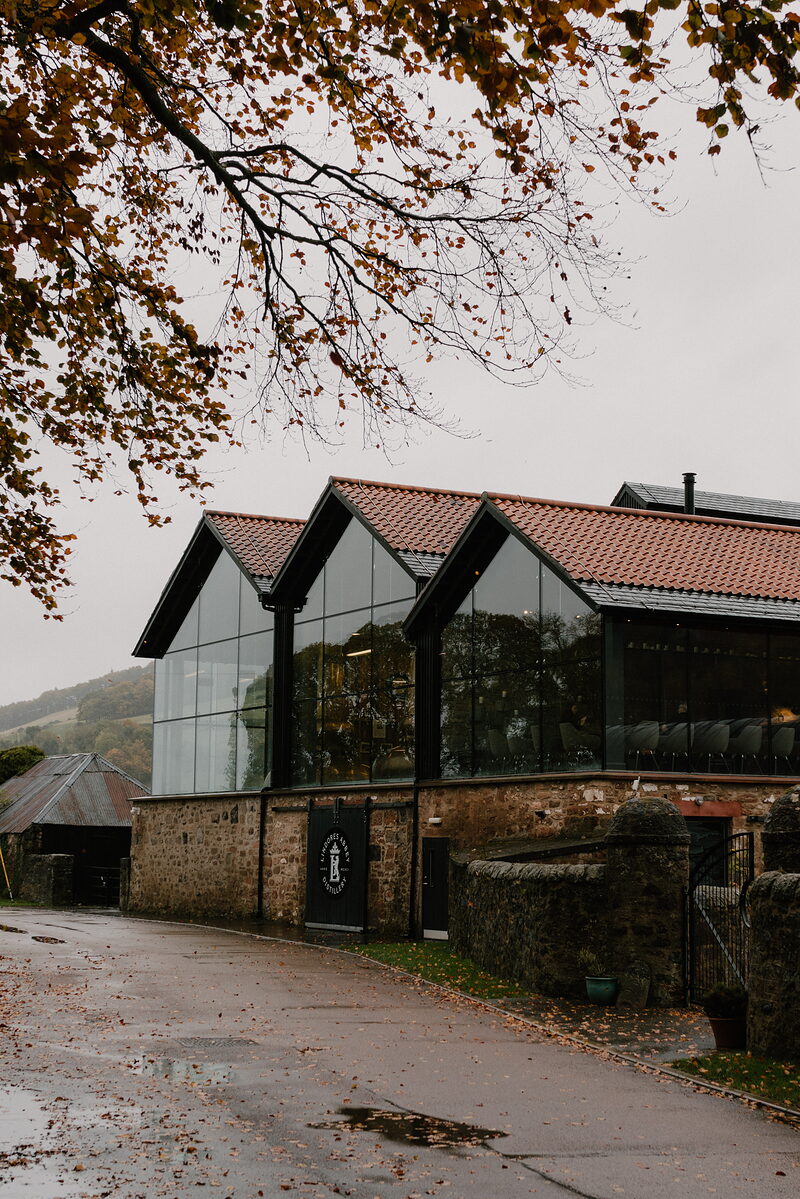
The first written mention of whisky in Scotland was an order from King James IV to the monks of Lindores Abbey in 1494 to make Aqua Vitae or The Water of Life.
Find out more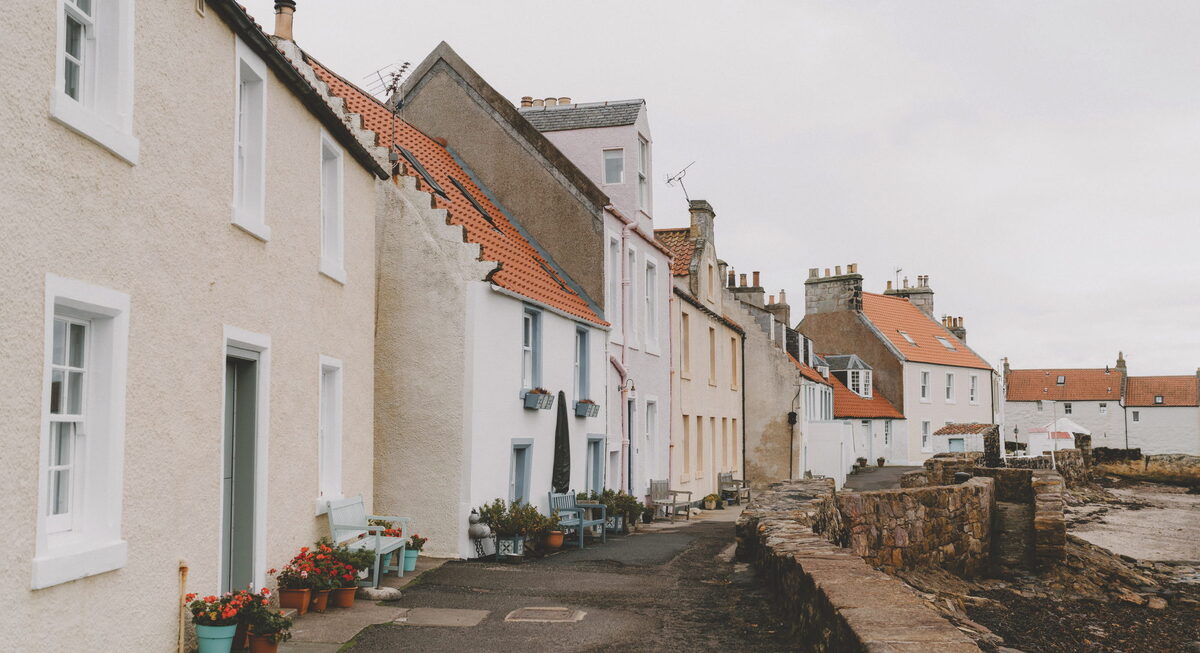

Photographs by Hassen Shehzad, Irina Hübner, roberto gissepi and ARAM via Google