
Did you know
Mown from the middle out.
The farm leaves its silage uncut until after 1 September, and mows each field from the centre outwards, so corncrakes and other ground-nesting birds can run to safety at the edges.
A working farm near Stein, farmed for corncrakes and wildflowers, with coffee, cake and a guided walk.
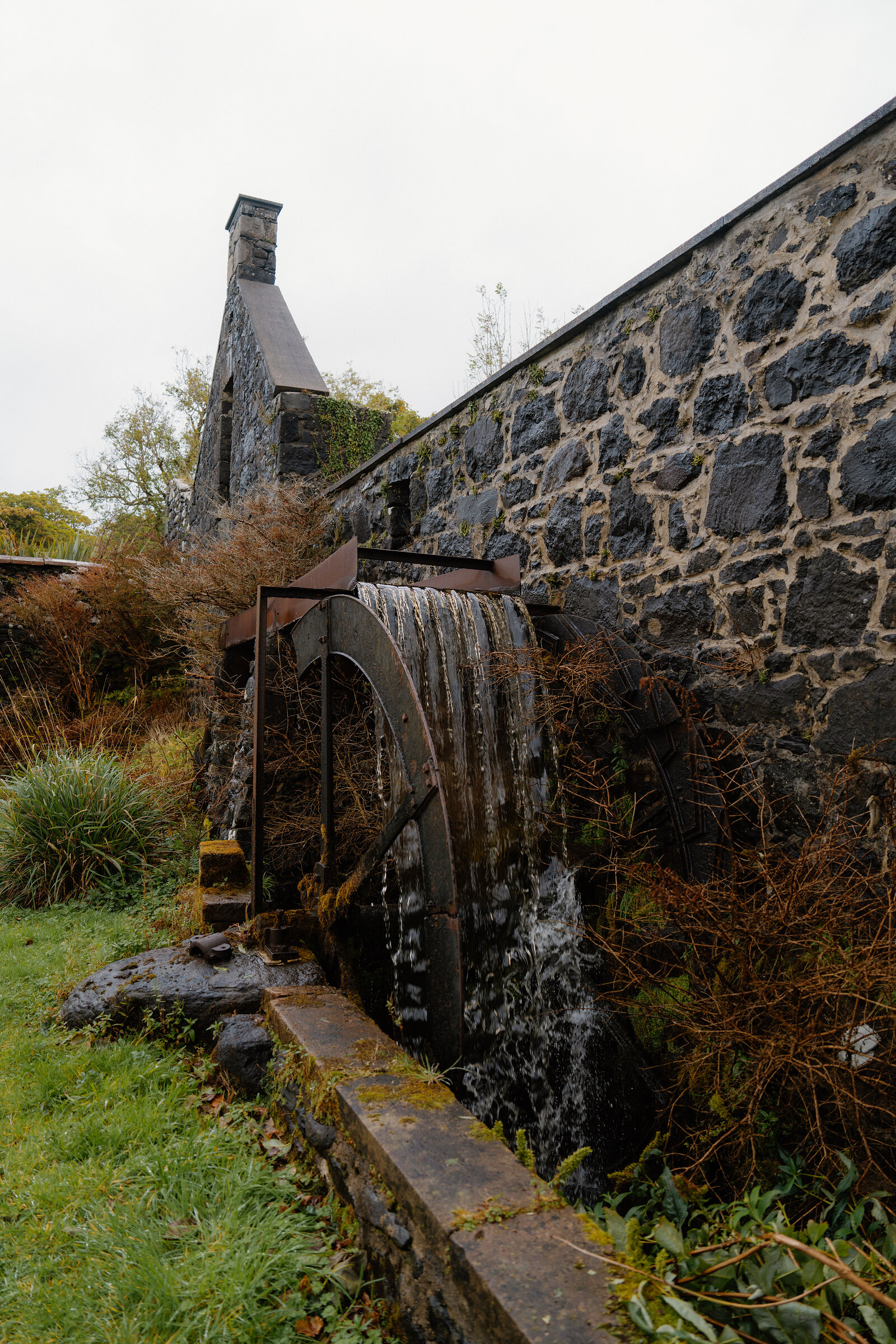
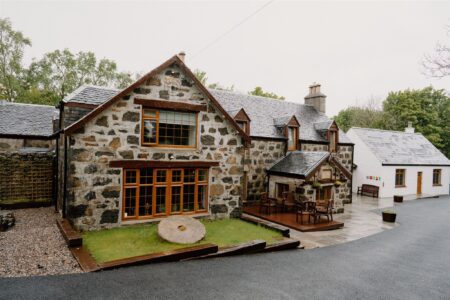
A long drive leads down from the road at Stein to Waternish Farm, past stone walls and wind-bent trees to an old waterwheel and a stone arch with a bell tower above it.
Visited and photographed by Simon Hird
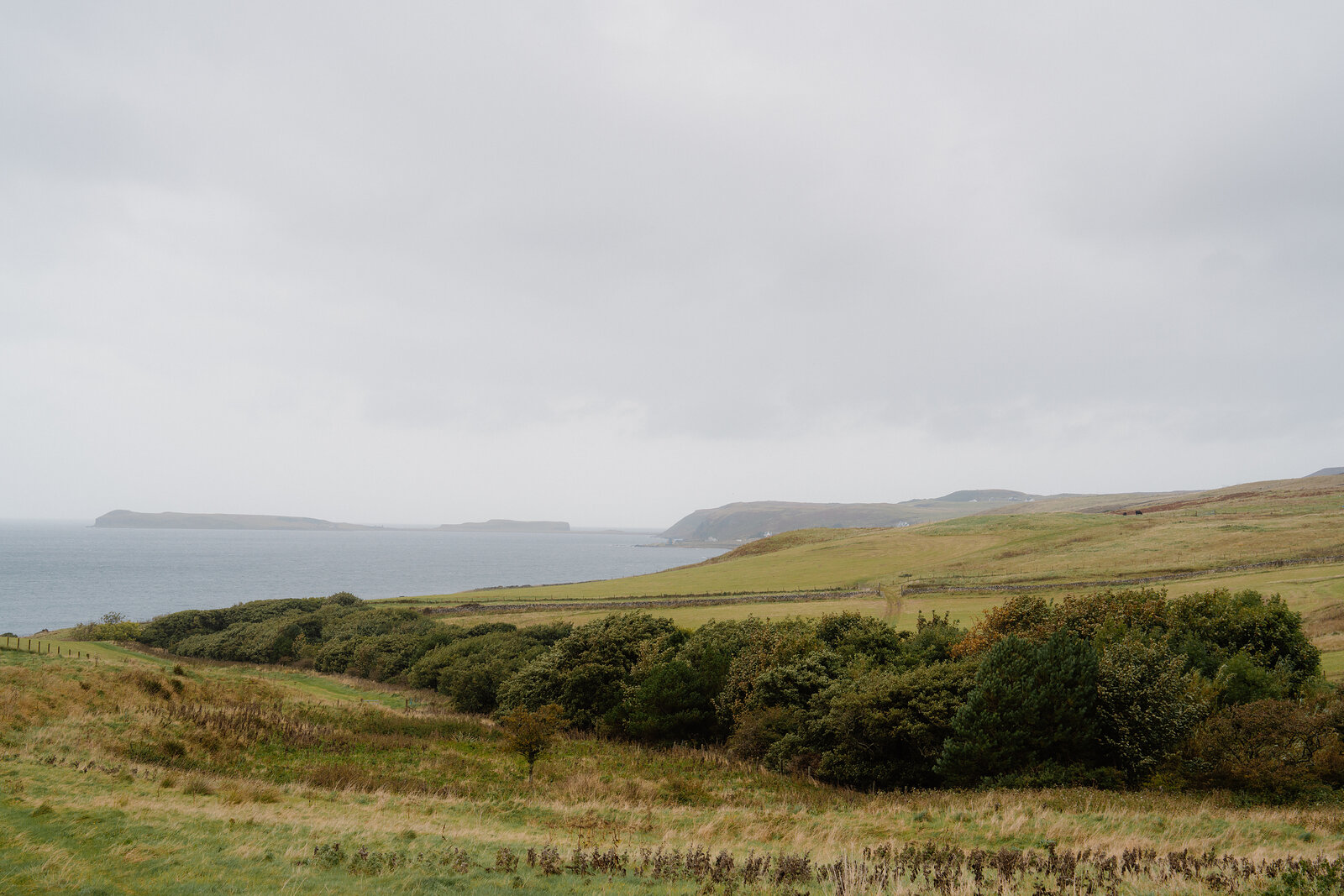
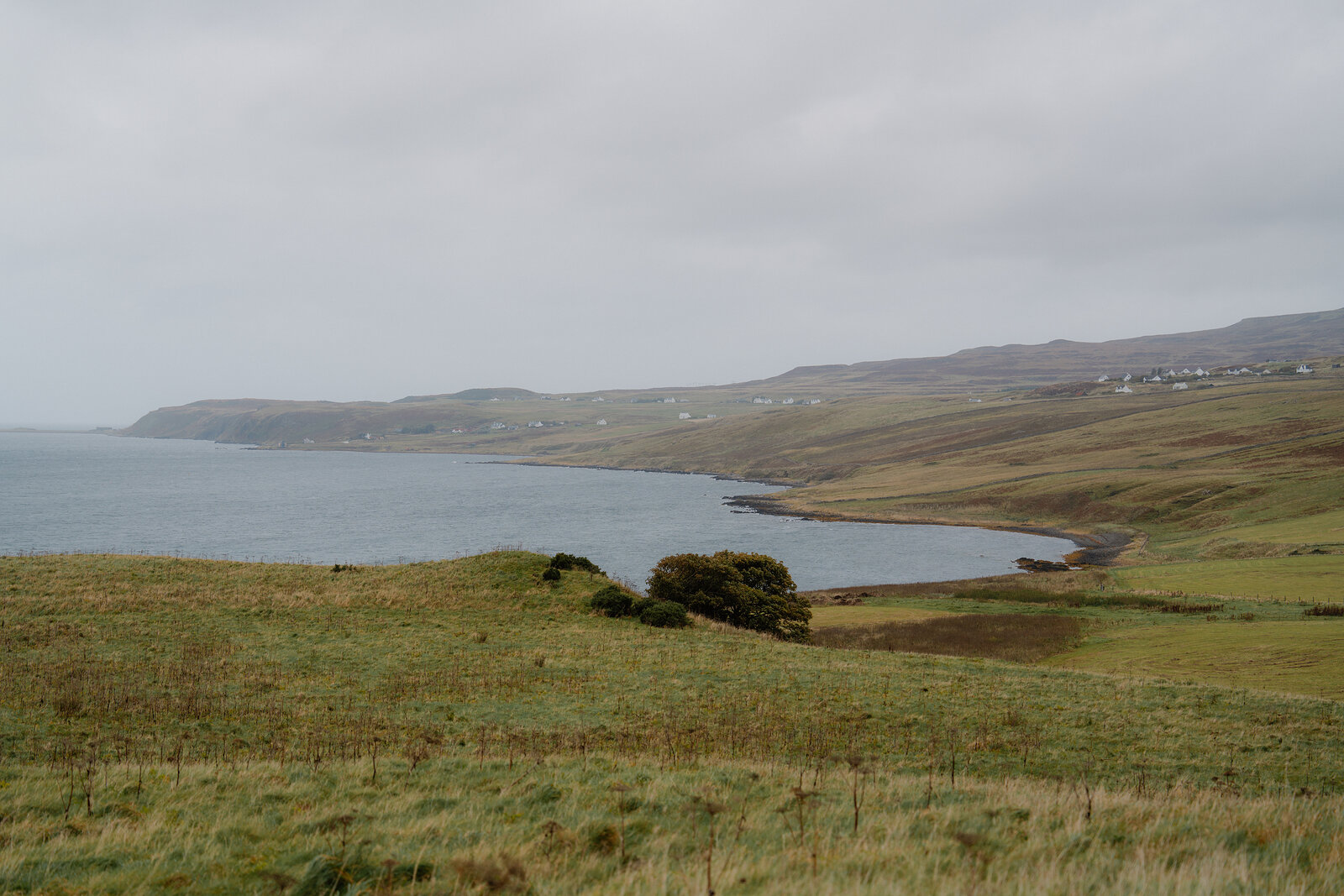
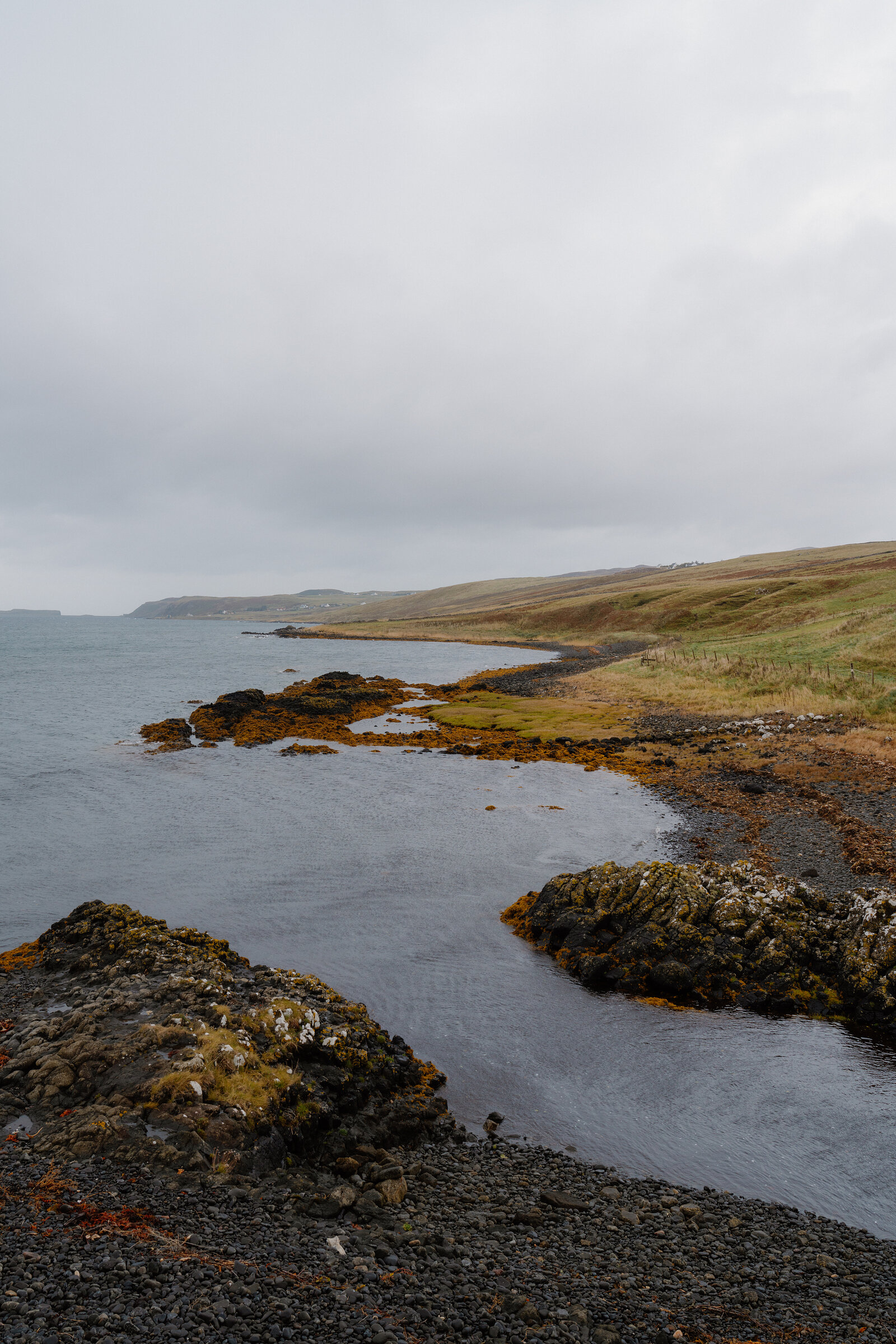
From the farmhouse windows the view goes out over the sea to North Uist.
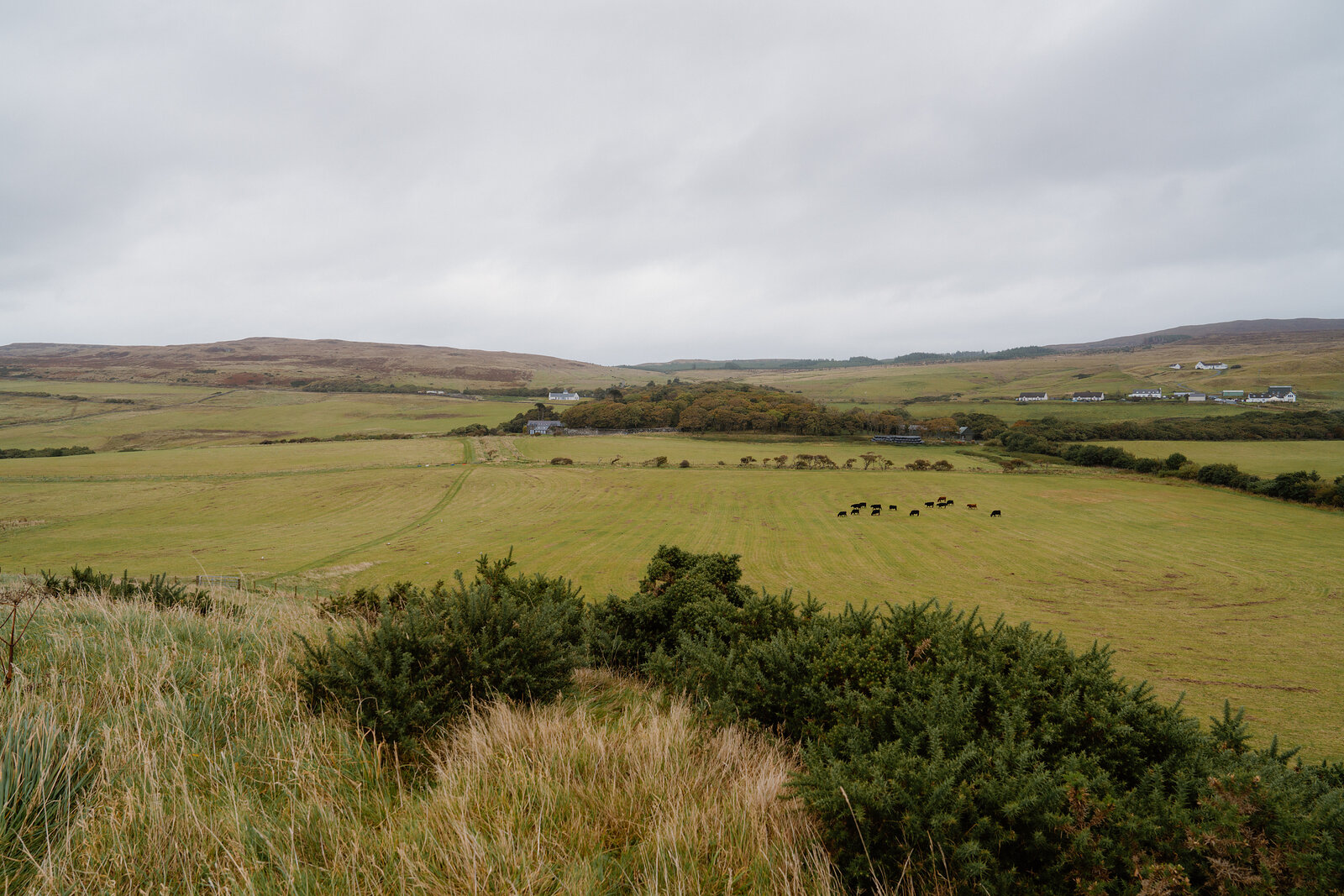
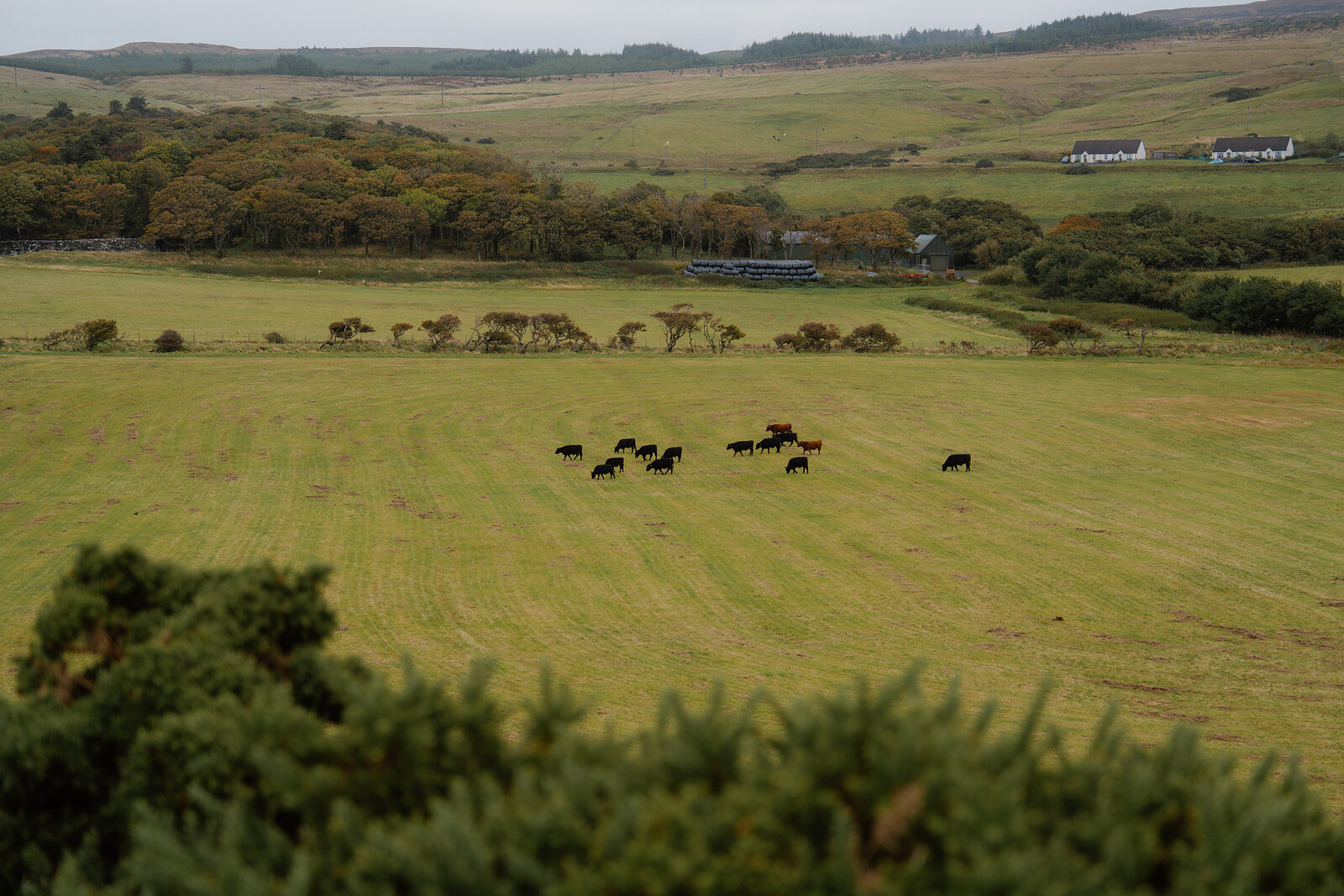
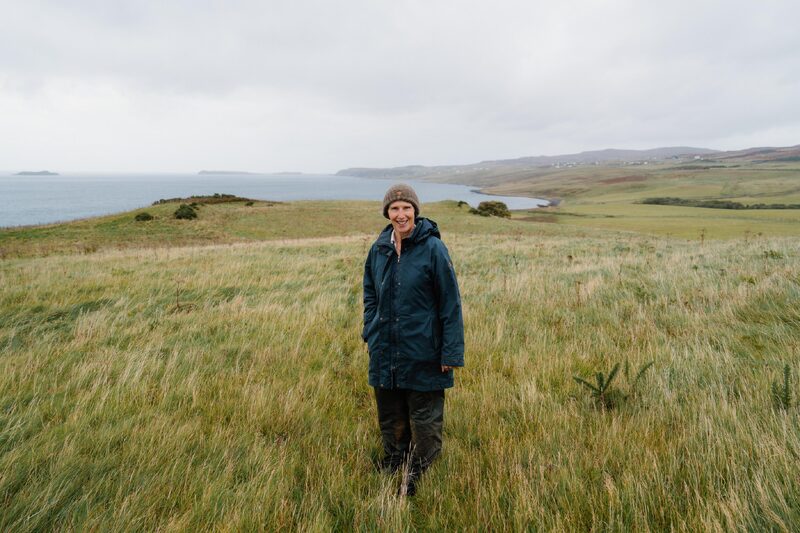
It is a working farm of grassland, rough grazing, woodland and shore, with black cattle in the fields in summer and sheep on the rough ground in winter, and it is farmed as much for birds and wild flowers as for its stock. Visitors are welcomed into the farmhouse kitchen by Lucy Montgomery for coffee and home-made cake, and she can give a talk on the farm's conservation work; on afternoon visits she also leads a walk round the fields and ponds. In late spring, listen out for the rasping call of the corncrake in the long grass.
Arrives at 5am every day.
A free morning email to see what’s on this week, catch up on what’s happening in Scotland and find somewhere new to go.
Visits are booked ahead, on Tuesdays, Wednesdays and Thursdays, and begin in the farmhouse kitchen.
Been here? Tell others what you know, and the best go on this page with your name.
Add your reviewThe farm leaves its silage uncut until after 1 September, and mows each field from the centre outwards, so corncrakes and other ground-nesting birds can run to safety at the edges.
Corncrakes arrive in late April and need tall cover at once, so the farm plants beds of nettles, flag irises and rhubarb in thick dung and fences them off. Three calling males have been heard in two years.
Corncrake numbers fell so fast after the Second World War that in 1994 only 446 calling males were recorded in the whole of Britain, mostly because of fast mowing machines.
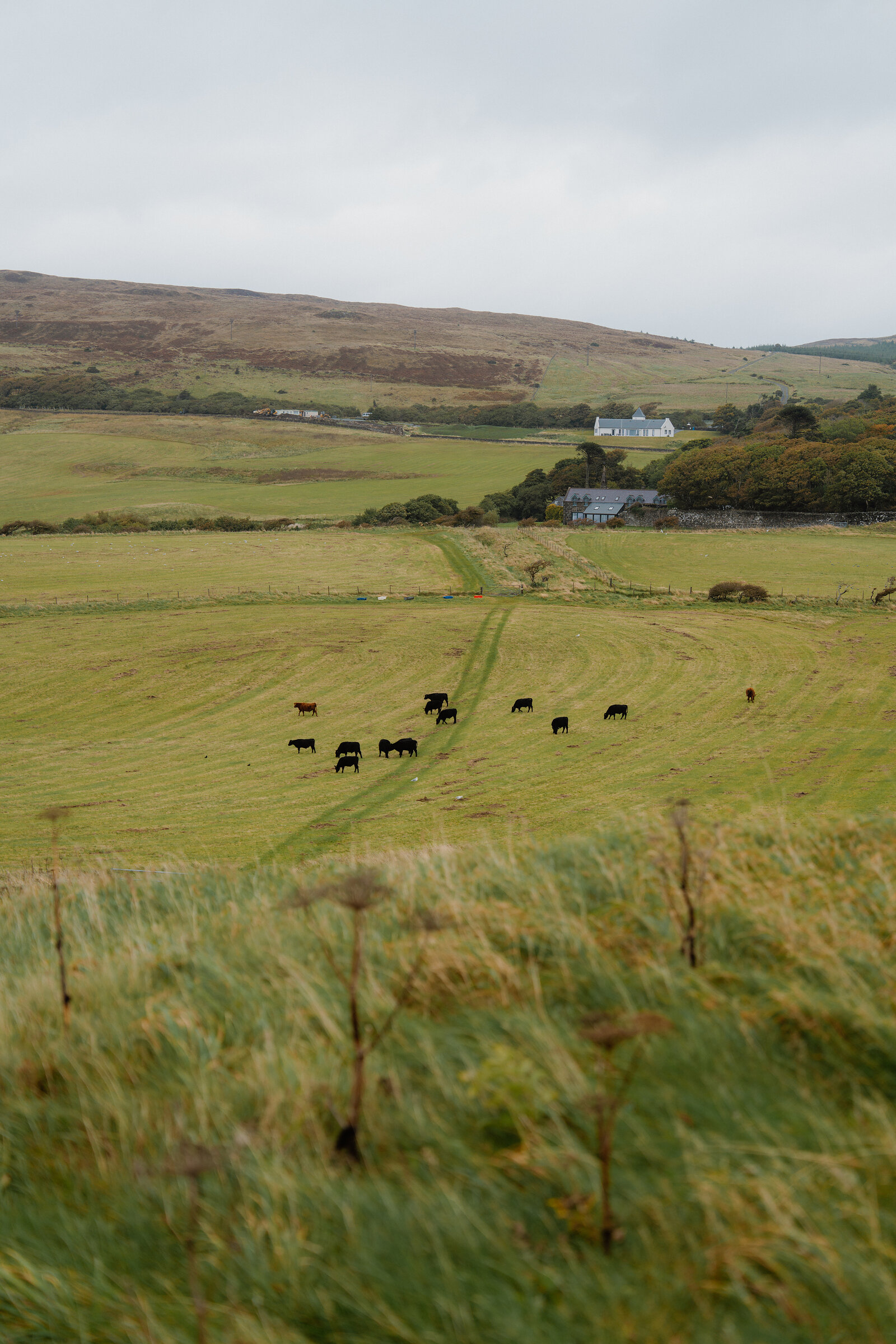
The farm's herd is Lowline Angus, bred back 35 generations to Old Grannie, a cow who lived 35 years, had 29 calves and was killed by lightning in 1859.
The Waternish Sheepdog Trials have been run on the farm since 1984, one of four trials on the Hebridean circuit with North Uist, Harris and Lewis.
New places, news and stories, as we find them.
What is on on SkyeOn the Waternish peninsula, by the village of Stein, in the north-west of Skye.
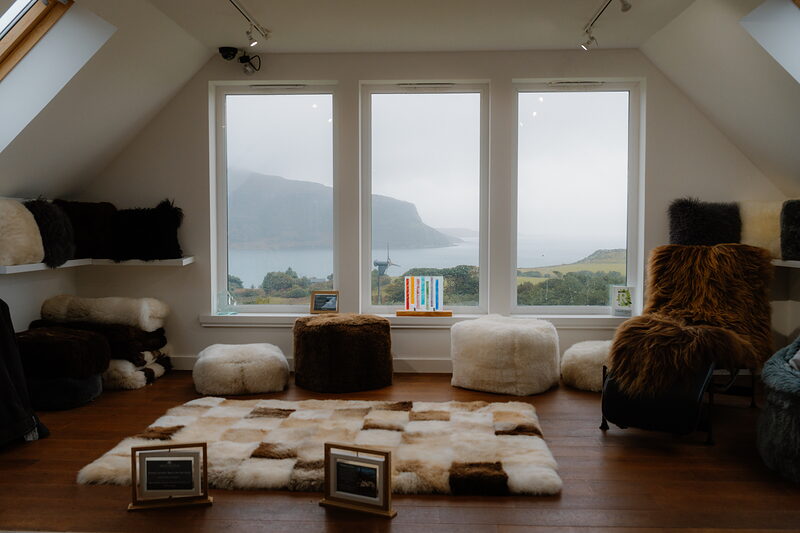 SkyeskynsSheepskin clothing and homeware, made on Waternish for nearly 40 years.Under a mile 2 min by road
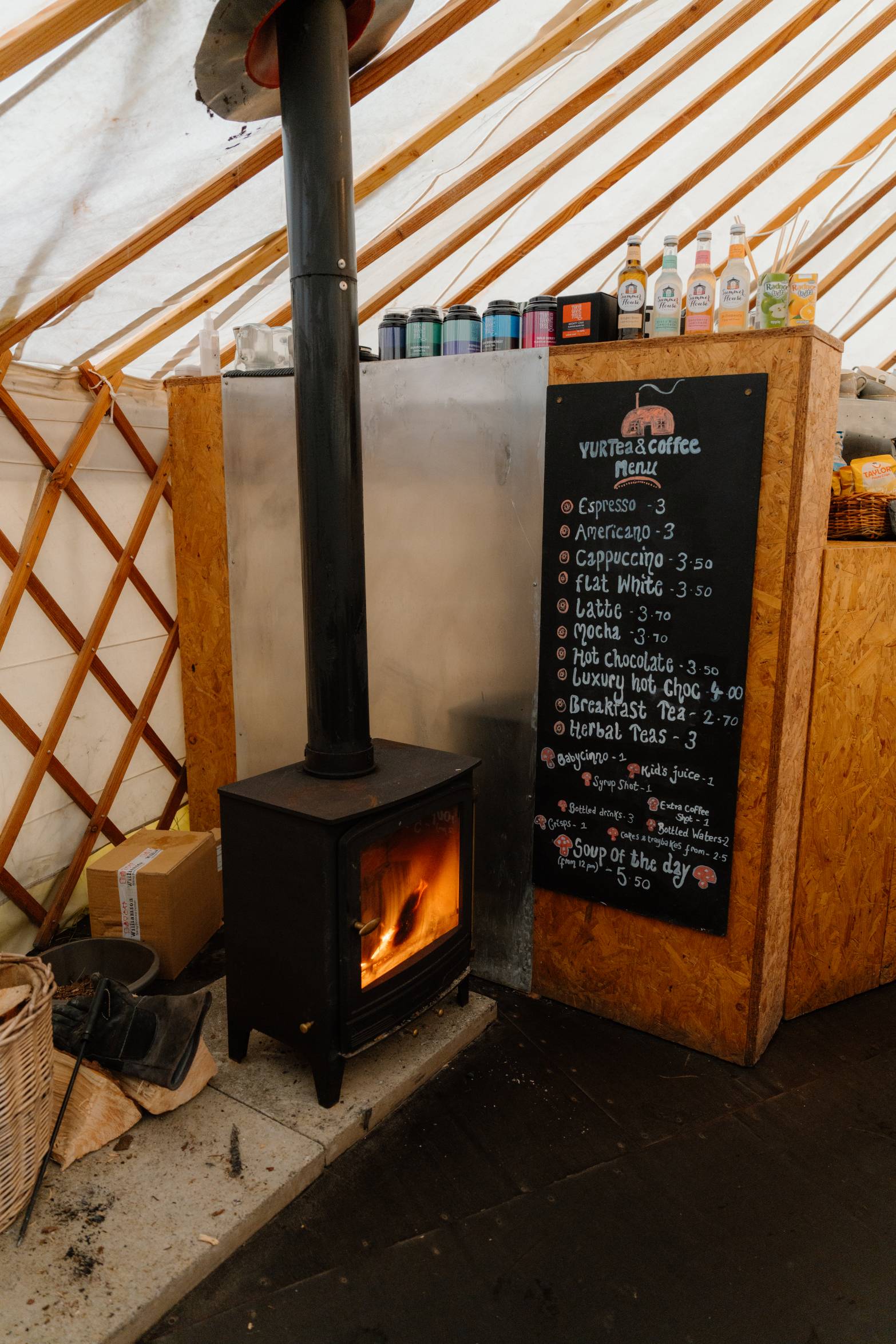 YURTea&CoffeeA summer tea tent at Skyeskyns, with a woodburner and home-made soup.Under a mile 2 min by road
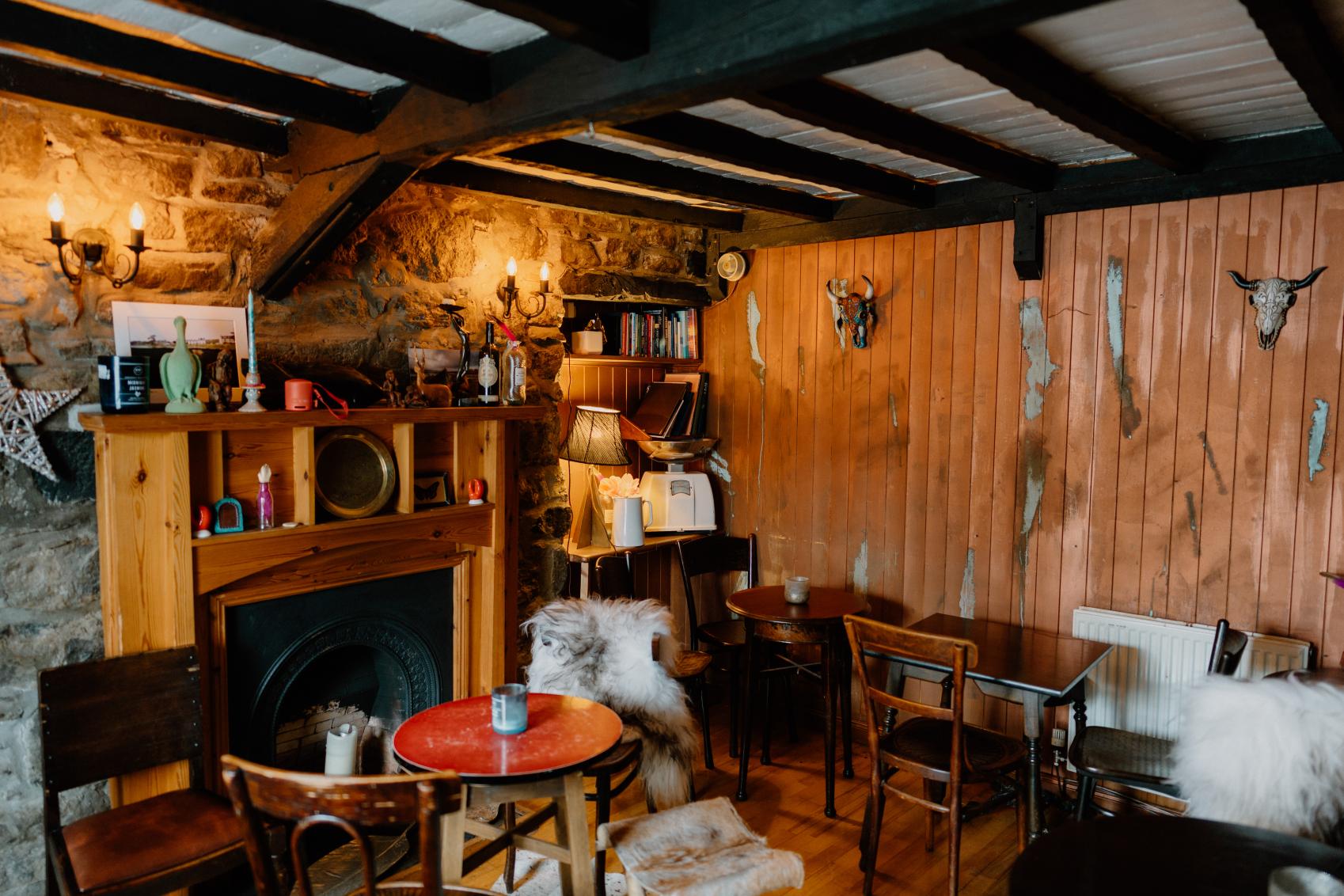 The Stein Inn BarThought to be the oldest inn on Skye, built around 1800, with around 130 malt whiskies.1 mile 3 min by road
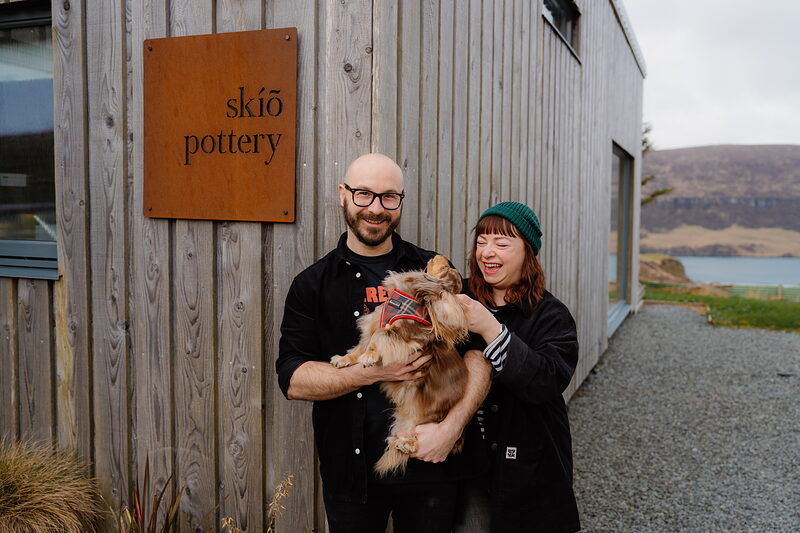 Skio PotteryA two-potter studio on the Waternish peninsula, looking over Loch Bay.2 miles 4 min by road
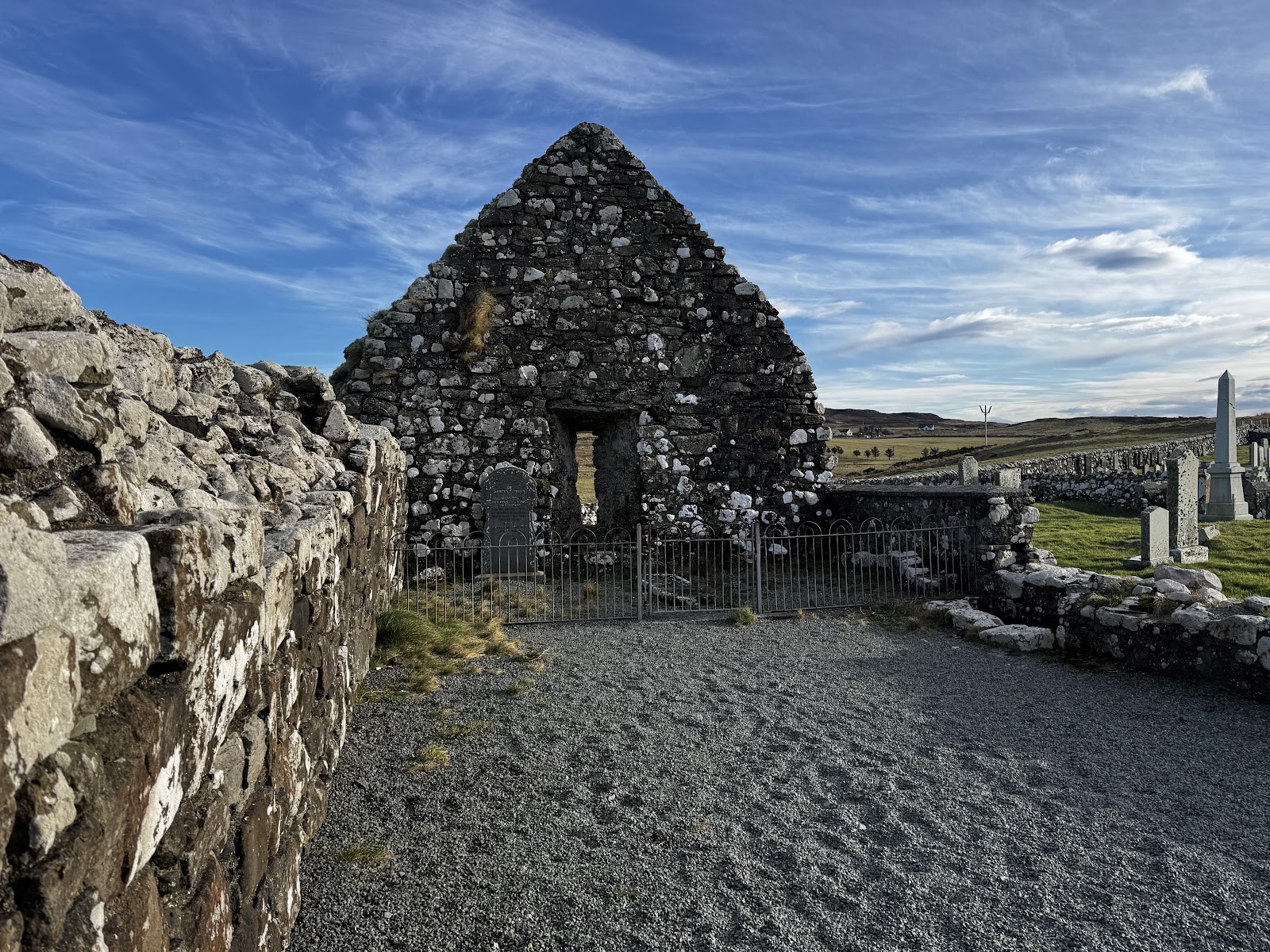 Trumpan ChurchThe roofless ruin of a church on a bare headland at the end of Waternish.4 miles 6 min by road
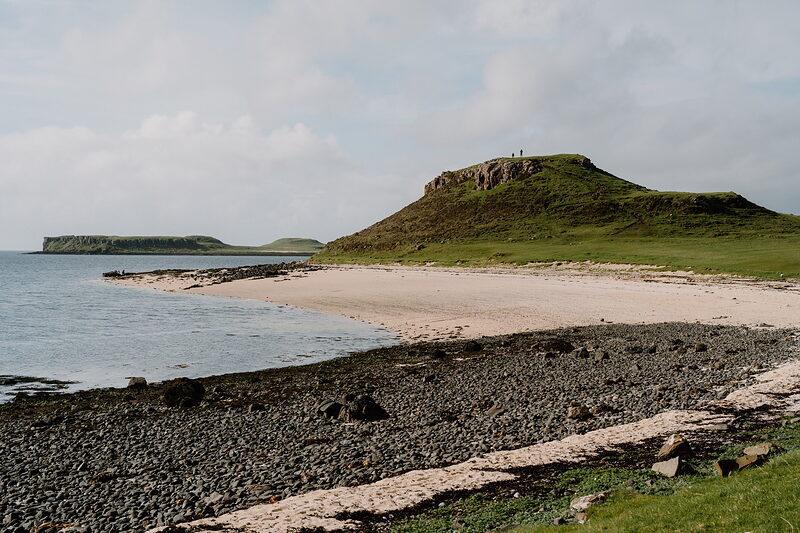 Coral BeachA white beach of crushed red seaweed north of Dunvegan.13 miles 20 min by road
Places to stay near the farm, and when each is next free.
 The Dunvegan
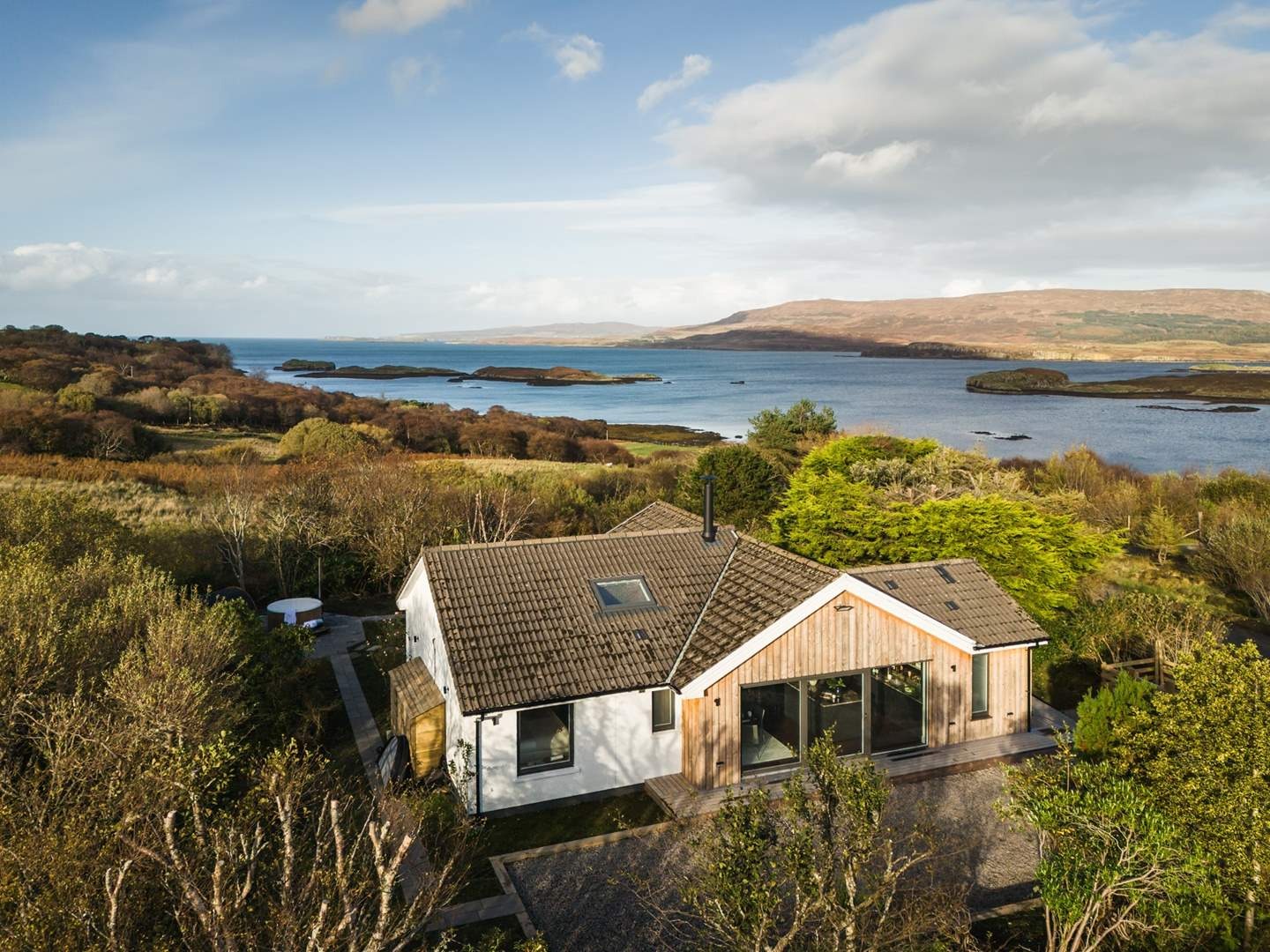 Lochview
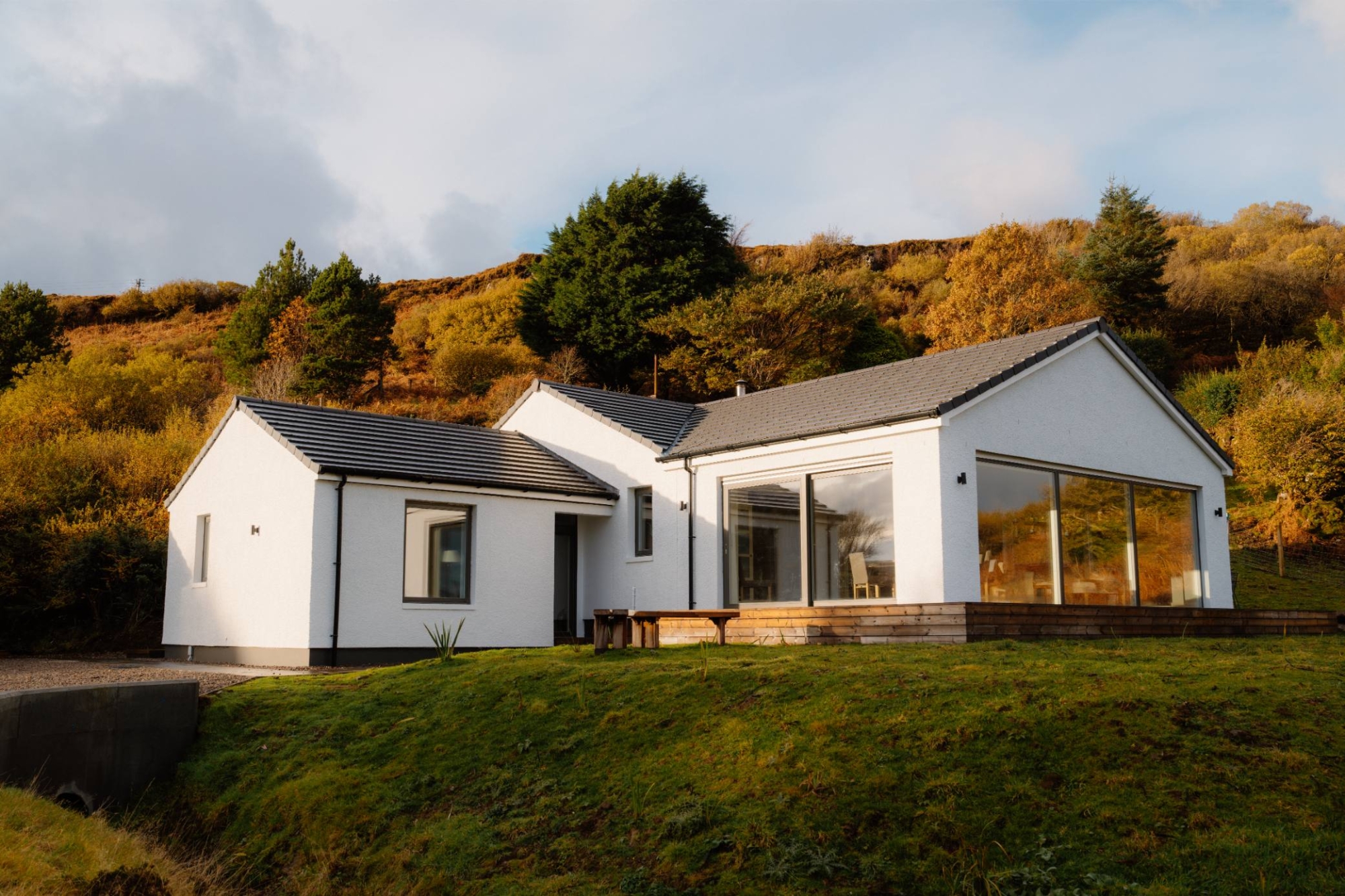 Tigh an Tobair
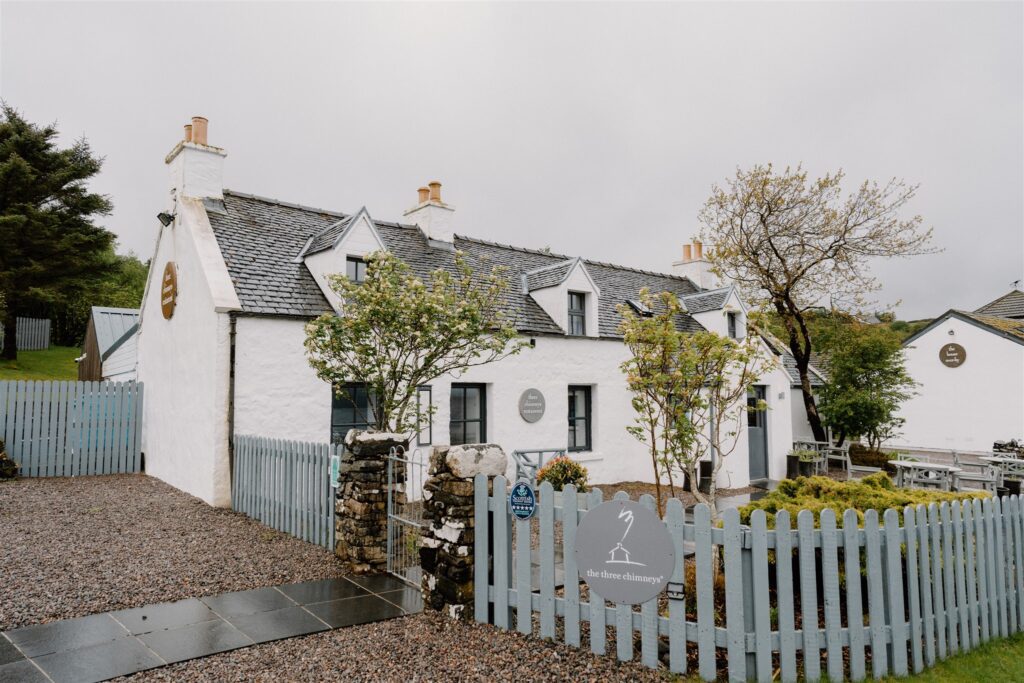 The Three Chimneys
We want to show you the best that Scotland has to offer. The makers and the creatives, the enduring experiences, the evocative tales, the concealed corners. The roads less travelled that take you to places that matter. The adventures that gather you up and sweep you away. The blend of the wild and the artistic that makes Scotland what it is. We’d love for you to join us.
What we have written about it, the collections it is in and more on Skye.
For further reading, before you go. The details on this page were checked on .

.jpg)