
The History of Edinburgh
Edinburgh’s history runs deeper than its skyline suggests. From ancient hillforts to Enlightenment ideals, this city has grown around conflict, culture, and ambition—its past always present beneath your feet.
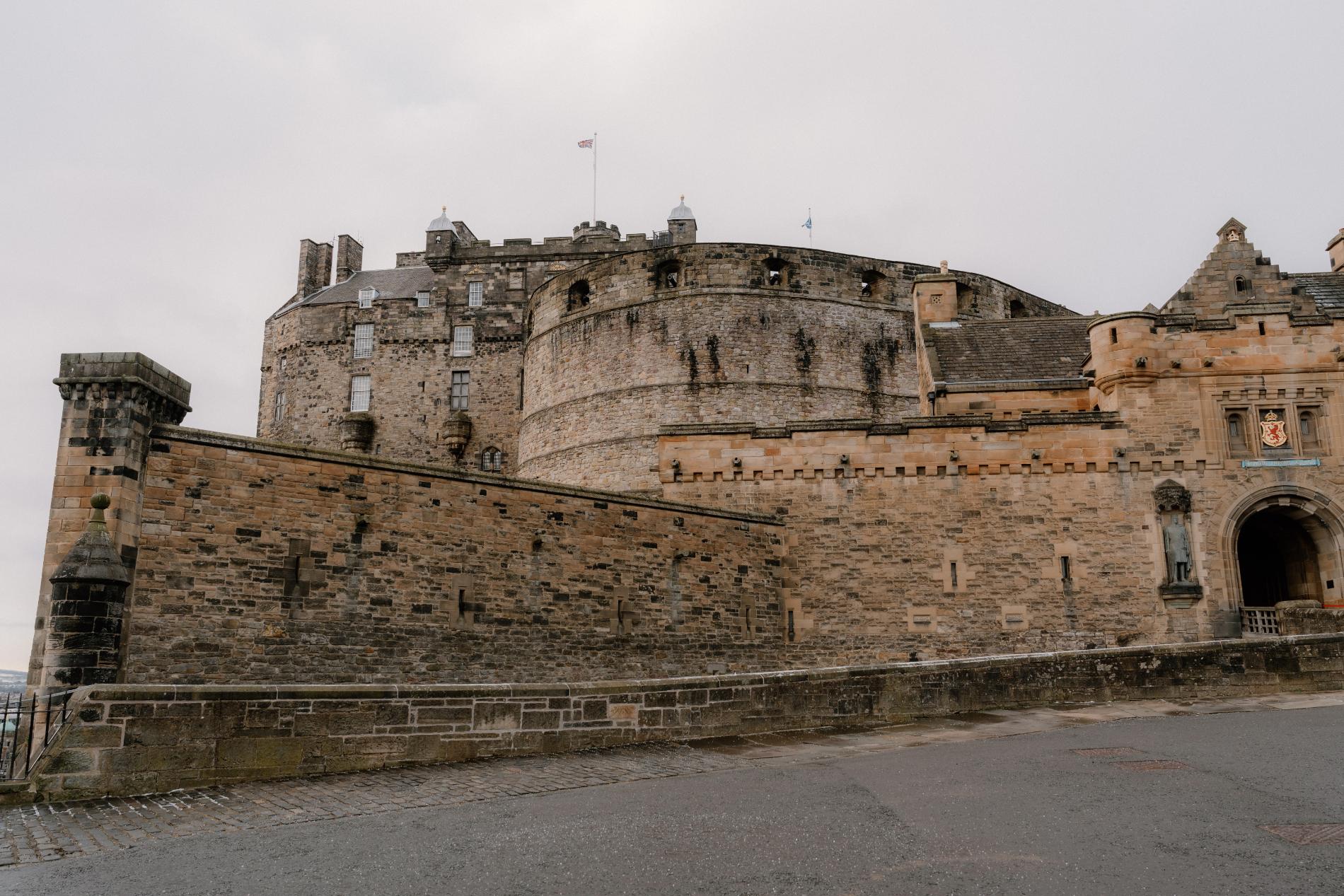
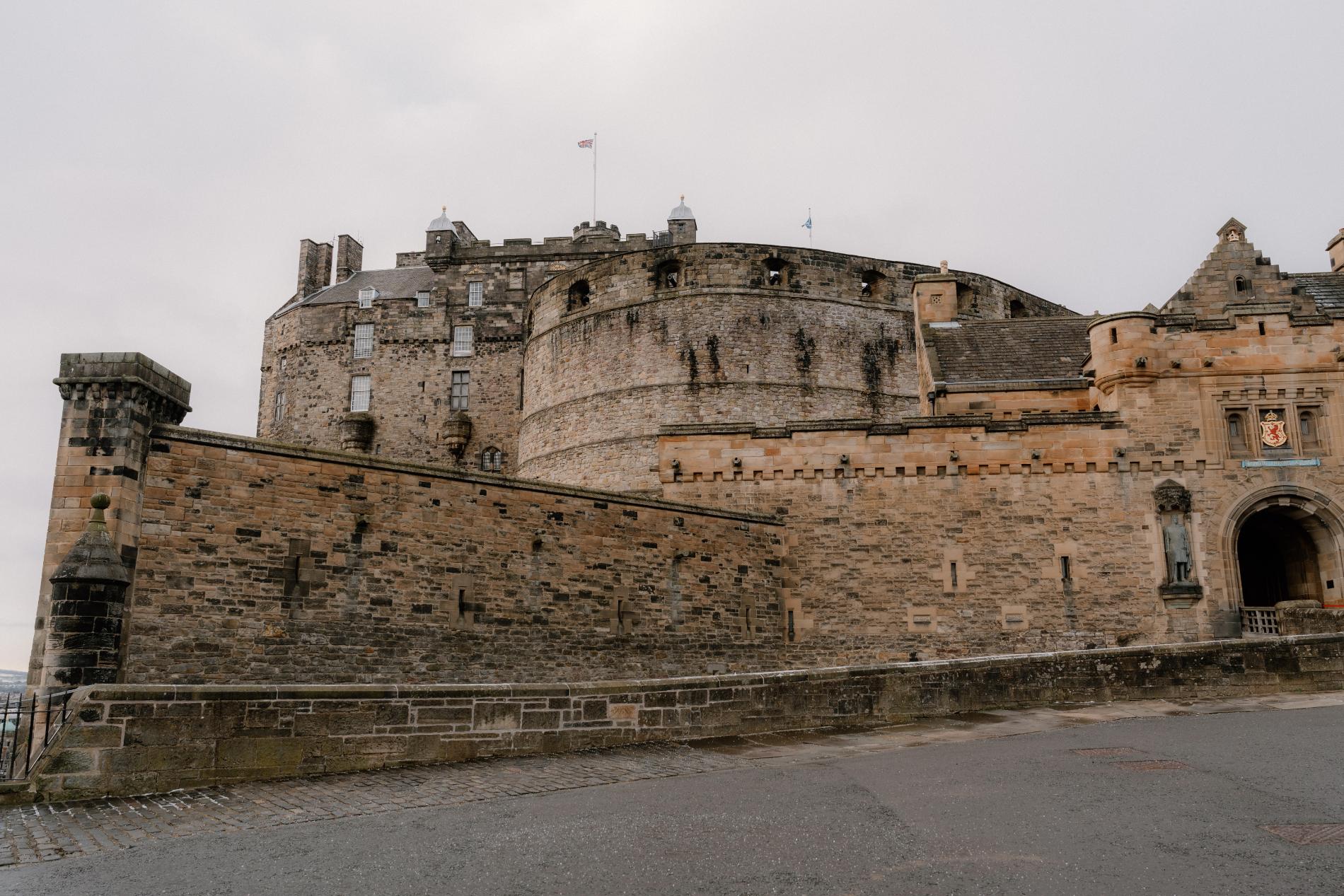
Castle Rock represents more than just a great social-media snap. It’s the stronghold around which the city grew, with excavations revealing human habitation on the clifftop as far back as 900 BC. In the early years of the first millennium AD, advancing Roman legions found Castle Rock fortified by a tribe of ancient Britons, the Votadini. Some time later, another tribe—the Gododdin—erected a fort here known as Din Eidyn. When the Angles—essentially early English—invaded in the 7th century, they renamed it Eidyn Burh, with ‘burh’ meaning fort. The Scots eventually recaptured it, leading to centuries of expansion and shifting power.
By the time James III reigned in the 15th century, Edinburgh had already become a medieval centre of trade, craft and ecclesiastical authority. Grain, wool and imported luxuries passed through the High Street, while craftsmen produced goods under guild regulations. The city's elevation to Scotland’s official capital in 1452 under James II further consolidated its status, creating the framework for the institutional presence that remains strong in the capital today.
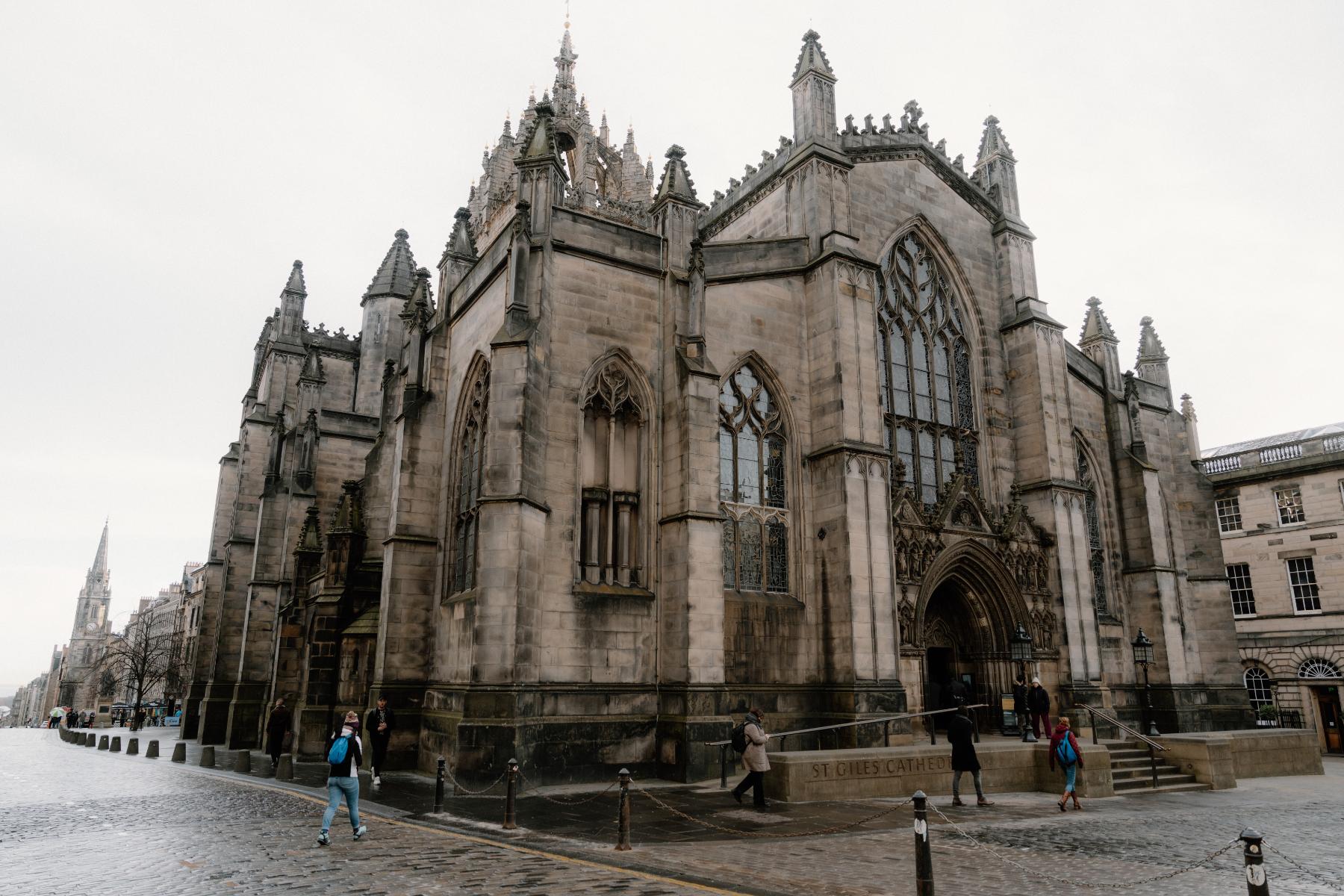
The 16th and 17th centuries in Edinburgh brought religious turmoil, royal intrigue and architectural ambition. The Reformation saw St Giles’ Cathedral change hands from Roman Catholicism to Protestantism, while the law courts and administrative apparatus of Scotland took more permanent shape. Turbulence followed with the Union of the Crowns in 1603, when James VI inherited the English throne as James I—leaving Edinburgh’s courtly splendour behind for London. Yet, the city retained political significance and remained a locus of Presbyterian resistance and rebellion.
As Edinburgh’s medieval Old Town walls expanded, the city’s narrow wynds and high buildings began to fray. By the late 18th century, planners and architects saw the need for transformation. The result was the imaginative layout of the Georgian New Town, created from 1767 onward by architects like James Craig and William Chambers. Wide, classical streets such as Princes Street and George Street, private garden squares like Charlotte Square, and stone townhouses offered a new civic elegance that contrasted sharply with the tenements of the Old Town. Merchants, lawyers and professionals moved north, elevating Edinburgh’s economic profile and giving rise to its status as the "Athens of the North," a nickname reflecting its cultural ambition and neoclassical style.
The Georgian era also saw the establishment of key civic institutions—the Royal Society of Edinburgh (1783), the National Museum of Scotland (initially cast as the Museum of Science and Art in 1866), and the Surgeons’ Hall Museum (1832). These foundations signalled a city that valued learning, science and public service alongside lasting architecture.
The 19th century brought rapid social change and urban pressure. tenements grew taller to accommodate an expanding population. Industrialisation arrived—steam engines, shipbuilding on the Firth of Forth, railway links, and the Rebuilding Act of 1857, which allowed Old Town tenements to reach 14 storeys. Beneath the facades, however, overcrowding and poverty were persistent problems, prompting evacuation drives and the emergence of philanthropic housing schemes such as the Pilrig Model Dwelling Company in Leith.
As the entertainment landscape changed, Edinburgh embraced new civic services and leisure opportunities. Tramlines were installed from 1871, offering transport across the city. Parks such as the Meadows (former common land) and West Princes Street Gardens opened to the public. The Edinburgh Festival was born in 1947, followed by the Fringe in 1948 and Hogmanay celebrations—developments that made Edinburgh a cultural powerhouse on par with London or Paris.
The latter half of the 20th century saw further expansion of the city’s boundaries, renewed interest in conservation, and investment in arts and tourism. Much of Edinburgh’s Old Town was declared a UNESCO World Heritage Site in 1995, alongside the New Town, preserving the city's architectural character and providing a national stage for its urban narrative.
Today, Castle Rock still occupies pride of place. Visitors can explore its castle, the national war memorial and the Scottish Crown Jewels inside. Below lie grey cobbled courtyard streets, while stone townhouses rise into Georgian squares beyond. Edinburgh’s layered story—a Bronze Age settlement, medieval trade hub, reformed capital, Georgian utopia and festival Promised Land—is written into every building, skyline, park and festival tent.

Edinburgh Through the Ages
A brief timeline of the city’s defining moments
c. 900 BC – Earliest known settlement
Archaeological finds suggest human habitation atop Castle Rock, making this one of the longest continually occupied sites in Scotland.
1st century AD – Roman contact
Advancing Roman legions encounter the Votadini tribe, who have fortified the volcanic crag with wooden defences.
c. 600 AD – Din Eidyn
The Gododdin tribe builds a stronghold known as Din Eidyn. When Anglian forces later conquer it, they rename it ‘Eidyn Burh’—meaning ‘fort of Eidyn.’
7th century – Lost to Northumbria
Edinburgh becomes part of the Anglo-Saxon kingdom of Northumbria until the Scots reclaim it in the 10th century.
1124 – David I formalises the burgh
King David I grants Edinburgh royal burgh status, laying the foundations for medieval growth and trade.
14th century – Wars of Independence
Edinburgh Castle is repeatedly seized during conflict with England. It’s retaken by Thomas Randolph in 1314 after a surprise attack.
1437 – Capital status established
Following the assassination of James I, the royal court shifts permanently from Perth to Edinburgh.
1452 – Officially named Scotland’s capital
James II formalises the move, solidifying the city’s political and judicial role.
1560 – Scottish Reformation
St Giles’ becomes Protestant. Edinburgh becomes a hub for reformers like John Knox, shaping the national church and civic values.
1603 – Union of the Crowns
James VI becomes king of both Scotland and England. The royal court departs for London, but Edinburgh retains national importance.
1707 – Act of Union
The Scottish and English parliaments merge, creating the United Kingdom. Edinburgh remains Scotland’s legal and cultural capital.
1767 – New Town plans approved
Architect James Craig wins the competition to design Edinburgh’s elegant Georgian New Town.
1822 – Royal visit by George IV
Orchestrated by Sir Walter Scott, this lavish visit restores royal favour and helps revive Highland identity and national pride.
1842 – Arrival of the railway
The first rail link to Edinburgh opens, connecting the city with the industrial Lowlands and boosting economic expansion.
1947 – First Edinburgh Festival
The Edinburgh International Festival launches in post-war Europe. The Fringe follows a year later, beginning a new era in global arts.
1995 – World Heritage recognition
Edinburgh’s Old and New Towns are jointly awarded UNESCO World Heritage Site status.
1999 – Scottish Parliament reconvenes
After almost 300 years, Scotland regains its own parliament. The modern Holyrood building opens in 2004, anchoring Edinburgh’s political role in a new age.
Edinburgh’s story is not confined to display cases or memorial plaques. It plays out in the fabric of the city itself—in the worn steps of the Castle Esplanade, the symmetry of New Town terraces, the echo of bagpipes on the Royal Mile. Each phase of its evolution, from Iron Age outpost to global festival city, adds another layer to its identity. History here is lived-in rather than preserved, and still very much in motion. Whether you're drawn by the past or caught up in the present, Edinburgh offers something enduring: a sense of place with depth, clarity, and character.
Promoted Post
Stormhouse
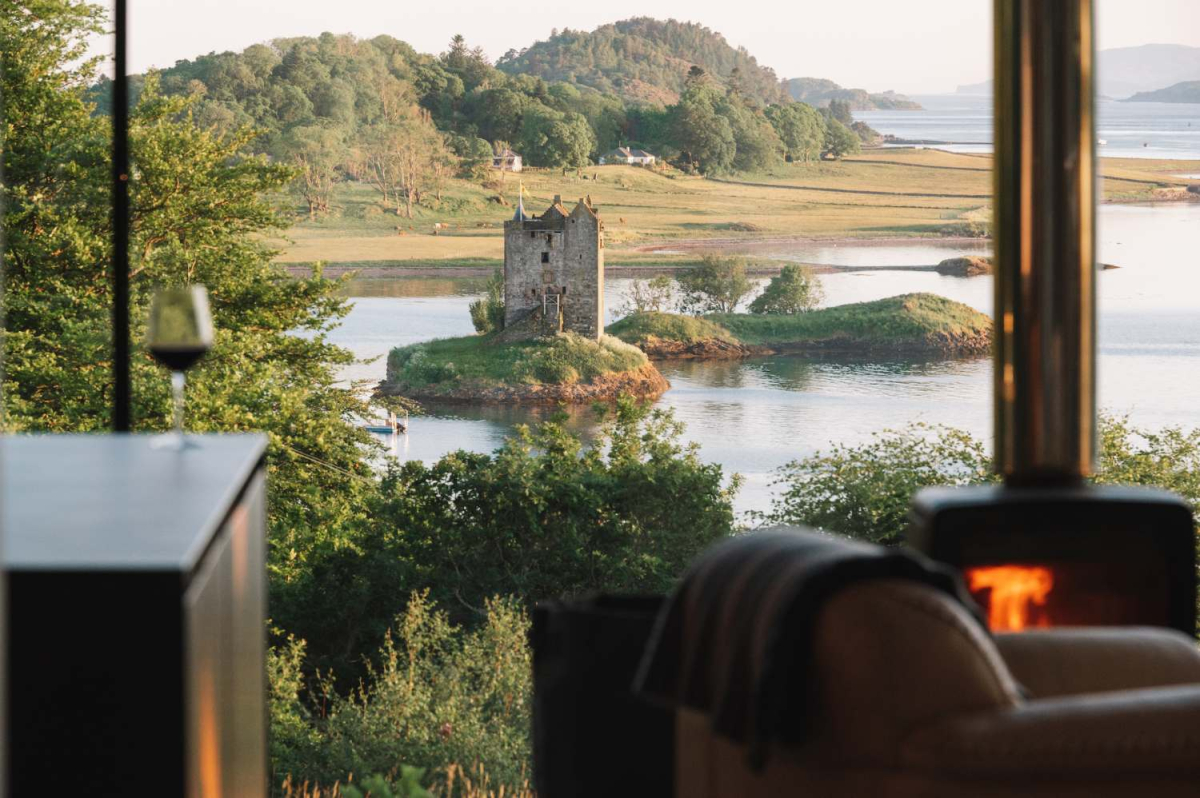
Escape to the wild, rugged landscape of Scotland’s west coast, perfectly located between mountain and sea








 Sign in with Google
 Sign in with Email