
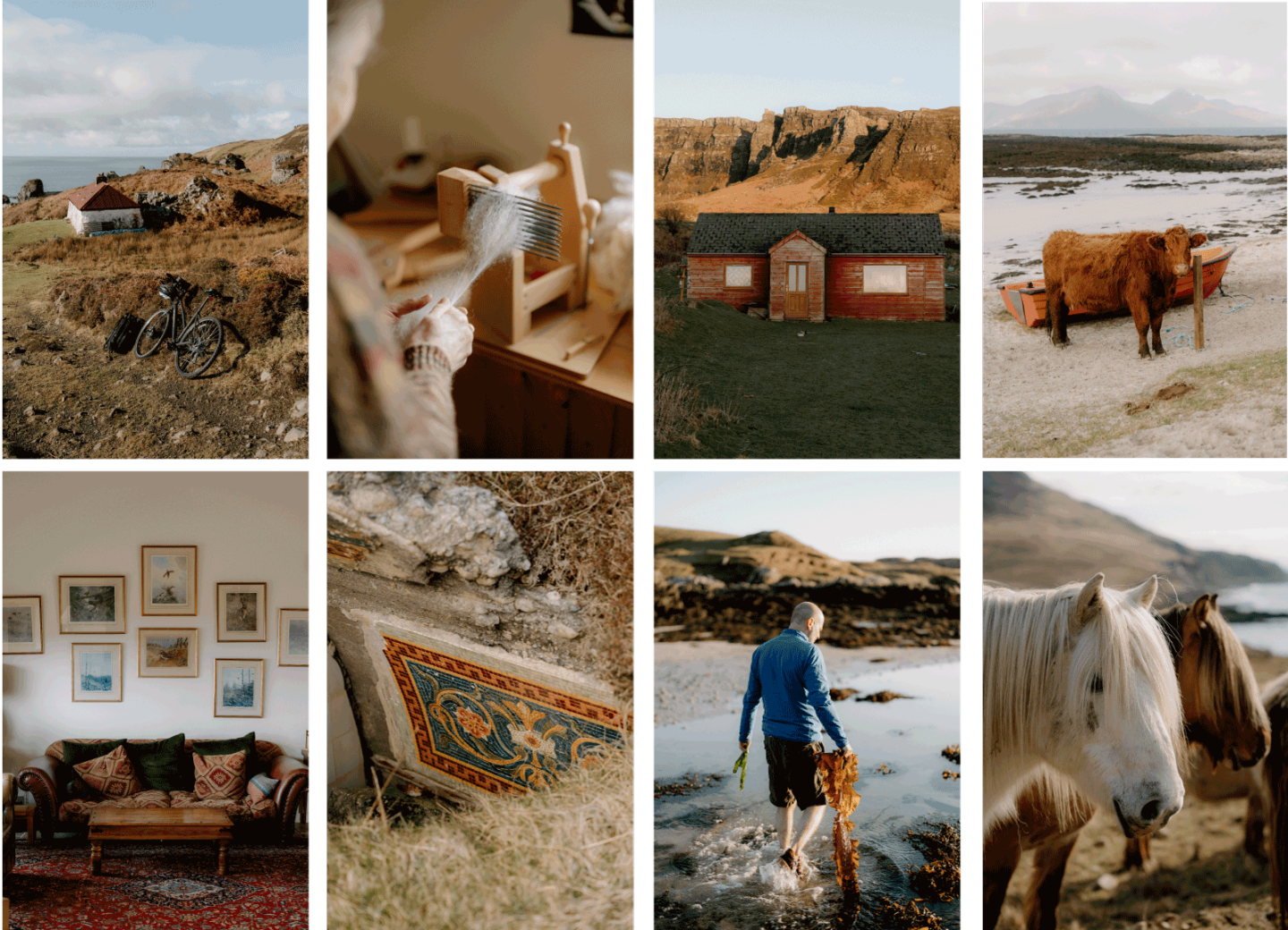
The Small Isles don’t draw the same attention as some of the larger islands off the west coast, but that doesn’t make them any less unforgettable. When I travel out to photograph them during the earliest stirrings of spring, journeying from one to the other in turn, I find an archipelago of rugged beauty, the warmest of welcomes and a population of industrious, hardworking locals.
Eigg, Rum, Muck and Canna. I’ve heard these names for years but it’s my first visit here, so my aim is to meet people, and to feel immersed in the landscapes. The weather on my trip is fine, almost unseasonably so; where I’d feared murk and wind, I find sunshine and flat seas. In truth, I’m charmed from the moment I arrive.
Eigg
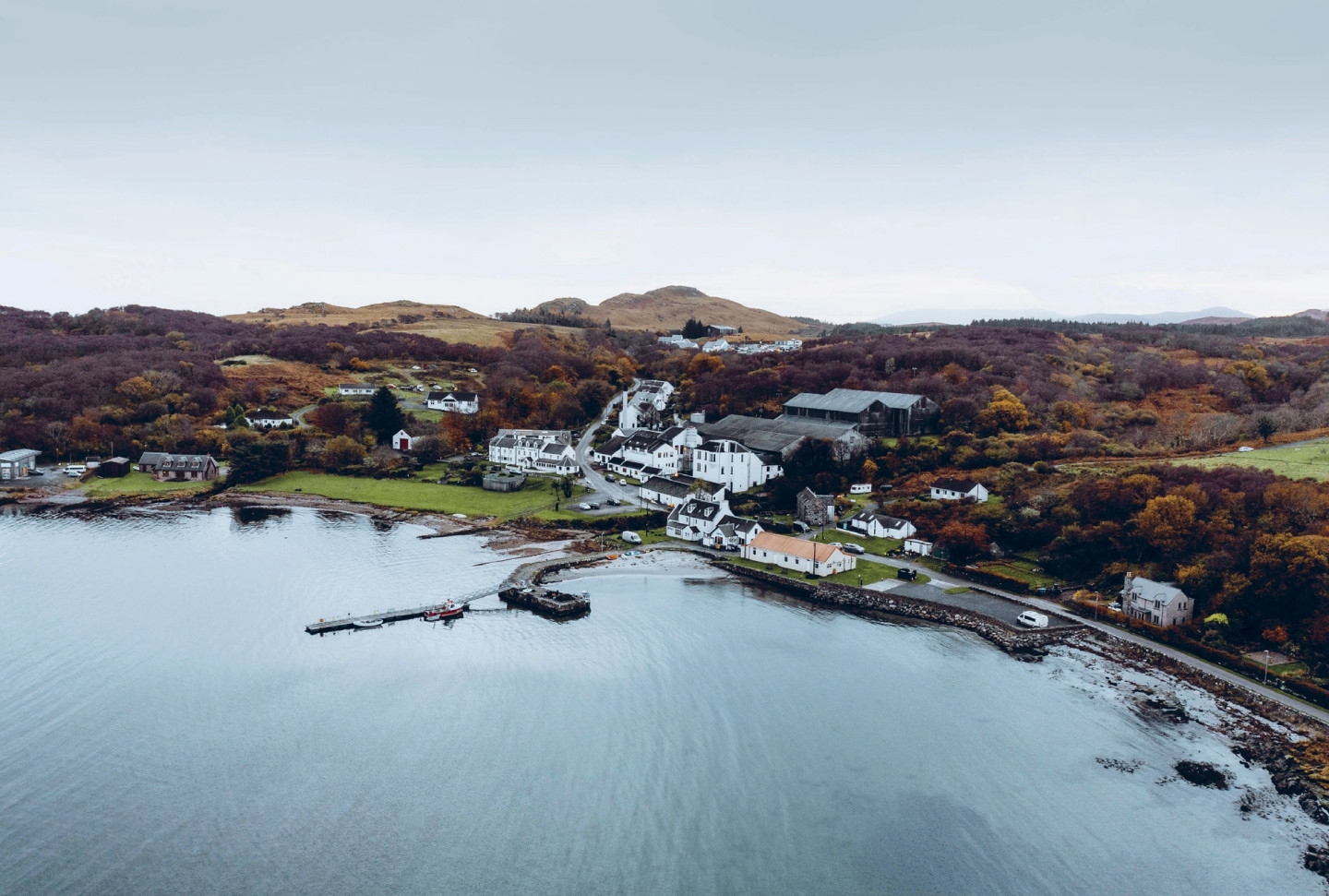
“These e-bikes run purely on renewable electricity,” Owain Wyn-Jones tells me proudly. He runs Eigg Adventures, which hires out kayaks and bikes just a stroll away from the ferry pier. Owain is passionate about his island home, and it’s easy to see why. Eigg feels remote but has a strong, tight-knit community. It’s a realm of grass and bracken, of heathery knolls and sandy beaches. Buzzards soar over the hazel scrub and wrens hop among the willows. The distant outlines of Skye and the mainland loom across the water.
Its highest point, the lumpen pitchstone bulk of An Sgùrr – a return climb of between three and four hours from the ferry – is the result of a volcanic eruption around 60 million years ago. Artists and makers inhabit many of the island’s bothies and buildings. I visit the Isle of Eigg Brewery, Scotland’s only cooperative brewery, then meet spinner Jenny Robertson at An Nead Hand Knitwear. Her pieces are little masterpieces of cobweb lace: yarn-knitted shawls and scarves.
The whole of Eigg is off-grid, being detached from the mainland electricity supply, and most of its power now comes from either solar energy, wind turbines or hydroelectricty. Even more impressively, the island electricity company is owned and managed by the community, which has a population of just over 100. It means that Owain’s e-bike – which helps me explore the island during my stay – is powered by energy generated from the sun, sea and wind.
I find some memorable spots. Galmisdale Bay Café & Bar, close to both the new and old piers, offers seafood with a world-class view, while the lost township of Grulin, cleared in 1853, makes for a stirring place to wander. I head too to the office of the Isle of Eigg Heritage Trust, dedicated to preserving the spirit of the island and ensuring any development takes place in a sustainable way. They seem to be doing a fine job.
-full-1740648571-full-1740748236-full-1740750912.jpg)
-full-1740648571-full-1740748236-full-1740750912.jpg)
Muck
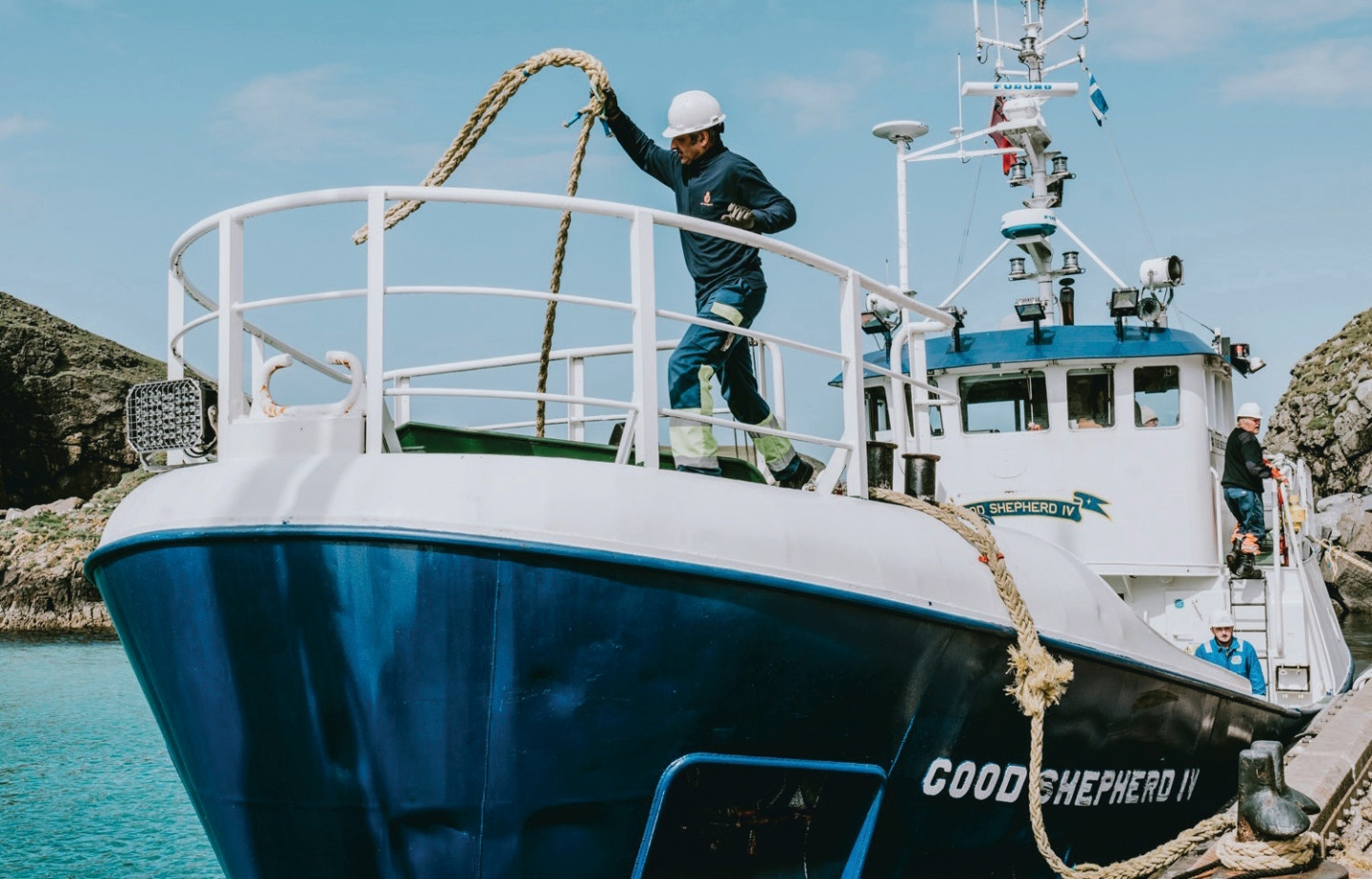
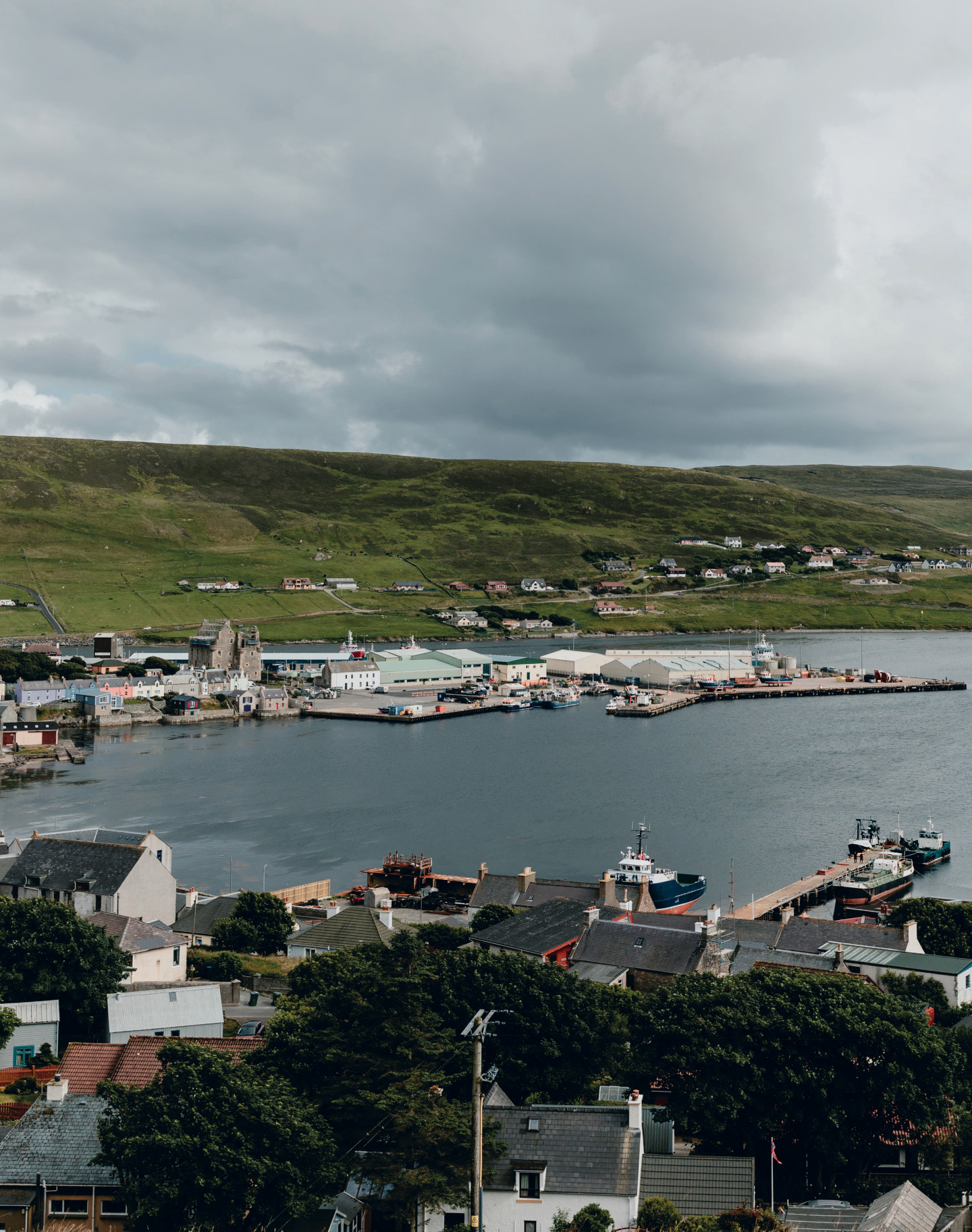
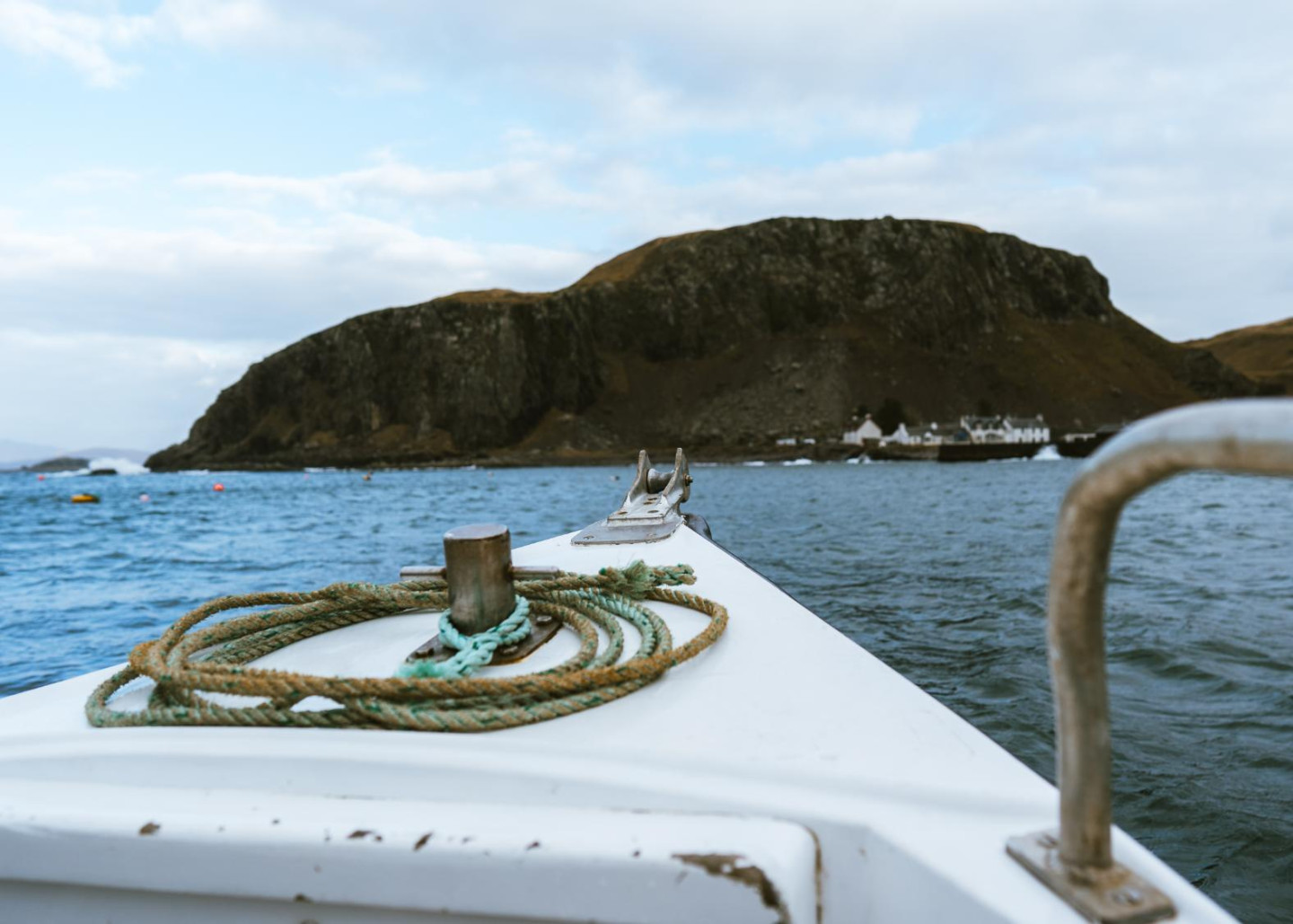
From Eigg I make the 40-minute ferry crossing to Muck, the tiniest of the four main Small Isles. Its population is less than half that of Eigg’s, and as my boat noses into the harbour it feels as though most of them are out on the pier, ready to unload supplies and give a helping hand to newcomers.
I’m greeted by members of the MacEwen family, who bought the rights to the island’s 1,400 fertile acres back in 1896. “Welcome to Muck,” one of them says warmly, as I get my head around being received on an island by the people who actually own it. The late patriarch of the family, the hugely respected Lawrence MacEwen, died in 2020 but was immortalised in the award-winning documentary film the Prince of Muck, which detailed his determination to preserve the local way of life.
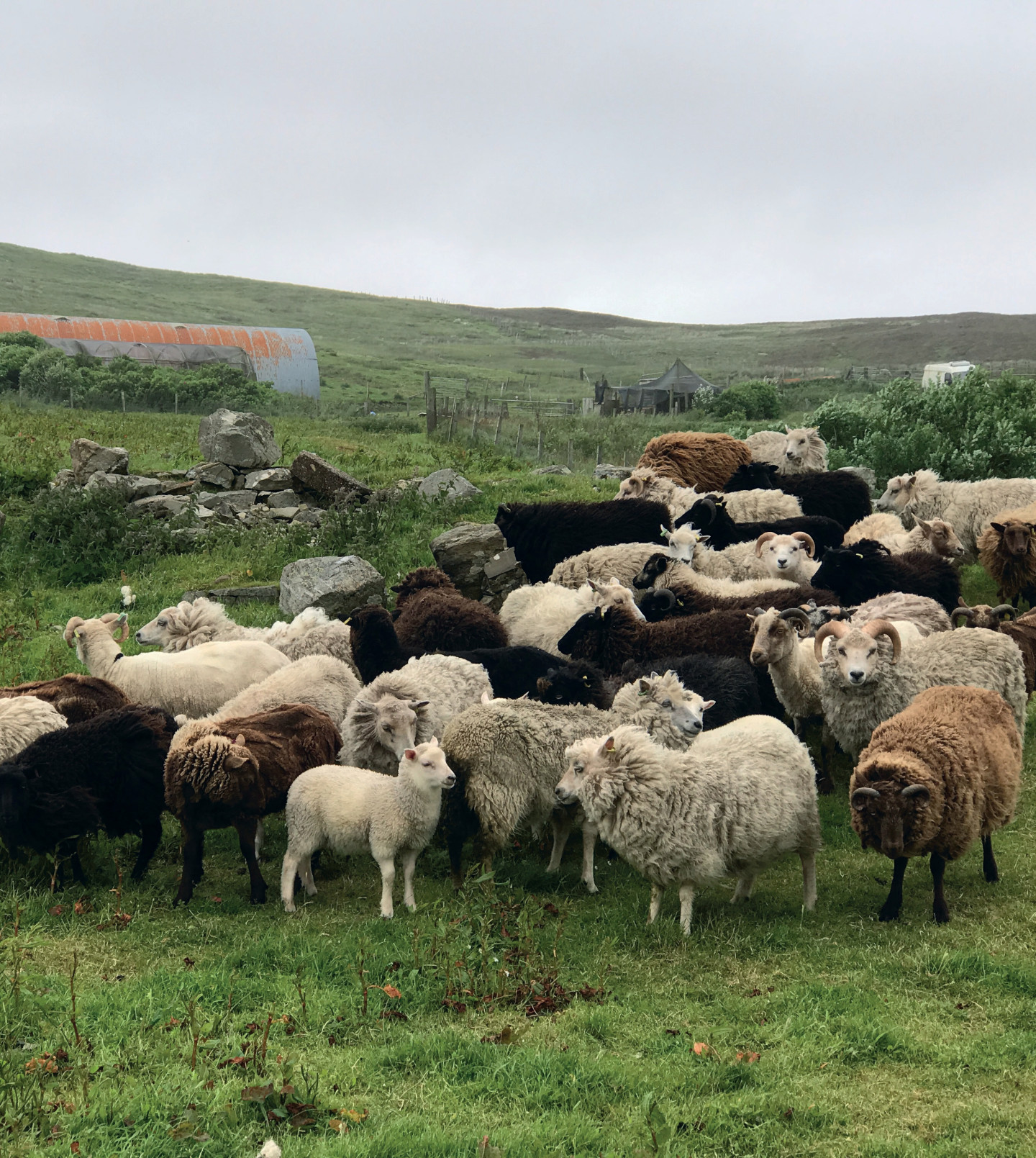
It’s obvious why the island had such a hold on him. My days here are slow and full. It’s a place where the brushstrokes are broad – rocky shores, lush grasslands, rugged hills – but the details are endless. Cheviot sheep and Luing cattle in the fields; eider ducks and oystercatchers on the water; Bronze Age burial sites and the stony rise of Beinn Airein; the Jurassic limestones of Camas Mor and the blinding white sands of Gallanach Beach. It’s somewhere that holds worlds within worlds.
I stay at the stone-built Seileachan Cottage, just minutes away from the wild beauty of the beach. At the corrugated Green Shed I find a community-run craft shop selling wares made right here – carved wooden staffs, engraved slate coasters, sturdy things meant to last – while at the Isle of Muck tea room I get chatting to owner Bruce Boyd. His professional life, having taken him all over the world, has rested him down in Muck. His pies and chocolates are the stuff of local legend.
-full-1741380682.jpg)
SIMON’S TIPS
Book ferries in advance and plan your timetable. Note that ferries are at the mercy of the weather and can be cancelled last minute, so it’s good to have some flexibility in your plans.
It’s one of the best car-free trips you can do in Scotland. Get the train to Mallaig then catch the ferry to the islands. Unless you have permission, you can’t take a car with you.
To really get the best of the islands, you need time. Two weeks or more would be great, or just one island at a time for four or five days.
Book your accommodation up in advance, as it’s limited on all the islands.
At certain times of year, you can make day-trips here from Skye (with AquaXplore) and Arisaig (with the Small Isles Ferry).
-full-1740992543.jpg)
Canna
Due to the way my schedule falls, I’m unable to catch the direct ferry from Muck to Canna, meaning a return to Mallaig before the morning sailing to Canna. No matter. The two-hour trip out to this most westerly of the Small Isles is a joy, and I’m taken aback when one of the four other passengers approaches me midway across and says: “You must be Simon.”
She’s narrowed me down by process of elimination. Crew aside, those on board comprise a couple of builders, a resident and an architect heading over for a meeting with the islanders – plus me, the photographer she’d heard was coming to the island.
Given this mid-voyage welcome, I’m unsurprised when the ferry’s arrival on Canna – much like Muck – is a community affair. Everyone is on shore to greet the ferry, collect supplies and help with any new arrivals. I shake a few hands, say hello, then explore.
As with all the Small Isles, I find green hills, gorgeous coastlines and welcoming locals. Aileen Colquhoun serves me lunch at the beautiful Tighard Guesthouse; Aberdeen native Gareth Cole - a great chef and a truly lovely guy - forages kelp by hand as part of his local seafood dishes at the shoreside Café Canna. I’m here too early for the puffins that come later in spring, but there’s still an almost magical air over the place. Everywhere I go I hear tales of life on Canna: a tough existence at times, but holding rewards that are something else.
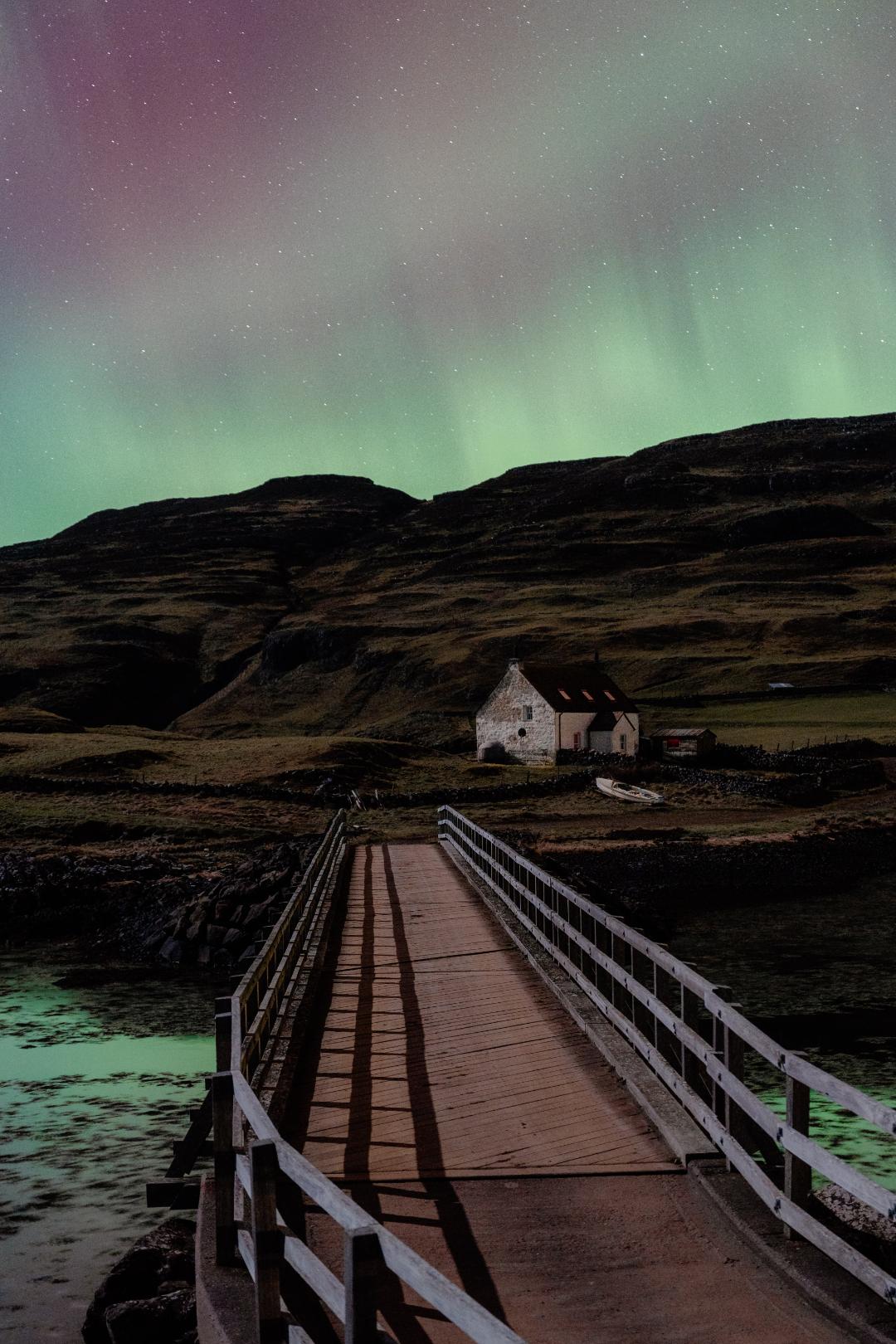
My time here also holds an unexpected treat from up on high. Returning from a dinner at Tighard Guesthouse, where I’d been hearing from residents about the island’s history, I notice a few cars driving around the island. Confused as to why this might be, at 9pm on a Sunday night, I look back north and see an incredible display of the Northern Lights. Sprinting with my camera gear to find suitable shooting positions, I’m able to capture the aurora as it spreads across the sky.
Rum
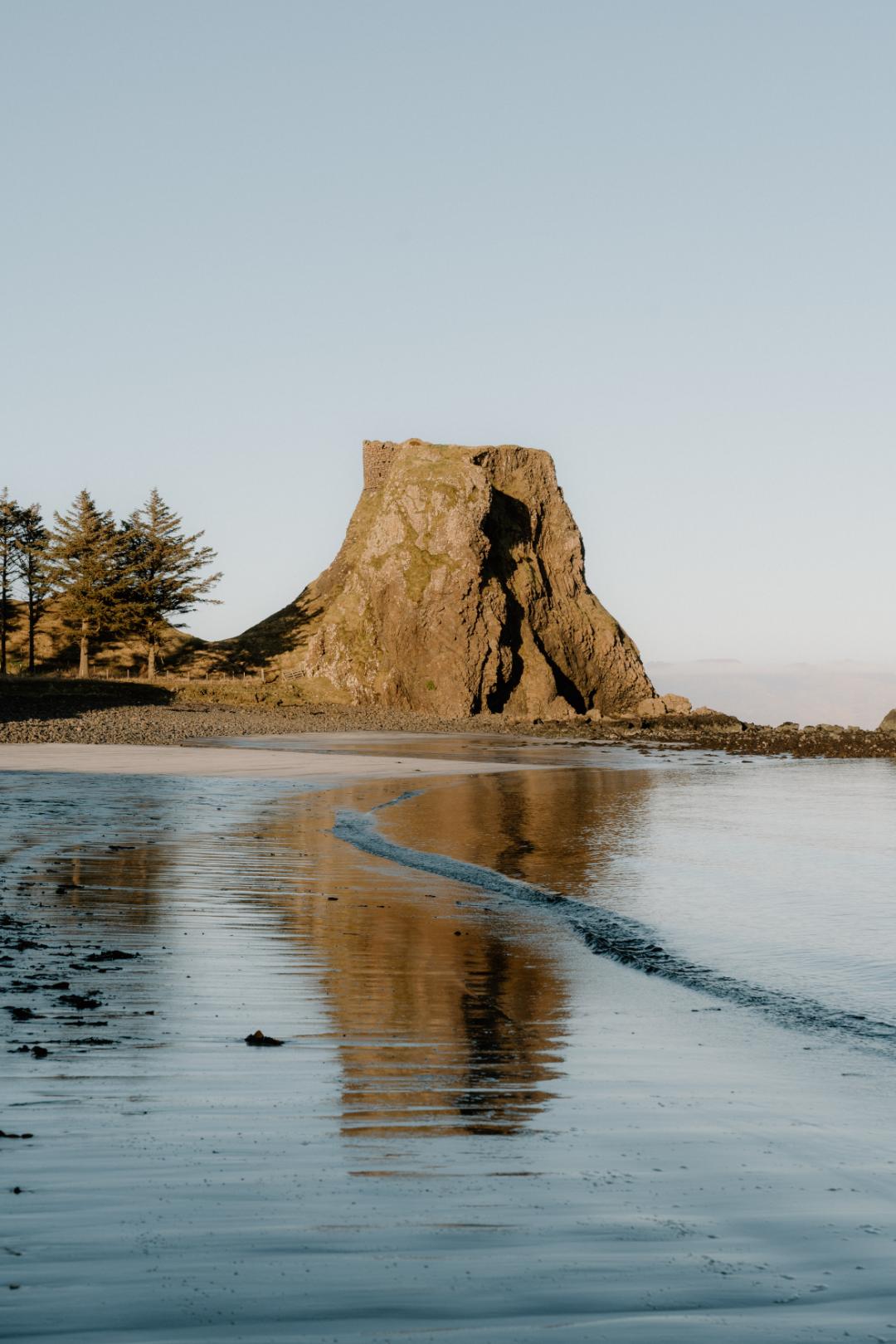
The hour-long ferry ride from Canna to Rum brings me to the shore via the epic sea inlet of Loch Scresort. Epic is an adjective that suits much of the island – it towers above the other Small Isles, looking almost Faroe-esque in its shape and rugged stature. To give a more local comparison, the volcanic grandeur of its appearance is shared with the Cuillins on nearby Skye.
Rum is by far the largest of the Small Isles in terms of area, although its tiny population is almost all clustered within the village of Kinloch, at the head of the loch. The rest of the island is only accessible on foot, or by the 4x4 track that goes out to the deer-roamed beach of Kilmory Bay and the ruined settlement of Harris.
I meet Alex Mumford, who moved up here from Bristol in 2020 without having previously set foot on the island, and who now runs the lovely Rum Bunkhouse. He’s spearheading various projects, including the local bid to be granted Dark Sky Island status. On a clear night, the absence of artificial light means the starlit skies are deep and sensational.
A sense of drama pervades Rum, both scenically and historically. The turreted sandstone mansion of Kinloch Castle was built for John Bullough, a wealthy Lancashire mill owner, in the late 19th century but has long fallen into neglect, remaining as an eccentric time capsule of Edwardian life.
The Bullough family have left a further mark on the island, too, in the form of an extravagant mausoleum made to look like a Doric temple. Incongruous though it seems, it was actually built as a replacement for the original family mausoleum, which was criticised for looking like a public toilet. On an island like this, where nature feels raw and huge, the over-the-top splendour of the later, colonnaded mausoleum makes for a most surprising sight.
Sometimes, you know you’ve found somewhere that’s going to stay with you. The time I spent on the Small Isles has got to be one of the best trips I’ve ever done in Scotland.
-full-1740993063.jpg)
Promoted Post
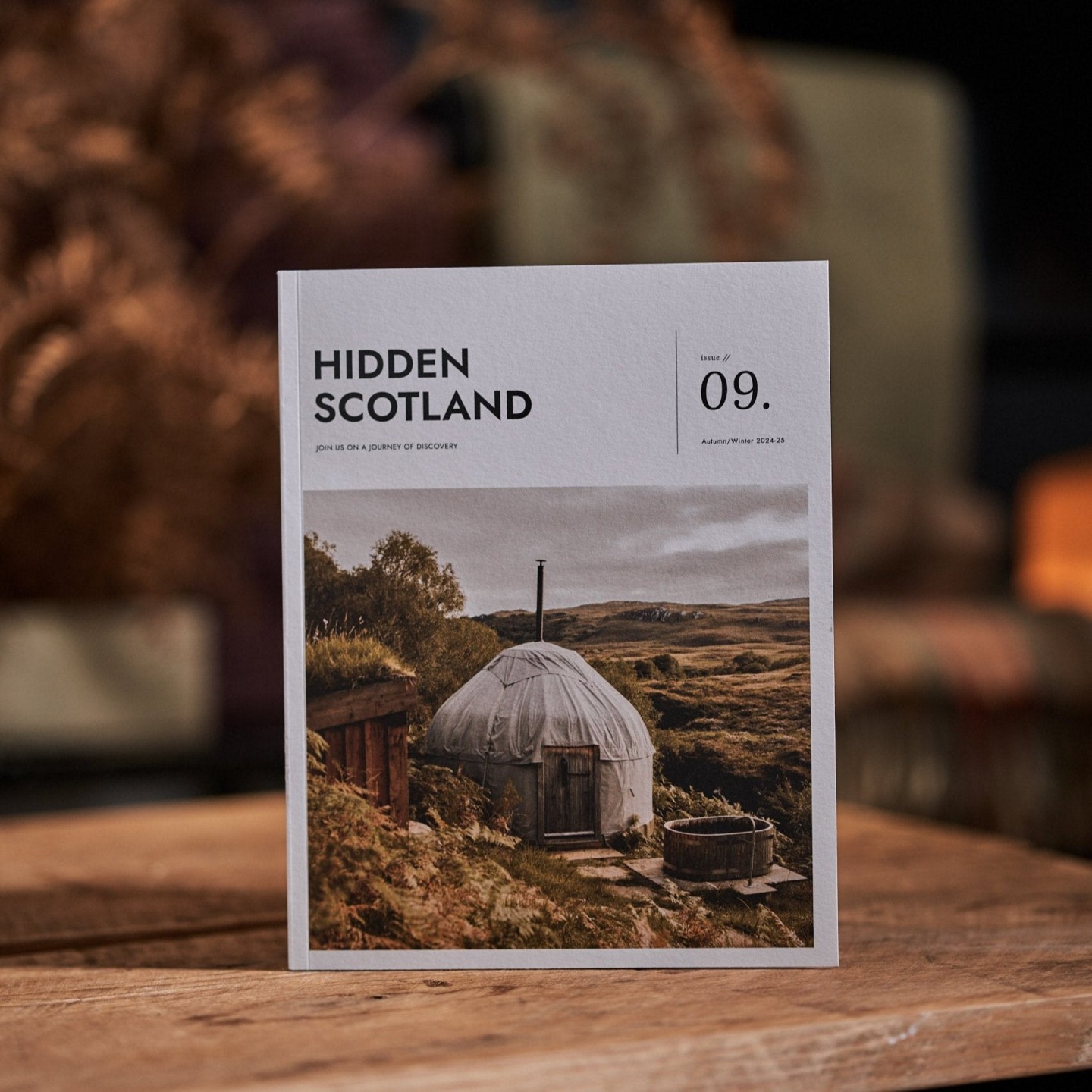
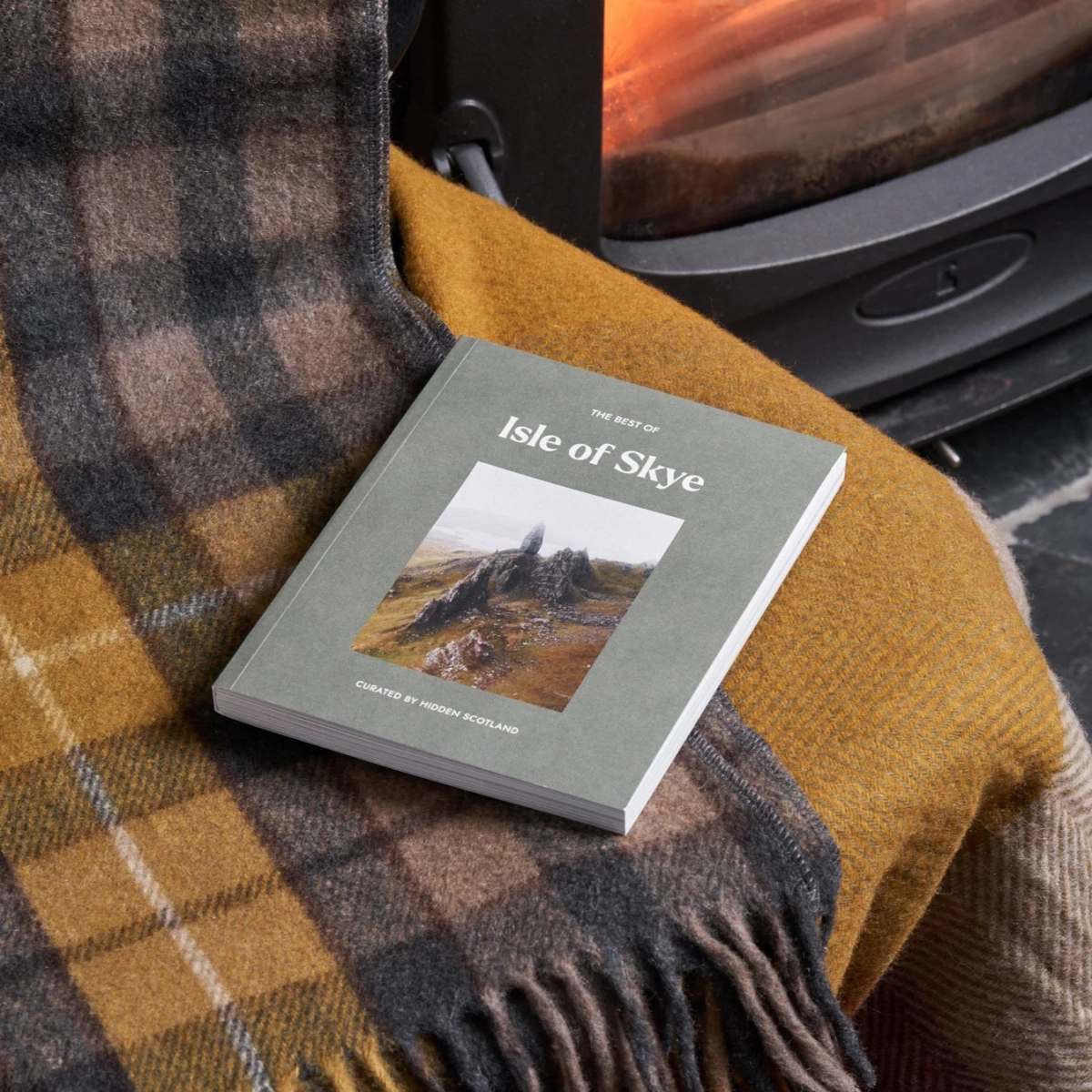
The Best of Skye Guidebook
The Isle of Skye is a place of rare wonder, a wildlife-rich spread of bays, peaks, cliffs and ridges. The views are big, but the prospect of adventure is even bigger. We hope this curated Hidden Scotland guide – which takes in everything from the best walks to the finest restaurants – helps you to have your own unforgettable island escape.
-full-1748964954.jpg)






 Sign in with Google
 Sign in with Email