
Perthshire. Perthshire guide
Salmon rivers, big trees and wooded glens, from Scone Palace and Perth to the wild moor at Rannoch.
The four parts of Perthshire
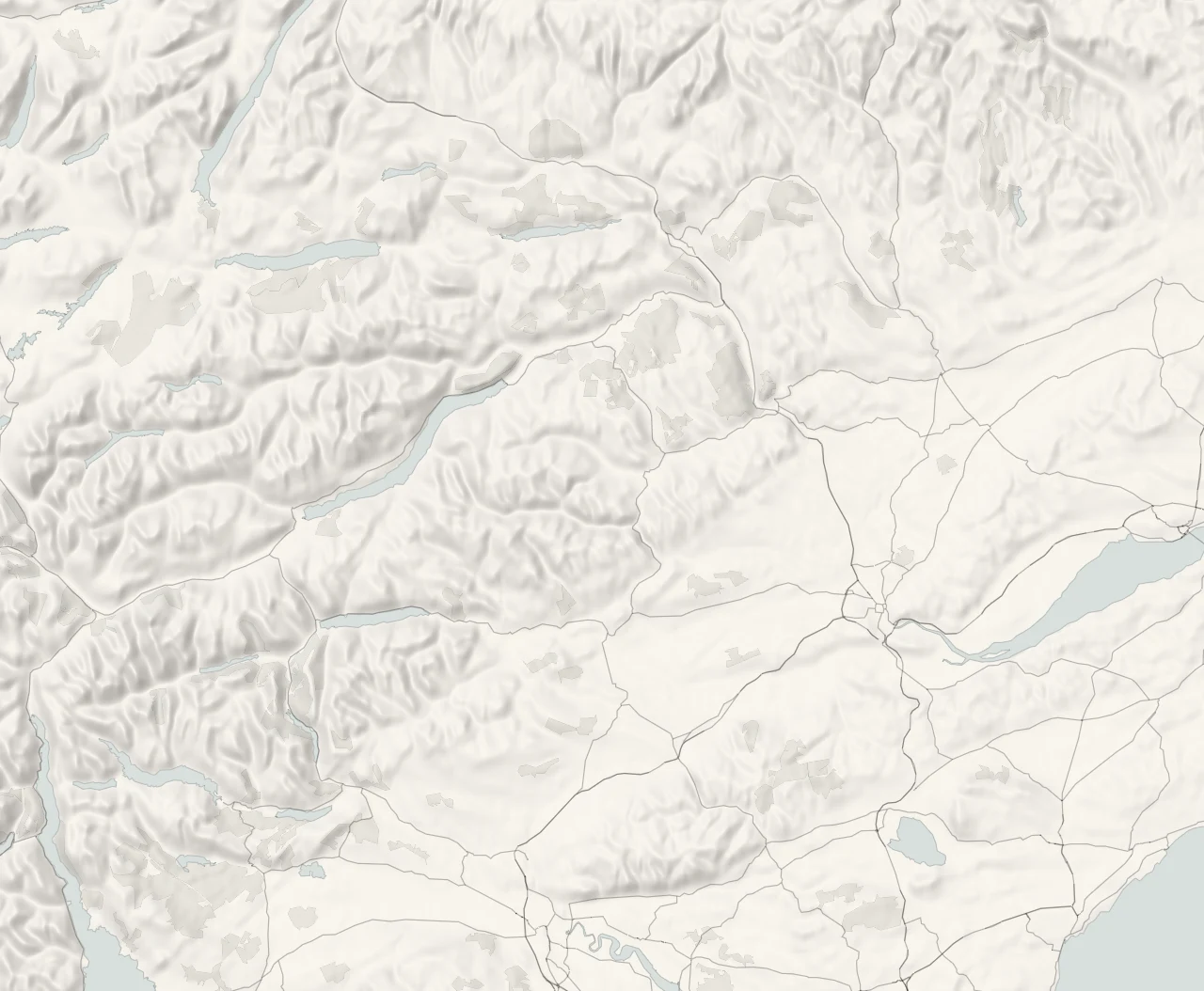
They call it the Big County for a reason. Straddling both the Lowlands and the Highlands, Perthshire covers a vast central swathe of the Scottish map, its borders stretching from Rannoch Moor in the west to River Isla in the east, and from the Pass of Drumochter in the north to the fringes of the Trossachs in the south. If you’re looking for scenic diversity, in other words, you’re in the right place. Sir Walter Scott described it as “the fairest spot in the northern kingdom”, and he knew a decent view when he saw one.
Pitlochry and the north
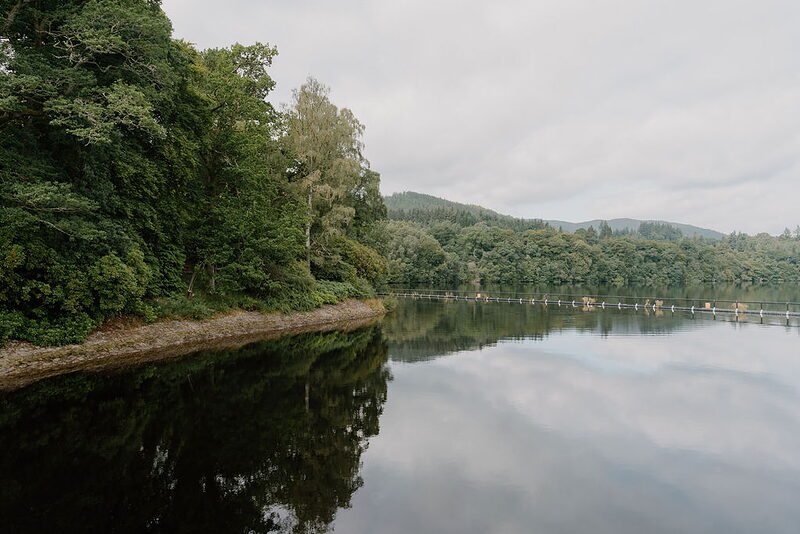
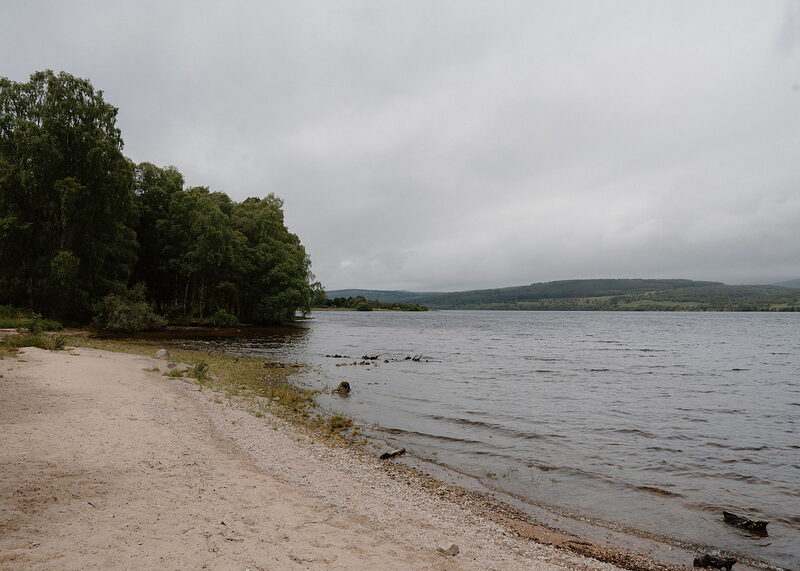
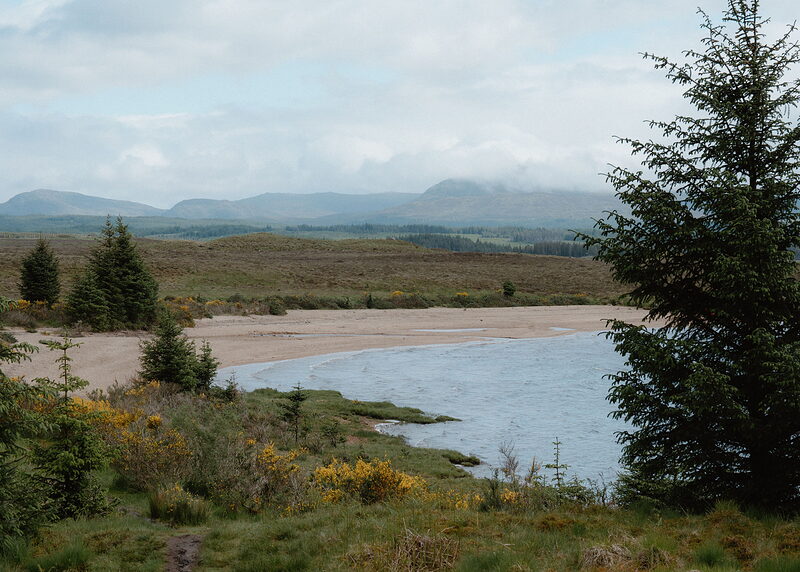
Pitlochry is a Victorian resort town on the Tummel, with its theatre, its dam and the salmon ladder, and the wooded Pass of Killiecrankie just up the road. West past Queen's View and Loch Tummel, the road runs on to Kinloch Rannoch, the old pines of the Black Wood and the lonely station out on the moor.
Aberfeldy and the west
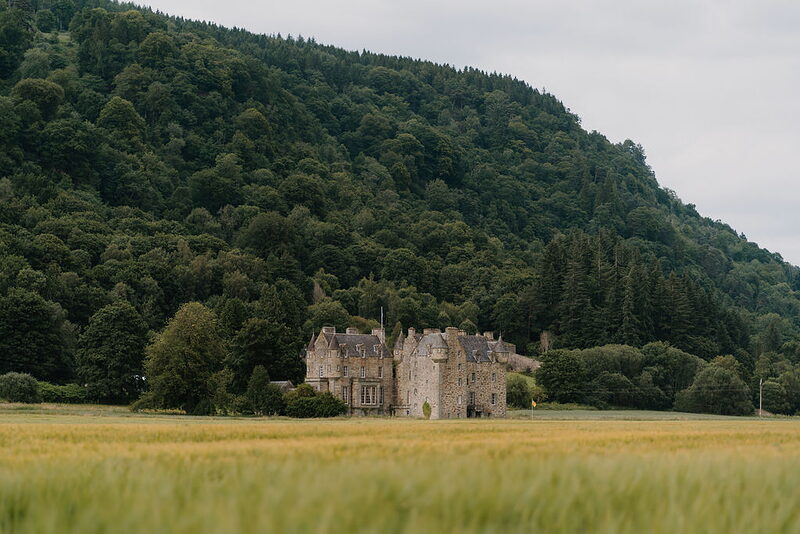
Aberfeldy sits on the Tay below the Birks, the wooded glen Robert Burns wrote a song about, with Dewar's distillery on the edge of town and Castle Menzies across the river at Weem. Out west, Kenmore stands where the Tay leaves Loch Tay, and at Fortingall an ancient yew guards the way into Glen Lyon.
Dunkeld and the east
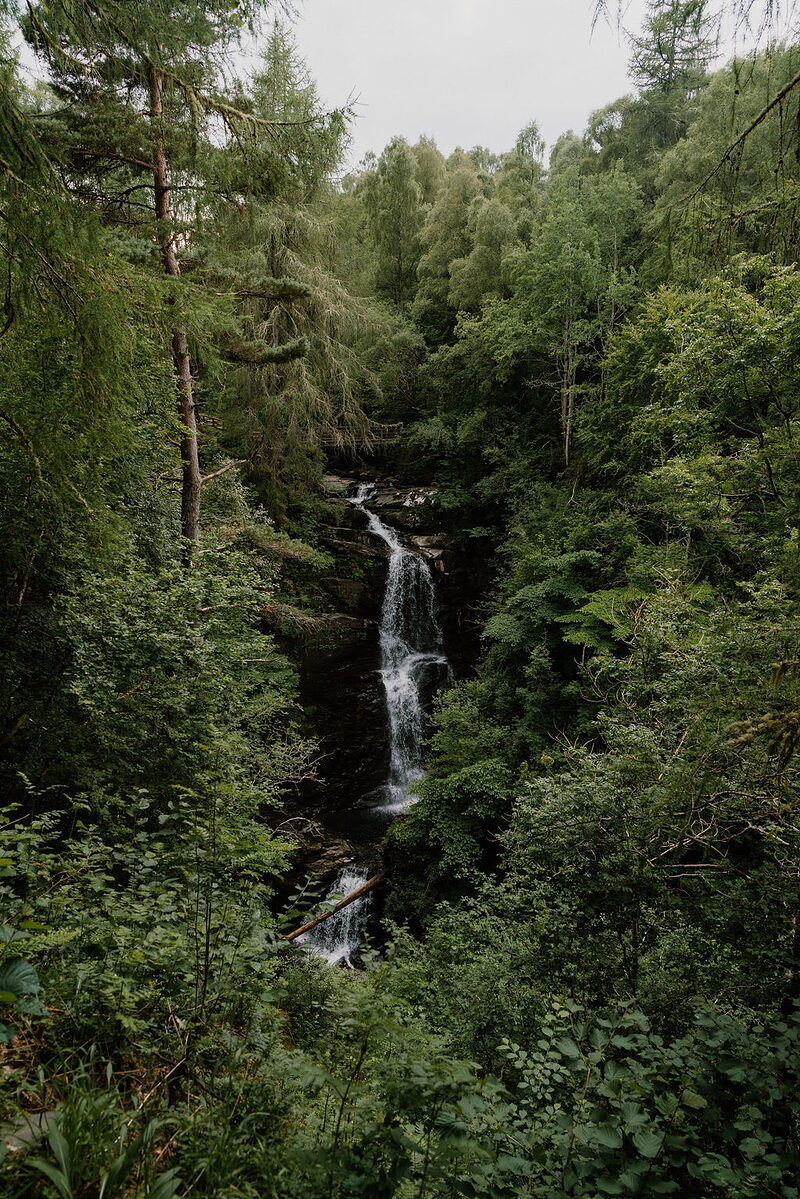
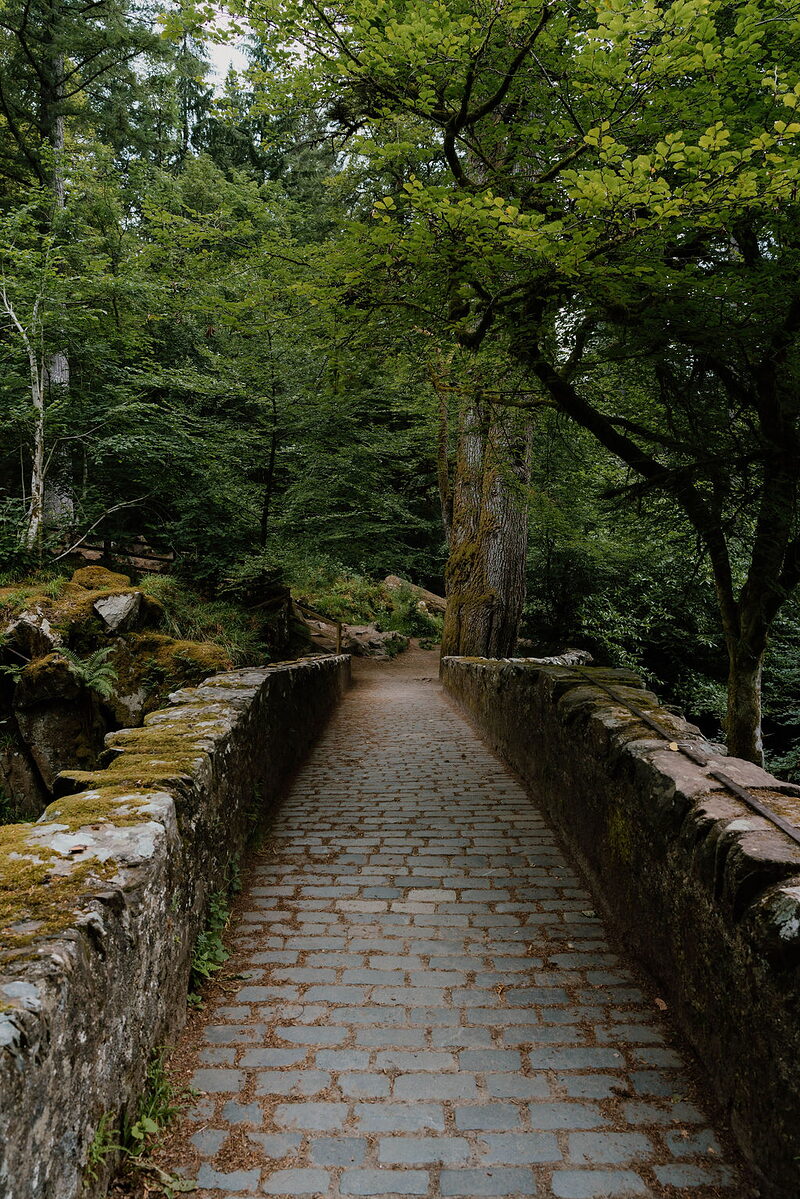
Dunkeld's half-ruined cathedral stands on the Tay, and over Telford's bridge at Birnam is the old oak said to be the last of Macbeth's wood. The Hermitage waterfalls are a short walk away, ospreys nest at the Loch of the Lowes, and east of Blairgowrie the berry fields run out to Alyth and the Pictish stones at Meigle.
Perth and the south
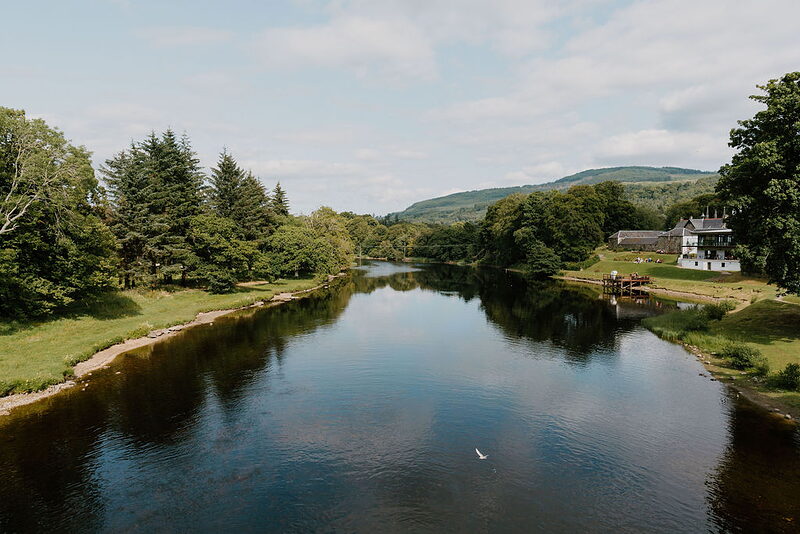
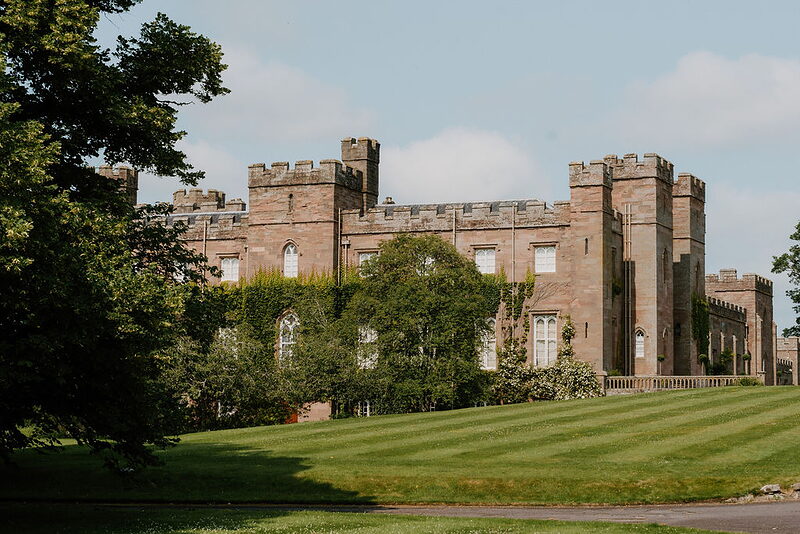
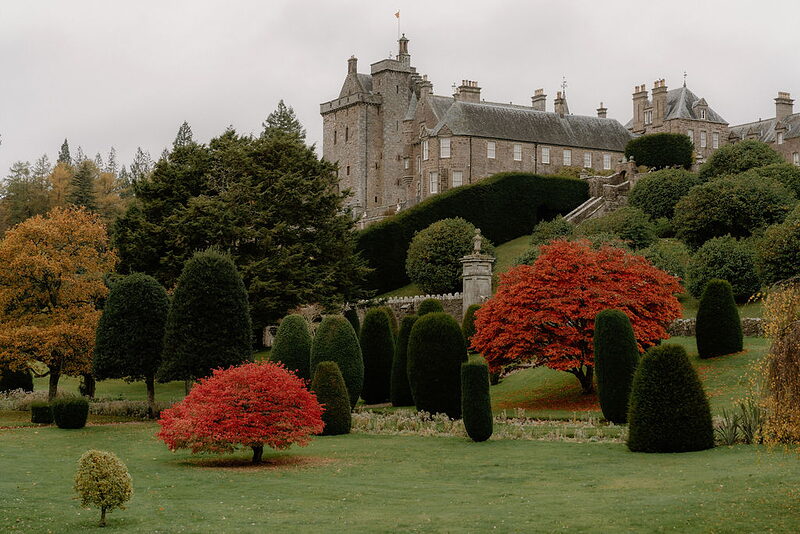
Perth is the Fair City on the Tay, with Scone Palace just outside, where the kings of Scots were crowned on the Stone of Destiny. West along Strathearn come Crieff, the formal gardens at Drummond Castle and the village of Comrie, and to the south Kinross looks across Loch Leven to the island castle where Mary Queen of Scots was held.
“I love that it is the heart of Scotland and the gateway to the Highlands; crossing the Highland Line at Dunkeld always feels special.”
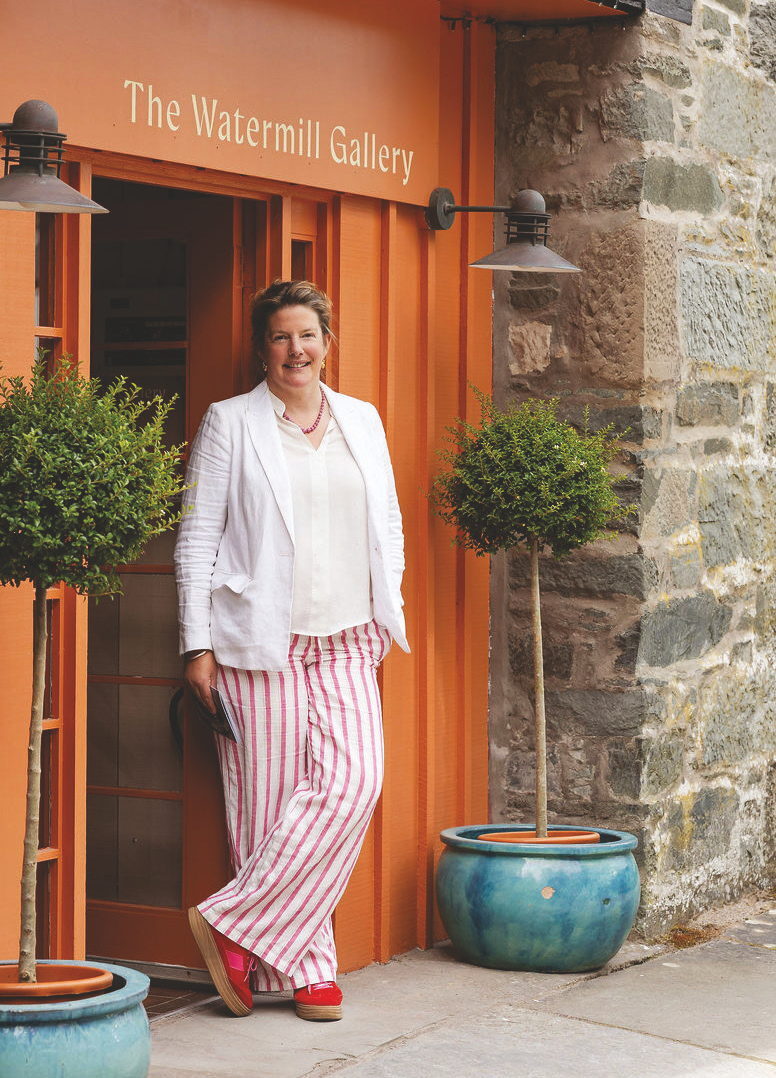
Zanna Wilson
Artist and gallerist, who has lived in Aberfeldy since 2008
Best known for.
Perthshire’s location on the Highland Boundary Fault makes it a land of genuine scenic drama, drawing those in the know to its craggy peaks, ancient woodlands and dark lochs. Adrenaline thrills are easy to find, whether you’re biking, hiking, rafting or even bungee jumping, but this is also a region stuffed with art, culture, food and history – big-name attractions such as Scone Palace, Blair Castle and the Fortingall Yew are just the start.
More about Perthshire
But it has much more than good looks to shout about. Home to the elegant city of Perth itself – once the seat of the Scottish parliament, and with magnificent Scone Palace on its outskirts – the region also has enjoyable towns such as Aberfeldy, Pitlochry and Crieff within its borders. The little county of Kinross, meanwhile, on the banks of lovely Loch Leven, is also bundled up into the area’s overall offering, and in the rolling expanse of the Perthshire outdoors you’ll find everything from millennia-old trees and soaring Munros to canyoning adventures and luxury country hotels.
Perhaps more than anything, Perthshire puts to bed the notion that you need to venture deep into the Highlands for a true blast of epic Scottish scenery. This is a region that serves up everything from royal history to red stags, against a backdrop that’s as ruggedly handsome as they come.
What would you like to look at?
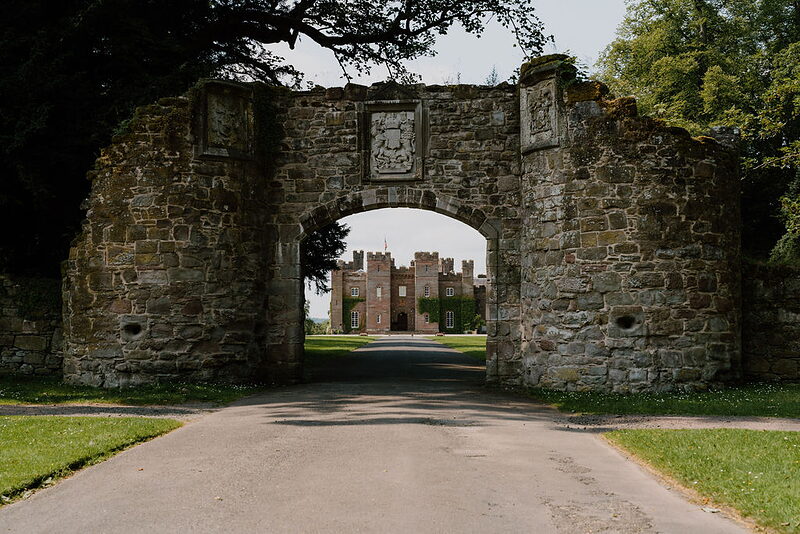 See and doA palace, castles and wooded gorges
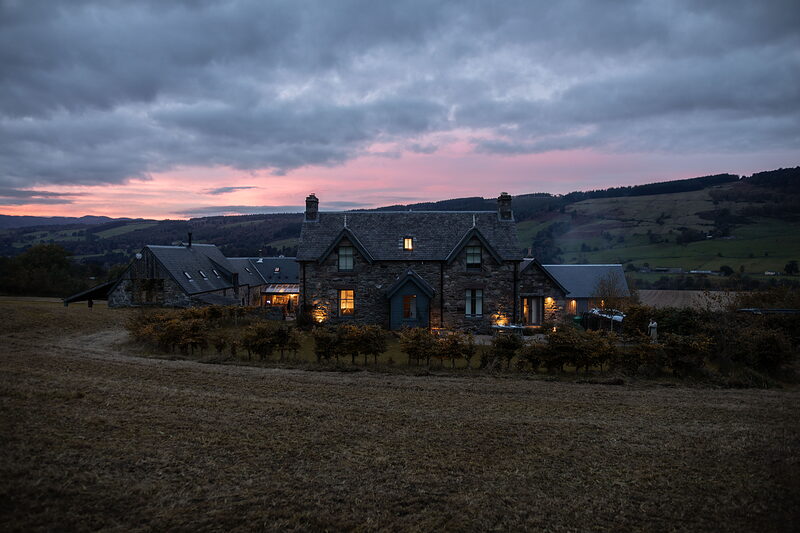 Eat, drink and shopFarm kitchens, bakeries and country inns
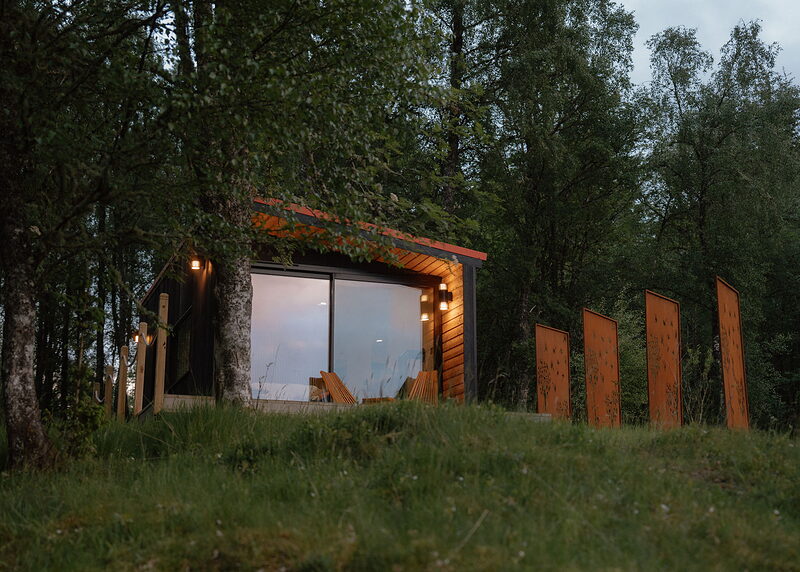 Where to stayCabins in the pines and farmhouses on the hill
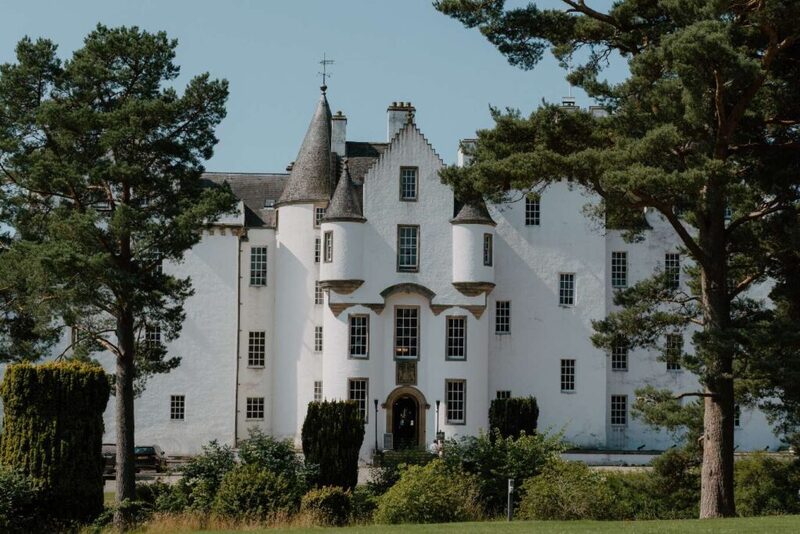 History and storiesRomans, Picts, Macbeth and the old capital at Perth
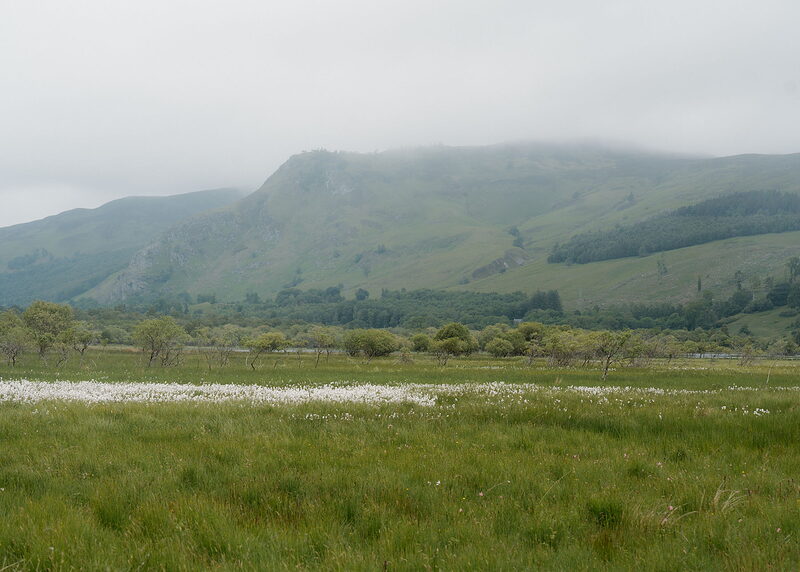 ItinerariesDays we have driven, stop by stop
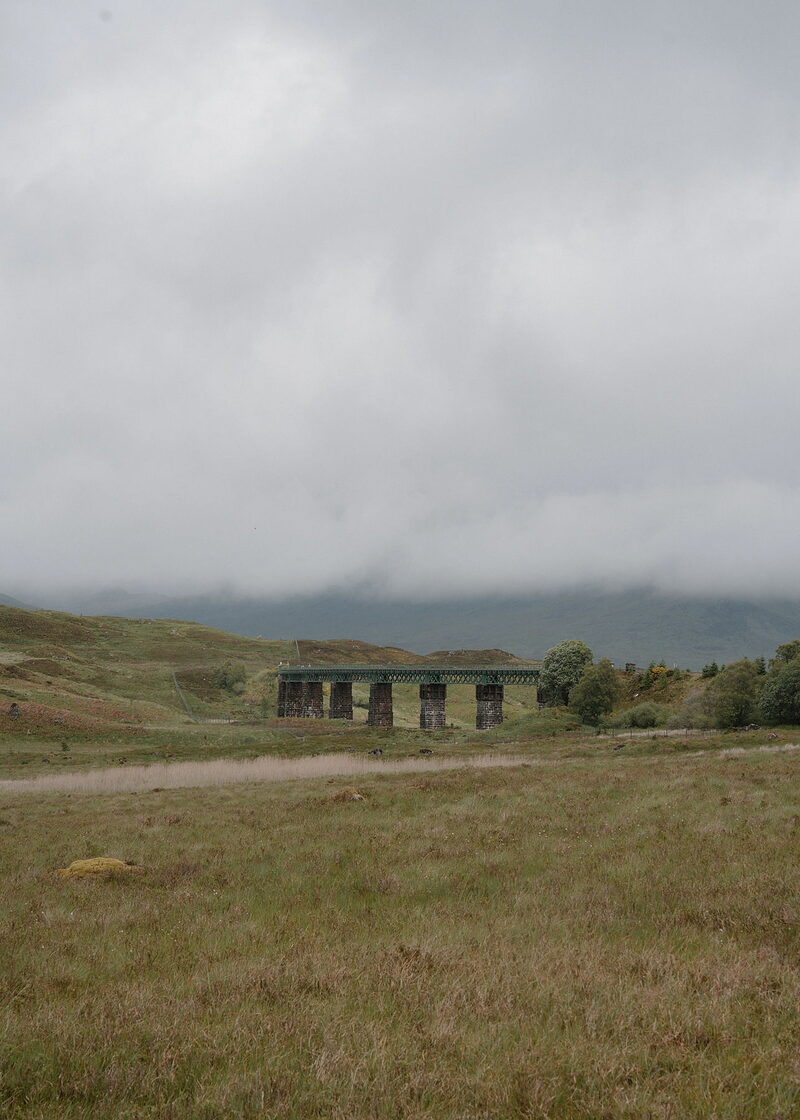 Getting hereThe trains, the roads and the buses
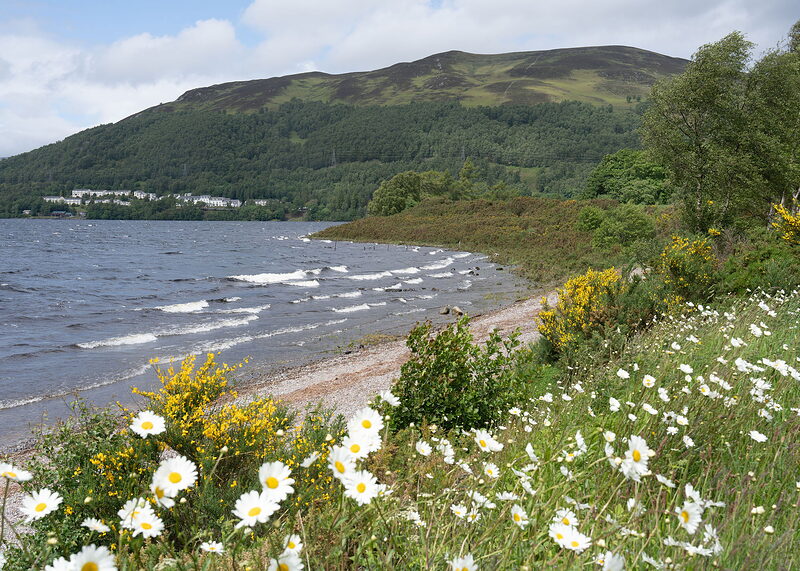 What is on in PerthshireSomething new from the region every day
What is on in Perthshire
Friday the 16th of October.
Sunrise 07:49, sunset 18:11.
Coming up in Perthshire
- Oct16Promoting Excellence, Dementia Informed Practice LevelOn today
- Oct16Introduction to the Carers (Scotland) Act 2016On today
- Oct16Music Circle at Duncan Place Community HubOn today
- Oct16Difficult Discussions MatterOn today
- Oct16Ballinluig American BBQOn today
The news in Perthshire
- Milas, the Dundee Turkish restaurant, has opened a second branch on Perth High Street.
- There is a crannog on Loch Tay again, five years after fire destroyed the last one.
- Andrew Spence has reopened The Postbox in Perth, in the room where he trained 13 years ago.
- New in our guide: Hairy Coo & Co, Dunkeld.
- New in our guide: Loch at Redhill Retreat.
Things you might not know.
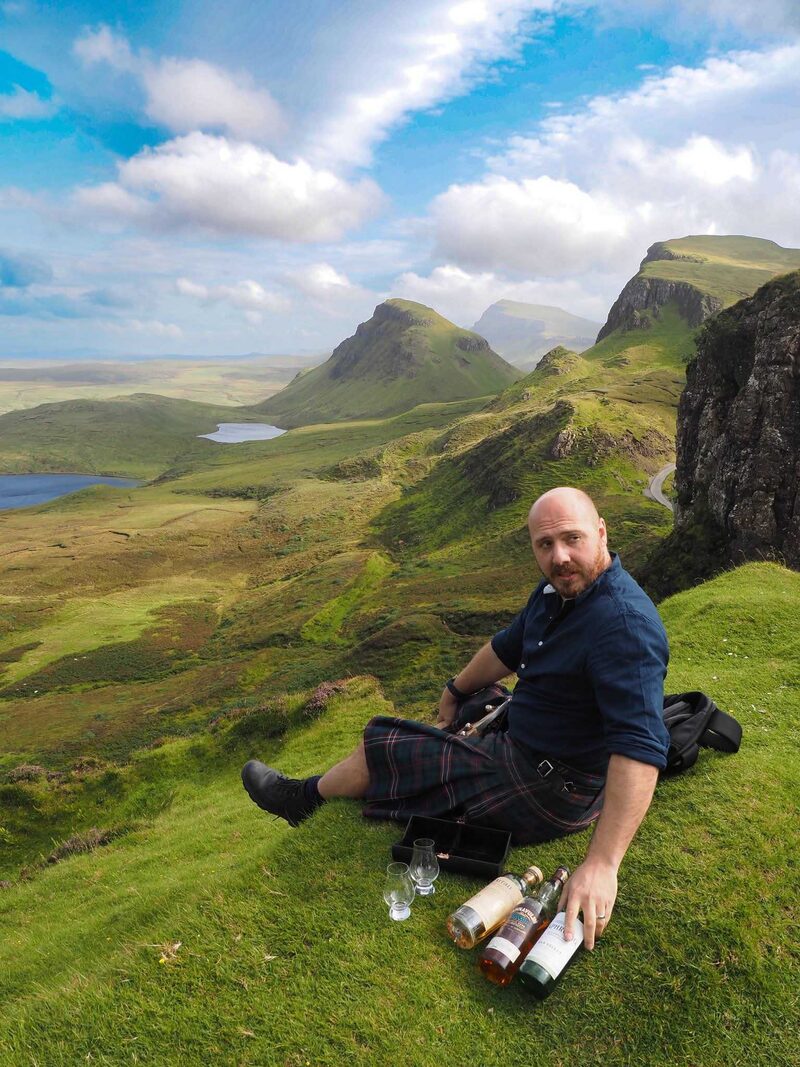
Graeme Johncock
Graeme is the writer and storyteller behind Scotland’s Stories, sharing Scotland’s traditional folklore and legends.
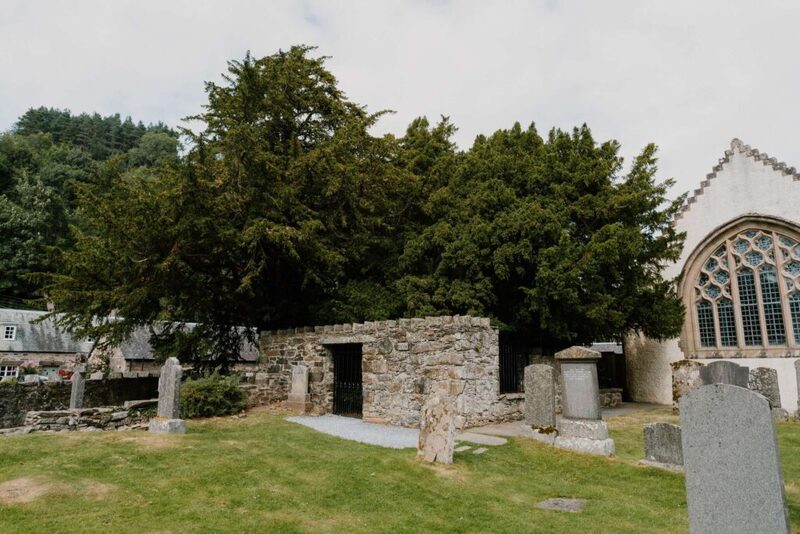
Between 3000 and 9000 years old, the Fortingall Yew is the oldest tree in Britain. The once enormous trunk has been steadily chipped away by souvenir hunters and is now a fraction of its former size.
Find out moreKing James I was assassinated in the sewer below the Blackfriars monastery in Perth. He had foiled his own escape by blocking up the exit drain a few days earlier after losing too many tennis balls down it.
Find out more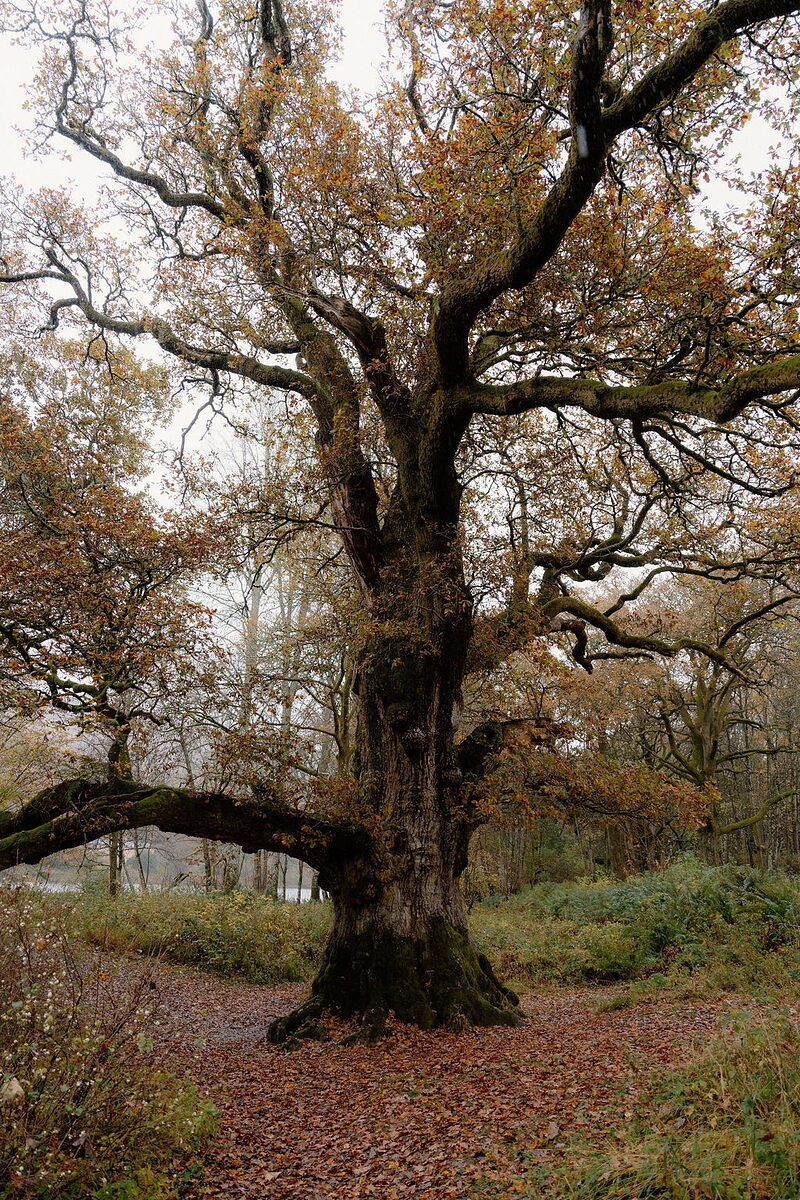
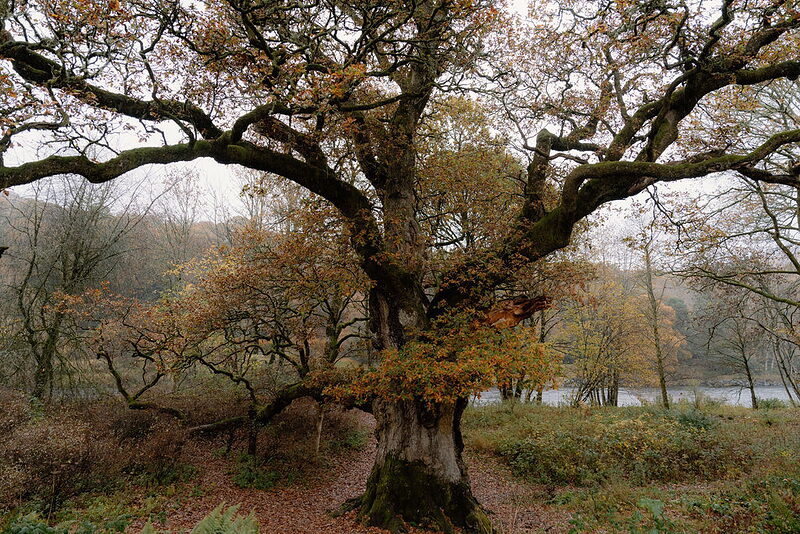
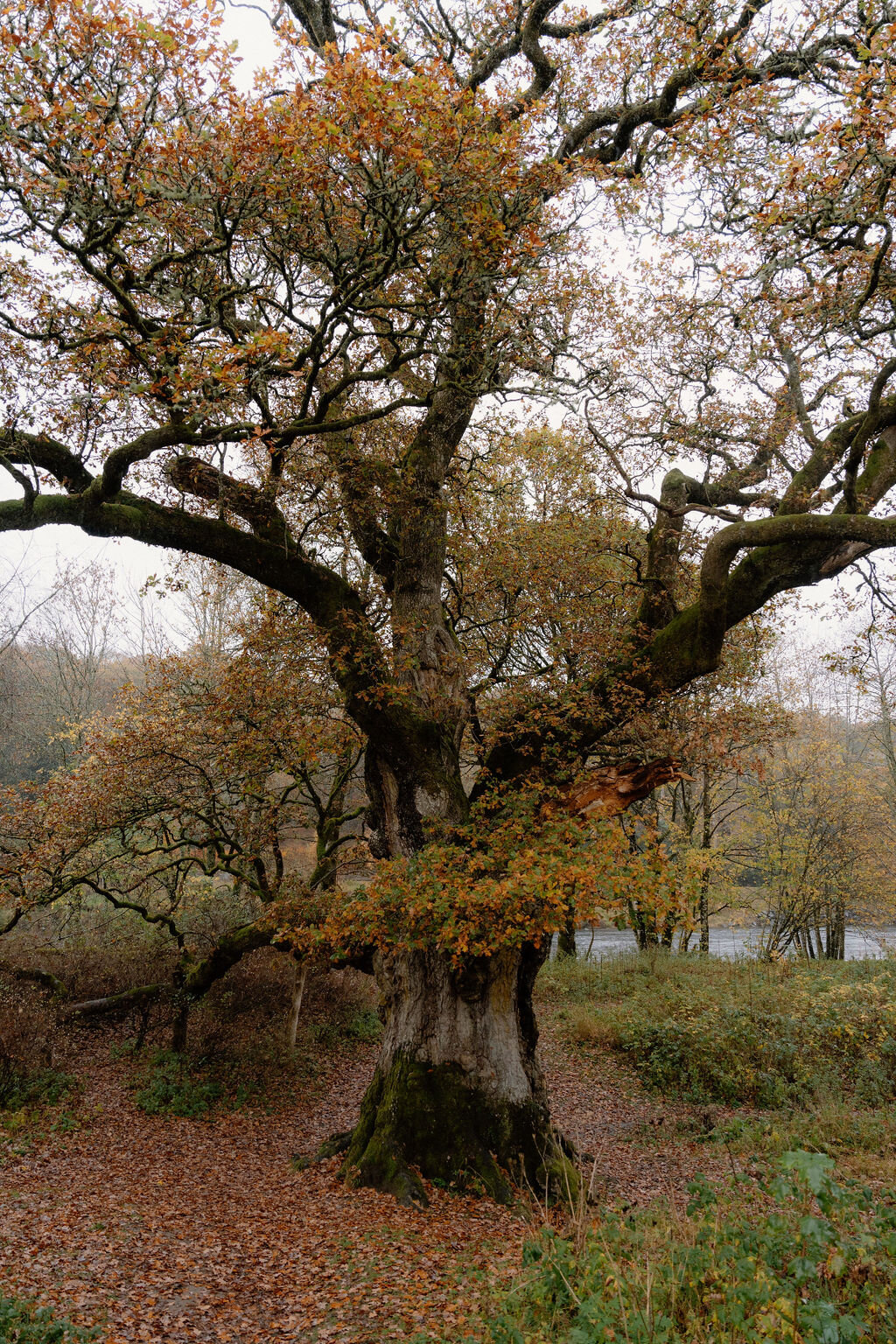
The Birnam Oak just outside Dunkeld is one of the last remnants of the Birnam Wood mentioned in Macbeth. At around 600 years old, it would have been present when William Shakespeare visited the area, possibly helping inspire him to write the Scottish Play.
Find out more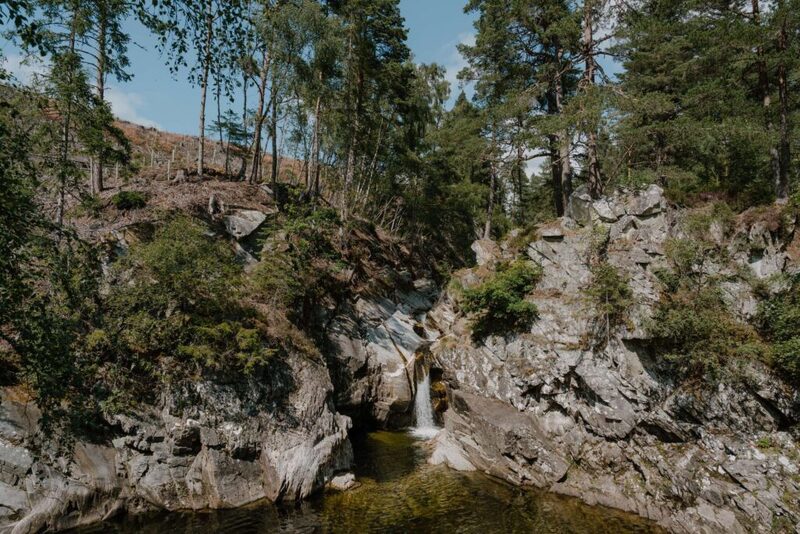
When Robert Burns saw the Falls of Bruar, he was inspired to write a poem from the point of view of the river to the Duke of Atholl asking him to plant some trees. The duke responded by turning the barren landscape into a woodland paradise.
Find out more
Every Beltane, little stone figures representing Scotland’s winter deity the Cailleach and her family are brought out of a small shelter in Glen Lyon. At Samhain they’re put back inside and according to local folklore, as long as they are well cared for, the glen will prosper.
Find out more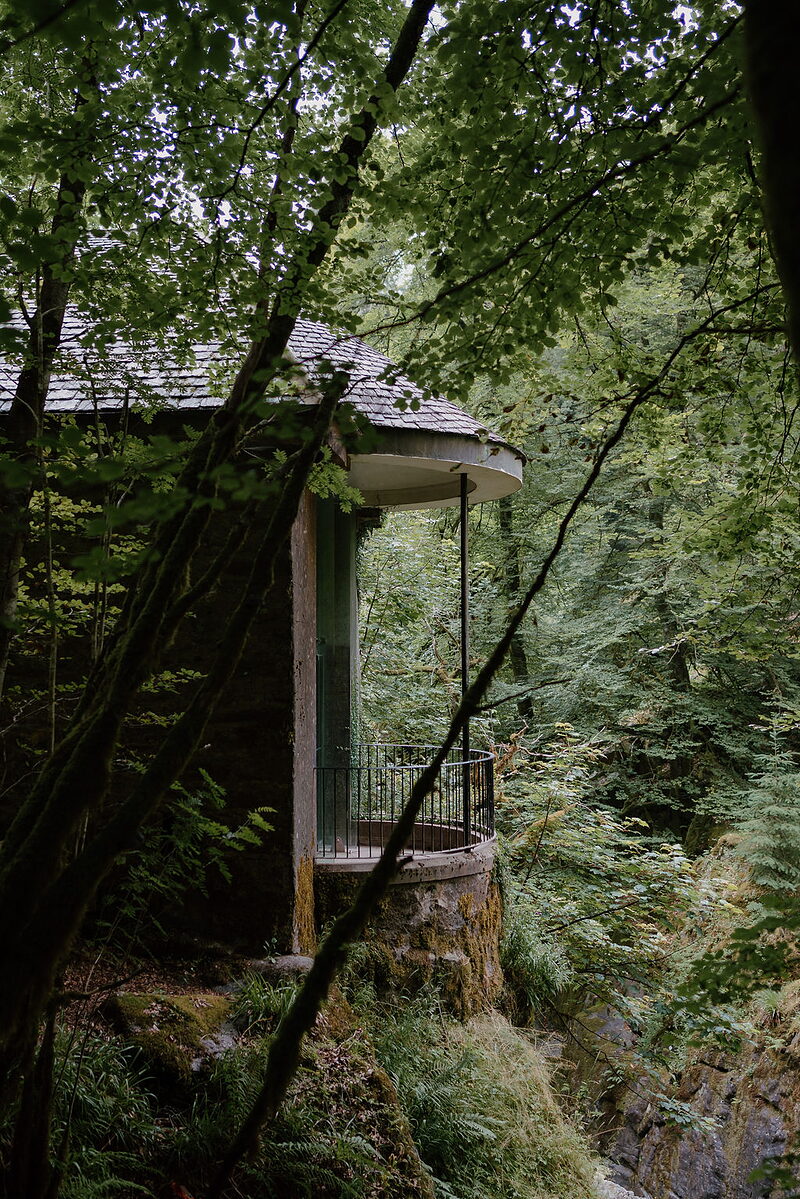
The out of reach slopes around the Hermitage at Dunkeld were allegedly planted by the Duke of Atholl firing seeds out of a cannon.
Find out more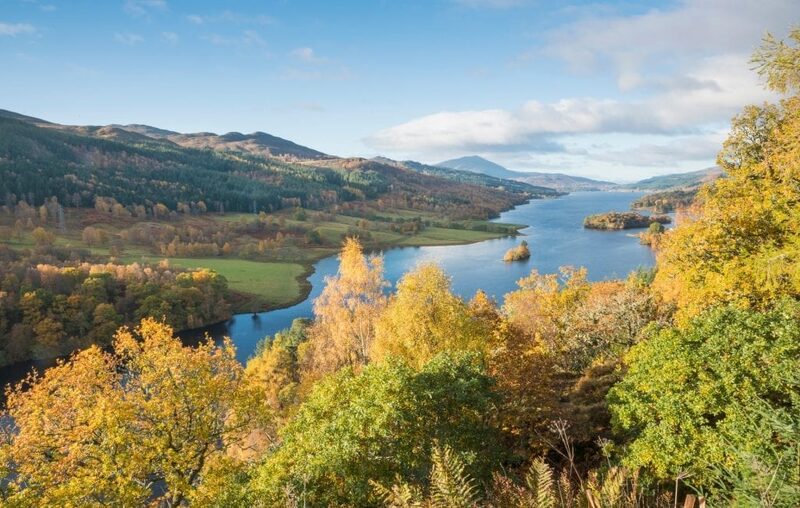
When Queen Victoria arrived at Queen’s View looking out over Loch Tummel, she assumed it had been named in her honour. It’s actually believed to have been named for Robert the Bruce’s wife more than 500 years earlier.
Find out more
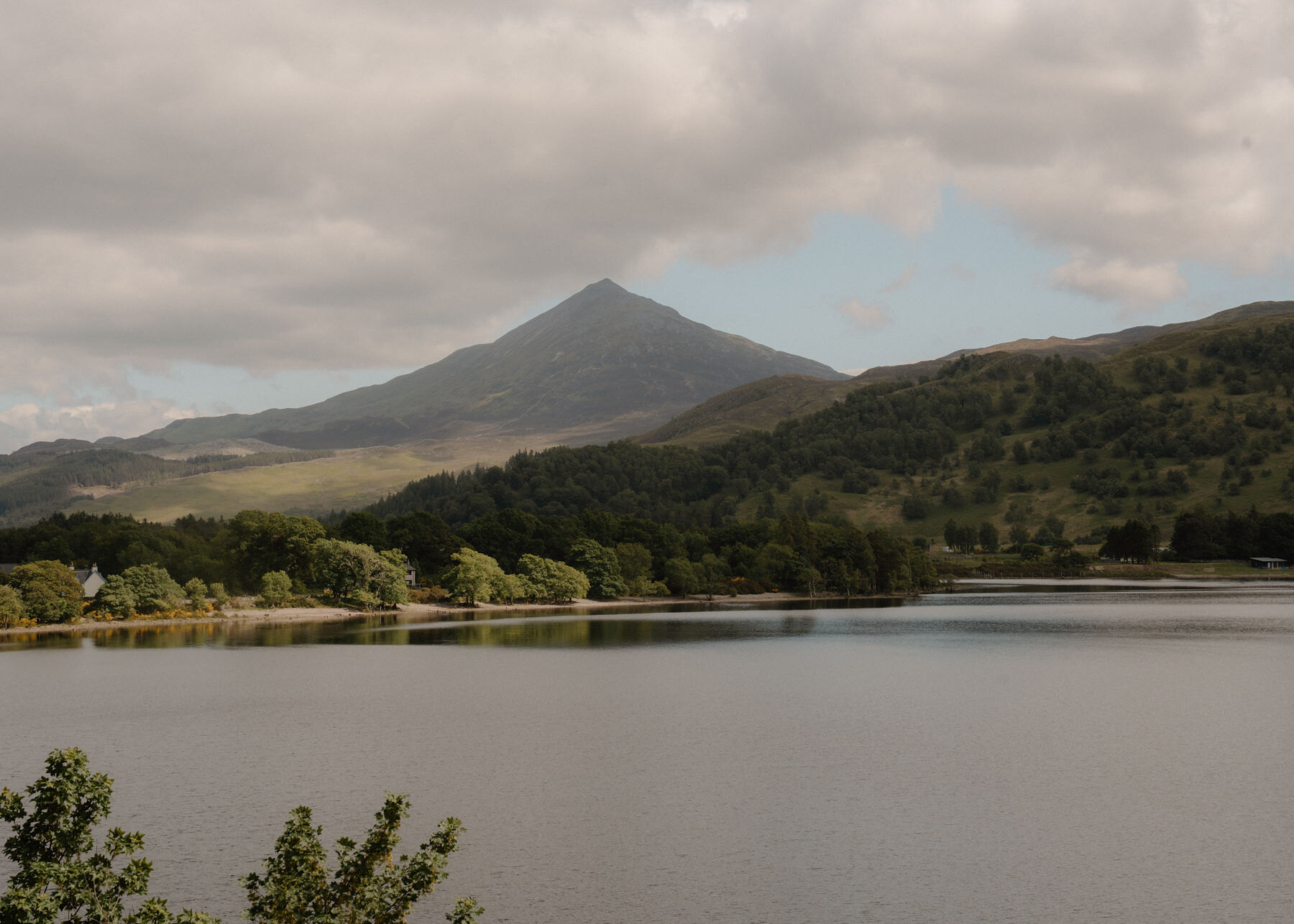
In 1774, Schiehallion was used to weigh the world. Its steep, symmetrical sides and isolation from other hills made it a perfect candidate for scientists to record the mountain’s volume, density, how strong its gravitational pull was and therefore the mass of Earth.
Find out moreRobert the Bruce was crowned King of Scots at Scone twice in 1306. Isabella MacDuff arrived the day after the first coronation and insisted that she carry out her family’s traditional role of placing the crown on the King’s head.
Find out more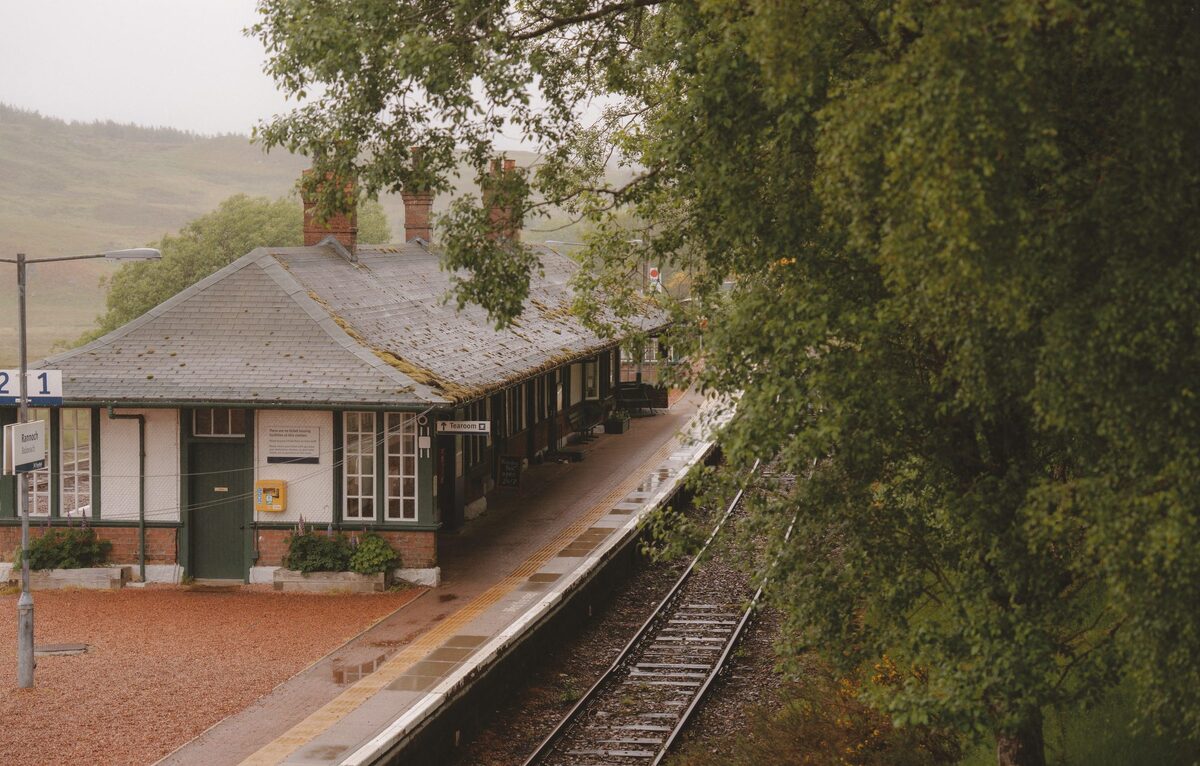
Photographs by marc chamy, Jan Spelier, Mo Buckland, Atholl Palace Hotel, Petru and Duncan Brown via Google