Skye. Isle of Skye guide
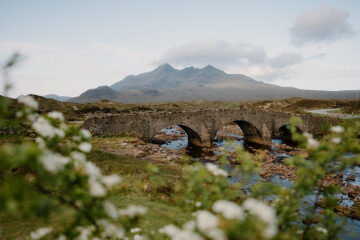
The Cuillin, the Quiraing and the Old Man of Storr, over the bridge from Kyle of Lochalsh.
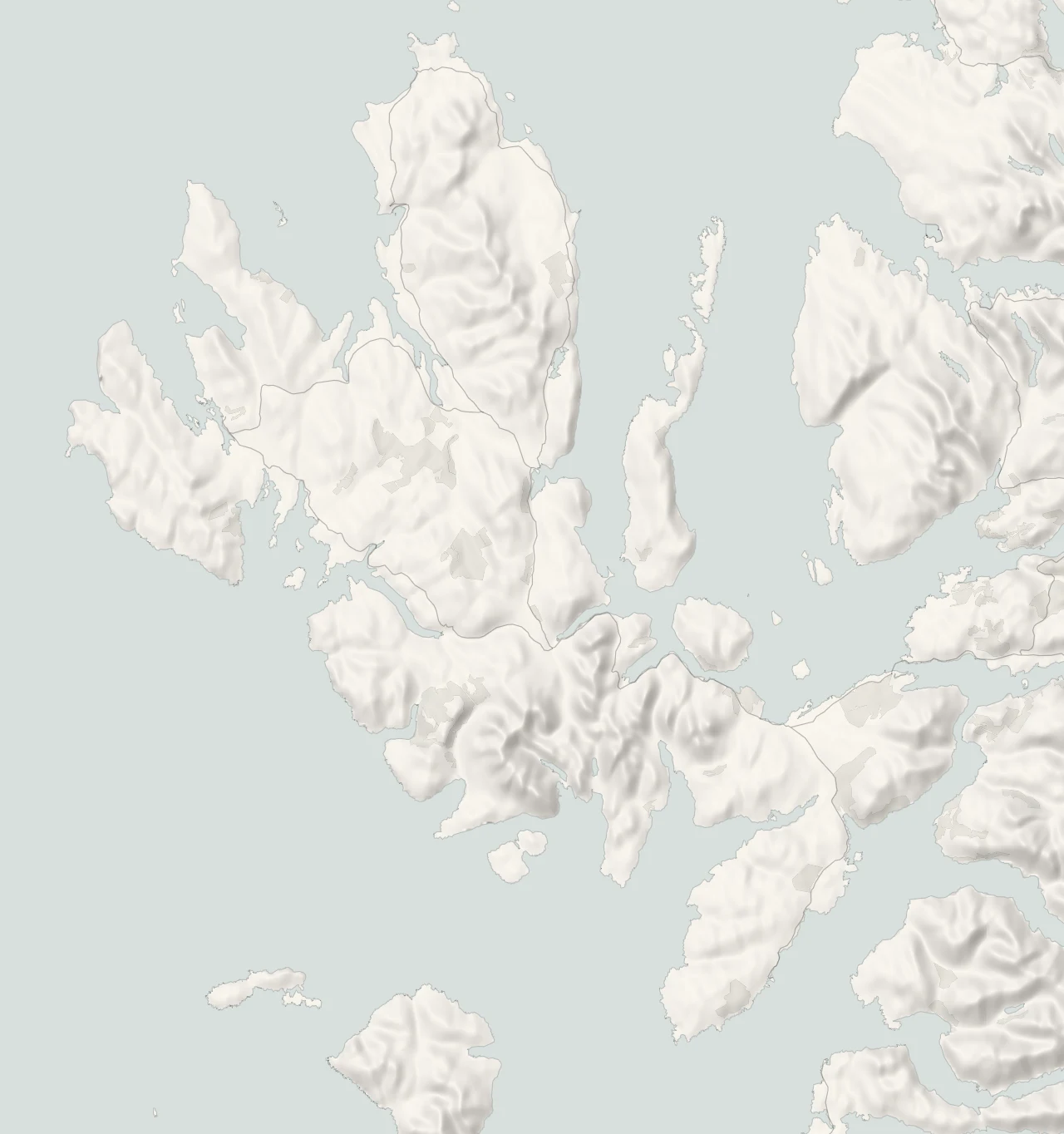
The four parts of Skye
You could forgive Skye for having an ego. It’s said that Scotland’s top three tourist destinations are Edinburgh, Loch Ness, and the 50-mile-long rhapsody of moors and mountains that we know better as the Isle of Skye. But while the second largest of Scotland’s islands (behind only Lewis & Harris – but you knew that) is emphatically no secret, it’s popular for very good reason.
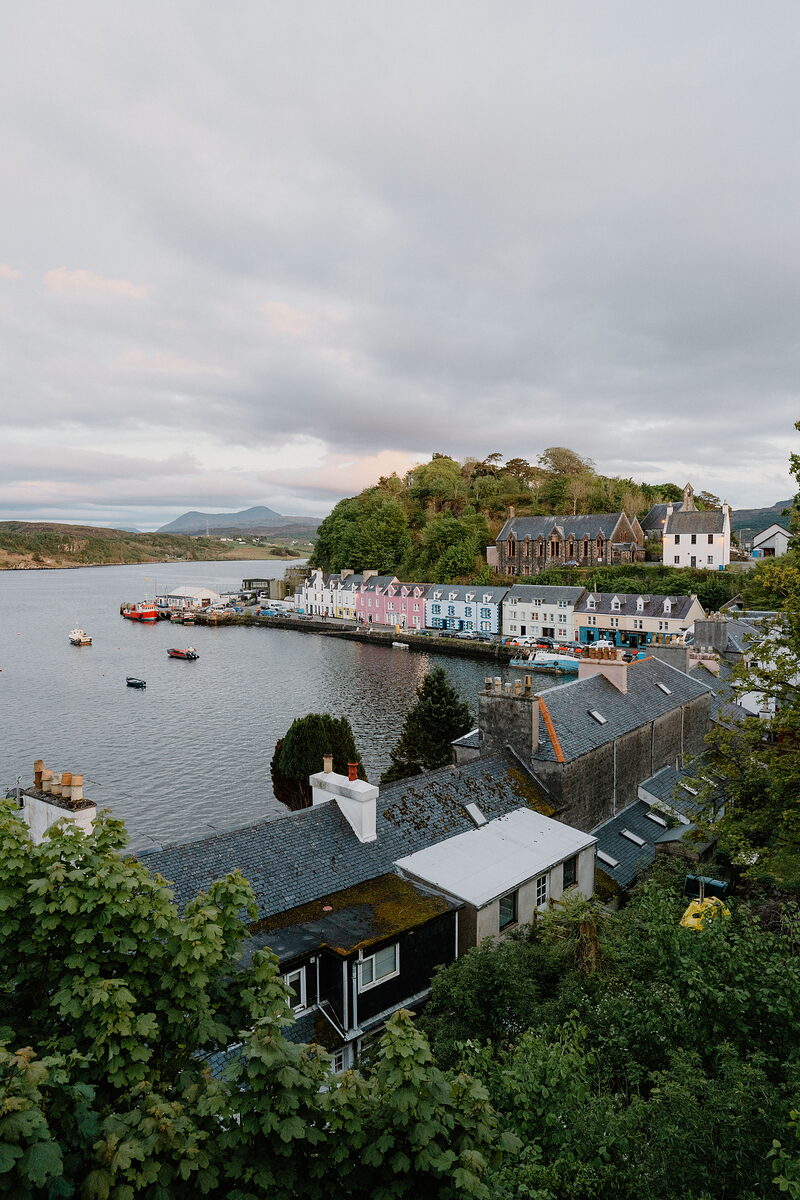
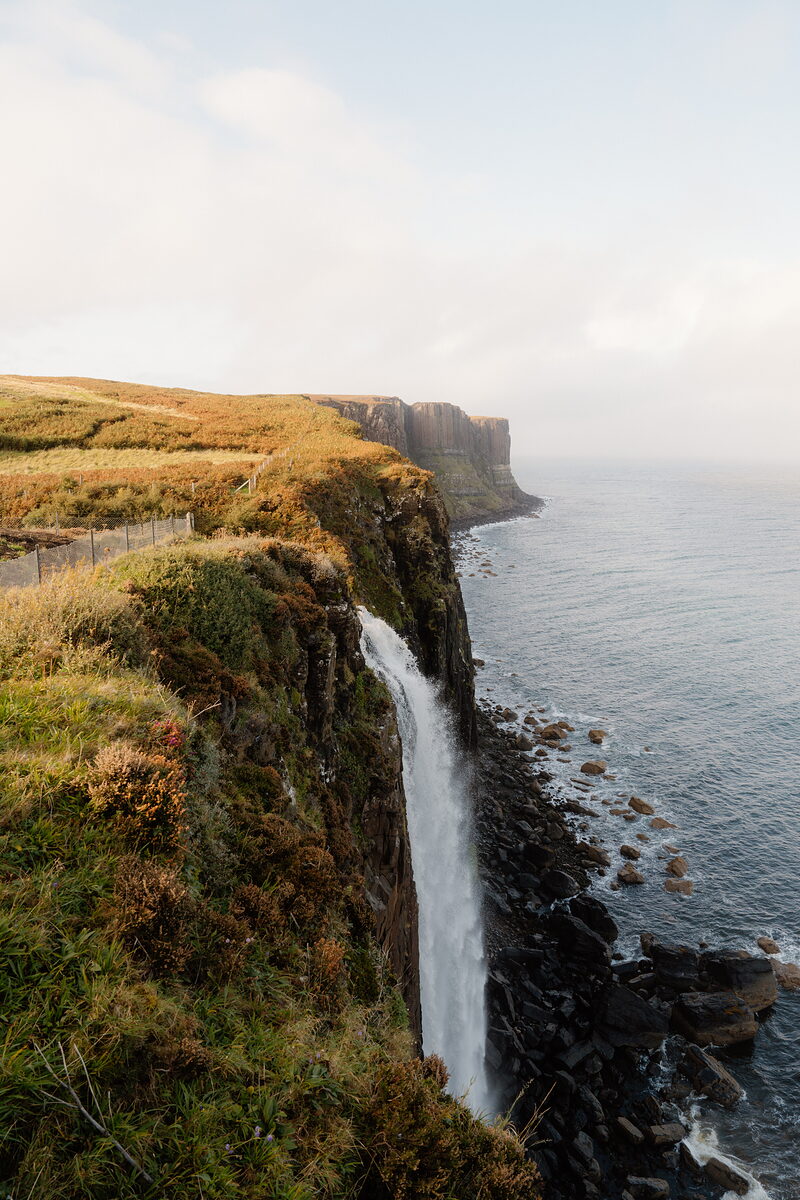
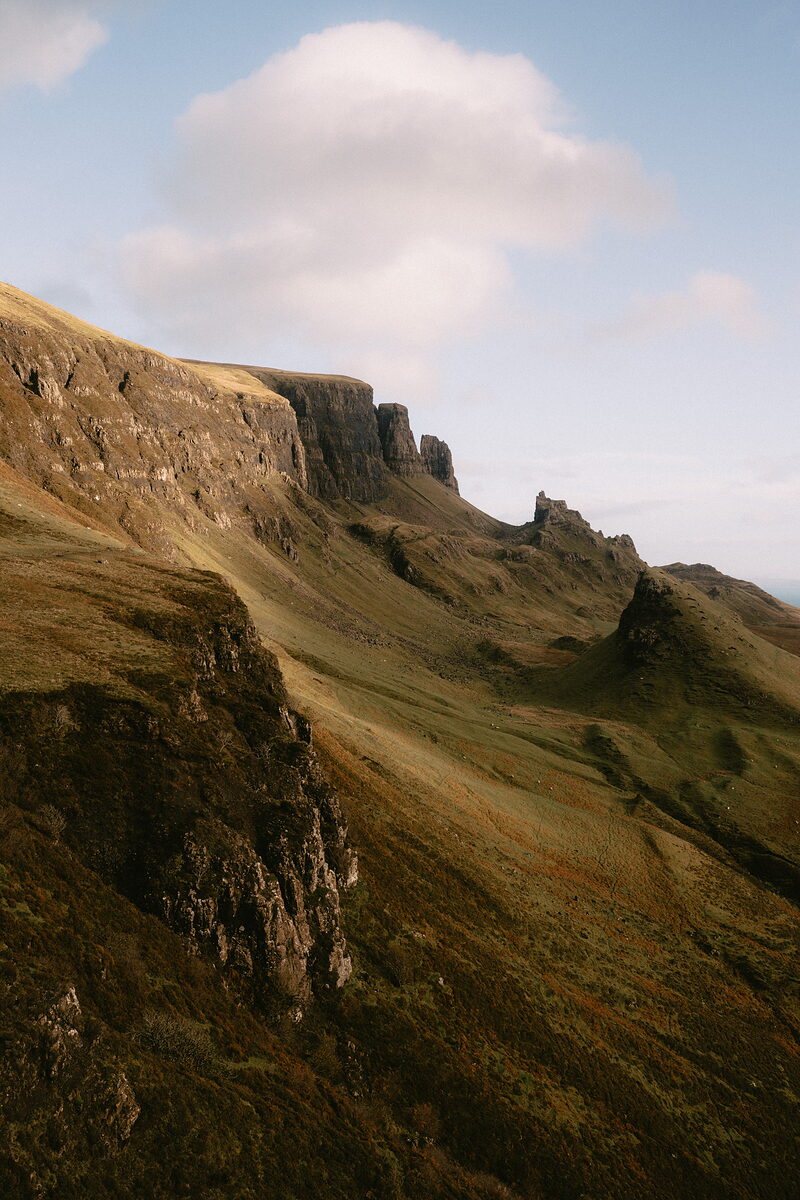
Portree and Trotternish
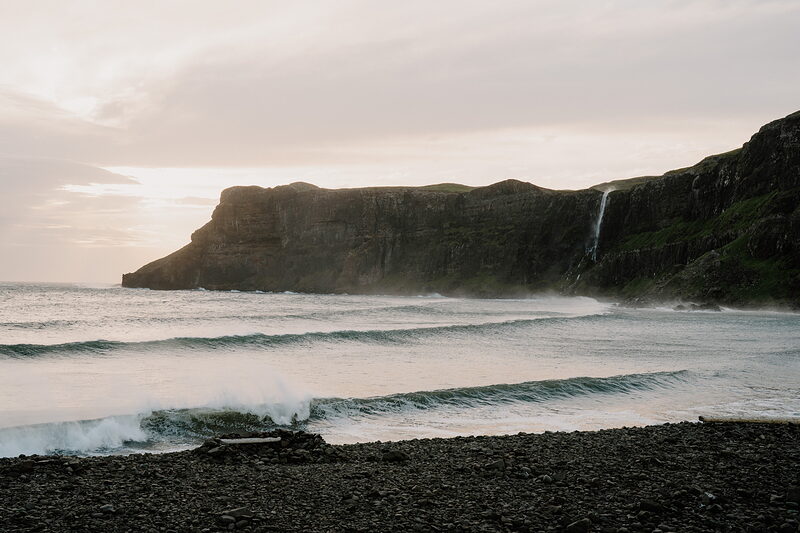
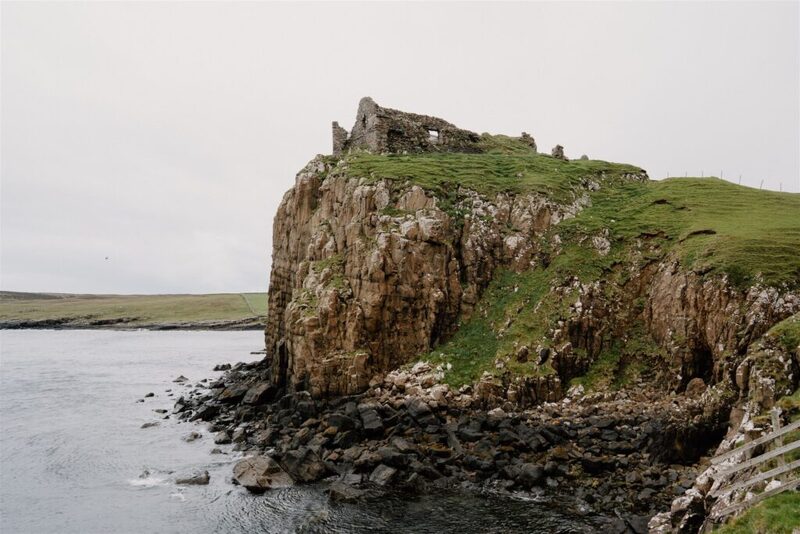
Portree's painted houses circle a harbour Thomas Telford built, and the road north follows the Trotternish coast past the Old Man of Storr, Kilt Rock and the Quiraing. There are dinosaur footprints in the rocks at Staffin, and round the top you'll find Duntulm Castle, Flora MacDonald's grave and the Fairy Glen above Uig. Raasay lies just across the Sound.
Dunvegan and the north-west
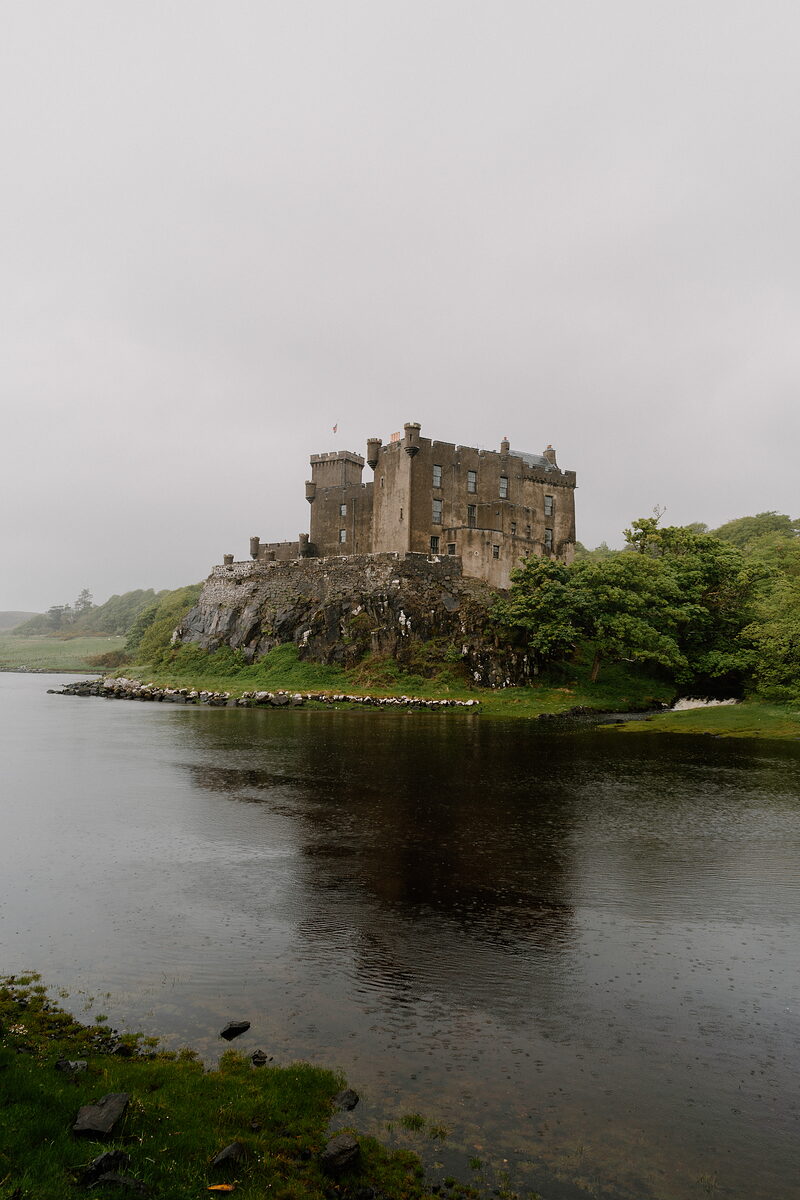
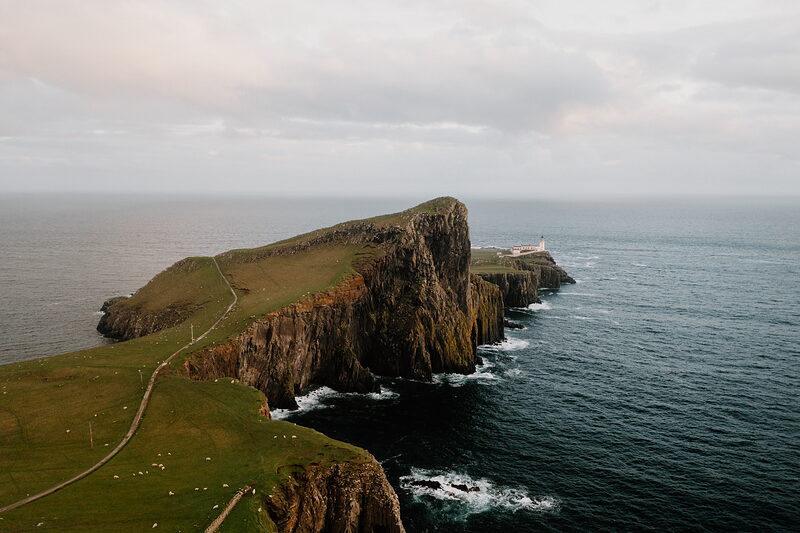
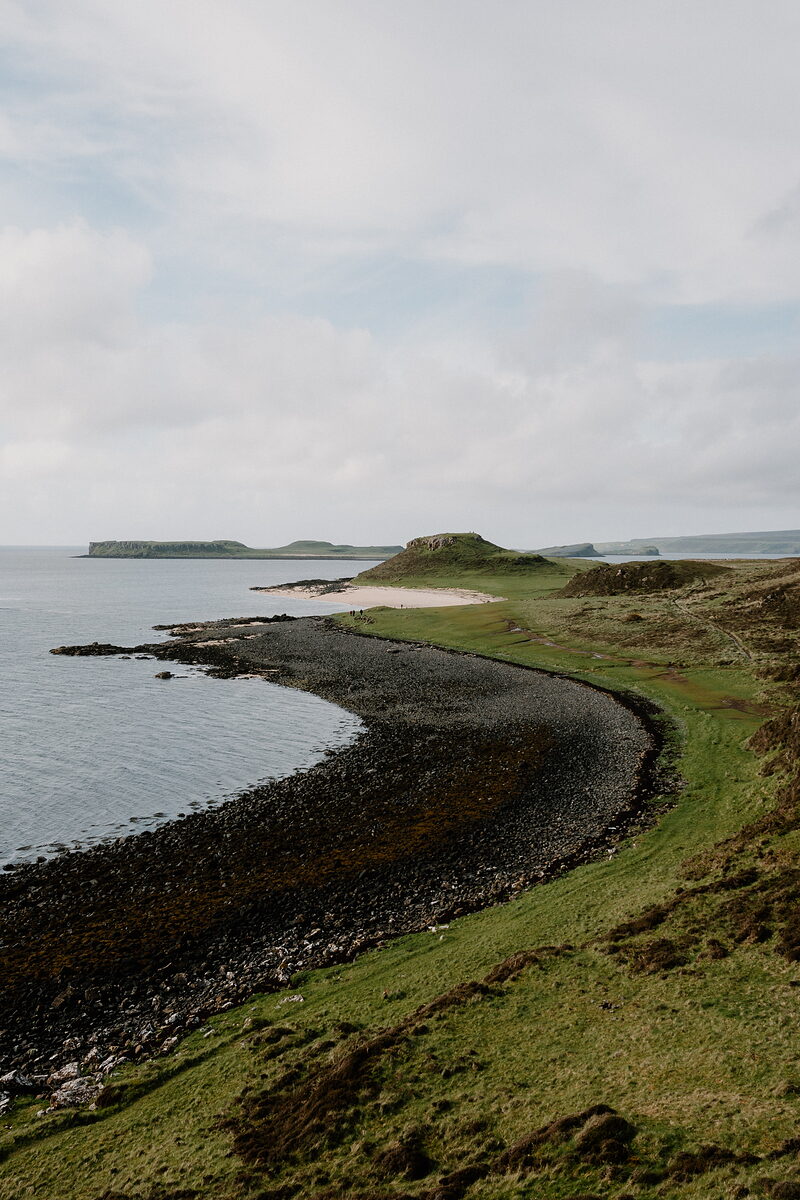
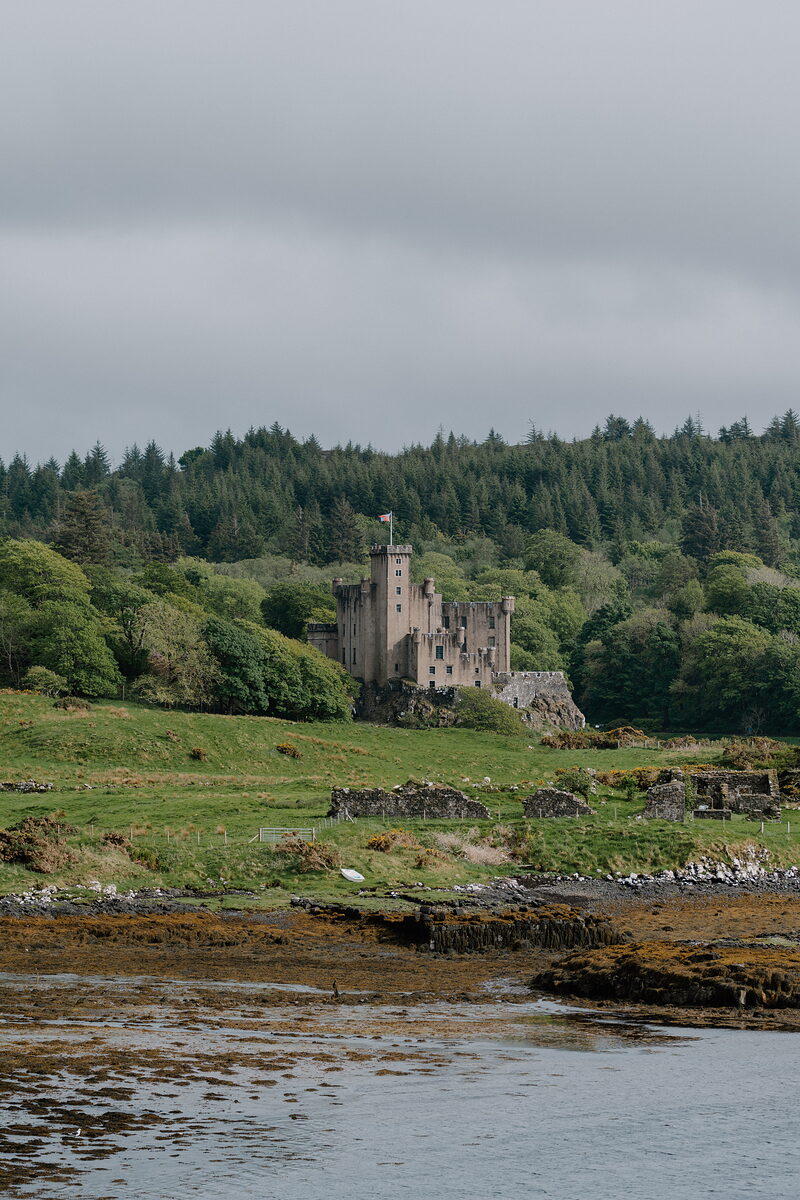
Dunvegan Castle has stood on its rock above Loch Dunvegan for centuries, home to the chiefs of MacLeod. Beyond it the land runs out into the long peninsulas of Waternish and Duirinish, with the pale Coral Beach at Claigan, the lighthouse at Neist Point, weavers in Glendale and the Stein Inn on the shore of Loch Bay.
The Cuillin and Minginish
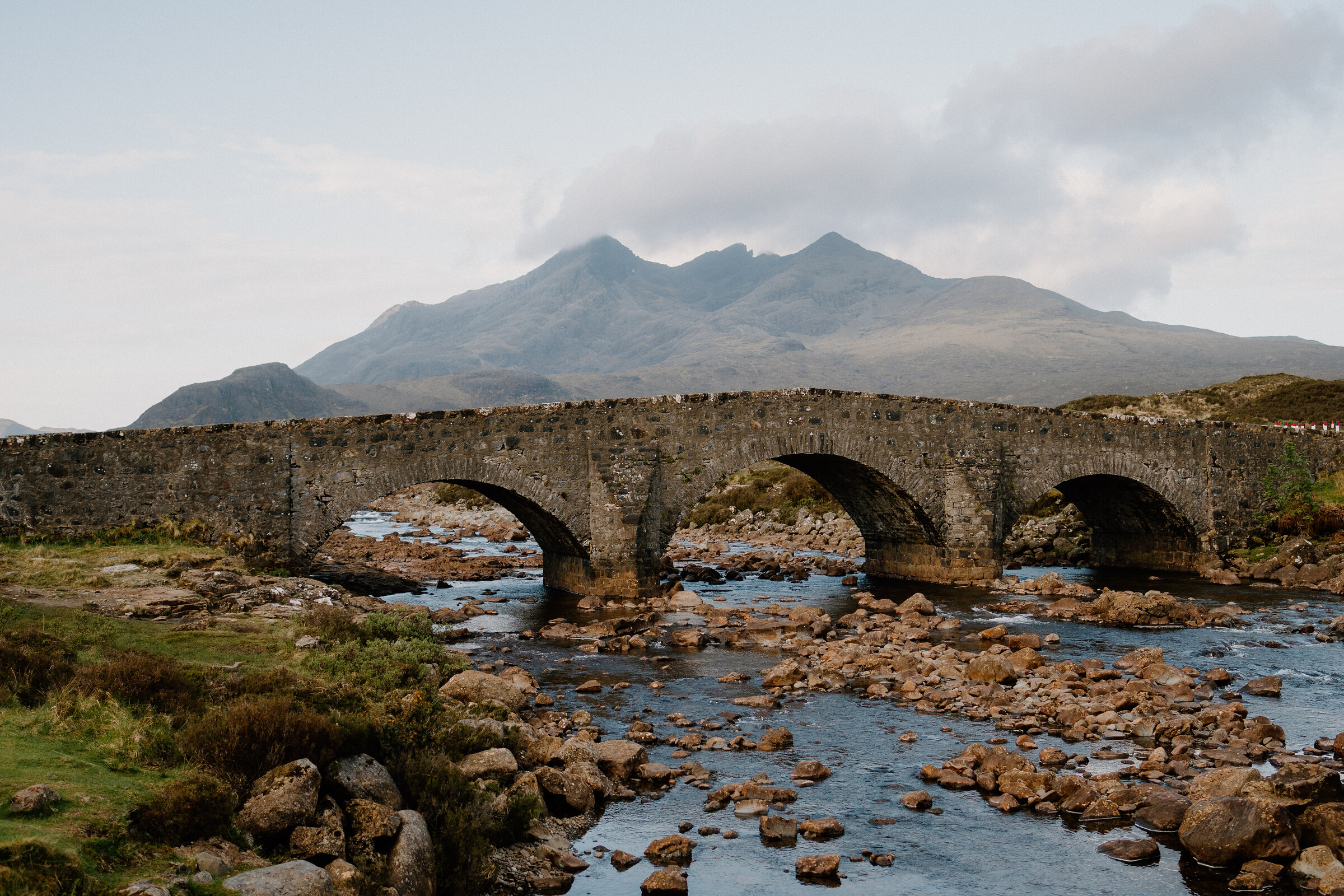
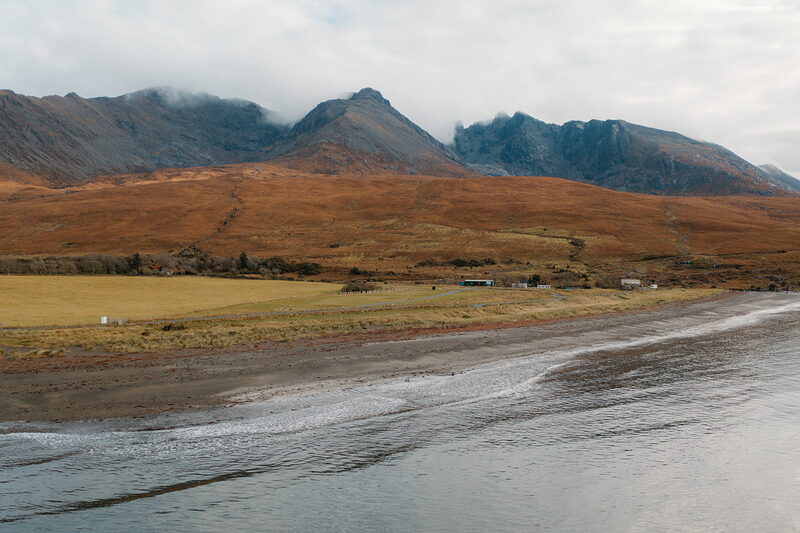
This is the island's mountain country. The Black Cuillin rise over Glen Brittle, where the Fairy Pools run clear and a campsite sits behind the beach, and the old bridge at Sligachan gives you the classic view. Carbost, on Loch Harport, has Talisker, oysters and Café Cùil, and from Elgol the boats cross to Loch Coruisk.
Broadford and Sleat
You'll come this way over the bridge at Kyleakin or on the ferry from Mallaig to Armadale. Broadford is the place for fuel and food, and Sleat, called the garden of Skye, is greener and gentler, with the gardens at Armadale Castle, Torabhaig distillery and the ruins of Dunscaith and Knock castles on the shore.
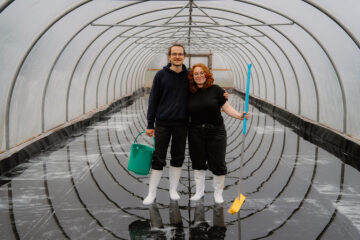
“For us, cuisine is related to place. Skye is proud to share its local produce, with a wide range of fish, shellfish, seaweed, venison, foraged produce and local meat.”
Antoine and Elisa
The couple who run the Isle of Skye Sea Salt Company
Best known for.
Come for the scenery, which ranges from the dramatic, peak-clustered shorelines of the north to the imposing Cuillin Hills of the south. Come for the world-class walking, the vivid history, the dynamic arts and crafts scene, the luxurious lodges and B&Bs, and the diverse wildlife. Come for the visceral thrill of feeling the wind in your hair, the rocks under your feet and the sound of the sea in your ears. This is Skye, and you need to see it for yourself.
More about Skye
Much of the island’s appeal is down to its devastatingly rugged landscapes – towering ridges, contorted peaks, sheer cliffs and sparkling lochs – with the rocky range of the Cuillin Hills one of many focal points for hikers and climbers. This all makes it a stirring place to spend time, even if you’re only cooing at the scenery from the road, although there’s far more to it than outdoor adventure. Artisans, food producers, crofting museums, castles and a whole range of easy-to-linger pubs and restaurants have helped Skye to evolve into a brilliant all-round destination.
The high-summer crowds can be a little oppressive, so it definitely pays to time your trip well, but this is a sizable destination, and crafting your own island experience is easily done. From its traditional villages to its superb wildlife-watching, and from its shapely beaches to its adventure sports, Skye is the kind of place that not only keeps you busy, but nags at you for a repeat visit. Its Gaelic name is An t-Eilean Sgitheanach, which some say translates as ‘the winged isle’: this is a reference to its shape on a map, which resembles a pair of outstretched wings, but could just as easily refer to its soaring beauty.
What would you like to look at?
 See and doClan castles, brochs and the Old Man of Storr
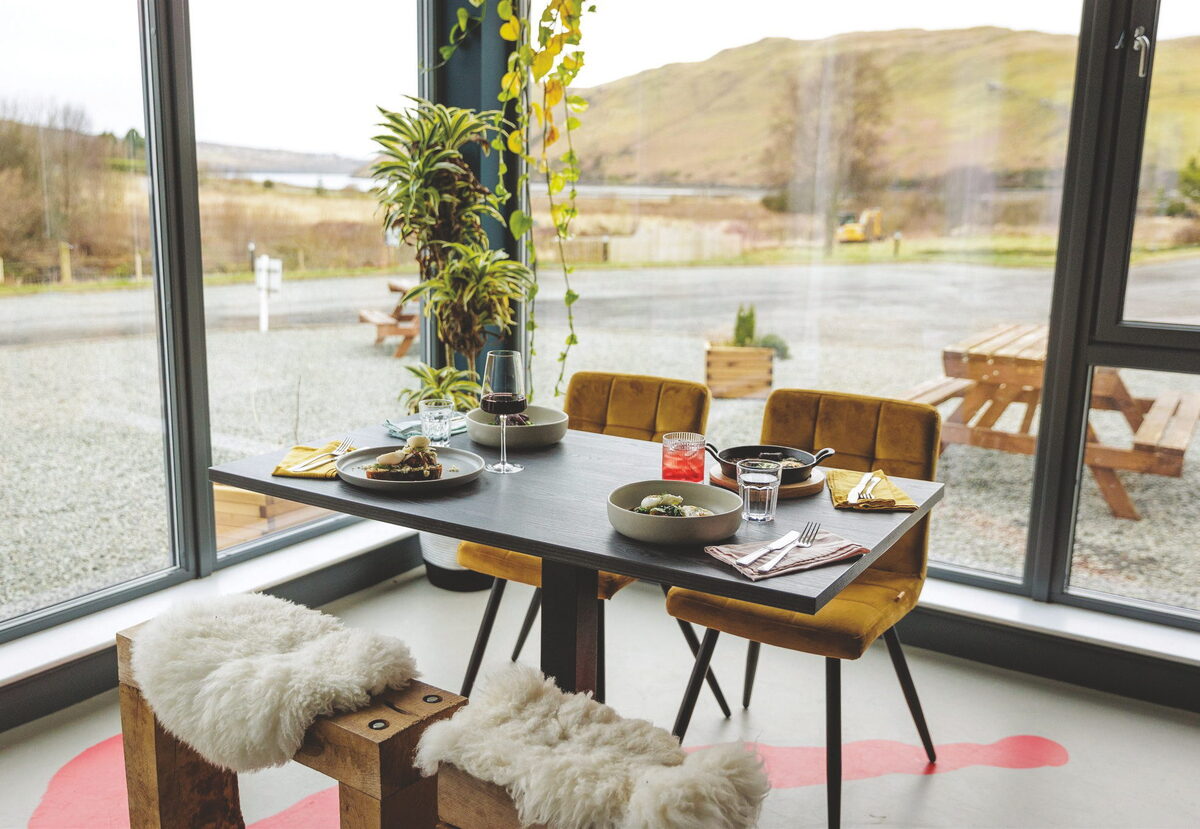
 Eat, drink and shopOysters by the loch and island cafés
 Where to stayLodges, cottages and houses on the crofts
 History and storiesVikings, the clans and the Clearances
 ItinerariesDays we have driven, stop by stop
 Getting hereThe bridge, the ferries and the buses
 What is on on SkyeSomething new from the island every day
What is on on Skye
Friday the 16th of October.
Sunrise 08:01, sunset 18:19.
Coming up on Skye
- Oct16Meet N' Greet the AlpacasOn today
- Oct16Alpaca TrekkingOn today
- Oct16Liz Myhill at Gallery An Talla DeargOn today
- Oct17Herbal Tea-Blending with Òr
- Oct17Isle of Skye and the Highlands Weekend Trip - Group 4
The news on Skye
- The Storr Centre below the Old Man of Storr has opened its second phase, with a room for weddings and events and a bigger shop of Skye-made things.
- Two old roads on Skye have opened as traffic-free routes for walkers, wheelchair users and cyclists.
- Portree Sauna has opened beside the Skye Sailing Club boathouse, with wood-fired sessions looking across Portree Bay.
- New in our guide: Dallahan.
- New in our guide: Skye Live.
Things you might not know.
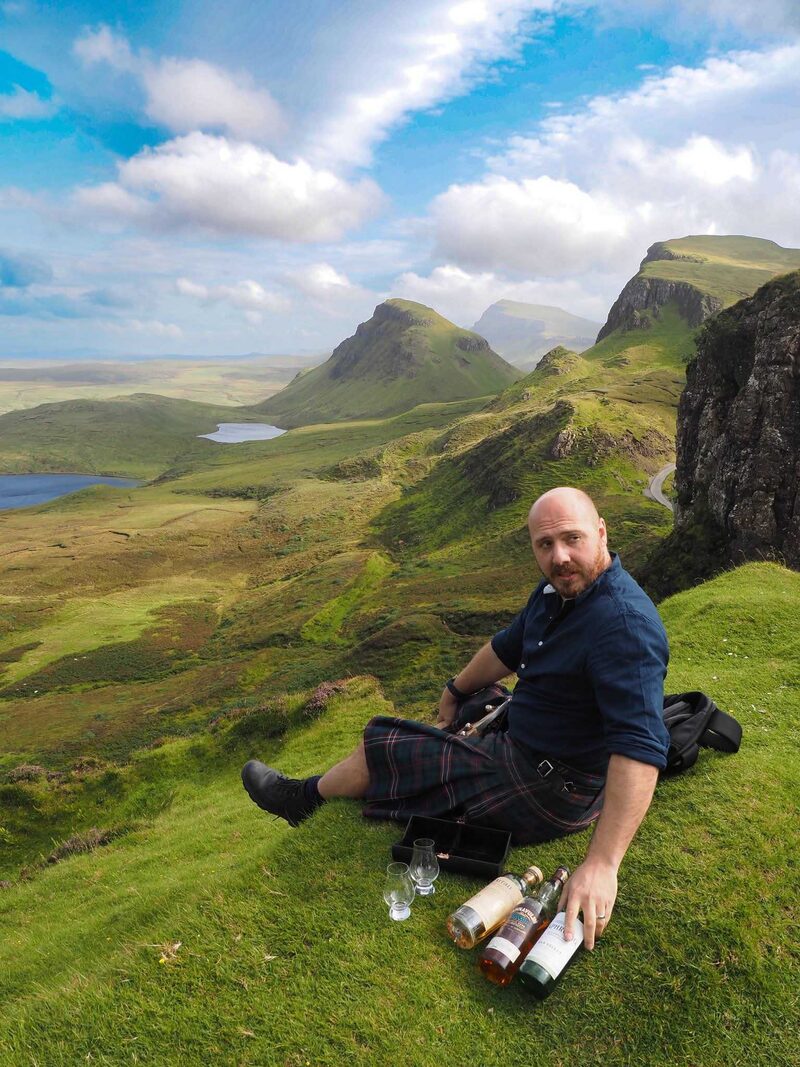
Graeme Johncock
Graeme is the writer and storyteller behind Scotland’s Stories, sharing Scotland’s traditional folklore and legends.
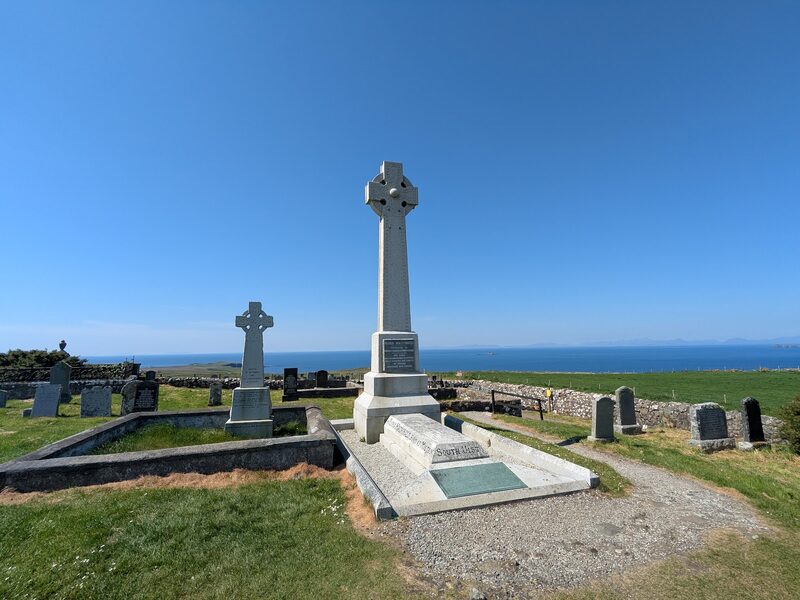
There is a gravestone in Kilmuir cemetery on Skye with only half an inscription, supposedly abandoned after the deceased man’s son also died and nobody was left to pay the stonemason to finish it.
Find out more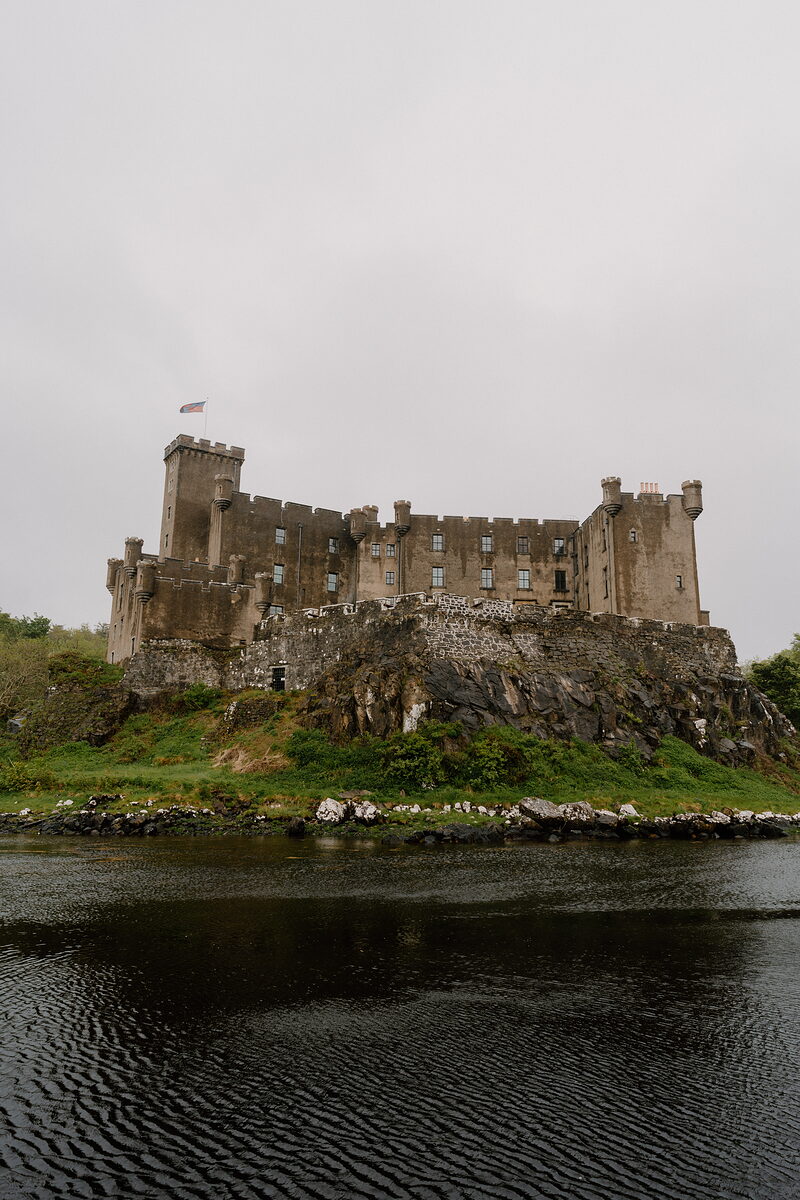
Dunvegan Castle is the oldest inhabited castle in Scotland, still lived in by the Chiefs of Clan MacLeod after 800 years.
Find out moreThe Duirinish Standing Stone on Skye might look ancient, but locals raised it by hand in the year 2000 to mark the Millennium.
Find out more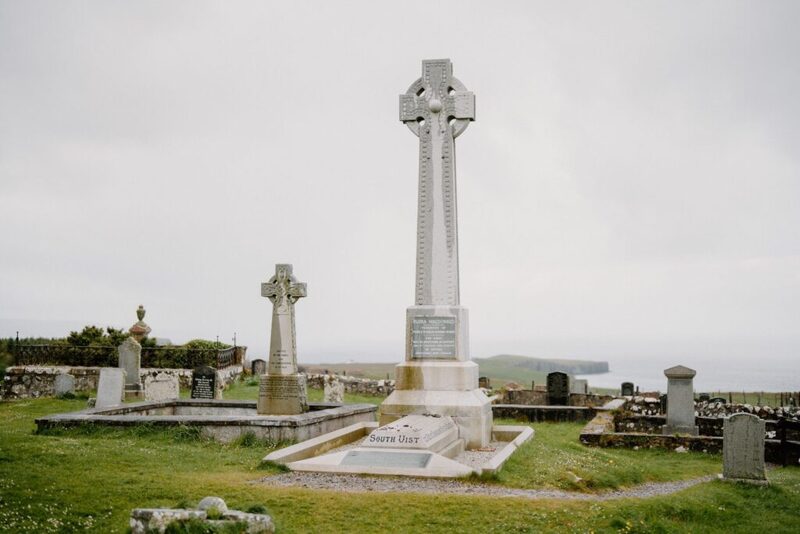
It’s said that 3000 people attended Flora MacDonald’s funeral at Kilmuir cemetery and during the wild party that followed, they drank 300 gallons of whisky to her memory.
Find out more
The tiny St Columba’s Isle in the middle of the River Snizort was once home to the primary church for the Bishop of the Isles, known as Snizort Cathedral.
Find out more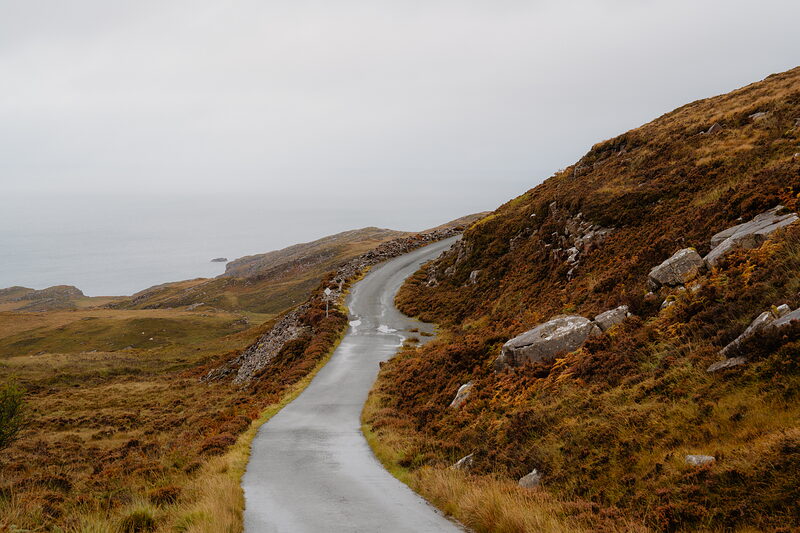
The two-mile long Calum’s Road connecting the northern communities of Raasay was built almost single-handedly by crofter Calum MacLeod after the local authority refused to finance it.
Find out moreThe twin hills Healabhal Mhor & Healabhal Bheag are more commonly known as MacLeod’s Tables. Legend says that one MacLeod Chief used them to prove to a group of bragging Lowland nobles that he had the grandest table in all of Scotland.
Find out moreNobody knows for sure where the name Skye comes from, but popular theories are that it means either Winged or Misty Island.
Find out more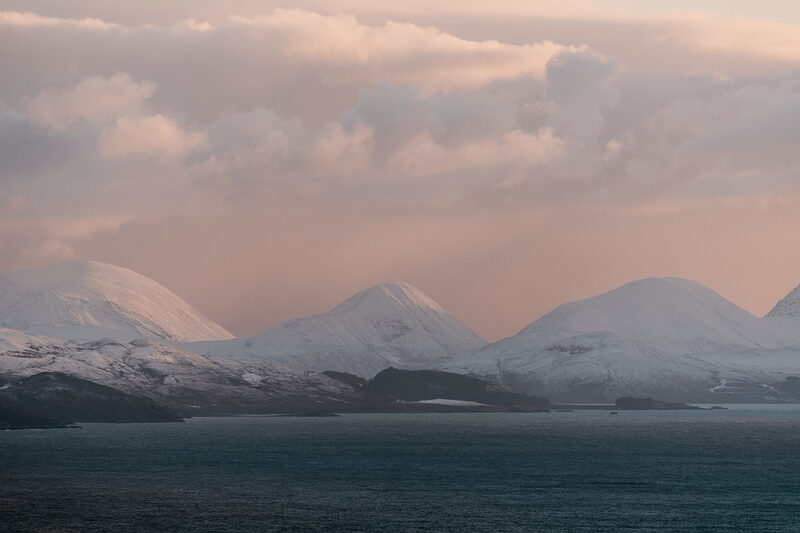
Legend says that the Black Cuillin mountains were formed after the Sun threw an enormous spear into the island, causing the ground to bubble up and burst into jagged peaks.
Find out moreThe dramatic landscape of the Quiraing is caused by a landslip that’s still moving towards the sea a few centimetres every year, causing regular cracks along the nearby road.
Find out moreThe only one of Scotland’s Munros that requires technical rock climbing is the Inaccessible Pinnacle – otherwise known as the In Pin on Sgurr Dearg, part of the Black Cuillins.
Find out more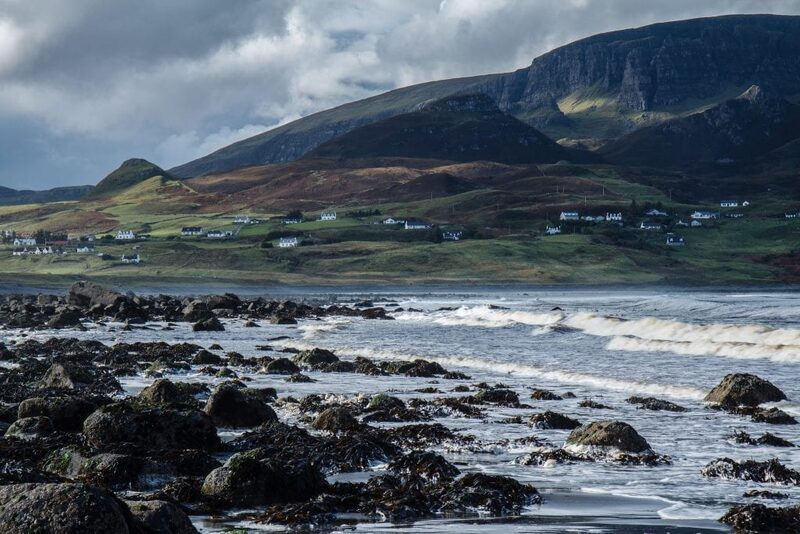
The beach at Staffin is one of the best places in the world to find dinosaur footprints.
Find out more