
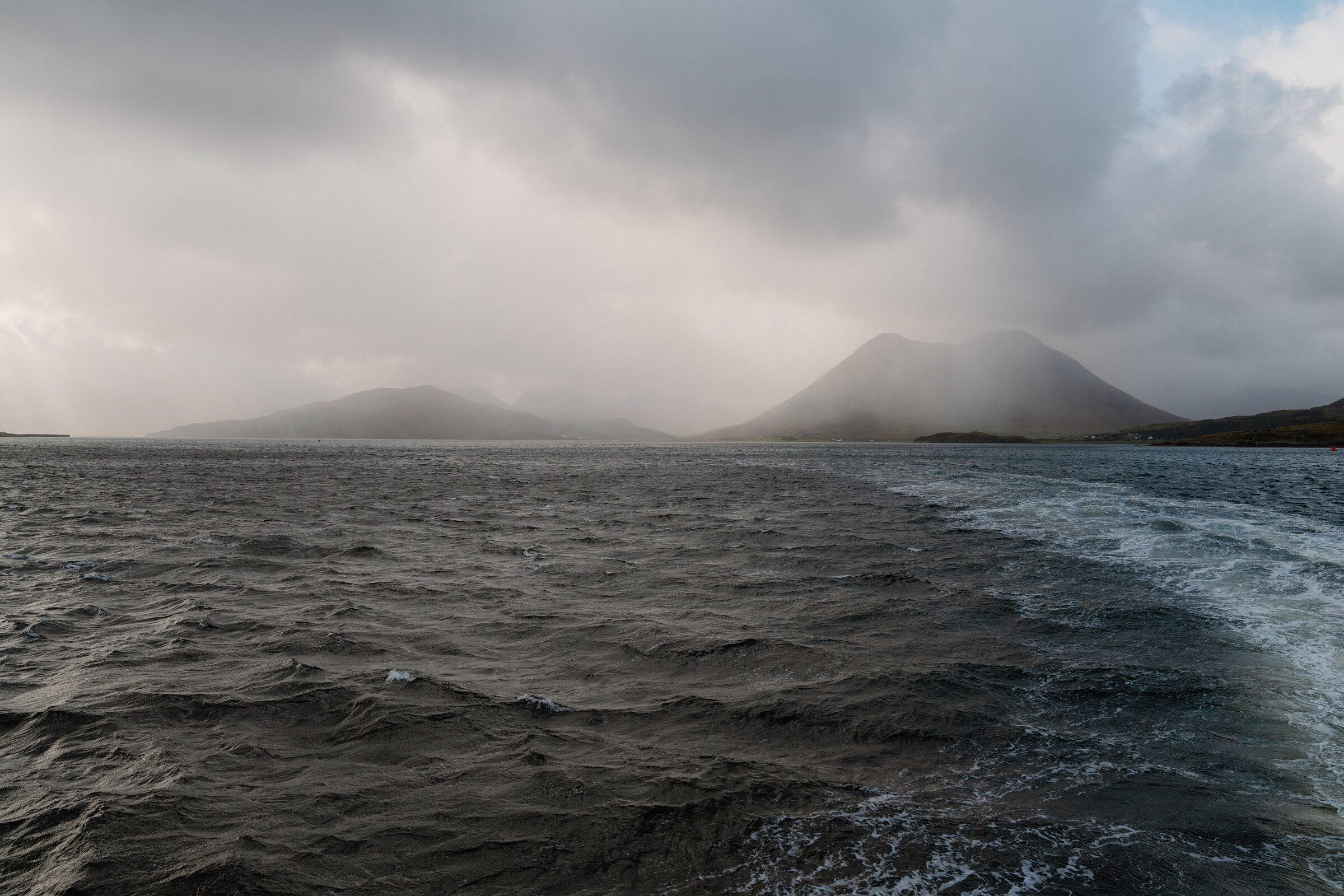
Getting to Skye and around.
The bridge, the ferries and the buses
The nearest regional airport to Skye is at Inverness, on Scotland’s northeast coast. From here it’s a road journey of around two hours to the bridge at Kyle of Lochalsh, and a further 50 minutes on the island to reach Portree. By public transport, Citylink runs buses from Inverness to Skye. The nearest international airports to the island are at Glasgow and Edinburgh.
Two ferries travel between the mainland and Skye: one from Glenelg to Kylerhea, the other from Mallaig to Armadale. From the Outer Hebrides, there are sailings into Uig from both Tarbert and Lochmaddy. All ferries need to be booked in advance.
Buses
Stagecoach runs the main public transport network on Skye, with services covering the likes of Portree, Broadford, Armadale, Torrin, Elgol, Edinbane, Dunvegan, Uig, the Old Man of Storr, and more. Services are reasonably regular on key routes, but don’t expect anything like city-style frequencies and not all buses run on Sundays, especially in the wintertime.
Tip: Skye DayRider tickets, with unlimited journeys over a day, can work out at good value.
Driving
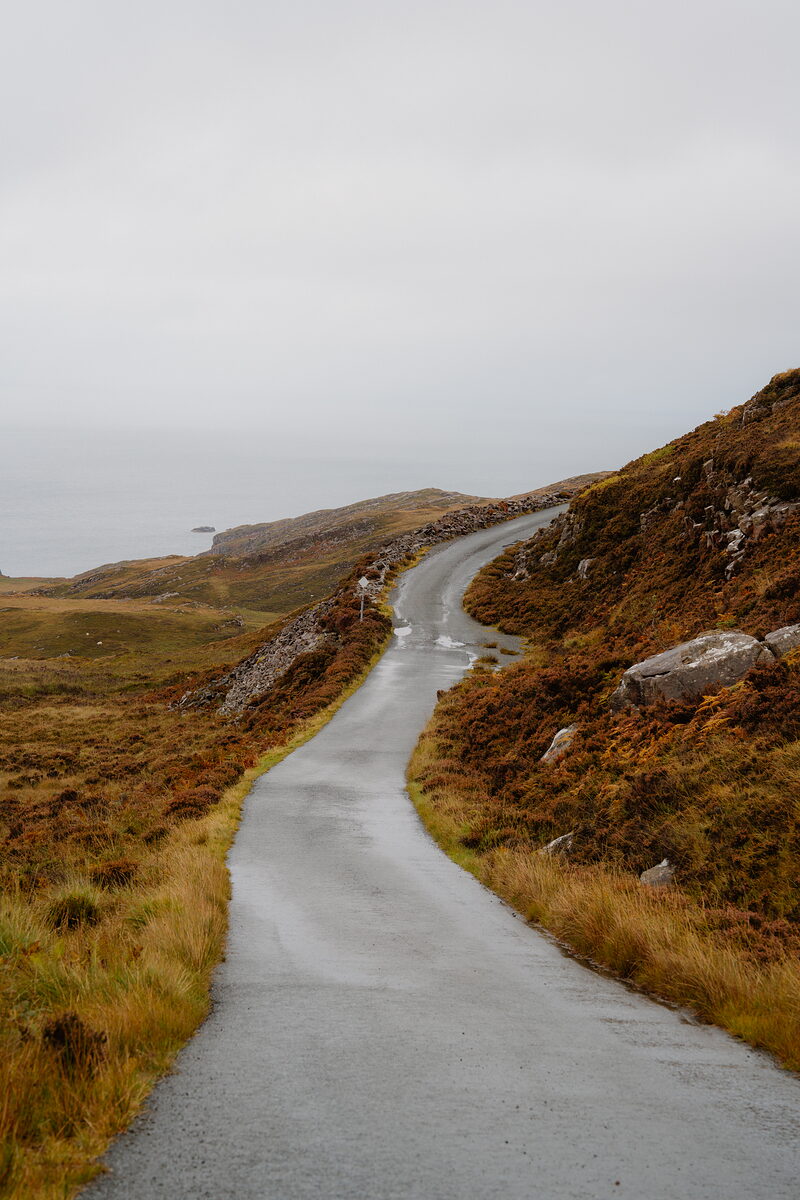
Having your own vehicle grants you the independence to roam at will, but be aware many (if not most) roads are single-track, with passing places. Take care around free-ranging sheep, allow yourself enough time – driving from Broadford in the south to Dunvegan in the north, for example, takes around an hour – and bear in mind that car parks can soon fill at popular spots like the Storr and Neist Point.
Passing Places
On Skye's single-track roads, always keep to the left and use marked passing places to let cars pass or overtake. Never cross to the right or drive off the road. If reversing or being let past is necessary, acknowledge with a wave as a polite thank you.
Cycling
Touring Skye by bike can be highly rewarding, and almost all of the island can be reached on two wheels, but bear in mind that you’ll be sharing the roads with car traffic, which can be considerable in high season.
Hiking
Skye is good walking country if you have time and the weather on your side. Hitch-hiking is often feasible.
Tip: For serious hikers, the Skye Trail is an unofficial and challenging 80-mile route across much of the island.
Over the bridge
The Skye Bridge at Kyle of Lochalsh is free to cross, about two hours' drive from Inverness, and Portree is roughly fifty minutes further on.
Trains run from Inverness to Kyle of Lochalsh, and Citylink buses come over the bridge from Inverness and Glasgow.
The ferries
CalMac sails from Mallaig to Armadale in Sleat, and from Tarbert on Harris and Lochmaddy on North Uist into Uig, while the little turntable ferry crosses from Glenelg to Kylerhea in summer.
Book ahead for a car, and check CalMac's service page before you travel.
Getting around
Most roads are single track with passing places, and Broadford to Dunvegan takes about an hour, so give every journey more time than you think.
Stagecoach buses link the main villages, fewer on Sundays, and the Raasay ferry leaves from Sconser.
The Isle of Skye sits off Scotland’s west coast and is the largest island in the Inner Hebrides. It’s part of the Highland Council area and is surrounded by the Sound of Sleat to the east, the Sea of the Hebrides to the south, and the Minch to the west and north. Access is straightforward: a road bridge connects the island to the mainland at Kyle of Lochalsh, linking directly to the village of Kyleakin on Skye.For those arriving by car, the drive from Edinburgh or Glasgow to Portree, Skye’s main town, takes around five to six hours, depending on the route and time of year. From Inverness, the journey is shorter, typically around two and a half to three hours. The route from the south usually follows the A82 through Glen Coe and up the A87 past Eilean Donan Castle, one of the most scenic drives in the country.Skye is also accessible by public transport. Regular coaches run from Inverness and Glasgow to Portree, and train travellers can connect via Kyle of Lochalsh, where local buses or taxis complete the journey over the bridge. A seasonal ferry runs between Mallaig and Armadale for those taking the coastal rail route from Fort William. While a car gives the most flexibility, it's entirely possible to reach and explore parts of Skye without one, provided travel is planned in advance.
Skye measures around 50 miles from its northern tip near Rubha Hunish to its southern reaches on the Sleat Peninsula. At its widest point, it spans approximately 25 miles across. On paper, it doesn’t seem especially large, but the geography tells a different story.The island’s coastline is fractured by deep sea lochs, long peninsulas, and winding single-track roads. As a result, travel takes time. A drive from the Skye Bridge to Portree, the island’s largest town, takes just under an hour in good conditions. From the bridge to Dunvegan on the west coast is about 90 minutes. Reaching the far north, such as Staffin or the Quiraing, takes about an hour and a half from the bridge. Those venturing to the remote southern villages like Elgol should allow extra time for narrow, twisting roads and passing places.While Skye may appear compact on the map, navigating it involves slow and scenic travel, often with long gaps between petrol stations, shops, or mobile signal. Planning routes in advance is advised, and it’s worth building in extra time, not just for the terrain, but for the stops you’ll want to make along the way.
Skye attracts visitors from around the world for a mix of natural drama, cultural depth, and the promise of quiet discovery. Its reputation rests on several distinct qualities that together make it the most visited island in Scotland.The island’s geography is often what brings people here in the first place.The Cuillin mountains, both the jagged Black Cuillins and the rounded Red Hills, offer some of the most challenging and scenic walking in the country.The Trotternish Ridge is home to famous features like the Old Man of Storr and the Quiraing, where ancient landslips have created otherworldly formations.The coastline is marked by cliffs, sea arches, waterfalls and isolated beaches, each shaped by the sea and weather over time.Beyond the landscape, there’s a strong presence of history and myth. Skye is deeply tied to Gaelic culture and clan heritage. Dunvegan Castle and Armadale Castle each tell different parts of that story: one still inhabited, the other a romantic ruin. Stories of fairies, giants, and warriors are embedded in place names and local traditions. Sites like the Fairy Pools and Fairy Glen remain popular not just for their setting but for the folklore associated with them.The island also offers plenty of scope for outdoor activity: hillwalking, climbing, wild swimming, sea kayaking, and wildlife watching. It’s one of the few places in Britain where you might see golden eagles, red deer, dolphins, and seals on the same day.Portree, the island’s main town, is known for its colourful harbourfront and is often used as a base. Elsewhere, smaller villages like Elgol, Uig, and Staffin offer a slower pace. Talisker Distillery draws whisky drinkers, while newer distilleries on Skye and neighbouring Raasay are growing in profile.Taken together (land, story, history, and access to remote places), Skye continues to be a destination that sits high on many travellers’ lists.
The character of Skye’s terrain is the result of a long and violent geological history. Layers of volcanic rock, ancient seabeds, and tectonic upheaval have shaped a place where no two areas look or feel the same. From steep mountain ridges to softened coastal inlets, the variety is matched only by its scale.At the heart of the island are the Cuillin mountains.The Black Cuillins are made of gabbro, a rough volcanic rock that provides excellent grip for climbers but gives the peaks their sharp, craggy appearance.To the east, the Red Hills are formed from granite and have a rounder, more weathered look, though still dramatic in profile.In the north-east, the Trotternish Peninsula offers a different kind of drama. Ancient landslides created the surreal formations of the Quiraing and the Old Man of Storr. This area continues to shift today, with cracks in the road and regular rockfalls reminding visitors that the landscape is still changing.The coastline is another feature entirely: long sea lochs, exposed cliffs, and isolated bays extend the travel time around the island and offer constant variation. Kilt Rock, Neist Point, and Talisker Bay are some of the best-known examples, but every peninsula has its own rhythm.In the south, the Sleat Peninsula feels more settled. Sometimes called the ‘Garden of Skye,’ it’s greener and softer underfoot, with pockets of woodland, rolling hills, and long-standing crofting communities.The rock beneath all of this tells a longer story. Skye is home to some of the oldest formations in Britain: Lewisian gneiss and Torridonian sandstone appear in the south-east, while limestone near the Cuillins has created caves and marble seams that were once commercially mined.This mixture of ancient geology, ice-age carving, and ongoing erosion has left Skye with a layout that’s not just varied, but irregular. What looks like a straightforward route on the map is often a slow, twisting drive through terrain that still carries the marks of its making.
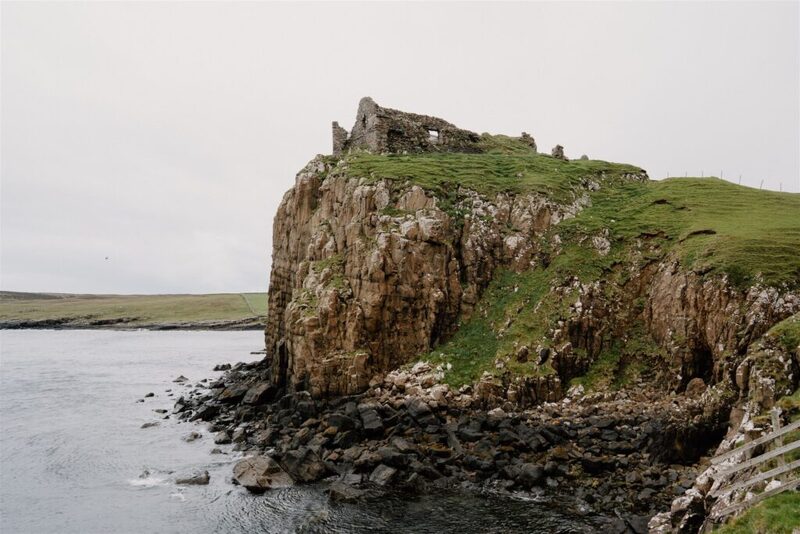
Skye has far more to it than scenery. For many, its real value lies in the layers of history and culture that continue to shape everyday life across the island. From prehistoric remnants to living Gaelic traditions, there’s depth here for those willing to look beyond the obvious.The earliest traces of human activity on Skye go back around 8,000 years. Evidence from the Mesolithic period includes midden heaps, stone tools, and early settlements. Across the island, visitors can find Pictish carvings, Iron Age forts, and brochs, stone towers that once marked out tribal territories. These ancient remains sit quietly in the landscape, often unsigned and lightly interpreted, but still accessible to those interested in Skye’s earliest inhabitants.The clan system dominates the island’s more recent past. Two of Scotland’s most powerful clans, Clan MacLeod and Clan Donald, had their seats here. Their rivalry, alliances, and feuds helped shape the political and social geography of the island.Dunvegan Castle, seat of the MacLeods, is still lived in today and offers visitors a chance to see clan relics including the famed Fairy Flag.On the Sleat Peninsula, Armadale Castle, now a ruin, sits at the heart of the gardens and museum that tell the story of Clan Donald and the wider Highland experience.Other ruined castles such as Duntulm and Dunscaith are reminders of the island’s more turbulent times.Norse influence is another important chapter. The Vikings ruled parts of the Hebrides from the 9th to the 12th centuries, and traces of Norse language and settlement remain. More visibly, Skye features strongly in the Jacobite narrative, most famously through Flora MacDonald, who helped Bonnie Prince Charlie escape to Skye after the failed uprising in 1746. Her story is retold at the Museum of Island Life in Kilmuir, alongside exhibits on traditional crofting life.The Highland Clearances left a lasting mark. From the late 1700s, many families were forced from the land to make way for sheep farming, prompting mass emigration and hardship. Remnants of cleared villages and oral histories passed through generations continue to shape the island’s identity.Culturally, Skye remains strongly connected to its Gaelic roots. While fewer people speak the language fluently today, it’s still used in homes, schools, and signage, and its rhythms can be heard in music, storytelling, and song.The Sabhal Mòr Ostaig college in Sleat plays a leading role in preserving and promoting Gaelic. It offers short courses for visitors, and projects like Slighe nam Bàrd, a trail linking poetry and place through audio recordings, help connect the landscape to the culture.Traditional music and ceilidhs are part of everyday life. In summer, pubs across the island host informal sessions, while village halls are the setting for ceilidhs that bring together locals and visitors through music, dance, and shared stories.Crofting, a small-scale, community-based form of farming, continues on Skye. While no longer the main livelihood for most, its influence is still visible: in the way land is held, in the layout of villages, and in the island’s cultural memory. Places like the Skye and Lochalsh Archive Centre and the Museum of Island Life offer a window into how people have lived, worked, and adapted here over the centuries.For visitors, Skye’s history isn’t something kept behind glass. It’s in the place names, the ruins beside the road, the music in the pub, and the stories passed on by those who’ve lived here their whole lives.
Gaelic is more than a language on Skye: it’s a living part of the island’s identity. Visitors who take time to engage with it often find their experience of the island becomes more layered, more rooted in the place and its people.Though once widespread across the Highlands and Islands, Gaelic has faced centuries of decline, largely due to historical suppression and changing political tides. But on Skye, it continues to hold a place in everyday life. You’ll hear it spoken in some homes, schools, and community settings, and see it on road signs, public notices, and shopfronts. The island is often referred to in Gaelic as An t-Eilean Sgitheanach or Eilean a’ Cheò: “The Winged Isle” or “The Island of Mist.”For those wanting to explore this side of the island more deliberately, Sabhal Mòr Ostaig in Sleat is a good starting point. It’s Scotland’s National Centre for Gaelic Language and Culture and runs both academic and community courses. Visitors are welcome to attend public events, short cultural programmes, or simply stop by. The college’s Slighe nam Bàrd (The Poetry Path) links locations around the island to specific Gaelic songs and poems, with QR codes providing audio in situ. It’s a simple but effective way of grounding language in the land.Music is another route in. Traditional tunes, often passed down through families, remain a core part of island life. You’ll find regular sessions in pubs such as The Old Inn in Carbost, Edinbane Inn, and An Talla Mòr 1820 in Portree. Ceilidhs, with live music, dancing, and storytelling, take place in village halls across the island, welcoming to both locals and travellers. Festivals like Skye Live in May and Blas Festival in September highlight the breadth of Gaelic music, from small local acts to nationally known performers.Understanding even a few Gaelic words can help make sense of the island’s geography. Many place names are descriptive, rooted in the shape of the hills, the flow of rivers, or stories tied to a site. Learning what names like Beinn na Caillich or Loch Slapin mean adds context to the journey.Supporting local businesses that use or promote Gaelic is a quiet way to help sustain it. You’ll find artisan producers, craftspeople, and small shops that reference Gaelic heritage in their products or branding.More broadly, an awareness of Gaelic culture gives context to Skye’s history, particularly in understanding the clan system, the Clearances, and the resilience of rural communities in the Highlands. Visitors interested in more than a photo stop will find that this cultural thread offers insight into how the island came to be as it is now, and what it still carries forward.
More of Skye.
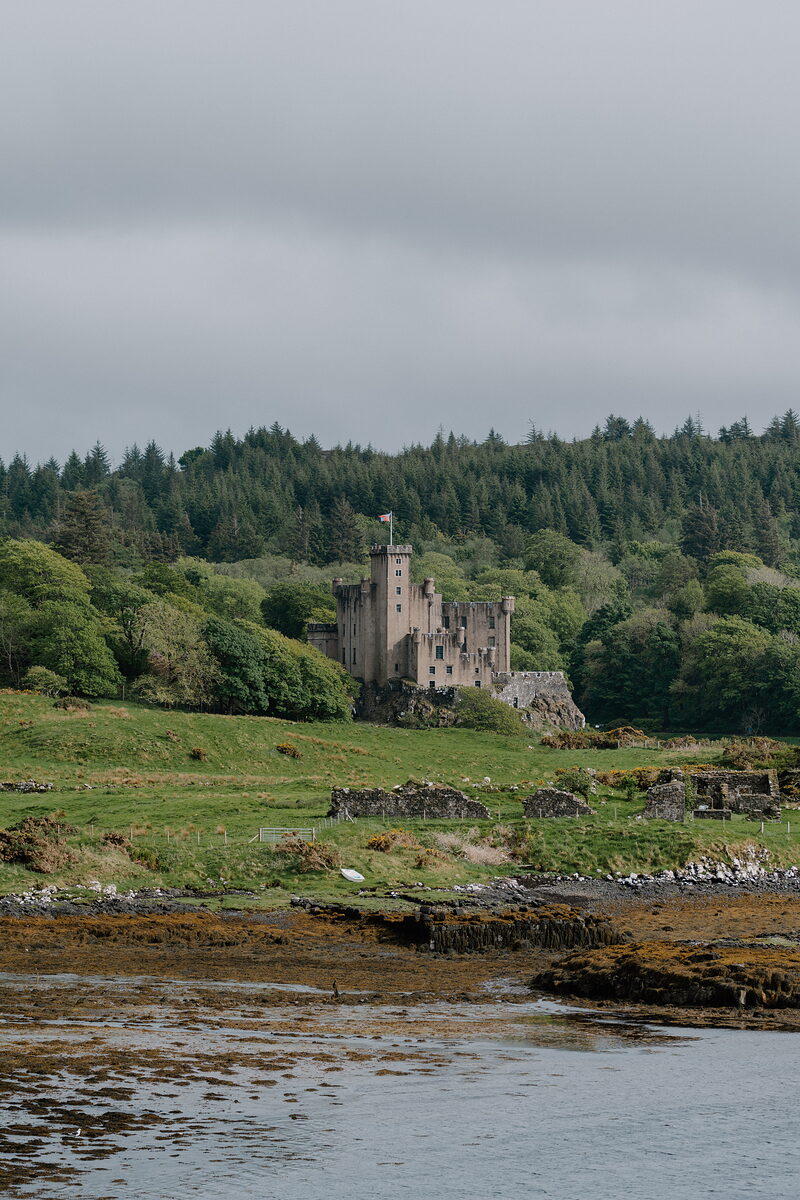 See and doClan castles, brochs and the Old Man of Storr
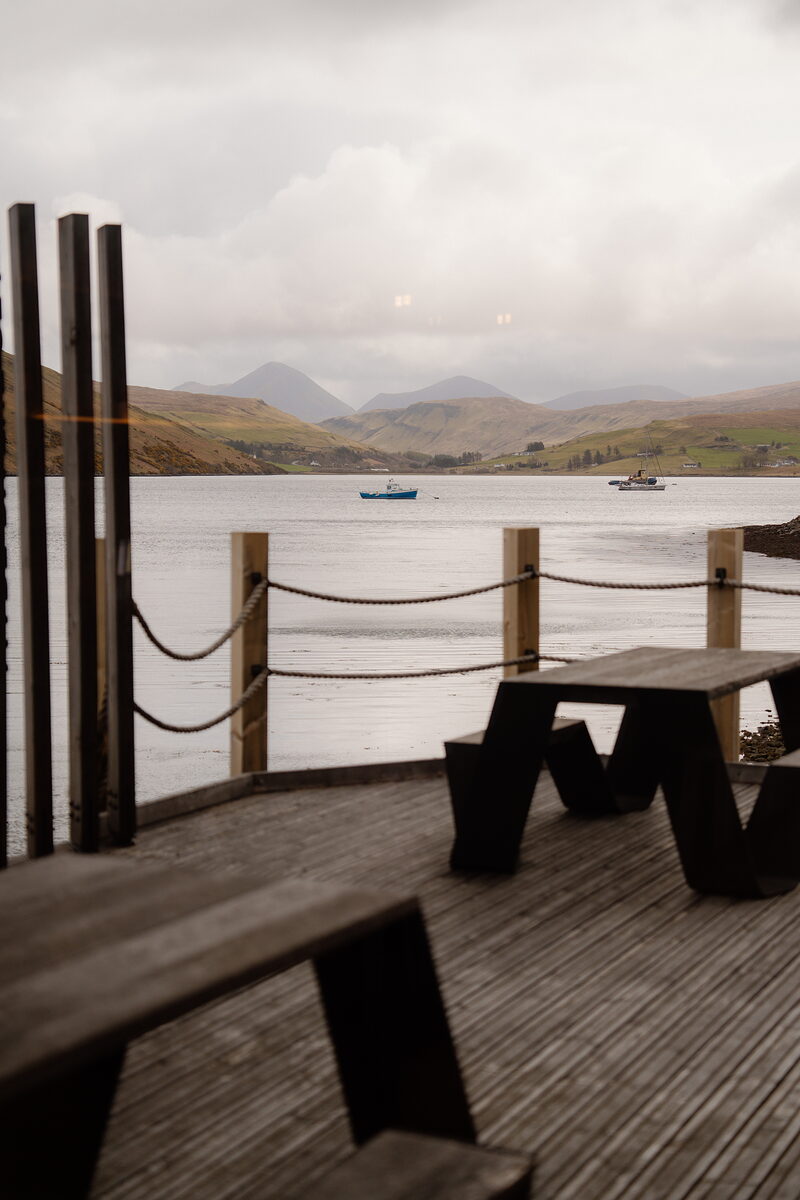 Eat, drink and shopOysters by the loch and island cafés
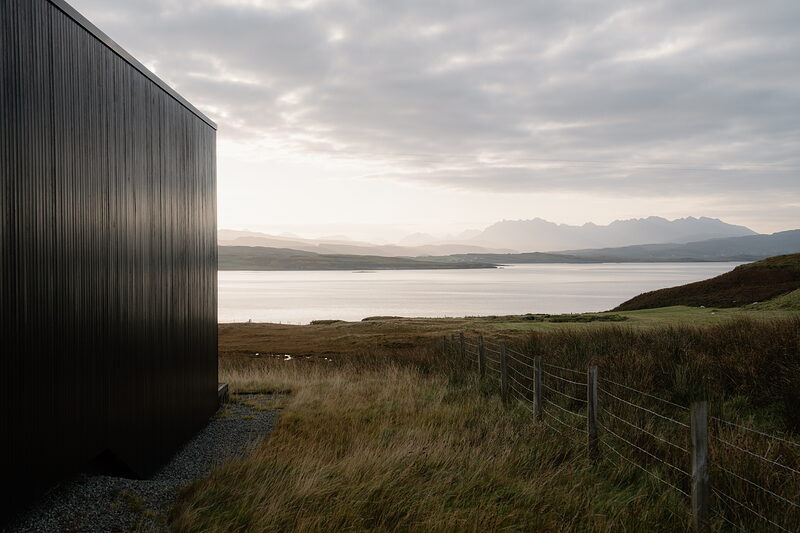 Where to stayLodges, cottages and houses on the crofts
 History and storiesVikings, the clans and the Clearances
 ItinerariesDays we have driven, stop by stop
 What is on on SkyeSomething new from the island every day