
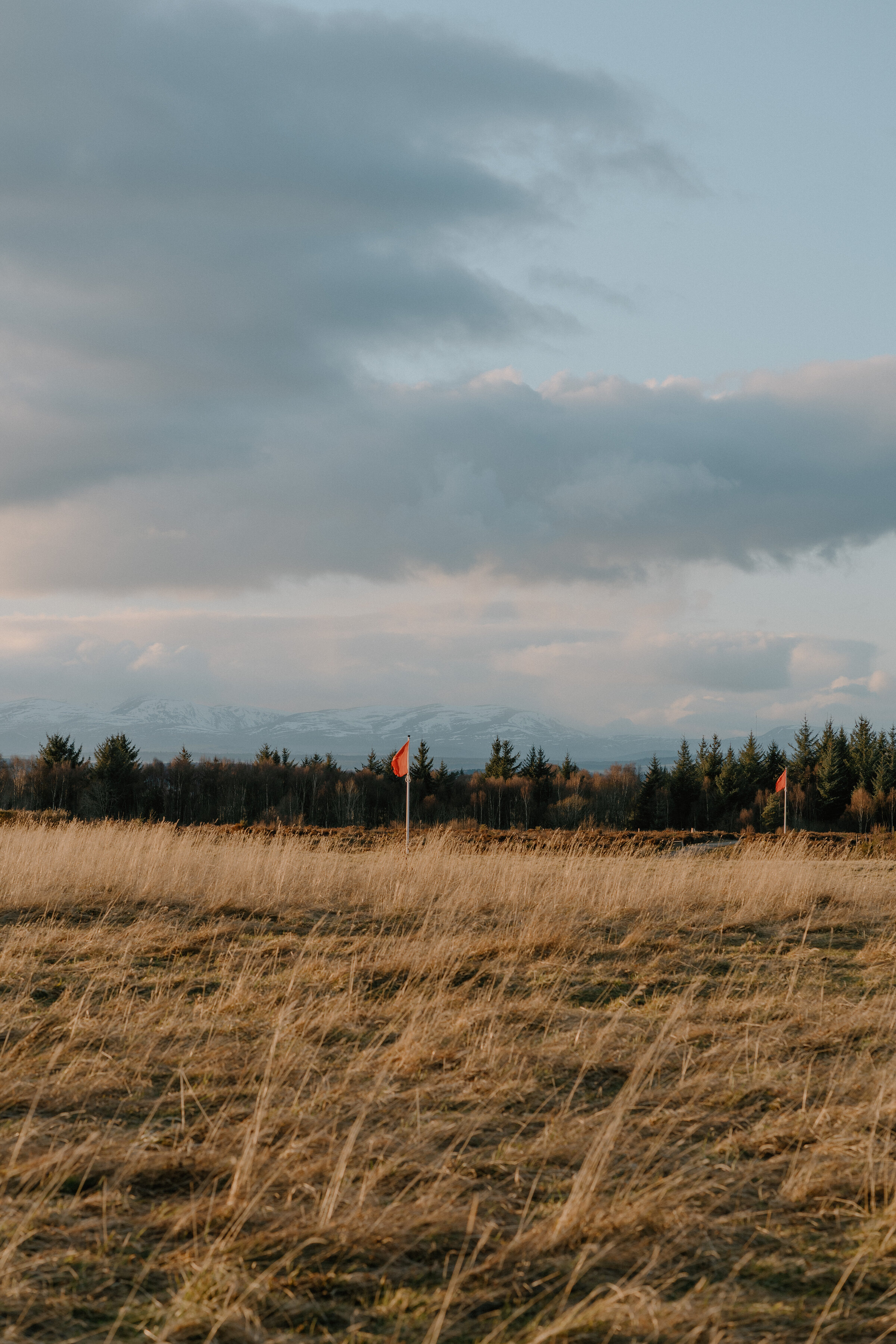
Culloden to Nairn – The Battlefield, Cawdor and the Beach
A day by car, from Inverness and back.
The route
East of Inverness, three of the Highlands' best-known names sit within about half an hour of each other, and this day out takes them in turn.
Culloden Battlefield gets the whole morning: the exhibition and the battle theatre, then the moor itself, where the Jacobite army was broken on 16 April 1746 and the clan graves still stand. From there the back road runs east by Croy to Cawdor, a castle built round a holly tree and still a family home, with three gardens to wander after lunch. Nairn has the rest of the day: its museum, the long Central Beach on the Moray Firth, then Thomas Telford's harbour and the lanes of the Fishertown before the drive home along the A96. Without a car, the battlefield has a bus from Inverness and Nairn a train, but Cawdor has neither.
Before you go
Book a bed near Inverness
The day starts and ends in Inverness, and summer beds there go early, so book as soon as your dates are set. If you would rather wake by the sea, Nairn, at the far end of the day, has beds of its own and turns the day round.
The day
Battlefield, castle and shore
A day east of Inverness, from the moor where the last Jacobite rising ended to a castle still lived in and the sands of Nairn. The morning belongs to Culloden Battlefield, the middle of the day to Cawdor's rooms and gardens, and the rest of it to Nairn's museum, beach and harbour. It's about an hour and a half at the wheel, leaving Inverness at twenty to nine.
1 hr 34 min at the wheelAbout 40 miles by carAbout 0.5 miles on foot
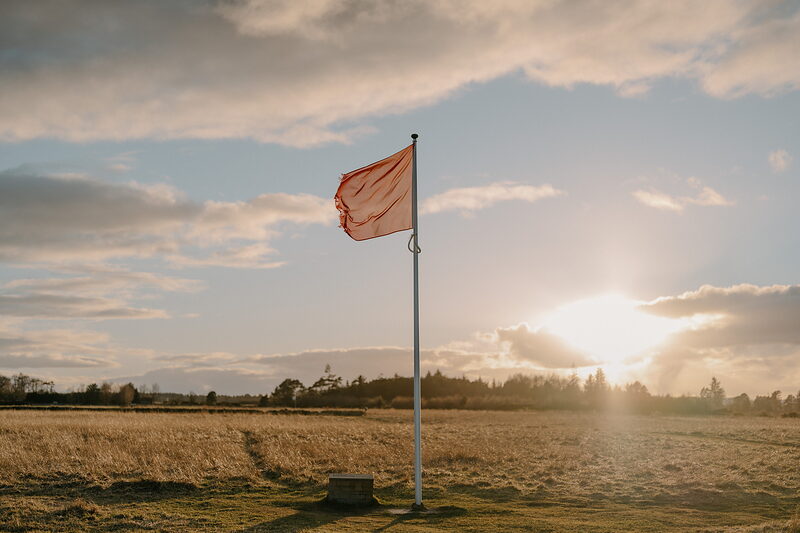
Culloden Visitor Centre
An attraction
It's 17 minutes' drive east through Westhill to Culloden Battlefield, where the visitor centre opens at 9am. Here, on 16 April 1746, the Jacobites were beaten in under an hour. Start with the exhibition, told from both sides, and the 360-degree battle theatre. Then take the audio guide onto the moor, where flags mark the two front lines and the path passes Leanach Cottage, the Memorial Cairn, the clan graves and the Well of the Dead. Keep off the grave mounds. End on the roof, looking over the field.
20 min by car
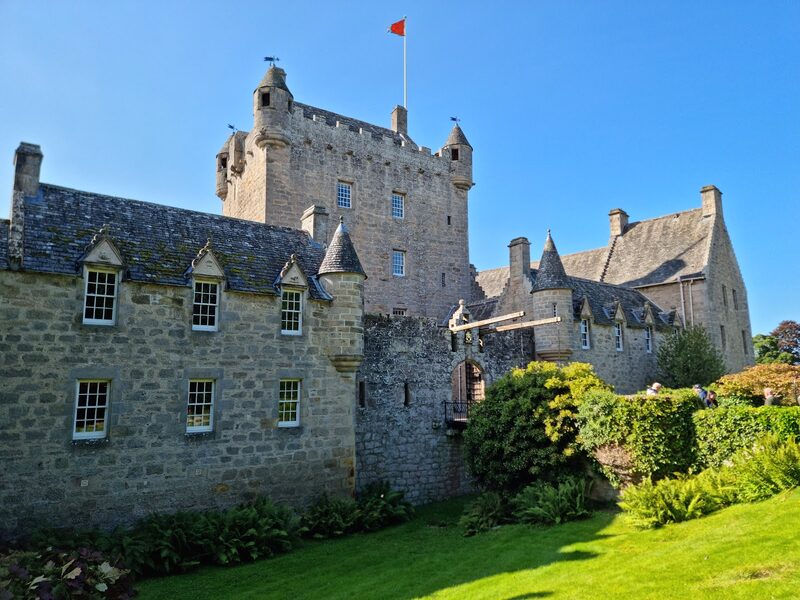
Cawdor Castle
It's 20 minutes' drive east by the B9006, past the Cumberland Stone, the roadside boulder where, the story goes, the Duke of Cumberland watched the battle, and on by Croy to Cawdor Castle. Still a family home, Cawdor was built round a holly tree, and the dead tree is still in the vault. Have lunch in the Courtyard Café first, then see the rooms and the Flower, Walled and Wild gardens. Shakespeare made Macbeth Thane of Cawdor, but the real king died centuries before the castle was begun.
16 min by car
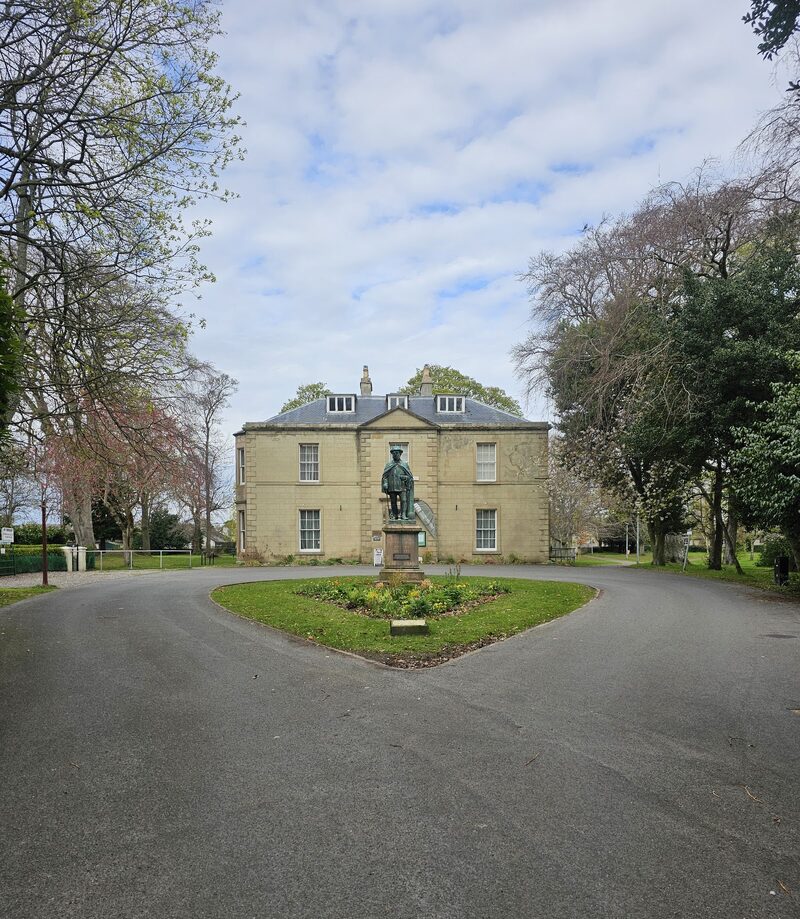
Nairn Museum
Nairn is 16 minutes' drive north on the B9090, and its museum in Viewfield House is open until 4pm. It now holds the collection of the old Fishertown Museum, so this is where the story of the town's fishing families is told, alongside the farms around Nairn and the battles of Auldearn and Culloden. It's an independent museum, and entry is by donation.
3 min by car
Nairn Central Beach
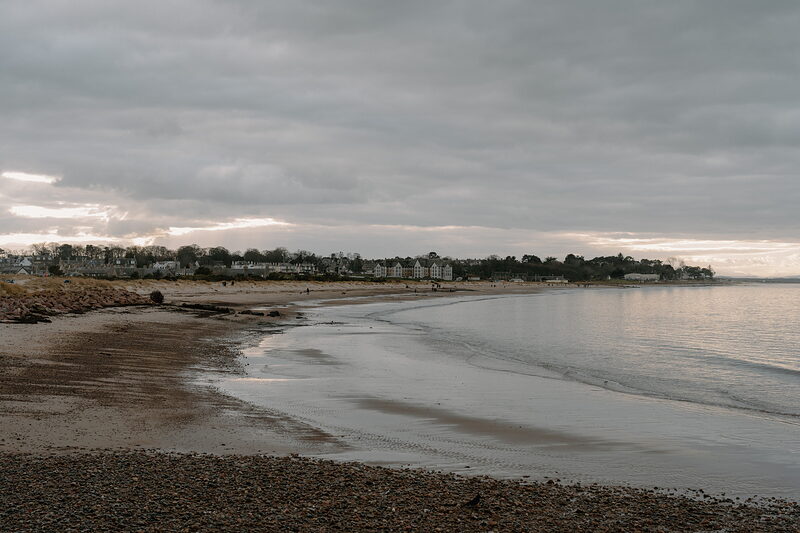
Drive 3 minutes down past the Links to the seafront, where the car can stay for the rest of the day. In front is the Central Beach, the long sweep of sand that made Nairn a seaside resort once the railway came in 1855. Behind it are the Links, with the putting green and the Splashpad from April to October, and the promenade running east along the shore to the harbour.
9 min on foot
Nairn Harbour
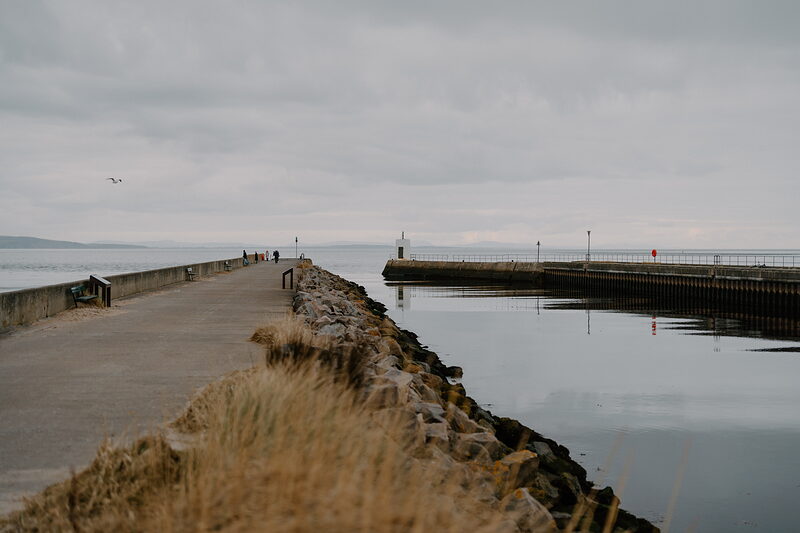
The harbour, built by Thomas Telford in 1820, is a 9-minute walk east along the promenade. Fishermen's cottages still line the lanes of the Fishertown, just south of it. Walk out to the mouth of the River Nairn, which gives the town its Gaelic name, Inbhir Narann; over the Harbour Bridge, the East Beach runs off towards Culbin. Friar Tuck's, the chip shop on Harbour Street, opens at 4.30pm and shuts on Mondays and Tuesdays. Then walk back to the car; Inverness is about 40 minutes' drive home.
If it rains
Culloden's exhibition and battle theatre and Cawdor's rooms are all indoors, but the moor and the gardens are not, and the moor is exposed to whatever the weather brings. On a wet day give the exhibition longer and walk a shorter loop of the field on its hard-surfaced path, then see Cawdor's rooms and the gardens between showers, with a long lunch at the Cawdor Tavern in the village. In Nairn, the museum is the dry hour on a weekday from April to October; on other days see the beach and the harbour from the promenade.
Worth a detour
- Clava Cairns
4 minutes' drive from the visitor centre, signed off the road east: Bronze Age burial cairns about 4,000 years old, ringed by standing stones, on a terrace above the River Nairn. Free and open all year, with a car park by the stones and no toilets. Half an hour is enough to walk round them, and Cawdor is 23 minutes' drive on from there, 3 minutes more than from the battlefield.
- Brodie Castle
18 minutes' drive east of Nairn on the A96, over the line into Moray: the Brodies' castle in its own estate, whose grounds and woodland walks are open every day of the year. The castle tours and the Playful Garden shut at 4pm, so after Nairn it is the grounds alone. Inverness is 53 minutes' drive from there.
Where to eat
 InvernessCoyote BurgerAmerican-style burgers
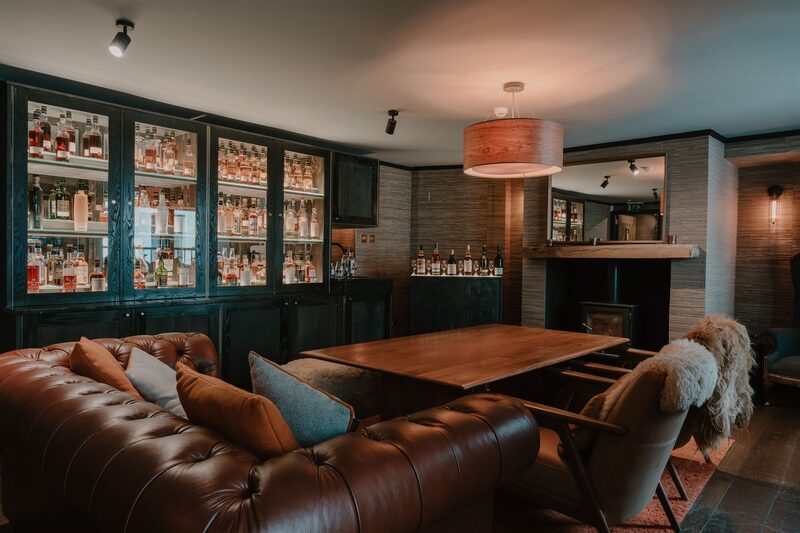 InvernessThe Malt RoomInverness's first whisky bar
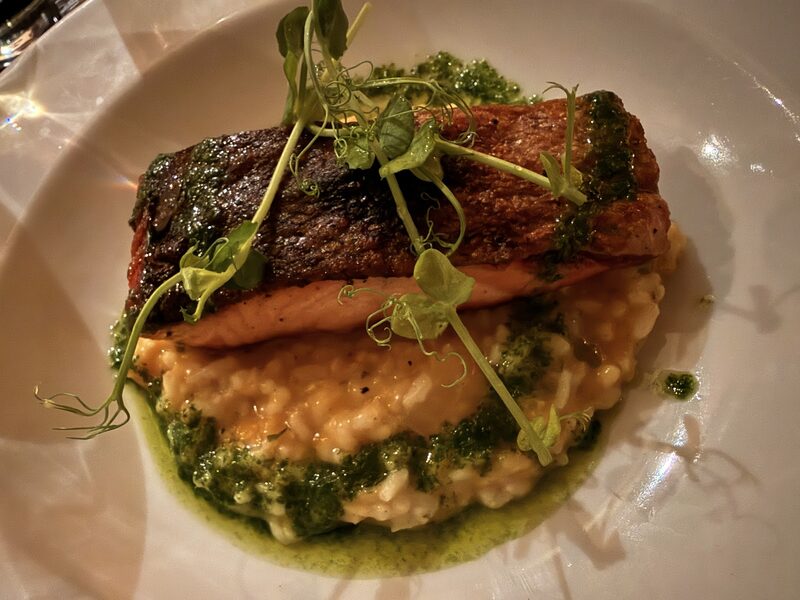 InvernessThe Mustard SeedA restaurant
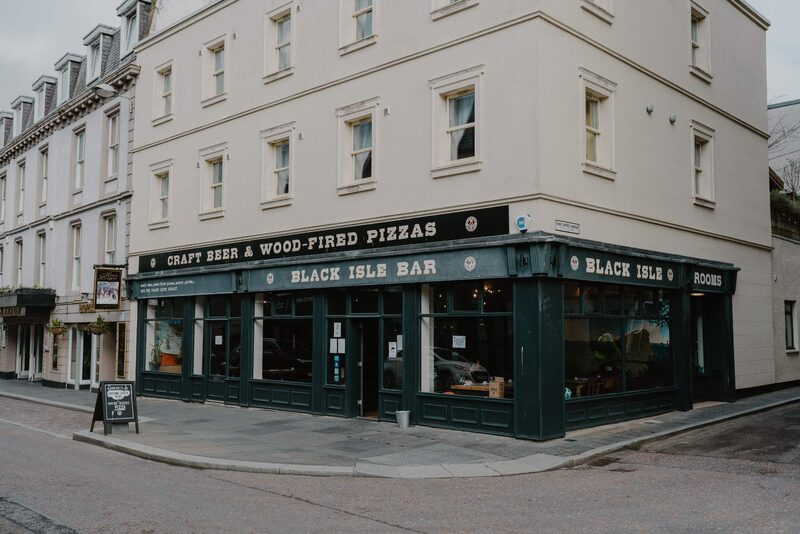 InvernessBlack Isle BarA restaurant
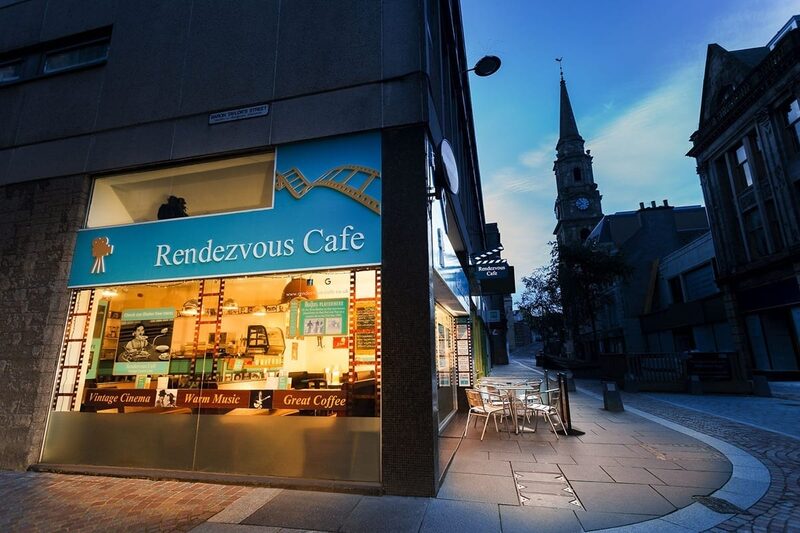 InvernessThe Rendezvous CaféA café
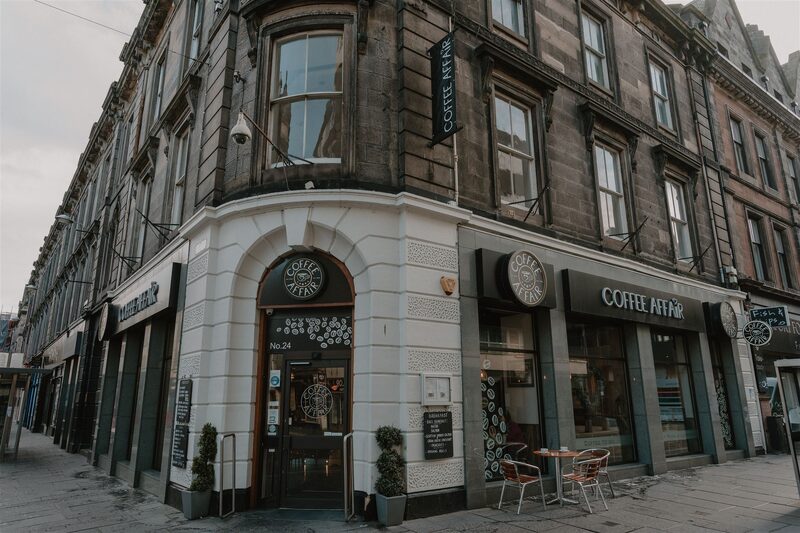 InvernessCoffee AffairA café
 InvernessXOKO BakehouseA café
 InvernessPERK Coffee & DoughnutsA café
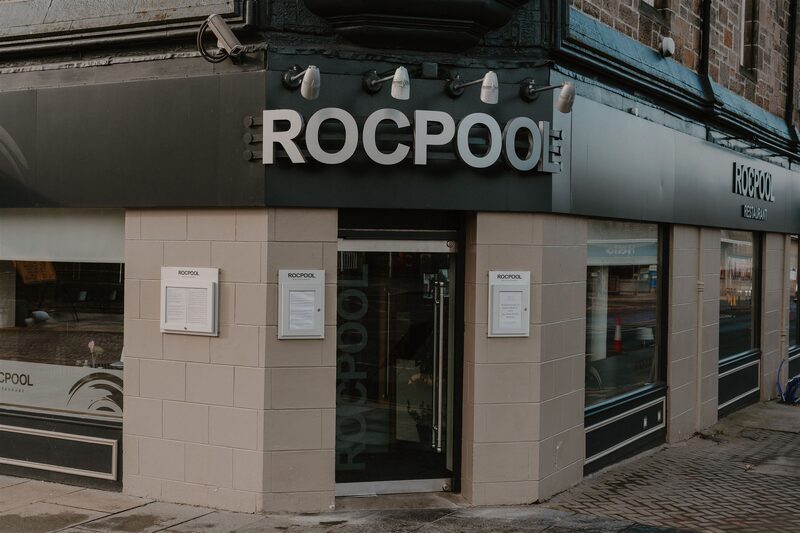 InvernessRocpoolA restaurant
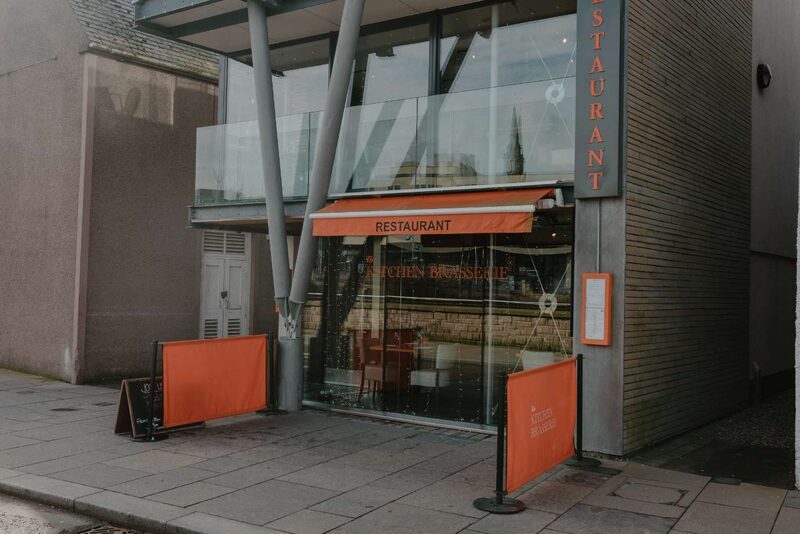 InvernessThe KitchenA restaurant
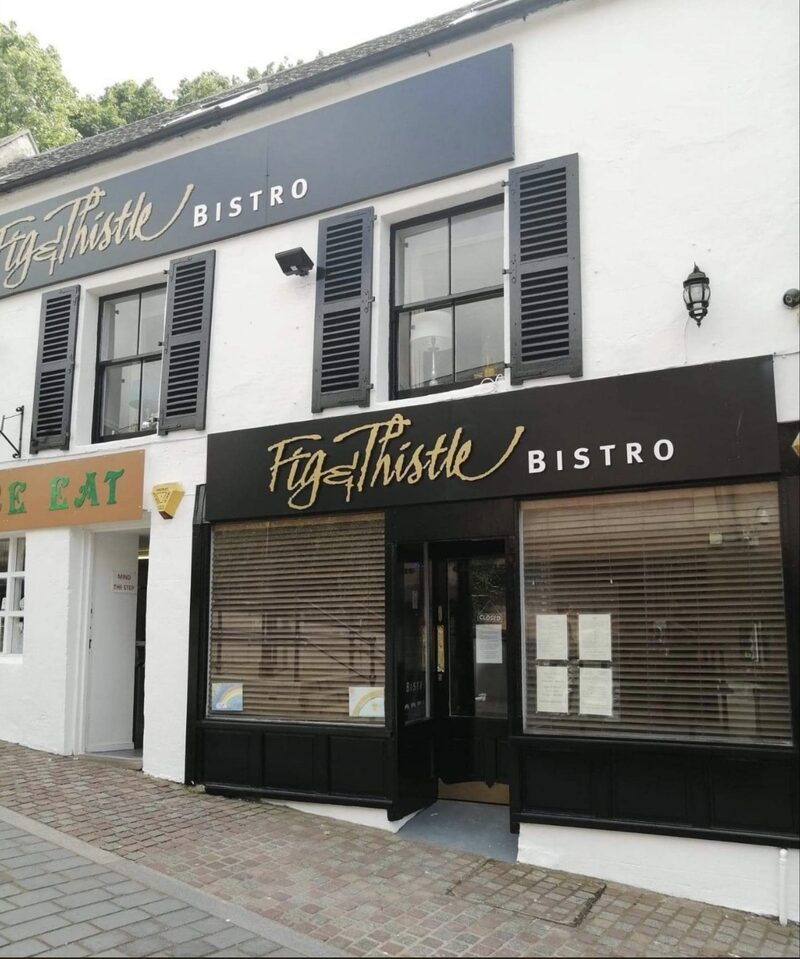 InvernessFig & Thistle BistroModern Scottish bistro
 InvernessMcBain's by the RiverA restaurant
Make it a weekend
More days out in Inverness.
Photographs by danny karpierz and Big Brit Inc via Google