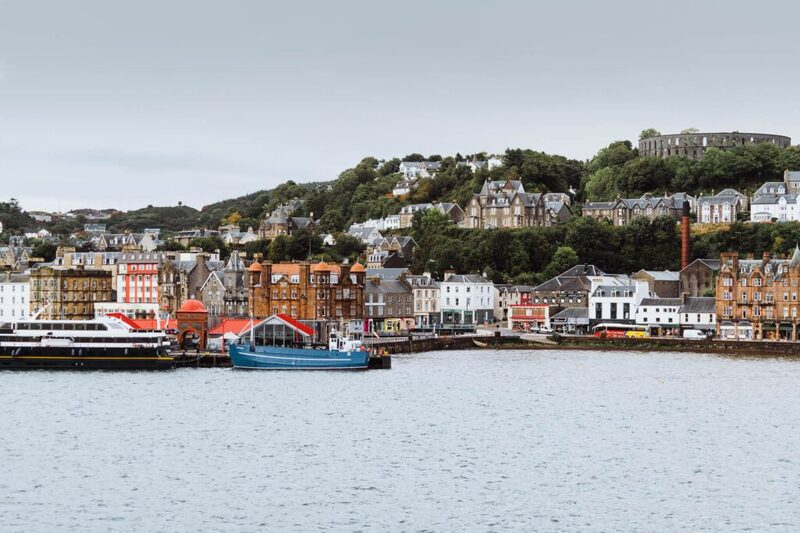
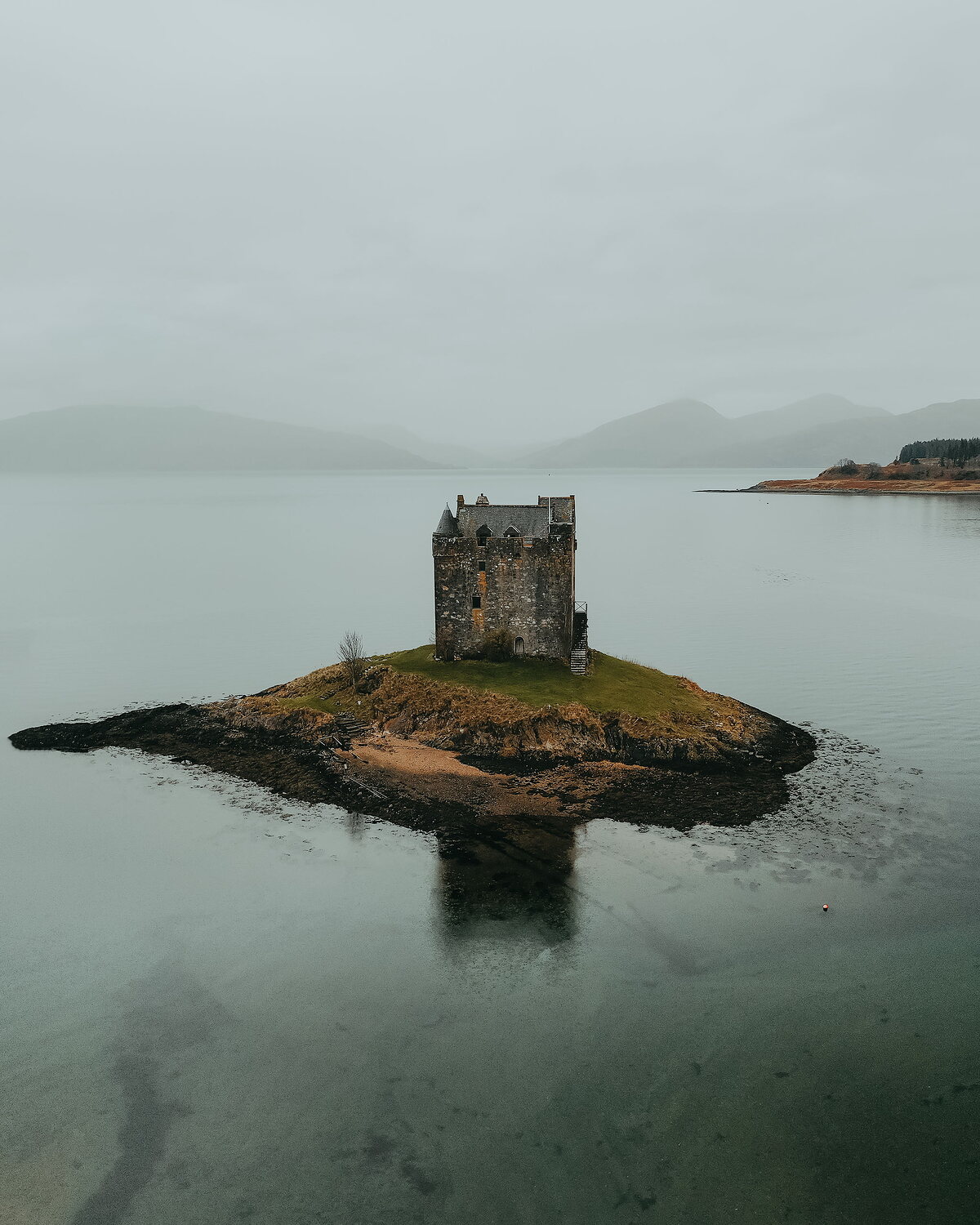
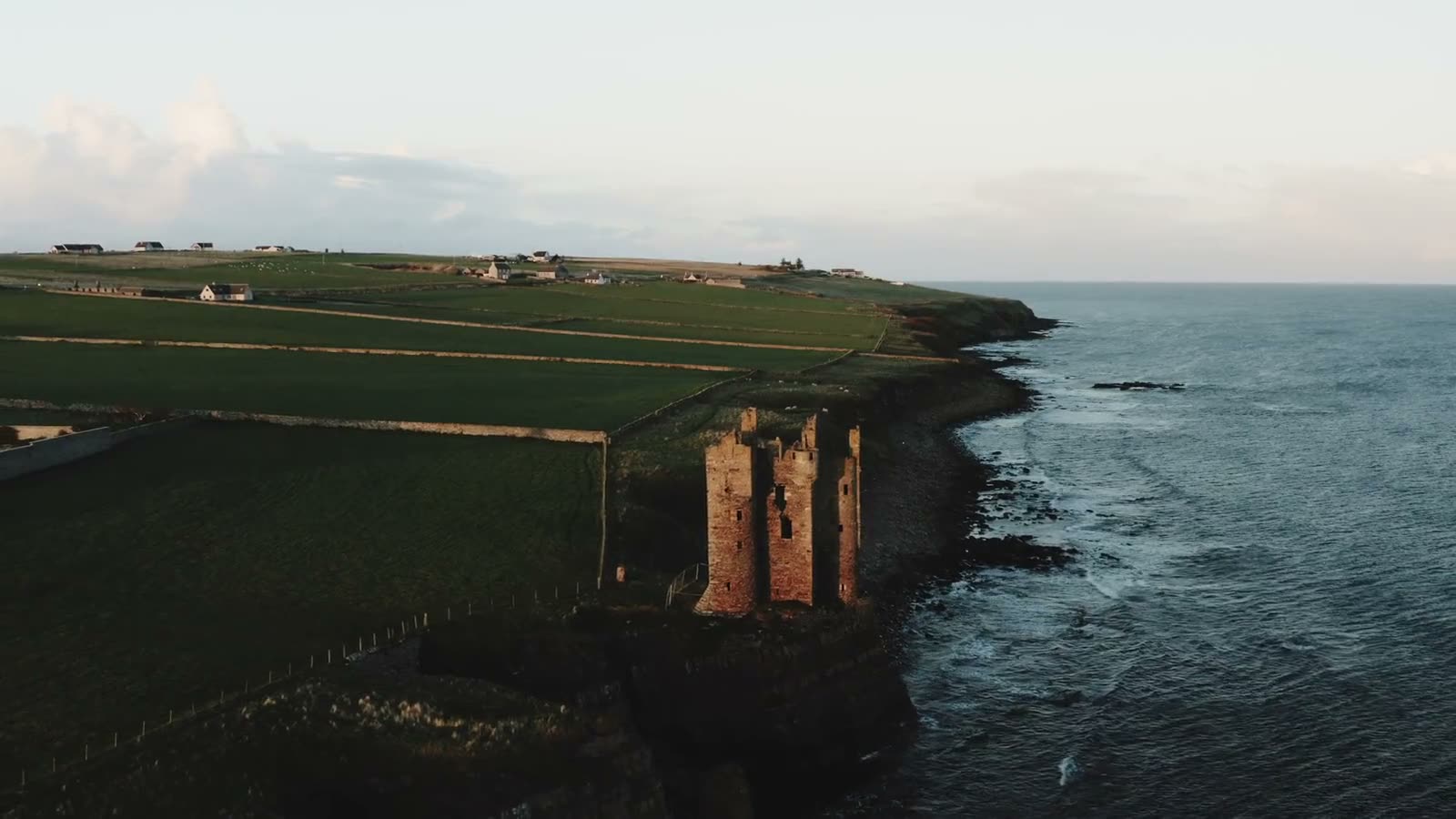
Once upon a time on a round hill in Kilmartin Glen, the first kings of Scotland were inaugurated in a ceremony that symbolically married them to the land. The hill was Dunadd, which rises poignantly from Moine Mhor, the ‘Great Moss’. The people were the Gaels, or ‘Scoti’, the earliest Scots to arrive from Ireland, under King Fergus Mor. By the 1800s, tourism was beginning to boom. In 1882, Bute achieved a Scottish island first with its tramway system with open-topped cars – a hallmark of the so-called Indian Summer of urban tourism across Argyll and Bute. The growing tourist trade was interrupted by the two World Wars, when the Clyde teemed with warships and Port Bannatyne salvaged and repaired war-ravaged ships. Fishing villages came to prominence in the late 19th and early 20th centuries, and thanks to its links with Glasgow and Ireland, Argyll enjoyed success in agriculture, mining and distilling. These days, tourism continues to be important, with visitors flocking here to walk the lands that hold footprints from thousands of years past.
 HistoryKilmartin Glen
 HistoryScotland’s Quiet Season Begins
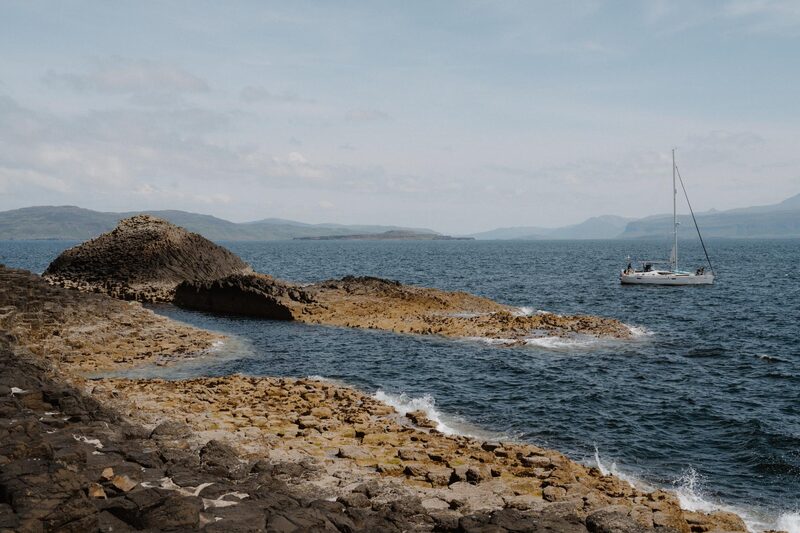 HistoryIsland Adventures On The West Coast
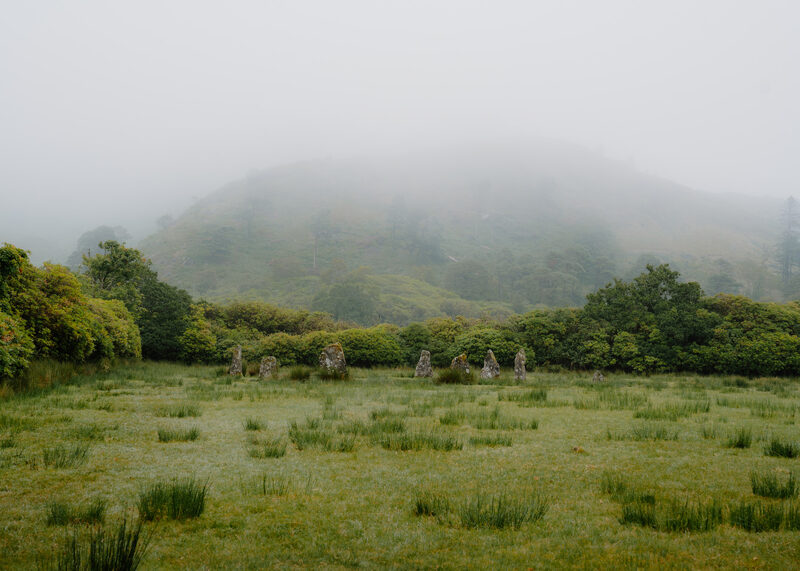 HistoryVisiting the Lochbuie Stone Circle on the Isle of Mull
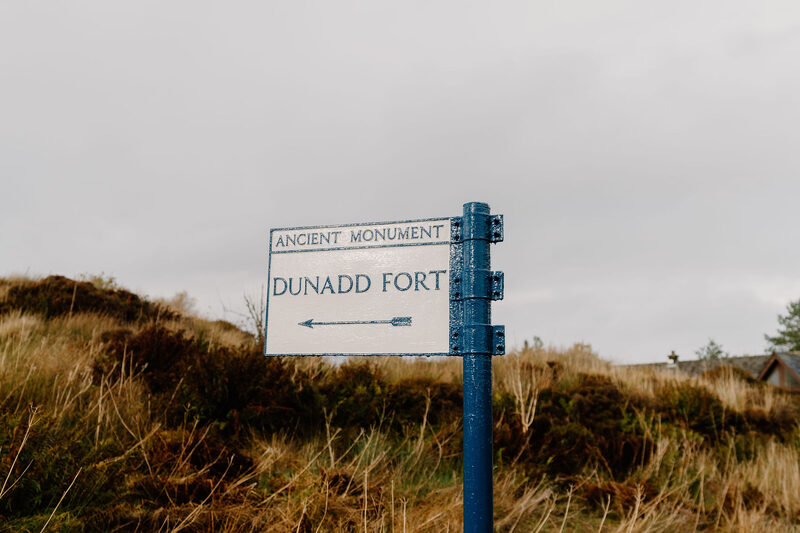 HistoryClues in the Rock: What Dunadd Tells Us About Early Scotland
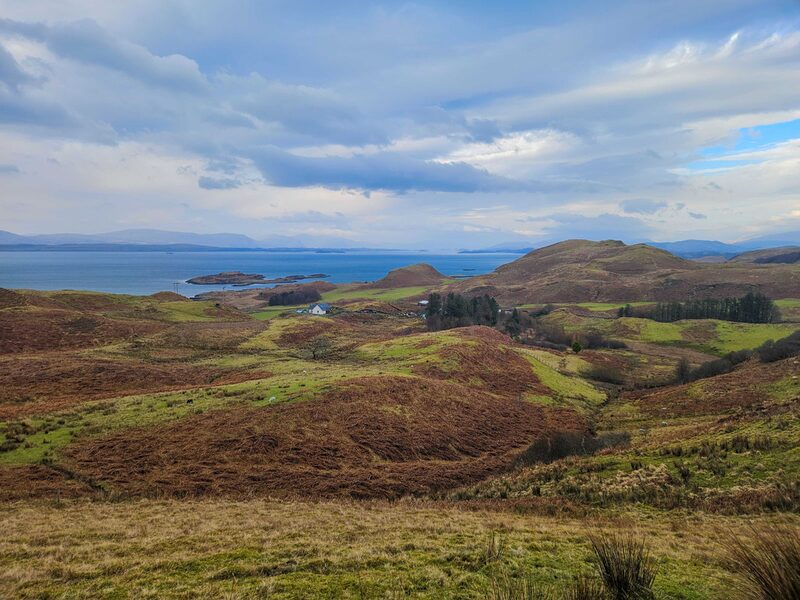 HistoryFrom Angus to Iona: A Busy Month on Both Coasts
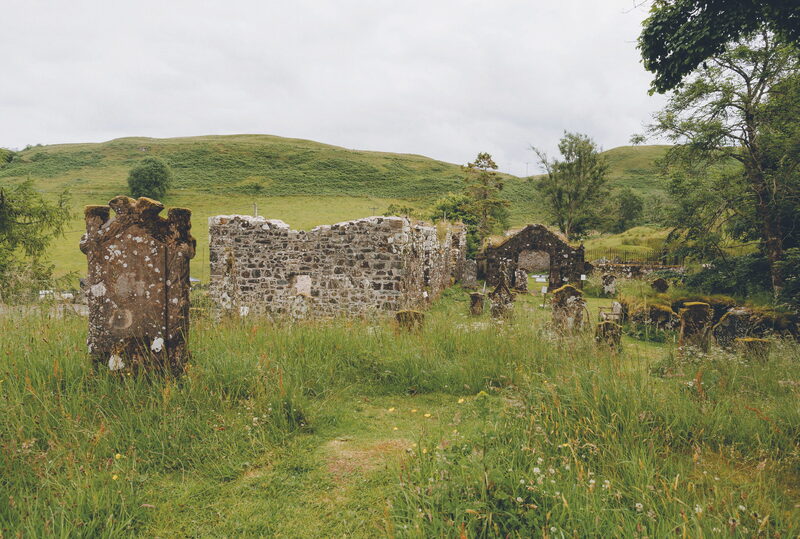 HistoryExploring with an open mind: Historic Kilbride
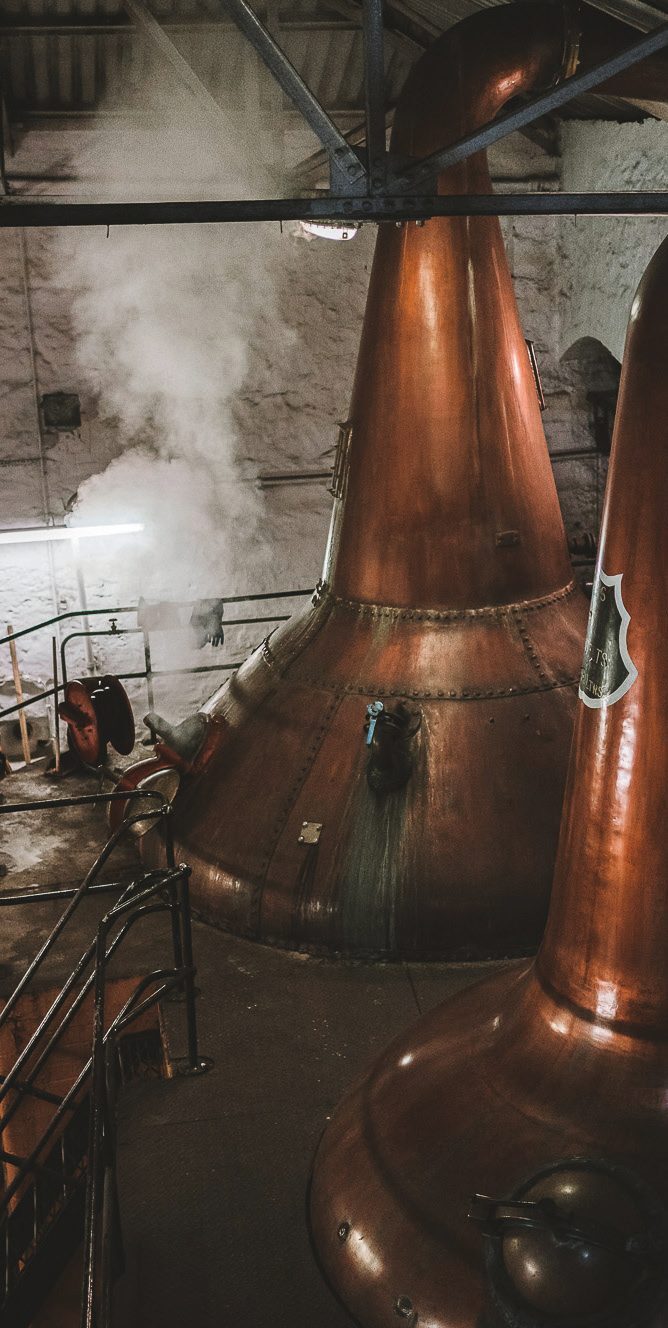 HistoryThe Story of Springbank
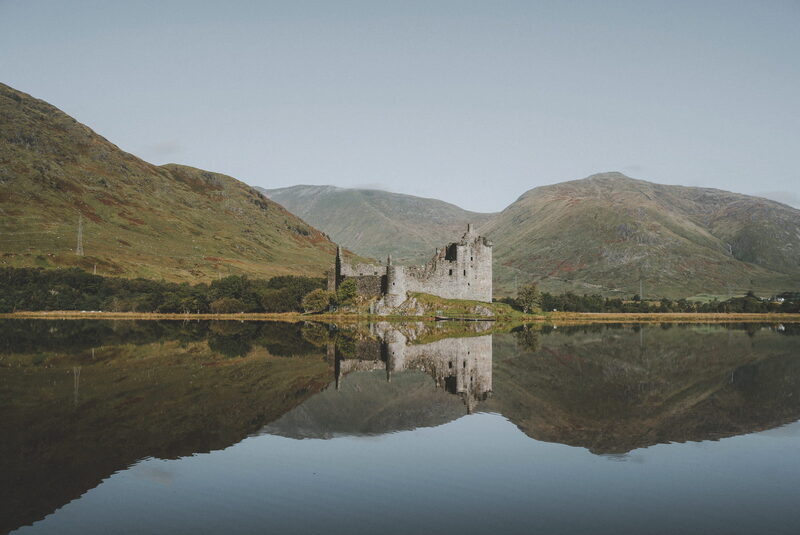 HistoryThe Unmissable Castles of Argyll
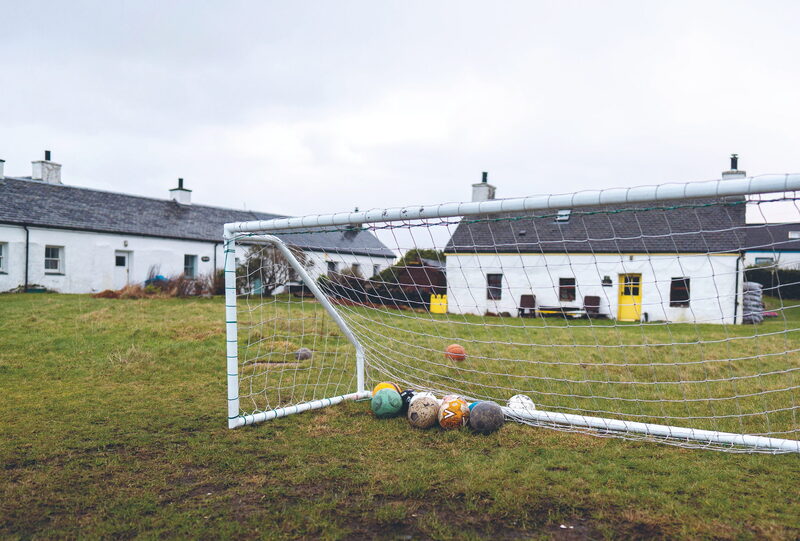 HistoryEasdale the Roof of the World