
The Story of Springbank
Springbank is the oldest independent family-owned distillery in the country, and the only Scottish distillery to complete 100% of the production process on site with human involvement at each and every stage.
-full-1749415774.jpg)
‘Whisky,’ according to George Bernard Shaw, ‘is liquid sunshine.’ In a country that’s famously short of sunny weather, it’s perhaps unsurprising that Scotland has 120 active distilleries, of which Springbank is one of the most highly reputed.
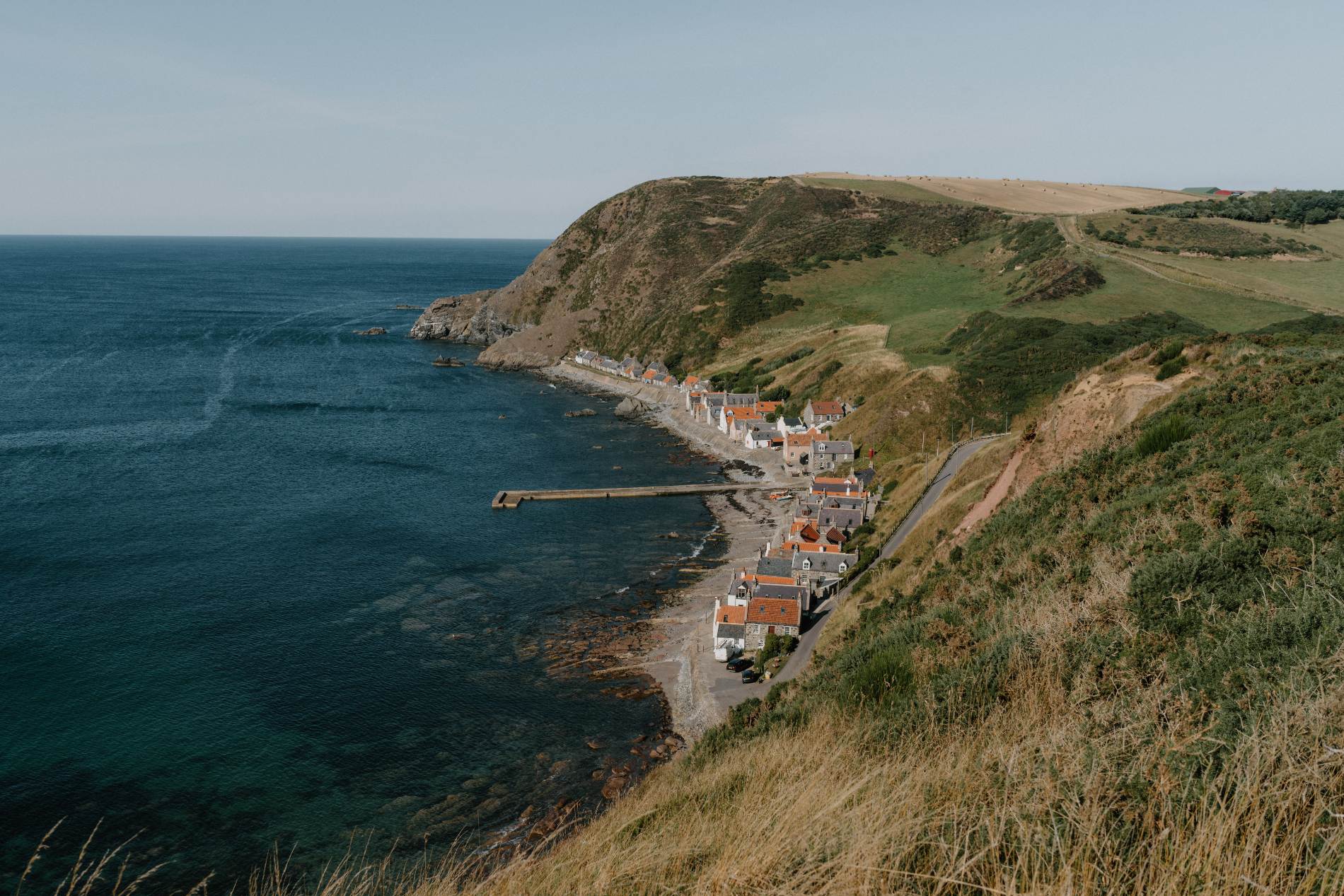
Located on the shores of Campbeltown Loch on the southern flank of the Mull of Kintyre, the Springbank Distillery is one of only three remaining in the town once dubbed ‘the whisky capital of the world’. The oldest independent family run distillery in Scotland, now in its fifth generation of ownership, Springbank is the only producer of malt whisky in the country, where the entire production process is completed on-site from malting to bottling
THE HISTORY OF THE SPRINGBANK DISTILLERY
While the Springbank Distillery was not formally established until the late 1820s, the history of whisky in Campbeltown stretches back further. The first recorded mention of whisky dates from the end of the 16th century and, despite production being illegal at this time, Campbeltown became synonymous with smuggling and unlawful distilling.
Archibald Mitchell and the founding of Springbank
By 1814, 22 distilleries were operating legally around the town and, in 1828, Archibald Mitchell founded Springbank Distillery on the site of an illicit still. Over the next five decades, the Mitchell family, led by Archibald’s sons, John and William, expanded their business, establishing further distilleries at Drumore, Glengyle and Rieclachan; in response to the spiralling demand for malt whisky, Campbeltown’s reputation and wealth surged.
By 1890, the tiny town of only a few thousand people was believed to be the wealthiest in the country.
Economic disaster decimates the industry
As other distilleries employed quicker methods of distilling to meet demand, resulting in a lower quality whisky, and as the effects of recession took hold, producers began to collapse. By 1934, only two distilleries remained in Campbeltown.
Although by the 1970s Springbank was distilling Longrow, an Islay-style single malt, the Mitchell distillery wasn’t immune to the downturn in consumer demand, with production becoming increasingly sporadic until a spike in the popularity of Scotch established Springbank’s global reputation for worldclass malt whisky.
-full-1749415774.jpg)
A global reputation built on excellence
The 1990s saw the launch of a range of high-quality labels, including the newest variety, Hazelburn. With the reacquisition of the Glengyle Distillery, which ceased trading in 1925, and its subsequent rebuild, Campbeltown’s reputation for fine whisky distillation was once again established.
During the 21st century, Springbank has benefited from new warehouses, enabling the distillery to streamline its production and to keep pace with the demand for distinctive Campbeltown Scotch, combatting the challenge of rising costs without compromising on quality.
It remains one of three distilleries that operate in the region and remains the oldest independently owned distillery in Scotland.
PRECISION, PATIENCE AND PRIDE: WHISKY DISTILLING AT SPRINGBANK
Although the first recorded evidence of whisky distilling in Campbeltown appeared in the 1590s, its roots in Scotland date back centuries.
While creating the unique flavours and aromas of Scotch is a precise art that only an expert distiller can truly understand, the basic processes tend to be the same between distilleries and brands:
Malting
Malting, the first step in the process, involves soaking the barley in cold water for two days. Next, it is spread across the floor of the malting house and turned regularly to maintain a consistent temperature and keep barley rootlets from binding together. During this time, enzymes begin the breakdown of starches so they may be effectively converted to sugars later, during the mashing process. While many distilleries have adopted modern methods of malting, the Springbank Distillery retains the malting traditions that have been practised since its foundation in the 19th century. As Nicole, an employee at Springbank explains, “One of the things that makes us stand out is the fact that we malt 100% of the barley on site on old malt floors. It’s about as old school as you get when it comes to whisky distilling in Scotland today.”
Kilning
Both peat and hot air may be used to dry the barley at this stage. The purpose of drying the barley is to halt the germination process whilst preserving the vital enzymes needed to fully convert starches to sugars in the mash. In making peated whiskies, this is where those flavours are introduced. Peat is used to fuel a fire burning below the bed of barley which lies on a perforated floor. As the smoke rises it infuses into the damp grain above and distinctive flavours are carried through into the spirit.
At Springbank the three brands have differing peat levels. Springbank whiskies are lightly peated, Longrows are more heavily peated and Hazelburn is entirely unpeated so only hot air is used to dry the barley when producing it.
-full-1749415774.jpg)
Milling
The milling process is straightforward. The crisp and dry grains are separated from foreign bodies, such as stones, that could damage the equipment, and are milled into grist. The consistency of the grist, which is a careful blend of husk, grit and flour, allows access to the starches held inside the grain, previously protected and stored beneath the hard husk of the grain.
Mashing
Once milled, the malt is mixed with hot water to extract sugars and starch. The grist particles absorb water, and enzymes are reactivated that begin the complete conversion of starches to sugars. These sugars dissolve into the water to produce a sweet liquid known as the wort.
Fermentation
In simple terms, fermentation is the stage of the process when the alcohol is created. The grainy, sugary water (the wort) created by mashing has yeast added, converting the fermentable sugars to alcohol. At Springbank the fermentation is quite long to create a wash (like a beer), that has fruity characteristics. This wash at the completion of the 110 hour fermentation will be around 4.5%abv.
-full-1749415774.jpg)
Maturation
By law, Scottish whisky must be matured for at least three years in oak casks, although some brands have been matured for decades. The key to successful maturation is the cask: once bottled, whisky will no longer improve, unlike in oak casks where the process of improvement is virtually timeless. At Springbank 100% of the whisky is matured on site in Campbeltown. One factor affecting the rate of maturation is the weather. Scotland’s cooler climate means whisky matures more slowly than in warmer temperatures. Also, Scotch is always matured in older, second-hand casks, which slows down the process. At Springbank, maturation ranges from 10 to 25 years for the current core range. However, older limited editions have been released in the past and will be released in the future.
Bottling and Labelling It is what it says on the… bottle!
whis
Springbank is, uniquely, the only distillery in Scotland that carries out the entire production of its whiskies onsite from malting to bottling, offering unparalleled quality control and the benefit of centuries of expertise to create the perfect dram.
Springbank Distillery’s current range includes; Springbank, Longrow and Hazelburn.
Springbank Distillery also produces limited edition whiskies from locally grown barley each year, capturing the flavour and essence of the Mull of Kintyre that simply isn’t replicated elsewhere, creating some of the most sought-after whiskies in the world.
JOURNEY THROUGH SPRINGBANK’S HISTORY OF WHISKY PRODUCTION
A visit to western Scotland isn’t complete without a tour of the Springbank Distillery in Campbeltown. Here you can witness the centuries-old tradition in full swing, with knowledgeable staff taking you on an educational and historical journey from the foundation of the distillery to the modern day.
With a chance to view every stage of the process and, of course, savour a dram of one of Springbank’s core whiskies, it’s the perfect way to immerse yourself in one of Scotland’s most famous specialities.
Photography by Sam Rogers
2-full-1749415774.jpg)
-full-1749415774.jpg)
Promoted Post
Eagle Brae
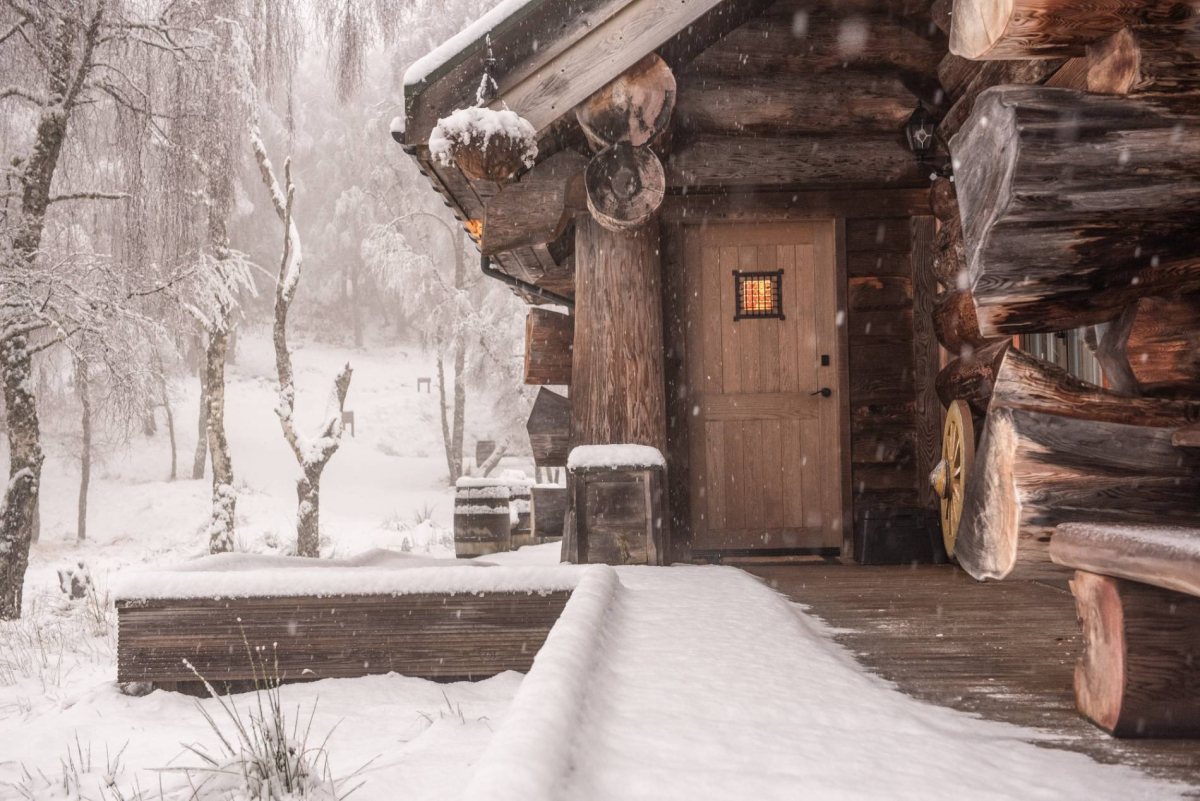
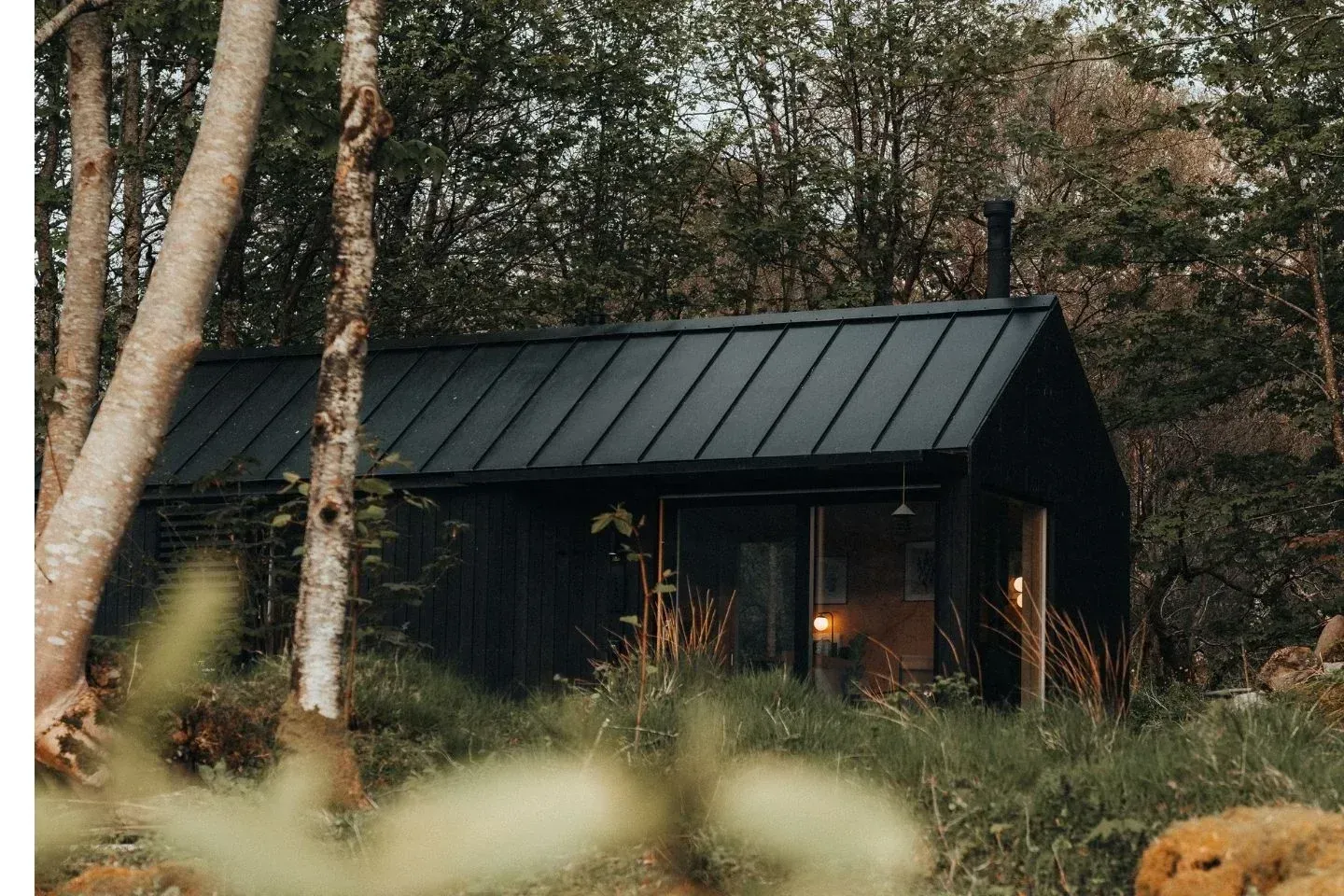
Escape to Eagle Brae, a secluded collection of Highland log cabins near Beauly. Handcrafted cedar, big skies, and deer on the hillside, with a fireside welcome that makes it easy to slow down.
-full-1749367171.jpg)
-full-1749245005.jpg)






 Sign in with Google
 Sign in with Email