Kilmartin Glen
Scotland’s vast history and changing landscapes are vibrant and alive. The natural world creates a sense of time and place that connects us in the here and now to the centuries which have passed. This connection between the land and its history has been here for millennia.

Arguably, there is no greater example of this than in Kilmartin Glen. Located in Argyll on Scotland’s west coast, Kilmartin Glen is one of the most archaeologically rich locations in Europe. There are over 800 sites of archaeological significance within this localised area, with approximately 150 of these being prehistoric. The sheer amount of Neolithic and Bronze Age activity in Kilmartin Glen is the highest concentration of such in mainland Scotland. This is a truly ancient landscape where communities have lived from and contributed to the land for thousands upon thousands of years.
Landscapes of Ritual and Authority
In the southern section of Kilmartin Glen, perched on the periphery of the Mòine Mhór—one of Europe’s most important habitats—is Dunadd Fort. Long before the concept of a ‘Scotland’, this hillfort was the centre of the kingdom of Dàl Riata from c.500AD to c.800AD. Dàl Riata encapsulated much of Scotland’s west coast and islands, with its capital at Dunadd following in the footsteps of the Neolithic and Bronze Age communities who had left their mark in Kilmartin Glen. Dunadd’s position atop a rocky outcrop, rising from the flats of the glen and the Mòine Mhór, is a perfect demonstration of the historic importance in utilising the natural landscape to project authority. Geographical advantages, such as points of elevation and the presence of pre-existing monuments erected by ancestral communities, were used tactically as symbols of power. However, Kilmartin Glen’s landscape was not merely a tool used by humans. The very land on which prehistoric communities settled was the cause and influence of the ritualistic and spiritual choices in the construction of their monuments. Glacial activity carved out Kilmartin Glen, and the flowing water and rising sea levels which followed the melted ice altered the landscape. As the increase of water led to the development of the Mòine Mhór peatland in the south of the glen, the rest was defined by the path of its rivers. It was around these drastic changes and patterns of water that the communities of Kilmartin Glen established their monuments thousands of years ago. The landscape influenced prehistoric communities, who in return would use the landscape to project and establish authority.
A Creative Community
Kilmartin Glen’s landscape was not just a territorial benefit for prehistoric communities; it was and remains a creative inspiration. From the southern section of the glen at Dunadd Fort to the Neolithic and Bronze Age standing stones and burial cairns, evidence of creativity has survived the passage of time. Decorative ring and cup marks can be seen on the stones and cairns of the glen, while in 2021 it was announced that remarkable animal carvings had been discovered in Dunchraigaig Cairn. These dated to the Neolithic or Bronze Age, and thus are the very first of their kind to be discovered in Scotland. At Dunadd Fort, more cup and ring marks and animal carvings can be found, in addition to the iconic footprint in the stone near the summit of the hillfort. Evidence of jewellery making, using expensive metals, has been found at this site in addition to an early form of writing known as the Ogham script. Clearly, Kilmartin Glen was alive with creativity and expression across the centuries.

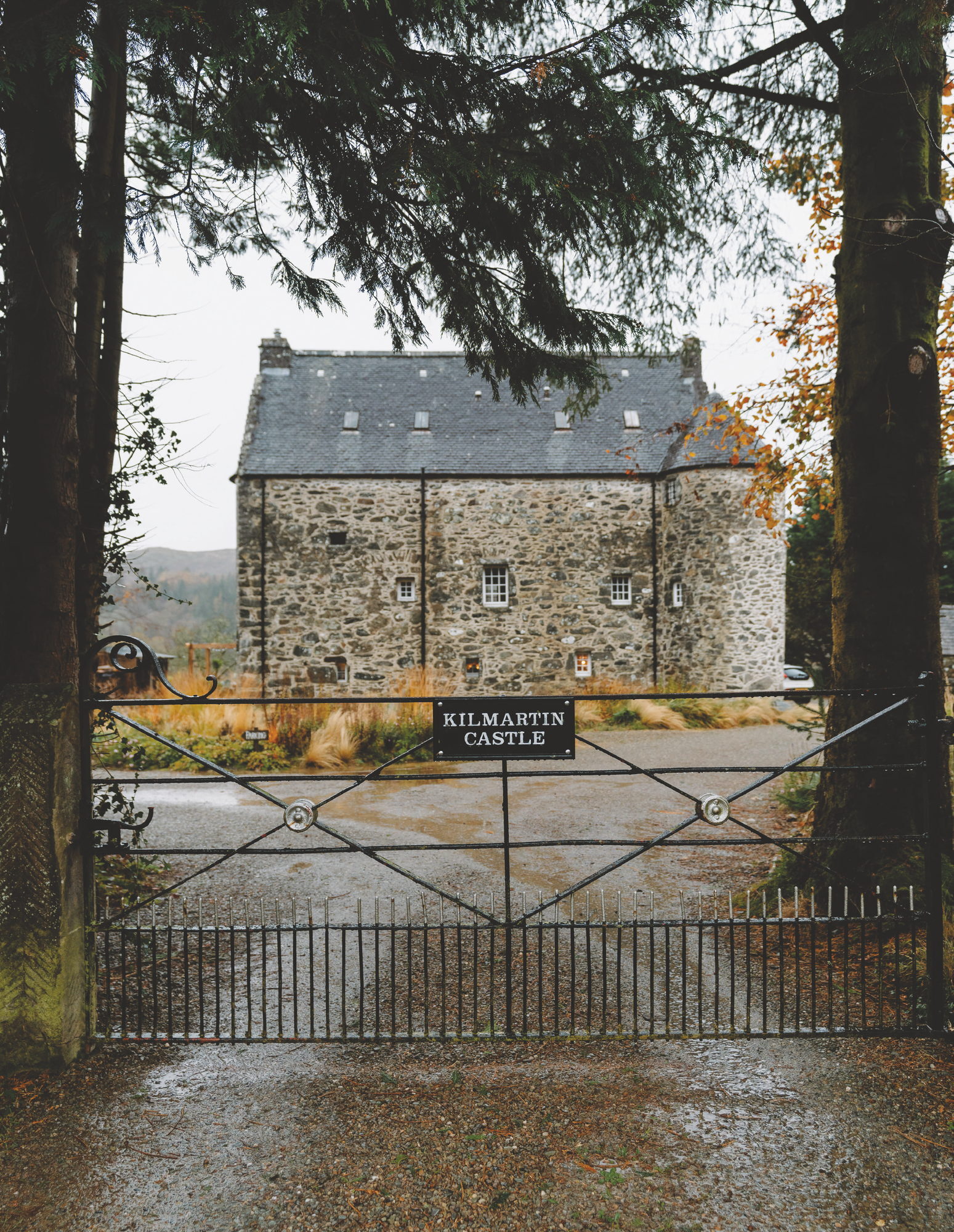
Kilmartin Castle

Simon Hunt
Today, the glen continues to be a source of inspiration for creative people. In 2015, Stef Burgon and Simon Hunt purchased the 16th century Kilmartin Castle, which had seen a brief stint as a family home after being abandoned to ruin in 1790 for two hundred years. Over the next few years, Stef and Simon transformed the castle into an incredible luxury accommodation destination, bringing creativity to the rescue of this magnificent heritage site. The creativity of Kilmartin Glen still captures Simon’s heart: “One thing I’ve noticed since moving here, that I’m so excited about, is the hugely apparent long-spanning gravitational pull that Kilmartin Glen has possessed over creative people for a myriad. Fast forward to the present day and this same creative magnetism is still in full force, luring creative folk here from all corners of the world.” Indeed, Kilmartin Castle today welcomes visitors from all over the world to experience staying in the castle and immersing themselves in the magic of the Glen.
The evidence of Kilmartin’s continuing creative magnetism can also be found at Kilmartin Museum. Kilmartin Glen’s heritage has been protected by the museum since its foundation in 1997 by Rachel Butter and David Clough. As “custodians of the glen”, the team at Kilmartin Museum passionately follow their mission statement: “to inspire and educate people by interpreting, explaining, and conserving the internationally important archaeological landscape, artefacts, and natural heritage of Kilmartin Glen”. The redevelopment of the museum, completed with its grand reopening in September 2023, has further fulfilled this mission.
In addition to caring for approximately 22,000 artefactsfrom the glen and the wider Argyll region, the museumpartners with local artists to create work representing thesurrounding area and its history. At present, the museumhosts a temporary exhibition, Carbon Legacy, from localartist Lizzie Rose, whose featured work draws directly fromthe Neolithic monuments in Kilmartin Glen. Workshops arealso held at the museum by local artisans, where the publiccan learn skills such as bronze casting and willow work.The thriving creativity in the modern-day communityof Kilmartin Glen comes full circle back to those firstcommunities and expressions of artistry which have stoodthe test of time.

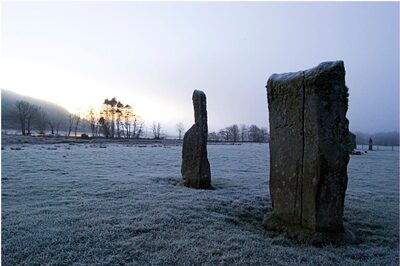
Nether Largie Standing Stones
This creative circle represents the core aim of Kilmartin Museum to connect people to the glen’s incredible heritage by bringing past and present-day communities together. Such a community-centric approach is pursued by the museum’s hosting of various events and learning opportunities, including free guided walks of the glen and activities in the museum’s new Learning Centre. Kilmartin Museum also recognises that the very landscape of Kilmartin Glen can be an obstacle for some, such as those unable to travel to this relatively remote area of Scotland. As such, it ensures that its role in promoting and protecting the glen is not restricted to the local community of Kilmartin alone. Kilmartin Museum takes itself to wider communities through a variety of means, working with schools and remote communities to share the inspiring archaeology, creativity and landscape of Kilmartin Glen with the wider Argyll area and beyond.

KEY PLACES OF INTEREST:
Mòine Mhór Nature Reserve
Kilmartin Museum
Kilmartin Castle
Dunadd Fort
Carnasserie Castle
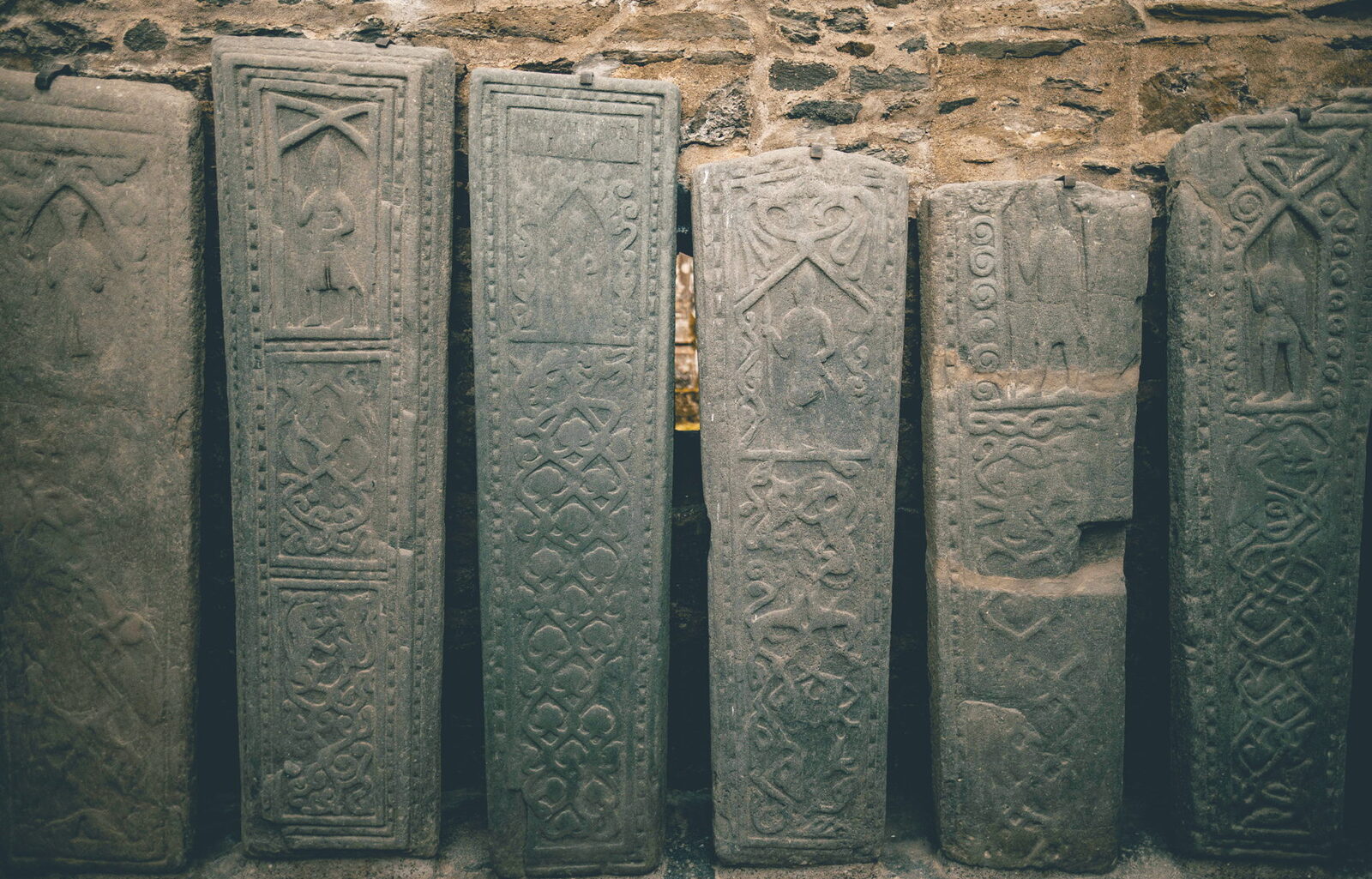
Kilmartin Parish Church and Stones
Neolithic and Bronze Age Sites:
Temple Wood Stone Circle
Ballymeanoch Standing Stones
Nether Largie Standing Stones
Linear cemetery of burial cairns:
Glebe Cairn,Nether Largie South Cairn, NetherLargie Mid Cairn, Nether Largie South Cairn,Ri Cruin Cairn
Dunchraigaig Cairn and Carvings
Promoted Post
The Coach House
This former toll house and resting/stabling place sits beside the original Bridge of Dye built in 1680.


Sign in with Google
Sign in with Email