
Curating Scotland’s Bothy Culture
Simple shelters in secluded places. Kat Hill’s book ‘Bothy’ weaves visitors’ stories with her own, creating a new anthology of this unique part of Scotland’s outdoors.
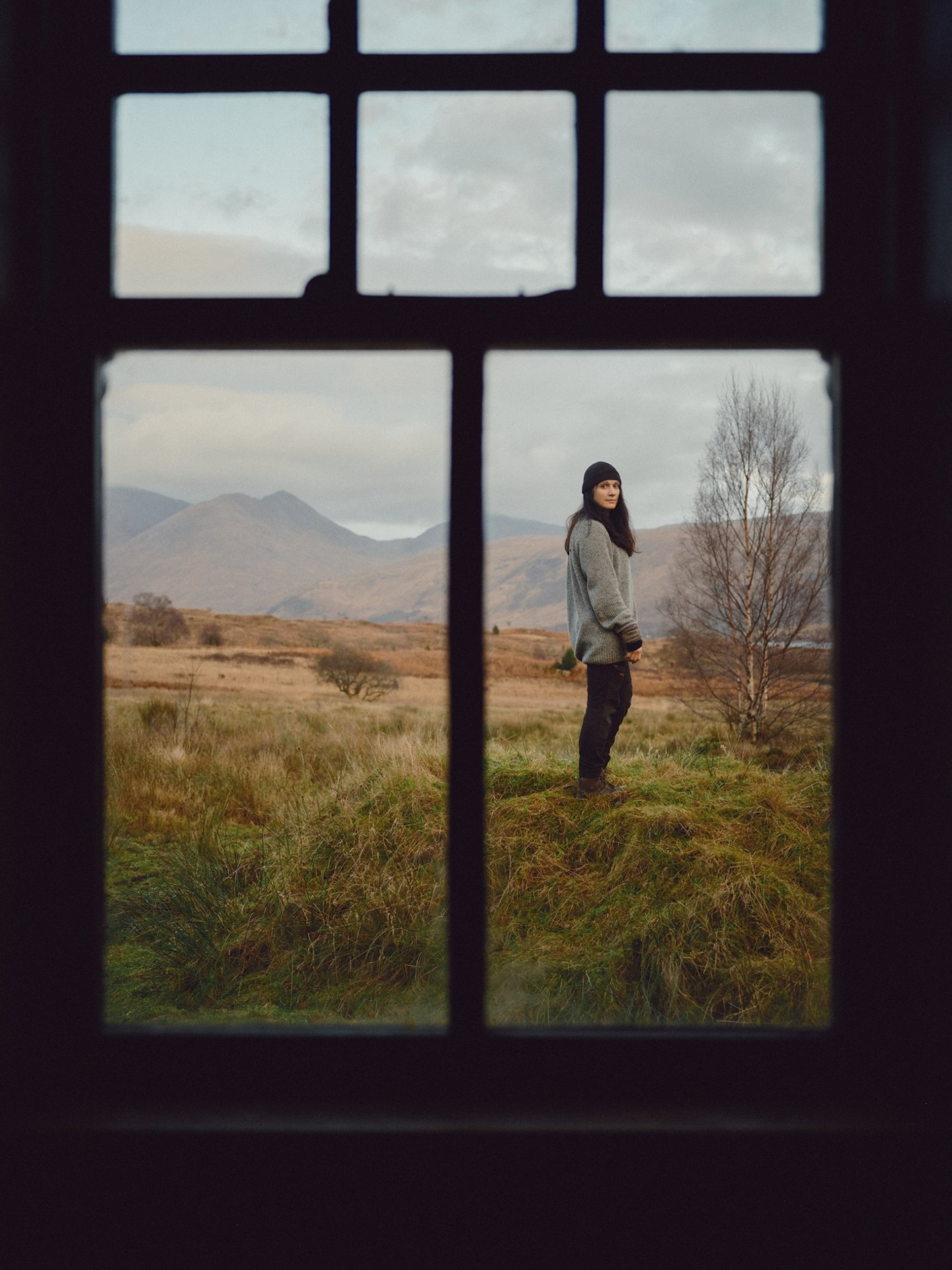
Hi Kat! Tell readers a bit about you, in your own words.
I’m a writer and researcher based on Skye, interested in themes of place and belonging. For years I worked as an academic historian focused on pre-modern religious communities. But I left academia and shifted my focus to the environment, though I still teach, write, and research. I’m also a community engagement coordinator for Highlands Rewilding, working with rural Scottish communities to understand how nature restoration intersects with human lives. Otherwise, I’m swimming in the sea, adding to my rock and bone collection, or reading books.
How did the idea for ‘Bothy’ come about?
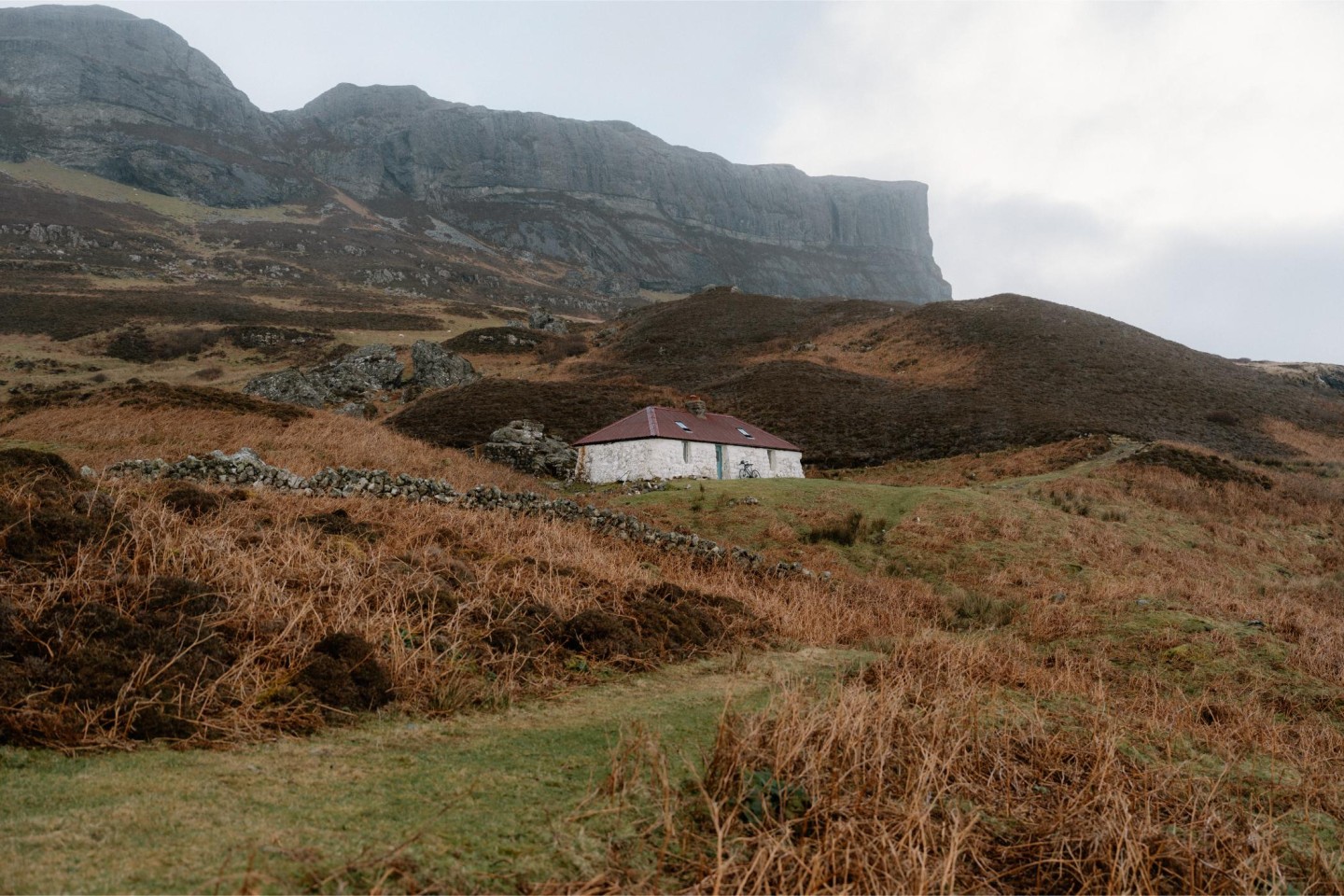
I’ve a clear memory of my first trip to Cadderlie bothy, walking along Loch Etive beneath wet trees and hazy sun. The smells and signs inside: smoke, socks, dogs, people. Penning something about the Scottish environment was always a possibility. But I didn’t know how I could anchor a project around a theme that united my interests. It wasn’t until I opened the bothy’s visitor book that I got a sense of the rich material it might provide — drawings, confessions, poems — and that there was something here.
How did your background as a historian shape your research?
Aside from palaeography (reading old handwriting), my academic training brought a sensitivity to the material. How ordinary people write, what they say, what they don’t. At other times, the training was difficult to shake. It was about finding a different writing style that invited readers in. But finding these old and unique bothy books in Scotland’s archives was incredible, and if you speak to most historians, the practical work is the thing they love.
What in the archives struck you most?
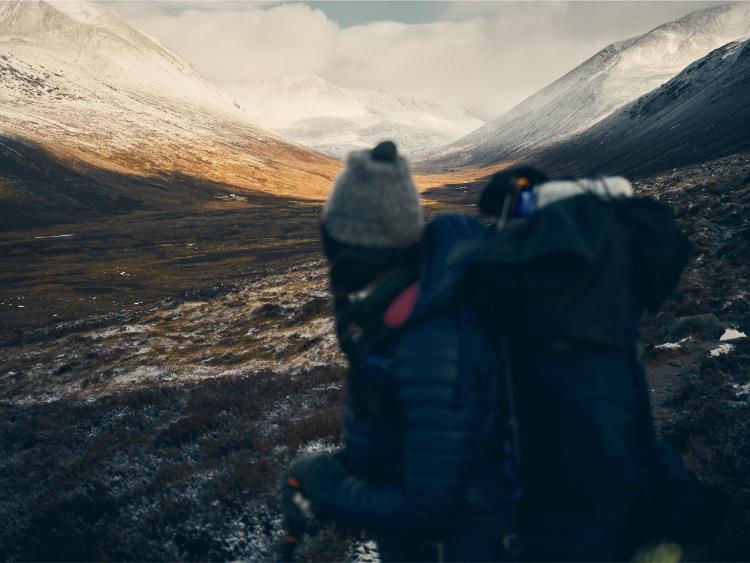
I was drawn to the 1920s and 1930s as it’s a poignant time to think about youthful freedom in the mountains. There’s such joy on the page. Then references to the war creep in. People talk about conflict and military service, and during the war, the books are full of hopeful wishes for safe return and peace.
Why do you think bothying has remained so appealing for so many years?
I’m careful to resist the idea that retreating into nature is an easy fix to the stresses of the modern world. It’s not that straightforward. But bothies are places of refuge, literal and metaphorical, in stunning landscapes. Because they’re free and unlocked, they provide a tantalising possibility of escaping to the wild, whether you’ve planned it or have funds to hand. The route past lochs or mountains is itself part of the act of retreating. And because there’s no running water or electricity, the bothy demands care from you, and I think people find that soothing.
You explore many contradictions in the book. One is the idea of ‘wilderness’ in the age of the internet. How do you feel about this now?
Wilderness remains for me a problematic term when describing these environments. It has connotations of untouched nature and pristine landscapes. As a historian, it also makes me think of darker associations. But I would argue against dispensing with notions of wildness altogether. There’s something essential in the connection with the non-human world which we can all feel. These questions aren’t simple. We don’t have to have the answers. But an awareness of these tensions can help us develop more considered relationships with places.
What have bothies meant to you personally?
Beyond the environments, which never fail to make me joyous, I love two things. First, the practicality of bothy life, which soothes my anxious brain. Second, that freeing anonymity. Strangers in the bothy know nothing about you. It’s a chance to present yourself anew, cast off the baggage of past and present. What’s special about bothies is they don’t prescribe what type of retreat you might seek or find. They wait unlocked.
What does your next chapter look like?
I like being busy, so I’m working on new things already. This year I’m off to Princeton for a fellowship to research and write for three months. My partner (who’s a photographer) and I are working on a bigger project on places of transient shelter around the world. Work aside, trying to get some downtime on Skye! Decorating, gardening, and building a life takes time too. I’m embracing and enjoying that.
Thank you, Kat!
Promoted Post
The Scullery
Tucked away in the heart of the Yarrow Valley, The Scullery is a one-bedroom boutique hideaway, eloquently designed for comfort, calm, and connection. Whether you’re escaping the city or craving a countryside reset, this is your space to slow down and just be.
-listable-carousel-1769292770.jpg)
-full-1749415774.jpg)
-full-1749367171.jpg)
-full-1749245005.jpg)





 Sign in with Google
 Sign in with Email