
The Unmissable Castles of Argyll
To understand the world that many of Argyll’s castles operated within, it is necessary to completely change how we view Scotland. Often, Argyll and the Isles are spoken of with words like ‘remote’, ‘wild’, and ‘peripheral’. Indeed, in a world dominated by overland transport, that may appear to be the case.
Written by David C. Weinczok
-full-1749367171.jpg)
Now, imagine that all of Scotland’s tarmac roads and railways have vanished. That was life before the Industrial Revolution. Suddenly, the logic is entirely flipped. In such a world, waterways are not barriers but arteries connecting Scotland’s west coast to the rest of Britain, Ireland, Scandinavia, Northern Europe, and far beyond.
The possibilities for trade, diplomacy, and conquest for a chieftain with several longships on the Isle of Mull would have been the envy of mainland lords, whose journeys were slower, less efficient, and more perilous by far. Look at Scotland this way, and the ‘periphery’ becomes a staging ground from which its inhabitants were launched into a vast, international seaborne network.
For this reason, many Argyll castles fall within the category of ‘galley castles’ built to provide safe anchorage and take advantage of the high-speed world of waterways. Such access brought not only riches, but ideas and fashions, too. This is why Argyll is home to some of Scotland’s oldest stone-built castles, as architectural developments from far afield could be adapted to local places of strength.
Many galley castles were built on sites of ancient fortifications dating back to the Iron Age or even earlier - a statement of continuity stretching back centuries before written records began. To visit the castles of Argyll, especially coastal Argyll, is therefore to glimpse into a time when Scotland itself was taking shape: when Vikings clashed with Gaels; when Highlands and Lowlands became distinct spheres of culture, language, and lifestyles; and when power was measured not in knights and cannons, but in longships and castles - a synthesis of stone and ships like no other in the British Isles.
This is a journey to some of the most evocative castles from that world. It is far from comprehensive, with nearly 100 castles of all styles and sizes dotting mainland Argyll and the Isles. These are, however, the ones that inspire the greatest awe and linger most clearly in the memory long after setting foot in and around them.
Castle Stalker
The innumerable tiny islands that dot Scotland’s coasts and lochs have been used as residences and refuges for millennia. Many early Christian monks made their hermitages upon them, and later castle builders could attain the ultimate solitude by using them as their foundations. Such was the case with Castle Stalker, built upon what is little more than a jut of rock astride Loch Linnhe. Both a historian and photographer’s paradise, Castle Stalker - from Gaelic Stalcaire, meaning hunter or falconer - began as a castle of the regionally dominant MacDougalls. In 1388 the Lordship of Lorn passed to the Stewarts, and it was likely John Stewart who built the present castle sometime in the mid-15th century. King James IV, who fell at the Battle of Flodden in 1513, was a regular visitor - the Stewarts of Appin were his cousins, after all - and his frequent hunting expeditions in the area are possibly the source of the castle’s evocative name. Like Doune Castle near Stirling, Castle Stalker attained international stardom when it appeared in Monty Python and the Holy Grail. The phenomenon of people visiting Scotland’s castles because of pop culture is not unique to the modern era. Shakespeare’s MacBeth made Cawdor Castle and Glamis Castle into household names (despite there being no historical connection to MacBeth!), and Walter Scott’s Romantic novels spurred droves of Victorian tourists to the Highlands to revel in the glamourised landscapes of his works. Castle Stalker combines this stardom with magnificent mountain scenery, and is rightly regarded as a must-see location on any visit to the area.
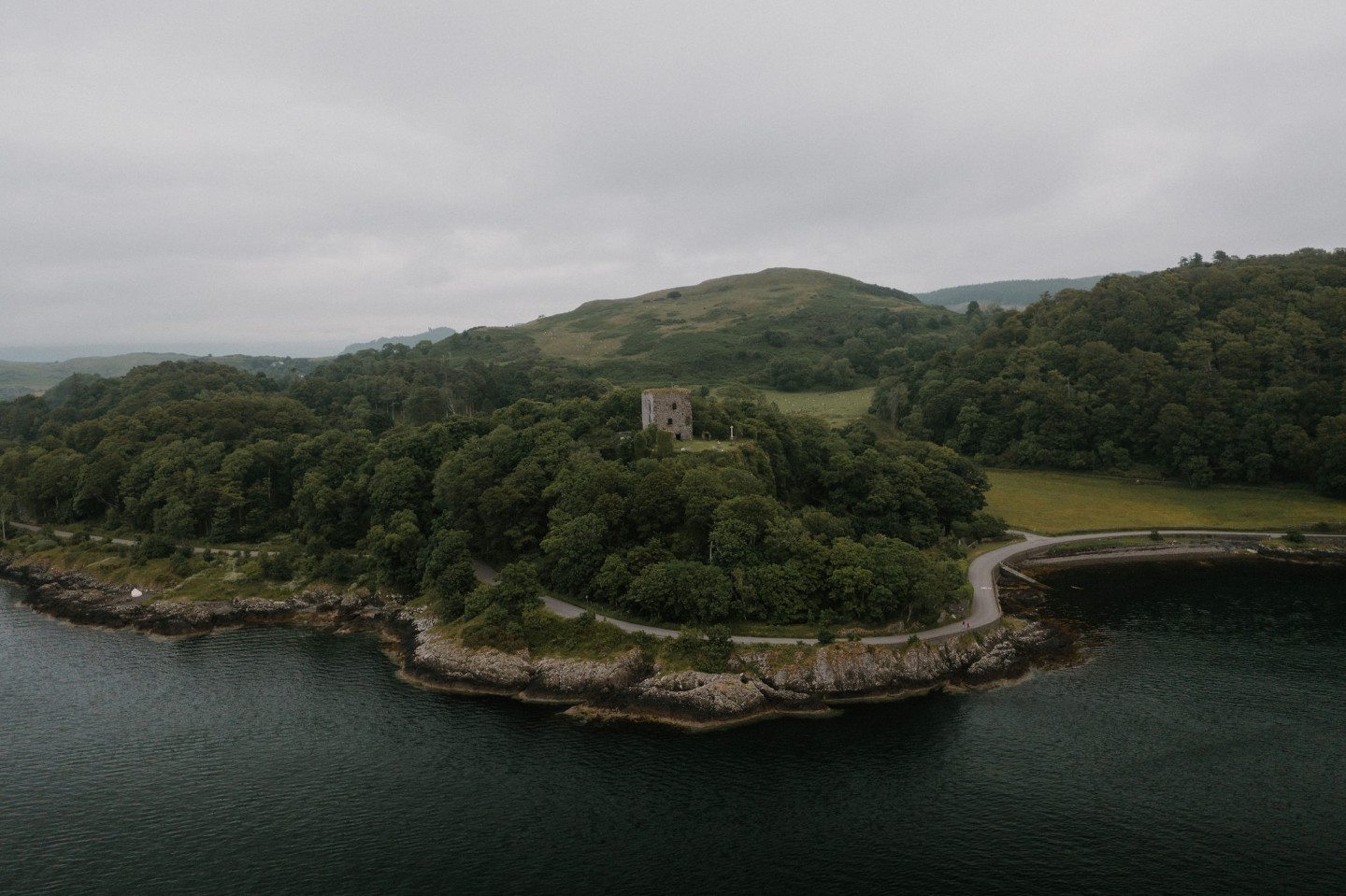
Dunollie Castle
If Oban is the gateway to the Isles, then Dunollie Castle is the gatekeeper. Standing atop a promontory overlooking Oban Bay, Dunollie Castle - overgrown with vines so as to partially fuse with the surrounding greenery - was the oldest and most revered seat of Clan MacDougall. The site has been fortified since at least 700AD when it was a part of the Scots Kingdom of Dál Riata. It was temporarily lost by the MacDougalls when they supported the cause of John Comyn rather than that of Robert the Bruce, who wrought furious vengeance against them by laying siege to their many local castles.
Carved on a stone near the base of the tower is a war galley, the symbol of Clan MacDougall and the key to power on the western seaboard. Such galleys connected the MacDougalls to their other strongholds in the area, including Dunstaffnage, Gylen, and Coeffin.
Standing in a field just south of the castle is the Dog Stone, a 400-million-year-old rock pillar. Gaelic lore tells of how the giant Fingal tied his great hound to this stone before going to hunt in Ireland, and the hound’s anxiousness drove it to run around in circles. The rope bit into the stone, causing it to take on its unusual tapered shape. In fact it was erosion from the prehistoric tides that caused this, but the account of Fingal’s hound is just one of many examples of local legends making for a far better story
Kilchurn Castle
Kilchurn Castle has joined the ranks of Scotland’s most iconic and oft-photographed castles, alongside Edinburgh Castle and Eilean Donan Castle - and with very good reason. Astride the northern banks of Loch Awe in the shadow of Ben Cruachan, Kilchurn seems purposely cited for maximum impact. In a way, it was. Colin Campbell, first Lord of Glenorchy, established it in the 1450s as a testament to the rising power of Clan Campbell. It is well worth taking in the castle from all angles, as from each perspective it appears to take on wholly new forms.
In the late 17th century when gunpowder weapons well and truly dominated European battlefields, the Campbells converted Kilchurn into a sort of castle-cum-barracks suitable for housing 200 troops, giving it a claim to being the oldest purpose-built barracks in Britain. Not long afterwards the fortress at Fort William - hence the name - was constructed, rendering Kilchurn’s function as a barracks moot. It was struck by lightning and extensively damaged in the 1760s, from which time it has stood as a romantic ruin and a muse for artists and poets such as J M W Turner, who also painted Gylen Castle in 1831, and William Wordsworth.
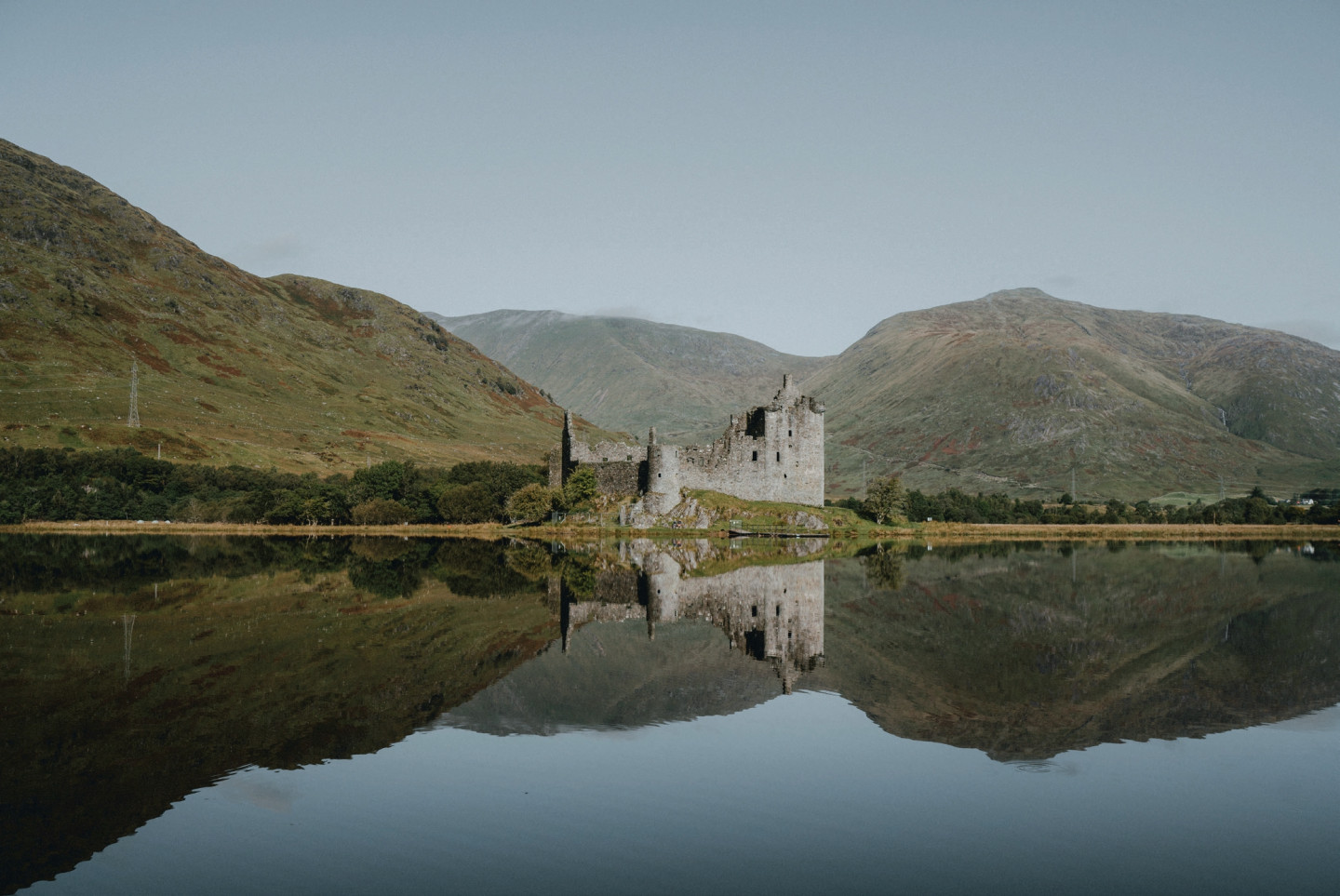
Kilchurn Castle by Simon Hird: simonhird.com - Instagram: @simonhird
Gylen Castle
Like something straight out of a child’s storybook, the rake-thin tower of Gylen Castle stands precipitously on a cliff’s edge looking as though a gust of wind could carry it away. This 16th-century tower is the climax of a visit to the Isle of Kerrera, an eccentrically artistic island community that is all too easily missed by visitors to the bustling harbour of Oban.
From its walls you can survey a vast swathe of the coast, with the Paps of Jura visible on a clear day to the south, the mountains of Mull looming near to the west, and the entrancing shoreline of mainland Argyll meandering across the narrow Sound of Kerrera to the east. It takes around an hour to reach the castle on foot from where the tiny ferry disembarks on the island, and every step of that journey is a delight.
Gylen Castle was built by Duncan MacDougall in the late 16th century, but it was only occupied for around 70 years before coming to a bloody end. The MacDougalls supported the Royalist cause during the Wars of the Three Kingdoms, and Gylen was besieged by their Covenanter foes. Fearing a similar fate to the Royalists massacred at Dunaverty Castle not long before, the MacDougalls surrendered - but did not escape the sword. Only John MacDougall, a child, was spared, with the rest of his kin executed and the castle set ablaze. Its peaceful solitude today could not stand in greater contrast to the event which marked this castle’s destruction.
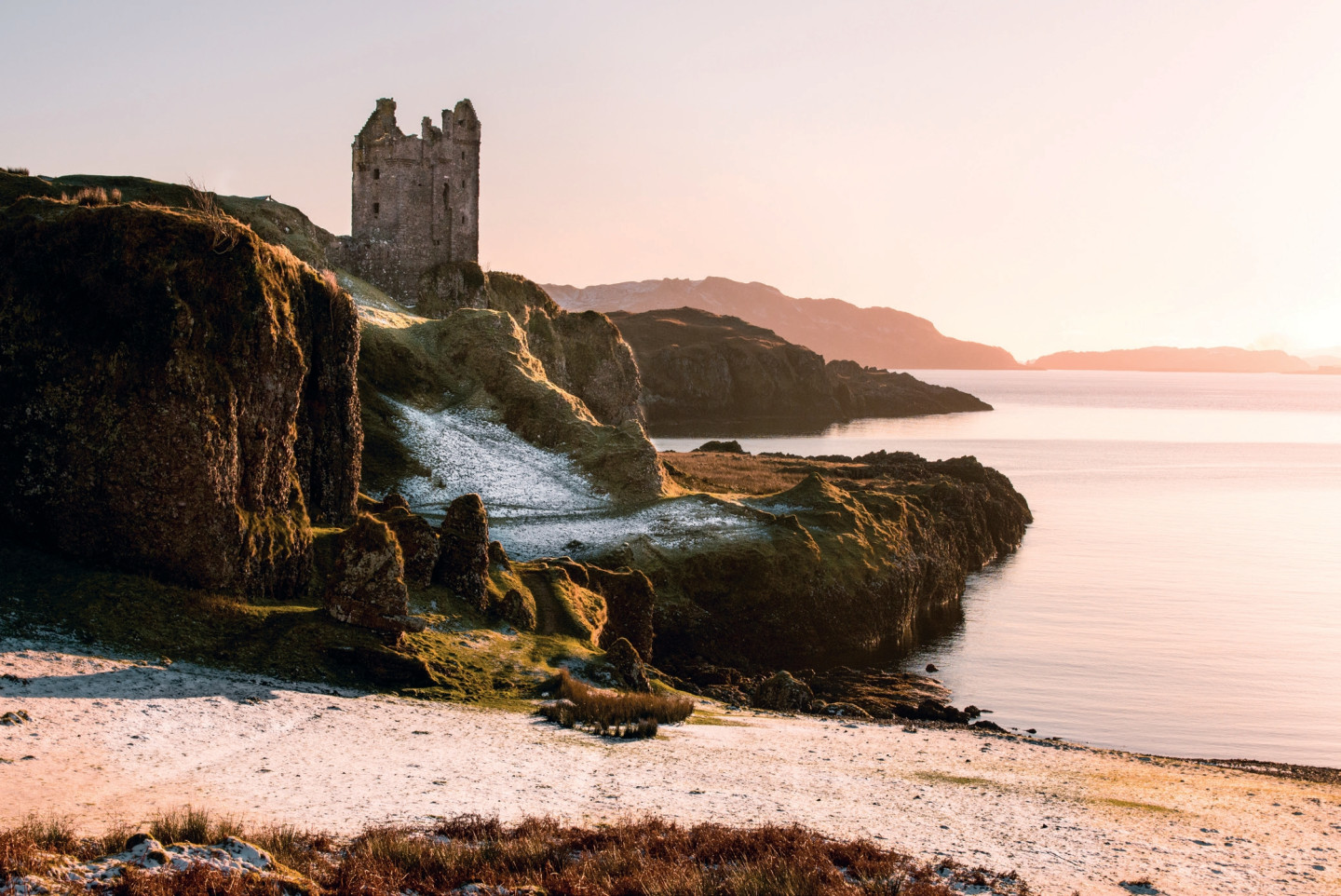
Gylen Castle by Gordon Cook: Instagram: @gord.cook
Rothesay Castle
The only circular castle in Scotland, Rothesay Castle was built in the early thirteenth century when the Firth of Clyde was a battleground between the Kingdom of Scots and the Kingdom of Norway. It was established by the mighty Stewarts, who went on to found the Stewart Dynasty. In 1230 they were besieged at Rothesay by a Norse army under Uspak, King of the Isles and Man. The sagas tell of how the Norse cleaved through the very walls with their great axes, which if true must have been a terrifying prospect for the defenders! Rothesay Castle passed back and forth between the two kingdoms several times before the Norse were permanently driven away at the Battle of Largs in 1263.
Rothesay became a favourite residence of Robert II, who had vast quantities of wine delivered there. That is not to say it was entirely safe - the Lords of the Isles, Oliver Cromwell, and the Earl of Argyll all assailed the castle in subsequent centuries, at last turning it into the ruinous shell we see today. Do not miss visiting the adjacent Bute Museum, an invaluable resource for learning Bute’s history. The island is also home to several other castles, including Kames Castle, Wester Kames Castle, Kelspoke Castle and Kilmory Castle.
Duart Castle
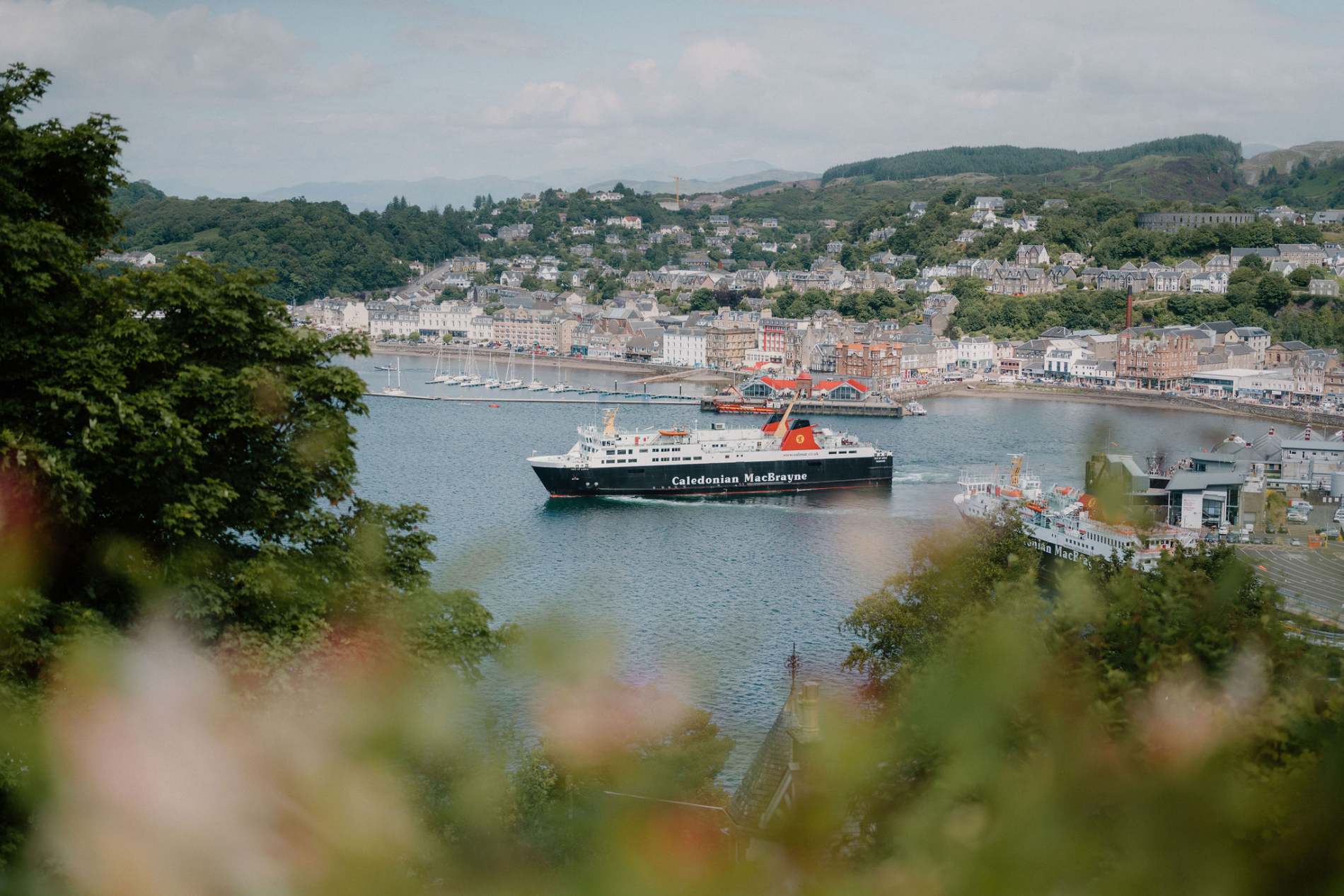
It is one of the most unforgettable visions from any journey to the west. As the ferry from Oban to Craignure on Mull nears its destination, a great castle, perched like an eagle atop a high cliff, slowly comes into view. This is Duart Castle, seat of the MacLeans of Duart and perhaps the single most impressive castle in all of Argyll.
The name Duart comes from the Gaelic Dubh Ard, meaning ‘black point’. There is plenty of lore to match this dramatic name. It is said that when a MacLean of Duart nears death, a headless rider gallops across the peninsula in sight of the castle to foretell of their passing. Its historical record is no less intriguing. The MacLeans claim lineage to the 13th-century warrior Gillean of the Battle-Axe, and throughout the Middle Ages they were deeply involved in clan rivalries and the expansion of the autonomous realm of the Lordship of the Isles, whose power stretched from the southern tip of Kintyre in the south to the Butt of Lewis in the north. About one third of what is now called Scotland was held under their sway.
Like the world-famous Eilean Donan Castle, Duart was wholly rebuilt from scant ruins in the early 20th century during a wave of international enthusiasm for restoring the seats of Scotland’s clans. It once again serves as the spiritual home of Clan MacLean, and is long overdue a space in the spotlight among Scotland’s most iconic castles.
-full-1749335446.jpg)
Fact
Excluding castles which have been converted beyond recognition or destroyed altogether, we can say that there are at least 2,000 castles in Scotland.
Breachacha Castle
Perhaps the most unusual castle on this list, Breachacha is the sole castle on the Isle of Coll. Its white harling, block-like shape and mismatched corner towers make it resemble a sandcastle built from the contents of the adjacent beach. There is something almost Brutalist in its design, though the castle predates that architectural movement by more than 500 years.
Modern visitors are not the only ones to remark on its peculiarity. Samuel Johnson and James Boswell spent a significant amount of time as guests of Breachacha’s MacLean laird during their travels through the Highlands and Hebrides in 1773. In addition to noting the ‘immense thickness’ of the walls, Boswell remarked that the castle was “very inconveniently arranged”, full of corridors that led him round in circles and windows which seemed to exclude rather than let in light.
Perhaps partly for this reason, a newer Breachacha House was built very close to it in the mid-18th century. Ironically the newer ‘castle’ is up for sale and badly in need of repair, while the old castle is still inhabited. Interior tours are only possible by prior communication, which most any islander is able to facilitate given the tight-knit nature of the community.
Castle Coeffin
There is something undeniably fantastical about Castle Coeffin on the Isle of Lismore. Though modest in size, its ivy-clad ruins resemble an eldritch crown, or perhaps the clenching fist of a titan rising up from the very earth. In fact, Coeffin was a hall-house of the kind found throughout the Norse-Gaelic realm of the Isles. With walls eight feet thick and a sheer drop on all sides, Coeffin was a formidable watchman along the busy intersection of the Firth of Lorn and Loch Linnhe.
Lismore was once the meeting place for the great lords of the west, ideally situated between the lands of Appin, Morvern, Mull and the Great Glen. St Moluag’s Cathedral once stood on the island, and the mighty walls of Tirefour Broch still dominate its eastern shores. Castle Coeffin started as yet another MacDougall stronghold, though it eventually passed to Colin Campbell of Glenorchy, builder of Kilchurn Castle. For reasons unknown, it was not inhabited beyond the Middle Ages and the site was left to be plundered and eroded by nature and man alike. Take care if you visit, for a misplaced step could easily result in a fall and damage to this remarkable ruin.
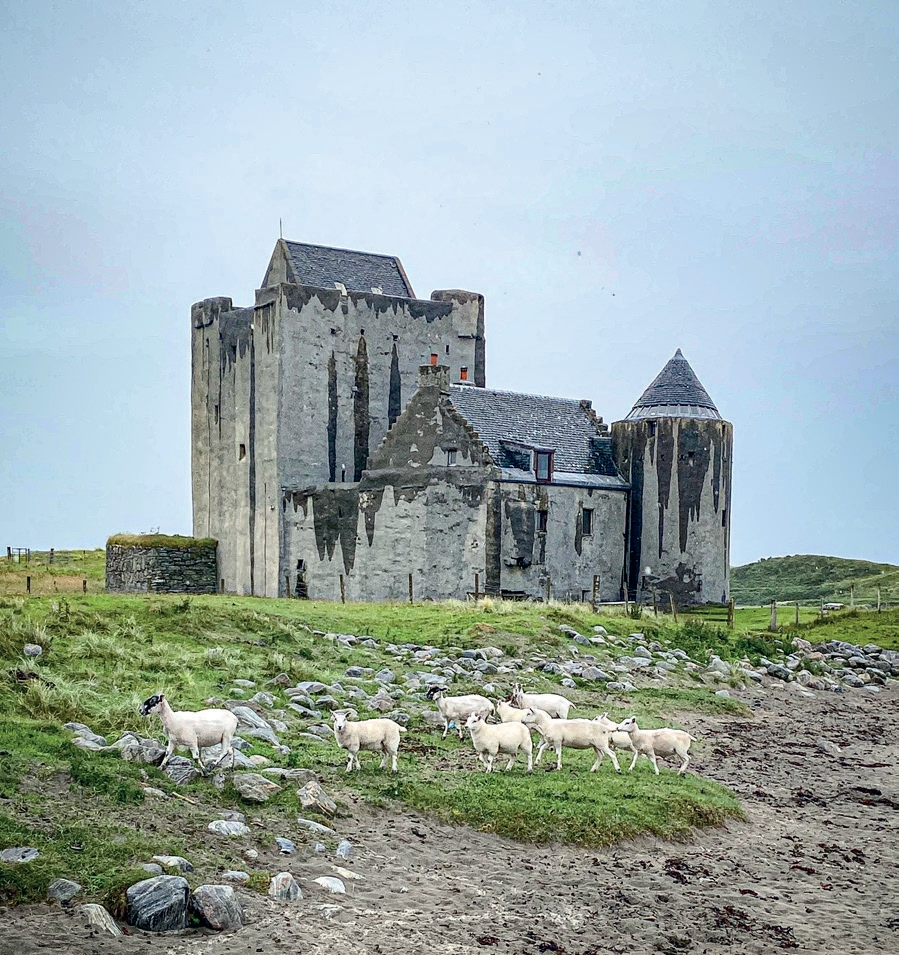
Breachacha Castle
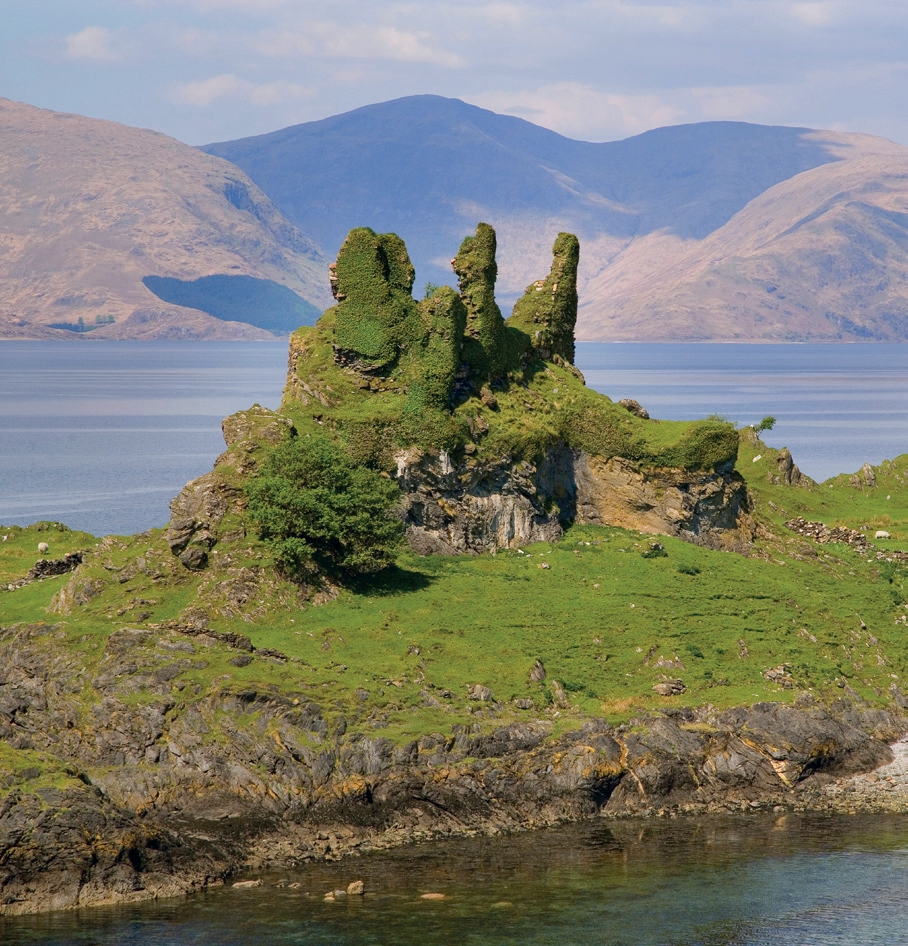
Castle Coeffin
Dunyvaig Castle
Islay was the beating heart of the Lordship of the Isles, with their capital of Finlaggan located on an inland loch in the north of the island. Dunyvaig Castle, guarding the shores of Lagavulin Bay which it also now shares with Lagavulin distillery, was the primary naval fortress of the chiefs of the Clan MacDonald. Their maritime power was such that mainland Scottish kings only dared to venture west when accompanied by great strength, and even then the power of the sea wolves of the Lordship could - and regularly did - turn them back.
Like so many other west coast castles it was built upon the site of an ancient dun (fort), and also like so many others it was destroyed in the late 17th century and replaced by a more modern residence. Several of the most recognisable clan names of the western seaboard laid their hands upon Dunyvaig at one point or another including the MacDonalds, MacIans, and Campbells. A Covenanter army under David Leslie seized it in 1647 and Leslie proceeded to hang the MacDonalds from the walls as a grisly warning to any who thought to retake it from him. Nowadays the ruins are very fragile and best viewed from a distance.
Much like at Gylen Castle, it is difficult to reconcile the beauty of the lapping waves and sweeping views - with the shores of Northern Ireland easily visible across the Irish Sea - with this tumultuous history. In 2018 a rare seal was found within the castle belonging to Sir John Campbell of Cawdor (c. 1576 - 1642). It would have been used to seal charters and other highly important legal documents, showing that even after the Lordship of the Isles fell into ruin the castle of Dunyvaig remained a place of tremendous power and symbolic importance.
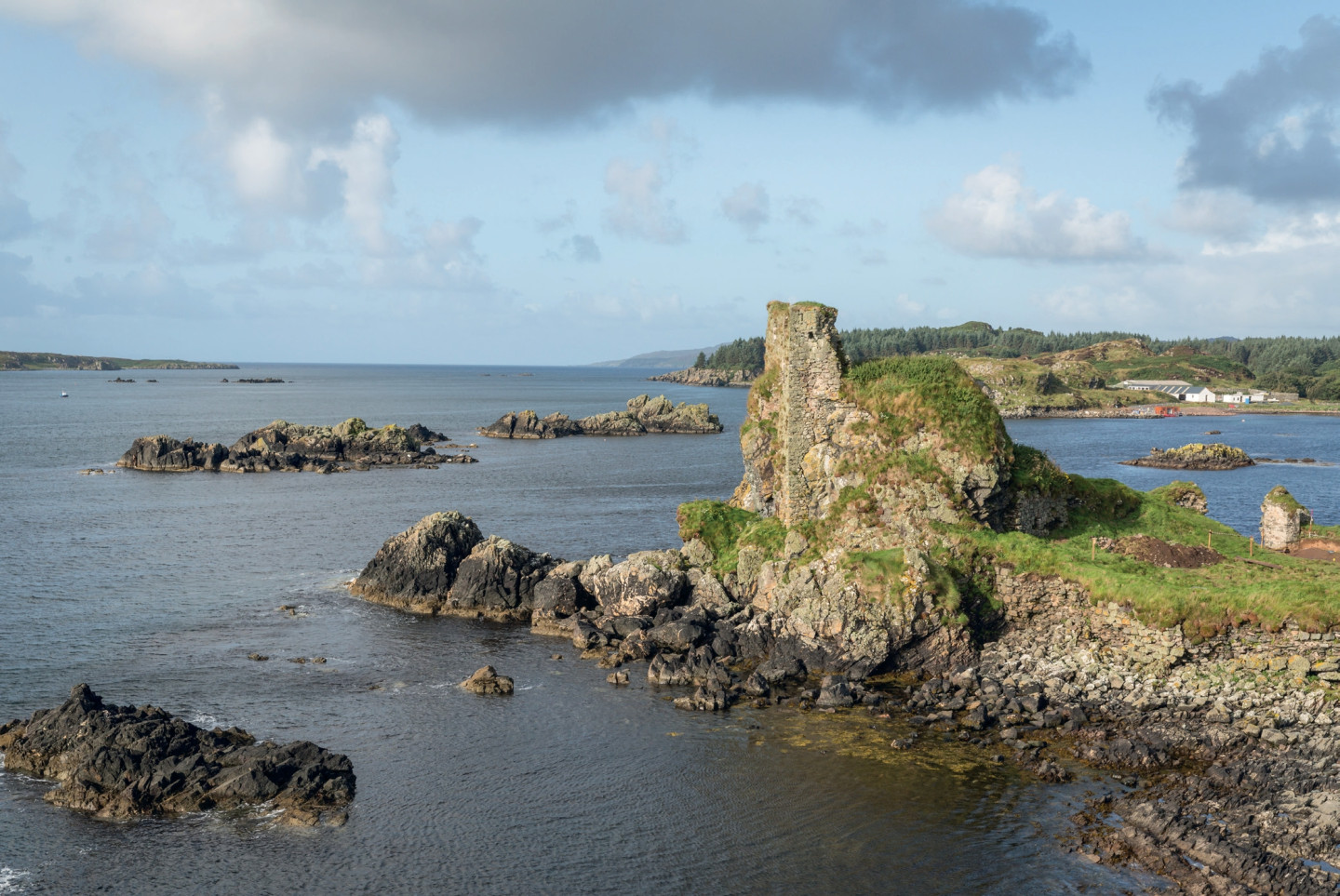
Dunyvaig Castle
Duntrune Castle
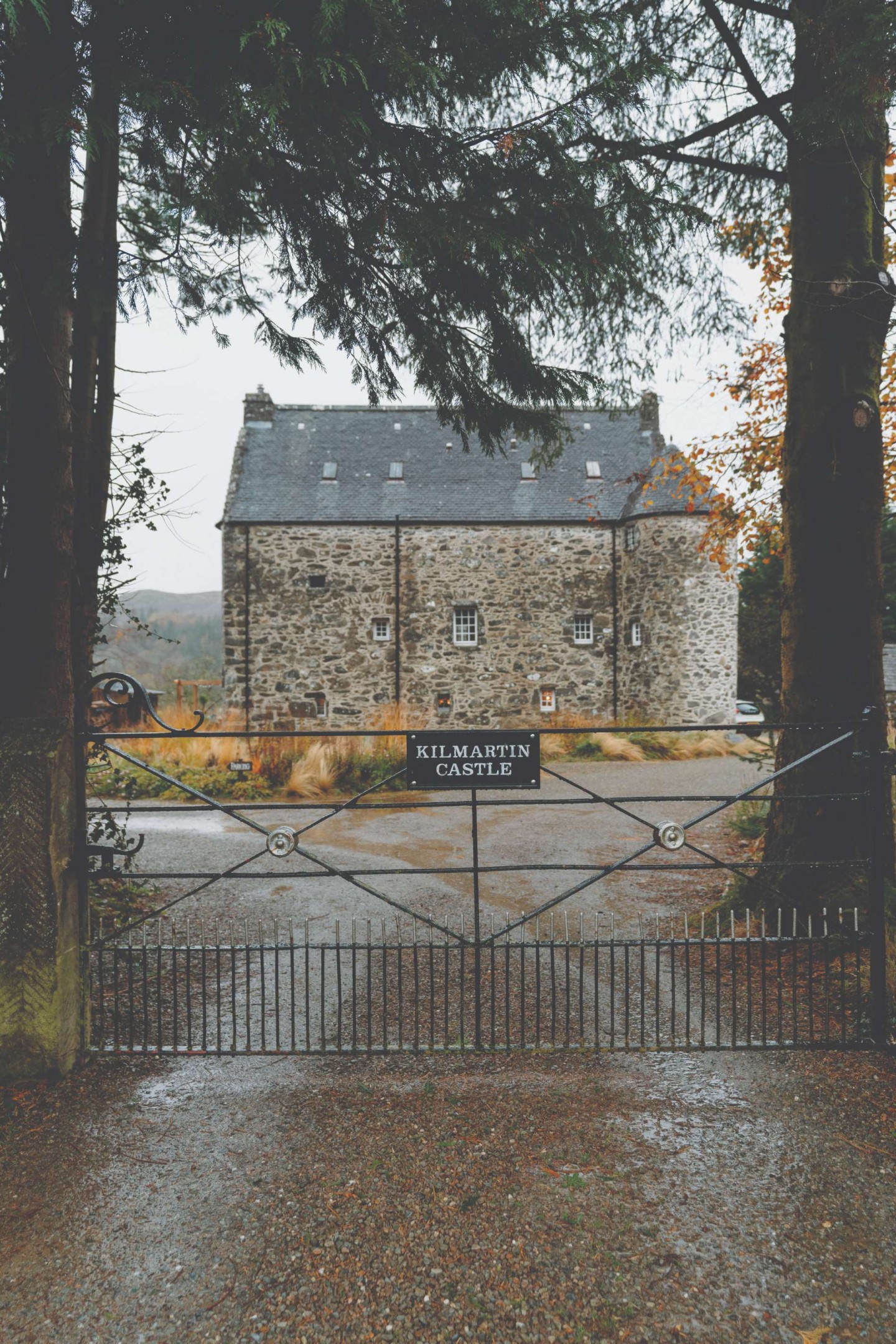
The concentration of history in Kilmartin Glen confounds comprehension. Within just a few square miles there are over 600 historic sites. Punctuating the very southern edge of this extraordinary landscape upon the banks of Loch Crinan is Duntrune Castle, which has a good claim to being the oldest continually occupied castle in all of Scotland.
The 16th-century L-plan tower house was added to a much older curtain wall possibly dating to the late 12th century. This simple design is known as a ‘castle of enclosure’, and its basic format is seen in castles across Scotland’s western seaboard including Castle Tioram, Dunstaffnage Castle and Mingary Castle. With all of those locations and many more being easily accessible in less than a day by sea, it is easy to see how this regional style developed and was replicated as castles sprung up in abundance during the late 12th through 15th centuries.
The castle is a private residence, so in lieu of an interior tour take the time when in the area to explore the countless wonders of Kilmartin Glen. Not to be missed are the hillfort of Dunadd, once a capital of the formative Kingdom of Dál Riata, the ancient cairns near Kilmartin village, and the enigmatic rock art at Achnabreck and Ormaig.
Skipness Castle
Skipness Castle is not only an exceptionally well-formed castle in a beautiful location, it is an ideal place from which to perceive the interconnectivity of Argyll’s castles. Suibhne, the early 13th-century Lord of Knapdale, built Skipness and a number of other castles to consolidate his hold on this area of Scotland.
One of these, Lochranza Castle on Arran, is visible on a clear day from the walls of Skipness, and the royal castle of Tarbert stands just a few miles along the coast to the north. This truly is castle country. Skipness is a case study in how Scotland’s castles changed over time. It began as a hall-house rather than a tower, and over the centuries it had an enclosing wall and towerhouse added to it. One of the most notable and picturesque features of Skipness Castle is the vivid pink trim which adorns its doorways, windows, and even the corners of the curtain wall and tower themselves.
Nearby is Kilbrannan Chapel which would have served as the castle’s place of worship. Contained within it are several Hebridean-style warrior’s grave slabs, so it is well worth the short stroll to see it. While it certainly depends a lot on the weather, when visited on a sunny day Skipness Castle in combination with the chapel and nearby beach is one of the most idyllic historic sites that Argyll has to offer.
-full-1749367172.jpg)
Duntrune Castle
Tarbert Castle
There are several places called Tarbert in Scotland, with the name derived from the Gaelic Tairbeart meaning a narrow neck of land that a ship could easily be portaged across. A popular tale insists that in 1098 Magnus Barefoot, King of Norway, did just that. He was told by king Malcolm of Scotland that he could lay claim to any land that a ship could be sailed around. Magnus took advantage of this wording and had his men haul his boat over the narrow isthmus here, thus claiming lordship over it.
There was a castle here by the late 1200s but it was Robert the Bruce who strengthened it in the 1320s, turning it into a royal stronghold to defend the west coast against Hebridean warlords. It was used by the Stewart kings for just that purpose on several occasions, and the tower house that largely defines the castle today was added in the sixteenth century. Now, this fragmentary ruin makes for an extraordinary vantage point from which to view sunrise and sunset over Loch Fyne before pressing on to Kintyre, Kilmartin Glen, or the Cowal Peninsula.
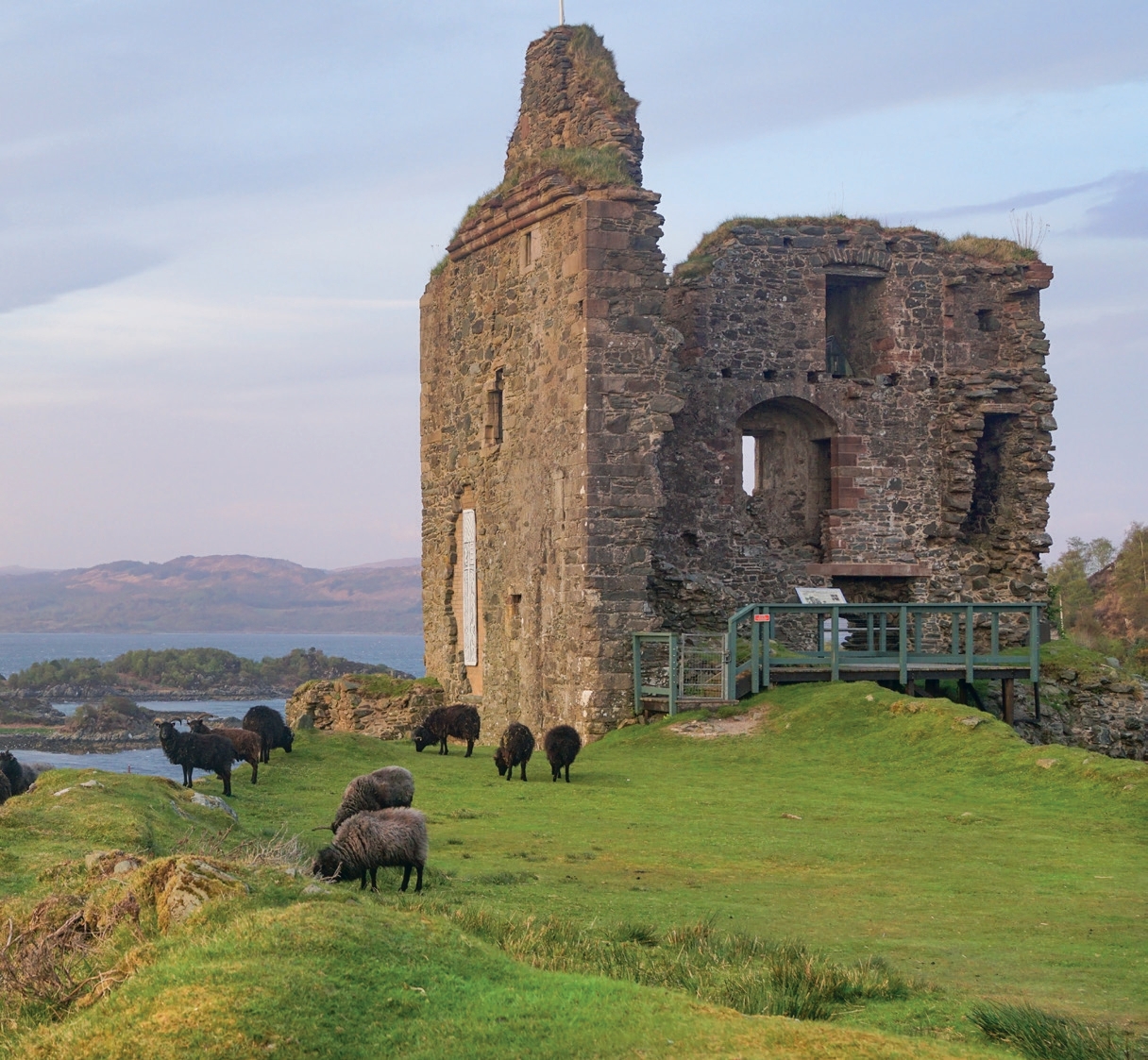
What is a Castle, Anyway?
Whether made of timber and earth or stone and mortar, tall and thin or square and squat, moated with a drawbridge or standing in the middle of a field, there is no precise, universally agreed definition for what a castle is. In the broadest sense, a castle is the fortified residence of a member of the aristocracy or nobility during the Middle Ages. Castles should demonstrate some defensive potential, but do not need to be able to withstand a full-blown siege to be considered one. Similarly, they must be sufficient to accommodate the domestic needs of a lord and their household, but there is no agreed upon way to quantify this. Scotland’s castles were built between the late twelfth and, arguably, early seventeenth centuries. Many styles of fortification predated and followed that period, but due to broader changes in the socio-political institutions in which castles operated most historians do not consider structures built much before or after this period in Scotland to be ‘castles’. As a general rule, if it has some degree of fortification, could function as at least a semi-permanent residence, and was built between the early 1100s and early 1600s, you can probably consider it a castle.
Promoted Post
Eagle Brae
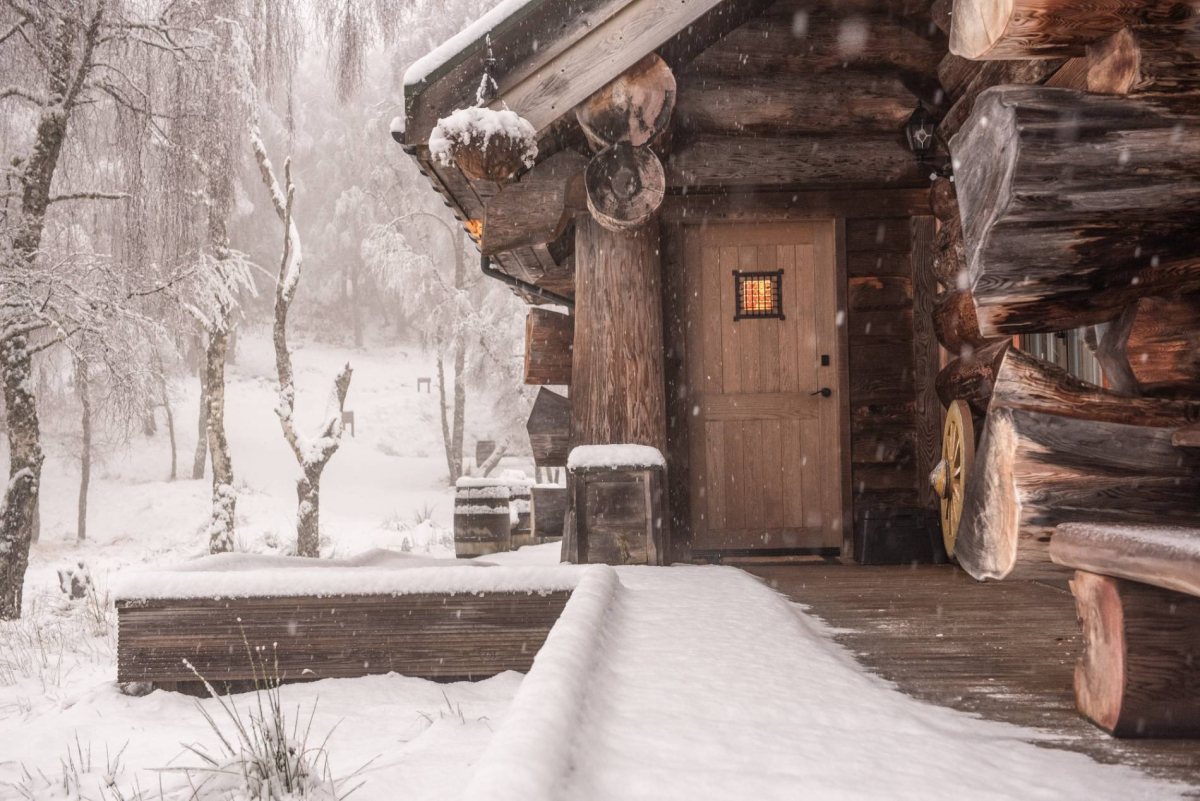
Escape to Eagle Brae, a secluded collection of Highland log cabins near Beauly. Handcrafted cedar, big skies, and deer on the hillside, with a fireside welcome that makes it easy to slow down.
-full-1749415774.jpg)
-full-1749245005.jpg)






 Sign in with Google
 Sign in with Email