
Once upon a time in the west...
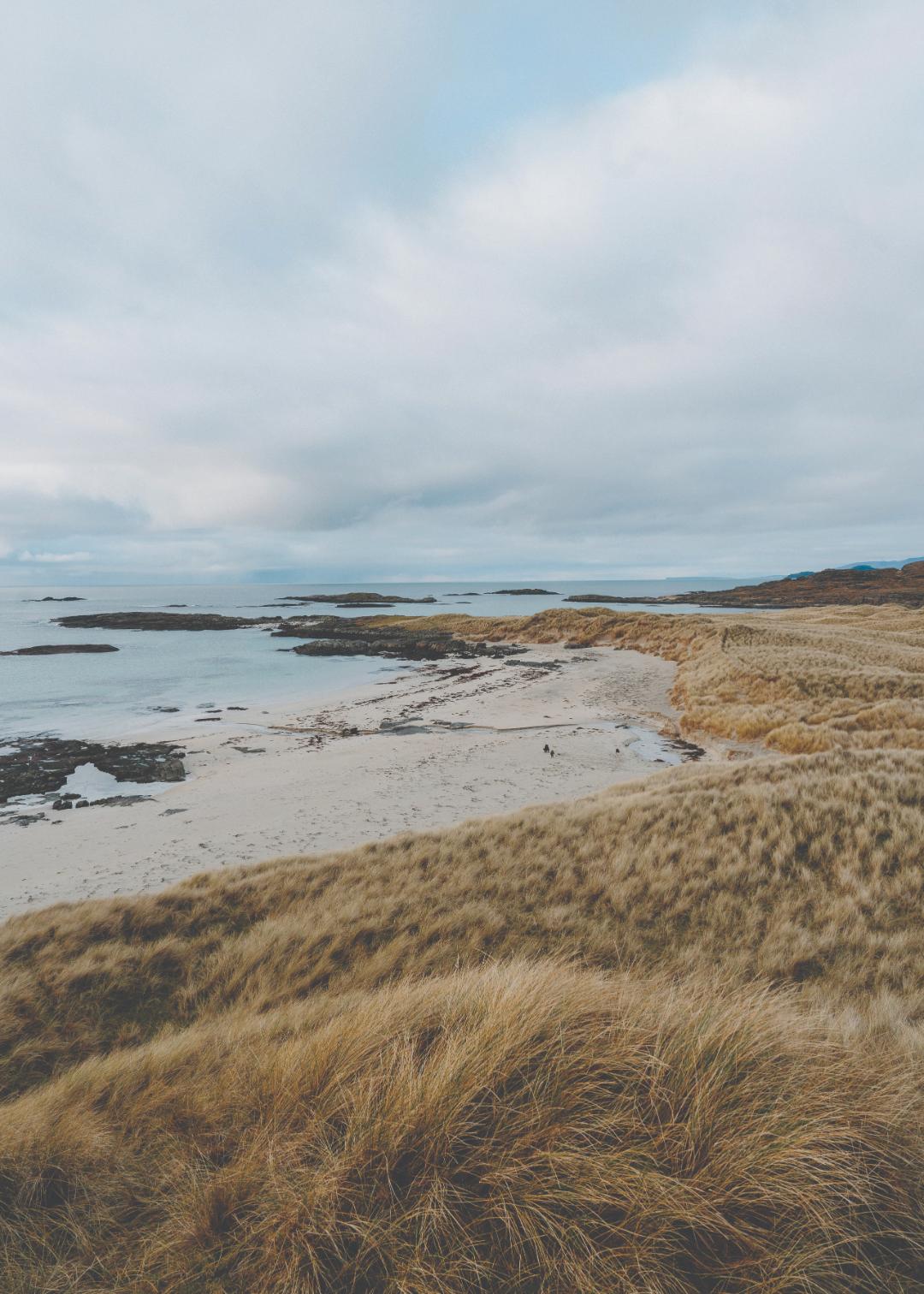
It was late January on Sanna Beach. The day was cold and the sea was calm, with nothing to hear but the wind and the waves. We walked together through the dunes and rock pools, well wrapped but unrushed, in no hurry to get anywhere, our footprints dwarfed by the landscape. Aedan searched for seashells in the soft sand, his little hands clutching his treasure tightly. In all directions were the rugged greens and deep blues of the west coast.
Over the space of two hours, on one of the UK’s most beautiful beaches, we saw not another soul. It was a moment in time that felt gifted to the three of us, a young family of windswept wanderers exploring the most westerly point of the mainland. In this early part of the year – a time for reflection, and for the gift of solitude – the wild sea air felt therapeutic.
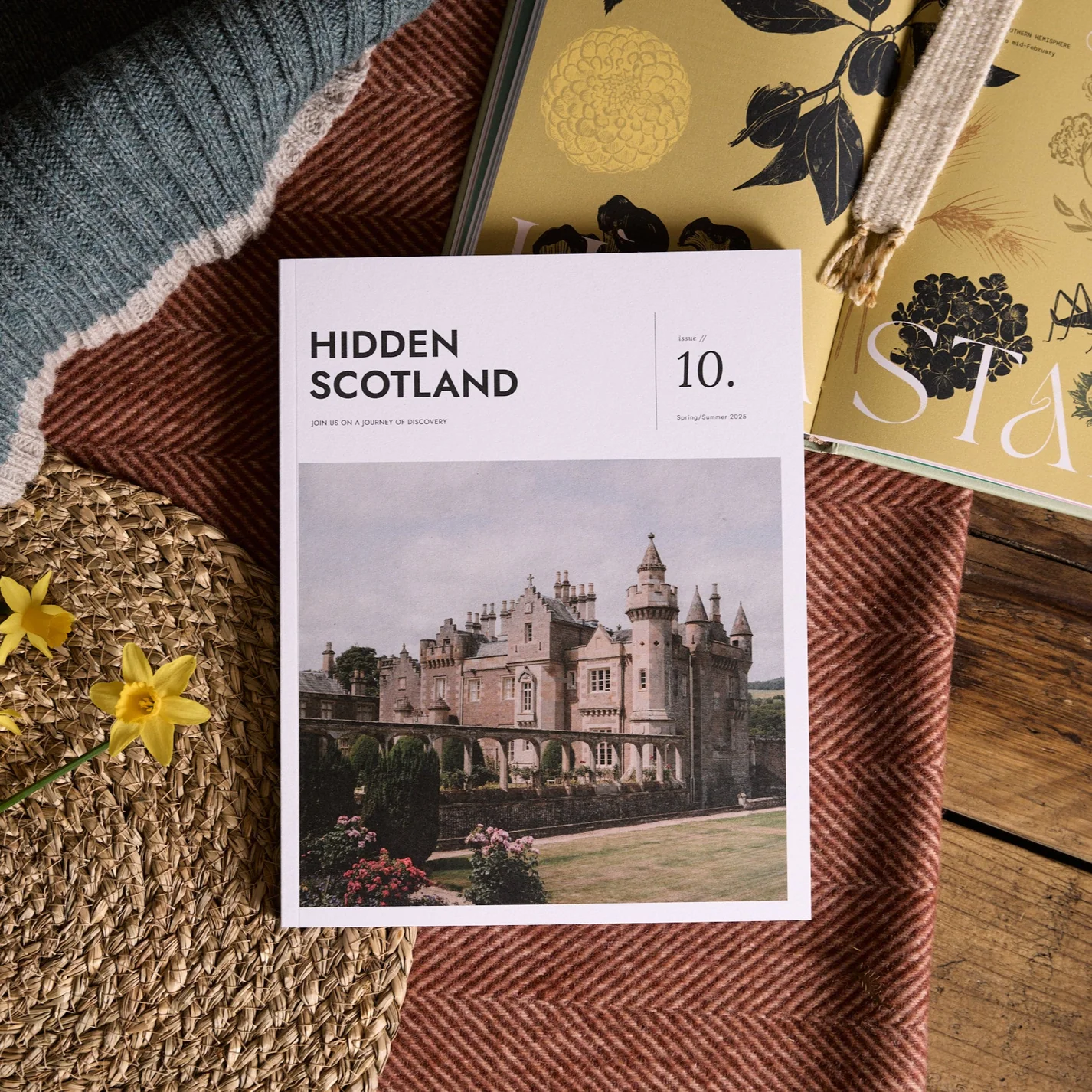
Travelling in Scotland in winter can often treat you to this kind of slowed- down magic, and it was precisely what we were seeking. Our trip out west was a way of marking the journey we’ve had with the magazine you’re now holding. This is the tenth issue of Hidden Scotland, signalling almost five years since my partner Jack and I took our first tentative steps into publishing. Back in 2020, as a small business launching a print magazine in a pandemic, the pressure felt immense, not only to create something meaningful but to do justice to our home country: Scotland.
That first issue met with a reception that amazed us, selling out three times over. Feedback came in from across the world, from readers who we’d helped to feel connected to a land they missed dearly. I hardly need tell you how much this meant to us.
I think back to that time often. We had decided, after deliberation, that our first front cover should feature a shot of Corran Point Lighthouse by photographer Chris Houston. It felt so right at the time, partly because it symbolised a beacon of light in a period of darkness. Nearly half a decade has passed since then, and Jack and I now have a wide-eyed explorer in the fold – our two-year-old, Aedan – so as January arrived, the time felt right to do something to honour the magazine’s journey so far. We drove west, from our house in Aberdeenshire to the remote Ardnamurchan peninsula, where the lighthouse has stood since 1860.
WHO WAS BORRADILL?
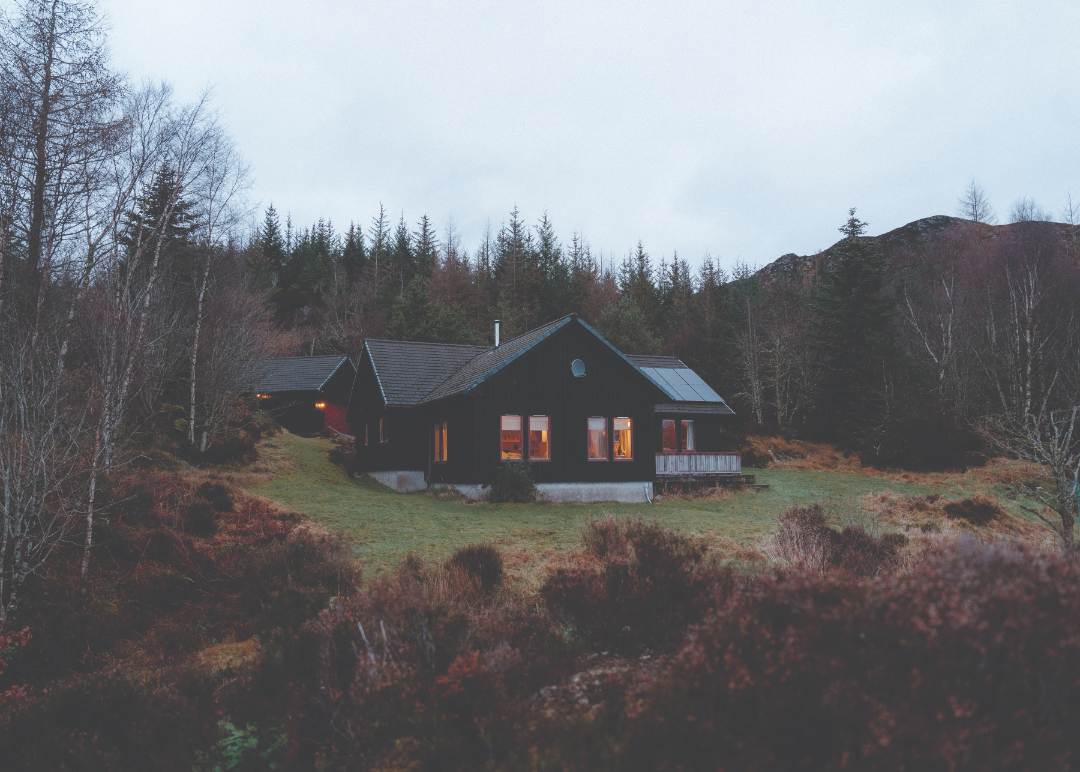
The retreat takes its name from a famed Viking warrior prince. Legend tells us that Borradill himself stood some 7ft tall until being slain by Somerled, the leader of the Celts. After his death, he was brought here by longboat across the sea loch, to be ceremonially interred close to the land now occupied by the cabins. A burial stone still marks his grave on the moor, above the tree known as the Stone Oak – see if you can find it
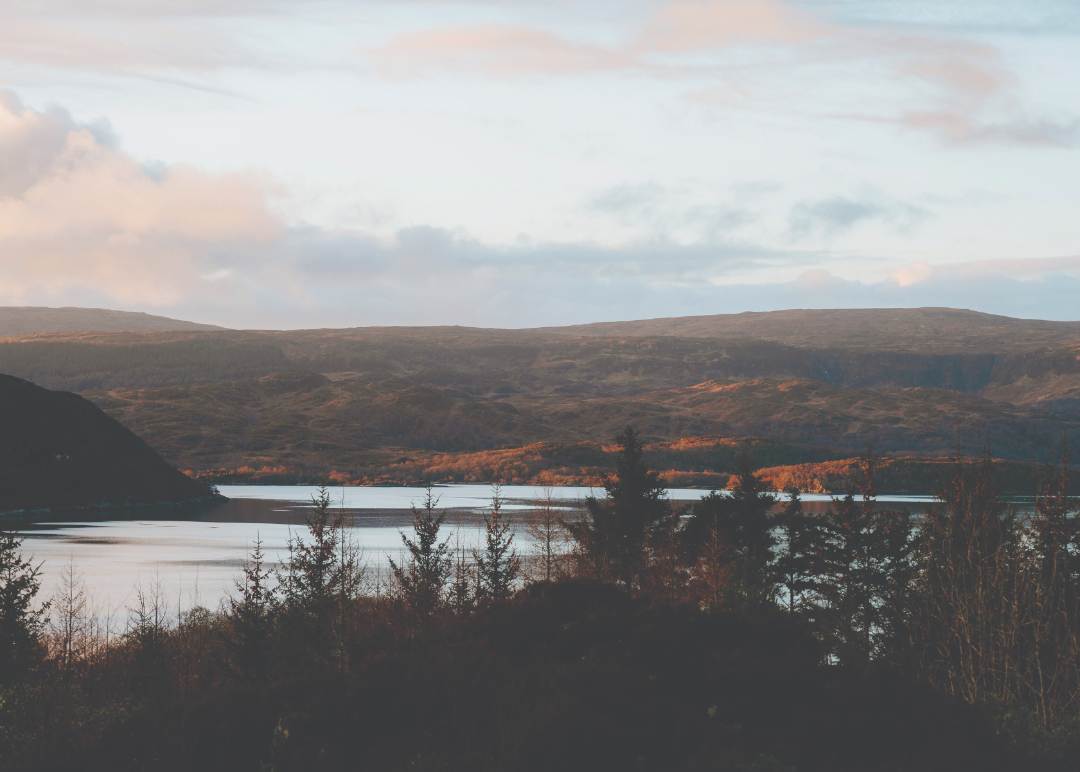
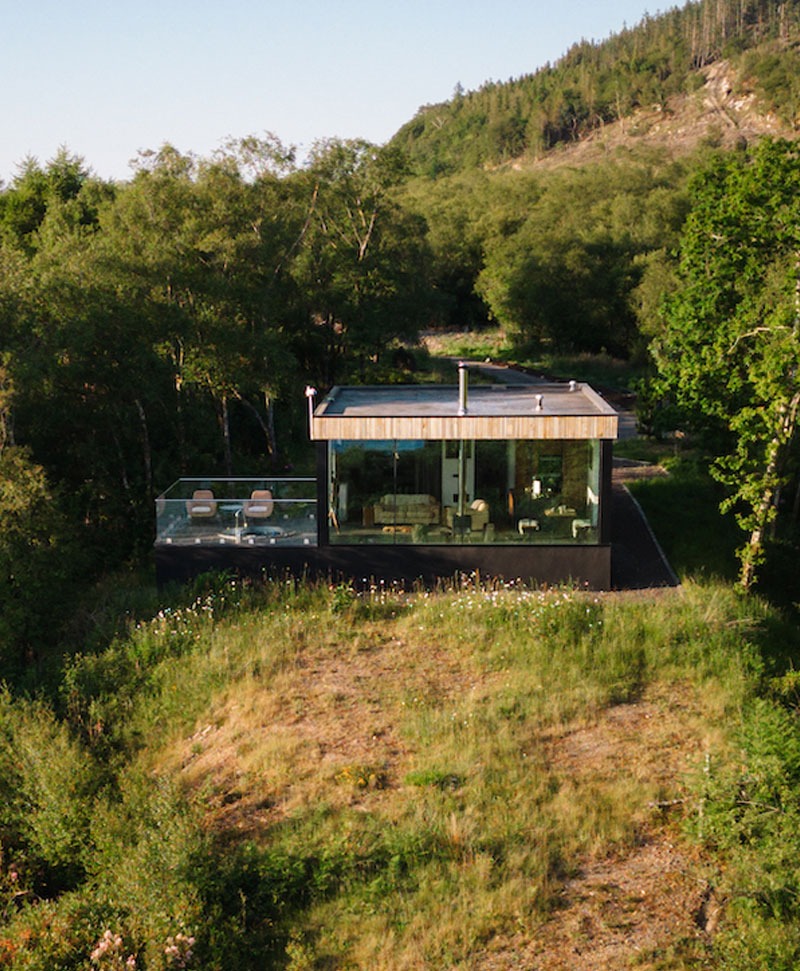
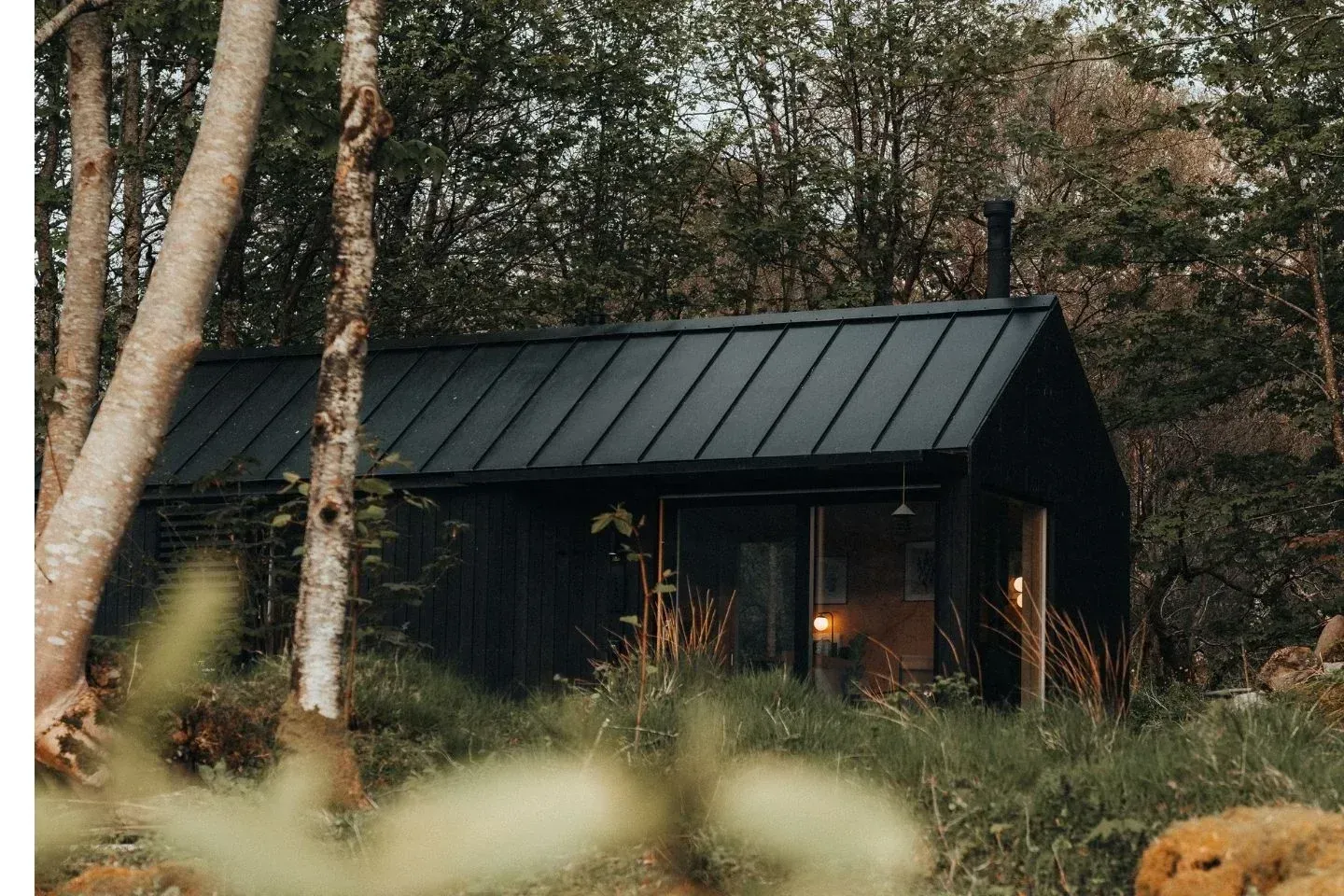
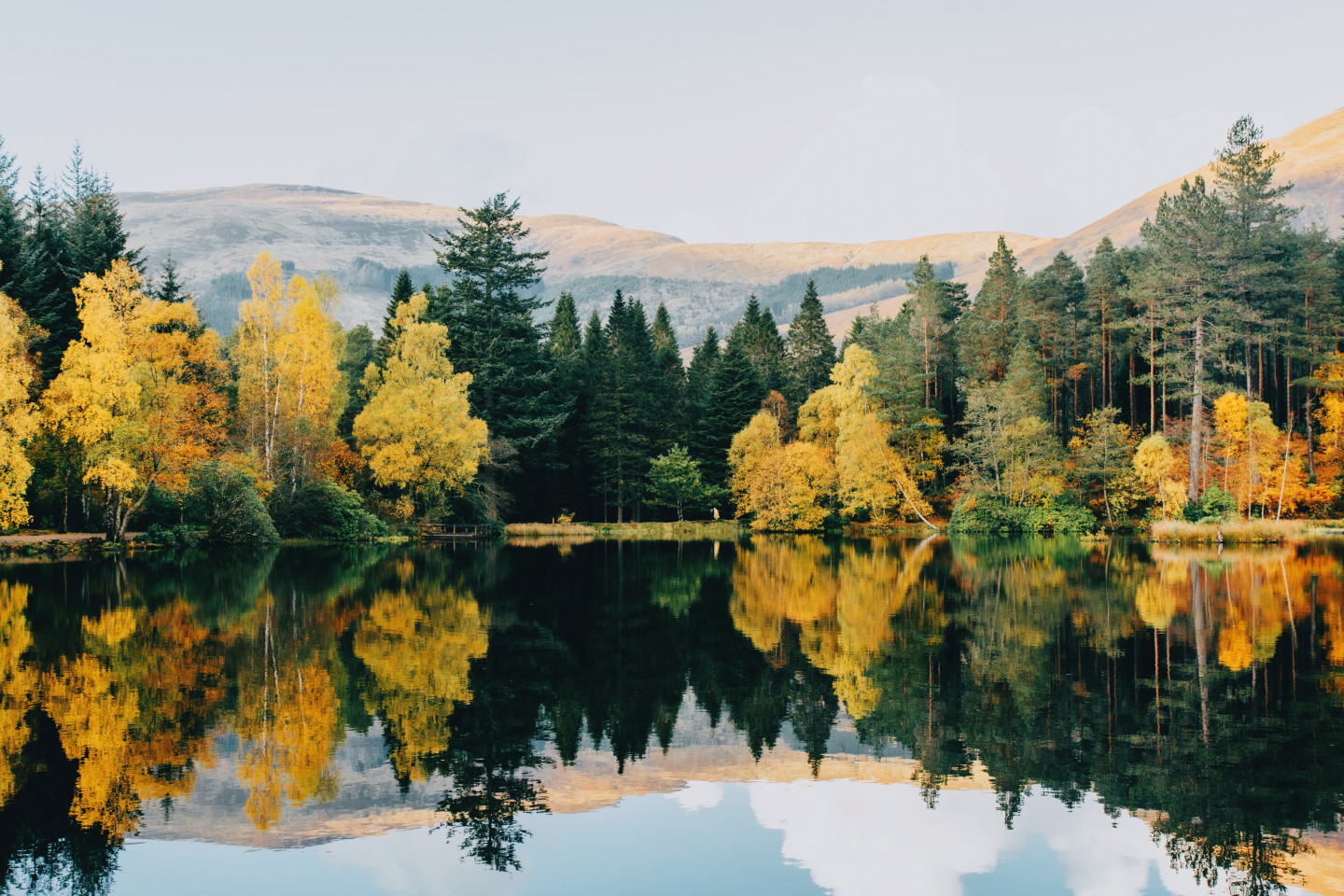
Our goal was Borradill, a secluded retreat set in 25 acres of woodland. We arrived in the dark – having passed the mighty Glenfinnan Viaduct en route – so it wasn’t until waking the following morning (painfully early, naturally) that we understood we couldn’t have chosen a more perfect getaway. Ancient oaks and tall birches clustered around the timber lodges, moorland rumpled away beyond the trees, the Isle of Carna glittered in a sea loch to the south. Everywhere were mosses, lichens, walking trails and clear-flowing burns. This being Scotland, and January, we would see these views in all weathers.
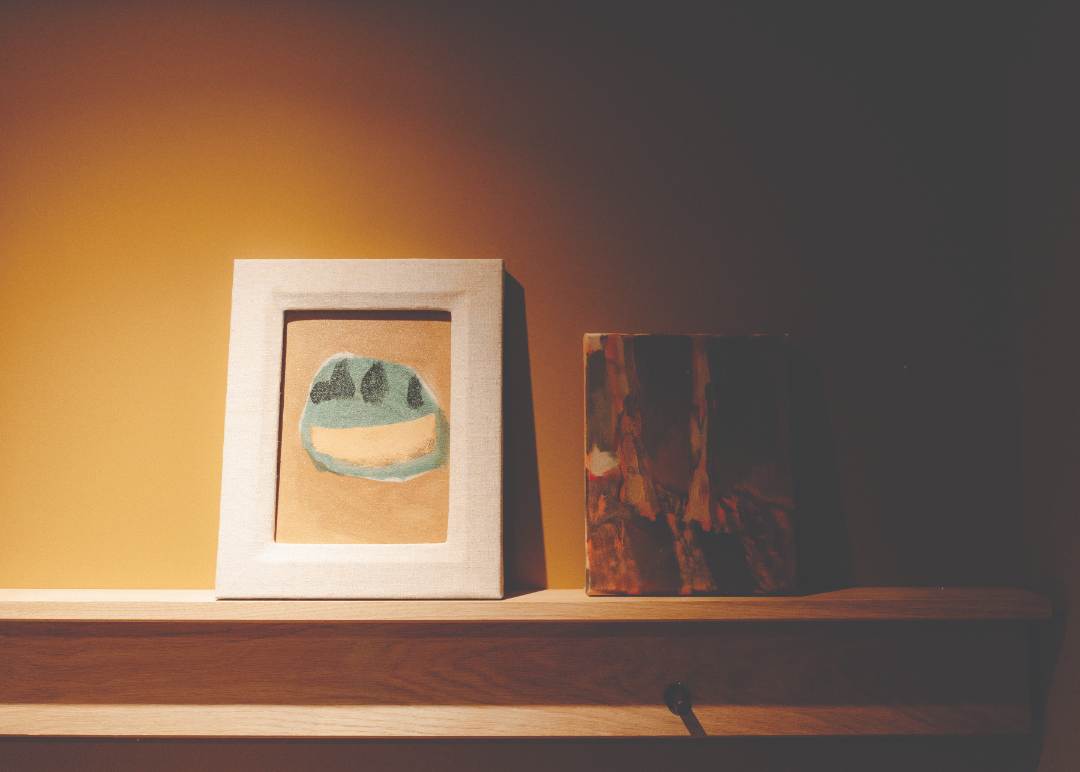
Things were just as special inside. We were staying at TheHouse, the kind of family base that soothes you from themoment you step through the front door. Owner and interiordesigner Claire Mookerjee has conjured together elementsof Scandinavian and Hebridean design, with wooden floors,giant south-facing views, outdoor decking and a fire bowl.Indoor, a row of Pictish tiles stood above a roaring fireplace,hand-woven fabrics cloaked the sofas, and arty books andpaintings brought detail, colour and intrigue. As the dayswent by, every time Aedan fell asleep, I found some freshcorner holding something new to uncover.
More than anything though, what struck me was the way in which the interior of the house had been crafted to reflect the ways and wilds of the peninsula that surrounded it: its history, myths, wildlife, and wonders. The House has gorgeous bedrooms sleeping four (or six, with a pull-out sofa bed) – the other accommodation on site, The Cottage, also sleeps four, although both properties can be booked together for larger groups – but just as notably, both lodges mirror the folklore and beauty of the local area. This is very much intentional, to the point where Claire will be launching Borradill Editions later this year, inviting artists and makers here on residencies to create arts and crafts inspired by their stays.
The resulting artworks will be displayed in the lodges, with each of them available to buy. The first of these, in fact, was already on show during our stay: a dramatic photograph of the 2,500-year-old Lady of Ballachulish by Brian MacDomhnail, hanging in the fittingly named snug. It had a magnetic, transportative quality.
In this respect, it was much like the woodland around the lodges. We spent most of our time here exploring the different trails through these dense, winding woods, with Aedan able to investigate and clamber to his heart’s content. Thrillingly – for Jack and me, as well as our intrepid toddler – an illustrated map left for us in The House led us to a secret play den deep among the trees. To be out there in the forest, wandering among ancient oaks on the edge of Scotland with nothing but fungi and fresh air for company, was exhilarating.
The panoramas, too, were life-giving. Both the woodlandand the house are perfectly aligned to look out acrossthe lovely, low-slung Isle of Carna, an off-grid islandknown as ‘the sleeping dragon’. It sits at the meetingpoint of Loch Sunart and Loch Teacuis, and to its west,the Sound of Mull flows out past the craggy majesty ofthe Inner Hebrides into the vastness of the Atlantic.Under January skies, it was a view to linger over. Aedanstared with us, entranced.
Carna, we learned, has ancient history around it. Just to its north, the islet of Risga holds the oldest Mesolithic remains to be discovered anywhere in the UK. A pile of bones, shells and handmade tools – known as a kitchen midden and formed over an unfathomable timescale – is still visible as a grassed-over mound.
With a location like Borradill’s, of course, we also found ourselves hankering to explore the wider area. Treasures of myriad kinds lay in store. One brisk, sun-struck morning, we drove east along the lochside to get supplies at Salen Jetty Shop, timing our visit to coincide with the arrival of local fishmonger Iain Stewart (Tuesdays at noon). We were his only tourist customers that day. With the weather fair, we sat outside with Aedan to toss stones into the water, snacking on the shop’s homemade sausage rolls and watching small boats bobbing on the tide.
Elsewhere, we stopped off at Ardnamurchan Distillery and Glenborrodale RSPB Hide – award-winning single malts at the former, redstarts and wood warblers at the latter – and paid a visit to admire the outside of the 13th- century Mingary Castle. As a MacDonald on my mother’s side, I always find it powerful to see places tied into my family history, and the mere presence of a fortress on this remote peninsula was stirring evidence that things haven’t always been serene here.
But it was Sanna Beach, where we spent two unforgettable hours, that perhaps best summed up the feel of the whole trip. We were alone out here, the three of us, immersed in a truly spectacular corner of the country and able to relish the salty-aired, off-season peace that hung over it. Some of the local attractions may have been closed (Kilchoan House Hotel, for example, was open only on Fridays), but such sacrifices were more than offset by the precious feeling of being the only family on the planet.
WILDLIFE-WATCHING AT BORRADIL
lso known as the Ballachulish Goddess, the Lady of Ballachulish is a remarkable, life-size rendering of a Stone Age figure, carved from a single piece of alder wood in around 600BC. More than two millennia later, workmen discovered the carving face-down in a peat bog, around an hour east of Borradill. As one of the oldest known depictions of a human form in the UK, the original is on display in the National Museum of Scotland in Edinburgh, but a replica can be seen in the Glencoe Folk Museum.
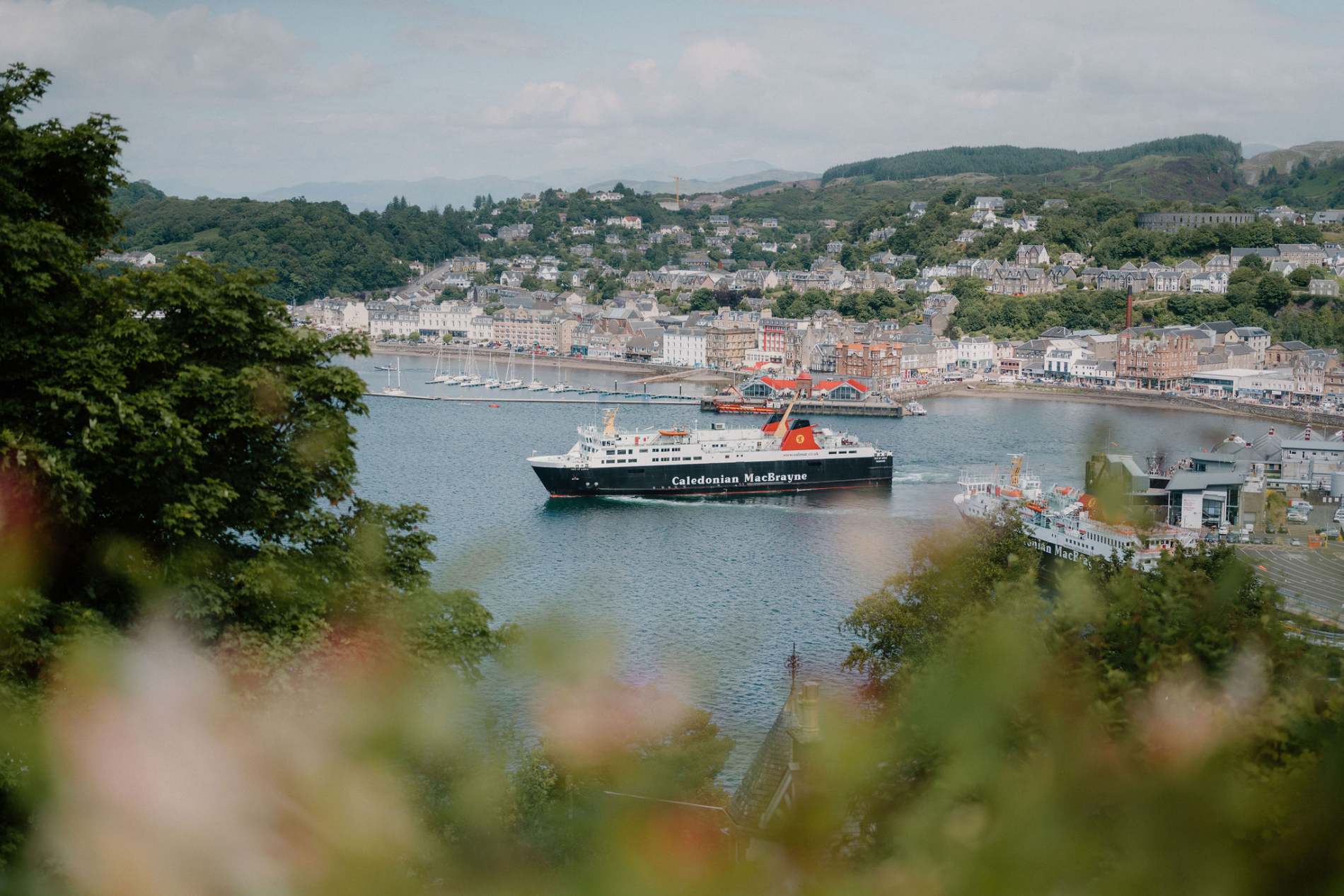
On our last morning at Borradill, we were reluctant to tear ourselves away from the lodge but left feeling recharged. As the Highland scenery spooled past the windscreen, we had one last place to go. We reached the Corran Ferry, which would carry us east across Loch Linnhe. But as Aedan carefully counted the cars going on and off the deck, Jack and I stared out at something different. There it was. Corran Point Lighthouse stood on the foreshore, pale and sturdy under the clouds. Our journey so far with Hidden Scotland had come full circle – and it left us hugely excited about the chapters that lie ahead.
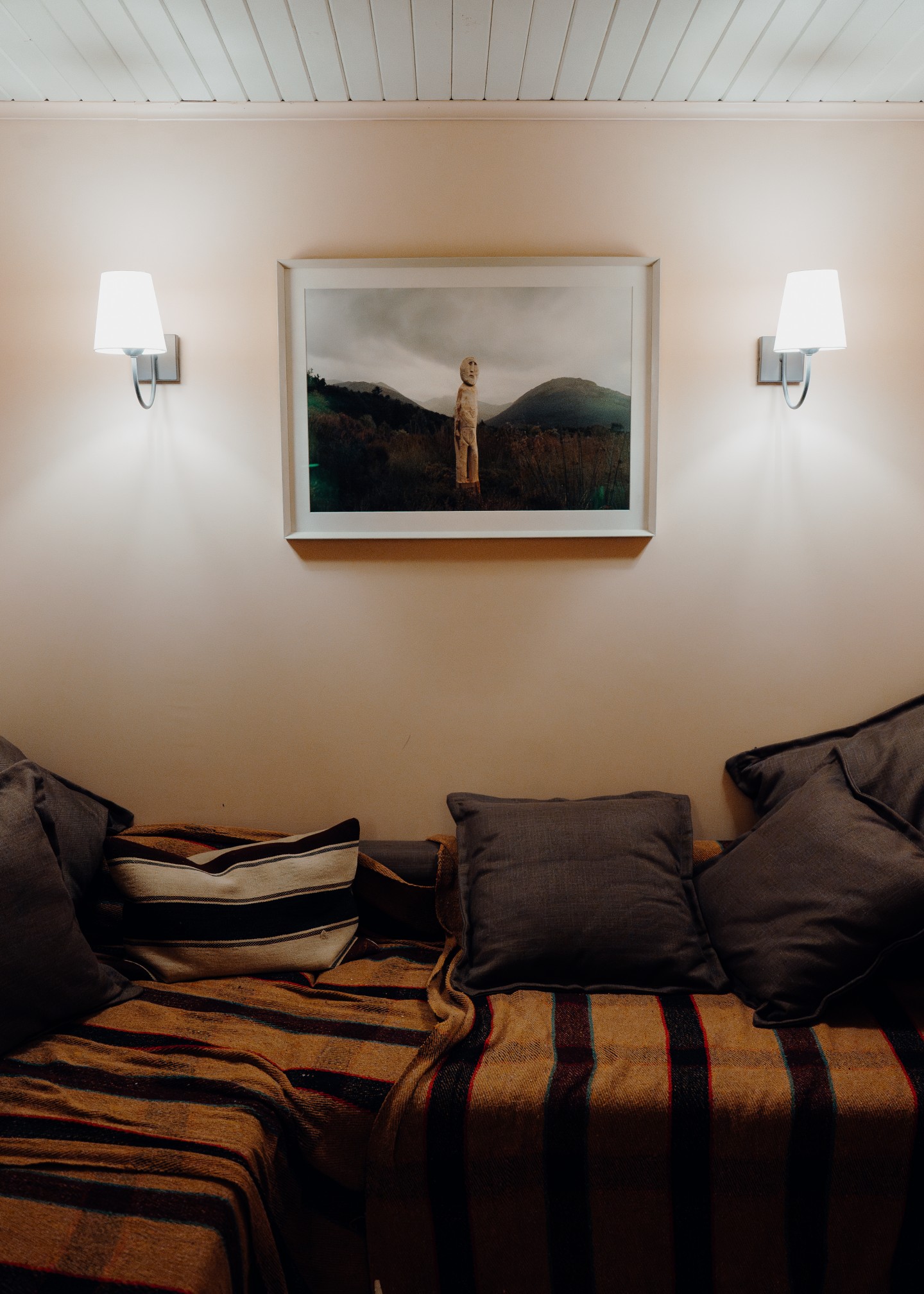
LADY OF BALLACHULISH
lso known as the Ballachulish Goddess, the Lady of Ballachulish is a remarkable, life-size rendering of a Stone Age figure, carved from a single piece of alder wood in around 600BC. More than two millennia later, workmen discovered the carving face-down in a peat bog, around an hour east of Borradill. As one of the oldest known depictions of a human form in the UK, the original is on display in the National Museum of Scotland in Edinburgh, but a replica can be seen in the Glencoe Folk Museum.
On our last morning at Borradill, we were reluctant to tear ourselves away from the lodge but left feeling recharged. As the Highland scenery spooled past the windscreen, we had one last place to go. We reached the Corran Ferry, which would carry us east across Loch Linnhe. But as Aedan carefully counted the cars going on and off the deck, Jack and I stared out at something different. There it was. Corran Point Lighthouse stood on the foreshore, pale and sturdy under the clouds. Our journey so far with Hidden Scotland had come full circle – and it left us hugely excited about the chapters that lie ahead.
Promoted Post
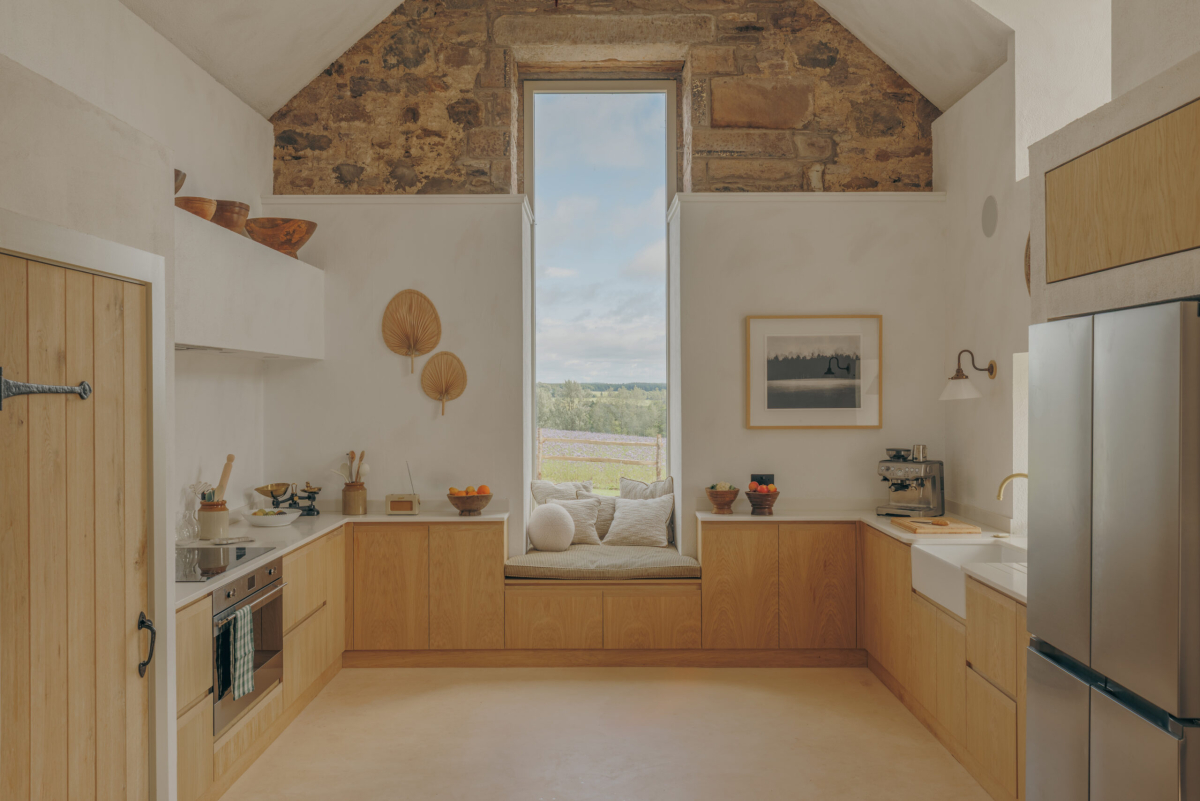
Whitehill Farmhouse
Located on Colquhalzie Estate, this 19th Century farmhouse has been lovingly restored into a family home, having previously been home to the Shepherd who lived there for 40 years. We welcome friends and families of up to 8 people on a self-catered basis for at least 4 nights.
-full-1749415774.jpg)
-full-1749367171.jpg)
-full-1749245005.jpg)






 Sign in with Google
 Sign in with Email