
From Angus to Iona: A Busy Month on Both Coasts
This month, Graeme explores two very different sides of Scotland—tracking history through Glen Esk and Arbroath, then heading west for four islands in four days across Argyll and the Inner Hebrides.

Written by Graeme Johncock
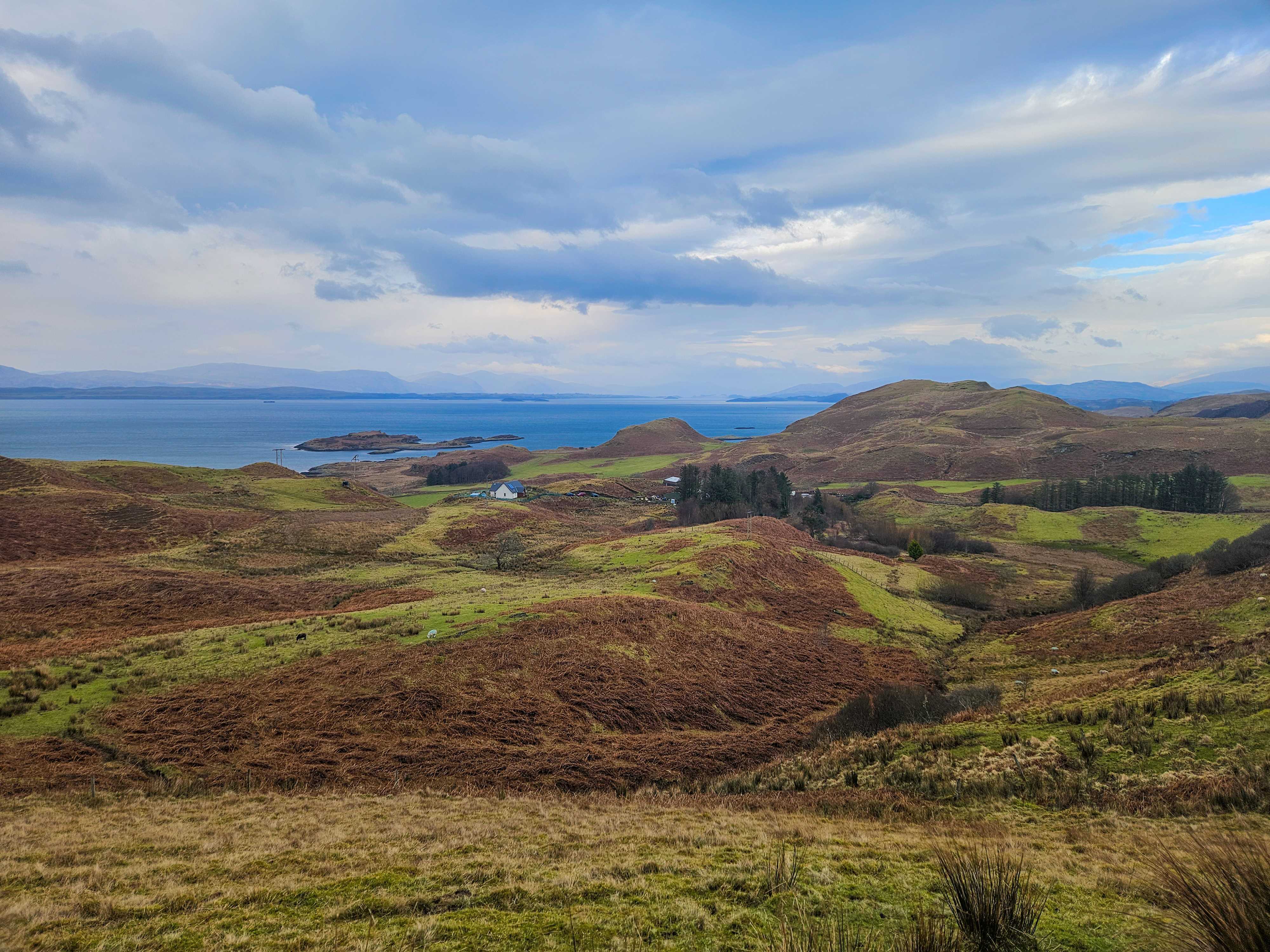
February is usually a quiet time in Scotland. The festivities of Hogmanay and Burns Night are a distant memory, now it’s time to coorie in and hide away from the bad weather. However, my month couldn’t have been more different!
The first big trip of the month took me to Angus, a region that’s tragically overlooked by many visitors to Scotland. It stretches right from the Cairngorms to the coast, with plenty of castles, waterfalls, history and beauty throughout.
I began in the mountains, heading up Glen Esk with a stop at the incredible wee folk museum there. It’s packed with stories of real people from the glen and there’s always something new that jumps out at me.
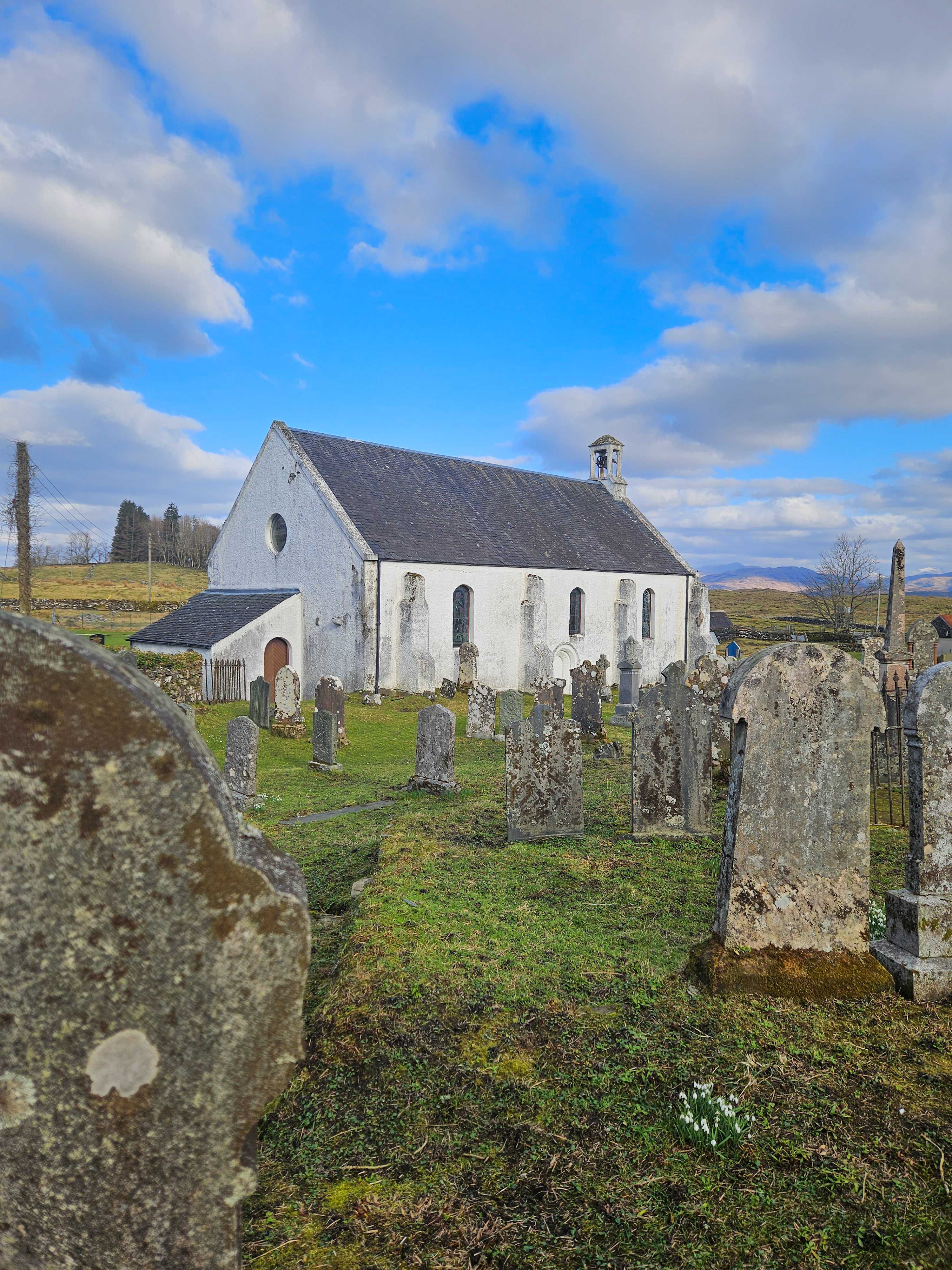
The goal of the journey was at the very end of the road, where a short walk leads past the towering Invermark Castle to the ruins of St Drostan’s on Loch Lee. There’s something very special about that spot, it’s one of my favourite quiet places where history seems to envelop you.
I spent three days in Angus in total, with peaceful walks alongside the Rocks of Solitude followed by the roar of the crashing Reekie Linn waterfall. Arbroath was the final destination, home to a medieval abbey of extreme national significance. This was where the Declaration of Arbroath was written in 1320.
That was a letter from the Barons of Scotland to the Pope, strongly declaring their nation’s independence and demanding help to end the war with England. It’s often called the greatest piece of medieval prose and it had the desired effect. Of course, I had to feast on the traditional smoked haddock known as the Arbroath Smokie while I was there!
My other big trip of February saw me on the opposite side of the country, taking on four islands in four days!
Just a five minute drive from Oban, then a five minute ferry, took me to Kerrera. This tiny island is in full view of the busy west coast town, but few people make the effort to visit. It’s a world away from the hustle and bustle and with no visitor cars allowed, it’s a great place to walk.
The next day took me to Lismore, a longer ferry ride but almost equally overlooked. It was once one of the most important religious sites in Scotland, established by St Moluag and at the heart of busy shipping lanes. In one day I managed to hike to an Iron Age broch, explore the Cathedral of Argyll, climb into a ruined castle on the coast and visit the Gaelic heritage centre.
I was heading to more familiar territory next with a journey to Mull. It’s the second largest of the Inner Hebrides, with a lot to offer, but I was going castle hunting! Duart and Aros are both a short trip from the ferry terminal, but Moy Castle took me way down to the south of the island.
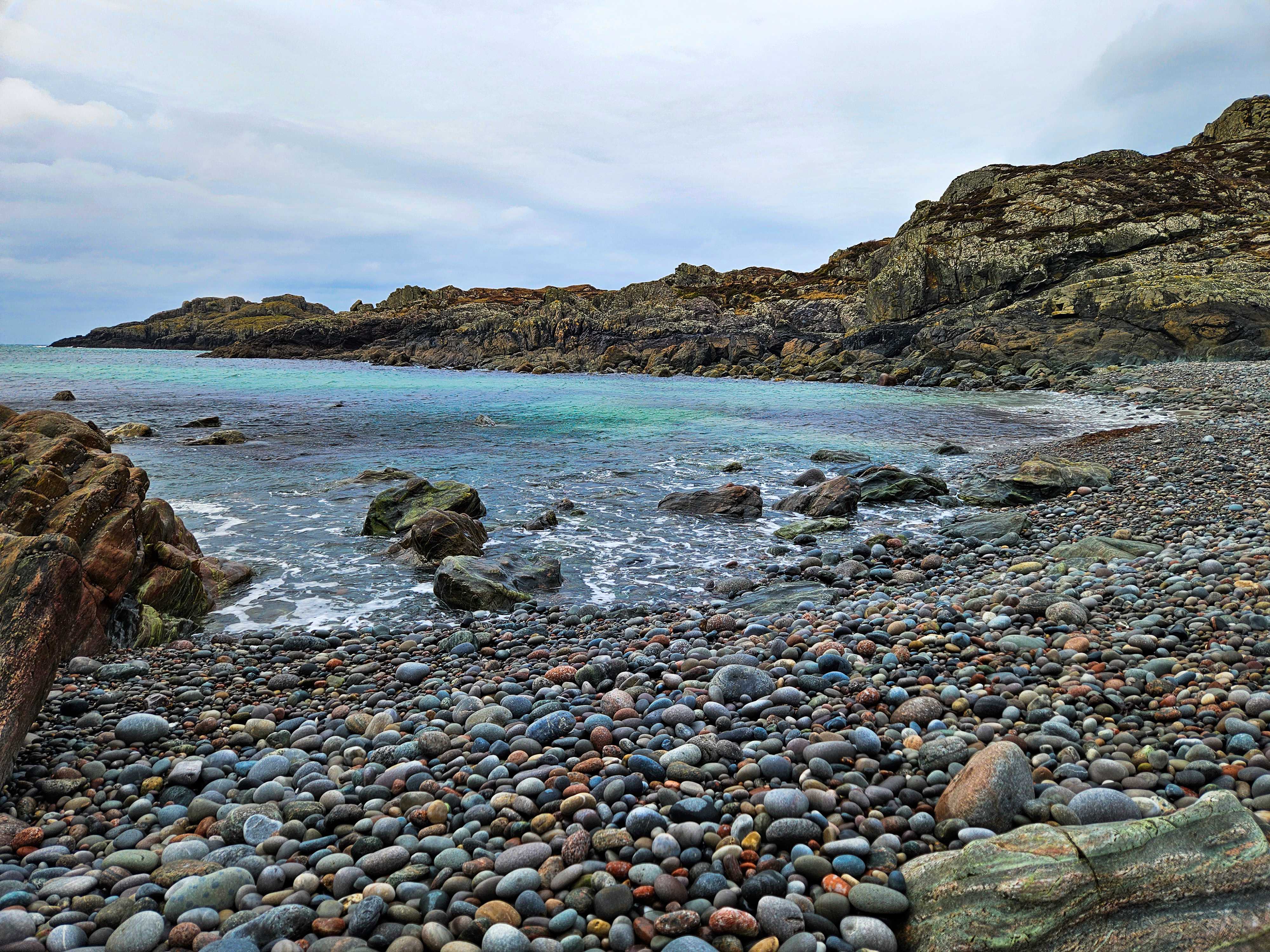
Columba's Bay
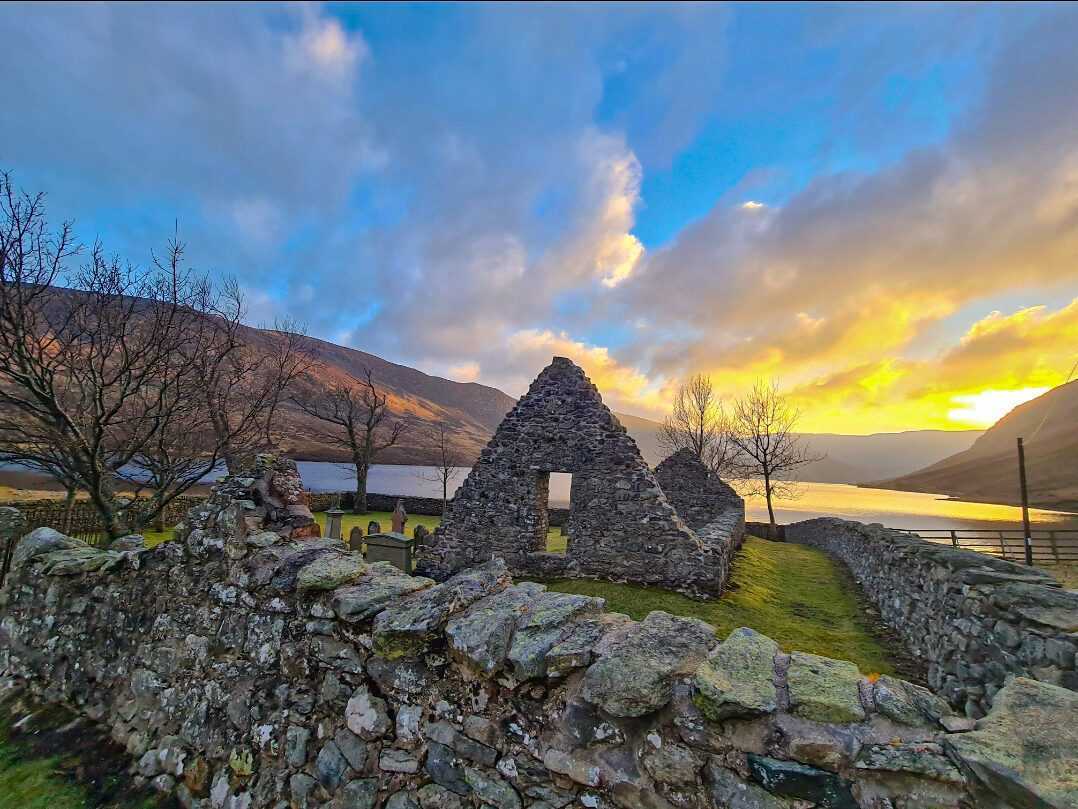
Loch Lee Kirk
The last day of this epic trip took me to the holy island of Iona. I’d been to the abbey lots before, so I put my walking boots on and trekked past the Bay At The Back Of The Ocean and out to St Columba’s Bay. This is where the saint first landed on island in 563AD and I can’t believe it took so long to see it for myself.
After around 17km of walking around the island, I was glad there was no more adventuring to do the next day! If that’s how busy the “quiet” month has been, I’m almost scared to see what March brings!
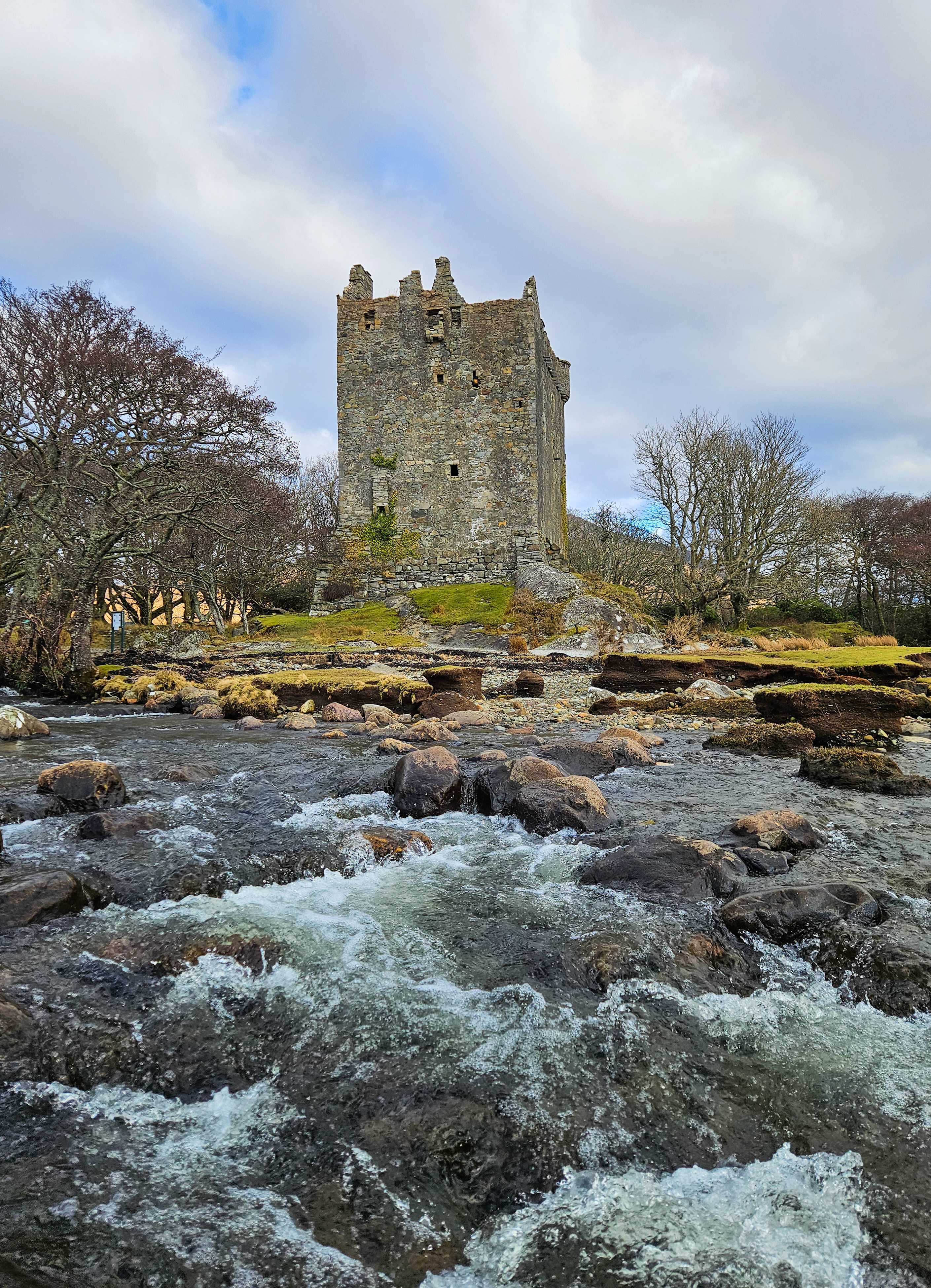
Moy Castle
St Moulag
You can follow along with Graeme’s journey every week in this series, as he continues to travel the length and breadth of Scotland with his dog Molly—uncovering stories, meeting locals, and sharing the kind of places that make you want to see it all for yourself.
Promoted Post
The Scullery
Tucked away in the heart of the Yarrow Valley, The Scullery is a one-bedroom boutique hideaway, eloquently designed for comfort, calm, and connection. Whether you’re escaping the city or craving a countryside reset, this is your space to slow down and just be.
-listable-carousel-1769292770.jpg)






 Sign in with Google
 Sign in with Email