Exploring with an open mind - Historic Kilbride

When it comes to exploring Scotland, wandering certainly doesn’t mean that you’re lost. There’s nothing wrong with meticulously planning an efficient itinerary, especially when time is against you, but that isn’t always the best way to explore. Sometimes you need to follow your instincts and let curiosity take over.
Profile

Pick a direction, have some interesting stops in mind, but always be prepared to chase a rainbow if you see one. Be free, be flexible and above all be adventurous. It can be scary, but some amazing things can be found on the road less travelled.
That was how I discovered Historic Kilbride, on a meandering journey down the hidden peninsulas of Argyll. These fingers of land protruding into western sea lochs hold some fascinating secrets, well off the usual tourist routes. This is unfiltered Scotland, away from crowded bus groups and queues for curated photography spots.
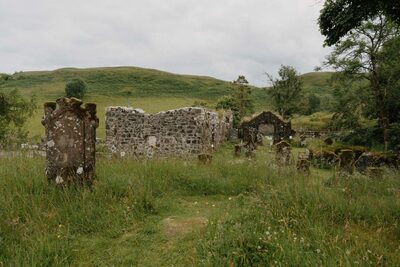
You don’t need to travel far around here to feel remote. Just a few miles from Oban, on my way to nowhere down leafy Lerags Glen, a small sign jumped out that made me hit the brakes and reverse for a closer look. All it said was Historic Kilbride.

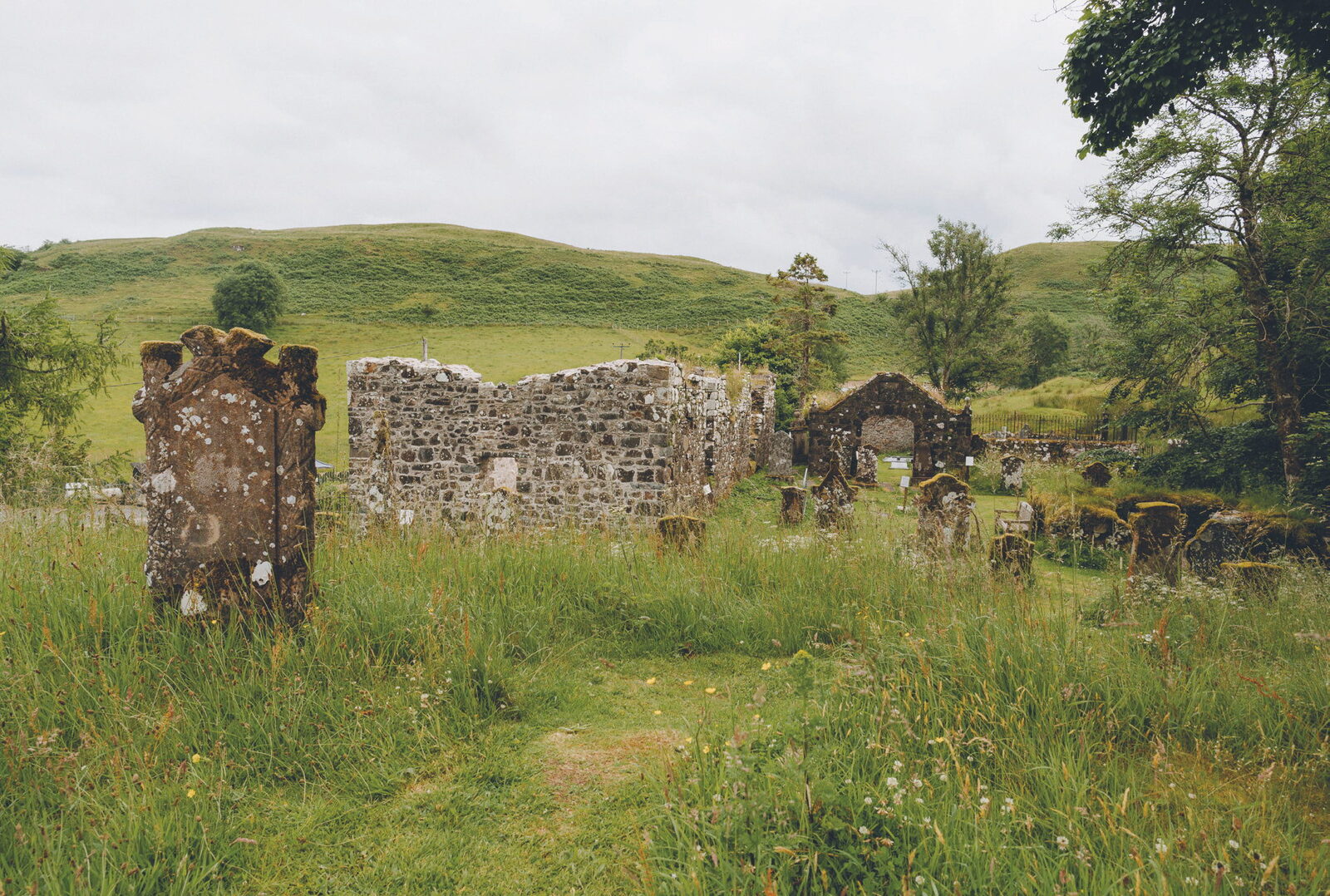
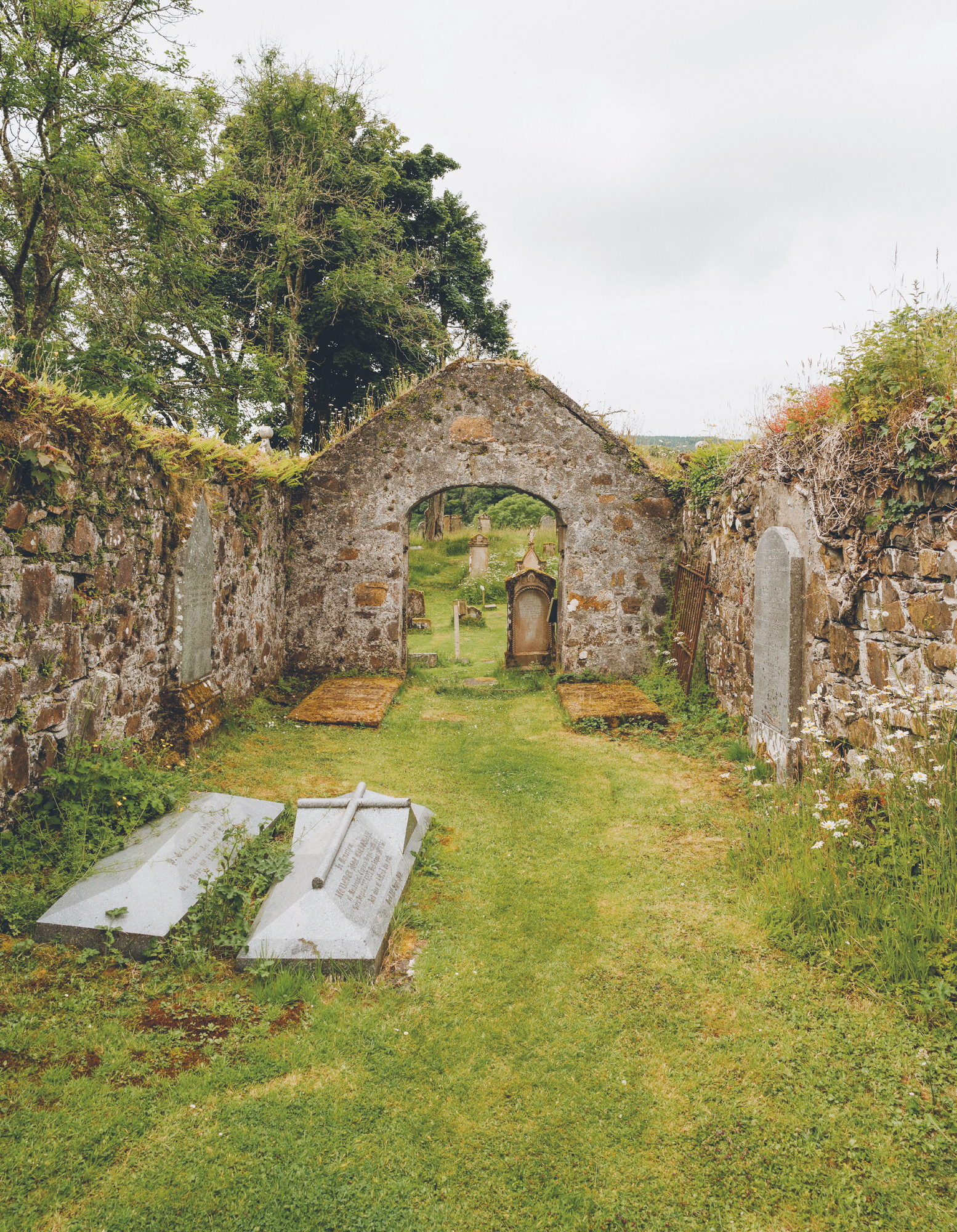
The name Kilbride gives a clue to what might be found here, with ‘Kil’ almost always indicating the presence of a church. This Church of St Bride was first mentioned in a charter from King Alexander II in 1249 but is thought to date back to the time of the 6th-century saint, if not even earlier. Kilbride has changed much since those early days and the ruined buildings we see today are 18th-century replacements.

There are hundreds of gravestones for people from all walks of life, each one documented and many telling fascinating stories. Shifting populations meant the end for several small churches and this ancient holy site was abandoned in the 19th century, left to be reclaimed by nature.

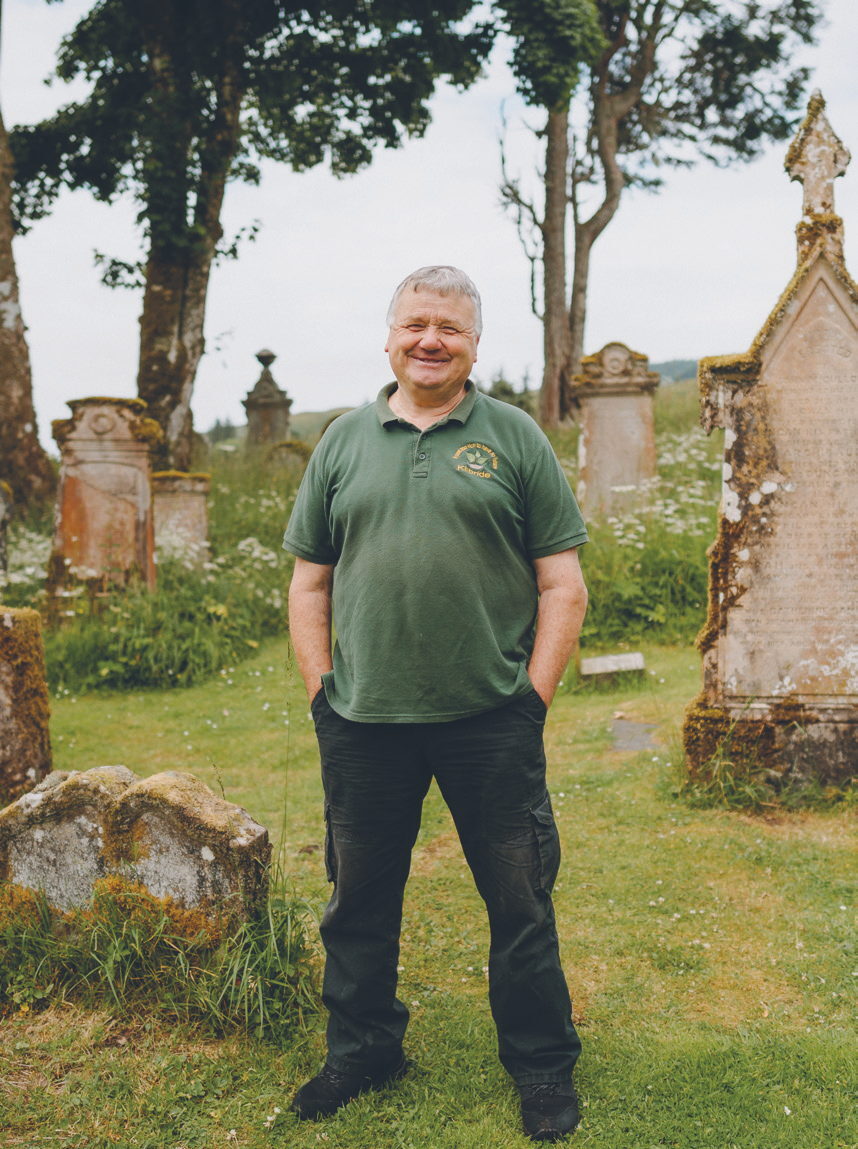
That could have easily been the end for Kilbride, swallowed by foliage and forgotten about forever like so many other historic sites. Fortunately, thanks to the vision and efforts of one man, that wasn’t allowed to happen. After Liam Griffin moved into a new home next to the ruins of Kilbride, he was inspired to save what he had discovered on his doorstep.

Image One
Image Two

Most people would have seen it as a lost cause, just a jumble of stones and debris punctured by fallen trees and wildly overgrown shrubs. However, Liam saw through that mess to the stories buried within. Here was an opportunity to restore an important part of local heritage, but it wasn’t going to be easy. He needed every ounce of his enthusiasm for the relentless task of clearing, restoring and researching what would become known as Historic Kilbride.

Of course, Liam couldn’t have done this on his own. The charity Friends of Kilbride was set up to preserve this historic monument and promote it as a place of national importance. It’s taken time, money and an awful lot of dedication but the volunteers have made an enormous impact and Historic Kilbride is fast becoming an Argyll highlight.

It’s not just the peaceful setting or the beautiful, old walls that make Historic Kilbride worth visiting, it’s the stories there, waiting to be uncovered. I was fortunate enough to stumble upon the site while Liam was available and found myself being regaled with local legends and hidden histories. All in the tireless manner of somebody who loves what they do and relishes the chance to share it with the world.

Historic Kilbride is particularly special for the MacDougall Memorial Aisle and two of the largest grave slabs commemorate clan chief Iain Ciar MacDougall and his wife Mary of Sleat. In the early 18th century, the couple were based at the ancient stronghold of Dunollie Castle just outside Oban.

When duty called, MacDougall took up arms to fight in the 1715 Jacobite uprising, leaving his young wife Mary to look after her new home. Unfortunately, the rising didn’t go well and MacDougall was forced on the run. In the years that followed, the chief made his name as a legendary warrior in Ireland before joining his fellow exiled Jacobites in France.

MacDougall returned to Scotland but while he had been adventuring abroad, things hadn’t gone well for his poor wife. Mary had been evicted from the castle to work like a commoner amongst her former servants. Her husband’s return came with an official pardon and the couple moved back to Dunollie Castle, later becoming the first burials in the MacDougall Memorial Aisle at Kilbride.

Scattered around the small hill are the graves of people less noble than Iain Ciar, but no less interesting. They include Johnie, a local Campbell gentleman from the 17th century who was shot in the chest with a pistol and left for dead in his thirties. Against all the odds, Johnie survived.

It seemed like a miracle, but he went on to live a full, happy life, fathering more than his fair share of children. Legend says that when Johnie finally passed away, they cut him open and discovered the old man had two hearts. One had been shot by the pistol, while the other carried on beating.

There’s even an interesting grave that appears to back the story up, uncovered and maintained by Historic Kilbride. Lying amongst the long grass, Johnie’s stone is carved with two hearts, a pistol and what might be his guardian angel.

Whether you believe the tale or not, it’s still a great story that brings somewhere like this to life and I never would have heard it if I hadn’t investigated a road sign on a whim. Historic Kilbride proved to me that some of the best stories can be found where you least expect them. So, the next time you’re looking for an adventure, remember to keep both your eyes and your mind open.

words // Graeme Johncock - photography // Simon Hird