
A Walking Guide to Dunkeld
There aren’t many better towns in Scotland to spend a day wandering around than Dunkeld. Not only is it one of Perthshire’s most scenic settlements, but it has a long and fascinating history that can be seen from your first footsteps around these old streets.
words // Graeme Johncock - photography // Simon Hird
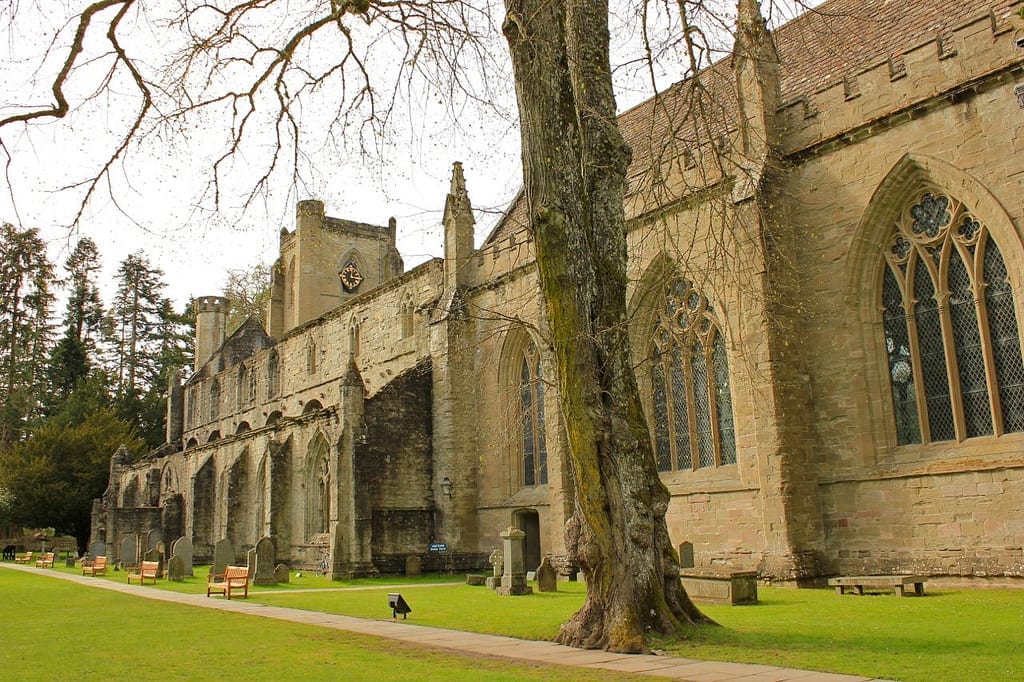
Begin your wander through Dunkeld at its oldest building, the impressive Dunkeld Cathedral. Sitting right on the banks of the River Tay, an immense feeling of peace washes over you when you stroll through the grand, wroughtiron gates. This is more than just a pretty exterior, it’s somewhere with a nationally significant story.
In the 800s, with Viking raiders threatening Scotland’s west coast, Dunkeld was chosen as a safe location to house the nation’s most important relics, with St Columba’s bones being brought here from the Isle of Iona. Then, in 1689, the cathedral was at the heart of the Battle of Dunkeld as government troops fought off the Jacobites. Look hard enough and you might even see damage from musket balls in the walls!
Don’t leave the cathedral grounds without going inside the building. Still a working church, you’ll find a small museum telling the early ecclesiastical story of Dunkeld in the old Chapter Room. One of the most interesting sites inside the cathedral, however, is hidden right at the back, behind the screen.
It’s the early 15th-century tomb of Prince Alexander Stewart, otherwise known as the Wolf of Badenoch. Granted huge swathes of land in the northeast of Scotland after his father became King Robert II, he had a tumultuous history. After a disagreement with the Bishop of Moray over his marriage, Alexander burned down Elgin Cathedral, ensuring he would forever be known as a Wolf rather than a Prince.
You’ll find the oldest houses in Dunkeld stretching out from the cathedral gates, many restored by the National Trust for Scotland in 1954. That includes the Rectory House located right beside the cathedral grounds, built in 1715. The old street broadens out at The Cross, where the Atholl Memorial Fountain stands, once the site of Dunkeld's Mercat Cross.
Overlooking the fountain, the Ell House gained its name from the rod fixed to its walls. That ell was once a common unit of measure in Scotland, especially for weavers, and local merchants could have their measuring sticks verified against this Dunkeld ell.
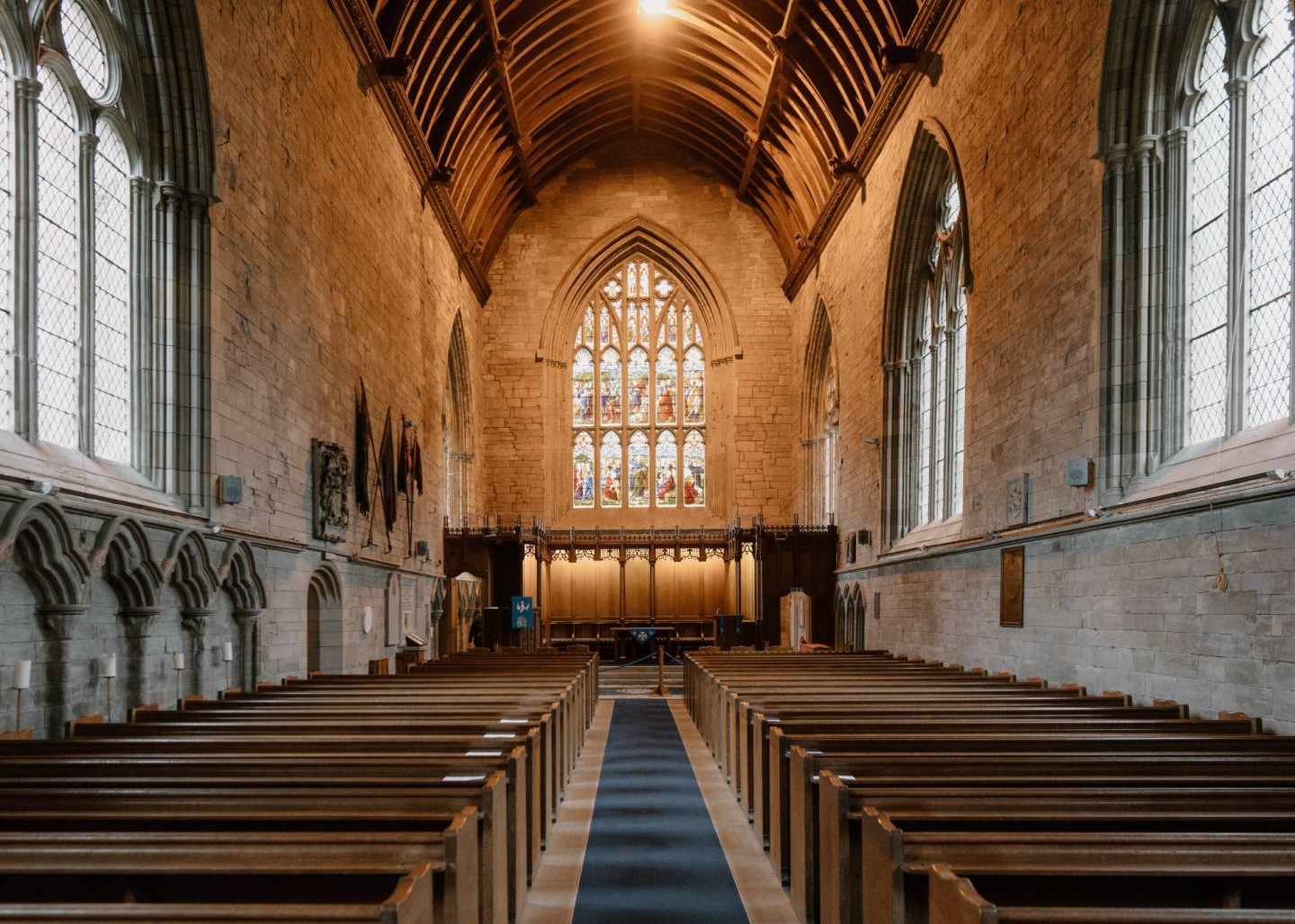
Dunkeld Cathedral
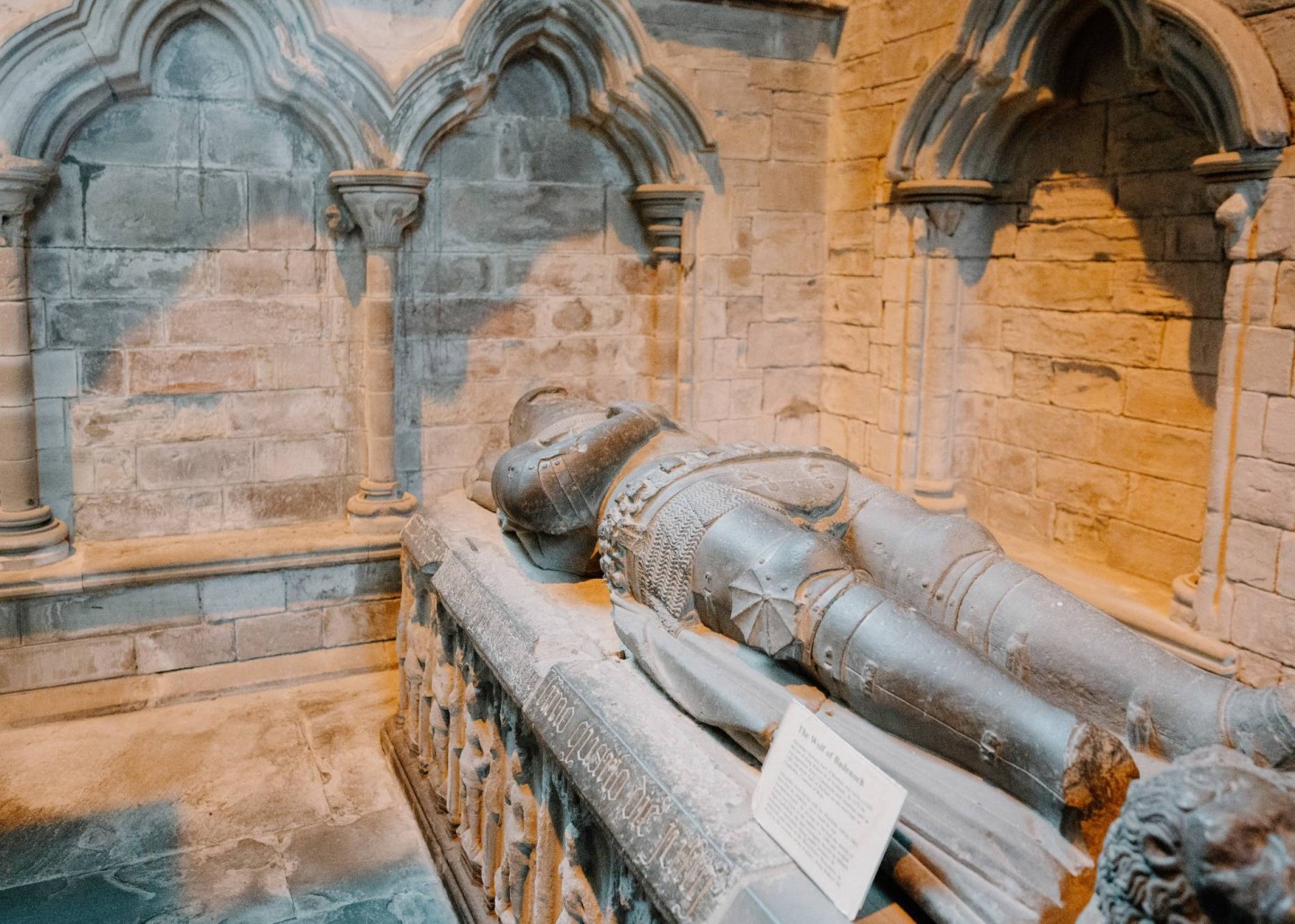
Dunkeld Cathedral
Amongst this row of quaint houses, grab the chance to sample two Perthshire delicacies at Taste Talk Fling. Enjoy Scotch whisky in the best possible way by pairing it with truffles from the Highland Chocolatier. If you discover a dram you want to take home, Dunkeld’s Whisky Box is just across the street.
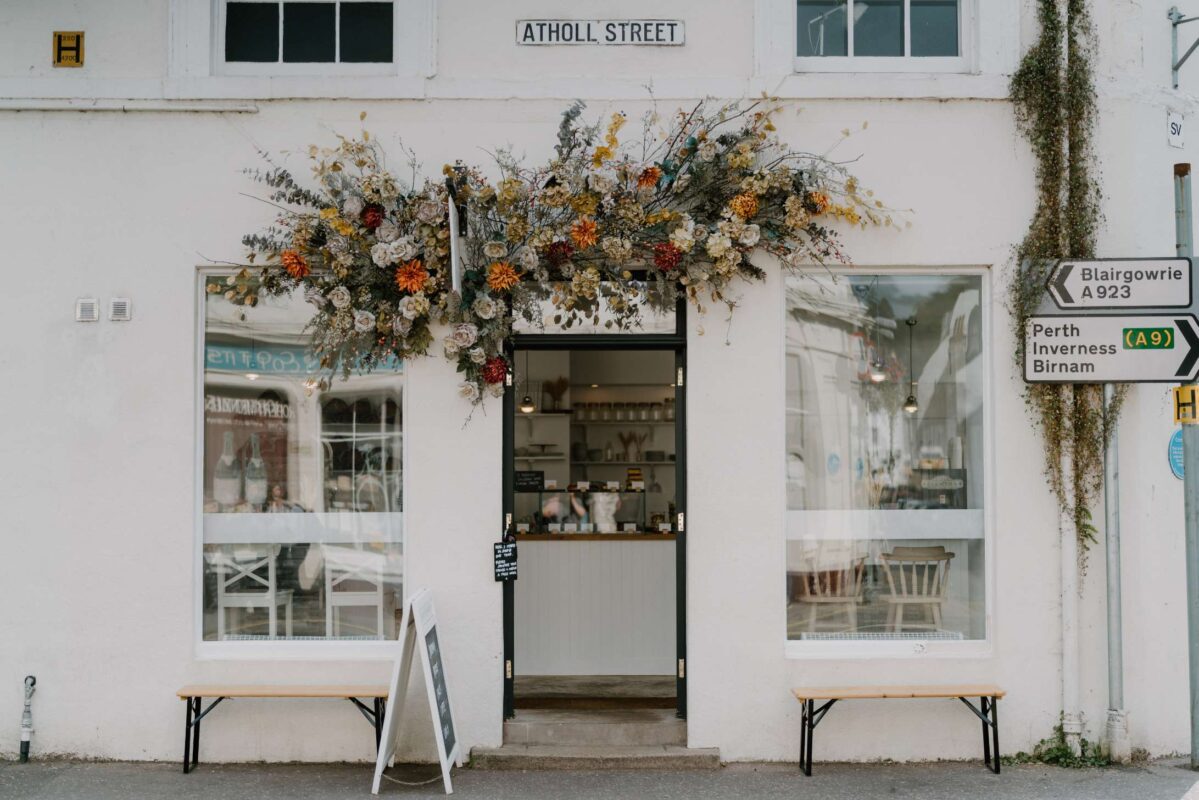
Dunkeld might be full of history, but it’s also a great spot to go shopping. Independent stores like Kat n Kat, situated in an old smithy, have a selection of local crafts on offer, like jewellery, textiles, artwork and homeware.
Elsewhere, you can find clothing in the Naked Sheep, second-hand items in The Vintage Shop or great local produce at Dunkeld Fine Foods!
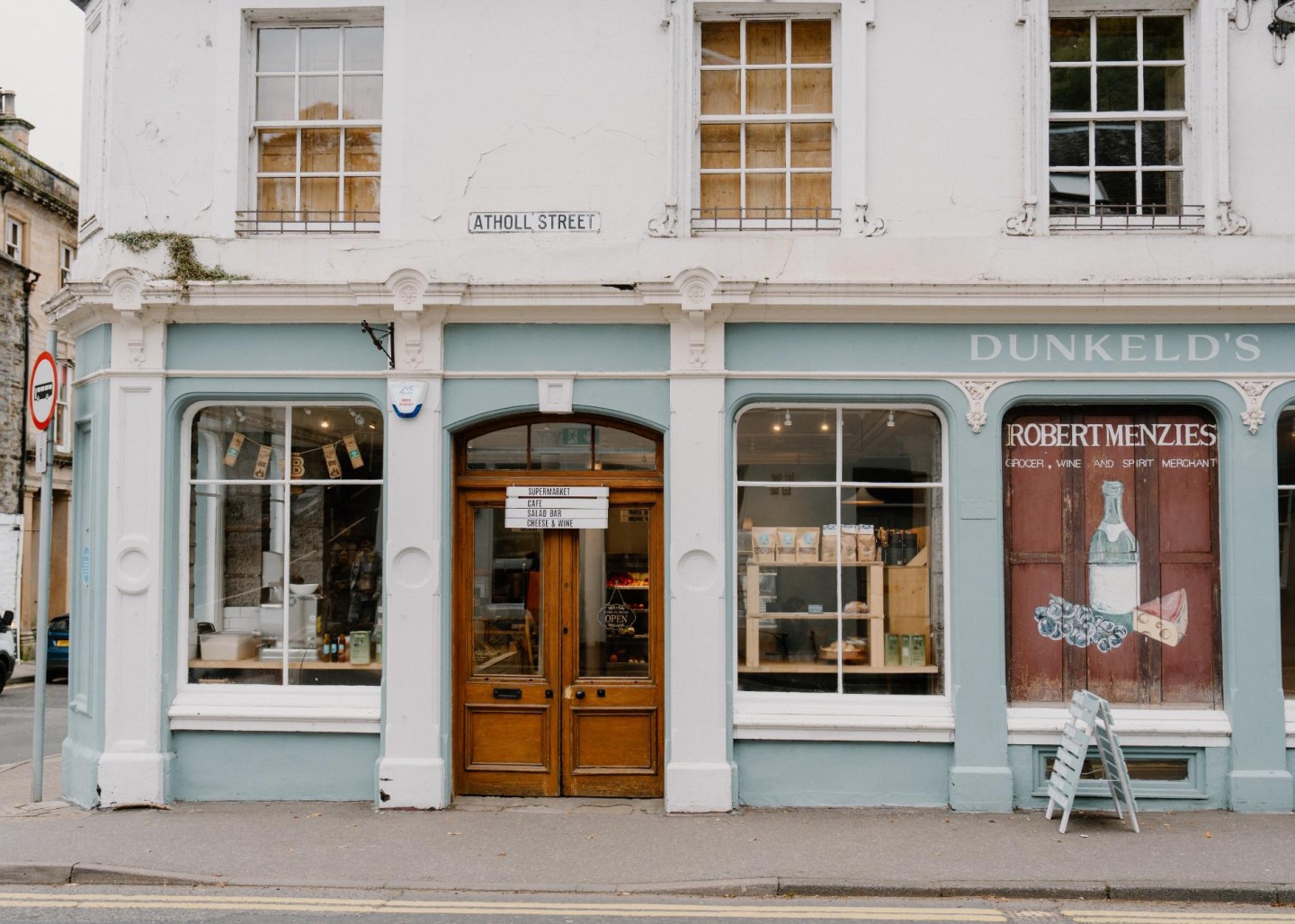
Before walking across Dunkeld Bridge, grab some lunch at one of the many cafés on this side of the river. Aran is famous for great coffee, pastries and bread while the deli at Dunkeld’s across the street provides delicious takeaway sandwiches.
As well as a full sit-down lunch, Livvi’s Little Lunchbox is well known for its selection of pies, sausage rolls and empire biscuits. Closer to the cathedral, The Clootie Dumpling is a Dunkeld institution for anybody who loves tea and cakes.
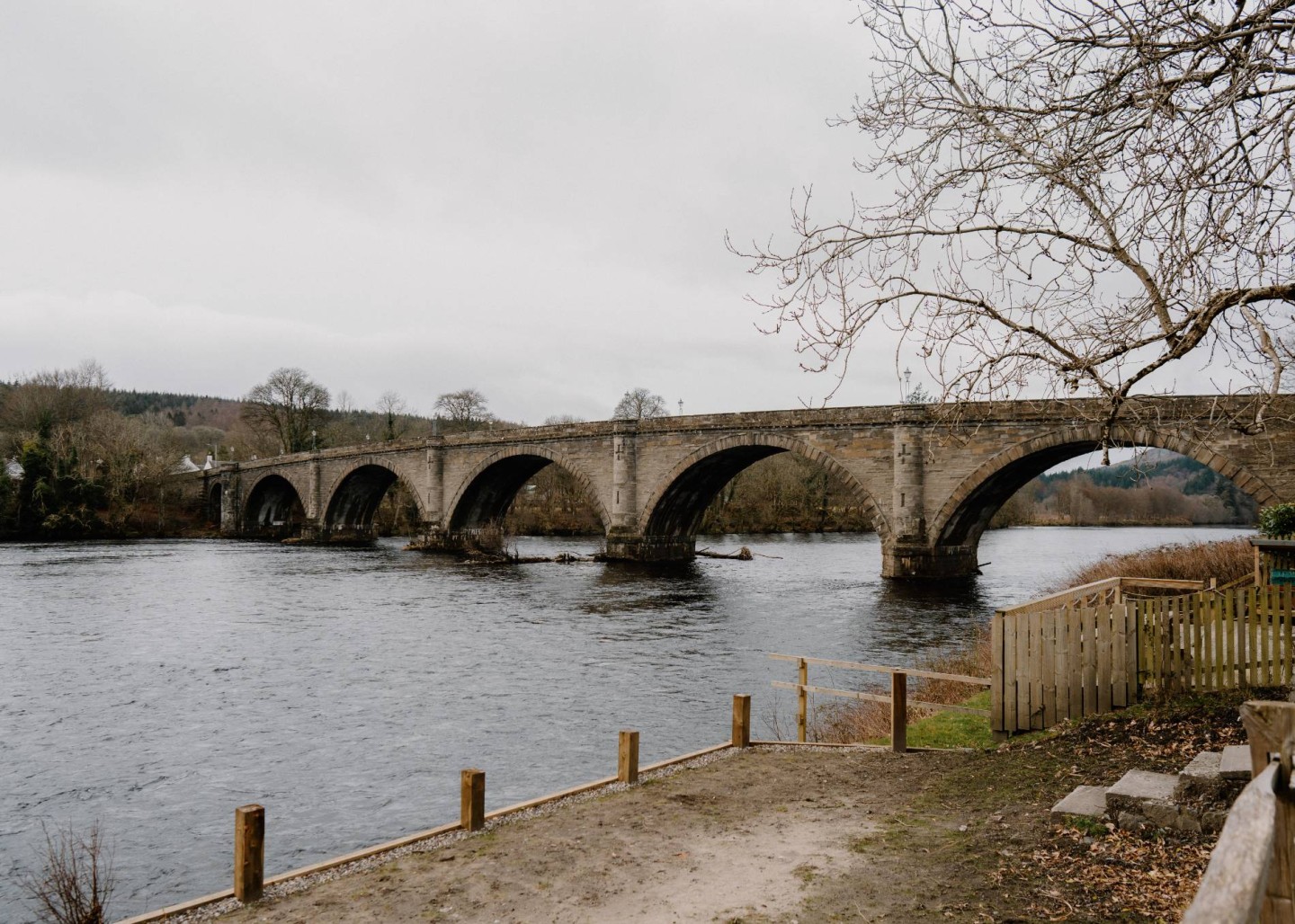
Once across Thomas Telford’s elegant 1809 Dunkeld Bridge, you’ll spot the statue of a local legend. That’s Niel Gow, the father of Scottish fiddle music who rose from a lowly weaver to regularly playing for the high and mighty at the Duke of Atholl’s balls.
He was famous for his quick wit, once scolding the Duke’s guests for holding up dinner so they could listen to him play. Many popular ceilidh songs still played today were written by Niel and he’s honoured by the annual Niel Gow Fiddle Festival!
In the nearby Little Dunkeld Kirkyard, Niel’s gravestone stands larger than the rest, but it’s not the only one worth hunting down. Two “Adam & Eve” stones can be found close to the church entrance. These rare 18th-century stones are designed to remind passers-by of their own mortality.
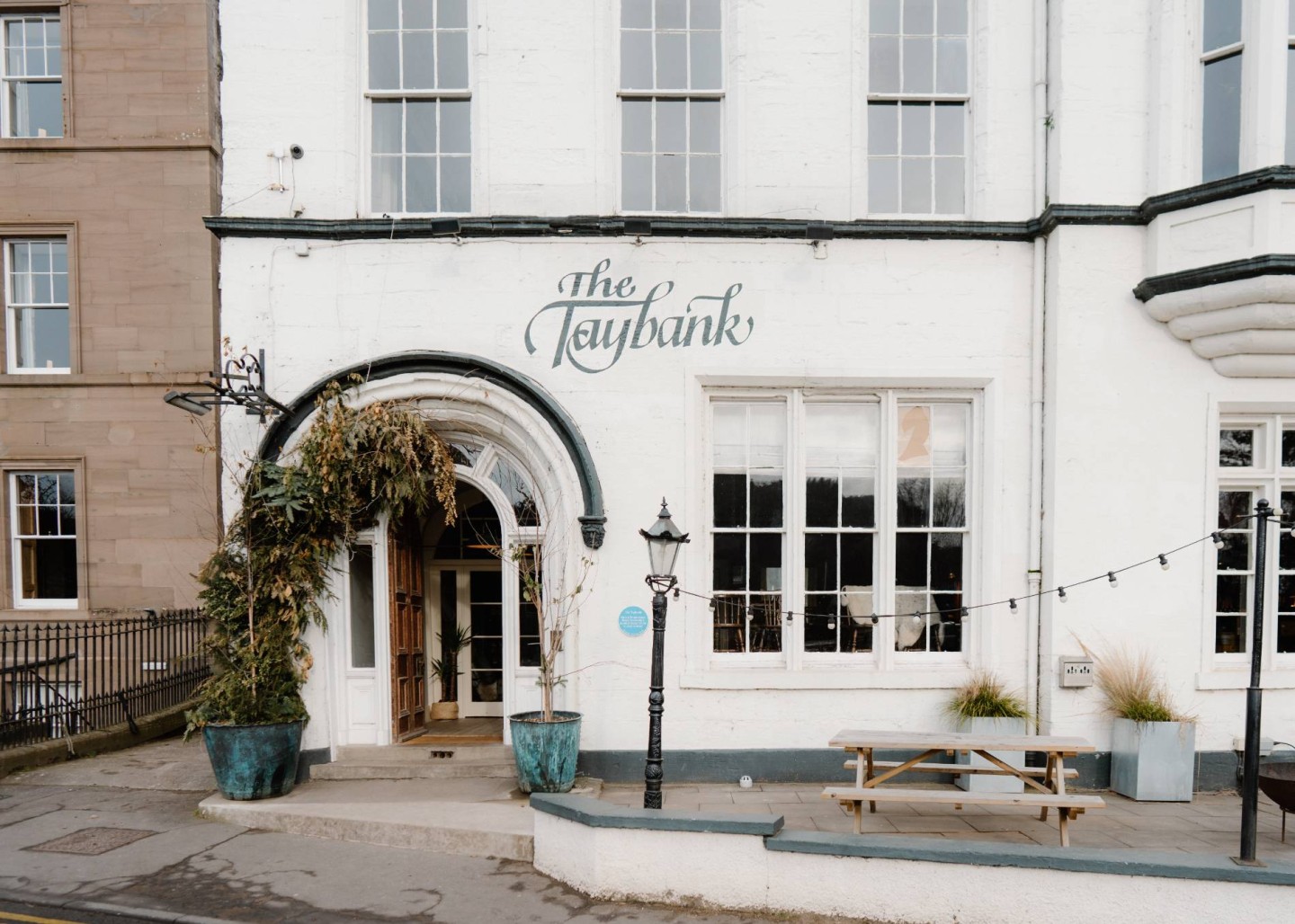
The Taybank
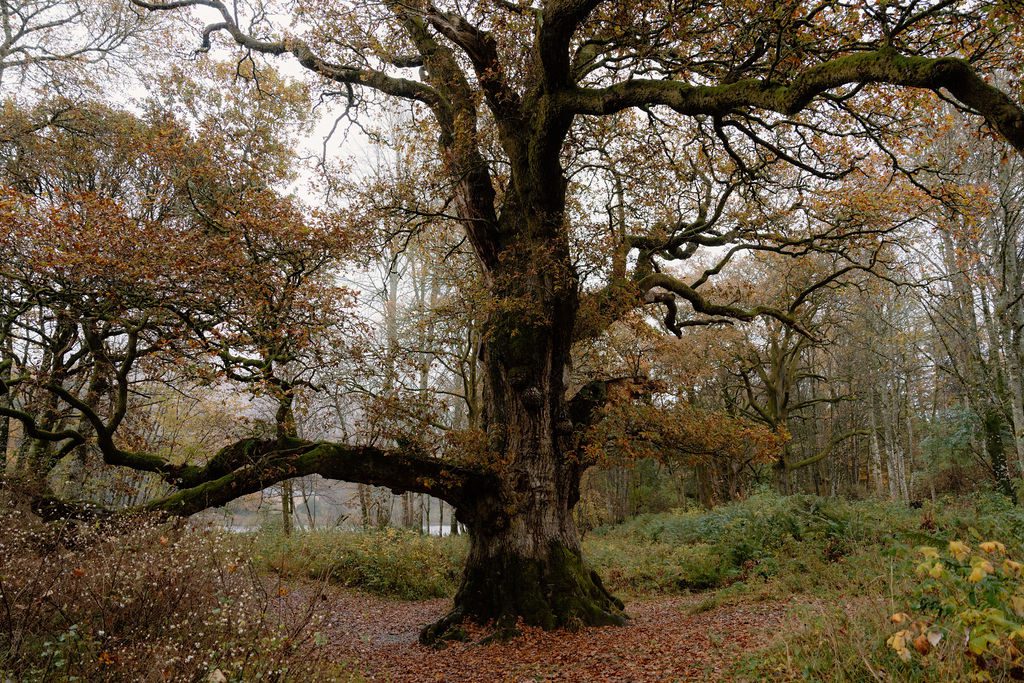
Stretching along the riverbank, a trail of large trees leads to a surprise for any fans of Shakespeare. Past several old sycamores, you’ll come to the enormous Birnam Oak. This is one of the last survivors of the Great Birnam Wood mentioned in Macbeth. So old that its heavy branches need propping up, this 600-year-old gnarled tree is considered one of the most important anywhere in Scotland.
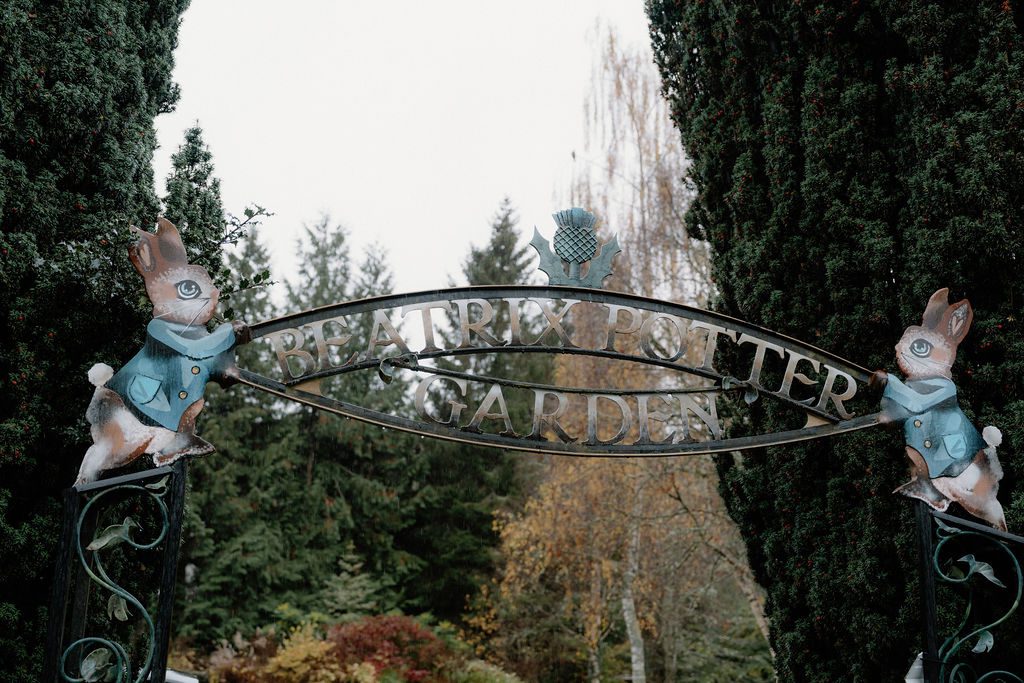
Not many people realise that Beatrix Potter spent her childhood summers visiting Perthshire, but you can learn all about it at the Birnam Arts Centre. The world of Peter Rabbit is brought to life in the Beatrix Potter Garden alongside a carefully curated exhibition about the author’s work.
If walking around the streets of Dunkeld isn’t enough, a short one-mile hike leads to the Loch of the Lowes. No matter the time of year, this peaceful lochside walk is teeming with wildlife. From red squirrels and fallow deer to dozens of different bird species, including a pair of breeding ospreys, it’s an essential stop for nature lovers.
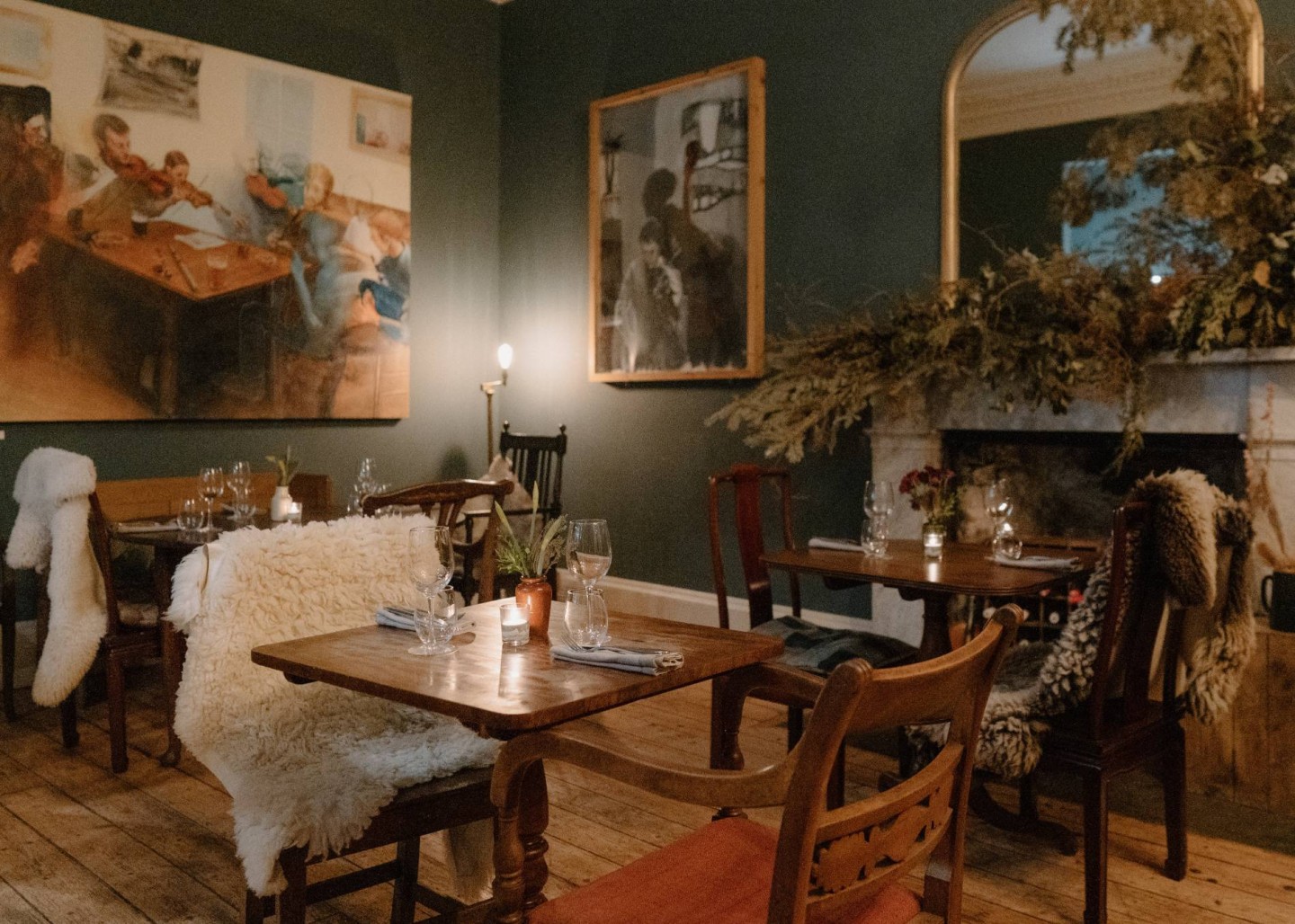
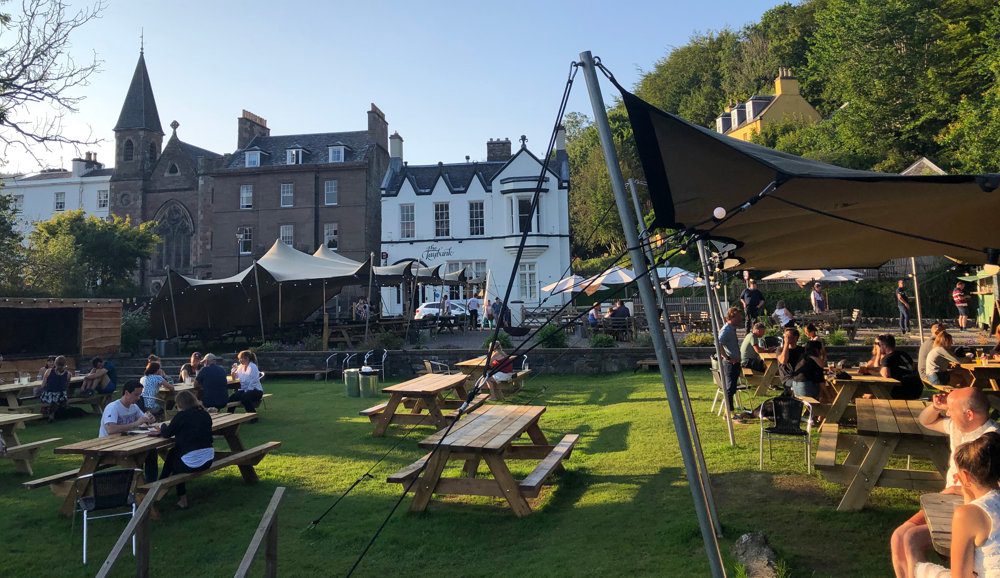
After a day of exploring Dunkeld, there are plenty of great spots for a filling dinner. The Taybank is one of the top restaurants in the area, along with the Atholl Arms Hotel a few doors away. If you prefer your food to go, then grab a supper from the famous Dunkeld Fish Bar. You’ll be spoiled for choice with so many scenic spots around Dunkeld to enjoy your meal.
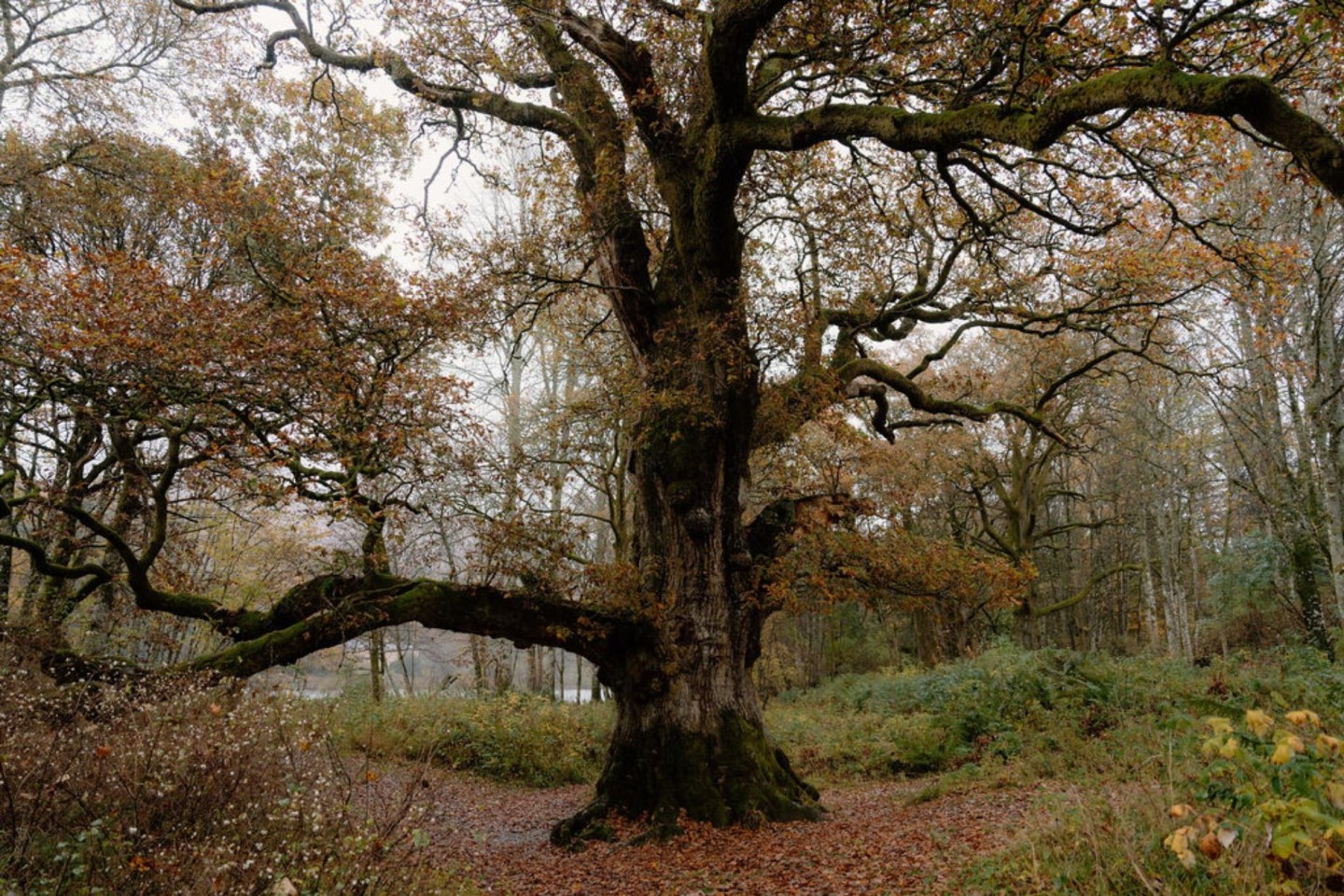
Birnam Oak
Other places of interest
Redwood Wines
Carbonic Shop
The Blue Magpie
Lon Store
Going Pottie
Promoted Post
Eagle Brae
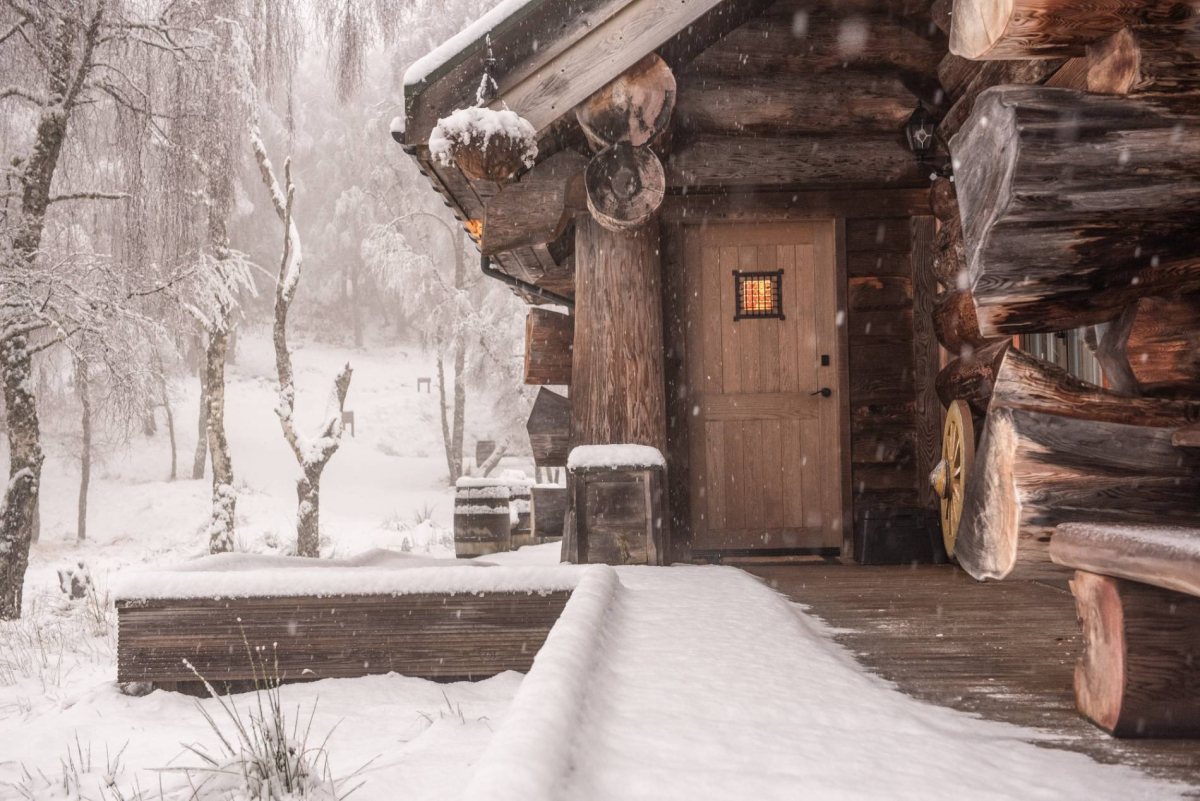
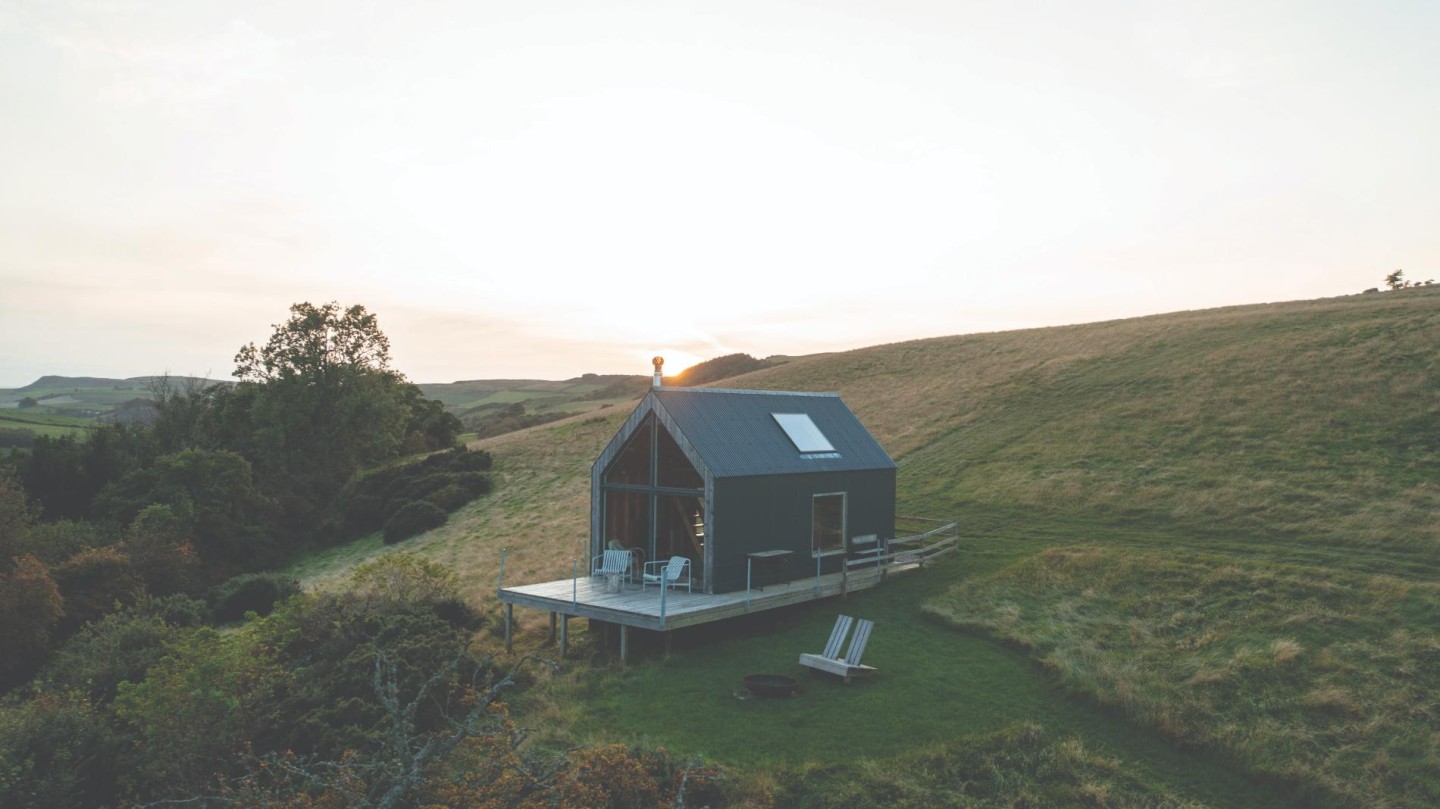
Escape to Eagle Brae, a secluded collection of Highland log cabins near Beauly. Handcrafted cedar, big skies, and deer on the hillside, with a fireside welcome that makes it easy to slow down.
-full-1749377375.jpg)
-full-1745010008.jpg)
(1)-full-1742421387.jpg)







 Sign in with Google
 Sign in with Email