
The Day the Stone of Scone Was Taken
On 8 August 1296, Edward I of England removed the Stone of Scone from its place at the heart of Scotland’s royal coronation ritual. Taken from Scone Abbey without resistance, the ancient sandstone block was carried south to Westminster, stripping Scotland of the object that had long made its kings.

Written by Jack Cairney
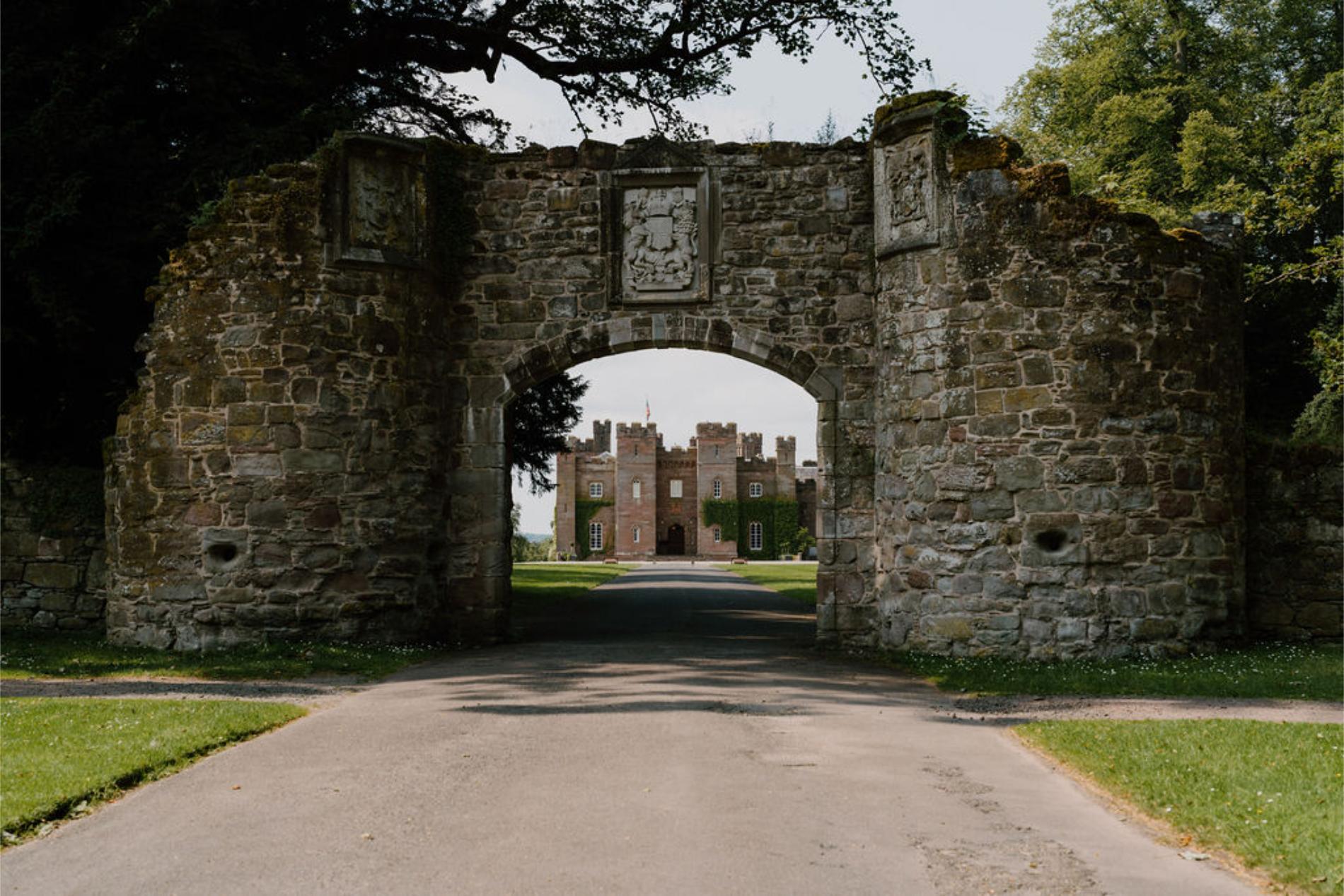
Edward I removed the Stone of Scone from the abbey on 8 August 1296. The Scots had no king. The English king took their seat of kingship instead.
The war had already begun. That spring, Edward I of England had crossed the border into Scotland with a full army. His goal was not just to defeat the Scots in battle but to take control of their kingdom. Berwick had fallen first. The garrison was overwhelmed, the town burned, the people killed in the streets. Then came the victory at Dunbar, followed by the removal of King John Balliol. Balliol was stripped of his title and sent into exile. Scotland, at least in Edward’s eyes, no longer had a king.
But kingship is more than a name. It rests on ceremony, inheritance, and symbols. And in Scotland, no symbol mattered more than the Stone of Scone.
It was kept at the royal abbey in Scone, just outside Perth. It looked unremarkable. A slab of red sandstone, shaped like a low bench, with two iron rings on either side. But it had been used for generations in the coronation of Scottish kings. When a new monarch was chosen, he would sit on the stone as part of the ceremony. That act alone marked the beginning of his reign. To sit on the stone was to be king.
Edward knew this. He had already taken Scotland’s royal seal, its records, and its crown. But the stone was something different. It wasn’t just a relic. It was the foundation of the monarchy itself.
He arrived at Scone in early August. There was no army left to oppose him. The abbey was undefended. The monks, whether unwilling or unable, did not resist. On the 8th of August, Edward’s men entered the abbey and removed the stone from its place. It was lifted by soldiers, taken from the chapel, and loaded onto a cart. No formal announcement was made. The act itself was the message.
That night, the abbey stood as it had the day before. But something had changed. The coronation chair was still there. The altar still stood. Yet the object that gave them meaning was gone.
Edward took the stone south. In London, he had it installed in Westminster Abbey beneath a specially built wooden throne. The idea was simple. If the stone made kings, then the kings of England would sit on it from now on.
Some in Scotland claimed the monks had hidden the real stone and left a fake in its place. That story lingered for centuries. It was easier to believe than the truth.
What happened on 8 August 1296 was not an act of war. It was something quieter. A deliberate removal of identity. The stone had no voice, but its absence said everything. No new Scottish king could be crowned in the traditional way. The ceremony was broken. The chain was cut.
It would be ten years before Robert the Bruce was crowned at Scone. By then, the stone was long gone. They used what symbols they had. The stone was replaced by belief.
But on that day, when Edward’s men carried it out of the abbey, no resistance followed. There was no fight. No protest. Only silence, and the sound of cart wheels on the road.
The king had taken the seat of kingship.
And Scotland, for the time being, had none.
Promoted Post
Stormhouse
Escape to the wild, rugged landscape of Scotland’s west coast, perfectly located between mountain and sea


-full-1749377375.jpg)

-full-1745010008.jpg)


(1)-full-1742421387.jpg)







 Sign in with Google
 Sign in with Email