
A focus on Guardswell Farm
On the Carse of Gowrie, where the Sidlaw hills succumb to the lowlands, sits a farm that can see for miles – to Auchterhouse and Dundee, to North Fife, and on clear days, St Andrews. The air is crisp, laden with seasonal scents – fresh cut hay, sweet haylege, woodsmoke – and the meadows are a sea of different vetches, plantain, yarrow, sheep’s sorrel, knapweed, mouse-ear and gallium. This is Guardswell, the small mixed working farm headed by Anna Lamotte and her family, encompassing accommodation and workshops, events and weddings.
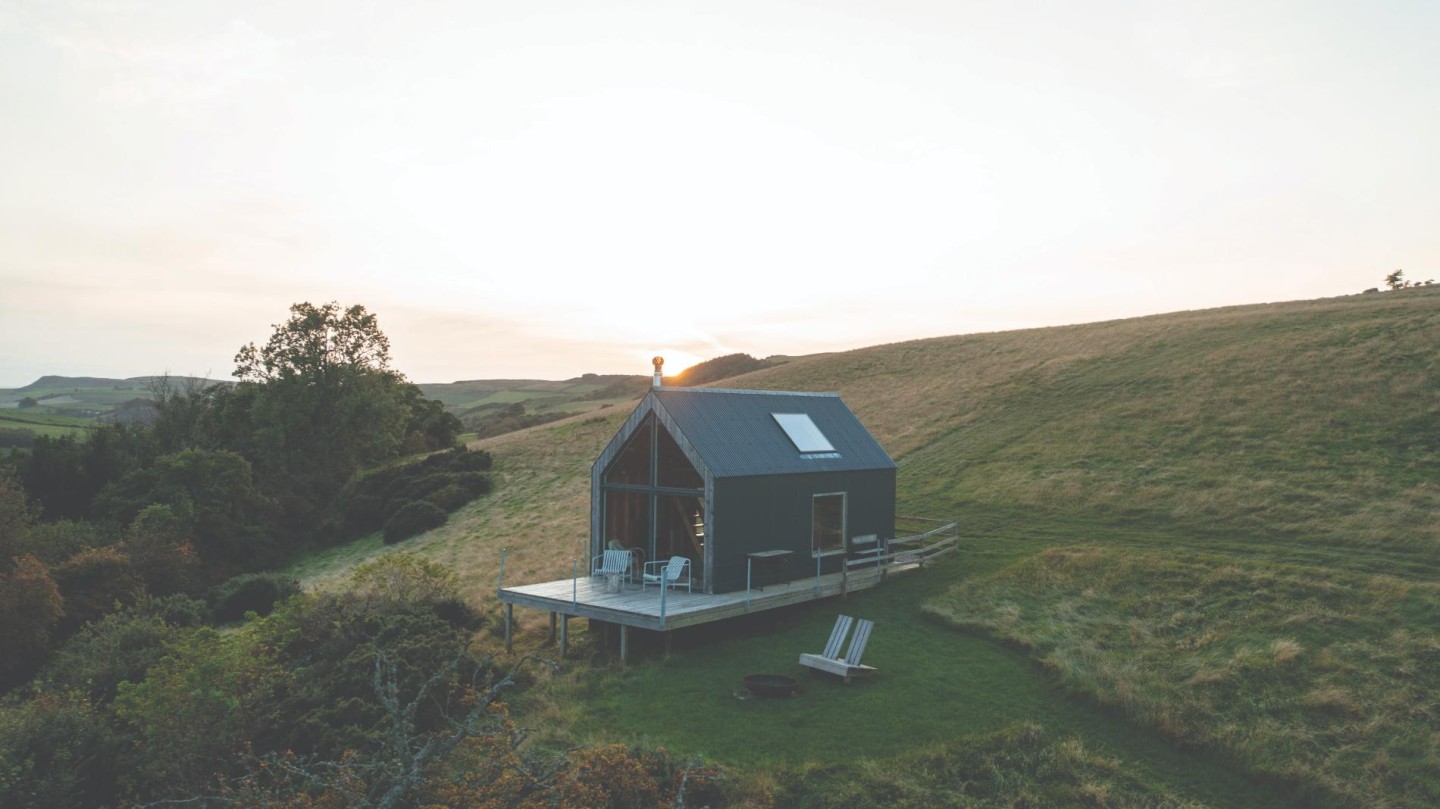
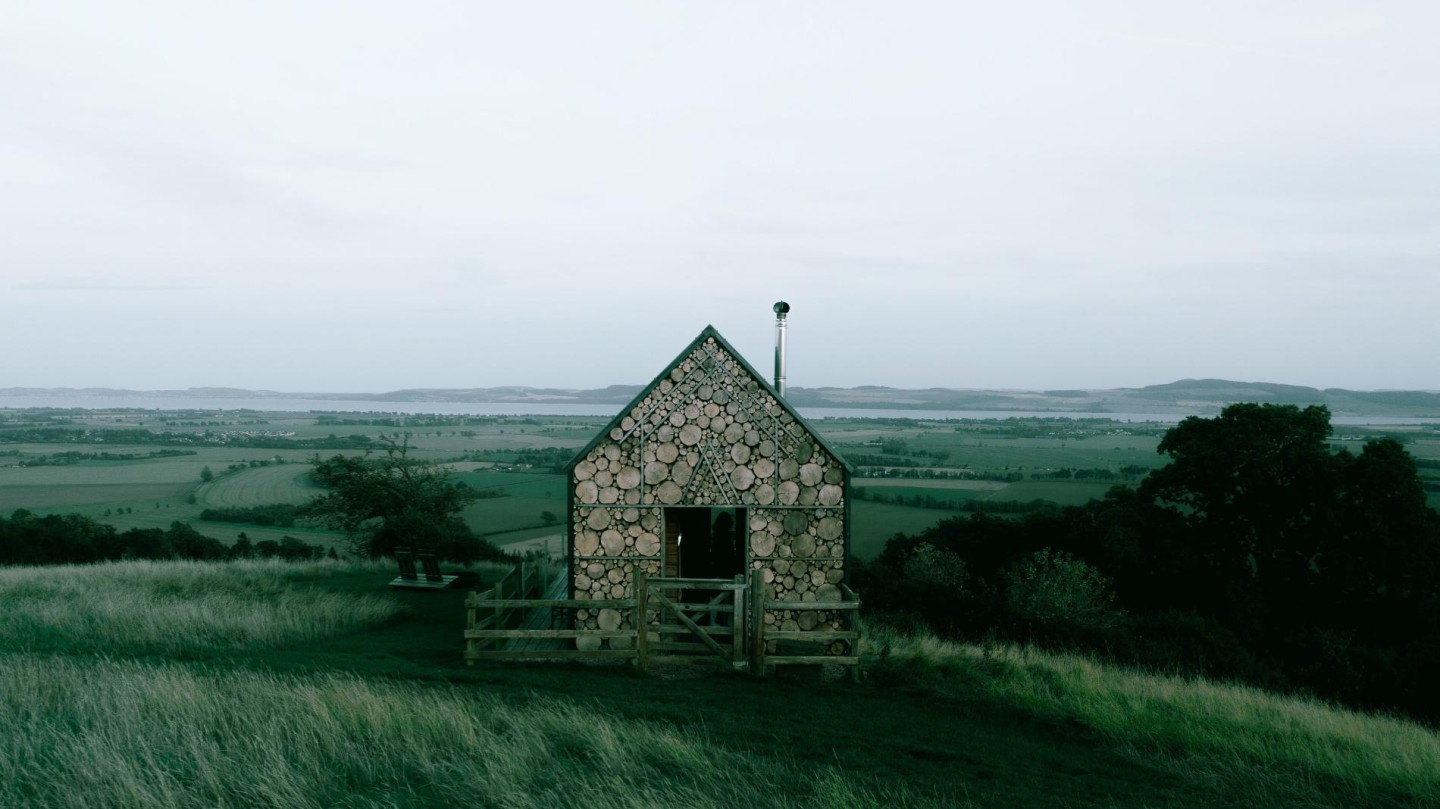
“Guardswell loves to open her gates to anyone who needs to step back from a life that is too busy, too full on, too fast,” says Anna. She describes it as a place to retreat when you need to take stock and rest, to explore on foot or immerse yourself in nature in any number of bucolic spots – “the Big Wood when the bluebells are out and the ferns unfurling. The boat on the hill, when the wind picks up and you need a little refuge. The veg field when the rhubarb is enormous and the beds are overflowing. The glasshouse on an early summer’s morning with a cup of tea”. Here, she shares the Guardswell story.
Can I ask – your surname, Lamotte, sounds French?
Yes, it’s French. We arrived in Britain in the early 1700s. It was originally “Lagier de La Motte”, which proved a bit confusing to the English, so it became Lamotte. It means a small hill, or as my other grandfather used to say, “dung heap”. Or you might remember “motte-and-bailey” castle taught in high school history?
In a nutshell, what does Guardswell Farm offer?
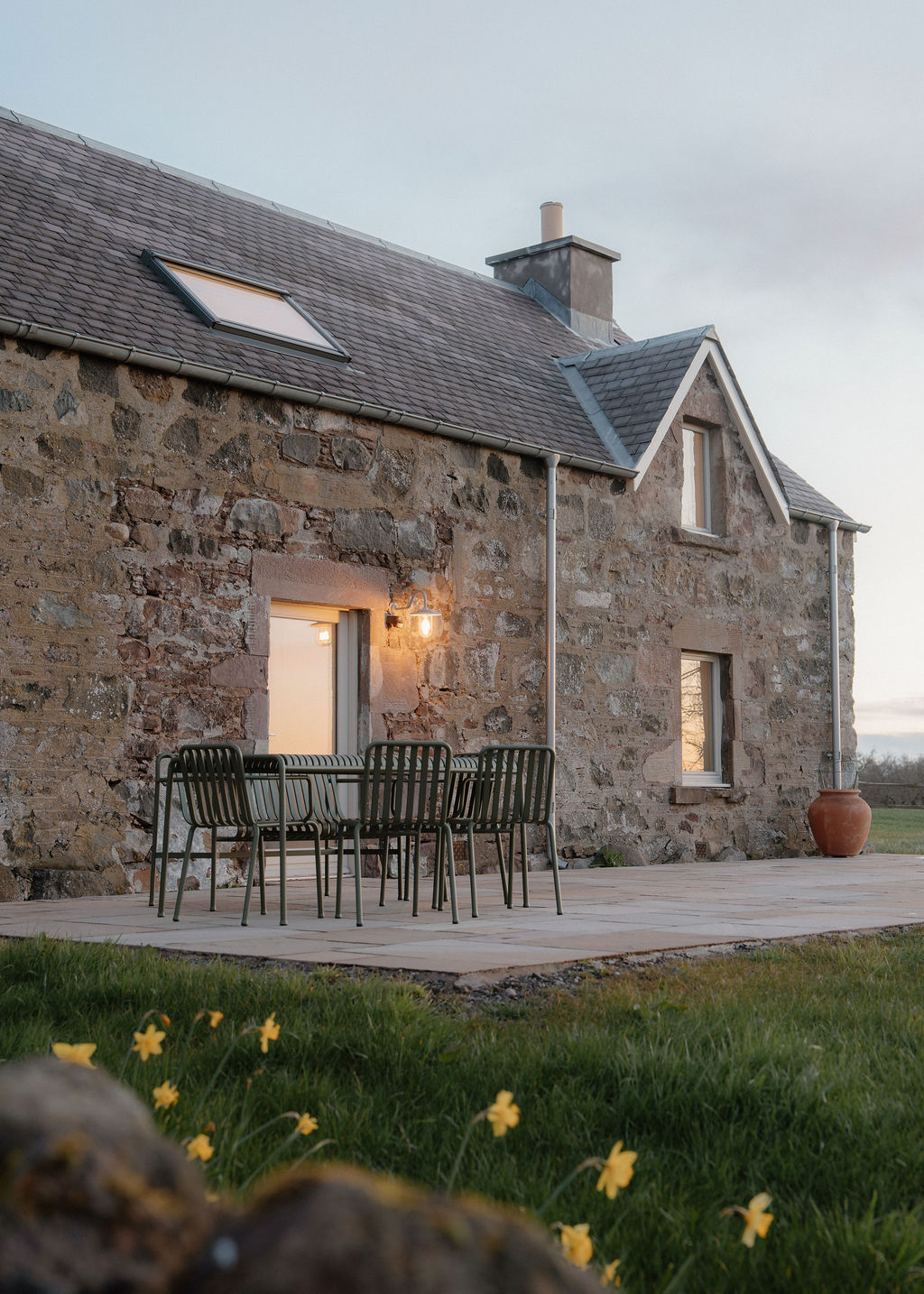
We have three little huts scattered around the farm, and three individual houses. It’s perfect for raucous family gatherings, mindful weekends of walking and wood burners with friends, or a few nights’ escape with someone you love. We also host big life celebrations, weekday produce markets, craft workshops such as spoon carving, and our own small events. We are incredibly fortunate to be right up on the south-facing side of the Sidlaw hills, or the Braes of the Carse. We sit atop the very steep lower section of the hill, so it sometimes feels like you’re on a cliff edge. The patchwork of fields below changes with the agricultural calendar. The farm itself is a number of small rolling hills with a mixture of new and established woodlands.
What brought you to Guardswell Farm?
Our grandfather (Robert) and mother (Fiona) ran Scotherbs, a farm growing herbs predominantly destined for supermarkets and restaurants. As Scotherbs grew bigger, my mum was keen to look for her next adventure. She grew up on the Carse, looking up to the hill and thinking how lovely it would be to live up there. So when Guardswell came up for sale – a rarity along the Braes – she jumped at the opportunity.
Is your background in farming?
Horticulture as opposed to agriculture. I grew up on the 450-acre Scotherbs farm. My grandfather was a font of herb knowledge and an absolute inspiration. He moved from dairy farming in the 1980s, and he used to stress how important it was to sow your seeds slowly and correctly. That’s how you grow a strong plant with healthy roots.
Your whole family is involved in Guardswell. Who’s who?
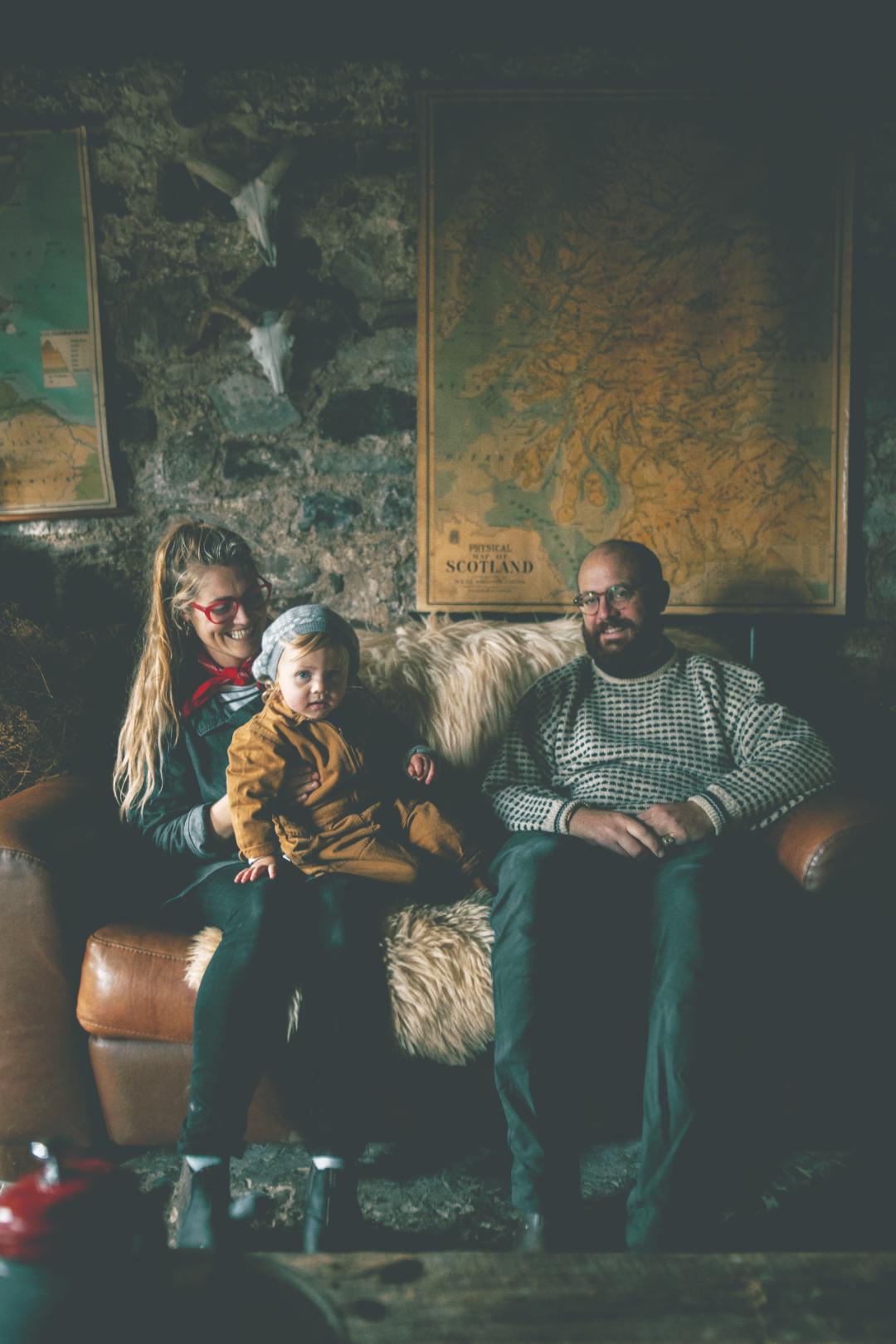
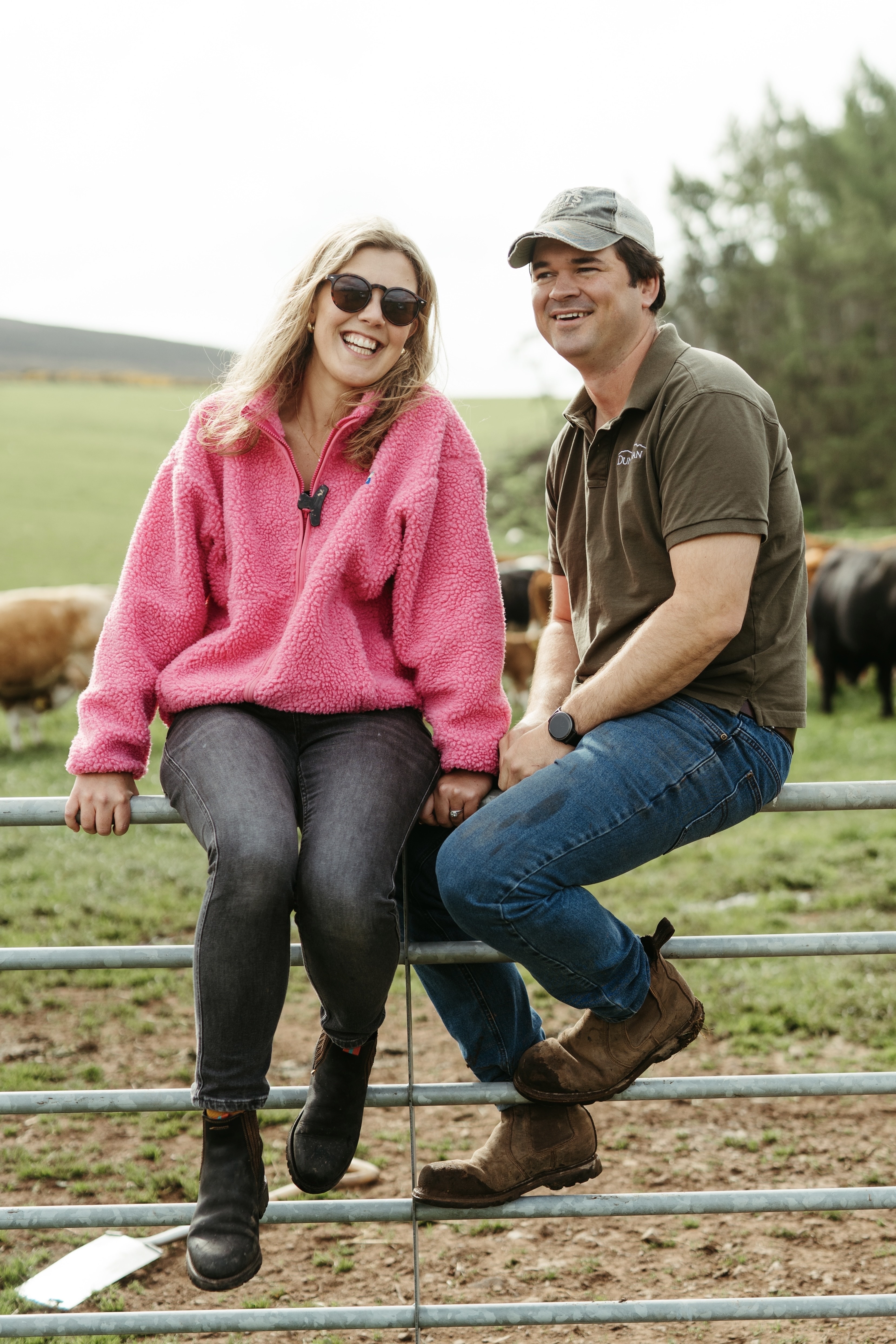
Until recently, I was the main family member running the business, with help from my dad Richard, who can turn his hand to anything, and my mum Fiona, who is the self-proclaimed Donkey Manager. Before he died, my grandfather Robert helped plan and plant the Kailyard veg garden. These days, my Auntie Susan helps us with the gardens. My sister Kirstin returned from Canada in 2019 to start Guardswell Grows before moving on to Litte Trochry Farm. But the most exciting recent development is my husband Digby stepping back from a corporate career to be full-time at Guardswell and run his cider brand, Diggers Fine Cider. Then there’s the smallest member of the team: Aster, our nearly two-year-old chief cone collector, goat handler and tester of children’s activities.
What do you aim to offer guests? And how do you hope they leave feeling?
Escaping digital dependance (we don’t have any wifi or TVs) is so restorative. Sometimes we just need to be given permission to leave our phone in the car and read a book instead. We also hope to give guests a greater connection to the food they eat. We as a society are so disconnected from our food that it’s an absolute win if we can have just one conversation with a guest about rearing Hebridean sheep for hogget in the most ethical, humane way possible, or the steps that go into growing the most beautiful squash they’ve ever seen.
You practise regenerative farming. What does this mean?
There are two elements to the farm at Guardswell: the livestock and the market garden. The market garden is entirely chemical-free, and almost entirely no-dig. We focus on building soil structure and improving soil health, so that the goodness passes on to the vegetables that are grown in it. In 2024, our goal is for every guest to be able to do their “holiday food shop” at Guardswell and fully experience the 100-metre diet. We also have around 100 Hebridean sheep, a small herd of Angora goats and a micro herd of Shetland cattle, as well as hens, donkeys and a couple of Pygmy goats. We aim to add pigs into the mix too, because each species plays an important role in regenerating the soil and supporting diversity through new habitat creation.
Do you see a positive trend towards holistic land management in Scotland?
For sure! The younger generation of farmers can see both the necessity for these changes in an environmental sense, but also the financial benefit. Lower inputs mean lower costs. There are some incredibly inspirational organisations and individuals leading the charge when it comes to rethinking the traditional methods of farming in Scotland – from larger organisations like Pasture for Life to farm-scale businesses like Grampian Graziers, Balkaskie Estate or South Clunes.
Back to Guardswell, for anyone who wants to explore the surroundings, what are the highlights?
We are 15 minutes from Dundee, so you can grab an awesome coffee from EH9 or Mana, then head to the V&A. Take an afternoon trip over to the East Neuk of Fife or St Andrews, with a late lunch at Kinneuchar Inn. Or head northwards and enjoy a breakfast pastry from Aran bakery in Dunkeld and a nosey in their shop Lon, followed by a walk at the Hermitage. You could have a tootle around Aberfeldy, then stop at The Taybank for an insanely delicious dinner on your way back to the farm. With Edinburgh, Aberdeen and Glasgow all within 1.5 hours, you can do almost anything in central Scotland whilst staying with us. But you can also stay put: walk, read, lie in the grass and watch the birds... Just be warned: Jimi the goat might try and jump on you!
Promoted Post
Stormhouse
Escape to the wild, rugged landscape of Scotland’s west coast, perfectly located between mountain and sea
-full-1749377375.jpg)
-full-1745010008.jpg)
(1)-full-1742421387.jpg)






 Sign in with Google
 Sign in with Email