
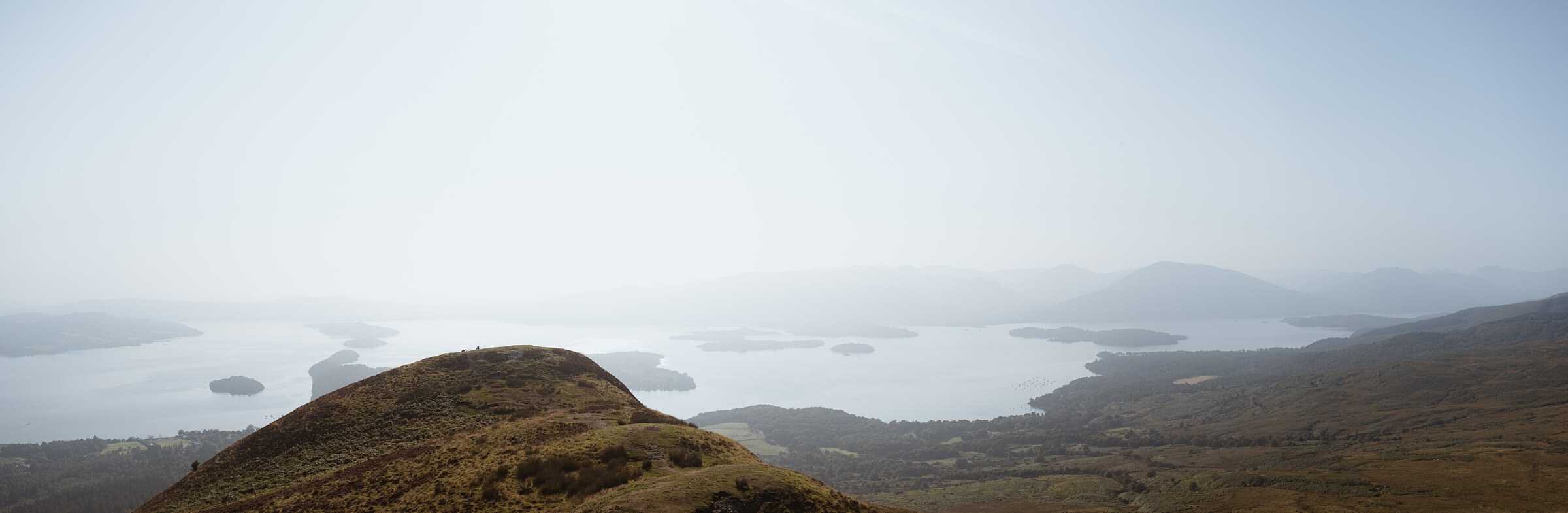
Loch Lomond & The Trossachs. Loch Lomond & The Trossachs National Park guide
Scotland's first national park: the bonnie banks of Loch Lomond, Loch Katrine's steamer and the Trossachs glens.
The four parts of Loch Lomond & The Trossachs
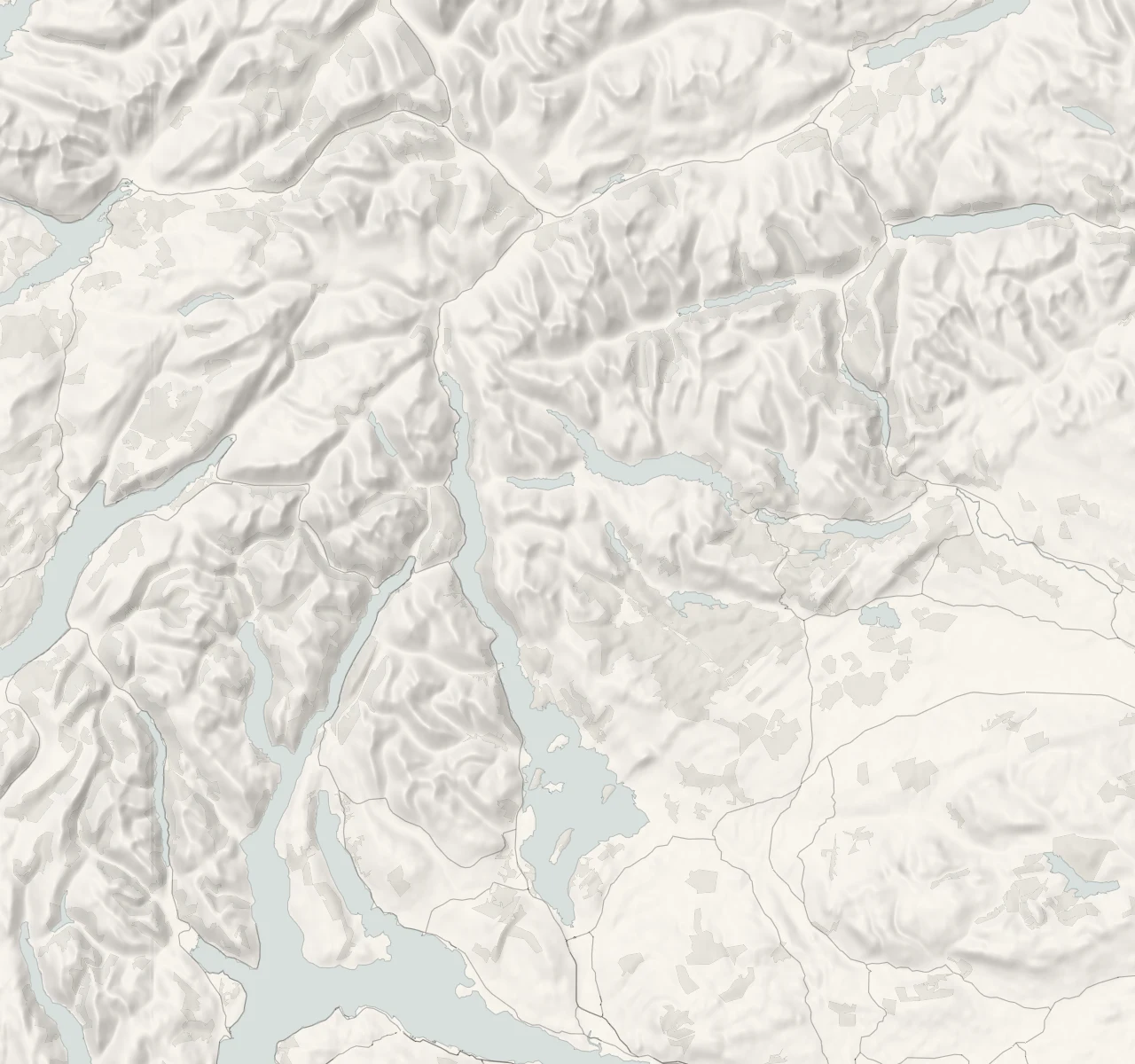
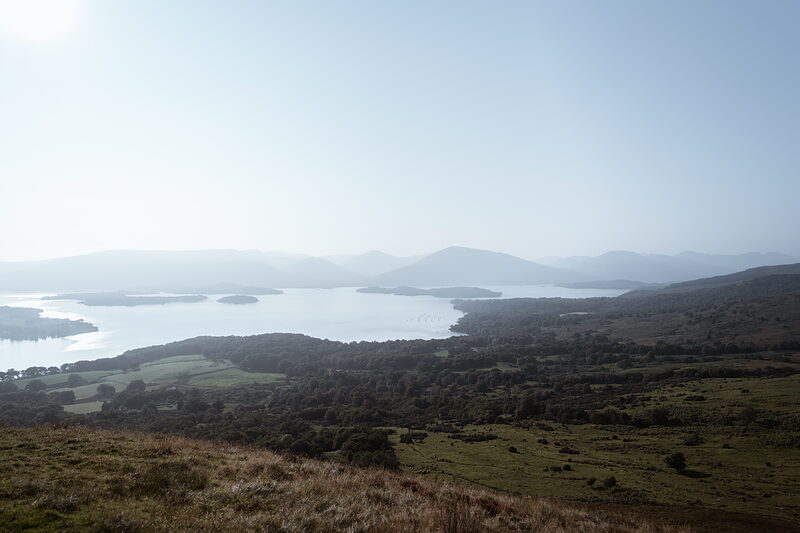
There's something special about the moment the Highlands begin, and in Loch Lomond & the Trossachs you can watch it happen. The Highland Boundary Fault runs straight across the region, from the islands of Loch Lomond to the falls above Callander. On one side lie green farmland and gentle woods, and on the other the mountains rise. It became Scotland's first national park in 2002, and it covers 720 square miles of lochs, glens, forests and hills. Yet it starts close to the city, and trains from Glasgow still run all the way to Balloch, at the southern tip of the loch.
Balloch and the south
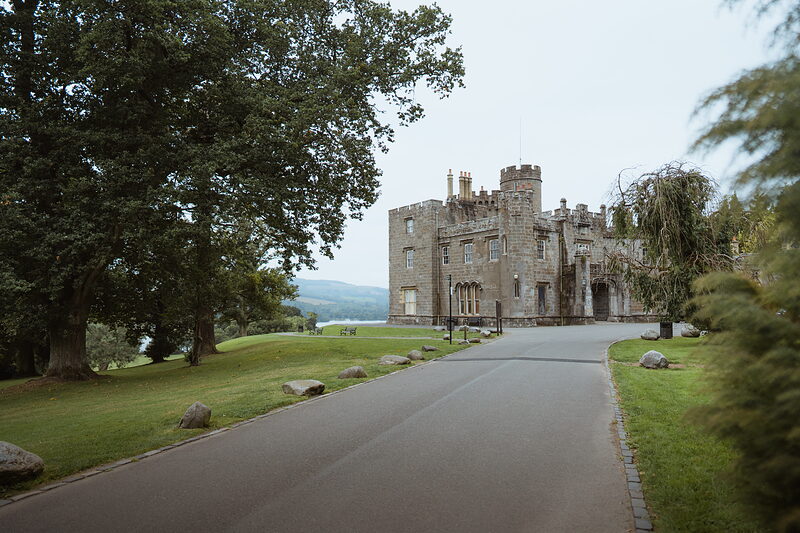
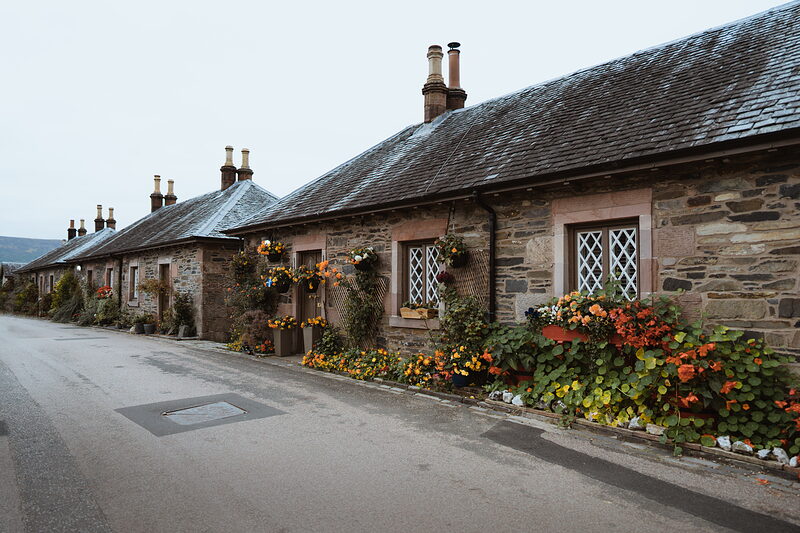
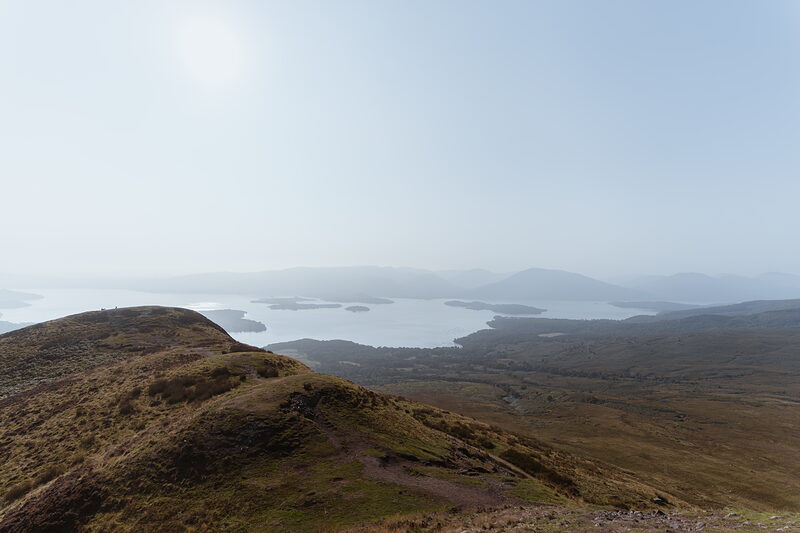
Balloch sits at the foot of Loch Lomond, where the River Leven leaves the loch, with boats from the pier and a castle park above the water. Up the west shore, Luss is a village of neat stone cottages and a sandy beach, while across the loch Balmaha sits below Conic Hill and the path up Ben Lomond starts further north at Rowardennan.
Aberfoyle and the Trossachs
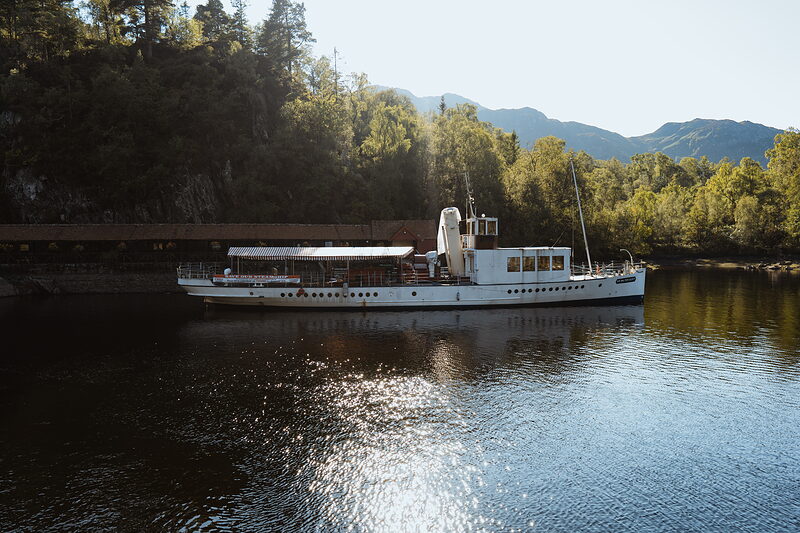
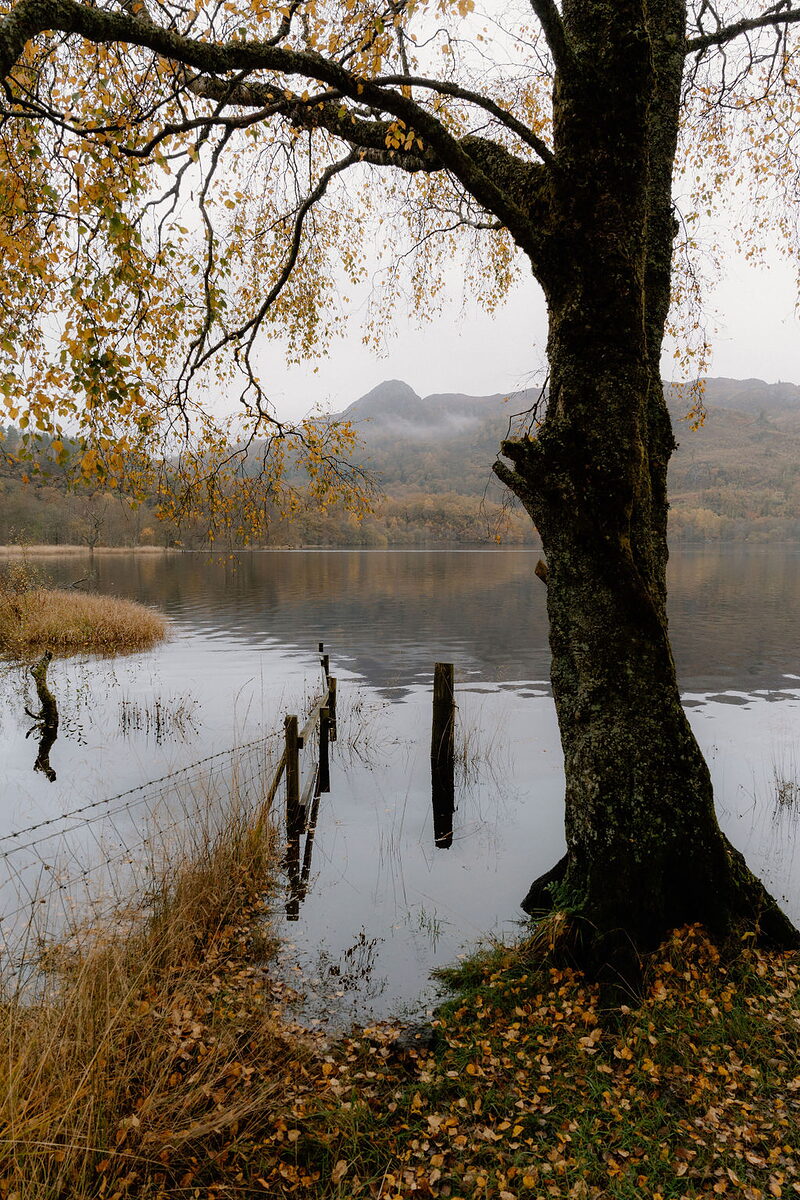
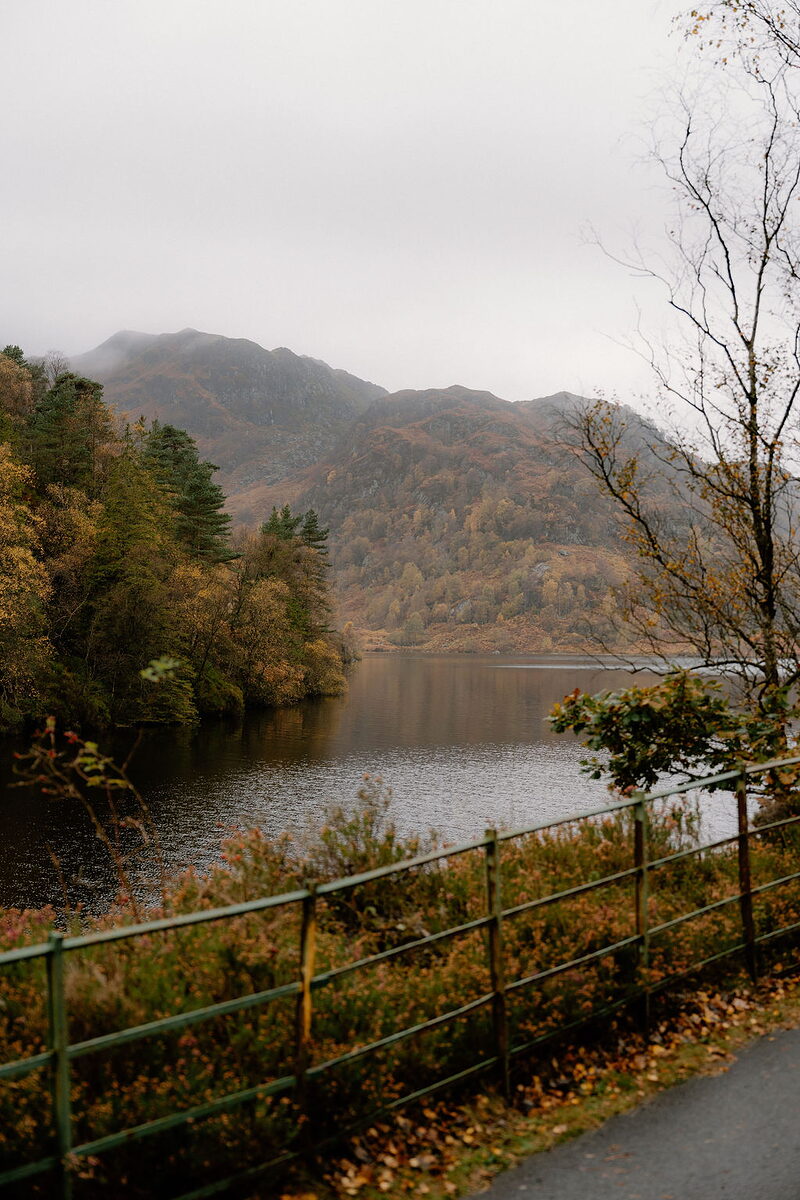
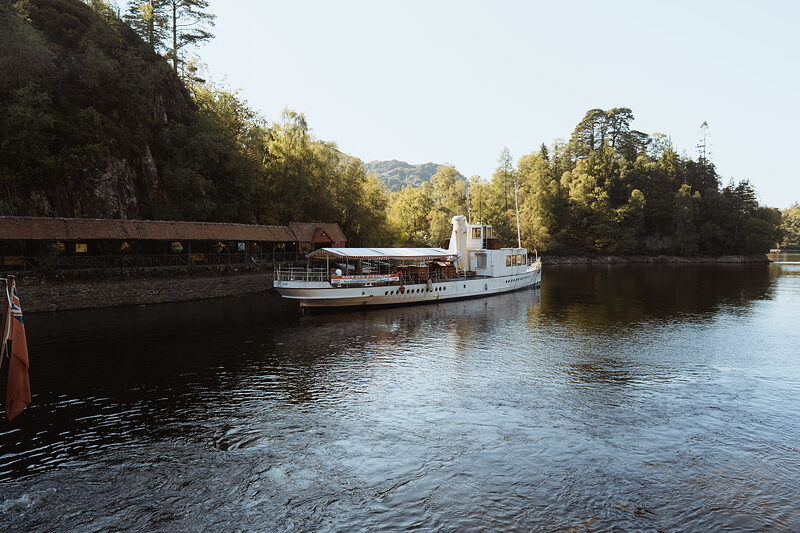
Aberfoyle is the southern gateway to the Trossachs, with the forest park all around it and the Duke's Pass climbing over the hills to Loch Achray. Beyond lies Loch Katrine, where the steamer Sir Walter Scott sails from Trossachs Pier towards Stronachlachar, and Ben A'an gives a short, steep climb to a great view down the loch.
Callander and the east
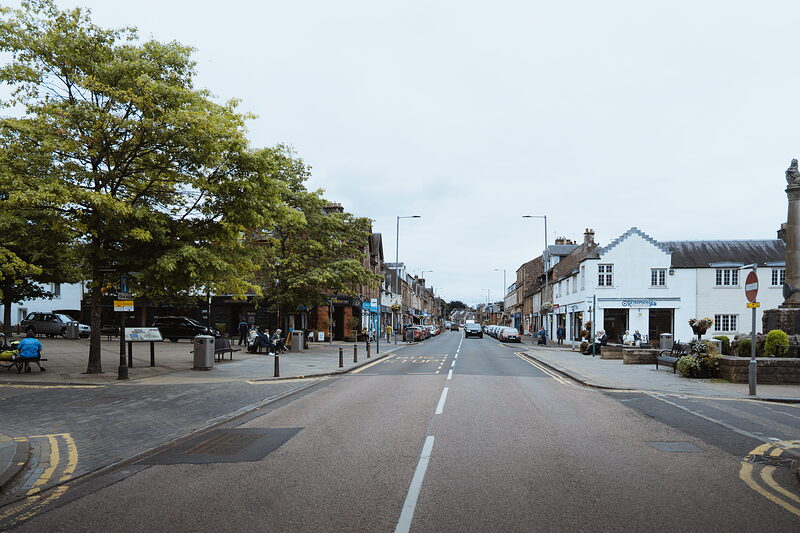
Callander is the gateway town on the Teith, below Ben Ledi, with good bakeries and cafés along its main street. North through the Pass of Leny, the road follows Loch Lubnaig to Strathyre and Lochearnhead, and a side road runs up to Balquhidder, where Rob Roy is buried in the old kirkyard below the braes.
Arrochar and the north
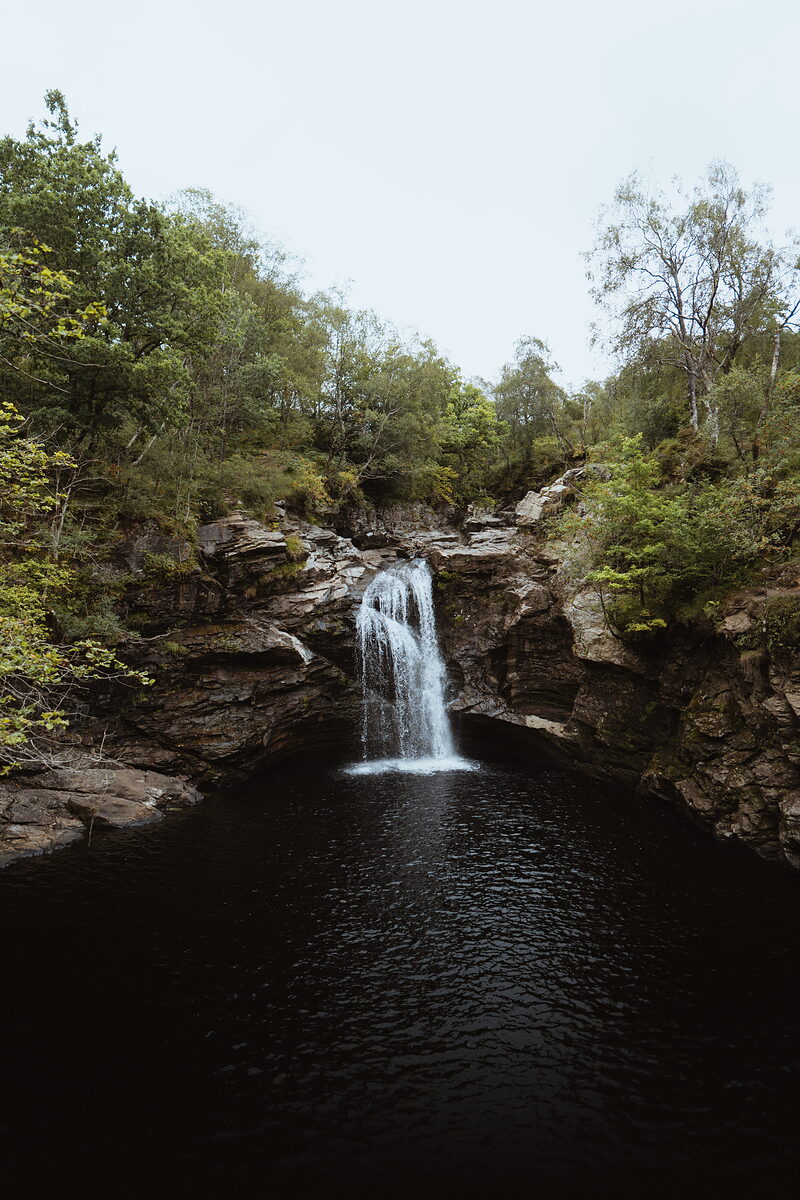
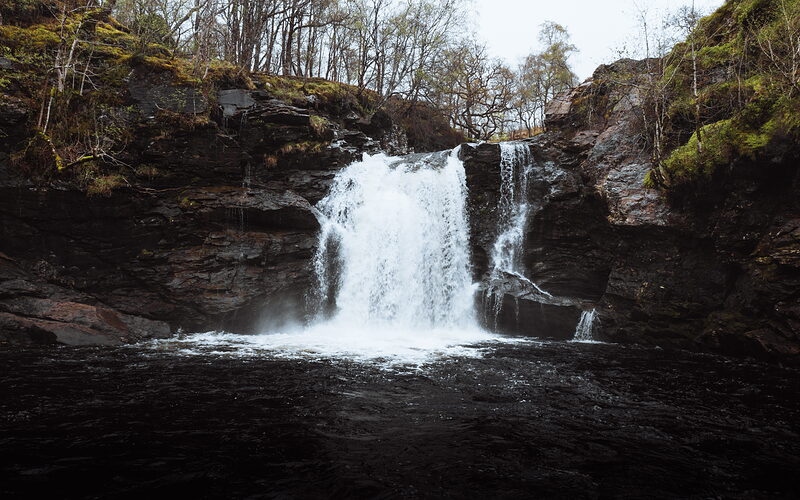
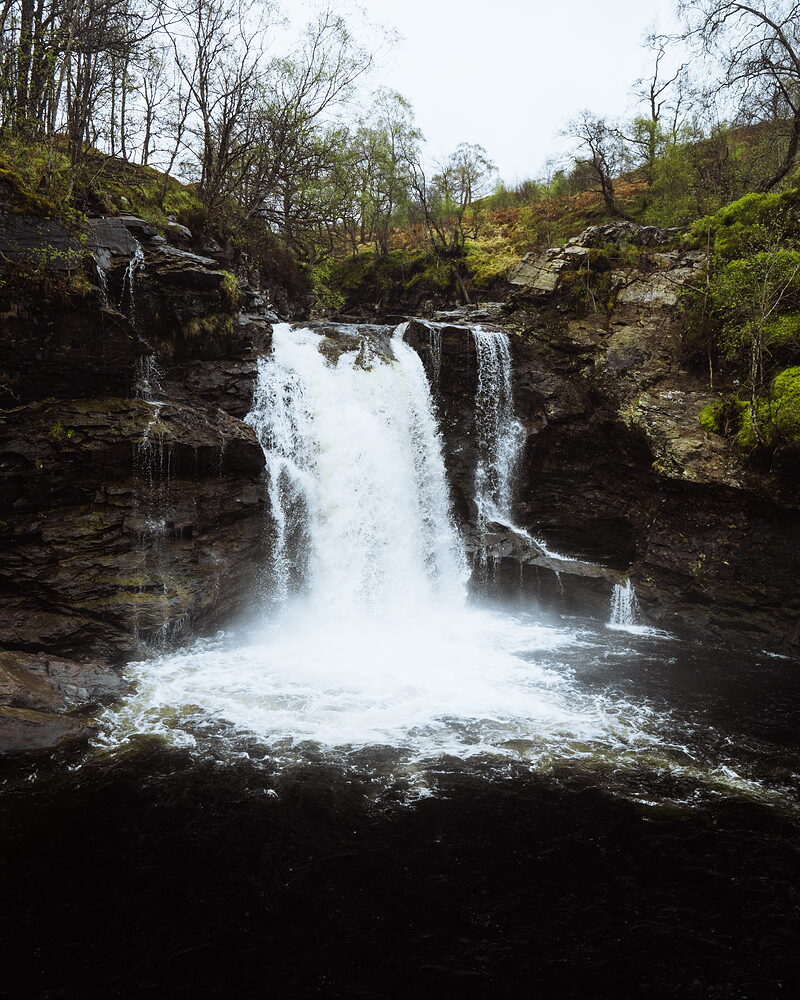
At Tarbet, Loch Lomond comes within a mile or two of the sea at Loch Long, with the Cobbler and the Arrochar Alps rising above. North of the loch, the Falls of Falloch pour into a dark pool in their glen, the old Drovers Inn still welcomes walkers at Inverarnan, and Crianlarich and Tyndrum sit among big hills on the West Highland Way.
“Millions live near the National Park, and we love the place. Ever since steam power was invented, it’s been our playground.”
Alan Bell
The national park's first ecologist
Best known for.
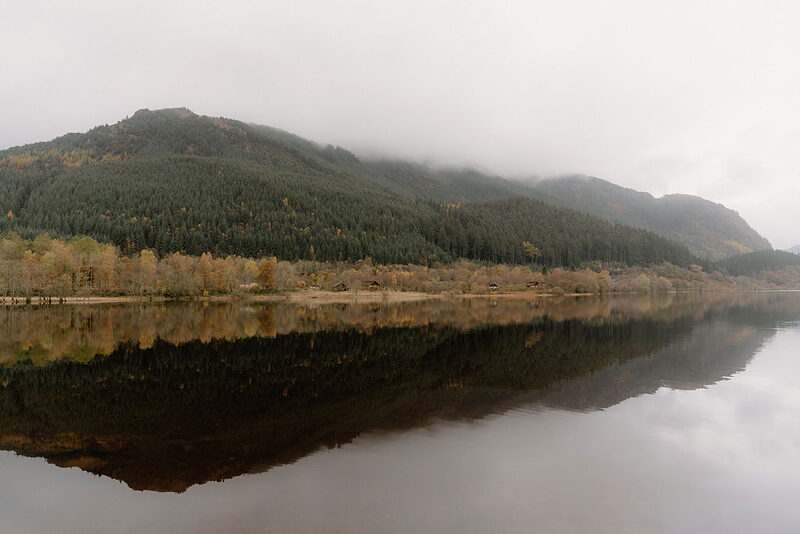
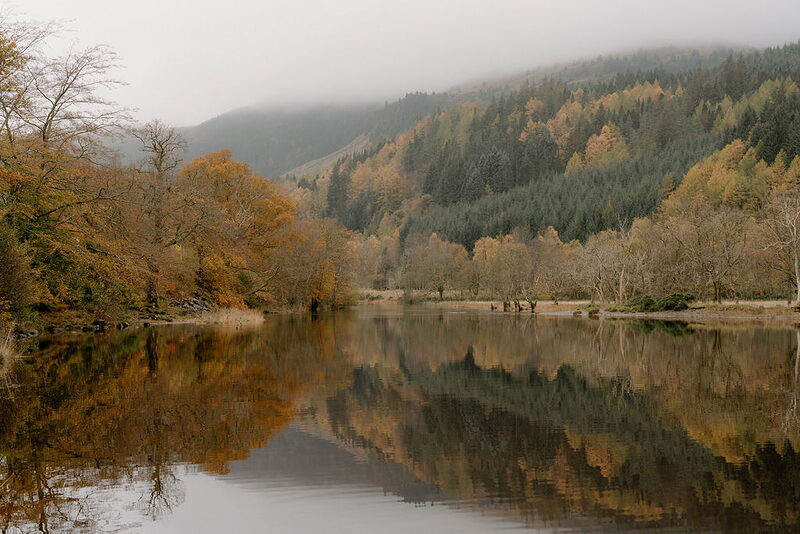
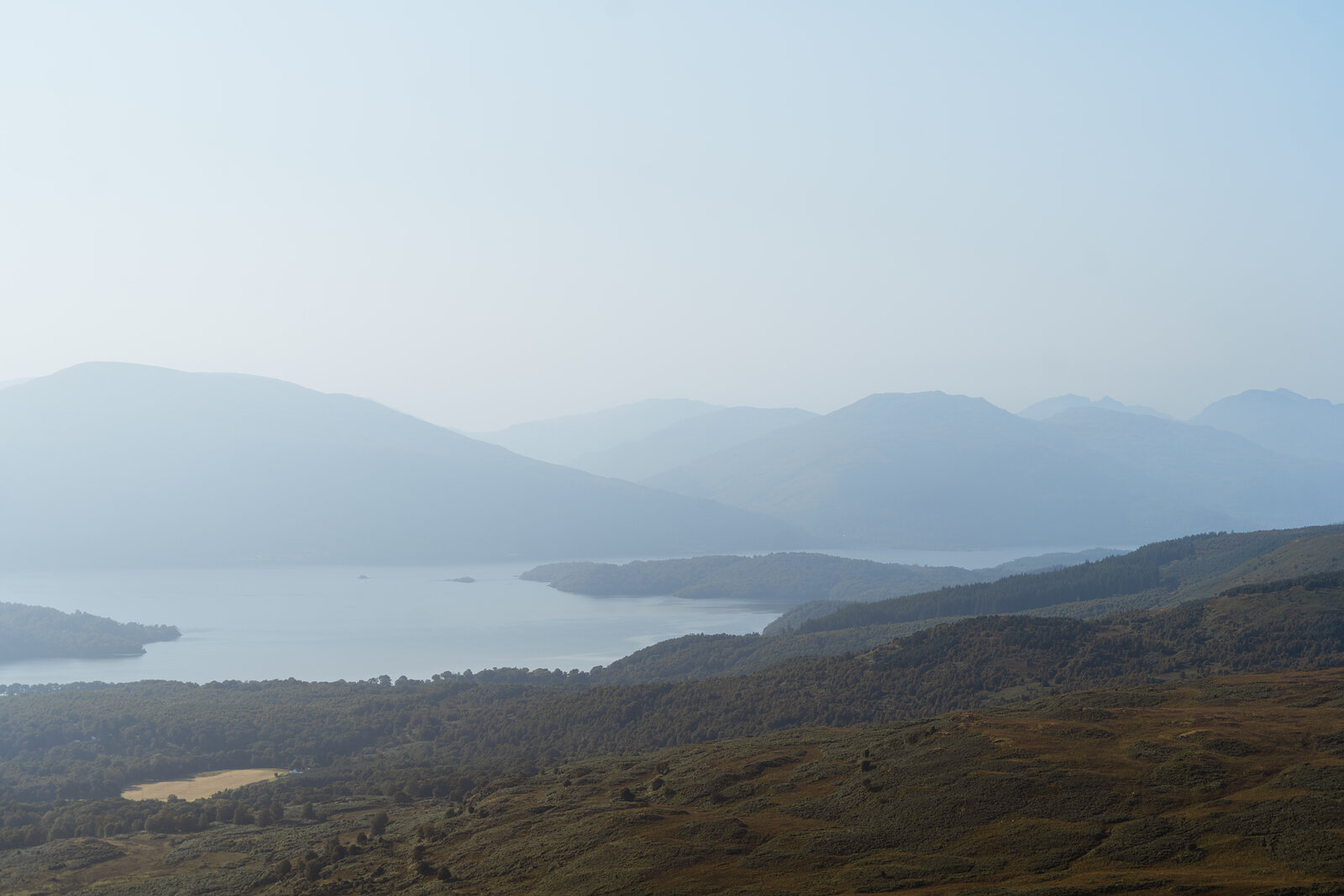
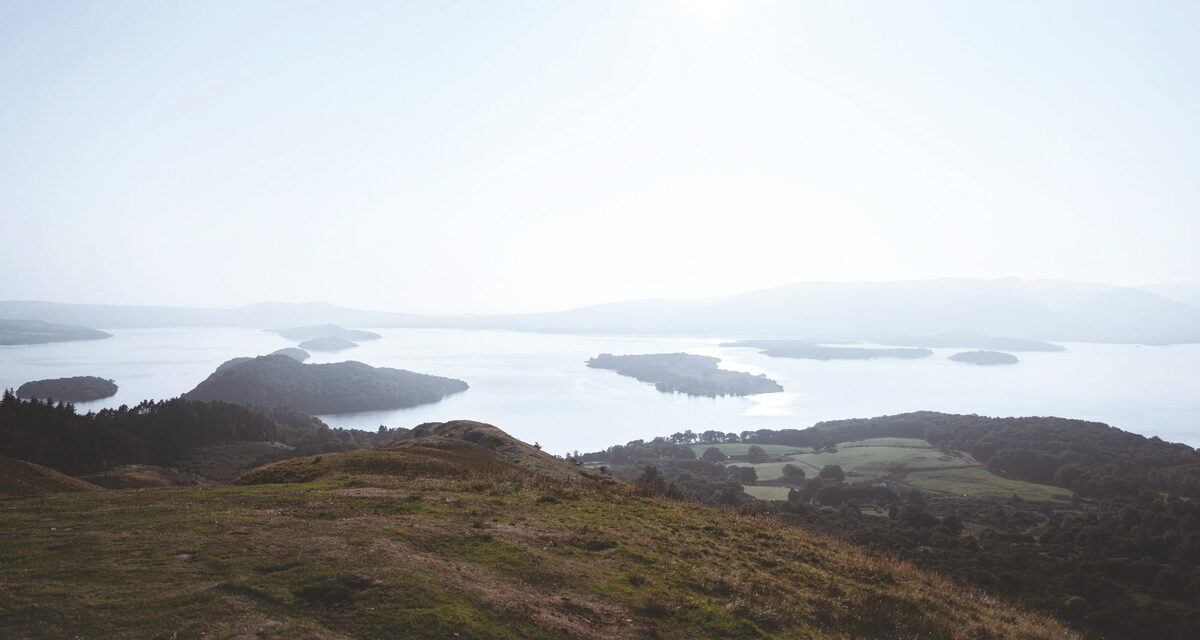
Loch Lomond & the Trossachs is known for its water and for the stories told about it. There is the loch of the old song, The Bonnie Banks o' Loch Lomond, and there is Loch Katrine, which Scott's The Lady of the Lake turned into a place the whole world wanted to see. Rob Roy MacGregor was born at the head of Loch Katrine and lies buried at Balquhidder. Walkers come for the West Highland Way, the Cobbler and Ben Lomond, and families come for the beaches, boats and waterfalls. Above all, it is known for that view of a loch with mountains behind it.
More about Loch Lomond & The Trossachs
The loch is only the start. Loch Lomond is the largest stretch of inland water in Britain, and its shores alone could fill a week, from the cottages of Luss to the quiet east side at Rowardennan. To the east lie the Trossachs, the wooded hills and lochs that Sir Walter Scott made famous, with Aberfoyle and Callander as their gateways. North is Breadalbane, big mountain country around Crianlarich and Killin. West, over the Rest and Be Thankful, the park reaches into Cowal, with the jagged Arrochar Alps, long sea lochs and the forests around Loch Eck.
This is a place to be outdoors, whatever you like doing there. You can climb Ben Lomond, the most southerly Munro, or the short, steep Ben A'an for a view the length of Loch Katrine. You can sail on a steamship that has worked the same loch since 1900, hire a boat at Luss, or walk a stretch of the West Highland Way. And when the weather turns, as it will, there are old inns, lochside cafés and village tearooms to dry off in, with a bowl of soup and a slice of home baking waiting for you.
What would you like to look at?
 See and doLoch Katrine's steamer, an island priory and Luss
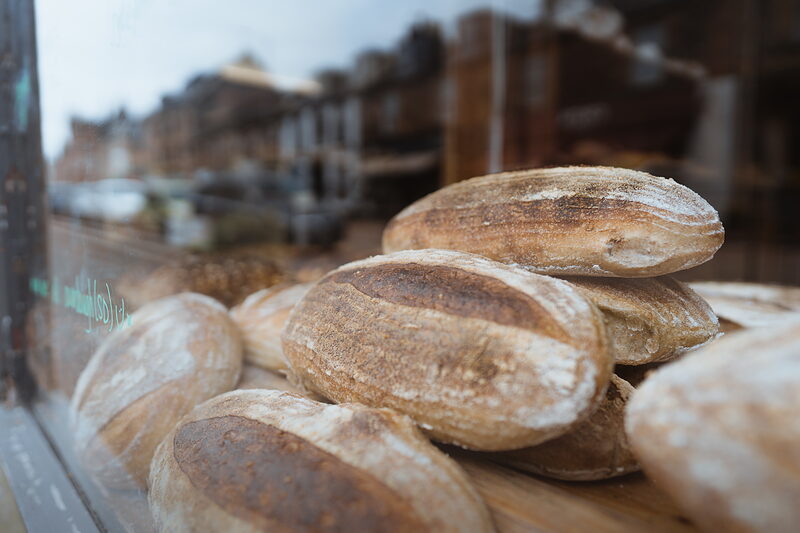 Eat, drink and shopBakeries, lochside cafés and an old drovers' inn
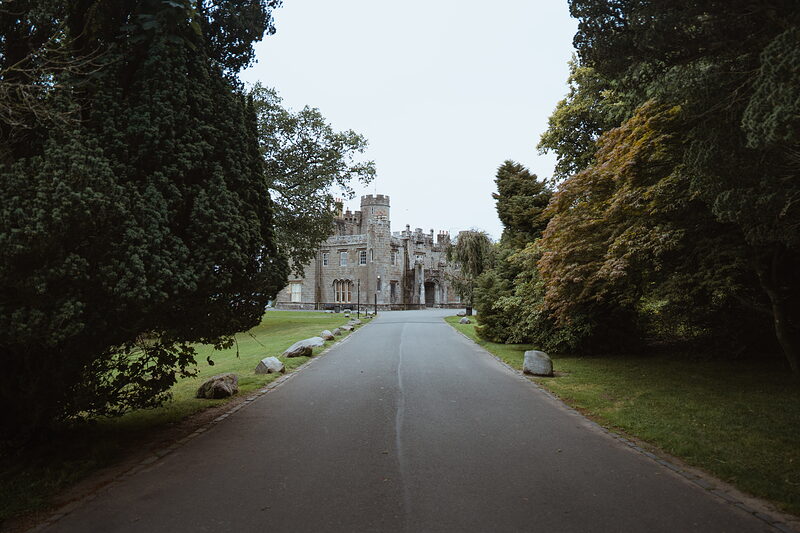 History and storiesBritons, Vikings, Rob Roy and the first tourists
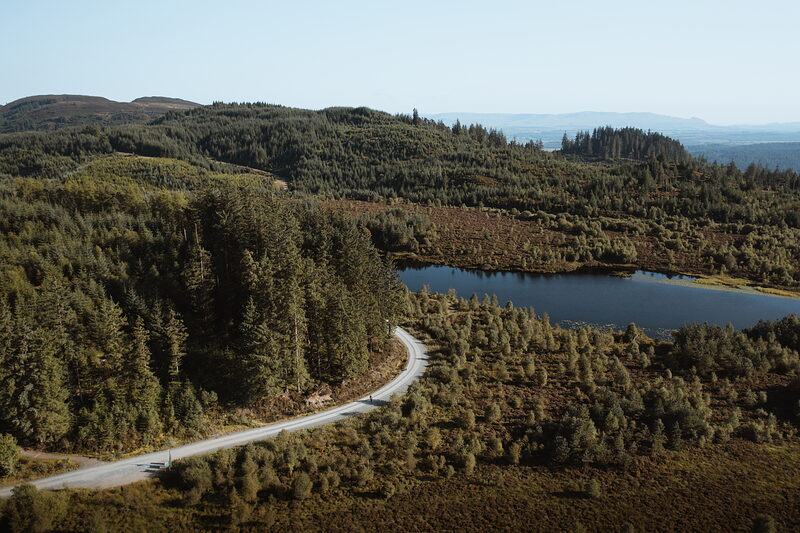 ItinerariesDays we have driven, stop by stop
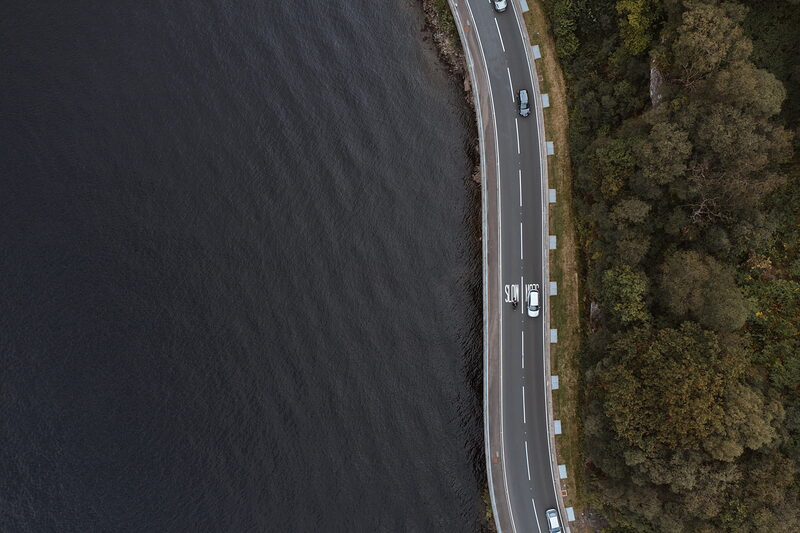 Getting hereThe trains, the roads and the boats
 What is on in Loch Lomond & The TrossachsSomething new from the park every day
What is on in Loch Lomond & The Trossachs
Friday the 16th of October.
Sunrise 07:51, sunset 18:15.
Coming up in Loch Lomond & The Trossachs
- Oct16Meet Our Expert: Business Adviser (Callander)On today
- Oct16Bookbug @ Milngavie LibraryOn today
- Oct16Rural InBusiness Networking: Breakfast and Networking (Callander)On today
- Oct16Silent Book WalkOn today
- Oct16breathwork journey - root, connect, expandOn today
The news in Loch Lomond & The Trossachs
Things you might not know.
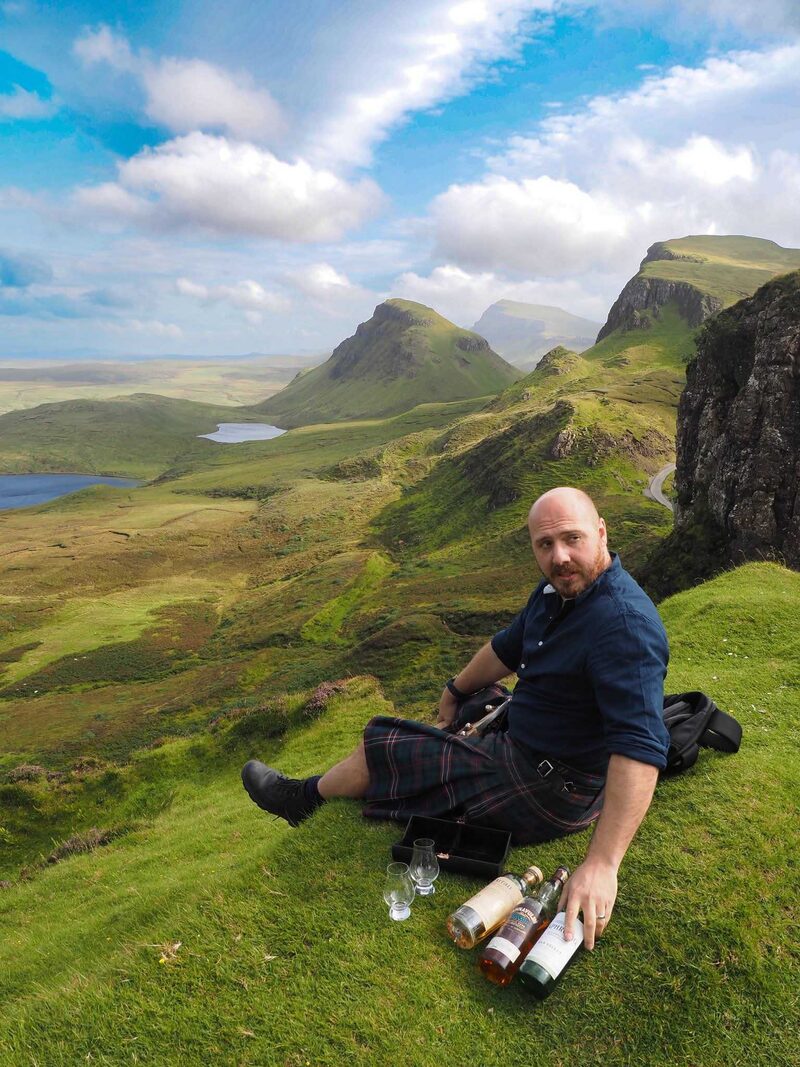
Graeme Johncock
Graeme is the writer and storyteller behind Scotland’s Stories, sharing Scotland’s traditional folklore and legends.
The island of Inchconnachan in Loch Lomond is home to a colony of wallabies. Introduced by the Countess of Arran in the 1940s, they were left on the island to thrive in the Scottish climate.
Find out more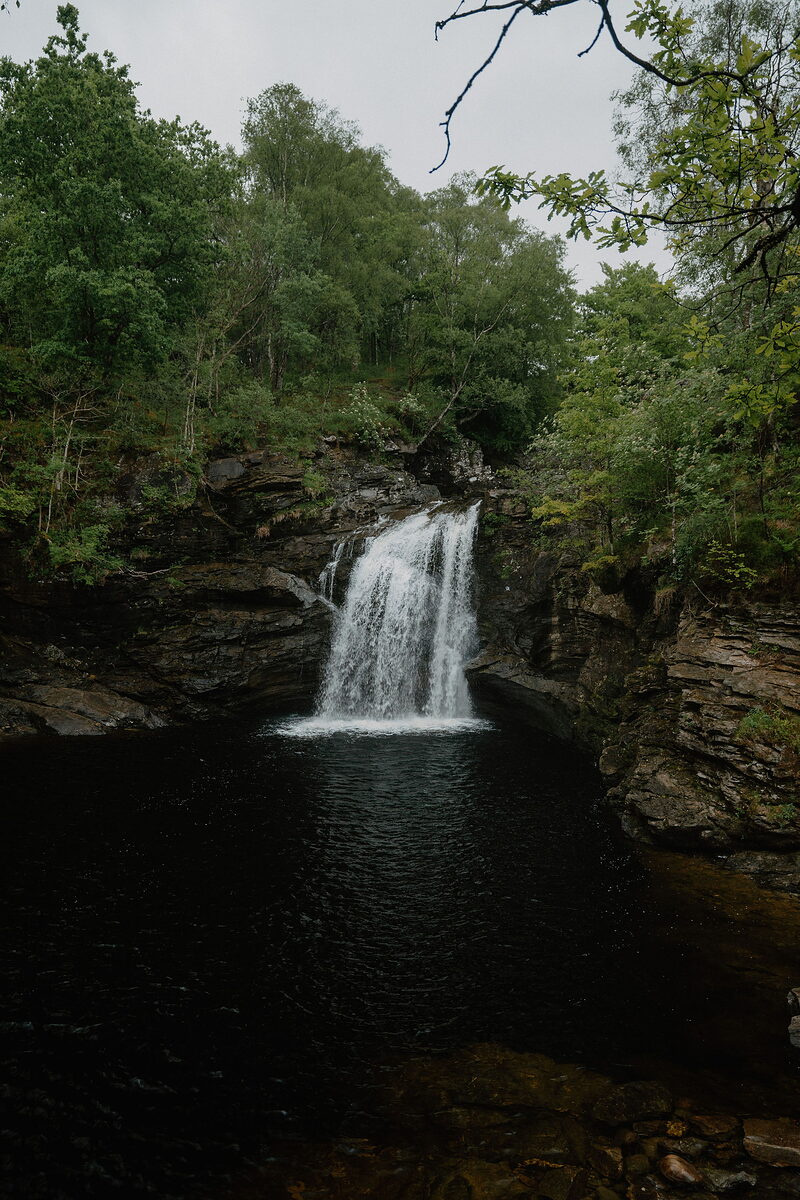
The popular plunge pool at the Falls of Falloch is also known as Rob Roy’s bathtub due a story that the folk hero washed here while living as an outlaw.
Find out more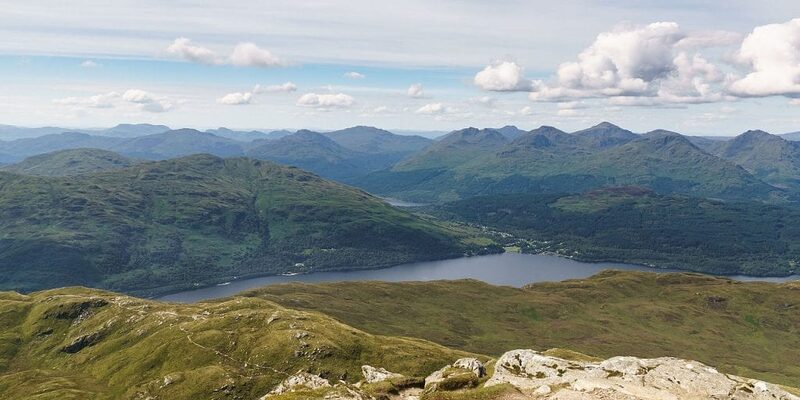
Ben Lomond is the most southerly Munro and one of the most accessible, welcoming over 30,000 people a year to its summit.
Find out moreThe tiny Tarbet Isle in the northern section of Loch Lomond is also known as Honeymoon Island. Newly married couples were once allegedly sent here to see if they could spend a week alone without arguing.
Find out moreAround 50% of Scotland’s population live within an hour’s drive of the Loch Lomond & The Trossachs National Park.
Find out more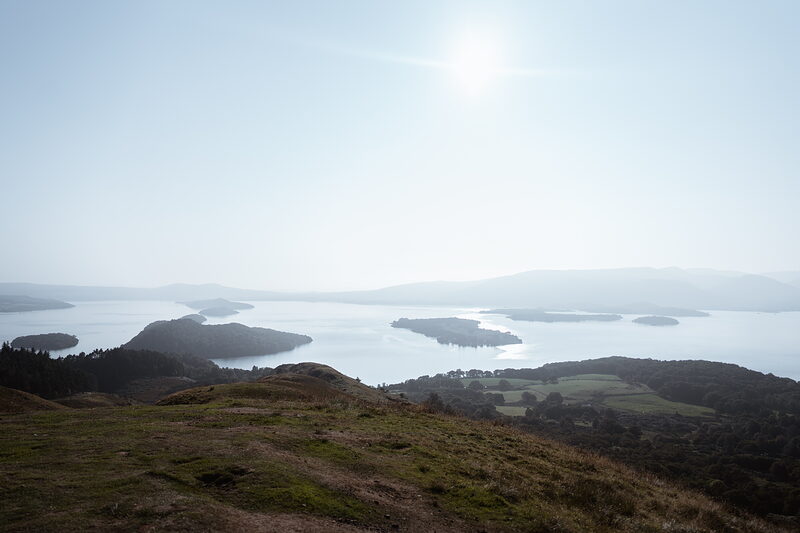
The Highland Boundary Fault runs right through Loch Lomond creating two distinct geological halves.
Find out moreThe novel about Rob Roy’s life – “The Highland Rogue” is often attributed to Daniel Defoe, but the author is still unknown. One suspect is Rob himself in an attempt to garner sympathy. King George did in fact grant the outlaw a pardon after reading his story.
Find out moreInchlonaig is also known as the Island of Yew Trees, allegedly planted on the orders of King Robert the Bruce to supply his army with war bows.
Find out moreAfter Clan Gregor defeated Clan Colquhoun at the Battle of Glen Fruin in 1603, King James VI abolished the name MacGregor forcing people to take another or face execution. The legendary Rob Roy MacGregor officially went by his mother’s name Campbell instead.
Find out more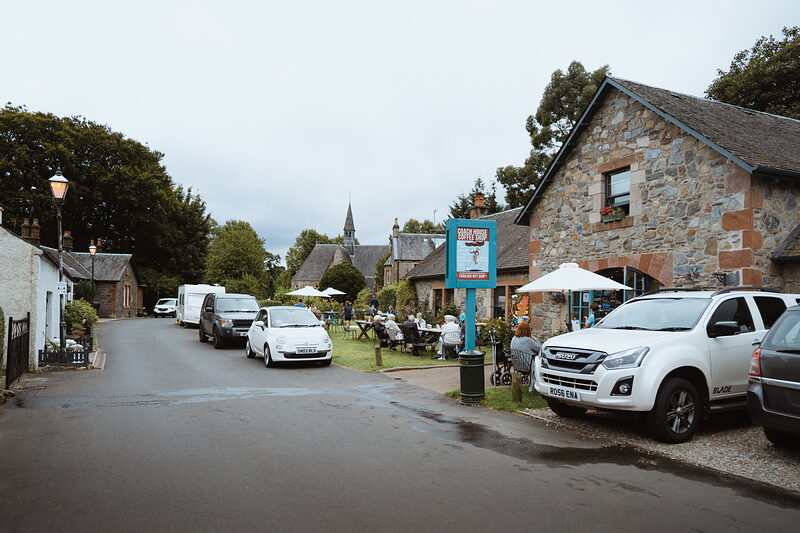
The tiny village of Luss is said to be named after the French Fleur-De-Lys. A local girl married a French knight and when she died, he returned her body to the banks of Loch Lomond, scattering the iconic flowers over her grave.
Find out more
Photographs by thepiercafe and Alan Weir; Tabitha Wijesinghe, Amy Steele and Karen G. (1) via Google