
Angus. Angus guide
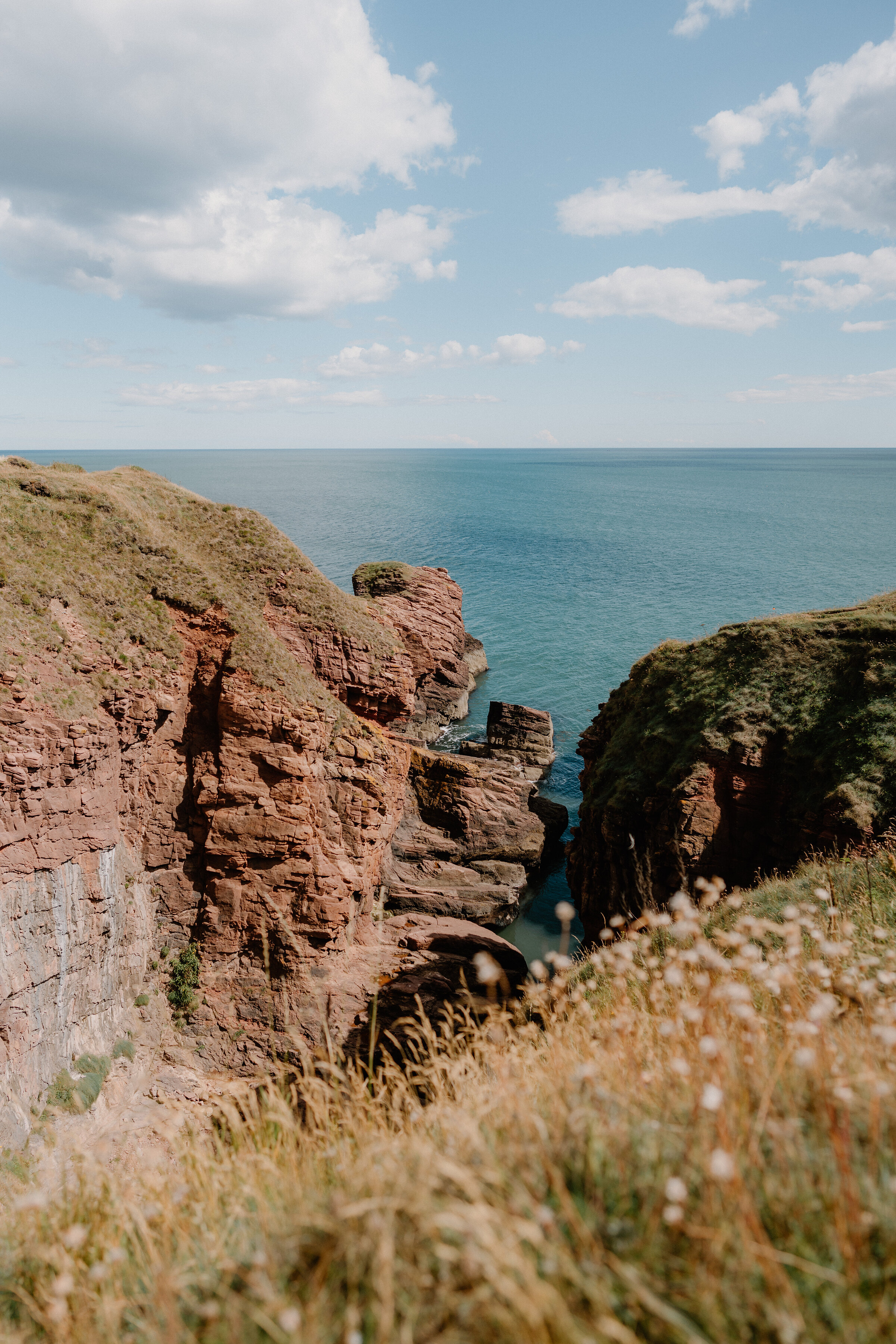
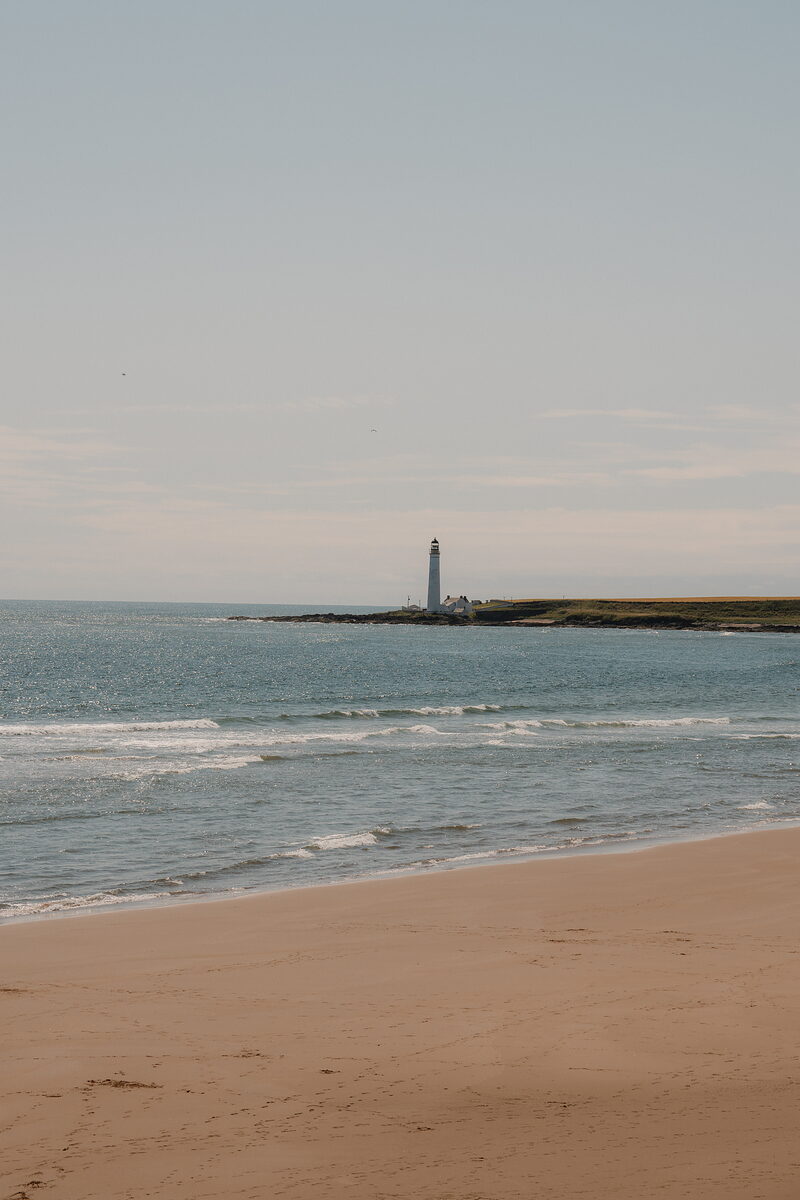
Red sandstone cliffs, smokies by the harbour and quiet glens running up into the hills.
The four parts of Angus
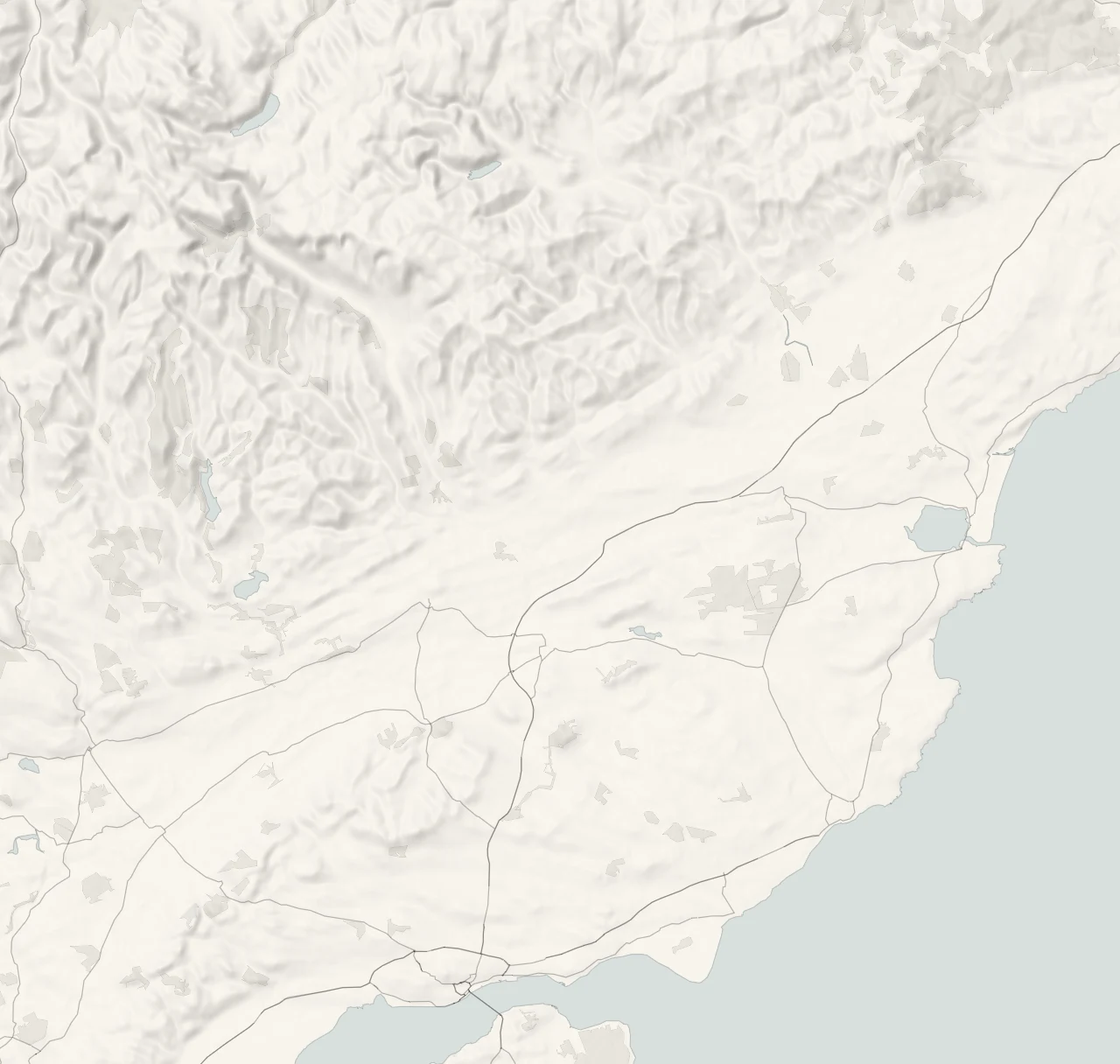
Angus sits on Scotland's east coast between Dundee and Aberdeenshire, and it packs a remarkable amount into one small county. Along the shore are red sandstone cliffs, long sandy bays and the fishing harbours that gave the world the Arbroath smokie. Inland, the broad, fertile valley of Strathmore is a patchwork of berry fields, potato fields and grazing cattle. Then, to the north, the land rises into the Angus glens, five long valleys that run up into the hills of the Cairngorms. You can have breakfast by the sea and lunch at the end of a Highland road.
Carnoustie and the south
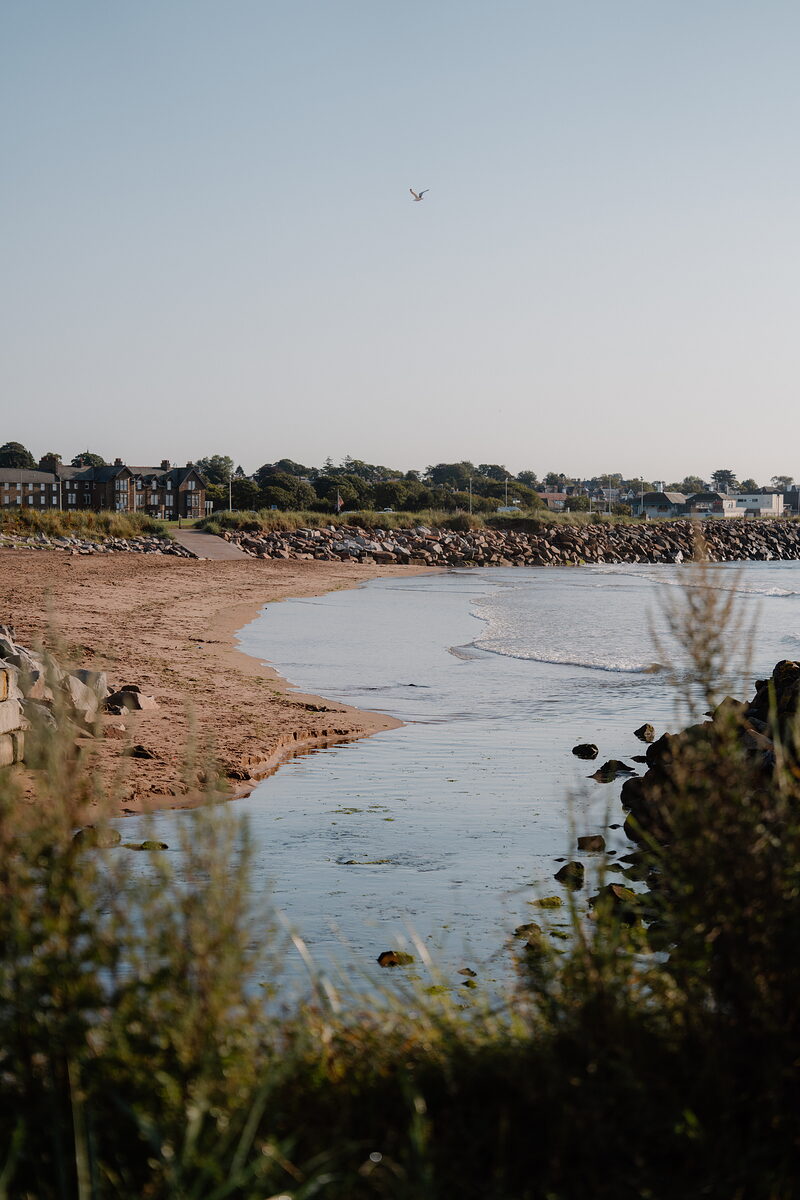
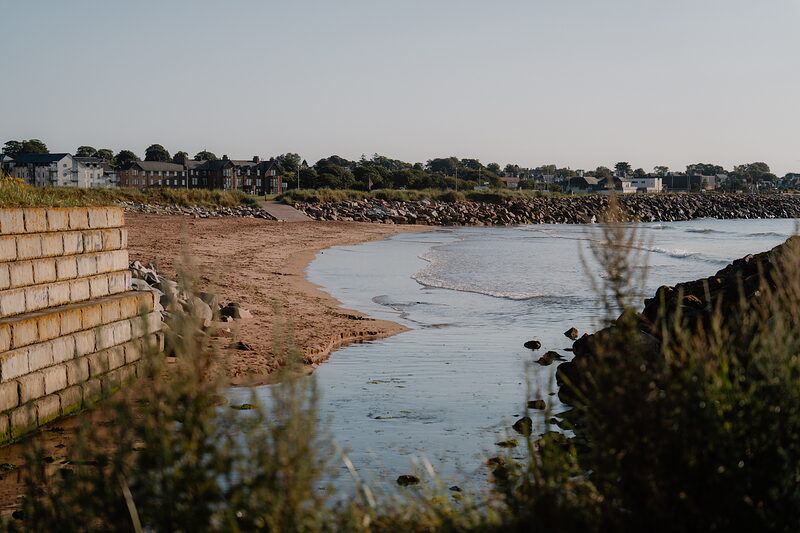
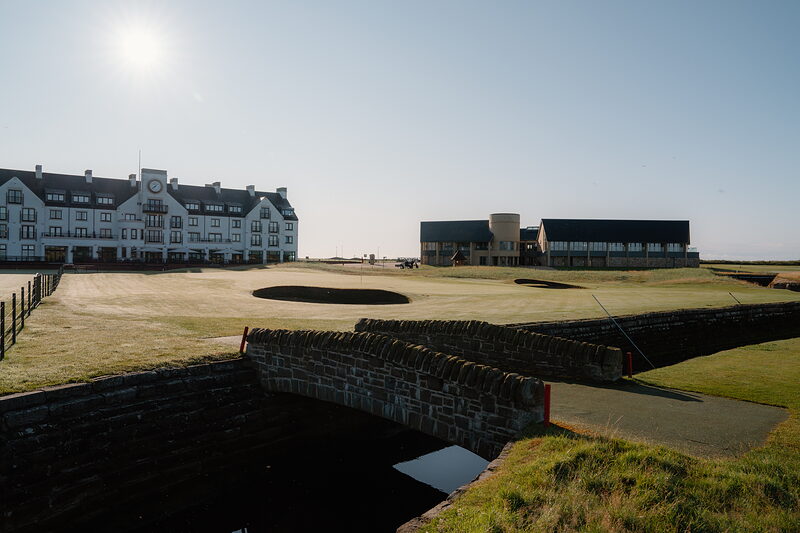
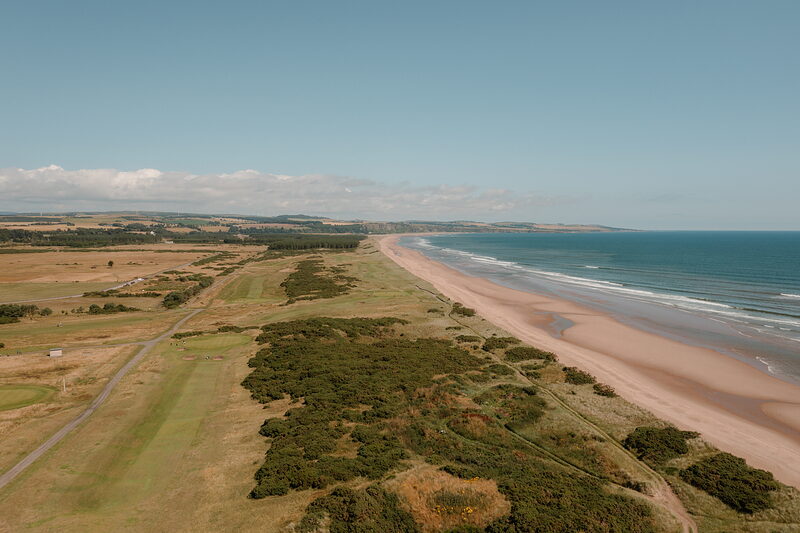
Carnoustie's links have hosted the Open, with the Barry Burn winding through the famous finish and a long sandy beach running beside the course. Just inland, Barry Mill still grinds by water power, and Crombie Country Park has woodland trails and bird hides round its Victorian reservoir.
Arbroath and the cliffs
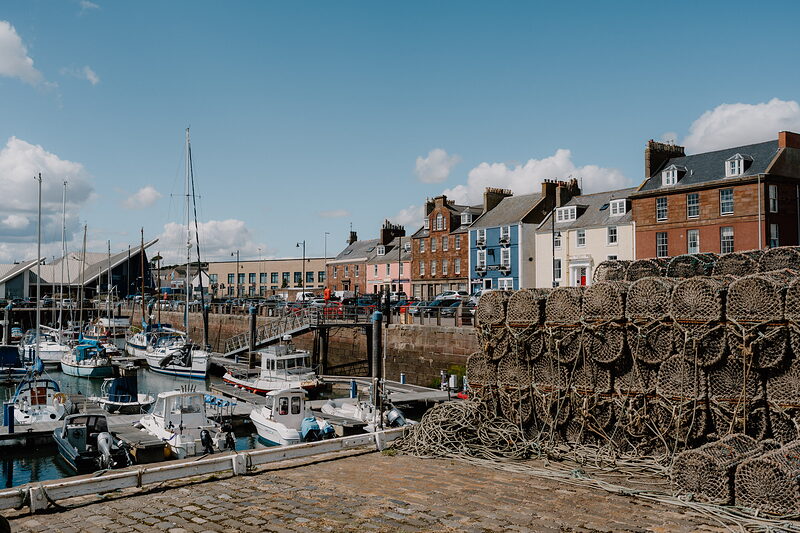
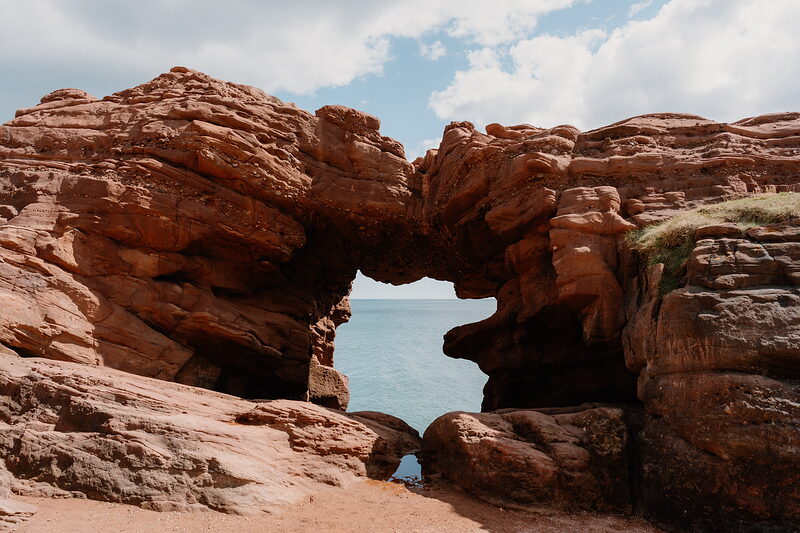
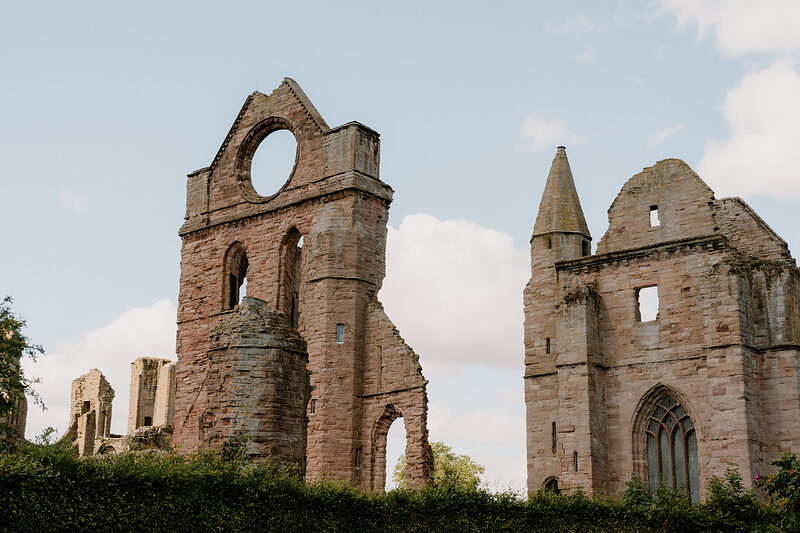
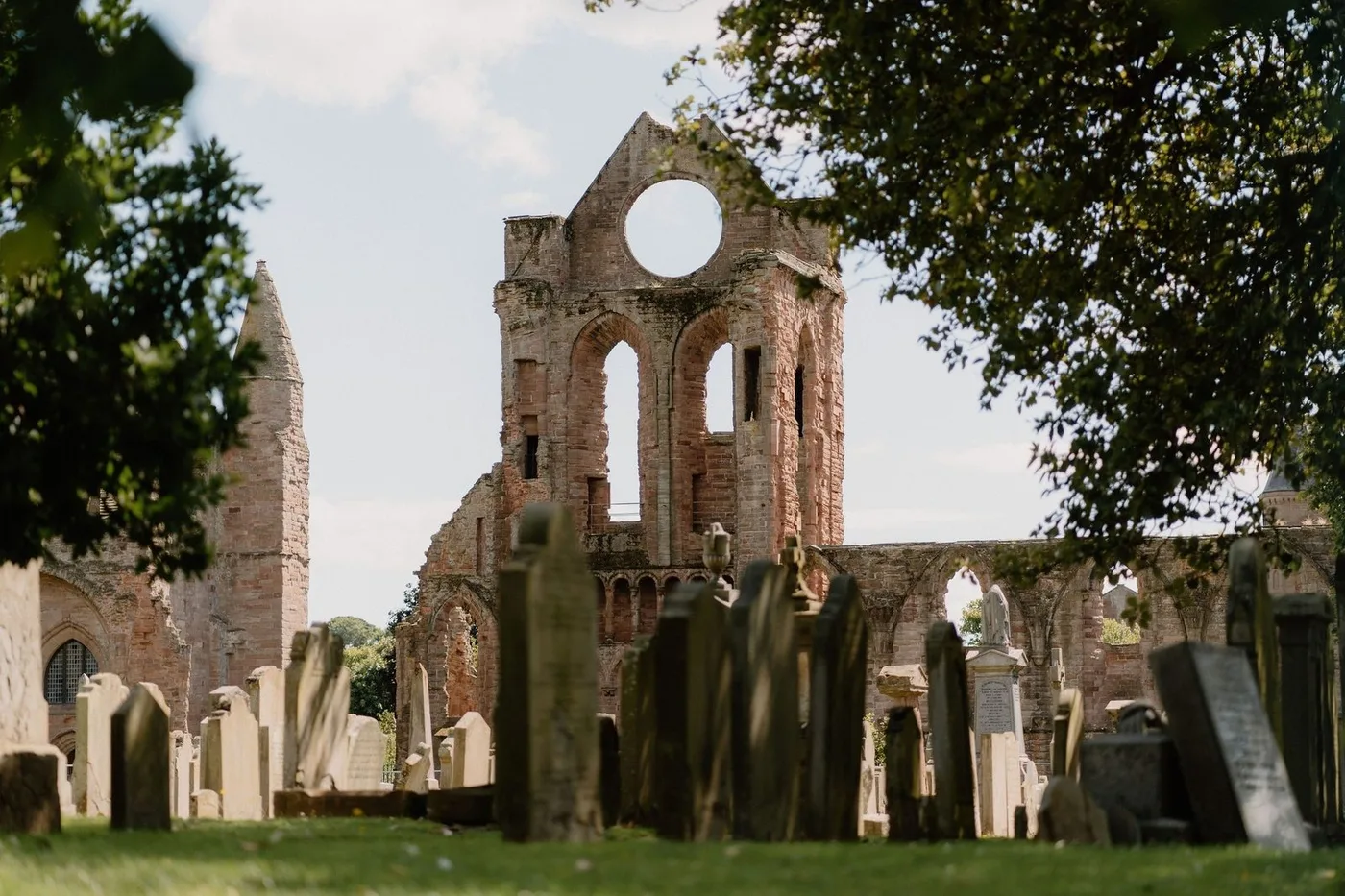
Arbroath's red abbey stands at the top of the town, and down at the harbour the smokies are still smoked over wood. North of the town, a clifftop path runs past sea arches, caves and stacks cut into the red sandstone all the way to Auchmithie, and St Vigeans keeps its Pictish stones in two old cottages.
Montrose and Brechin
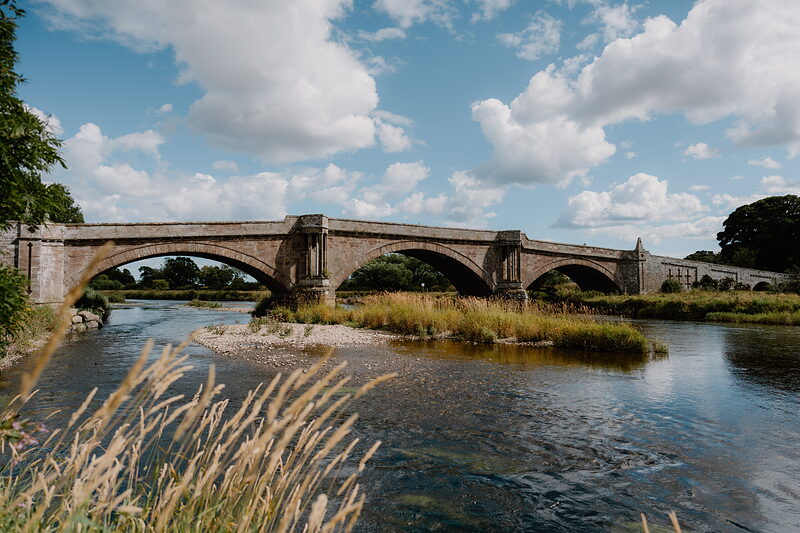
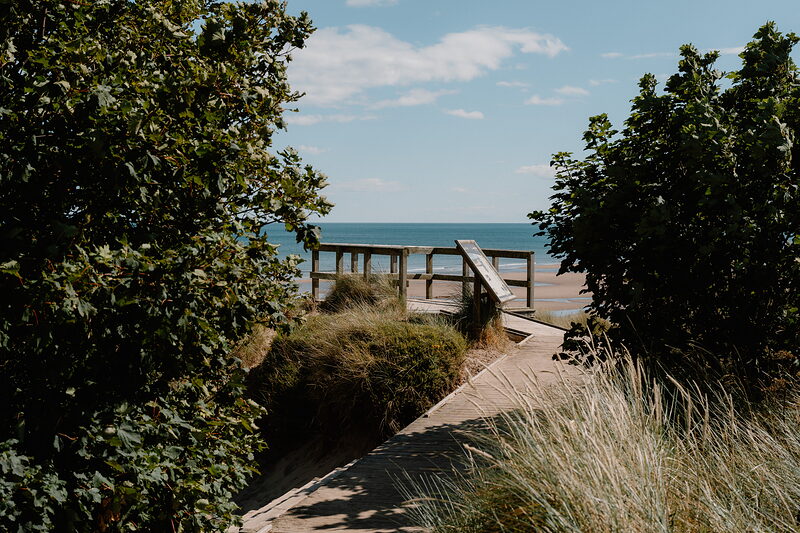
Montrose has a long golden beach, one of the oldest golf links in the world and a great tidal basin full of birds. Lunan Bay lies to the south, and inland a heritage railway runs from the Bridge of Dun to Brechin, with its cathedral and round tower. Beyond, the road climbs through Edzell into Glen Esk.
Glamis and the glens
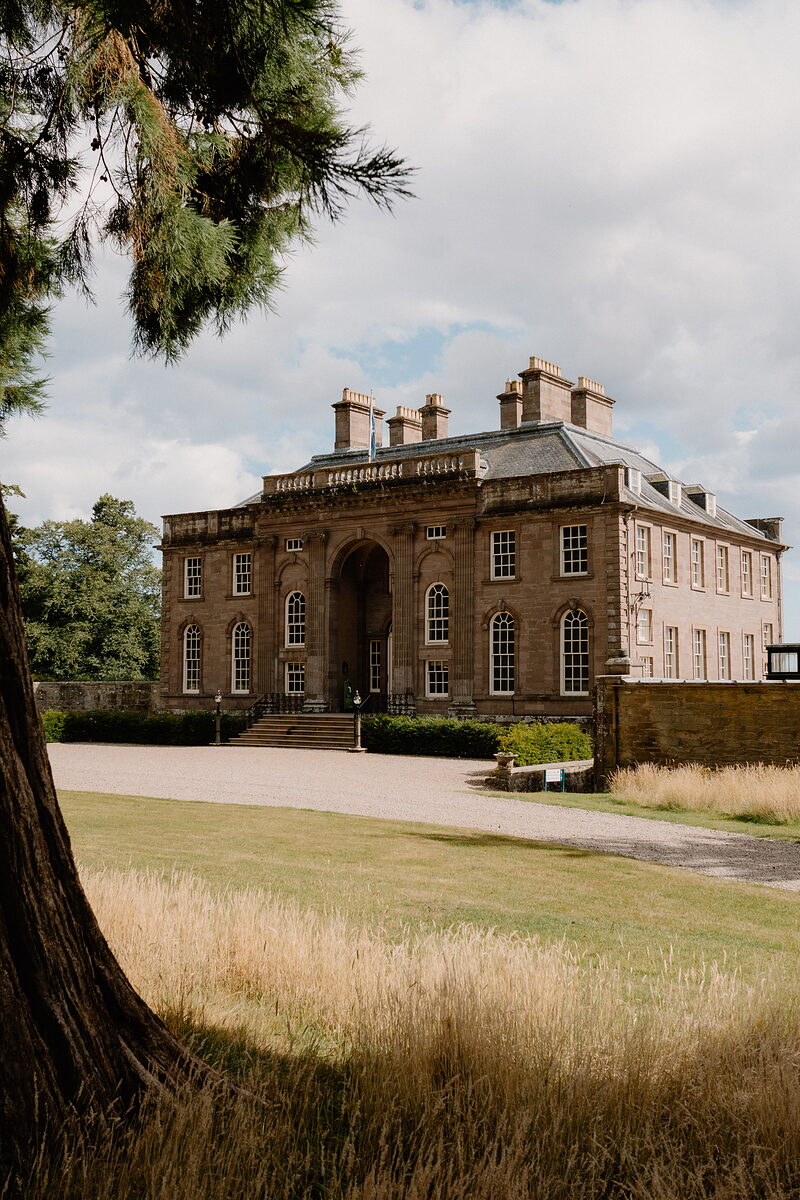
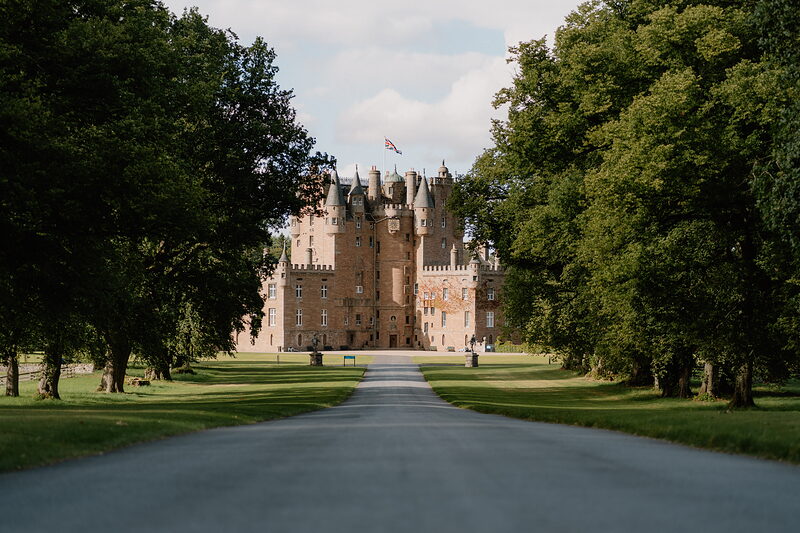
Glamis Castle rises at the end of its long avenue, with walled gardens and woodland walks around it. Forfar and Kirriemuir, the red sandstone town where J.M. Barrie was born, are the gateways to the glens, where Glen Clova, Glen Prosen, Glen Isla and Glen Esk run quietly up into the hills.
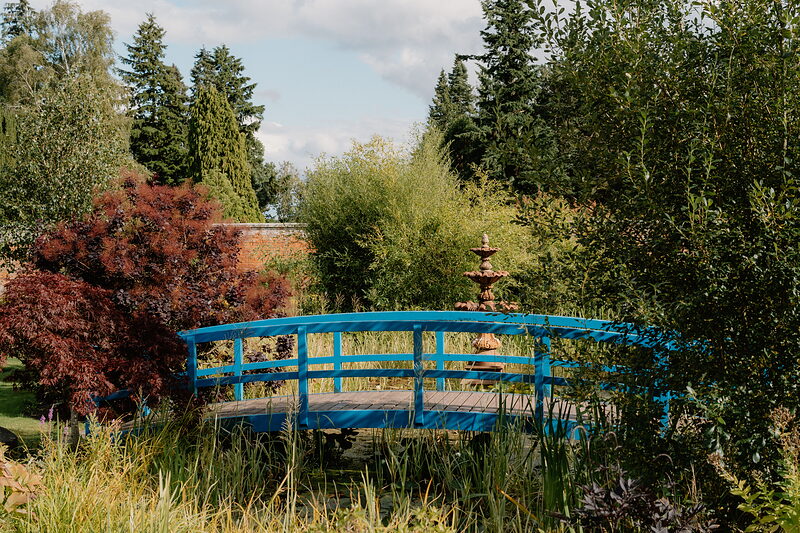
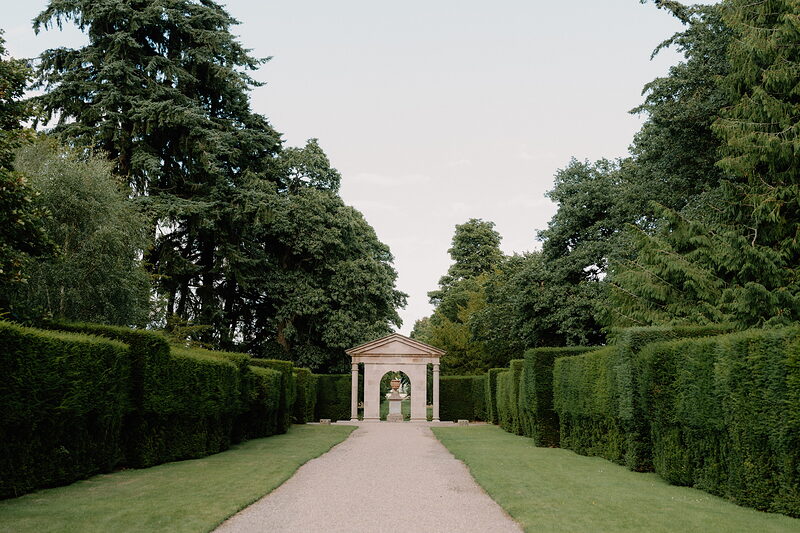
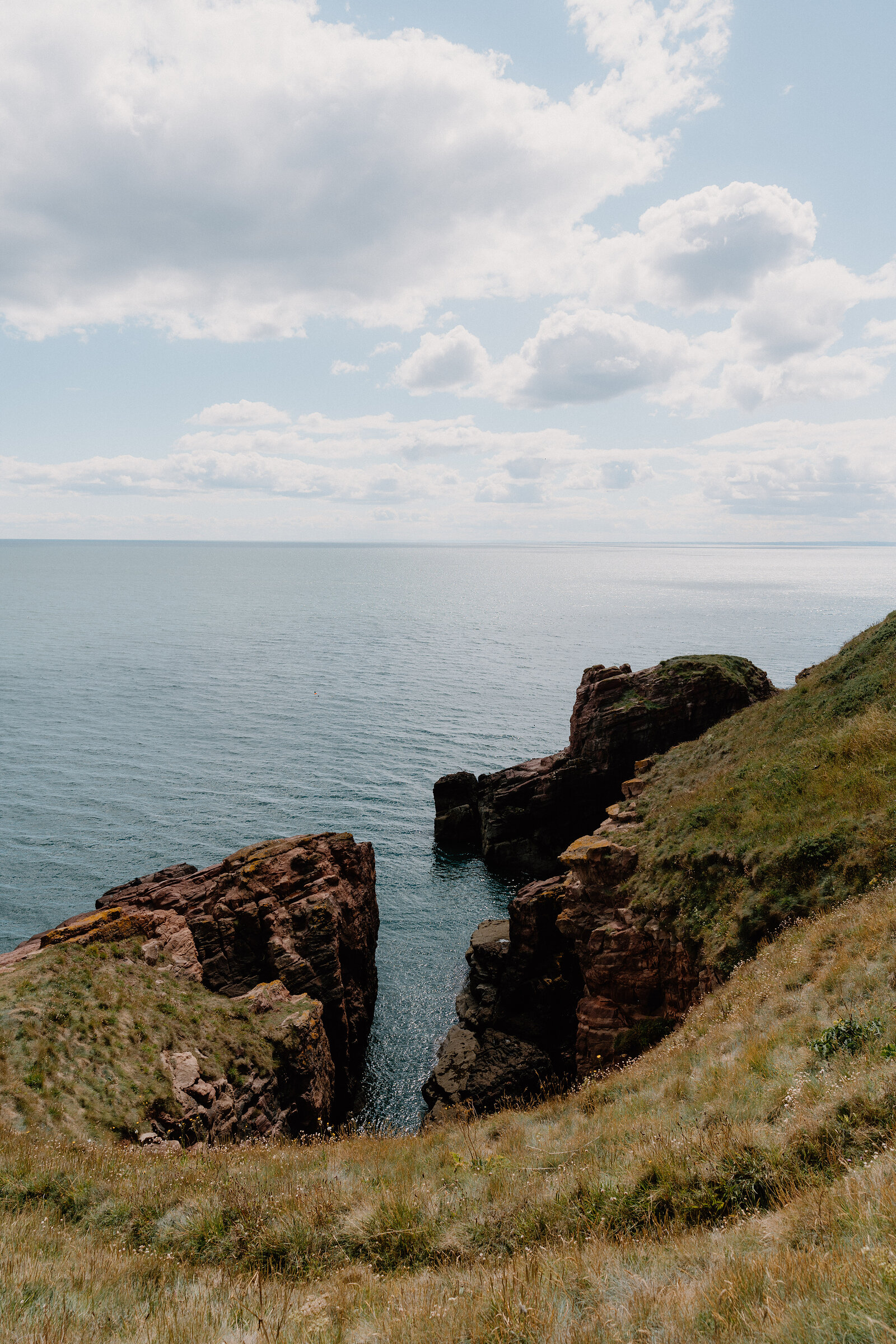
“It stretches right from the Cairngorms to the coast, with plenty of castles, waterfalls, history and beauty throughout.”
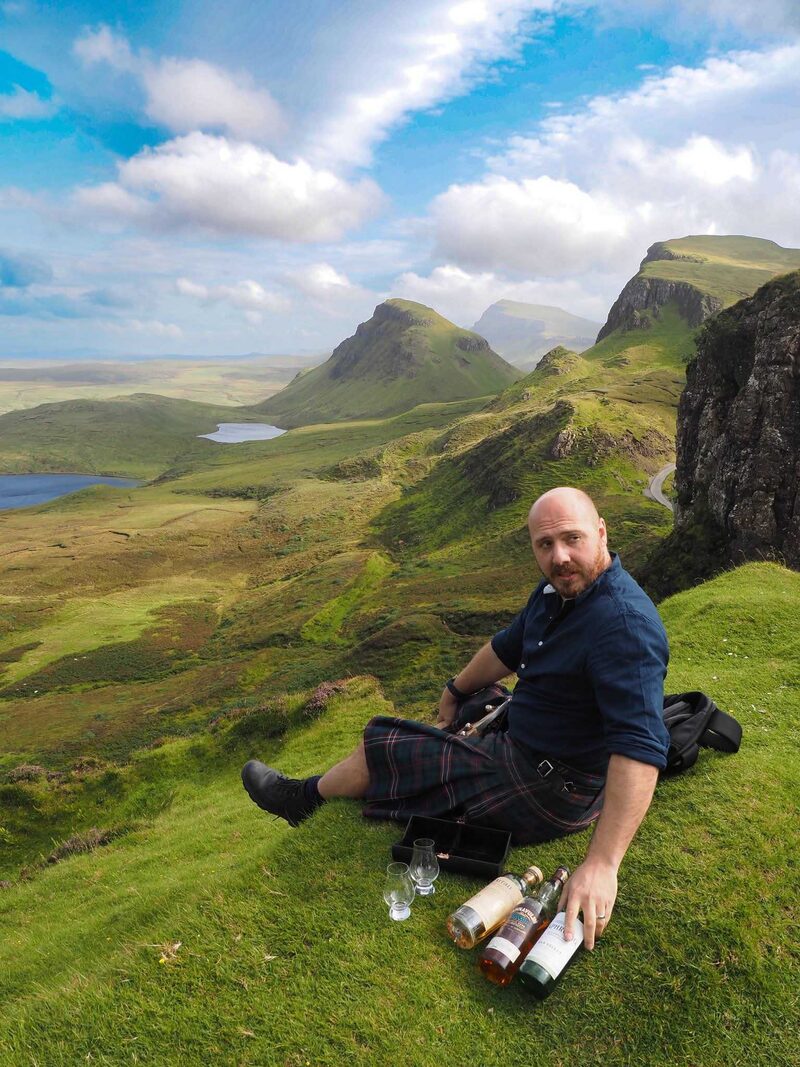
Graeme Johncock
Writer and storyteller, on a winter trip through Angus
Best known for.
Angus is known first for the Arbroath smokie, haddock hot-smoked over hardwood, which has had protected status since 2004, so only fish smoked in and around Arbroath can carry the name. It is known for the Declaration of Arbroath, for Glamis Castle and for the Pictish carved stones of Aberlemno, St Vigeans and Eassie. The berry fields and Aberdeen Angus cattle of Strathmore feed the county well. Golfers come for Carnoustie and Montrose, walkers for the five Angus glens, and birdwatchers for the autumn geese on Montrose Basin.
More about Angus
Each of its towns has a character of its own. Arbroath has its abbey, its harbour and its smokehouses. Montrose sits between a great tidal basin and three miles of beach. Forfar is the old county town, Brechin has a cathedral and a whisky distillery, and Kirriemuir, the Wee Red Toon, is where J.M. Barrie was born. Between them lie villages such as Glamis, Edzell and Auchmithie, each with a good reason to stop. Carnoustie, on the coast towards Dundee, is a name golfers know the world over.
History runs deep in Angus. Pictish stones carved more than a thousand years ago stand in churchyards and museums across the county. The Declaration of Arbroath was sealed here in 1320, and Glamis Castle, the childhood home of the Queen Mother, has been in the same family since 1372. For all that, a quiet corner is never far away. It might be a clifftop path, a beach with nobody on it, or a glen road that simply ends among the hills.
What would you like to look at?
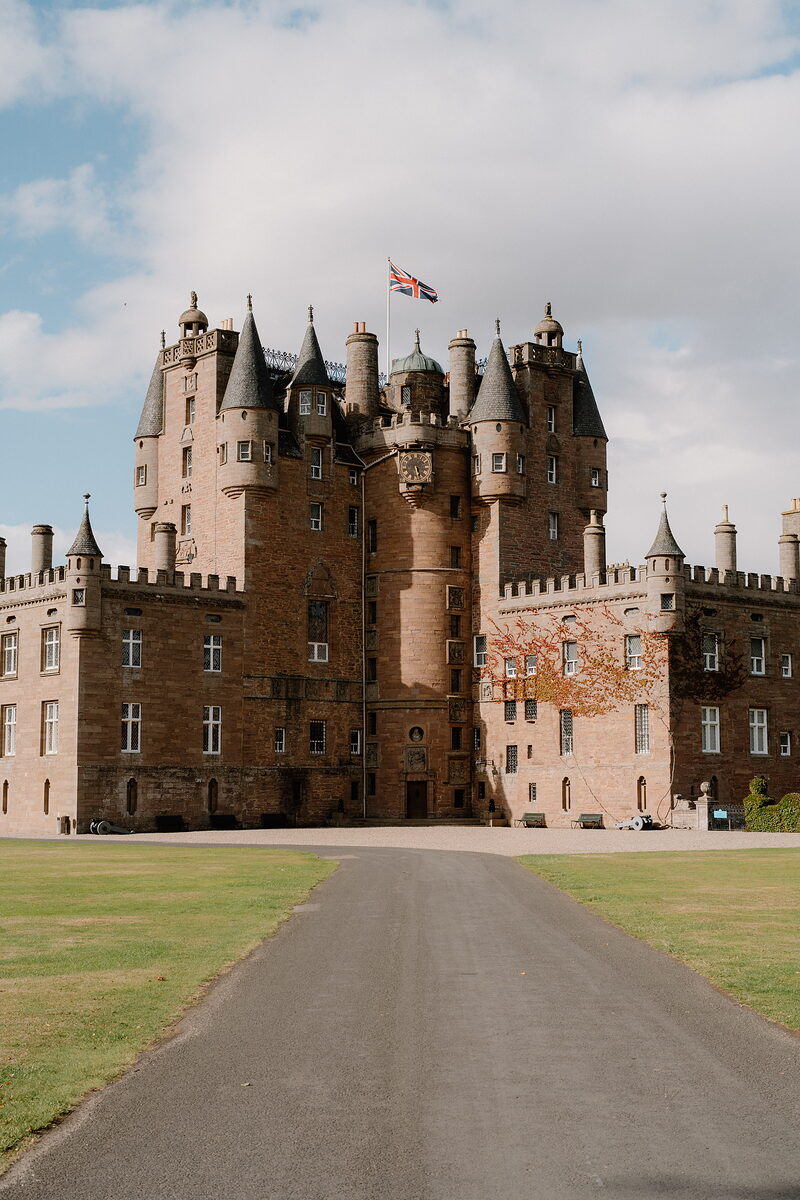 See and doAn abbey, a great castle and Pictish stones
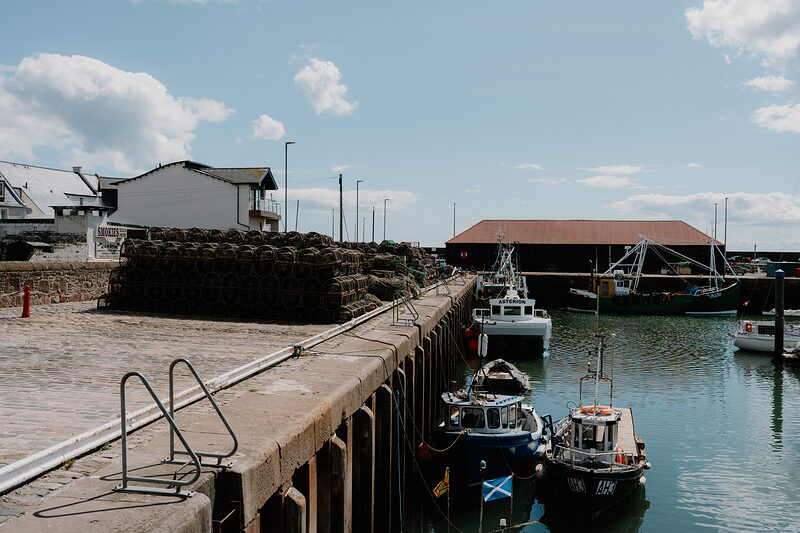 Eat, drink and shopSmokies, farm cafés and harbour kitchens
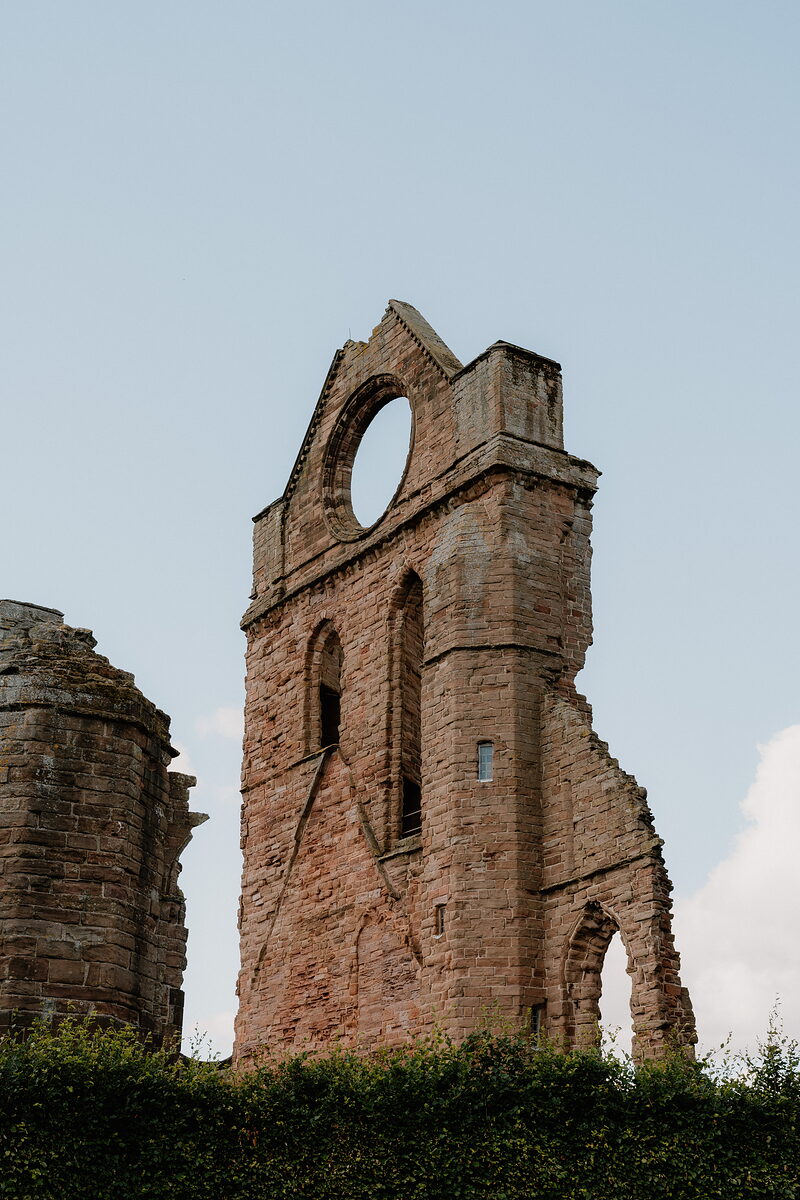 History and storiesFrom Pictish stones to the Declaration of Arbroath
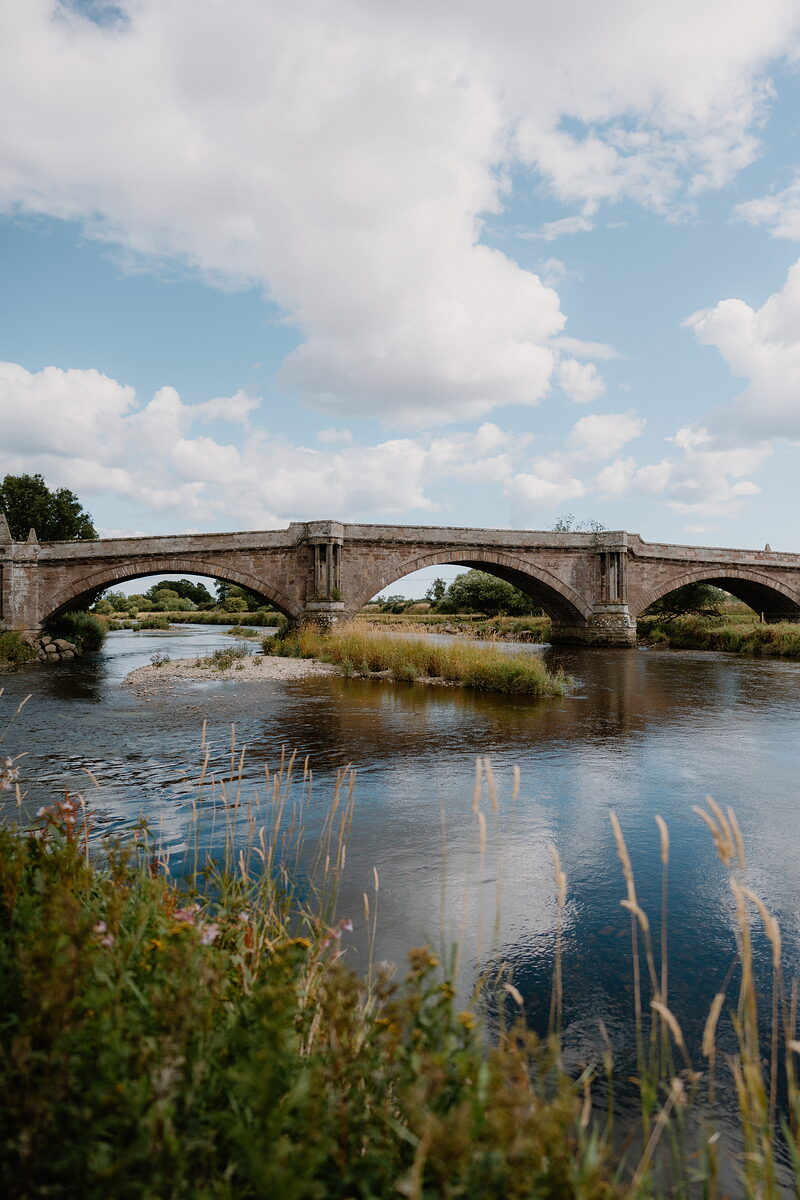 ItinerariesFrom the mountains to the sea, stop by stop
 Getting hereThe trains, the roads and the buses
 What is on in AngusSomething new from the region every day
What is on in Angus
Friday the 16th of October.
Sunrise 07:45, sunset 18:07.
Things you might not know.
Graeme Johncock
Graeme is the writer and storyteller behind Scotland’s Stories, sharing Scotland’s traditional folklore and legends.
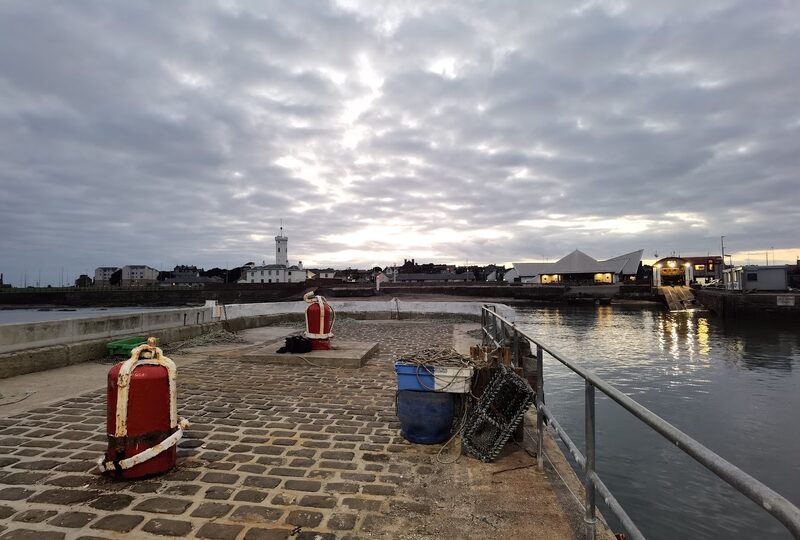
The Bell Rock Lighthouse got its name from a 14th century warning bell. The Abbot of Arbroath placed it on this small rock, hidden just below the waves to warn approaching ships to steer clear.
Find out moreAfter the Battle of Culloden, the Laird of Balnamoon spent months evading capture in a hidden cave in Glen Mark.
Find out moreWilliam Wallace was educated in Dundee where he is said to have killed the son of the castle’s constable.
Find out moreIn December 1879, the Tay Bridge Disaster resulted in the death of over 59 people. Thomas Bouch, the engineer responsible for the design, had already begun work on the Forth Bridge but was quickly replaced.
Find out moreWilliam Topaz McGonagall who spent much of his life in Dundee holds the infamous title of worst poet in history. Convinced of his own talent, he once walked 60 miles to Balmoral to perform for Queen Victoria, just to be turned away at the gate.
Find out moreThe city of Dundee became famous for Jute, Jam & Journalism. These industries brought in so much money that Broughty Ferry became the richest square mile in Europe.
Find out moreBuilt in Dundee, the RRS Discovery was the first specifically designed polar research vessel. Transporting Captain Scott and his crew to Antarctica in 1901, it would spend 2 years locked in the ice.
Find out more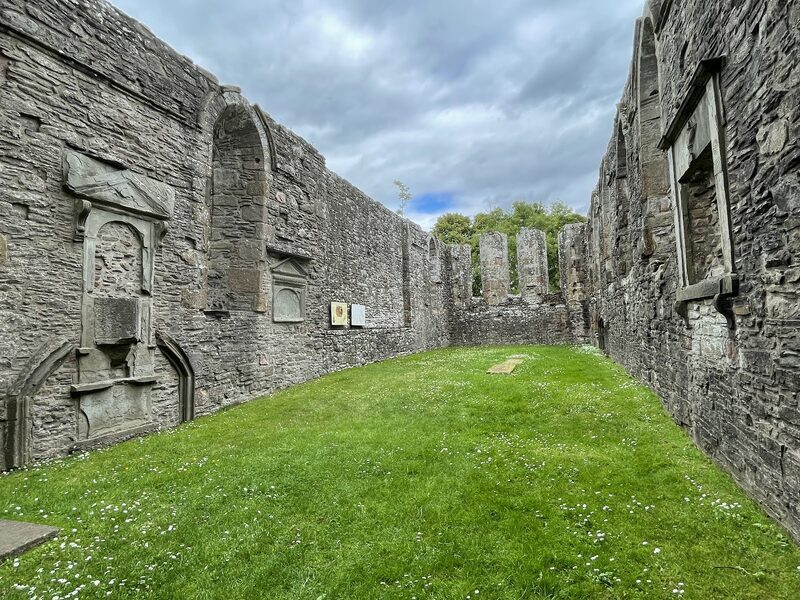
Restenneth Priory outside Forfar is believed to be the site of one of Scotland’s earliest stone churches. One of the burials recorded here was Robert the Bruce’s young son Prince John.
Find out more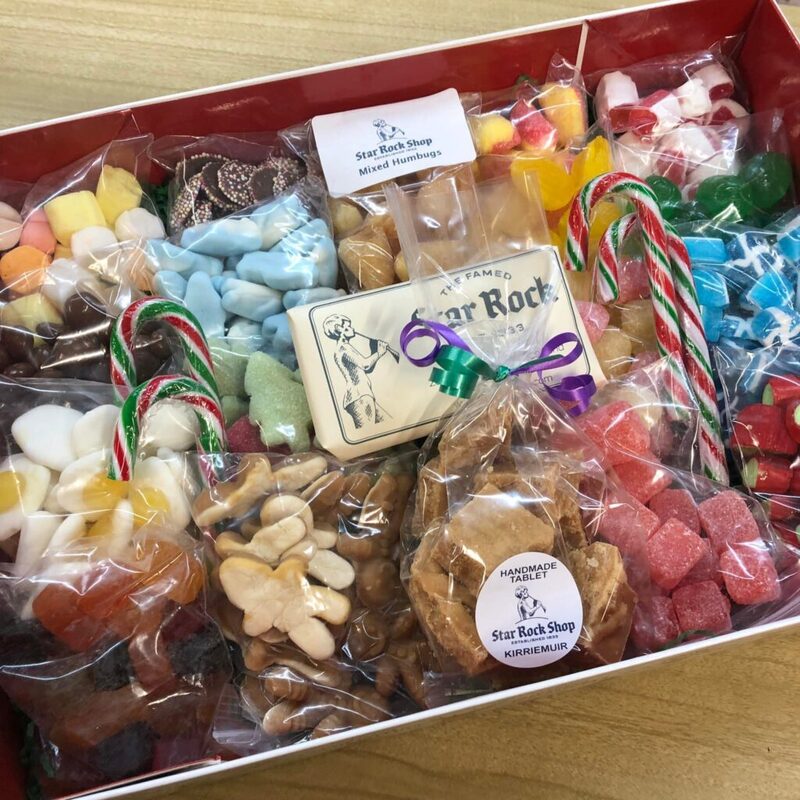
The oldest sweet shop in Scotland is the Star Rock Shop in Kirriemuir, still trading from the original location as when it opened in 1833.
Find out more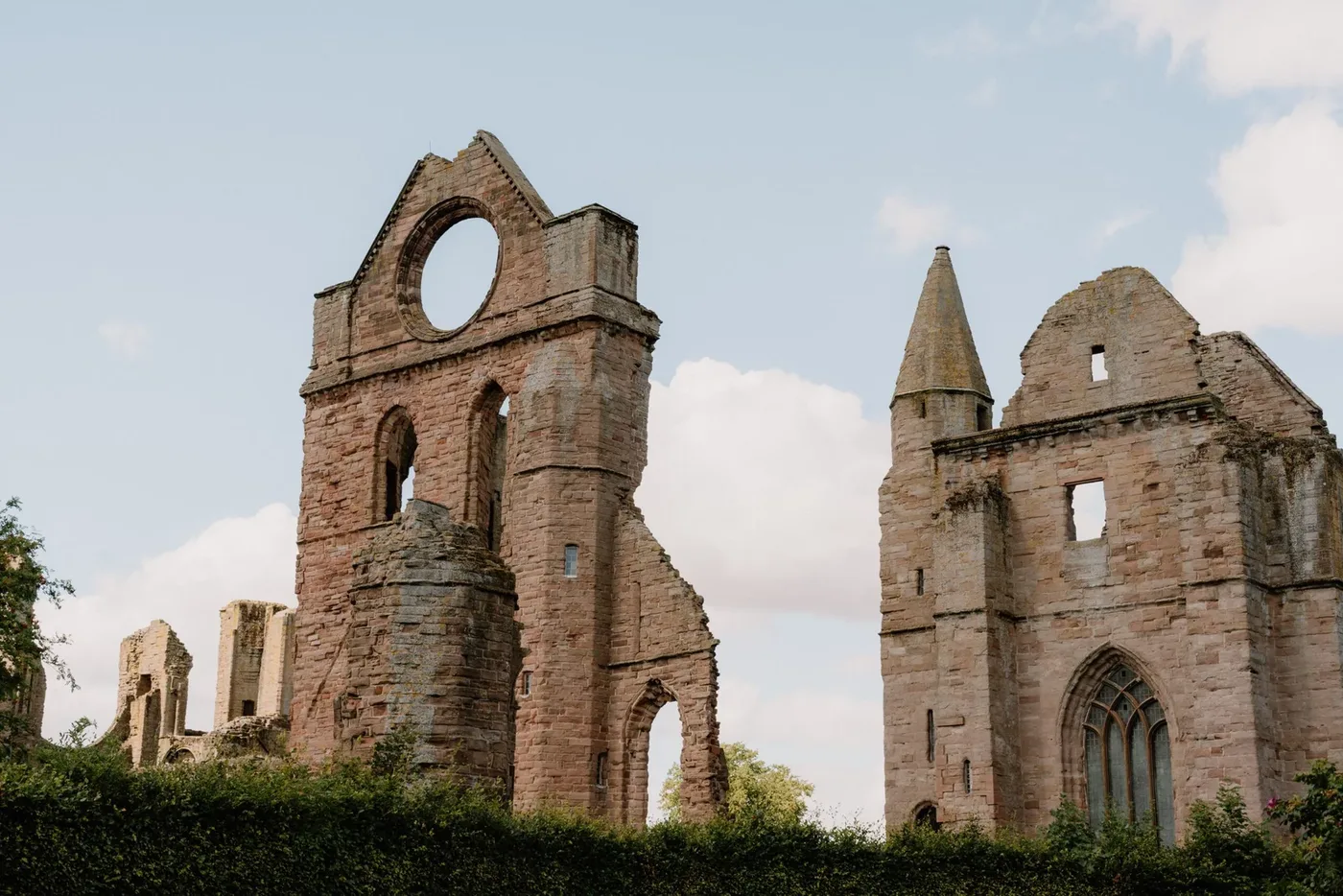
Photographs by Jan Wilhelmsson, Barry Mill (National Trust for Scotland), Gin Bothy Experience, HimInChurch, Gergely Hantos, Alex Shepherd, Lilybank Bakehouse, Scot Tares, Petru, Susen Brookes, Fraser Mitchell, Peel Farm - From farm roots to full countryside escape., John Newman, Ioan Covalcic, Wojciech Suszko, Andrej Szalma, Copper Oven, Jussi Päivinen, J M Barrie's Birthplace and Ian MacQuarrie via Google; Hidden Scotland