People have lived in Angus for a very long time. The Brown and White Caterthuns, two hillforts looking out over Strathmore, probably date to the first millennium BC. Later this was Pictish country, and the Picts left some of their finest carving in the cross-slabs and symbol stones of Aberlemno, St Vigeans and Eassie. On 20 May 685 the Pictish king Bridei defeated and killed Ecgfrith of Northumbria at the Battle of Dun Nechtain. It is traditionally placed near Dunnichen, outside Forfar, though some historians now look for it in Badenoch. By around 970 there was a monastery at Brechin, and the round tower built there around 1100 still stands beside the cathedral. For centuries the county was called Forfarshire. Its council chose the name Angus in 1928, and the law caught up in 1947. In the nineteenth century its towns grew on textiles: Forfar wove linen and jute, and Arbroath made sailcloth and flax canvas. Many of the fisher families of Auchmithie moved into Arbroath, bringing the smokie with them. Out at sea, Robert Stevenson built the Bell Rock Lighthouse between 1807 and 1810, and it was run from a signal tower by Arbroath harbour. In 1913 Montrose became home to Britain's first operational military airfield. Angus became a district of Tayside in 1975, and it has been a council area in its own right since 1996.
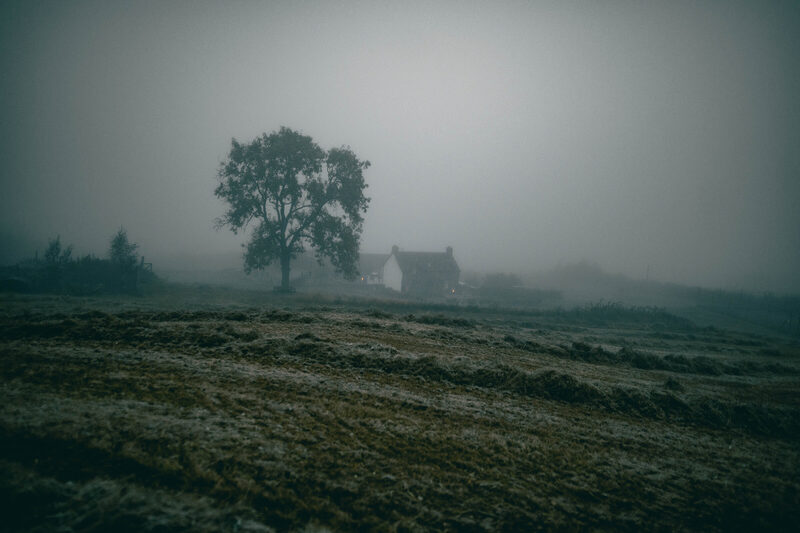 HistoryThe Ghostly Drummer of Cortachy Castle
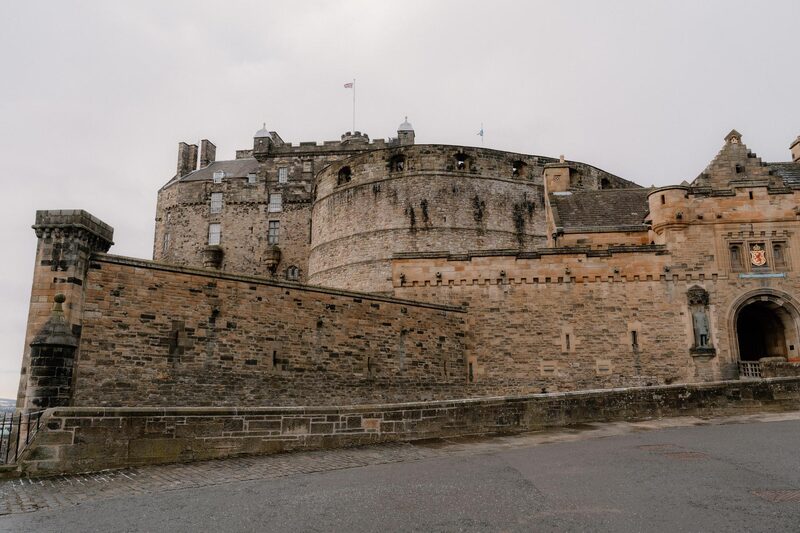 HistoryEdinburgh Castle’s Darkest Day: The Burning of Janet Douglas
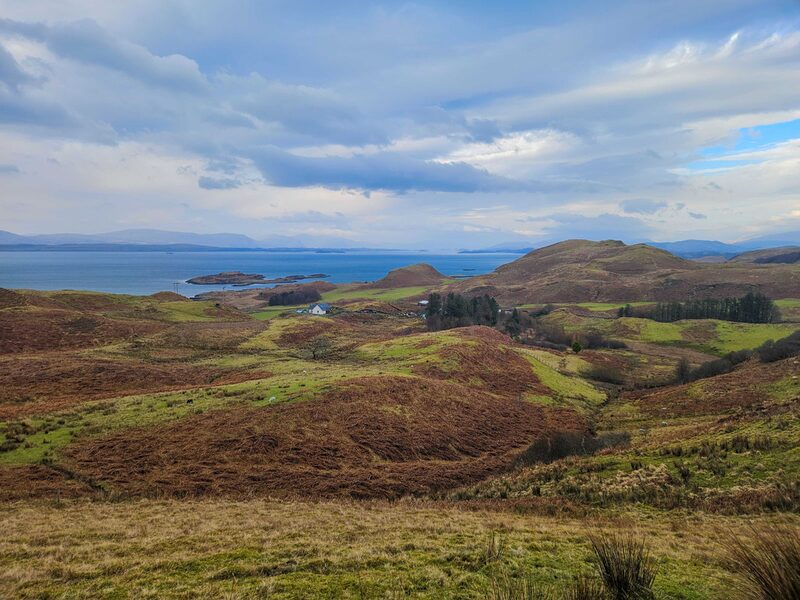 HistoryFrom Angus to Iona: A Busy Month on Both Coasts
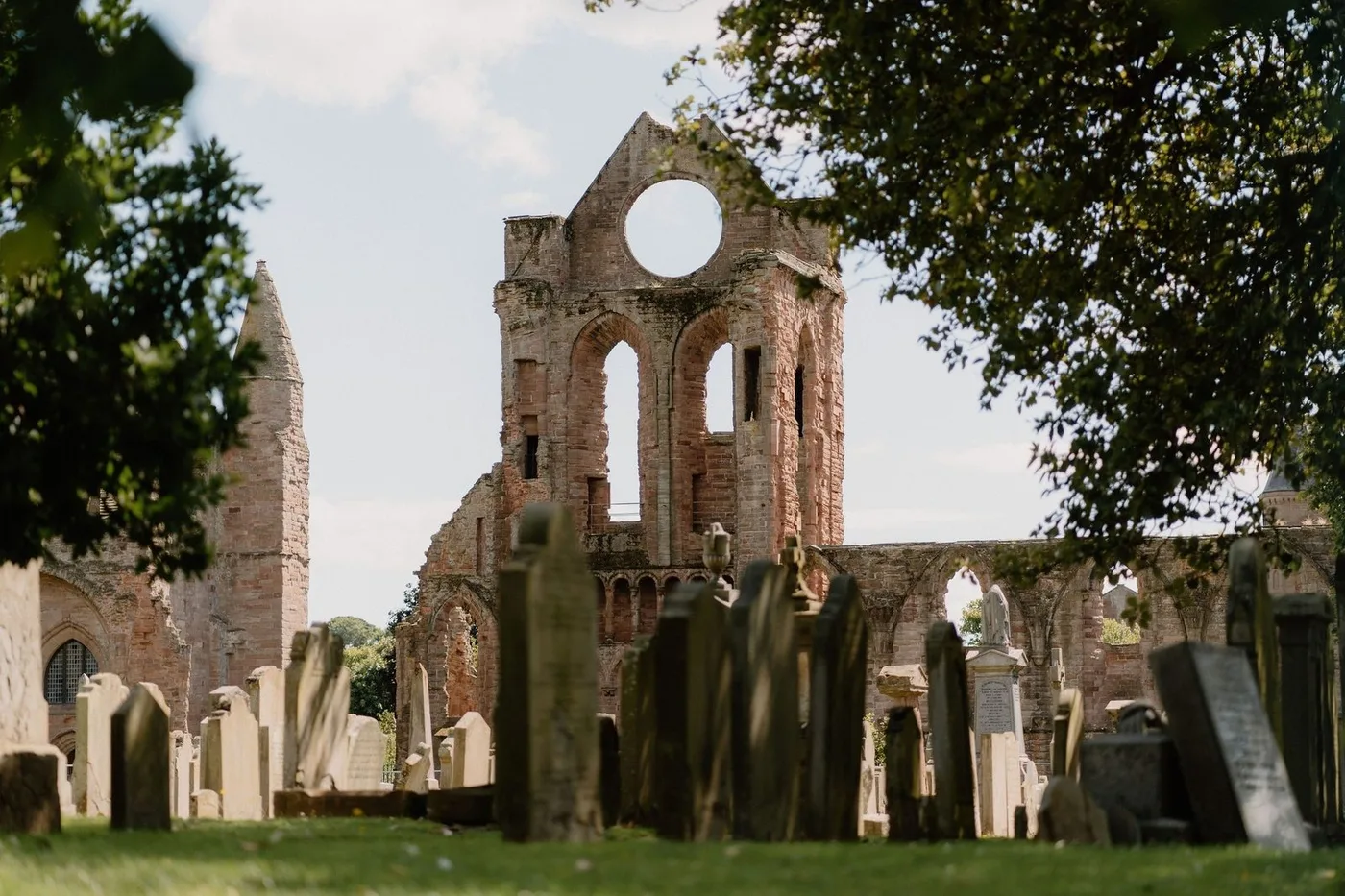 HistoryThe Battle for Arbroath Abbey
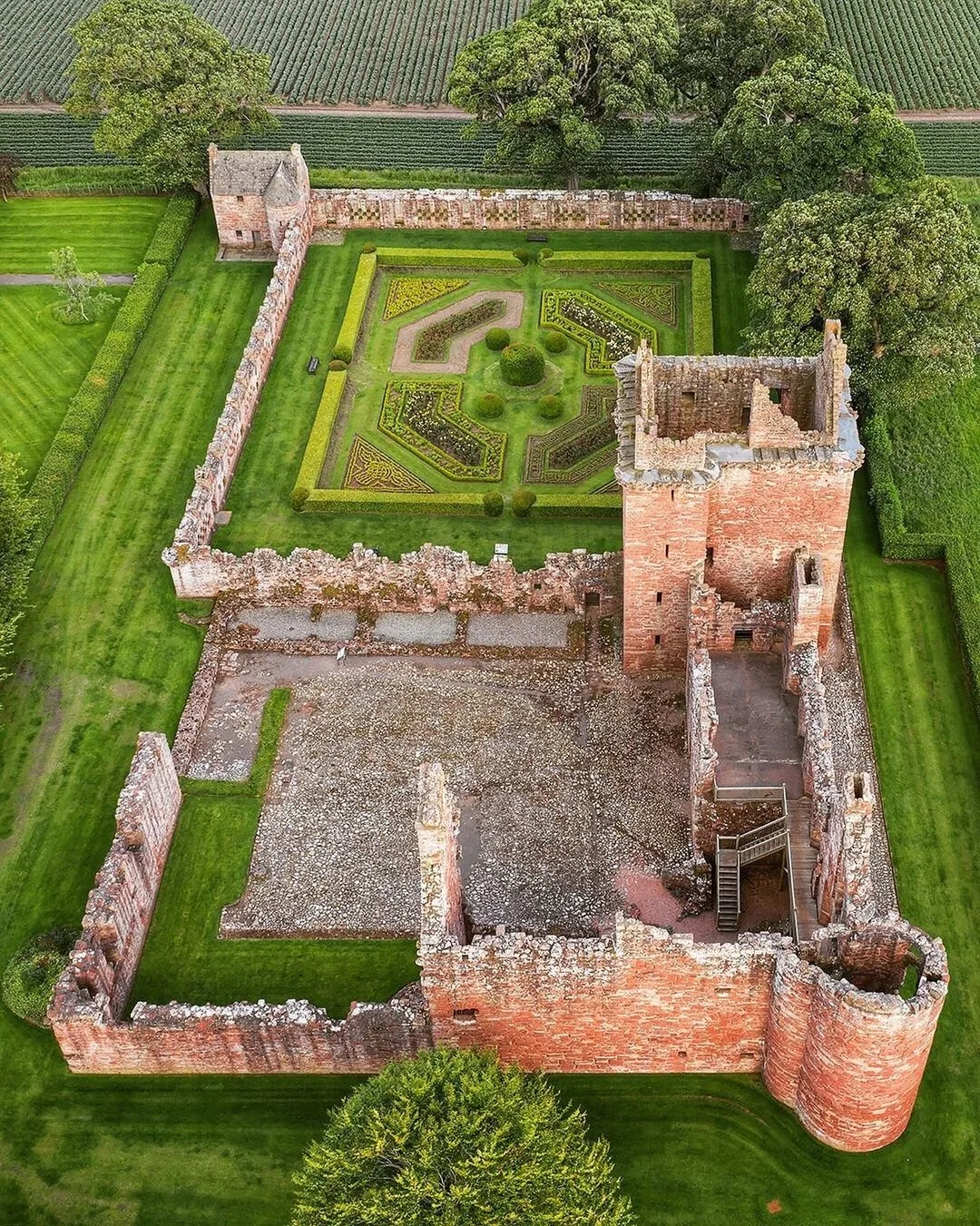 HistoryThe White Lady of Edzell Castle
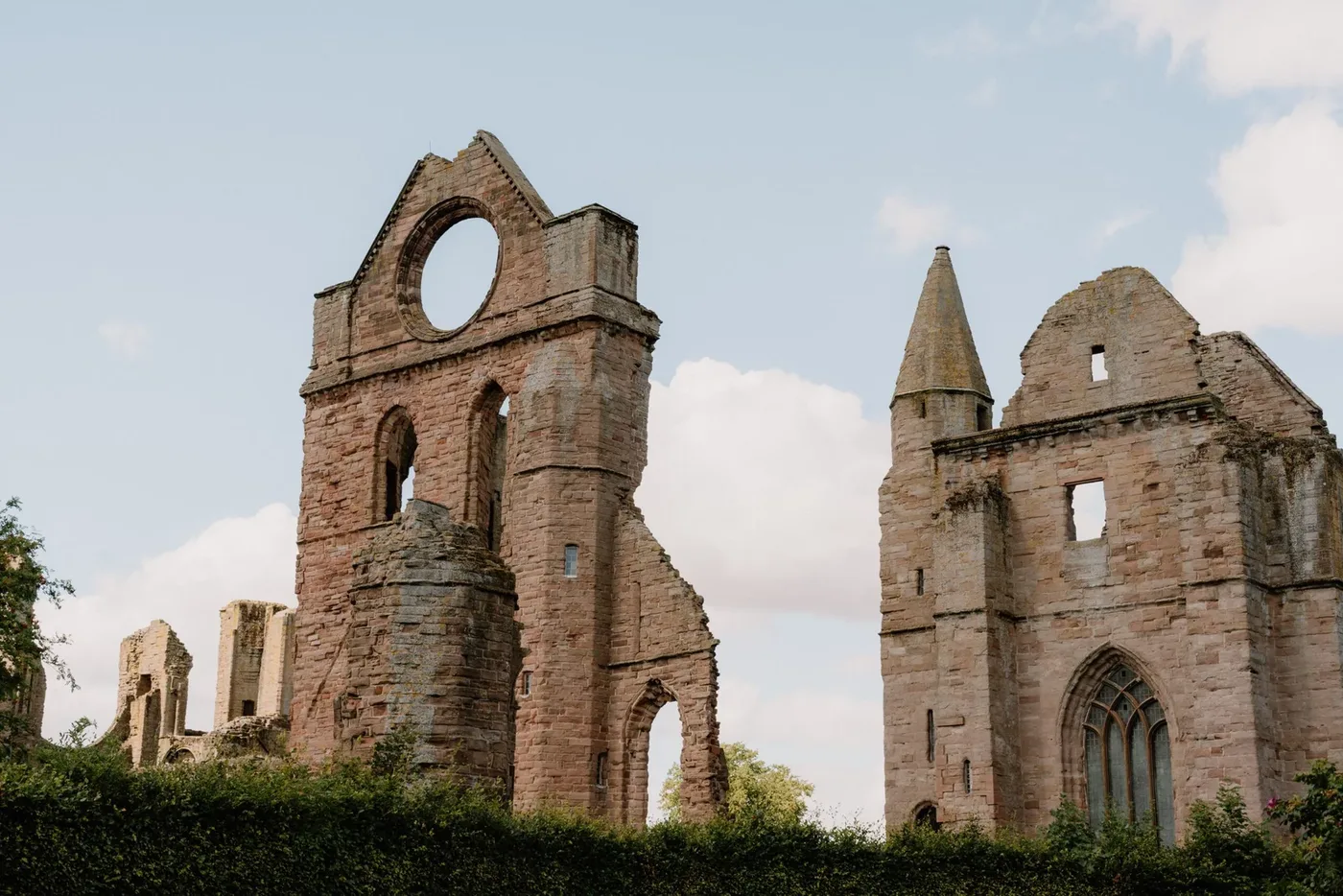 HistoryArbroath Abbey and the Declaration of ArbroathHistoryThe Best of Angus