
The Old Fort
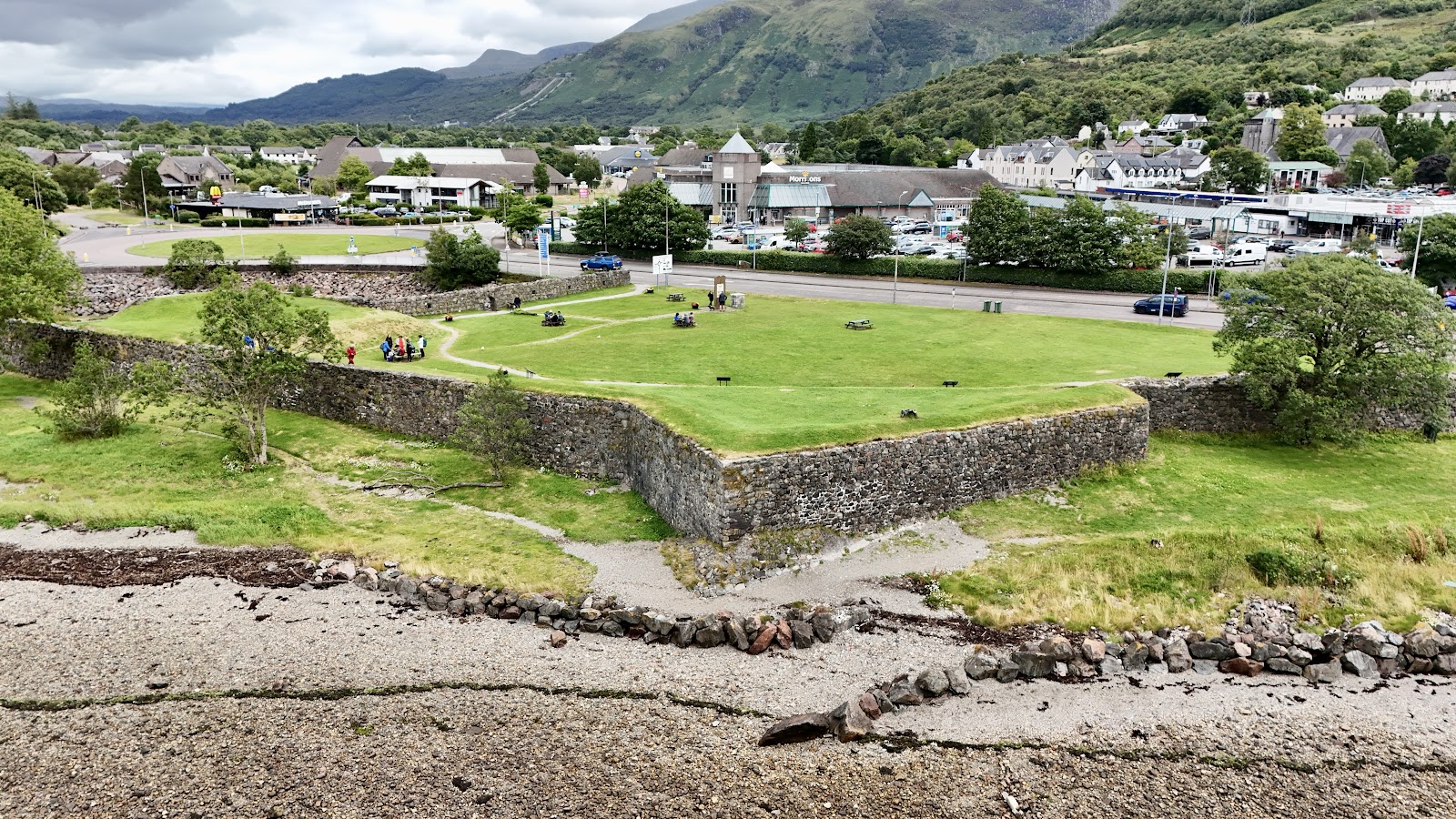
What remains of the fort that gave Fort William its name: grassy ramparts and a sally port by Loch Linnhe, and the start of the Great Glen Way.
Almost invisible to passing traffic, on the shore of Loch Linnhe, by the roundabout at the northern end of the town, are the remains of the fort that gave Fort William its name.
Cromwell's troops built a wooden citadel here in 1654. In 1690 William the Third approved a far stronger fortress, and stone walls up to 20 feet high replaced the timber. It was from here, in 1692, that two companies of soldiers set out to carry out the Glencoe Massacre, and in 1746 the fort held out against a Jacobite siege from 14 March to 3 April.
The railway arrived in 1894 and swept most of the fort away, but grassy ramparts, part of the western walls and the original sally port survive. The panelling from the governor's room is in the West Highland Museum in town. The Great Glen Way begins here too.
Open ground by the loch, at any hour.
- Where
- The shore of Loch Linnhe, Fort William.
- Built
- 1654, rebuilt in stone from 1690.
- Besieged
- March to April 1746.
On the shore of Loch Linnhe by the roundabout at the northern end of the Fort William bypass, PH33 6AN.
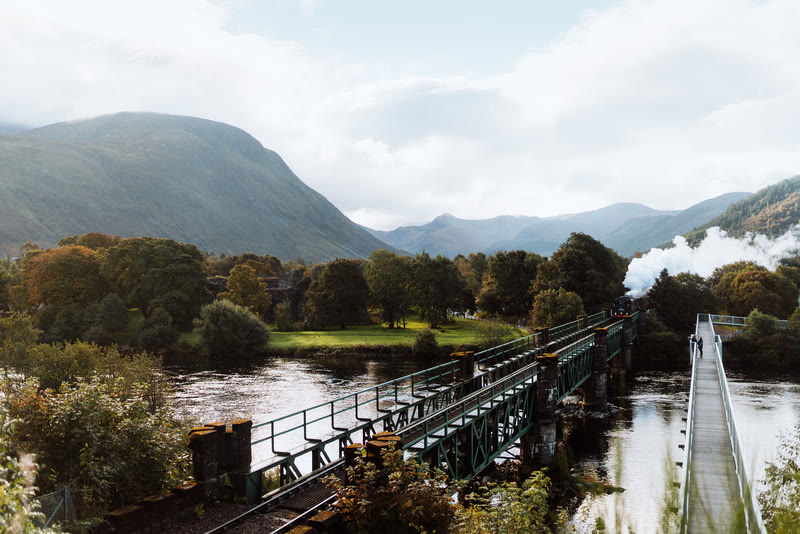 Jacobite Steam TrainA steam train from Fort William to Mallaig and back, 84 miles over the Glenfinnan Viaduct, in summer.Under a mile1 min by road
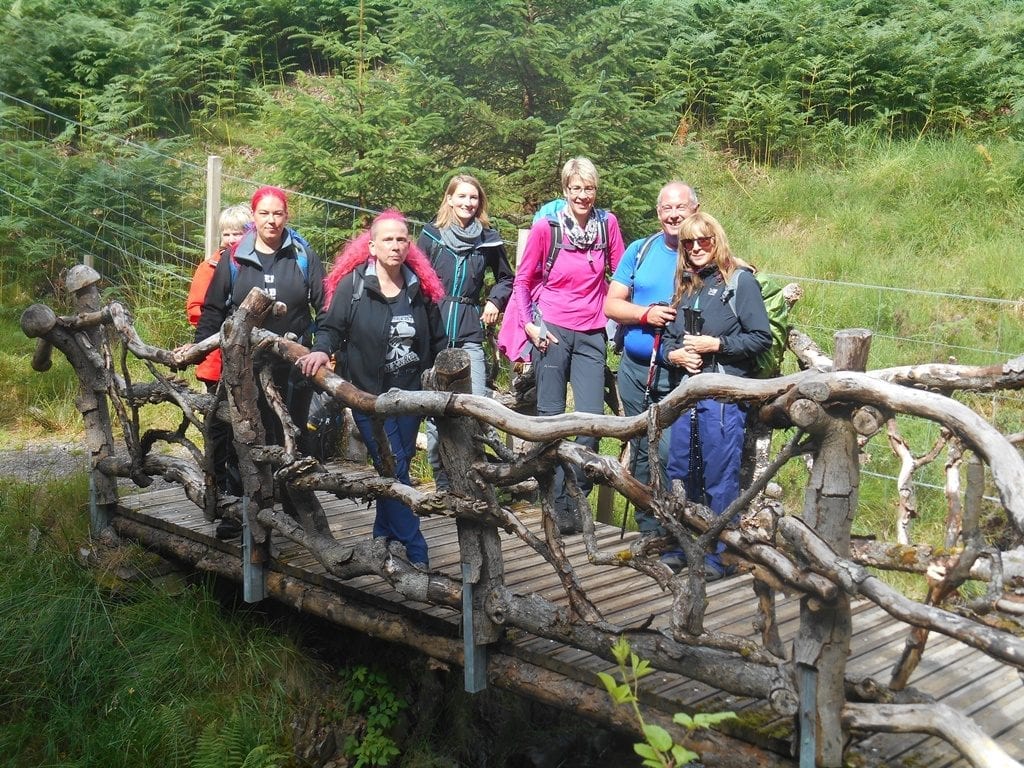 The Great Glen Way by Thistle TrekkingThe Great Glen Way is a 79 mile trek which begins in Fort William and finishes in Inverness.Under a mile1 min by road
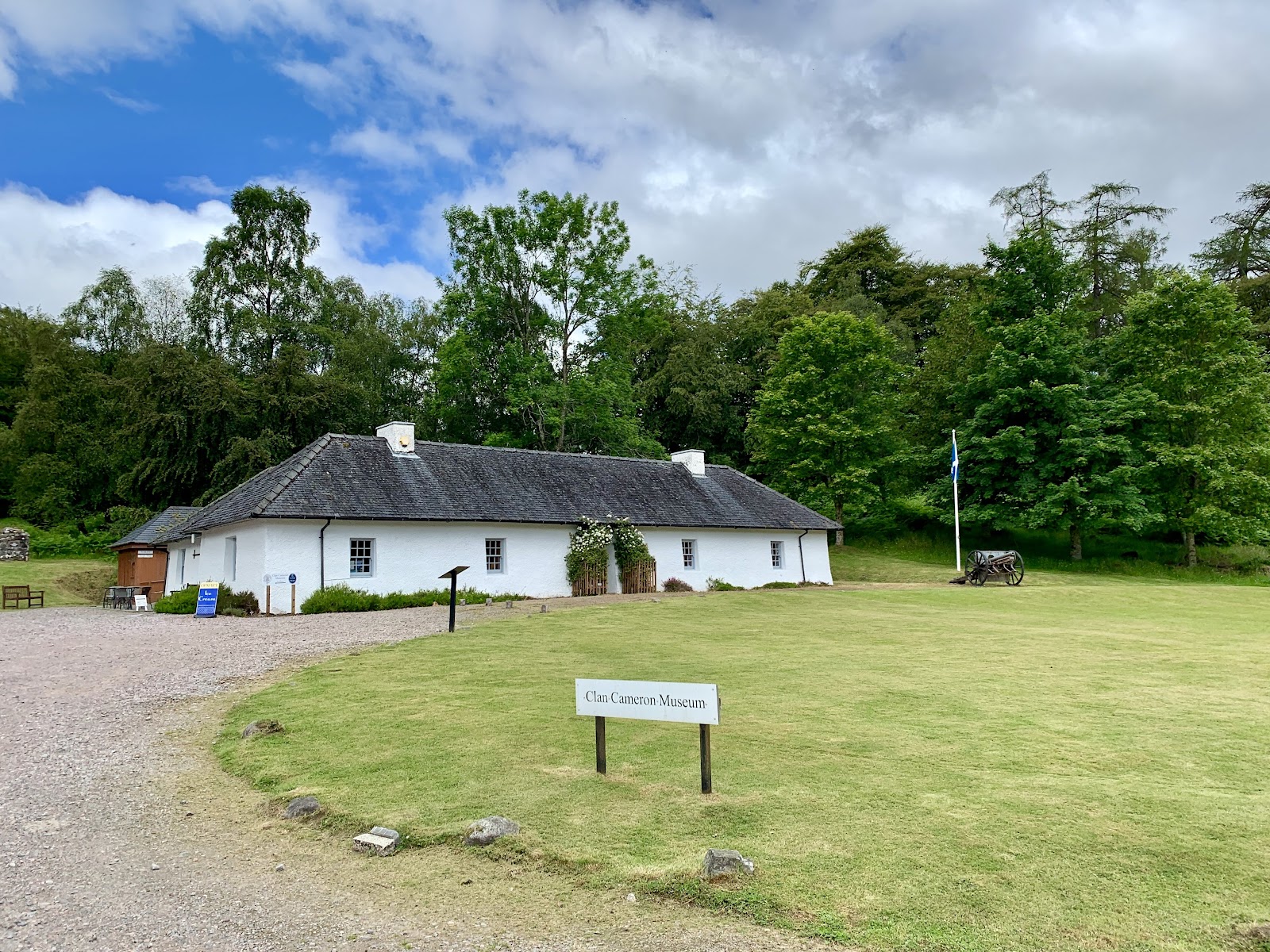 Clan Cameron MuseumThe Camerons' museum at Achnacarry.16 miles26 min by road
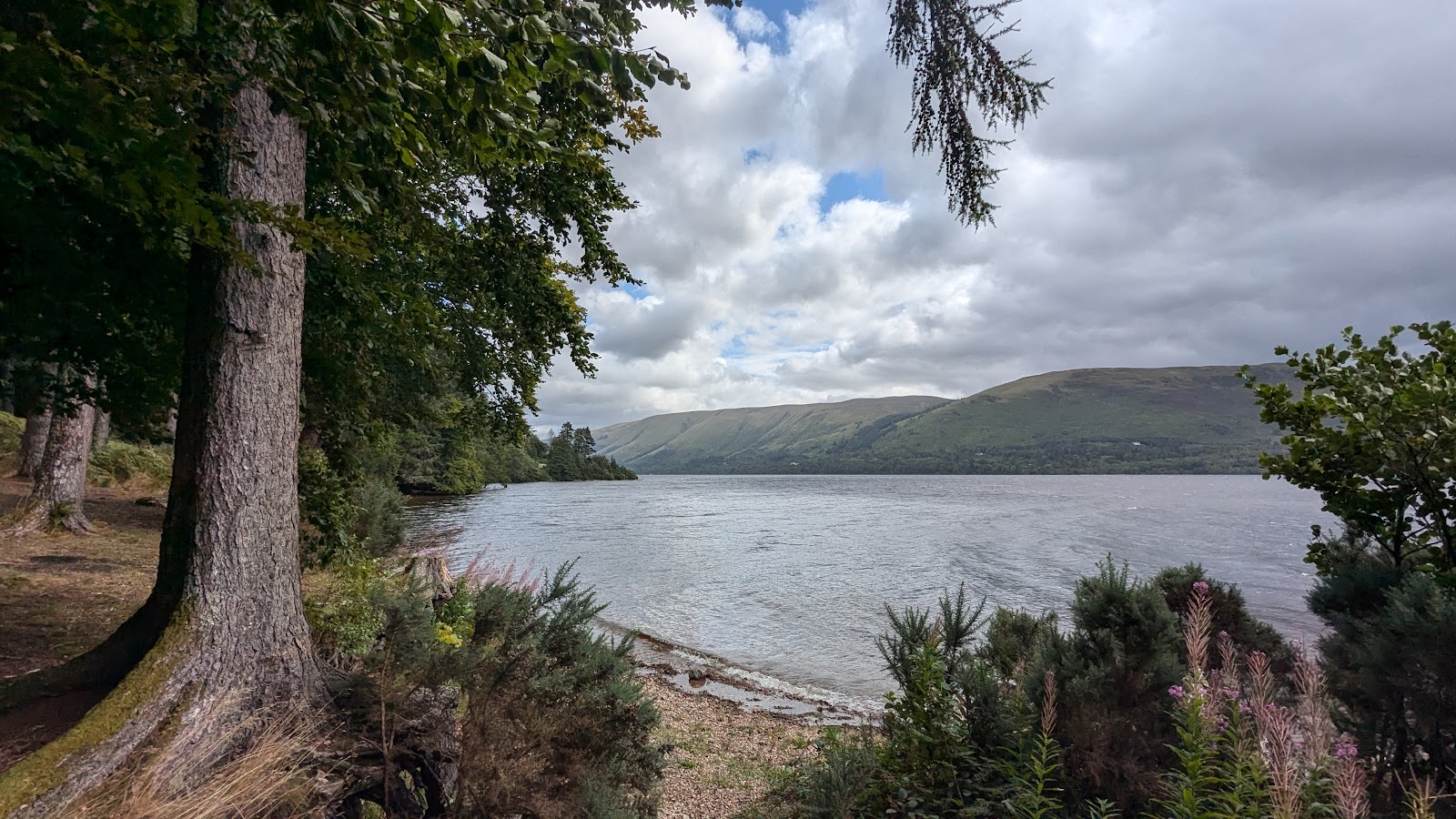 Great Glen Way Viewpoint, Loch LochyThe Great Glen Way above Loch Lochy.17 miles25 min by road
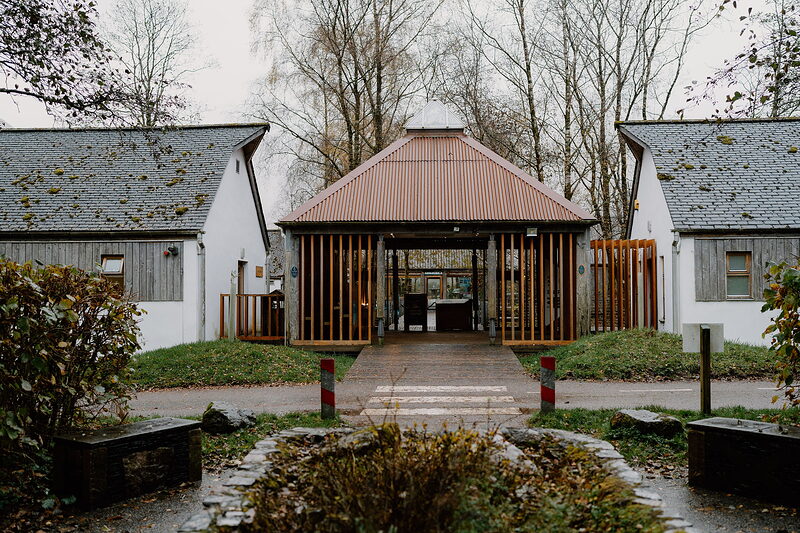 Glencoe Visitor CentreGlencoe, to the south.18 miles29 min by road
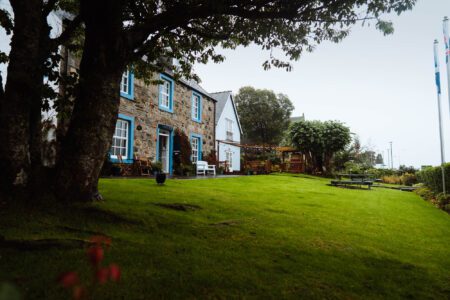
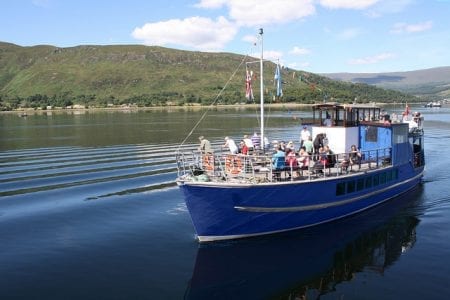
Places to stay near the fort, and when each is next free.
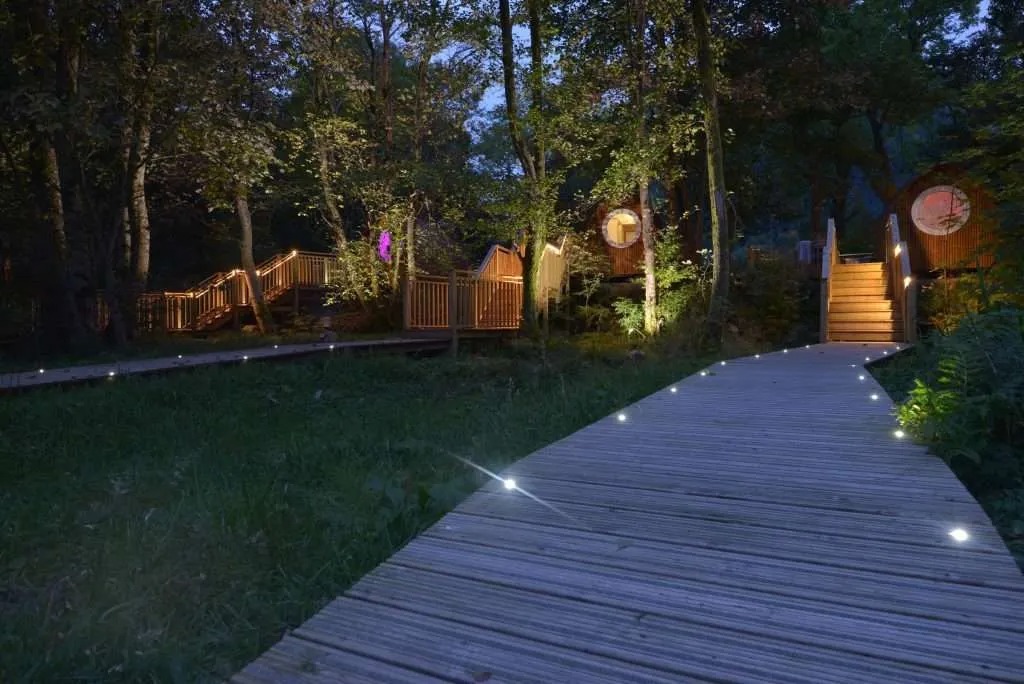 Woodlands Glencoe
- Sleeps 2
- In Ballachulish
- 10 miles from the Old Fort
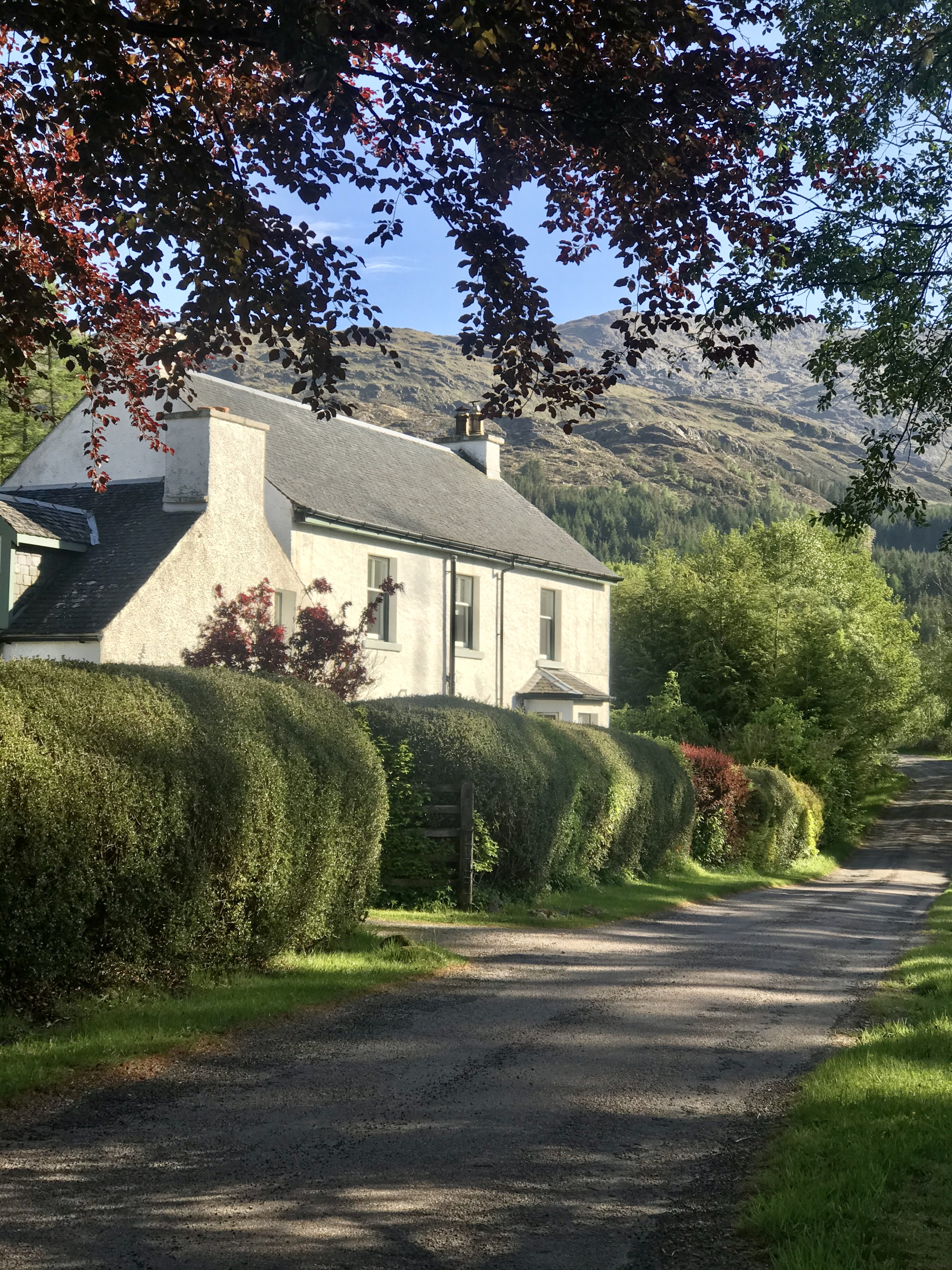 Glenhurich Lodge
- Sleeps 11
- In Fort William
- 20 miles from the Old Fort
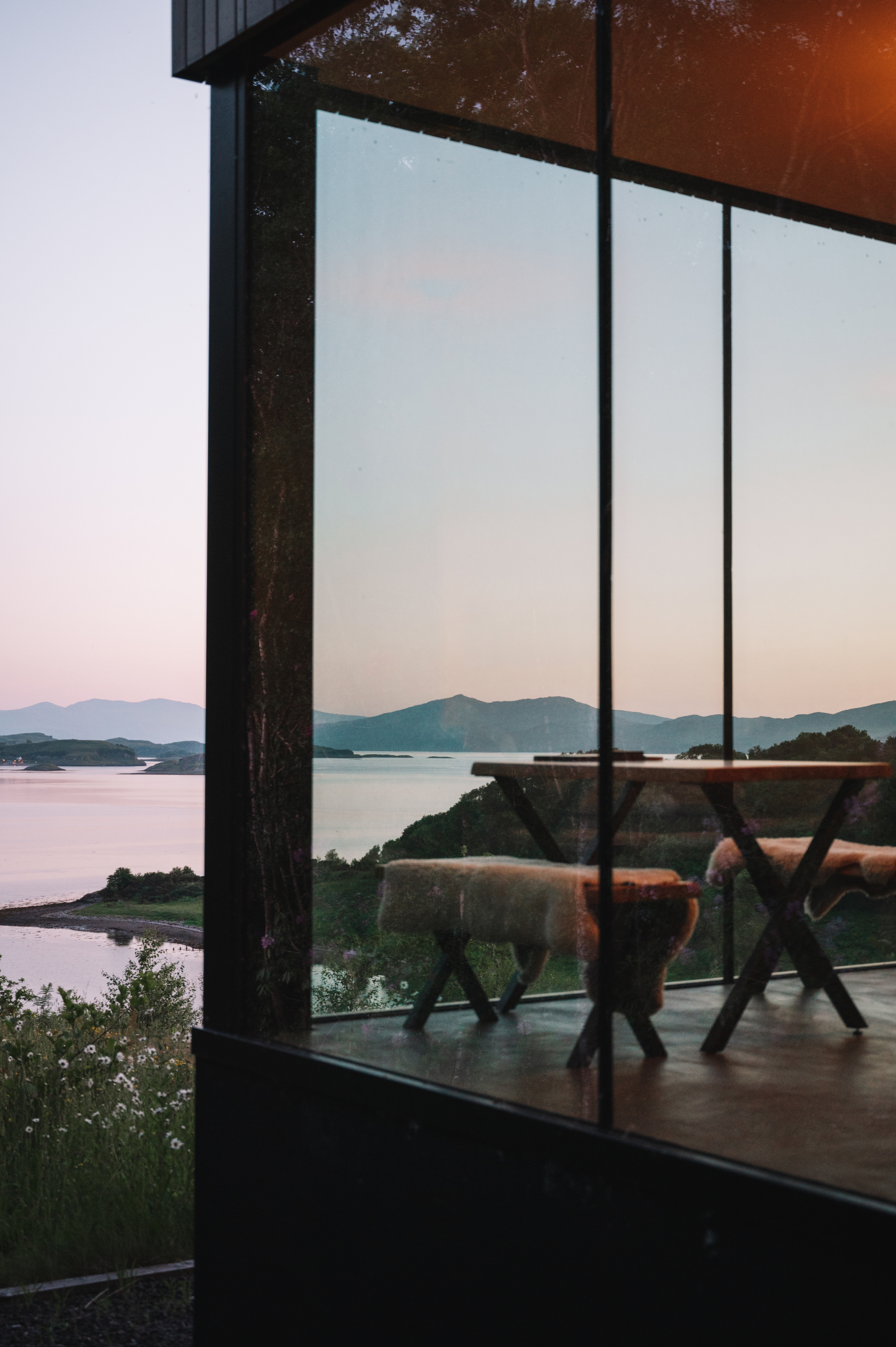 Stormhouse South
- Sleeps 2
- In Fort William
- 20 miles from the Old Fort
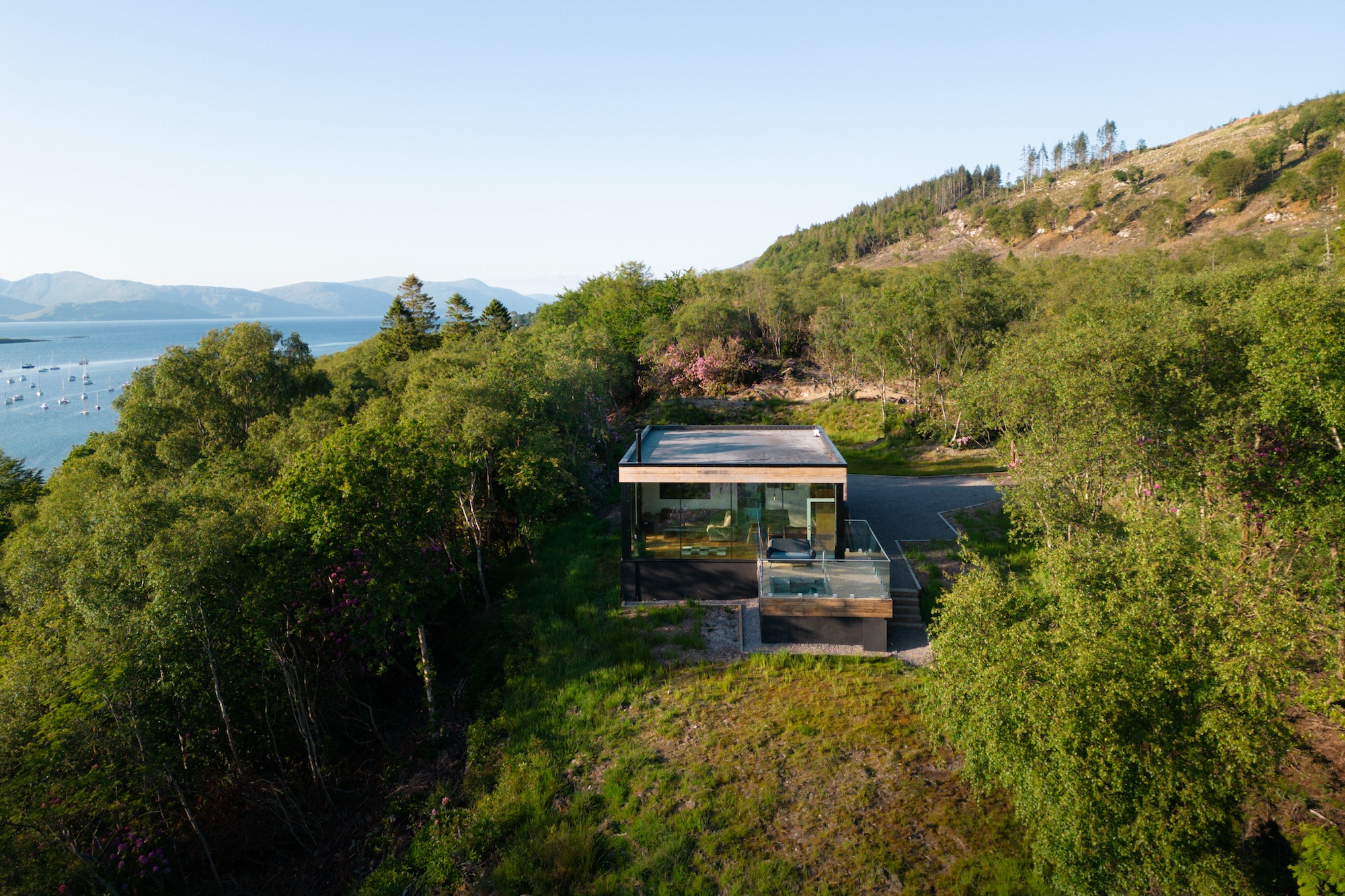 Stormhouse North
- Sleeps 2
- In Fort William
- 20 miles from the Old Fort
Scotland, in print.
Every photograph commissioned, every word written by somebody who went. Printed twice a year, made in Scotland.
For further reading, before you go.