Did you know
Once Fingal's Cave.
Before the Victorian period, King's Cave was known as Fingal's Cave; Sir Walter Scott popularised the Bruce link in 1828.
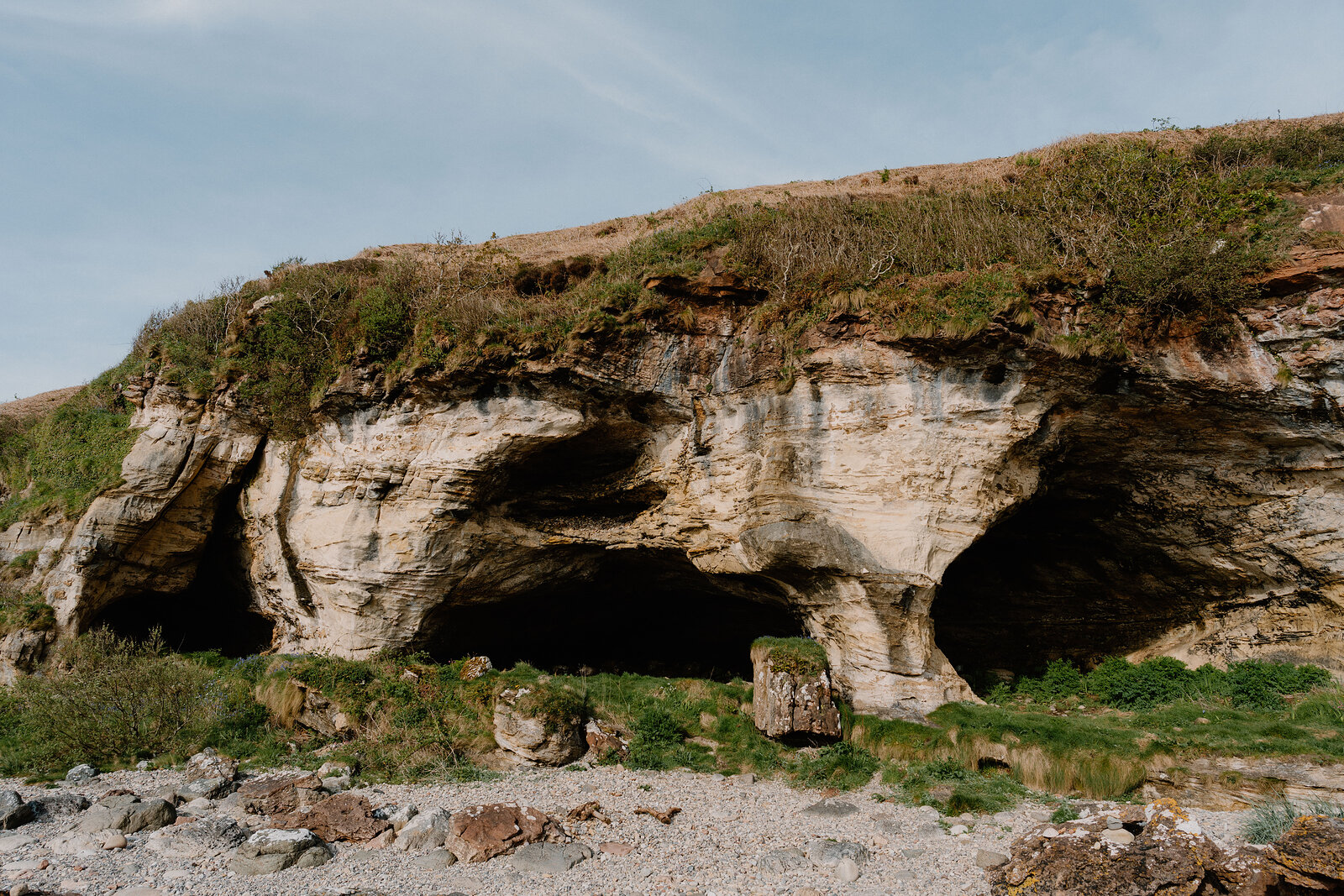
The largest of a row of sandstone sea caves north of Blackwaterfoot, carved inside with horses, deer, crosses and an Ogham inscription, and tied by legend to Robert the Bruce.
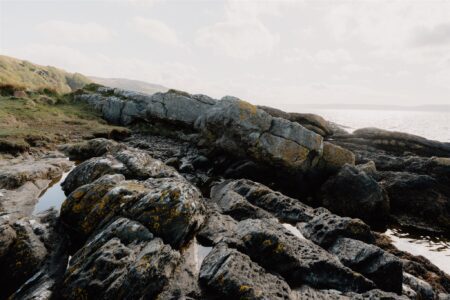
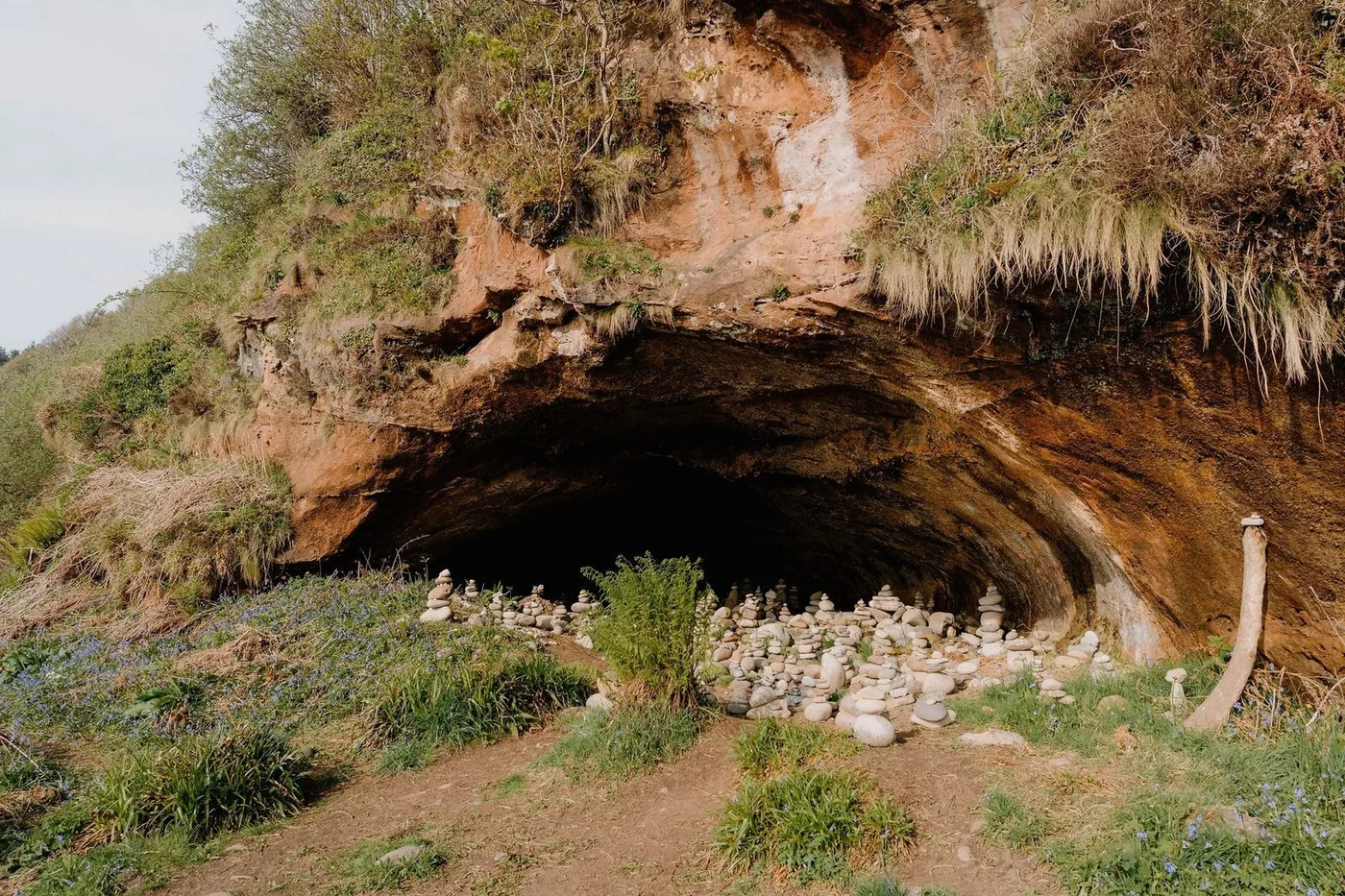
North of Blackwaterfoot, a row of caves has been worn into the sandstone cliffs along Arran's west coast.
Visited and photographed by Simon Hird
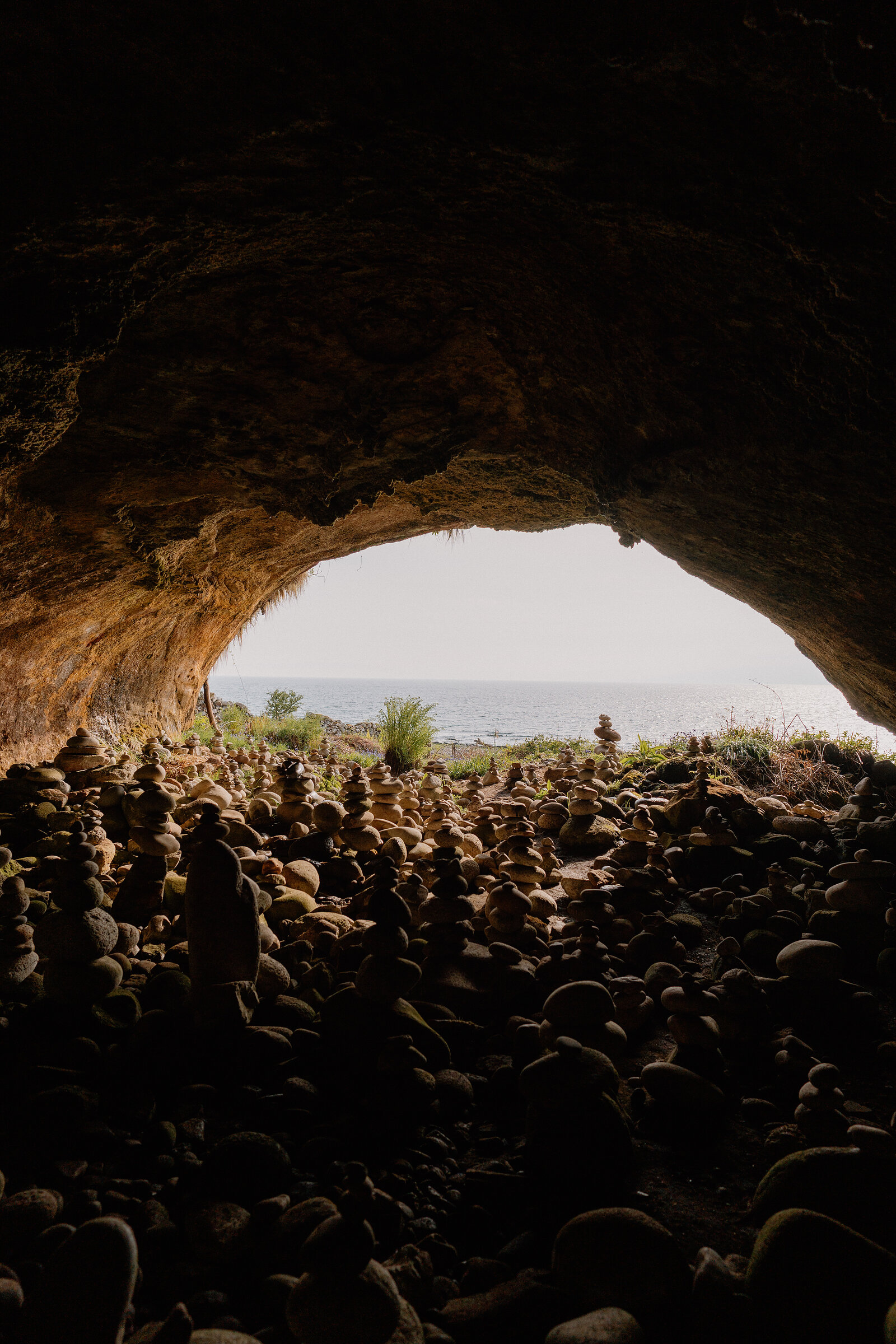
The biggest of them, King's Cave, is roughly 120 feet deep and split in two by a buttress of rock, with a metal gate at its mouth to protect what lies inside.
Its walls carry carvings from many different ages: horses, a deer, serpents, crosses, cup and ring marks, a figure with raised arms and an inscription in the ancient Ogham script. Legend says that Robert the Bruce sheltered here in 1306 and took heart from a spider trying again and again to spin its web. Several caves claim the story. Before Victorian times this one was known as Fingal's Cave. Sir Walter Scott made the Bruce link famous in 1828.
A circular walk of about three miles from the car park north of Blackwaterfoot runs through forest and down to the shore. Some stretches are steep and rocky, so wear good boots.
The Daily
Arrives at 5am every day.
A free morning email to see what’s on this week, catch up on what’s happening in Scotland and find somewhere new to go.
Open at all times.
A circular walk of about 3 miles from the car park; some steep, rocky stretches.
Been here? Tell others what you know, and the best go on this page with your name.
Add your reviewBefore the Victorian period, King's Cave was known as Fingal's Cave; Sir Walter Scott popularised the Bruce link in 1828.
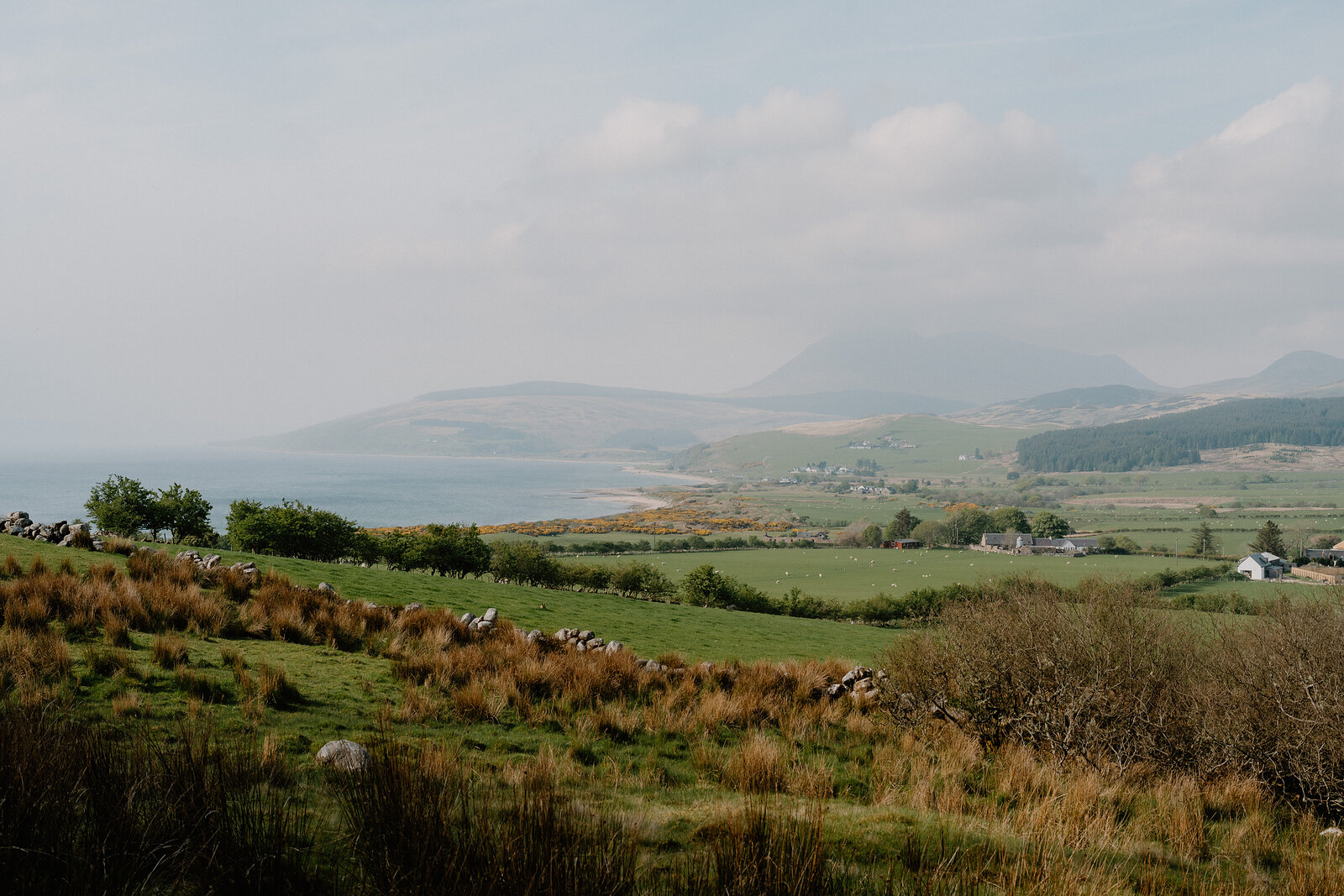
An Ogham inscription is cut into the south wall of King's Cave, among carvings of horses, a deer and crosses.
North of Blackwaterfoot, the sea has worn a row of caves into the sandstone cliffs, and King's Cave is the biggest of them. Its walls carry carvings from many ages: horses, a deer, crosses, cup and ring marks and an inscription in the ancient Ogham script. Legend says Robert the Bruce sheltered here in 1306 and took heart from a spider spinning its web, though other caves claim the same story. A circular walk of about three miles runs through the forest and down to the shore. Some stretches are steep and rocky, so wear good boots.
Read moreNew places, news and stories, as we find them.
What is on on ArranFrom the car park on the coast road north of Blackwaterfoot, KA27 8DX.
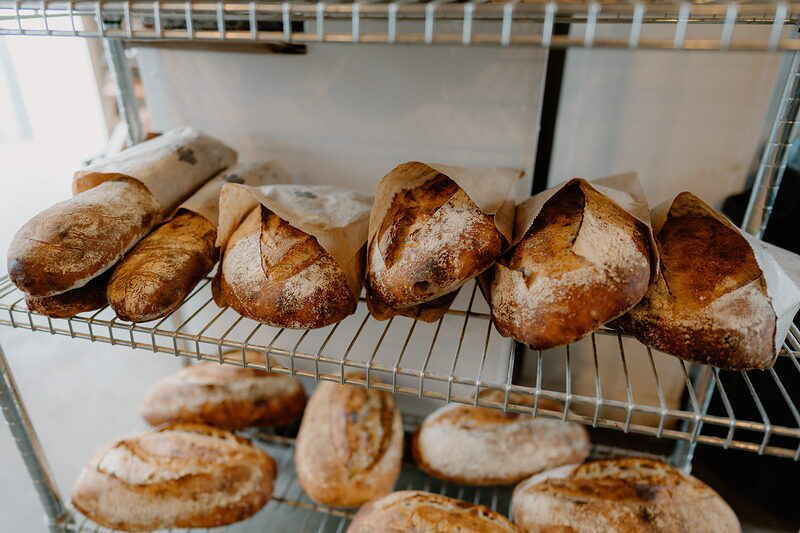 Blackwater Bakehouse2 miles 5 min by road
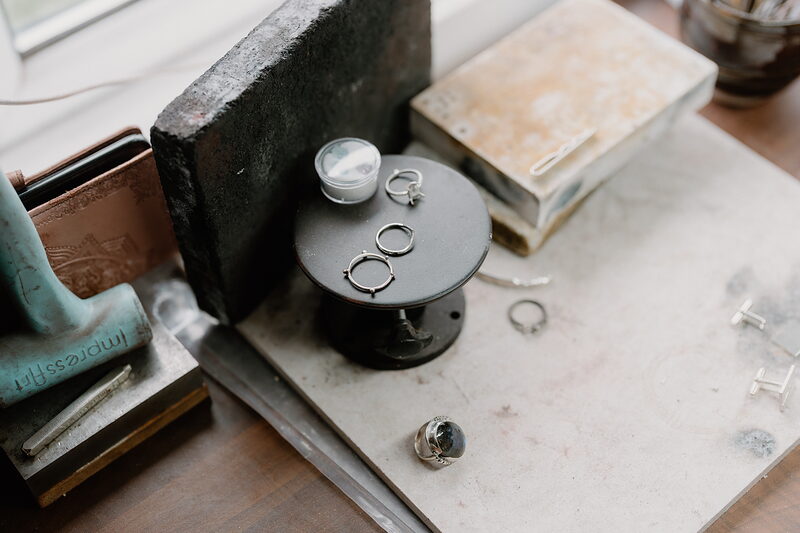 Jess MacDonald BrassAn Arran-born silversmith making jewellery in silver, gold and platinum at her studio in Blackwaterfoot, open by appointment.3 miles 7 min by road
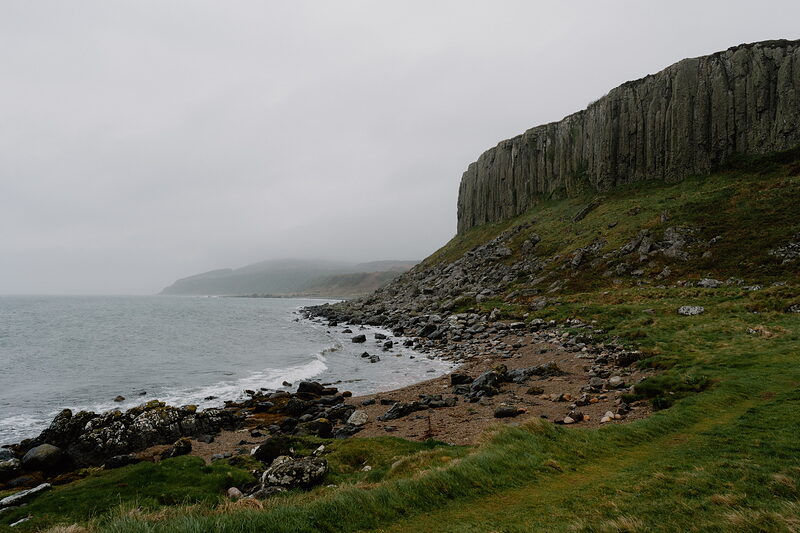 Drumadoon PointColumned cliffs and a hillfort to the south.3 miles 9 min by road
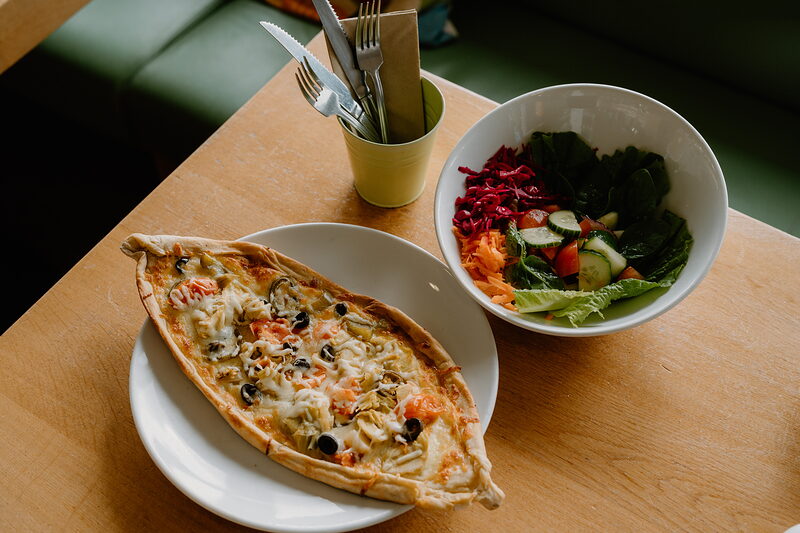 Cafe Thyme, MachriePide from a wood-fired oven at Machrie.4 miles 10 min by road
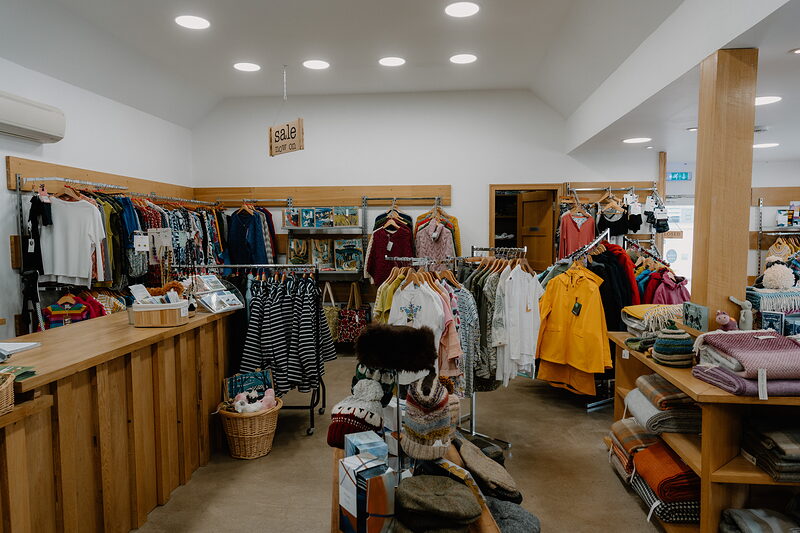 The Old Byre ShowroomA family-run knitwear and clothing showroom at Machrie on Arran's west coast, begun in 1967 selling sheepskins, with a cafe and a play park.4 miles 10 min by road
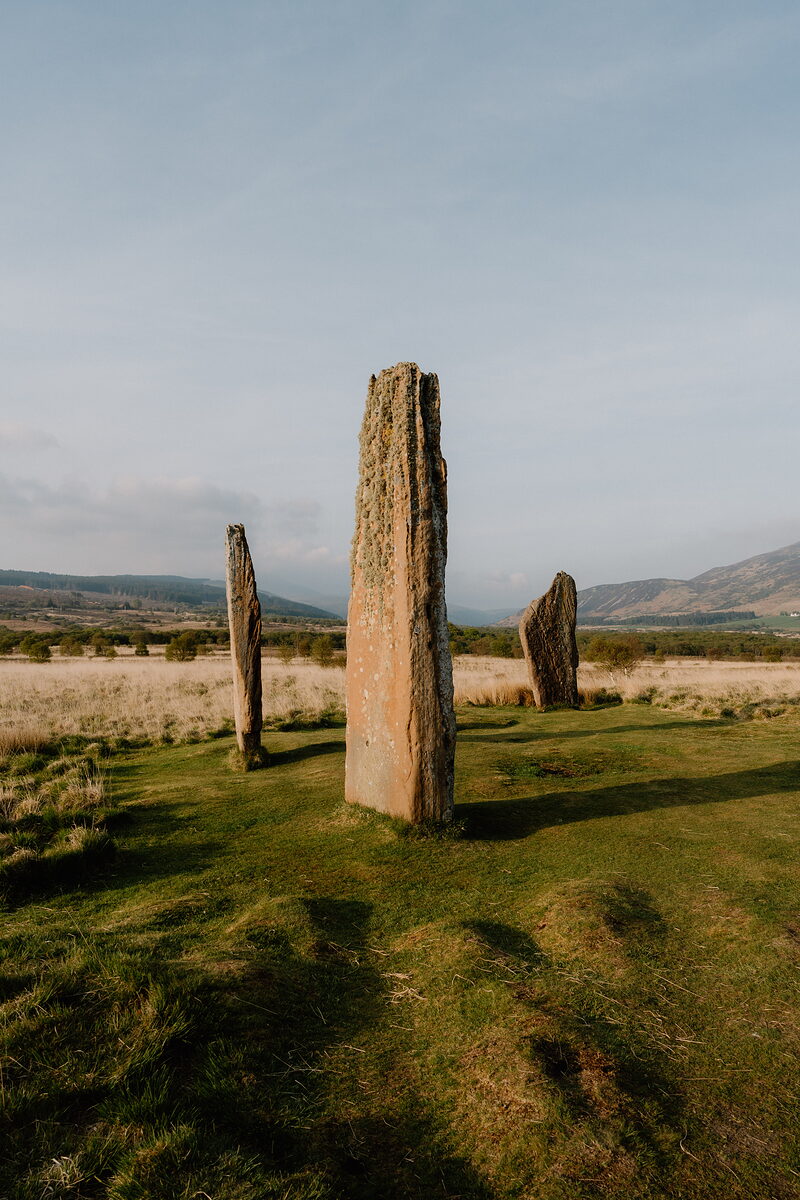 Machrie Moor Stone CirclesStone circles up the coast.4 miles 7 min by road
We want to show you the best that Scotland has to offer. The makers and the creatives, the enduring experiences, the evocative tales, the concealed corners. The roads less travelled that take you to places that matter. The adventures that gather you up and sweep you away. The blend of the wild and the artistic that makes Scotland what it is. We’d love for you to join us.
What we have written about it and more on Arran.
For further reading, before you go. The details on this page were checked on .