
The Howe of Cromar – Stone Circle, Earth House, Pictish Stones
A day by car, from Aboyne and back.
The route
North of the Dee, between Aboyne and Ballater, the hills draw back round a wide bowl of farmland: the Howe of Cromar, with the village of Tarland at its centre.
The main road along the river passes it by. This day turns off to spend its time among stones raised here between 4,500 and 1,200 years ago. From Aboyne it runs west to Dinnet and the Muir of Dinnet, for a walk through birch woods to a Pictish cross on the shore of Loch Kinord. Then it crosses the Howe to the carved stone in Migvie's hill kirkyard, and on to Tarland's square for lunch and a walk out to the Tomnaverie stone circle. Last come Culsh Earth House, an Iron Age passage you crawl into by torchlight, and the Queen's View back over the whole Howe, before the quiet road home.
Before you go
Book a bed near Aboyne
The day starts and ends in Aboyne, and summer beds on Deeside go early: book once your dates are set.
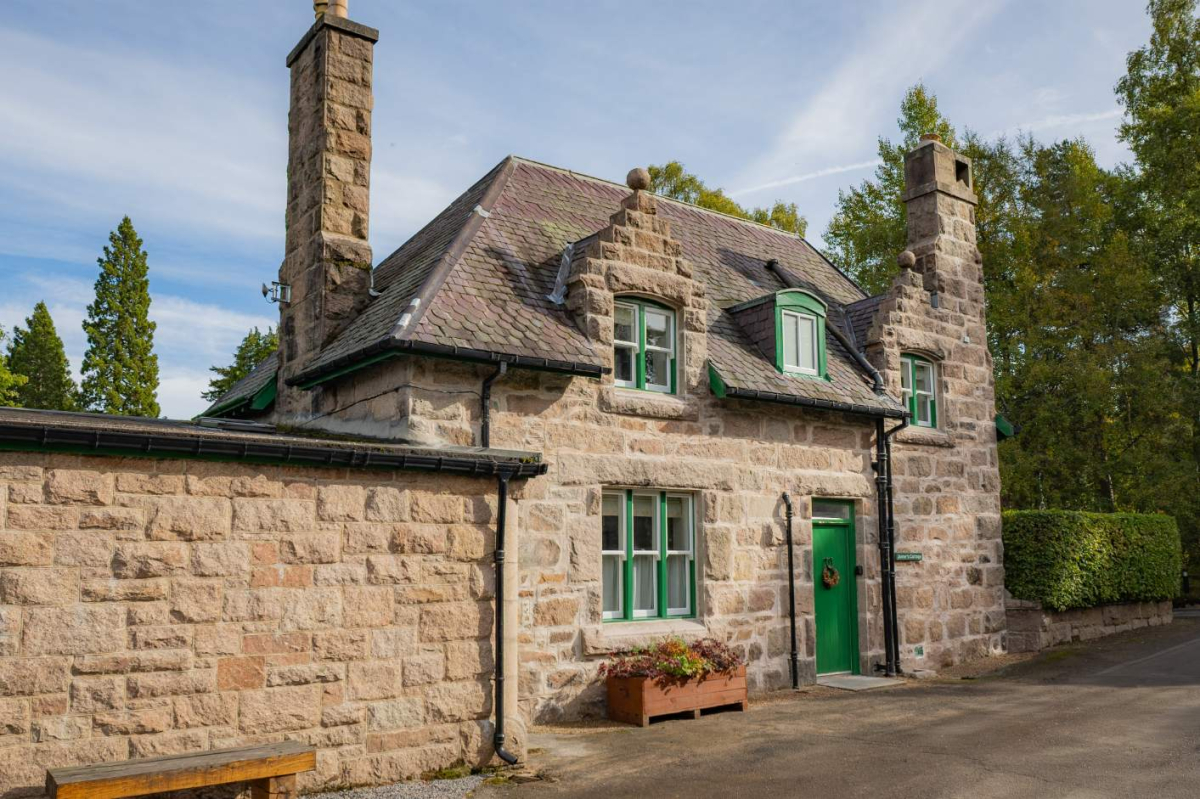
The day
Cromar
A day of old stones and slow roads, out from Aboyne and back. Two walks break it up, through birch woods to a loch and out of Tarland to a stone circle, with lunch on the village square between them. It ends on the Howe's eastern rim, looking back over all the ground the day has crossed.
54 min at the wheelAbout 27 miles by carAbout 4 miles on foot
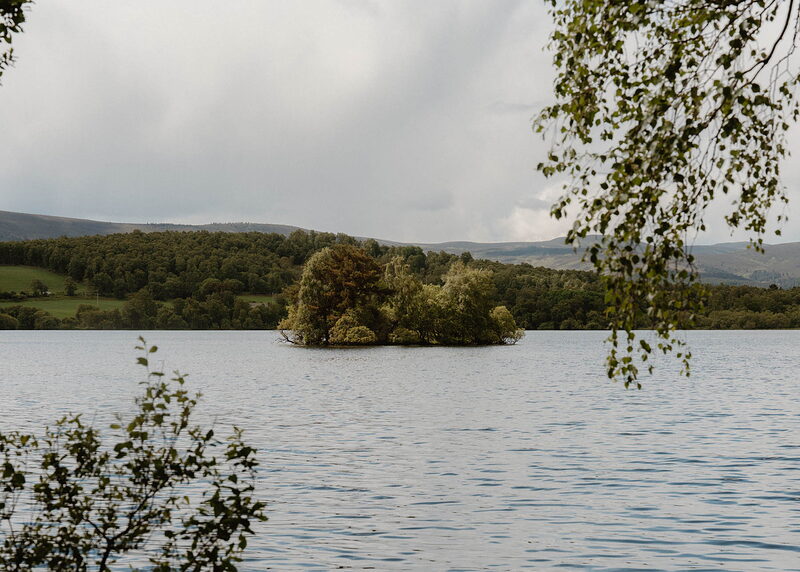
Loch Kinord
An attraction
It's 15 minutes' drive west from Aboyne on the A93, through Dinnet and about two miles beyond it, then north on the B9119. The Burn o' Vat car park, in the Muir of Dinnet nature reserve, asks for a contribution to park. The Vat, a rock cauldron up the burn, or stream, is a detour of its own. The Little Ord trail runs from here through birch woods and over ridges of glacial gravel, past a view over Loch Kinord and the ruins of Old Kinord.
25 min on foot
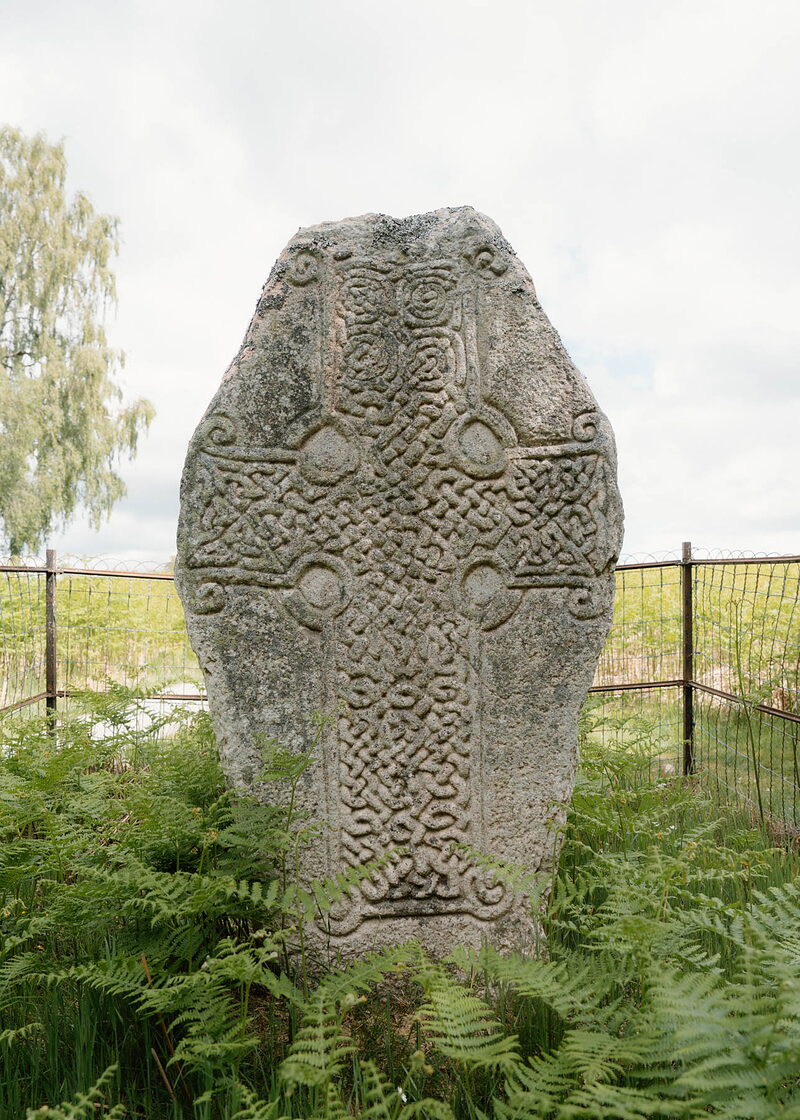
Kinord Cross Pictish Stone
An attraction
The north shore of the loch is about 25 minutes' walk each way, nearly 2 km on narrow paths with tree roots. The cross stands just back from the water, inside a low fence of iron posts and wire. Its interlaced cross was cut in the ninth century, late in the Pictish age, and came back here from Aboyne Castle in 1959. Out on the loch, the larger islet once held a castle; the smaller is a crannog, an artificial island built in the Iron Age. Walk back the same way.
25 min on foot back to the car, then 12 min by car
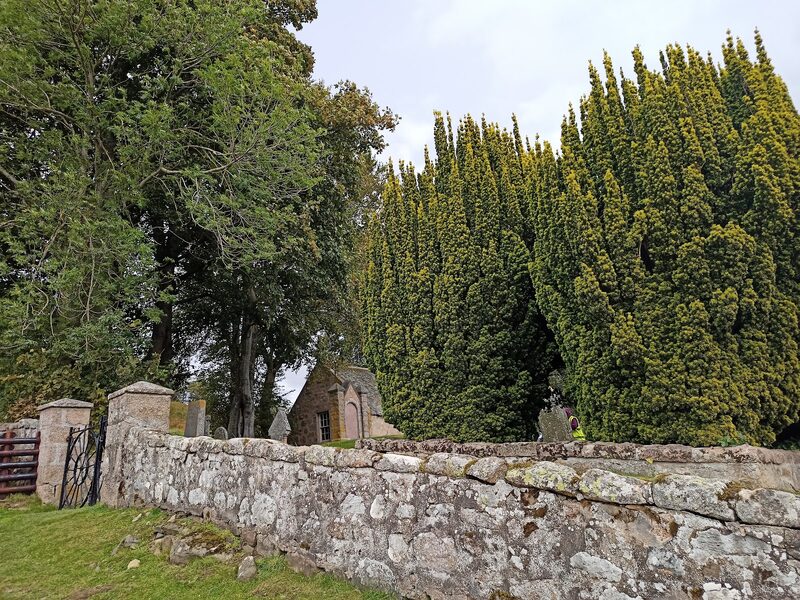
The Migvie Stone
It's 12 minutes' drive north on the B9119, past the memorial to the Battle of Culblean of 1335, then up the A97 to Logie Coldstone and by a narrow road to Migvie's kirk on the hill. Park at the bend in the track by the kirkyard's iron gate, between its granite pillars. A little inside stands a Pictish cross slab, probably of the eighth century. Its carved face looks east, away from the gate: knotwork, a horseman and a pair of shears. The back carries another rider.
8 min by car
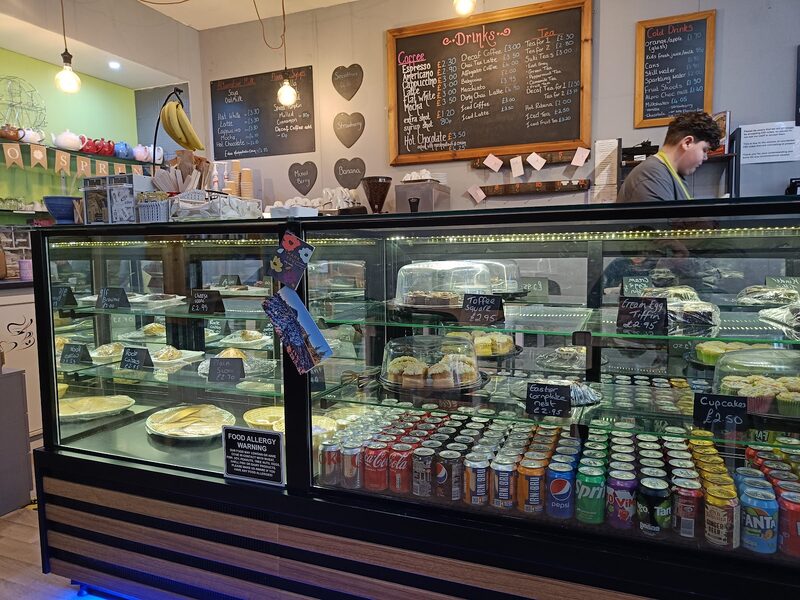
Tarland Tearooms
A café
Drive 8 minutes south-east down the narrow road into Tarland, the Howe's village, built round its square. Park on the square. Tarland Tearooms serves soup, toasties, paninis and a counter of fresh cakes, Thursday to Monday. By the square stand a drinking fountain of 1919, a memorial to Peter Milne, the fiddler known as the Tarland Minstrel, and the MacRobert Memorial Hall. Lady MacRobert, whose trust still owns the land round Tarland, lost all three of her sons flying, one in 1938 and two in 1941.
18 min on foot
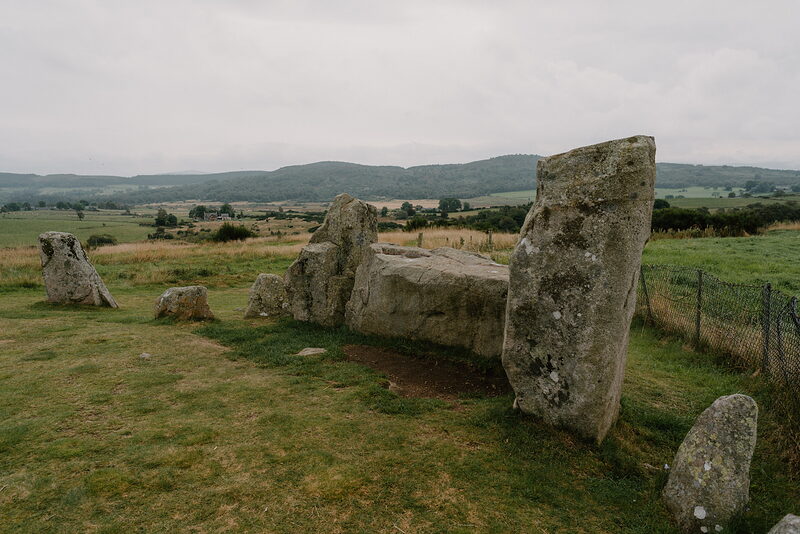
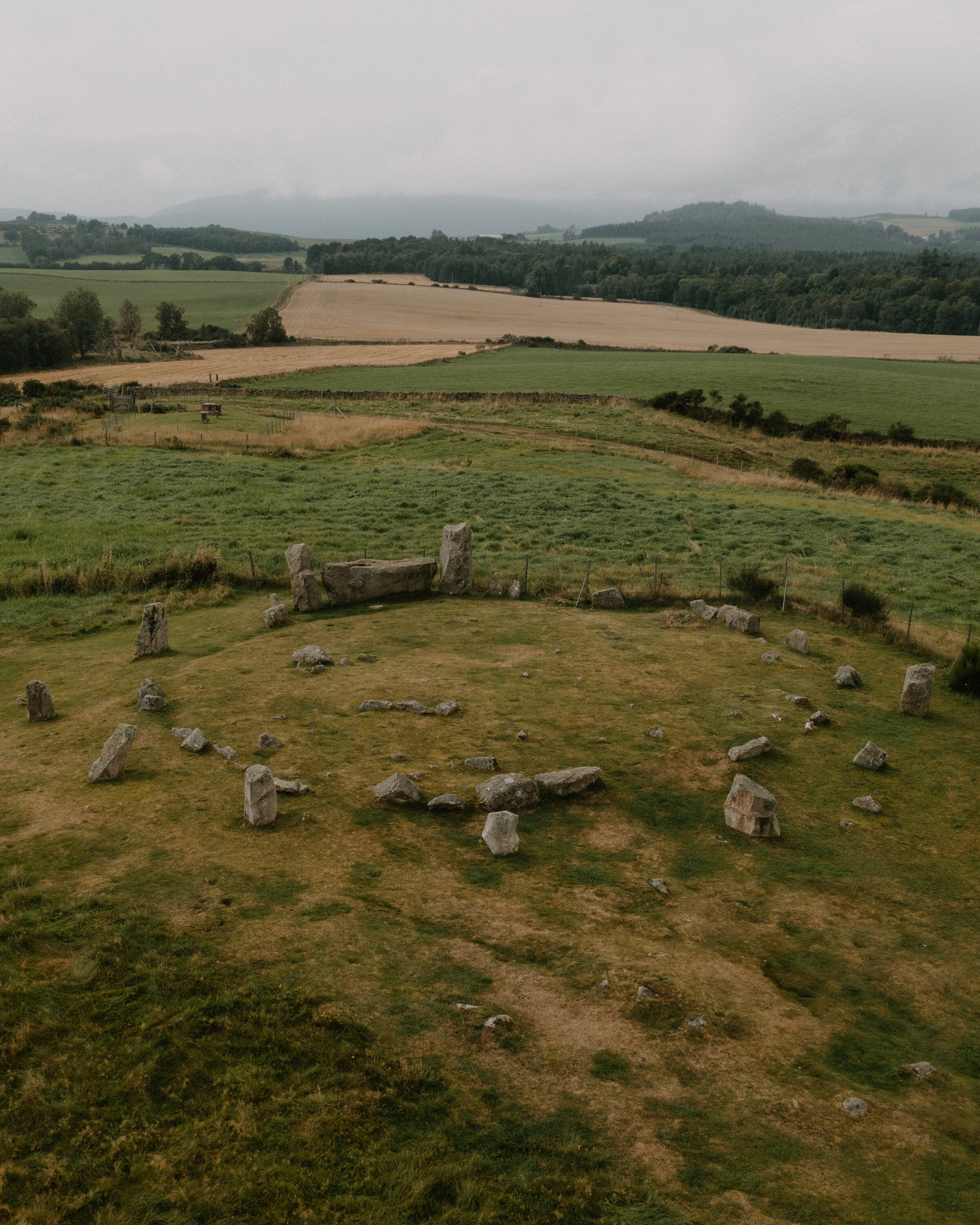
Tomnaverie Stone Circle
An attraction
From the square, walk 18 minutes out by Bridge Street and the path beside the B9094, then up to the circle on its knoll. Built about 4,500 years ago round a burial cairn, it has a great recumbent stone laid between two upright flankers, with Lochnagar on the skyline to the south-west. Quarrying in the early 1900s all but undermined it, and the stones were set up again after digs in 1999 and 2000. Walk back the same way, or the longer way through Drummy Woods, half an hour.
18 min on foot back to the car, then 4 min by car
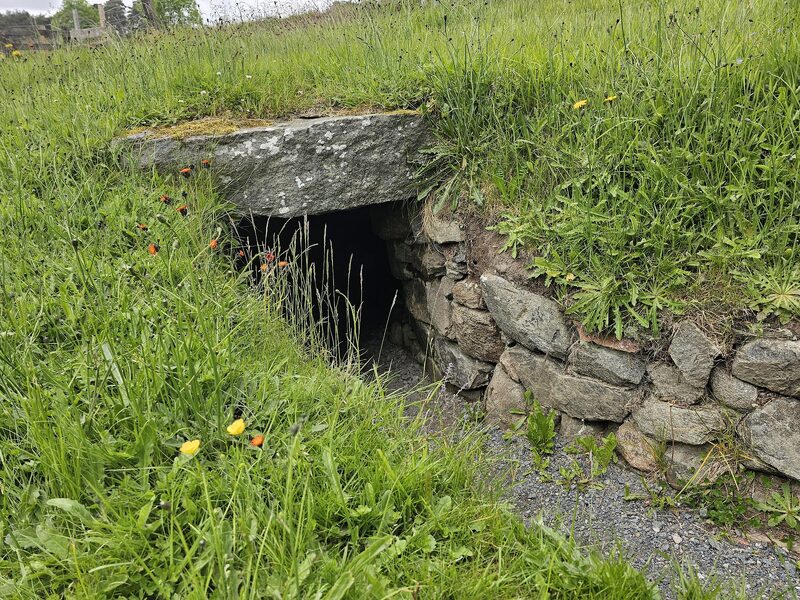
Culsh Earth House
It's 4 minutes' drive east of Tarland on the B9119 to Culsh farm: look for the brown sign. There's no car park: pull fully onto the verge, clear of the farm track. Steps lead down to a low entrance in a bank, and a passage about 14 metres long curves into the dark. Crouch or crawl, with a torch: daylight is gone within a few feet. It was built about 2,000 years ago, perhaps as a store. Another Culsh lies near New Deer: this one is on the B9119.
About 2 min by car
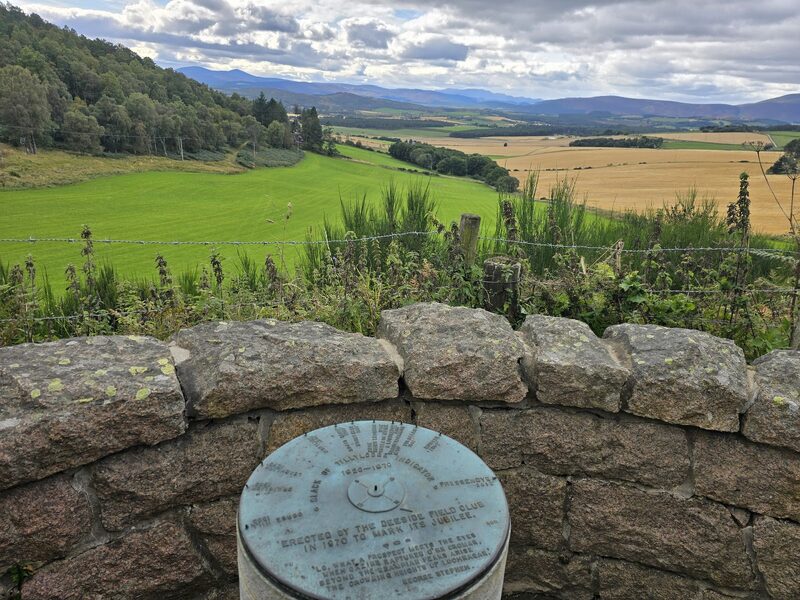
The Queen's View
Carry on east for 2 minutes, to where the road tops the western shoulder of Craiglich. Pull into the small lay-by on the left, then cross with care to the low stone parapet opposite, where the Deeside Field Club set up a view indicator in 1970. Look back west: the whole Howe of Cromar lies below, ringed by Morven, Mount Keen and Lochnagar. The story goes that Queen Victoria stopped here. Just past it, a back road runs south through Coull to the B9094 and Aboyne, 13 minutes home.
If it rains
Culsh Earth House is the day's one roof of stone: dry inside, though the way in is muddy, so bring old trousers as well as the torch. At the Muir of Dinnet, the Burn o' Vat visitor centre has displays on the reserve and free maps, open 10am to 4pm from Easter to October, and in heavy rain the path to the Kinord Cross turns to mud: walk only as far as the viewpoint over the loch. Tarland Tearooms is the place to sit out a shower. In rain, drive the 2 minutes from the square to Tomnaverie's small car park on the B9094 rather than walking, and in low cloud the Queen's View shows nothing: go straight past it to the back road home.
Worth a detour
- Burn o’ Vat
From the same car park, a path runs up the burn to the Vat, a giant pothole in the granite carved by meltwater at the end of the last Ice Age. It's about 10 minutes' walk each way, and the way in is over slippery stepping stones in the burn: expect wet feet. After heavy rain the stones go under and the Vat cannot be entered. It adds no driving: allow half an hour.

Make it a weekend
More days out in Aberdeenshire.
Photographs by ghar den, Erik Blackwood, Martin Richardson and Theresa via Google