
Dewar’s Aberfeldy Distillery: A Tale of Family History and Award-Winning Whisky
A tour of the distillery John Dewar's sons built at Aberfeldy, and of the families who still make its whisky.
Words by Jess Macdonald
Jessica Macdonald steps off the A9 tourist route to visit Dewar’s Aberfeldy Distillery, discovering over 125 years of family history and a proud whisky-making heritage interwoven with the local community.
As I drove through the sweeping valleys of Perthshire’s Sma’ Glen, I felt a thrill of anticipation at the prospect of visiting Dewar’s Aberfeldy Distillery. Although my level of whisky knowledge is more casual than connoisseur, even I had heard of the company known as the World’s Most Awarded Brand of Blended Scotch Whisky.
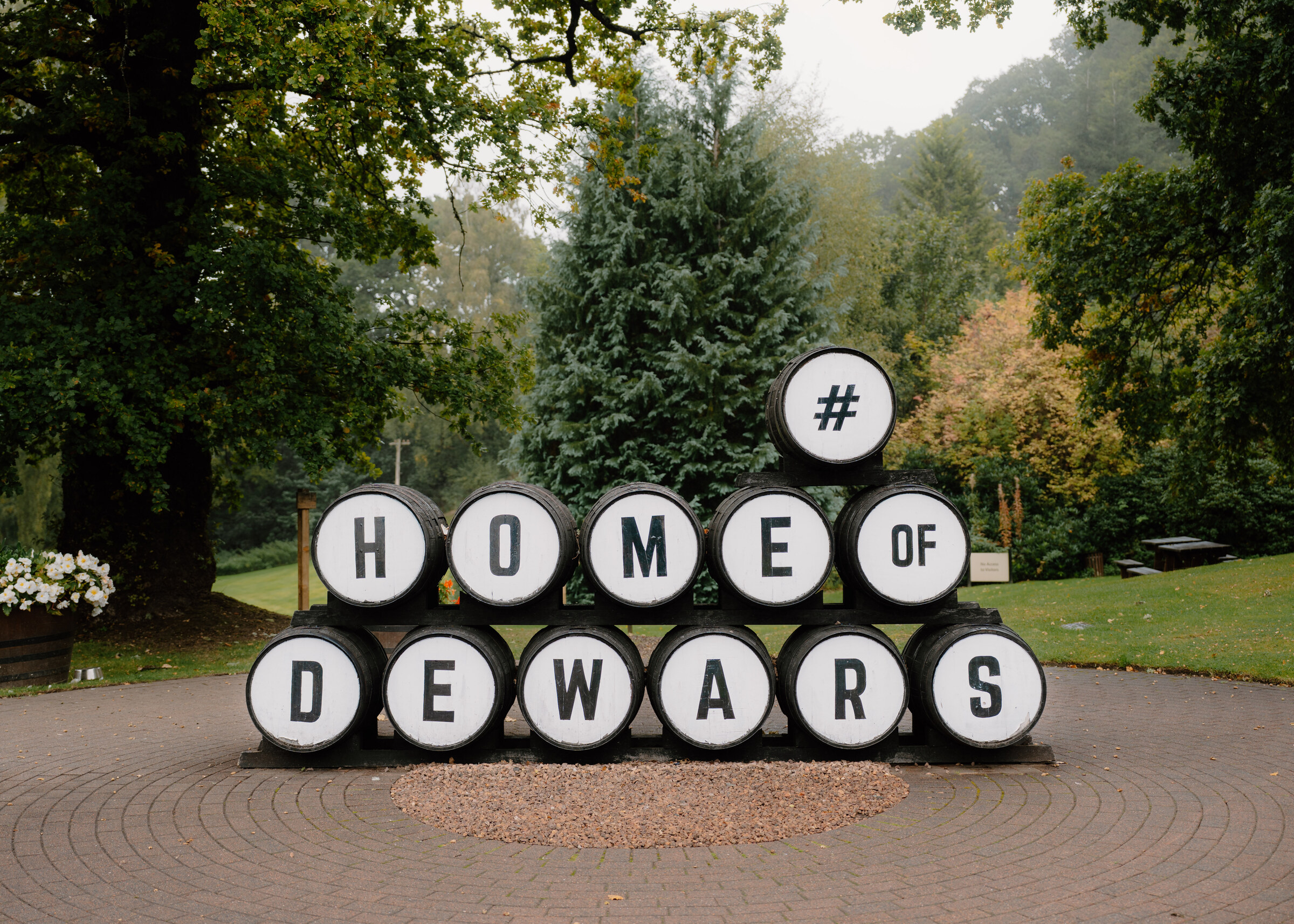
Of the five Dewar’s owned distilleries across Scotland, Aberfeldy is the only one built by members of the Dewar family. The whisky it produces is a key component of the Dewar’s blend and a multi-award-winning single malt in its own right. Despite these claims to fame, I was pleased to discover upon arrival that the attraction has been carefully designed for inclusivity. Whether you’re a whisky novice with 30 minutes to spare on a brief museum tour and entry level tasting or a serious enthusiast looking to invest in the coveted and bespoke Aberfeldy 40 Highland Experience, there’s a tour to suit your level of interest.
180 Years of History
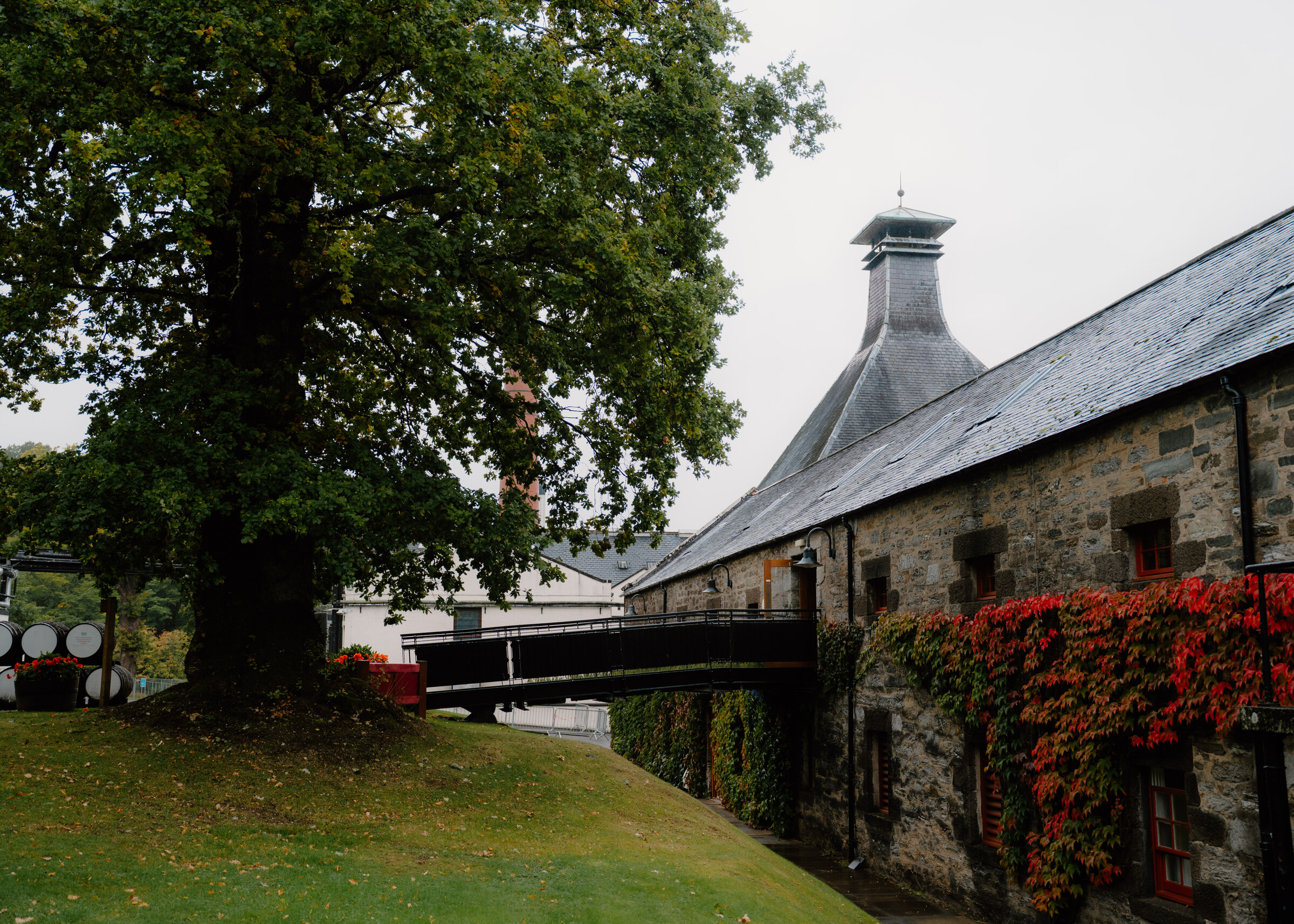
This unsnobbish approach to whisky appreciation is perhaps to be expected from a brand whose ascent to global dominance started with a local-boy-made-good born in 1805, just four miles from Aberfeldy in a hamlet unironically entitled Dull. At 23 years old, John Dewar carved his destiny by leaving the family croft to join his uncle’s wine and spirits business in Perth.
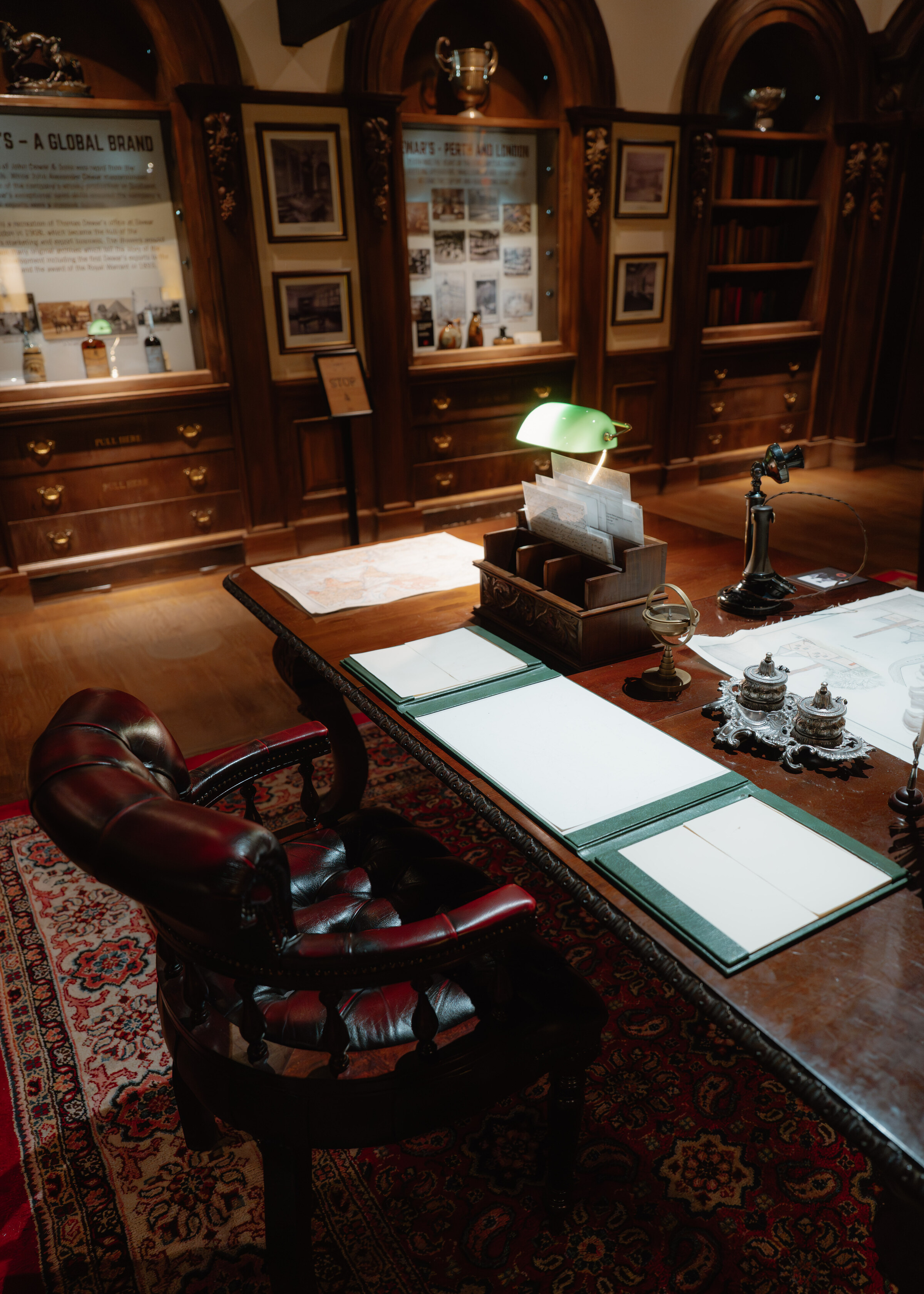
In 1846 he opened his own shop and after the Spirits Act of 1860 legalised the blending of grain and malt whiskies, he became one of the first merchants to do so. As well as being more cost-effective and consistent to produce, Dewar’s blended whiskies were smoother and more approachable than single malts. Business boomed, and by the time he died John Dewar had made his surname a synonym for quality and amassed the fortune upon which two of his sons would continue to build the Dewar’s empire.
Under John Alexander and Tommy Dewar, the company went from strength to strength. In 1891 industrialist Andrew Carnegie requested the company send a cask of their finest whisky to his friend, President Benjamin Harrison. This marked the start of Dewar’s popularity in the United States, where it remains the best-selling brand of blended Scotch whisky today. Tommy Dewar was largely responsible for the brand’s global reputation. In 1892 he embarked on a two-year world tour characterised by unconventional advertising strategies, including throwing bottles into the sea with notes inside instructing the finder to contact Dewar’s for a whisky reward.
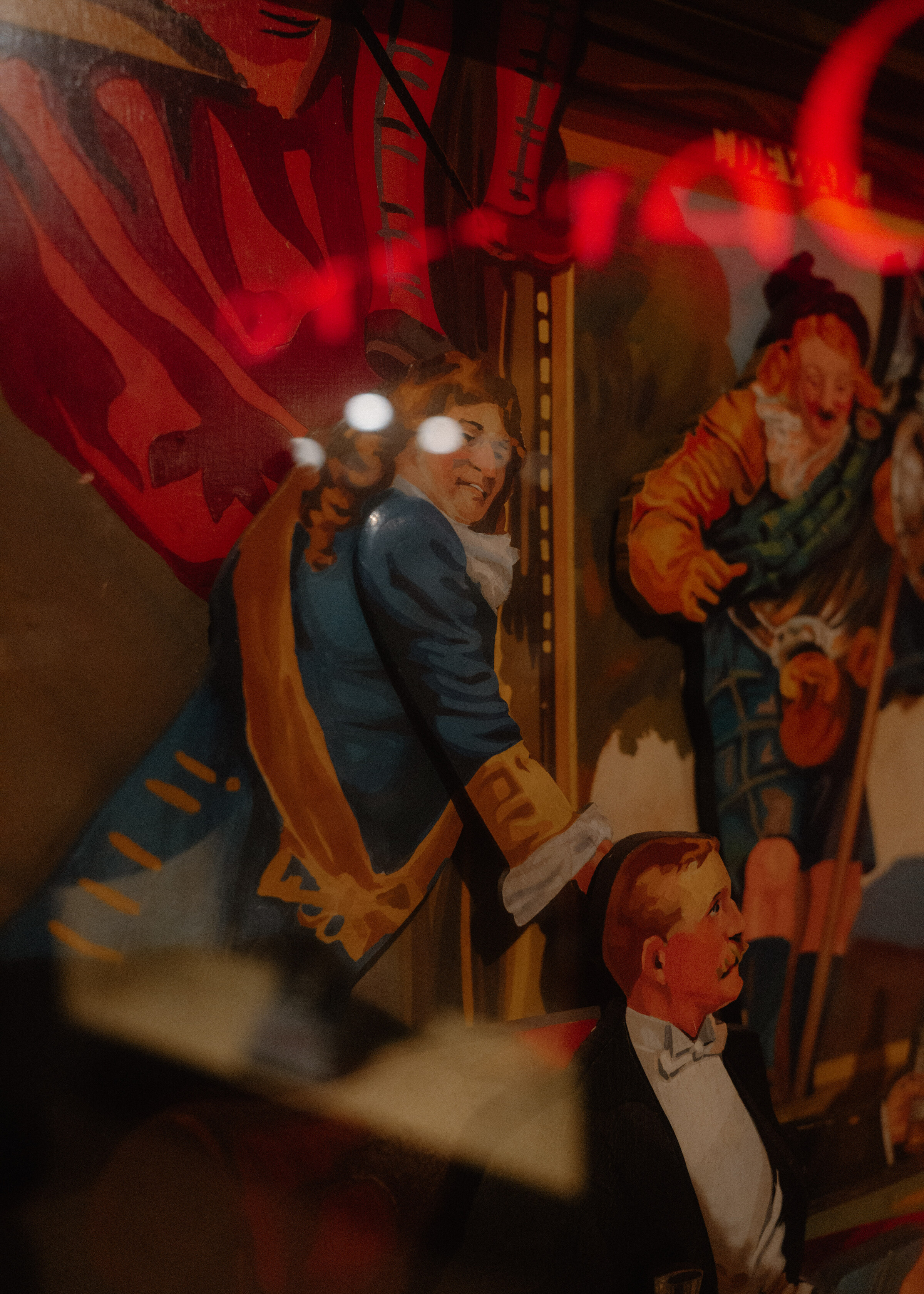
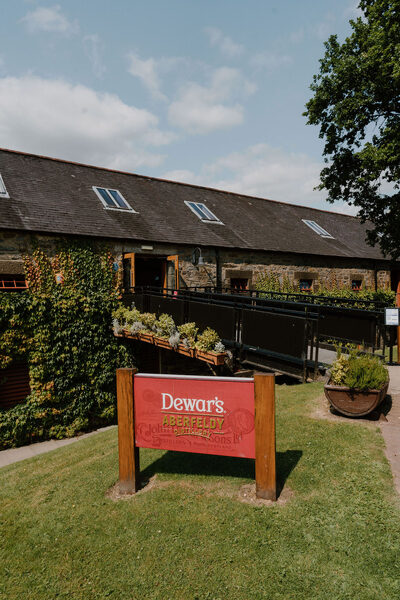
John Alexander was the driving force behind the Dewar’s brand at home. As the value of the company increased from the modern equivalent of £2 million to £48 million in just over a decade, he decided it was time to distill their own whisky to use as the “heart malt” for the Dewar’s blend. Dewar’s Aberfeldy Distillery was built in a location chosen for its emotional connection to John Dewar’s birthplace, but also for its easy access to the pure water of Pitilie Burn and the commercially invaluable Aberfeldy-Perth railway. The distillery was completed in 1898 and a year later the first bottles of Dewar’s White Label were released.
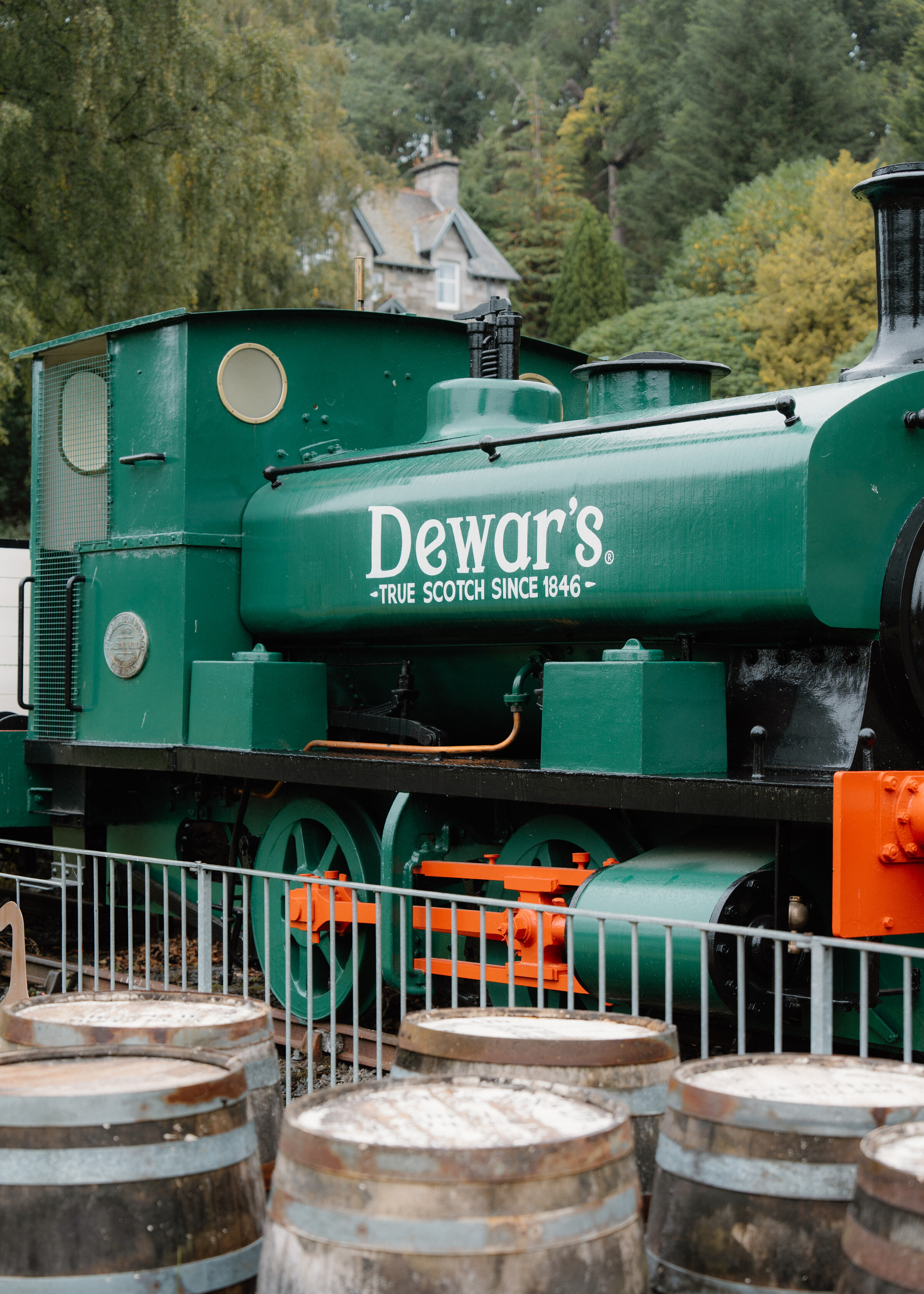
A Product of its People
Although it has been sold and celebrated in its own right since Bacardi acquired the company in 1998, Aberfeldy single malt was originally exclusively intended to be used in the Dewar’s blend. As such, blended whisky remains at the heart of the distillery’s culture and its people are passionate in their defence of a product often regarded as inferior by single malt purists.
My 1.5-hour tour, the Dewar’s Aberfeldy Experience, was led by Advocacy Host & Coordinator Craig Reed. An Aberfeldy native, Reed believes that blended and single malt whiskies each have their purpose and aren’t necessarily meant to be compared — but that ultimately, “there is more craft involved in the production of a good blended Scotch than in the creation of a standard single malt.”
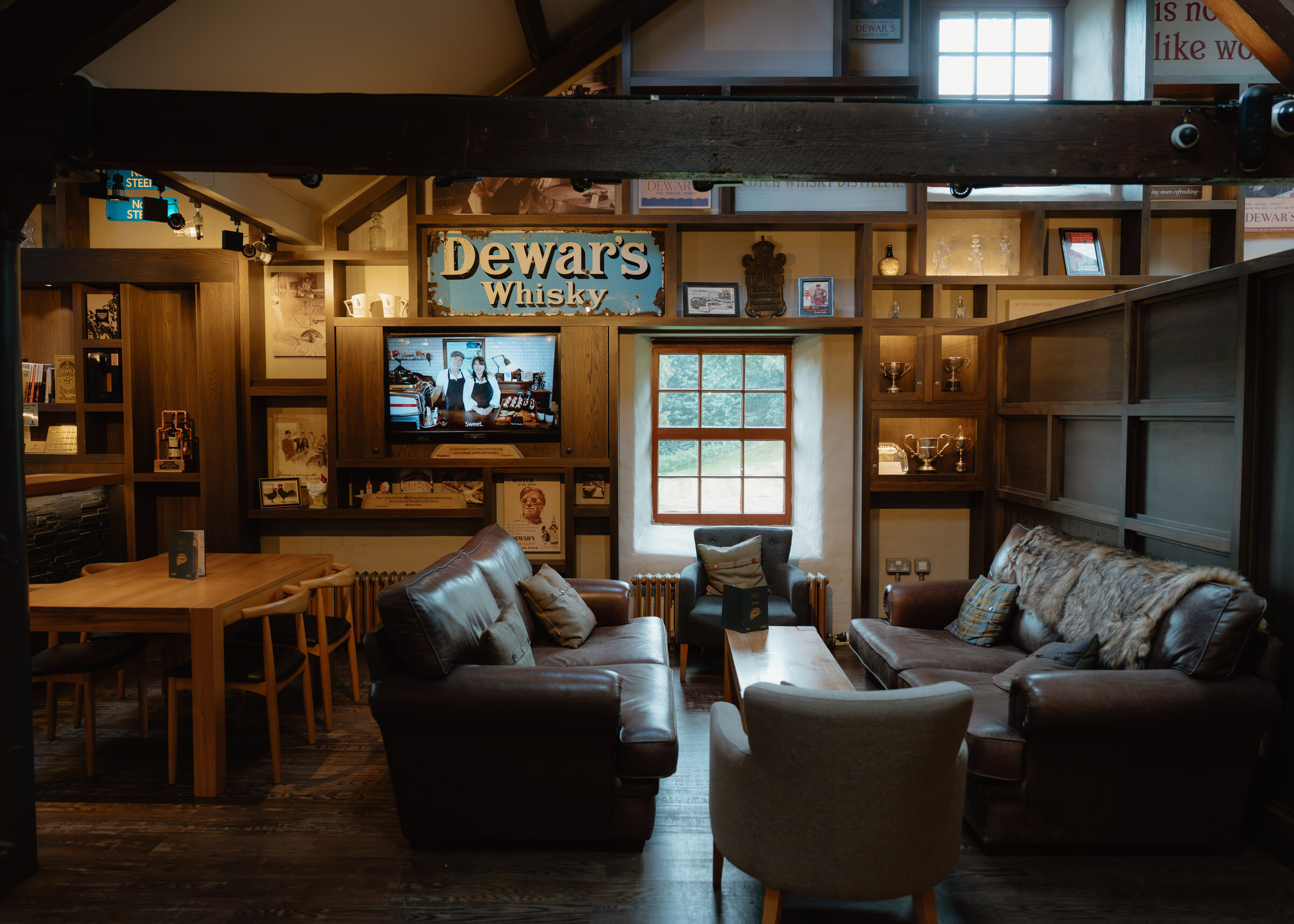
It’s a bold statement, but as the tour started with an introductory video in the visitor centre’s impressive red velvet auditorium, I began to understand two things. First, Reed is not exaggerating the level of craft involved in the production of both Dewar’s and the very much above-standard Aberfeldy single malt. And second, if he is protective, it’s because the business of making whisky is personal for everyone at Dewar’s Aberfeldy. The distillery has employed generations of local families over the past 127 years. In the video we are introduced to distillery operator Neil Jamieson and his supervisor son, Andrew, while the lady who runs the café, Dorothy Baird, is also the daughter of an operations worker. Of all the current employees, the one who lives furthest away travels just 30 miles from Perth.
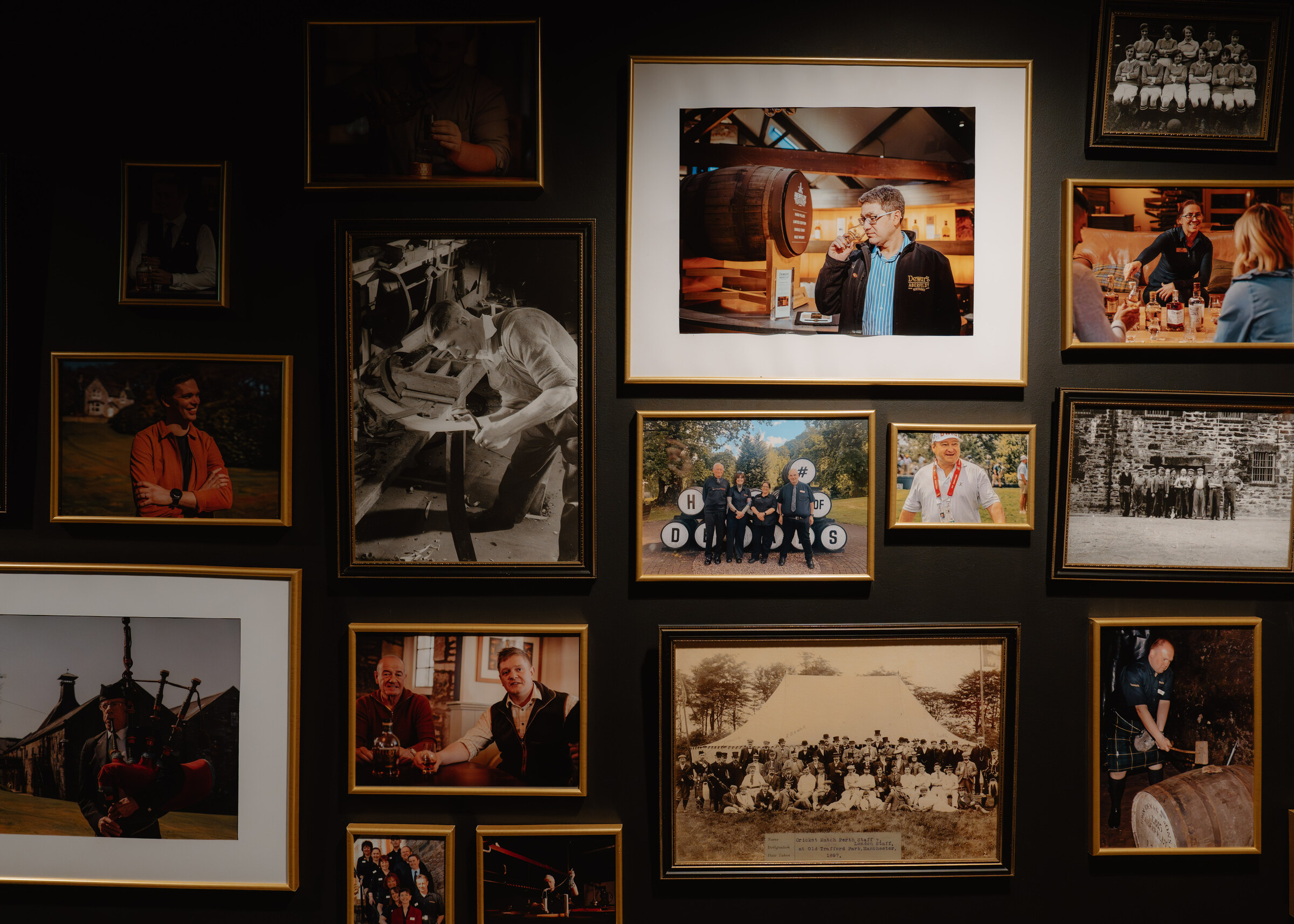
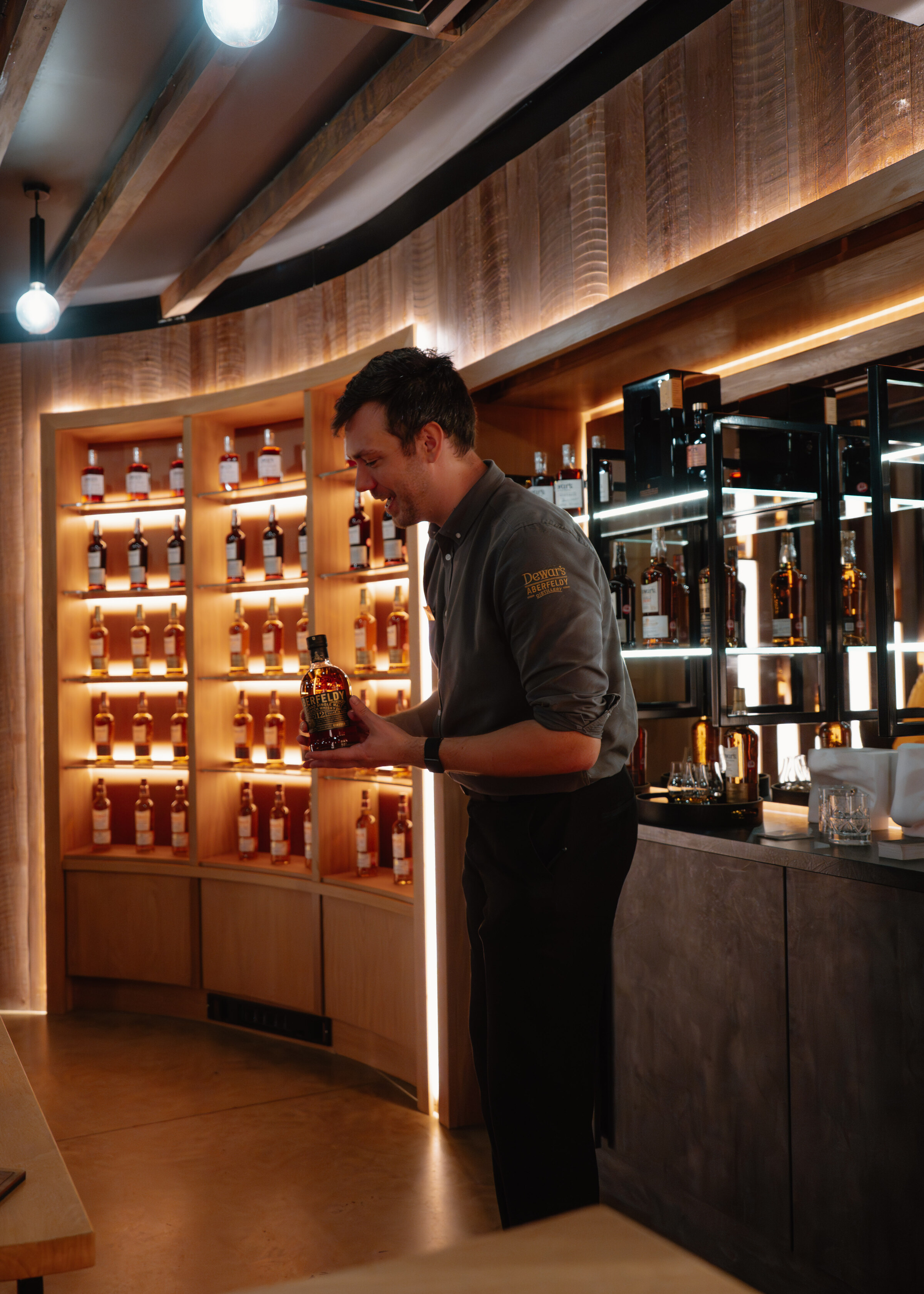
The people who define the character and spirit of Aberfeldy whisky are people who work, live and socialise together. Their lives are as closely interwoven as the threads of a fine tweed, and their work is inspired by the fact that the distillery shop sells whisky crafted by their ancestors, while the whisky being laid down today will one day be enjoyed by their descendants.
Touring the Production Area
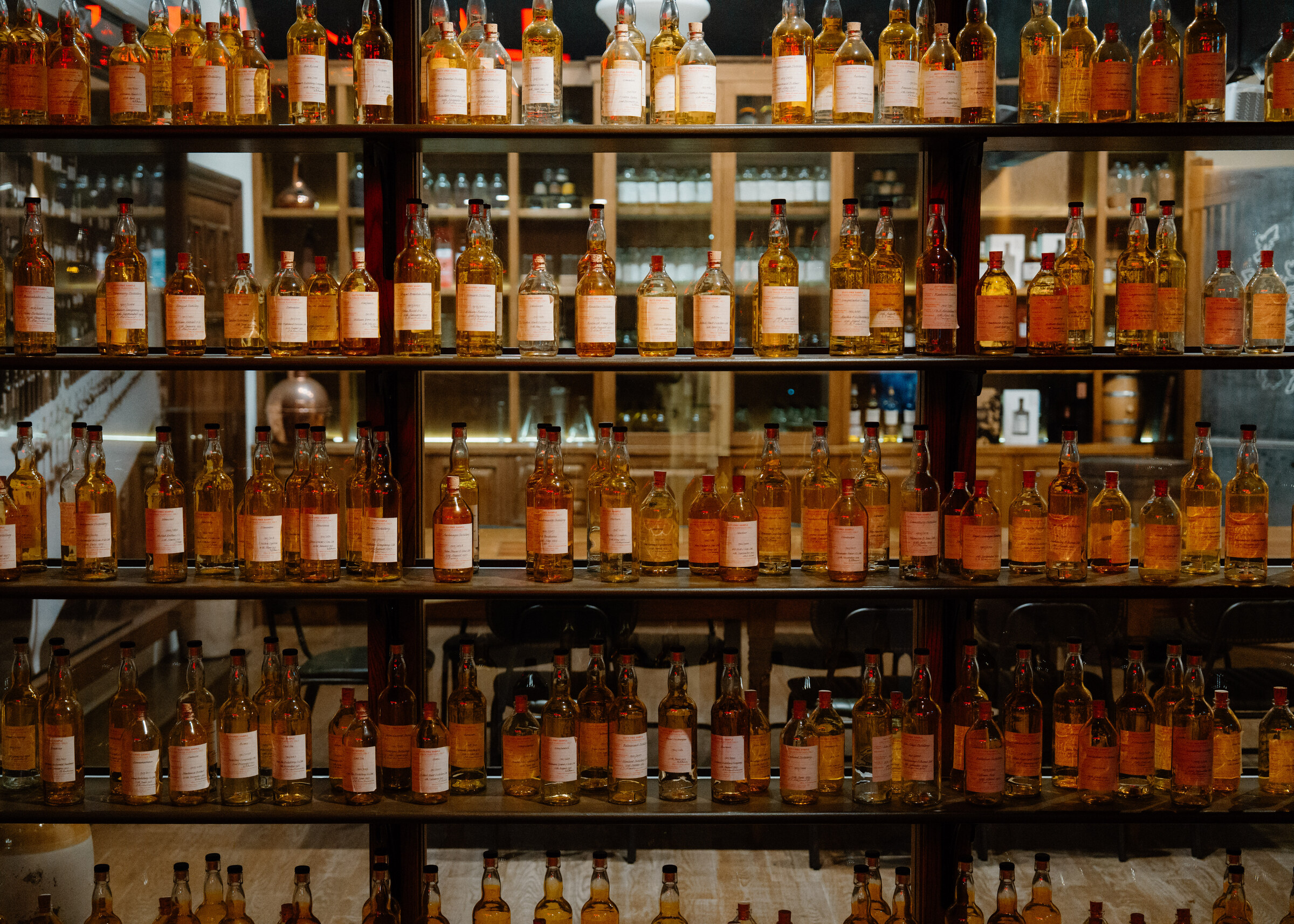
After the video concludes we are given time to explore a carefully curated museum filled with memorabilia from Dewar’s 180-year history. The museum and visitor centre stand on what was once the malting floor; however, both malting and maturation were moved off-site in the 1970s when demand began to far outweigh Aberfeldy’s capacity. Whereas the original warehouse held 5,000 casks, the modern one outside Glasgow holds 1.8 million.
The next section of the tour is dedicated to an in-depth explanation of how Aberfeldy whisky is made. I admired the crimson-painted mill where malted barley is crushed to create grist; the stainless steel mash tun where water is added at different temperatures to convert the starch from the grist into fermentable sugar; and the wooden washbacks where yeast is added to trigger fermentation.
The Daily
Arrives at 5am every day.
A free morning email to see what’s on this week, catch up on what’s happening in Scotland and find somewhere new to go.
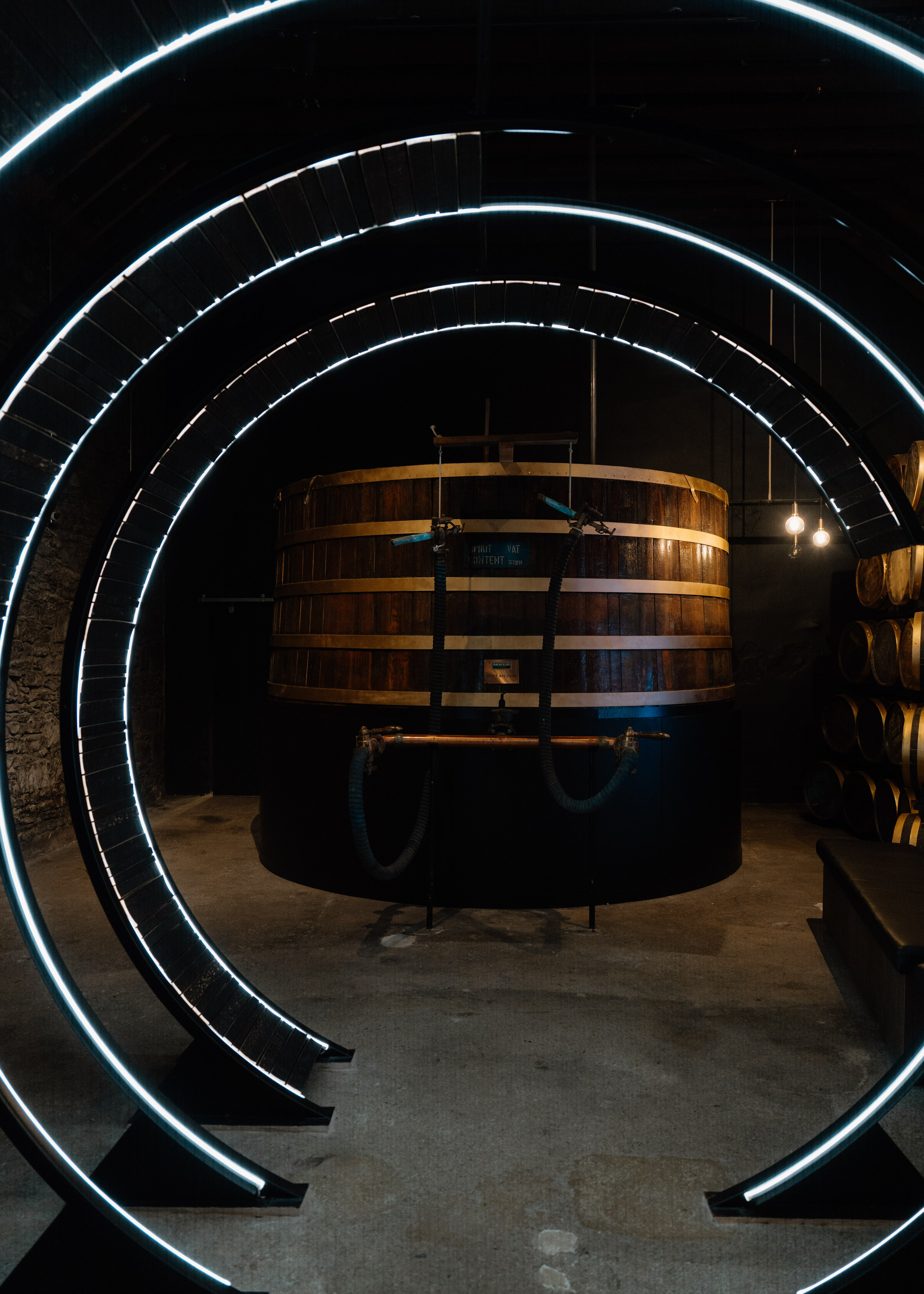
The air in the washback room is thick with the heady scent of bready sweetness. According to Reed, it’s this stage that creates the building blocks for the whisky’s flavour profile. But it’s in the next-door stillhouse with its gleaming copper stills that the real alchemy happens. Here, distillation elevates the alcohol content and refines the flavour of the newly created spirit, giving it the light, floral, slightly honeyed taste for which Aberfeldy single malt is famous.
The Taste of Excellence
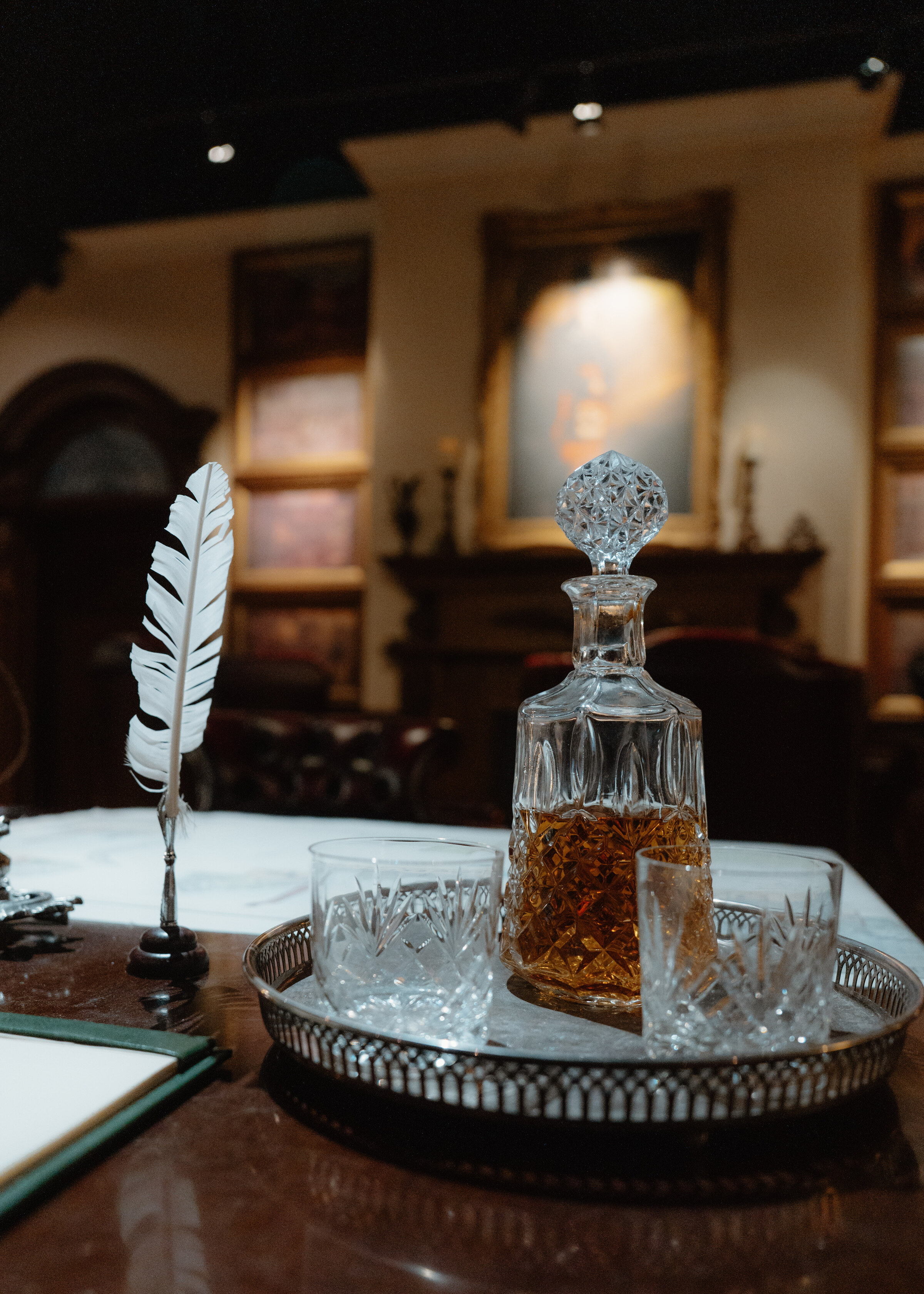
The final section of the tour shifts dramatically from past to present, with the original warehouse buildings transformed into a suite of state-of-the-art experience rooms. In the first, medal-draped bottles stand in ranks along the walls while an avatar of Stephanie Macleod speaks passionately about Dewar’s signature double-ageing process via video projection. As the company’s Master Blender, Macleod embodies Dewar’s trailblazing spirit. She was the first woman to be named Master Blender of the Year at the International Whisky Competition, a title she held for a record-breaking six consecutive years.
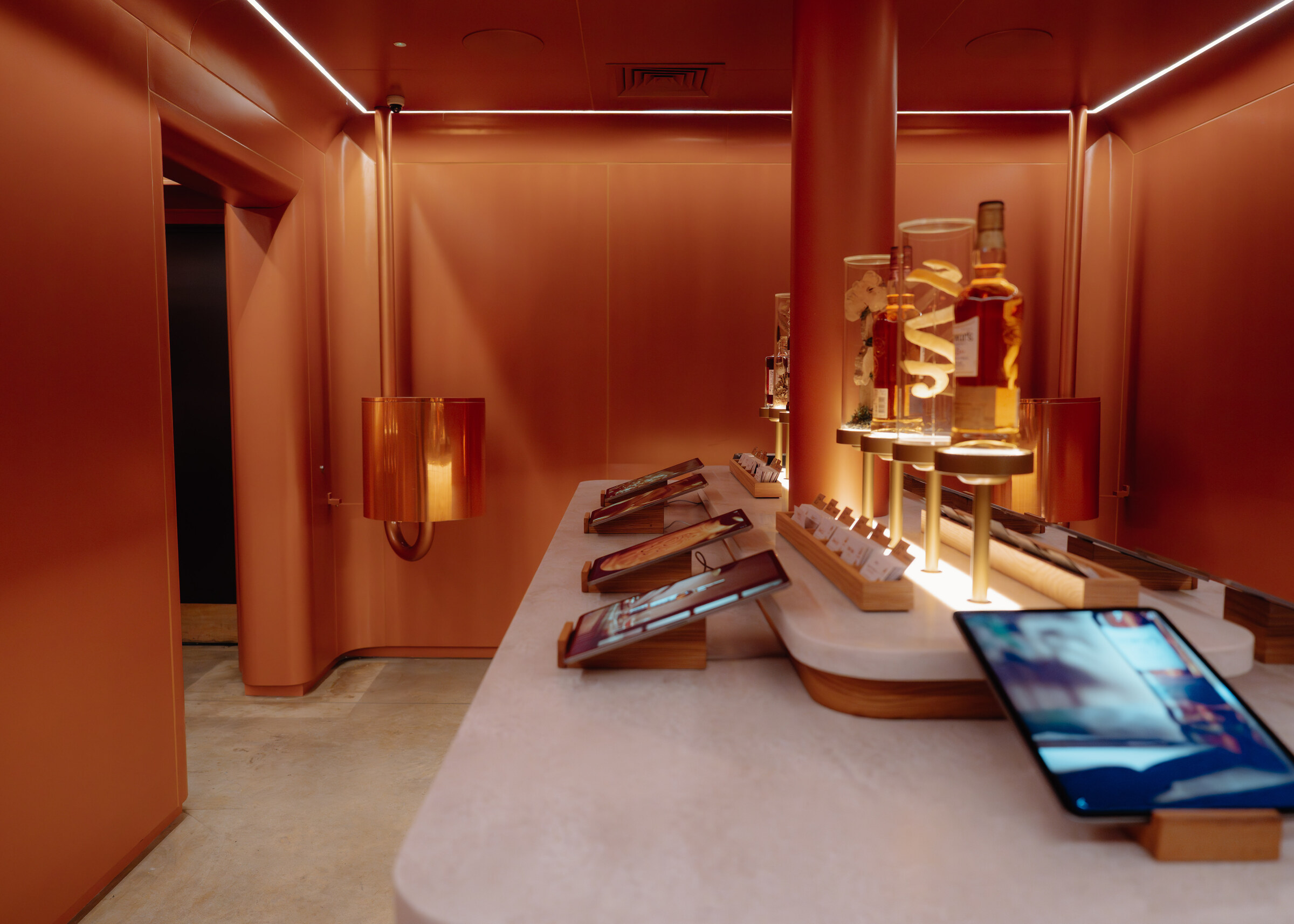
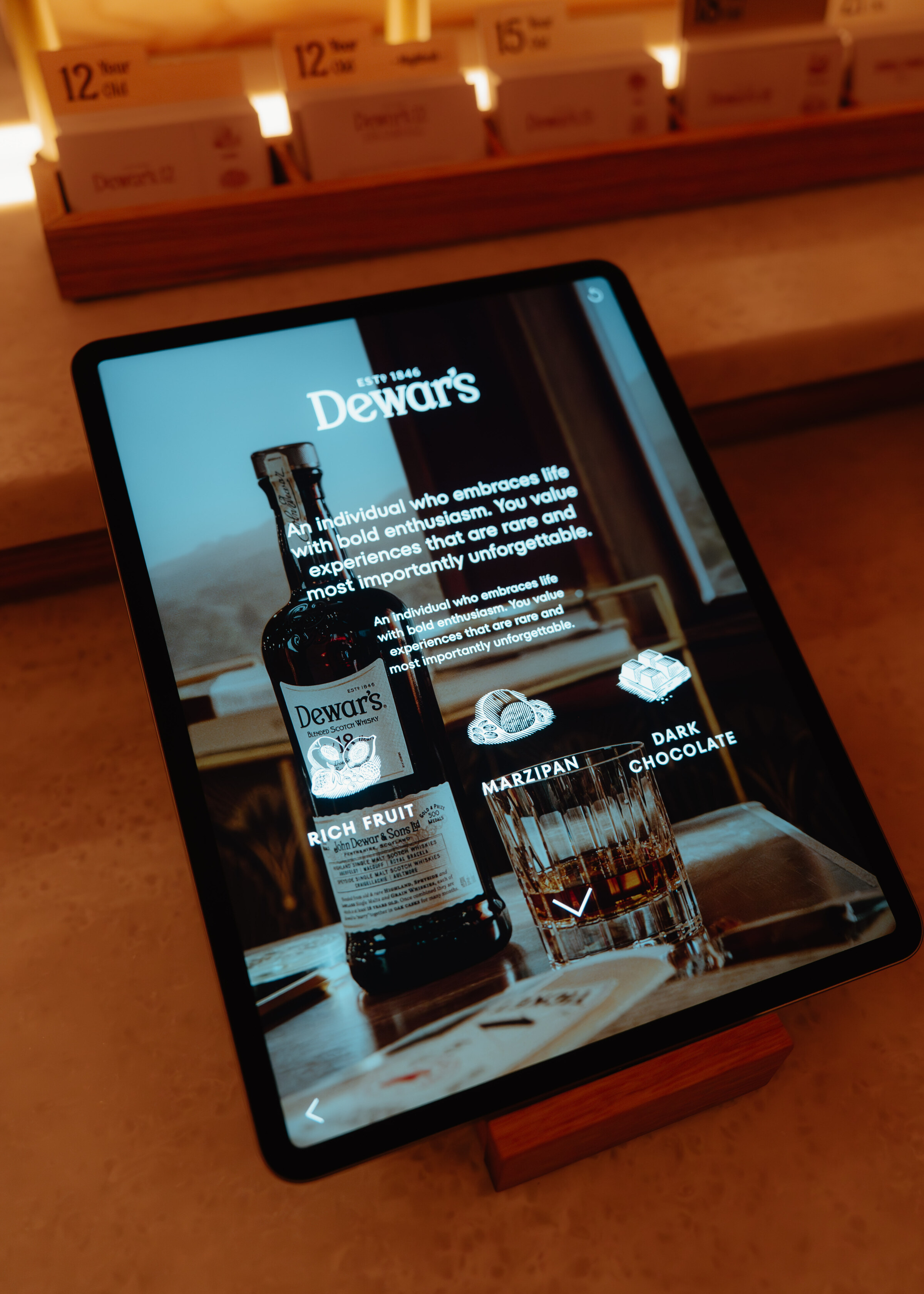
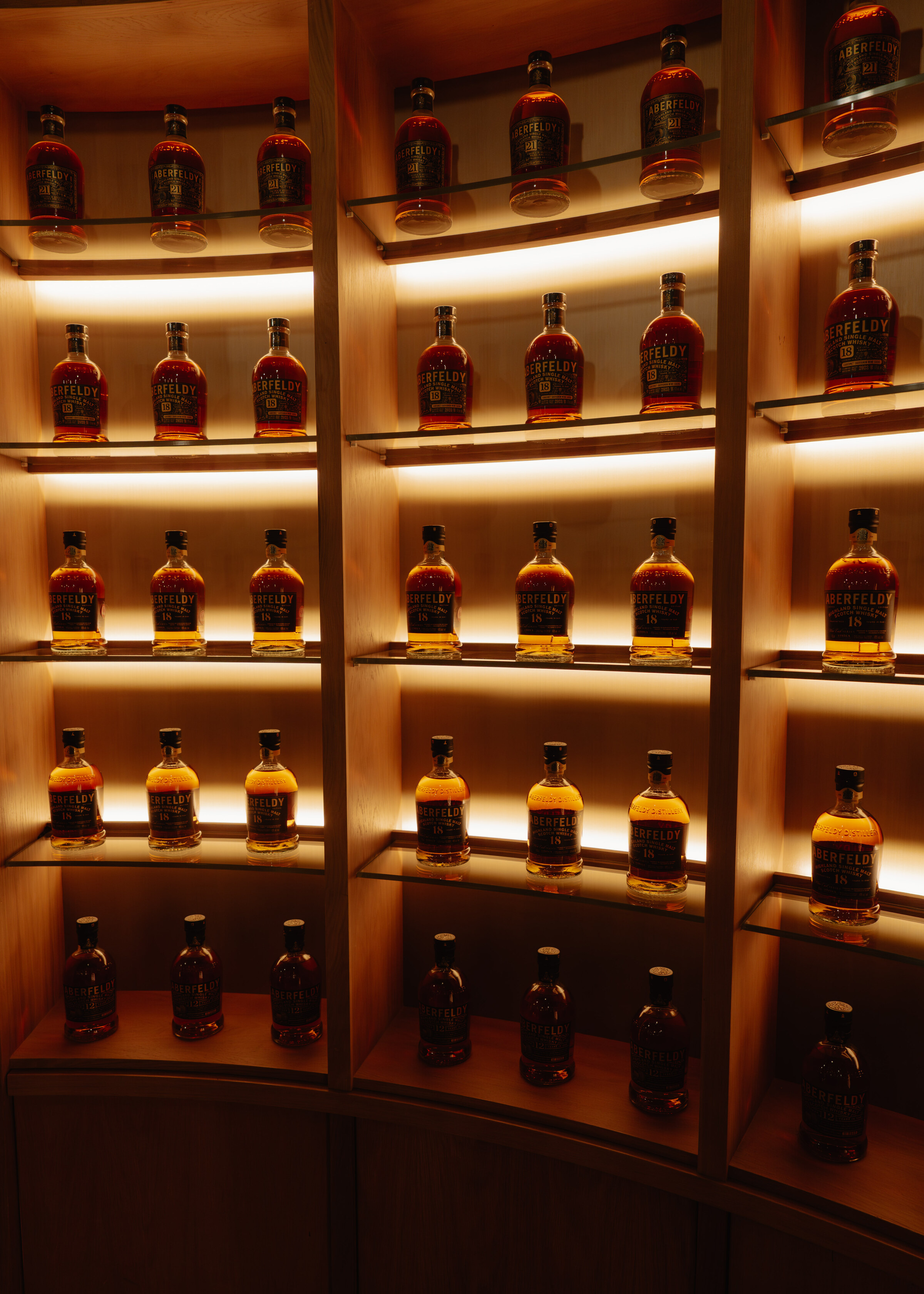
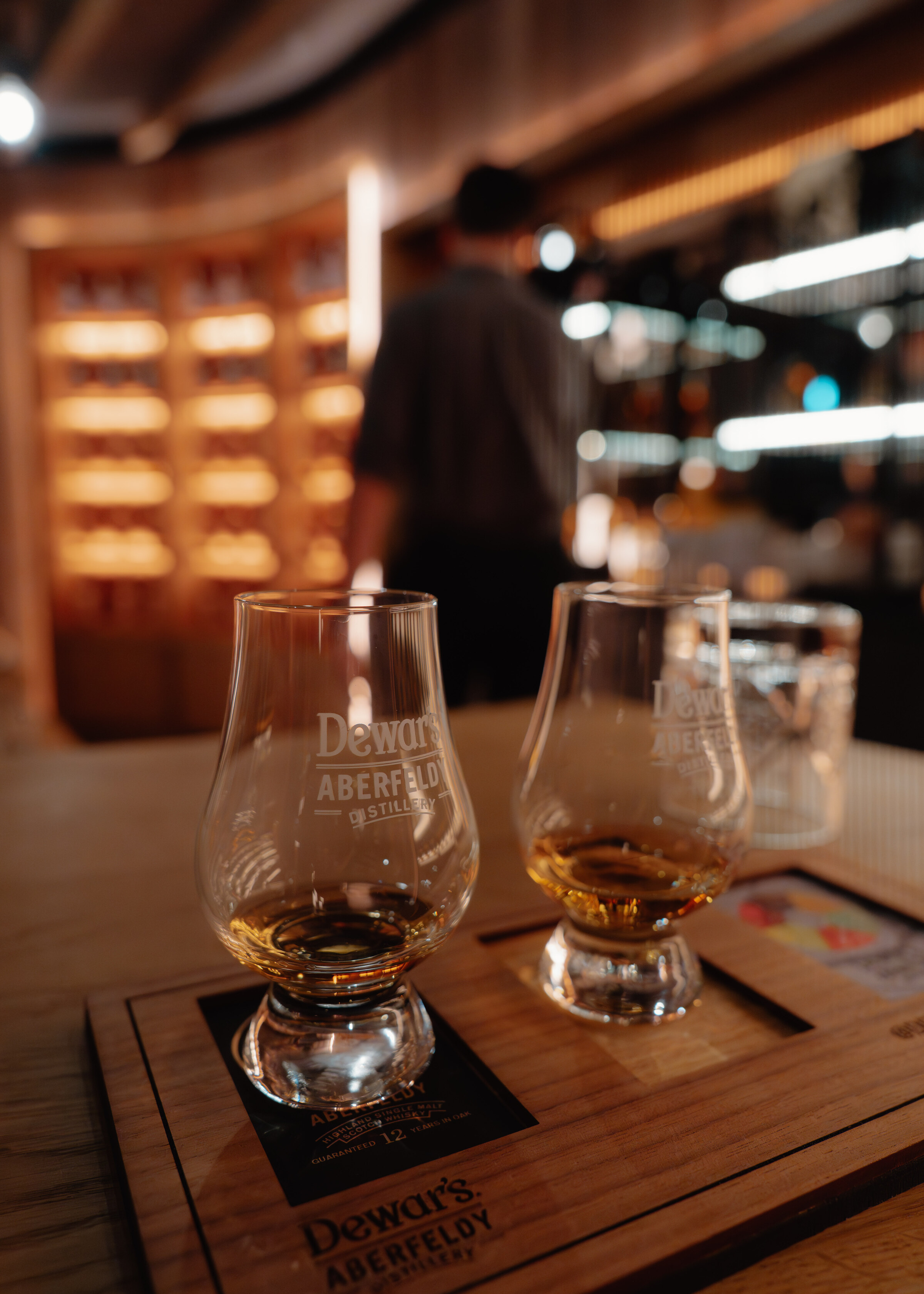
The tour concludes in the tasting room, a gloriously warm, dimly lit sanctuary where bottles of Aberfeldy glow in backlit alcoves and crescent-shaped tables are set with flights of delicate Glencairn glasses. It’s a place that encourages one to linger, to savour and to revel in the subtle differences between the selection of expressions and maturations that are included in your chosen tour. For me, the heathered balance of fire and sweetness offered by the Aberfeldy 12 was a highlight.
A Worthwhile Diversion
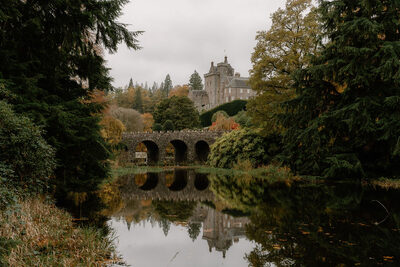
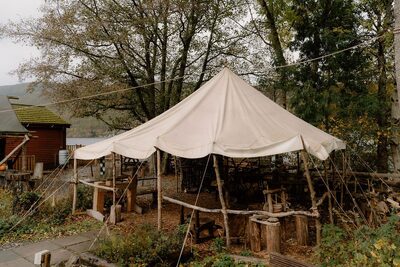
Before leaving, I sat down with Business Development Coordinator Donna Webb to talk a little bit about what makes Dewar’s Aberfeldy worth a diversion off the main tourist route up the A9. She mentioned the sense of family and community connection that was made clear to me from the start of my visit; she also placed the distillery firmly within the context of other rewarding places to visit in the surrounding area. These include Highland Safaris, home of 4x4 adventures into the rolling Perthshire hills; the Iron Age replica village known as the Scottish Crannog Centre, and luxury accommodation options ranging from exclusive-use Victorian home Dun Aluinn to 19th-century Fonab Castle.
Like a fine blended whisky, the Dewar’s Aberfeldy experience brings many different elements together to create something that can be enjoyed by everyone. A supporting cast of exceptional local attractions. Cutting edge technology backed by decades of tradition. And above all, people who are passionate about what they do.
Stay near Dewar's Aberfeldy
Our places to stay, nearest by road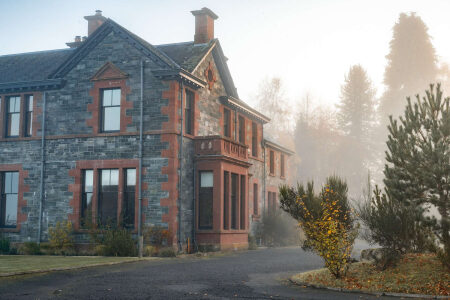
The House at Dun Aluinn
Aberfeldy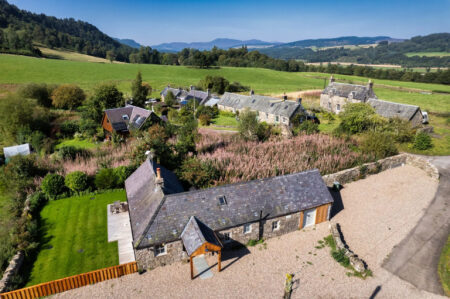
Little Pheasant
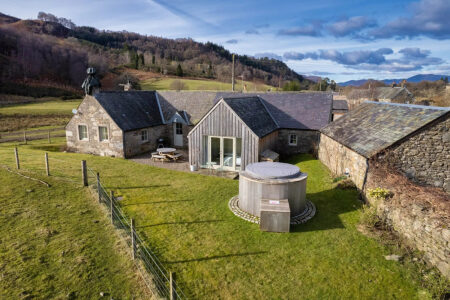
Pheasant Cottage
Kincraigie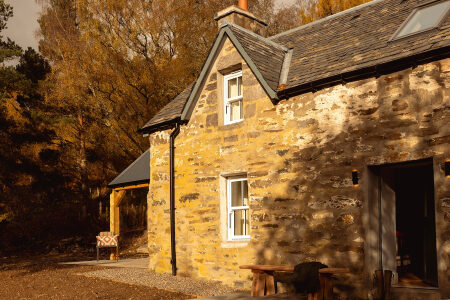
Charlottefield
Tulliemet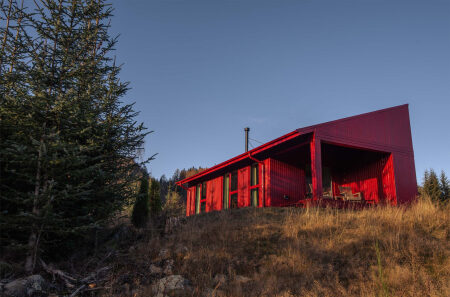
Juniper
Dunkeld
Milton of Kincraigie
Blair Atholl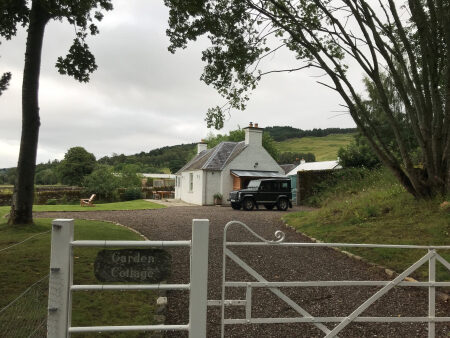
Garden Cottage
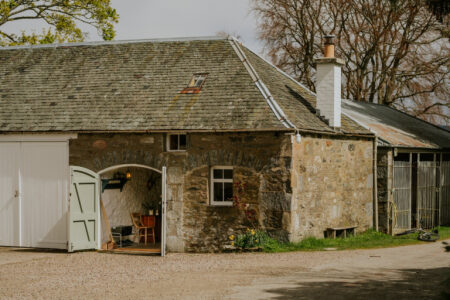
West Tempar Bothy
 Out now
Twice a year, to your door
One hundred and sixty pages of Scotland, every photograph commissioned, every word written by someone who went. Members get both issues posted and everything on screen.
 A Taste of the Highlands
 Roast Potato and Herb Gnocchi