
Ceannabeinne Cottage: An Interview with Sonny and Emilia
Sonny and Emilia on the old schoolhouse above Ceannabeinne Beach, the colours they took from the sand and the sea, and a slow day at the end of the mountains.
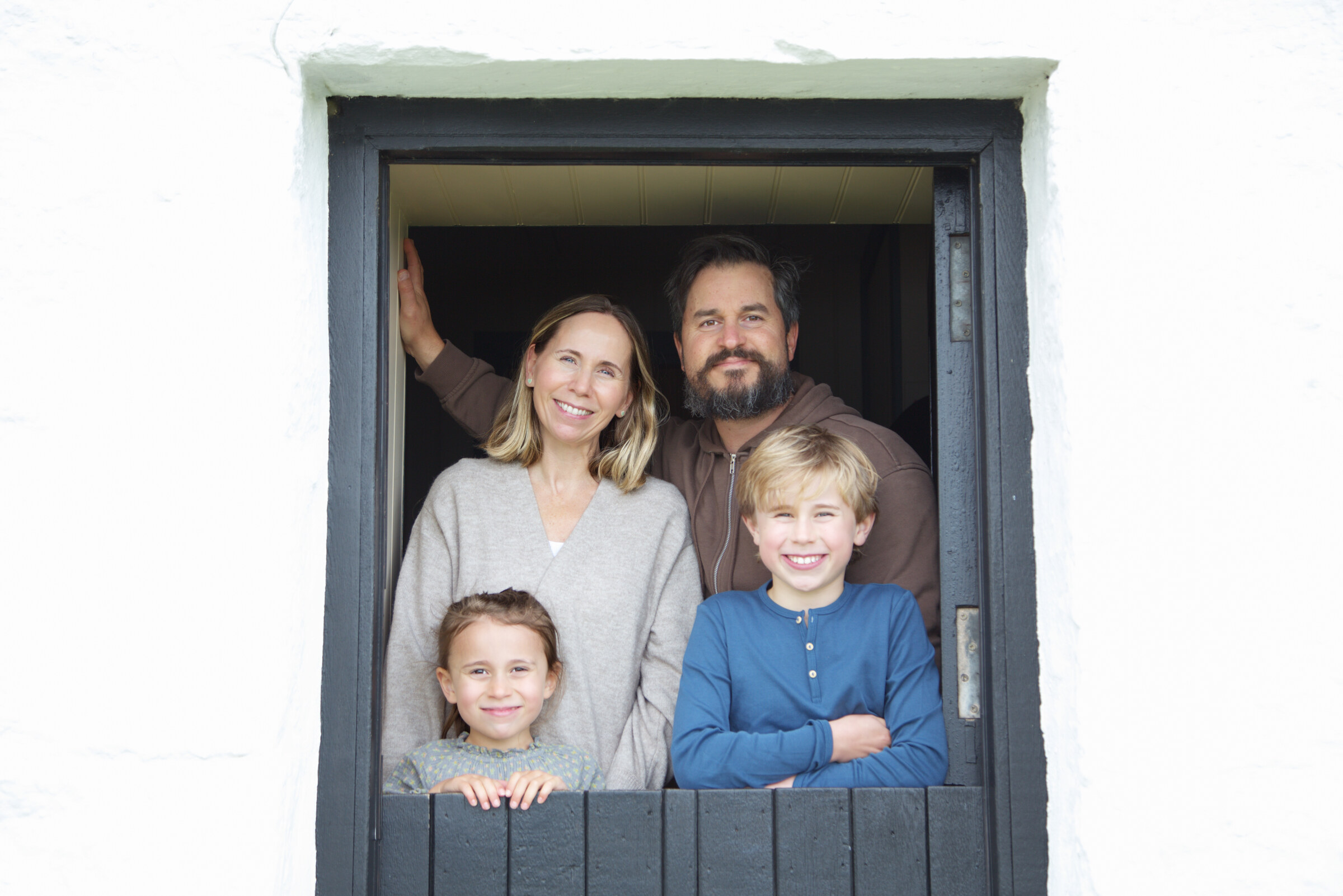
Sonny and Emilia, who own Ceannabeinne Cottage, on the old schoolhouse above Ceannabeinne Beach near Durness and the colours they took from its sand and sea.
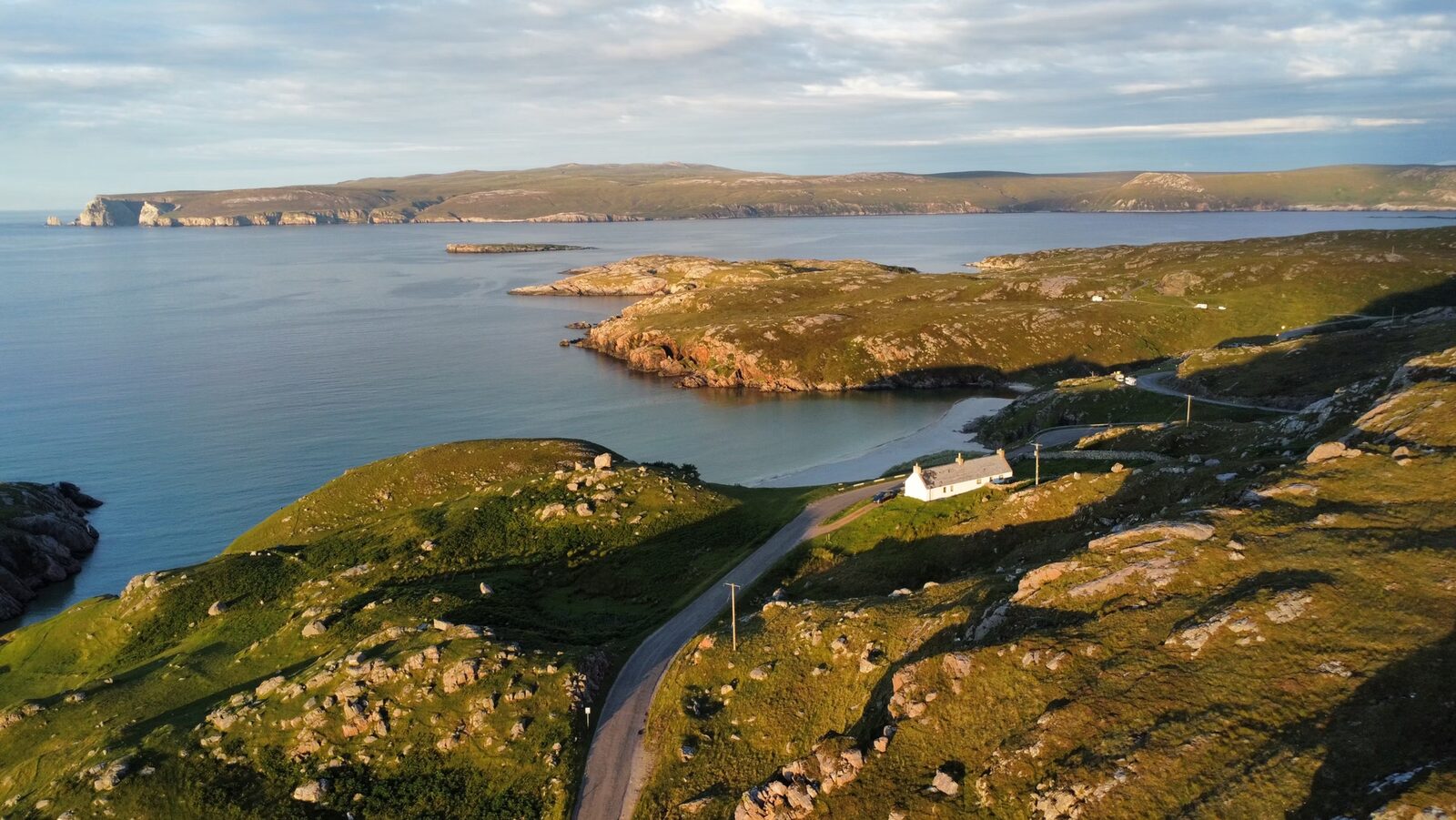
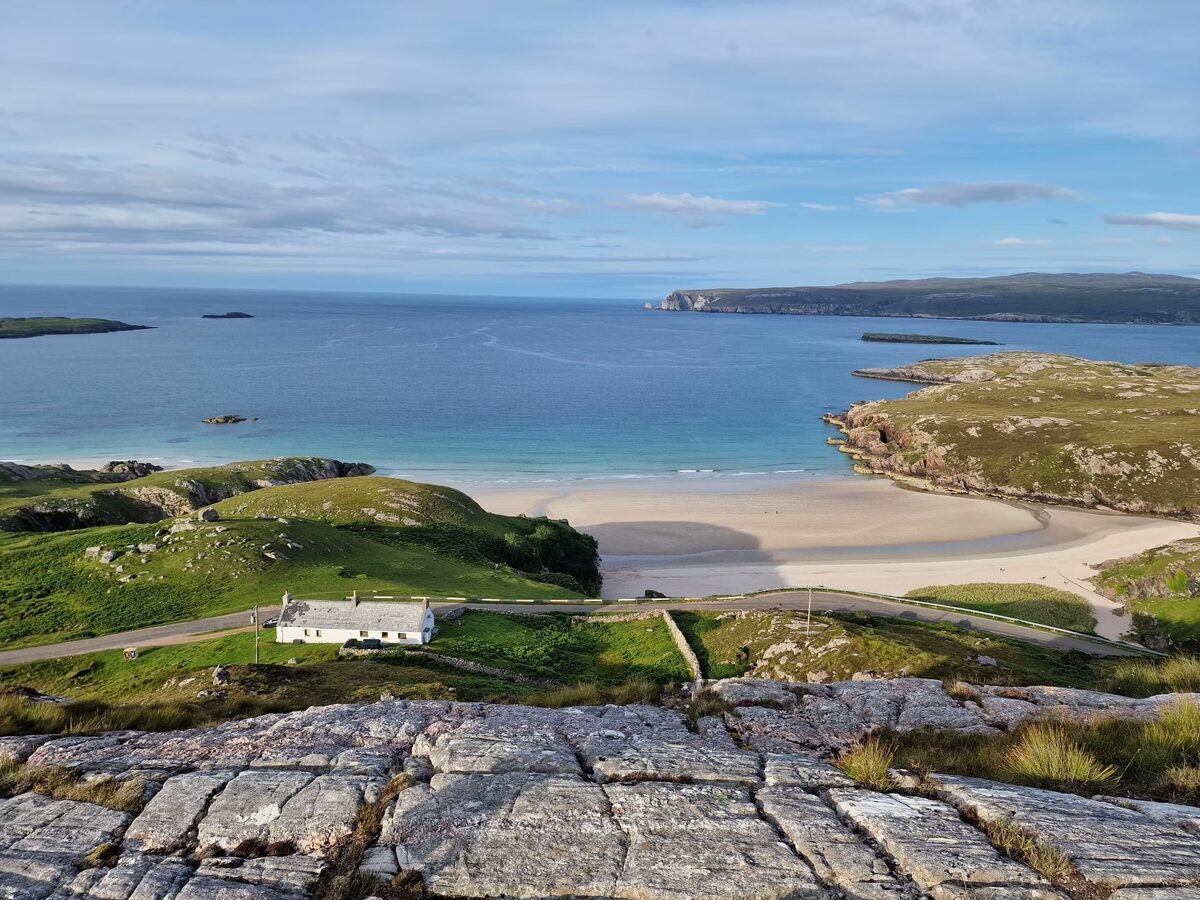
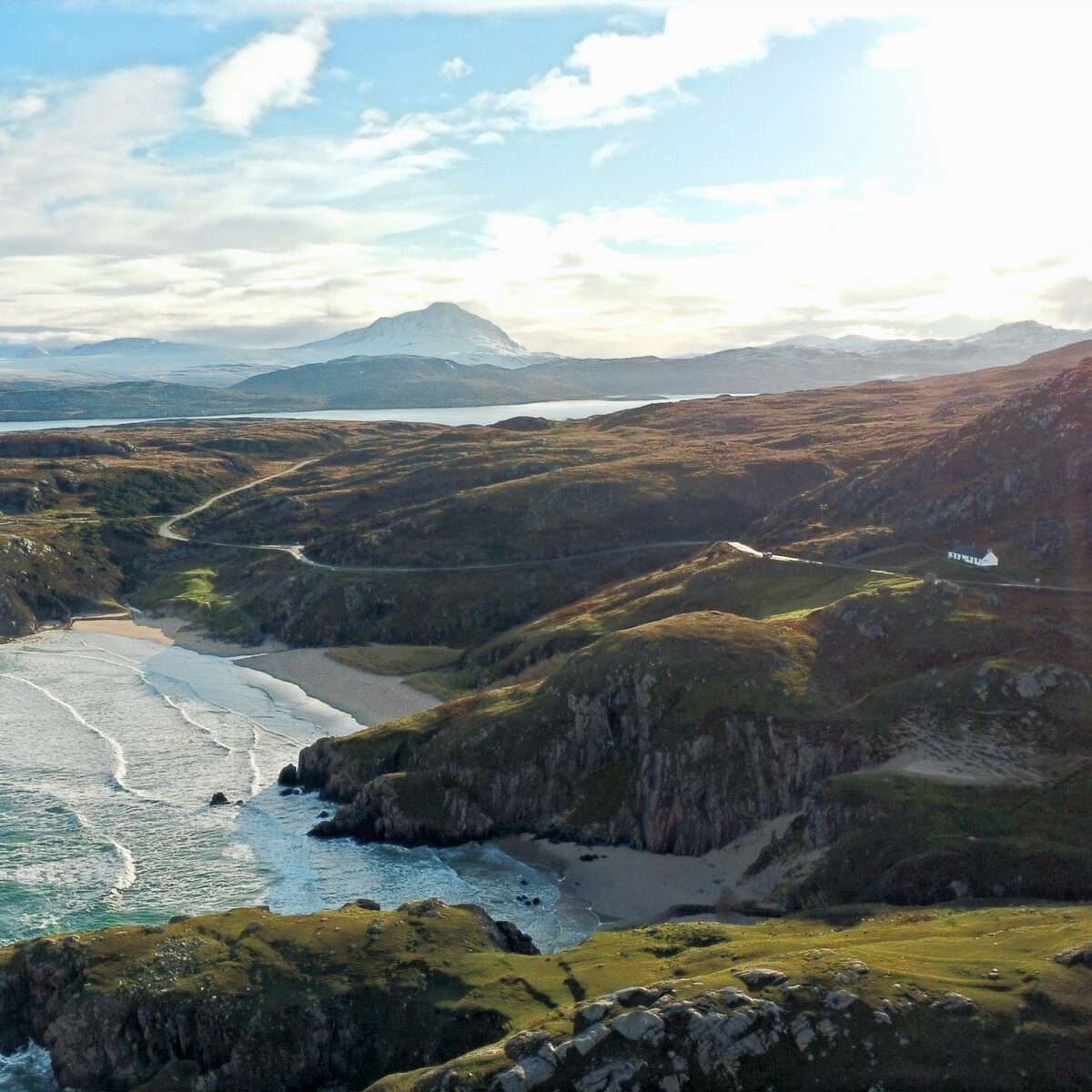
Ceannabeinne Cottage is a whitewashed stone longhouse above Ceannabeinne Beach, between Durness and Loch Eriboll on the far north coast. It was the schoolhouse of the Ceannabeinne township and the only building there spared in the Clearances. Sonny and Emilia first saw it on a trip to the area, and bought it when it came up for sale. They talk here about keeping its old features, the colours they took from the beach and the sea, and how to spend a slow day at the end of the mountains.
For anyone discovering it for the first time, what is Ceannabeinne Cottage?
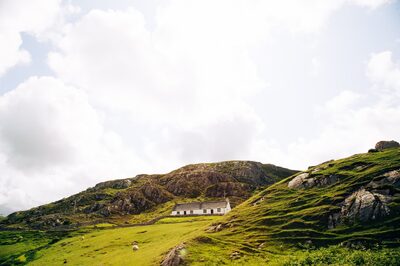
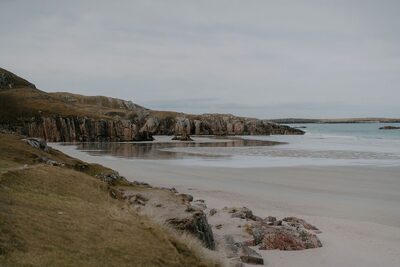
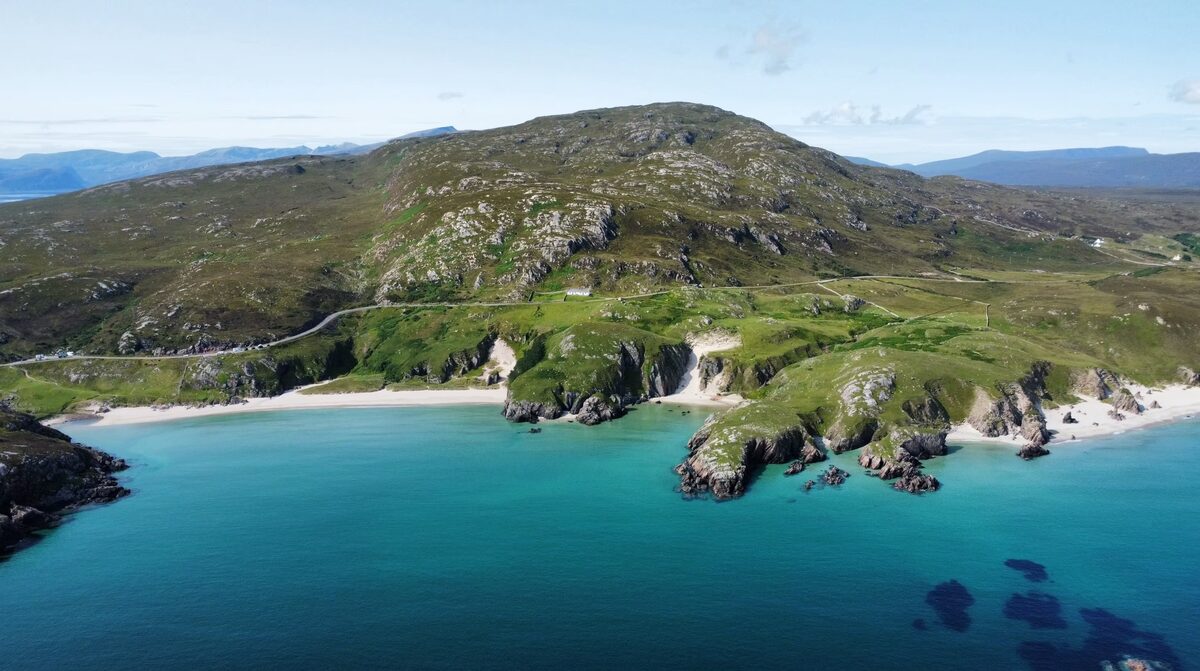
Ceannabeinne Cottage is a historic, whitewashed stone longhouse in a solitary spot perched above Ceannabeinne Beach between Durness and Loch Eriboll in the very far north of Scotland. Ceannabeinne means the end of the mountains, and it truly is. To the back, Beinn Ceannabeinne rises and the pristine, pink-hued sands of the beach stretch below. Sheep graze the grounds, the wild Atlantic stretches endlessly into the horizon, with nothing between you and the North Pole. Ben Hope and Ben Loyal rise in the distance.
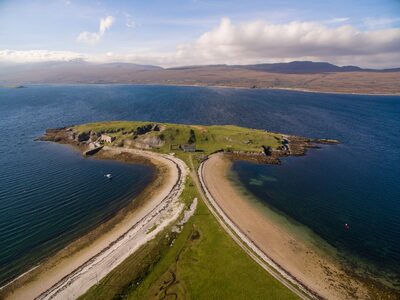
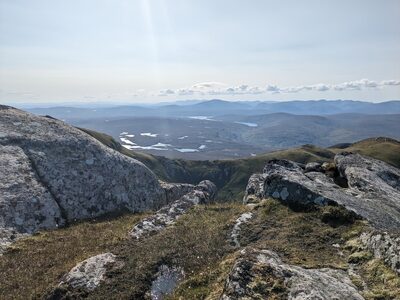
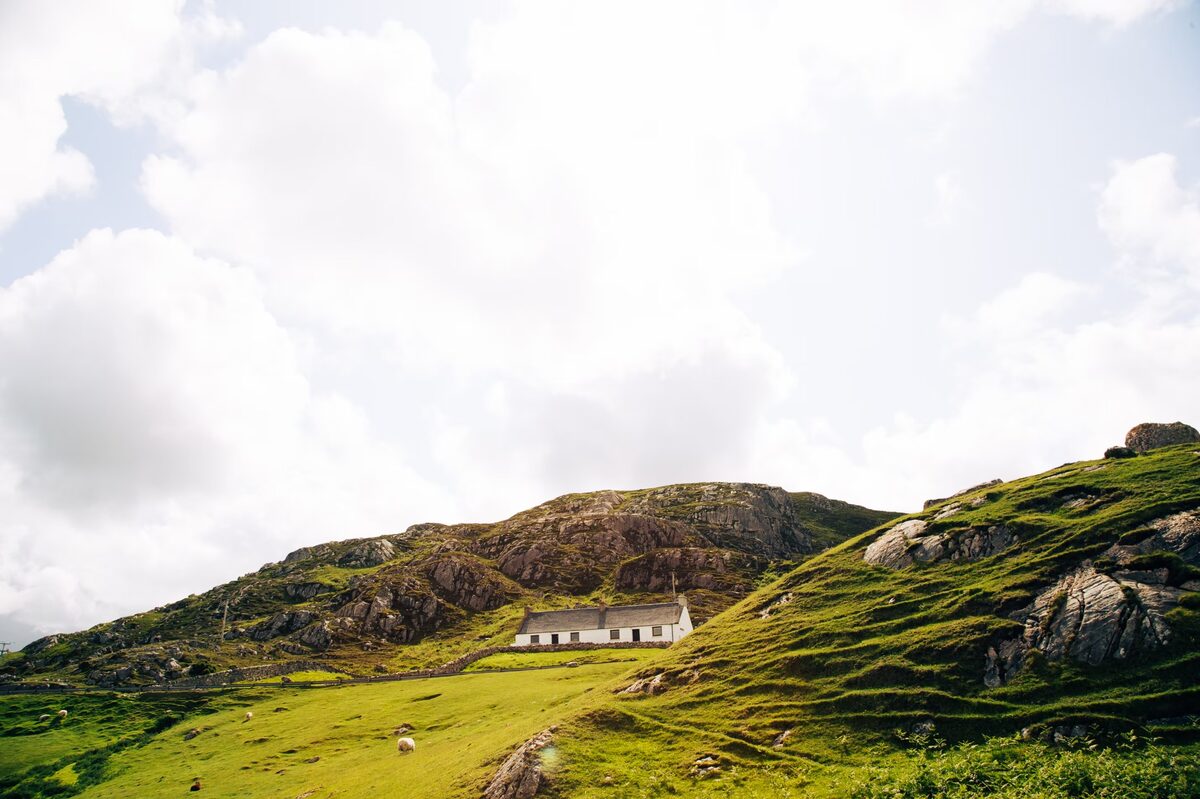
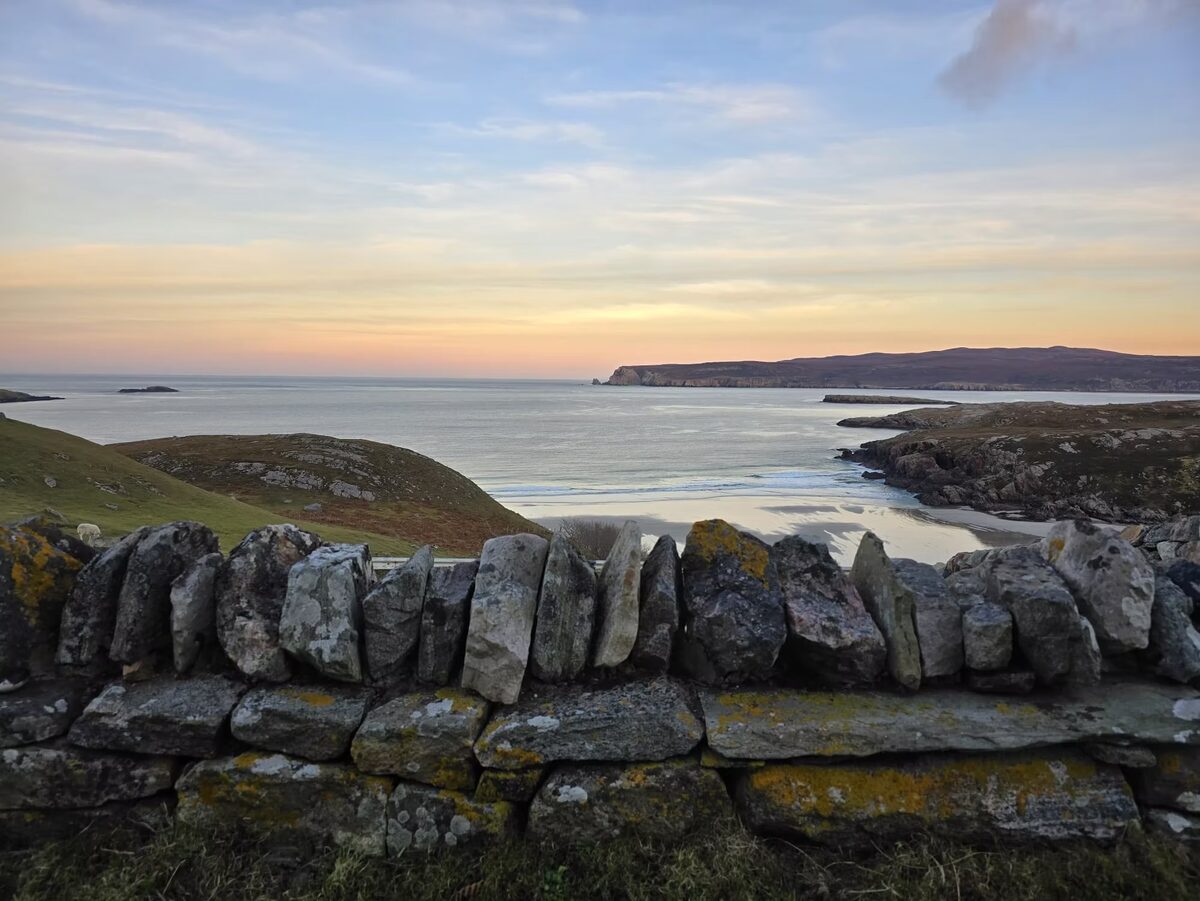
The cottage dates back to around 1820 and is nearly 200 years old — the last remaining building of the former Ceannabeinne Township. What drew you to a place with that much history behind it?
We have always been drawn to characterful old homes with history and soul. While the views and location are special enough, the fact that it came with such a rich history made it feel like so much more than just a beautiful old cottage. When we first travelled in the area, we remember seeing the cottage and saying, ‘Imagine living there, what a dream’. We couldn't believe it when it came up for sale and we acted immediately. Still feels like a dream!
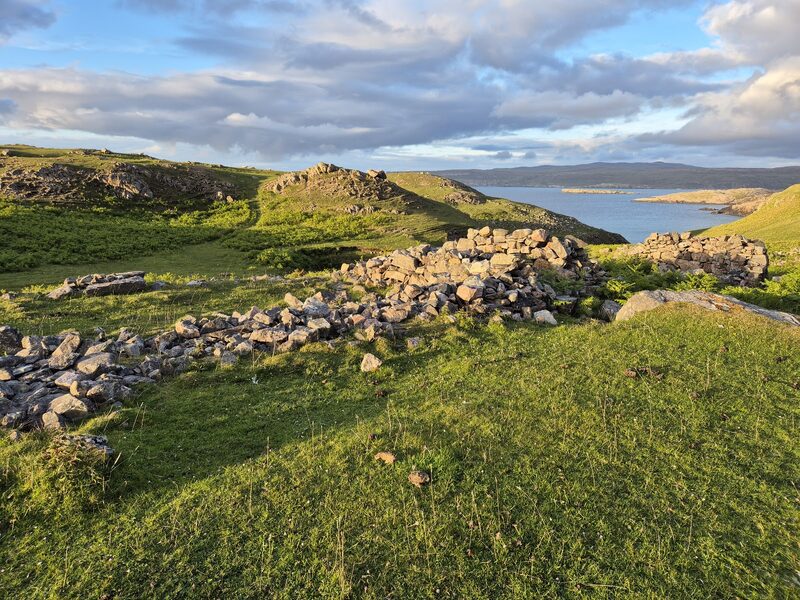
This wee white house has truly stood the test of time. It was once the schoolhouse of the Ceannabeinne Township. Maybe that is why, during the Highland Clearances, it was the only building in the settlement that was spared. We keep learning about the history of the place, it's like a never-ending story of both facts and tales passed down. What we know is that the people of Ceannabeinne showed great resistance, and the women were the ones leading the defiance that eventually set in motion a series of events that would become known as the Durness Riots.
What was the refurbishment like, and how did you balance preserving the original character with bringing in contemporary comfort?
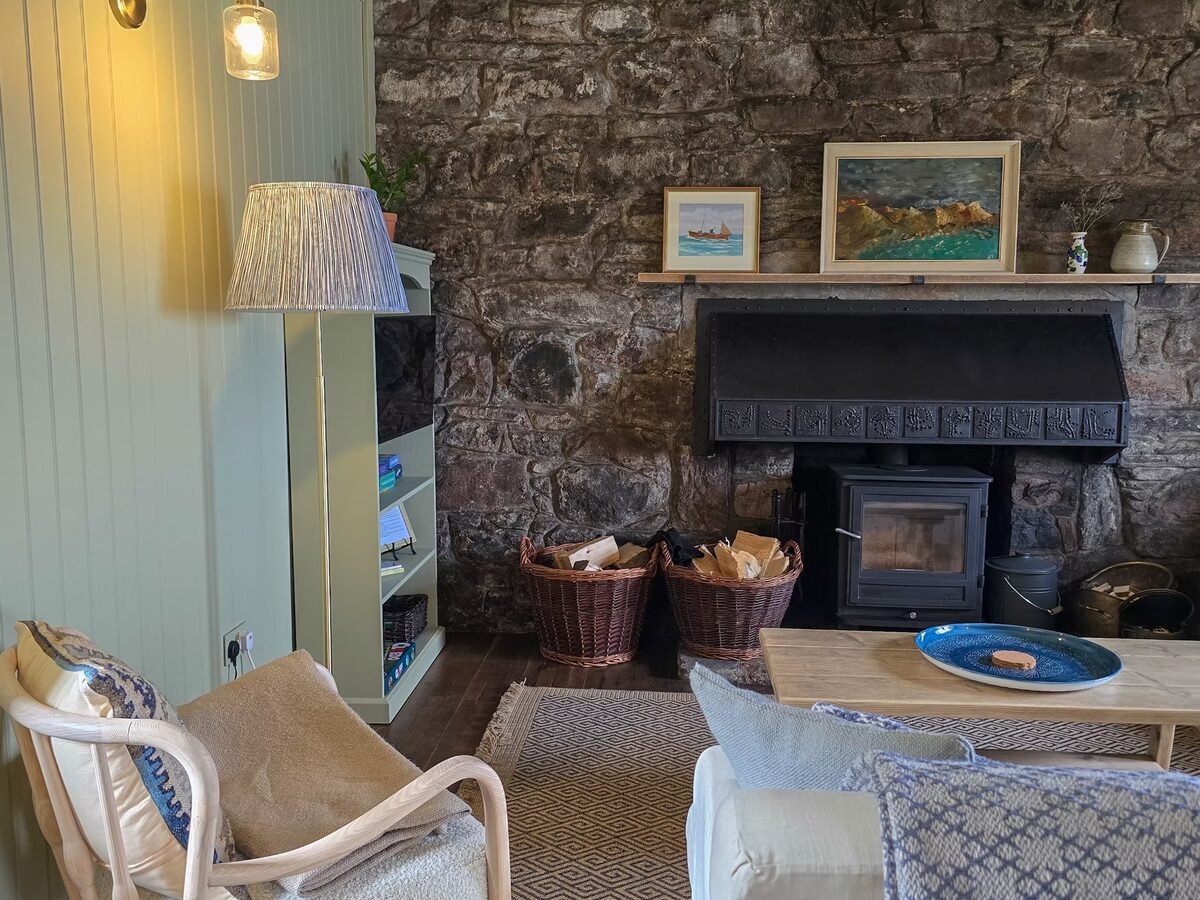
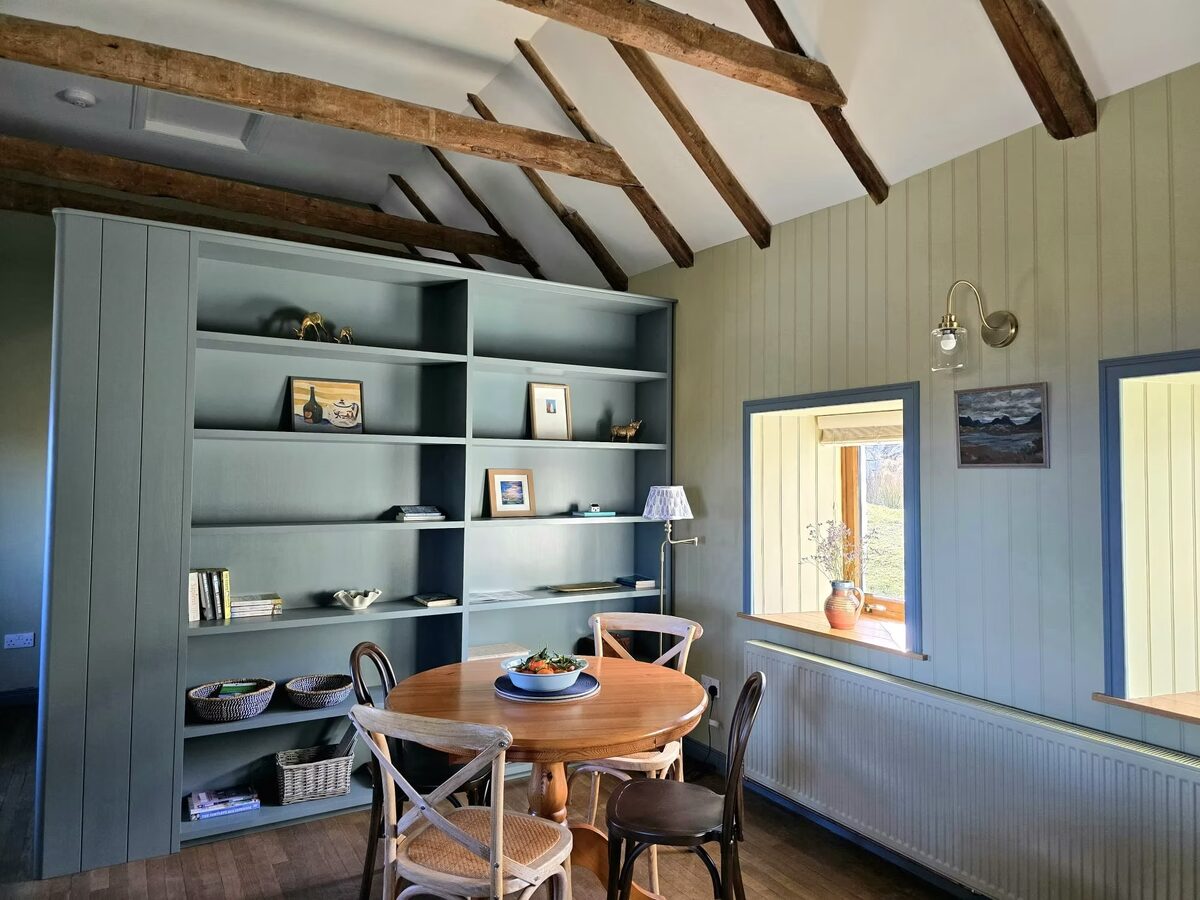
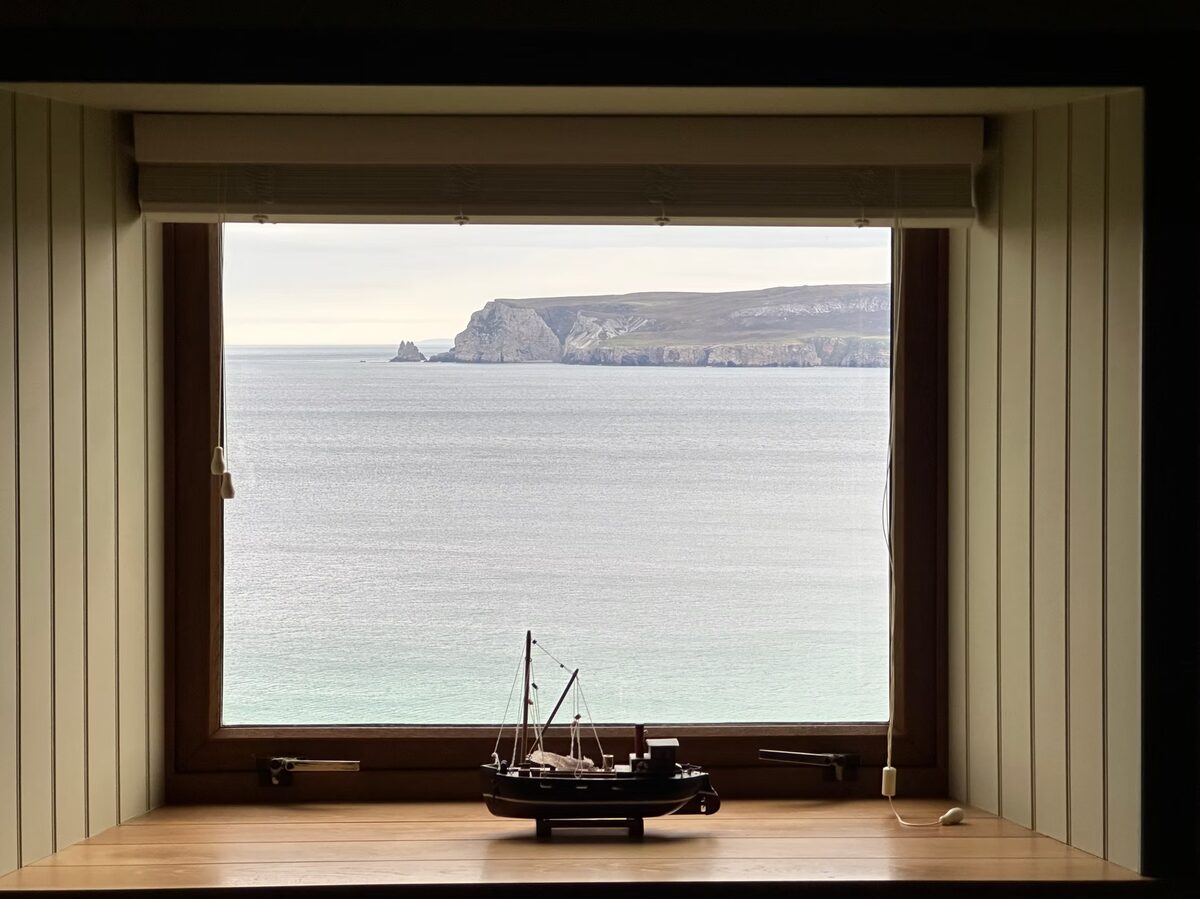
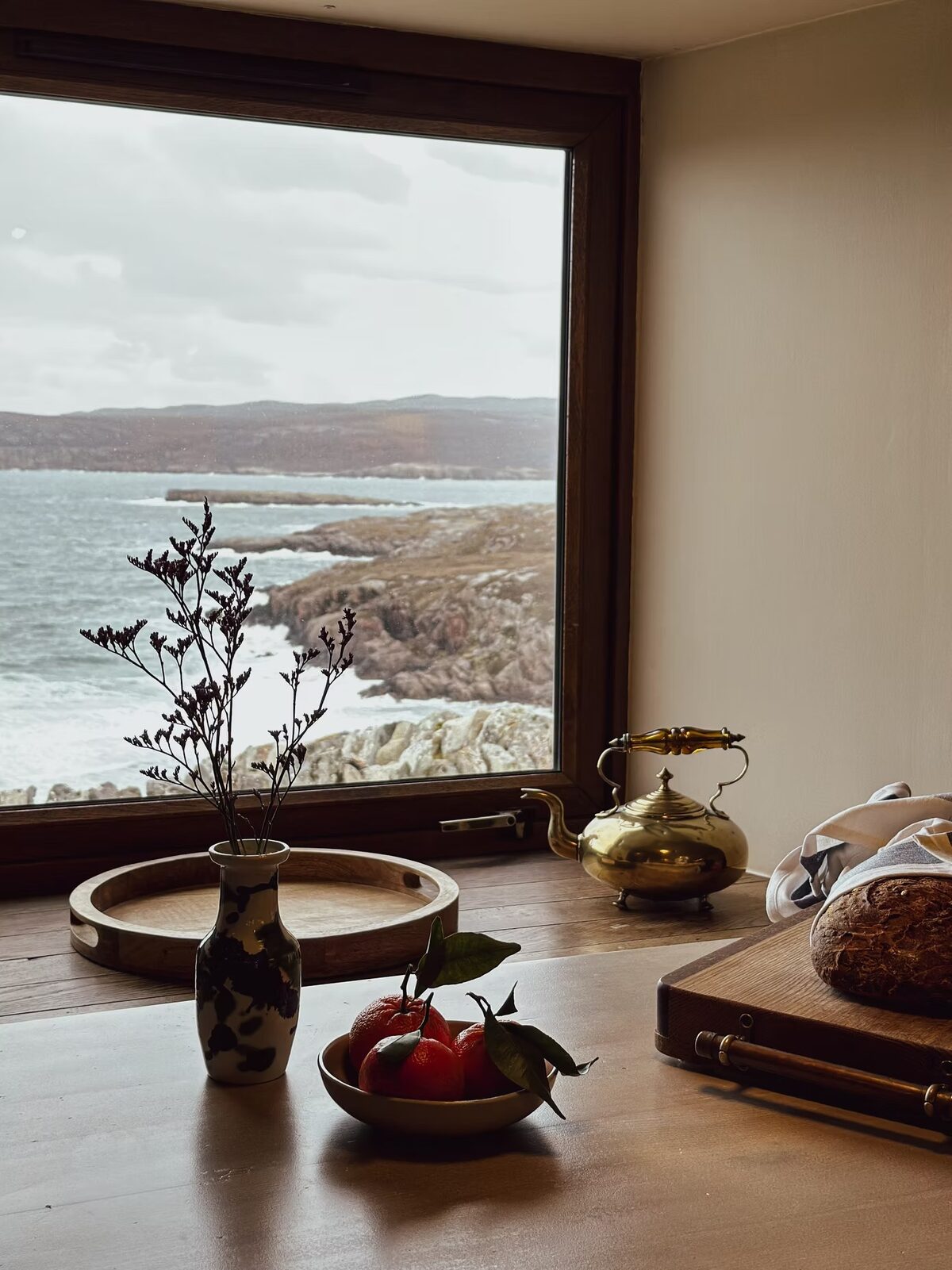
We really do feel that we are merely caretakers of this place. We were very lucky, as the previous owners had lovingly cared for Ceannabeinne for over 30 years. We just had to make it into a place that rang true to what we would like our Highland home to be. From the start, we always felt it was very important to preserve the cottage’s original features, even when it made more practical sense to change them. For example, we did remove some minor structures that had been added more recently, but we left the quirky layout of the longhouse intact. We kept the AGA from the 1950s, but we converted it from oil-fired to electric. The old Caithness stone slabs still adorn the kitchen floor, and the original split-barn front doors are very much part of the house. We have these wonderfully deep traditional recess windows. It was really about making the best of what we already had.
One thing we learnt quickly was never to be in a rush and always be prepared to get our own hands dirty. The advantage of this is that we got to know all the wee corners, door hinges, floorboards and every peculiar feature by heart. We’re also lucky to have a giving local community, with people who are generous with both their time and advice, and so kindly ready to help when we get stuck. Our kids set up their own little workstation in the corner of the grounds. It is very much a family affair!
What was your inspiration for the interior?
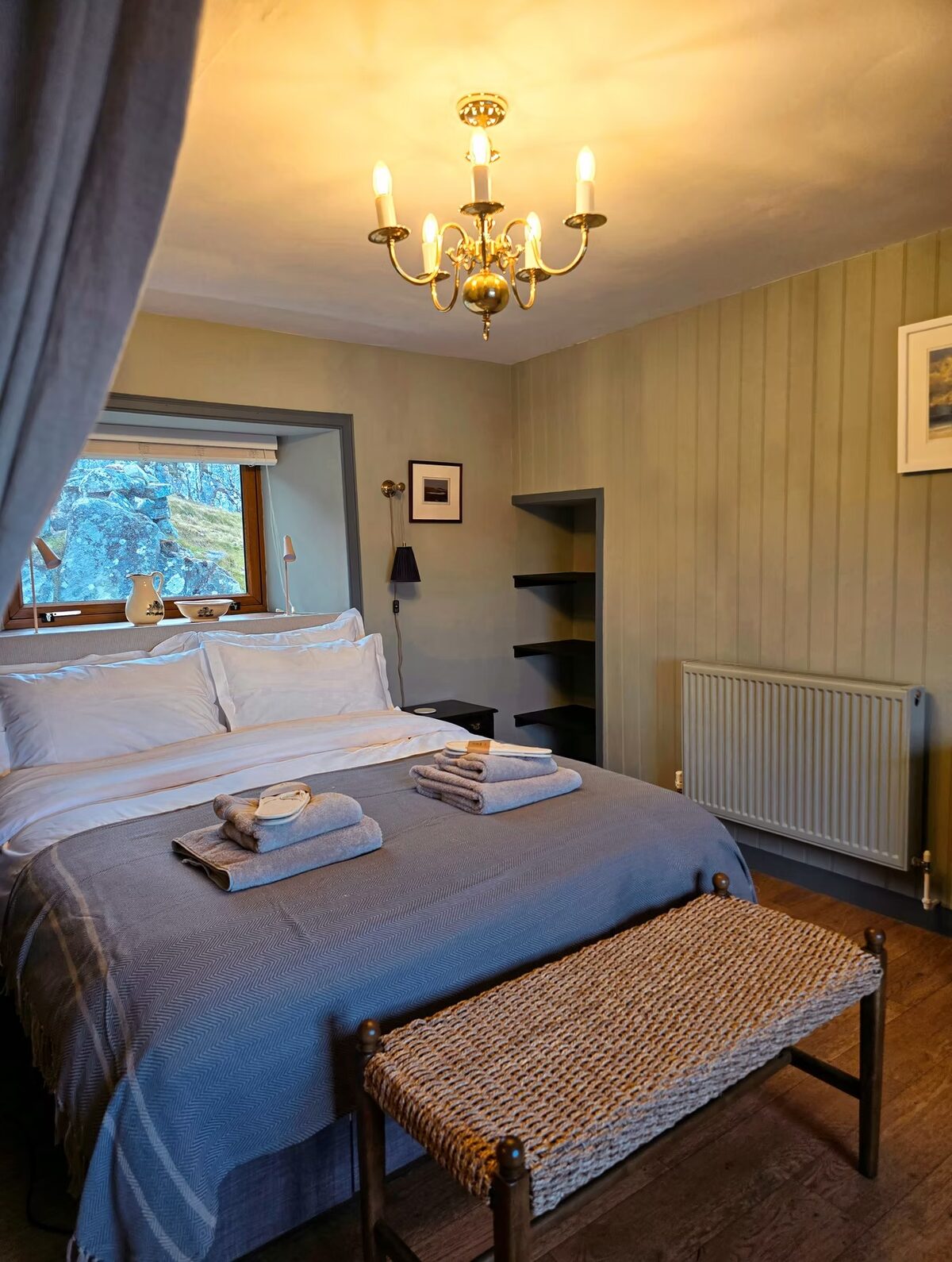
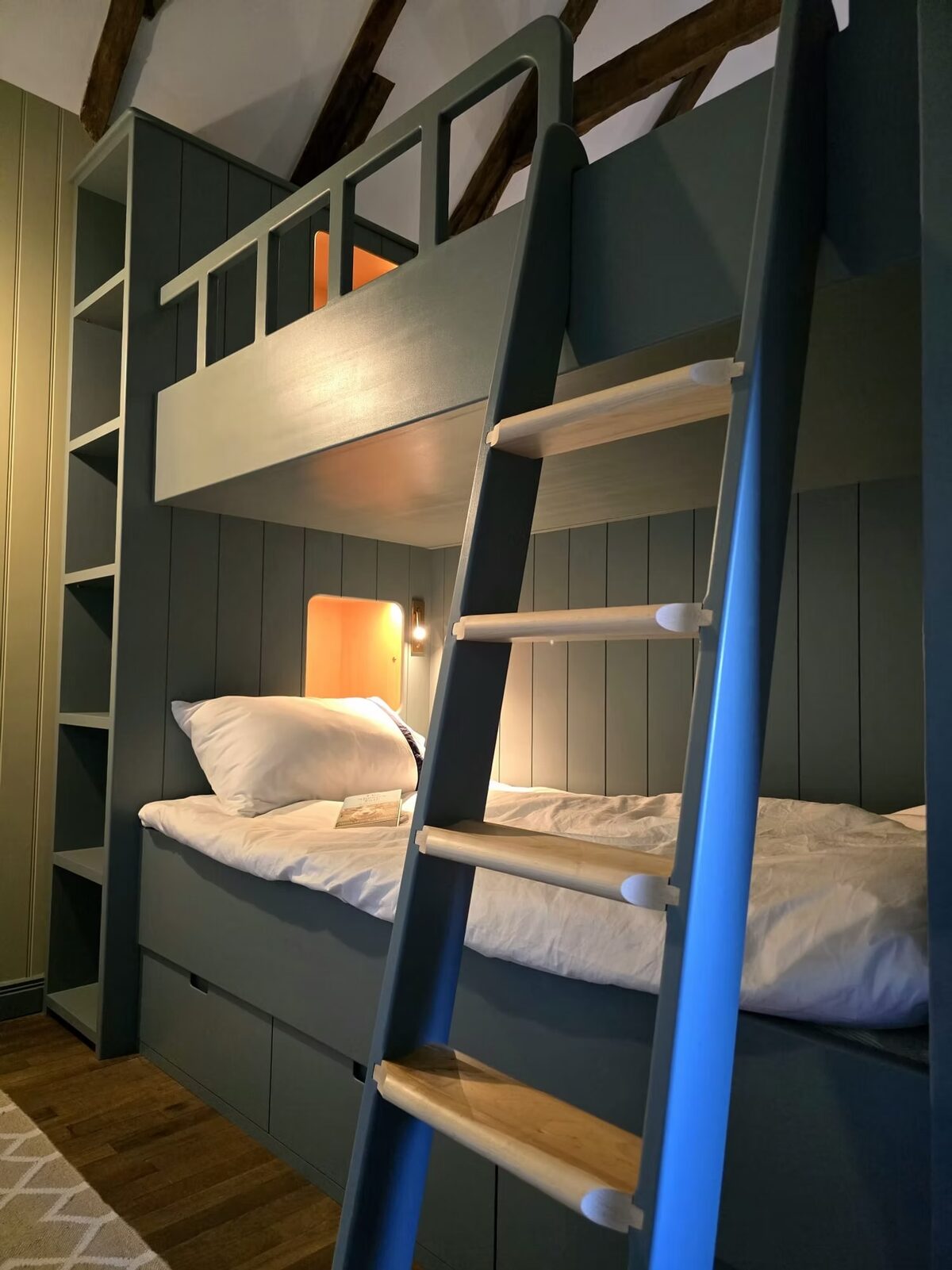
The raw and wild nature provides an ever-changing influence. The immediate surroundings gifted us the colour scheme. We matched the special hue of Ceannabeinne beach to some of the walls, and picked the blues and greens of the sea. The kitchen is another shade of sand. The cottage is so entwined in the landscape, it only makes sense to bring the outside in. We want it to be quietly warm, muted but with a sense of place. Subtly but undoubtedly Scottish. Also, there is a Scandinavian undertone there. We moved to the UK 25 years ago, but our Scandi roots always show one way or the other! With every decision, there's practicality to consider. We need sturdy materials up here, and beauty is always in conversation with what works in practice. We can also admit to obsessing over smaller things, nothing is random.
How do you want guests to feel when they stay here?
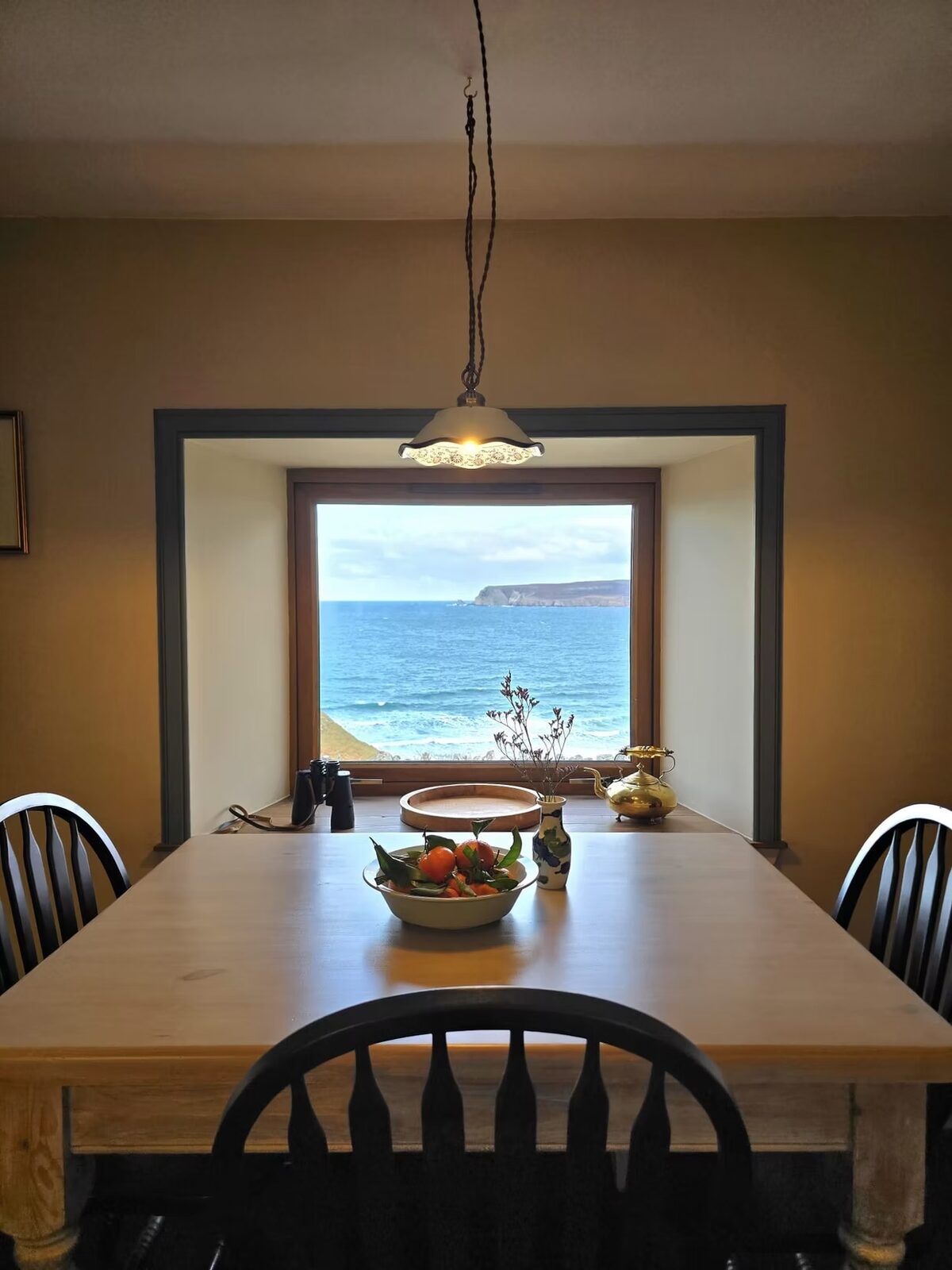
We wish for guests to be able to come here, step inside and feel a calmness, a sense of grounding. It should be simply inviting. The house should almost act as a shelter from the vastness and wilderness outside. There is a rather majestic harshness to these parts of Scotland, with its rugged beinns and windswept coast, and the never-ending ocean adds to the feeling of being very small in the grand scheme of things. Inside, you can seek refuge from the immensity of it all, but still observe nature showing off outside from any of the windows. We want guests to feel very much here, at the northern edge of Scotland. We also want them to still feel the history in these stone walls, to be part of the 200-year story. To stay here lets you be naturally present.
How would you describe a perfect, unhurried day at Ceannabeinne?
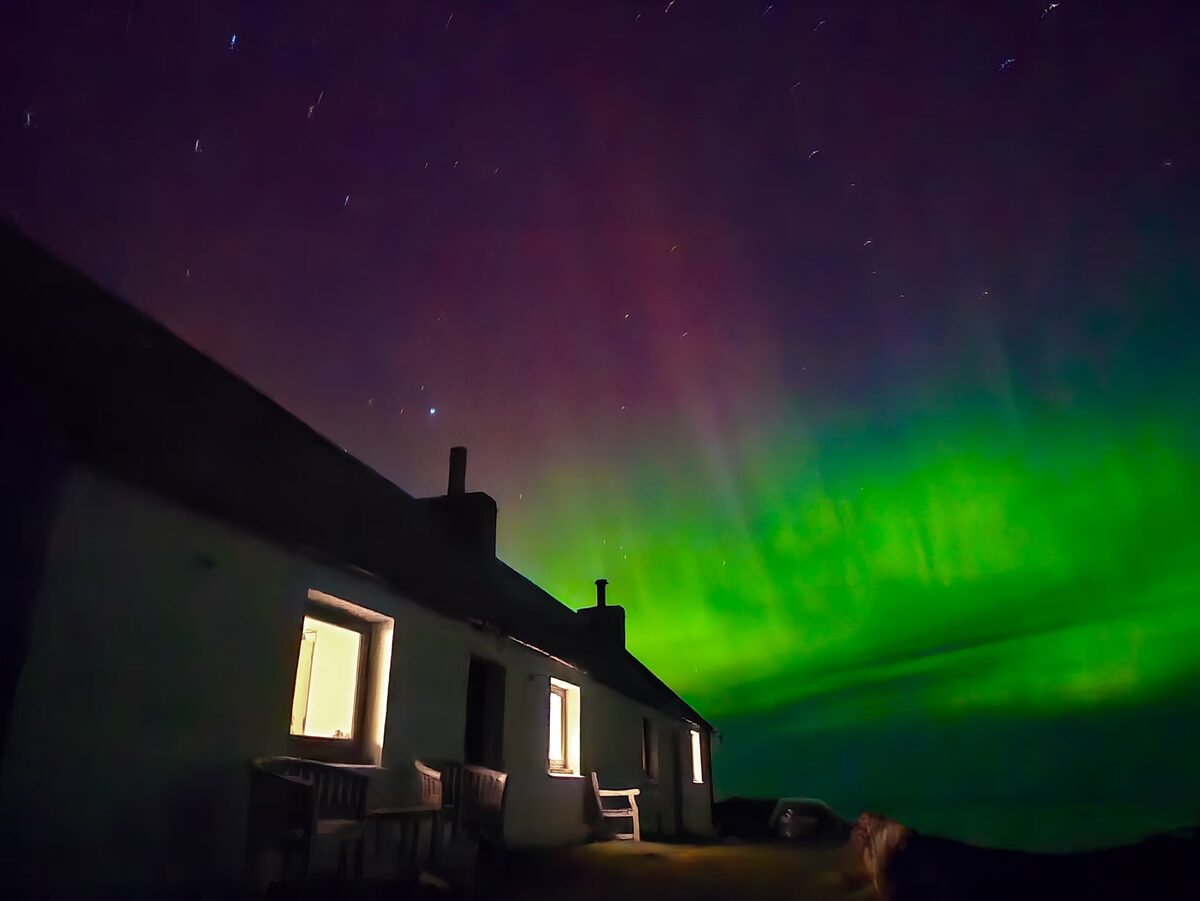
It would be to not have too many plans, but rather follow the elements. Start slow and stay slow. Let the season, the tide, the weather, the wind guide you through the day. A long breakfast. Sit with the views. Be it a storm moving in over the moody ocean, or a sunny sky with a quiet turquoise sea. Look for porpoises down off the beach. Spot an eagle passing by. Admire the changing light. Embrace the weather and take in the clean air. Go for a hike, maybe some wild swimming or a walk on the beach. In fact, always a walk on the beach! Be one with the outside before retreating to the inside. An even longer dinner. Watch the lone surfer catching the wave at sunset. Do finish the day with some stargazing or, if you are lucky, watching the Northern Lights. The sky is exceptionally dark here.
How would you suggest guests spend their time in this part of Sutherland?
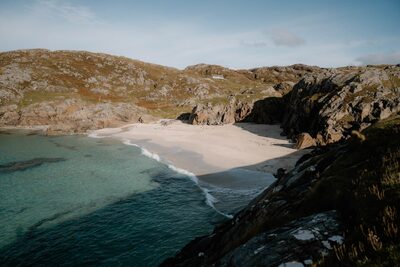
Try not to rush through. Take your time to appreciate the surroundings. Here are vast beaches to roam, caves to explore, mountains to climb and hills to hike. Waters to surf, swim or paddle. There are many lovely experiences to be had, and ultimately, the experience of just being here is the one that makes people come back. This is a place you should allow to unfold. A place of wild empty landscapes and big skies, so revel in that space. Nature will draw you outside at any time of the year. Ceannabeinne is located in machair habitat, a most fragile and biodiverse ecosystem that in spring and summer leaves the ground strewn with wildflowers. Bring your camera and your binoculars and look for rare ground-nesting birds. In winter, snow-capped mountains and exceptional light also call for the camera. But do leave time to put it away and to just admire.
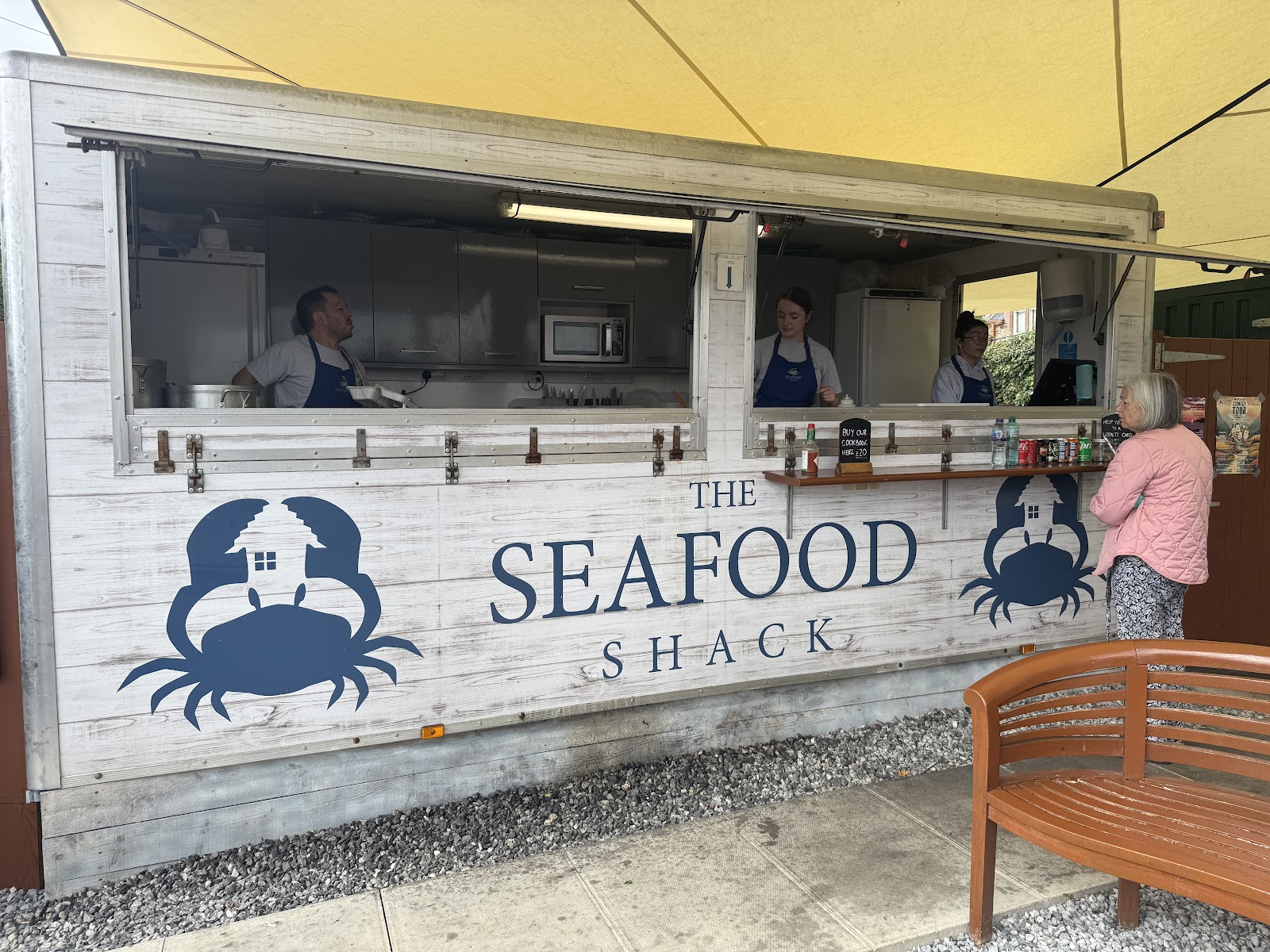
Getting here asks for your time, too. You will drive through Sutherland, all the way to the top, stopping for views and delicious seafood (we love The Seafood Shack in Ullapool, Crofter’s Kitchen in Scourie and Loch Clash Larder). The road leading you here will be beautiful.
Favourite spot to visit nearby?
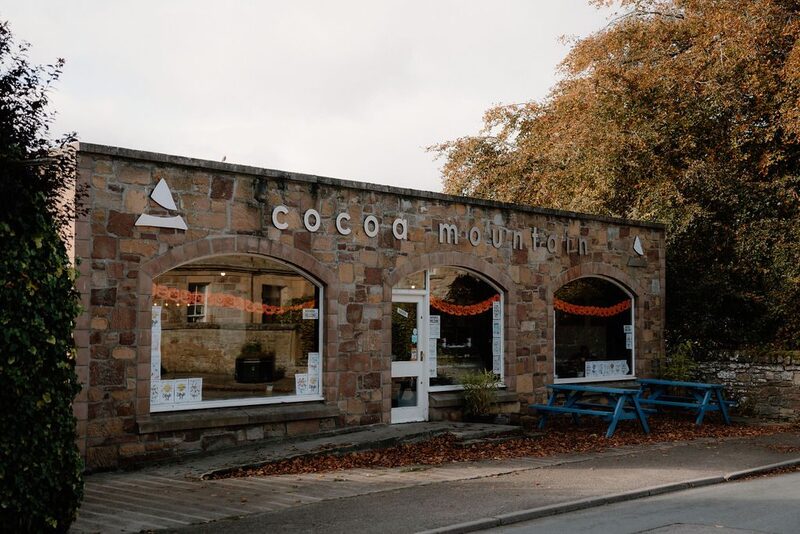
For something different, we love visiting ceramicist Lotte Glob's Sculpture Croft by Loch Eriboll. It connects her artwork and the region's landscape in a most fascinating way. On a rainy day, we’d recommend stopping by Balnakeil Crafts Village, which is a creative community with independent galleries and studios by local artists as well as a chocolate cafe. It's also home to the tiny but great exhibition Durness Deep Time, which explores the fantastic 3-billion-year-old geology of the area.
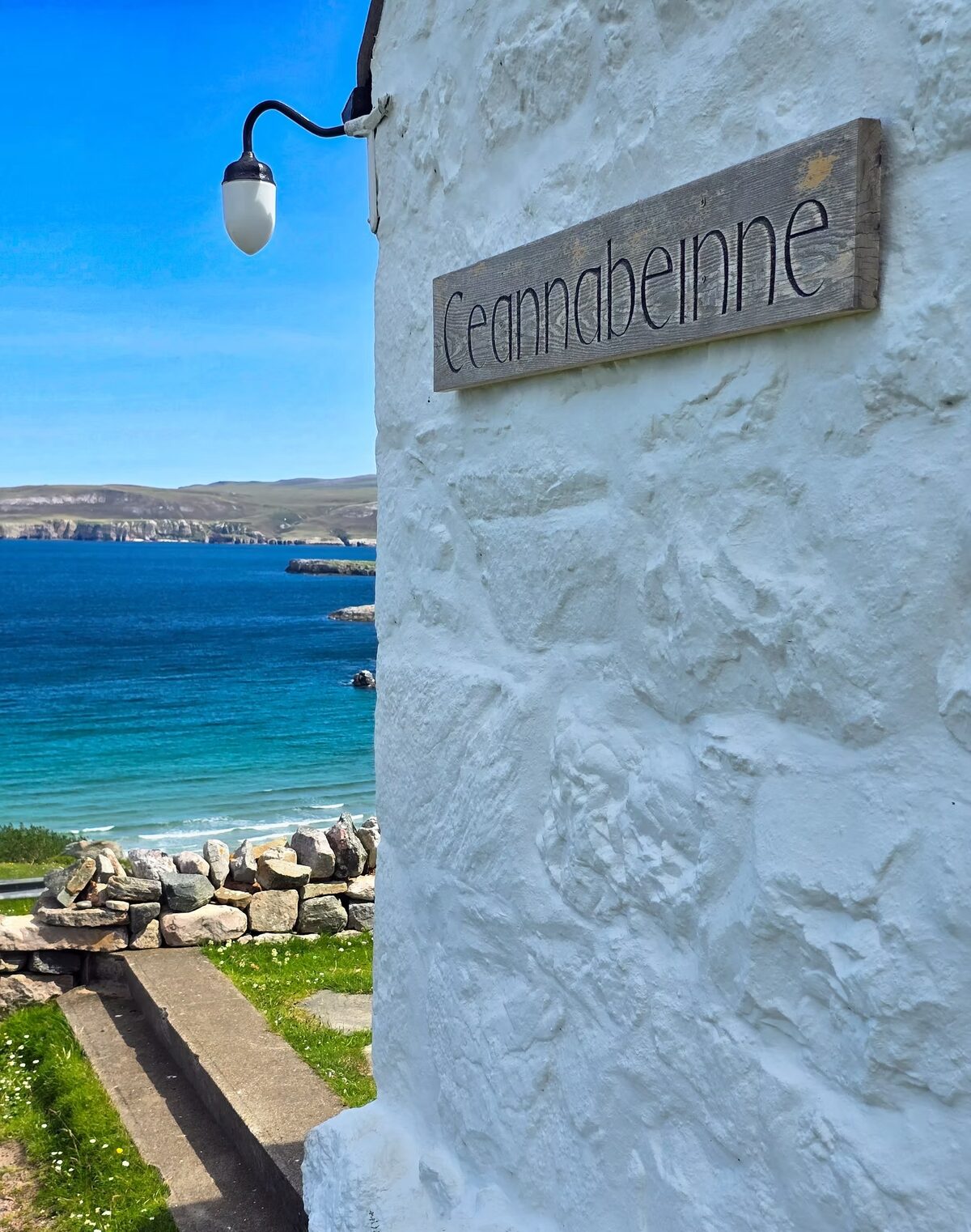
Ceannabeinne Cottage sleeps four, in a king bedroom and a bunk nook, for seven nights or more. It books through its own website.
Stay at Ceannabeinne Cottage
Things to do near Ceannabeinne Cottage
Places to visit, nearest by road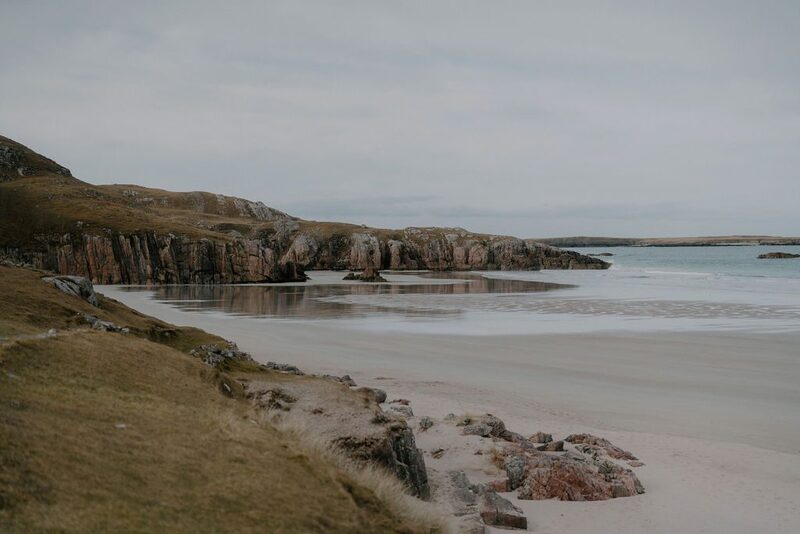
Days out near Ceannabeinne Cottage
Days worked out stop by stop, nearest first
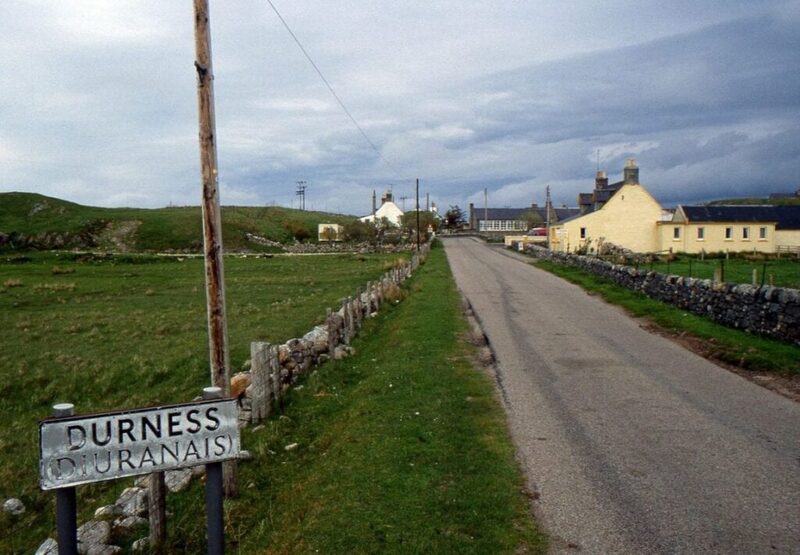
The Ceannabeinne Township Trail walk at Durness
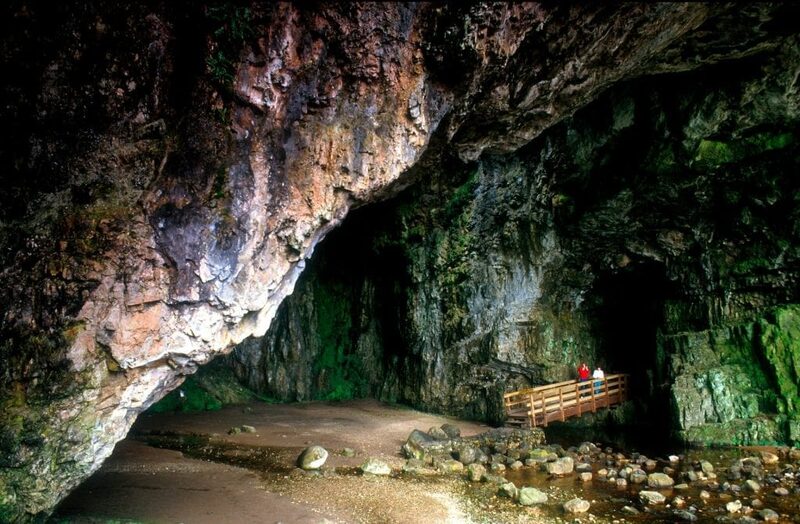
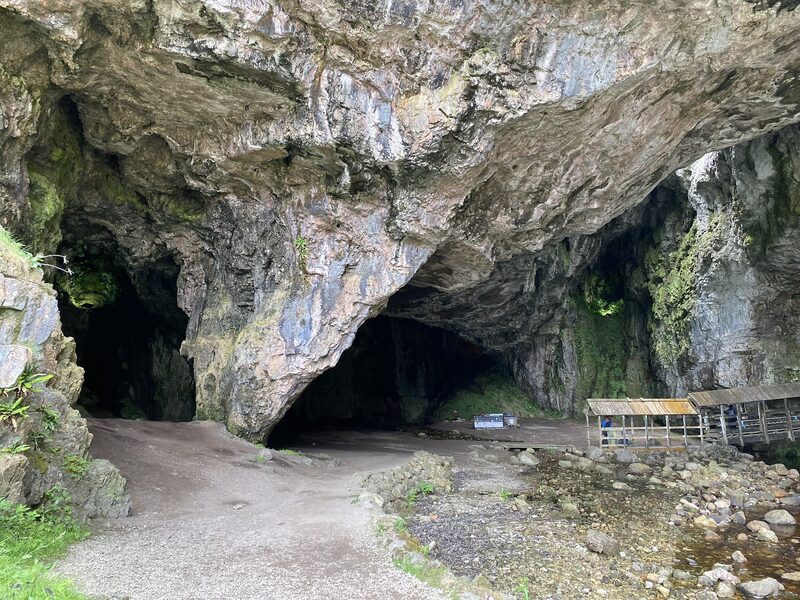
A walk into Smoo Cave's waterfall chamber
A walk over the Aodann cliffs at Durness
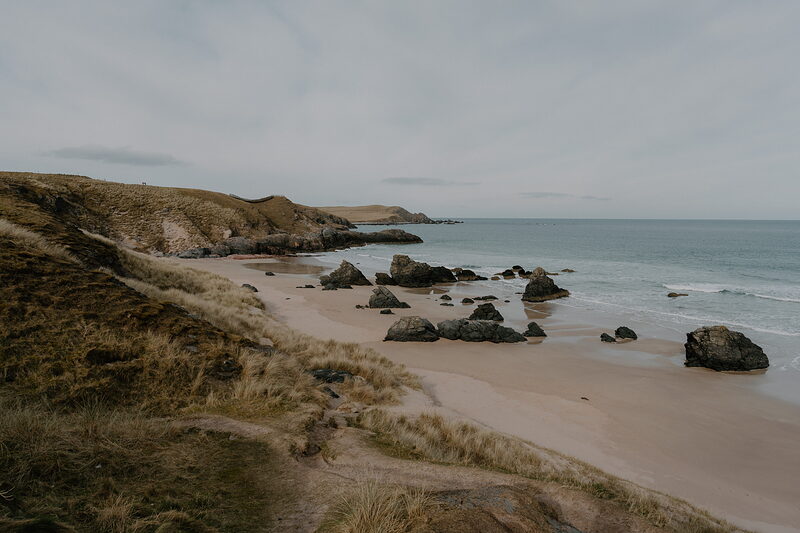
An afternoon on Sango Bay at Durness
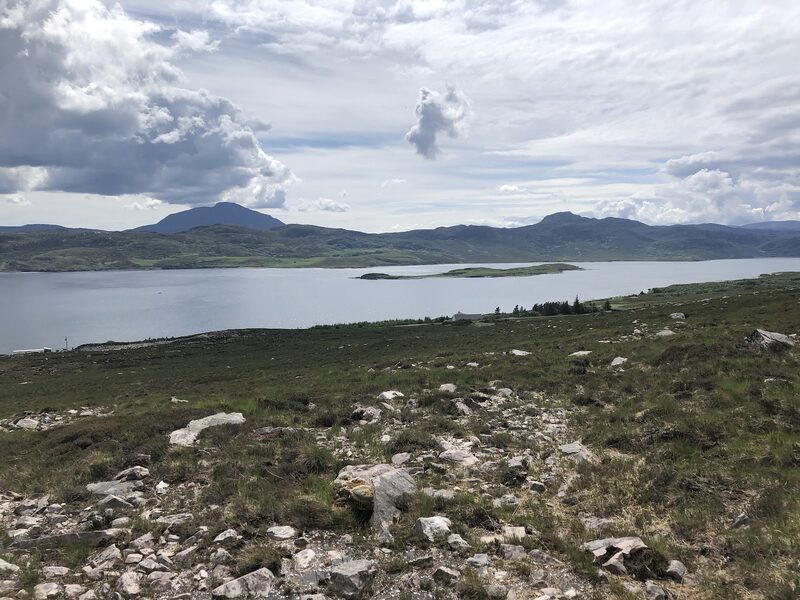
A walk up to the Hood stones above Loch Eriboll
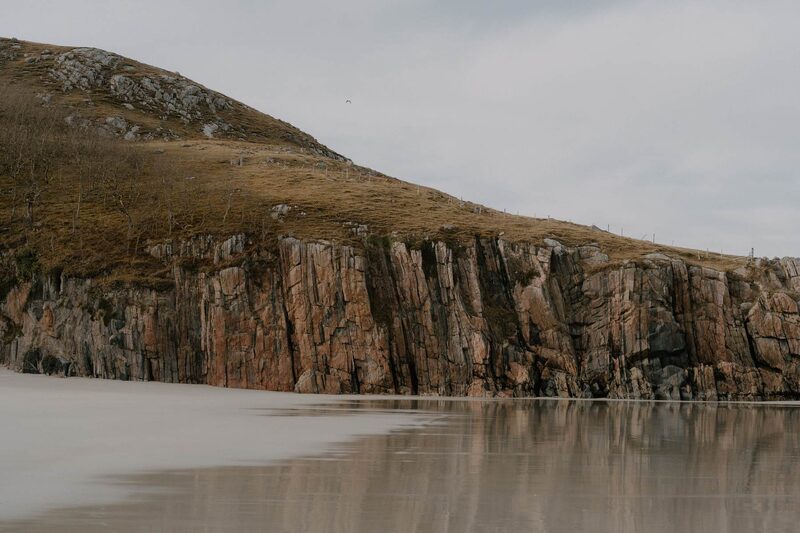
Driving Scotland’s North Coast
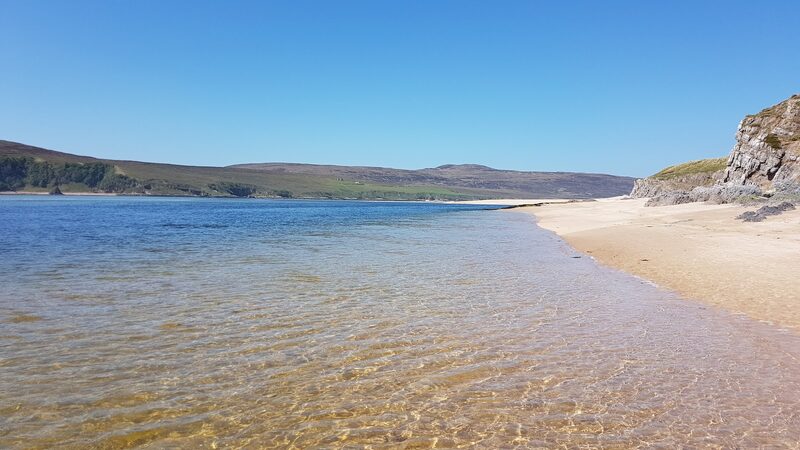
The Kyle of Durness walk from Balnakeil
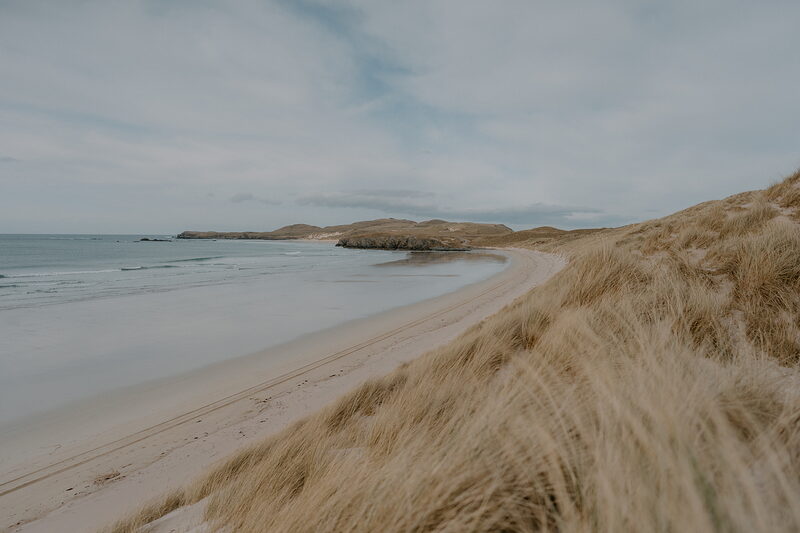
A walk to Faraid Head from Balnakeil Bay
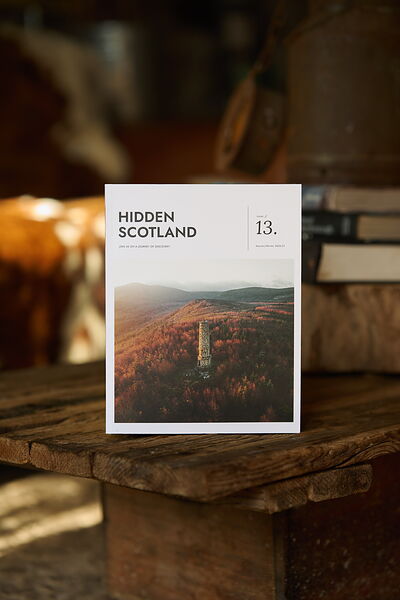 Out now
Twice a year, to your door
One hundred and sixty pages of Scotland, every photograph commissioned, every word written by someone who went. Members get both issues posted and everything on screen.
The Daily
Arrives at 5am every day.
A free morning email to see what’s on this week, catch up on what’s happening in Scotland and find somewhere new to go.
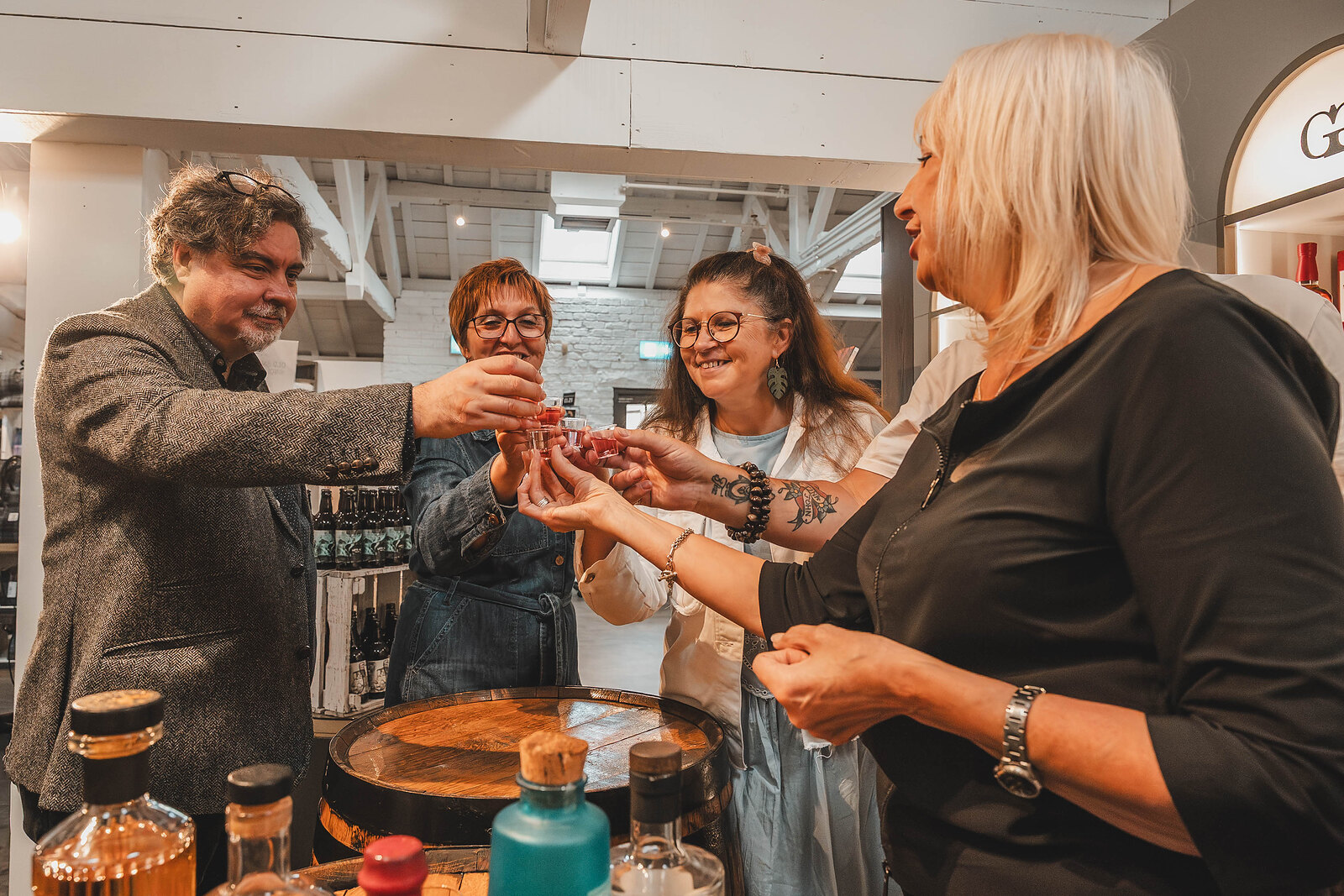 Gretna Green, Dumfries and Galloway
The First Sip of Scotland, Gretna Green.
Whisky and gin made nearby, poured by a host in the tasting room at the Famous Blacksmiths Shop. Half an hour and no jargon.
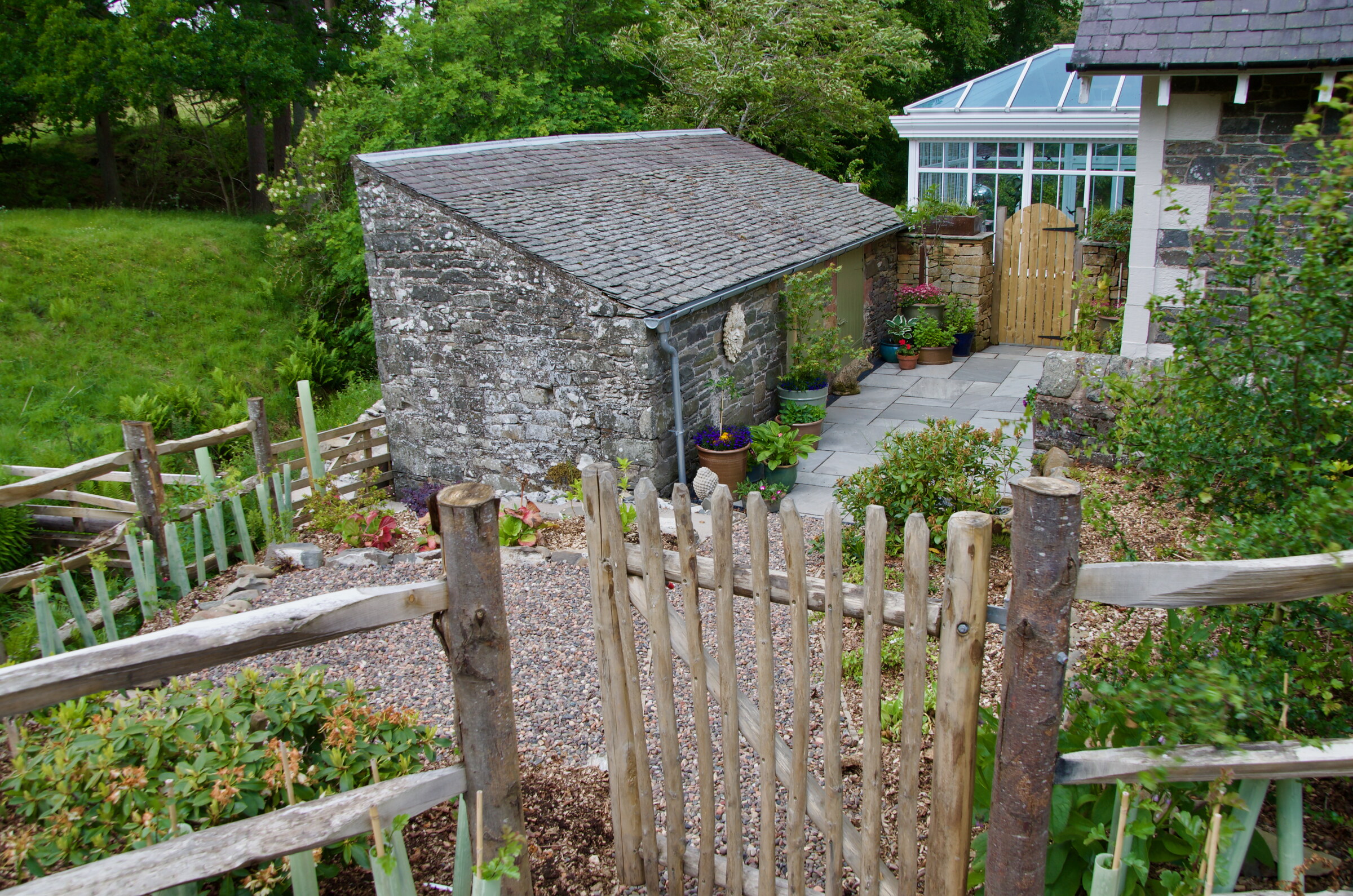
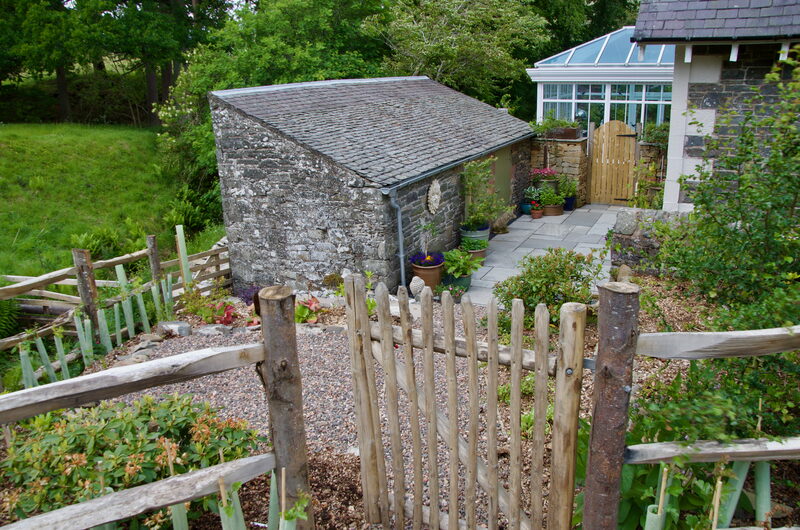 The Scullery: A Slow Stay in the Yarrow Valley
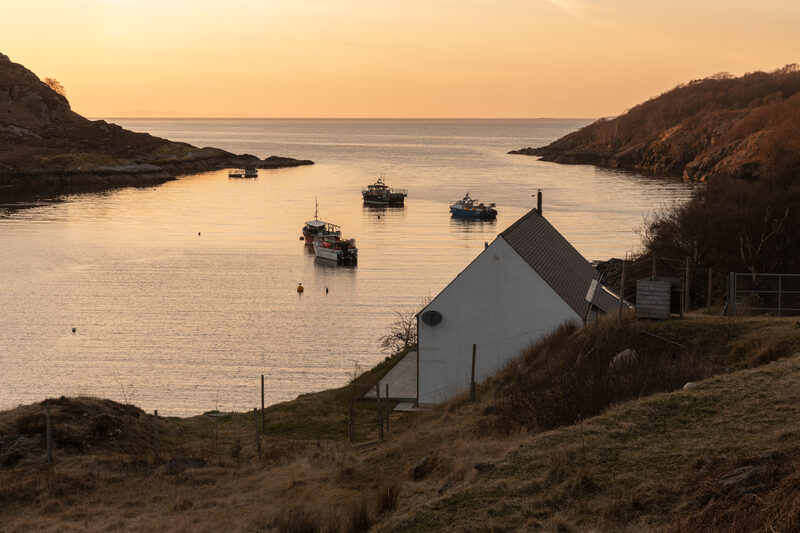 The Net Store and Rhuroin: Two Houses by the Sea in Applecross
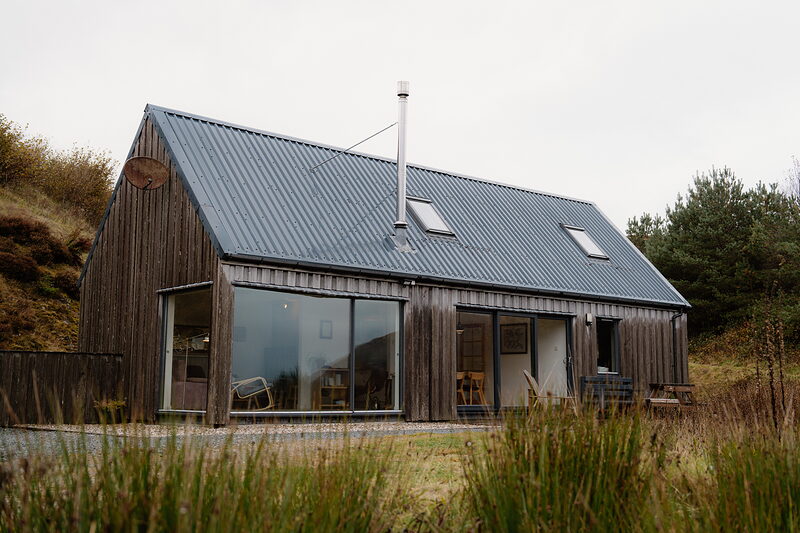 Stonechat Bothy: Ten Years on a Wildlife Croft