
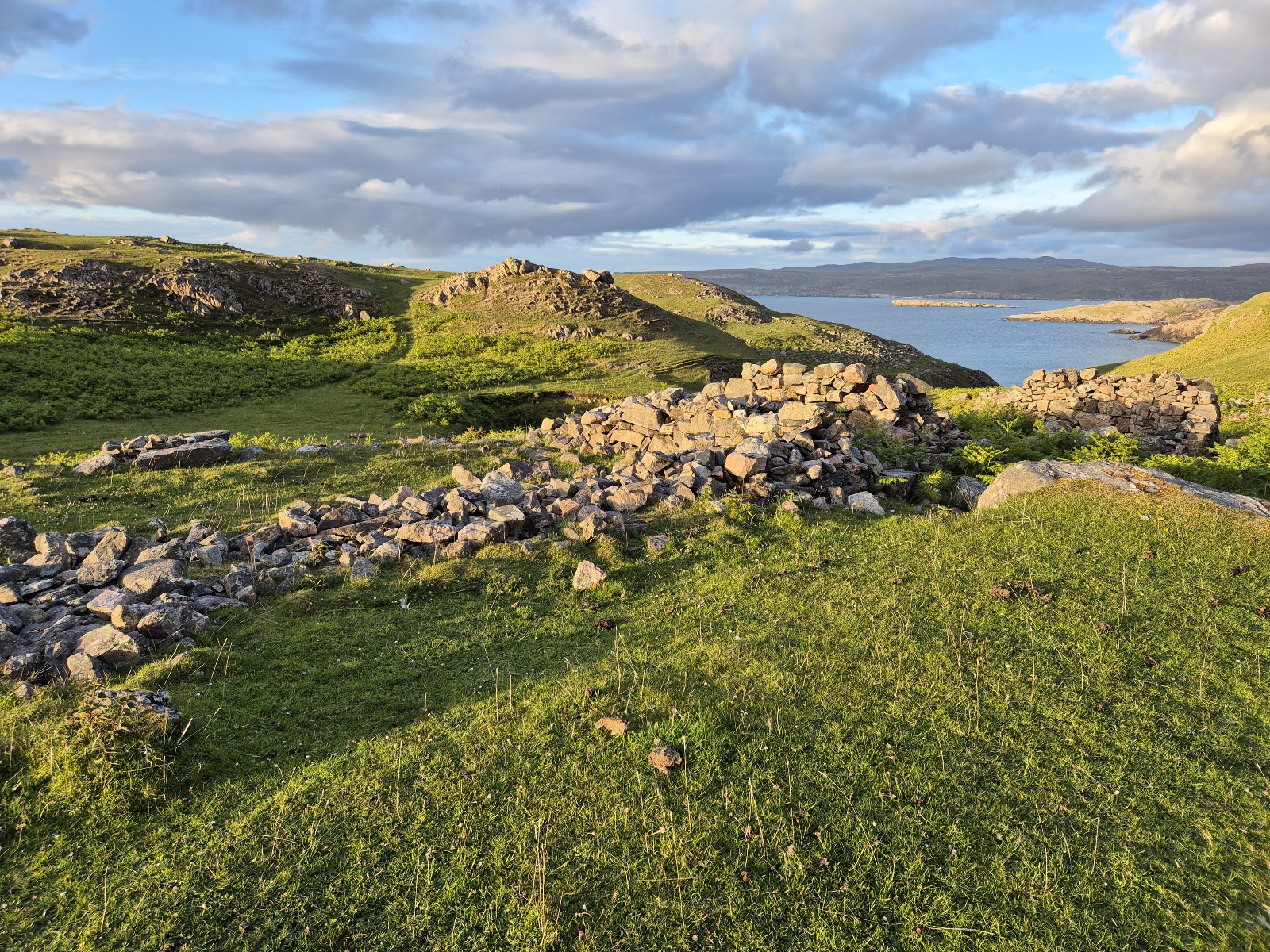
Ceannabeinne Village Ruins
The ruins of a Highland farming township above the beach east of Durness, whose people rose against their clearance in the Durness Riots of 1841.
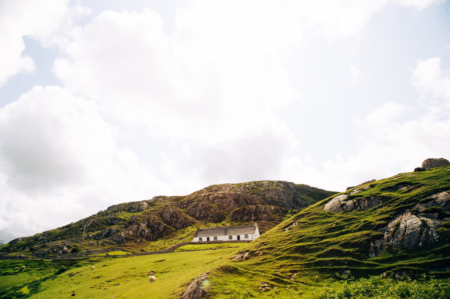
On the green slope above Ceannabeinne Beach, east of Durness, the stones of old houses lie in low grassy heaps.
This was a township, a Highland farming community of the kind once found all over the north: a tacksman rented the land from Lord Reay, chief of the Mackays, and let it to tenants who grazed their cattle on the hill and worked together as neighbours.
In 1841 fifty people lived here, in ten households. That year their landlord served them with notices to leave, to clear the land for sheep, and they refused. The women made the sheriff's officer burn the papers; the police superintendent was chased off; and when he came back with fourteen special constables, some three hundred men gathered and the constables fled. These were the Durness Riots, and they showed others in the Highlands that resistance was possible. By the following year, all the same, the township was empty.
A short trail with boards leads among the ruins.
The ruins and the trail are open at all times, free.
The trail starts by the parking area on the A838 above Ceannabeinne Beach.
- Where
- On the A838 a few miles east of Durness.
- The trail
- A short path among the ruins, with boards.
On the slope above Ceannabeinne Beach, by the A838 east of Durness.
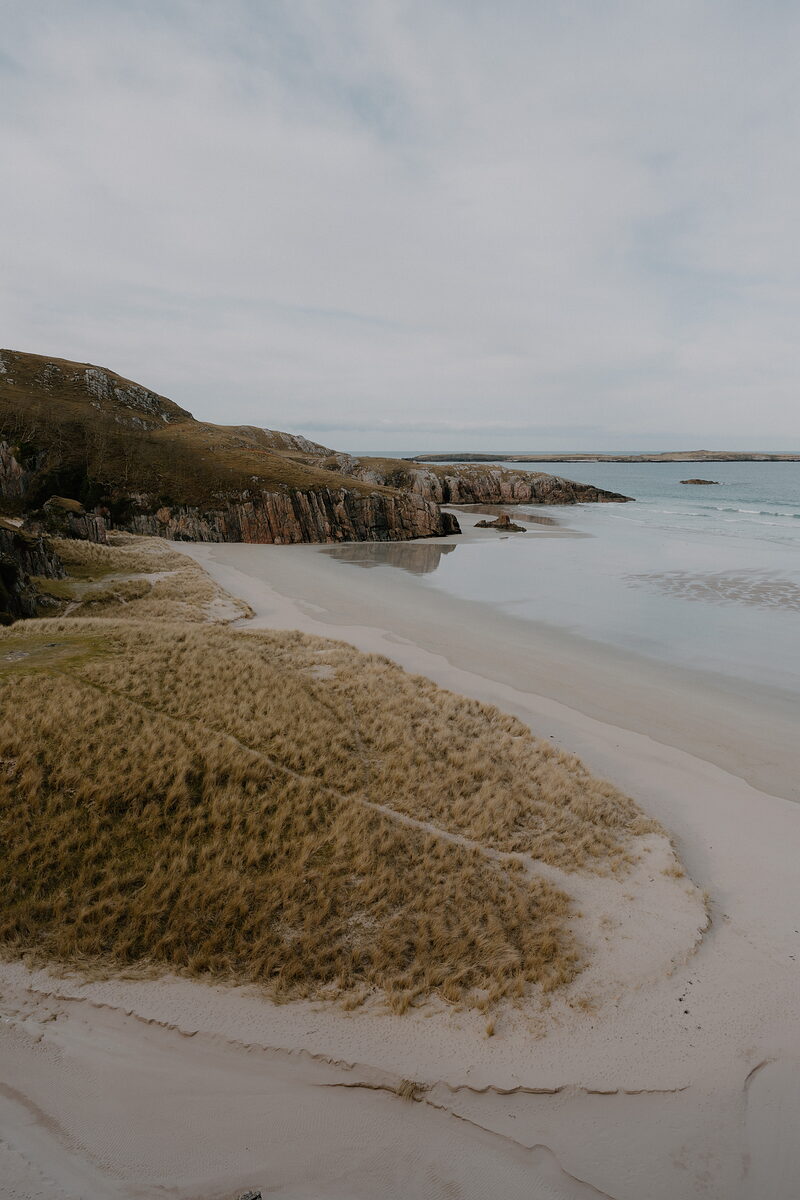 Ceannabeinne BeachThe white-sand cove below.Under a mile1 min by road
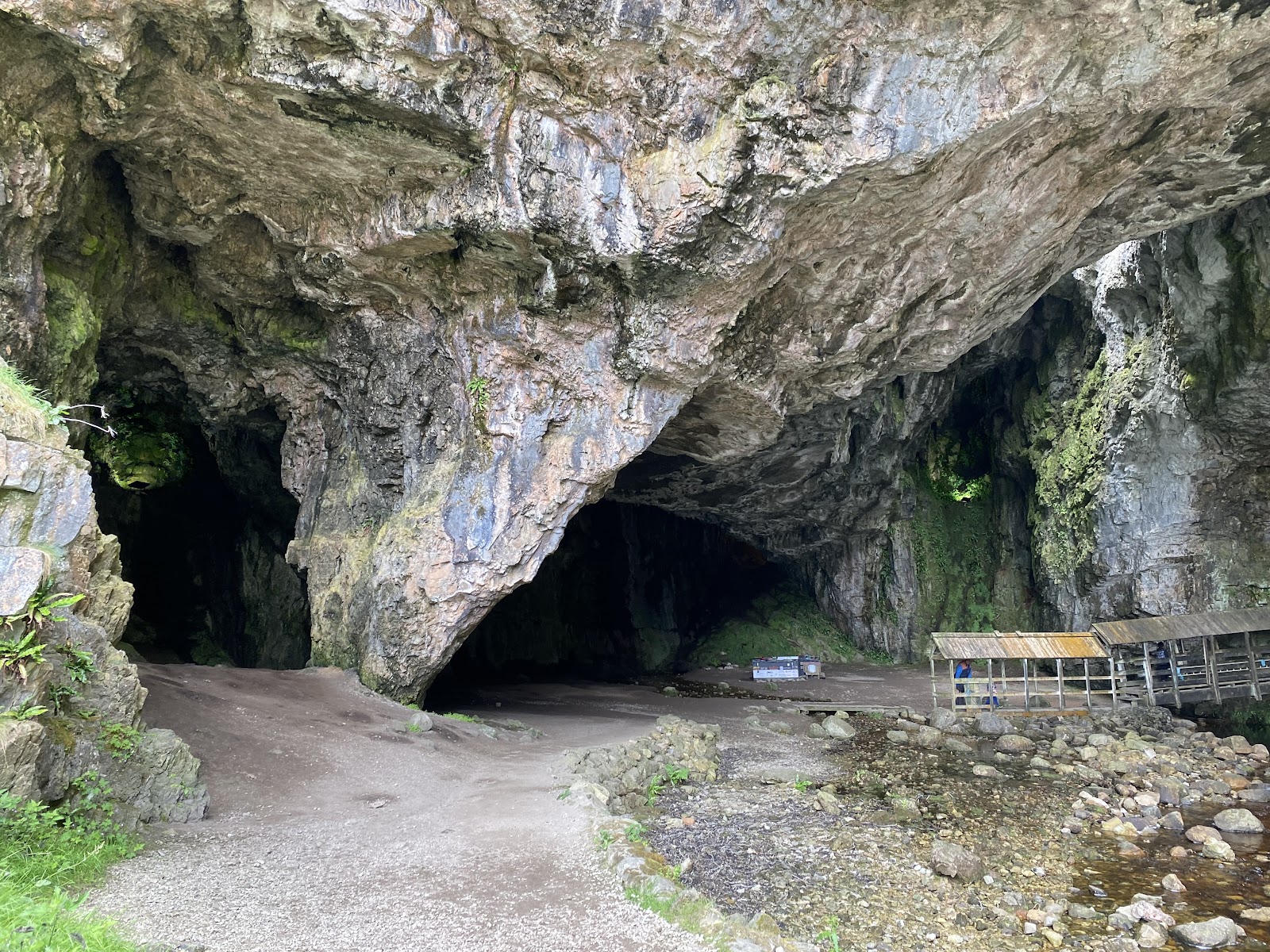
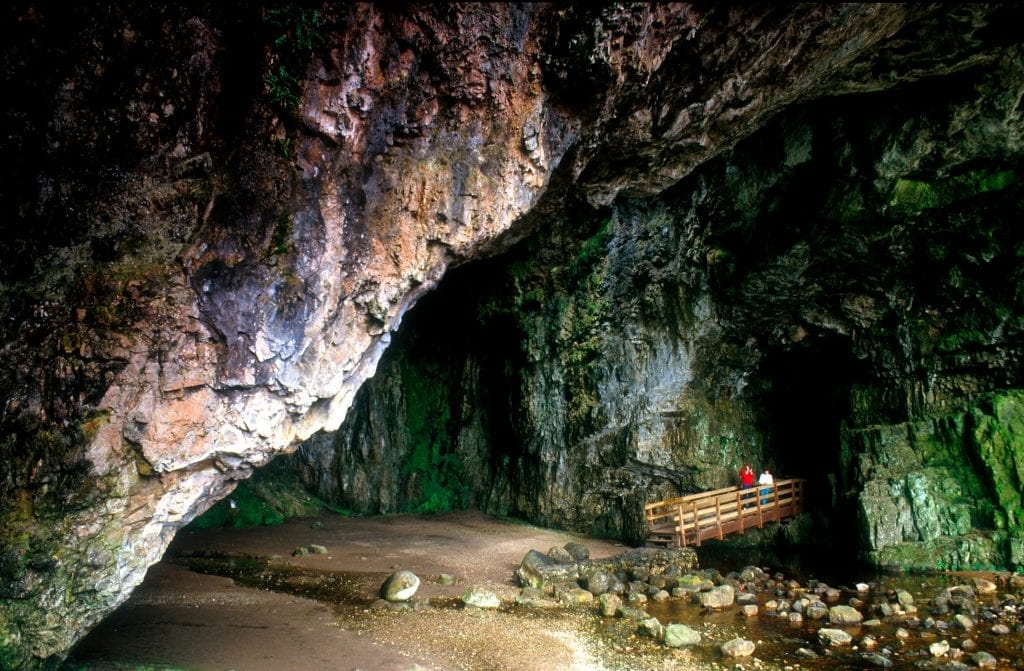 Smoo CaveSet into the limestone cliffs about a mile east of Durness you will find this spectacular sea cave.2 miles2 min by road
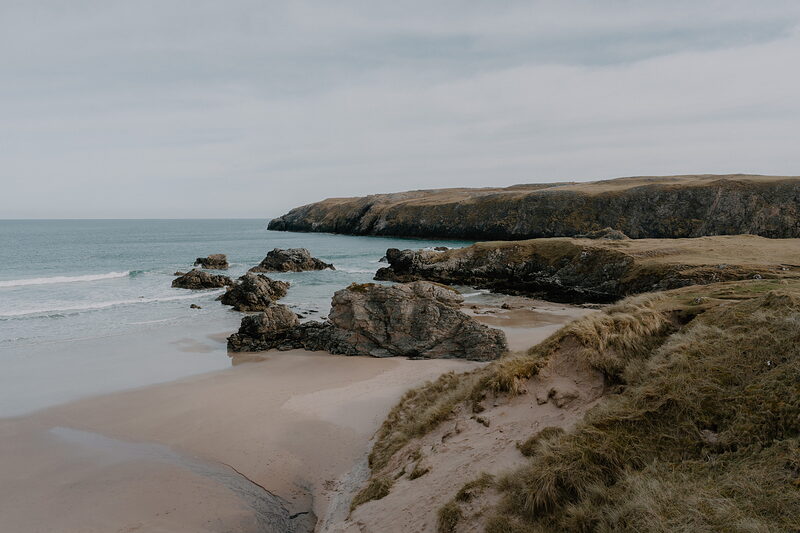 Durness3 miles5 min by road
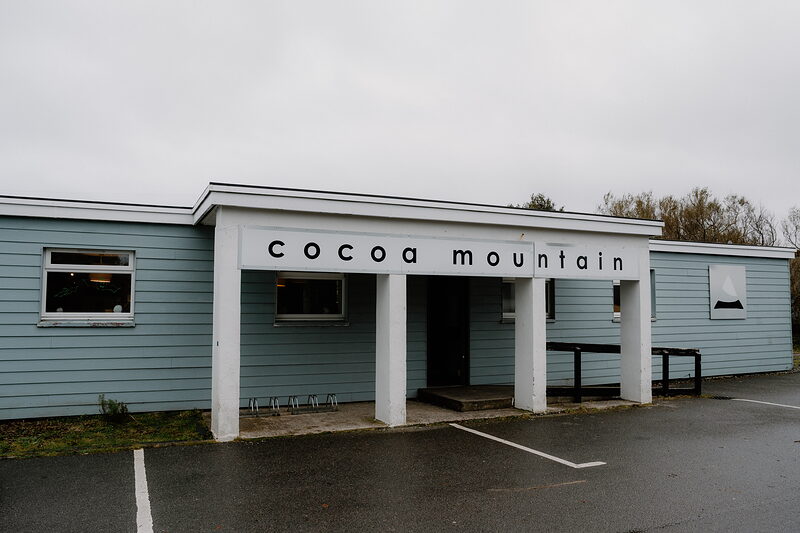 Cocoa Mountain Balnakeil3 miles6 min by road
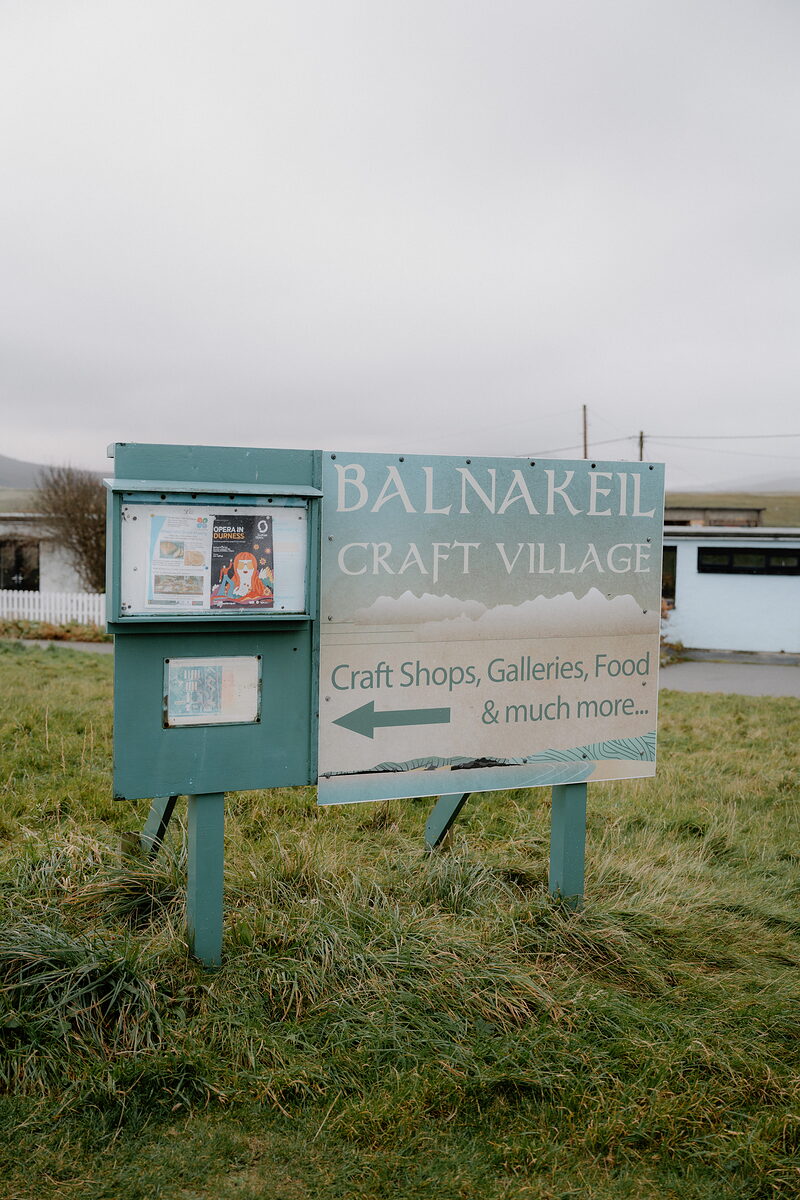 Balnakeil Craft Village3 miles7 min by road
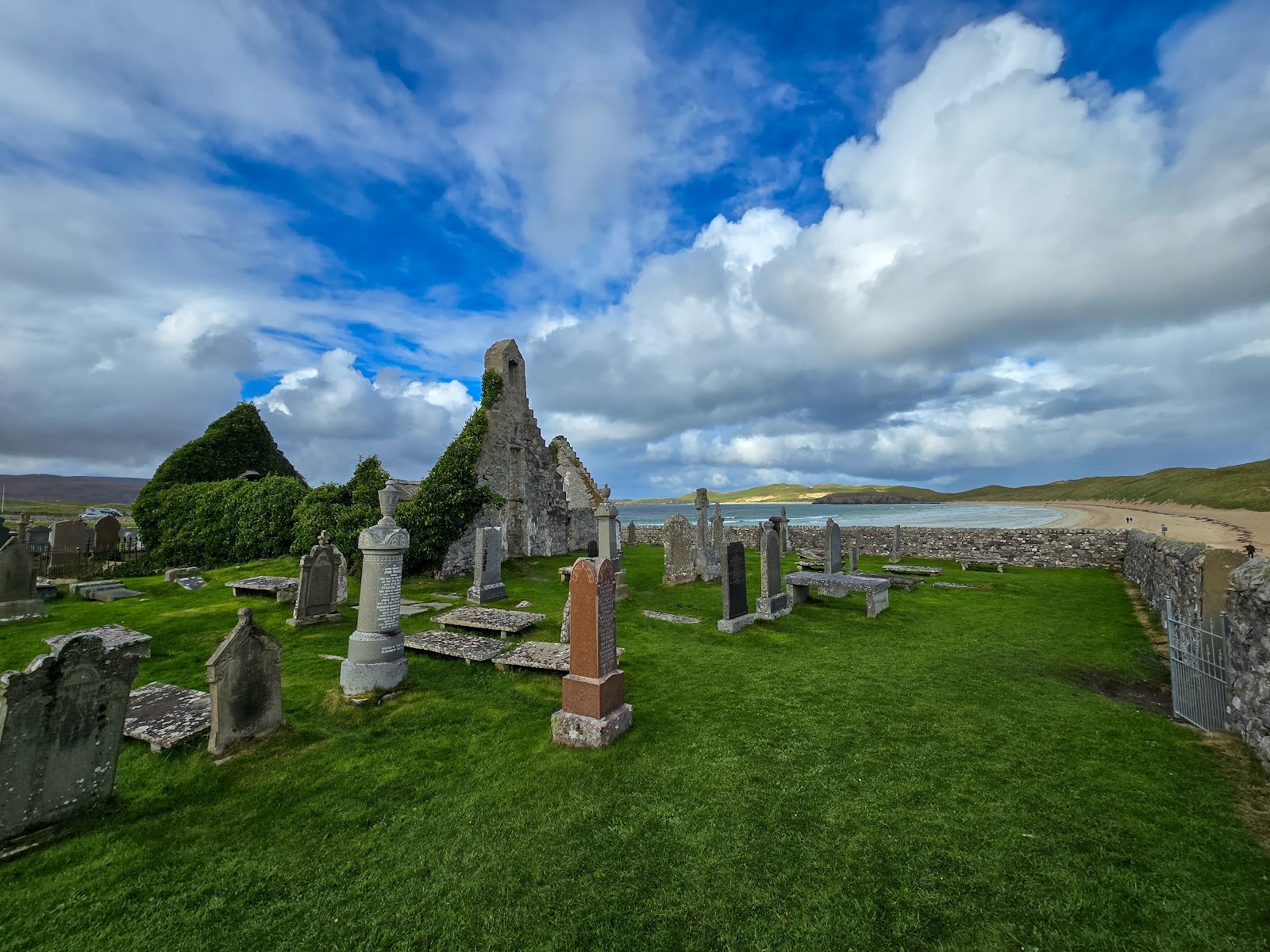
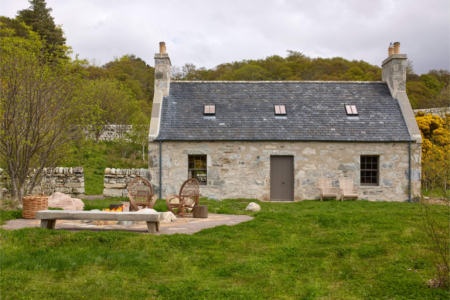
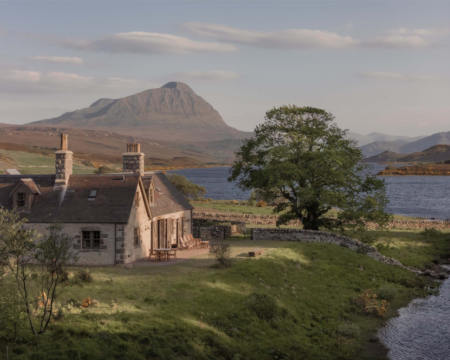
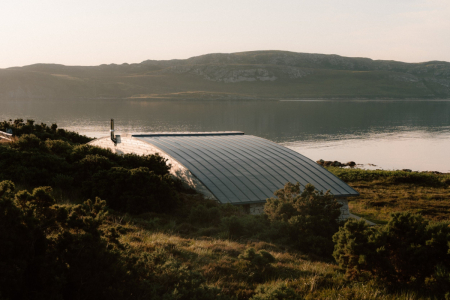
Places to stay near the township, and when each is next free.
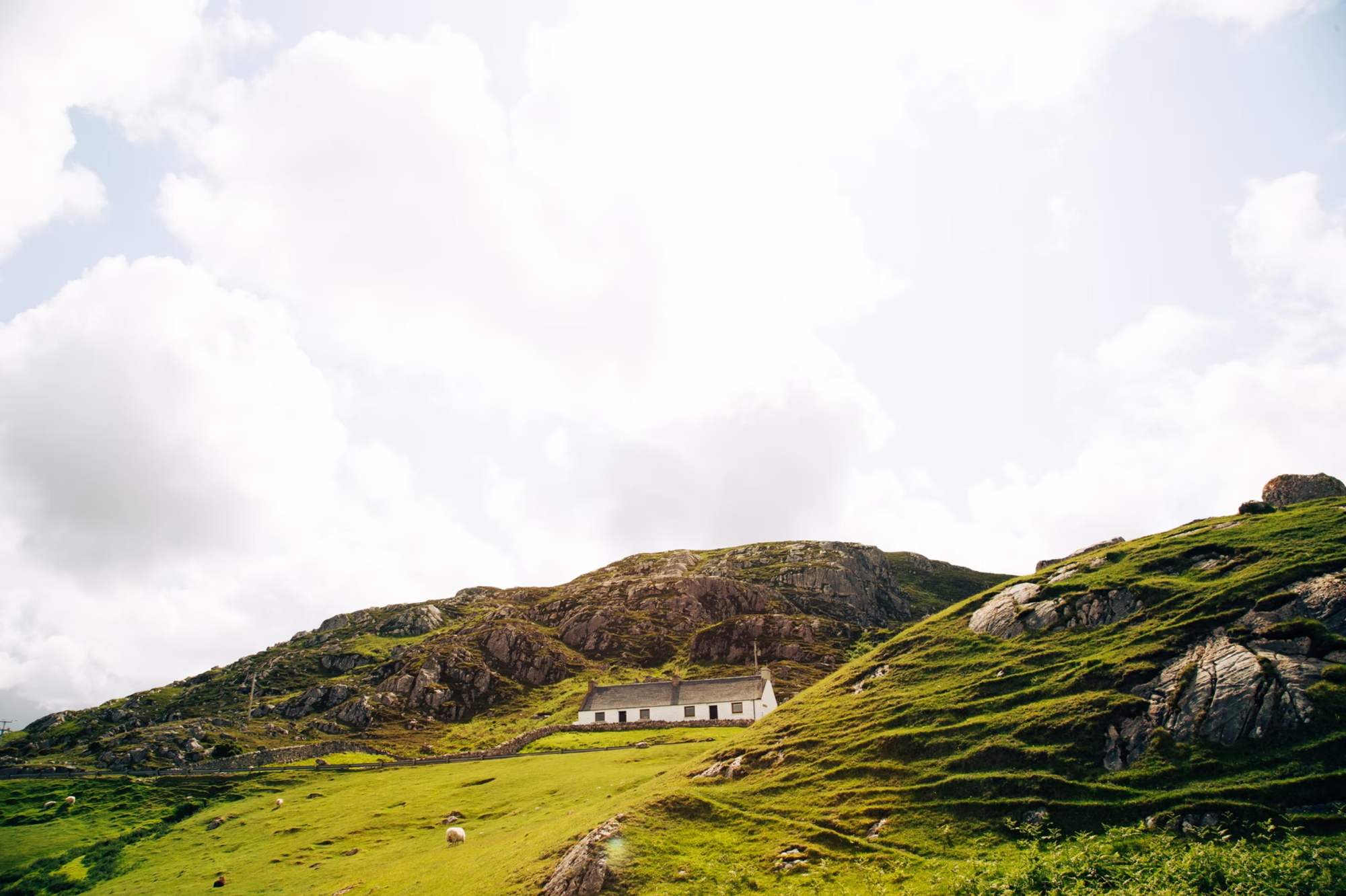 Ceannabeinne Cottage
- Sleeps 4
- In Durness
- Under a mile from Ceannabeinne
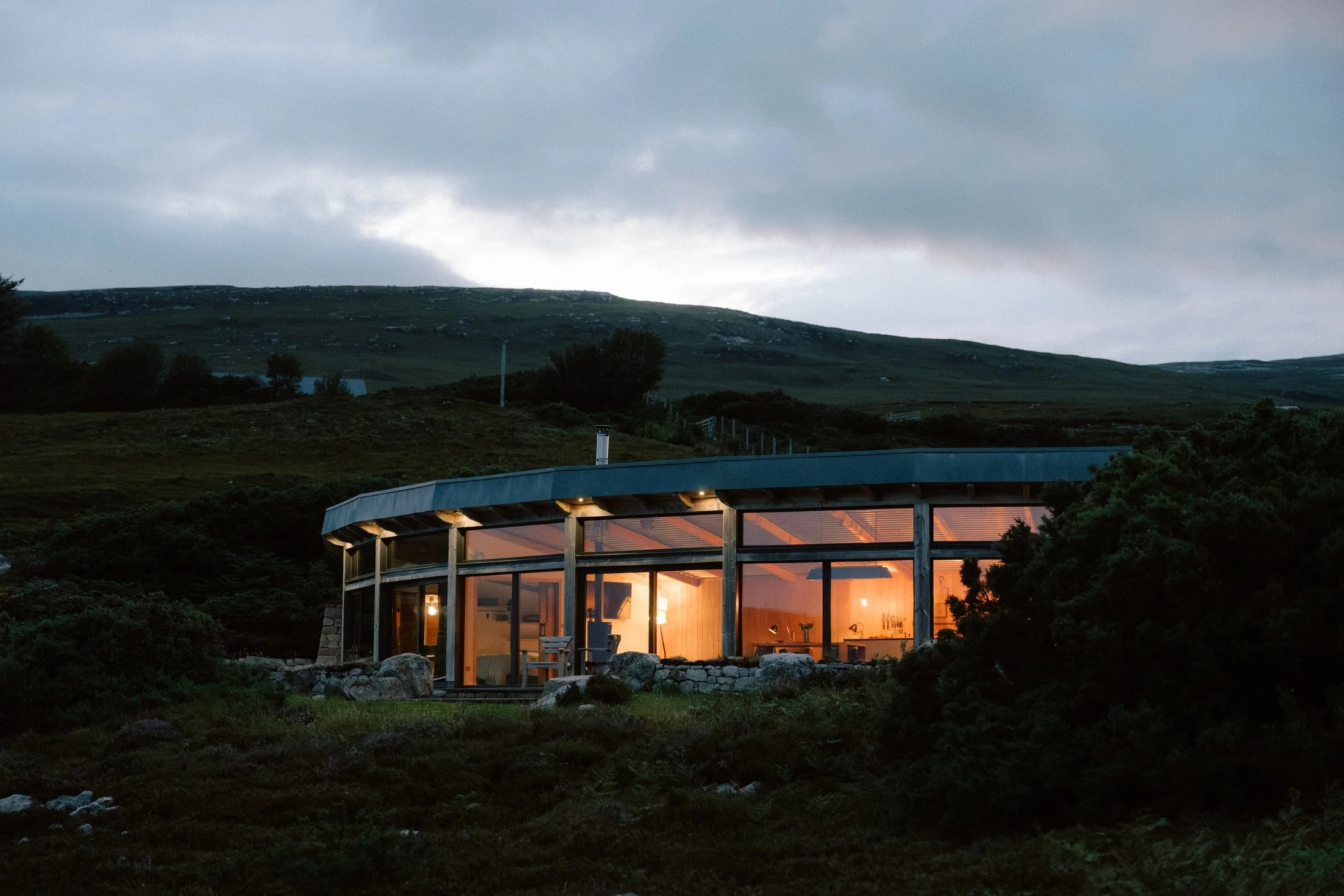 Hill Cottage
- Sleeps 2
- In Sutherland
- 4 miles from Ceannabeinne
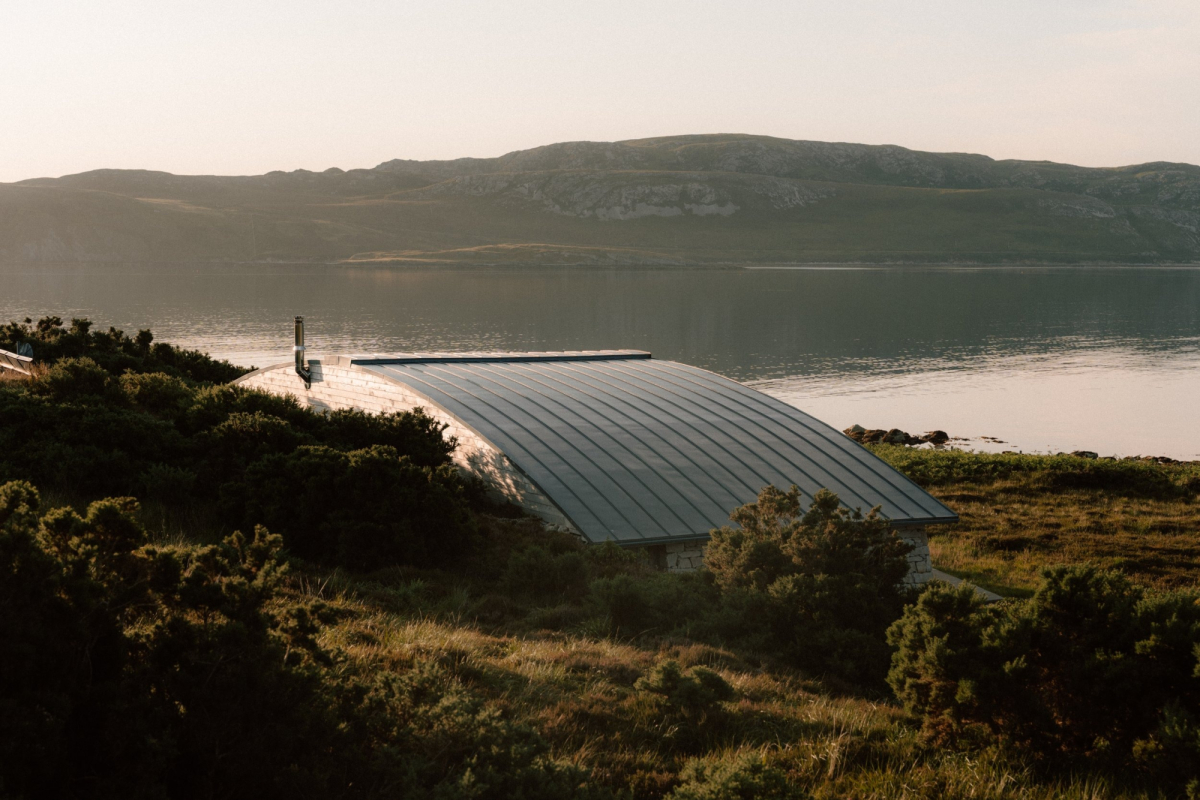 Shore Cottage
- Sleeps 2
- In Sutherland
- 4 miles from Ceannabeinne
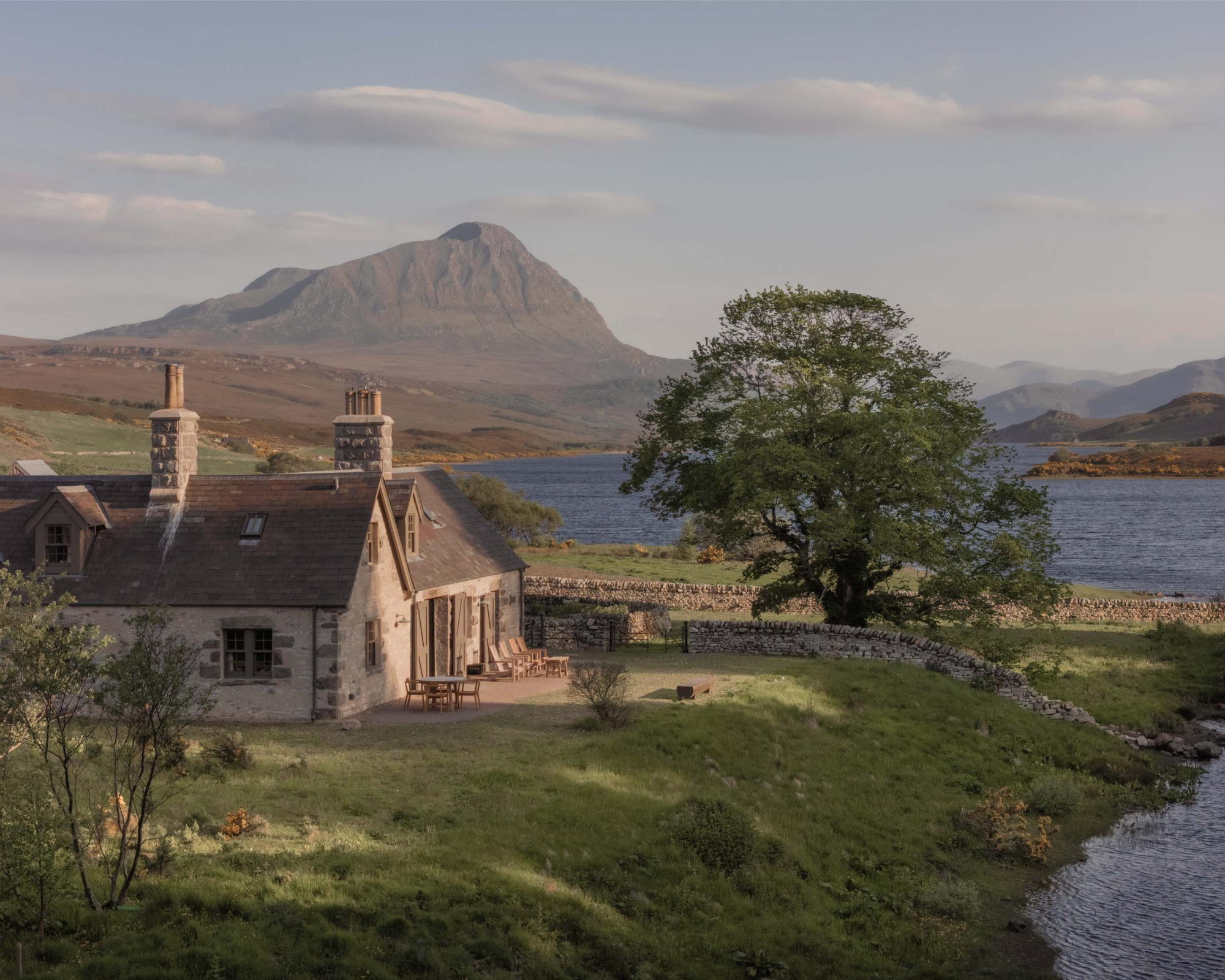 Keeper's Cottage
- Sleeps 6
- In Hope
- 4 miles from Ceannabeinne
Scotland, in print.
Every photograph commissioned, every word written by somebody who went. Printed twice a year, made in Scotland.
For further reading, before you go.
- Ceannabeinne Township TrailThe trail's boards.hmdb.orgHistorical Marker Database↗
- Ceannabeinne Township TrailThe walk.walkhighlands.co.ukWalkhighlands↗
- DurnessThe village and 1841.undiscoveredscotland.co.ukUndiscovered Scotland↗
- Loch EribollThe shore of the old estate.undiscoveredscotland.co.ukUndiscovered Scotland↗