
Stirlingshire. Stirlingshire guide
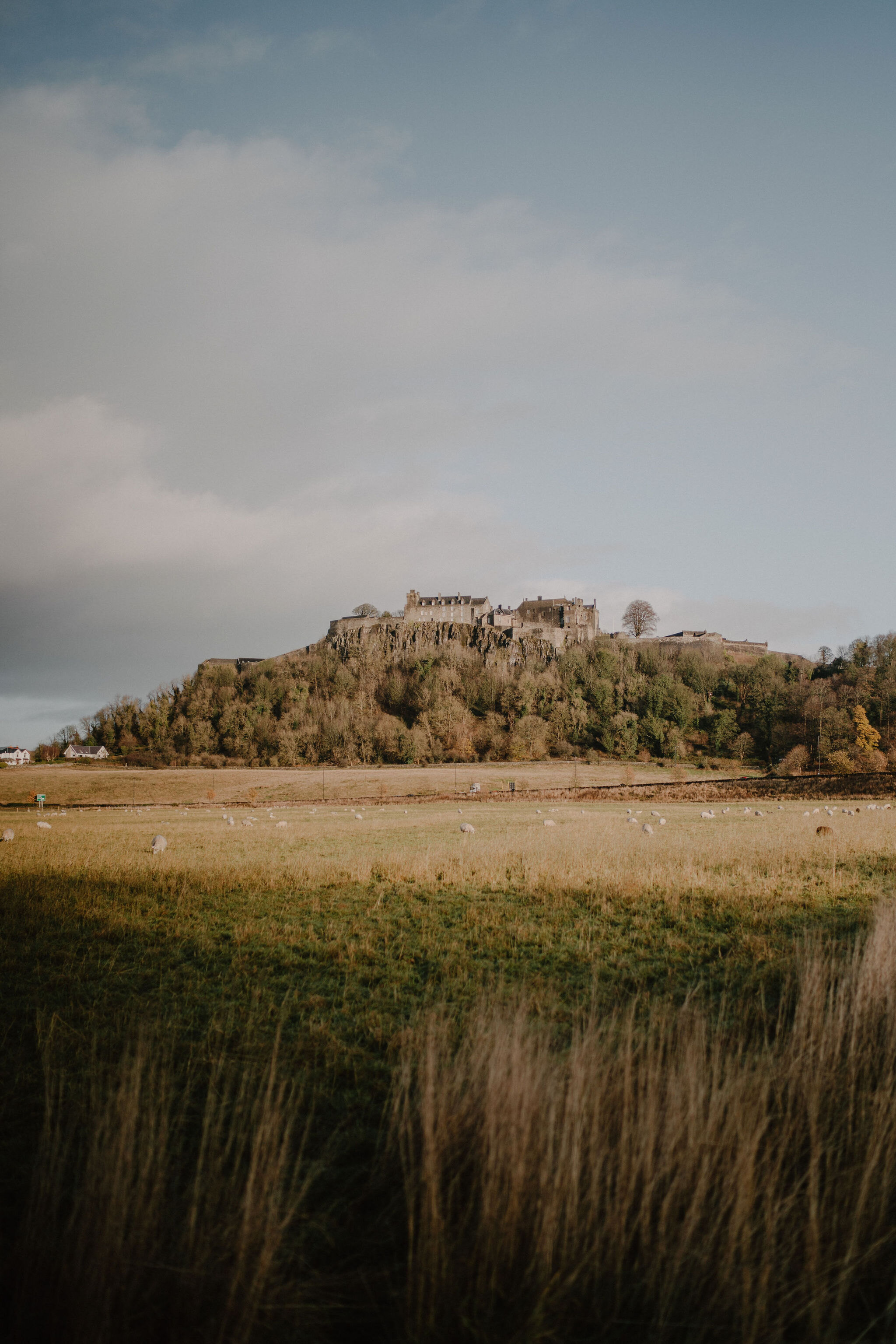
A royal castle on its crag, the field of Bannockburn, the Kelpies and the Ochils above the Forth.
The four parts of Stirlingshire
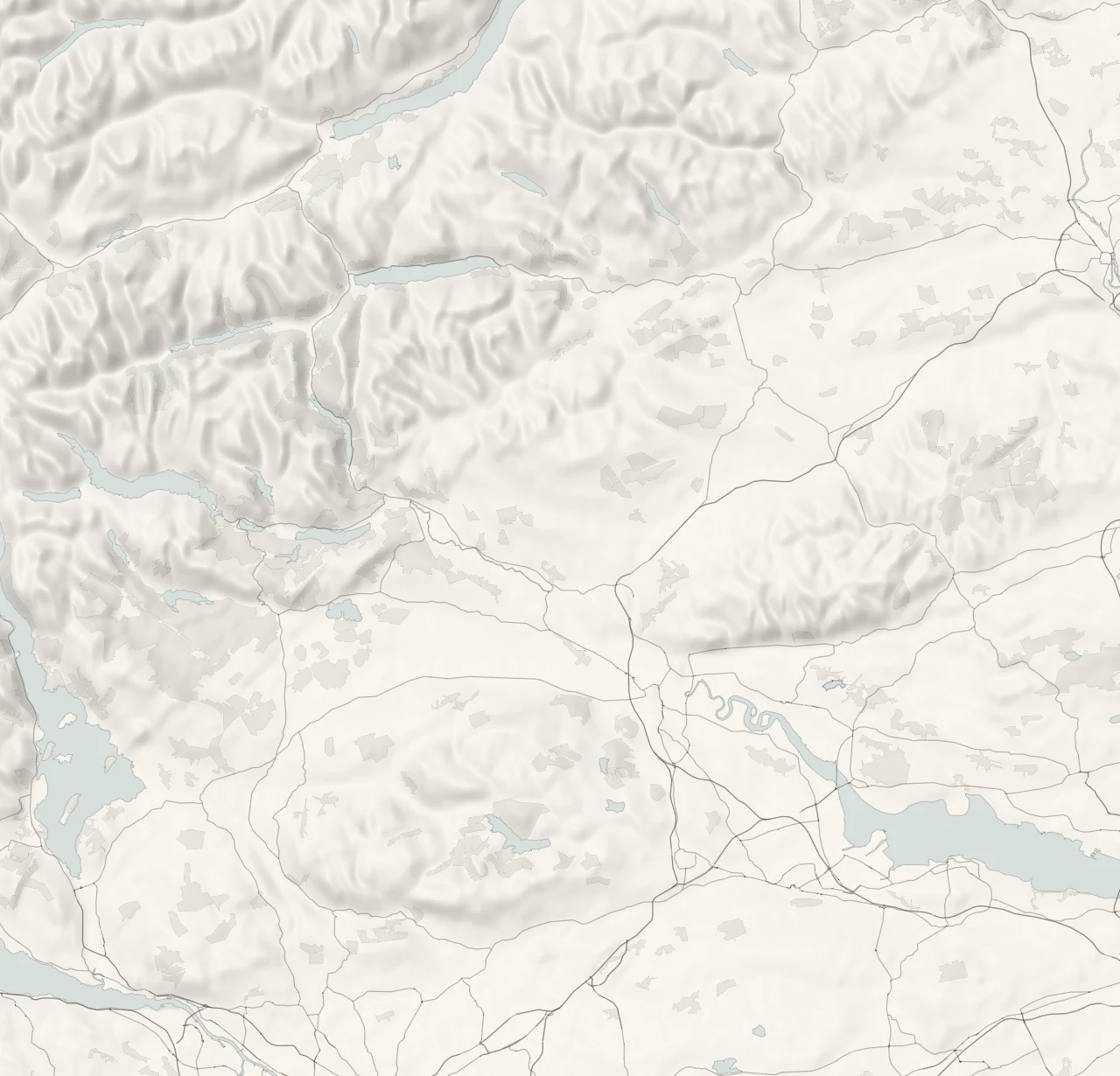
Stirlingshire sits at the narrow waist of Scotland, where the Highlands meet the Lowlands and the River Forth loops its way out towards the sea. For centuries the easiest way north crossed the Forth at Stirling, and that is why so much of Scotland's story played out here. Stirling Castle keeps watch from its crag over the old town, the Wallace Monument rises from the wooded Abbey Craig across the river, and the field of Bannockburn lies just to the south. Stand on the castle ramparts on a clear day and you can see much of the country these places shaped, from the Ochil Hills to the first mountains of the Highlands.
Stirling and the Hillfoots
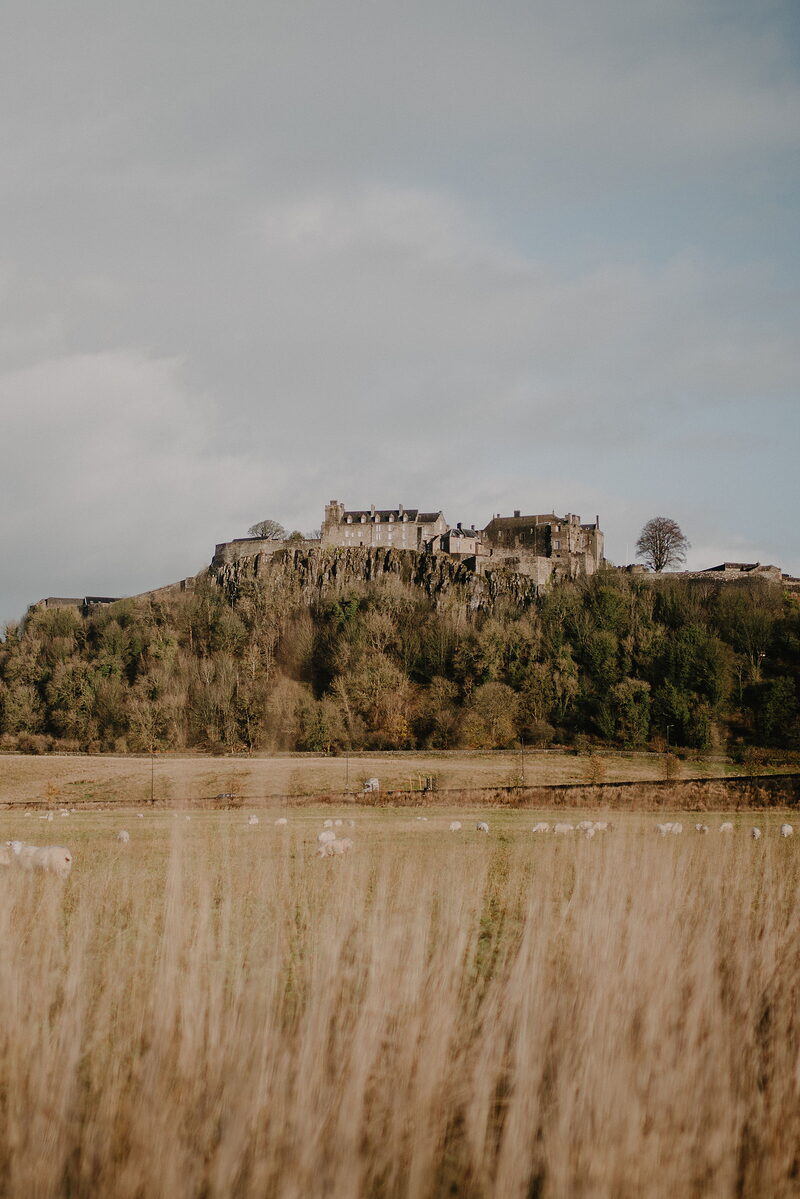
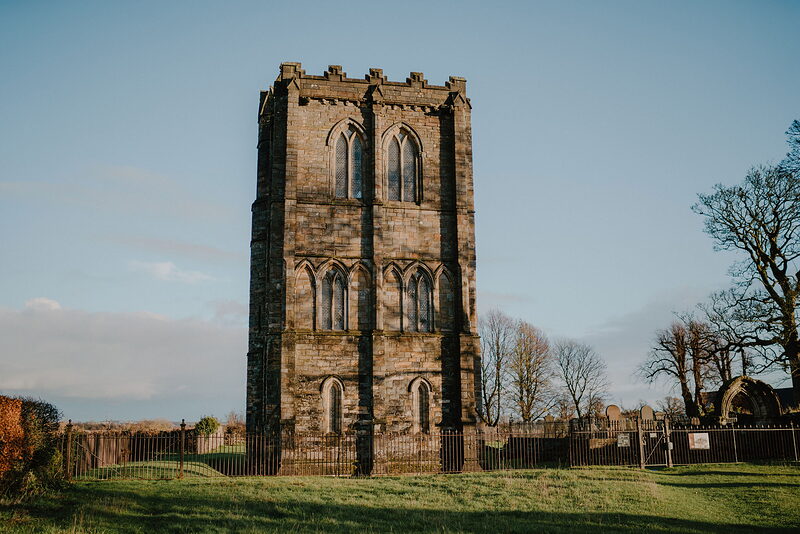
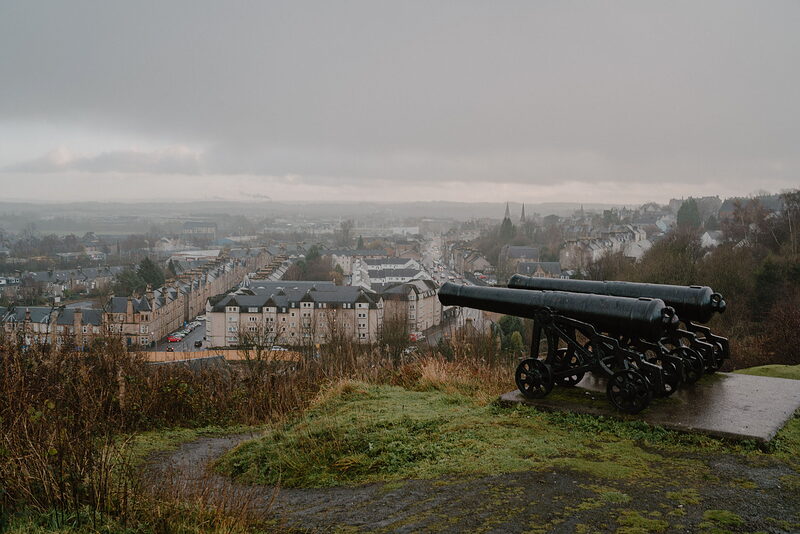
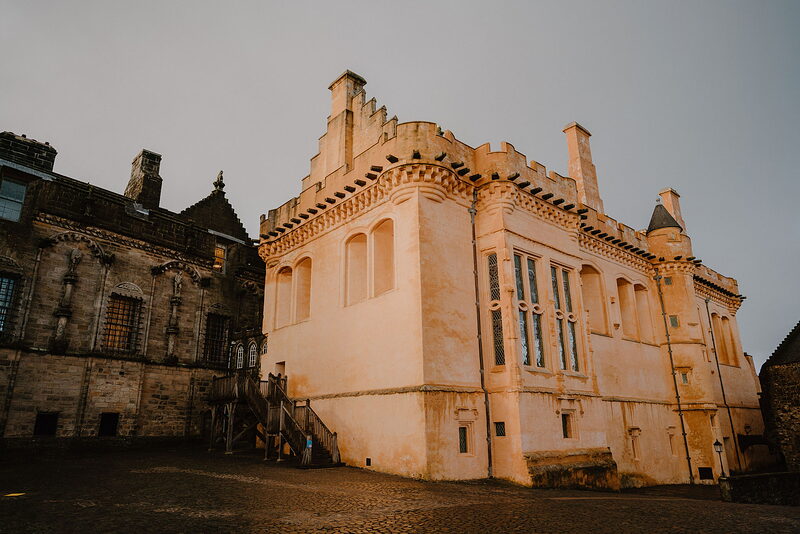
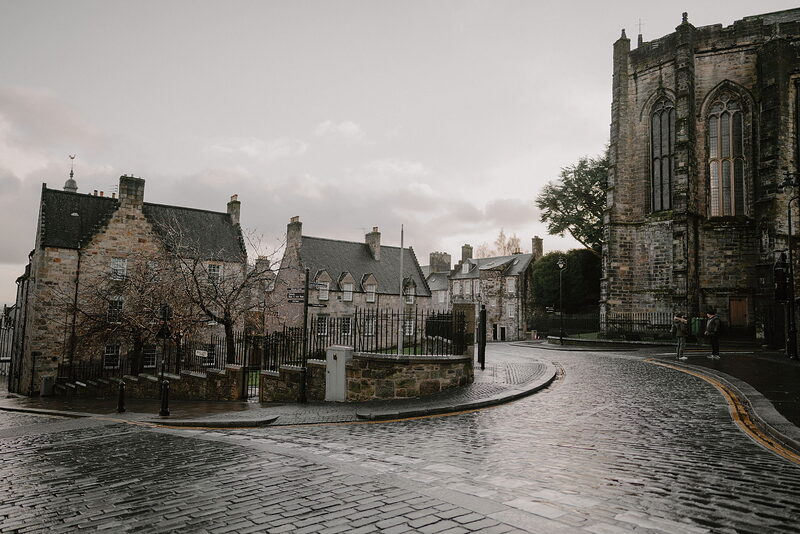
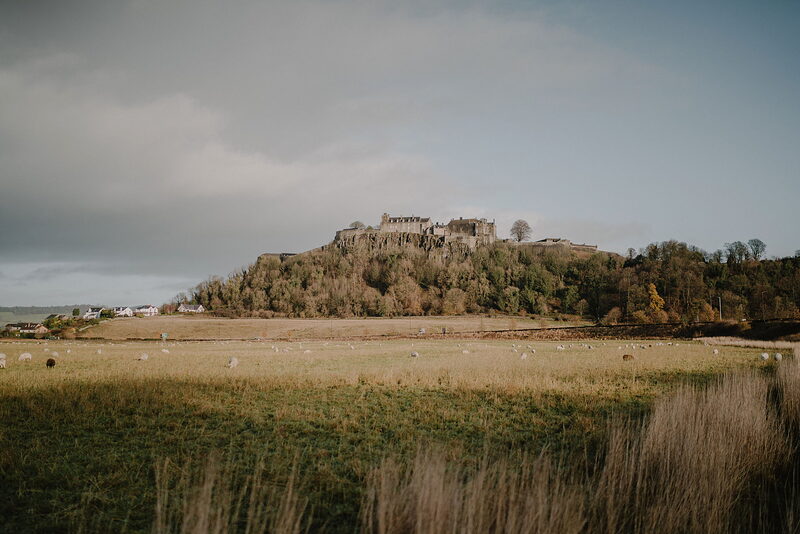
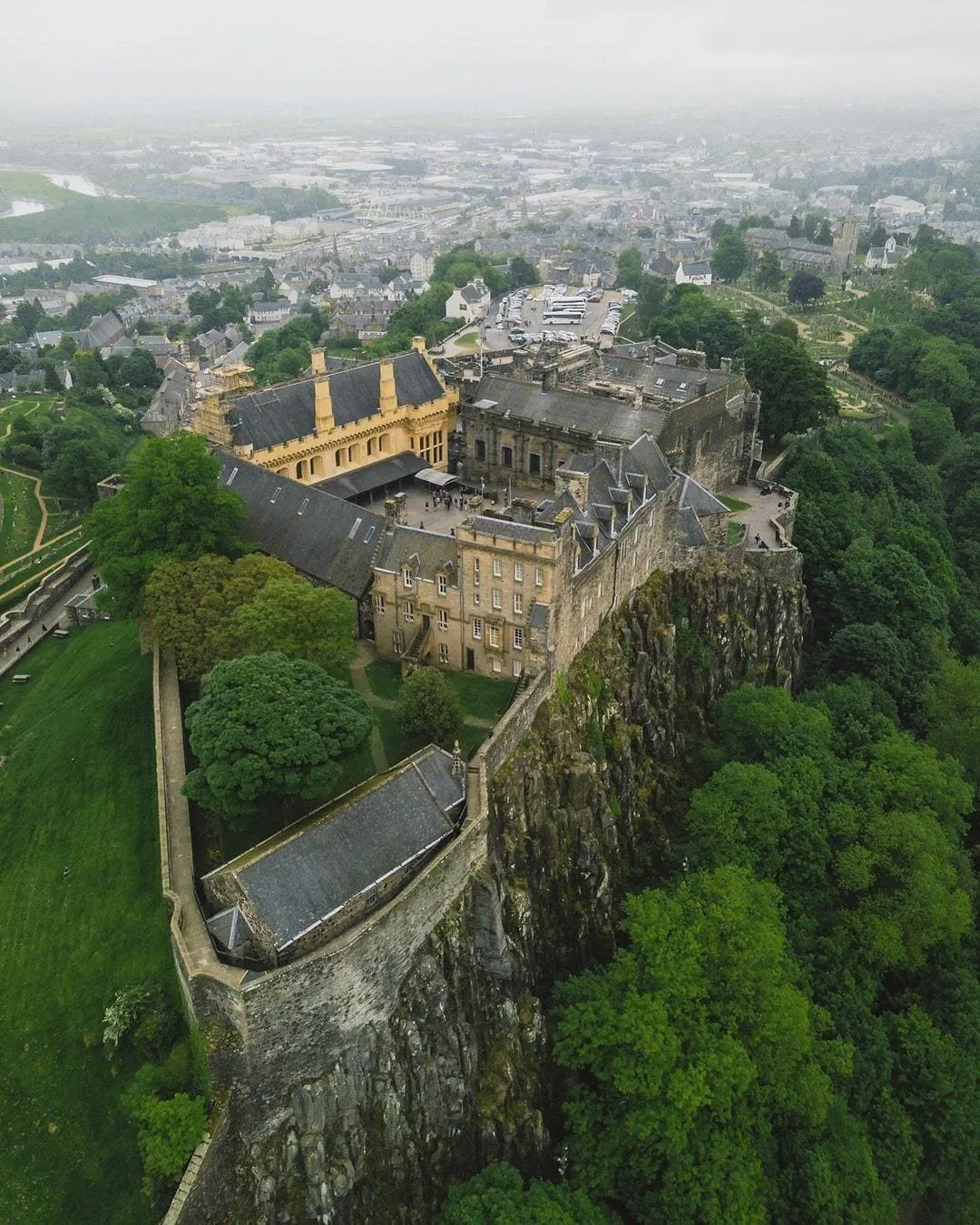
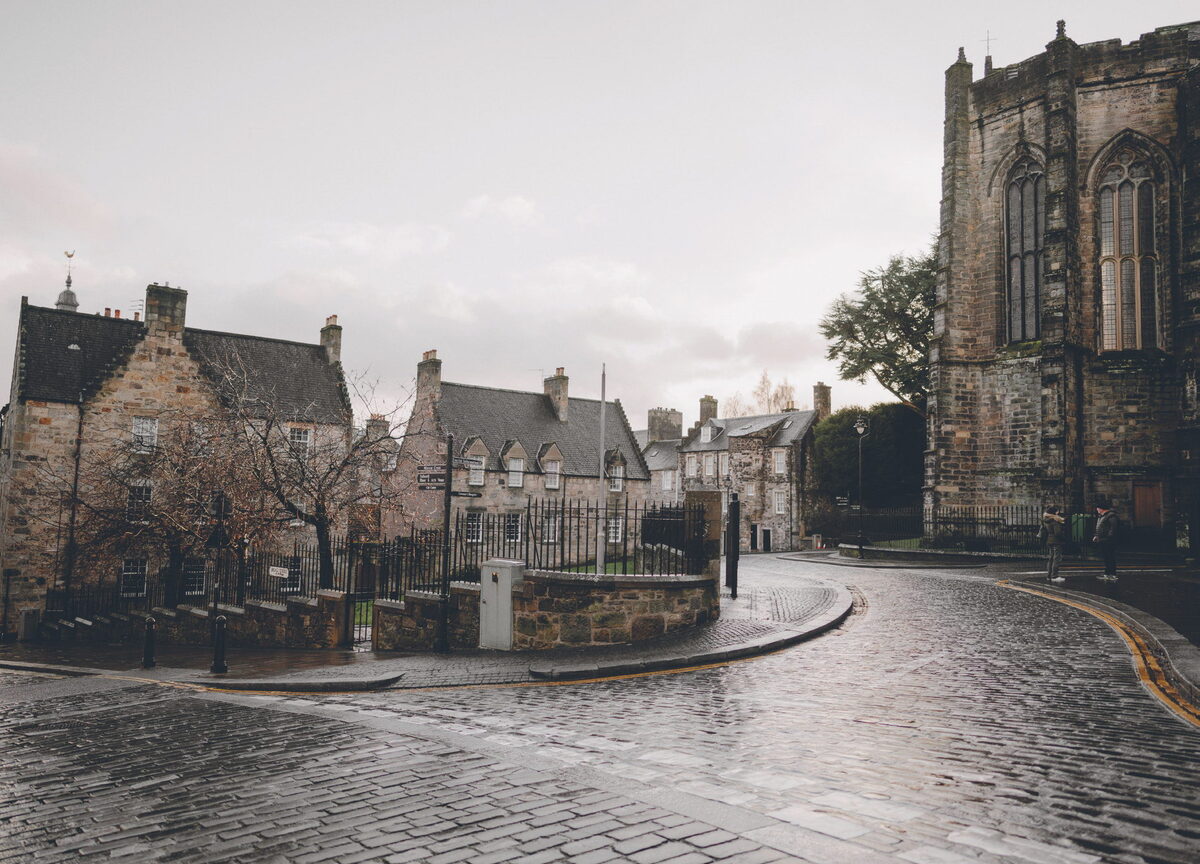
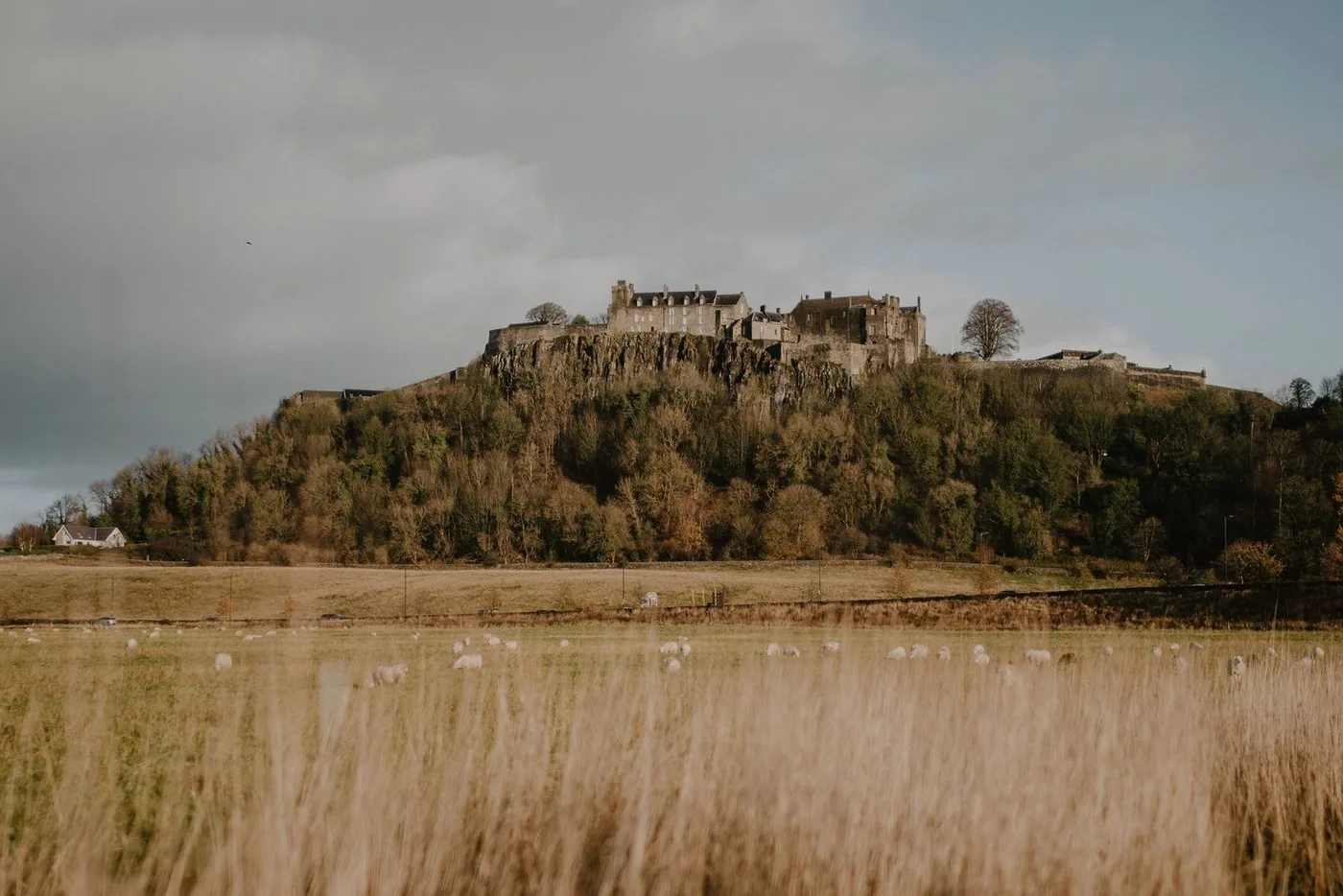
Stirling Castle stands on its crag above the old town's cobbled streets, with the Wallace Monument on the Abbey Craig across the river and Bruce's field at Bannockburn just to the south. East along the foot of the Ochils come the Hillfoot towns, the great tower at Alloa and Dollar, below Castle Campbell and its glen.
Doune and the north
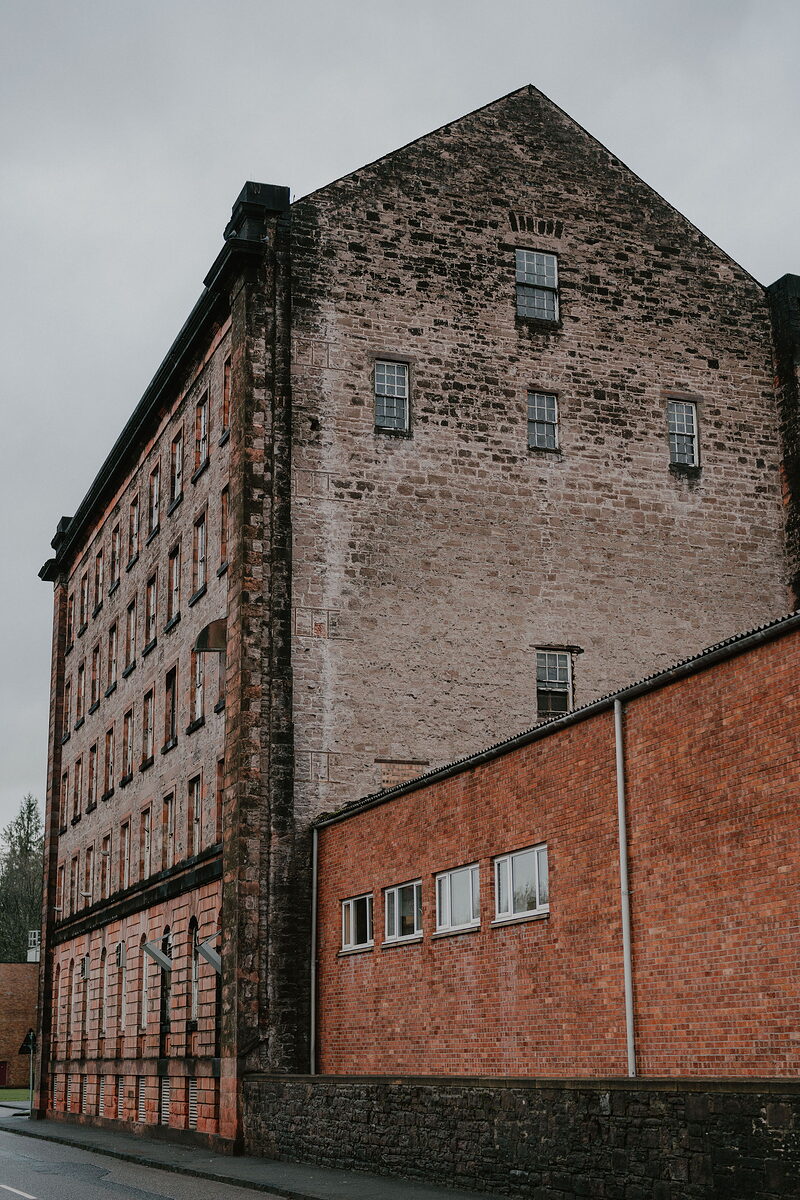
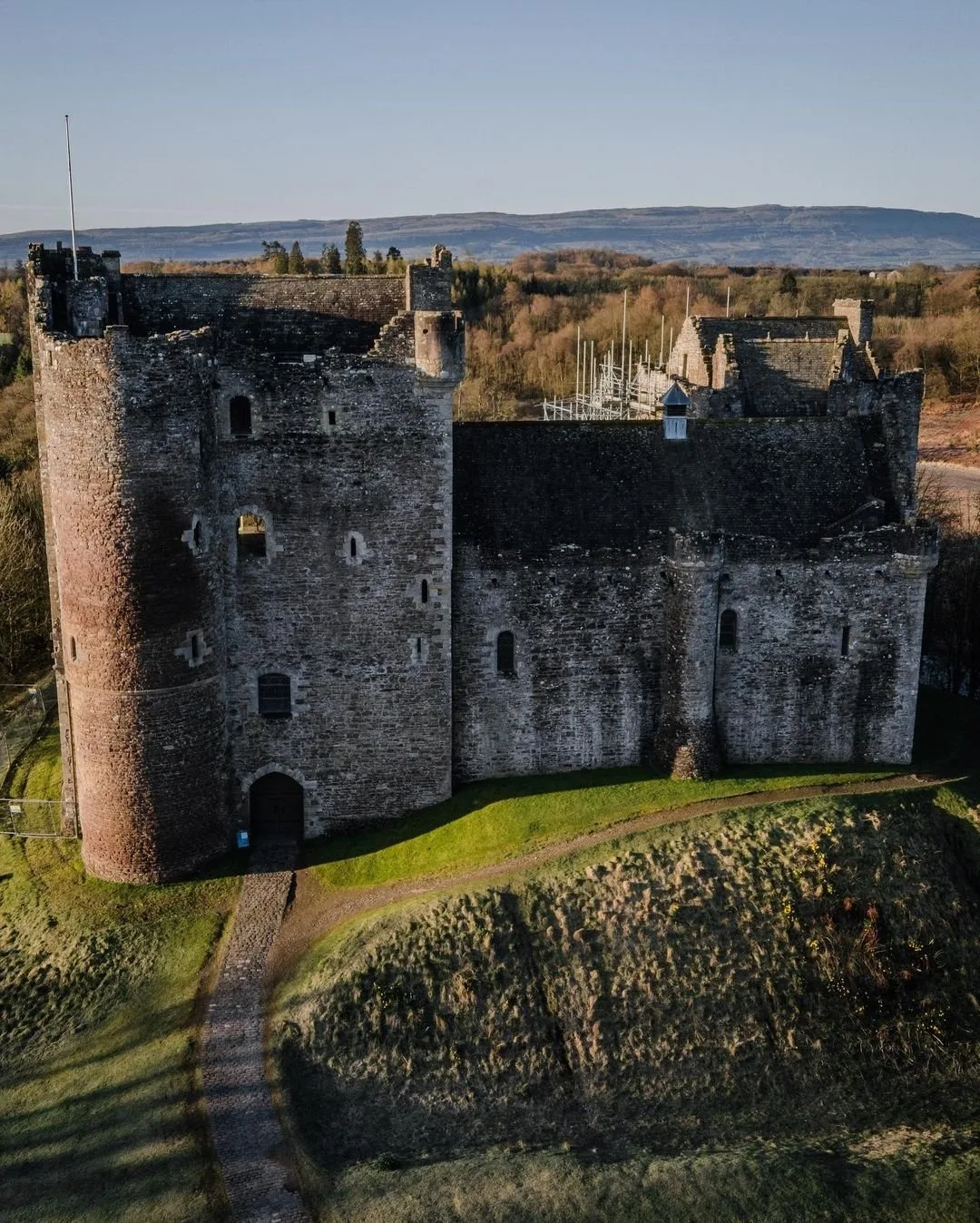
Doune Castle towers over the Teith, and just upstream Deanston makes its whisky in a cotton mill of 1785. Dunblane's old cathedral stands by the Allan Water, lions roam the safari park at Blair Drummond, and further west the Bracklinn Falls tumble through a wooded gorge above Callander.
Killearn and the west
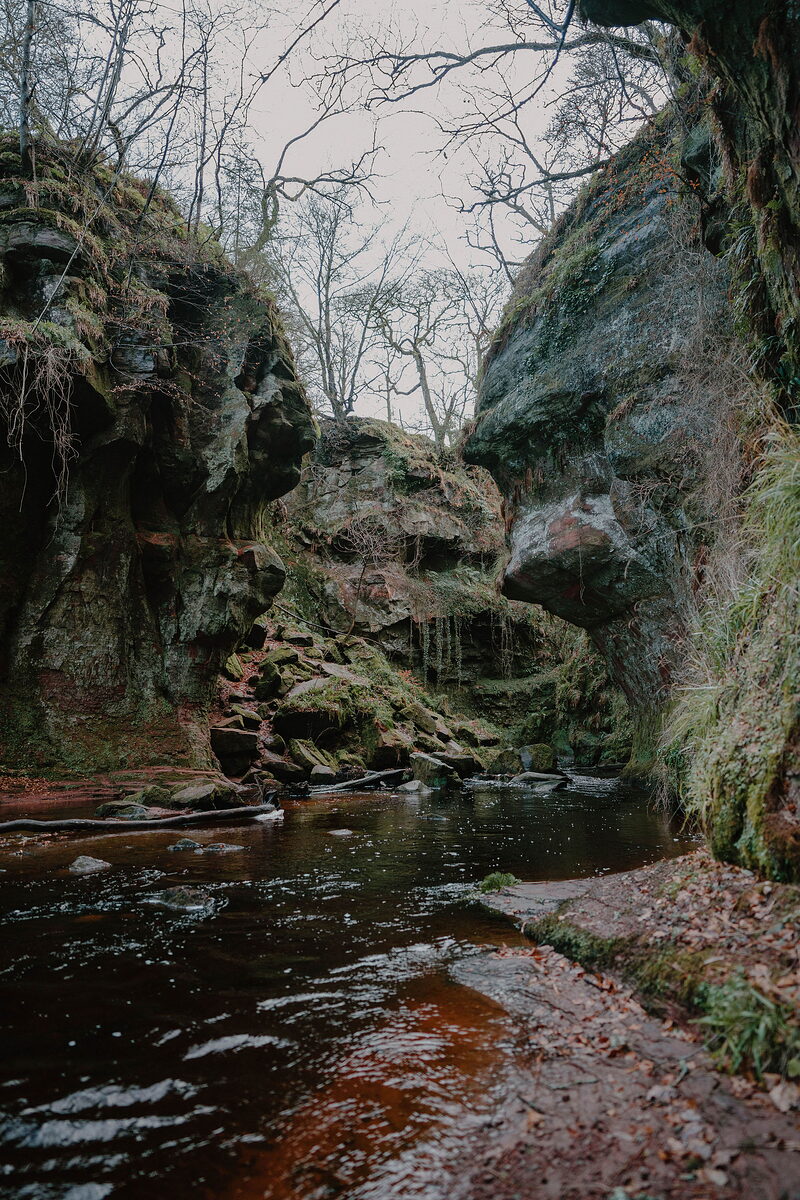
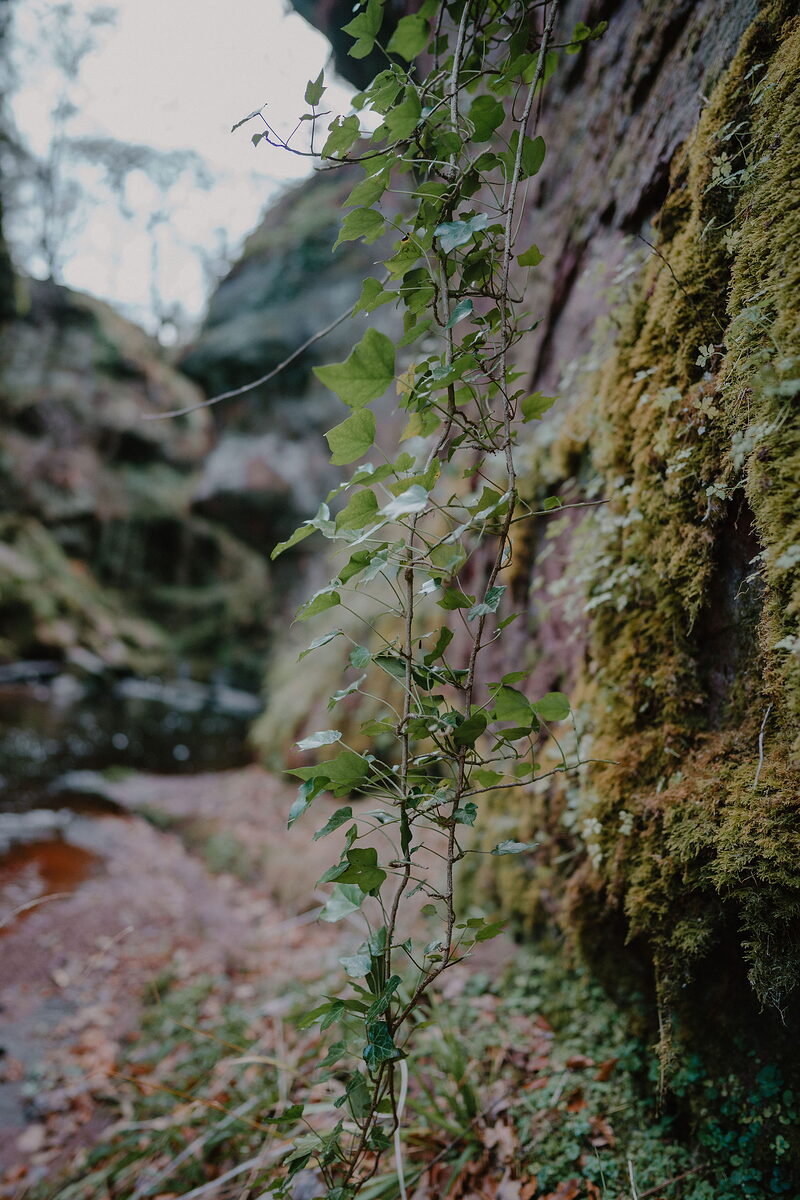
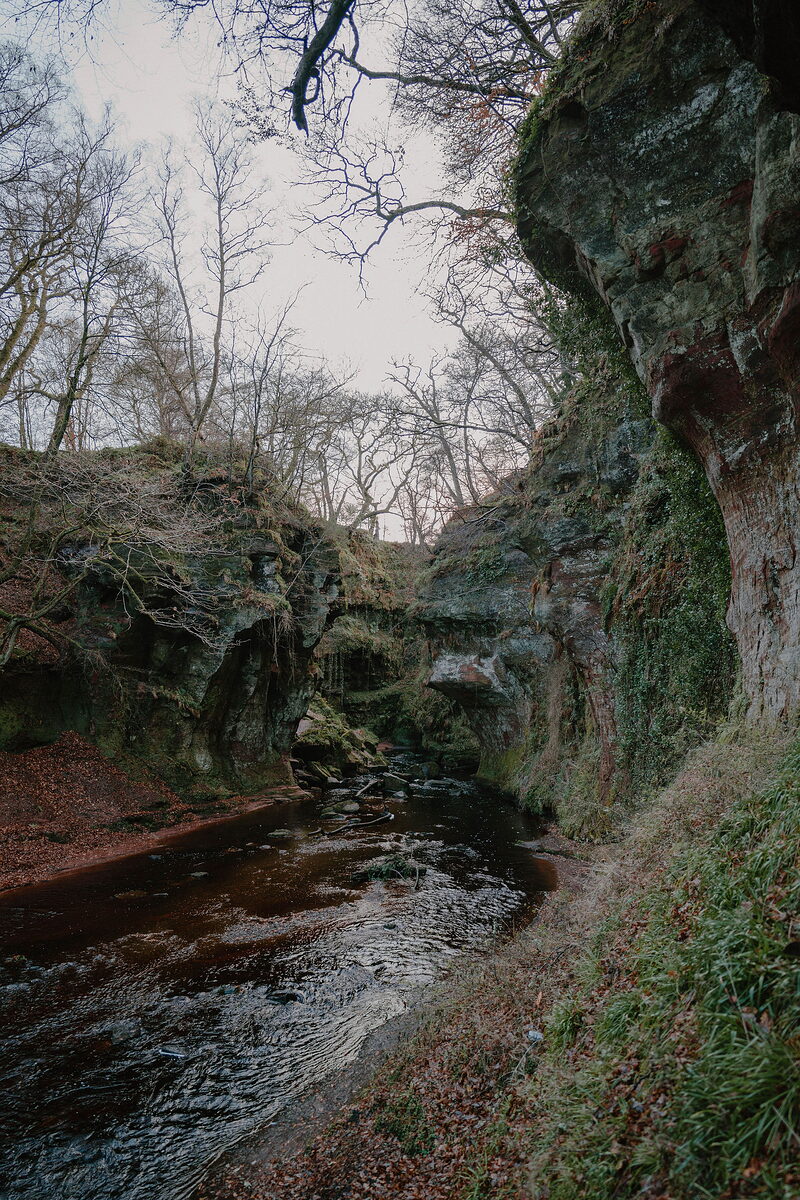
West of Stirling the road runs along the flat Carse below the Gargunnock and Fintry hills, past Kippen to Fintry and the Carron Valley. Near Killearn, Glengoyne makes its whisky at the foot of Dumgoyne, and Finnich Glen is a deep, mossy gorge of red sandstone where the burn runs past the rock called the Devil's Pulpit.
Falkirk and the south
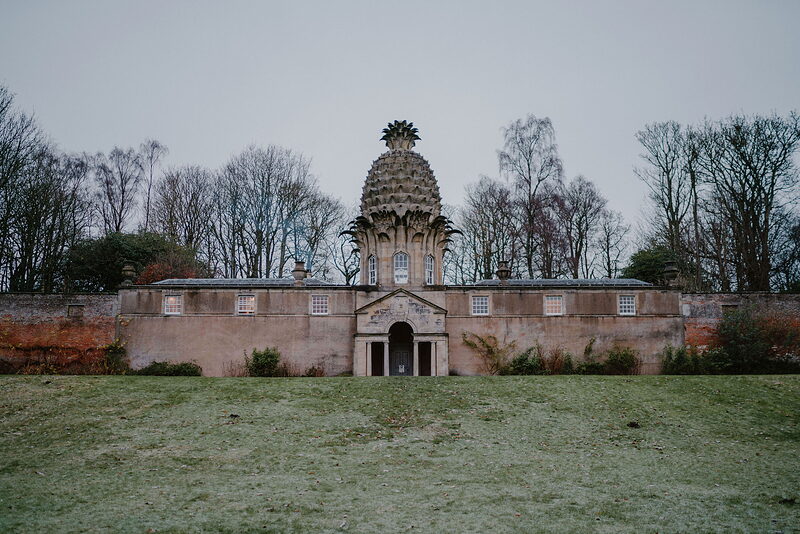
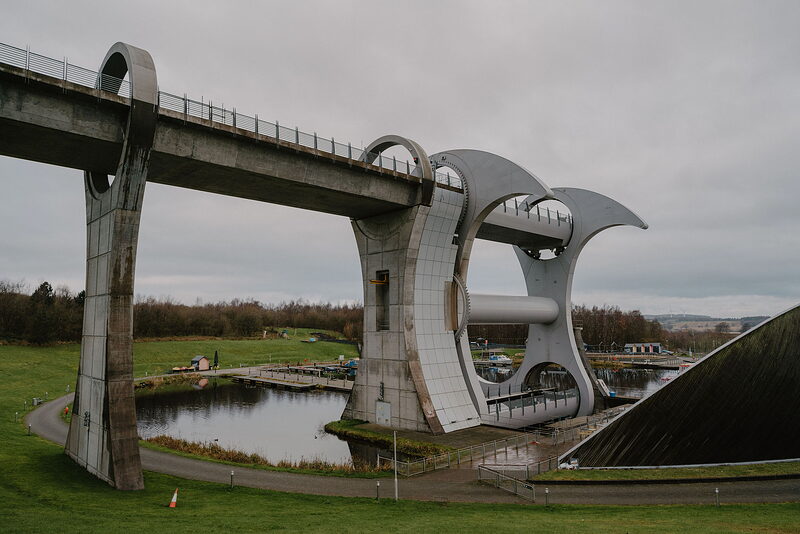
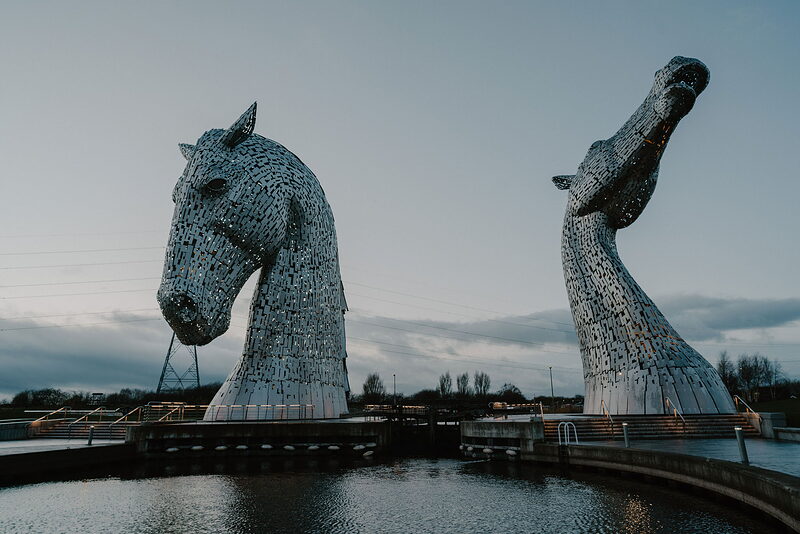
Falkirk has the Kelpies, two giant steel horse heads beside the canal, and the Falkirk Wheel, the world's only rotating boat lift, which carries boats between two canals. Along the Forth near Airth, a stone pineapple crowns a garden pavilion, and at Bo'ness a small museum keeps film cars from James Bond's to Chitty Chitty Bang Bang.
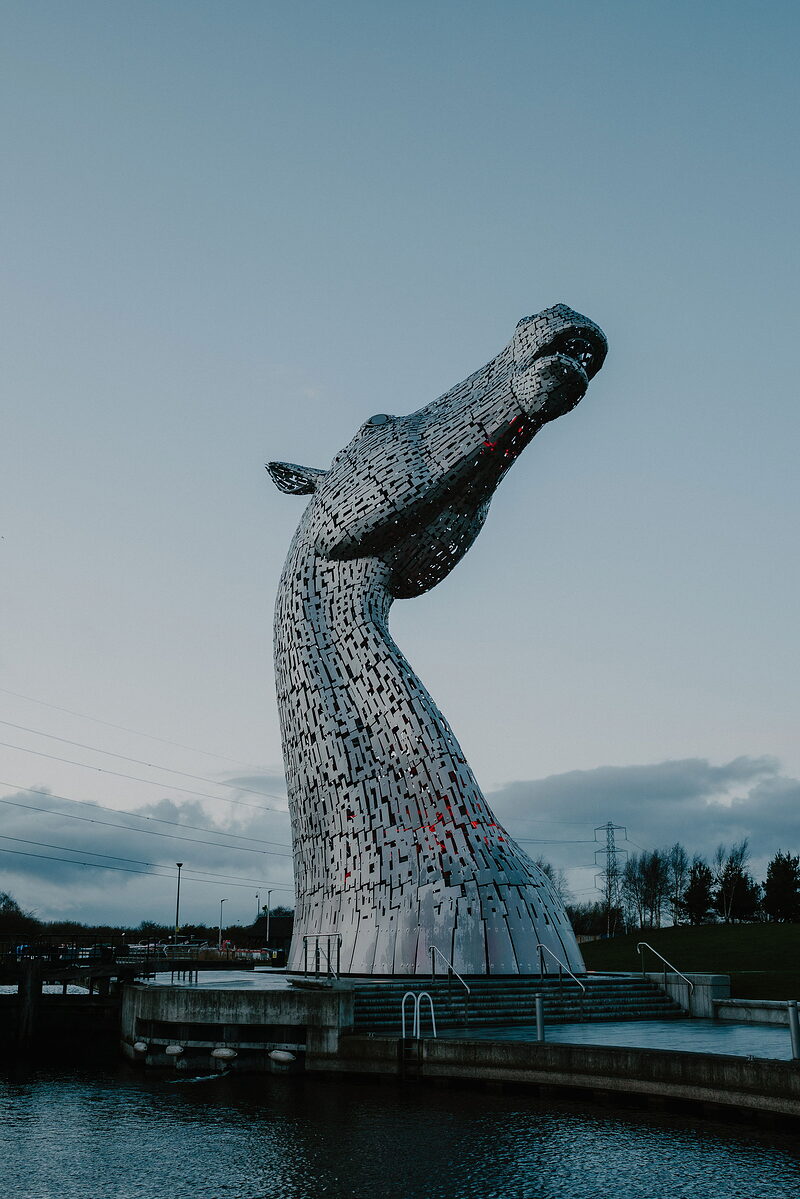
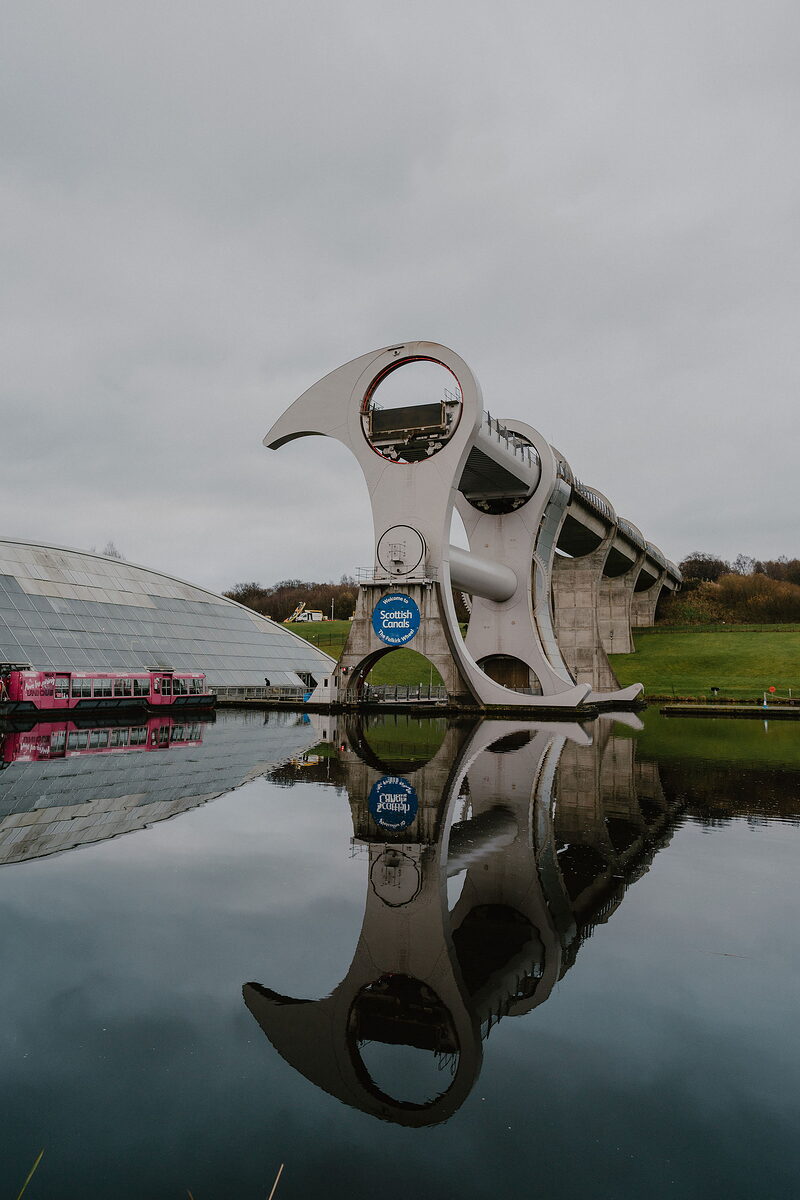
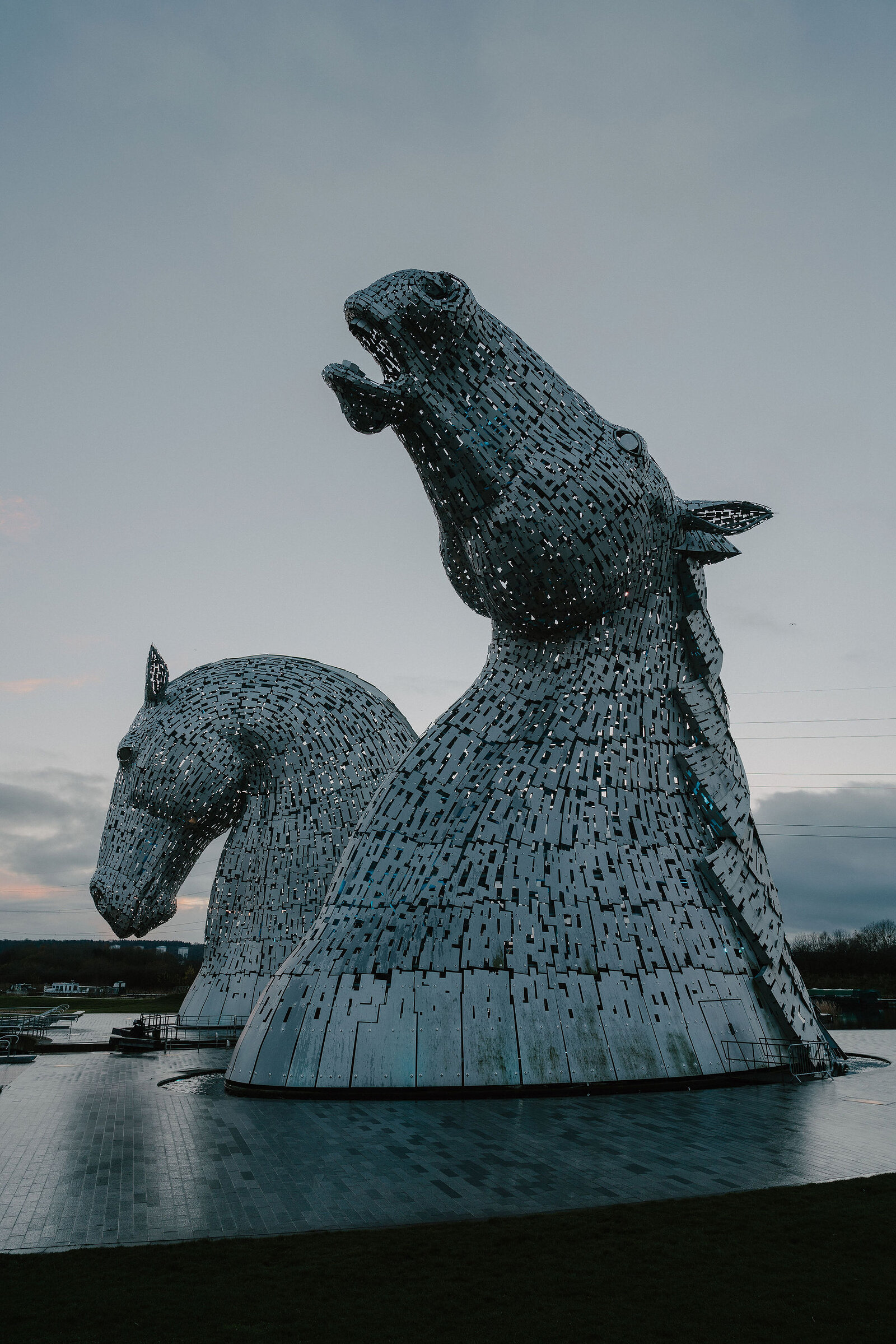
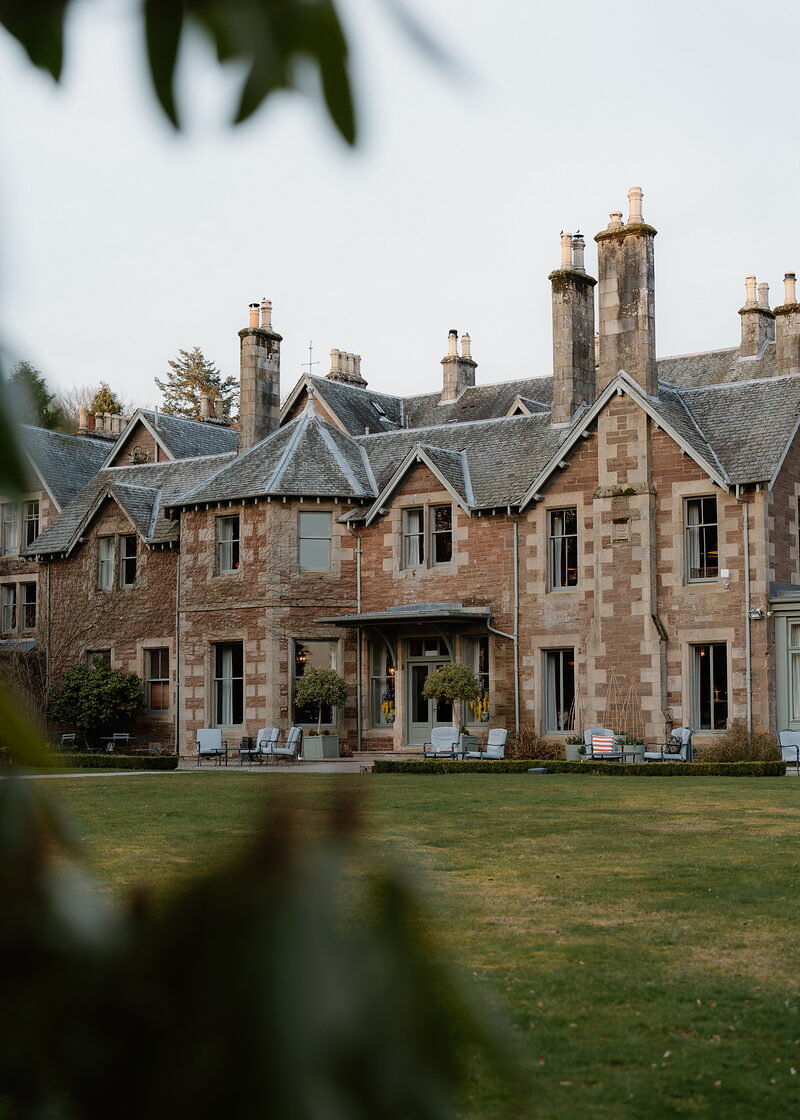
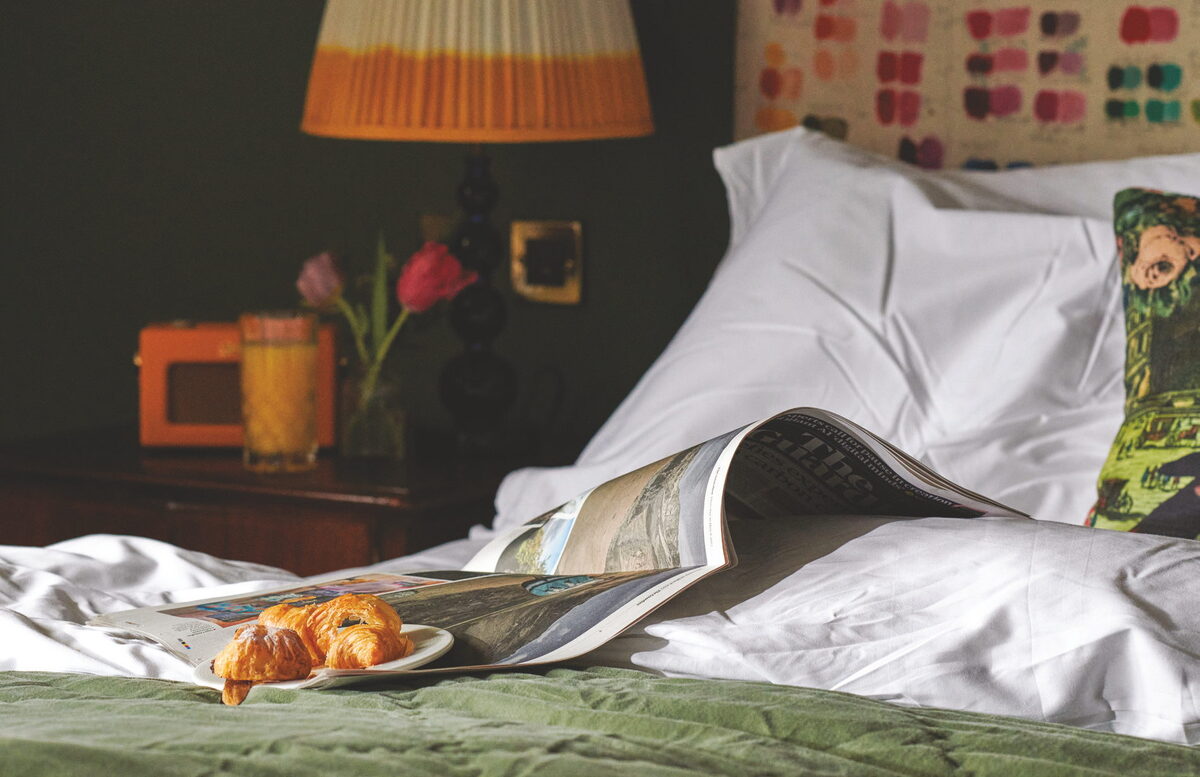
“I always love seeing the Kelpies and Stirling Castle as we drive towards Cromlix. That signals to me that we are getting close.”
Kim Murray
Runs Cromlix, the hotel near Dunblane she owns with Andy Murray
Best known for.
Stirlingshire is known above all for its history. This is the country of William Wallace and Robert the Bruce, of the battles of Stirling Bridge and Bannockburn, and of Stirling Castle, where Mary, Queen of Scots was crowned and the young James VI grew up. It is known for its waterways too, from the great loops of the Forth to the canals of Falkirk, where the Falkirk Wheel lifts boats from one canal to the other and the Kelpies rise over the towpath. Add the Ochil Hills, a safari park, a distillery in an old cotton mill and a stone pineapple, and there is plenty to fill a week.
More about Stirlingshire
This is the country around Stirling, Falkirk and Clackmannanshire, with the hills and lochs of the Trossachs rising just to the north-west. Falkirk is where Scotland's two great canals meet, and where the Falkirk Wheel and the Kelpies stand a few miles apart. To the north, the old spa town of Bridge of Allan and the cathedral town of Dunblane sit at the foot of the hills, and Doune has a castle that film crews love. Across the Forth lies Clackmannanshire, the smallest historic county in Scotland, with a string of medieval tower houses and a wooded glen climbing into the Ochils from Dollar.
It is an easy part of Scotland to explore. Stirling is about half an hour from Glasgow by train and under an hour from Edinburgh, and most of what is here is a short drive from the city. That makes it a good base for a few days, with a castle in the morning, a canal walk in the afternoon and dinner in the coaching inn where Robert Burns once stayed. Come in September for Bloody Scotland, the crime-writing festival that fills Stirling's venues, or in summer for the Highland games at Bridge of Allan and Stirling. History is never far away here, and neither are the hills.
What would you like to look at?
 See and doA royal castle, battlefields and the Kelpies
 Eat, drink and shopOld inns, cafés and coffee in the old town
 History and storiesWallace, Bruce and the castle on the crossing
 ItinerariesDays we have driven, stop by stop
 Getting hereThe trains, the roads and the buses
 What is on in StirlingshireSomething new from the region every day
What is on in Stirlingshire
Friday the 16th of October.
Sunrise 07:49, sunset 18:13.
Coming up in Stirlingshire
- Oct16Bookbug @ Hillhead Community CentreOn today
- Oct16Meet Our Expert: Business Adviser (Bannockburn)On today
- Oct16Paediatric Midazolam Training for Education staffOn today
- Oct16Stirling: The Dark Side Walking TourOn today
- Oct16Clackmannan Tower guided toursOn today
The news in Stirlingshire
Things you might not know.
Doune Castle was finished in 1380 by Robert Stewart, Duke of Albany, who went on to rule Scotland as king in all but name, and it has since starred in Monty Python, Game of Thrones and Outlander.
From Doune Castle and the Uncrowned KingIn 1304 the English king refused to accept Stirling Castle's surrender until he had tried out Warwolf, a giant trebuchet that took five master carpenters and fifty workers over two months to build.
From The Siege of Stirling CastleThe wooden bridge at Stirling in 1297 was so narrow that only two horsemen could ride side by side, so Wallace and Moray waited until just enough of the English army had crossed before they attacked.
From A Tour of Historic Stirling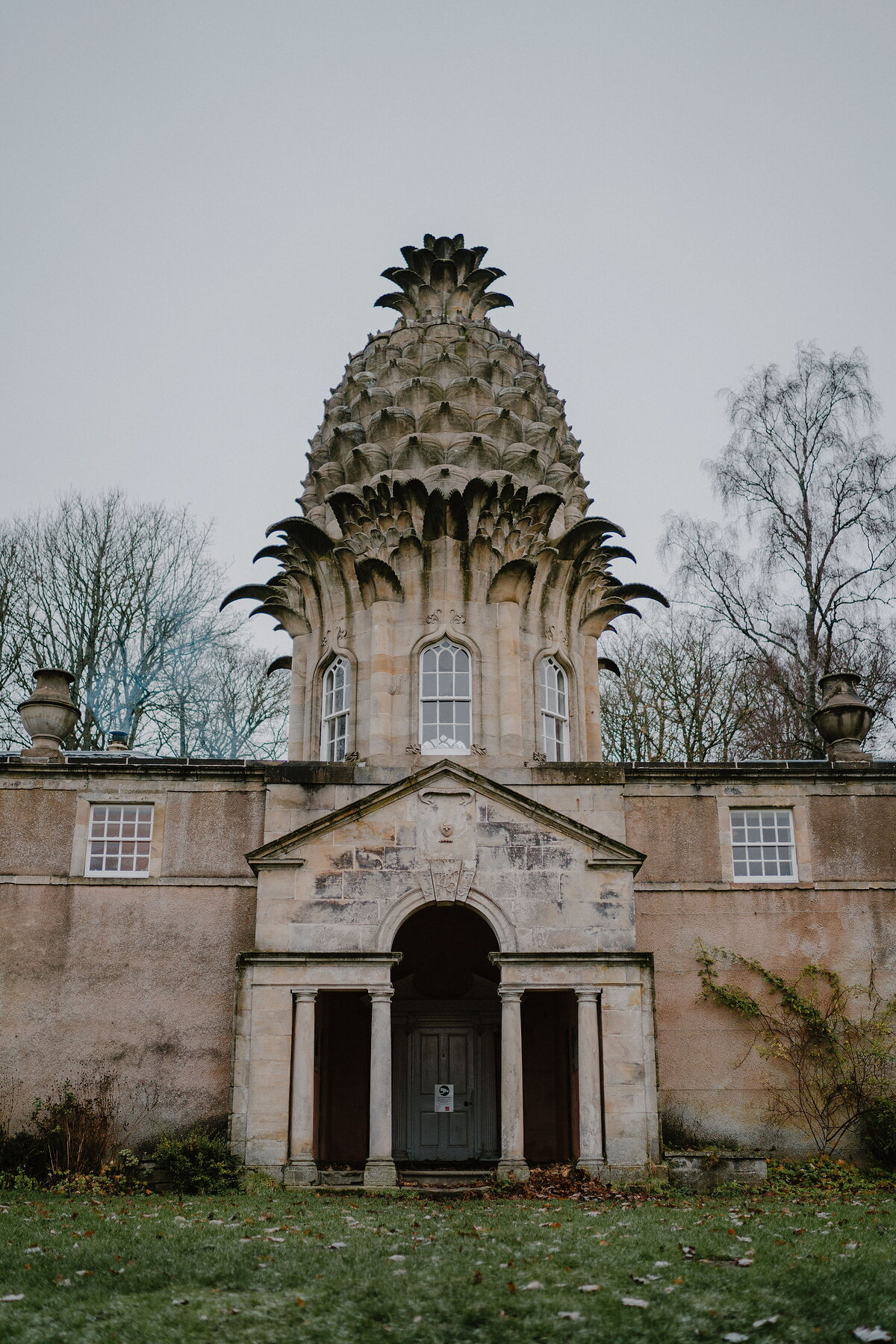
The stone Pineapple near Airth was built by the Earl of Dunmore after he came home from Virginia, and since the Landmark Trust restored it in the 1970s you can sleep in the rooms beneath it.
From Who Built Scotland's Most Bizarre Building, and Why?Castle Campbell, above Dollar Glen, was known as Castle Gloom until the Earl of Argyll asked the king for leave to change its name, and it stands between the Burn of Care and the Burn of Sorrow.
From Doom & Gloom at Castle Campbell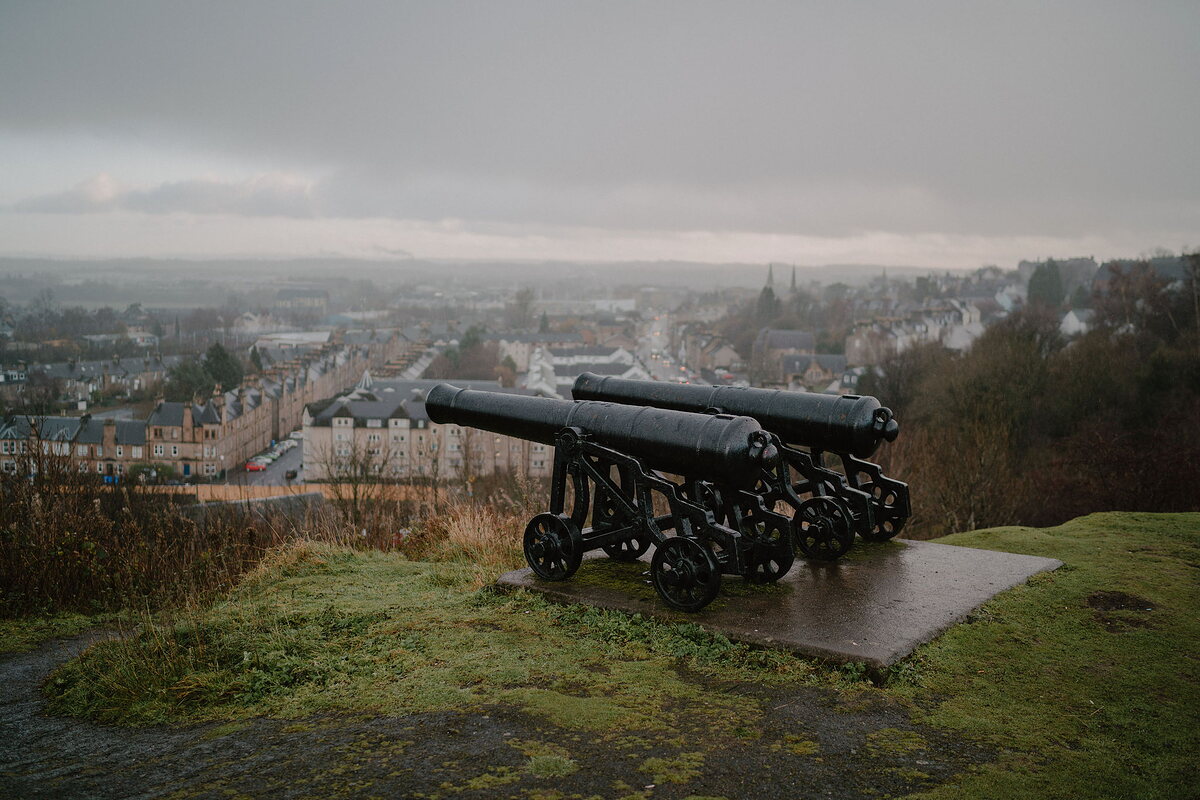
Mote Hill, beside Stirling Castle, was known as Heiding Hill, and its Beheading Stone saw the execution of Murdoch Stewart, Duke of Albany and cousin of the king, in 1425.
From The 900th Anniversary of StirlingRead about Stirlingshire.
Photographs by Calum Mcgillivray and Makers via Google