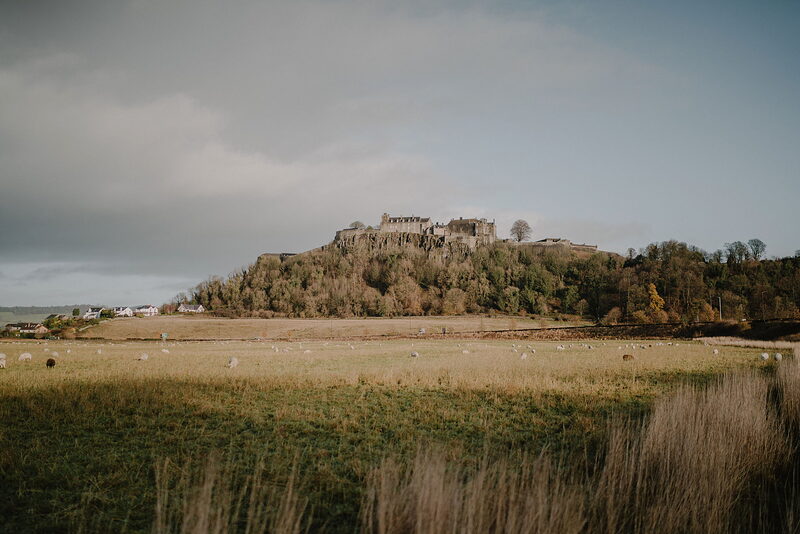
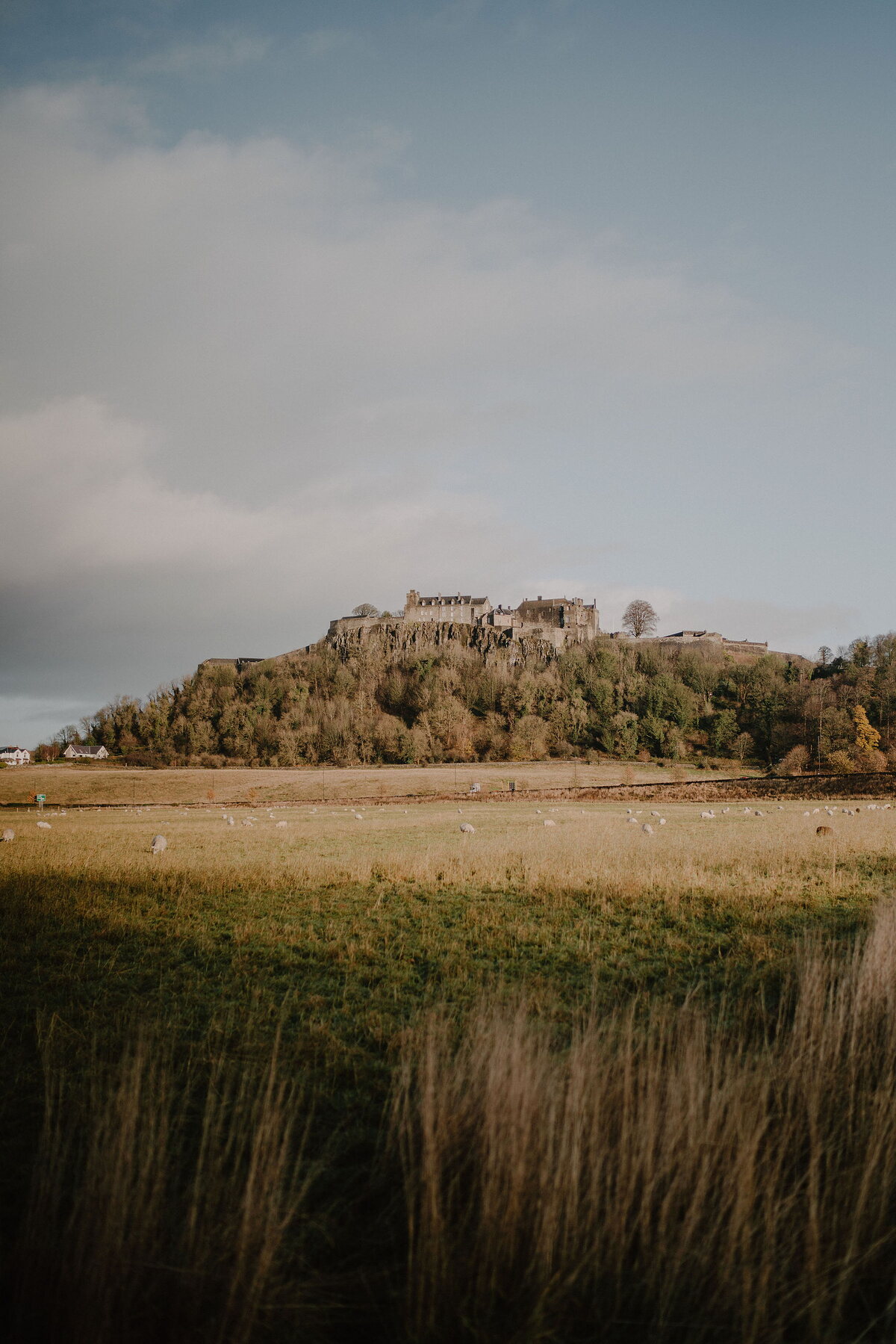
People have farmed and fought along the Forth here for thousands of years, but the first great mark on the landscape came from Rome. In AD 142 the Romans began the Antonine Wall, a turf rampart and ditch running about 39 miles across Scotland's narrow waist, from the Clyde to Carriden near Bo'ness. It was held for only about twenty years before the legions pulled back to Hadrian's Wall. Near Falkirk, at Rough Castle, you can still walk the ditch, the rampart and the rows of defensive pits the soldiers dug. Since 2008 the wall has been part of the Frontiers of the Roman Empire World Heritage Site. By the 1100s Stirling Castle was a royal stronghold, and King David I founded Cambuskenneth Abbey around 1140. Under the Stewart kings, Stirling became a favourite royal home. James IV built the Great Hall around 1500, and James V began the Royal Palace in the 1530s. Mary, Queen of Scots was crowned in the castle's Chapel Royal on 9 September 1543, and her son James VI was crowned in the Church of the Holy Rude in 1567 and grew up in the castle. After 1603 the court moved to London. The Jacobites fought at Sheriffmuir, near Dunblane, in 1715 and won at Falkirk Muir in 1746, though they never took the castle. Then came industry. The Carron Ironworks opened near Falkirk in 1759, the Forth and Clyde Canal in 1790 and the Union Canal in 1822. Stirling was made a city in 2002, the year the Falkirk Wheel opened.
 HistoryThe 900th Anniversary of Stirling
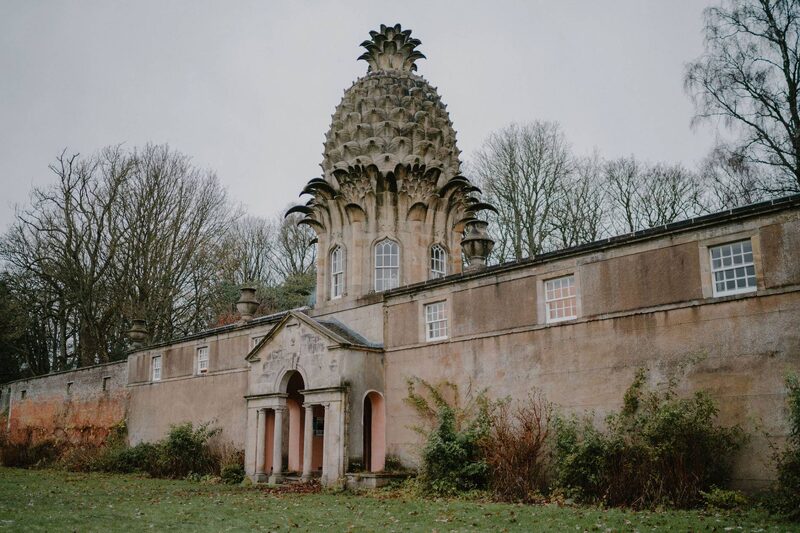 HistoryWho Built Scotland’s Most Bizarre Building, and Why?
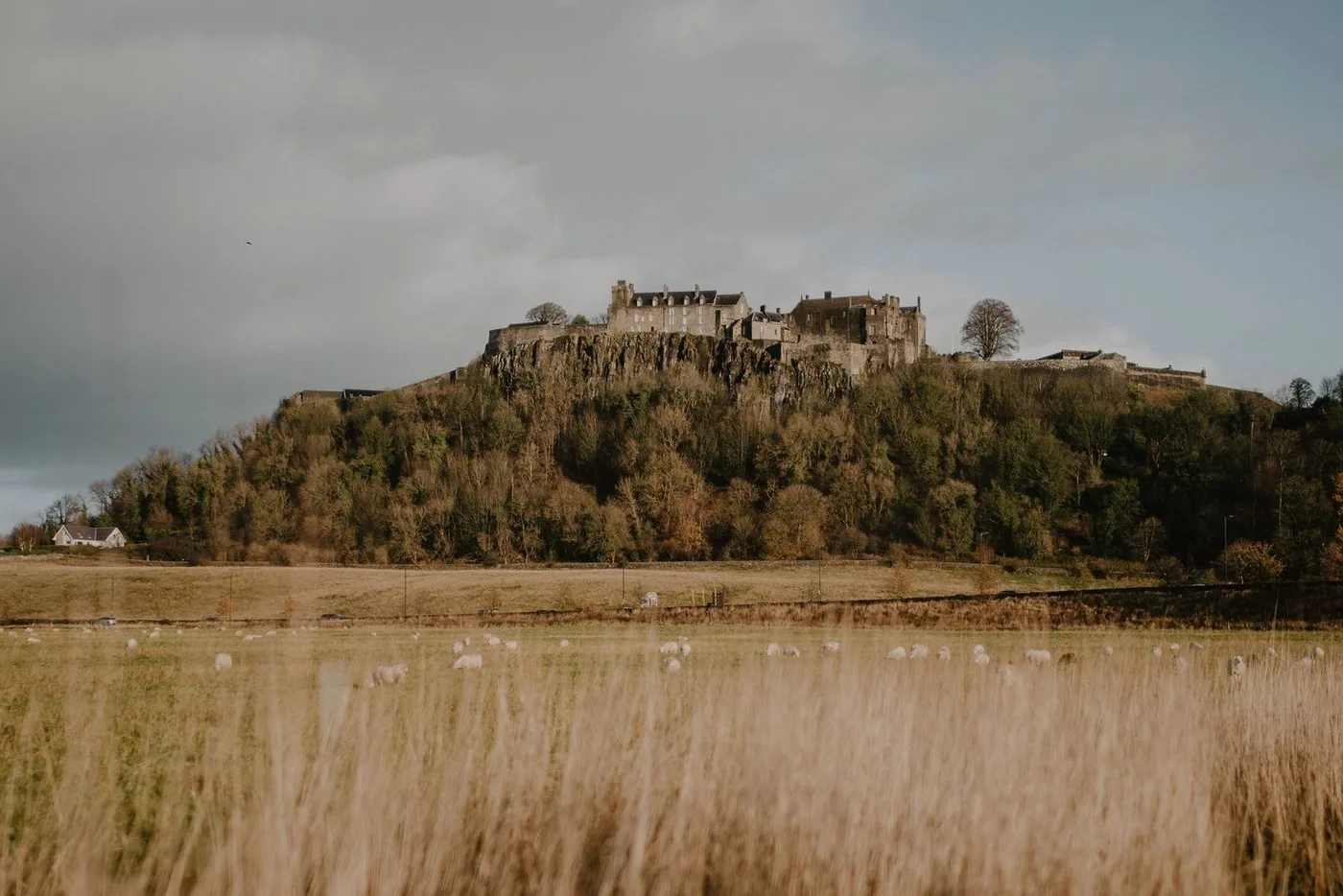 HistoryThe Siege of Stirling Castle
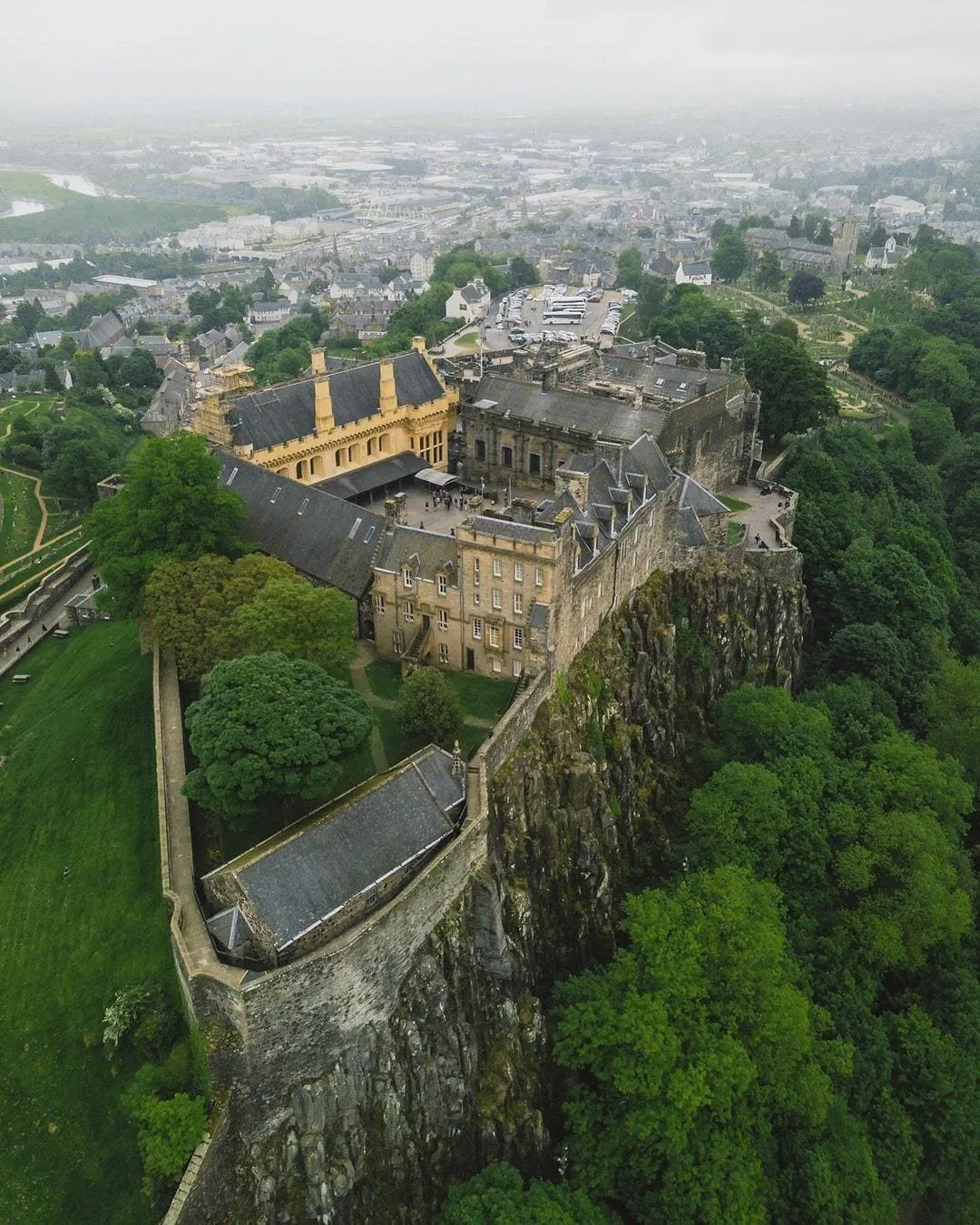 HistoryA Tour of Historic Stirling
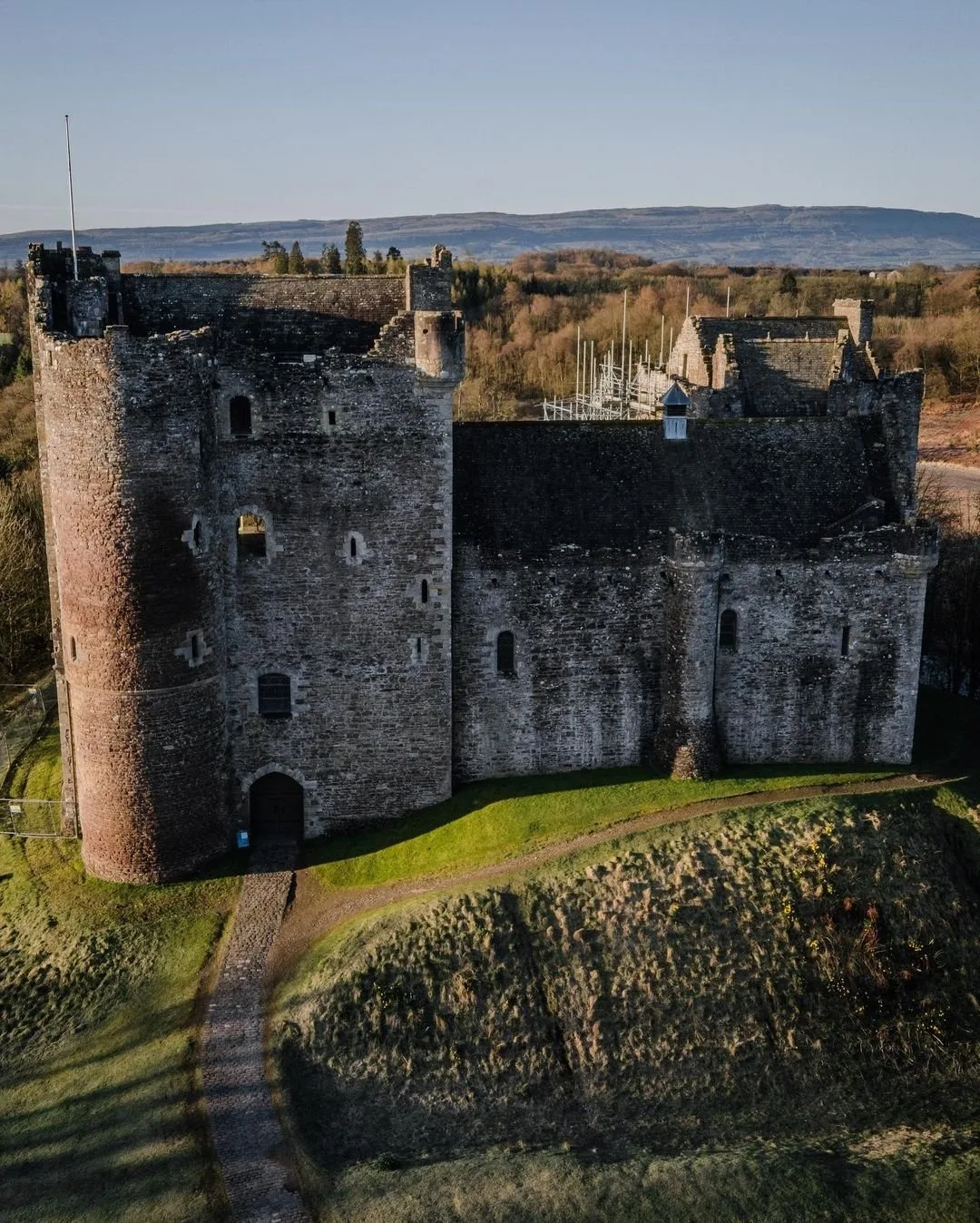 HistoryDoune Castle and the Uncrowned King
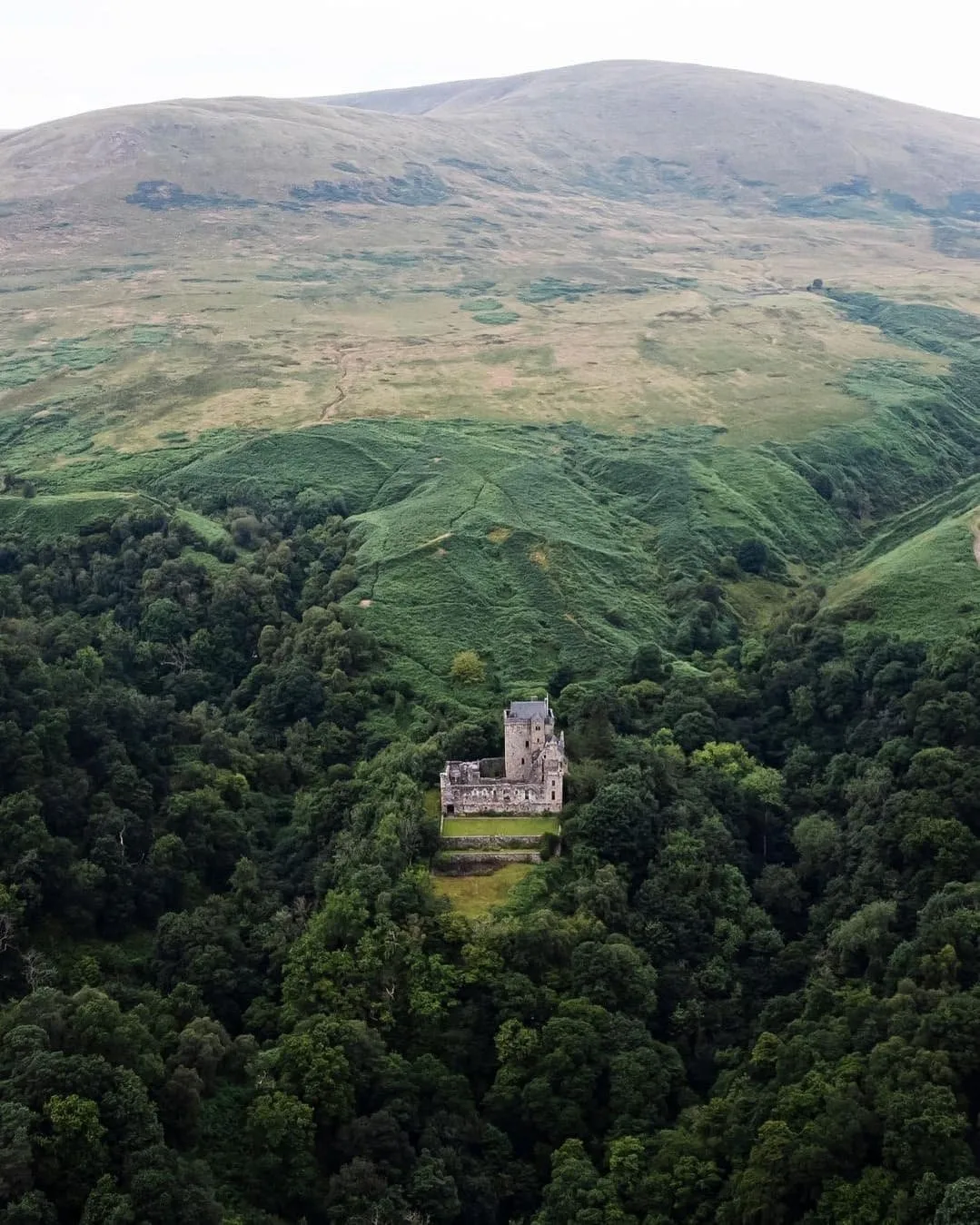 HistoryDoom & Gloom at Castle Campbell
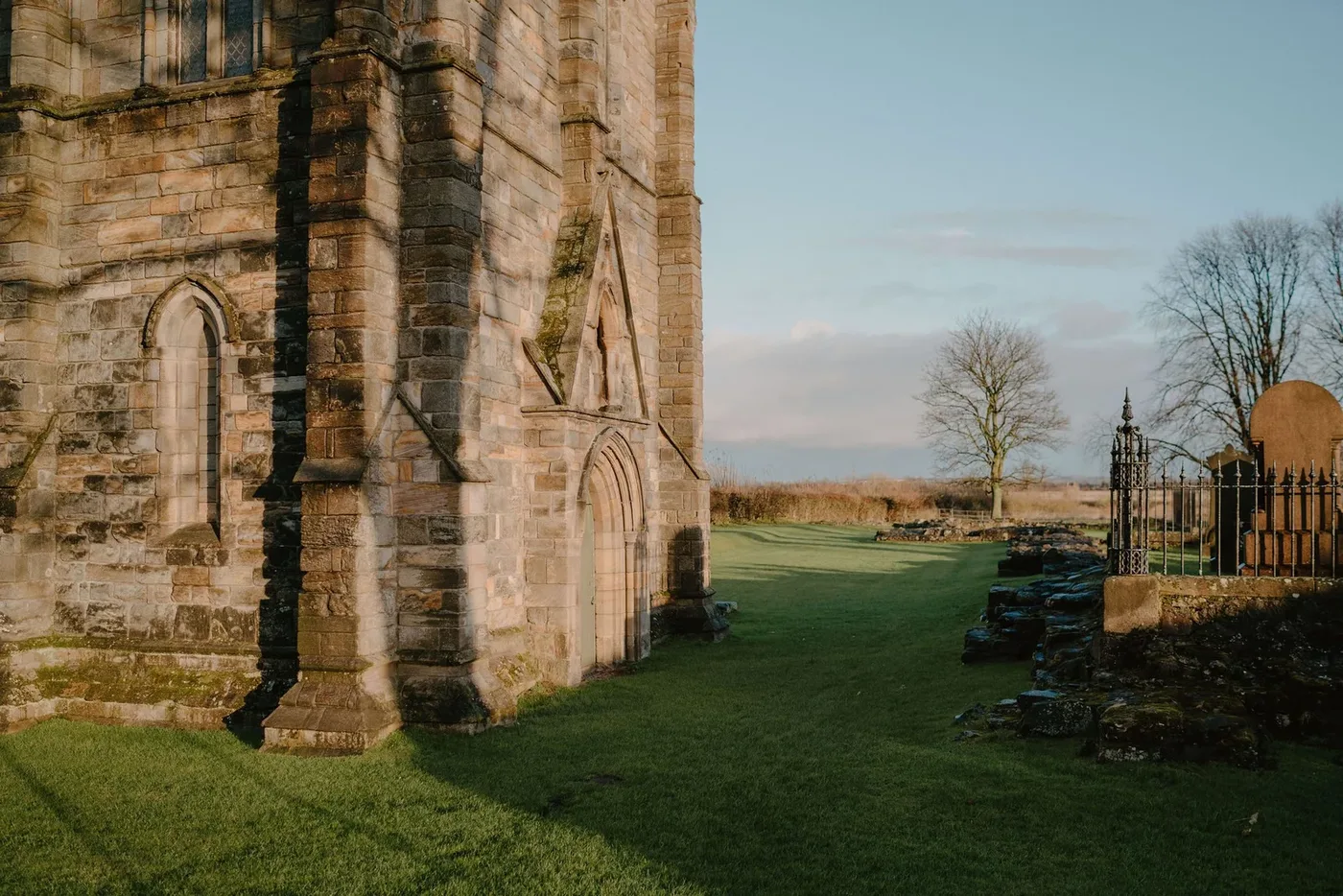 HistoryCambuskenneth Abbey and the Disinherited
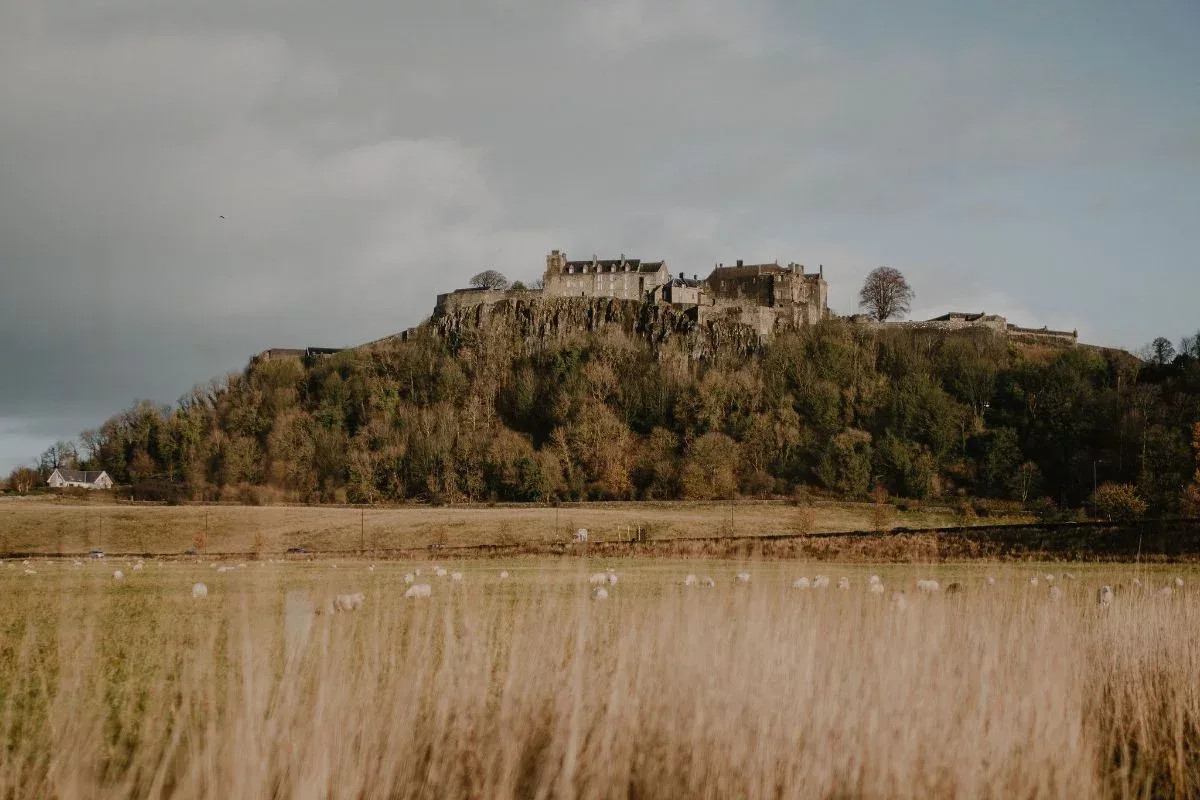 HistoryStirling Castle and the Murder of the 8th Earl of Douglas
 History10 Interesting Things to do in Stirlingshire