
Orkney. Orkney guide
Stone Age villages, a red sandstone cathedral and the Old Man of Hoy, just across the Pentland Firth.
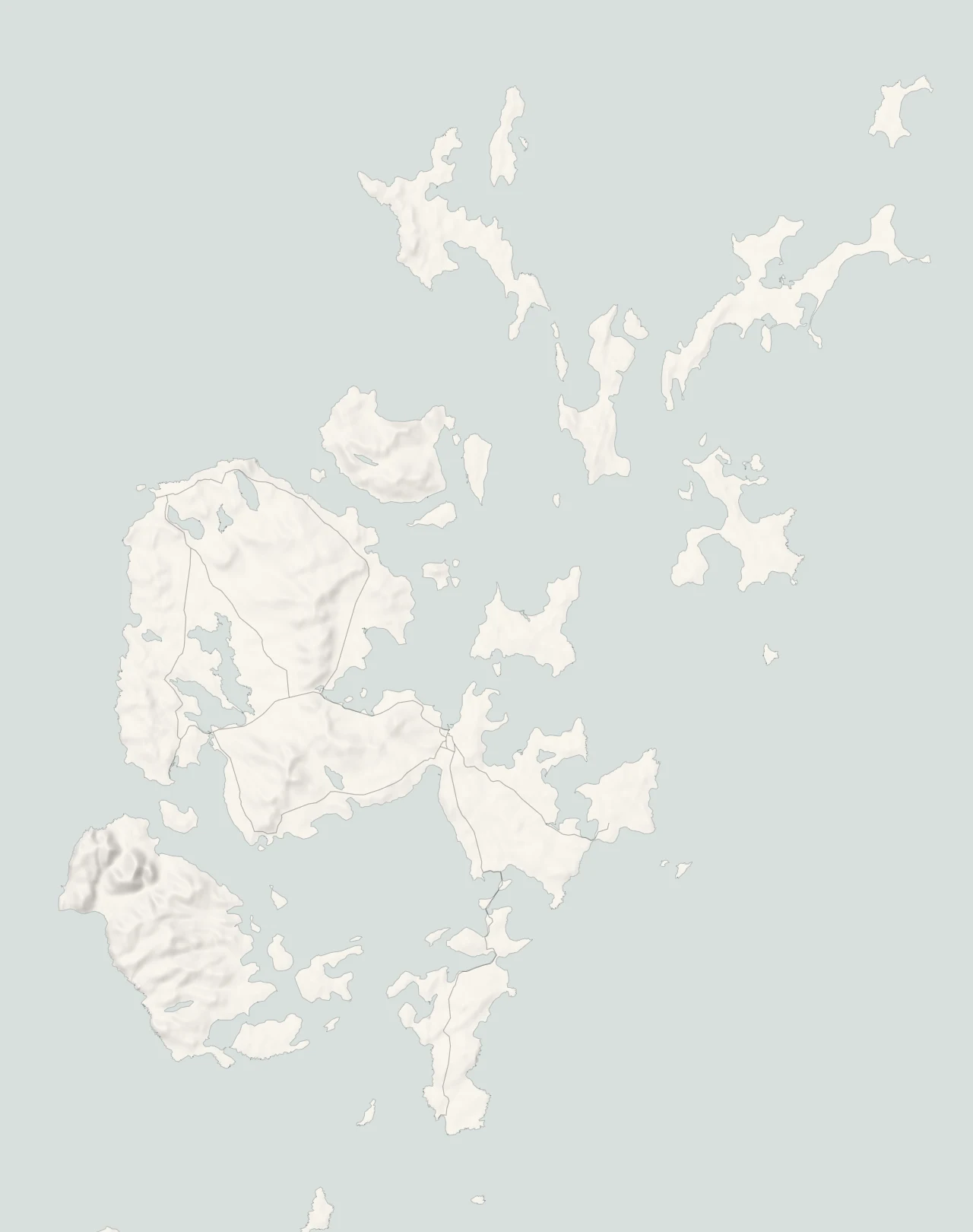
The four parts of Orkney
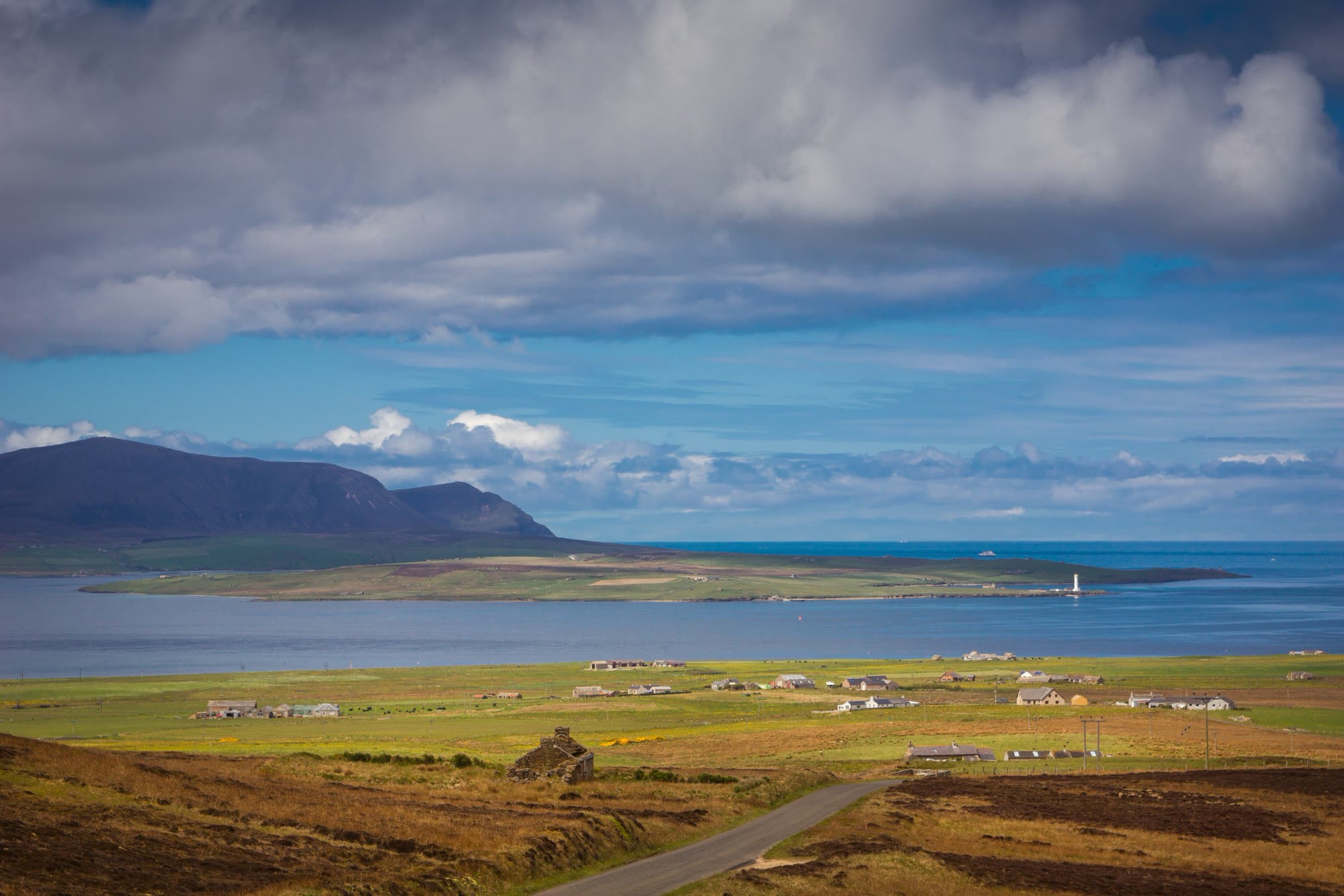
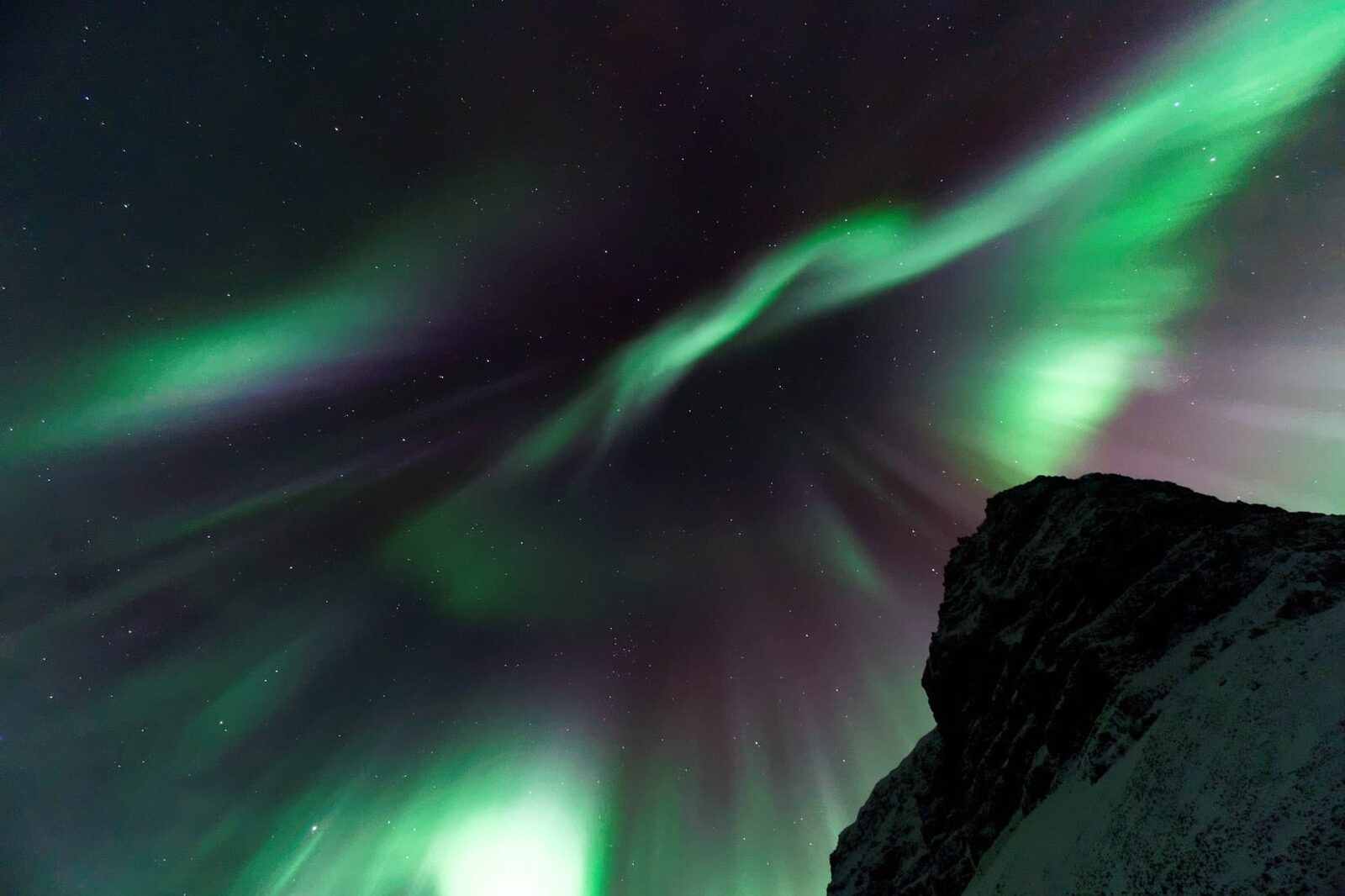
Cross the Pentland Firth from Caithness and the land changes. Orkney is a scatter of around seventy islands, about twenty of them lived on, low and green and wide open to the sky. There are few trees and a great deal of light. Fields of cattle run down to the shore, the sea is never far away, and the weather can turn three times before lunch. It is gentle country to look at, and anything but gentle when a westerly gale comes in off the Atlantic.
Stromness and the West Mainland
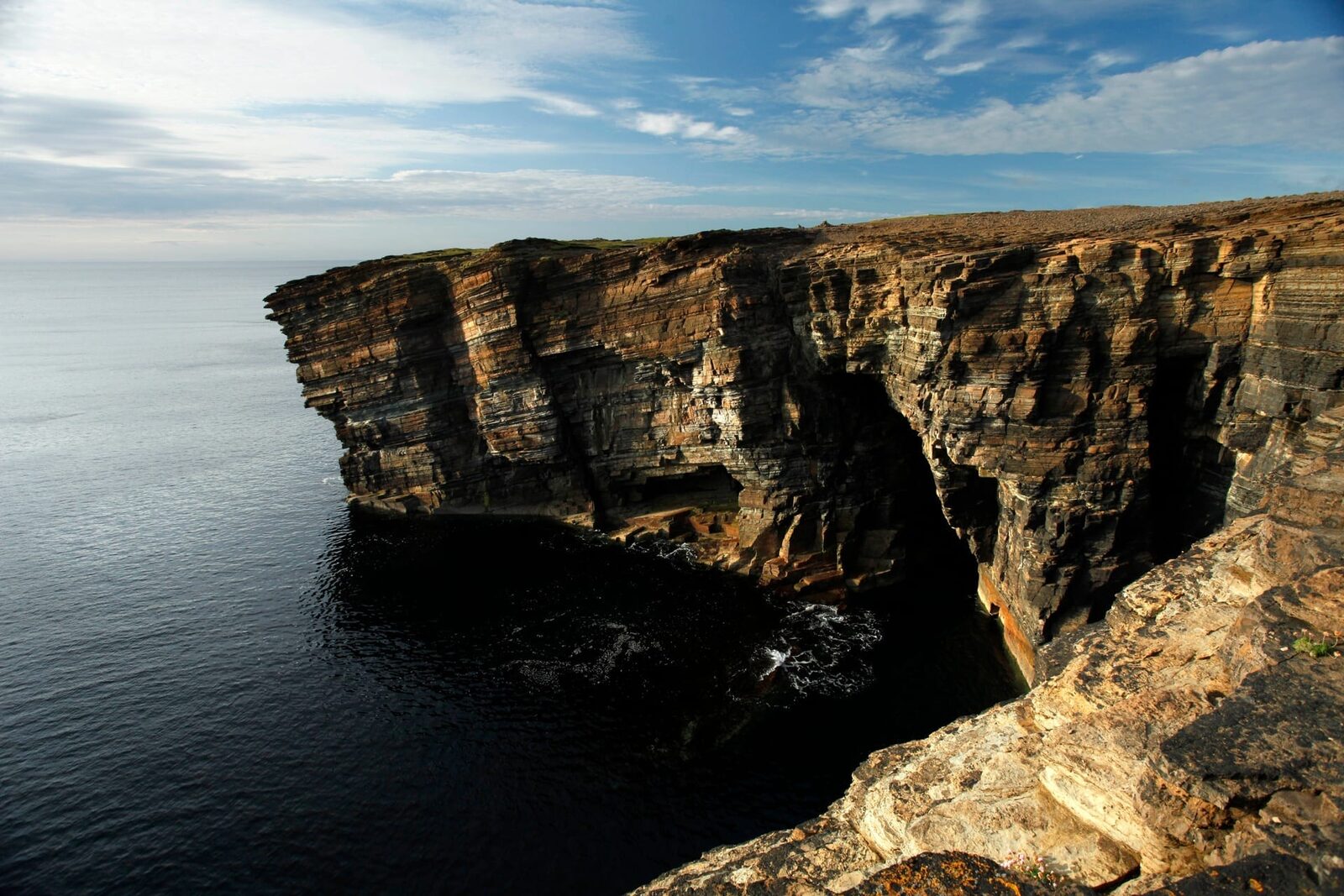
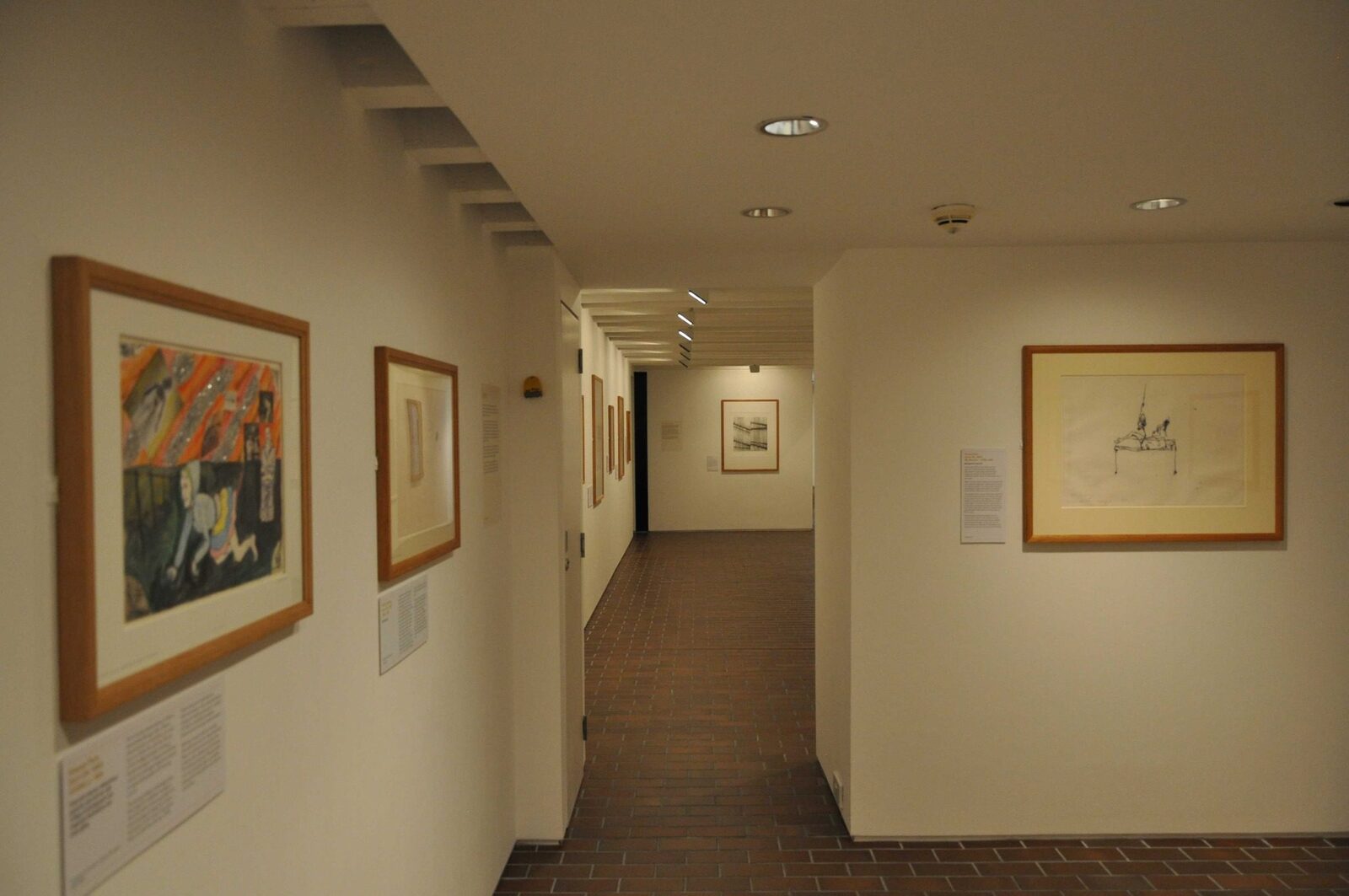
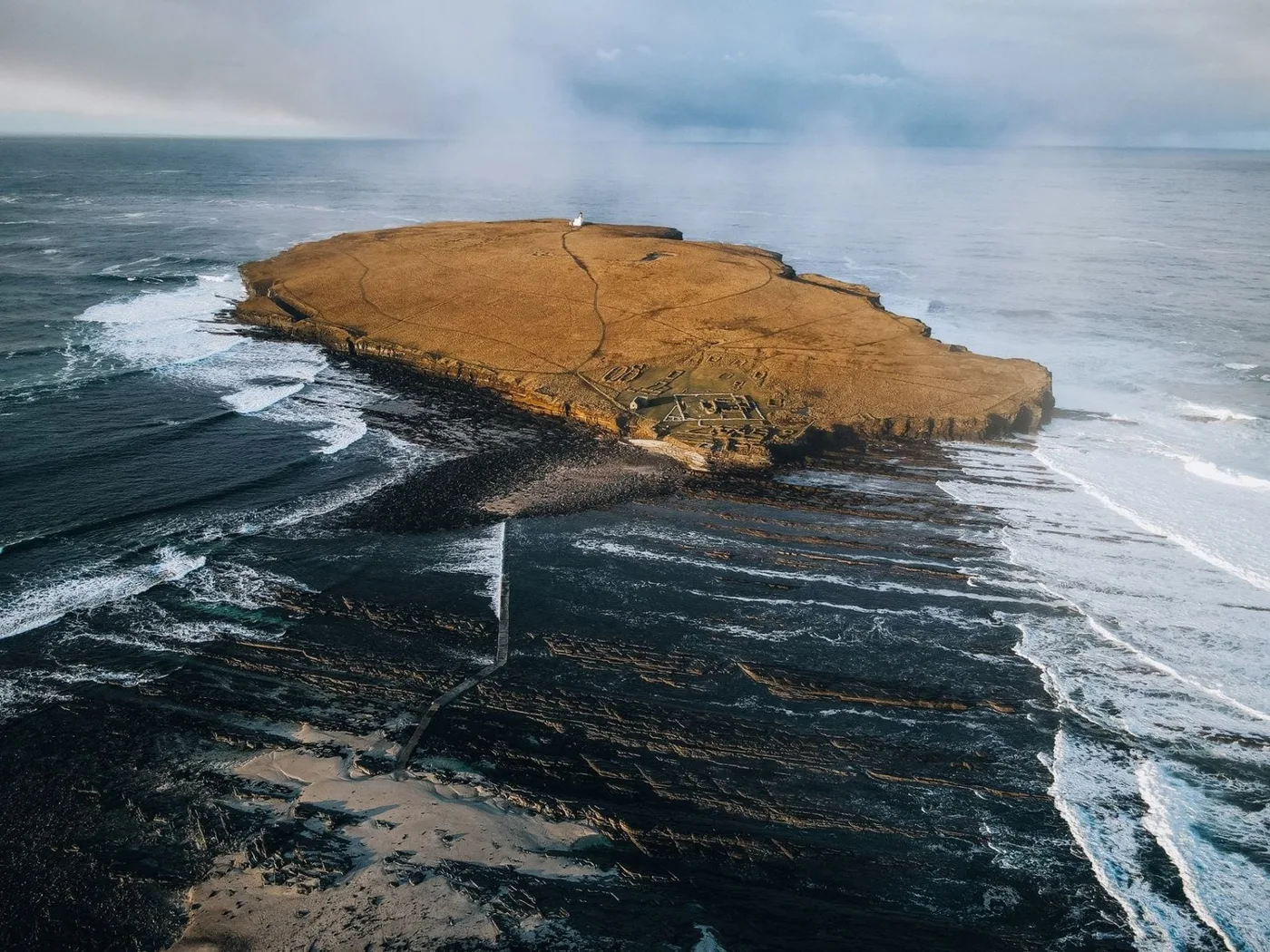
The Heart of Neolithic Orkney is here: Skara Brae by the Bay of Skaill, the Ring of Brodgar and the Stones of Stenness between their lochs, and Maeshowe in its green mound. Stromness has its harbour street and the Pier Arts Centre, the cliffs at Yesnaby face the Atlantic, and the Brough of Birsay is reached at low tide.
Kirkwall and the east
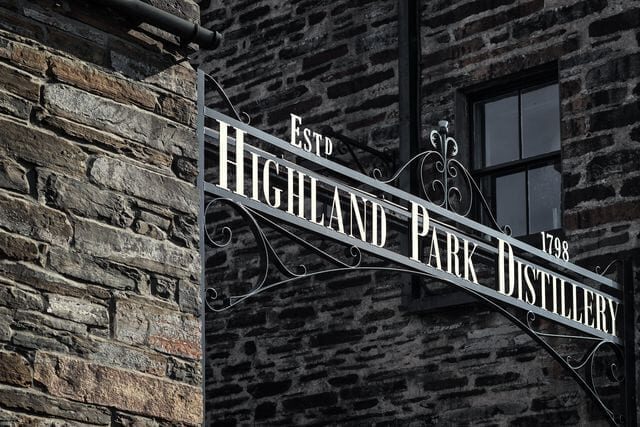
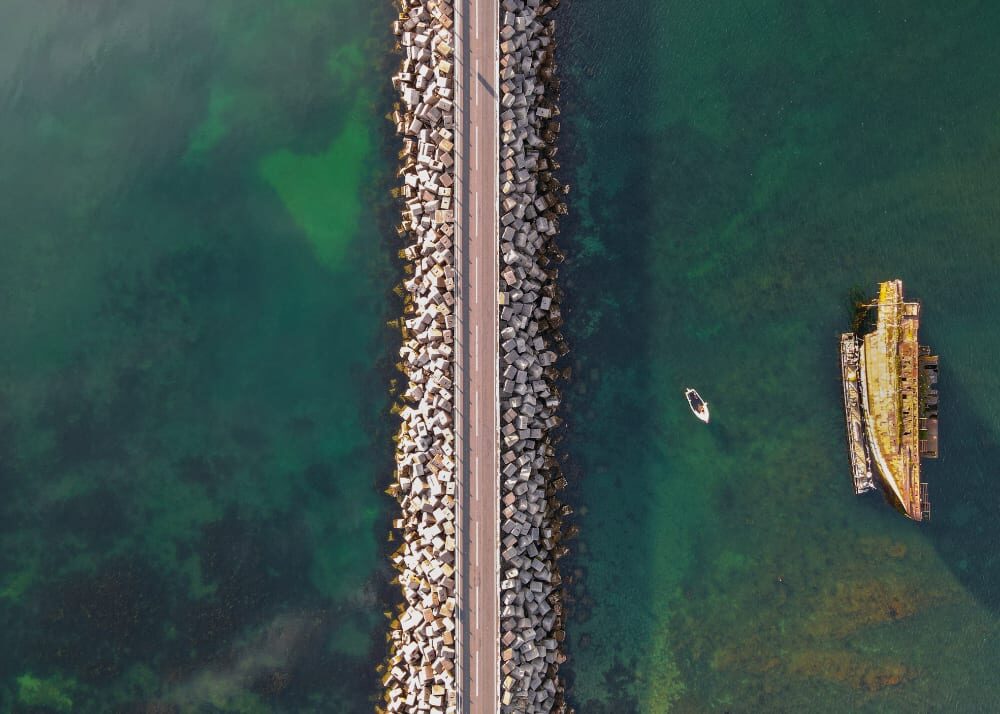
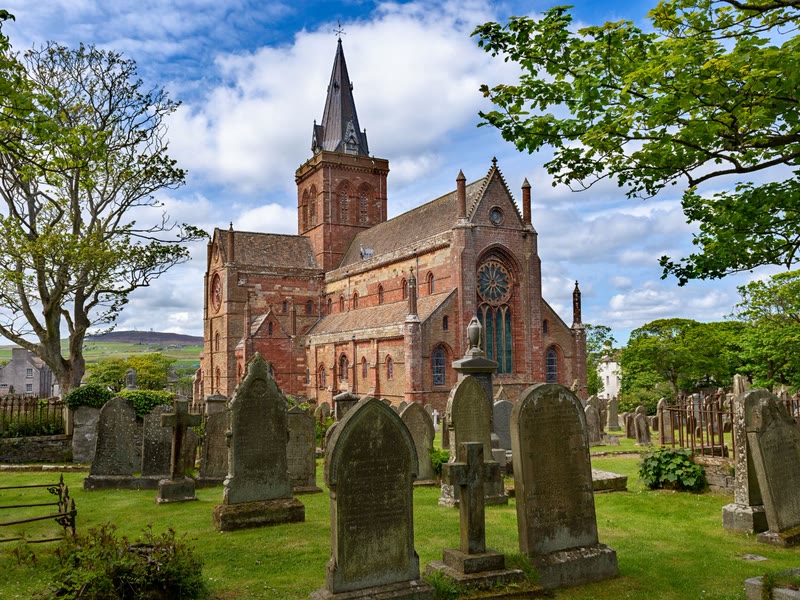
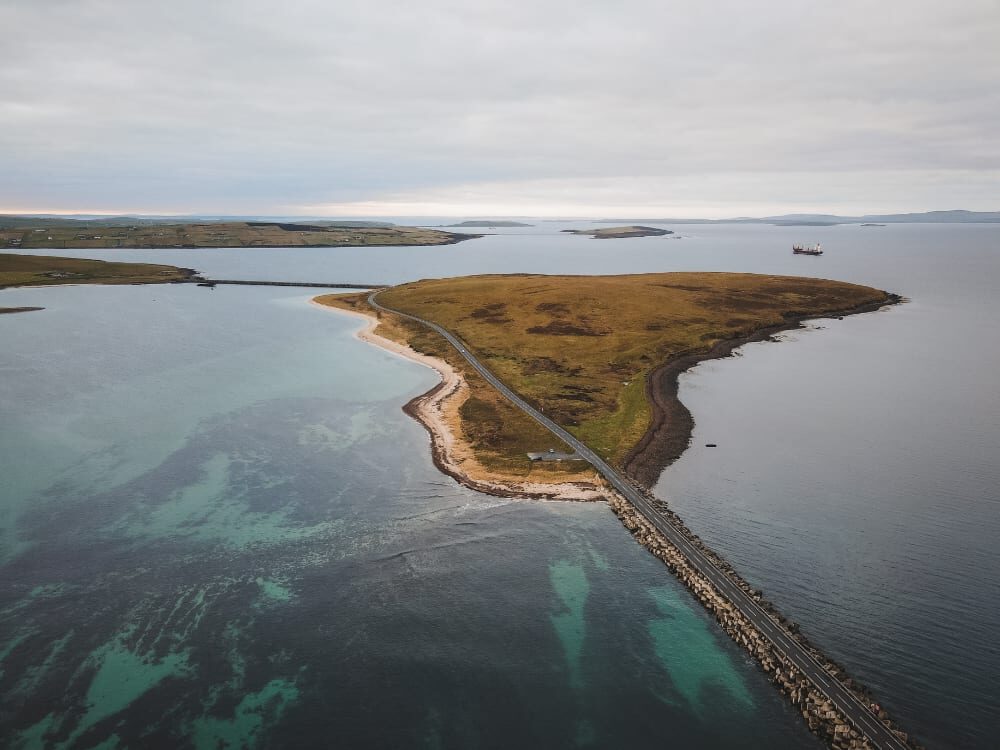
Kirkwall is Orkney's main town, with St Magnus Cathedral rising in red sandstone above its narrow lanes and Highland Park on the edge of town. To the south the Churchill Barriers carry the road past the Italian Chapel to Burray and South Ronaldsay, with old blockships rusting beside them and a sandy beach on Glimps Holm.
Hoy and Scapa Flow
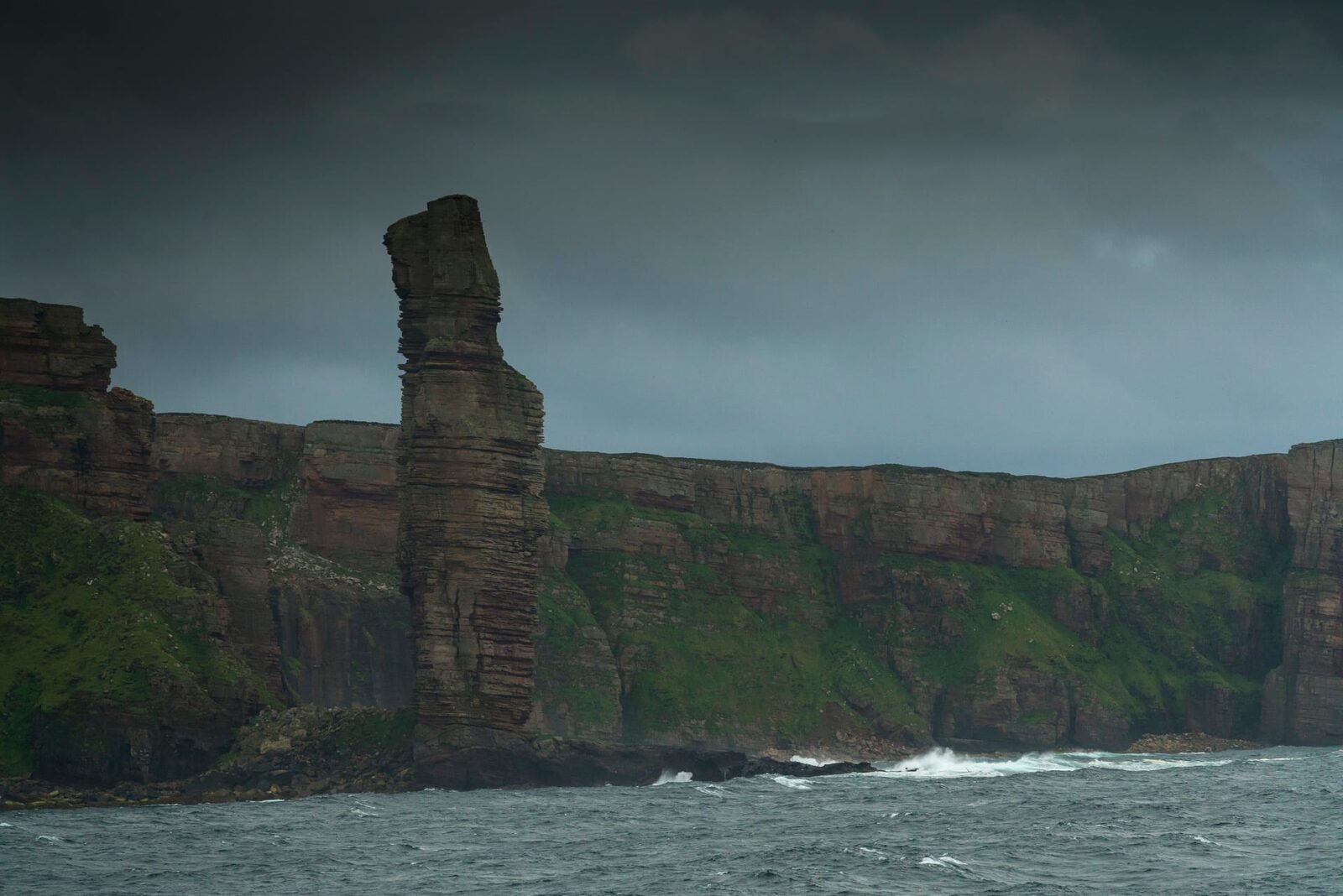
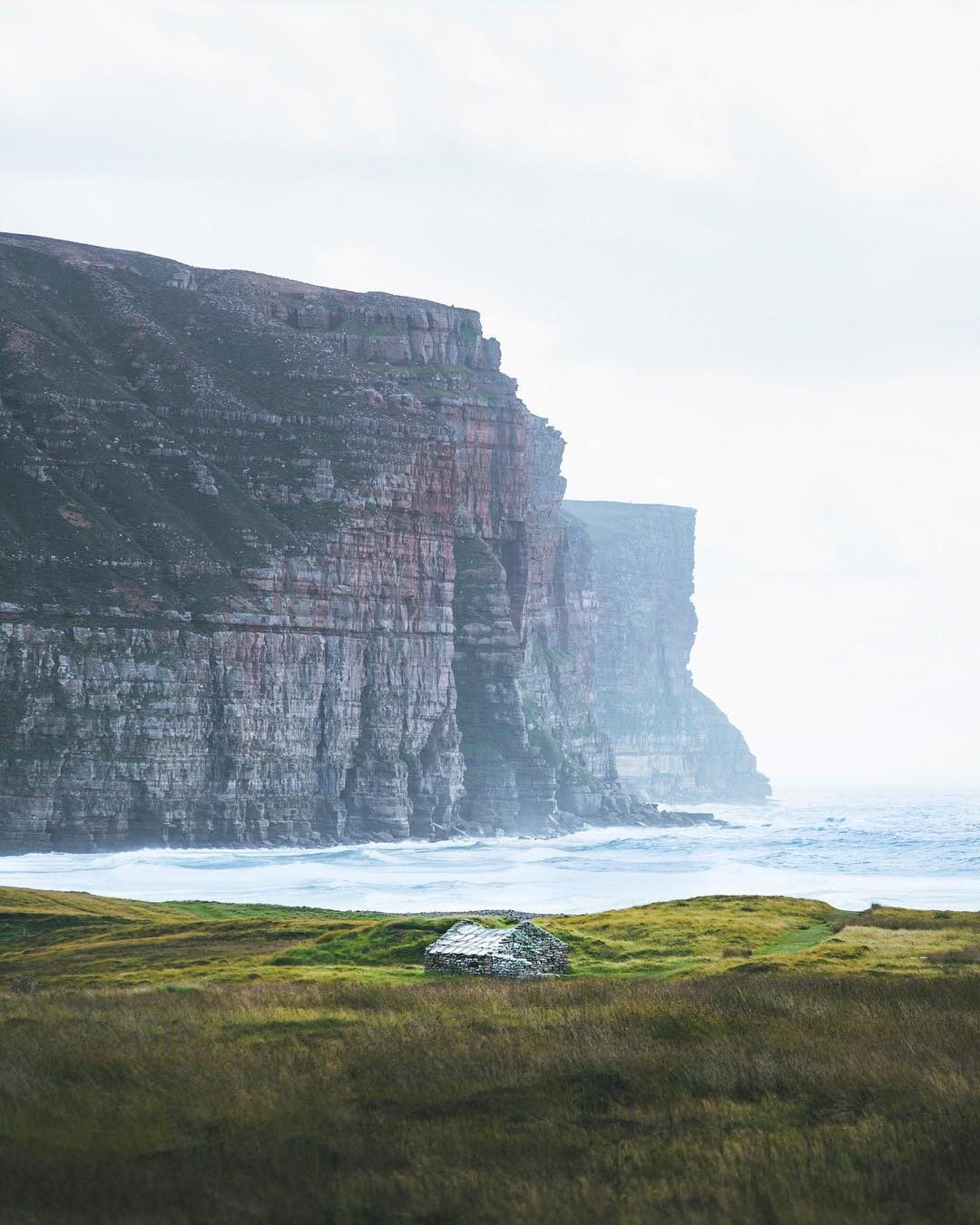
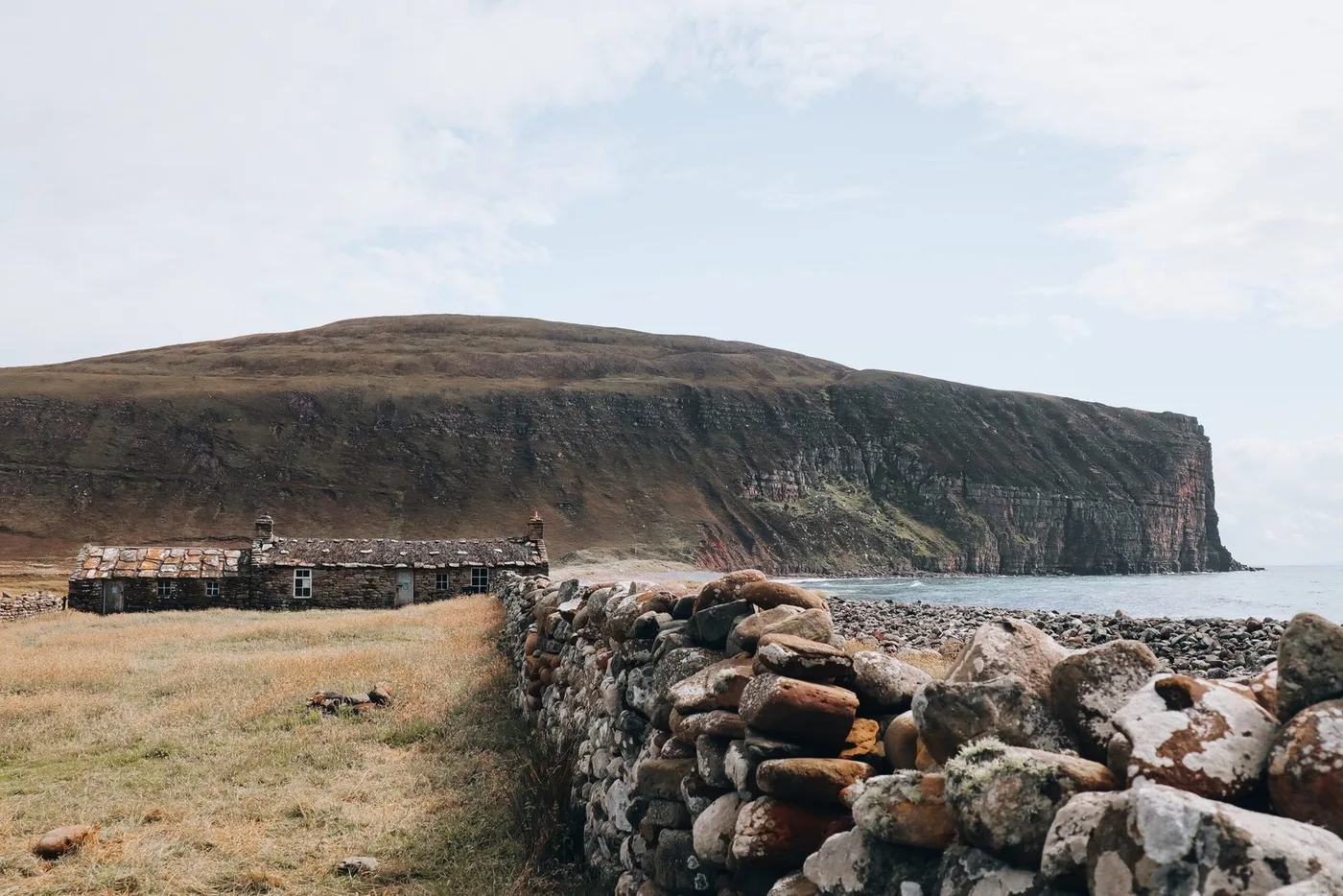
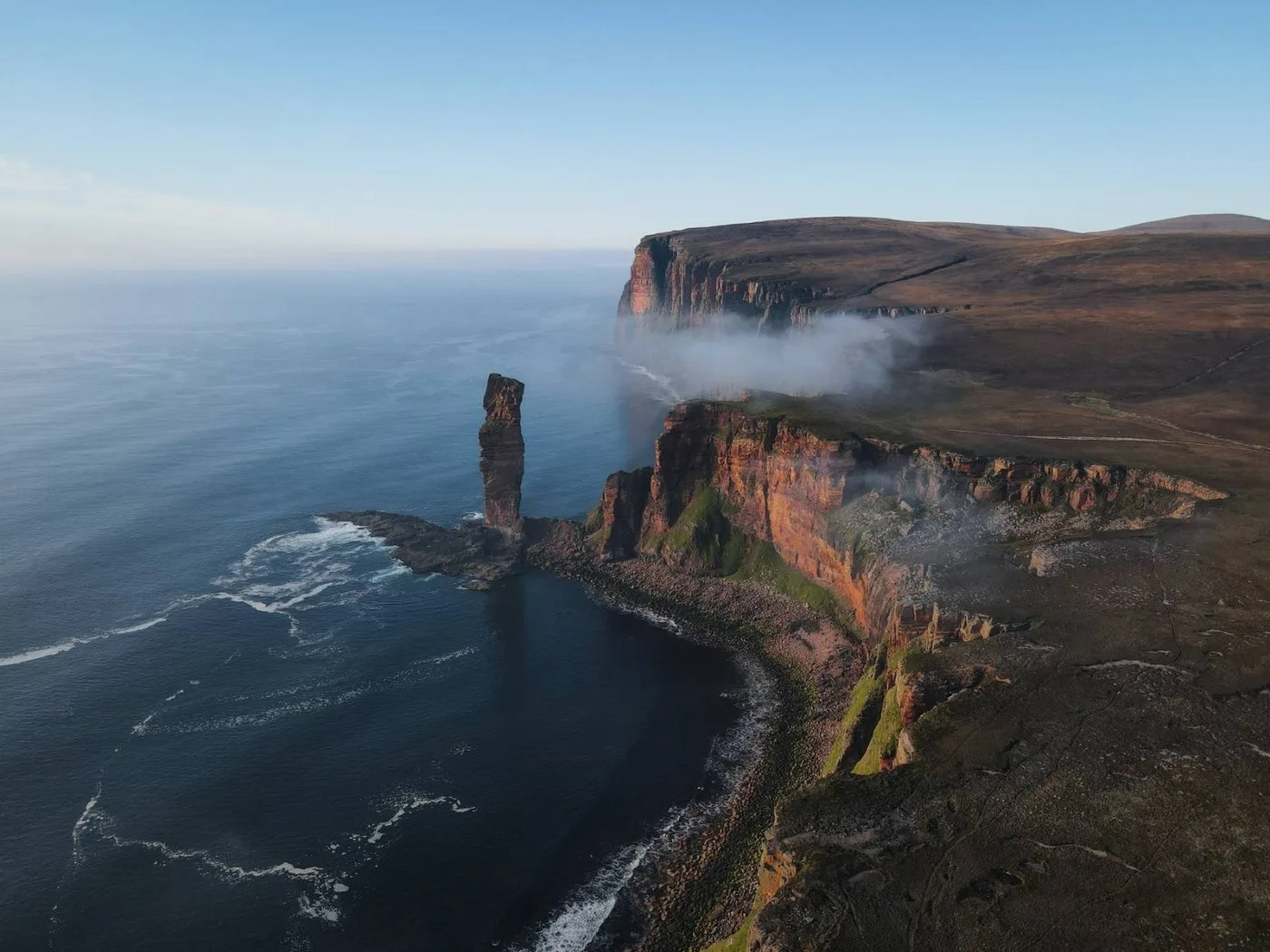
Hoy is the high island, all heather hills and red sandstone cliffs. A single-track road runs over to Rackwick Bay, where the walk to the Old Man of Hoy begins, while at Lyness the Scapa Flow Museum tells how this great natural harbour became the centre of the naval war, twice.
The North Isles
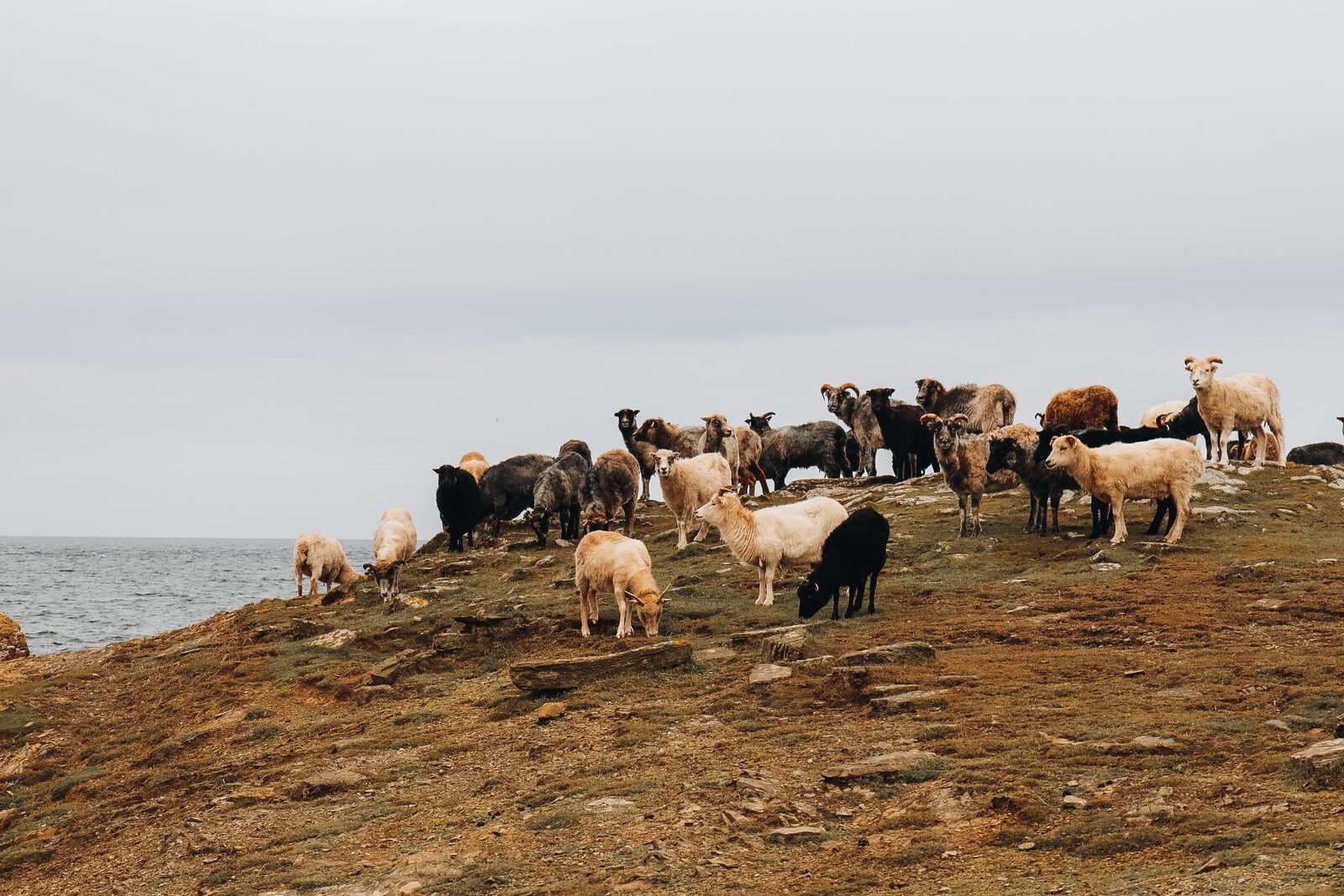
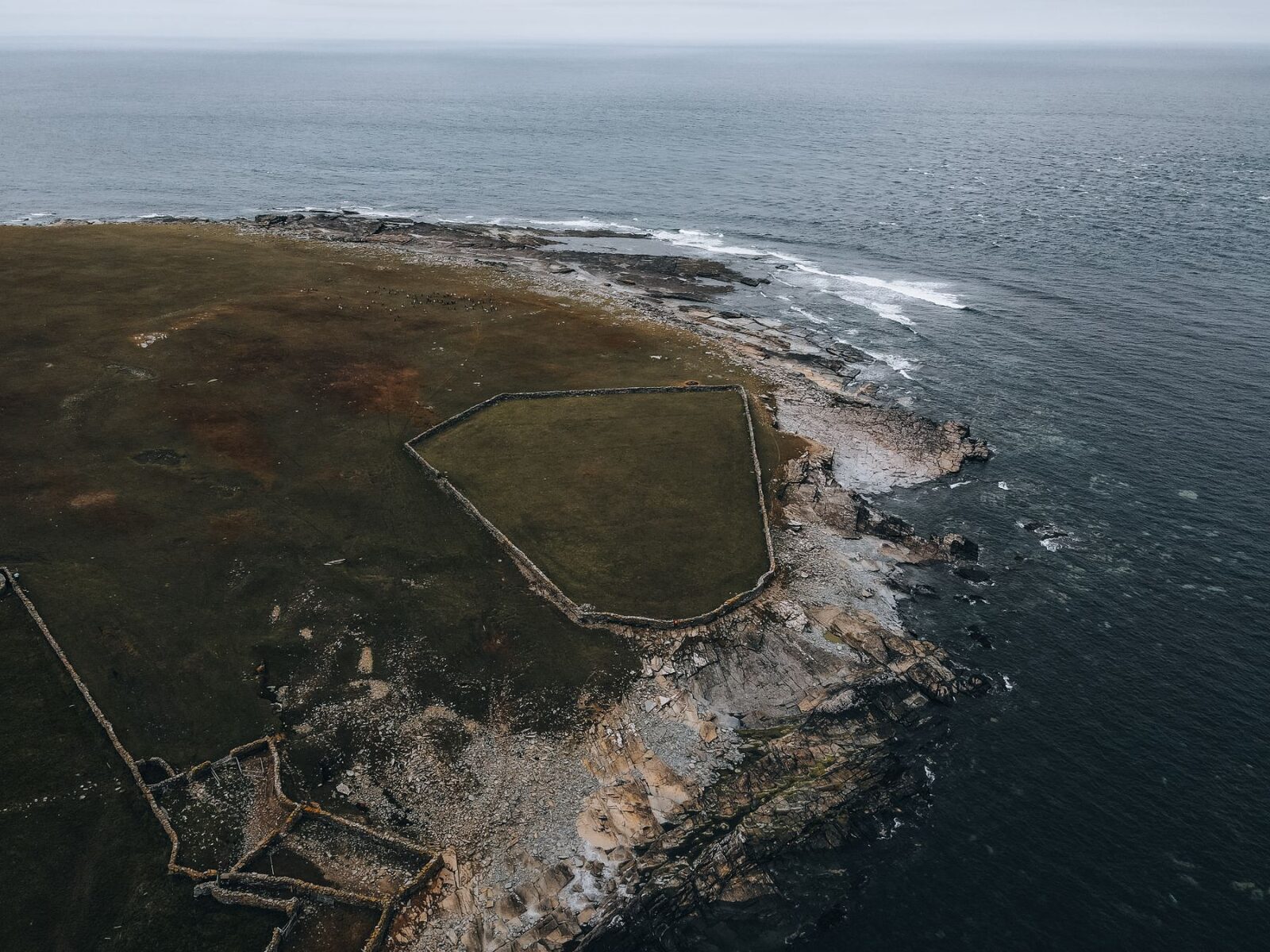
Little ferries and planes run out from the Mainland to islands of white beaches, seabird cliffs and quiet farms. Pierowall on Westray curls round its bay, the hop to Papa Westray is the shortest scheduled flight in the world, and on North Ronaldsay the sheep live on seaweed behind a thirteen-mile wall.
“Orkney’s last enchantment, a hidden valley of light.”
George Mackay Brown
Orcadian poet and writer, on Rackwick on Hoy
Best known for.
Orkney is known above all for its prehistory. The Heart of Neolithic Orkney, a group of monuments on the West Mainland, became a UNESCO World Heritage Site in 1999, and it takes in Skara Brae, Maeshowe and two great stone circles. The islands are known too for their Norse past, which lingers in the place names, for Scapa Flow and its wartime story, and for good food and drink: beef, lamb, shellfish, whisky and gin. Then there are the cliffs, the seabirds and a sky that fills every view.
More about Orkney
Most visitors base themselves on the largest island, known simply as the Mainland. Kirkwall, the main town, gathers round its red sandstone cathedral, while Stromness, the old harbour town to the west, has one long, narrow street winding along the water. Between the two lies a landscape thick with standing stones, chambered tombs and a whole Neolithic village. The road south crosses the Churchill Barriers to Burray and South Ronaldsay, ferries run to Hoy and its towering cliffs, and further out the North Isles wait for anyone with a few more days.
Orkney wears its history on the surface. You can look into a house that was furnished five thousand years ago, read graffiti left by Norsemen in a Stone Age tomb, and stand in a chapel that prisoners of war made from two army huts. Alongside all that there are seabird cliffs, white beaches, whisky and gin distilleries, and a creative streak that runs through the islands' potters, jewellers and painters. Come in summer for the long, light evenings, or in the dark months for the chance of the northern lights.
What would you like to look at?
See and doStone Age villages, stone circles and a cathedral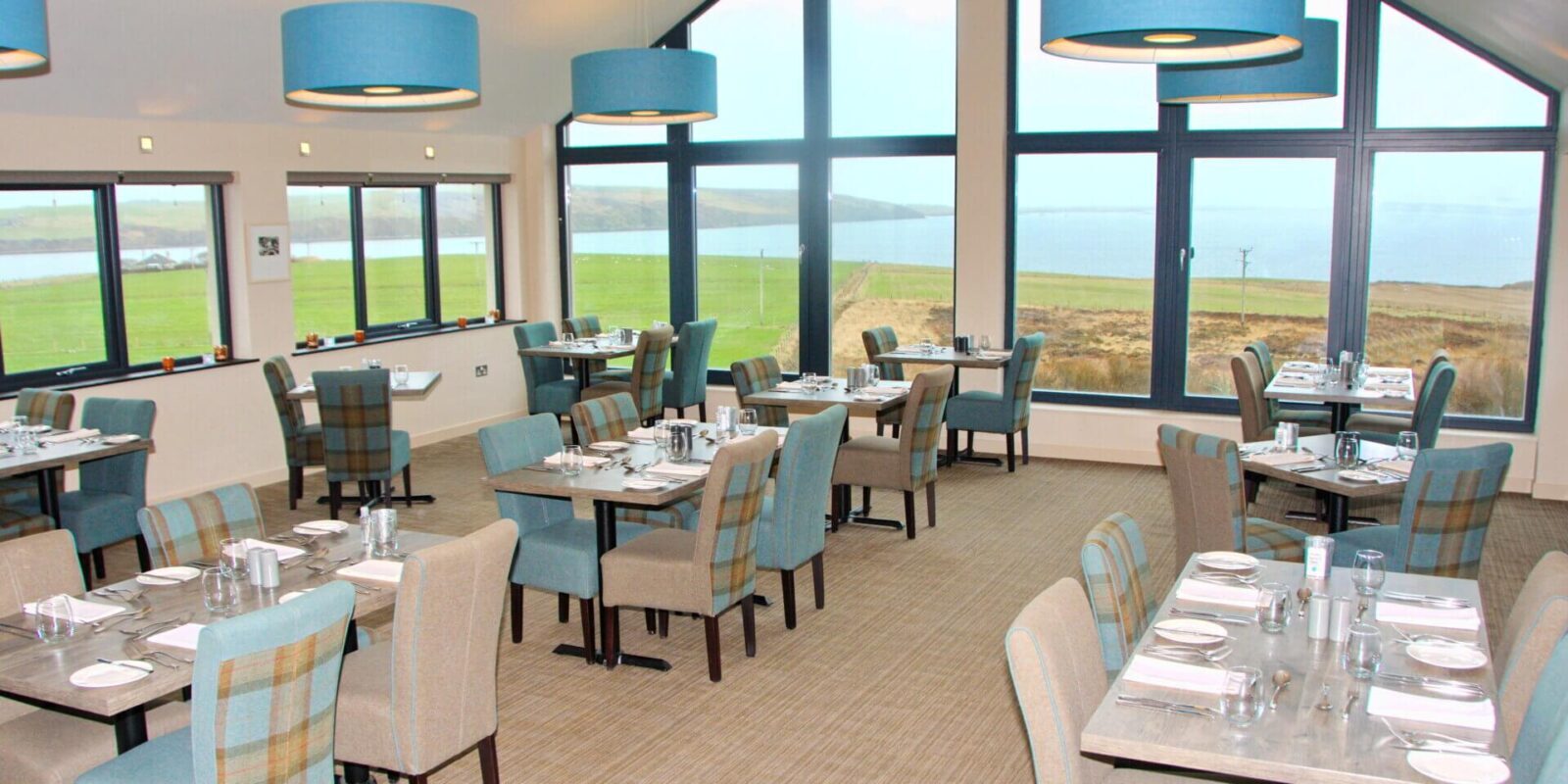 Eat, drink and shopOrkney produce, seafood and island tearooms
 History and storiesNeolithic villages, Norse earls and Scapa Flow
 ItinerariesDays we have driven, stop by stopGetting hereThe ferries, the flights and the barriersWhat is on in OrkneySomething new from the islands every day
What is on in Orkney
Friday the 16th of October.
Sunrise 07:51, sunset 18:03.
Coming up in Orkney
- Oct16Through Their Eyes: The Pier Arts Centre Collection and the unfolding Asprey giftOn today
- Oct16Water and Ground - New work by Teresa Borek, Pier Arts CentreOn today
- Oct16Stenness and Barnhouse WalkOn today
- Oct16Ring of Brodgar WalkOn today
- Oct16Breath: paintings by Claire BurtonOn today
The news in Orkney
Things you might not know.
The flight from Westray to Papa Westray is the shortest scheduled flight in the world, and the record for it stands at 53 seconds.
From Back to OrkneyThe Knapp of Howar on Papa Westray, built around 5,000 years ago, is the oldest farmstead in north-west Europe.
From Back to OrkneyThe Old Man of Hoy has probably stood as a sea stack for less than 400 years, and a sketch from 1819 shows it with two legs.
From Conquering the Old Man of HoyRackwick means wreckage bay in Old Norse, and on a sunny day the sheltered bay can be several degrees warmer than anywhere else in Orkney.
From Rackwick Bay: The Hidden Valley of LightAmong the Norse ruins on the Brough of Birsay is a sauna and bathhouse, complete with underfloor heating.
From Discovering the Brough of BirsayIn Orkney puffins are called tammie norries.
From Discovering the Brough of Birsay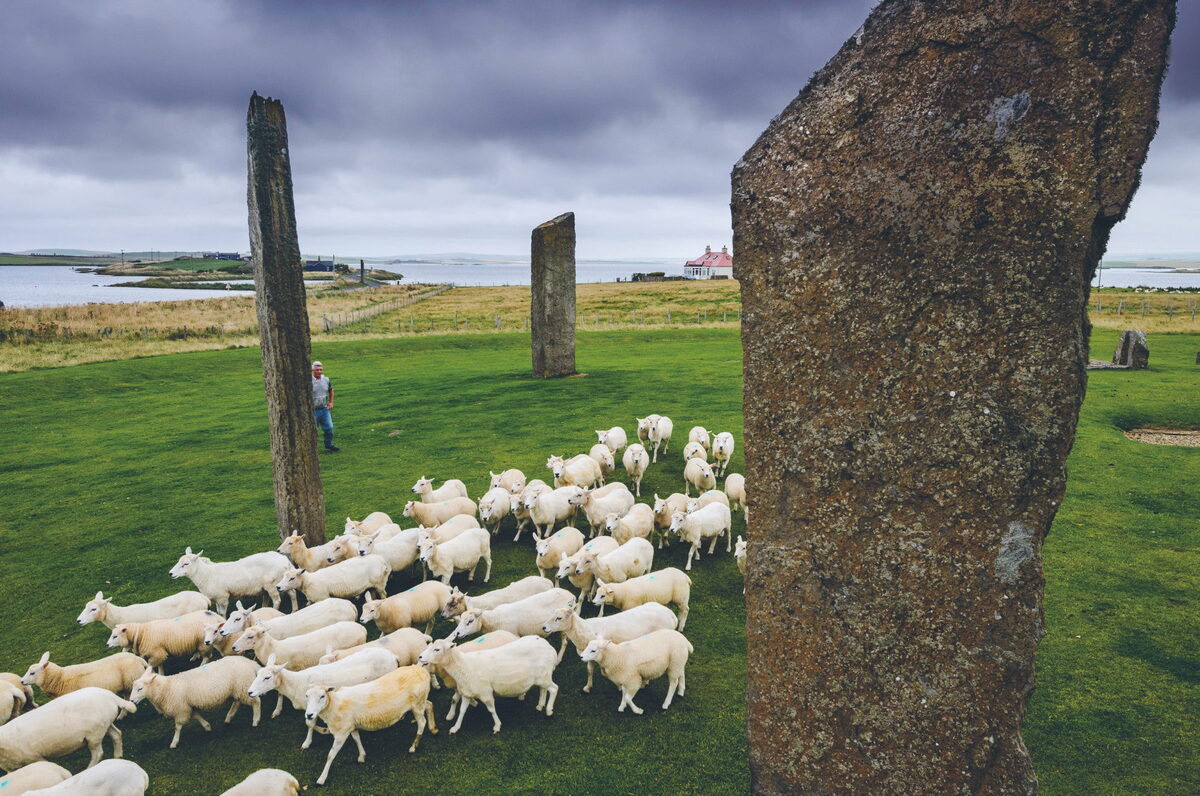
Photographs by highlandpark, VisitScotland / Paul Tomkins, VisitScotland / Kenny Lam, hamishmorrison and rachelvisual; The Pickaquoy Centre, Graham Hall, Hetty IRL, Dionne Clarke, Holly M, Donald MacLeod, Gema Garcia, Graham McFarlane, Iain Macdonald, Ian Tresman, Calum Mackenzie, J F, The Orkney Museum, Ian Barrow, Polly Kettle, Mick Moreton, Torsten A. aus Berlin, Andy Chittick and Viking's View BnB via Google