
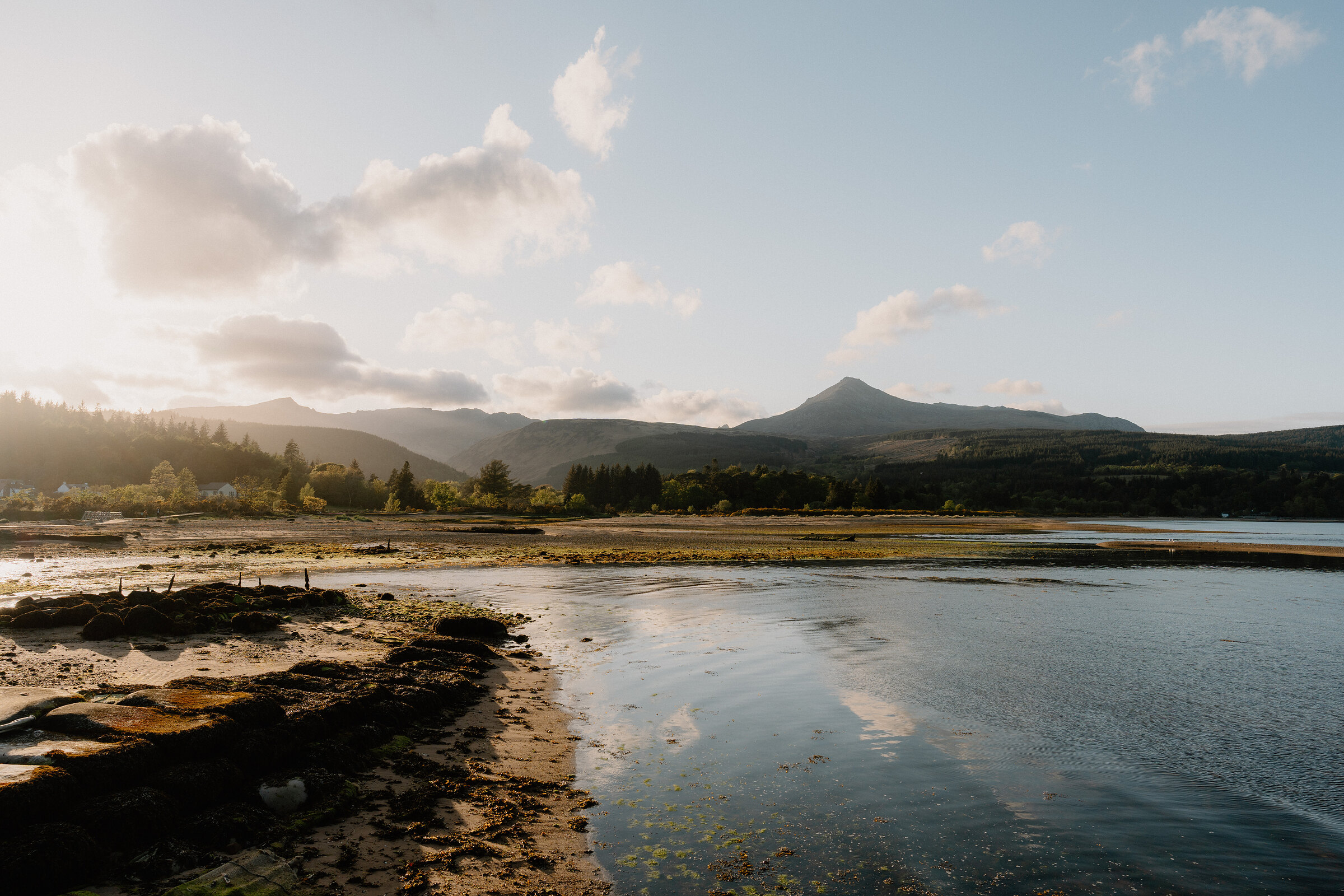
Arran. Isle of Arran guide
Mountains, beaches, castles and standing stones, an hour on the ferry from the mainland.
The four parts of Arran
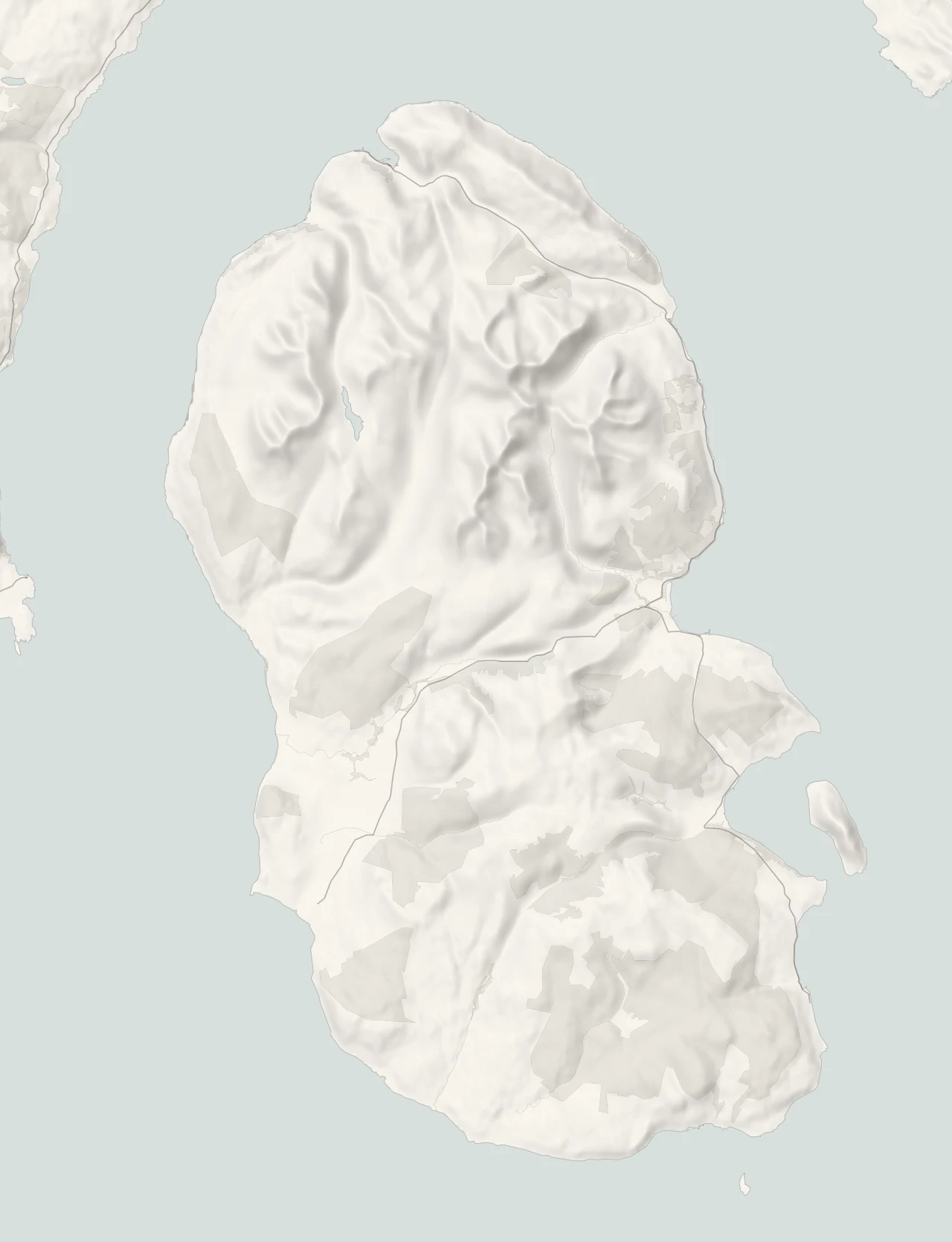
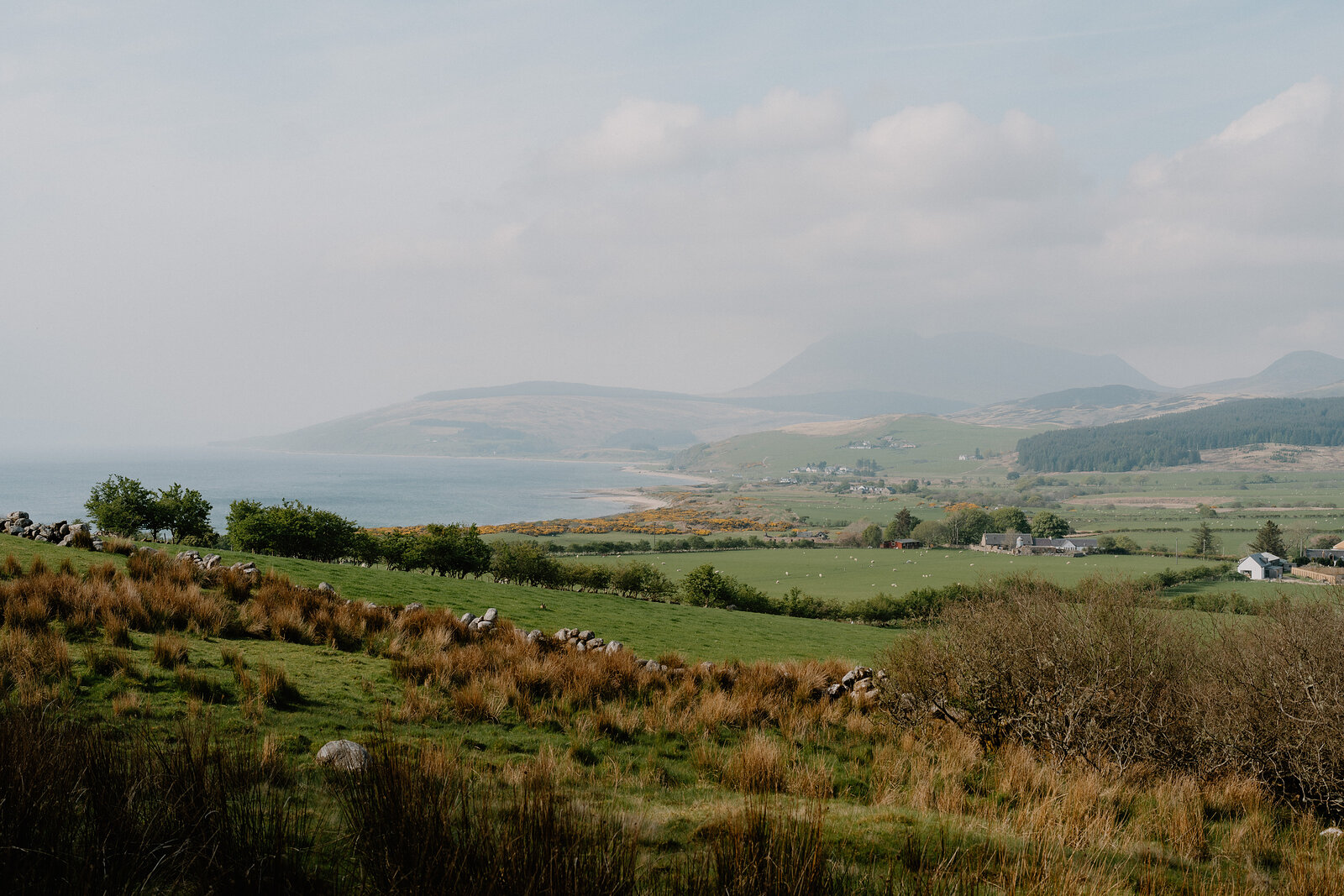
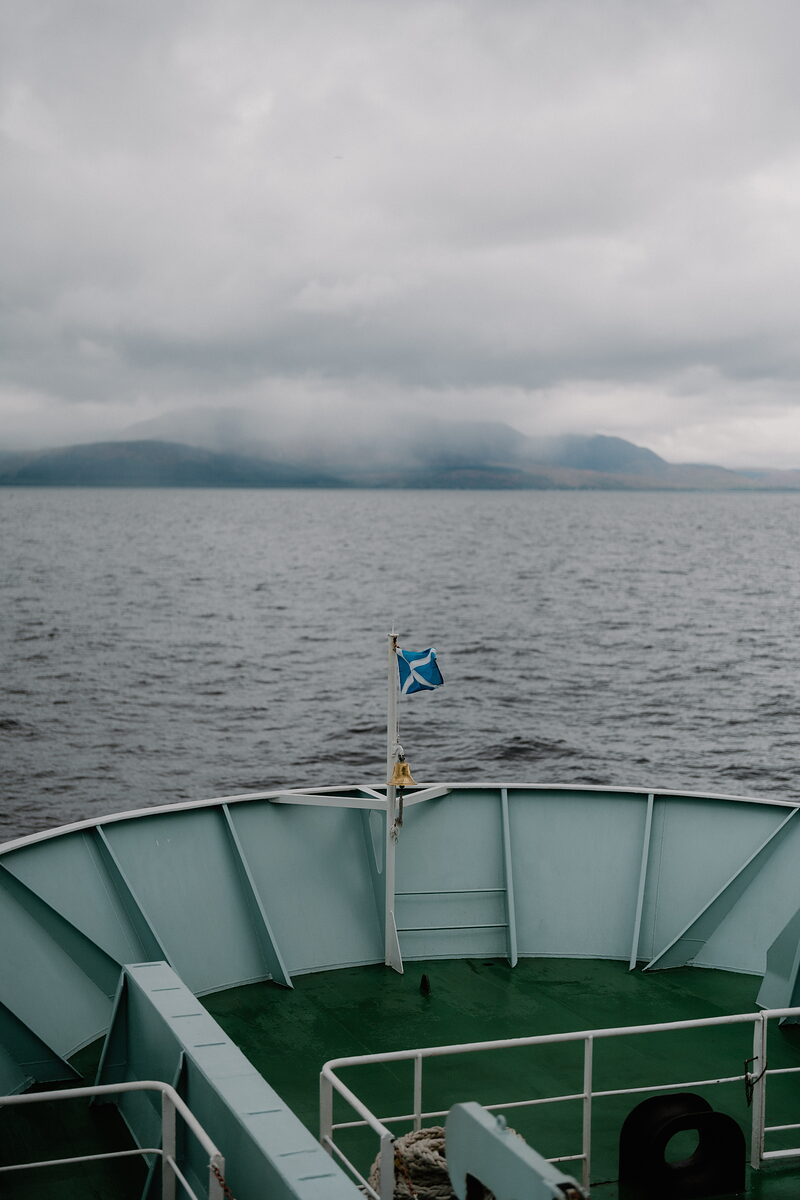
Arran is the island you see from so much of the Ayrshire coast, a long line of granite peaks floating out in the Firth of Clyde. The ferry to Brodick takes about an hour, and yet the mainland feels a long way off the moment you roll down the ramp. One road runs right round the island, some 56 miles of shore, villages and sea views, so it is easy to see a great deal in a few days. A little under five thousand people live here year round, and in summer they are joined by walkers, cyclists, families and anyone in need of a proper break.
Brodick and the east
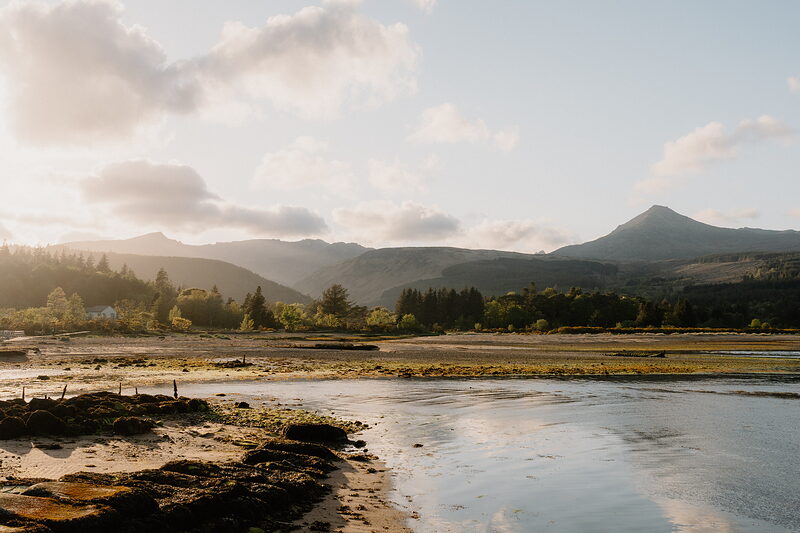
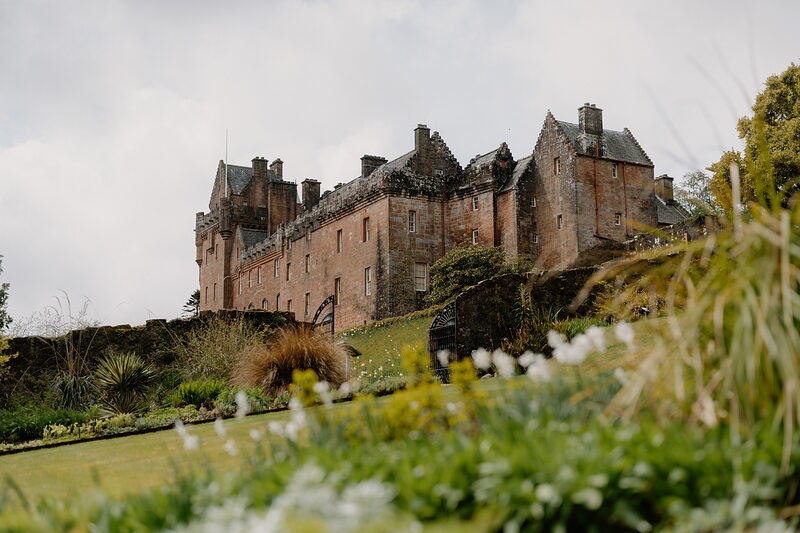
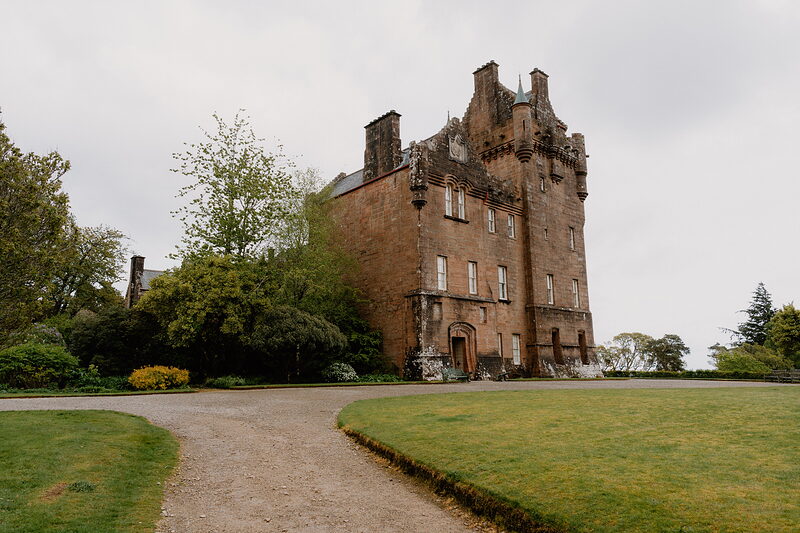
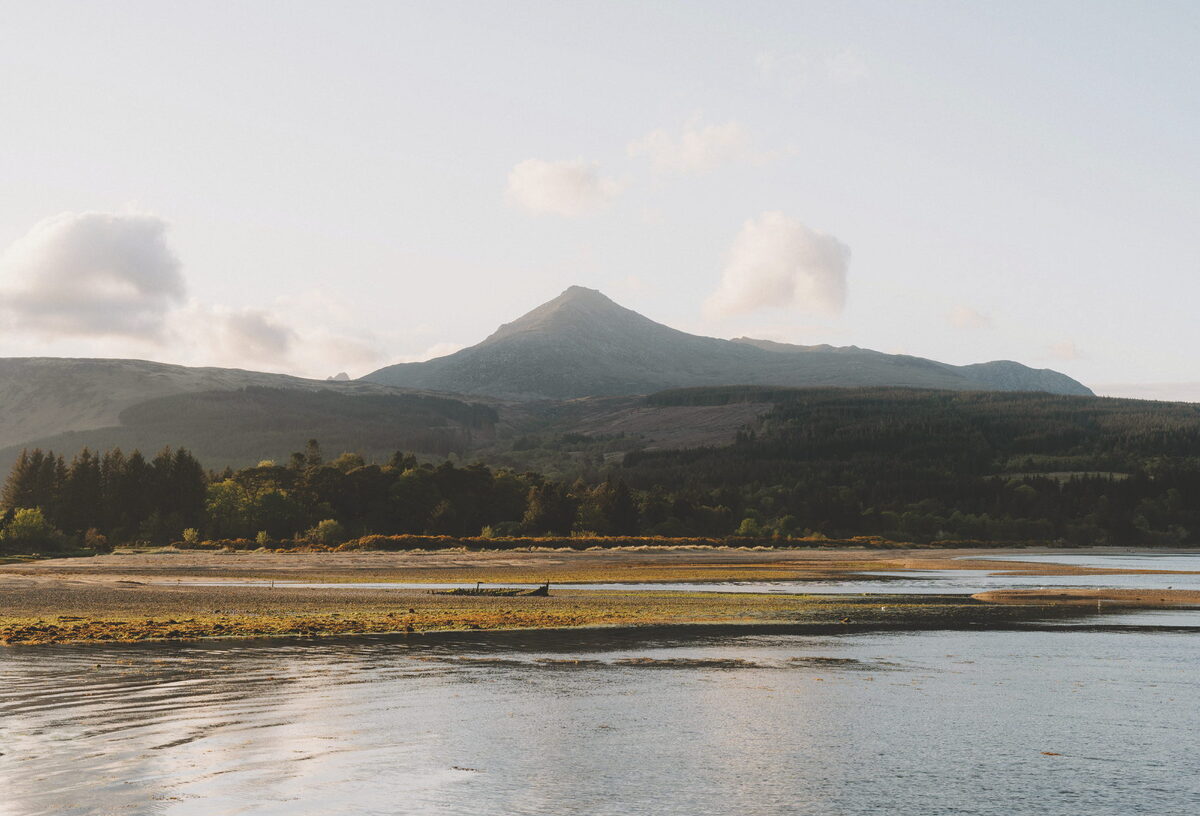
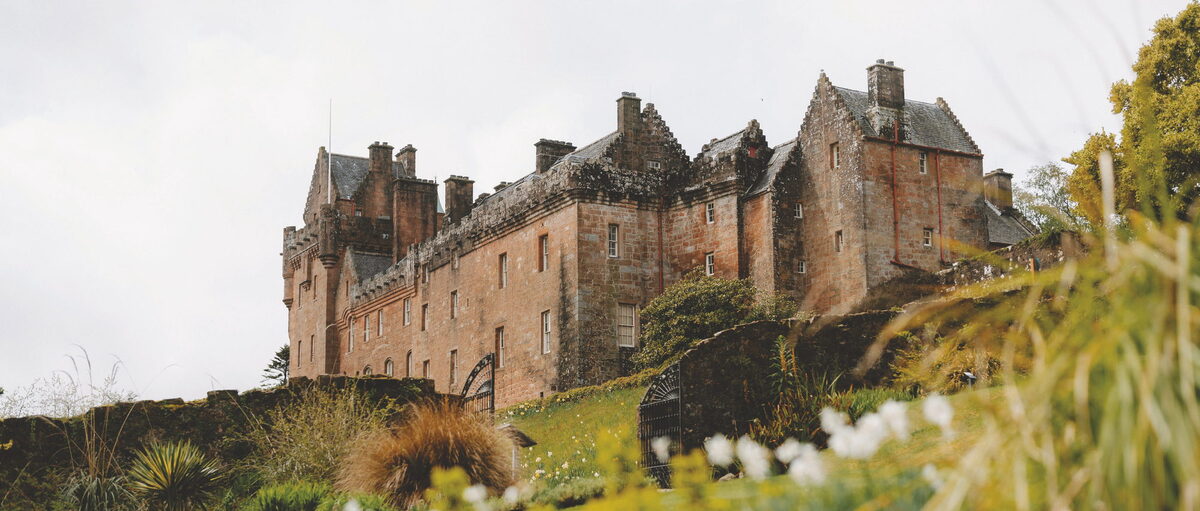
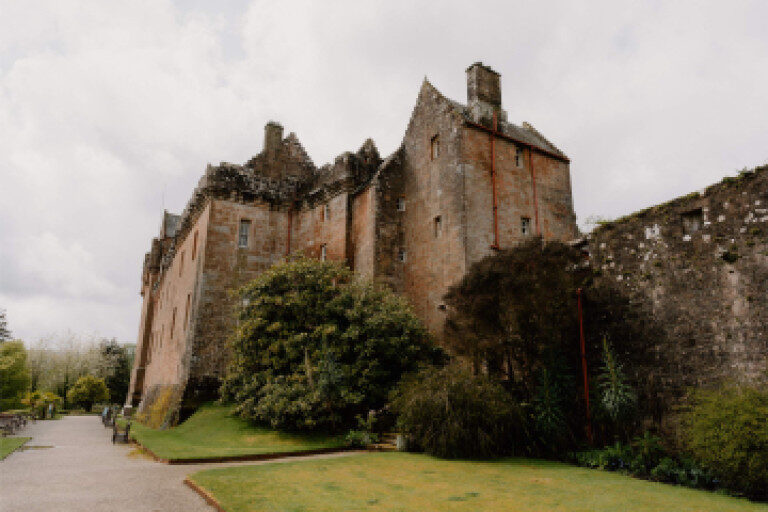
This is where the ferry comes in. Brodick sits on a wide sandy bay under Goat Fell, with the castle and its gardens along the shore and the path up the mountain starting at Cladach. Further south, Lamlash looks across the water to Holy Isle, and Whiting Bay has the walk up through the woods to Glenashdale Falls.
The North End
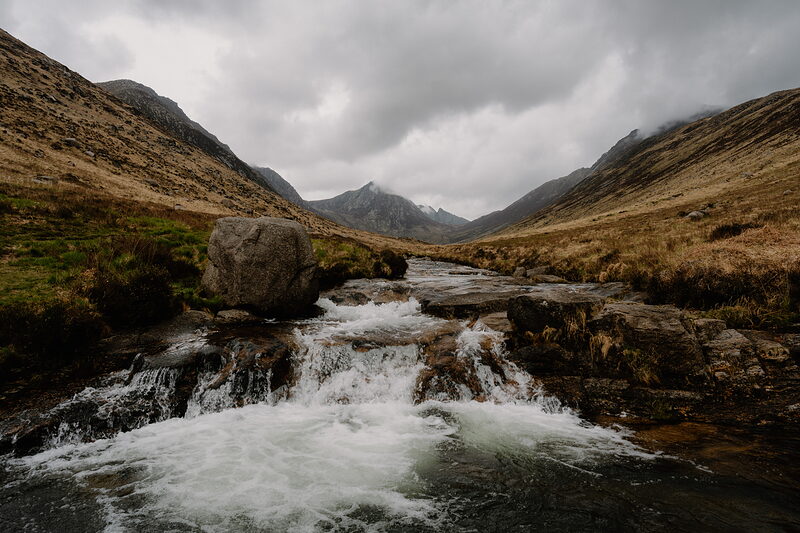
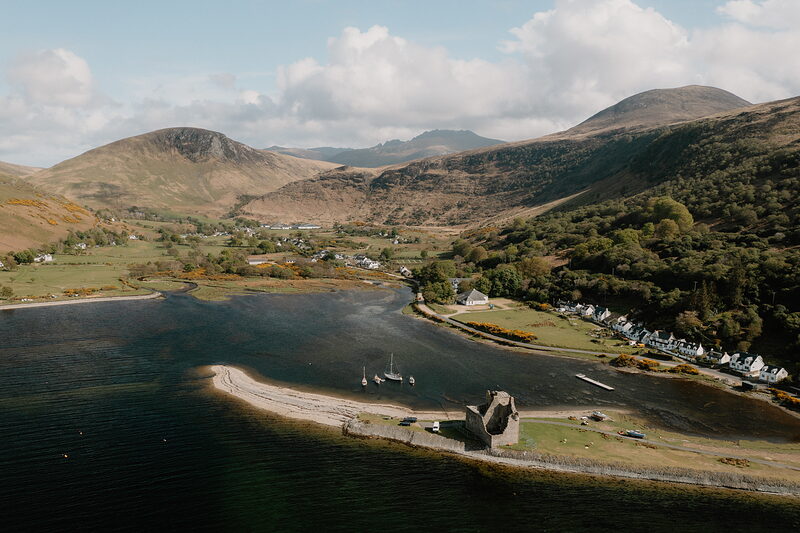
The high, wild end of the island. Corrie and Sannox sit right under the mountains, with Glen Sannox running up behind them, and the road climbs over the Boguille to Lochranza, where a ruined castle stands on a spit in the loch and the red deer wander through the village.
The West Coast
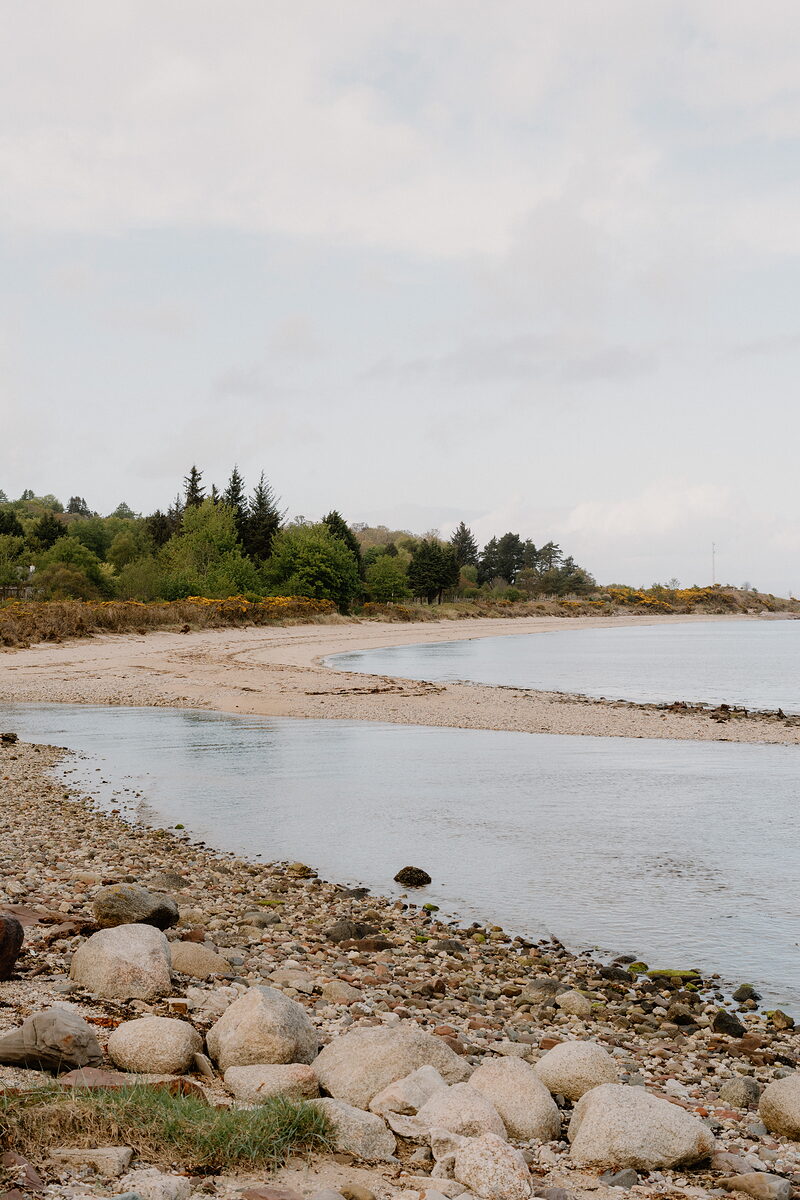
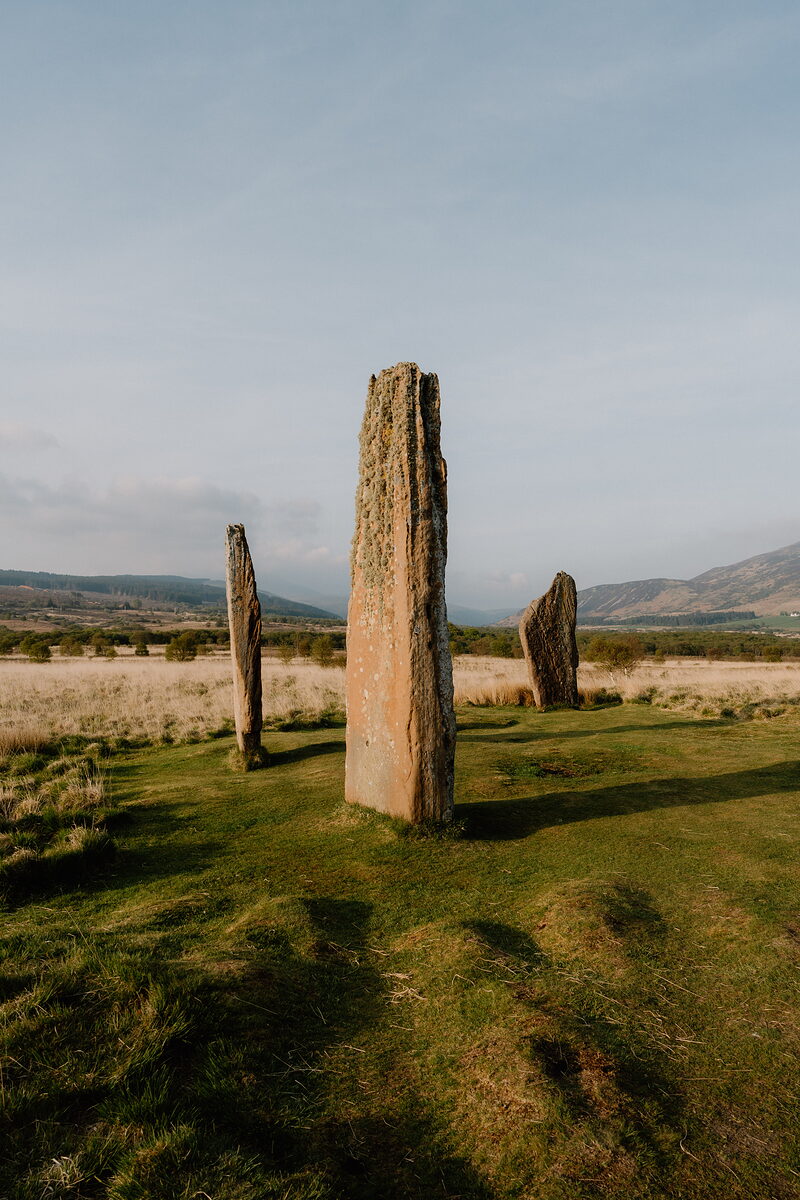
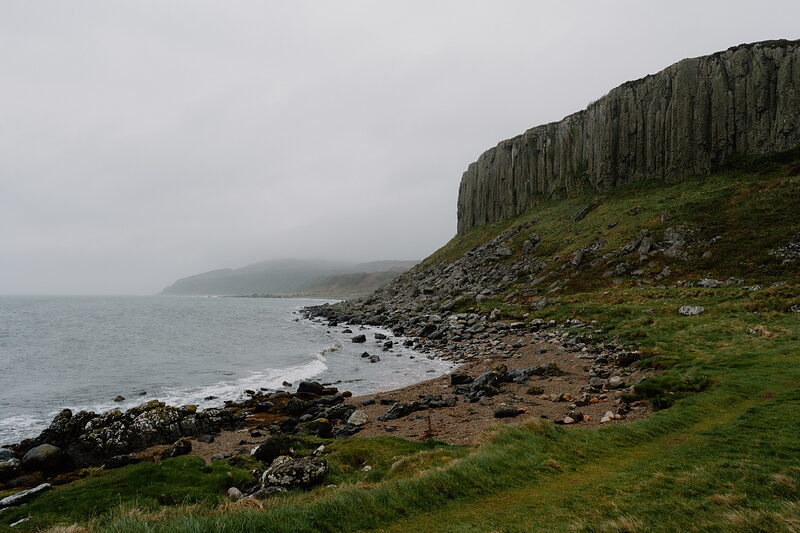
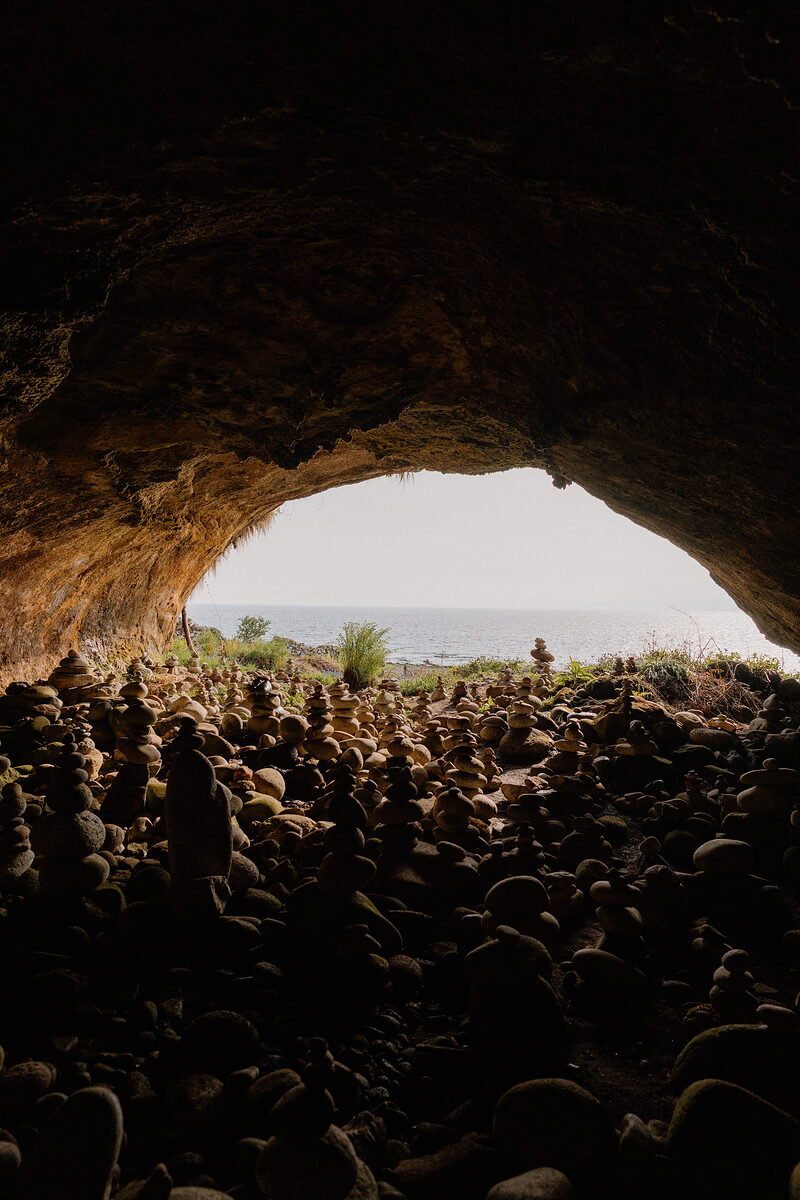
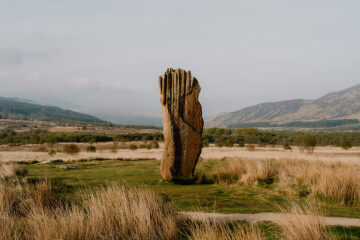
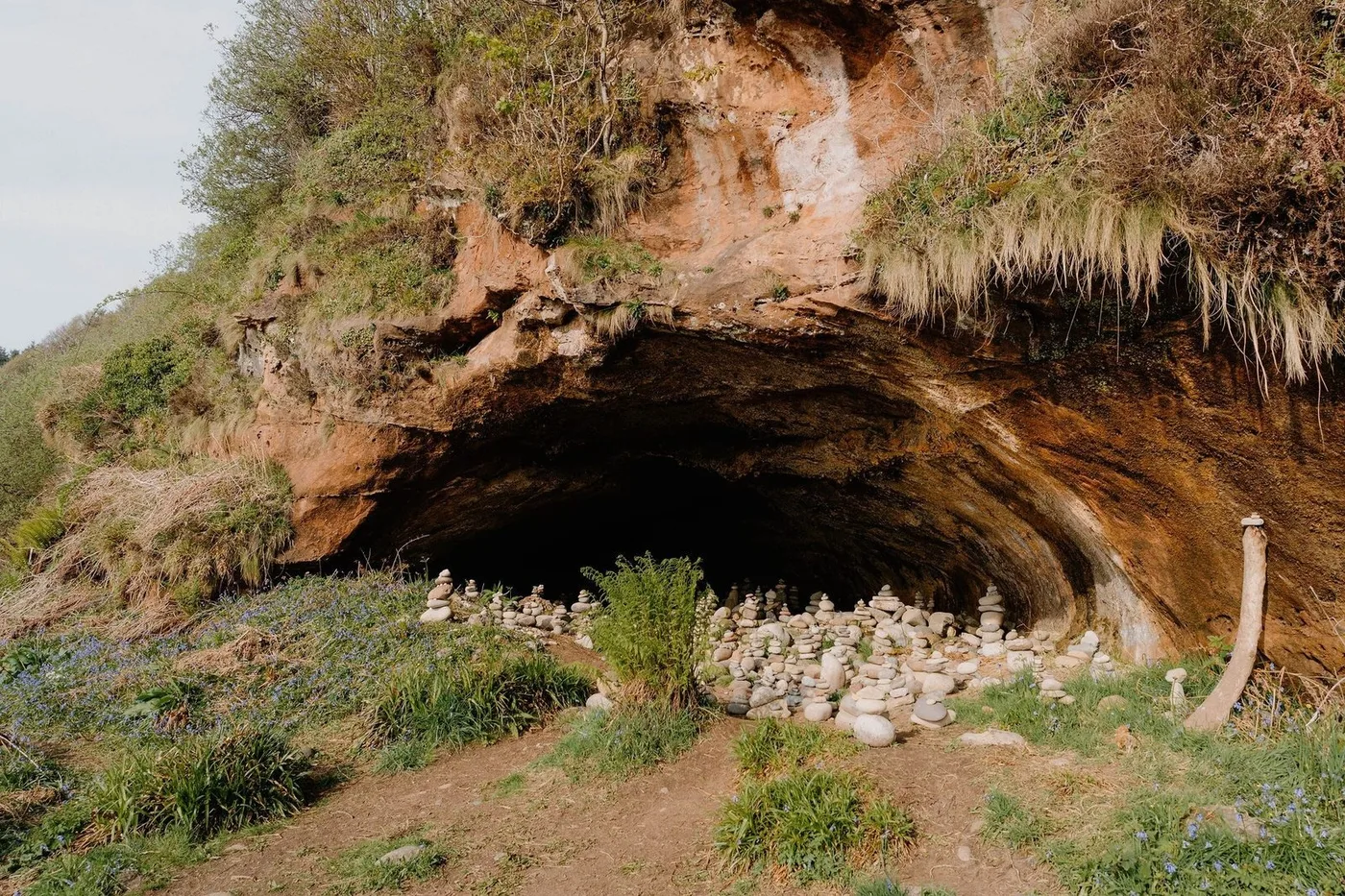
Long beaches and big sunsets over Kintyre. Blackwaterfoot has one of the island's loveliest sandy beaches and a walk out to the basalt columns at Drumadoon, and from Machrie a farm track leads out over the moor to the standing stones, with King's Cave a short walk along the shore.
The South Coast
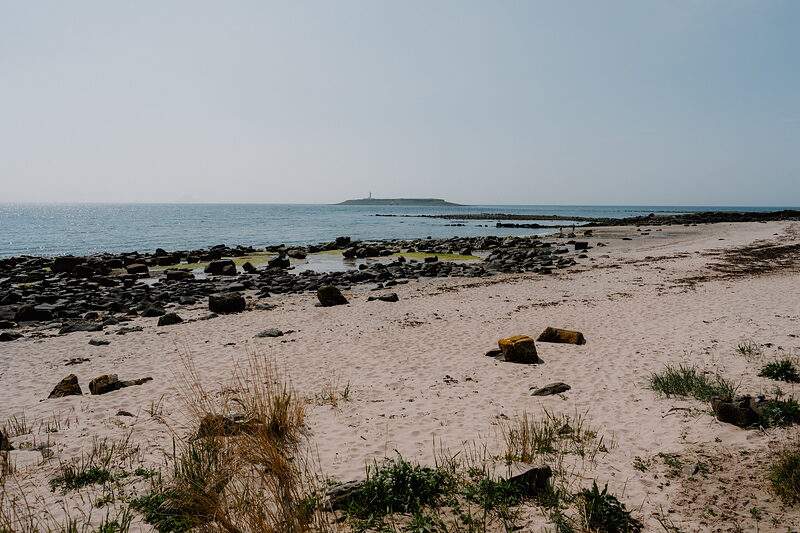
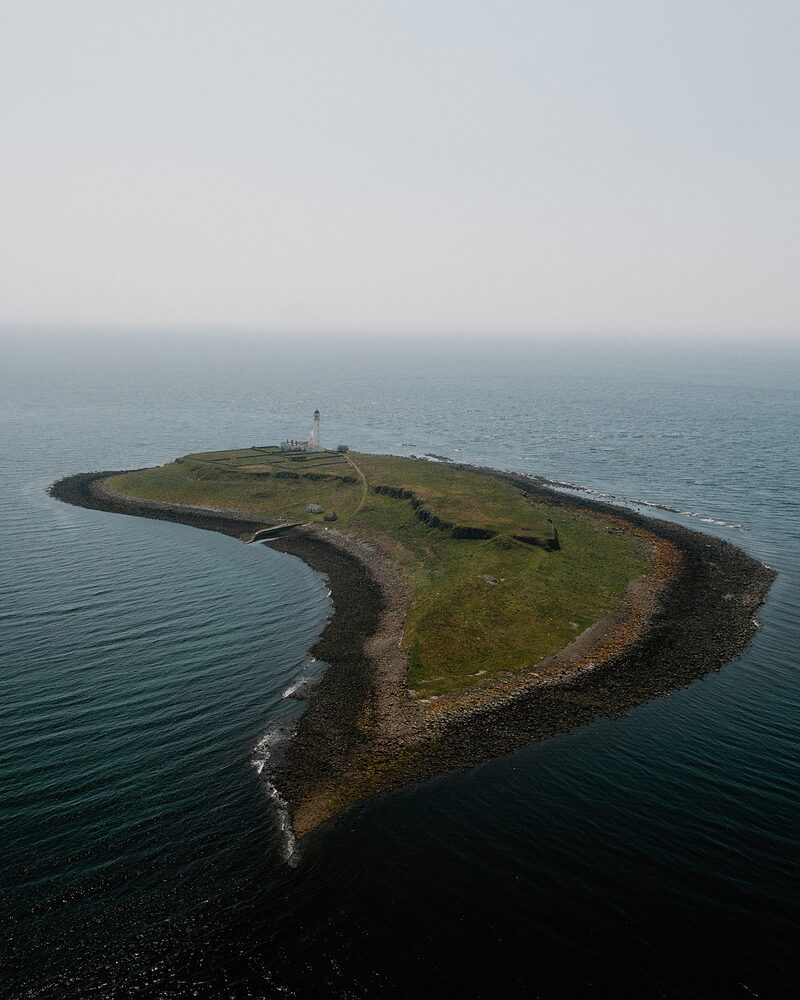
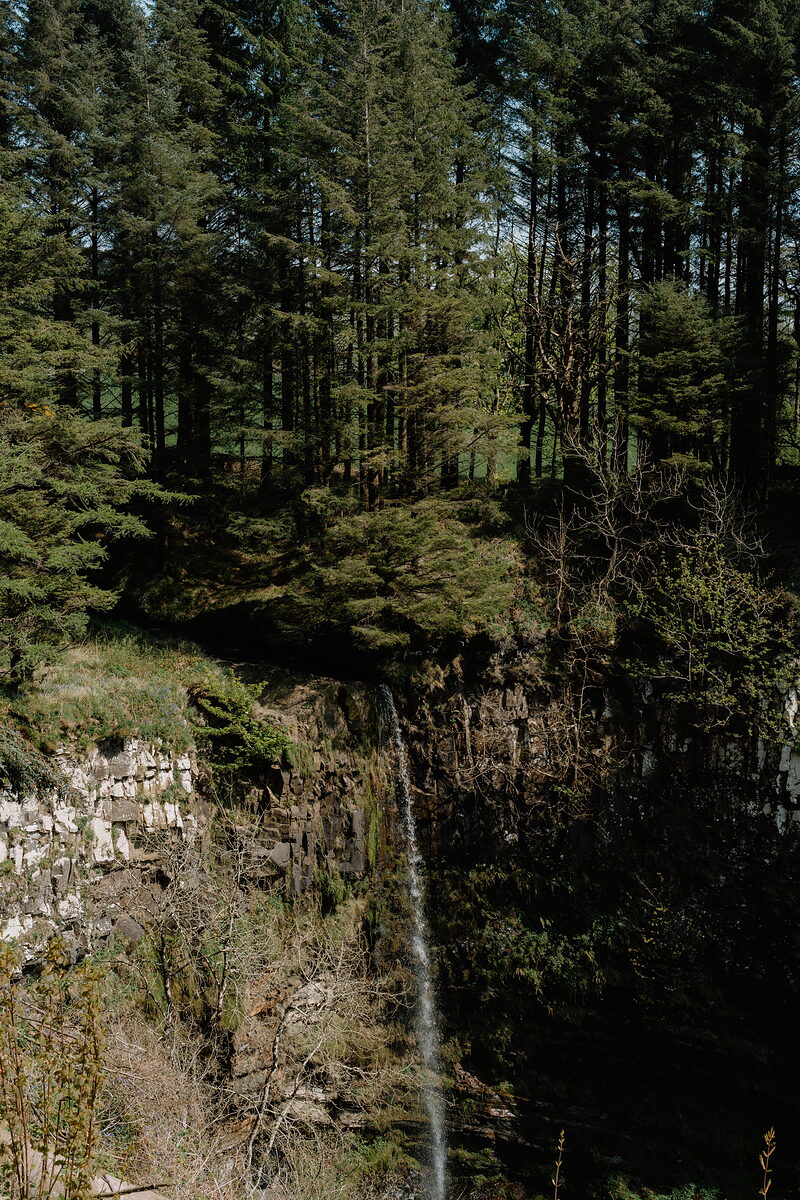
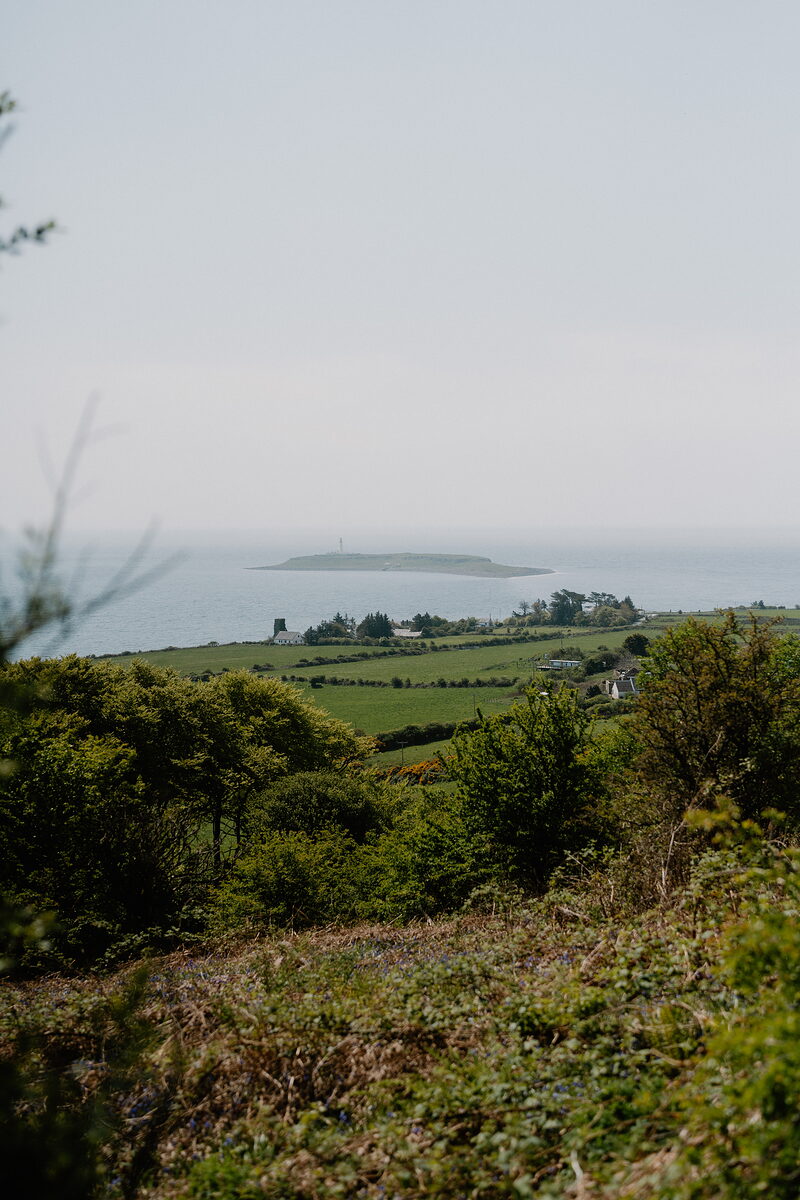
Green, quiet and farmed right down to the sea. Kildonan looks out to the lighthouse on Pladda and has seals on the rocks below the ruined castle, Lagg has the newer of the island's two distilleries, and the woods at Eas Mor hide a waterfall and a little library in a cabin.
“Arran is compact and varied. Once you're on the island there are no long journeys. Within ten minutes' drive, you have everything the island has to offer.”
Fiona Mackintosh
Hamilton Cottages, Shiskine
Best known for.
Arran is known first for its hills. Goat Fell rises over Brodick Bay, and the jagged granite ridges of the north draw walkers, scramblers and climbers all year. It is known too for its rocks, since James Hutton found proof of deep time on the shore at Lochranza in 1787, and geologists still come to study them. Then there is the food and drink: Arran cheddar and Arran Blue, single malts from Lochranza and Lagg, and soaps and scents made on the island since 1989. It is known as well for its stone circles, its sea caves and its quiet sandy bays.
More about Arran
The island is often called Scotland in miniature, and it earns the name. The Highland Boundary Fault cuts across it, so the north is all high ridges, deep glens and Goat Fell, while the south rolls away in farmland, forest and moor. Brodick is the busy end, with its red castle on the hill above the bay. Lamlash looks across the water to Holy Isle, and Whiting Bay and Kildonan have the southern beaches. Out west, Blackwaterfoot and Machrie are the places for standing stones and sunsets over Kintyre, and in the north, Lochranza wraps round a sea loch with a castle on its shore.
What makes Arran such easy company is how much it fits into a small space. You can climb a mountain in the morning, eat langoustines by the sea at lunchtime and walk among ancient stone circles before supper. There is whisky from both ends of the island, gin made on the beach, cheese from a dairy you can watch at work and a string of cafés baking their own bread. Red deer graze the green at Lochranza, seals turn up on the rocks at Kildonan, and the views across the water to Kintyre and Ailsa Craig change by the hour.
What would you like to look at?
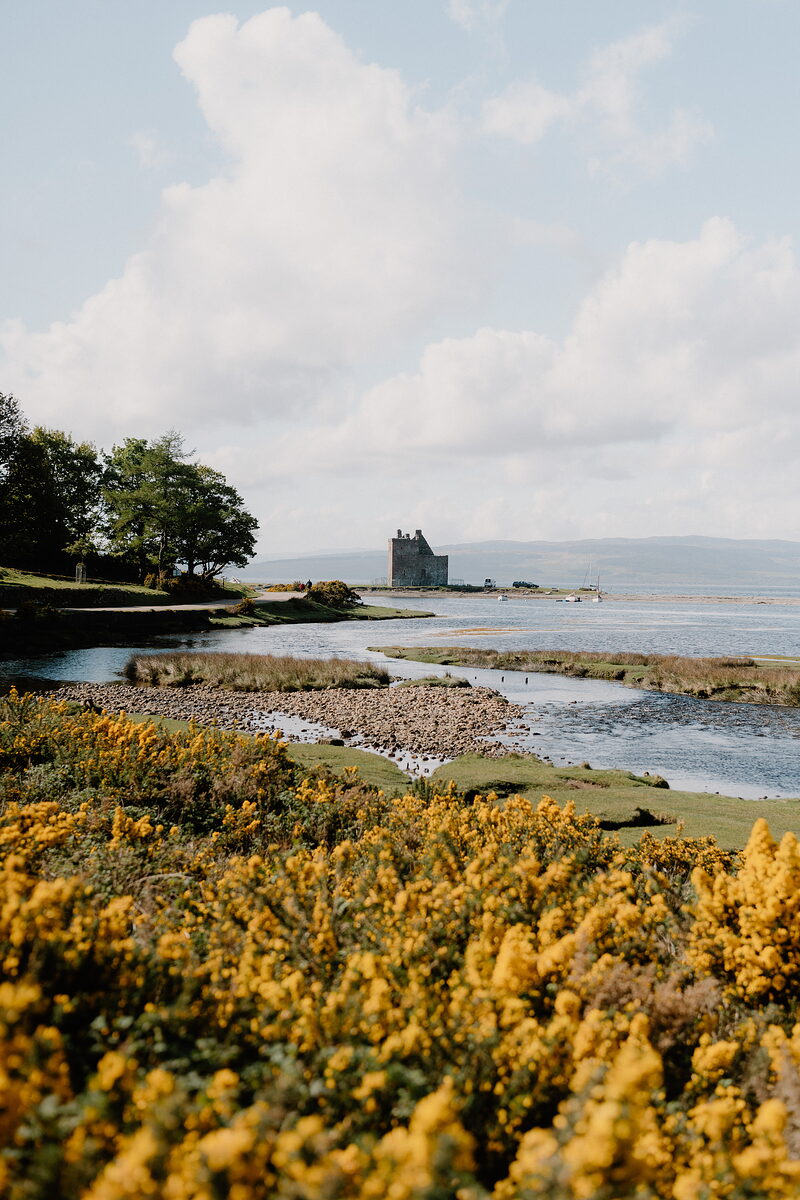 See and doCastles, standing stones and sea caves
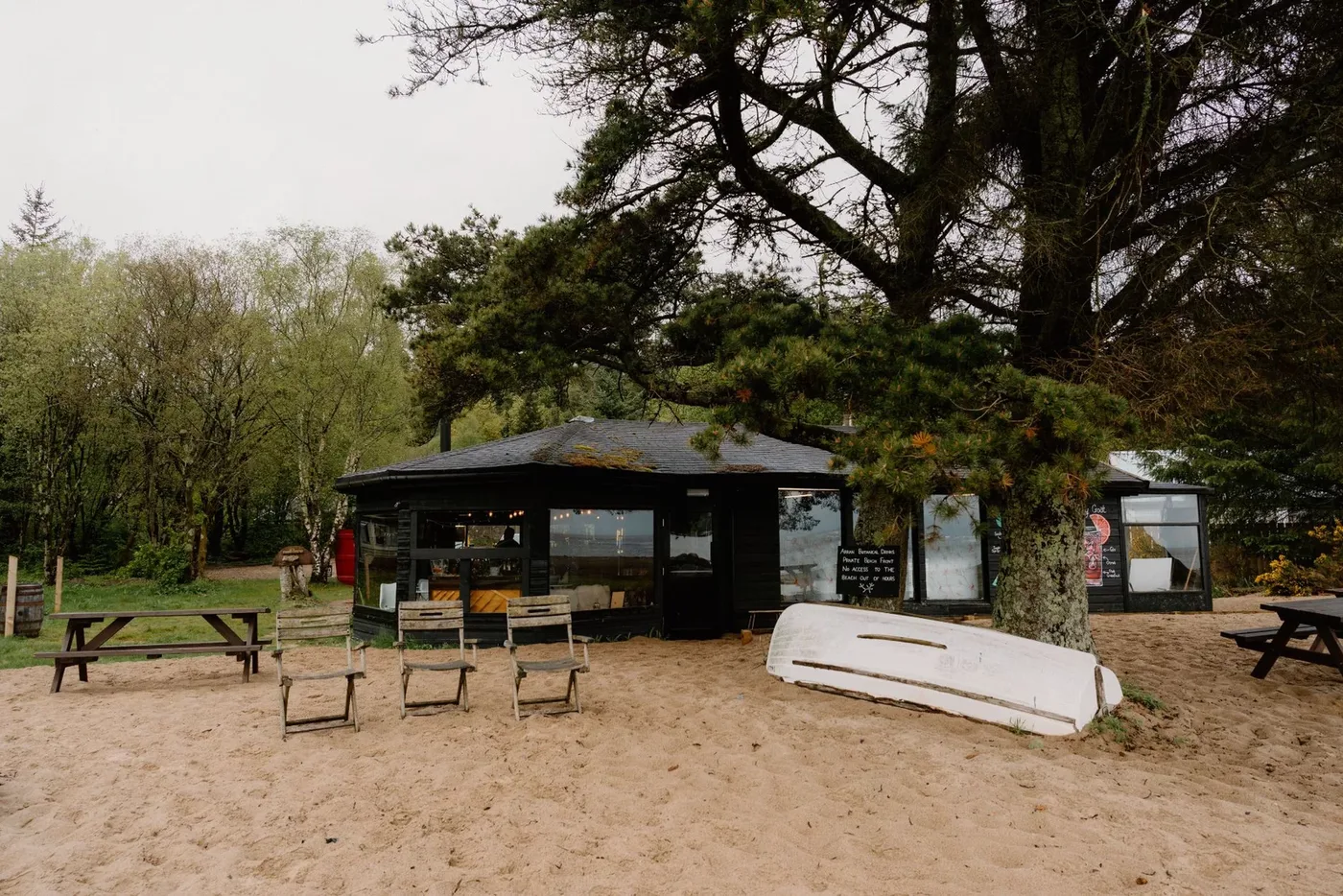
 Eat, drink and shopSeafood, bakeries and a beach bar
 History and storiesFrom stone circles to the Dukes of Hamilton
 ItinerariesDays we have driven, stop by stop
 Getting hereThe ferries, the roads and the buses
 What is on on ArranSomething new from the island every day
What is on on Arran
Friday the 16th of October.
Sunrise 07:53, sunset 18:19.
Things you might not know.
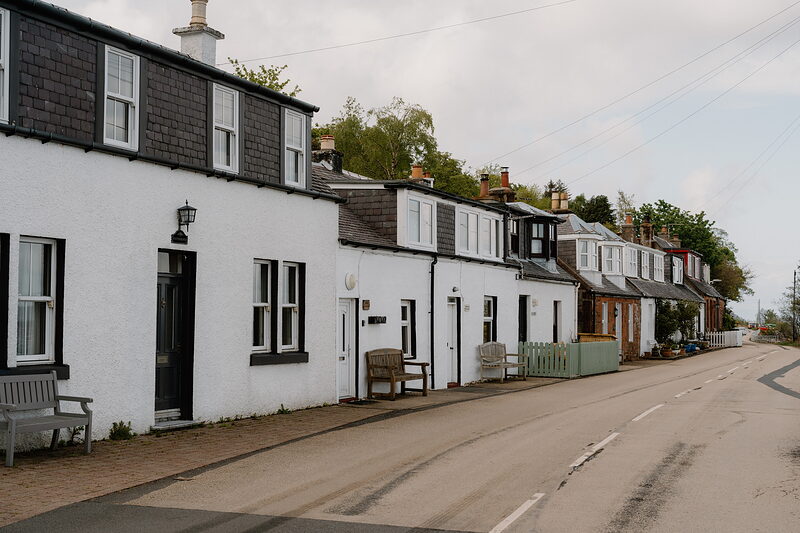
Each of the twelve white cottages at Catacol has a differently shaped upstairs window. The story goes that a fisherman's wife could light a candle in hers, and the boats out on the Firth would know whose husband was wanted home.
From The Best of the Isle of ArranThere are no foxes, grey squirrels, moles or weasels on Arran, which is why red squirrels, red deer, otters, seals and golden eagles do so well here.
From The Best of the Isle of ArranThe String Road across the middle of the island is said to take its name from how it looked once it was built: as if Arran were a parcel tied up with string.
From The Best of the Isle of Arran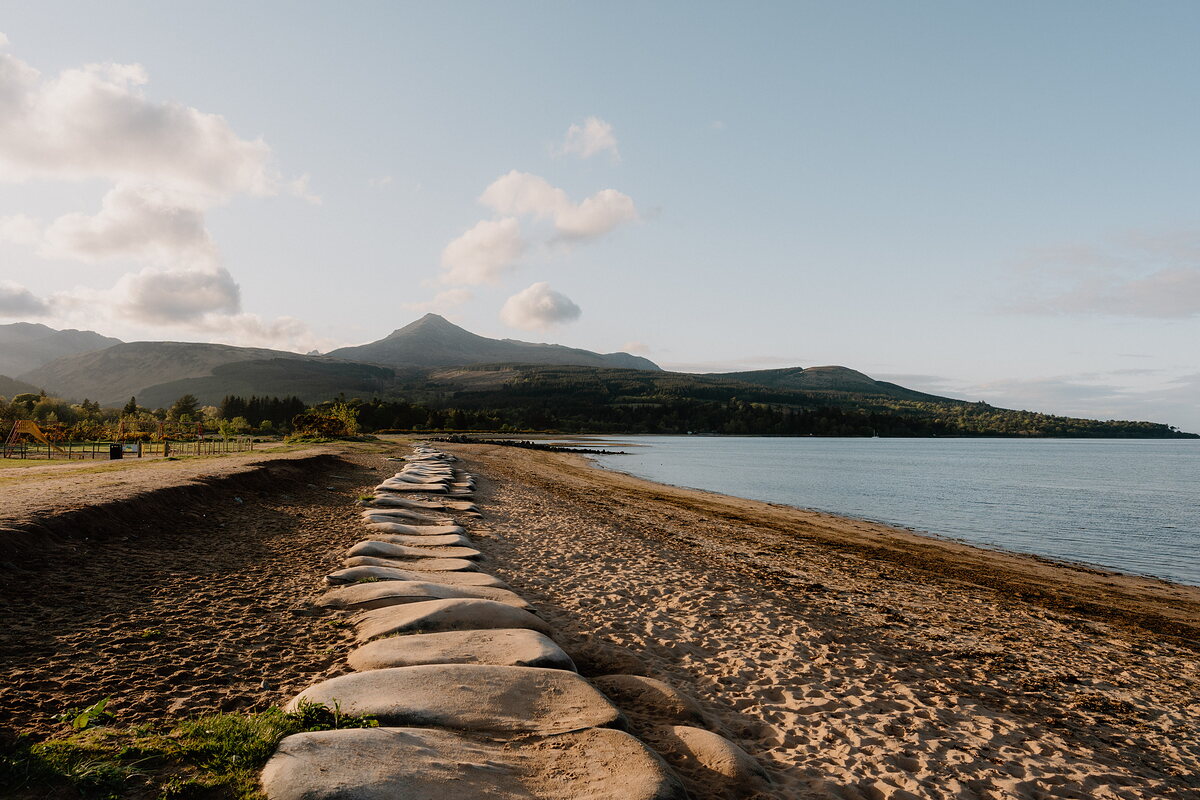
Brodick takes its name from the Old Norse Bredavik, the broad bay.
From A is for ArranSomewhere in the black rock about fifty metres from the car park at Kildonan is the footprint of Chirotherium, left around 240 million years ago.
From The Best of the Isle of Arran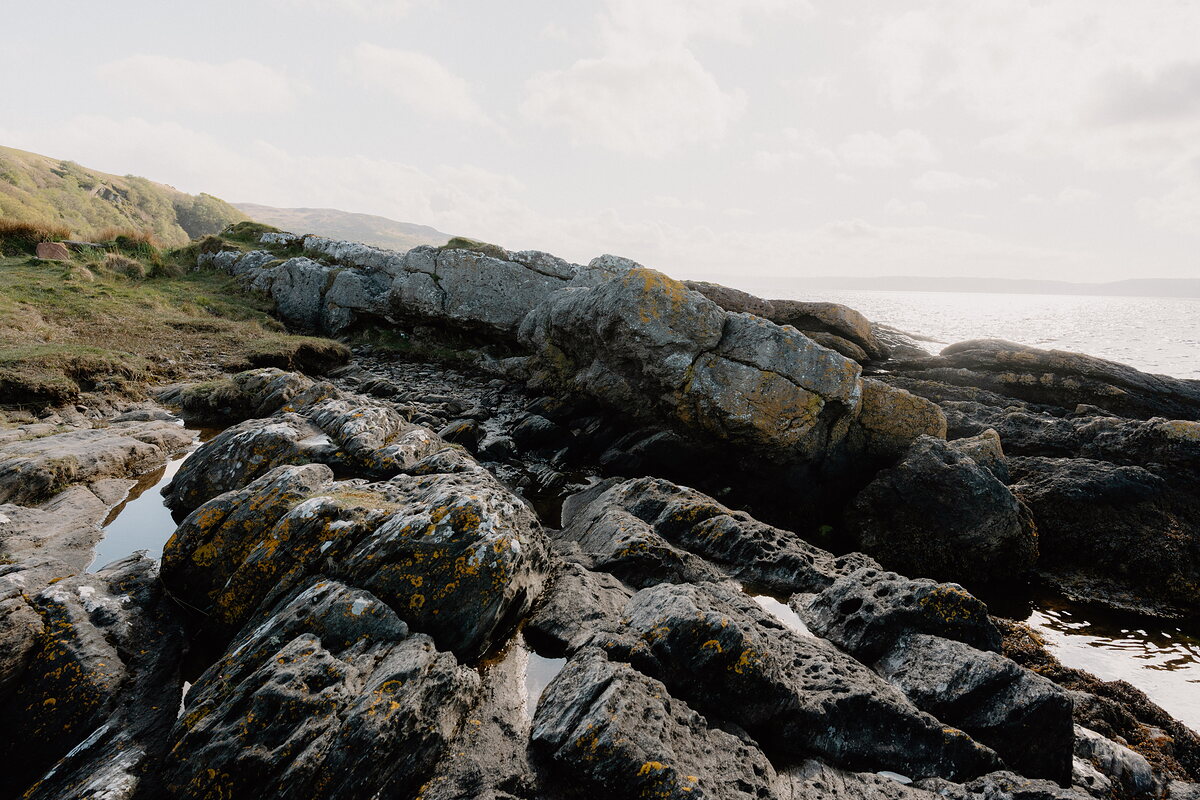
On the shore at Lochranza, James Hutton found the rocks that showed the Earth was millions of years old, not thousands.
From The Best of the Isle of ArranRead about Arran.
Photographs by Kilmory Workshop Wood & Pottery and sarah cairns via Google