
Inverness-shire. Inverness-shire guide
The Highland capital on the River Ness, Loch Ness and Urquhart Castle, Culloden and the glens of Affric.
The four parts of Inverness-shire
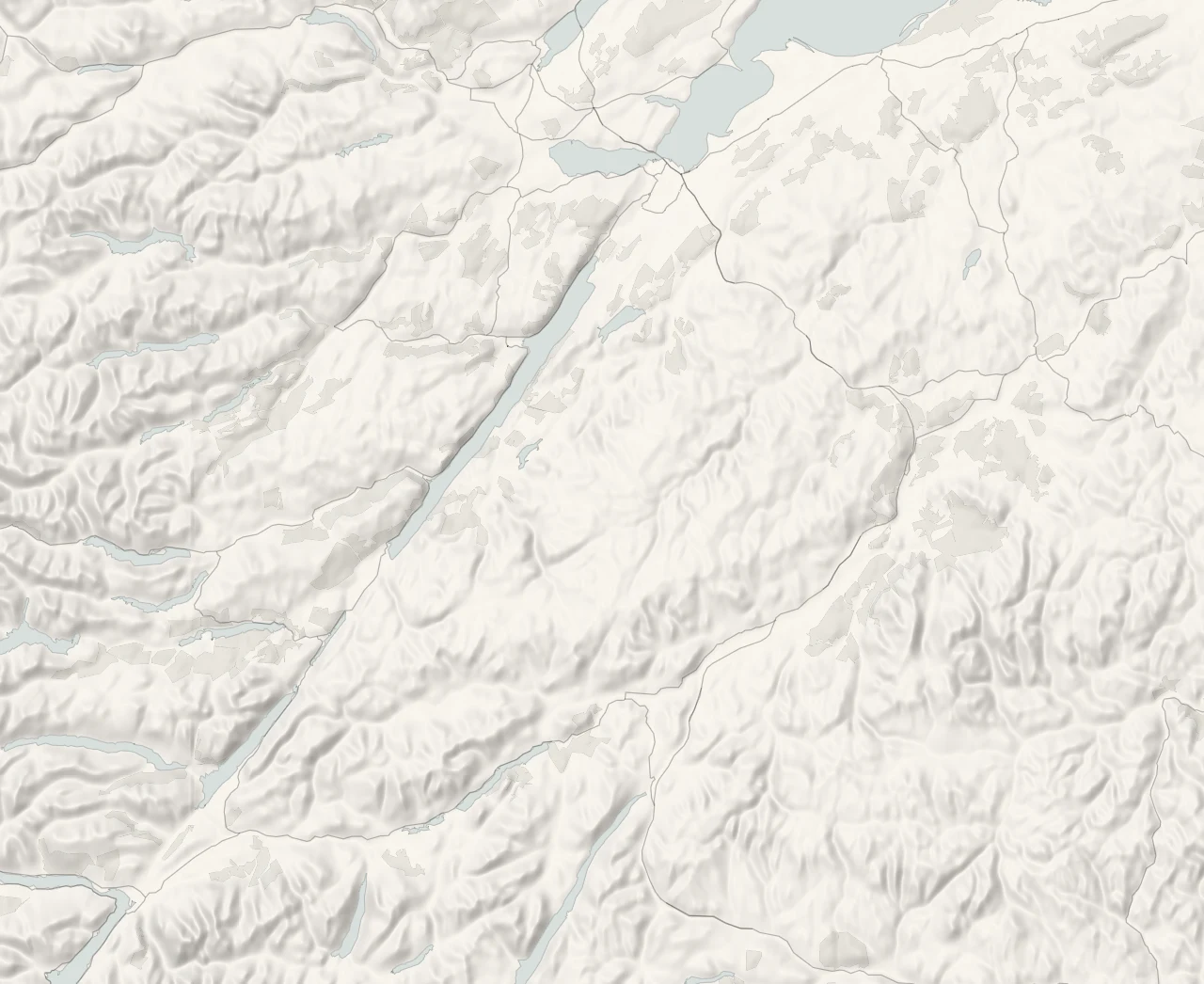
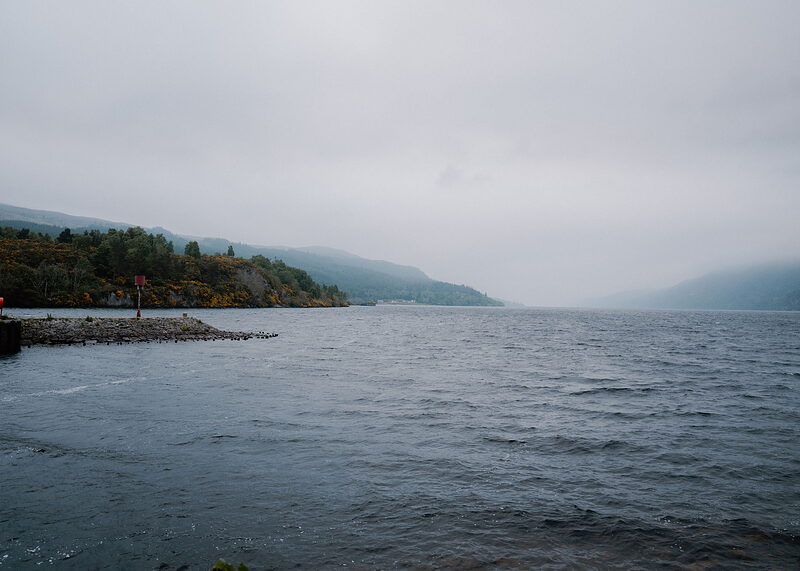
Inverness-shire is the country of the Great Glen, the long, straight trench that runs across Scotland from the Moray Firth towards Fort William. Inverness sits at the top of it, where the River Ness meets the sea. It is a small and friendly city, with a red sandstone castle on its hill and the river running clear through the middle. South-west of the city, Loch Ness stretches away for twenty-three miles between steep, wooded hills, deep and dark and famous the world over for the creature said to live in it. Most people come for the loch and the monster, and they are right to. But there is a great deal more here once you turn off the main road.
Inverness and Culloden
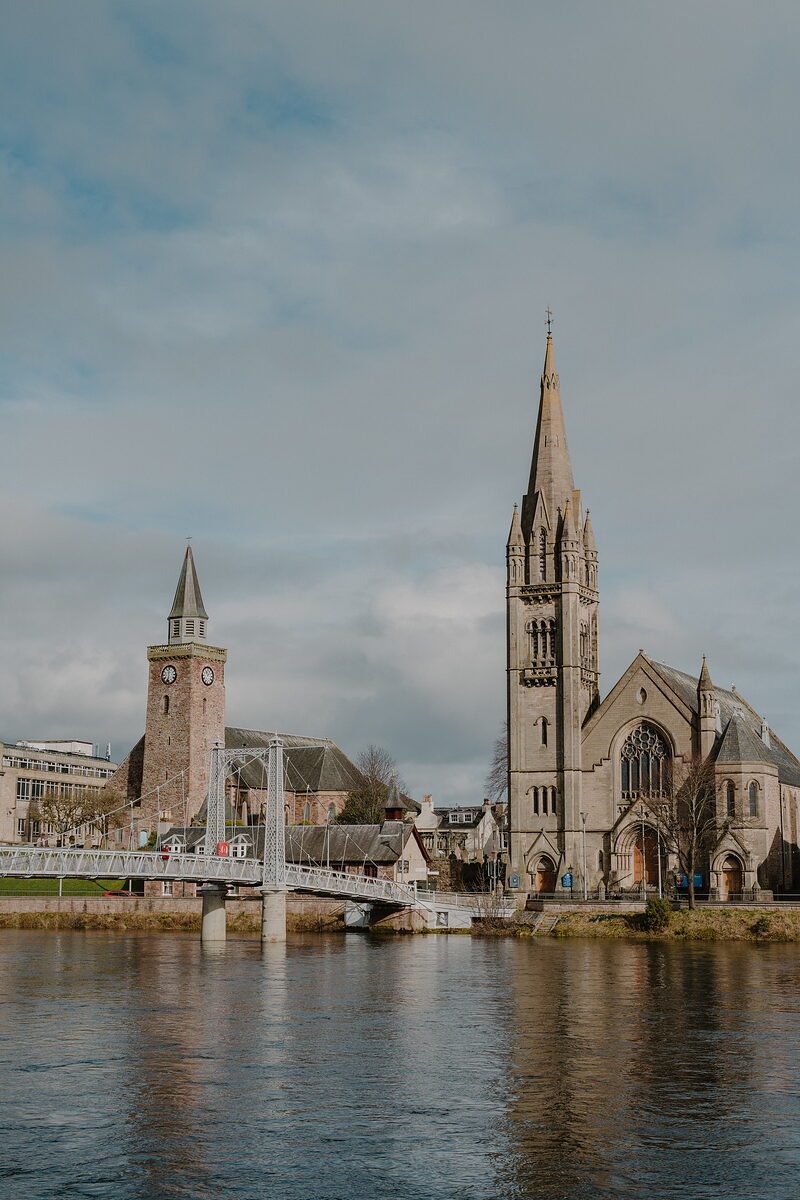
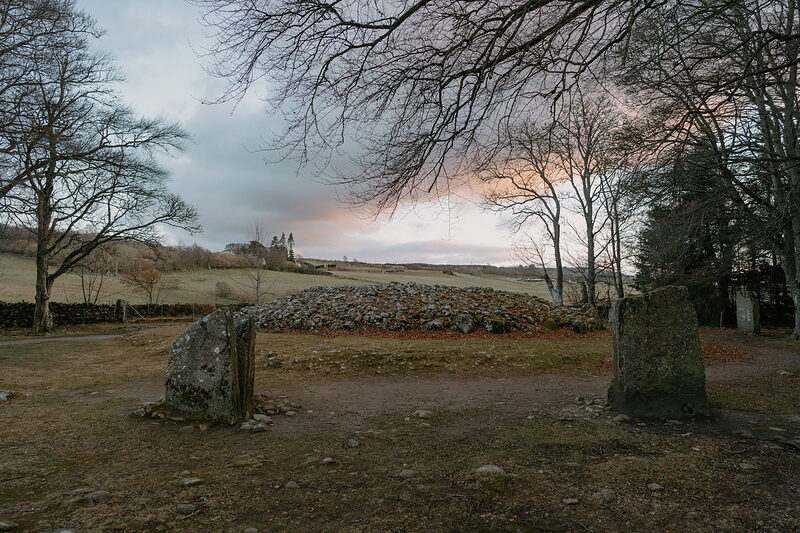
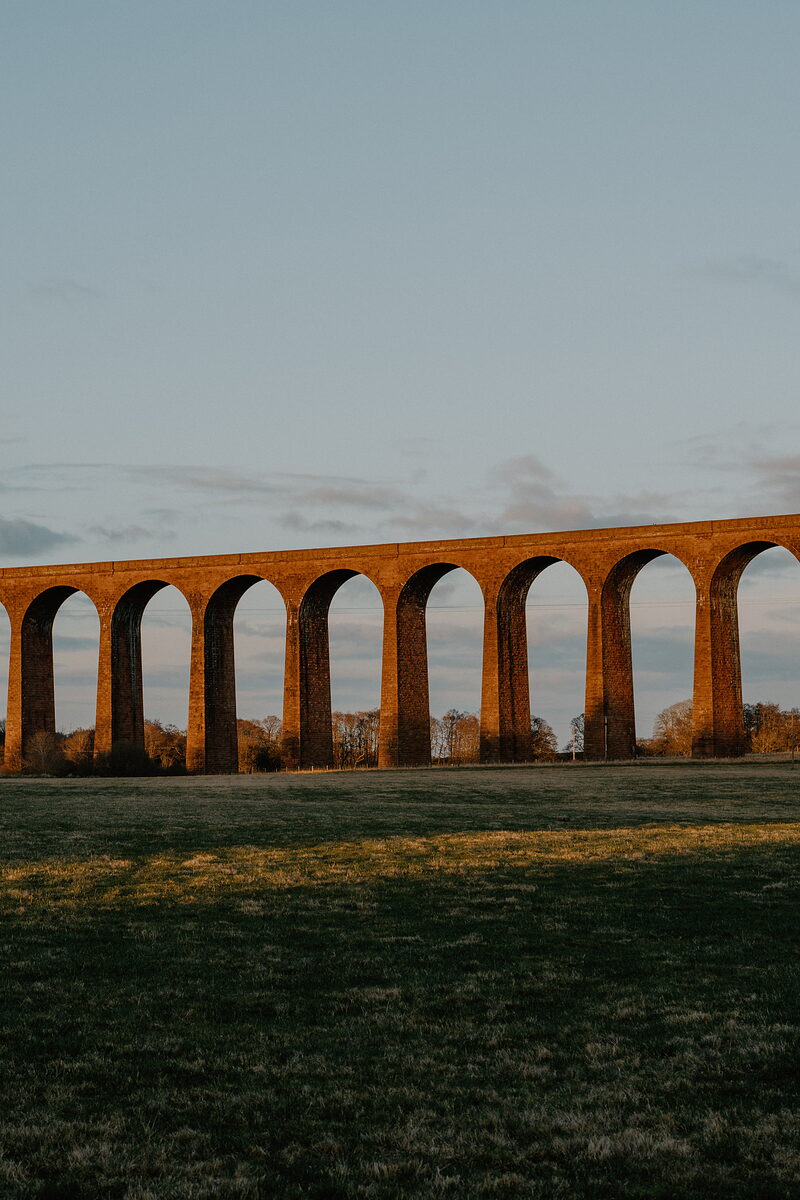
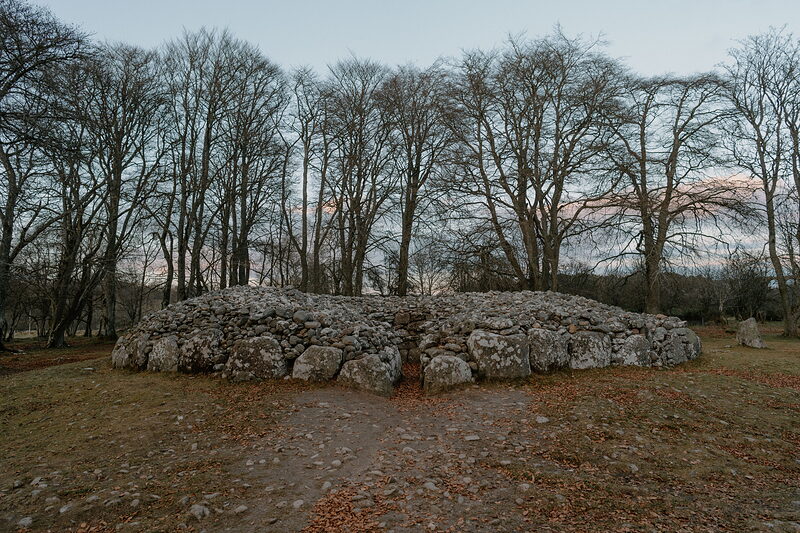
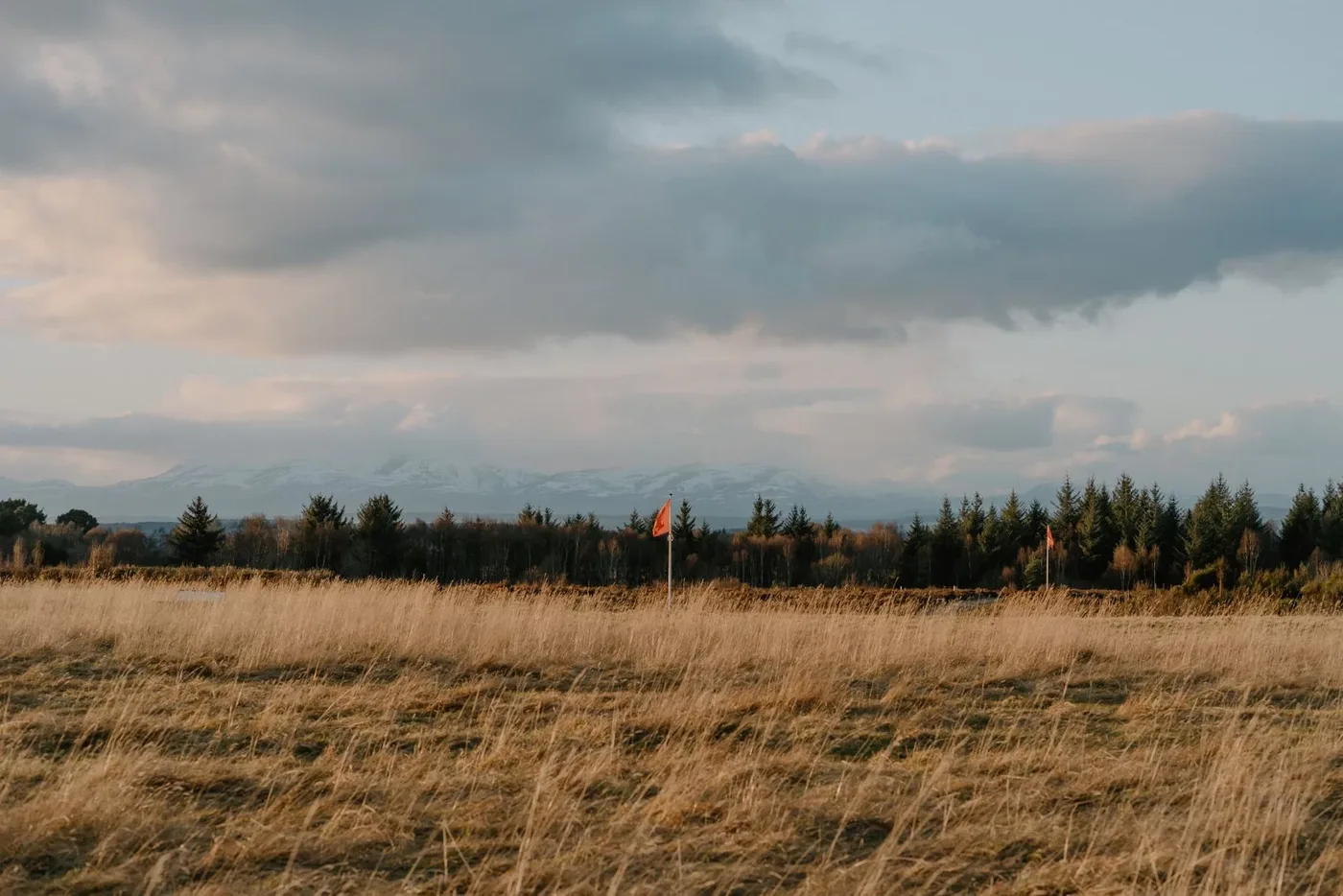
Inverness is a small, friendly city on the River Ness, with the castle on its hill, Leakey's bookshop in an old church and the arcades of the Victorian Market. East of town, the battlefield at Culloden and the Clava Cairns lie close together, and Cawdor Castle and the distillery at Tomatin are an easy drive away.
Beauly and Glen Affric
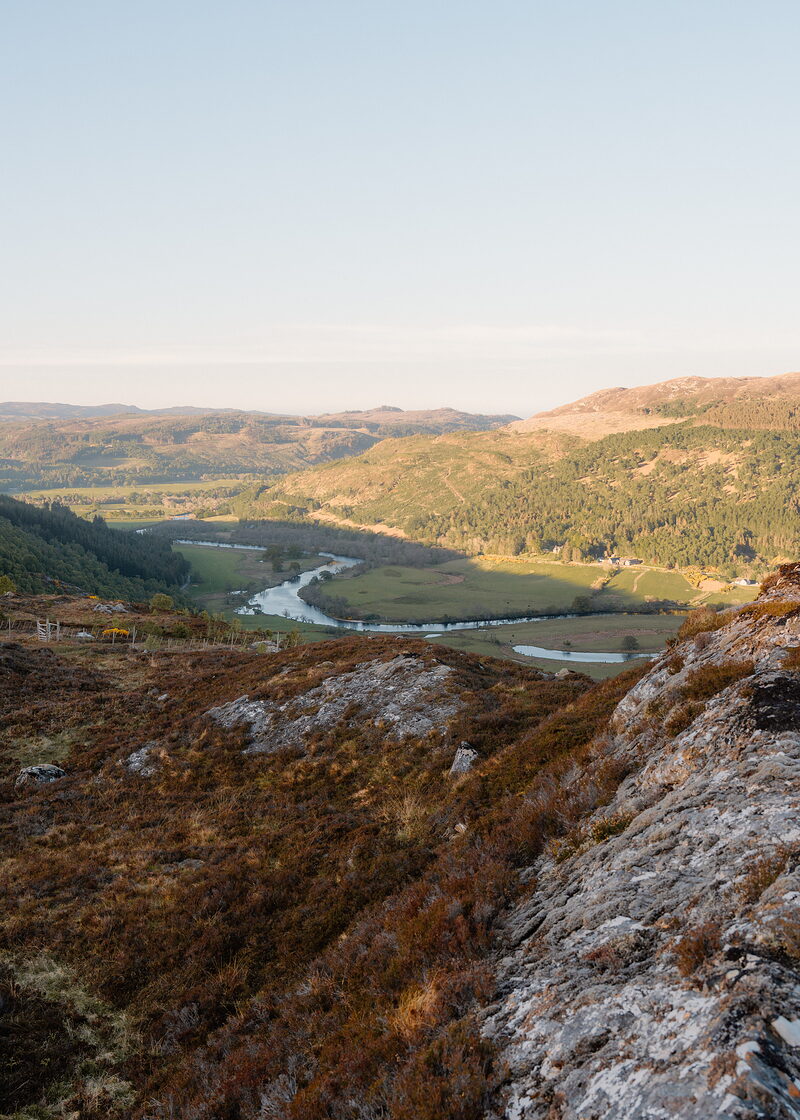
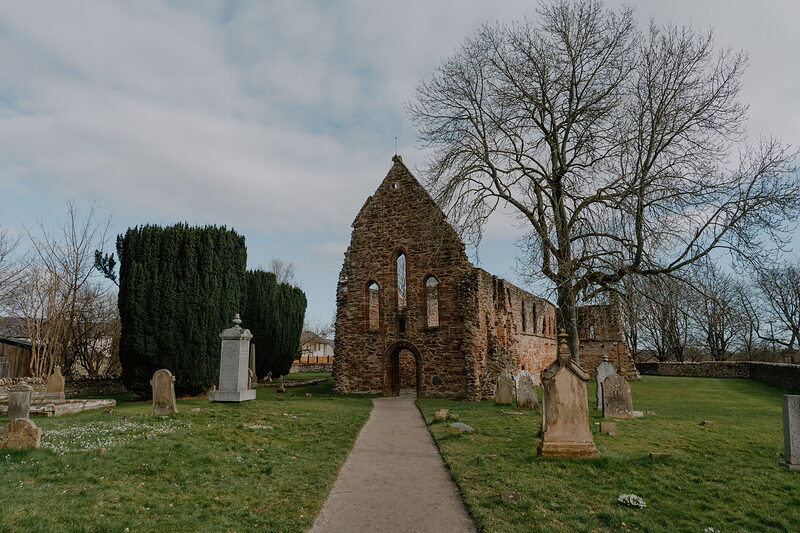
Beauly has its red sandstone priory and a square of cafés and shops, and from there the road follows the river up Strathglass to Struy and Cannich. Beyond lies Glen Affric, with old Caledonian pinewood, lochs under high hills and the waterfalls at Dog Falls and Plodda.
Drumnadrochit and Loch Ness
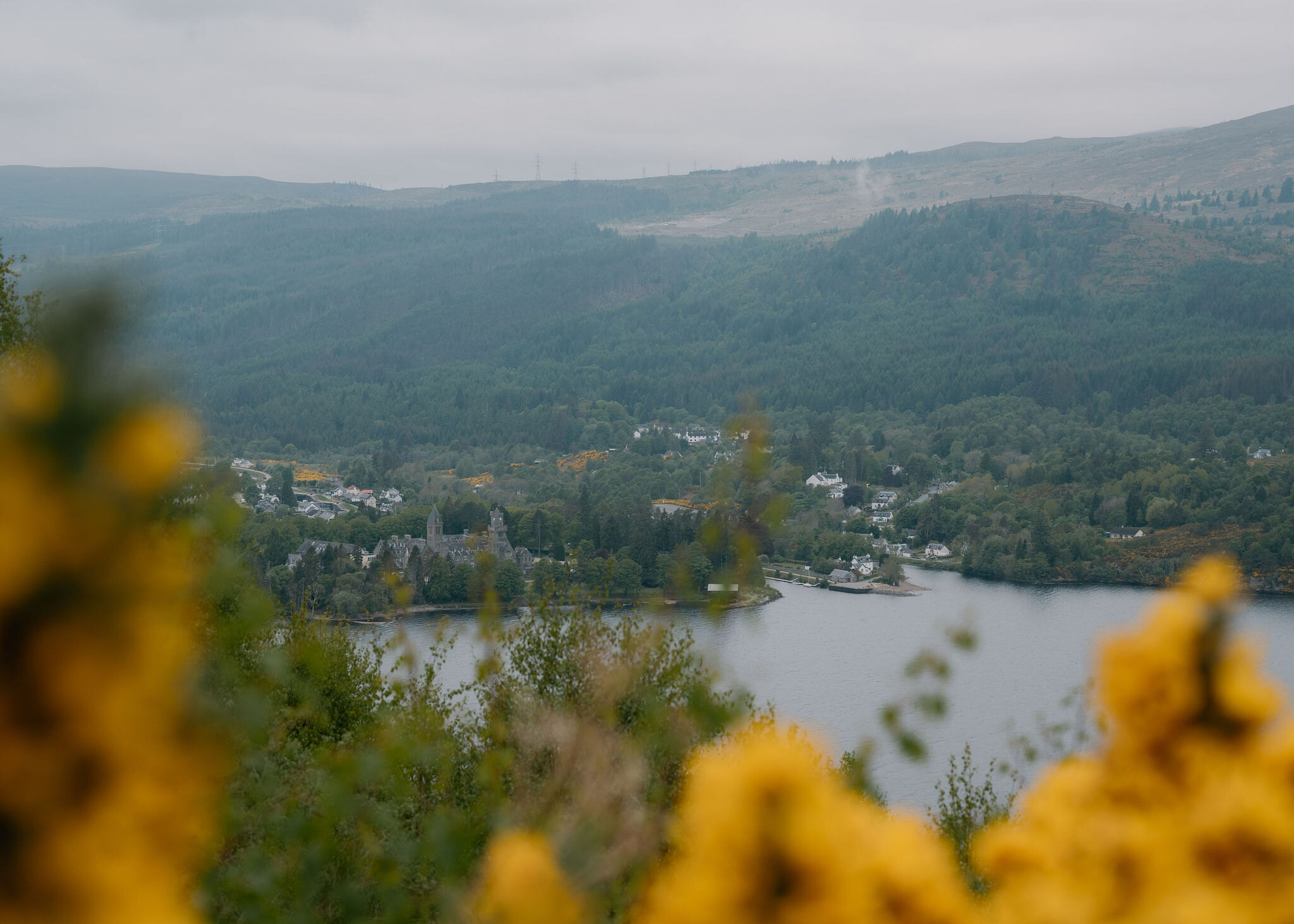
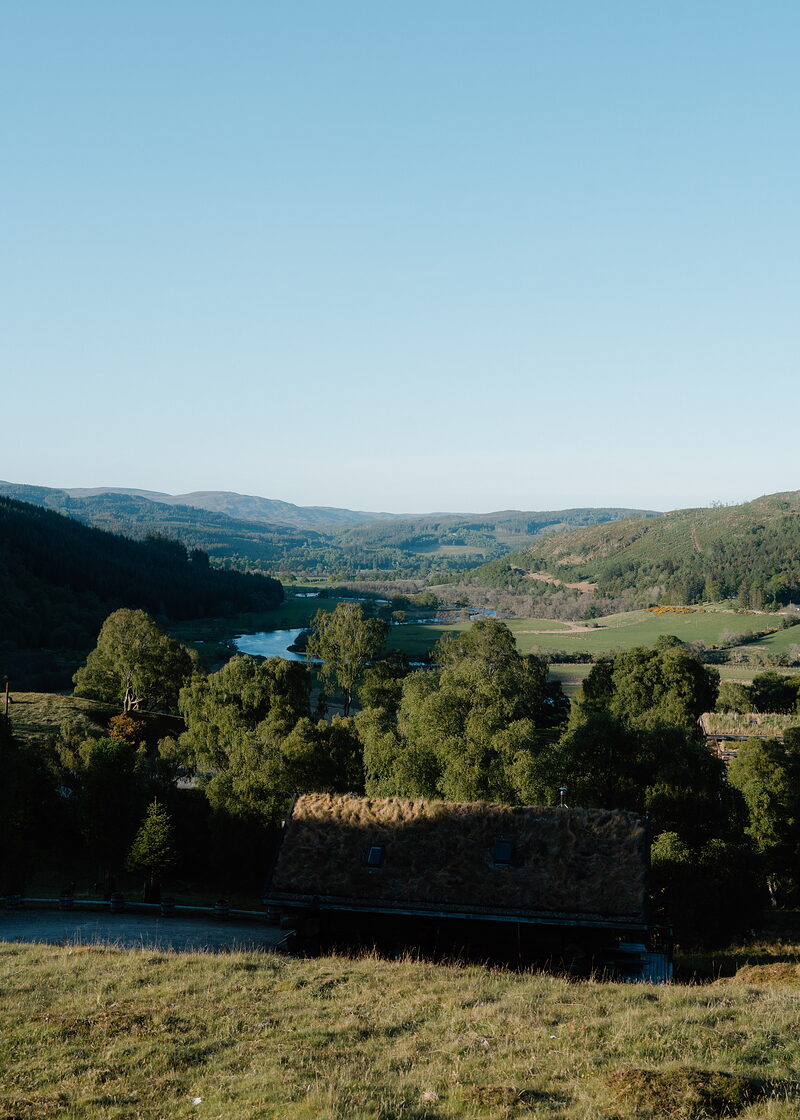
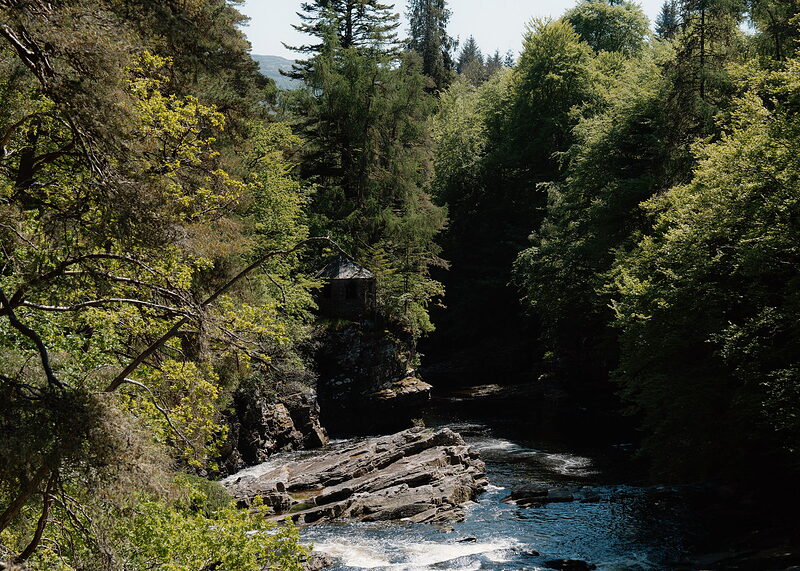
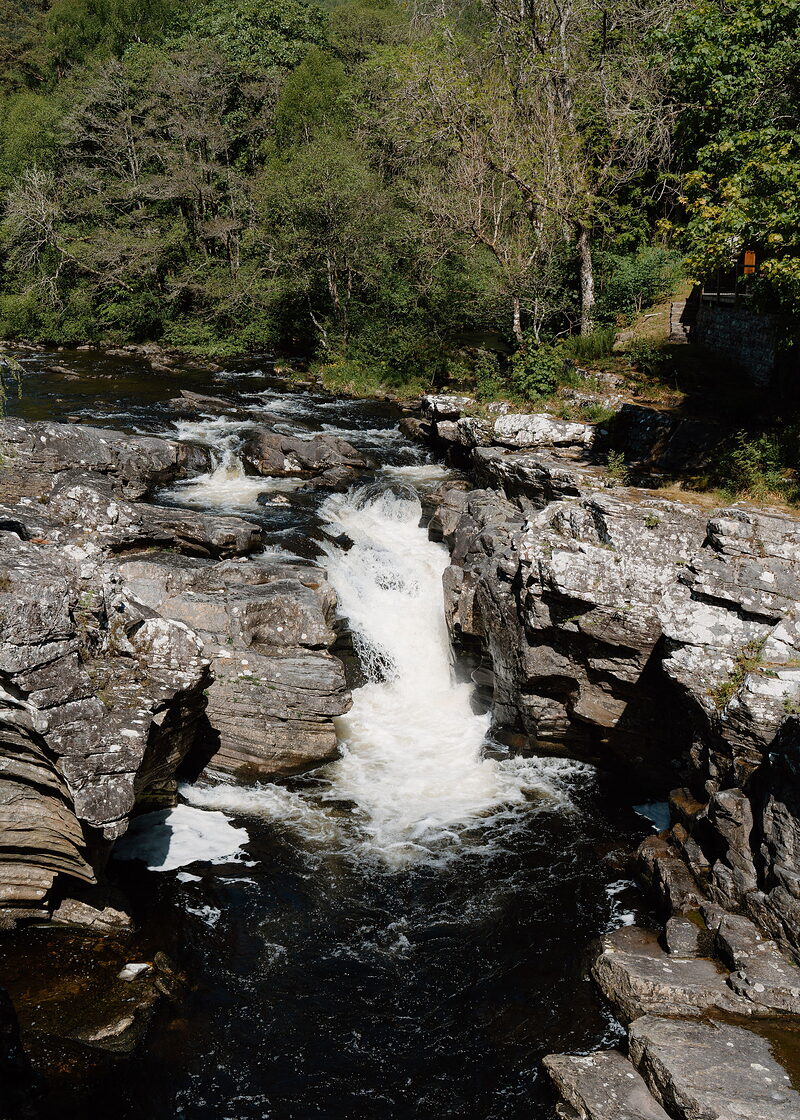
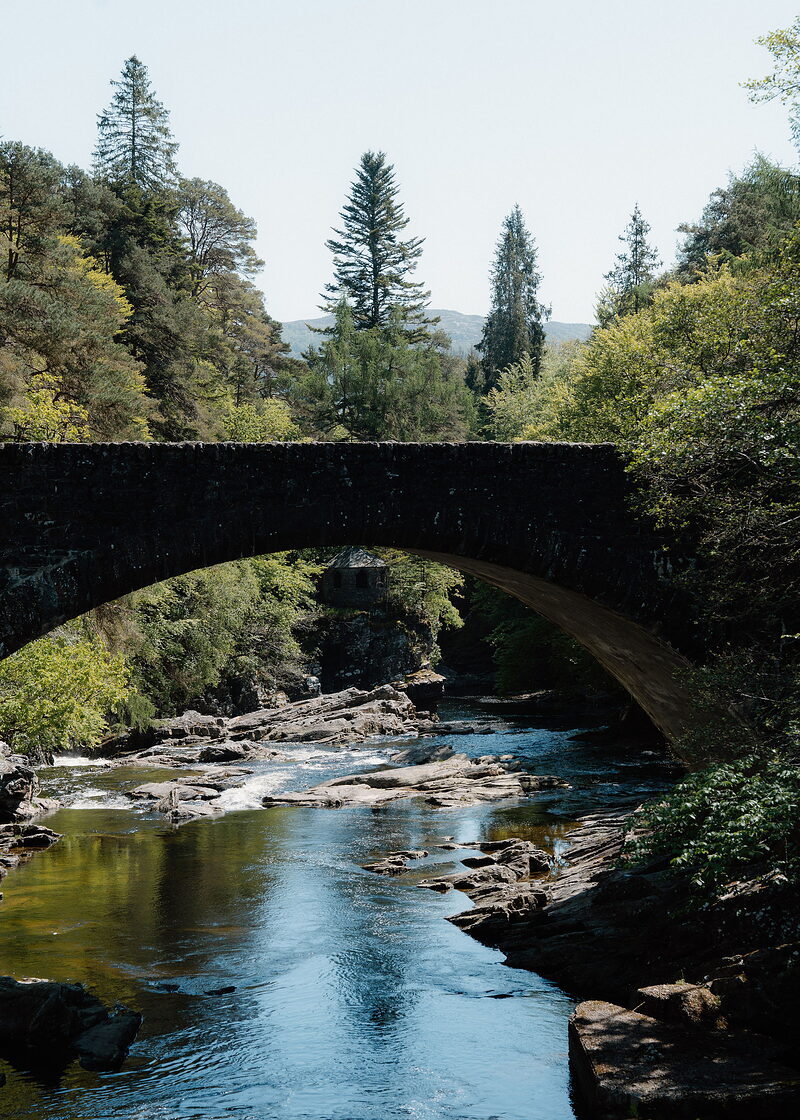
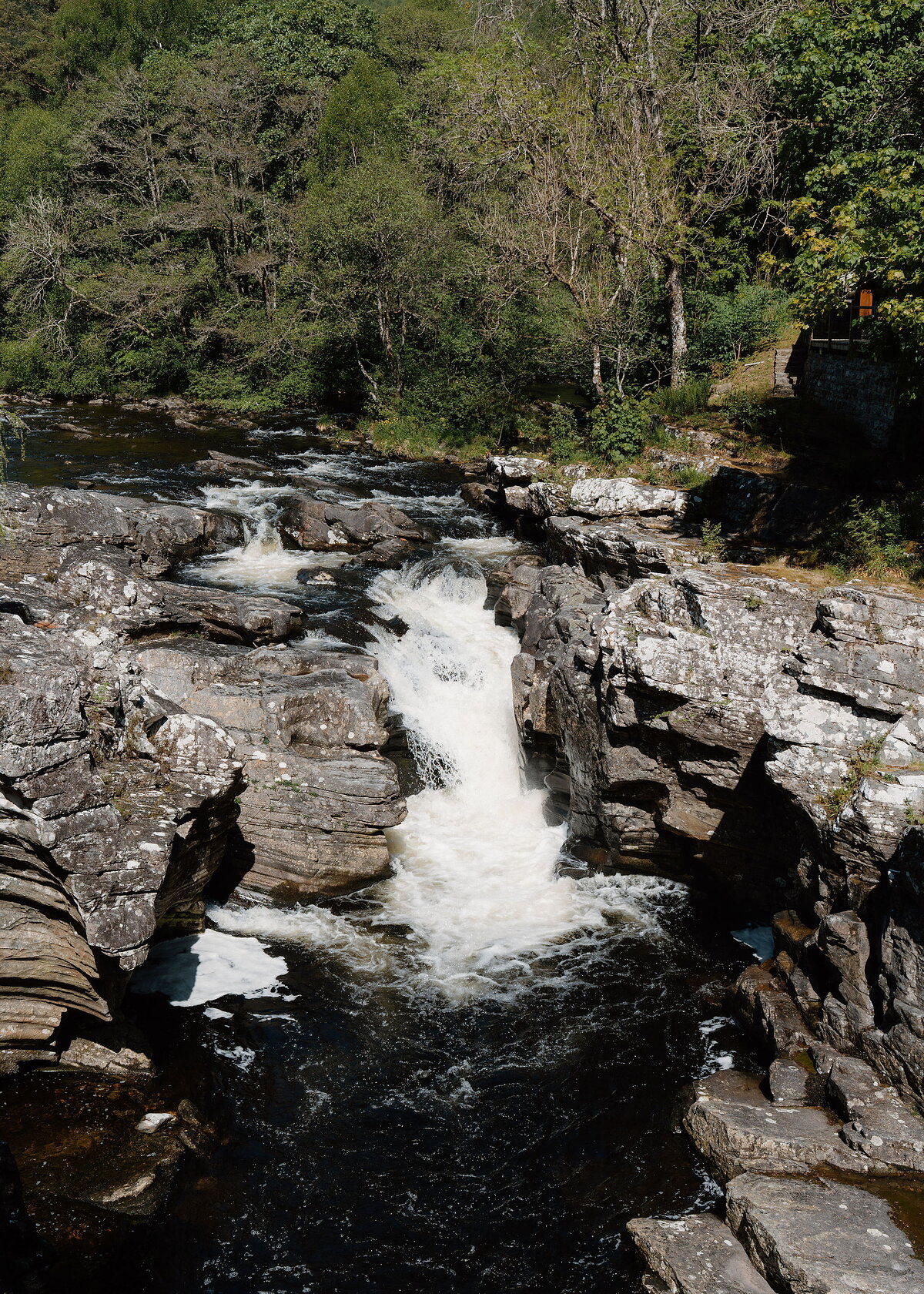
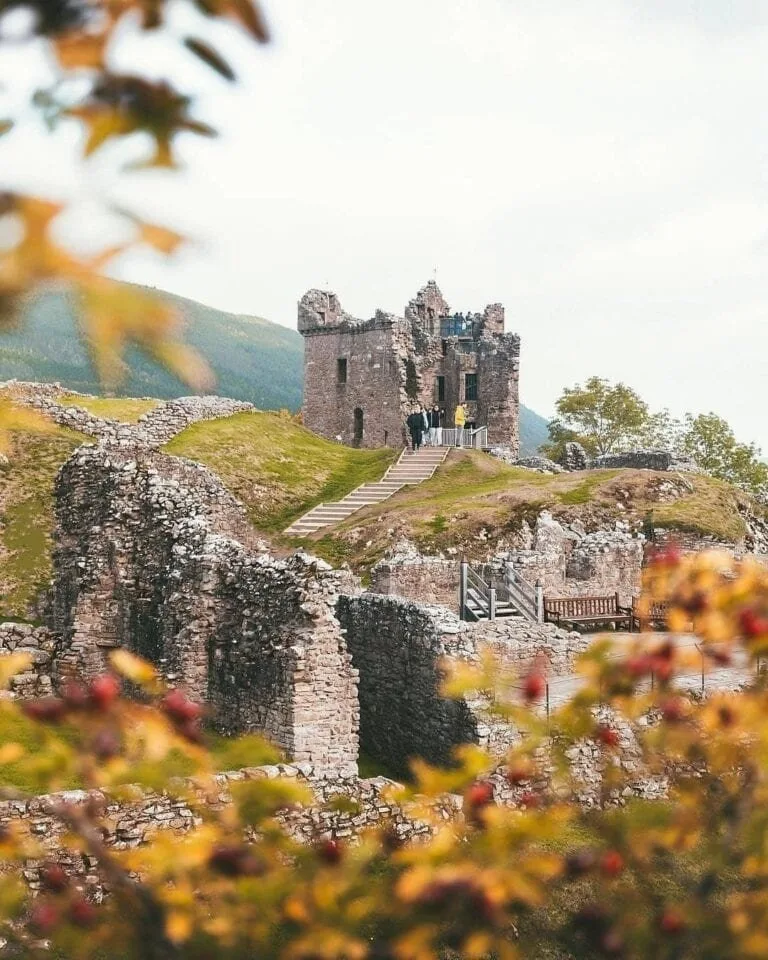
Drumnadrochit is where the Loch Ness story began, and Urquhart Castle stands on its headland just along the shore, with boats out onto the loch. Invermoriston has its falls and Telford's bridge, and across the water the quiet south side runs past the Falls of Foyers to the shingle beach at Dores.
Fort Augustus and the south
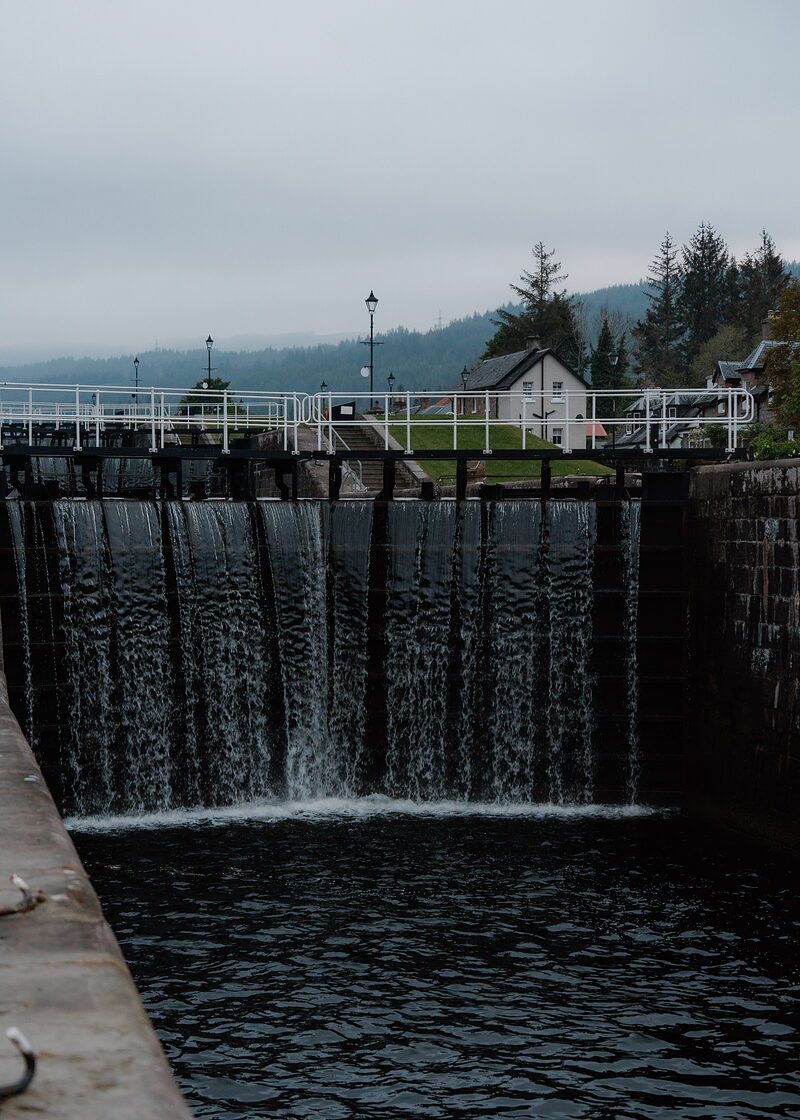
Fort Augustus sits at the head of Loch Ness, cut in two by the Caledonian Canal and its flight of locks, with boats leaving for cruises on the loch. Above it, the Suidhe viewpoint looks out over the hills of Stratherrick, and the road west climbs through Glenmoriston towards Skye.
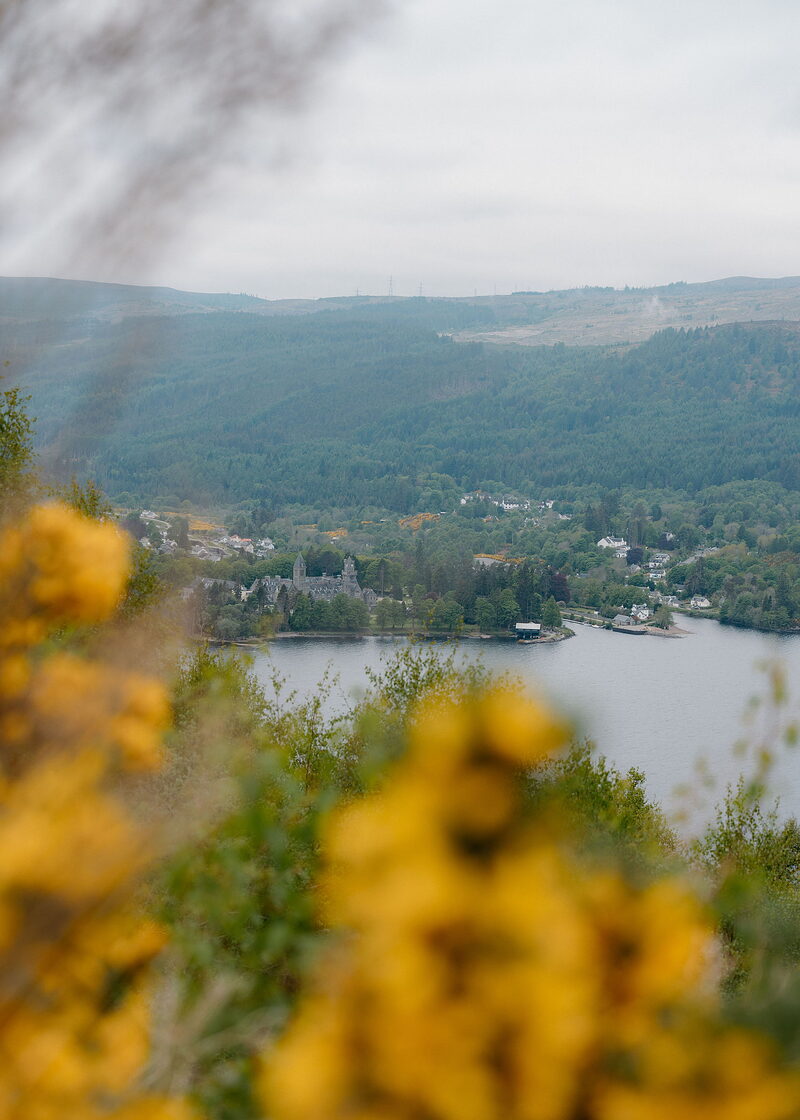
“It’s quieter and much more secluded, mainly owing to the single track road which takes you on the scenic route from Inverness to Fort Augustus, or vice versa.”
Anna Low
Co-owner of Foyers Lodge, on the south side of Loch Ness
Best known for.
Loch Ness and its monster come first, of course, and Urquhart Castle on its headland is the picture most people take home. The region is known too for Culloden, where the last Jacobite Rising ended in 1746, and for Thomas Telford's Caledonian Canal, which links the lochs of the Great Glen. Add the ancient pinewoods of Glen Affric, seaside golf at Nairn and an evening of traditional music in Inverness, and you have the heart of it.
More about Inverness-shire
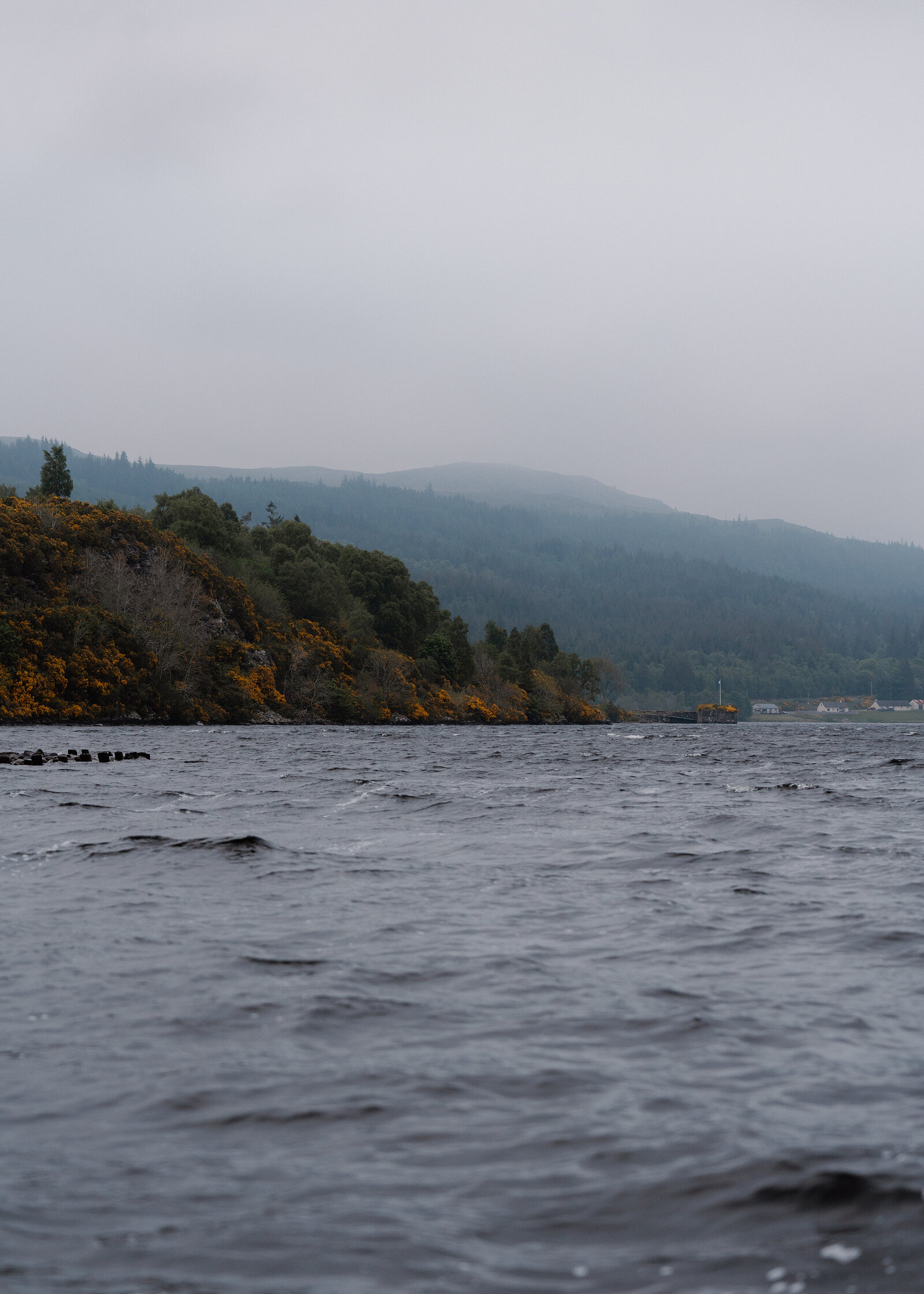
West of Loch Ness, long glens run deep into the hills. Glen Affric is the best known, with its old Caledonian pines, its lochs and its waterfalls, while Strathglass and Glen Urquhart are quieter still. On the south side of the loch, a single-track road wanders through Foyers and over the high moor of Stratherrick, a world away from the coaches on the far shore. East of the city lie Culloden Moor, the Clava Cairns and the long beaches of Nairn, where the Moray Firth opens out and dolphins come in close off Fort George. Beauly, with its broad square and ruined priory, is a short drive west.
This is a region that rewards a few days rather than a quick stop on the way north. You can spend a morning at a 4,000-year-old burial ground, an afternoon on the battlefield where the last Jacobite Rising ended, and the evening at a fiddle session in a Church Street pub. Cruises leave from both ends of Loch Ness, canoes set off down the Great Glen, and the walking runs from riverside strolls in the city to long days in the pinewoods. Inverness has good restaurants, cosy cafés and the largest second-hand bookshop in Scotland. Come in autumn, when the birches in the glens turn gold.
What would you like to look at?
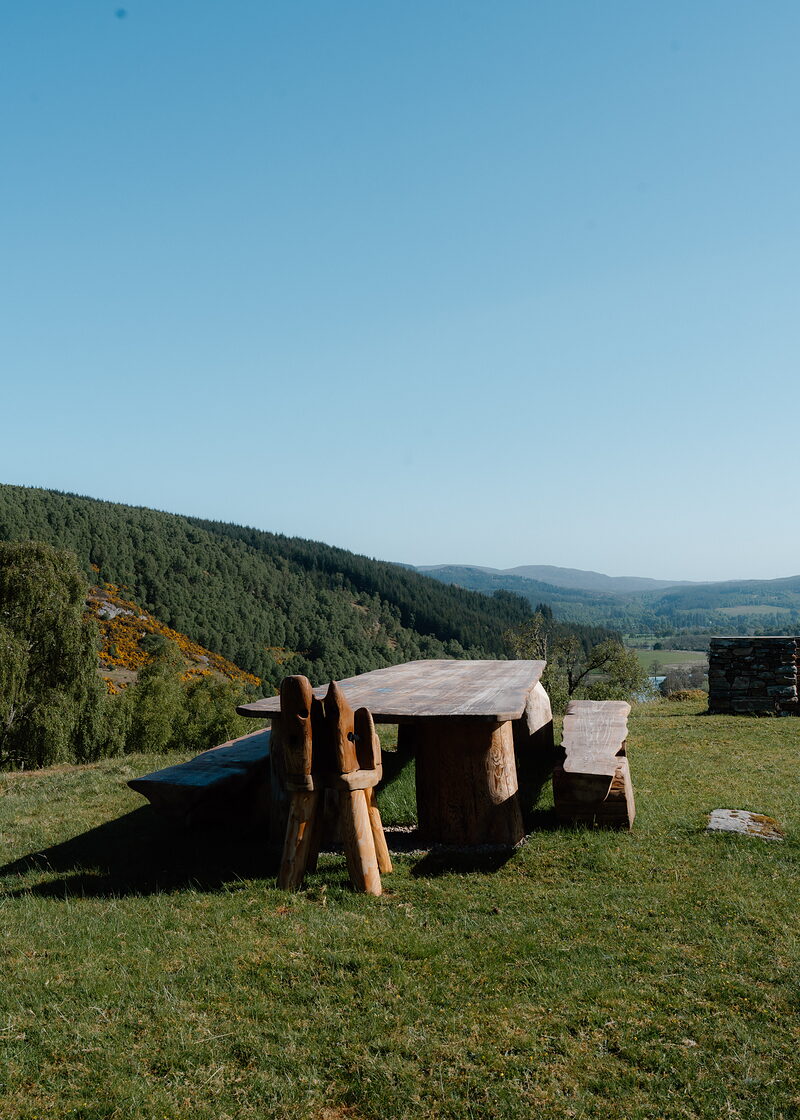
 See and doCastles, cairns and the field of Culloden
 Eat, drink and shopRiverside kitchens, bakeries and a whisky bar
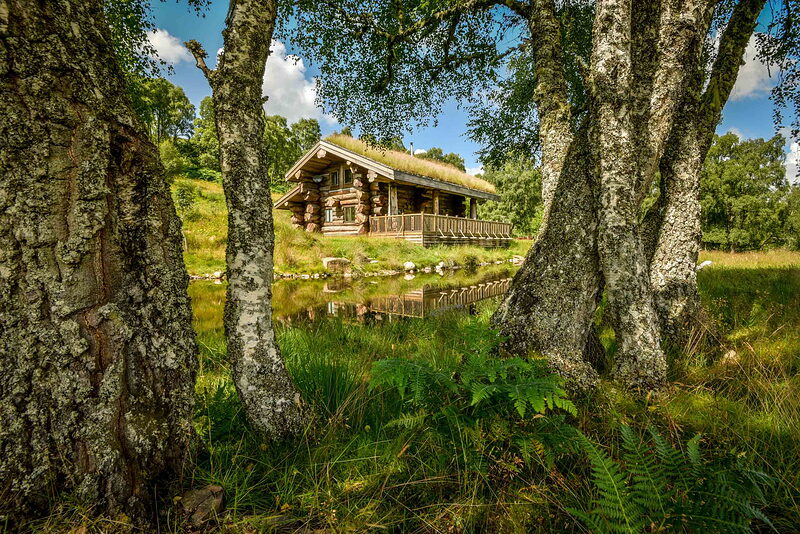 Where to stayLog cabins in the glen and cottages on Loch Ness
 History and storiesClava's cairns, Culloden and Telford's canal
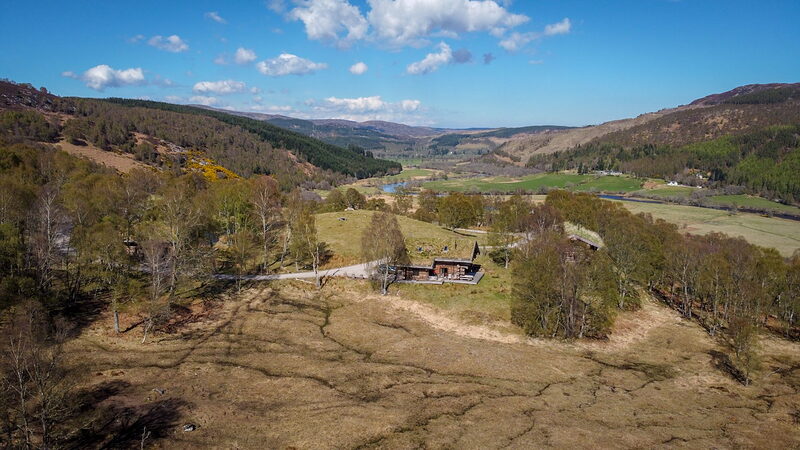 ItinerariesDays we have driven, stop by stop
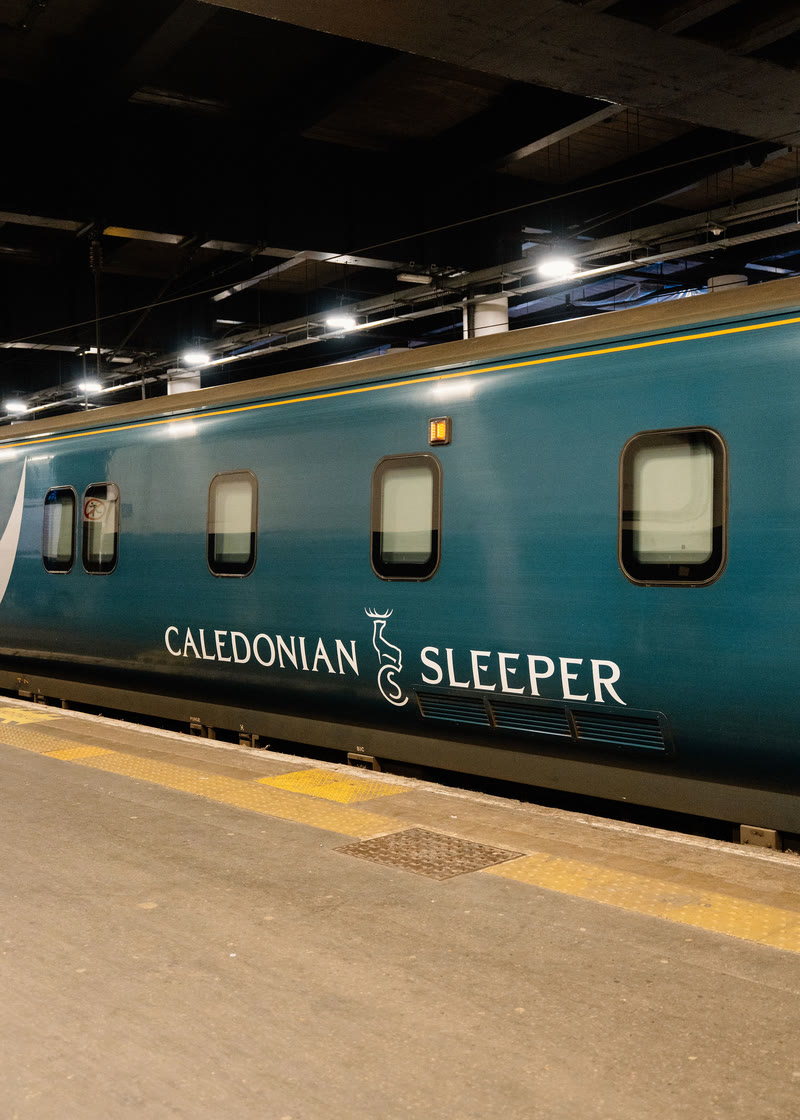 Getting hereThe trains, the roads and the sleeper
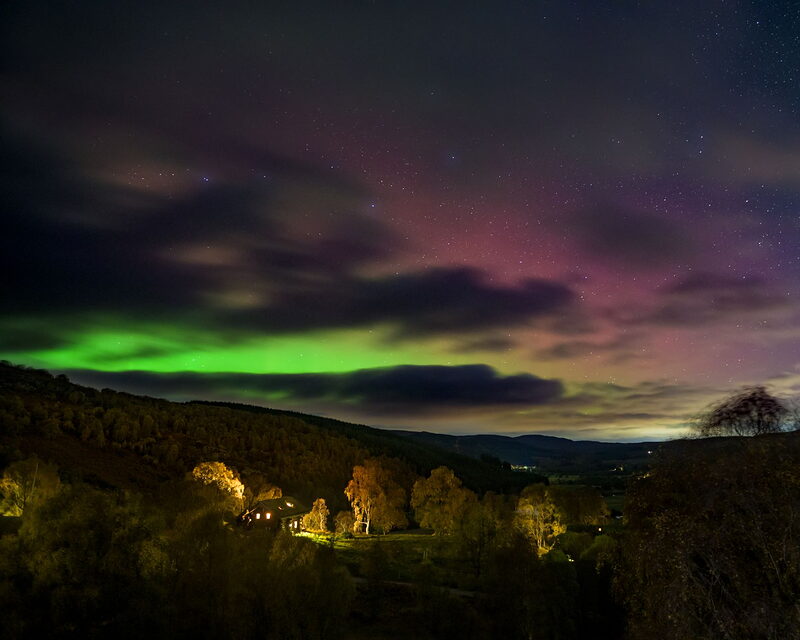 What is on in Inverness-shireSomething new from the region every day
What is on in Inverness-shire
Saturday the 17th of October.
Sunrise 07:56, sunset 18:09.
Coming up in Inverness-shire
- Oct17Discover Inverness! Interactive Treasure Hunt & City WalkOn today
- Oct17Nevis Club - Science SundayOn today
- Oct17MAKAR's Paradigm Prototype - Weekly Show Home ToursOn today
- Oct17Unfiltered InvernessOn today
- Oct17Weaving Workshops by Prickly ThistleOn today
The news in Inverness-shire
- Ancho, a Mexican street food counter, has opened in the Victorian Market in Inverness.
- ANCHO, a Mexican street food counter, opens in Inverness's Victorian Market on 1 October.
- The Old High Church, the oldest building in Inverness, is open again after a community group bought it from the Church of Scotland.
- Cocoa Bothy sells its chocolate from a room inside the Steeple on Bridge Street in Inverness, built in 1791.
- New in our guide: Belladrum Tartan Heart Festival.
Things you might not know.
Deep in the vaults of Cawdor Castle stands the trunk of a long-dead tree, radiocarbon dated to around 1372, just as the legend of the castle's founding says.
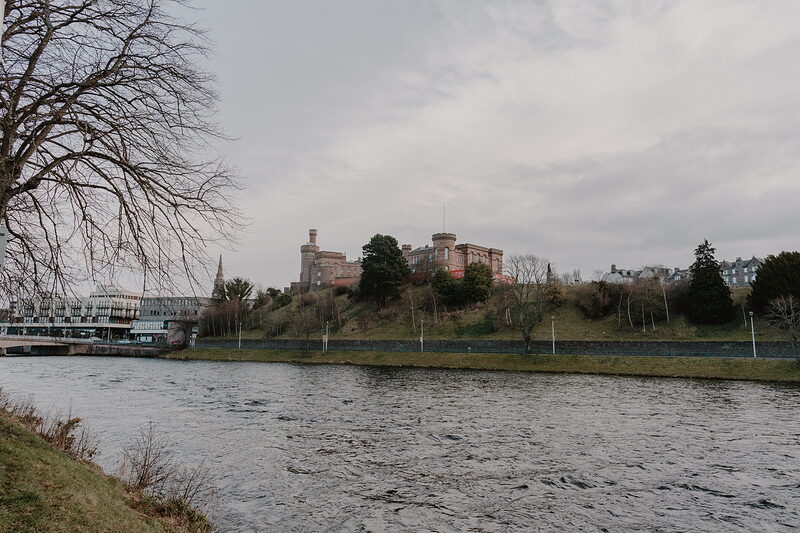
From The Founding Tree of Cawdor CastleThe castle on the hill above the River Ness was built in 1836 as a courthouse and jail, and a £30 million renovation has turned it into the Inverness Castle Experience.
From The Heartbeat of the Highlands RevivedUrquhart Castle's headland on Loch Ness has been fortified since at least the 6th century, when St Columba is recorded visiting a powerful Pictish chief there.
From Urquhart Castle, The Guardian of the Great Glen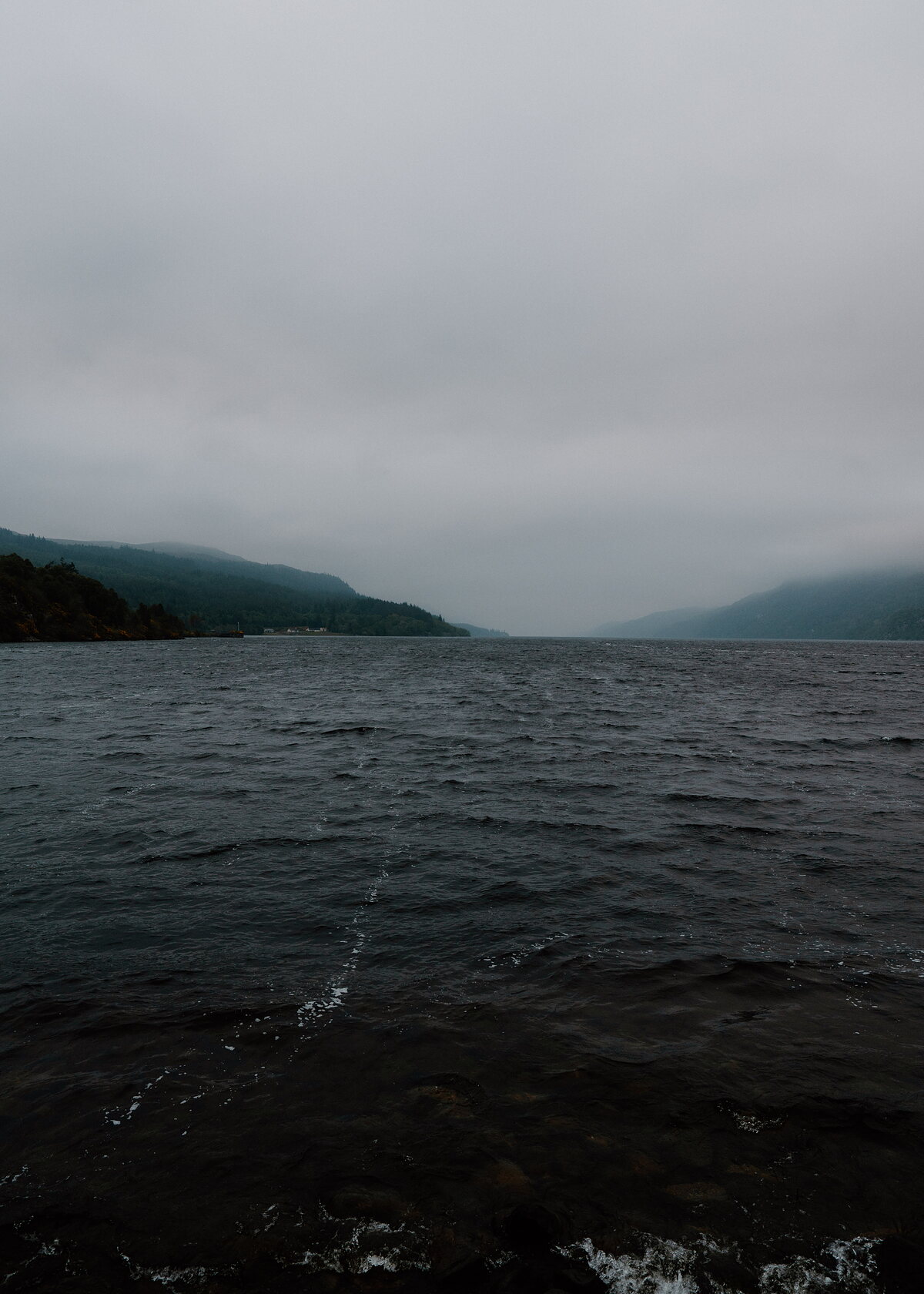
Foyers Lodge is said to stand on the site of the General's Hut, where General Wade lived while his soldiers built the military road down the south side of Loch Ness from 1726.
From Meet Anna Low, co-owner of Foyers Lodge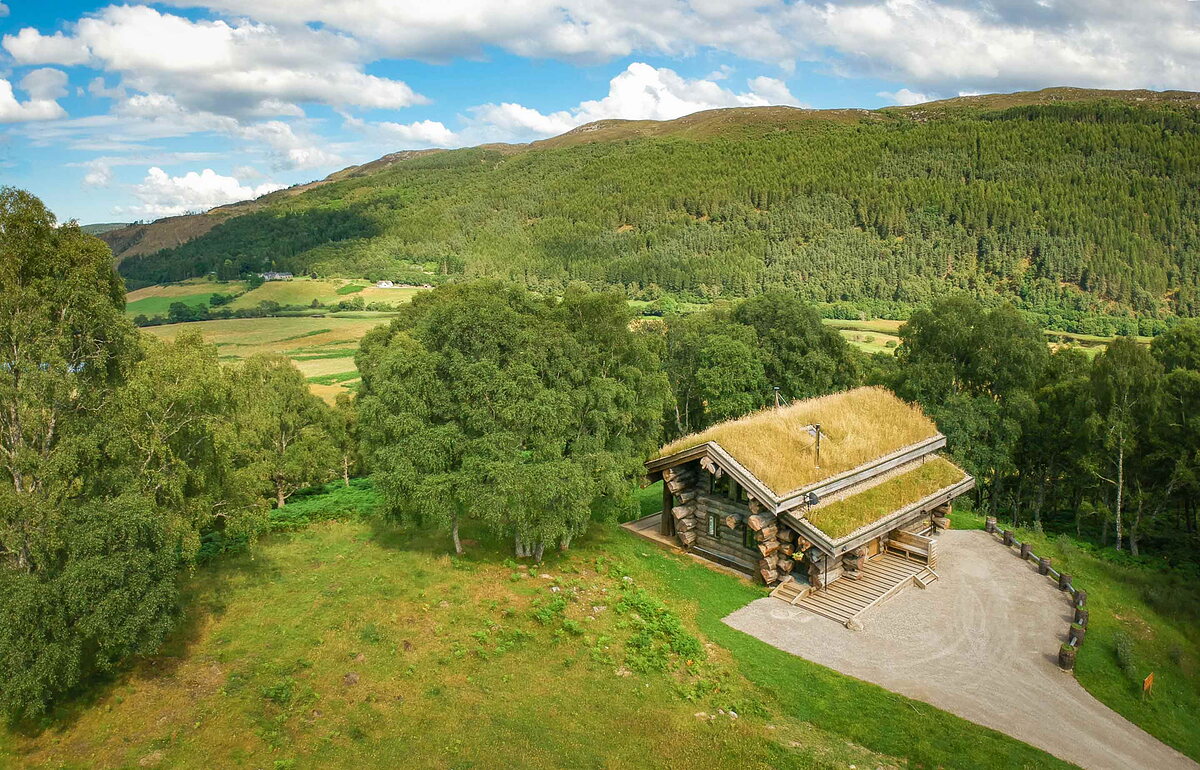
The log cabins at Eagle Brae in Strathglass were built from logs brought over from British Columbia, each one locked together by hand with no nails.
From Inside Eagle BraeOn the family farm at South Clunes, beavers were brought back to a secret loch, and the trout that followed now draw kingfishers, herons and ospreys.
From This Farming LifeRead about Inverness-shire.
Photographs by castleartgallery; Wild Gorse Studio, Tomasz Francuz, The Old School Beauly, Shannon McCluskey and Monica Kyle via Google