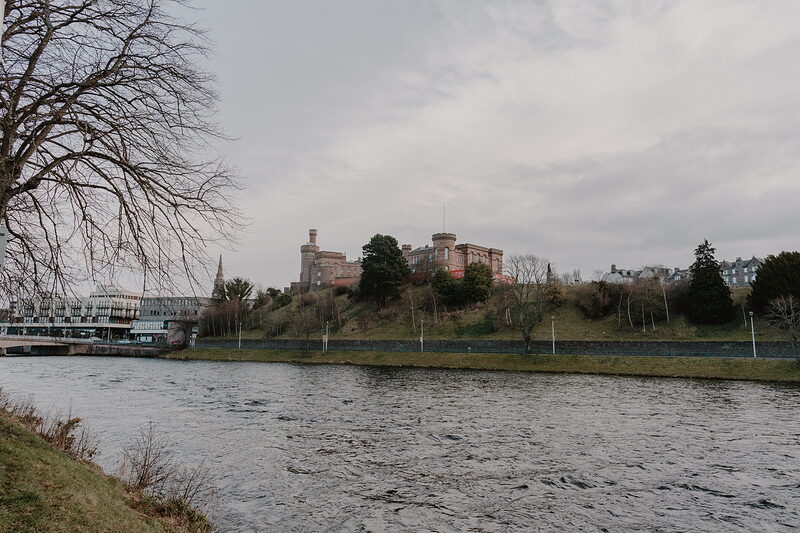
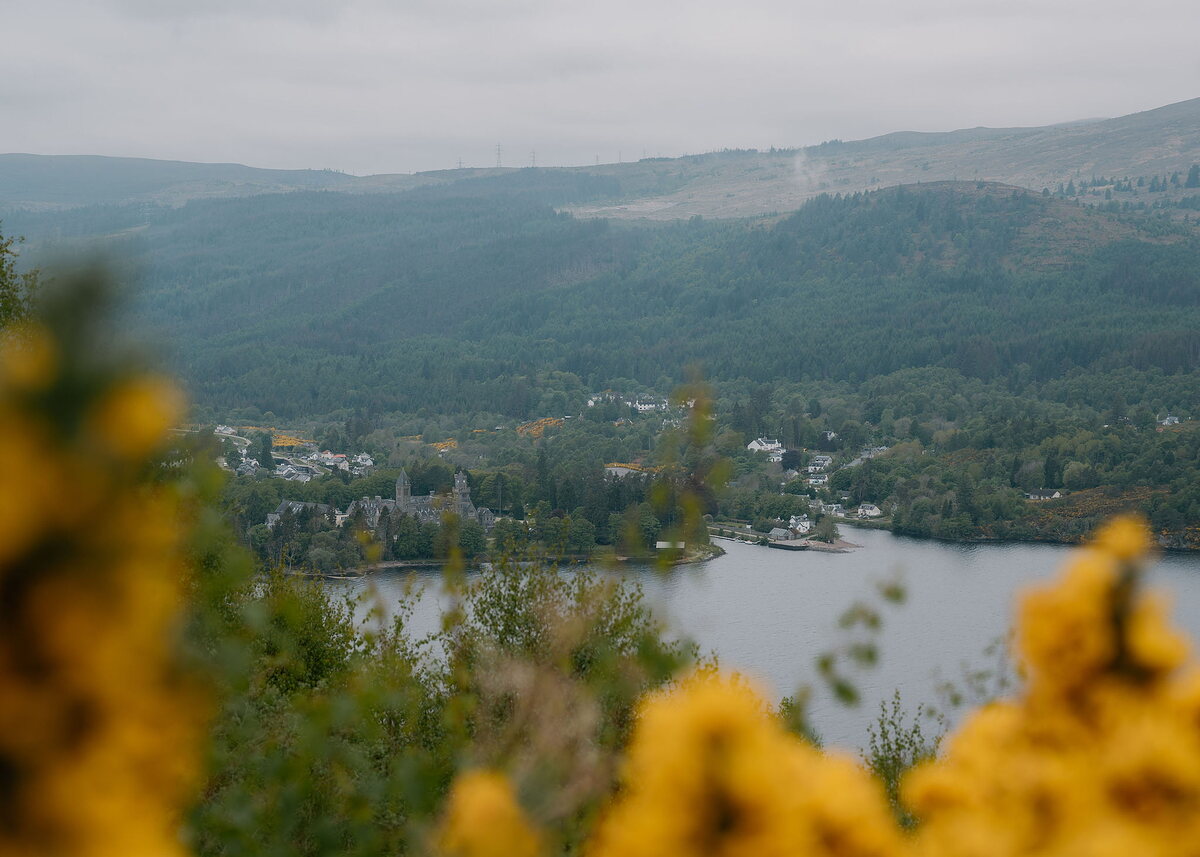
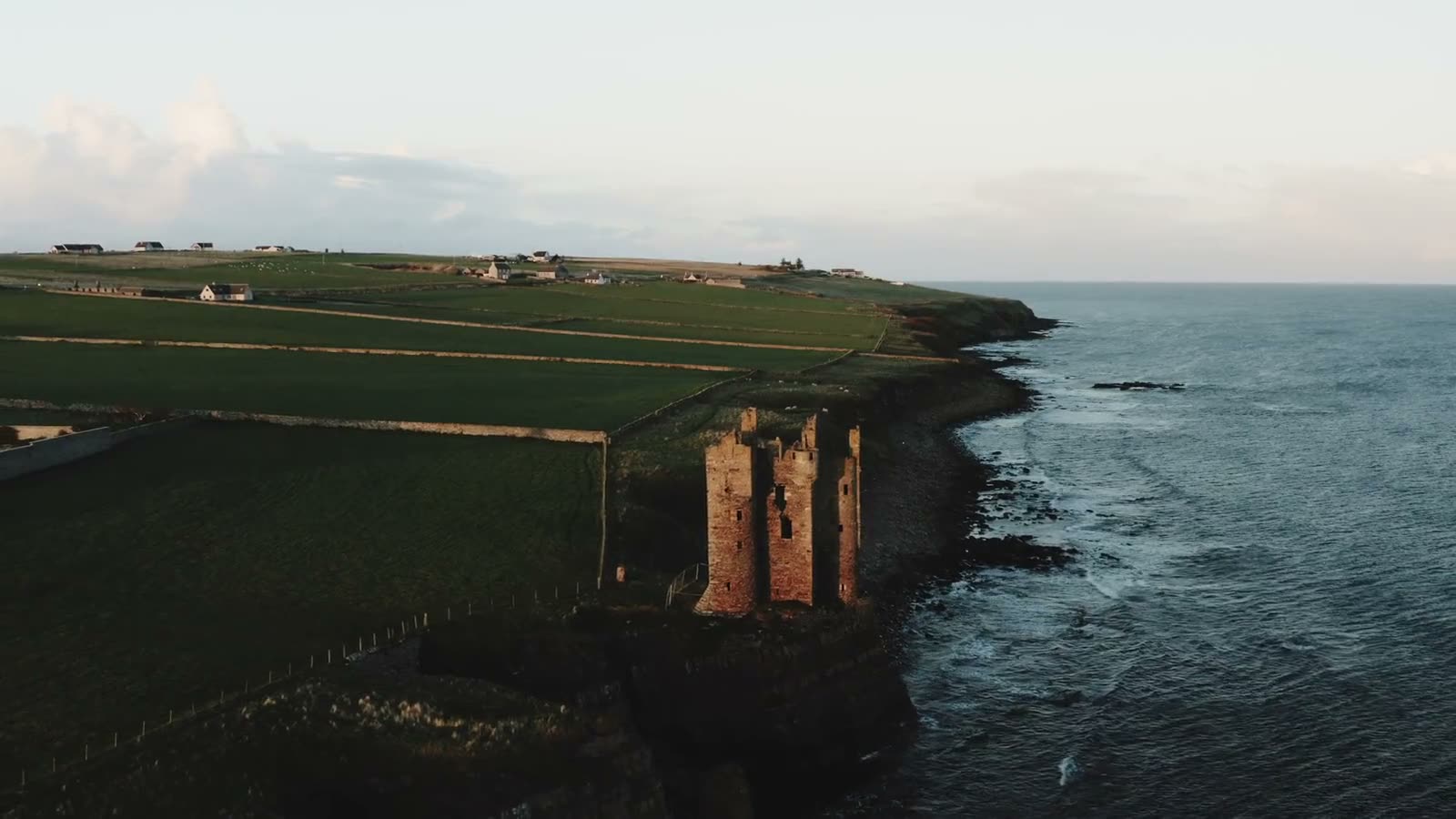
People have lived around the Great Glen for thousands of years, and some of them left their mark in stone. The cairns at Clava and Corrimony were built about 4,000 years ago, and long before Inverness had a castle there was a fort on Craig Phadrig, across the river. This was Pictish country. Adomnán's Life of Columba tells of the saint visiting the court of the Pictish king Bridei. In the 11th century Malcolm III is said to have raised the first castle on the hill above the river. Through the Middle Ages the region was fought over. Urquhart Castle passed between Scots and English in the Wars of Independence, and the Lords of the Isles raided it again and again. Monks from France founded Beauly Priory around 1230. Peace brought the engineers. Thomas Telford's Caledonian Canal opened through the Great Glen in 1822, and in 1855 the railway reached Nairn from Inverness, turning the little fishing town into a Victorian seaside resort. In 1876 Benedictine monks came to Fort Augustus and built an abbey on the site of the old fort, where they stayed until 1998. Then, in 1933, a report in the Inverness Courier of something large rolling in Loch Ness set off a hunt that has never quite stopped. Inverness was made a city in 2000, and today it is the capital of the Highlands, with the glens and the loch still on its doorstep.
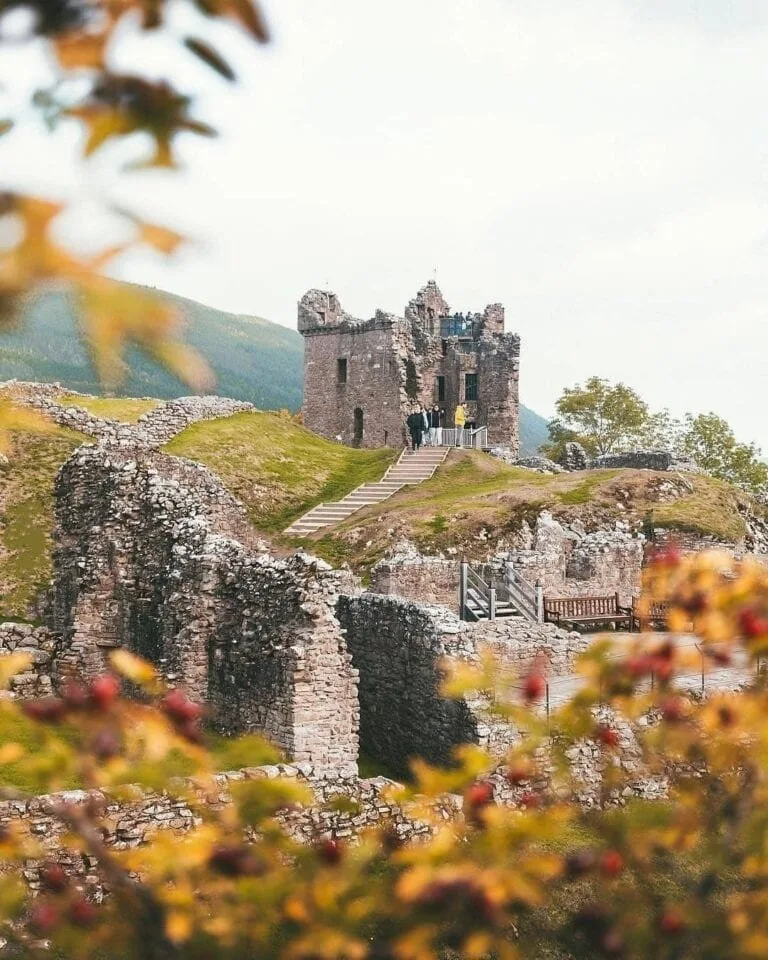 HistoryThe Siege of Urquhart Castle
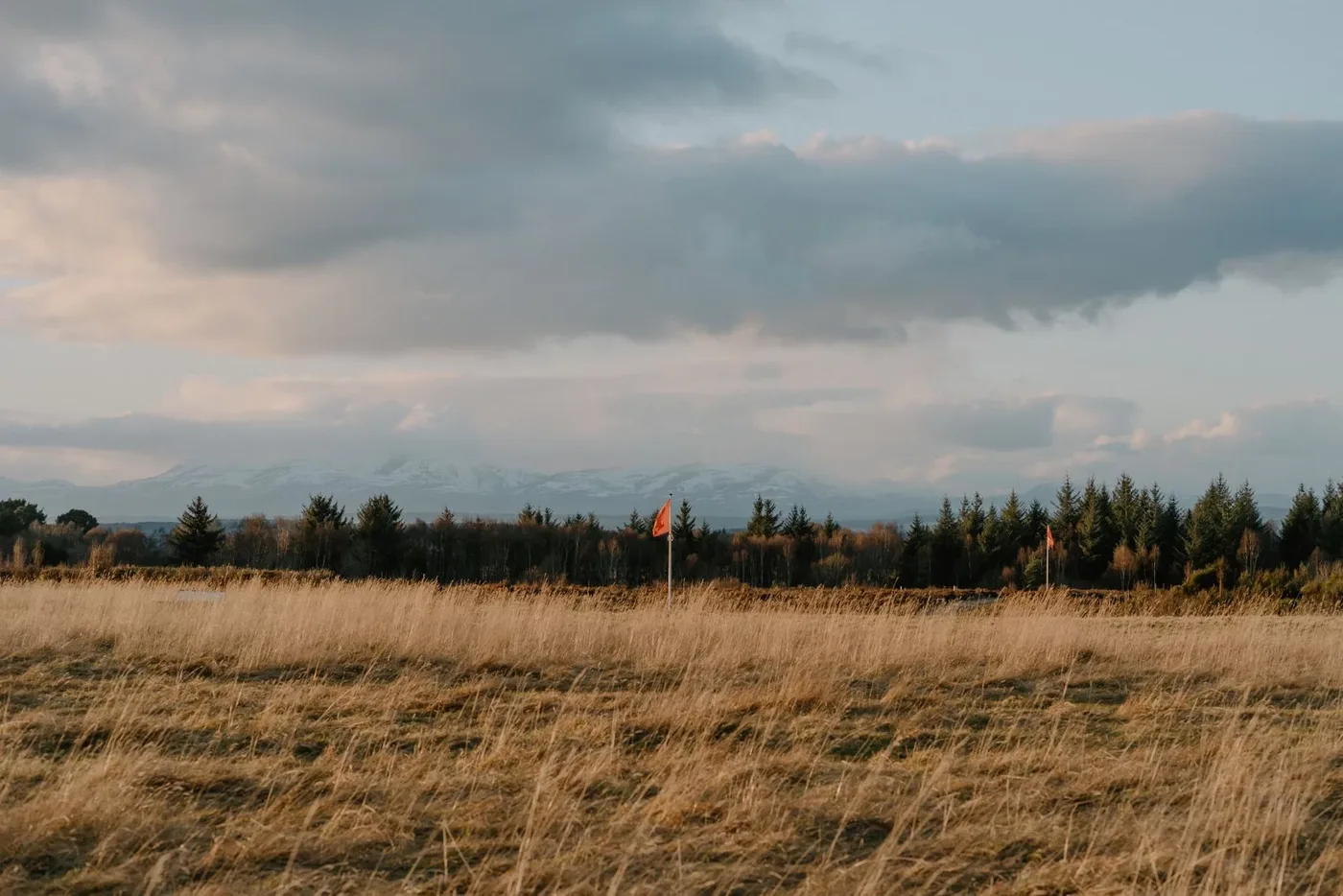 HistoryThe Battle of Culloden
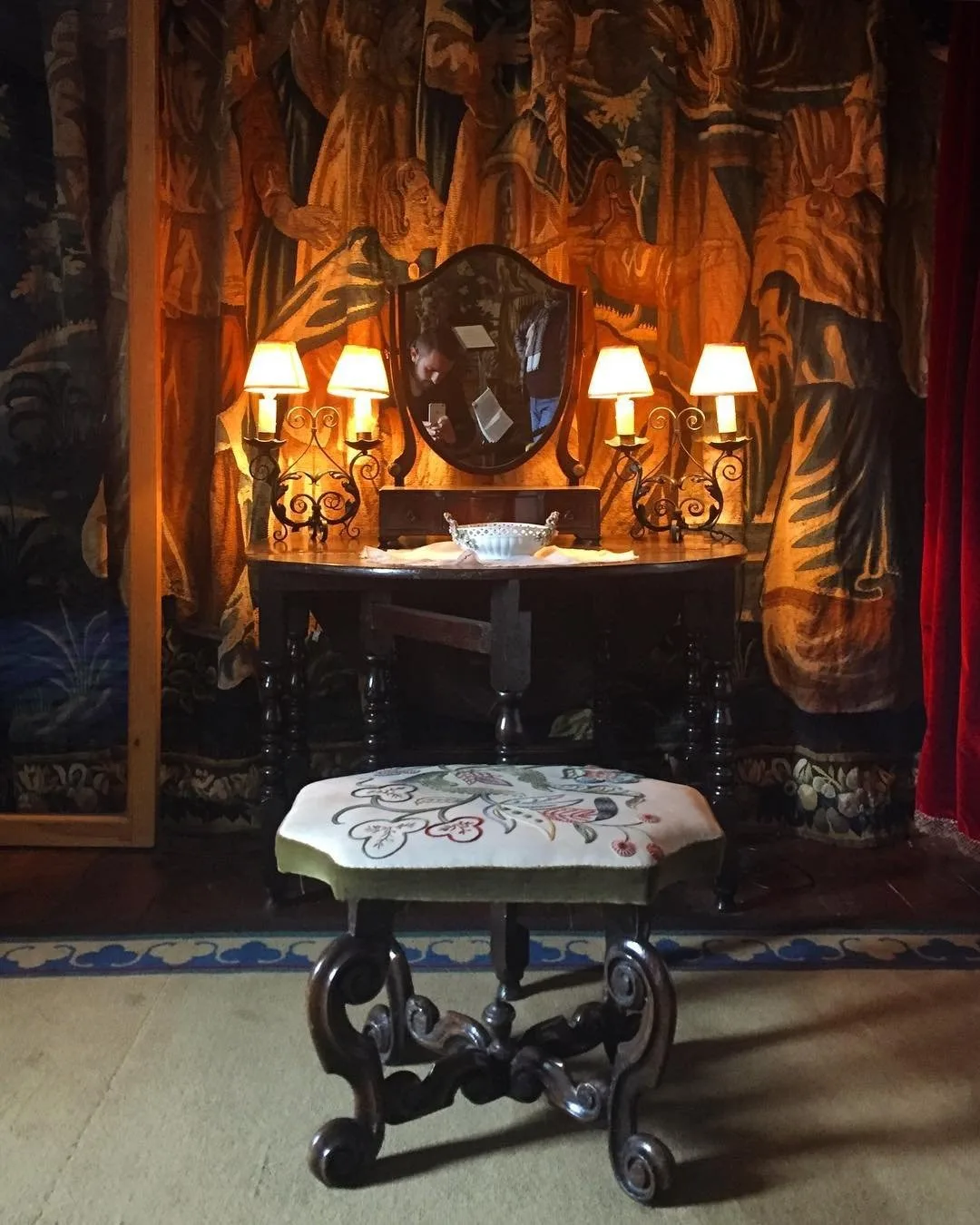 HistoryThe Founding Tree of Cawdor Castle
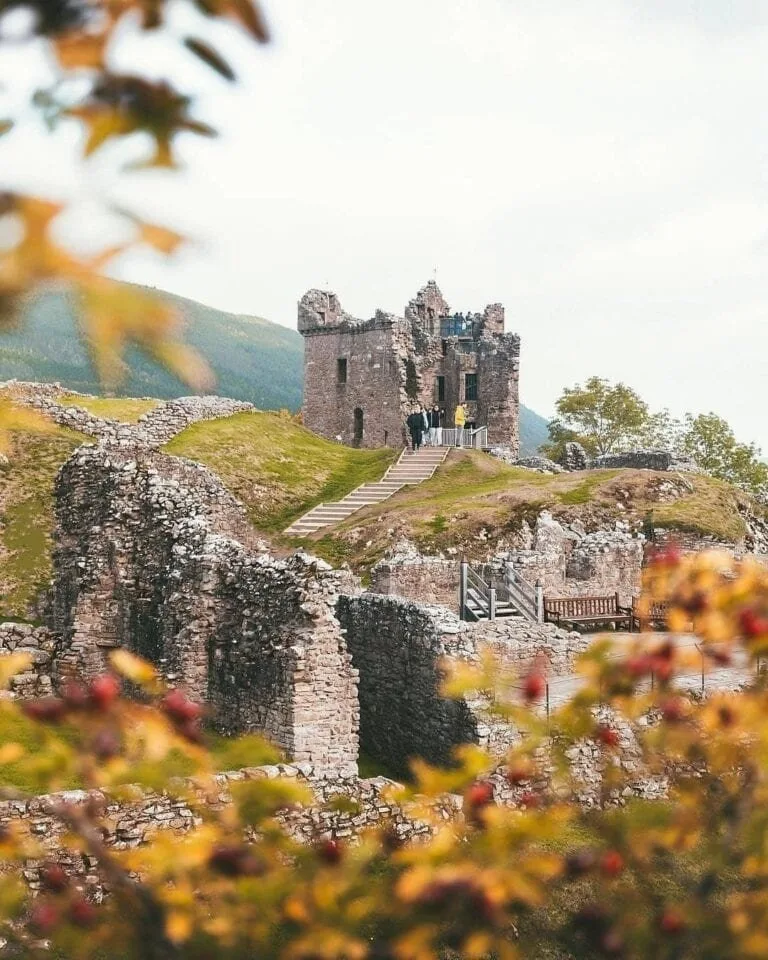 HistoryUrquhart Castle: The Guardian of the Great GlenHistoryThe Heartbeat of the Highlands Revived