
The Heartbeat of the Highlands Revived
Inverness, the ‘Capital of the Highlands’ is starting to live up to its name. The past couple of years has seen a host of new developments and openings, but the most exciting launch is taking place this summer. The castle above the River Ness, under scaffolding since 2021, is re-opening as the Inverness Castle Experience, a world-class, state-of-the-art visitor attraction. Along with a burgeoning food and drink scene and somewhere seriously cool to stay at last, this small riverside town is coming into its own.
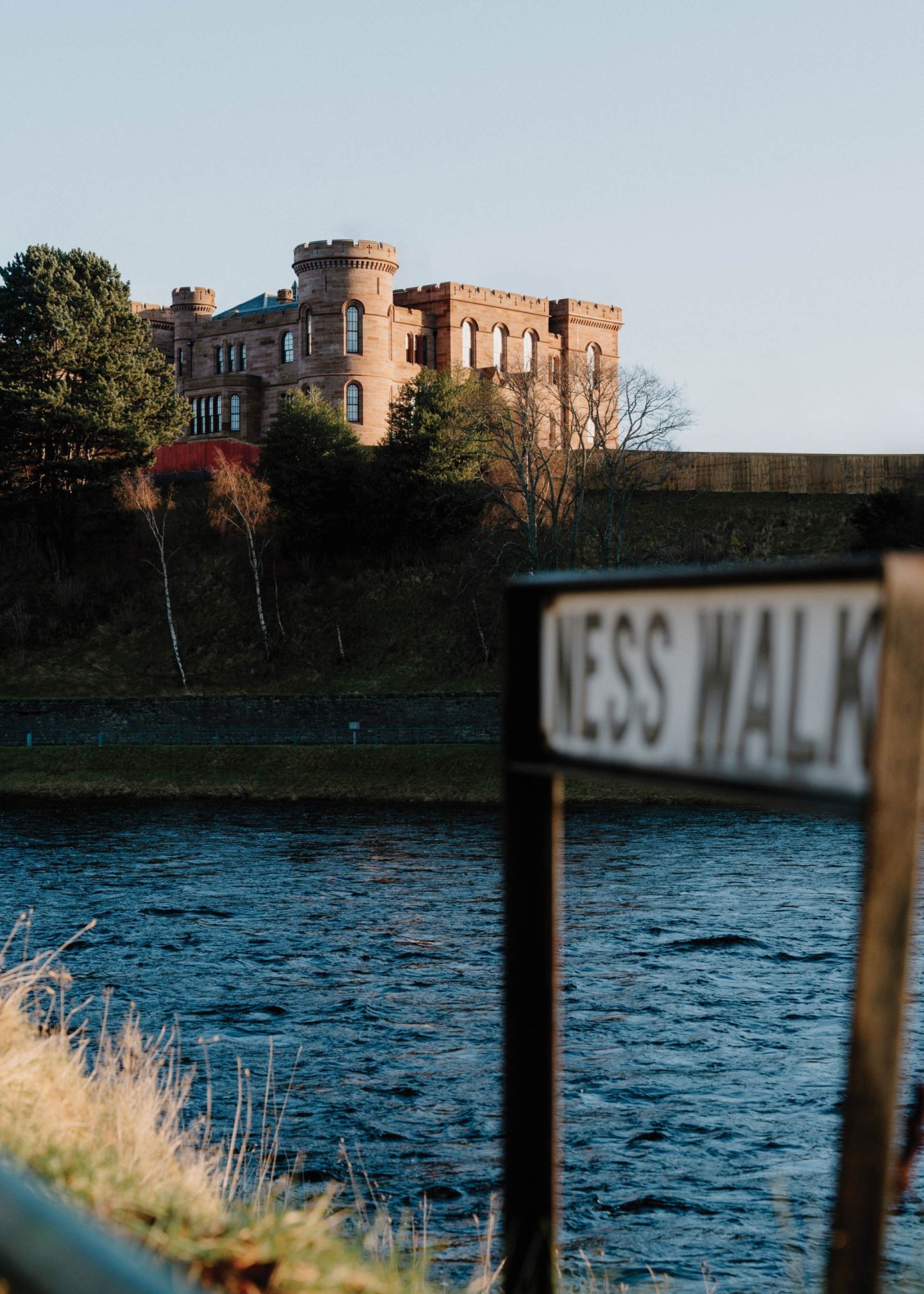
For years, brown tourist board signs pointed unsuspecting visitors towards ‘Inverness Castle’ a grand castellated sandstone building high above the River Ness. To be fair, it did look like a tourist attraction but, in fact, it was the city’s law courts. All the tourists trudging up the hill found at the top was a viewpoint and a statue of Flora MacDonald. It wasn’t even a ‘real’ castle.
Since the Middle Ages, a string of fortifications has guarded the high ground above the river; the first was built by Malcolm III of Scotland, chief of clan Mackintosh, in 1057 but it was partially destroyed, its battlements burned to the ground, in 1307. Over the centuries the castle was repeatedly raided and razed, repaired and rebuilt. Shutting its gates against Mary, Queen of Scots in 1562 led to the Siege of Inverness, her supporters, the Munro and Fraser clans, eventually seizing the castle. It wasn’t the only siege. There were plenty more and then, in 1746, the castle was blown up by the Jacobites after the Battle of Culloden to prevent it falling into Hanoverian hands.
In ruins until the 19th century, the current castle was built in 1836, not as a military fort but as a new courthouse and jail in the increasingly popular Scottish baronial style. Part of the castle revival that was sweeping across the country, two of the most famous examples are Balmoral, built for Queen Victoria, and Ardross Castle, just north of Inverness and the setting for the BBC reality show, ‘The Traitors’.
Inverness Castle is, in fact, two adjoining structures designed by different architects; the man behind the new courthouse was William Burn, whose father Robert, also an architect, designed the Nelson Monument at the top of Calton Hill in Edinburgh. The prison was built later, in the 1840s, and was designed by Edinburgh architect Thomas Brown. Now, following the construction of a modern courthouse on the edge of the city centre, a £30 million renovation project has transformed it into an inspiring visitor experience celebrating the spirit of the Highlands.
Exhibition designers Mather & Co, who have worked on high-profile attractions including the Silverstone Museum and Downton Abbey: The Experience, have been at the helm. The company tasked with the fit-out, Workhaus Projects, whose past clients include the V&A Dundee (the Tartan exhibition) and Warner Bros for Harry Potter’s Wizarding World in New York.
The concept at its core is the Highlands’ rich storytelling tradition. Local theatre company Dogstar, led by artistic director Matthew Zajac, who wrote and starred in ‘The Tailor of Inverness’, was commissioned to create all the written material and ensure an ‘authentic voice’.
Visitors will be taken on an interactive and sensory immersive journey, guided by a seanchaidh or traditional storyteller who will weave together tales of the region’s culture, community, landscape and heritage. The connection to the land, the magnificent mountains, glens, rivers and lochs will be celebrated along with all aspects of the region’s culture from tartan to music and dance.
-full-1744833589.jpg)
In the top floor gallery, an exhibition created by over 600 local artists pulls together the threads of Highland life from Neolithic times to the present day with digital and 3D displays. The experience culminates in an immersive show, a spectacular rollercoaster ride through the landscape – before a chance to experience two of the area’s most famous icons, ceilidh music and whisky, in the north tower’s Highland Music Bar.
It's been a long time coming, but Inverness finally has a big- hitting tourist attraction. On the city’s fringes there’s no shortage of stellar sites from the Battle of Culloden to Fort George, the romantic ruins of Urquhart Castle on the banks of Loch Ness and the recently revamped ‘Nessie-themed’ Loch Ness Centre. But in town visitors have been limited to the quaintly old-fashioned city museum and historic – or Outlander-themed - walking tours.
Also described as ‘the Gateway to the Highlands’ and the region’s transport hub - the Caledonian Sleeper pulls into the train station, while the airport has doubled in size over the last few years, with a new rail link to the city centre and an airport hotel – Inverness has always had a small- town vibe and has often simply been the jumping off point for travellers exploring the Highlands or heading off on the North Coast 500 roadtrip. But there’s increasingly more to hang around for.
As well as the castle’s reinvention, the city is the Highlands’ artistic and creative centre. Not only is it home to the National lottery-funded Eden Court theatre and cinema on the riverfront which has a vibrant arts programme, an annual film festival and summer music festival ‘Under Canvas’, but, recently, the Inverness Academy, once a school and a listed building, was converted into the Inverness Creative Academy by Wasps. Now home to 32 artists’ studios and workshops, the school’s old gym hall has been turned into an exhibition space and café. Just below the castle, meanwhile, Browns Gallery on Castle Street, founded by artist, Gordon Brown, also hosts a series of exhibitions showcasing the most exciting contemporary Scottish artists.
-full-1744833590.jpg)
Bad Girl Bakery
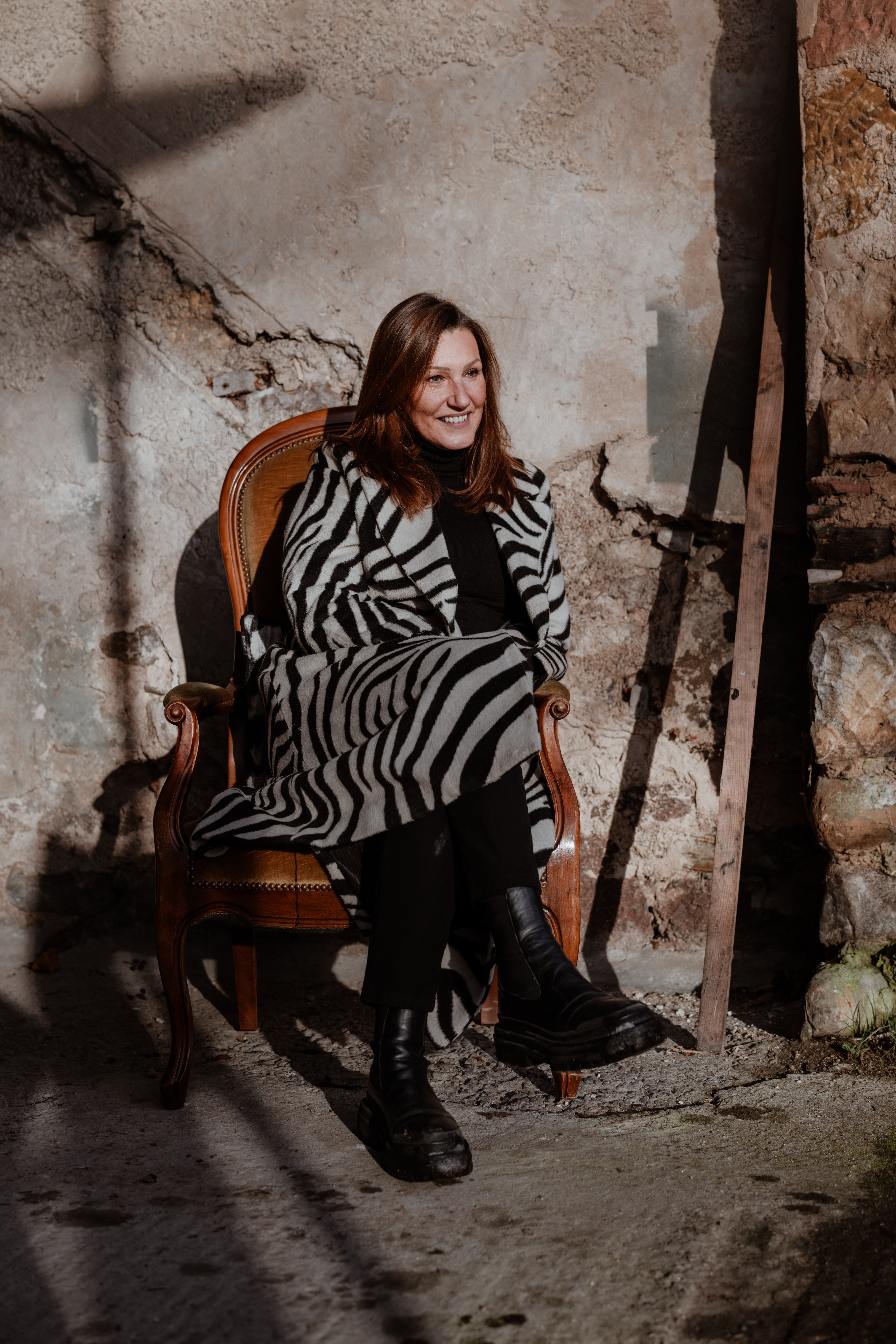
There is also an increasingly dynamic food and drink scene. The once run-down Victorian Market now has a vibrant food hall thanks to the vision of husband and wife team Douglas Hardie and Jeni Iannetta aka the woman behind ‘The Bad Girl Bakery’ (café, bakery and cook school in nearby village, Muir of Ord and a bestselling cookery book of the same name). Now buzzing, it’s packed with diners tucking into everything from Indian street food to sushi.
Hardie also set up the Highland Food Trail. “Inverness was the only city in the UK with no street food culture”. Something he has now remedied. He wanted to attract a mix of food vendors to showcase local produce. Now on the tree-trimmed riverbank, in front of the cathedral, there’s a rotating mix of food trucks from the Angry Seagull’s fish and chips to Auld Smokey’s wood-fired pizza cooked in the back of an old Land Rover Defender. Add a smattering of cool cafés from Culture Café & Deli, the first plant-based eatery founded by Canadian nutritional therapist-turned-vegan-cheesemaker Ella Clarke (think ‘dirty turmeric’ and beetroot lattes along with medicinal mushroom hot chocolate) to Isle of Skye- based bijou Birch which has opened a branch here and an ever-evolving drinks scene.
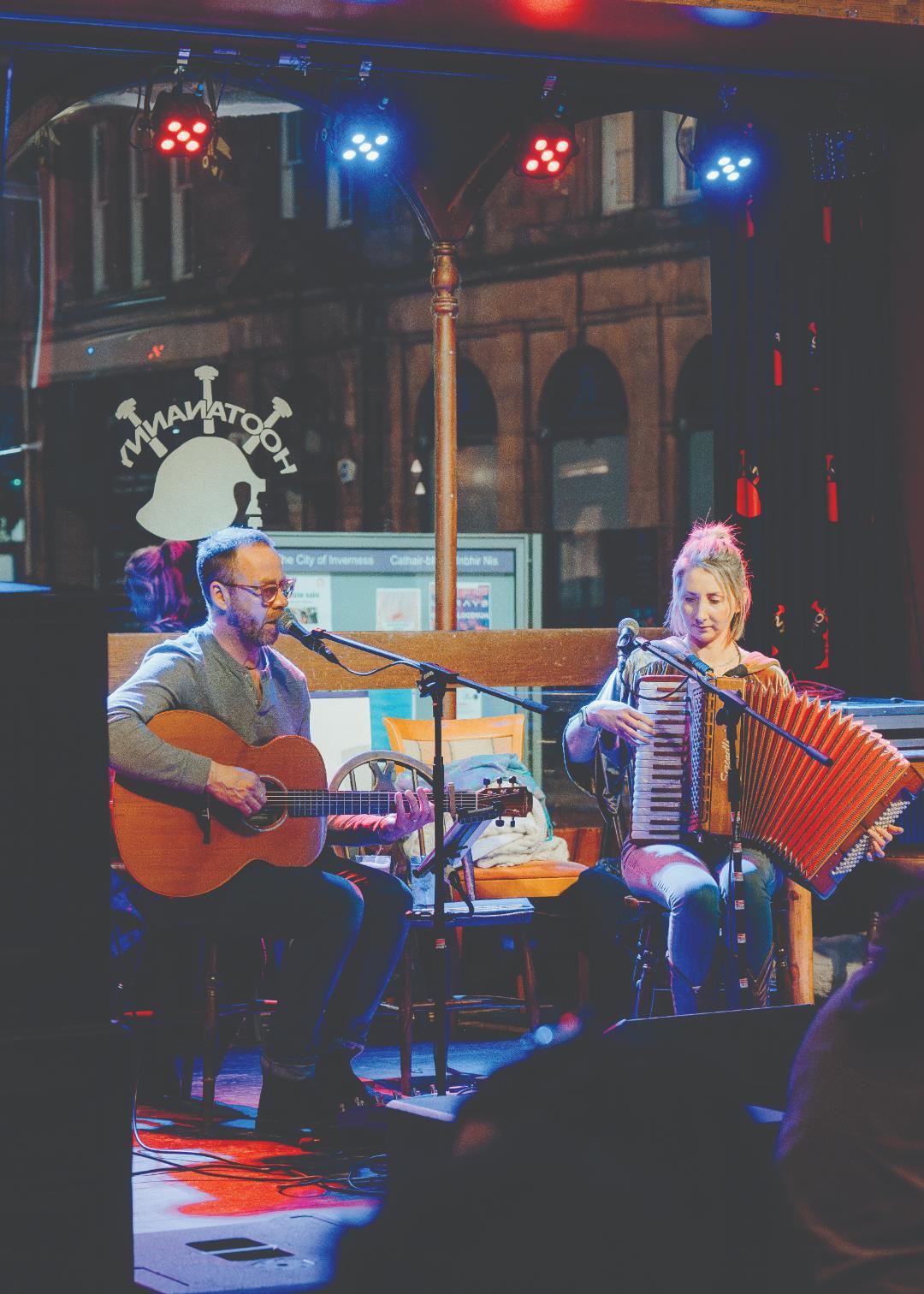
Ewan Macpherson and Amy Henderson at Hootananny
Hootananny by Stephanie Osmond
Inverness has always had great, gritty pubs, but now you can order a beer flight of organic ales at the Black Isle Brewery Bar and sip them in a fairy-light strung shed on the rooftop, enjoy a dram in tiny backstreet whisky bar, The Malt Room or bag an outdoor table or sheepskin-strewn pew for a wine-tasting (there are over 250 on the list) at The Walrus and Corkscrew – along with a local charcuterie or cheese platter. And where else can you find a doughnut shop (Perk) that turns into an espresso martini bar after dark?
There’s even a distillery on the riverfront, now, the first in the city centre for 130 years. Uile-bheist is Gaelic for monster and the new distillery and brewery – or 'brewstillery' – is a striking glass-fronted building on the banks of the River Ness offering tours and tastings.
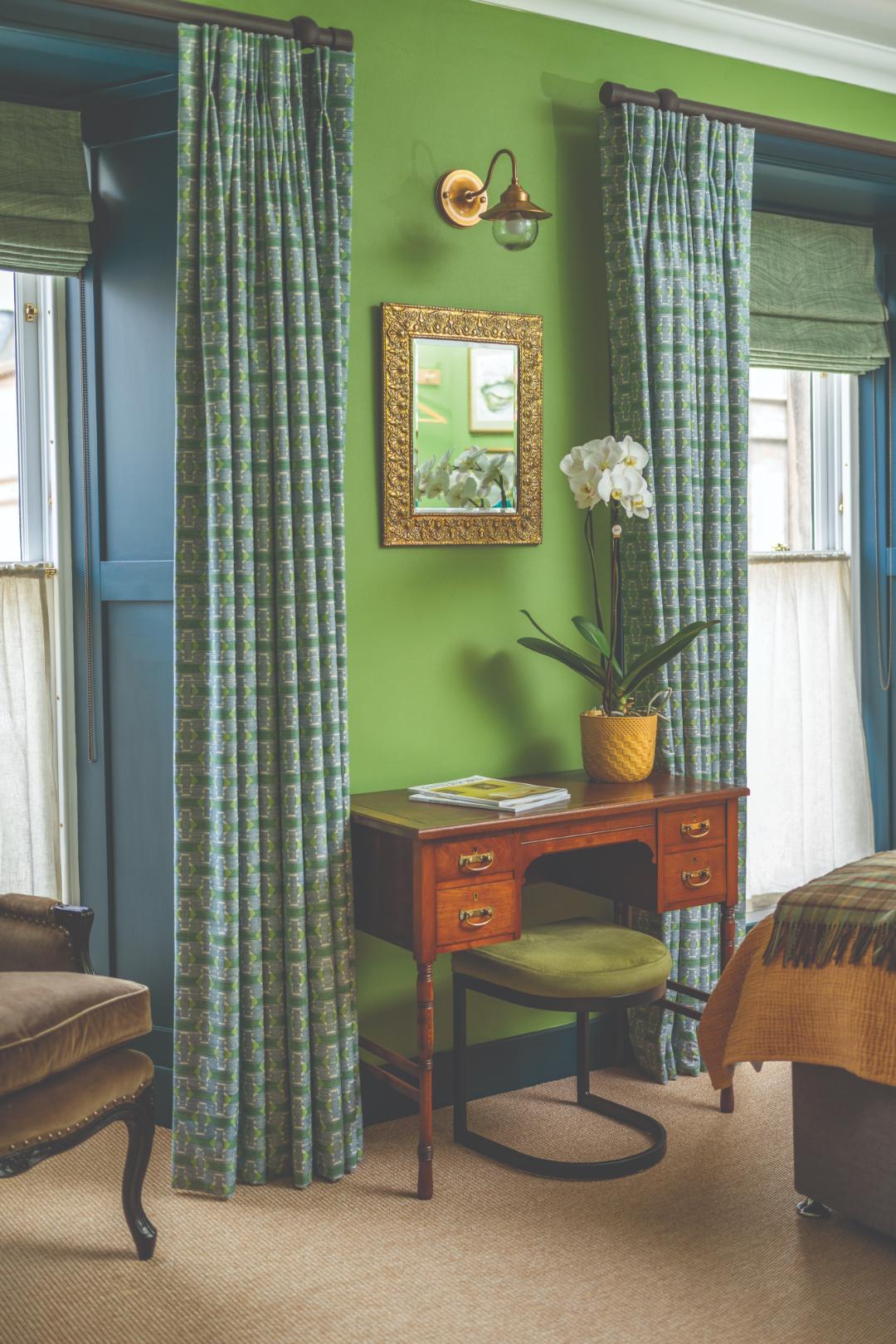
And then to bed - somewhere seriously hip. Above legendary, beer-soaked live music joint, Hootananny’s, just footsteps from the castle, designer Isobel Barnes has turned the top two floors into a fledgling art hotel with six eclectically designed rooms and one attic suite looking out over the River Ness. Rooms are decorated with designer fabrics, throws from royal tweed supplier, Campbells of Beauly and paintings from local artist and sculptor Leonie Gibbs who lives on the Belladrum estate – home to the ‘Bella’ music festival, Scotland’s Glastonbury. Even the luggage racks have a story to tell; old-school-sturdy and leather-strung auctioned off by the Dorchester in London. But not as many stories as the seanchaidhs up at the castle...
This tale of one city is turning into a never-ending series of sequels; less fairytale endings, more page-turning, exciting, new beginnings.
Promoted Post
Whitehill Farmhouse
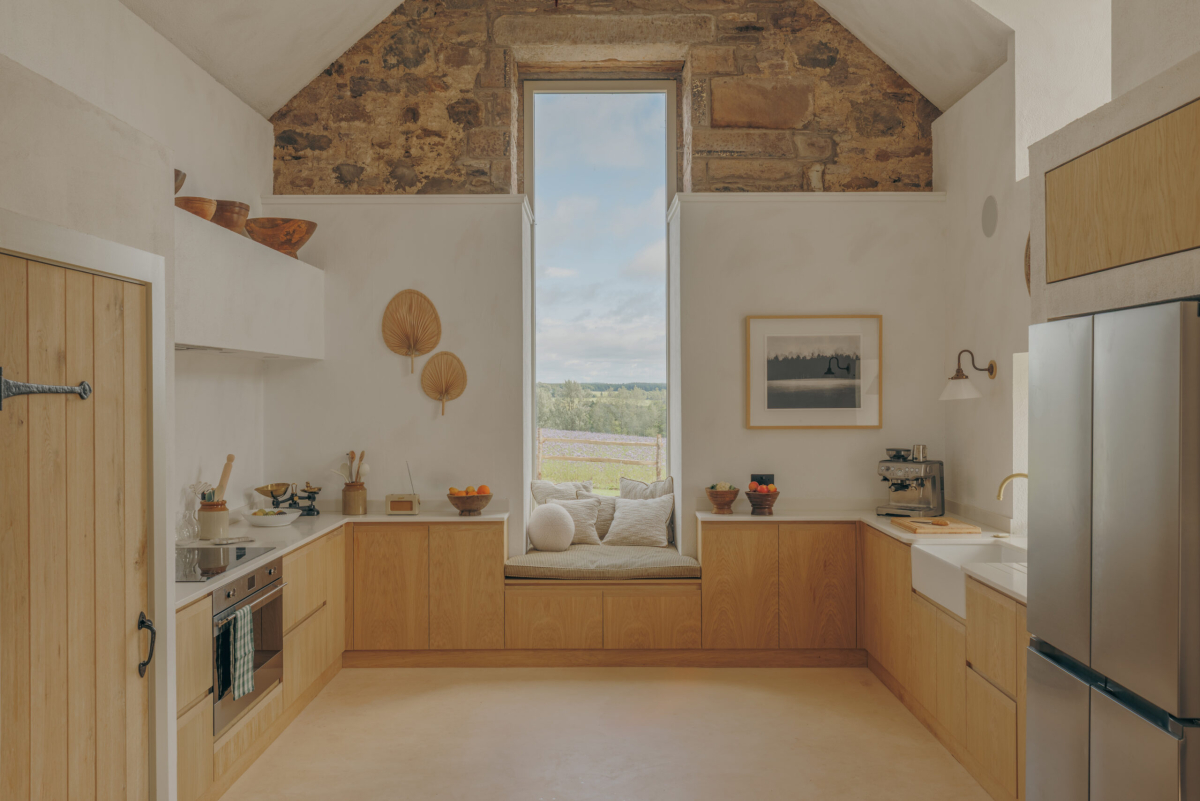
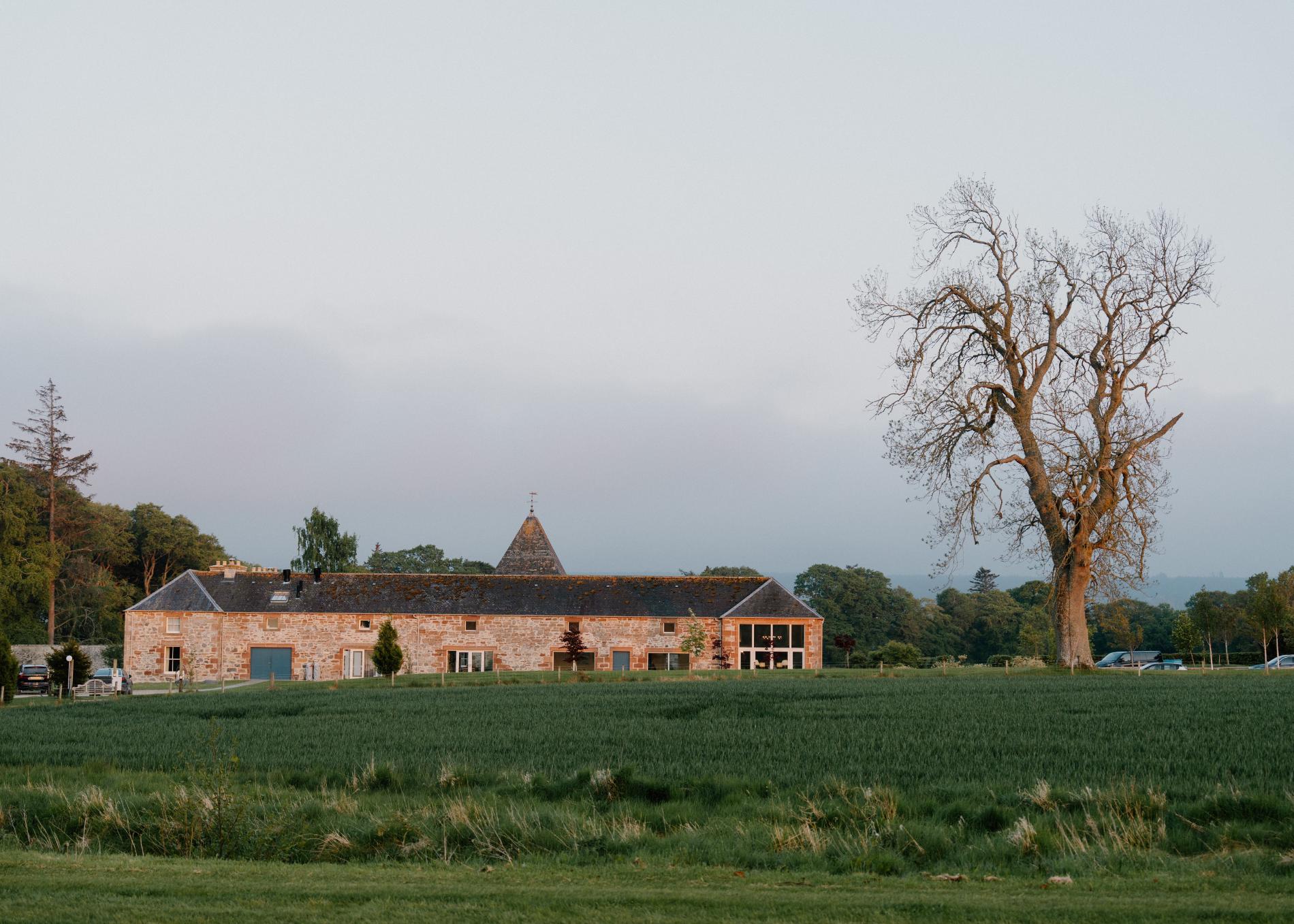
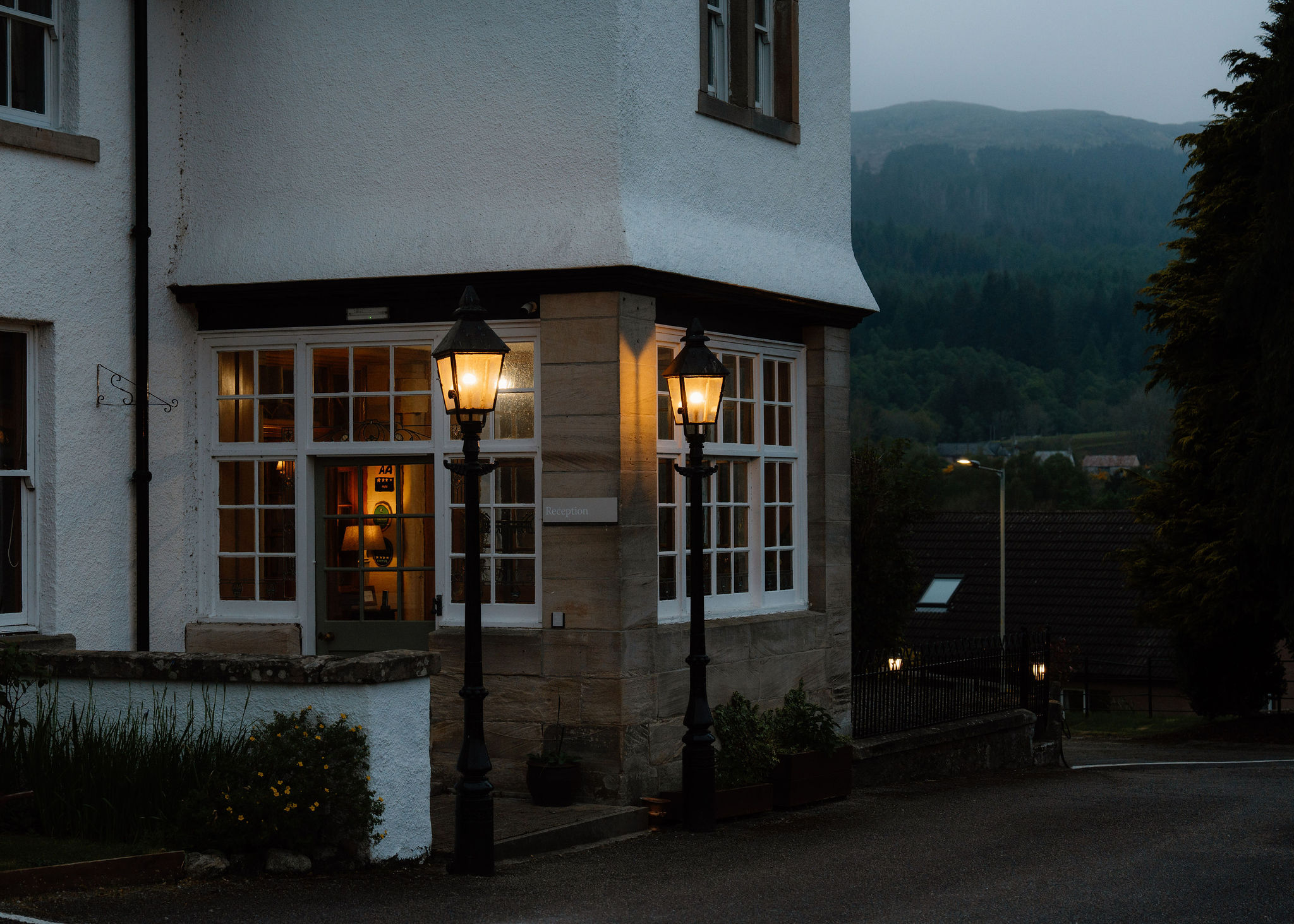
Located on Colquhalzie Estate, this 19th Century farmhouse has been lovingly restored into a family home, having previously been home to the Shepherd who lived there for 40 years. We welcome friends and families of up to 8 people on a self-catered basis for at least 4 nights.
-full-1746434816.jpg)






 Sign in with Google
 Sign in with Email