
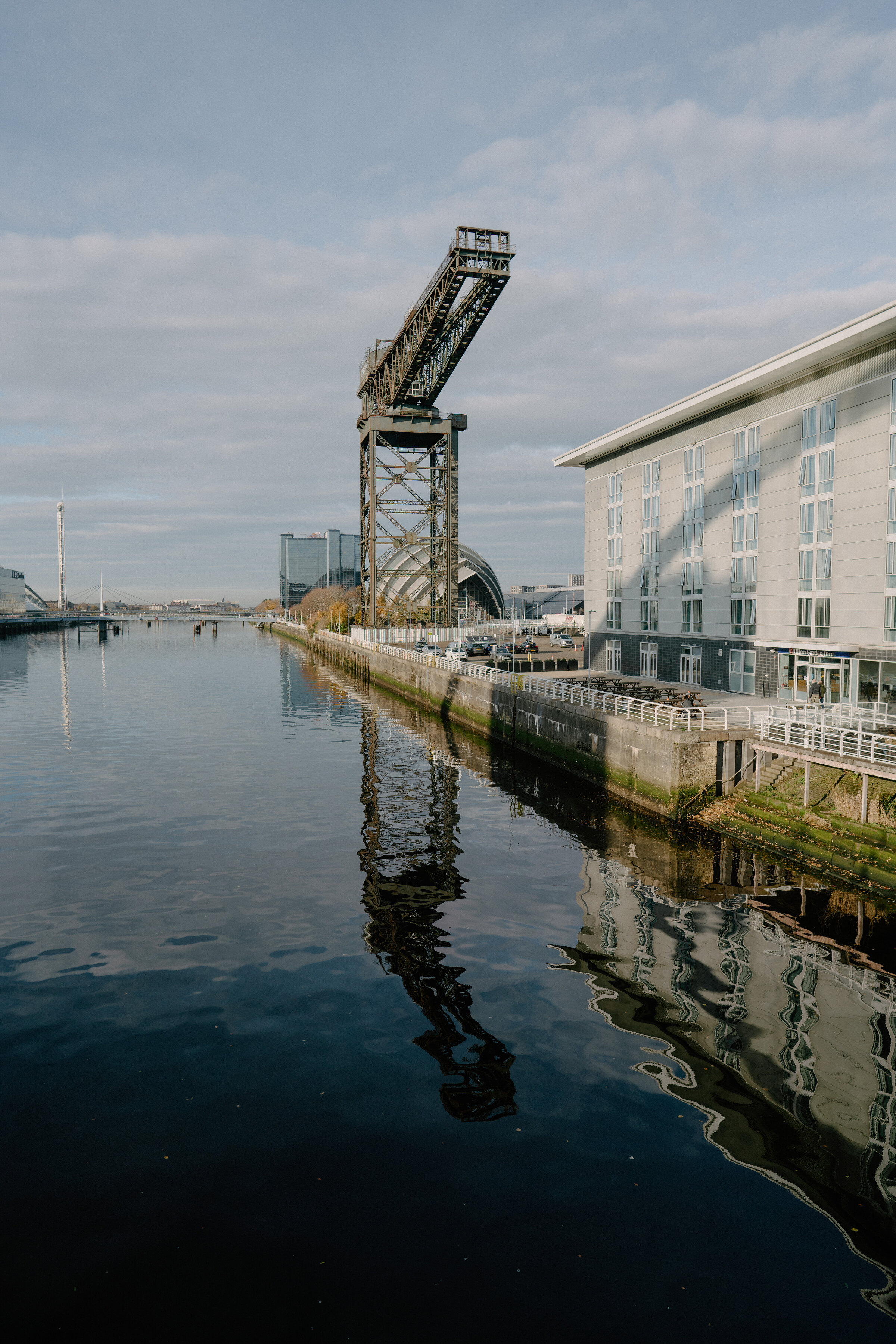
Glasgow. Glasgow guide
Victorian sandstone, free museums, the Dear Green Place's parks and people who will talk to anyone.
The four parts of Glasgow
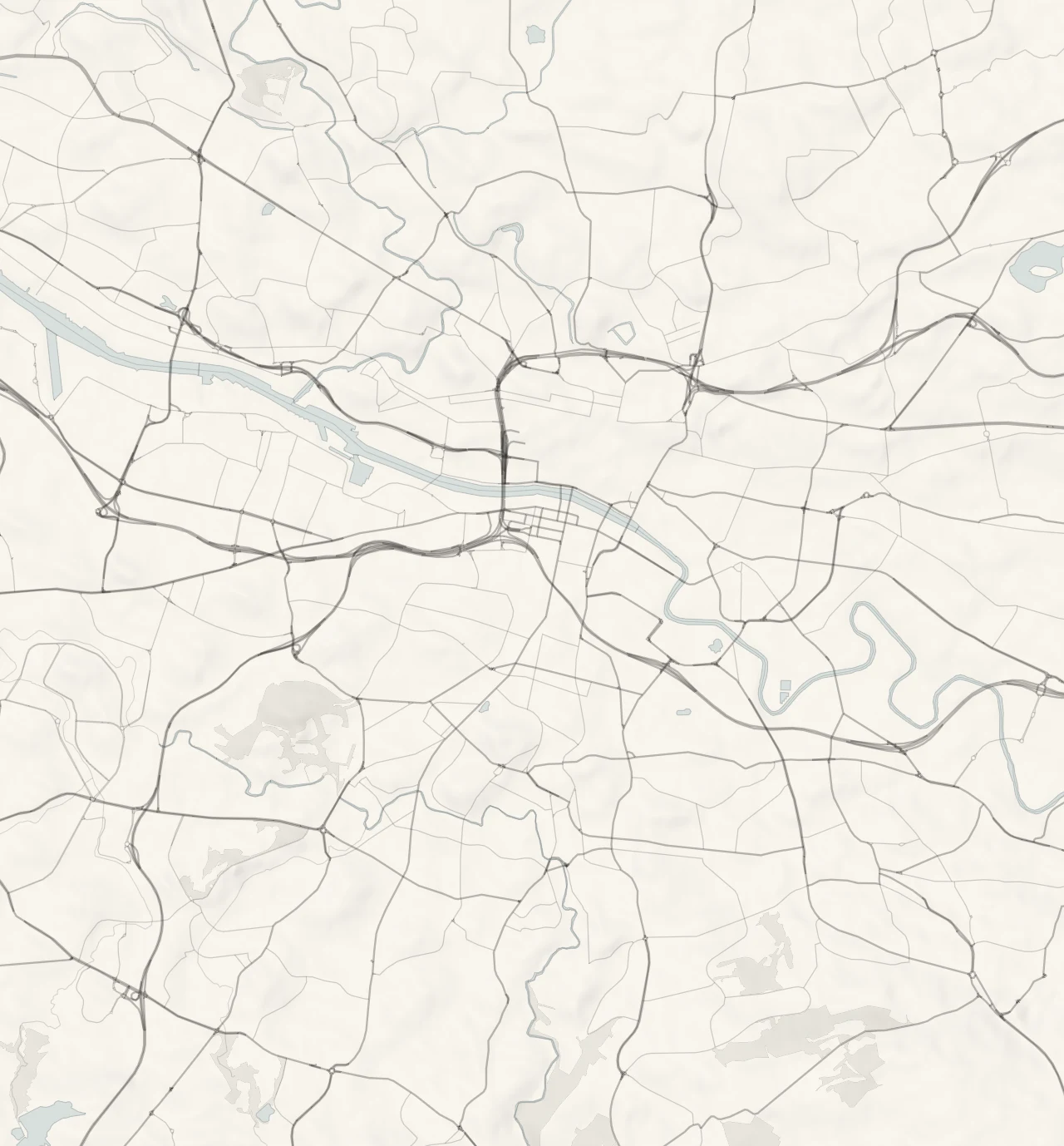
Glasgow might not be Scotland’s capital, but as the country’s largest city – and a proud, creative, indefatigable metropolis – it’s well accustomed to the spotlight. The nearly 1.7 million people who live here play their part in creating a unique brew of earthiness, elegance, edginess and effervescence.
The city centre and Merchant City
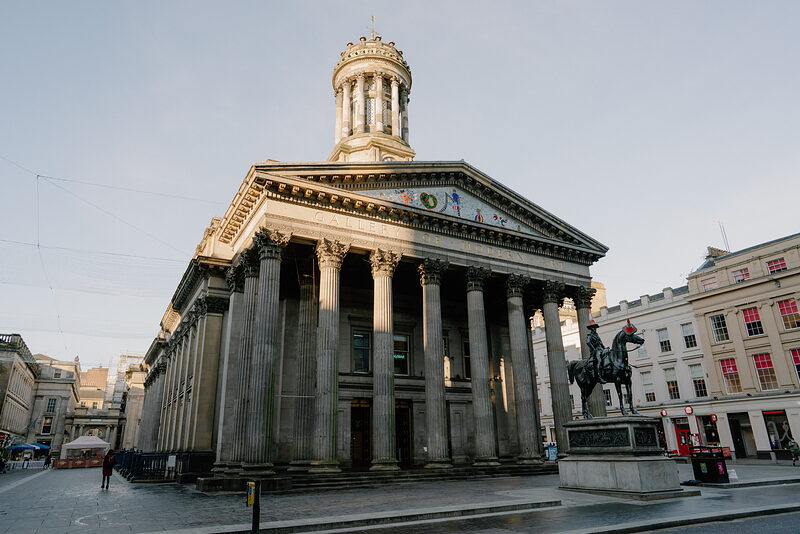
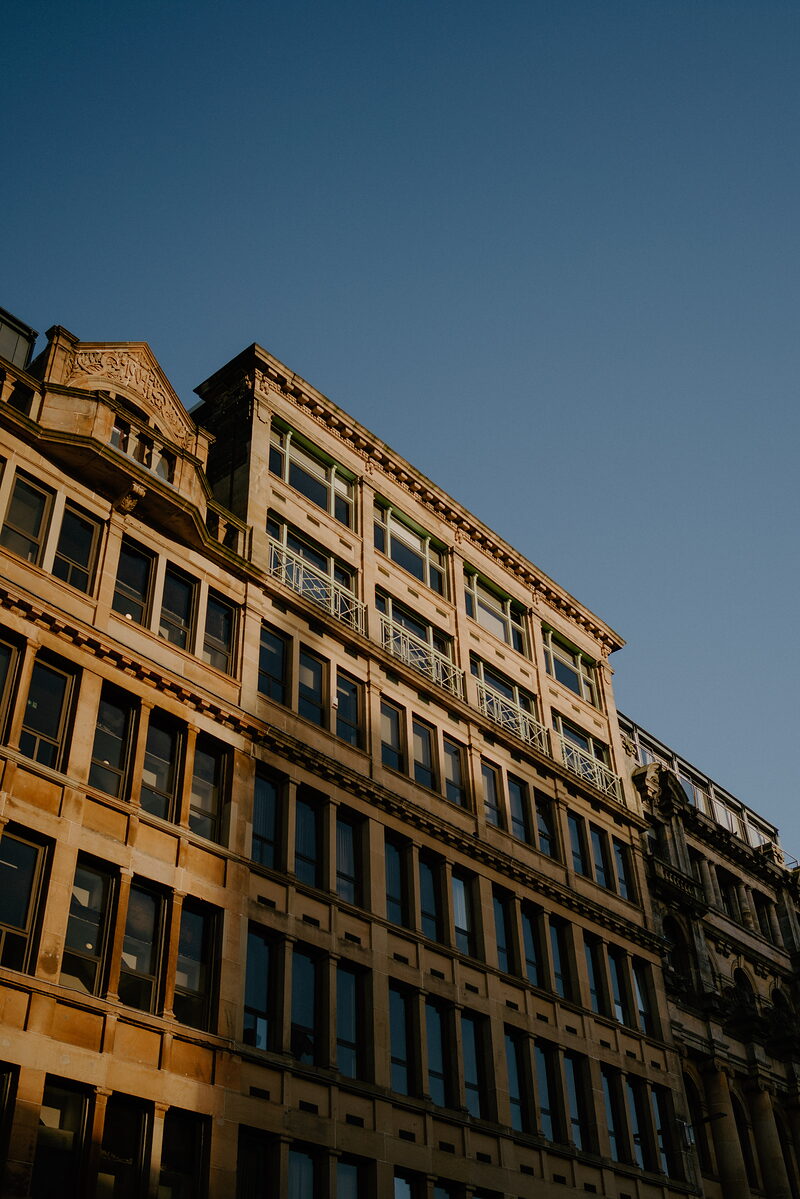
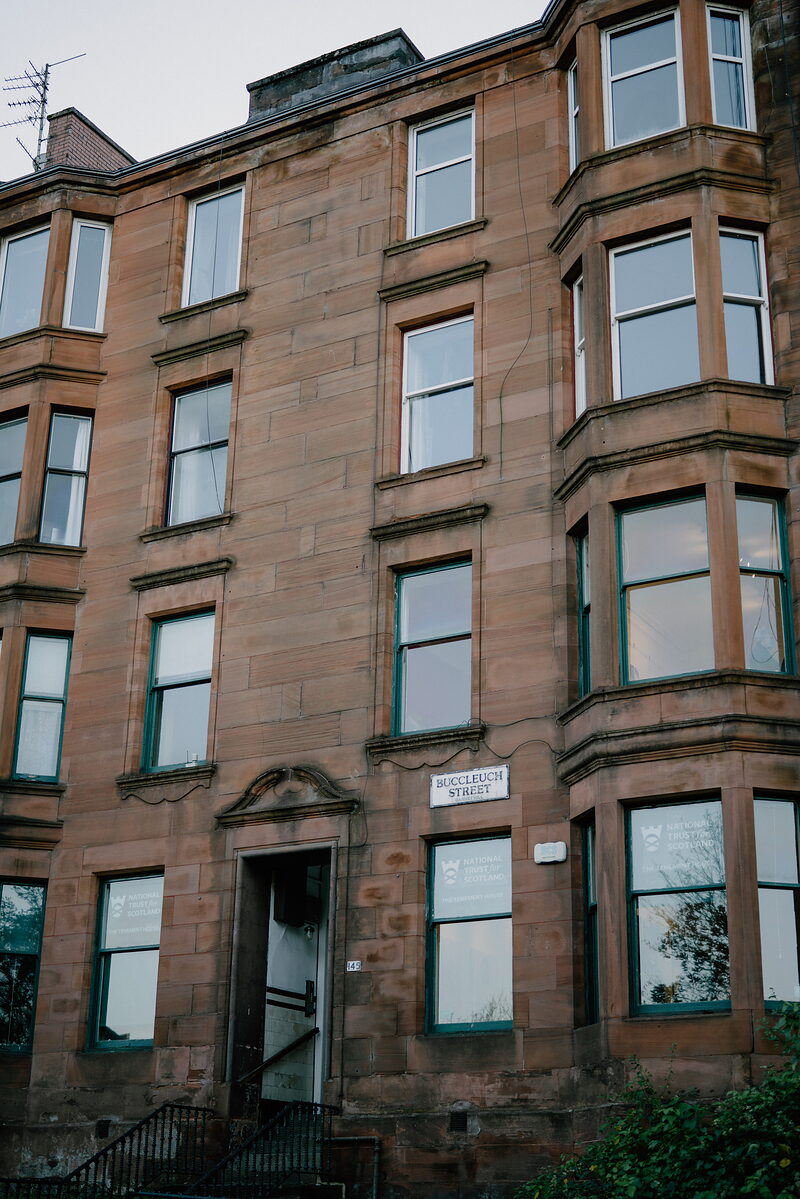
The centre is laid out on a Victorian grid, so look up as you walk: the sandstone is carved and domed all the way to the rooftops. Buchanan Street and George Square are the heart of it. To the east, the old merchants' streets of the Merchant City are full of bars and restaurants, and up the hill in Garnethill is the Tenement House.
The Cathedral and the East End
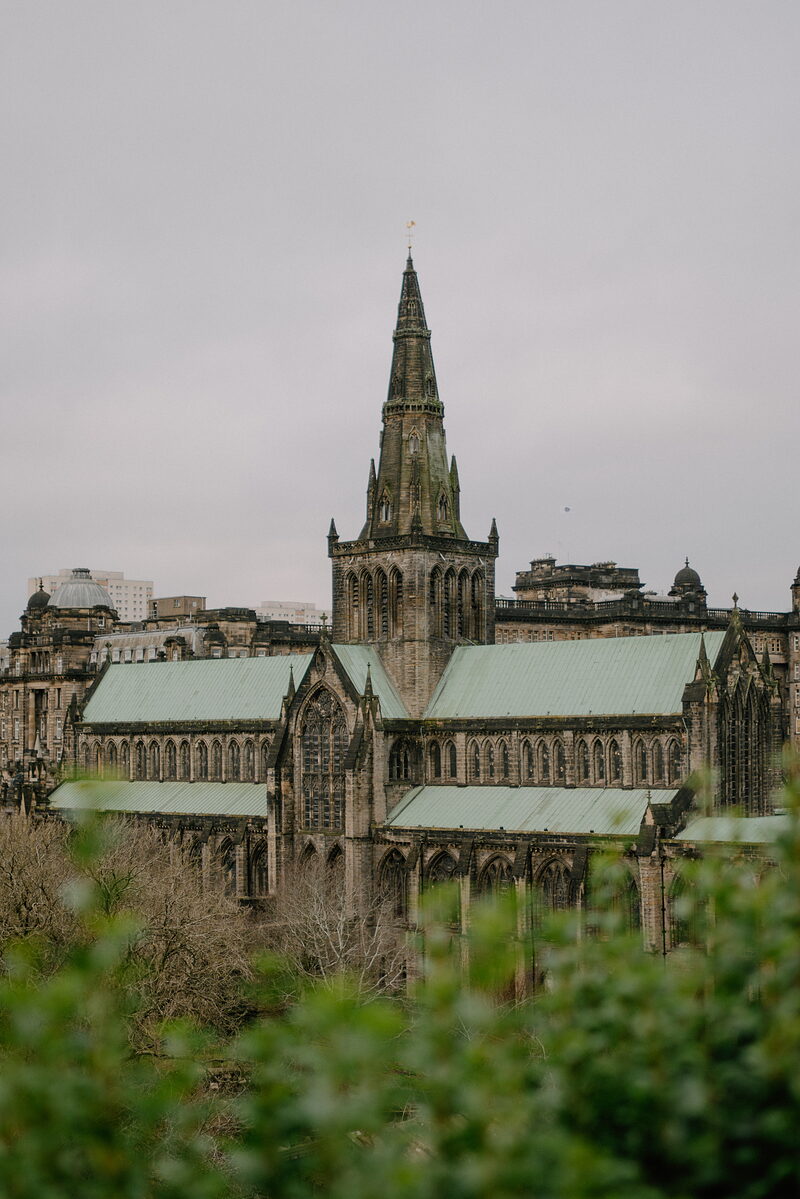
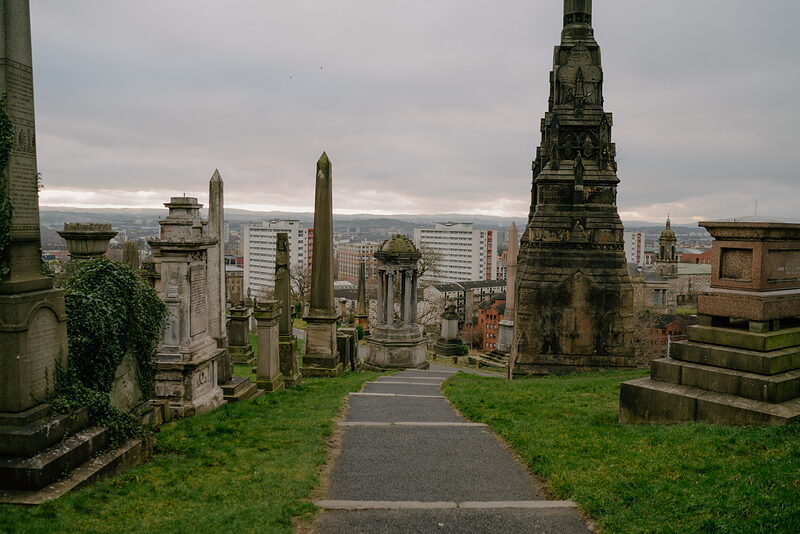
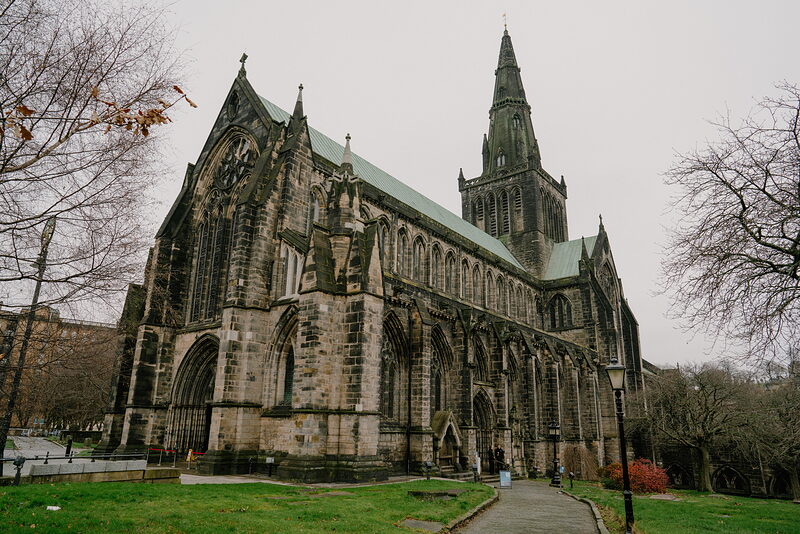
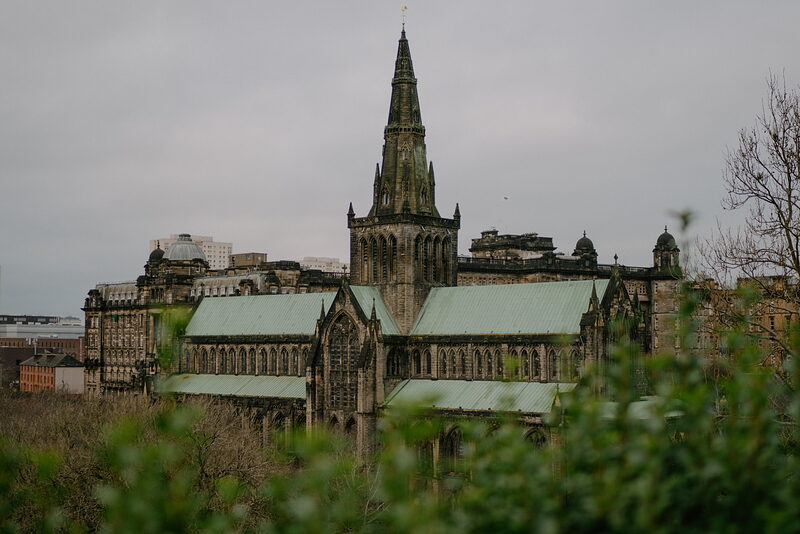
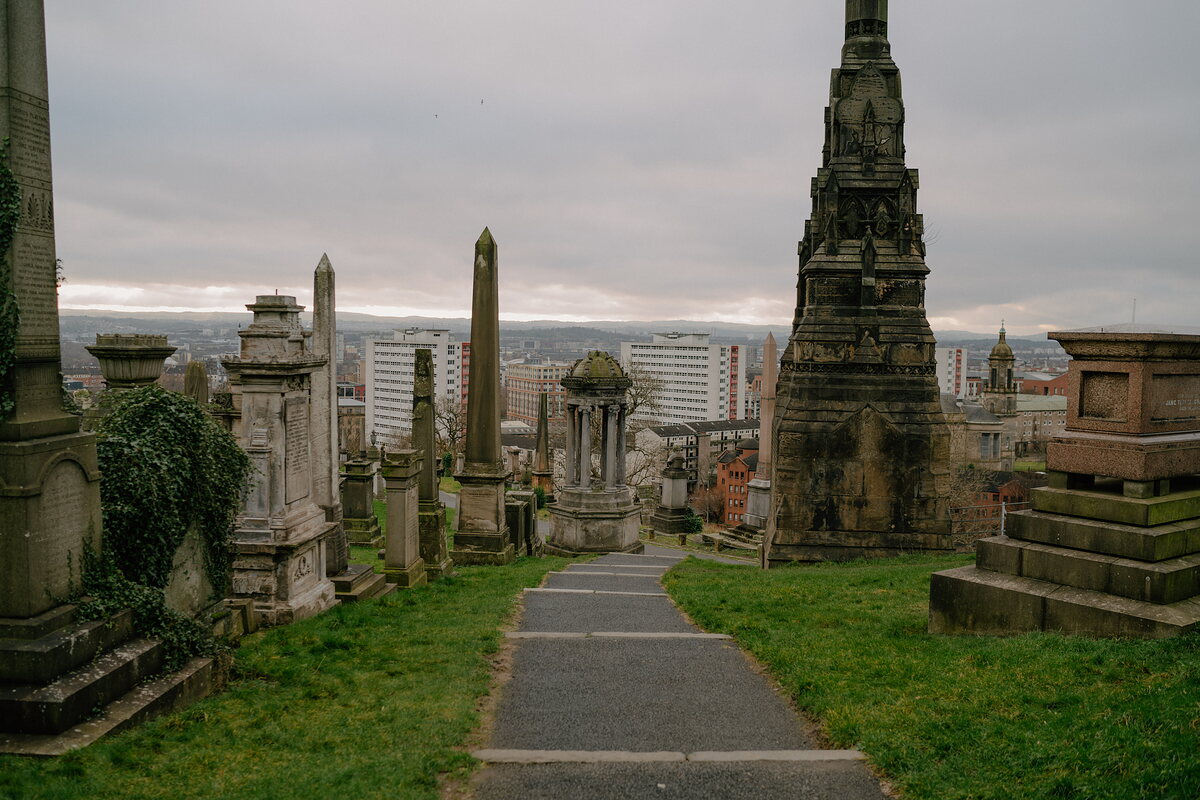
Glasgow began here, where St Mungo built his church, and the medieval cathedral still stands over his grave. Behind it the Necropolis climbs a hill of Victorian monuments with the whole city below. Further down are the Barras weekend market, the Drygate brewery and Glasgow Green, the oldest of the city's parks, beside the Clyde.
The West End and Finnieston
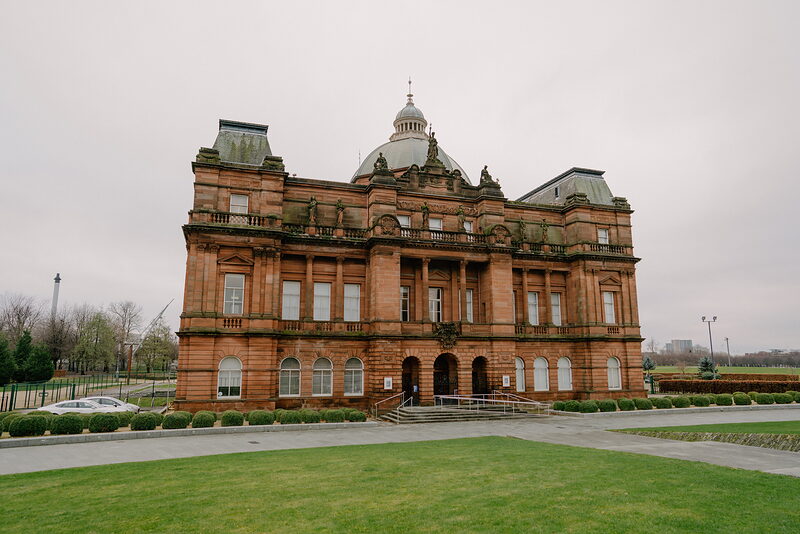
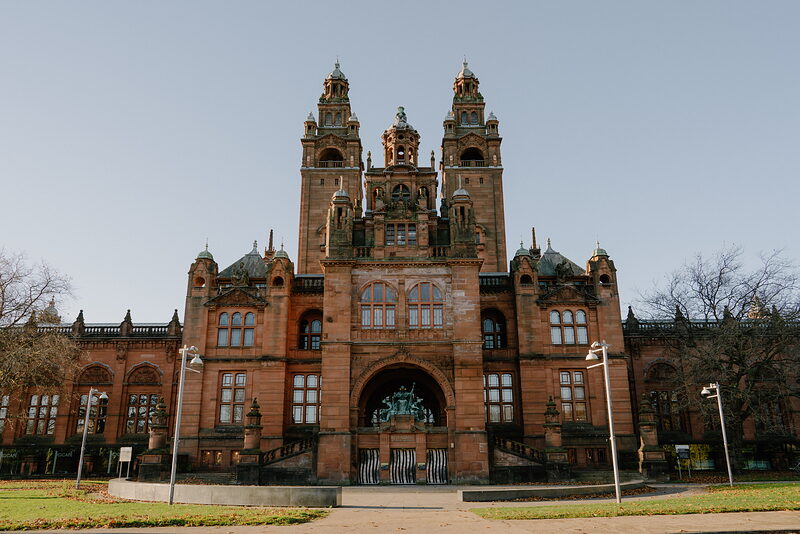
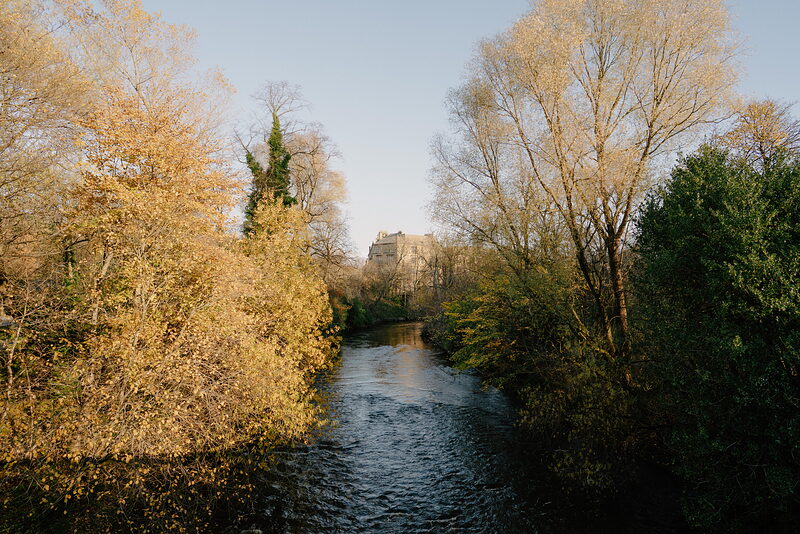
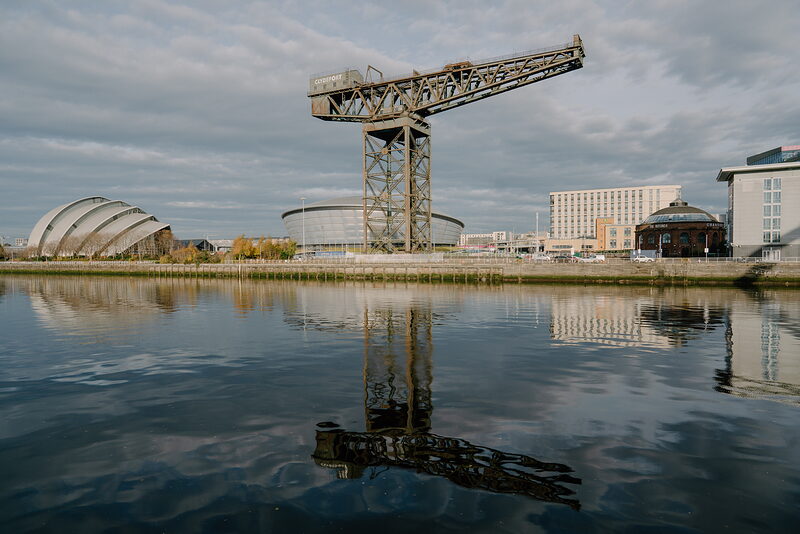
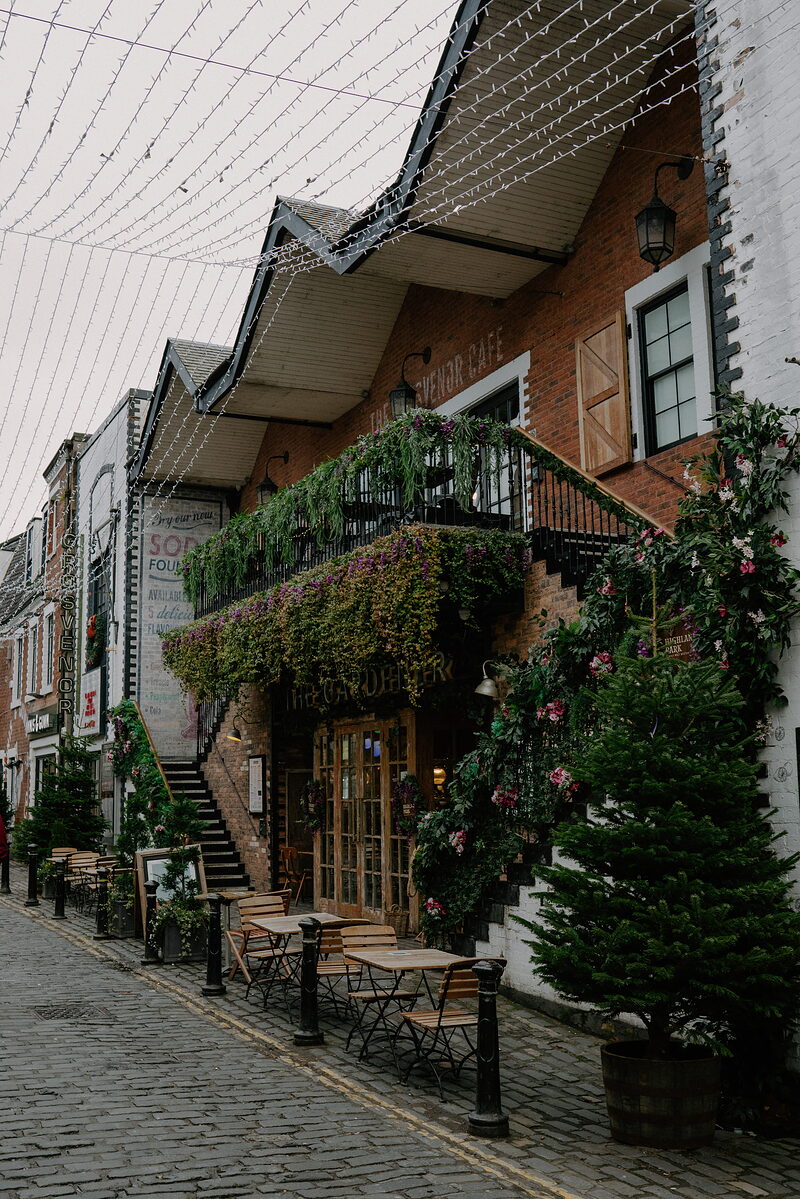
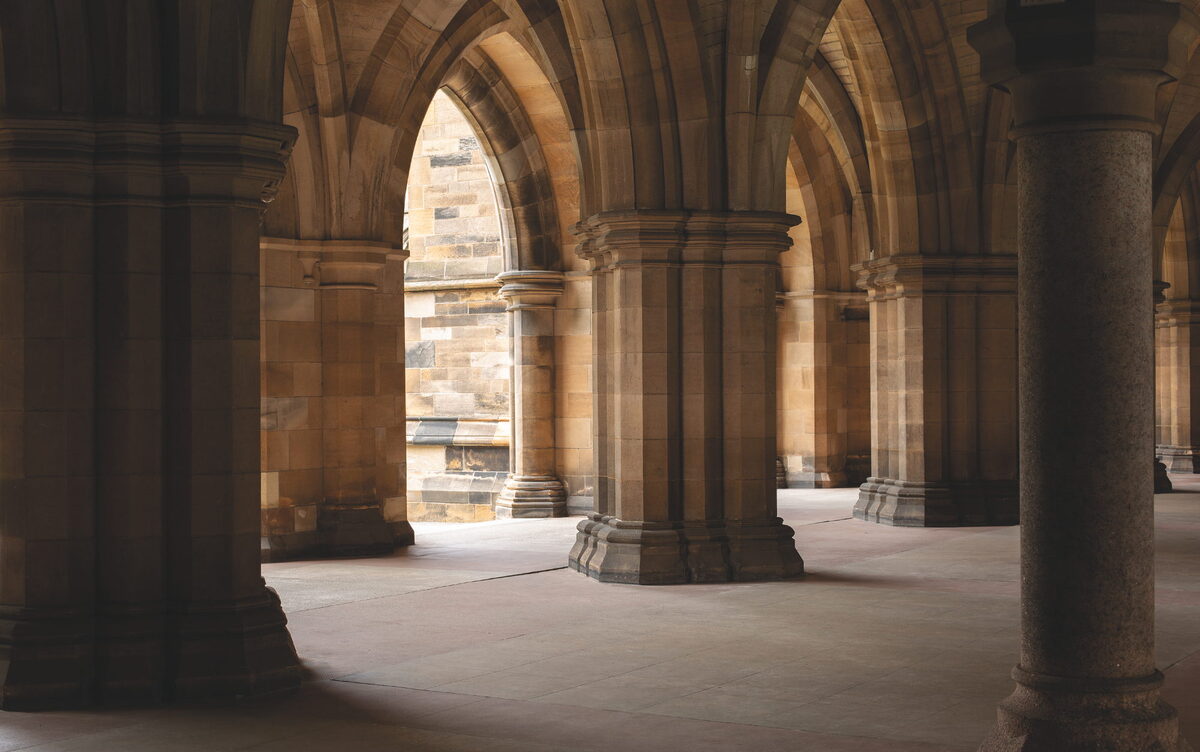
The West End is leafy and full of students, with Kelvingrove's red sandstone galleries, the university's Gothic towers on the hill and the Botanic Gardens at the top of Byres Road. Ashton Lane's cobbles are strung with lights. Down by the river, Finnieston's stretch of Argyle Street is packed with good restaurants, and the Riverside Museum stands where the Kelvin meets the Clyde.
The Southside and beyond
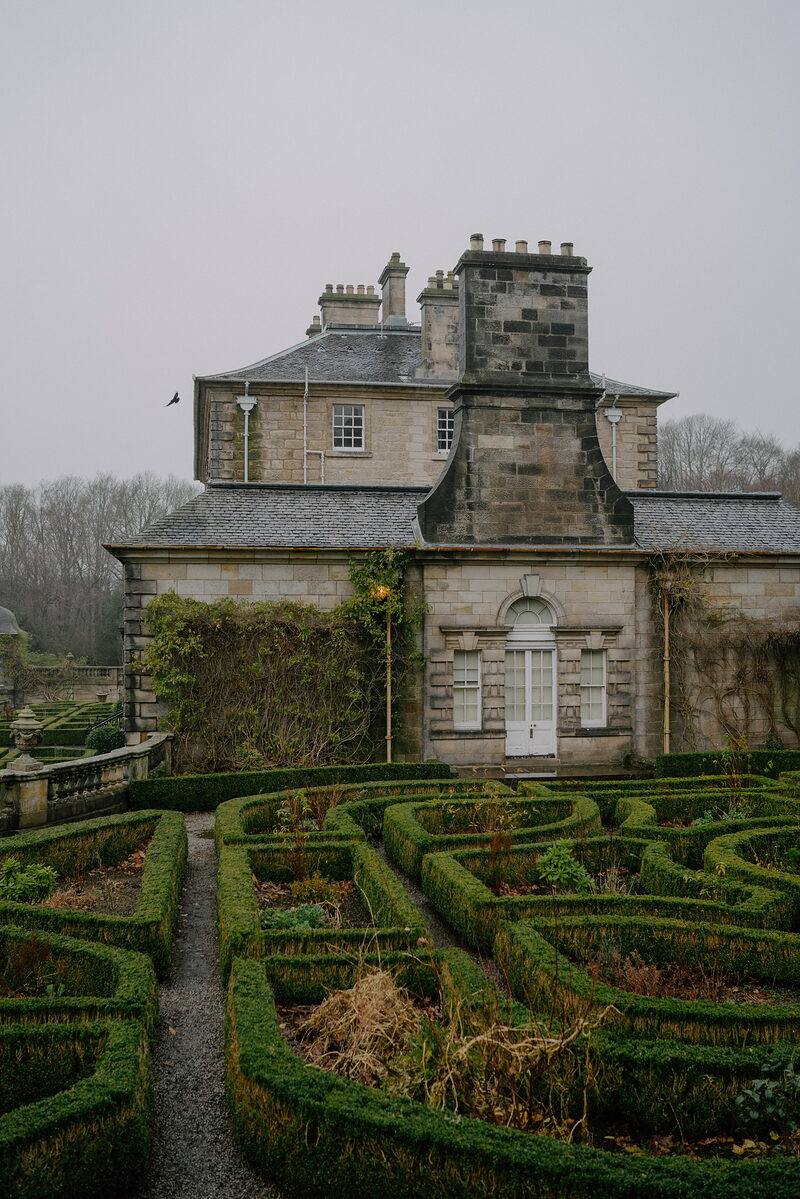
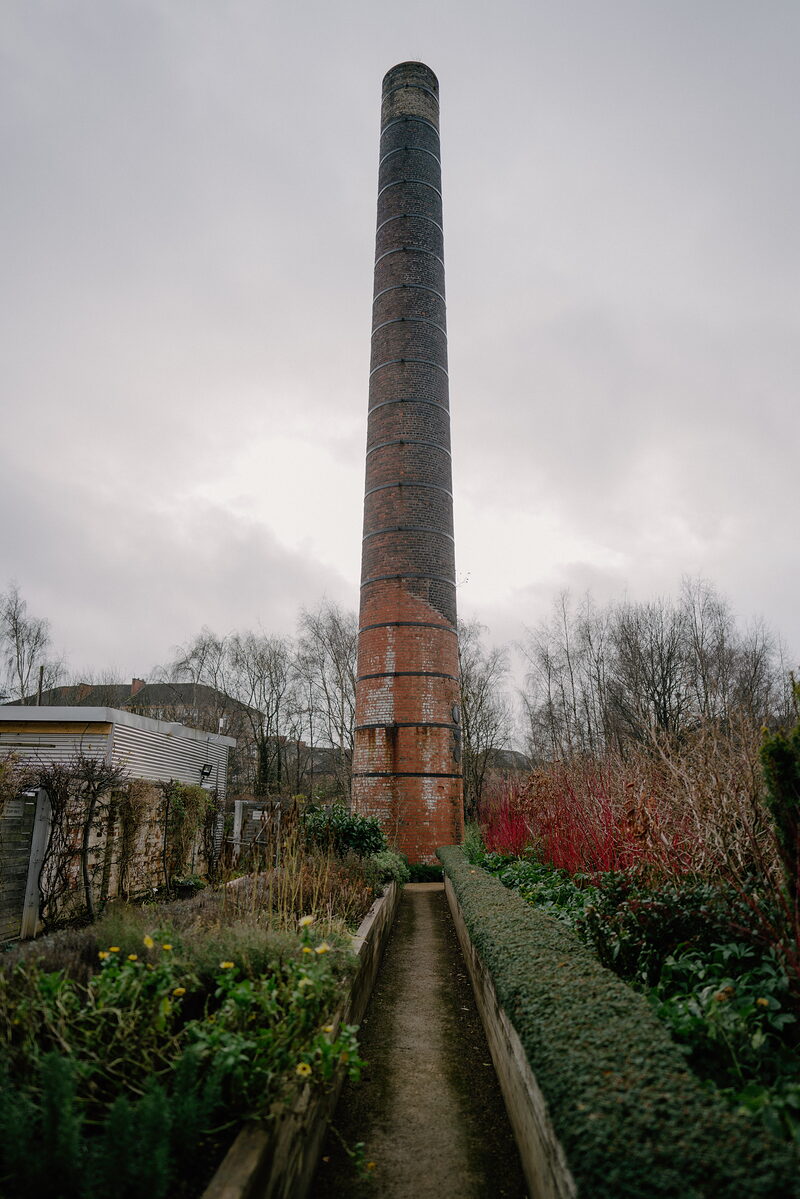
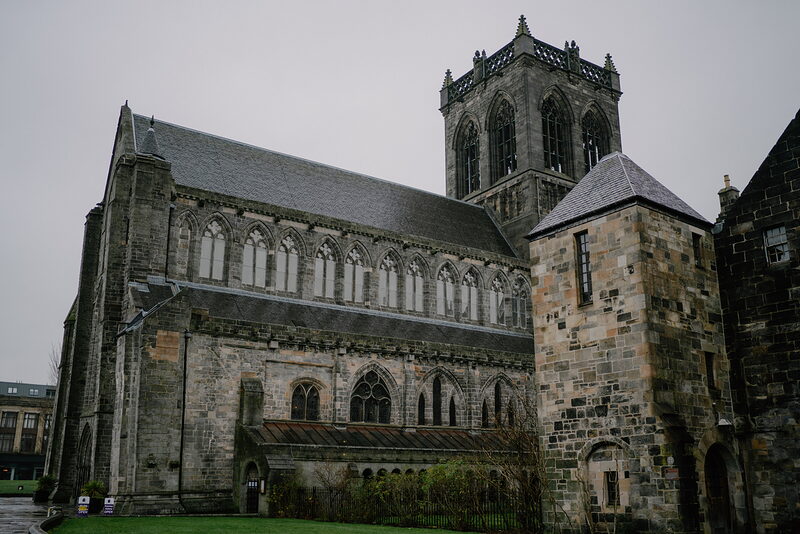
South of the Clyde the city opens out into Victorian suburbs and big green parks. Pollok Country Park holds Pollok House, a fold of Highland cattle and the Burrell Collection, while Shawlands and Strathbungo have brunch cafés and neighbourhood restaurants. The Hidden Gardens sit behind the Tramway, and further out Paisley has its great medieval abbey.
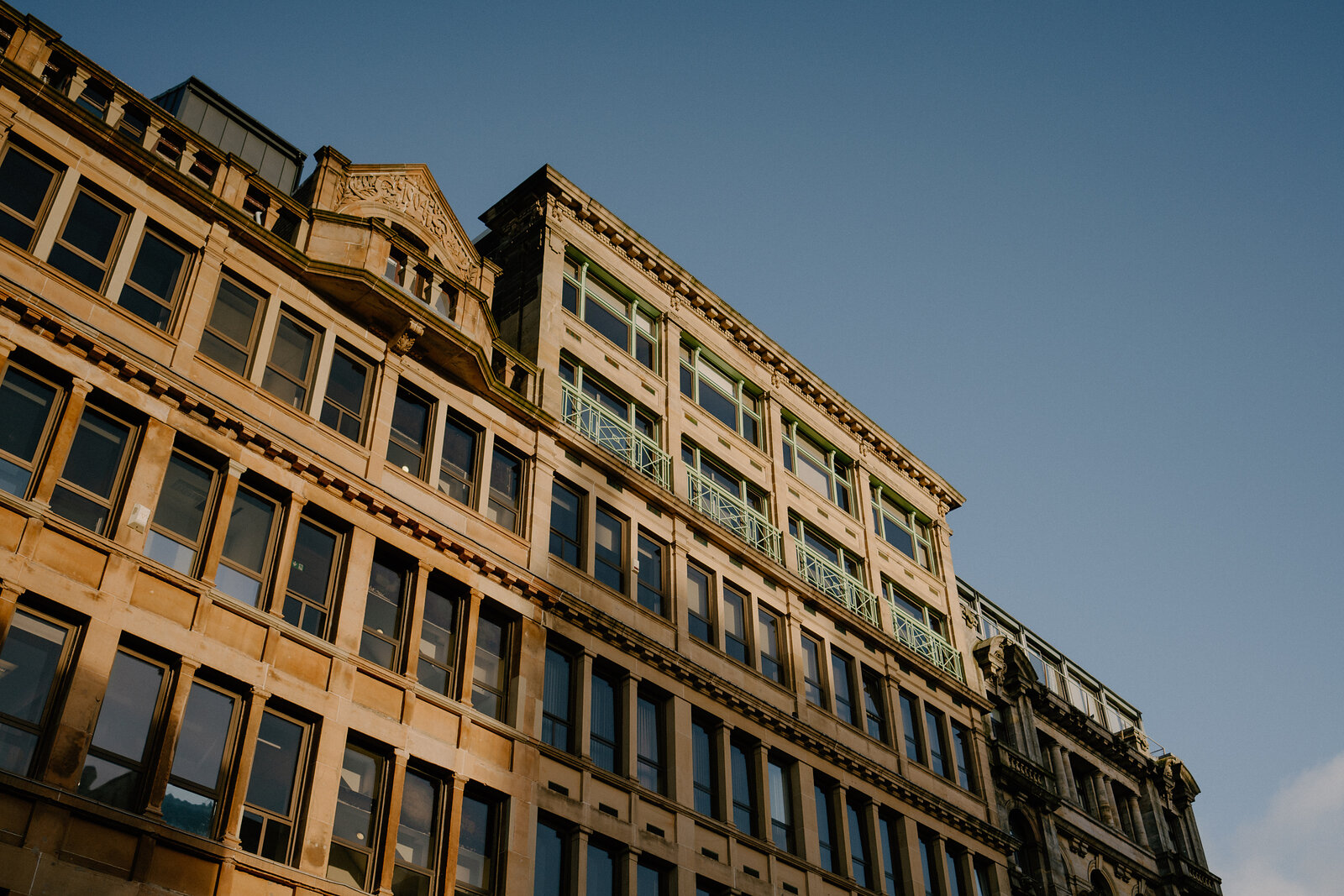
“People always say you need to look up when you walk around Glasgow and I would say illustrating buildings has given me a new appreciation for the wonderful architecture of this city.”
Natalie
Illustrator of Glasgow maps and buildings, Nebo Peklo
Best known for.
One person’s architectural delights are another’s football-mad neighbourhoods. Glasgow is synonymous with all manner of threads from life’s rich tapestry, from its musical heritage (it’s the home of Primal Scream, Chvrches, Simple Minds and Mogwai, among countless others) and its sporting rivalries (are your colours green or blue?) to its importance in the worlds of art, science and design. But above all else, perhaps, it’s somewhere which has stepped away from industrial decline to become a place where anything’s possible.
More about Glasgow
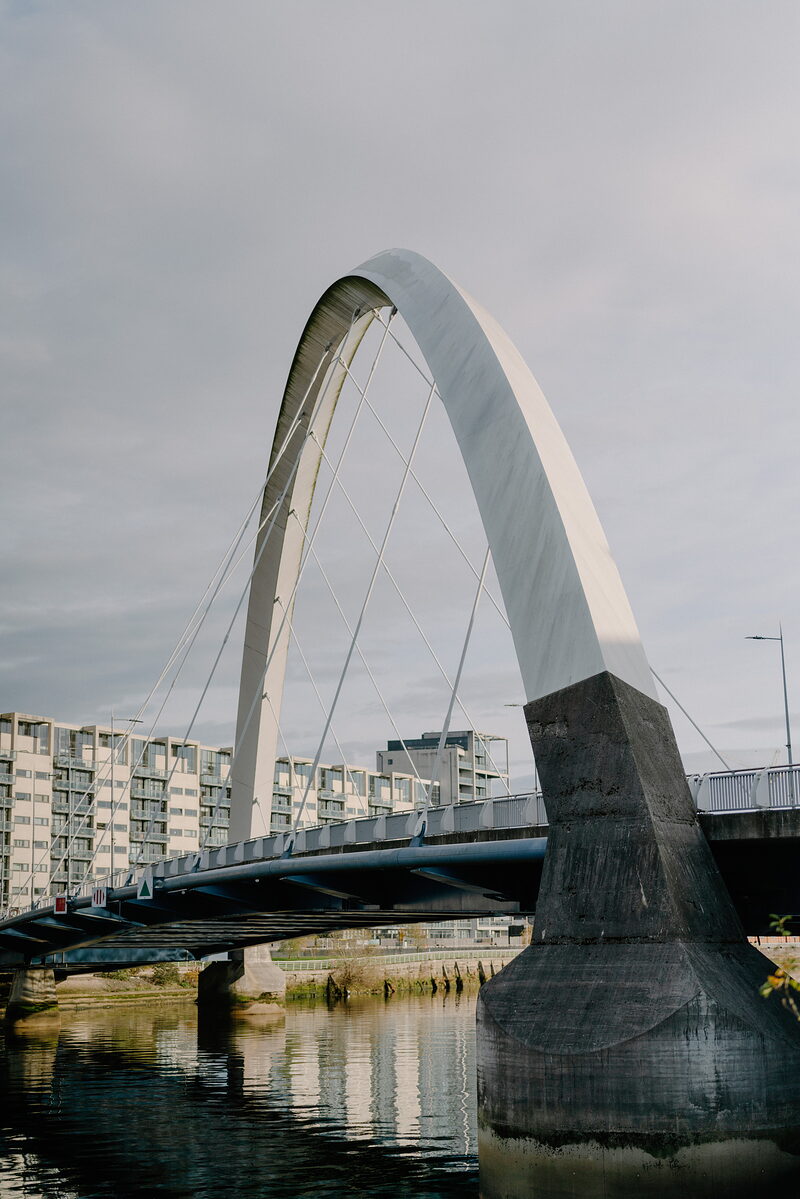
The city’s attention-grabbing architecture, which blends old sandstone terraces and spire-laden museums with sleeker riverside buildings and more utilitarian districts, serves as an apt reflection of its many faces. Glasgow, in a sense, is exactly what you make it, and this fact has seen it become a genuinely rewarding visitor destination, with a fast-evolving food scene, some world-class cultural attractions, and a post-industrial, forward-facing character which bubbles through the city at all hours. The nightlife, indeed, deserves a chapter of its own.
Charles Rennie Mackintosh. Celtic and Rangers. The River Clyde. Whatever your associations with the Dear Green Place (a nickname which still holds, thanks to the presence of more than 90 parks and gardens), it’s somewhere well deserving of a stay. The tastemakers at Conde Nast Traveller even placed Glasgow at the top of their list of post-pandemic UK city breaks, lauding everything from its street art to its West End restaurants.
And unsurprisingly for a city famed for its designers and innovators, it’s also become a prime shopping destination, with some excellent independent stores and boutiques among the more familiar names. Today’s Glasgow is more readily described as trendy than touristy – especially when compared to its age-old rival Edinburgh – but the reasons to come calling are copious.
What would you like to look at?
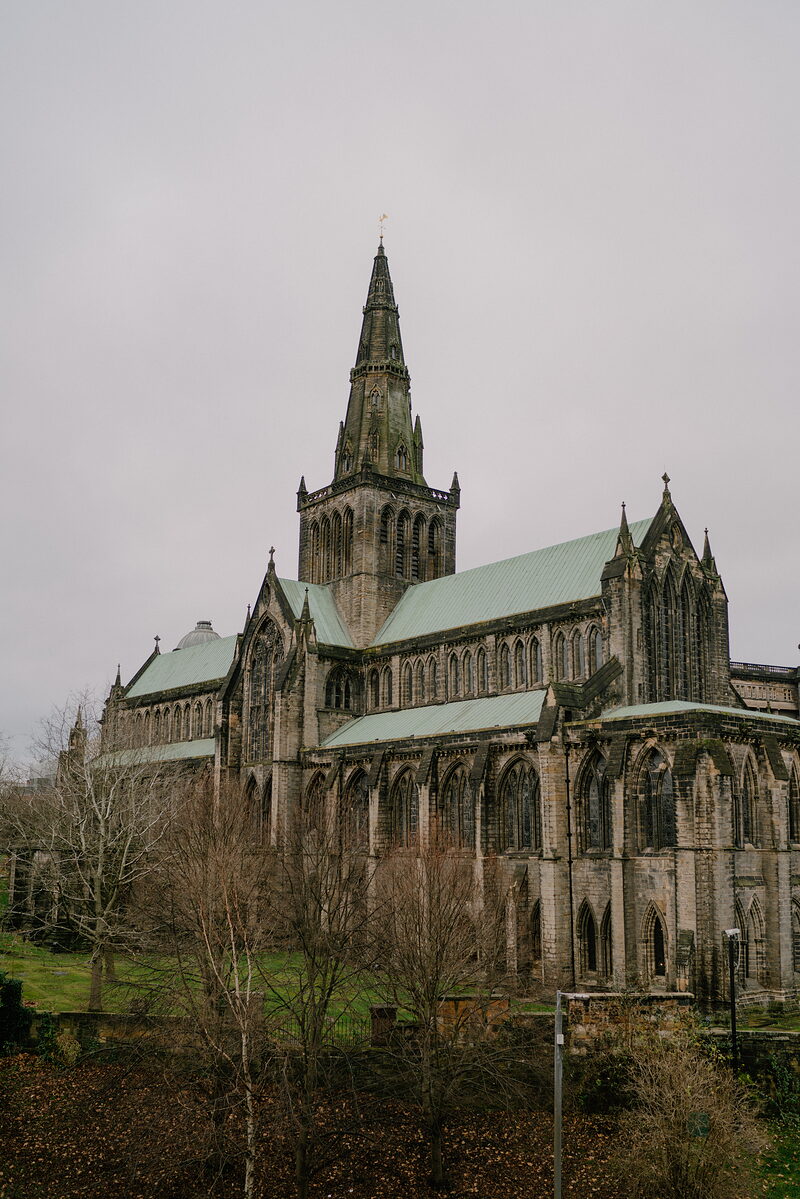 See and doThe cathedral, free museums and Mackintosh
 Eat, drink and shopFinnieston's restaurants, old pubs and brunch
 History and storiesSt Mungo, tobacco lords and the Clyde
 ItinerariesDays we have walked, stop by stop
 Getting hereTrains, the airport, the Subway and buses
 What is on in GlasgowSomething new from the city every day
What is on in Glasgow
Friday the 16th of October.
Sunrise 07:50, sunset 18:14.
Coming up in Glasgow
- Oct16University of Glasgow ToursOn today
- Oct16Clyde Valley Family ParkOn today
- Oct16Adult ADHD Peer Support Group Glasgow (community led)On today
- Oct16All The Young Nudes • Life Drawing Club GlasgowOn today
- Oct16Mad Monday weekly short pose Life drawing session 6.30 - 8pm Glasgow EastOn today
The news in Glasgow
- Sloans, Glasgow's oldest bar, has opened The Merchant's, a new dining room on its first floor.
- Arthouse Glasgow has opened on Bath Street, a 76-room hotel in a restored Victorian townhouse, with Celentano's as its restaurant.
- Langside Social has opened on Pollokshaws Road, a refitted snooker and pool club with karaoke rooms, darts and plant-based Mexican food.
- The Address Wren has opened as a 30-room penthouse hotel on the top floor of Caledonian Chambers, above Glasgow Central Station.
- Moxie, a vintage clothing shop, has opened inside Rag & Bone in Finnieston's Hidden Lane.
Things you might not know.
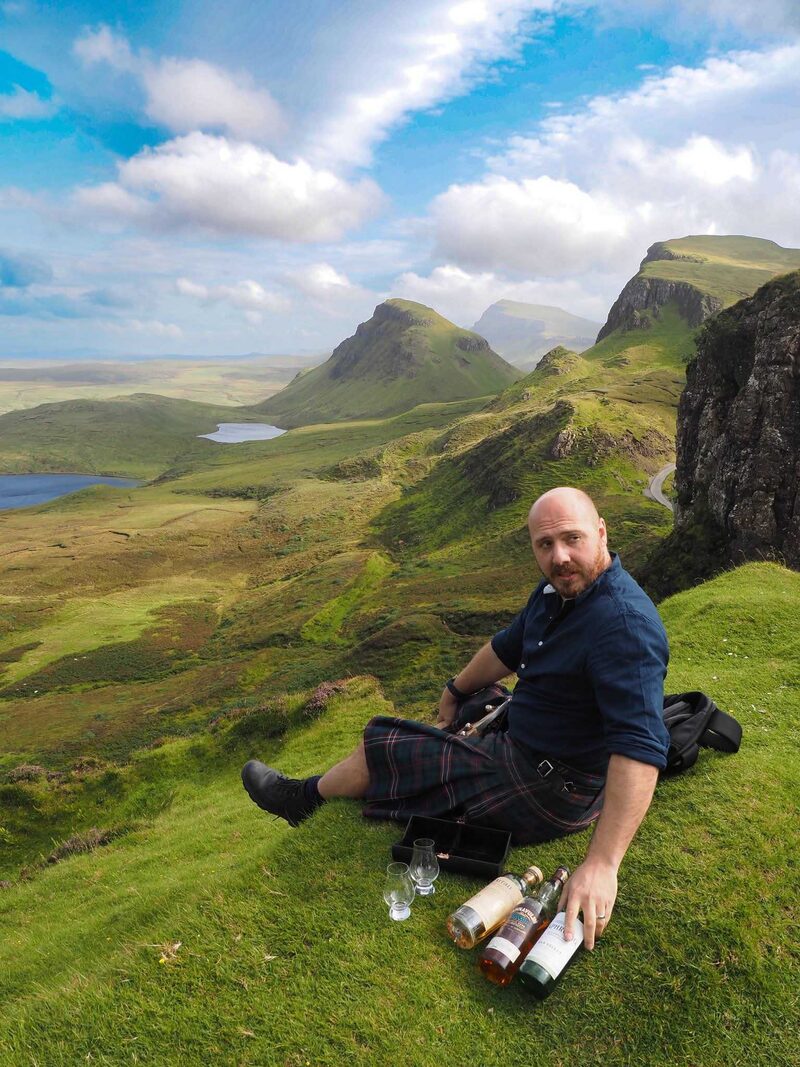
Graeme Johncock
Graeme is the writer and storyteller behind Scotland’s Stories, sharing Scotland’s traditional folklore and legends.
During Glasgow’s golden industrial age, it’s estimated that a fifth of all ships and a quarter of all locomotives in use around the world were constructed in the city.
Find out moreThe real Stone of Destiny may be sitting in a Glasgow pub. After being stolen from Westminster Abbey by four Glasgow University students in 1950, the historic artefact was hidden in the Arlington Bar. A replica was made and one of the two stones now sits in Edinburgh Castle but nobody can be sure which is the genuine article.
Find out moreGlasgow invented the booze cruise as a way to avoid an alcohol ban. In the mid-19th century, the sale of alcohol was banned on Sundays. Boats were one of the few businesses exempt from the rules so Sunday trips down the Clyde on steamboats became popular. That’s where the Scottish term ‘Steaming’ for being drunk originated.
Find out more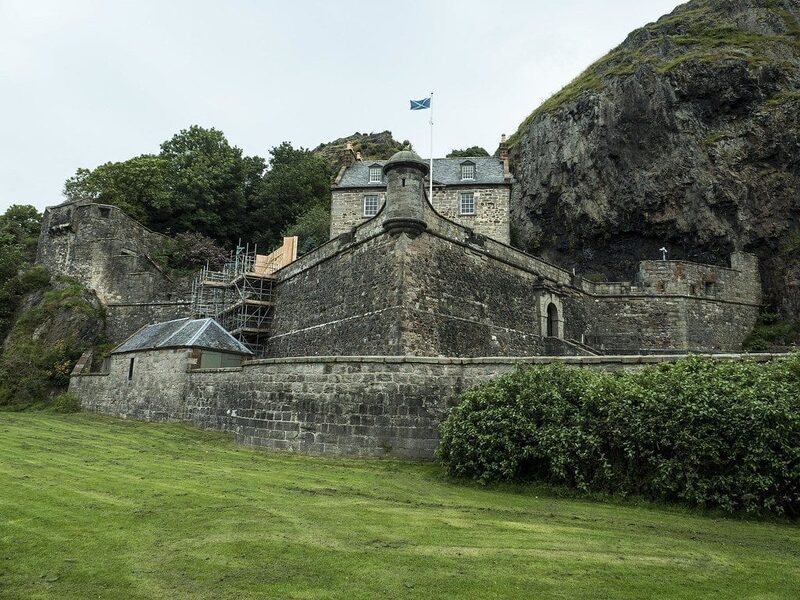
When St Patrick left Scotland to start preaching in Ireland, the Devil allegedly threw an enormous boulder at him, hoping to sink the missionary’s boat. Fortunately for Patrick, it missed and that boulder became known as Dumbarton Rock.
Find out moreThe city has a long and proud history with football that continues to this day. The Scottish Cup was made in Glasgow in 1874 and is the oldest football trophy in the world. It can be seen at the Scottish Football Museum in Hampden Park.
Find out moreSt Enoch Square in the centre of the city is named after the mother of St Mungo, Glasgow’s patron saint. This was the site of a chapel dedicated to her, just a short walk away from where Mungo was buried at Glasgow Cathedral.
Find out moreThe famous wizard Merlin from the King Arthur legends may have been Glaswegian. It’s believed Merlin was based primarily on a wild man called Lailoken from Partick who lived in the 6th century.
Find out more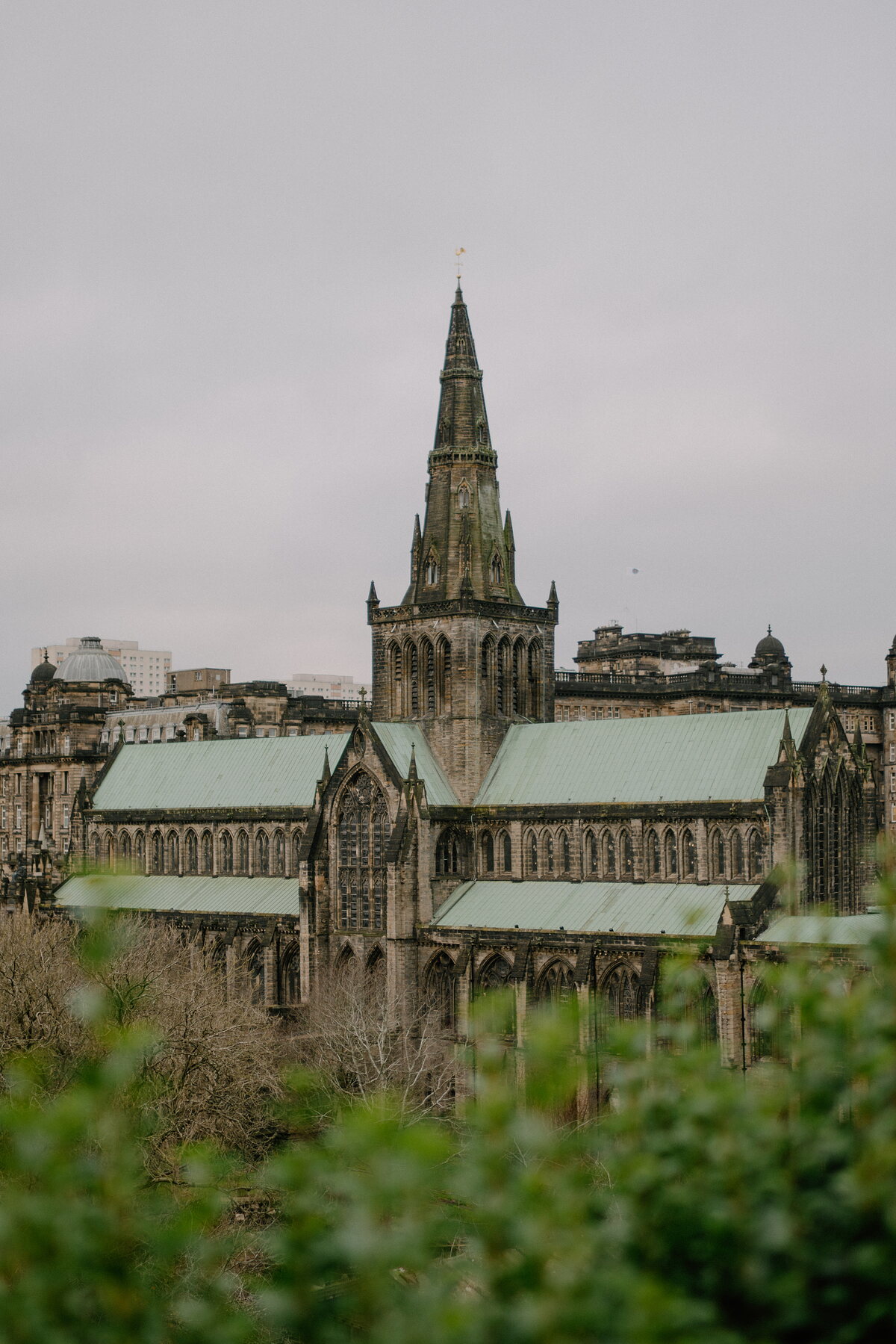
Photograph by East End Press via Google