
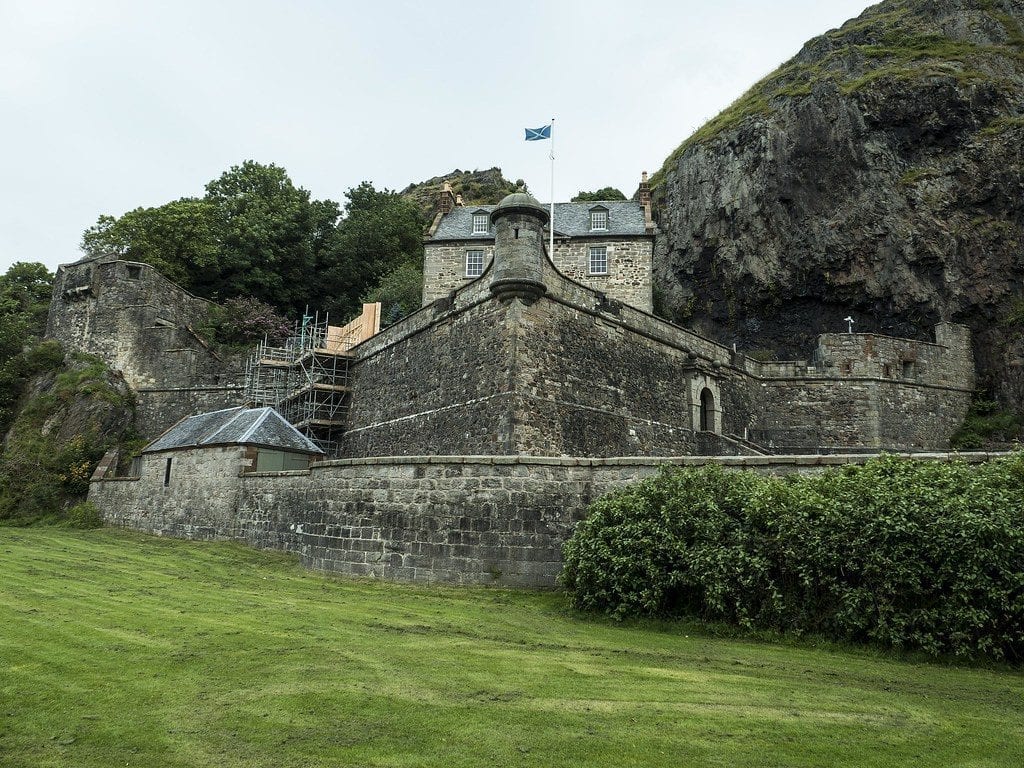
Dumbarton Castle
The fortress on the volcanic rock above the Clyde, besieged by Vikings in 870 and a refuge for Mary Queen of Scots.
Dumbarton Castle clings to a great twin-peaked volcanic rock rising straight out of the Clyde at the mouth of the River Leven, and there has been a stronghold here for longer than almost anywhere in Scotland.
In 870 Olaf and Ivar of Dublin laid siege to the rock for four months and sailed away with slaves and treasure in two hundred longships. Alexander II built a castle here around 1220 against the Norwegians.
It changed hands in the wars with England, taken by the English in 1296 and won back after Stirling Bridge, and it was a refuge for two young monarchs before they escaped to France: David II in 1333 and Mary Queen of Scots in 1548. In 1571 Captain Thomas Crawford led a daring night raid up the rock to take it. Today the climb is the thing: a site that is large, steep and rocky, with long flights of old steps up to the summits and views down the Clyde. It opens daily from April to September.
Open daily 9.30am to 5pm from April to September; from October to March, Saturday to Wednesday 10am to 4pm.
Last entry 45 minutes before closing. Adults £7.50 online. The site is large, steep and rocky, with many steps.
- Summer
- 1 Apr to 30 Sep, daily 09:30 to 17:00.
- Winter
- Sat to Wed 10:00 to 16:00.
- Entry
- Adults £7.50 online.
Opening hours
- Monday
- 9.30am–5pm
- Tuesday
- 9.30am–5pm
- Wednesday
- 9.30am–5pm
- Thursday
- 9.30am–5pm
- Friday
- 9.30am–5pm
- Saturday
- 9.30am–5pm
- Sunday
- 9.30am–5pm
Dumbarton, on the Clyde.
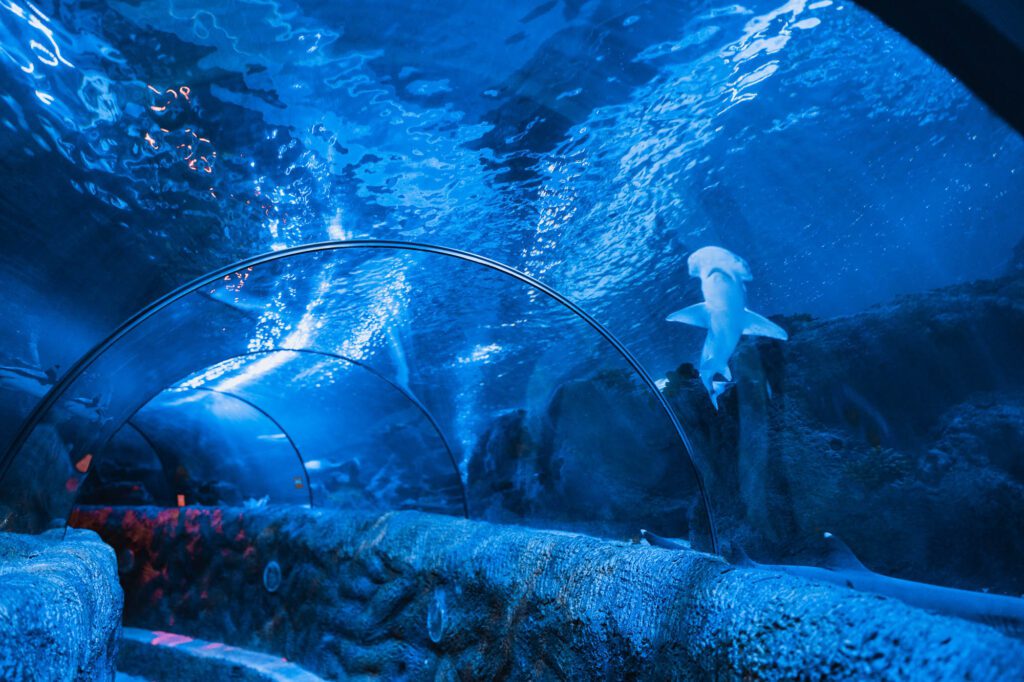 SEA LIFE Loch LomondThe aquarium at Loch Lomond Shores, with otters, a tunnel under the sharks and a tower looking over the loch.7 miles11 min by road
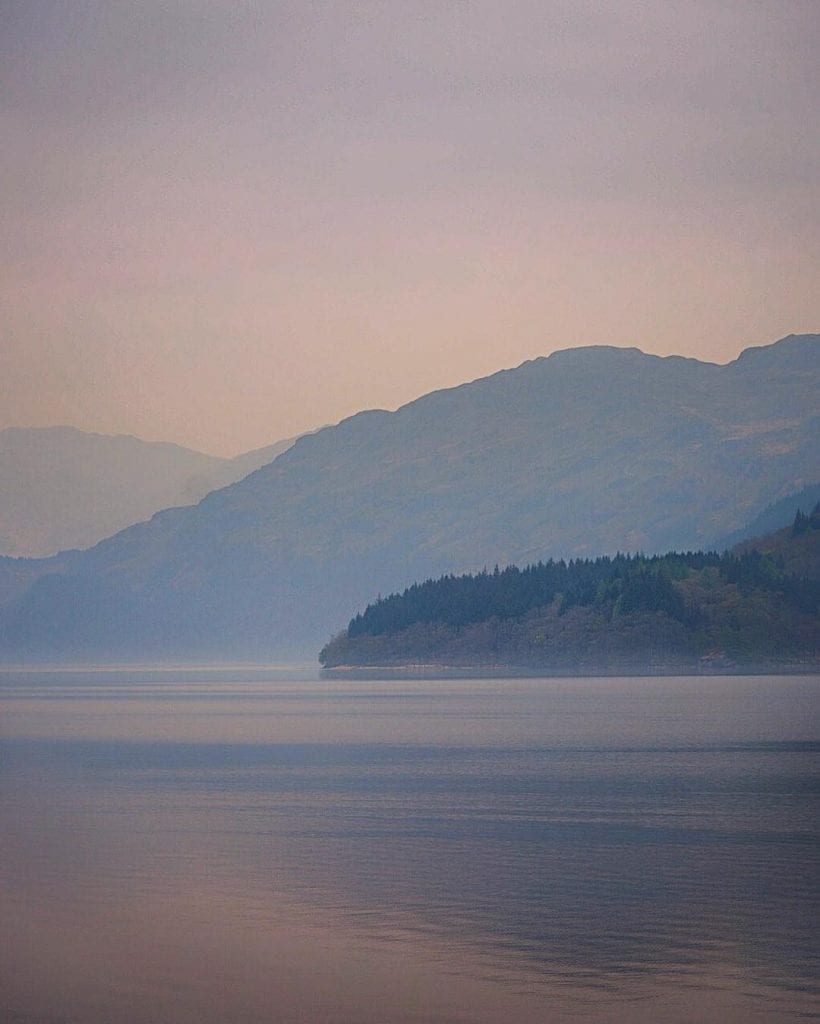 BallochThe village at the south end of Loch Lomond where the River Leven leaves the loch, with its pier, boats and railway.7 miles11 min by road
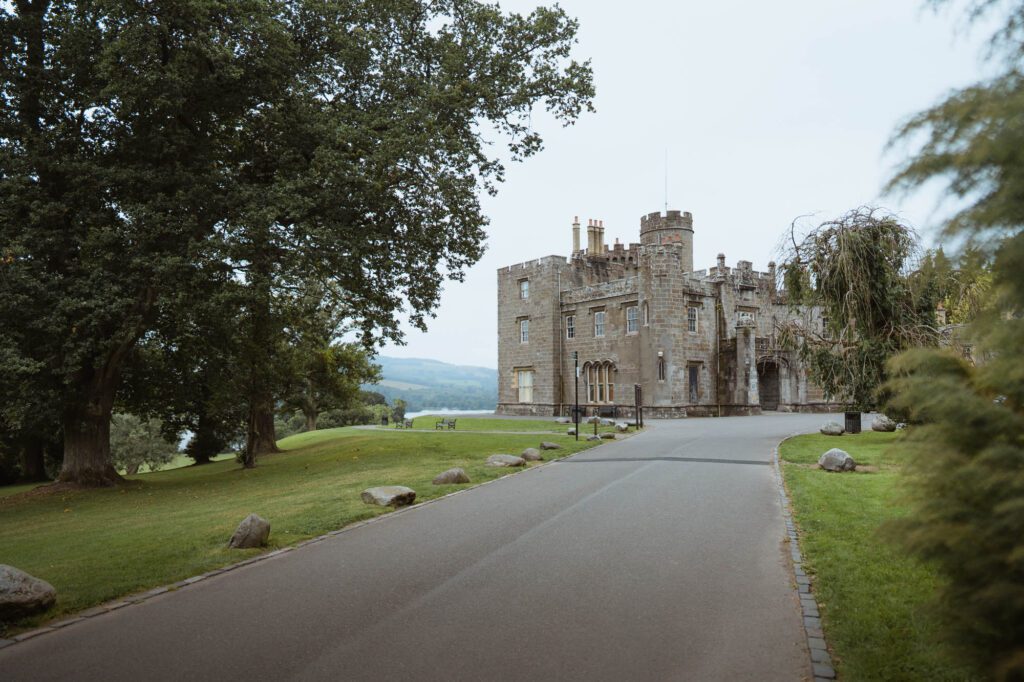 Balloch Castle Country ParkThe only country park in the national park, 200 acres of woods, lawns and gardens round a Gothic house above Loch Lomond.8 miles16 min by road
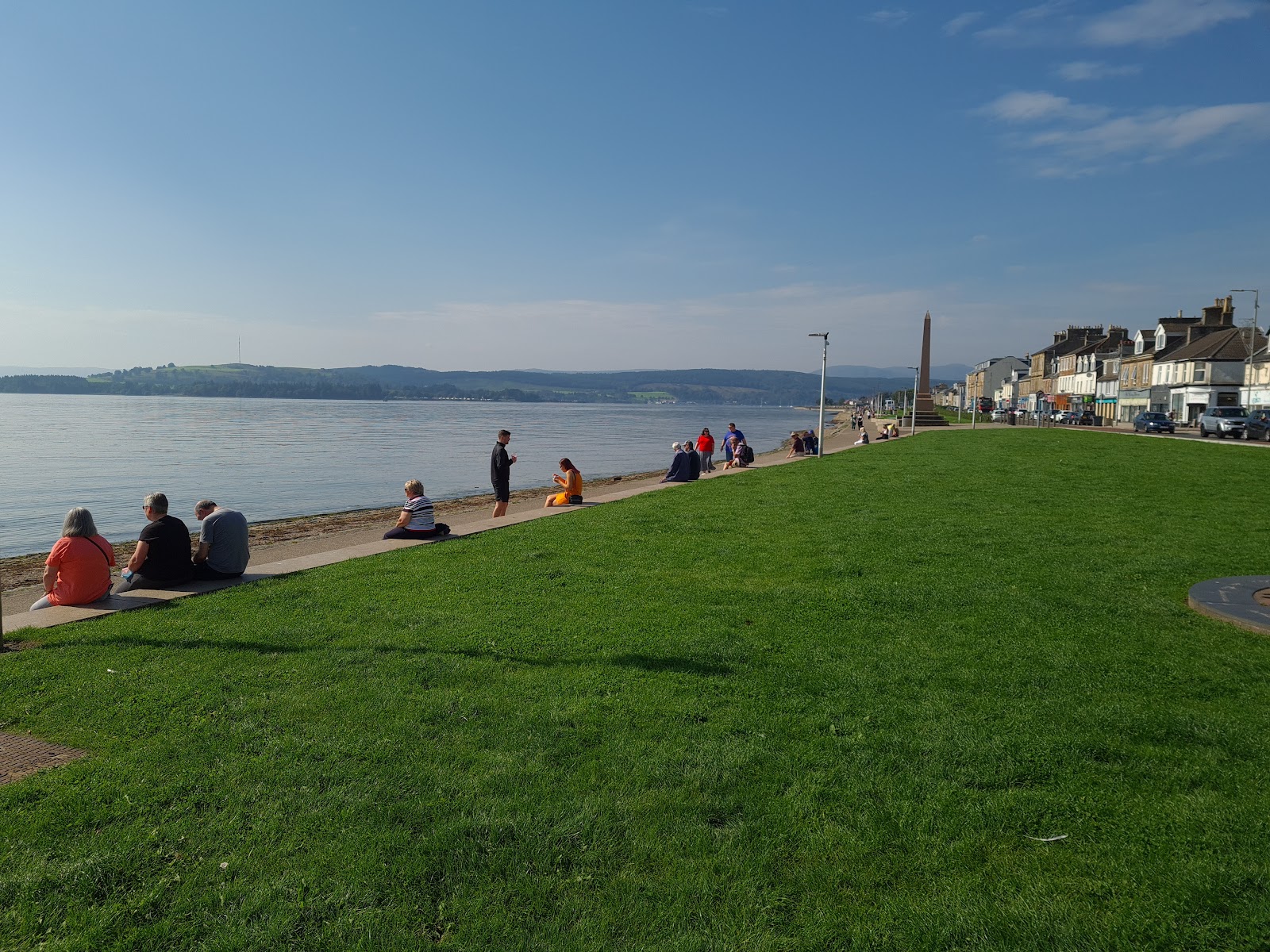 HelensburghA planned Georgian resort on the Firth of Clyde, home of the Comet, John Logie Baird and Mackintosh's Hill House.9 miles20 min by road
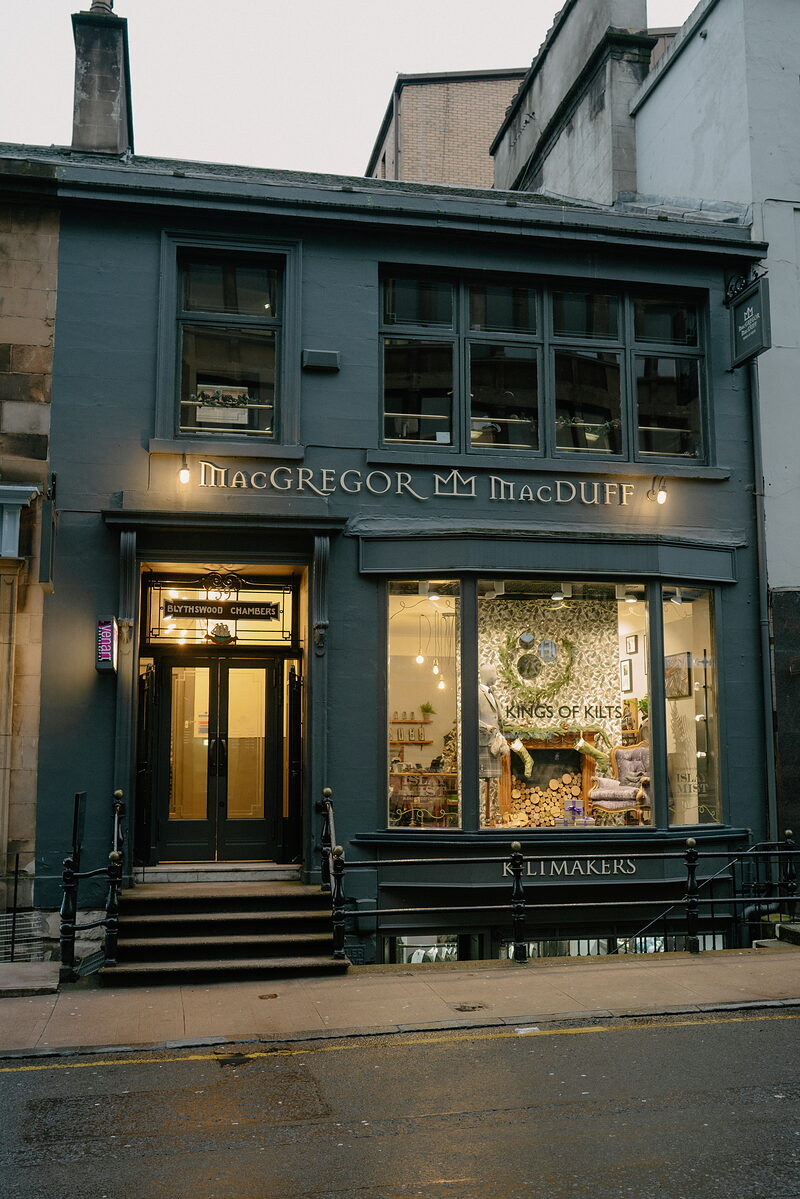 MacGregor & MacDuffMaster kiltmakers on Dumbarton Road for twenty years, measuring and fitting highland dress from more than four thousand tartans.9 miles18 min by road
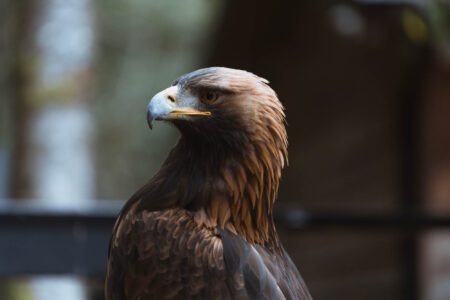
Places to stay near the castle, and when each is next free.
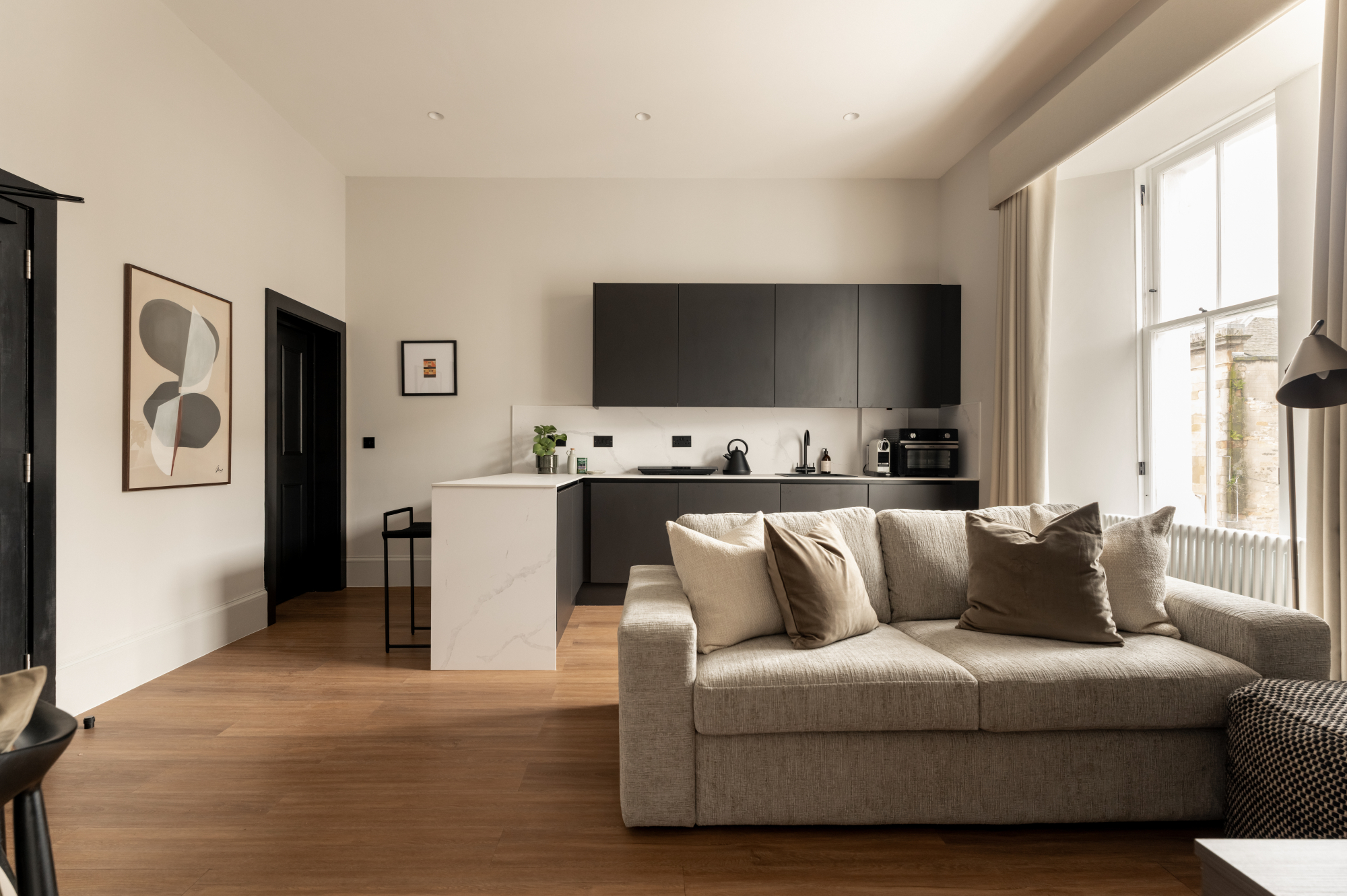 Moment Blythswood Street
- Sleeps 2
- In Loch Lomond
- 13 miles from the castle
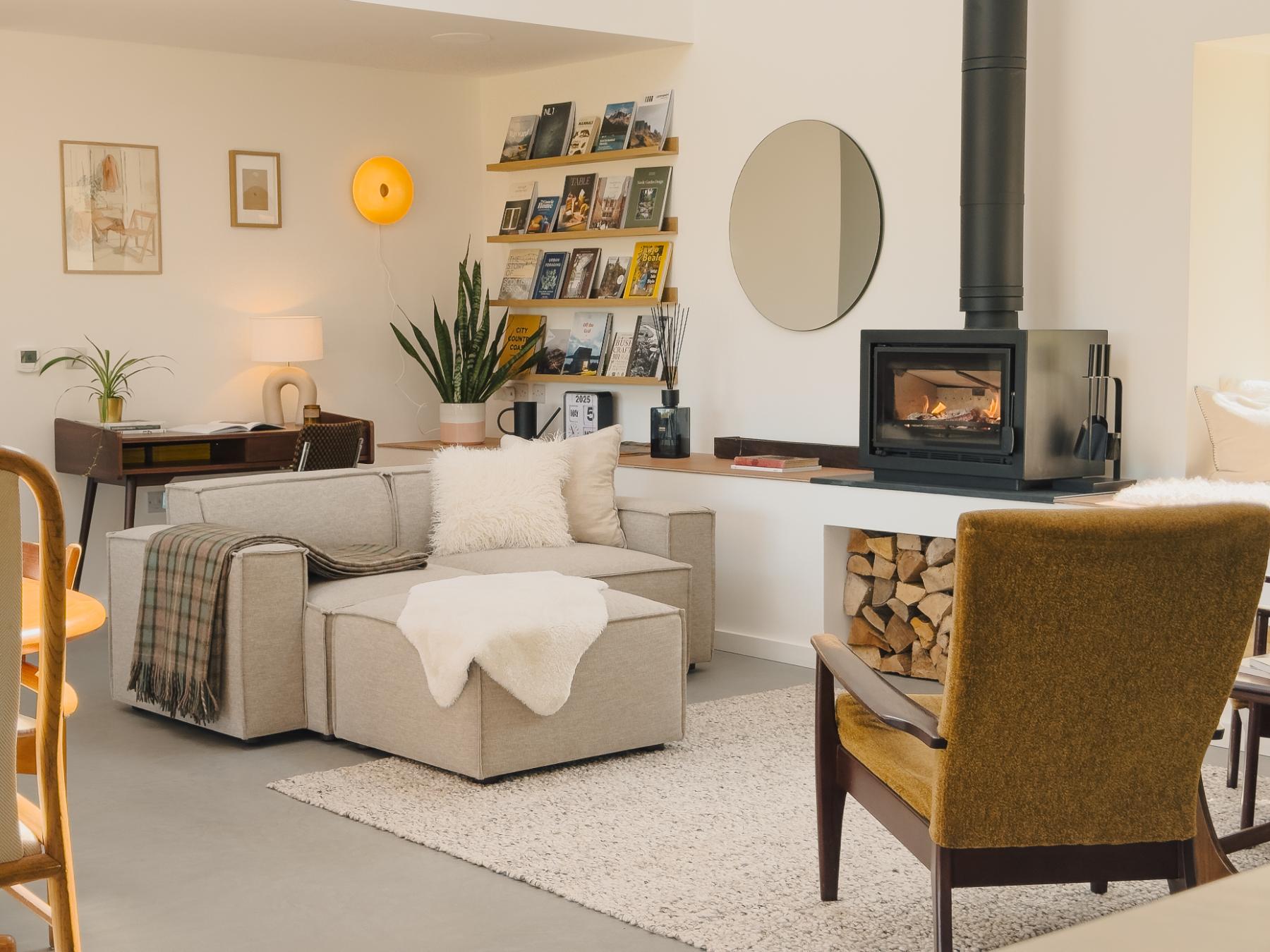 Talli House
- Sleeps 4
- In Dunlop
- 14 miles from the castle
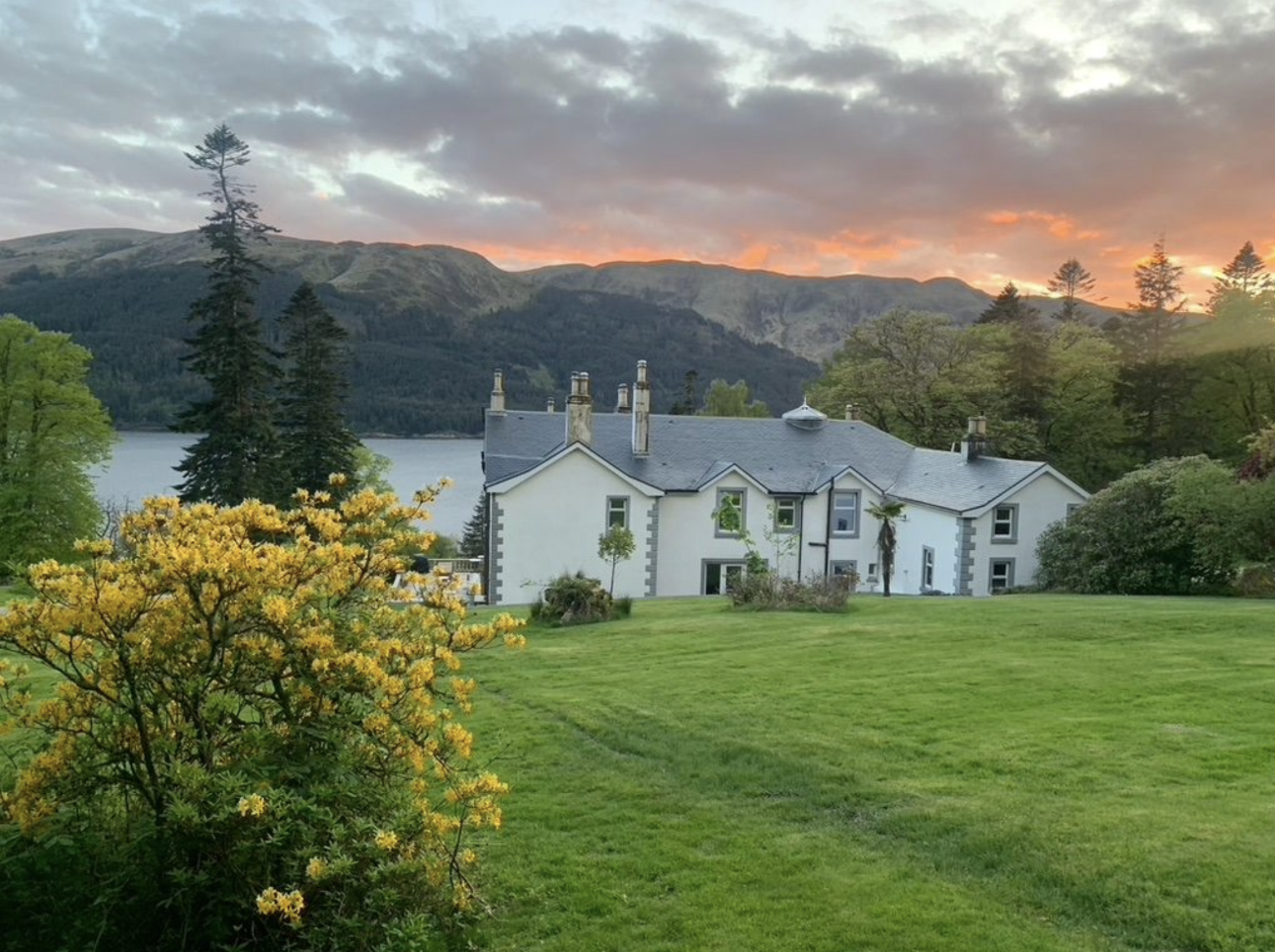 Glenstriven House
- To stay
- In Loch Lomond
- 20 miles from the castle
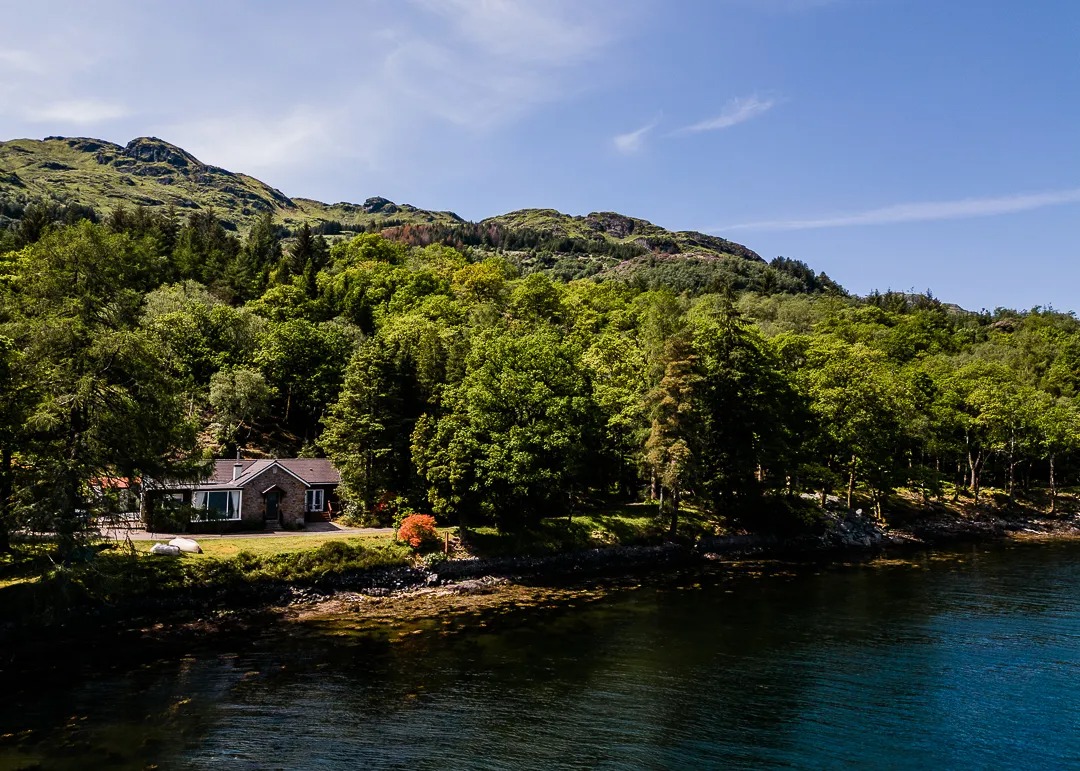 Red Squirrel Cottage
- Sleeps 6
- In Loch Lomond
- 20 miles from the castle
Scotland, in print.
Every photograph commissioned, every word written by somebody who went. Printed twice a year, made in Scotland.
For further reading, before you go.