
The Nooks and Crannies of Glasgow
Glasgow is a city that demands attention and inspection. Unlike Edinburgh, where visitors tend to be bewitched almost instantaneously, in Glasgow it often takes people a little longer to fall under the city’s spell. But when you do fall for Glasgow, expect to fall hard and deeply. She’s a seductress of great persuasion with beautiful buildings from the centre to the fringes that tell the story of the city and an authenticity in its people and pubs that will leave you wanting to come back time and time again.

Written by Ben Lerwill
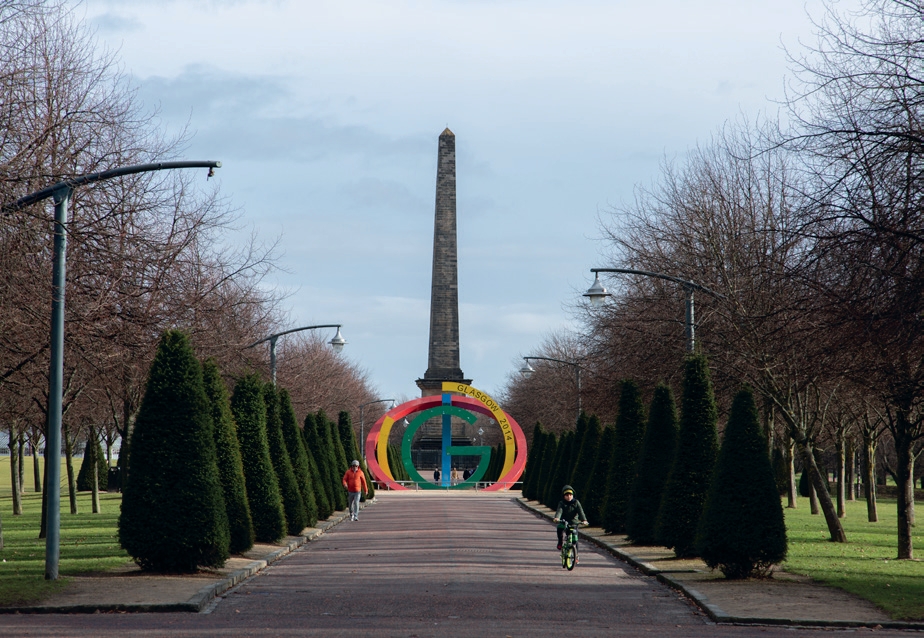
The fact that Glasgow is more of a slow burner than Edinburgh isn’t because it’s not a good-looking city – it is – it’s just that its defining features are spread over a much larger area and take a little exploration to fully appreciate.
Take the city’s famous son, Charles Rennie Mackintosh, who has left his Art Nouveau ‘Glasgow Style’ mark on many of the city’s buildings. Unlike Robert Adam’s Charlotte Square, they’re not densely packed into one showpiece, but scattered throughout the metropolis like love notes that have been carried on the breeze.
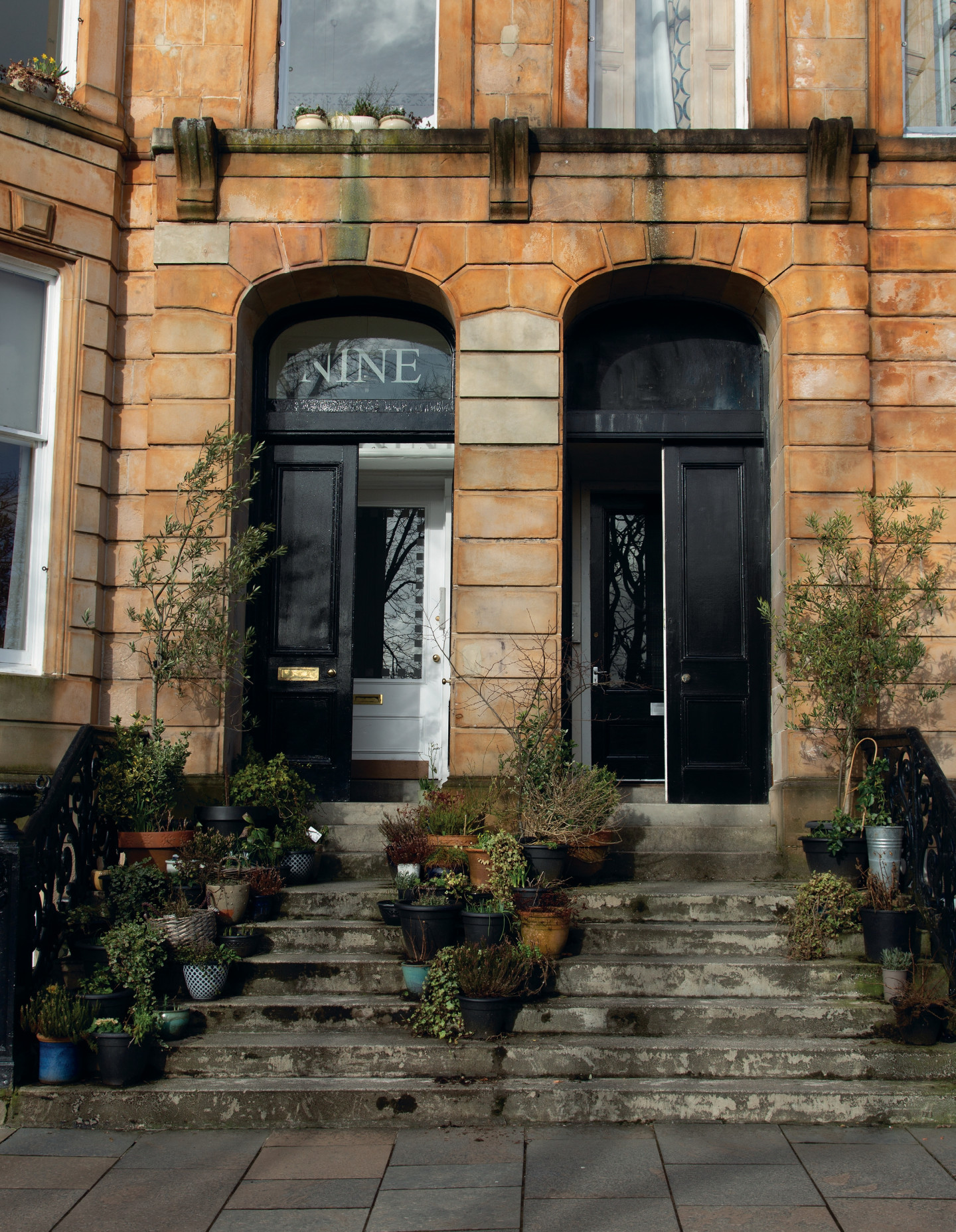
Hints of Glasgow’s medieval origins can still be seen in the east of the city, most notably in the Cathedral, the city’s oldest building, while a walk through the Merchant City will reveal a wealth of grand Victorian buildings and mansions, a reminder of the riches that came into the city off the back of the tobacco trade. Meanwhile, in the West End, the Victorian and Edwardian terraces that cocoon the east side of Kelvingrove Park show a more bourgeois side to the city and have long been one of the most desirable places to live.
And herein lies Glasgow’s paradox, it is a city with a growing affluent population, but it’s working class at heart. The shipyards on the Clyde once provided work for many and the collapse of the shipbuilding industry as well as many factories, coal mines and steelworks, from the 1960s on, saw unemployment peak. But for the past few decades the city has reinvented itself as an economic hub and culturally exciting city, with food pop-ups, walking tours, independent shops, exhibitions and an uncensored approach to art and comedy.
Of course, music is at the heart of everything Glasgow does, pulsating through the city’s arteries of dive bars, traditional pubs, underground clubs and big venues. On any given night, you could hear a traditional session at one of the pubs in the teuchter triangle, listen to electronic music on Sauchiehall Street or see a legendary act at the iconic Barrowlands.
Renowned for its humour and its tendency to not take itself (or anything) too seriously, it’s apt that the name of Glasgow’s official tourist guide, People Make Glasgow, acknowledges how crucial locals are to the enjoyment of the place. It’s certainly true that you haven’t experienced Glasgow until you’ve eavesdropped or joined in the patter in one of the city’s many pubs and, the next morning, there’s no better place to clear the head than in one of Glasgow’s numerous beautiful parks, which have earned it the nickname Dear Green Place.
The West End
Once the preserve of Glasgow’s chattering classes, while the West End still has an air of grandeur and bookishness about it, today you’re more likely to see students bartering over second-hand finds in one of the vintage shops of the Great Western Road and its secret lanes, or out-oftowners getting their cultural fix in and around leafy Kelvingrove Park.
The West End, which in its broadest sense refers to everything west of Charing Cross down to Clydeside and up to Kelvingrove Park, is home to some of Glasgow’s best museums and heritage sites.
The smart period buildings that wrap around Kelvingrove Park offer some of Glasgow’s best hotels and B&Bs, with views of the creeping spire of the University of Glasgow or the refined red sandstone turrets of the Kelvingrove Art Gallery and Museum often a selling point.
There is busy nightlife up and down the Byres Road, with a generous array of quirky cocktail bars and late-night establishments. In fact, there’s a buzz about the place night and day.
The West End is also home to an exciting food scene, particularly in and around Finnieston; a cool, understated area between Kelvingrove and the city centre, where pioneering chefs often find they have a captive audience.
In the west there are also neighbourhoods within neighbourhoods, such as characterful Partick, just west of the Byres Road, home to some very good restaurants, cafes and pubs and full of local characters. To the west of Partick is Victoria Park, one of Glasgow’s prettiest green places.
And don’t forget Clydeside, where new life is being breathed into the long-neglected bankside of the river thanks to Glasgow’s newest single malt distillery.
What to see and do in the West End
Ashton Lane
The cobblestones and fairy lights of this little lane near the university give it a unique charm, particularly after dark, and the lane is always awash with locals and visitors enjoying its vibe. In the early 1970s, Ashton Lane was merely a rundown road buried in the West End’s back streets, but in 1976 the relocation of the popular Ubiquitous Chip restaurant from nearby Ruthven Lane kickstarted a revolution. Other businesses soon followed from neighbouring Byres Road and today, Ashton Lane remains a thriving hotspot for nightlife and culinary delights.
Kelvingrove Art Gallery and Museum
Undoubtedly one of Scotland’s most popular attractions, Glasgow’s premier art gallery and museum is also one of its most recognisable landmarks, thanks to its elegant Spanish Baroque-style red sandstone building, topped with numerous finials, which opened in 1901. The building underwent extensive refurbishment between 2003-2006 and now boasts 22 state-of-the-art galleries with more than 8,000 objects on display, covering areas from natural history, to arms and armour and art from a host of different eras and movements – most notably Salvador Dali’s Christ of St John of the Cross. Don’t miss the daily organ recitals (1pm Mon.-Sat., 3pm Sun.) in the Centre Hall, an added extra you certainly don’t get everywhere.
University of Glasgow
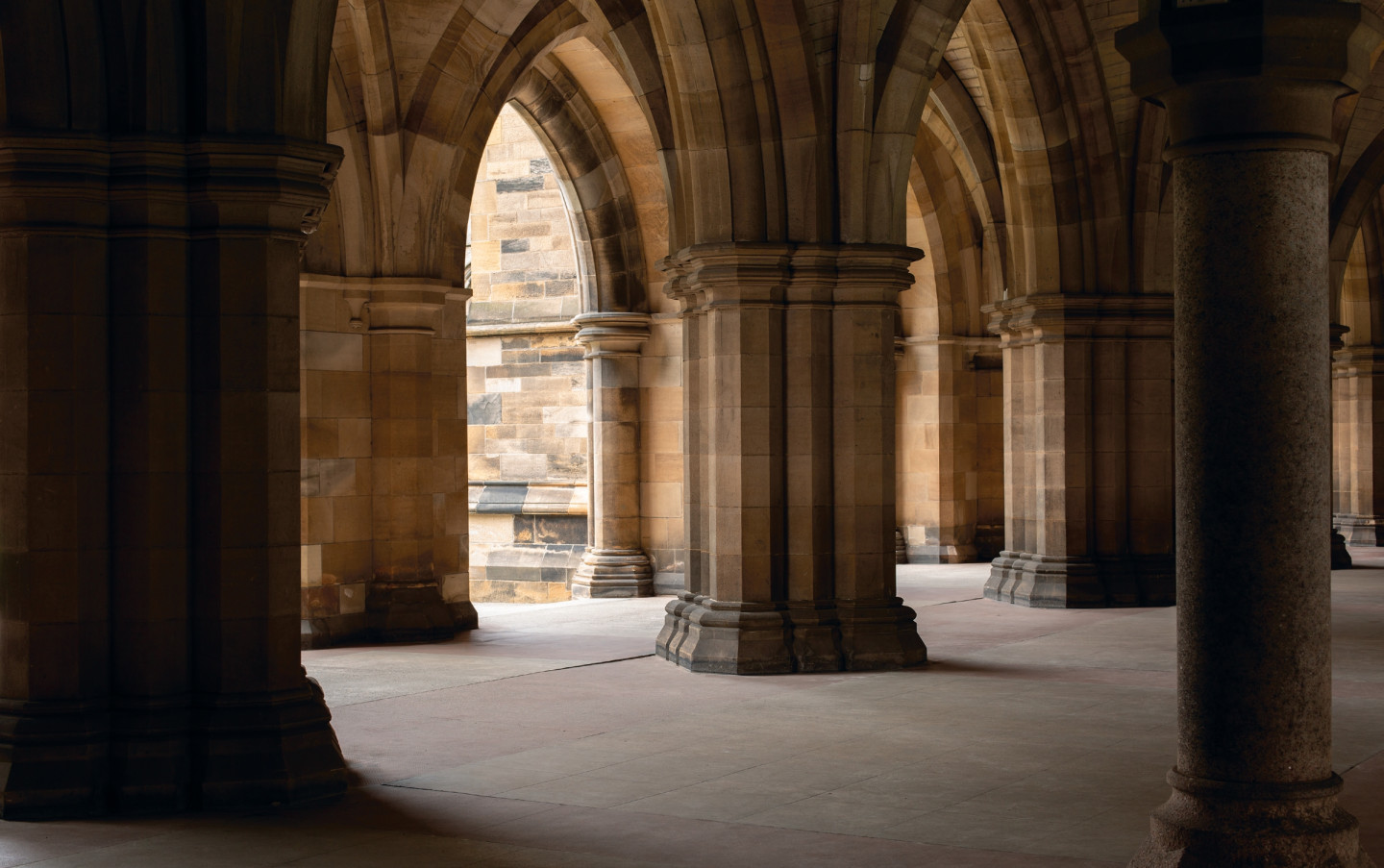
Another famous landmark on the Glasgow skyline, the neo-Gothic allure of the university, with its soaring spire, crow-stepped gables and pointed turrets is undeniable. Many visitors to the city exclaim that the cloisters in particular make them feel as if they are at Hogwarts. The University of Glasgow was never actually used as a filming location for the Harry Potter movies (the cloisters have featured in other films), although that doesn’t make the features any less magical. The cloisters connect the East and West Quadrangles, which themselves host the university’s graduation ceremonies, such is the grandeur.
The Hunterian Museum
Housed within the University of Glasgow, the Hunterian Museum and Art Gallery is Scotland’s oldest public museum and one of the country’s most important cultural assets. It was spawned by the death of renowned anatomist and physician, Dr William Hunter who, upon his death in 1783, stipulated that his extensive collections should be donated to the university. The museum opened within the university’s original city centre campus 24 years later, before relocating, along with the University of Glasgow, to its present site. Today, the Hunterian Museum is spread across several buildings, best showcasing its distinguished collection of works, which include Rubens and Rembrandt, as well as scientific instruments used by James Watt.
The Mackintosh House
The Mackintosh House forms part of the Hunterian Museum and Art Gallery within the University of Glasgow and houses one of the most important collections of the renowned architect, designer and artist Charles Rennie Mackintosh. Here, you can see meticulous examples of the interiors of the Glasgow home of Mackintosh and his wife, Margaret Macdonald Mackintosh, who was an artist in her own right. Within the Mackintosh House, every detail has been perfectly considered, from the positioning of furniture to the amount of natural light – it’s the perfect reconstruction of 78 Southpark Avenue – the couple’s endof-terrace home in Glasgow’s West End.
The Hidden Lane
The Hidden Lane is a popular tourist spot in the hip Finnieston area of Glasgow. Located off Argyle Street, the lane is home to a community of artists, musicians, designers and more, all working in colourful studios dotted along this tucked-away hideout. You can simply take a stroll and soak up the creative atmosphere, or pop in and see many of the artists at work. You might want to give some of the crafts a try for yourself, or just purchase what the pros have created. While here, be sure to stop for a coffee and slice of cake at the Hidden Lane Tea Room.
The Sixty Steps
The Sixty Steps and retaining wall were designed by Alexander ‘Greek’ Thomson in the 1870s to connect Kelvinside Terrace to Garriochmill Road, providing access to the Queen Margaret Bridge. Thomson created the immense wall with a number of features to make it more of a focal point, including embedded columns, arrow slits and a mysterious door to nowhere. Following the demolition of the Queen Margaret Bridge in 1970, the Sixty Steps became neglected and fell into disrepair. As a result, the Greek Thomson Sixty Steps Preservation Trust was formed and, having restored the wall, saving it from collapse, now aims to restore the steps to their former glory.
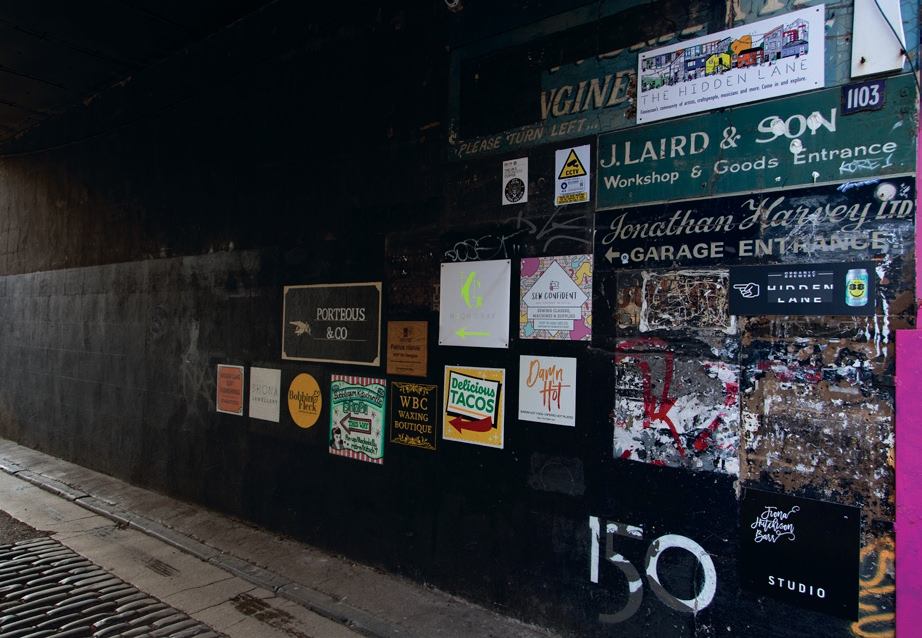
The Hidden Lane, Finnieston
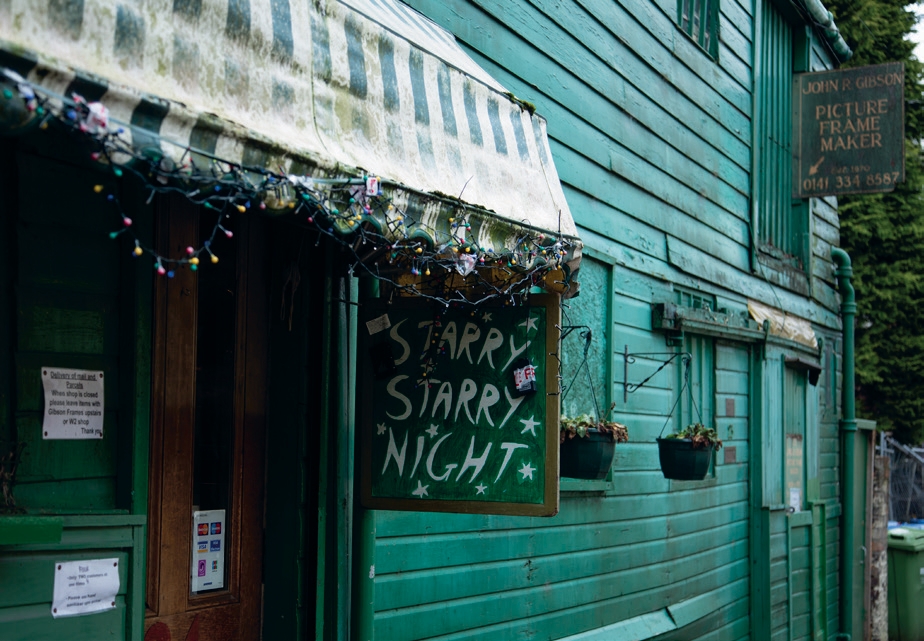
Starry Starry Night Vintage Clothing, Dowanside Lane
Botanic Gardens Glasgow
Botanic Gardens are nestled between the southern bank of the River Kelvin and Glasgow’s Great Western Road, in the heart of the West End. Founded in 1817 by renowned botanist, Thomas Hopkirk, and with support from the University of Glasgow, the gardens have remained an integral part of the city for more than 200 years. Until 1842 however, the Botanic Gardens were actually situated a mile or so to the south-east of the current site, at the western end of Sauchiehall Street. Today, the gardens are home to an extensive plant collection, riverside walks and woodland copses, while the standout feature remains Kibble Palace, Glasgow Botanic Gardens’ spectacular glasshouse, which was originally built at the home of John Kibble, an inventor and engineer, in Coulport on the east of Argyll’s Loch Long during the 1860s.
Kelvin Way
Dissecting Kelvingrove Park in Glasgow’s West End, Kelvin Way forms part of the city’s Spaces for People initiative, which aims to help people enjoy active travel in a safe environment, by creating space to cycle, walk or jog without the dangers of vehicles. As such, Kelvin Way now operates reduced vehicular access, only allowing cars from the south entrance to access the car park for Kelvingrove Art Gallery and Museum, while the remaining stretch of the road is for use by those on foot, bicycle or wheelchair.
The West End Community
HOOS
A design and lifestyle store located in Glasgow’s West End, just across from the beautiful Botanic Gardens. They stock a unique curation of goods from iconic Nordic design houses to handmade, local wares made here in Scotland and beyond.
hoosglasgow.co.uk
Instagram: @hoos_glasgow
Facebook: hoosglasgow
Papercup
Coffee Roasters Born and bred in Glasgow’s West End, from an idea about good food and coffee all under one roof with no fuss and no compromise.
papercupcoffee.co.uk
Instagram: @pccoffeeuk
Facebook: pccoffeeuk
Cail Bruich
Cail Bruich meaning “to eat well” has recently gained Glasgow’s first Michelin-Star in 18 years. The relaxed fine-dining restaurant is now also offering at-home dining experiences. cailbruich.co.uk
Instagram: @cailbruich
Facebook: cailbruich
Tantrum Doughnuts
Each of the vibrant doughnuts created here is handcrafted from scratch using the finest ingredients possible.
tantrumdoughnuts.com
Instagram: @tantrumdoughnuts
Facebook: tantrumdoughnuts
Spin Pottery Glasgow
A one-stop pottery shop tucked away in Finnieston’s “Hidden Lane”, offering up a range of ceramic classes and services suitable for all skill levels and ages.
spinpotteryglasgow.com
Instagram: @spinpotteryglasgow
Facebook: spinpotteryglasgow
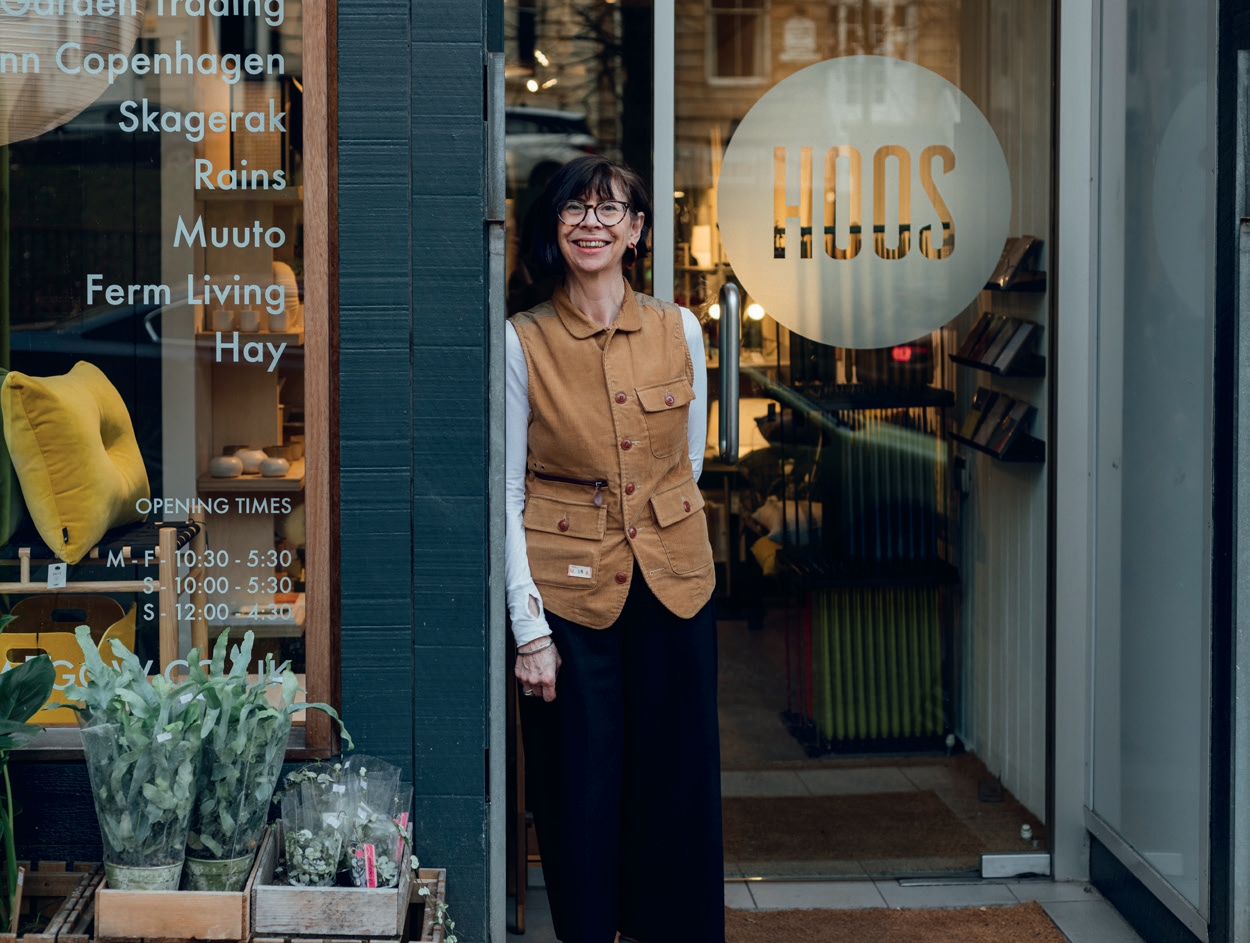
“What makes the West End so great is we have lots of regular customers. It’s a very diverse community and Hoos is part of that! We will be five in July!”
Karen Harvey, Hoos
The Southside
On the south of the River Clyde, this area, which comprises several districts – Govan, Pollokshields and Strathbungo and Shawlands – which more or less seep into each other the further down Pollokshaws Road you go, is increasingly known as Glasgow’s bohemian area.
Residents of Govan may dispute this, and situated a bit further west, it is less on the coffee-and-conscience trail, it’s true, but elsewhere amid the crammed streets of old tenement buildings, you can’t deny the café culture and sort of laid-back detachment from the rest of the city.
With an impressive collection of cultural and heritage attractions – House for an Art Lover and Pollok House, The Southside for instance – Southside has lots to recommend it. And, with plenty of green, open spaces and even its own herd of wandering coos, it has a calmer feel to other parts of the city, while only a bus ride away from the centre.
For days when you just want to live like a local, there are some cool, independent bookshops to browse, an excellent free-thinking arts space in the Tramway and pop-up film screenings courtesy of Southside Film, plus really diverse café and restaurant options. For that real local vibe, head to Queen’s Park on a Saturday and look over the other side of the city from above, while you read the papers.
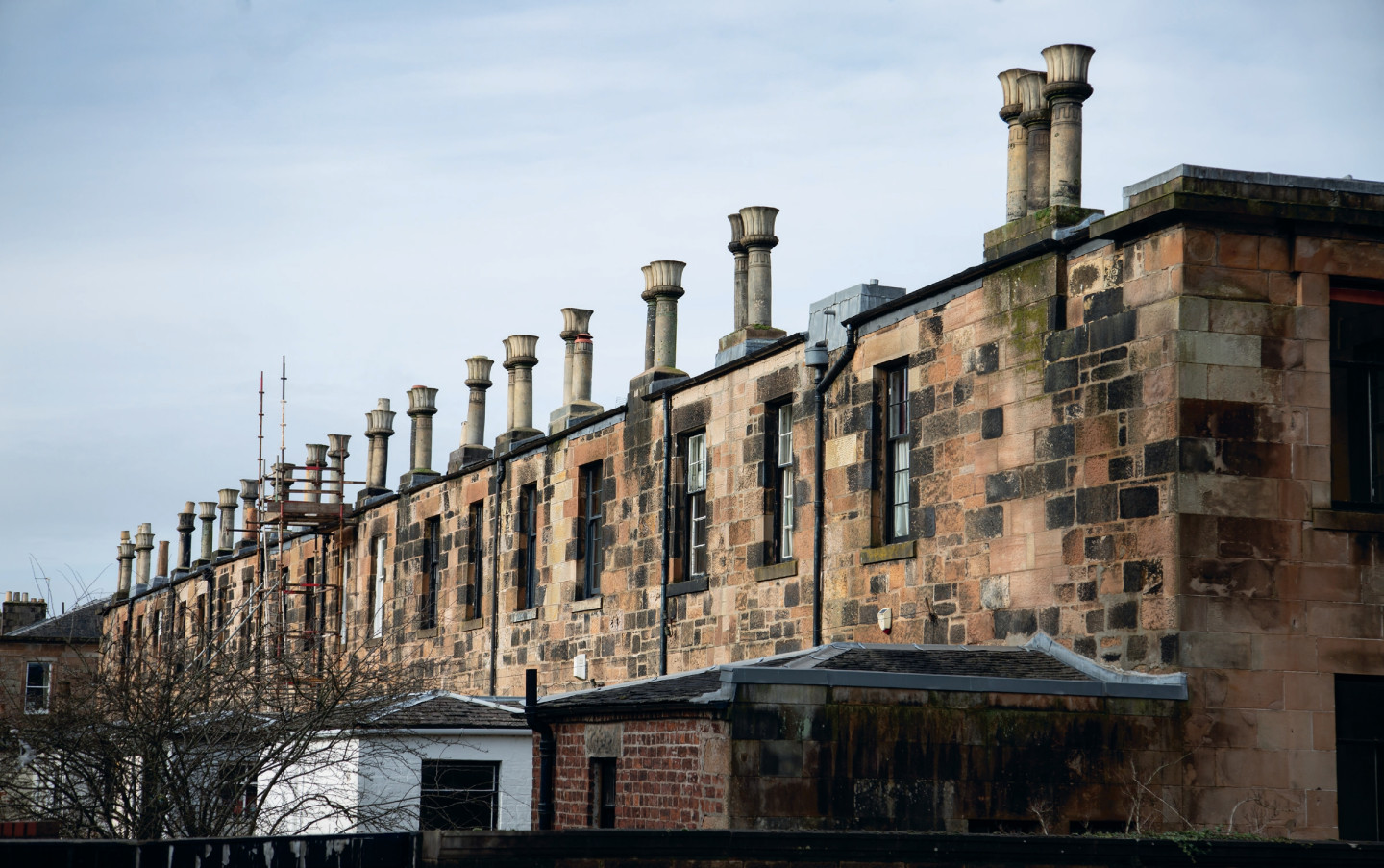
See & do in the Southside
Bellahouston Park
Bellahouston Park is an extensive green space located to the south-west of Glasgow city centre. The park first opened to the public in 1896 and was extended several times over the next few years, before hosting the Empire Exhibition in 1938. Within its 169 acres, the park provides Glaswegians with areas to relax and unwind, formal gardens, a designated dog area, sports centre, an Alice in Wonderland themed maze, an orienteering course, play areas, a bowling green, an educational allotment garden, an outdoor cycle track and even a ski and snowboard centre.
House for an Art Lover
Found at the northern end of the impeccable Bellahouston Park, House for an Art Lover is inspired by the designs of Charles Rennie Mackintosh in 1901, who envisaged the space as an elegant country retreat. The House itself was constructed between 1989 and 1996 and contains an art gallery, exhibition space and a café, while it is also used to host events and conferences. Around the outside of the house, you’ll find play areas, art studios and a number of sculptures to enjoy and admire.
Pollok Country Park and Pollok House
This is a gorgeous expanse of greenery, woodland and manicured gardens, situated to the south-west of Glasgow city centre. Named Britain’s Best Park in 2007 and the Best Park in Europe a year later, Glasgow’s only country park boasts a plethora of features and things to do throughout its 361 acres. Visitors can enjoy leisurely woodland walks, take to one of the park’s designated cycle routes, visit the wildlife garden, tackle the orienteering course, stroll along the banks of White Cart Water, or visit the world-famous Burrell Collection (currently closed for refurbishment) in the palatial 18th-century Pollok House, located in the heart of the park. And keep your eyes peeled for the herd of Highland coos, not the first thing you’d expect to see in Glasgow.
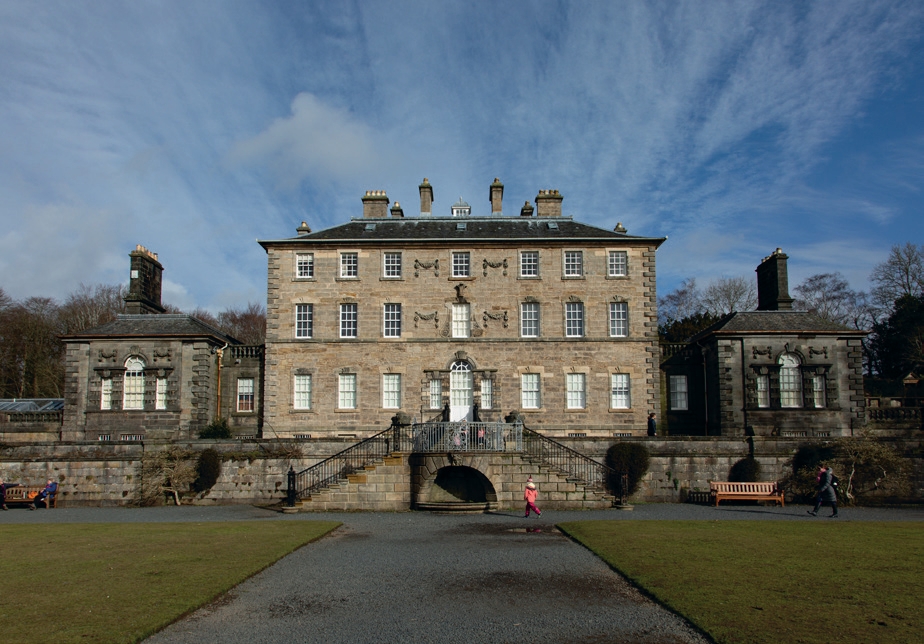
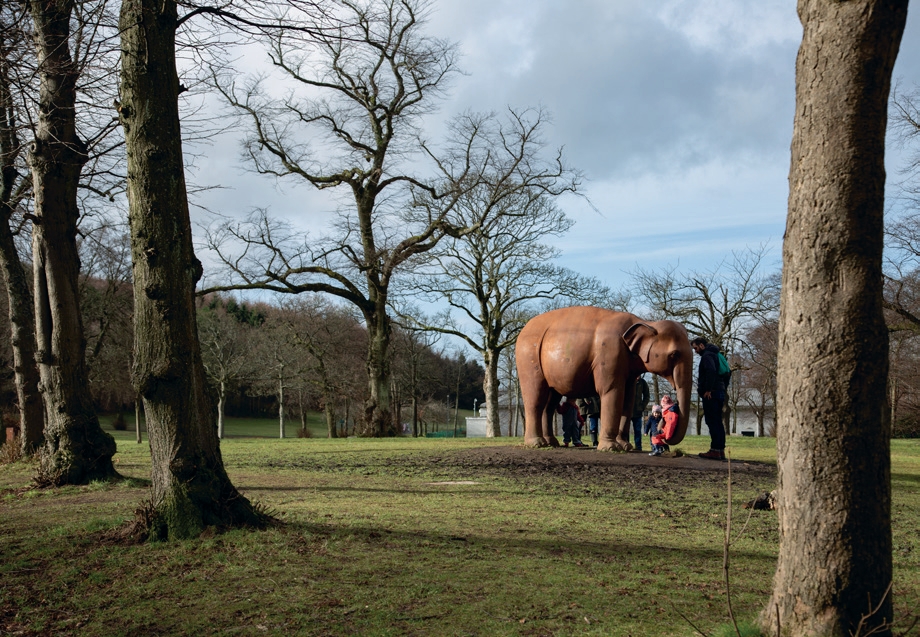
Holmwood House
The majestic Holmwood House is a wonderful example of the work of architect Alexander ‘Greek’ Thomson, who designed this opulent residential villa for paper magnate James Couper in 1857. Now under the care of the National Trust for Scotland, Holmwood House boasts lavish interiors and richly embellished architecture, with clear Grecian influence throughout. While the house itself is stunning, the grounds are equally as glorious and a visit to Holmwood House is not complete without a stroll along the riverside and through the Victorian kitchen garden, planted with fruit, vegetables and herbs.
Moray Place
Home to iconic Glasgow architect, Alexander ‘Greek’ Thomson, 1 Moray Place is widely regarded as being among his most brilliant pieces of work and the most beautiful of all the 19th-century terraces. Thomson lived in the property following its construction in 1861 until his death just 14 years later. The Strathbungo property is one of 10 residential terraces along Moray Place designed by Thomson, who was also responsible for numerous buildings across the city, including St Vincent Street Church, terraces at Great Western Terrace and Millbrae Crescent, and the majestic Holmwood House.
Hidden Gardens
Nestled between tram lines in Glasgow’s Southside, the Hidden Gardens are a true gem of the city. Award-winning and unique, this public green space is not only a tranquil spot to relax away from the hustle and bustle, but is a centre of learning, community and exchanging ideas. As Scotland’s first sanctuary garden dedicated to peace, the focus at the Hidden Gardens is on different communities, ethnicities and backgrounds coming together in harmony to share skills, ideas and interests around a number of subjects, from horticulture to cookery, Tai Chi, music, volunteering and even a dedicated men’s group.
Linn Park
The 200-acre Linn Park incorporates a number of stunning features, making it the ideal tranquil escape from the busy city centre. Towards the north of Glasgow’s third biggest park, lie the remains of Cathcart Castle, while Linn House can be found in the heart of the park. But the true beauty of the park lies in its breathtaking natural scenery, rather than manmade structures. Linn Park is awash with spectacular woodland walks, while there are plenty of picturesque strolls along the banks of White Cart Water to enjoy too. Along the river, just along from the pretty, castiron Linn Park Bridge, the park’s stand-out feature can be found in Linn Park Waterfall.
Govan Stones at Govan Old Parish Church
Found inside Govan Old Parish Church, the Govan Stones are a unique collection of 31 medieval recumbent gravestones, five hogback stones and one stunning sarcophagus, rescued from the grounds of the church in 1926. Up until the 1980s, there were 45 stones, but a number were destroyed when the neighbouring shipyard was demolished in 1973. The stones themselves are believed to hail from the 9th to 11th centuries when Vikings invaded and destroyed nearby Dumbarton. The centrepiece of the collection, the sarcophagus, is not only decorated with intricate and spectacular carvings but carved from solid stone and is said to be the only one of its kind from preNorman, northern Britain.
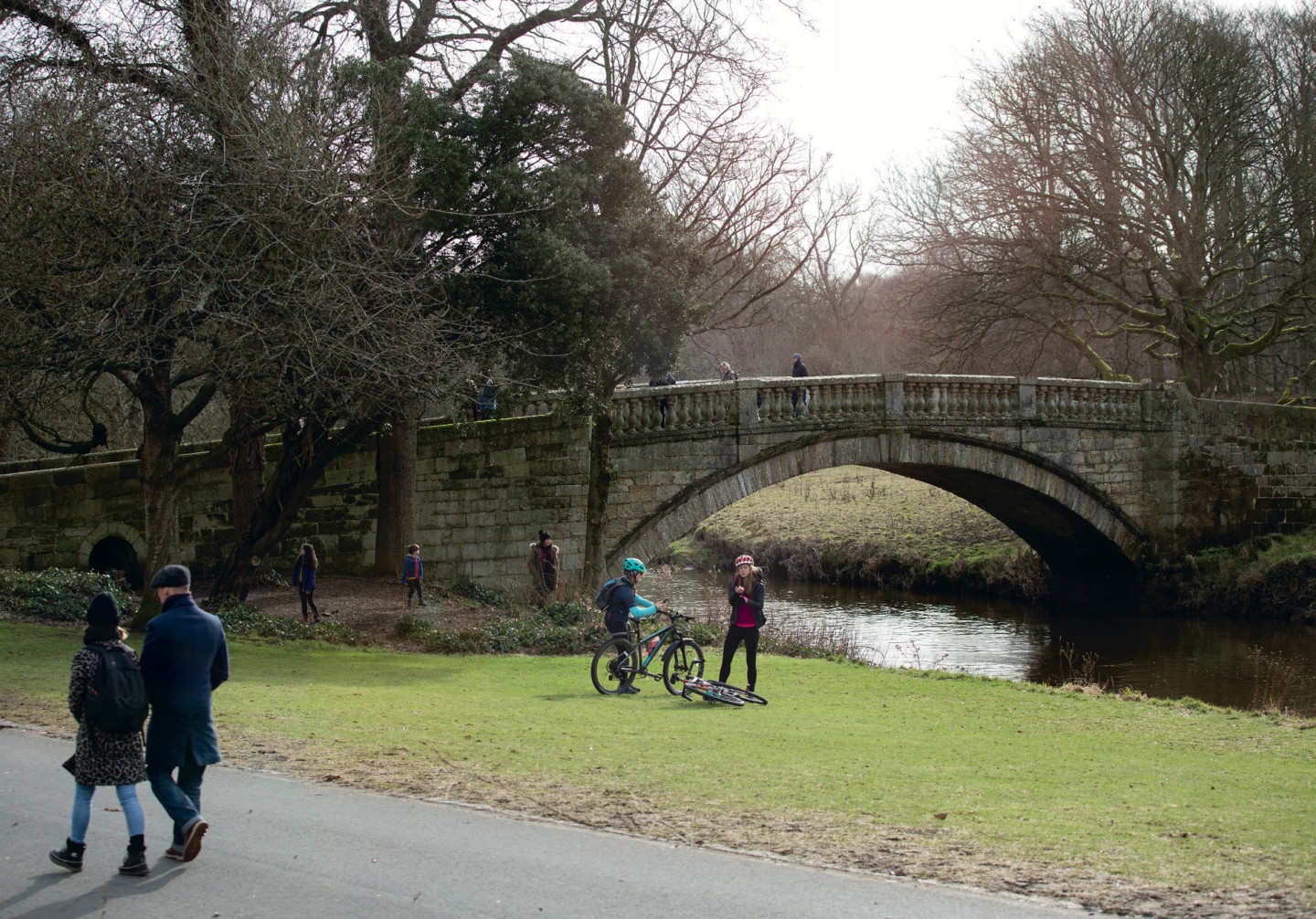
Pollok Park
The Southside Community
Julie’s Kopitiam
A small humble Kopitiam serving Malaysian and Southeast Asian food as taught to Julie by her mother.
julieskopitiam.com
Instagram: @julieskopitiam
Facebook: julieskopitiam
Ranjit’s Kitchen
A family-run deli serving fresh, authentic Panjabi food precisely the way it is eaten in every Panjabi household across the world.
ranjitskitchen.com
Instagram: @ranjitskitchen
Facebook: RanjitsKitchen
Cafe Strange Brew
A dog-friendly cafe in the heart of Shawlands serving up the finest brunch in the south and a damn fine cup of coffee.
cafestrangebrew.bigcartel.com
Instagram: @cafe_strange_brew
Facebook: cafestrangebrew
Sunshine No 1
Lovingly curated with contemporary Scottish gifts for modern living that have been handcrafted all over Scotland.
sunshineno1.com
Instagram: @sunshinenumber1
Facebook: GlasgowSunshine.number1
Sacred Tum Tacos
A cosy taqueria in the Southside of Glasgow, serving freshly made corn tortillas, burritos and nachos.
sacredtumtacos.com
Instagram: @sacredtumtacos
Facebook: Sacred-Tum-Tacos

Julie Swee Lin, Julie’s Kopitiam
“The quality of food of our city has been on a steady rise for the past seven or so years - that’s not to say that there wasn’t important institutions in place before this. We have amazing chippies stuck in time with 40-year-old unchanged decor - which now makes them back on trend and truly iconic. We have always had an abundance of amazing Indian and Pakistani restaurants, Glasgow loves spice, and Glasgow loves curry. Our food map is rapidly expanding. We have a new unofficial Chinatown in Partick, the West End of the city where new hot pot, sushi and Korean BBQ places are opening up in abundance. The city’s Southside hosts some of the best brunch cafés found in the country. This alongside bakeries, pizza joints, Japanese restaurants etc all largely opened up by young independents creatively squeezing businesses into small cheaper units but bursting with brilliant imagination and passion. I’m incredibly proud to be a part of this expanding city at the moment. It’s got this magical feeling of being on the cusp of something exciting every day - this has been the case for the past few years now and to have the Kopitiam nestled amongst all of this excitement just gives us inspiration every day.”
The East End
Glasgow’s East End is the oldest part of the city, its medieval heart, which was built up around the cathedral from the 12th century onwards after the arrival of St Mungo, Glasgow’s patron saint. There are still reminders of this time in the buildings around the cathedral, Provand’s Lordship for instance, while the sprawling but decaying city of the dead, the Victorian Necropolis, looms over the cathedral and offers great city views.
The East End has also long been one of the poorest parts of the city, and Glasgow Green, where you’ll find the People’s Palace, was where the women of the area used to dry their clothes, hanging them out on iron drying poles, which can still be seen.
The East End In recent years though, the East End has become a bit of a hipster haven, with cool pop-ups, markets and creative hubs cropping up in and around the old Barras market and the inimitable Barrowland Ballroom. The suburb of Dennistoun, once largely destitute, is now a relatively fashionable corner of the city, with well-kept tenement buildings, a connected community, low-key galleries showcasing the works of emerging artists and some of the best restaurants in Glasgow. It’s like a more down-to-earth version of the West End.
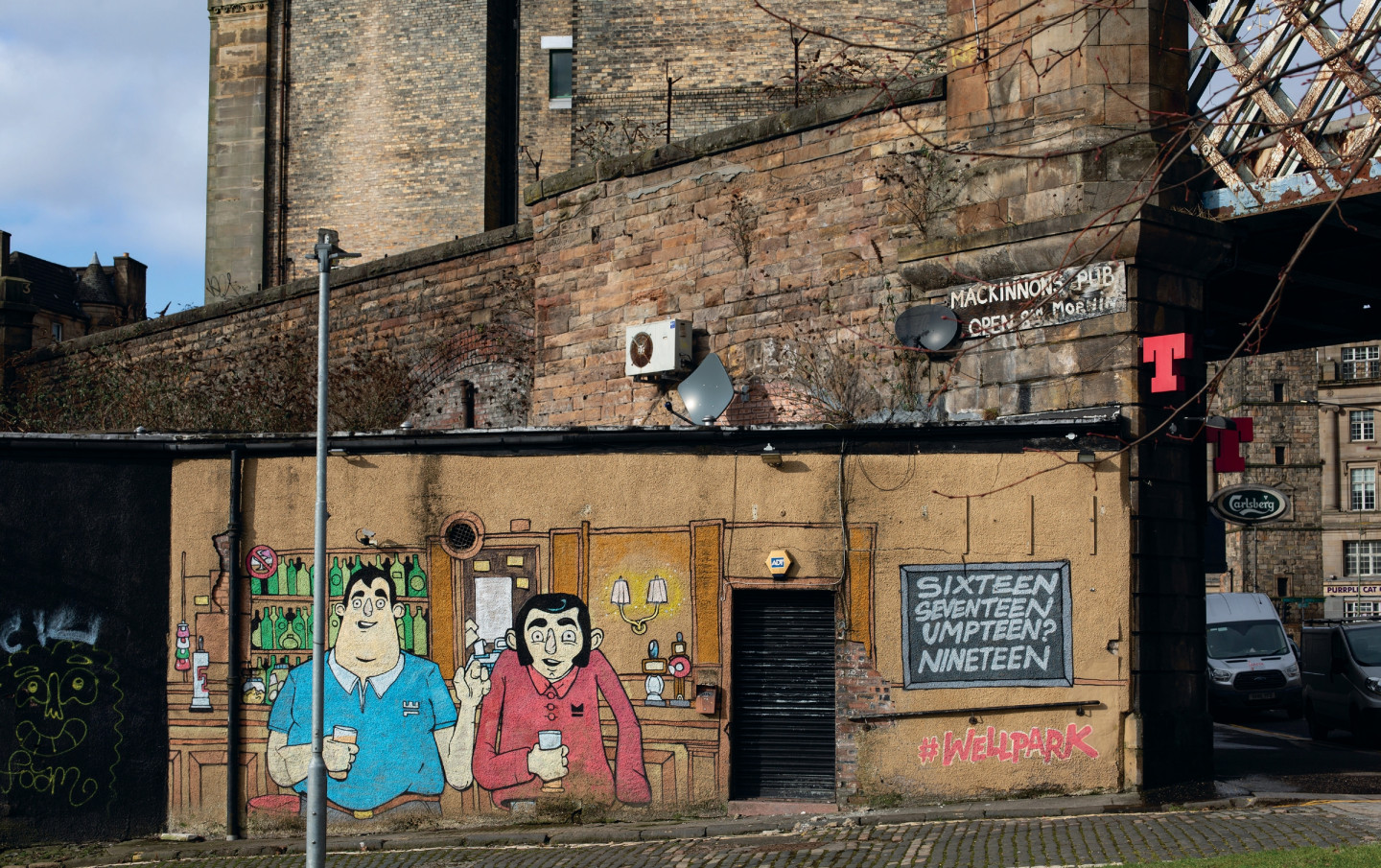
See & do in the East End
Barrowland Ballroom
Situated in Glasgow’s East End, Barrowland Ballroom is among the city’s best known dance and music venues. It has been part of the city’s heritage since 1934, when it was built by Maggie McIver, the founder of Glasgow Barras, but had to be rebuilt in the late 1950s following a devastating fire. At weekends, the Barrowland halls house hundreds of traders as the Barras Market descends upon the area, while by night it transforms into a major music venue, hosting the likes of Oasis, U2, The Clash, Muse, Franz Ferdinand, Texas, Snow Patrol and David Bowie over the years.
Templeton on the Green
he gorgeous Templeton on the Green was designed by William Leiper in the late 19th century, on request by James Templeton, who wanted to open a carpet factory. Following Glasgow Corporation’s rejection of numerous designs, Templeton enlisted the help of Leiper, who based his proposals on the opulent Doge’s Palace in Venice. The factory was completed in 1892, but not without incident. During construction, part of the façade collapsed, killing 29 women in neighbouring weaving sheds and, in 1900, a factory fire resulted in more deaths. Templeton on the Green operated as a carpet factory until 1984, when it was converted into Templeton Business Centre. Following regeneration work in 2005, it has been a ‘lifestyle village’ with apartments, offices, West brewery, bar and restaurant all incorporated.
People’s Palace
A huge glasshouse located in Glasgow Green, which hugs the River Clyde to the south-east of the city centre, People’s Palace has been a key feature not only of the park, but of the East End, since 1898. Originally designed as a cultural hub for the overcrowded and under-supported East End communities, the People’s Palace included a museum, gallery, and reading and recreation rooms. In the 1940s, however, it was transformed to become the Museum of Social History for Glasgow, telling stories of the city and its people from 1750 to the present day, through artefacts, paintings, photographs and interactive displays.
Glasgow Cathedral
Majestic and imposing, Glasgow Cathedral is one of the city’s most spectacular medieval buildings. It is also steeped in history, as the only cathedral on the Scottish mainland to have emerged from the 1560 Reformation in one piece and is thought to have been built on the burial site of St Kentigern, also known as St Mungo. His tomb is located in the Lower Church of the Cathedral. The Cathedral also played a pivotal role in the formation of the University of Glasgow, with classes originally held within its precinct, before moving to an adjacent building in 1460.
St Mungo Museum of Religious Life and Art
Nestled between Glasgow Cathedral and Provand’s Lordship, on the site of the former Bishop’s Castle, St Mungo Museum of Religious Life and Art may not boast the external history and grandeur of its elderly neighbours – having only been built in 1989 – but inside it is teeming with ancient relics and stories. Spanning countries and centuries, the museum explores the importance of religion in society through works of art and artefacts, as well as a Zen garden and a sculpture depicting Islamic calligraphy. Prior to the reopening of Kelvingrove Art Gallery and Museum in 2006, St Mungo Museum was also home to Salvador Dali’s Christ of Saint John of the Cross.
Provand’s Lordship
Located on Castle Street, opposite Cathedral Square and St Mungo Museum of Religious Life and Art, Provand’s Lordship is believed to be the oldest building in Glasgow, originally constructed as part of St Nicholas Hospital. Built in 1471 by the Bishop of Glasgow, over the years Provand’s Lordship has had several recorded uses, including being part of the accommodation provided for the 32 canons of the Cathedral Chapter, through to the early 1900s, when it was opened as a sweet shop by the Morton family. The building is now a medieval historic house museum, furnished with 17th-century pieces donated by Sir William Burrell in the late 1920s.
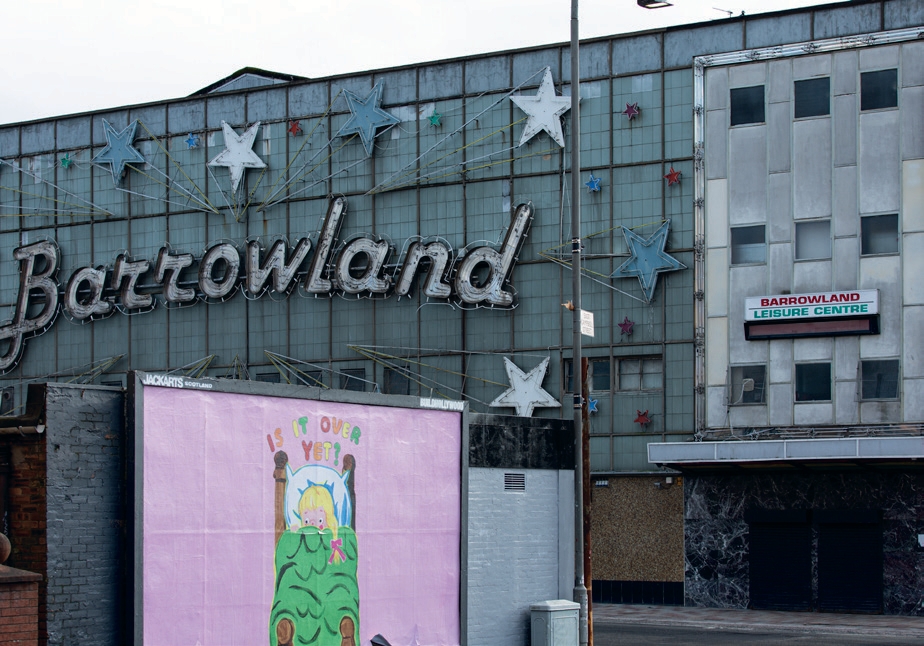
Barrowland Ballroom
Glasgow Green
Glasgow Necropolis
Glasgow Necropolis can be found just behind Glasgow Cathedral. The Victorian cemetery was opened in 1832 with a Jewish burial ground in one corner, and the remainder of the cemetery opened a year later. Although there are thought to be around 50,000 people buried at Glasgow Necropolis, only around 3,500 of these have tombstones or monuments, as was customary at the time. Among these are a number of Glasgow’s wealthy and important residents of the era, including several Lord Provosts and the likes of poet William Miller, shipbuilder John Macgregor and golfer William Doleman. Across the cemetery are also a number of statues and monuments, including a granite Celtic cross, designed by highly acclaimed architect Charles Rennie Mackintosh.
Glasgow Green and McLennan Arch
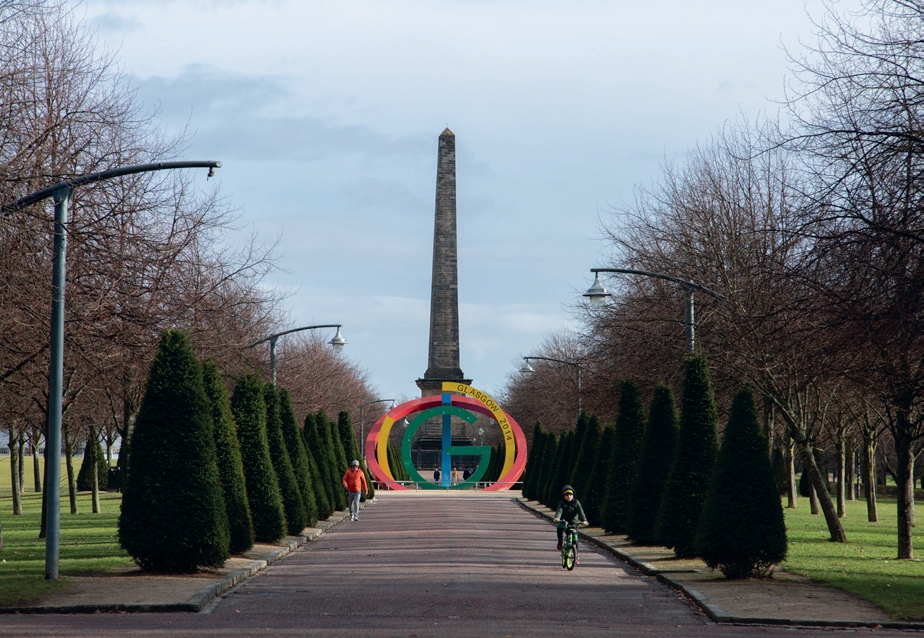
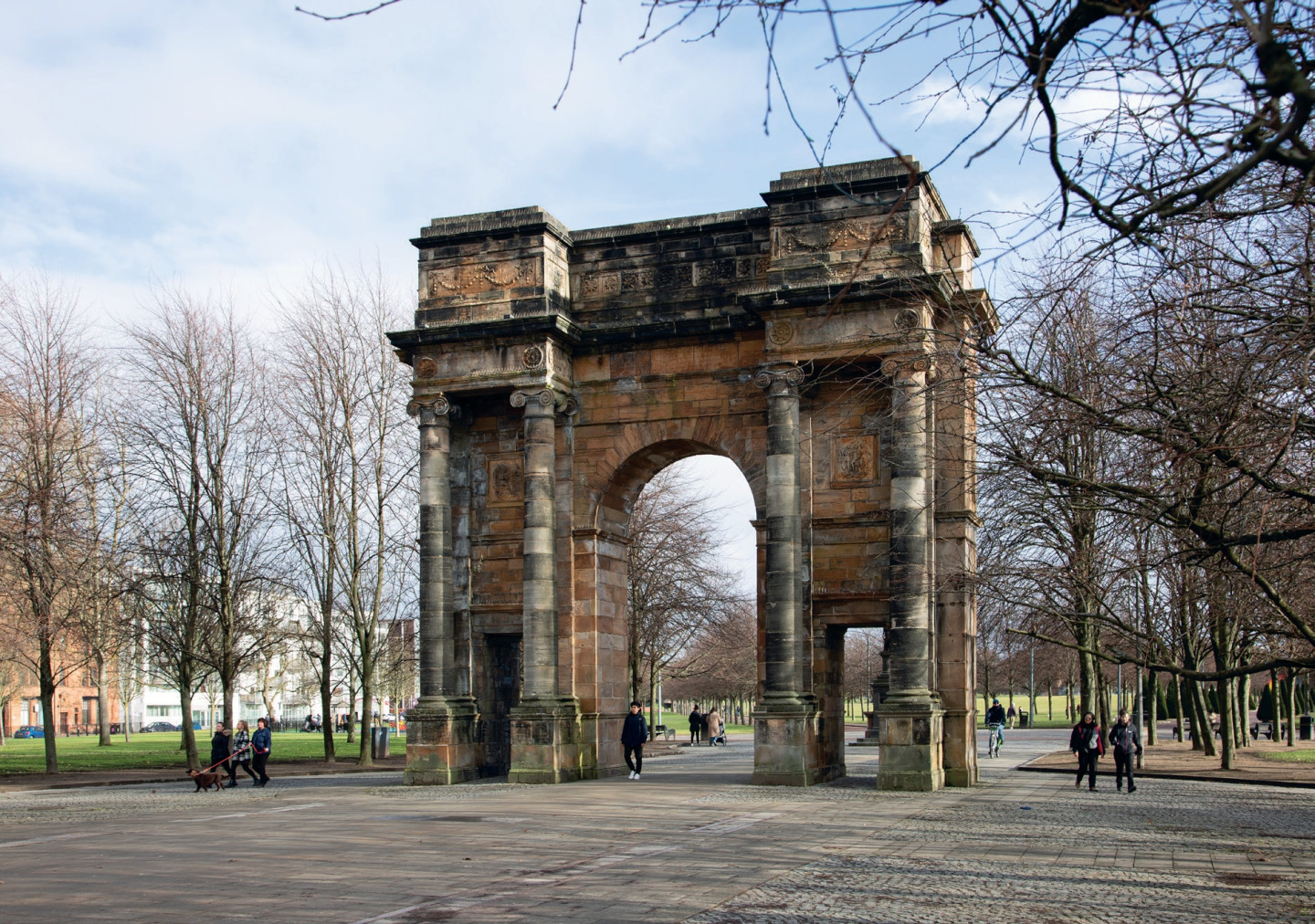
Hugging the northern banks of the River Clyde, just south of Argyle Street train station, Glasgow Green is the oldest park in the city. The land was granted to the city by King James II in 1450, and was used by locals for washing linen, activities such as swimming, drying fishing nets and grazing. Over the following centuries, Glasgow Green expanded and developed, and is even said to be the spot where, in 1765, inventor James Watt conceived his revolutionary idea for a separate condenser for the steam engine. The park also boasts several impressive structures, including Nelson’s Monument, People’s Palace, a James Watt statue, St Andrew’s Suspension Bridge and McLennan Arch – the former centrepiece of the Assembly Rooms which were demolished in 1890.
Tennent Caledonian Breweries
Located next to Glasgow Necropolis, just a short stroll from High Street, Glasgow Cathedral and the Merchant City, Tennent Caledonian Breweries is among Scotland’s oldest ongoing businesses. Established in 1740 by Hugh and Robert Tennent, it was originally known as Drygate Brewery, although brewing beer wasn’t a new venture on the site, with the pair’s ancestor, Robert Tennent, having been involved in the process since 1556. In the 1790s, the business expanded when the Tennent family purchased the neighbouring brewery and renamed the site Wellpark Brewery. Today, Tennent’s is Scotland’s best-selling beer.
McLennan Arch
The East End Community
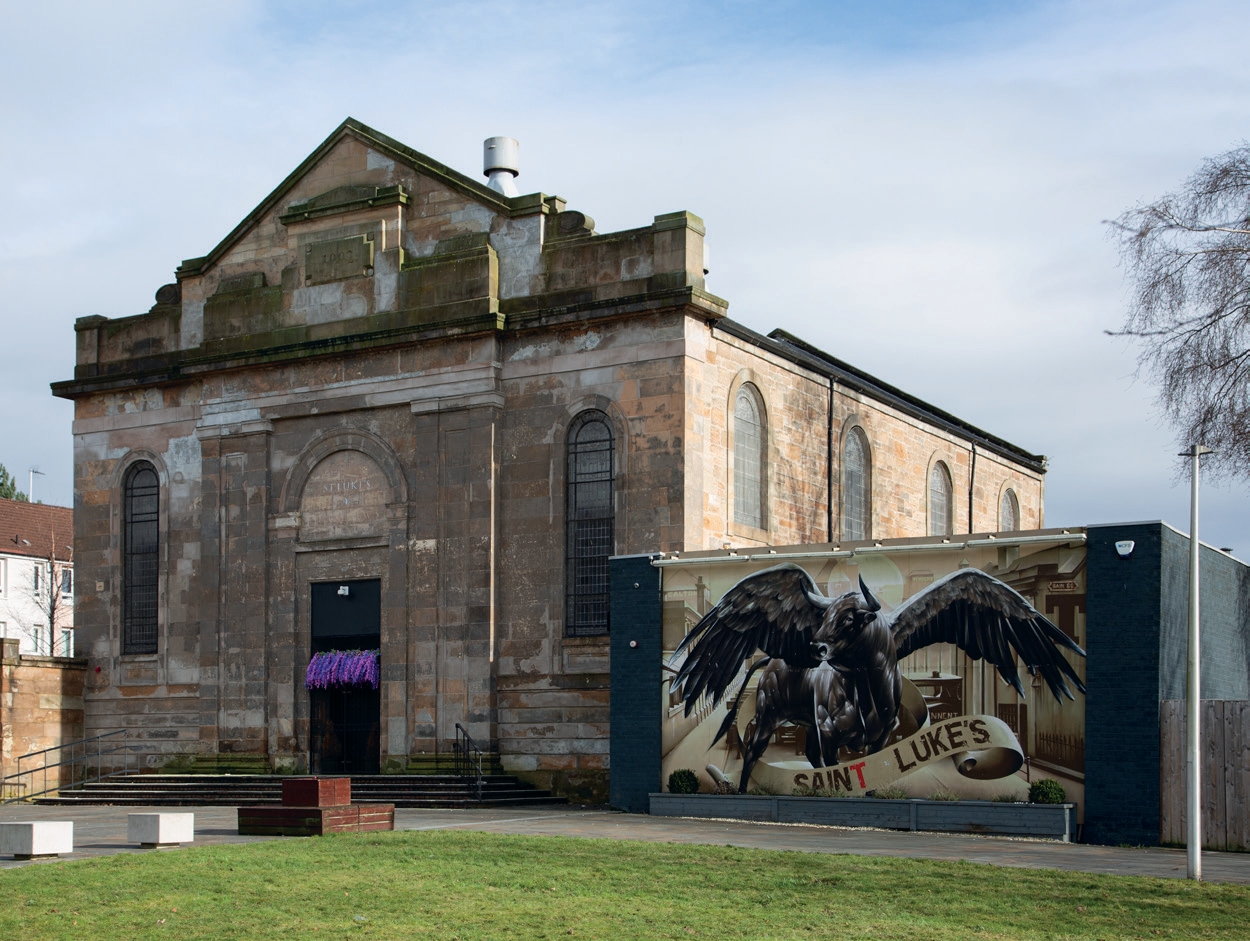
Saint Luke’s & The Winged Ox
Award winning venue and gastropub in the heart of the East End of Glasgow, serving up an eclectic range of food for the soul. Voted best live music venue, pub of the year, and best dog friendly pub.
stlukesglasgow.com
Instagram: @stlukesglasgow
Facebook: StLukesGlasgow
Drygate Brewing Co.
Their motto is “Brew it, Drink it, Share it “ Just a beat from Glasgow’s historic heart, Drygate is the UK’s first experiential craft brewery, restaurant and event space.
drygate.com
Instagram: @drygate
Facebook: DrygateBrewery
Mesa East End
Sister venue to the Southside’s Café Strange Brew, with a similar focus on breakfast, delicious brunch options and great coffee.
Instagram: @mesa_glasgow
Facebook: Mesa-Glasgow
Bilson Eleven
Housed in one of the oldest and most iconic tenement buildings in the area, the setting is relaxed and informal. Dine from a tasting menu comprising the very best Scottish produce prepared with passion, creativity and respect for the ingredients.
bilsoneleven.co.uk
Instagram: @bilsoneleven
Facebook: bilsoneleven
Scran
“Cook good scran and they will come”. A relaxed and friendly cafe serving top-quality coffee, brunch, loaded fries and award-winning baking.
scranglasgow.co.uk
Instagram: @scrangla
Facebook: Scrangla
Saint Luke’s & The Winged Ox
Central Glasgow & Merchant City
Built on a grid system – similar to that of Philadelphia – Glasgow’s city centre is actually very easy to navigate and is easily walkable from the East End, though you’ll probably want to jump on the Subway or a bus to reach it from other parts of the city.
What is trickier to figure out is where the Merchant City, where the rich tobacco lords kept their warehouses to store sugar, tea and tobacco in the 18th century begins and where it ends. This historic district cuts across much of the city centre, from George Square west and also below the city’s civic heart.
If you spy the 19th-century archways into Royal Exchange Square, then you’re pretty much in the centre of it. One of Glasgow’s smartest squares, Royal Exchange Square is the hub of the new glossy makeover of the Merchant City, with trendy restaurants, cafes and galleries giving a cosmopolitan feel.
The city centre is where you’ll find some of Glasgow’s grandest Victorian buildings, such as the ostentatious City Chambers, which sits in George Square – the nucleus of the city – many of which have been renovated into swish hotels and restaurants.
There’s also a growing gay scene in and around the ‘Pink Triangle’ just south of George Square, and there are music venues and pubs generously spread around – from upmarket places such as the Merchant Square, to the lively and raucous bars and clubs of Sauchiehall Street.
Central Station
See & do in Central Glasgow & Merchant City
Duke of Wellington statue
In the heart of Royal Exchange Square sits Glasgow’s pride and joy – the equestrian Duke of Wellington statue. Designed by Italian artist Carlo Marochetti in 1844, the statue today probably doesn’t look quite the way he would have envisaged – thanks to the permanent presence of an orange traffic cone atop the Duke’s head. The cone first began appearing in the early 1980s, widely attributed to the escapades of drunken students. Despite the attempts of the council and police, each time the cone was removed, a new one promptly appeared. The authorities planned to double the size of the statue’s three-foot-high plinth in 2013 to discourage people from scaling the Category-A listed monument, but public outcry put paid to the plan, and the cone has remained in place ever since – becoming something of an attraction in its own right.
GoMA
Glasgow’s Gallery of Modern Art is situated in Royal Exchange Square. Since its opening in 1996, it has become Scotland’s most visited art gallery, with several million people passing through its doors and admiring the contemporary artwork within. But before you even set foot inside, visitors and passers-by alike are struck with the beauty of the building itself – a neoclassical former townhouse, constructed in 1778. It has since been used as the Royal Bank of Scotland, Royal Exchange, and to house Stirling’s library collection. Today, it boasts exhibits including works by Andy Warhol and David Hockney, among many others.
Glasgow Central Station tours
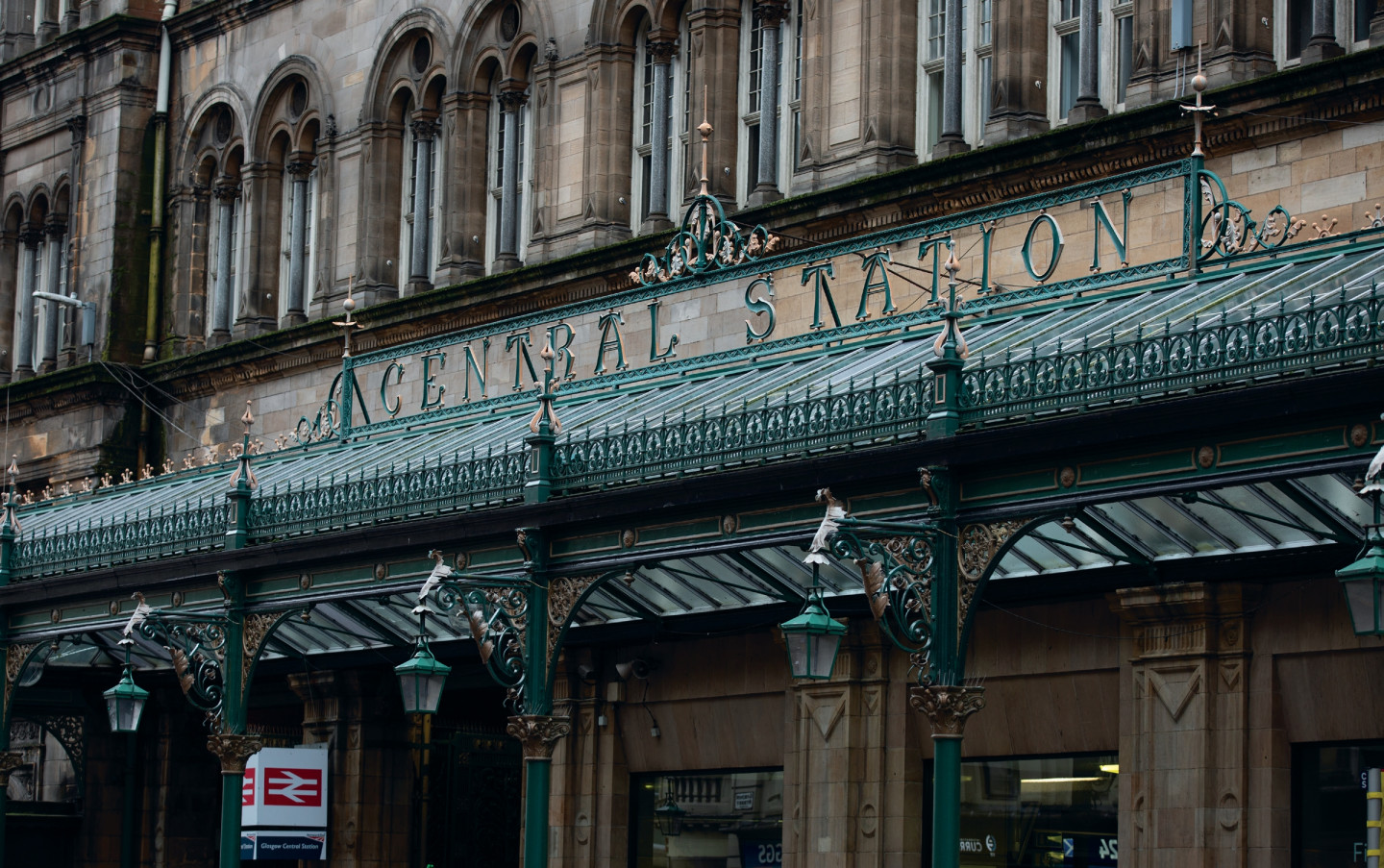
Since 1879, Glasgow Central Station has been the transport hub of the city, connecting people, places and industries and providing many with their first sight of Glasgow. Today, Glasgow Central is Scotland’s busiest railway station and the second busiest outside of London. A tour of the iconic Category-A listed building gives visitors a fascinating insight into the design and architecture of the station itself, the vaults and subterranean sprawl that snakes beneath Glasgow’s streets, and the station’s old Victorian Platform, alongside Glasgow Central’s history and heritage, and the social role it has played in the city for more than 140 years.
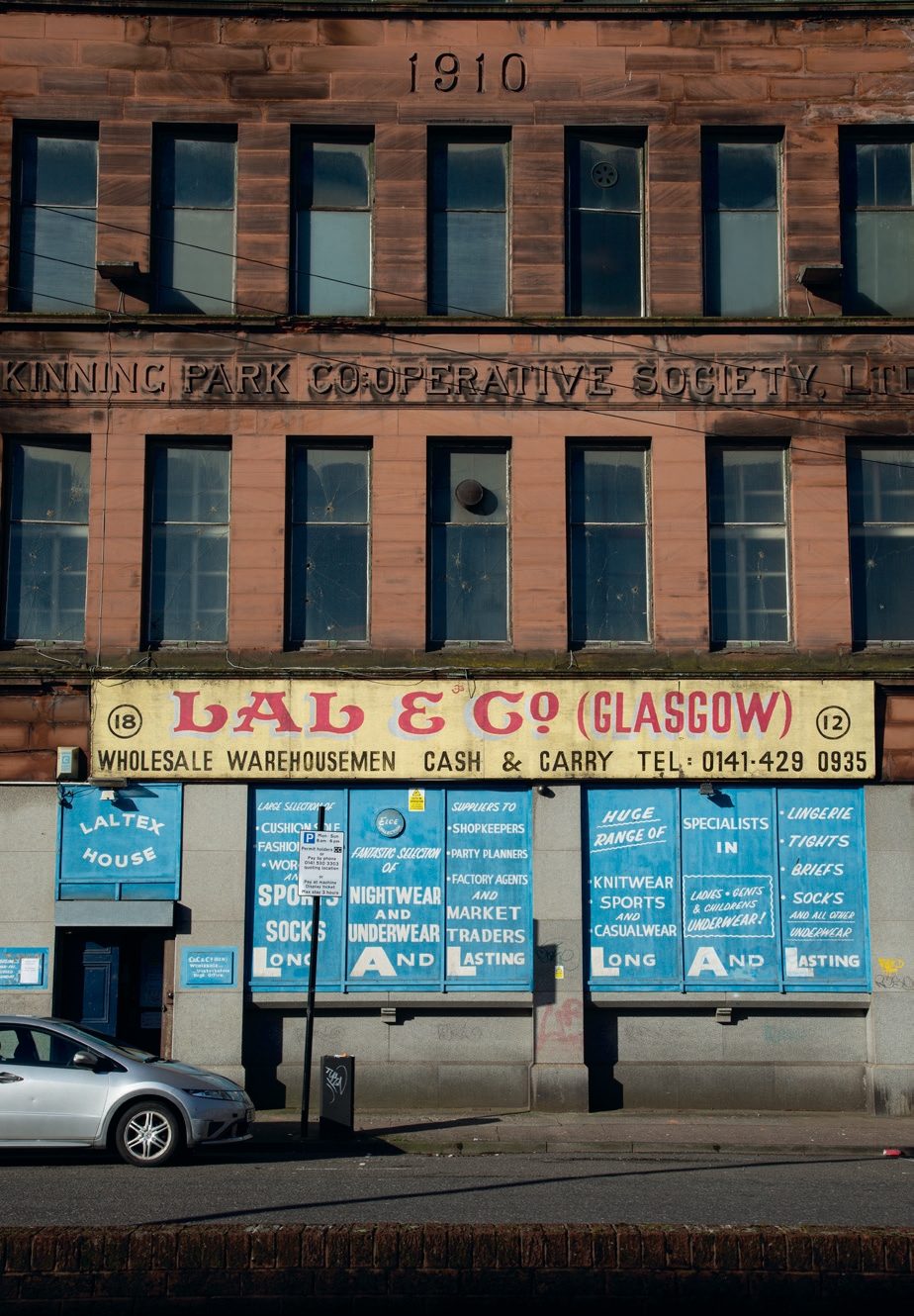
Former Kinning Park Co-operative Society
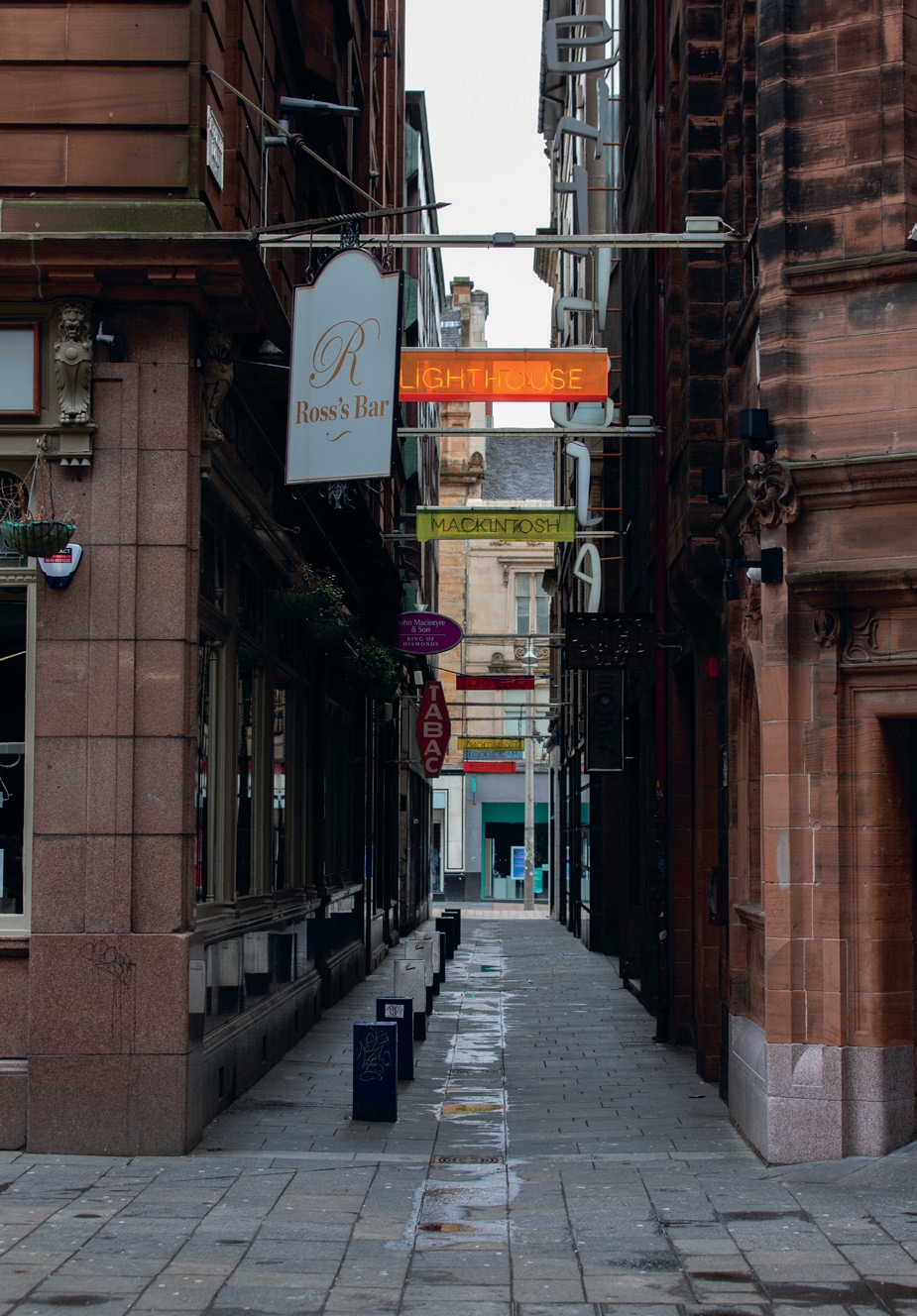
The Lighthouse Design Museum
George Square
Dominated by the spectacular Glasgow City Chambers, George Square is an iconic and important location in the heart of the city. Named after King George III, the square was laid out in 1781 and today is home to several historical statues and monuments, such as those of National Poet Robert Burns, Scottish inventor James Watt, former Prime Minister Sir Robert Peel and Scottish novelist Sir Walter Scott, as well as the city’s Cenotaph. George Square is often used as the focal point for Glasgow events, including Glasgow Loves Christmas!, Piping Live! and Remembrance Day parades.
Glasgow City Chambers
The historic and prominent Glasgow City Chambers is among the city’s most iconic and majestic buildings. The design of the building was the work of Scottish architect William Young. Opened in 1888 by Queen Victoria following six years of construction work, the focal point of George Square has served as the headquarters for councils of the City of Glasgow for more than one hundred years. Glasgow City Chambers opens its doors on weekdays, providing opportunities for the public to step inside and see its opulent features, including the largest marble staircase in western Europe, and more than 1.5 million hand-laid tiles which decorate the vaulted ceilings and domes.
The Lighthouse
The Lighthouse is Scotland’s Centre for Design and Architecture, located in the heart of Glasgow. A visitor centre, exhibition space and events venue, The Lighthouse offers free entry, making it a popular attraction for visitors. The building itself was constructed in 1895 and was the first public commission of acclaimed Glaswegian architect, Charles Rennie Mackintosh. Formerly the head office of the Glasgow Herald newspaper, today – unsurprisingly - a whole section of The Lighthouse is dedicated to Mackintosh, while there are also opportunities to explore exhibits on the impact of design and architecture on everyday life and a library on sustainable materials. The building’s Mackintosh Tower also offers unparalleled views across the Glasgow cityscape.
City Centre Mural Trail
Since 2008, giant splashes of colour have been popping up around Glasgow, brightening up the city centre. This wonderful collection of public art, giving a modern touch to some of the city’s more tired-looking buildings, has not only proved a great way to make Glasgow’s back streets and lanes more inviting, but has been beneficial to local businesses, with locals and tourists flocking to see the latest masterpiece. Now, there’s an easy way to see all of these public works of art, via the City Centre Mural Trail. Downloadable and audio maps walk through a route following the murals, from the Glasgow Crocodile in the West End to Study of a Woman in Black in the East End.
The Mitchell Library
Located between the city centre and the West End, the Mitchell Library is a must-visit for any fan of Robert Burns or Scottish history more widely. The library, on North Street in Charing Cross, boasts one of the world’s biggest Robert Burns collections and archives, some of which date back to the 12th century. It currently contains more than 5,000 items including works by the National Poet, as well as other writings and works about him and related to him. The Mitchell Library, built between 1906 and 1911, is one of the largest public reference libraries in Europe and in 2007 reopened following a multi-million-pound refurbishment.
The Tenement House
Operated by the National Trust for Scotland, The Tenement House on Buccleuch Street is a time capsule inside a 19th century tenement building. The museum provides an in-depth, fascinating insight into Glaswegian life in the early 1900s, across four beautifully restored rooms. With many of its original fixtures and fittings, it’s a true reflection of life at the time, particularly that of Miss Agnes Toward who lived here between 1911 and 1965. The Tenement House also boasts exhibitions, such as ‘Make Do and Mend’, a key wartime mantra, while children will also be able to get hands-on with authentic household items and see how they differ from today’s technological age.
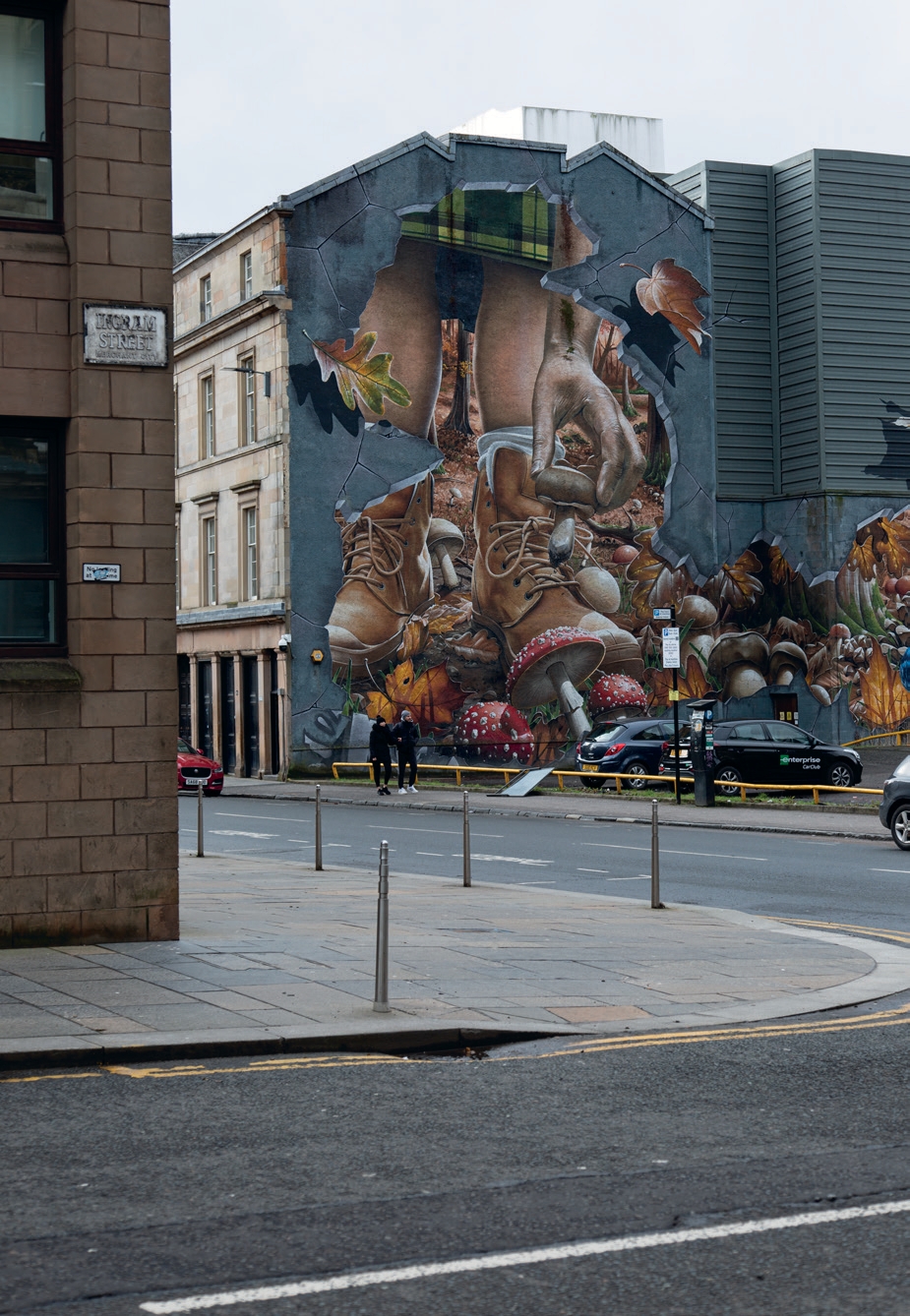
‘Fellow Glasgow Residents’ Mural, Ingram Street
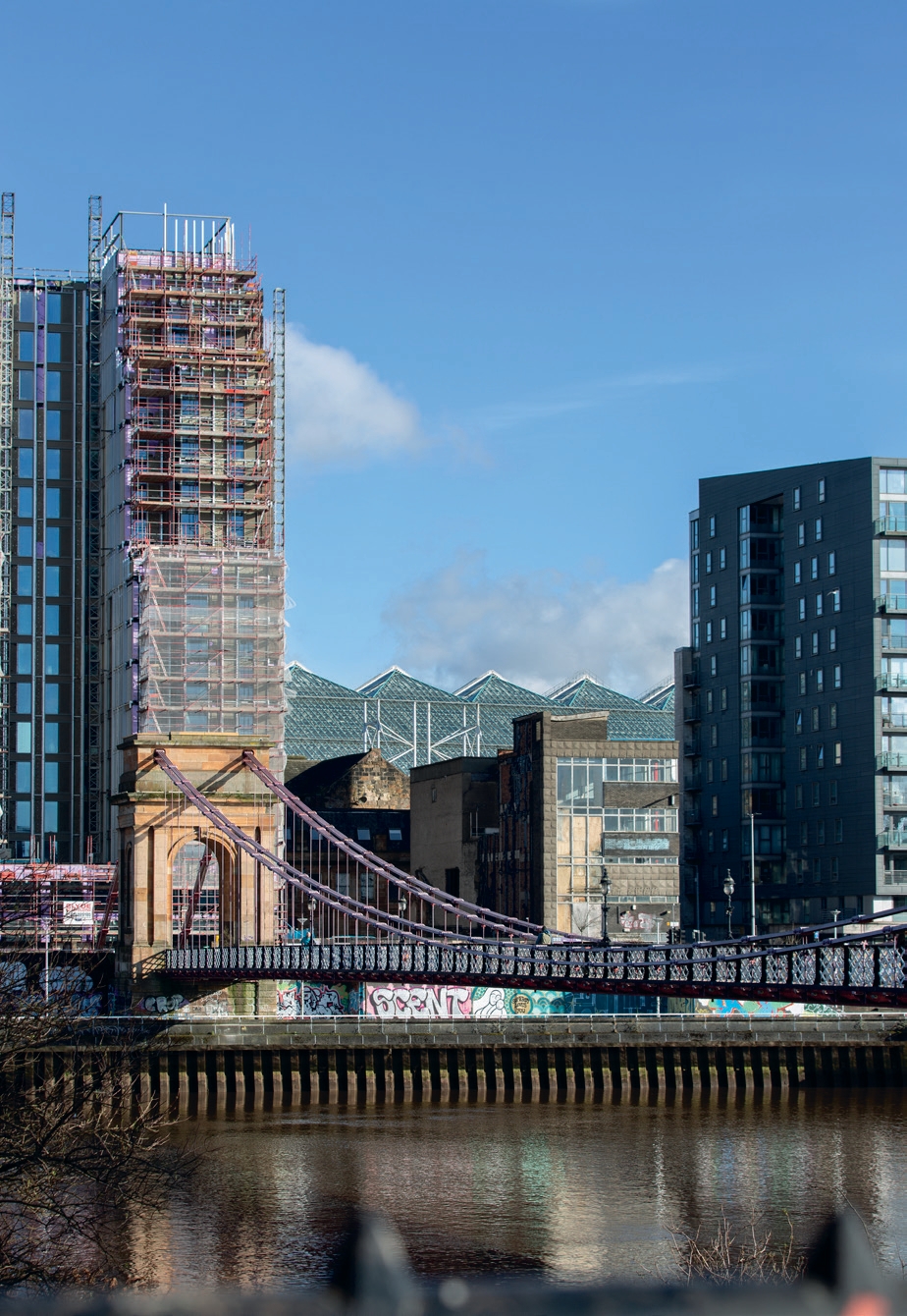
Portland Street Suspension Bridge
Central Glasgow & Merchant City Community
Walker Slater
Walker Slater embodies the timeless elegance you would expect from a sartorial brand with quality and charm at its heart since 1989.
walkerslater.com
Instagram: @walkerslater
Spitfire Espresso
A friendly, laid back, independent coffee spot, serving coffee, excellent all-day breakfast, hearty sandwiches, delicious cakes and craft beers all to a bopping rockabilly soundtrack. spitfireespresso.com
Instagram: @spitfireglasgow
Facebook: Spitfire-Espresso
Sprigg
A salad bar serving up fresh bowls with big fresh flavours, accompanied by great coffee too.
sprigg.co.uk
Instagram: @wearesprigg
Facebook: wearesprigg
Paesano Pizza
Obsessed with the traditional Neapolitan ways of making pizza, they are the first to bring authentic, traditional wood-fired Napoletana pizza to Glasgow.
paesanopizza.co.uk
Instagram: @paesanopizzaglasgow
Facebook: paesanopizza
Sotto 16
This coffee hatch is located at Central Station. Sotto 16 Espresso bar has created a pre-ordering system with their own app to make picking up your coffee on the go even more convenient. Instagram: @sotto16_
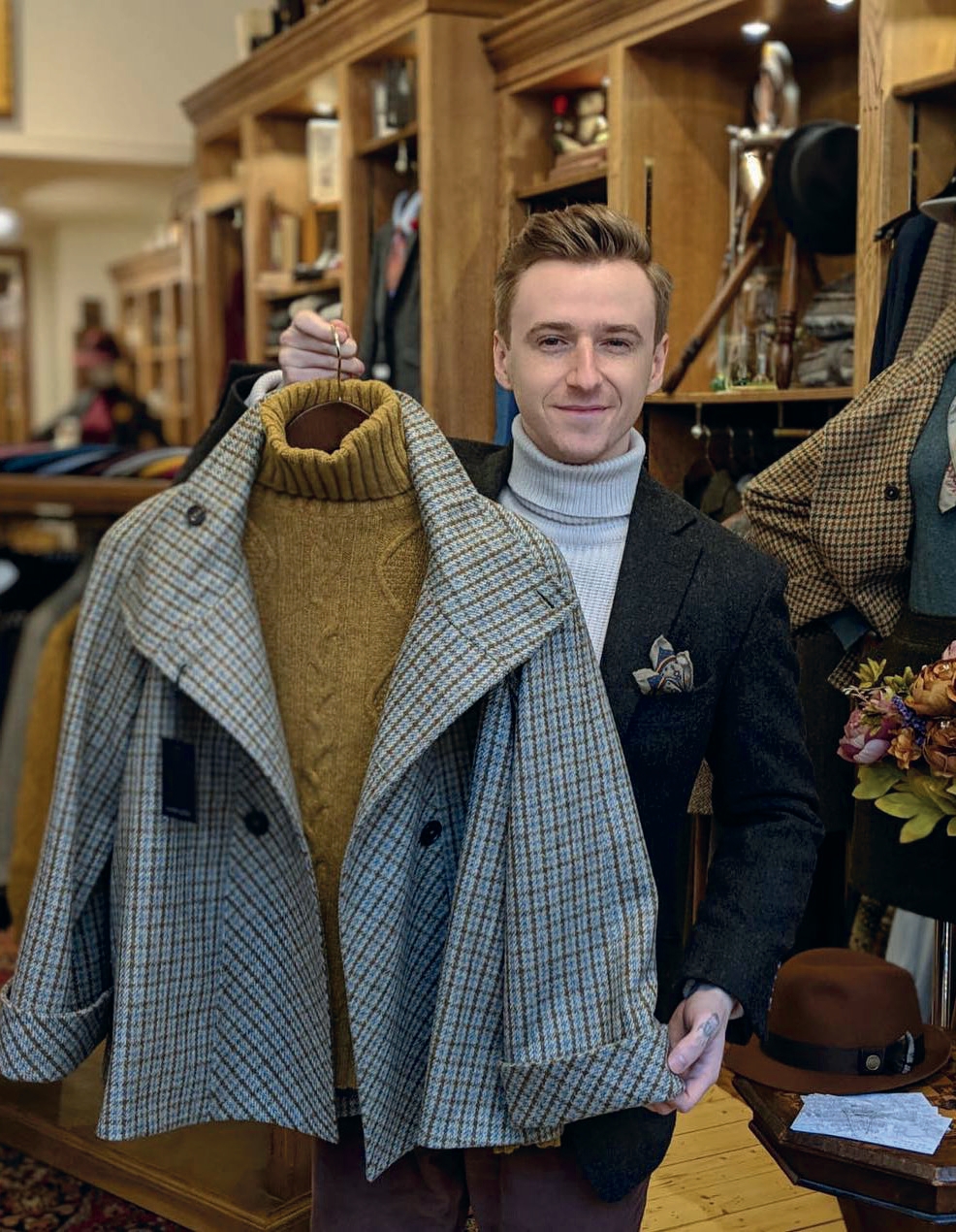
Michael Dixon, Walker Slater
“People are the heartbeat of this city and that is something that really resonates when you walk through our door in Glasgow. The customer experience is of utmost importance. ”
The North
The least visited part of Glasgow by outsiders, the north of the city is nevertheless undergoing something of a reawakening, helped in a way by the pandemic, during which residents realised they had underutilised outdoor areas right on their doorstep.
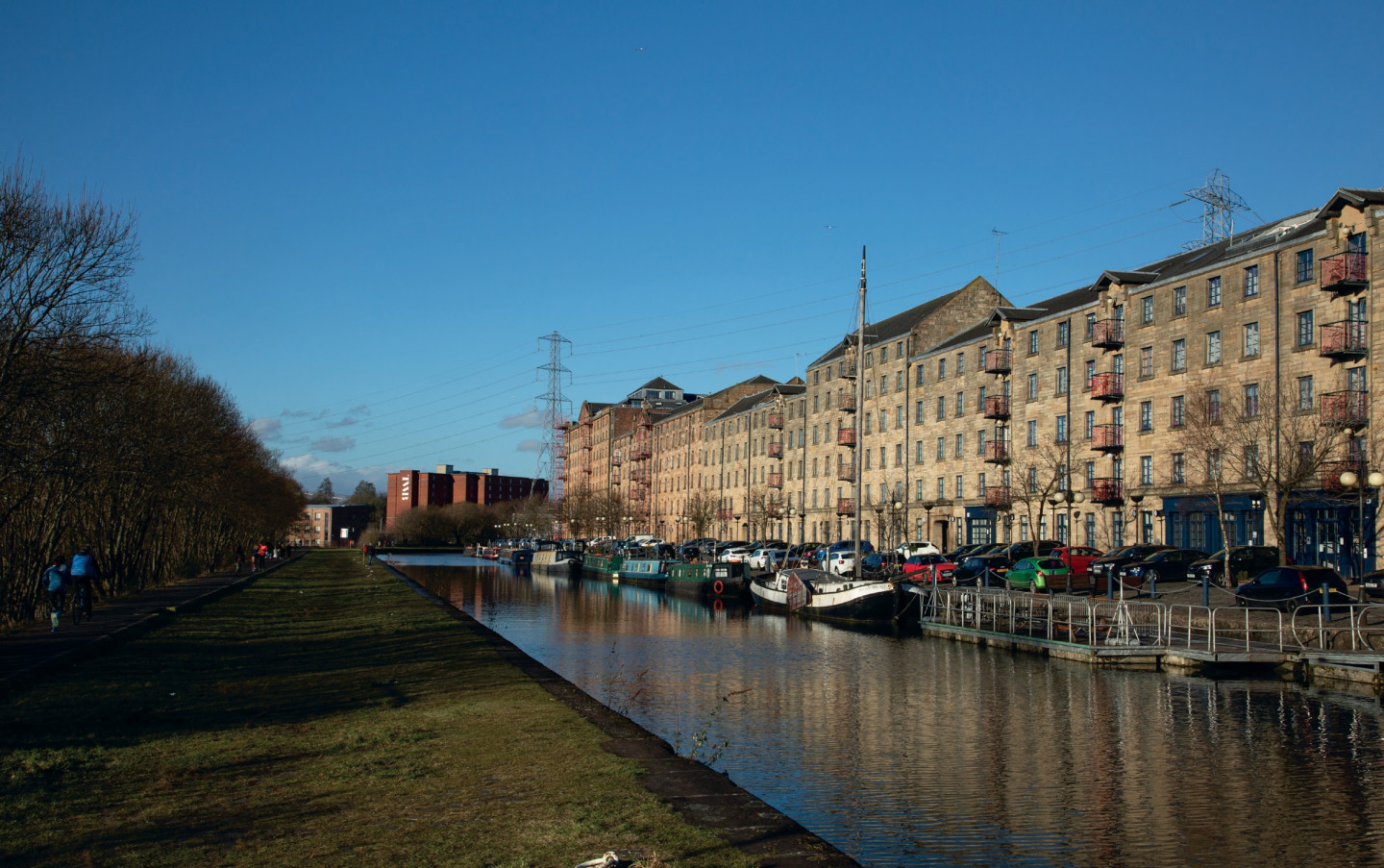
Still, this region, once the industrial heart of the city when the Georgian warehouses housed old grain mills and sugar refineries, is still an unexpectedly quiet place, which feels far removed from the bustle of urban life, though its entry point is just a five-minute walk from Cowcaddens Station. You can walk or cycle the length of the Forth and Clyde Canal (all the way to the Falkirk Wheel if so desired), visit one of several nature reserves, or simply pick up some homemade food and fresh coffee at handy café Ocho for a picnic by the canal as you watch the colourful barges bob on the water.
Before the pandemic struck, North Glasgow was becoming a bit of a creative hub with a number of art and design businesses setting up shop here in and around Speirs Wharf, and with posh apartments lining the waterfront, there’s no shortage of willing customers, so the likelihood is, this creative corner will continue to grow.
See & do in the North
Forth and Clyde Canal
While Glasgow may be best known for the River Clyde and River Kelvin, it also boasts the tranquil Forth and Clyde Canal, which stretches from Port Dundas in the northern end of the city to the River Carron at Grangemouth and the River Clyde at Bowling. When it opened in 1790, it served a functional purpose but today, while still used for transportation, it is also the setting for some of the best culture, sports and urban nature in Scotland. Every year, the Glasgow Canal Festival is also held on its banks, bringing together arts, heritage, environmental and watersports activities, with live music, storytelling, canoeing, arts workshops, canal races and more.
Mackintosh Queen’s Cross
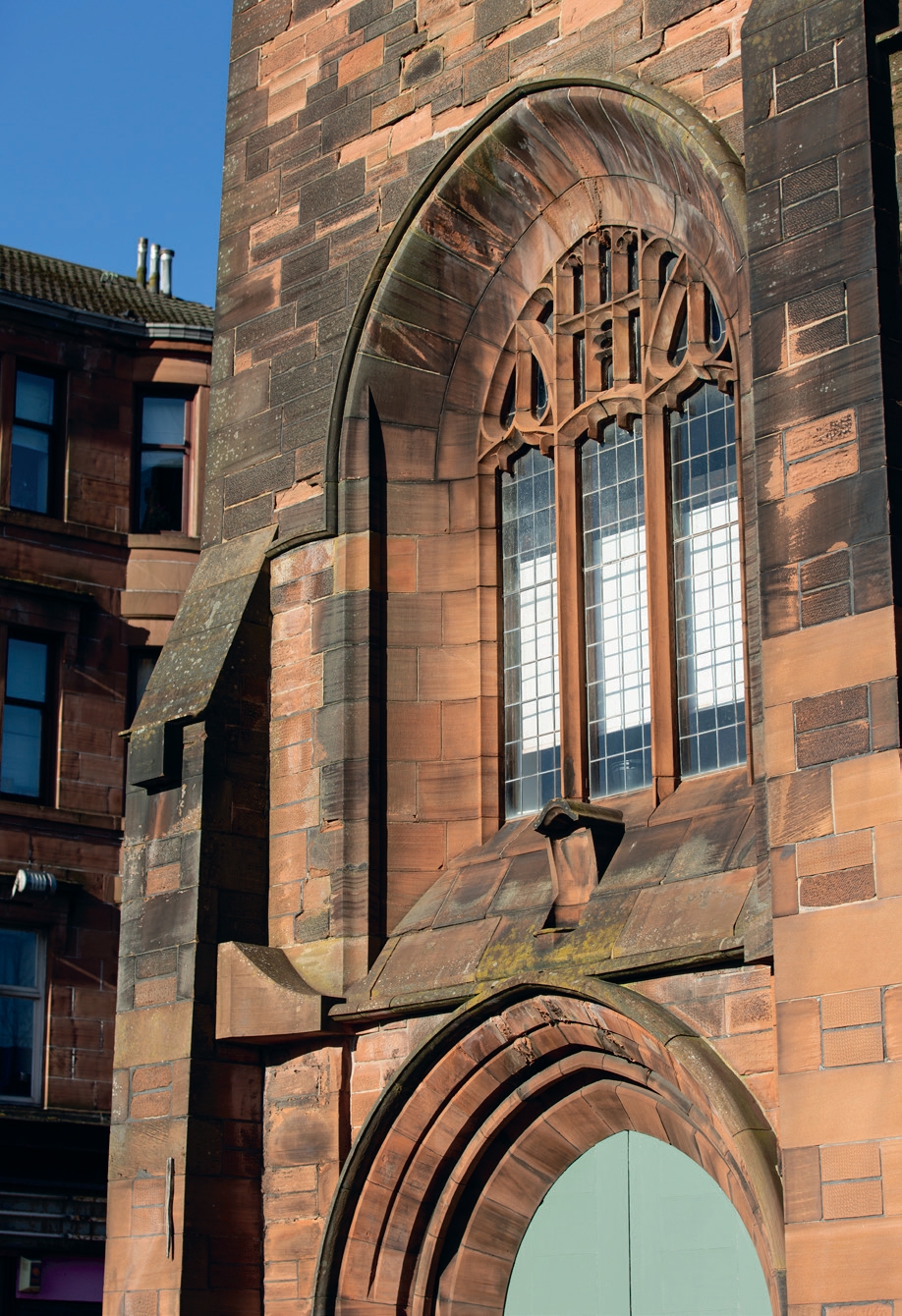
The Mackintosh Church can be found next to Partick Thistle’s Firhill Stadium. Also referred to as Queen’s Cross Church, it is one of Glasgow’s hidden architectural gems, as the only church to be built following the designs of acclaimed architect Charles Rennie Mackintosh. At the time, Mackintosh was a young trainee working for experienced firm Honeyman and Keppie, who had been commissioned to design a new church. In 1896, John Honeyman handed the task to Mackintosh and the rest is history. Today the church is home to the Charles Rennie Mackintosh Society, which operates it as a tourist attraction.
Speirs Wharf
Running alongside the Forth and Clyde Canal, Speirs Wharf is among Glasgow’s best-kept secrets. While the wharf’s buildings were once an integral part of the city’s industrial development, with grain mills, warehouses and a sugar refinery, the area was converted in 1989 and is now a peaceful escape from the busy city, offering modern living accommodation, office space, cafes, bars and leisure facilities, while still boasting plenty of character. It’s the perfect place to relax outside on a sunny day, with a coffee or glass of wine, while watching the barges trundle on by – and only a 30-minute walk from the heart of the city.
The Whisky Bond
On the banks of the Forth and Clyde Canal, the Whisky Bond is a hub for creative industries, including artists, designers and social innovators, and is also home to the Glasgow Sculpture Studio. It provides space for creative minds to work and get together as a community, and has done so since 2012. Originally, the Whisky Bond was built in 1957 as a bonded warehouse for Highland distilleries and it still boasts many original features, as well as spectacular views across Glasgow.
Possil Marsh and Loch
Four miles north of Glasgow city centre, Possil Marsh is a nature reserve and site of special scientific interest, thanks to its diverse landscape, habitats and wildlife. It boasts areas of swamp, grassland, fen, meadow and scrubland, as well as a shallow, freshwater loch, making it the perfect home for wildflowers, breeding birds and wildfowl. Since 1982, it has been looked after by the Scottish Wildlife Trust. But Possil Marsh isn’t only known for its natural beauty and diverse flora and fauna. In 1804, it was also the site of a meteorite landing, for which a monument still marks the spot.
Lambhill Stables
Lambhill Stables is a thriving community hub, located a few miles north of Glasgow city centre, just south of Possil Marsh. Originally constructed around 1815, Lambhill Stables was then a staging post for the horses that were used to pull barges along the Forth and Clyde Canal, which flows past. Since 2007, Lambhill Stables – now a B-listed building - has been a focal point for the local community since being restored and reopened in 2011, having sat derelict for many years.
Hamilton Claypits Local Nature Reserve
Snuggled up alongside the Forth and Clyde Canal, just across from Partick Thistle’s Firhill Stadium, sits one of Glasgow’s newest – and smallest – Local Nature Reserves. Thanks to a new pathway built in 2018, the vibrant oasis of Hamilton Claypits was made accessible to visitors, having already been designated a Local Nature Reserve two years previously. Within the reserve, Hamilton viewpoint gives unparalleled views across the whole of Glasgow, with the Isle of Arran – 40 miles away – visible on a clear day. Roe deer, kingfishers, bullfinches and waterfowl are among the wildlife that can be spotted in the reserve.
Canal House
The Mackintosh Church
The North Community
Ocho
Situated on the banks of the impressive Speirs Wharf, in a corner of the original 1851 heritage building, lies Ocho Cafe.
ochoglasgow.co.uk
Instagram - @ochoglasgow
Facebook - OchoGlasgow
Café D’Jaconelli
A cool, artisan ice cream parlour and café that’s been in this neighbourhood since the 1920s, making it a well-loved favourite of the locals, as well as being featured in the cult movie Trainspotting.
Facebook: Jaconellis-Cafe
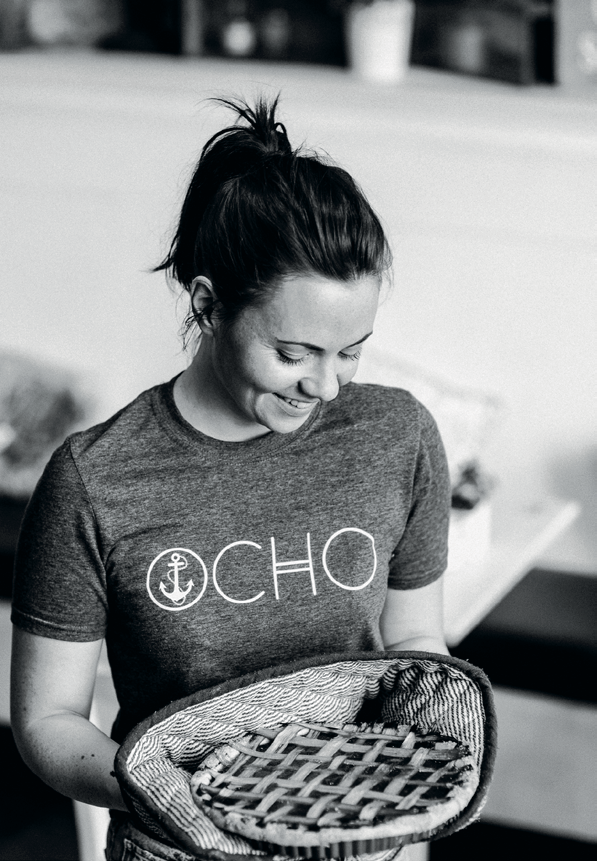
Natasha Paloni, Ocho
“Oh Glasgow - such a friendly and welcoming city, full of support for local businesses from every corner! Being a ‘hidden gem’ in an unknown part of the city can be tough, but it gives us a slice of the bustle to ourselves, where we can carve out our business amongst the creativity of so many theatre and art hubs in the canal area. ”
Promoted Post
The Scullery
Tucked away in the heart of the Yarrow Valley, The Scullery is a one-bedroom boutique hideaway, eloquently designed for comfort, calm, and connection. Whether you’re escaping the city or craving a countryside reset, this is your space to slow down and just be.
-listable-carousel-1769292770.jpg)
-full-1744750664.jpg)







 Sign in with Google
 Sign in with Email