
On This Day in 1305: Scotland’s National Hero Was Captured Near Glasgow
On 3 August 1305, William Wallace was captured near Glasgow. Betrayed by his own countrymen, his arrest marked the beginning of the final chapter in his long resistance.
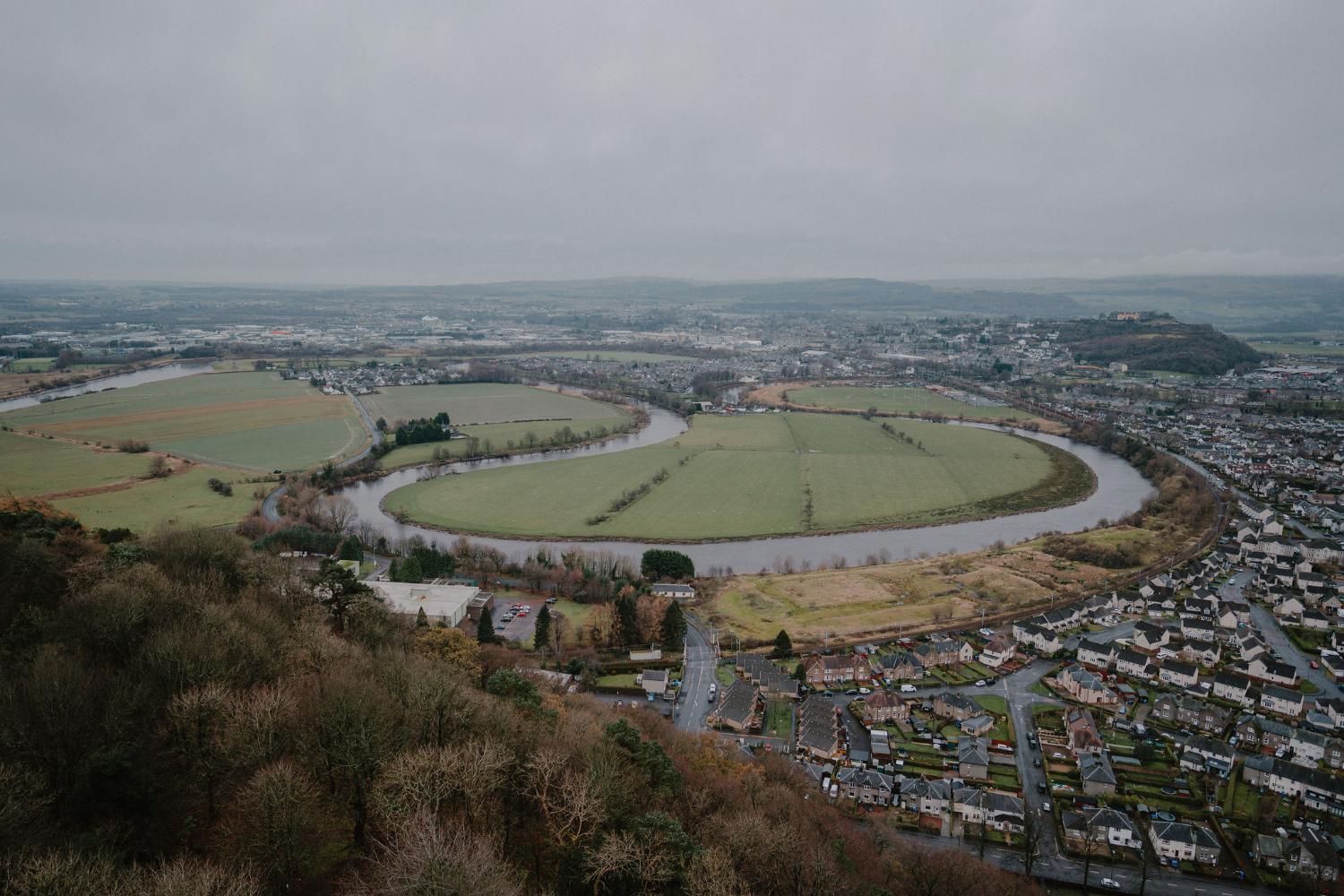
William Wallace was captured on 3 August 1305 at Robroyston, just outside Glasgow. He had been in hiding since 1298, when the Scots were defeated at the Battle of Falkirk. Wallace had resigned his role as Guardian of Scotland but continued to resist English rule. Most of the Scottish nobility had already submitted to Edward I. Wallace remained the last major figure still openly defying him.
His capture was arranged by John de Menteith, a Scottish knight loyal to Edward. Wallace was reportedly betrayed by a member of his own retinue. He was taken during the night without a fight. From Robroyston he was brought to Dumbarton Castle, then transported under armed guard to London. His hands were bound and his legs tied beneath the horse during the journey south.
Wallace was put on trial at Westminster Hall. He was accused of treason, murder, and violence against civilians. He denied the charge of treason, stating he had never sworn loyalty to the English crown. There was no formal defence. The outcome was predetermined.
He was sentenced to death by hanging, drawing, and quartering. On 23 August, he was dragged through London on a wooden hurdle, hanged until near death, then disembowelled and decapitated. His body was cut into four parts. His head was displayed on London Bridge. His limbs were sent to Newcastle, Berwick, Stirling, and Perth.
The execution was intended as a warning. Wallace’s name was removed from official records. He was declared a traitor and criminal. In the short term, resistance in Scotland quietened. No immediate uprising followed.
The following year, Robert the Bruce killed John Comyn in Dumfries and claimed the crown. That action marked the beginning of renewed Scottish resistance. Bruce’s campaign would eventually lead to the Battle of Bannockburn in 1314 and the recognition of Scottish independence in 1328.
Wallace’s execution did not bring an end to the conflict. His role in the earlier uprisings, particularly the victory at Stirling Bridge in 1297, continued to be remembered. Over time, his status shifted from outlaw to national symbol. His story became central to the larger struggle for independence.
There is now a memorial at Robroyston marking the site of his capture, as well as a well nearby that bears his name. These sites are located in a residential area, not far from the city. They mark the end of Wallace’s campaign, but also the point at which others began to take it forward.
Promoted Post
The Scullery
Tucked away in the heart of the Yarrow Valley, The Scullery is a one-bedroom boutique hideaway, eloquently designed for comfort, calm, and connection. Whether you’re escaping the city or craving a countryside reset, this is your space to slow down and just be.
-listable-carousel-1769292770.jpg)
-full-1744750664.jpg)





 Sign in with Google
 Sign in with Email