Getting to Glasgow and around.
Trains, the airport, the Subway and buses
Glasgow operates an integrated public transport network covering the city centre and surrounding areas. The Subway runs in a circular loop connecting key districts, while buses reach all neighbourhoods through frequent services operated mainly by First Bus.
Subway The Glasgow Subway consists of 15 stations on a single circular line. Trains run every 4 minutes during peak hours, connecting the city centre with the West End and south side. Day tickets offer unlimited travel, while contactless payment works at all stations.
Buses First Bus operates most city services, with routes radiating from the city centre. Night buses run limited services at weekends. McGill's covers some areas south of the river.
Trains ScotRail services connect Glasgow Central and Queen Street stations with surrounding towns and cities. Local trains reach areas like Paisley, East Kilbride, and Hamilton.
Walking Glasgow city centre is compact and walkable. The Merchant City, West End, and Finnieston districts connect easily on foot. Pedestrian areas around Buchanan Street and Sauchiehall Street restrict vehicle access during busy periods.
Cycling Bike lanes connect major destinations, though some routes require confidence around traffic. Nextbike operates a public bike-sharing scheme with docking stations across the city.
Driving City centre parking is limited and expensive. Low Emission Zone restrictions apply to older vehicles. Park and ride facilities operate from suburban locations with good public transport links into the centre.
By train
Glasgow Central has trains from England and the south, and Queen Street runs to Edinburgh, Stirling and the Highlands.
Both stations are right in the city centre, a short walk apart.
By air
Glasgow Airport is about eight miles west of the city centre, near Paisley, with buses into town.
A taxi takes around twenty minutes when the roads are quiet.
Getting around
The Subway runs in a loop of fifteen stations, joining the city centre to the West End and the Southside, with trains every few minutes.
The centre is easy to walk, and buses and local trains reach the rest of the city.
Glasgow’s weather is famously variable. Summer highs reach around 20°C, but cooler and wetter days are common. Winters are colder, with temperatures dropping near freezing and sporadic snowfall. Wind is frequently present, particularly near the River Clyde. Visitors should bring a waterproof jacket, layers, and solid footwear.
Glasgow Airport has regular flights across Europe, and Prestwick has budget flights. Central Glasgow is well-connected by rail, with Queen Street and Central stations linking Edinburgh, Inverness, and England. The compact city centre makes walking between main sites easy. Buses and the Subway cover longer distances, and contactless payment and smart passes make them simple to use.
Not for the city itself. The centre is compact and walkable, and buses, trains and the Subway cover longer distances. City centre parking is limited and expensive, and Low Emission Zone restrictions apply to older vehicles. Park and ride sites in the suburbs have good public transport links into the centre.
Two or three days typically provide enough time to experience Glasgow’s main attractions and its diverse neighbourhoods at a comfortable pace. With additional days, you can explore beyond the city limits, perhaps taking trips to nearby beauty spots such as Loch Lomond, Ayrshire, or historic sites in the Clyde Valley, allowing a fuller experience of the city and surrounding region.
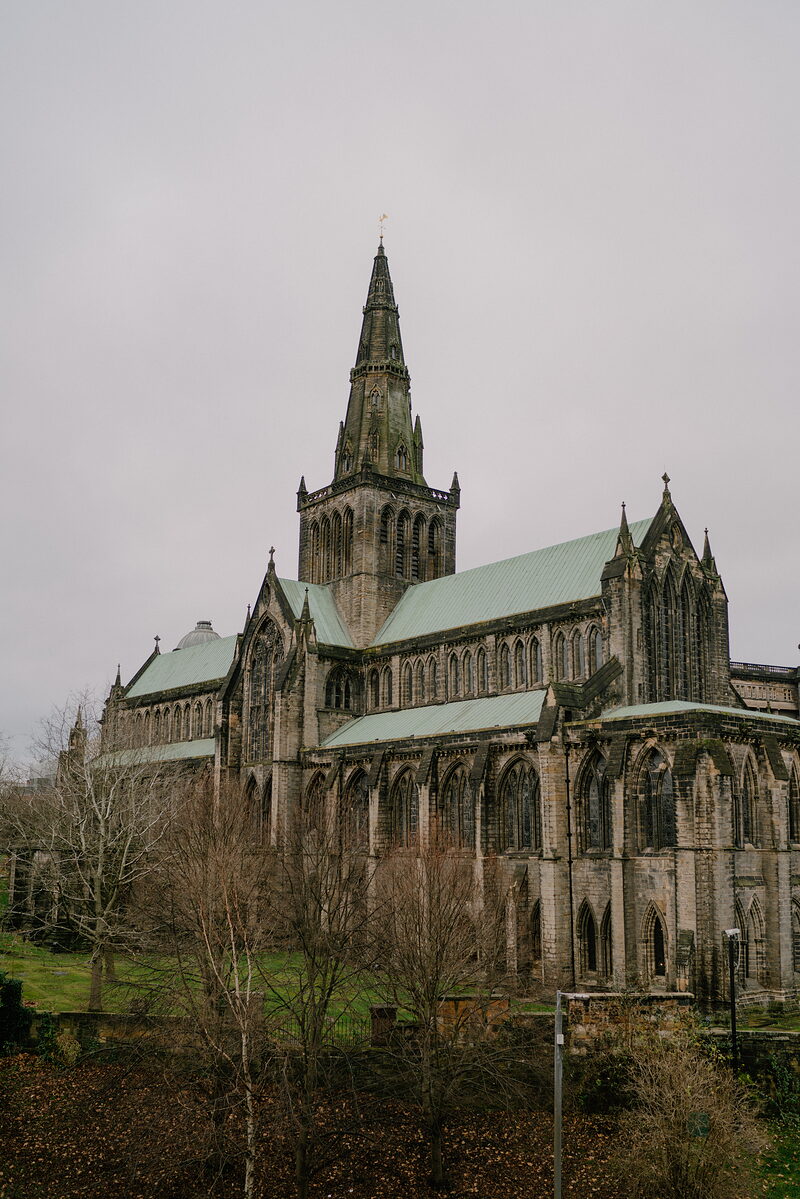
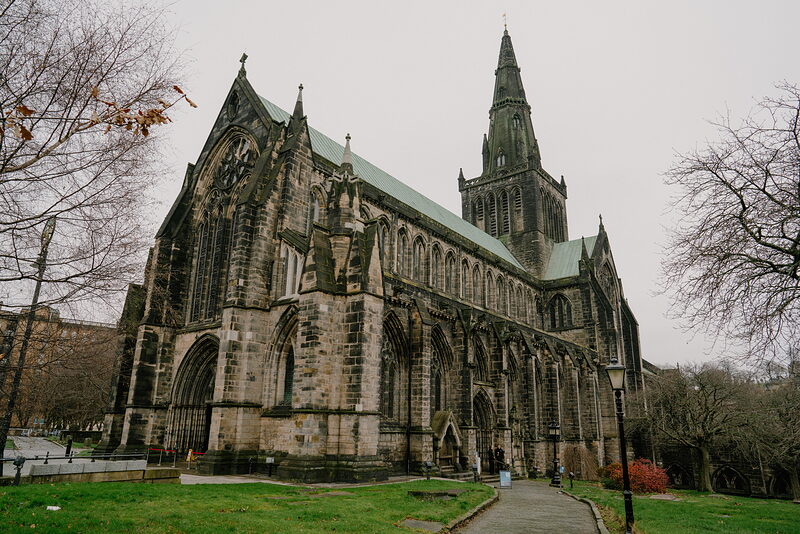
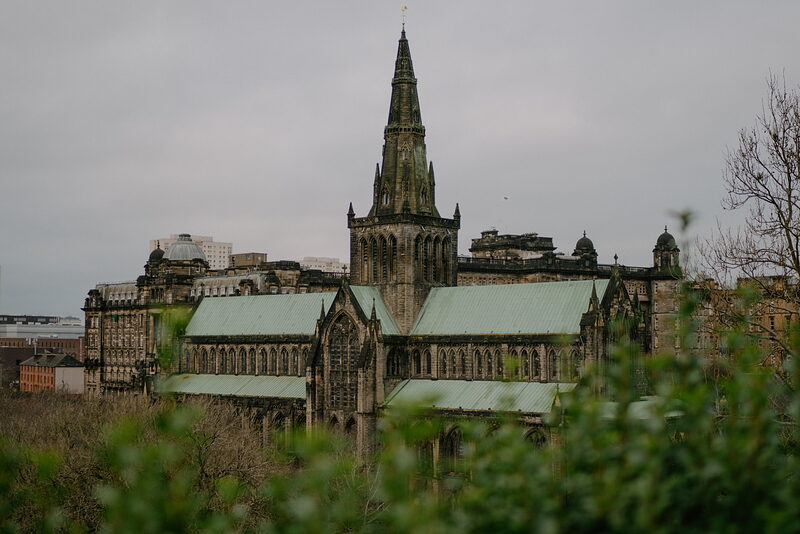
Kelvingrove Art Gallery and Museum has wide collections, from natural history to well-known artworks. Nearby, the Gothic buildings and cloisters of Glasgow University are often linked to Harry Potter's Hogwarts. Glasgow Cathedral dates back to medieval times, and the Necropolis beside it is a Victorian cemetery with wide views over the city. The Riverside Museum covers the city’s transport history, and Glasgow Science Centre has interactive exhibits that suit families. The City Centre Mural Trail takes in bright street art on many buildings.
Glasgow Botanic Gardens has the Victorian Kibble Palace glasshouse, walking paths and floral displays. Pollok Country Park, home to the Burrell Collection, has woodlands, gardens and wildlife to look for. The walkways along the Clyde are a quiet place to walk, away from the busy streets.
Photograph by East End Press via Google