Things to do
in Argyll and Bute.

It’s 20:55 in Argyll and Bute.
Argyll and Bute

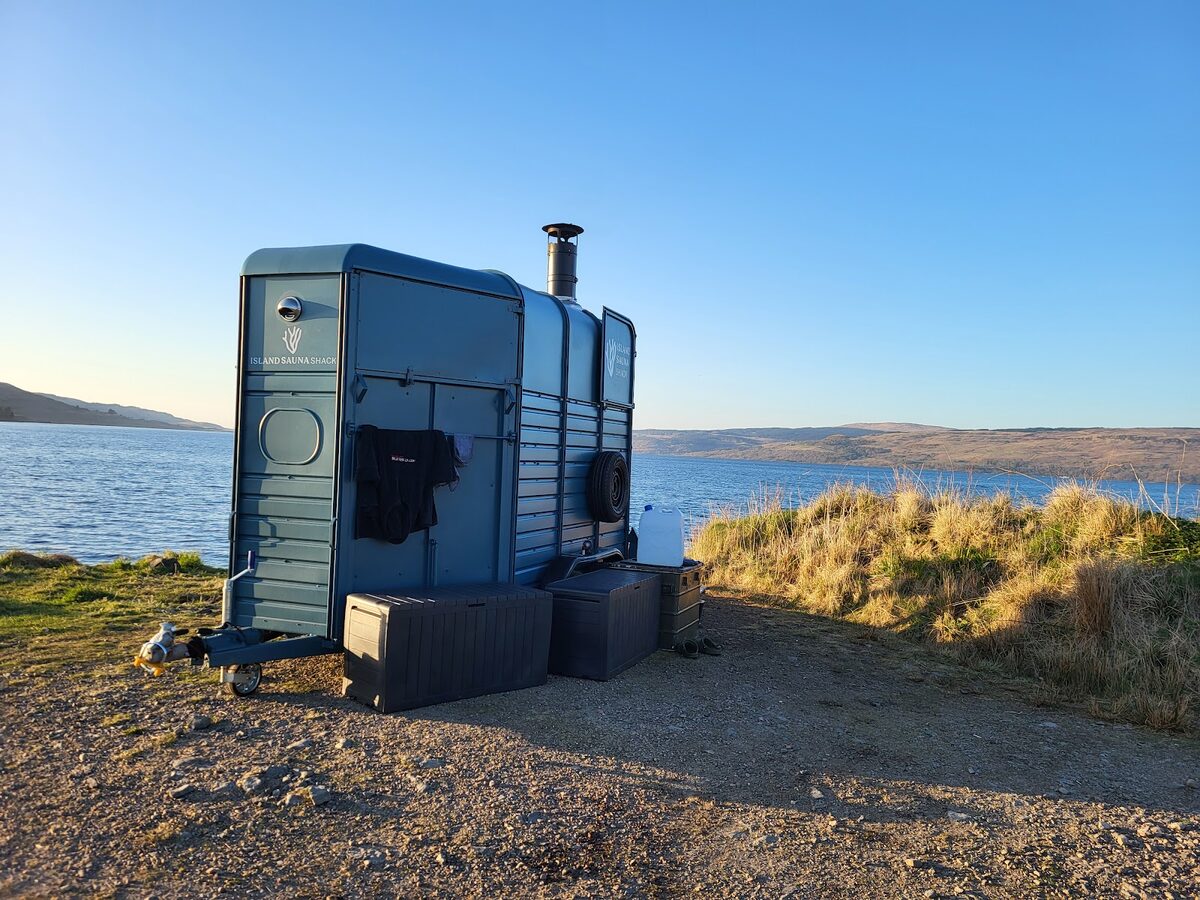
Saunas on the shore.

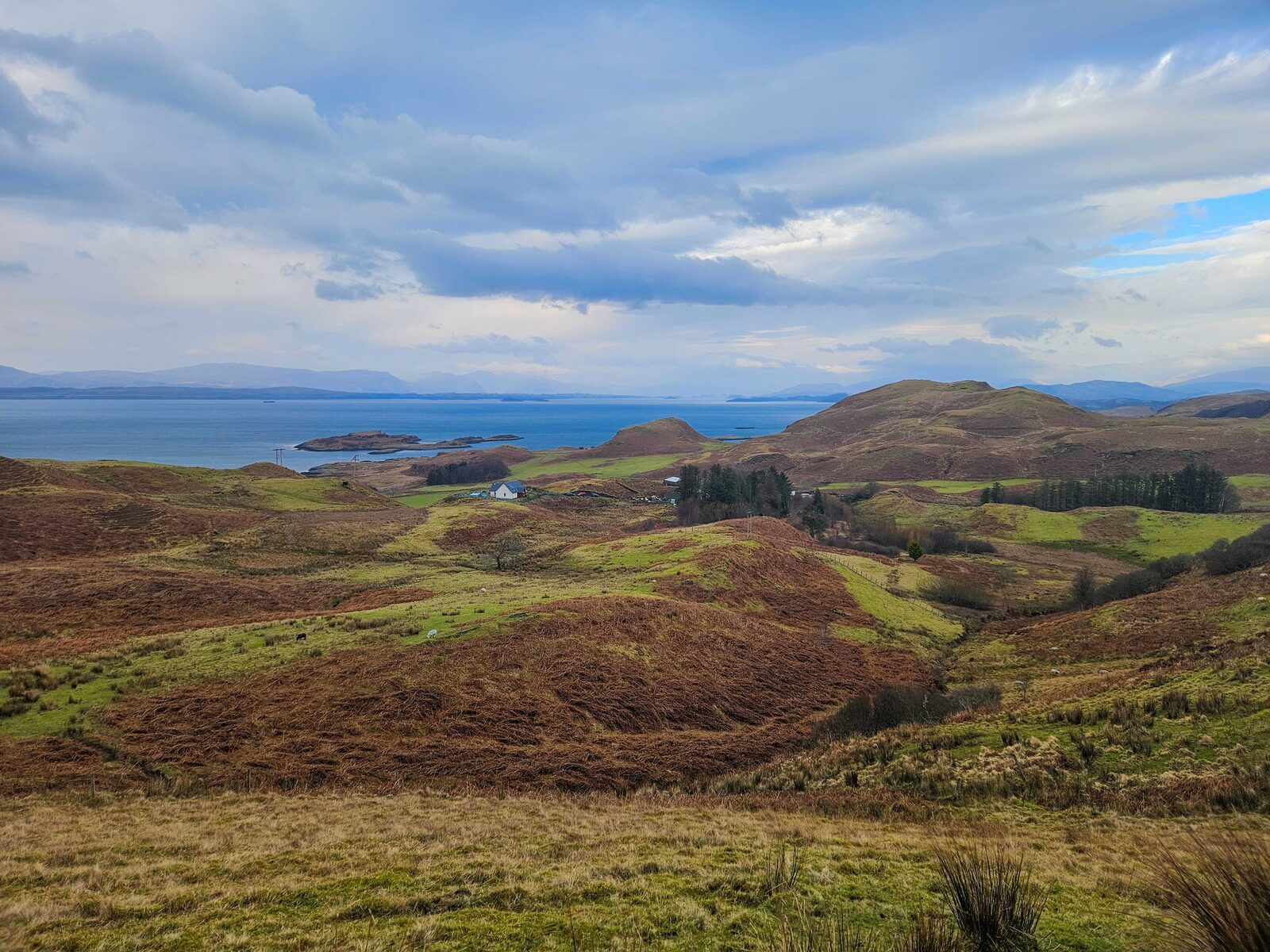
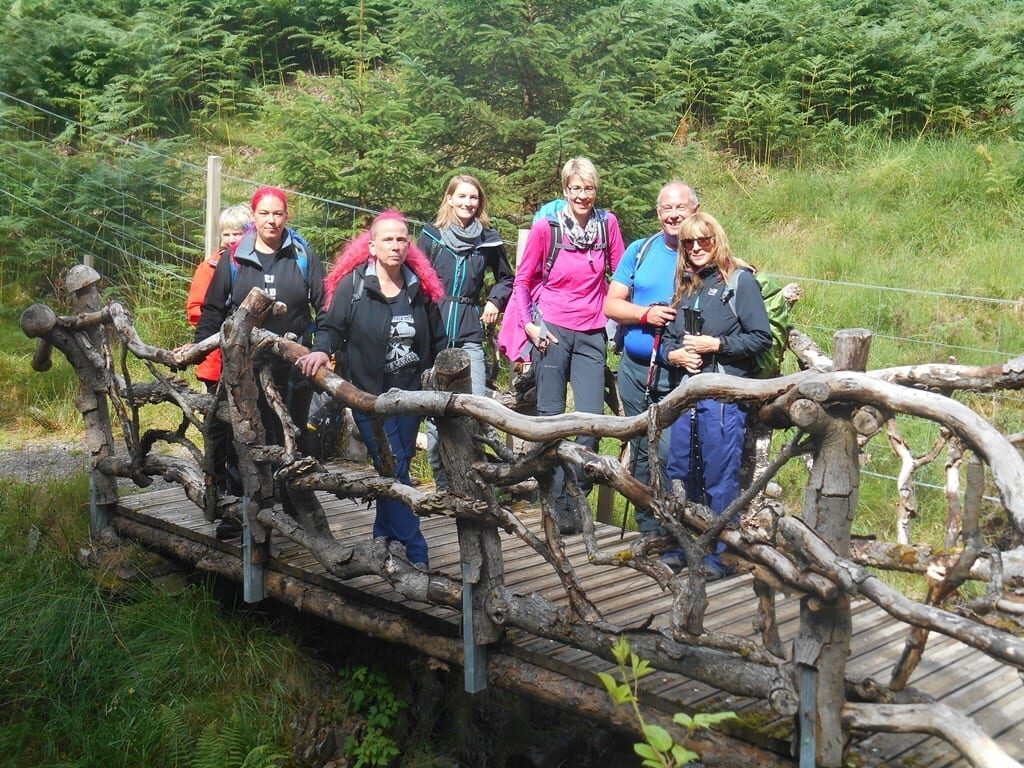
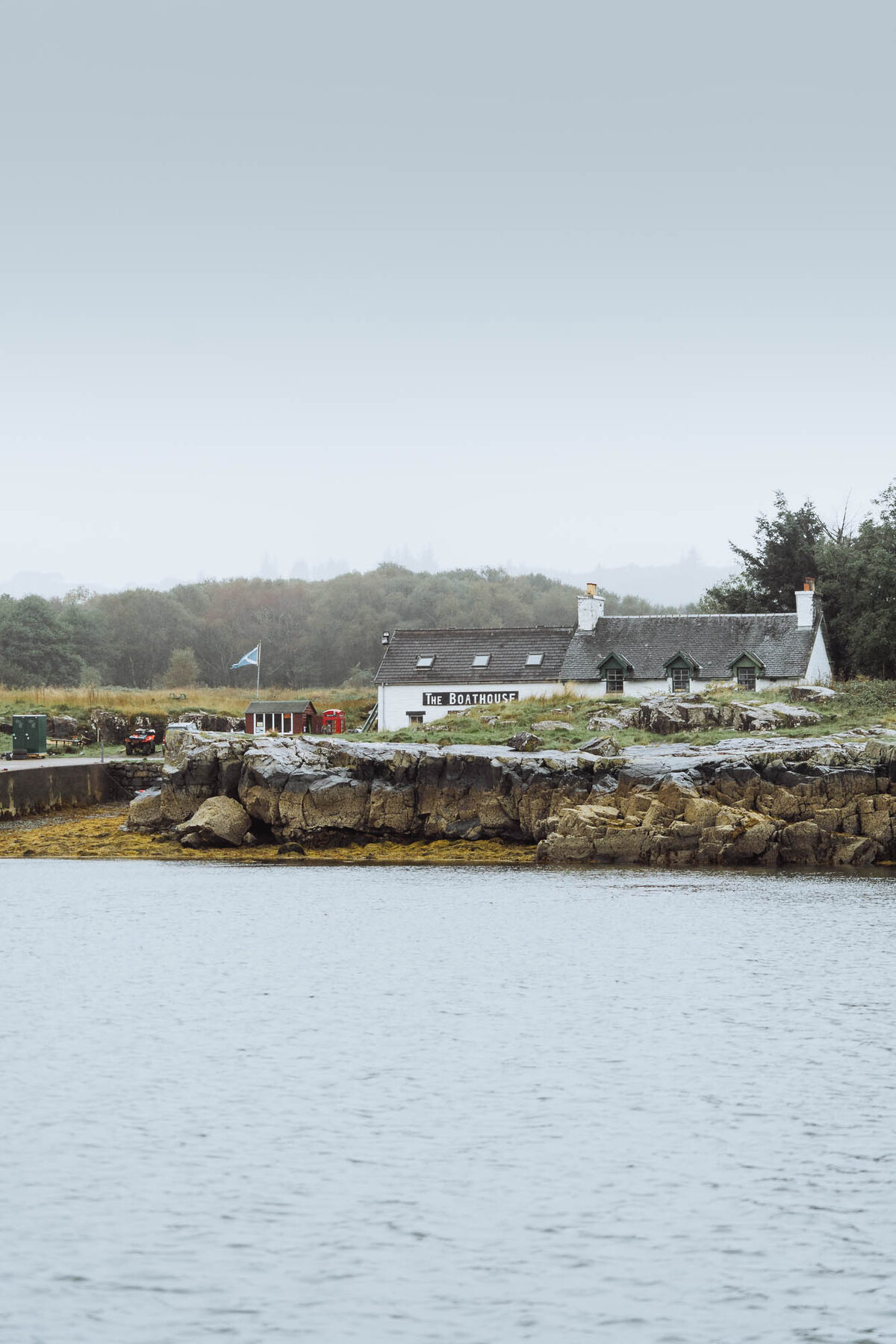
There's plenty to do in Argyll beyond the castles. Sit in a wood-fired sauna in a converted horsebox on the shore of Jura or Mull, hire a kayak or paddleboard on Salen Bay, or take a boat to a remote island where puffins nest. On Jura, an islander will guide you on walks from the shore to the hills. There are long walks and short ones too. Whatever the weather, you'll find something.
From the magazine20 hours agoThe printed copy of Issue 01Issue 01Autumn / Winter 2020

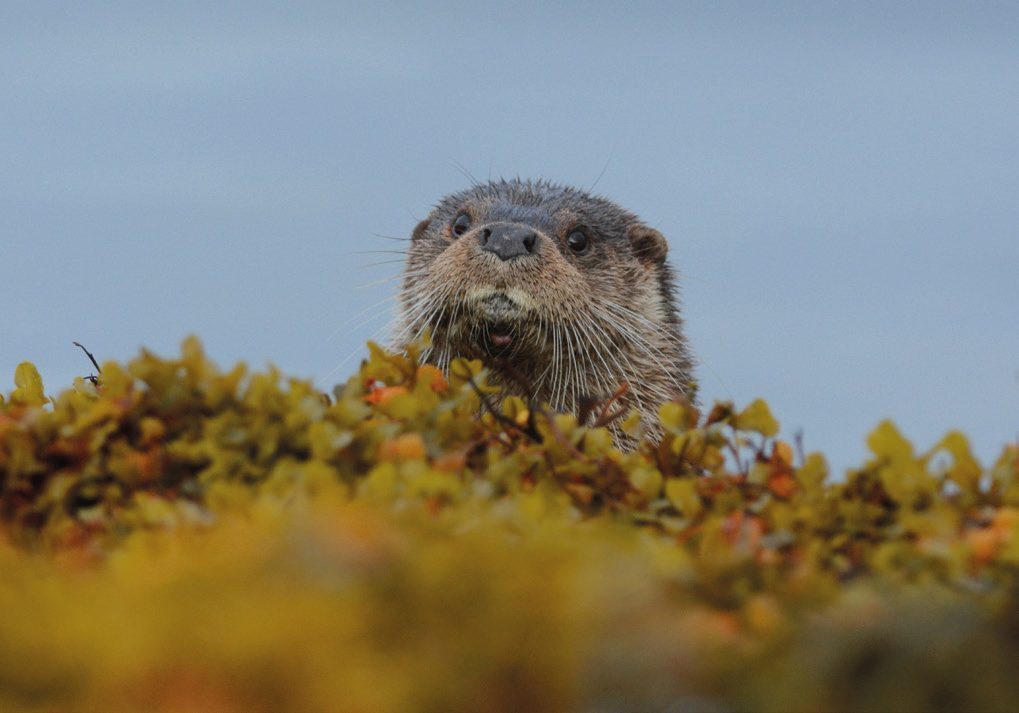
Winter is one of the best times to see otters on the Isle of Mull, because the icy sea means they have to hunt for much of the day.

Otters are shy and mostly nocturnal, and despite a successful comeback they are still an uncommon sight on mainland rivers. Along Mull's coast in winter, though, the cold water means they must hunt for large parts of the day just to keep up their energy, which gives visitors a good chance of seeing them. They may look cute and cuddly, but they bring big prey ashore: crabs, fish, octopus and even lobster. They eat the best bits quickly and leave the scraps for the gulls and hooded crows. Ferries to Mull sail from Oban, Lochaline and Kilchoan, and the most direct, from Oban, takes around 45 minutes.

Read the full story in Issue 01
Did you know19 hours agoGraeme JohncockWritten byGraeme JohncockRead Graeme’s piece

Graeme Johncock, who travels Scotland for our series, says few people make the short crossing from Oban to the island of Kerrera, in Argyll.

‘Just a five minute drive from Oban, then a five minute ferry, took me to Kerrera. This tiny island is in full view of the busy west coast town, but few people make the effort to visit. It’s a world away from the town, and with no visitor cars allowed, it’s a great place to walk.’

Graeme JohncockWritten byGraeme JohncockRead Graeme’s pieceSee Isle of Kerrera · Argyll and Bute
From the magazine18 hours agoThe printed copy of Issue 12Issue 12Spring / Summer 2026

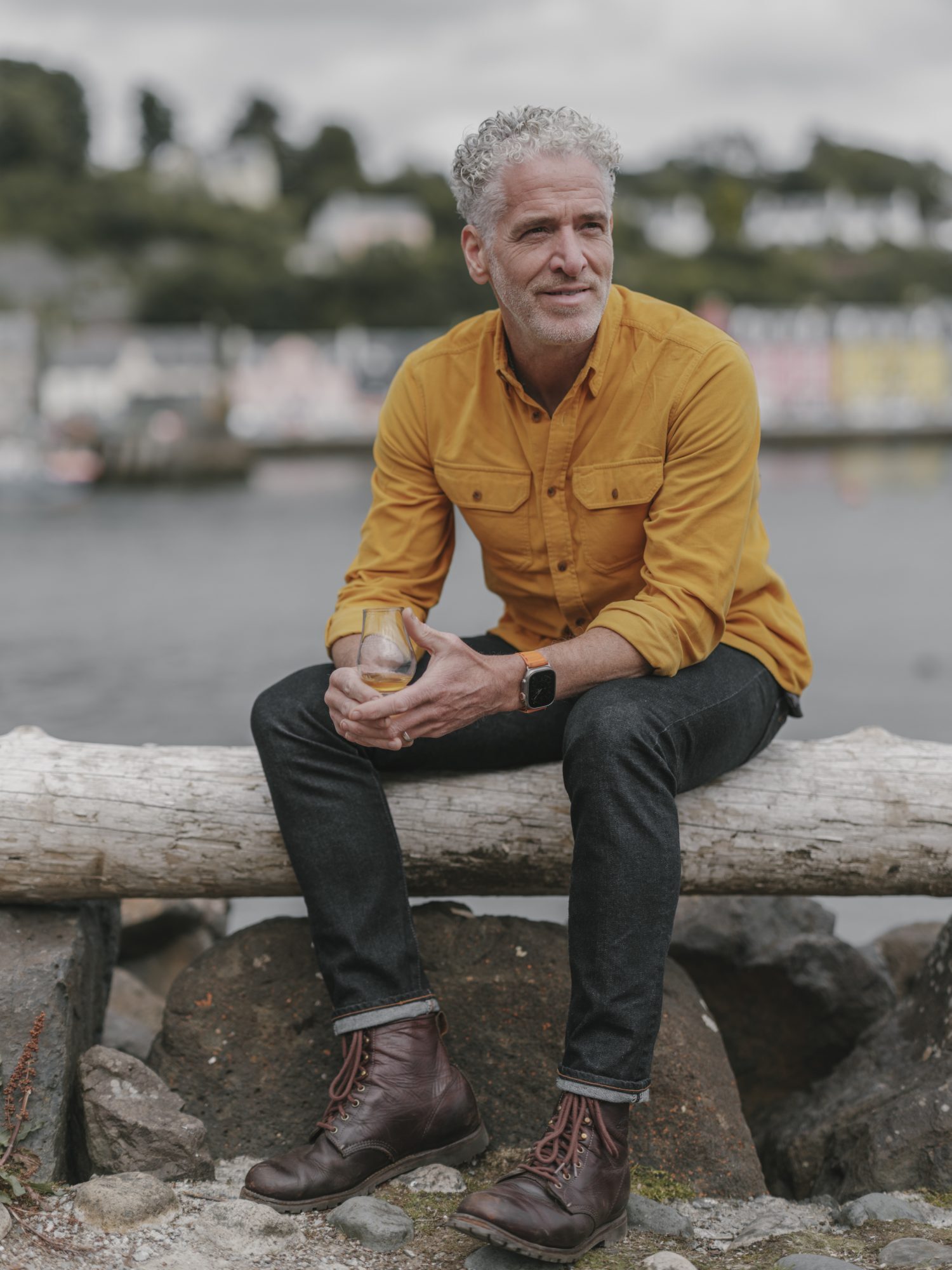
Gordon Buchanan, the wildlife film-maker who grew up on the Isle of Mull, says that home, for him, means mountains on the horizon and the sea in the foreground.

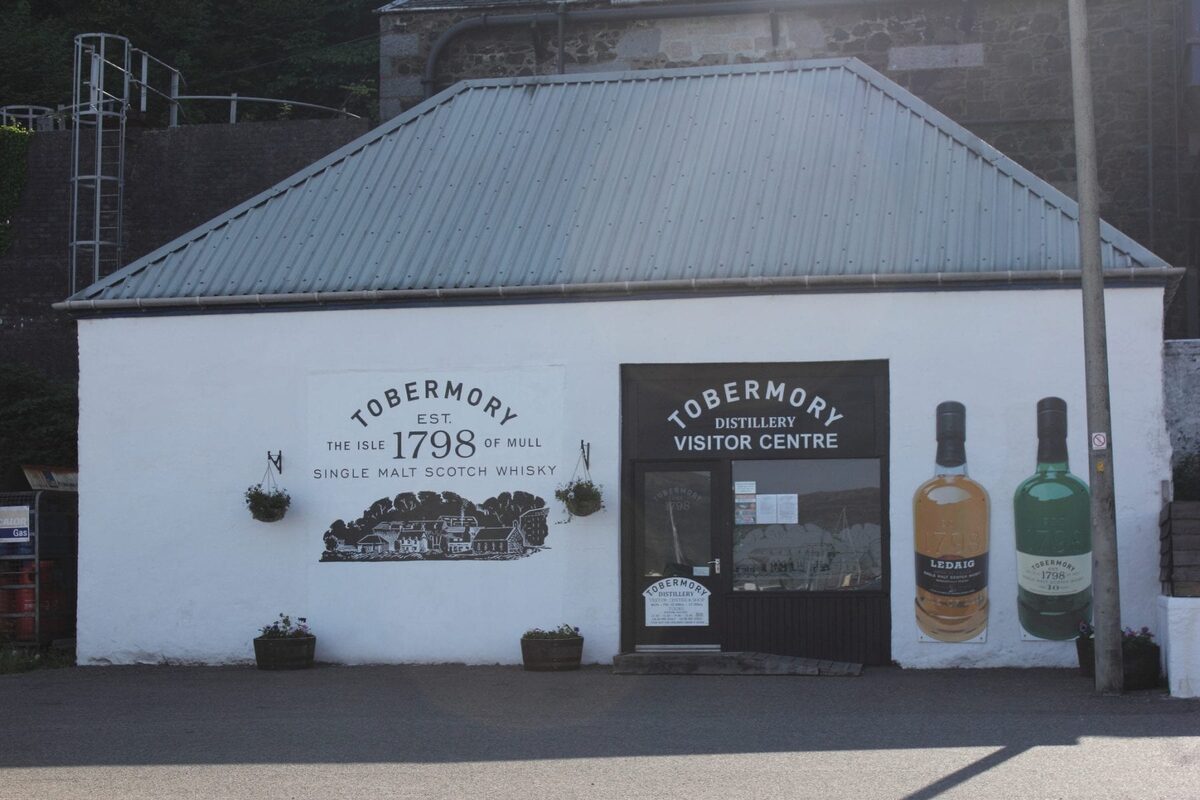
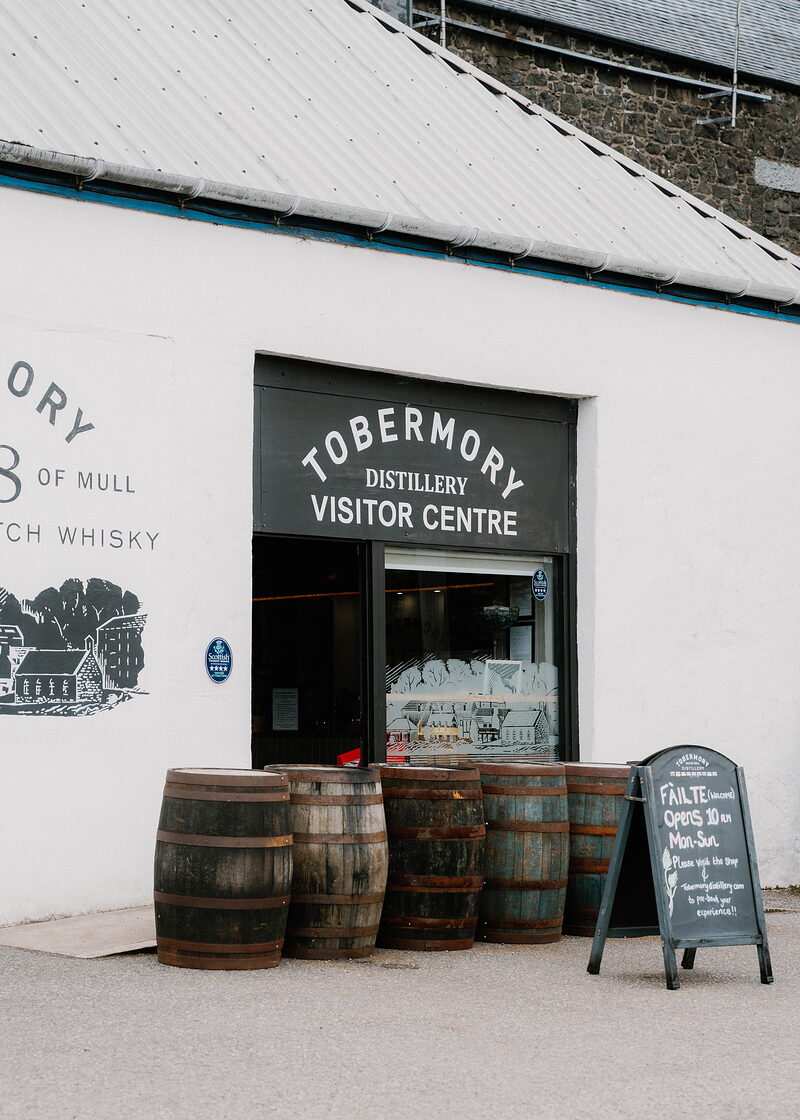
On Mull he felt more at home outdoors than in, going out on boats, climbing trees and climbing cliffs. 'I never feel completely at home if there isn’t a mountain or the ocean in sight'. As a boy he would walk down the main street in Tobermory to see which boats had come in, then go beachcombing, look in rockpools and scour the shoreline for whatever had washed up. The sea, he says, connects you to the rest of the world. Today he lives in the West End of Glasgow, the city where he has raised his children, and he loves walking into town.

Read the full story in Issue 12
From the magazine17 hours agoThe printed copy of Issue 01Issue 01Autumn / Winter 2020

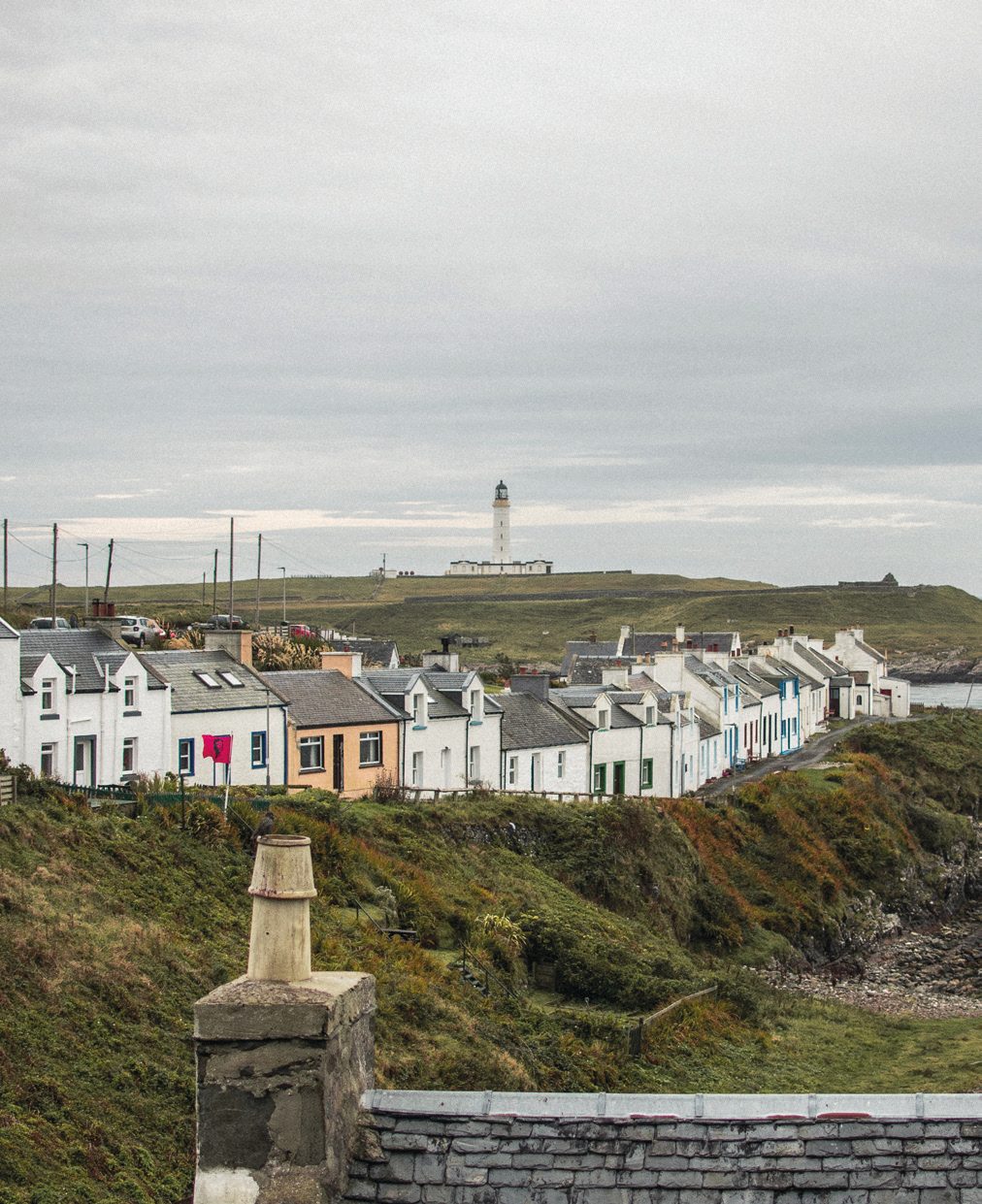
At Portnahaven, a village at the south-western tip of the Isle of Islay, seals clamber onto the rocks to sunbathe when the tide is right.

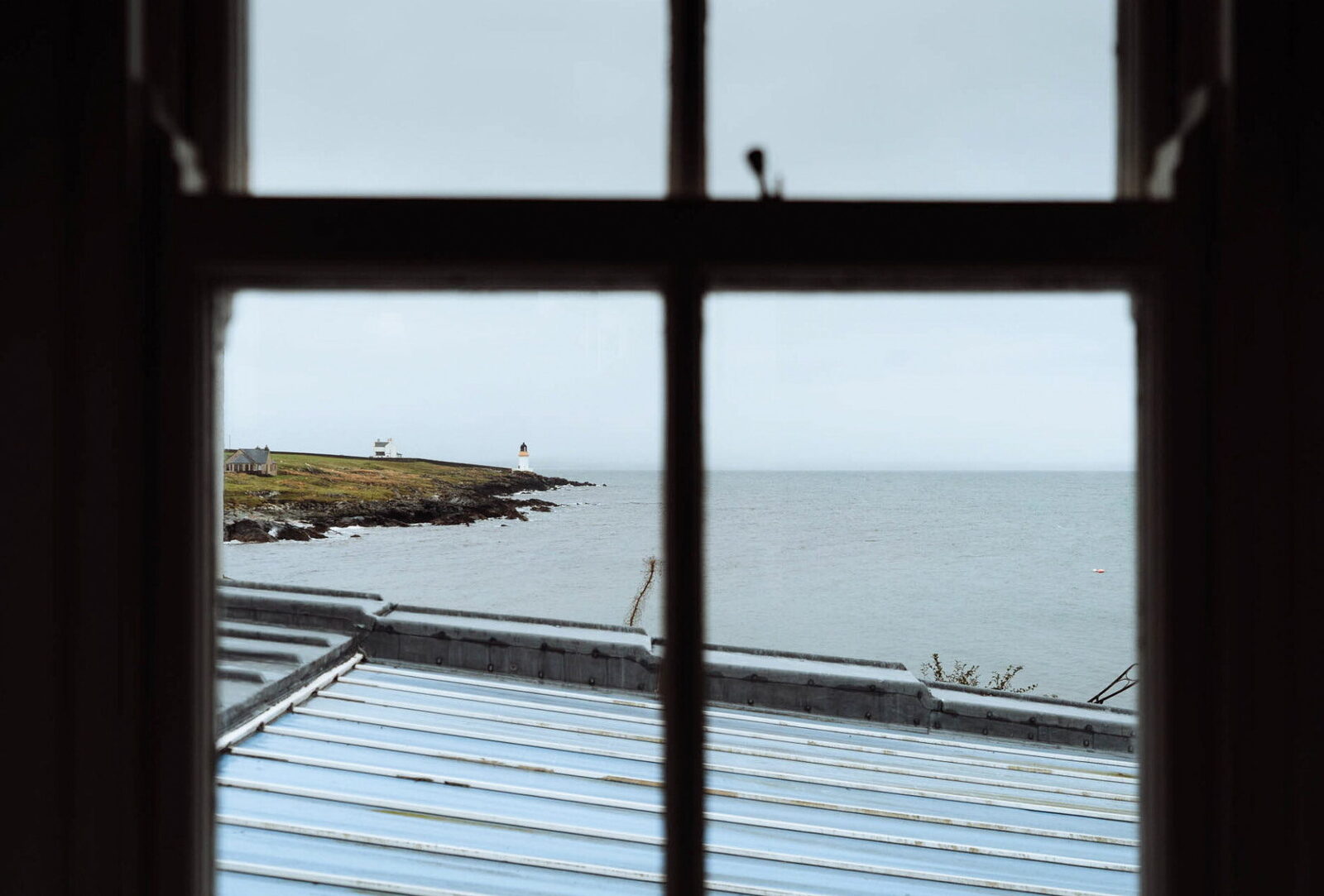
The village sits at the end of a single-track road on the Rhinns of Islay, its whitewashed cottages teetering on the rocky shoreline, and the gentle drive is well worth it. Just offshore, the island of Orsay shelters the bay, and its Rhinns lighthouse, built in 1825, can be seen from 25 miles away. A short journey on brings you to Frenchman's Rocks, three sea stacks named after a squadron of French ships that ran aground there after a battle with British frigates in 1760. Today they are a premier spot for birdwatching, above all in autumn, when gannets, petrels, auks and shearwaters can be seen.

See Portnahaven · Argyll and Bute
Quiz15 hours ago

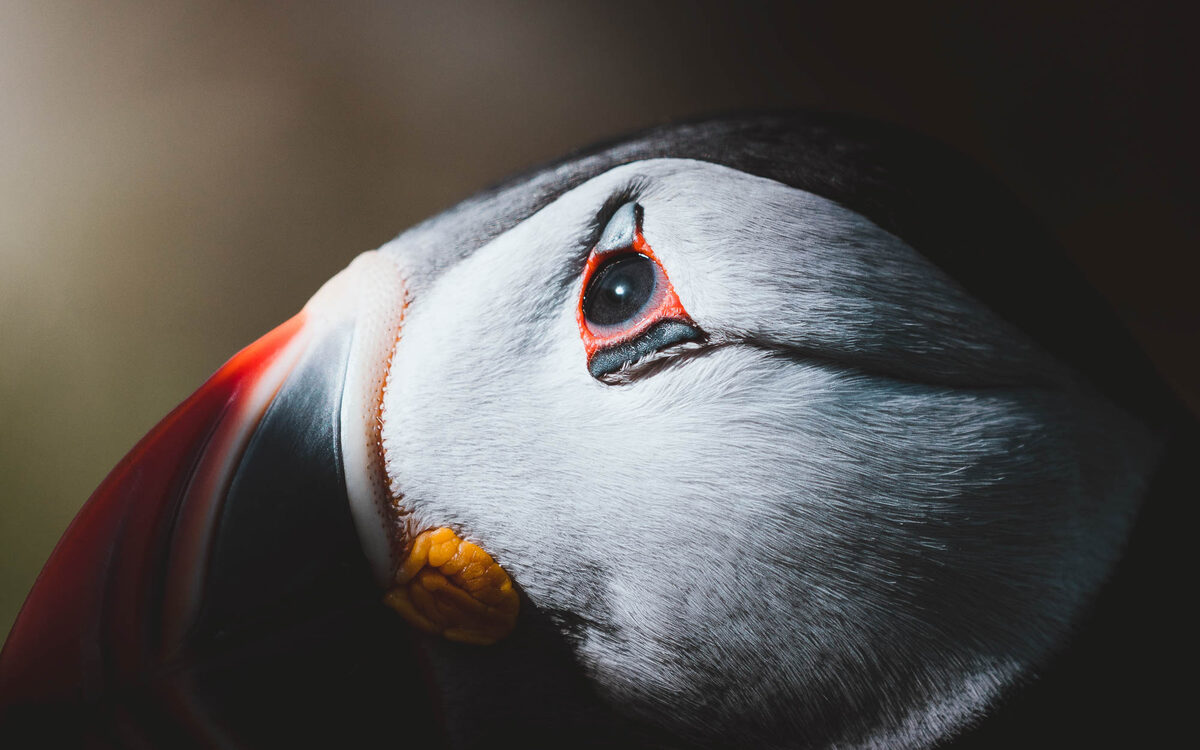
Puffins nest on the cliff top of Lunga, in the Treshnish Isles. What happens to their famous colourful beaks once the breeding season is over?

From the magazine14 hours agoThe printed copy of Issue 06Issue 06Spring / Summer 2023

After days of looking, the writer Ben Lerwill saw an Islay otter at dawn from the foot of the squat lighthouse north of Port Charlotte, on Loch Indaal.

Otters are notoriously hard to spot, and from a distance a rock, a diving cormorant or a seal's head can all make the heart skip. On his last morning on the island, Ben got up at 6.30am and went back to the spot where he had already spent hours with his binoculars. After about 20 minutes a silhouette skimmed past some fifty feet offshore. For the next half-hour the otter fished its way through the sea loch, at times tremblingly close, and dragged something long and spiny onto a rock to eat. Even on the days with no otter, as he puts it, 'on a Scottish island, there’s no such thing as nothing'.

Read the full story in Issue 06