
An Interview with Gordon Buchanan
In this interview with Rosie Steer, wildlife film-maker and photographer Gordon Buchanan looks back on close encounters in the wild, his upbringing on Mull, and the Scottish landscapes that continue to shape his life and work.
Interview with Rosie Morton // Photography: Grant Anderson
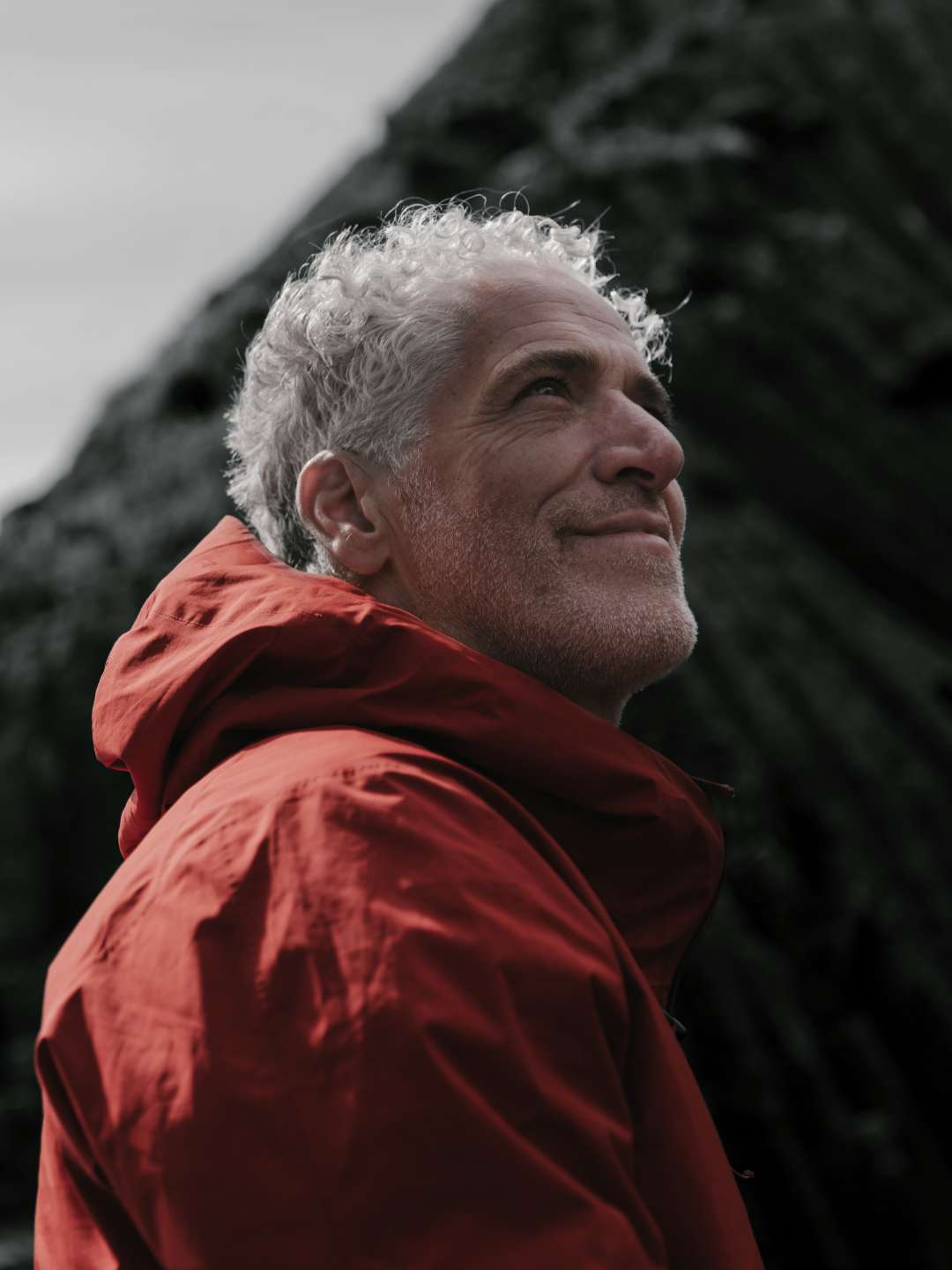
As I sit speaking with Gordon Buchanan, an old adage springs to mind: ‘You can take the man out of Scotland, but you can’t take Scotland out of the man.’
Of course, the passport of this renowned wildlife film-maker and photographer tells of adventures in far-flung places, each stamp serving as a reminder of extraordinary encounters with grizzlies, being chased down by lions or coming face-to-face with hungry polar bears. Yet for all the miles travelled, Gordon’s heart remains firmly rooted in Scotland. His is a tale shaped by Caledonian mountains, West Coast seascapes and Scottish pine martens, wildcats and capercaillie.
Gordon spent his formative years enveloped by nature on the Isle of Mull. It was here he learned that the natural world, given time and space, would tell better stories than any documentary script ever could. His words are a reminder of the power of patience and quietude – of stepping into the wilderness, slowing down and revelling in the beauty of the place we call home.
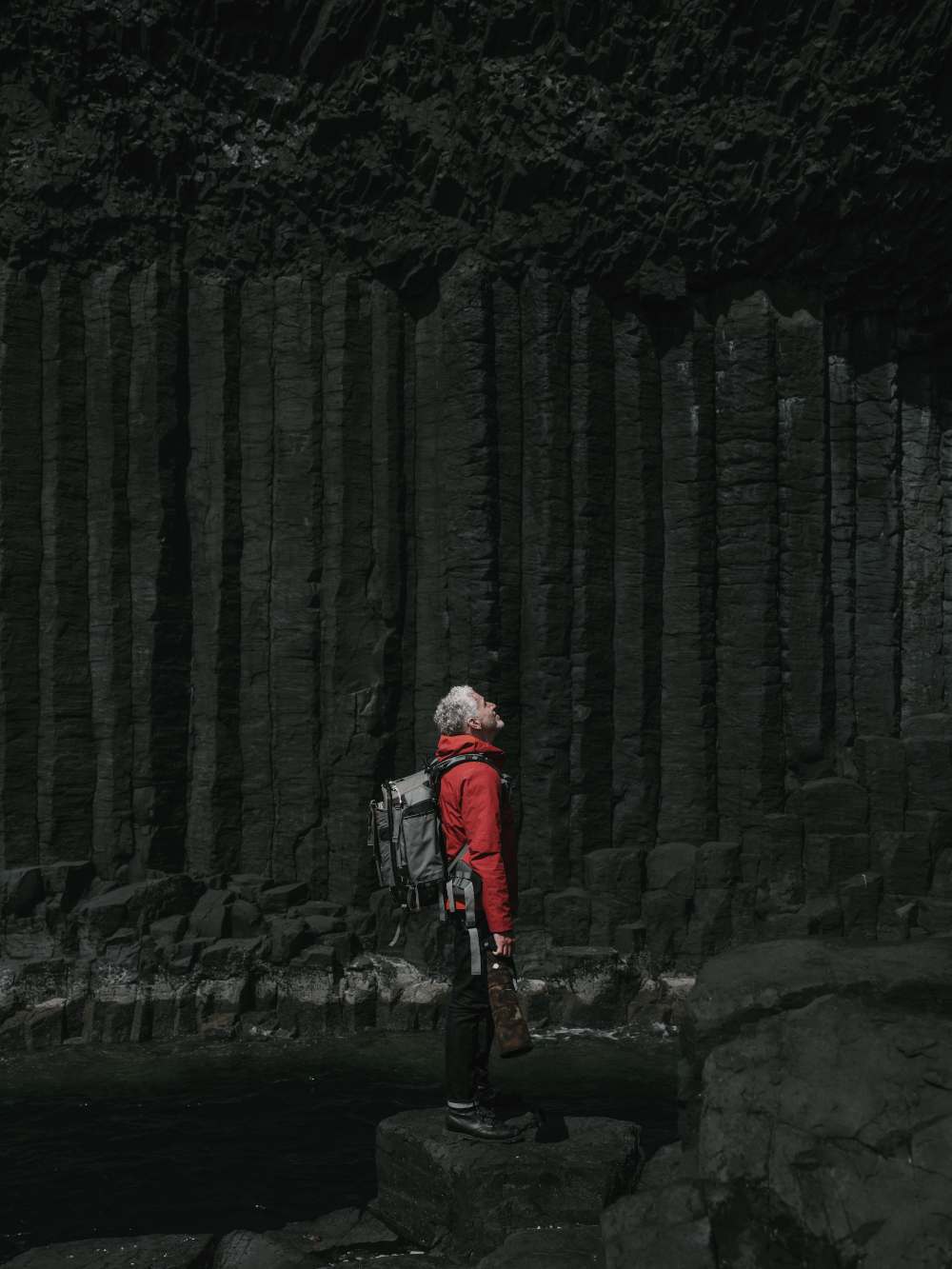
'I was back up on Mull a few times recently and even in places that I’ve known all my life, I still have this sense that I’m seeing them for the first time.'
You moved from Dumbarton to Mull when you were very young. What was it like spending your formative years in that rural environment?
The level of freedom growing up in a rural community was brilliant. We lived in Dumbarton on a housing estate until I was seven, so although we did have quite a lot of freedom there, there was always the worry for my mum that we would get ourselves into trouble. The reality was that on Mull there was probably a lot more trouble you could get yourself into! Going out on boats, climbing trees, building swings, climbing cliffs… The outdoors was my place. I felt more at home outside than I did inside.
We lived in a caravan for the first couple of years when we moved to Mull. It was a nice place to sleep and to come back to for your tea, but I felt very claustrophobic – not because it was a caravan, but because being indoors was comparatively really boring.
What was the first experience as a youngster that made you want to pursue a career in wildlife filmmaking?
As a youngster, I never went out looking for wildlife as such. The outdoors was just a gateway to exploring, having adventures and having a really immersive experience – whether that was climbing a tree, building a hut or looking for newts, frogs and birds’ nests. It wasn’t until I was 17 and I met a wildlife film-maker that I suddenly thought, ‘That’s the job for me.’
The job found me more than anything. I was lucky to be in the right place at the right time. It was with Nick Gordon. I worked for his wife, Anne. They had a restaurant and I was washing pots and pans there. I didn’t think Nick was ever going to offer a 17-year-old Tobermory High School pupil with limited academic prospects a job, but that’s what he did.
Where did Nick take you first?
We went to Sierra Leone for a year and a half. I had never travelled abroad before and had never been on a plane. As soon as I got my passport, I packed in school and off we went. We lived on an uninhabited island in the middle of the rainforest.
It was a huge opportunity, but it was really tough, too. It was incredible as far as experiences go, but it was all set against this backdrop of abject homesickness. I felt so cut off. Well, I was cut off from everyone and everything I knew.
What did you miss about Scotland at that point?
I missed that sense of community – my immediate family and friends. And I missed the weather. For the first few months, it didn’t rain at all. Unless there’s some sort of summer heatwave in Scotland, rain is just part of life. I missed the seasonality of Scotland and how it changes. In Sierra Leone there are the dry and rainy seasons, but it’s hot and steamy all the time.
You go to incredible far-flung locations across the globe with your work. When you’re on your way back home to Scotland, what are you most looking forward to?
I really miss the mountains and the ocean. Growing up on the West Coast, your horizon is mountains and your immediate foreground is the sea. I never feel completely at home if there isn’t a mountain or the ocean in sight.
There’s just something about the ocean. You know that it connects you to the rest of the world, especially in a busy fishing port or a port where boats come and go and yachts or big naval ships or cruise ships come in.
I used to walk down the main street in Tobermory and check out what boats showed up. I’d go beachcombing, look in rockpools, but also just scour the shoreline to see what had washed up. I really liked that connectedness.
Apart from Mull, where is the place in Scotland that is closest to your heart?
Glasgow. If you’d told me when I was 15 years old – when I was first starting to get to know Glasgow – that I would one day be living in that city, I’d have said, ‘What went wrong?!’ I was really intimidated by Glasgow.
But now I really do love Glasgow. I like my relationship with it. It was the last place I ever expected to move to, but it’s the place we have raised our kids. It’s a funny city: the people are very real and there’s very little pretence. It is a friendly city. It is beautiful as well, architecturally. I’m really proud of Glasgow. In a big way, it feels like home now.
If you have a day off, how do you spend a day in Glasgow?
We live in the West End and I love walking into town. It takes me back. When I was in Sierra Leone, all my mates went to Glasgow to study at college or university there and because we didn’t have any money there was no way we’d ever get a taxi or the tube or any form of public transport – unless we were going to Oban for the day – so we’d walk everywhere.
So now just walking in Glasgow, taking a nice route through the West End into town and having a wander round before walking home is what I do. I love time in nature and watching a wild world, but I suppose I don’t draw any distinction between an urban environment and a wilder environment. I like people-watching – it’s one of my favourite things to do. I will watch both people and animals gladly.
When you live somewhere as beautiful as Scotland, it’s easy to take it for granted. Does Scotland still surprise you?
It definitely does. I’m very lucky that I get to see different parts of the world, but I’m no more excited about going to film somewhere like Kenya than I am about filming somewhere like Shetland. I never take Scottish scenery for granted.
I was back up on Mull a few times recently and even in places that I’ve known all my life, I still have this sense that I’m seeing them for the first time. The light, the weather – I could never grow tired of Scottish scenery.
Scottish wildlife too – some of the best encounters I’ve had with any animal have been in Scotland. I’ve been swimming with basking sharks here and the best bottlenose dolphin encounter of my whole career was just round the corner from Tobermory.
I’ve had amazing days out in the Cairngorms and phenomenal adventures in the mountains above Glencoe. I would one hundred per cent say that my most memorable adventures have been in Scotland.
What’s the most elusive species you’ve spotted in Scotland?
I’ve captured Scottish wildcats on camera traps, but I’ve never conclusively seen one in the wild with my own eyes. I also spent a year and a half living between Kingussie and Newtonmore, doing three half-hour wildlife documentaries up there and in the whole time that I was there, I didn’t see a single pine marten. That was in the heartland of pine martens! But funnily enough since then, because their numbers have really bounced back in the last 30 years, I’ve seen pine martens just on the edge of Glasgow. I’ve seen pine martens just south of Crianlarich as well. But for something that was elusive, it has never been easier to see pine martens in Scotland than it is now. It’s not going to be too long before people have pine martens at their feeders in Glasgow.
What about capercaillie? Have you ever been lucky enough to spot them lekking?
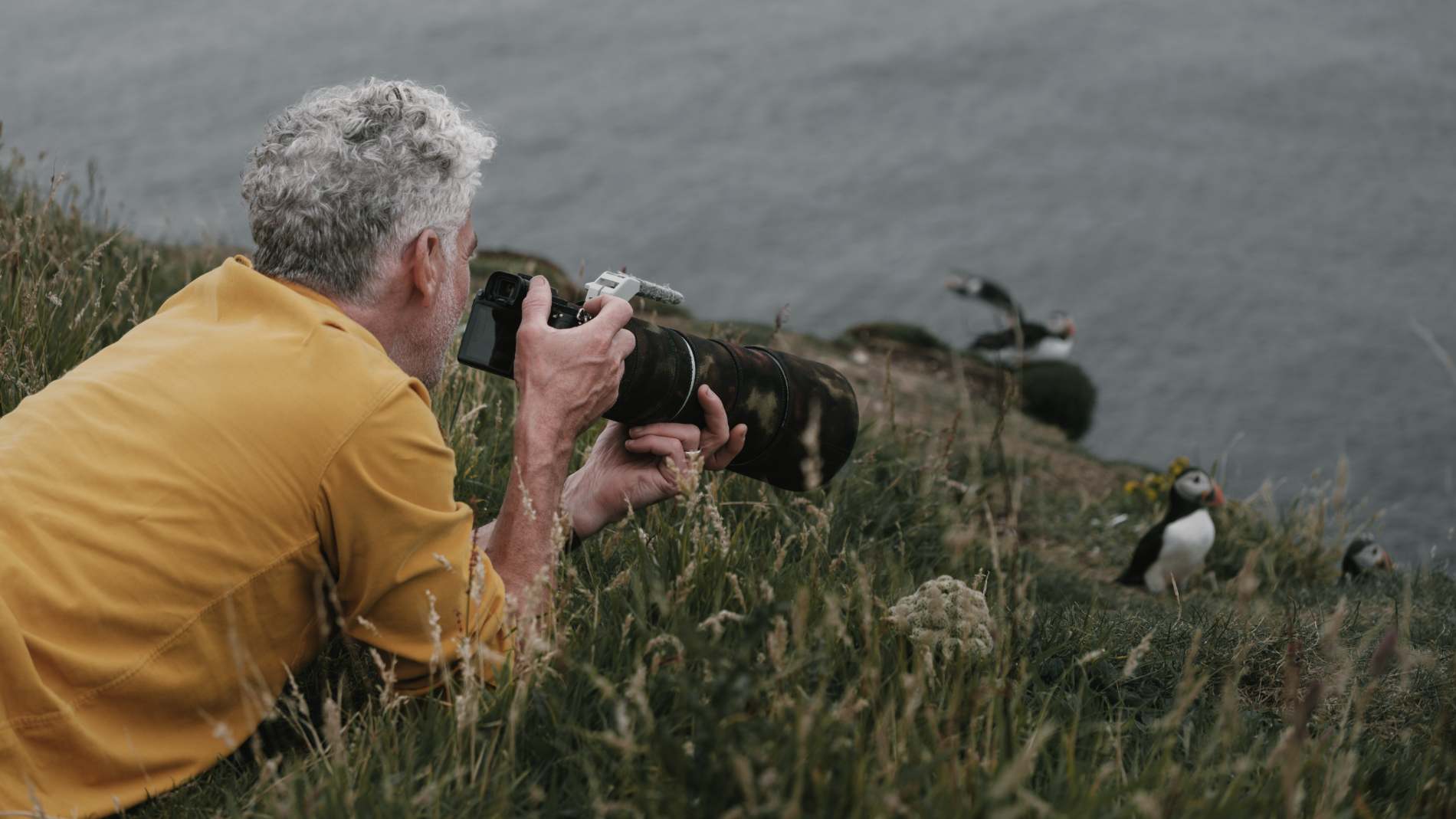
That’s one of my favourite times: sitting in a hide waiting for an animal. I was up in Abernethy Forest filming capercaillie. It was the end of the winter, the start of spring, when the capercaillie start lekking. If you’re in those forests and you’ve slept the whole night in a little hide in the woods which are blanketed in snow, then wake up to the bizarre call of a male capercaillie as the light comes up and they’re right there in front of you – these huge,turkey-sized birds – that is really hard to beat.
Just the thought of seeing such an impressive bird makes the hair stand up on the back of my neck.
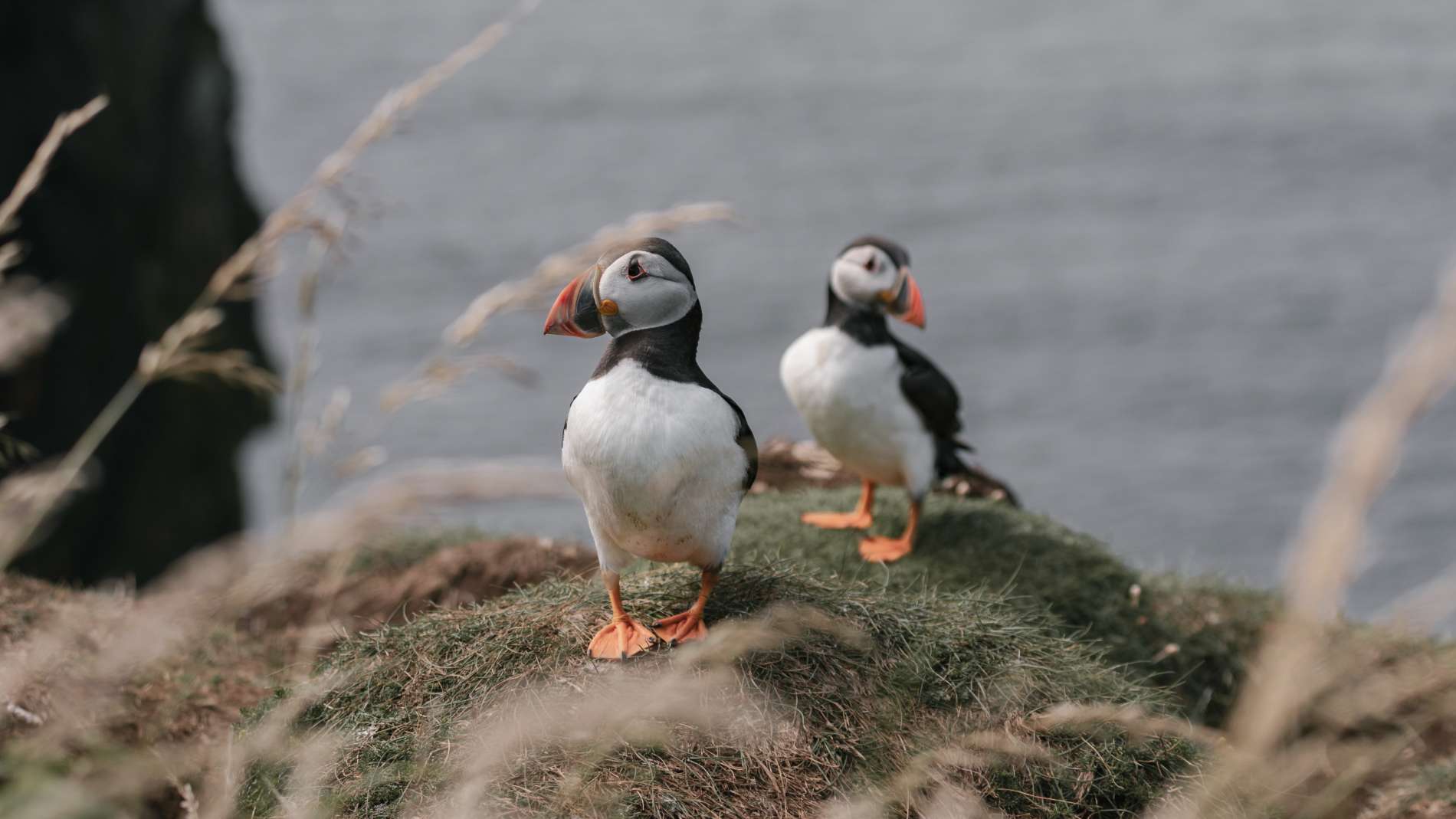
Those moments stick with you forever, as do the landscapes you find them in. What inspires you to keep exploring these places?
It’s good for your physical and mental health to be in green spaces, but also to be challenged. I like a day in the mountains where you really have to work for a view – whether you’re climbing a Munro or getting up onto the hills and being rewarded with an amazing view.
Also, I just like the simplicity of being in those landscapes and environments. My daughter Lola and I did three days of the West Highland Way and we didn’t really do that much talking. We chatted a bit and in the evening we’d blether, but on the walk itself we were mostly just in company and walking in silence with our own thoughts. I love that. I find that really calming and peaceful. In that type of landscape, I feel really content. Life is simple. The mission is to walk 15 or 20 miles from A to B – that’s it. Or if you’re doing something a bit more challenging, all you’re doing is climbing this mountain, walking that bridge and then you can get back to the car and enjoy a pint in the evening. Or maybe a couple of pints…
You’ve scaled plenty of mountains in your time. What has been your favourite?
I fulfilled a lifetime ambition last year. You know Curved Ridge on Buachaille Etive Mòr? I had always wanted to climb that. I had climbed the North Buttress with a mountaineering friend of mine and he said, “Well, Curved Ridge is a piece of cake compared to this.” So buoyed by my confidence, I said, “I’ll take my mates up Curved Ridge!” He said, “That’s fine, you just have to be really careful that you get the right route.”
I got all the safety equipment that we needed and looked properly prepared and I gave my friends an equipment list. We were walking in with high levels of confidence, but we went wrong on the route fairly early on and then completely bottled it. We were going to get ourselves into trouble. It’s not a mountain climb; it’s just a very precipitous rock scramble. I thought, “No, we’re not scrambling, we’re mountaineering here. We’ve gone wrong.”
All three of us walked back and felt really defeated. But I said, “We’re going to do it but we need a guide to take us.” It was me and two male friends. We all have boys and girls, so we said to the kids, “Who wants to come?” The boys wanted to come so it was a daddy-son bonding experience. We got some guides to take us up and that was really cool. Visually it’s an impressive mountain, but to climb up the hard way was great. Doing it with friends and our sons meant that it was one of my favourite days out.
Apart from your family, who would be your dream travel companion, dead or alive?
I think someone I’d have a laugh with. I did a three-day shoot with Sara Cox. We were looking for wildlife and doing a bit of camping and we had such a laugh. She is such a clever, quick-witted and funny person. So probably her. She was good value. Especially if it’s uncomfortable, you’re camping and the conditions aren’t great, you want someone who’s going to make you laugh and she certainly did that.
What’s the one non-essential item you always take with you when travelling?
I always take coffee and I generally take whisky if I’m away for any length of time. I would say that whisky isn’t even a non-essential item. There have been expeditions that I’ve been on where at the end of the day you realise how essential a dram is. So I would say it’s actually part of the medical kit…
What is your fondest memory of Scotland?
When the kids were really young, we booked a little house up in Abernethy Forest. Letting them explore those big Caledonian forests was magical. For our Easter egg hunt, we had it in an old woodland and the kids were still believers in the Easter Bunny and fairies. Being able to introduce them to that was wonderful.
For more of Gordon’s story, his memoir 'In the Hide: How the Natural World Saved My Life' is well worth reading.
Promoted Post
Stormhouse
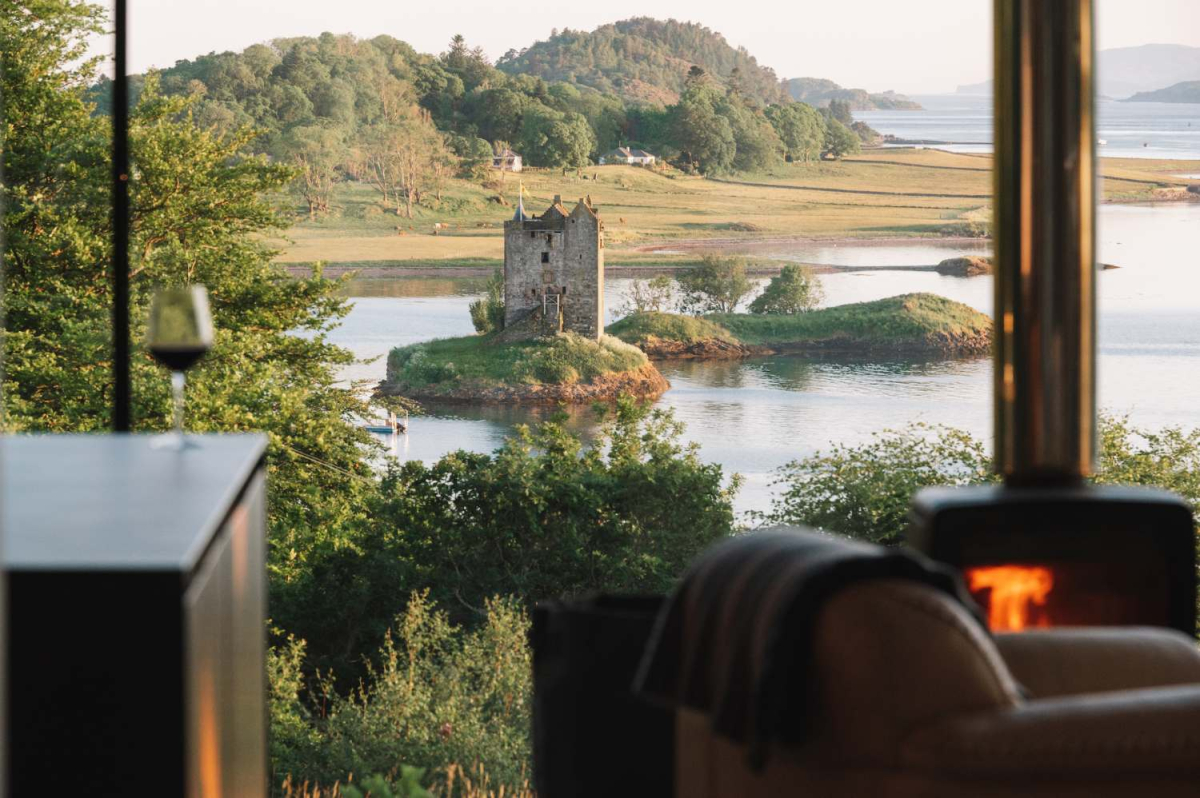
Escape to the wild, rugged landscape of Scotland’s west coast, perfectly located between mountain and sea





 Sign in with Google
 Sign in with Email